 Unearth The Voyage
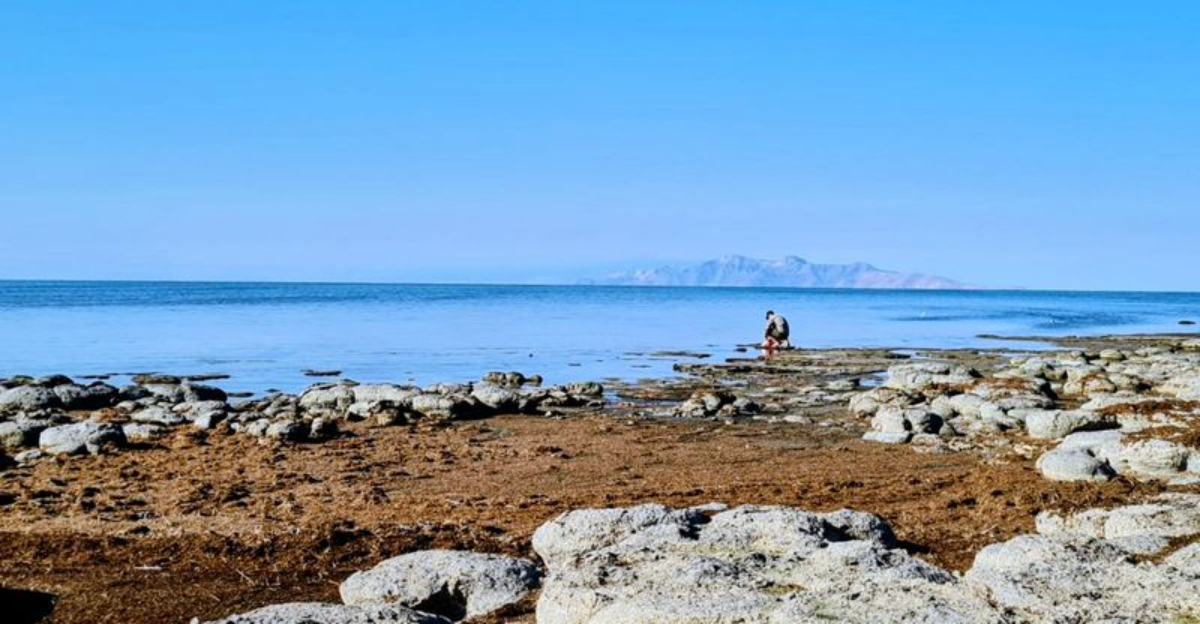
Some lakes are so massive and so cut off from the rest of the world that they have absolutely nowhere to drain. No rivers carry their water to the ocean, no canals connect them to the sea.
These remarkable bodies of water exist entirely on their own terms, shaped by evaporation, geography, and time. From ancient salt flats to mountain jewels, here are 15 of the largest lakes on Earth that are completely landlocked.
1. Caspian Sea
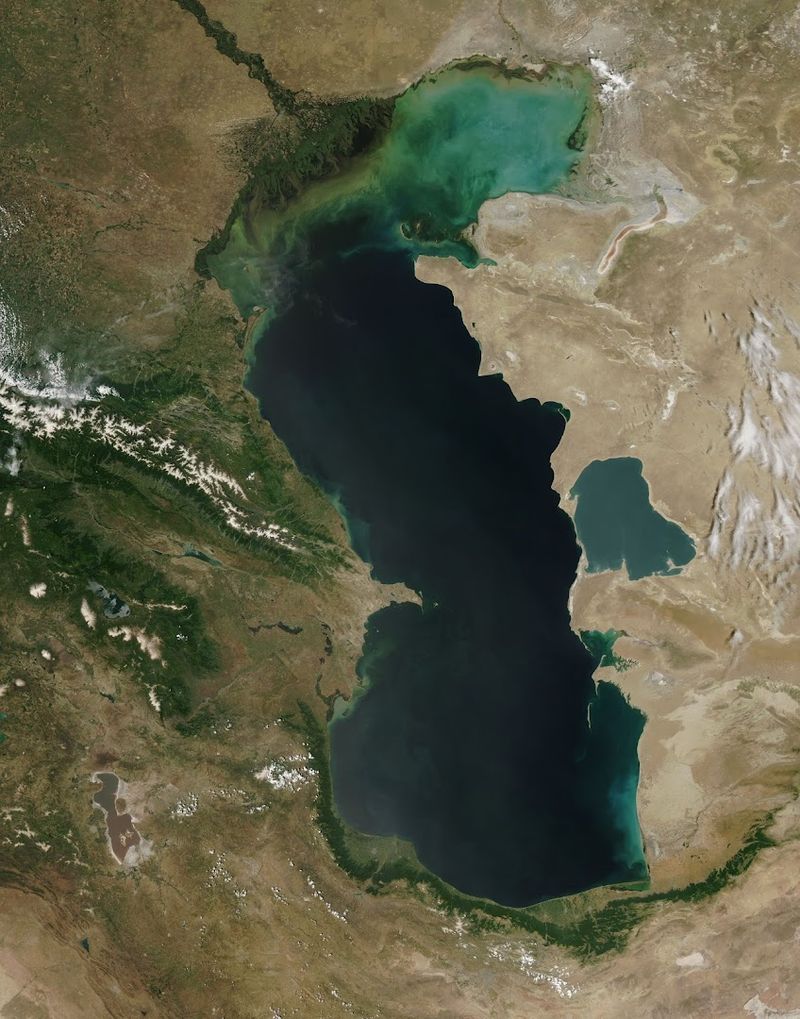
Calling it a lake almost feels like an insult. The Caspian Sea stretches across about 371,000 square kilometers, making it the largest enclosed body of water on Earth.
It sits between Europe and Asia, bordered by five countries: Russia, Kazakhstan, Turkmenistan, Iran, and Azerbaijan.
Despite its impressive size and the word “sea” in its name, the Caspian has no natural connection to any ocean. Its water level is controlled entirely by the rivers that flow into it and by evaporation.
The lake is saltwater, though less salty than the ocean, thanks to the massive Volga River constantly adding fresh water.
Scientists still debate whether to officially call it a lake or a sea. Politically, it matters a lot because different laws apply to lakes versus seas.
Either way, its sheer scale makes it one of the most fascinating water bodies on the planet.
2. Aral Sea
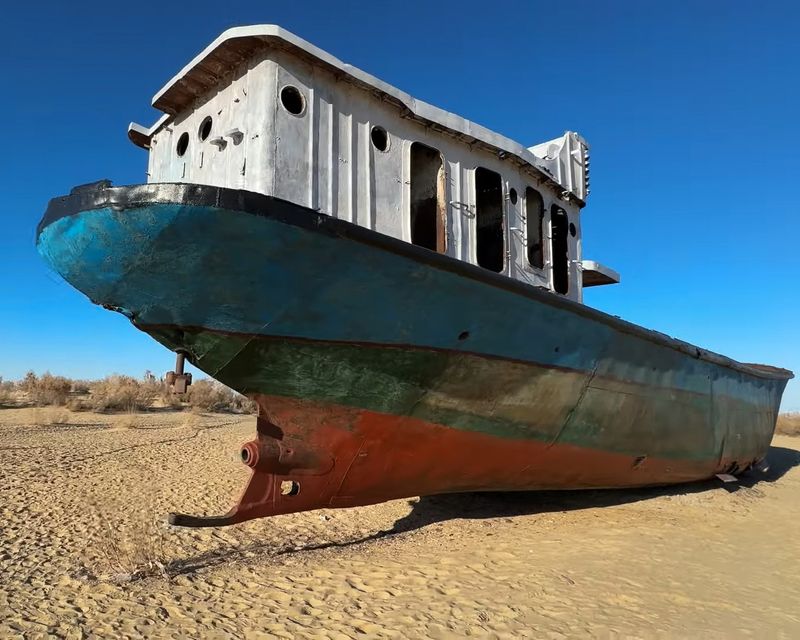
Rusting ships sit on cracked, dry earth where water once stretched for miles. The Aral Sea, located between Kazakhstan and Uzbekistan, was once the fourth-largest lake in the world.
In the 1960s, Soviet engineers diverted the rivers feeding it to irrigate cotton fields, and the consequences were devastating.
By the 2000s, the lake had shrunk to less than 10 percent of its original size. The fishing industry collapsed, regional weather patterns changed, and exposed lakebed turned into toxic dust storms that swept across nearby towns.
It became one of the worst environmental disasters in human history.
Small efforts to restore parts of the northern section have shown some progress, but the southern portion is essentially gone. The Aral Sea is a powerful reminder of what happens when humans interfere too aggressively with natural water systems.
Its story still shocks environmental scientists worldwide.
3. Lake Balkhash
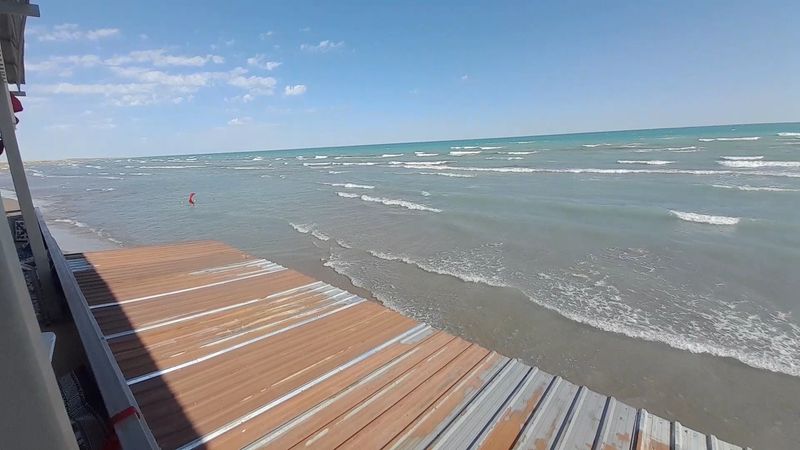
Lake Balkhash breaks the rules in the best possible way. Located in Kazakhstan, it is one of the only lakes in the world divided into two completely different water types.
The western half is fresh water, while the eastern half is salty. A narrow strait separates them, and they barely mix.
This unusual split happens because the Ili River pours fresh water into the western section, while the eastern section has no major inflow and loses water mainly through evaporation, concentrating its salt content. The lake covers about 16,400 square kilometers, making it one of the largest in Asia.
Like many landlocked lakes, Balkhash has been shrinking due to water diversion for agriculture. Scientists are keeping a close eye on it, worried it could follow the same path as the Aral Sea.
For now, it remains a fascinating natural oddity worth knowing about.
4. Lake Eyre (Kati Thanda)
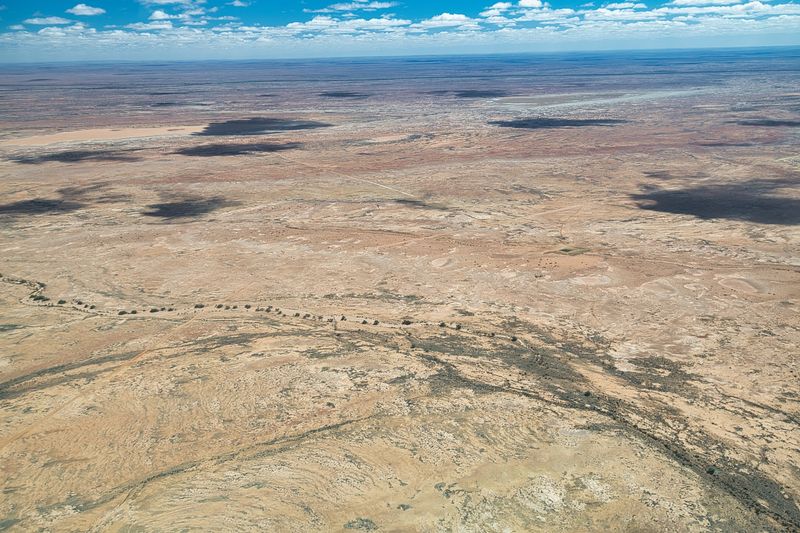
Most of the time, Lake Eyre looks like a giant, shimmering salt pan baking under the Australian sun. But every decade or so, heavy rains transform this dry desert basin into one of Australia’s largest lakes, covering up to 9,500 square kilometers with shallow, sparkling water.
Officially known as Kati Thanda-Lake Eyre, this South Australian lake sits about 15 meters below sea level, making it the lowest point on the continent. When it fills, it attracts thousands of migratory birds and triggers a spectacular explosion of life in the surrounding outback.
The transformation happens fast and feels almost magical.
Because the lake sits in one of the driest regions on Earth, evaporation quickly takes over once the rains stop. There is no river outlet, so every drop that enters either soaks into the ground or disappears into the desert air.
It is a lake that lives and dies on rainfall alone.
5. Lake Issyk-Kul
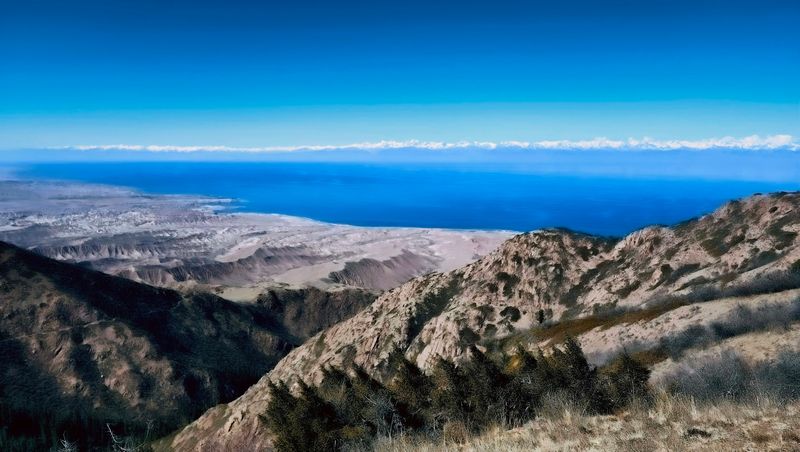
Tucked between the towering Tian Shan mountains of Kyrgyzstan, Lake Issyk-Kul is one of the deepest and most beautiful lakes in Central Asia. Its name means “warm lake” in the Kyrgyz language, and it earns that name every winter by never freezing, even though the surrounding peaks are covered in snow.
The lake sits at an elevation of about 1,600 meters and covers roughly 6,200 square kilometers. It is fed by over 80 rivers and streams, but none carry water out.
All outflow happens through evaporation, keeping the water slightly salty despite the constant freshwater input.
Issyk-Kul has been a crossroads of civilization for thousands of years. Ancient artifacts, including Bronze Age settlements, have been discovered beneath its surface.
Today, it is a popular tourist destination in Central Asia, drawing visitors with its crystal-clear water, mountain scenery, and warm local hospitality year-round.
6. Lake Qinghai
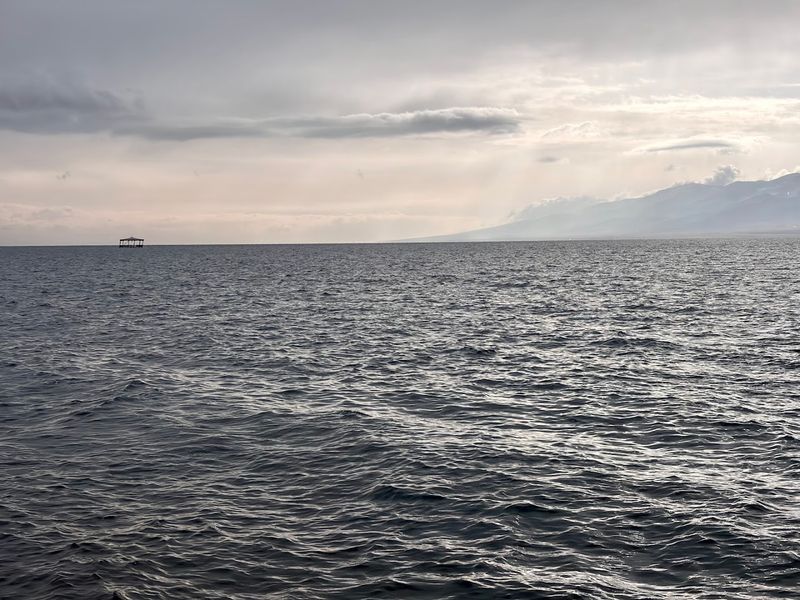
China’s largest lake sits quietly on the northeastern edge of the Tibetan Plateau, at an elevation of about 3,200 meters above sea level. Lake Qinghai covers roughly 4,400 square kilometers and is surrounded by wide-open grasslands, making it feel like the sky and water are the only things in the world.
The lake is saline because it has no outlet. Rivers bring fresh water in, but evaporation is the only way water leaves, slowly concentrating the minerals and salts over thousands of years.
Despite its saltiness, the lake supports an impressive variety of wildlife, including rare black-necked cranes and bar-headed geese that use it as a migration stopover.
Lake Qinghai holds deep cultural significance for both Tibetan and Mongolian communities in the region. It is considered sacred by local people and draws pilgrims as well as tourists.
The remote landscape around it remains one of China’s most unspoiled natural environments.
7. Great Salt Lake
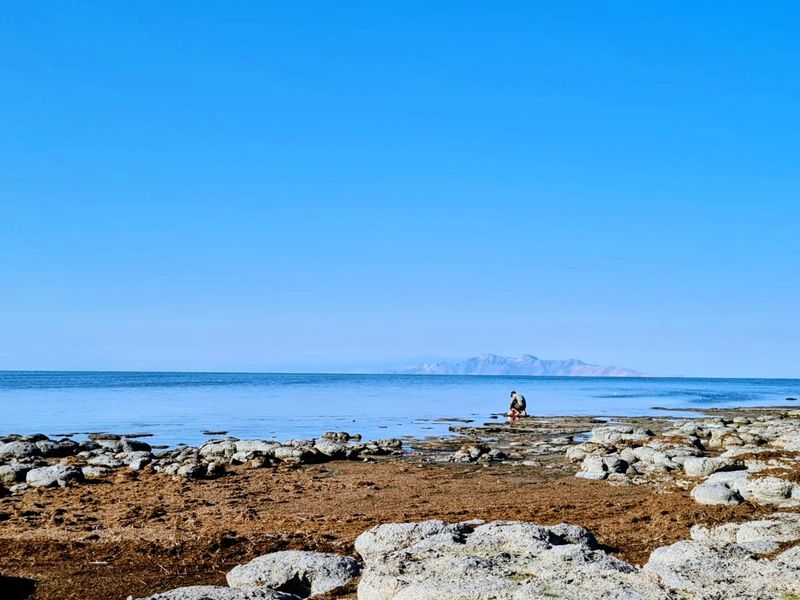
America’s most famous landlocked lake sits in the desert of northern Utah and has been shrinking at an alarming rate. The Great Salt Lake is the largest saltwater lake in the Western Hemisphere, but its surface area has dropped by roughly 50 percent over the past few decades due to water diversion and drought.
The lake gets its extreme saltiness from the same reason as many landlocked bodies of water: rivers bring minerals and salts in, but there is no outlet for them to leave. In some parts of the lake, salinity levels are nearly ten times higher than ocean water.
Tiny brine shrimp thrive in these conditions and support millions of migratory birds.
The lake also has a quirky visual trick. A railroad causeway divides it in two, and each side has different bacteria that tint the water different colors, one pink, one blue.
It is genuinely one of the strangest sights in the American West.
8. Laguna Mar Chiquita
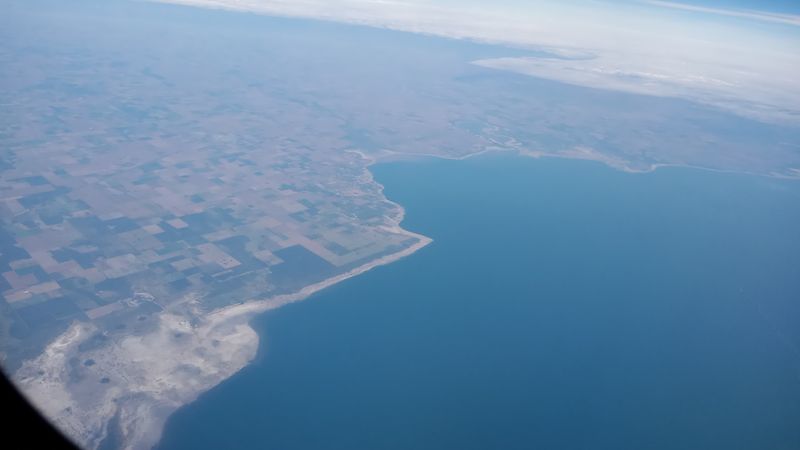
Hidden in the heart of Argentina, Laguna Mar Chiquita is one of South America’s largest salt lakes and one of its most unpredictable. Its size swings dramatically depending on rainfall patterns, sometimes covering as little as 2,000 square kilometers and other times ballooning to over 6,000 square kilometers after heavy wet seasons.
The lake sits in the Cordoba province and receives water from three rivers, but like all landlocked lakes, it has no outlet. Evaporation controls its size entirely.
When water levels rise, the lake floods surrounding farmland. When they drop, vast salt flats are exposed, creating a surreal, almost lunar landscape.
Despite its salty conditions, the lake is a thriving habitat for flamingos, shorebirds, and other wildlife. It has been designated a Ramsar Wetland of International Importance.
Local fishing communities have relied on it for generations, though the lake’s unpredictable fluctuations make long-term planning genuinely challenging for everyone living nearby.
9. Lake Urmia
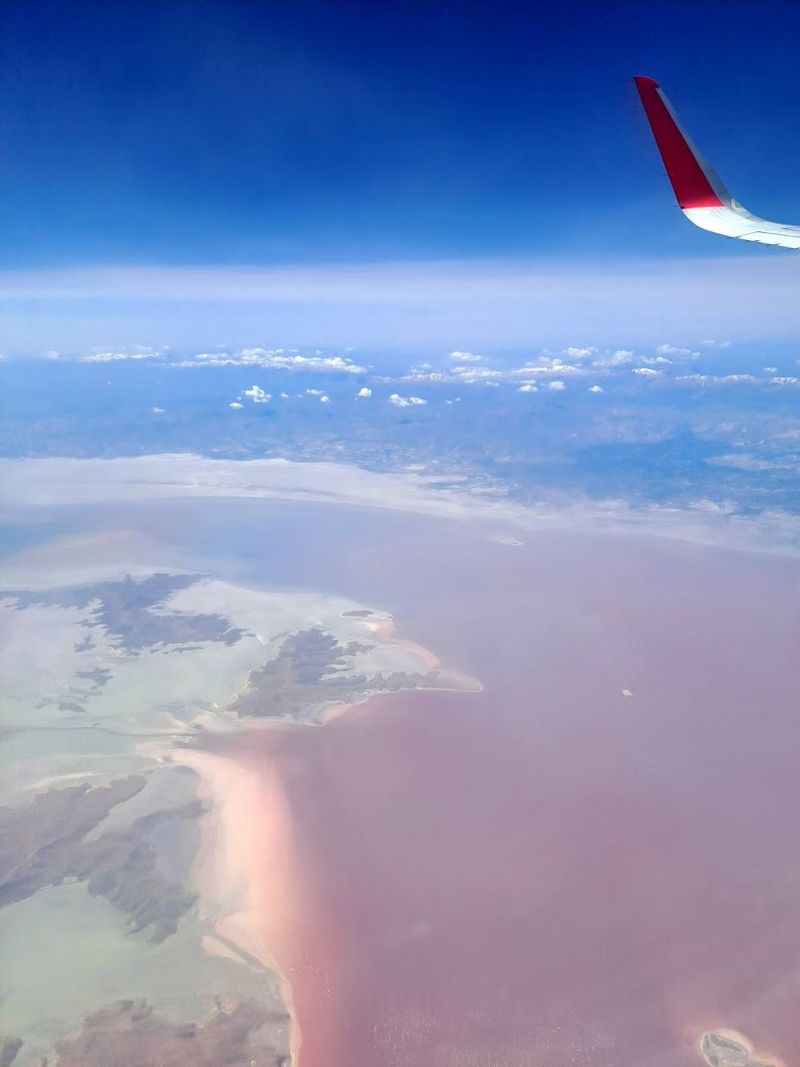
Lake Urmia in northwestern Iran was once one of the largest salt lakes in the world, covering over 5,000 square kilometers. Today, it has lost more than 80 percent of its water.
The combination of prolonged drought, upstream dams, and agricultural water diversion has pushed it to the edge of complete disappearance.
What remains of the lake is intensely salty, in some areas approaching saturation. The water has turned blood-red in places due to salt-loving microorganisms called halophytes that thrive when salinity reaches extreme levels.
It is a haunting and striking visual that signals just how stressed the ecosystem has become.
The Iranian government has launched emergency restoration projects, including releasing more water from upstream reservoirs, but progress has been slow. Scientists warn that if the lake continues to dry, massive salt and dust storms could affect millions of people living in the surrounding region.
Lake Urmia’s fate is still uncertain.
10. Lake Van
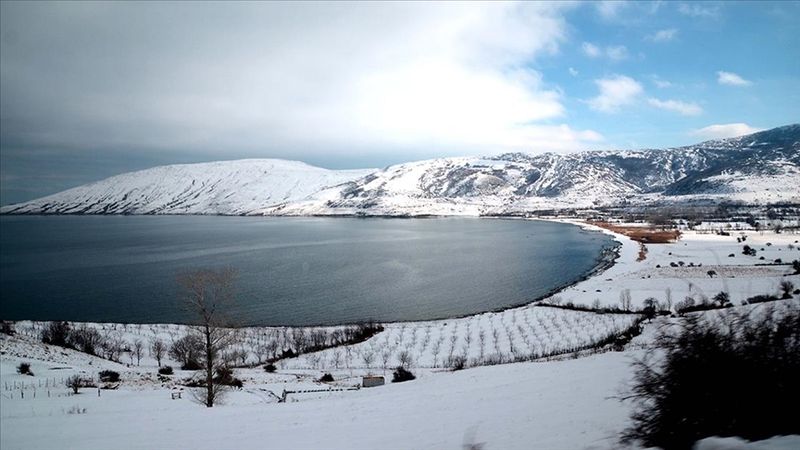
Lake Van in eastern Turkey is one of the world’s largest soda lakes, meaning its water is naturally rich in sodium carbonate and other alkaline minerals. It is so alkaline that ordinary soap barely works in it, and the water has a slippery, almost soapy feel when you touch it.
Yet local people have been washing their laundry in it for centuries.
The lake covers about 3,755 square kilometers and reaches depths of over 450 meters in places. Surrounded by ancient volcanic peaks, it was formed when lava flows blocked natural drainage routes thousands of years ago.
That volcanic history is exactly why the water chemistry is so unusual.
A tiny freshwater fish called the pearl mullet is uniquely adapted to survive in these alkaline conditions and is considered a local delicacy. The historic Akdamar Island, with its 10th-century Armenian church, sits in the lake and draws visitors from around the world each year.
11. Dead Sea
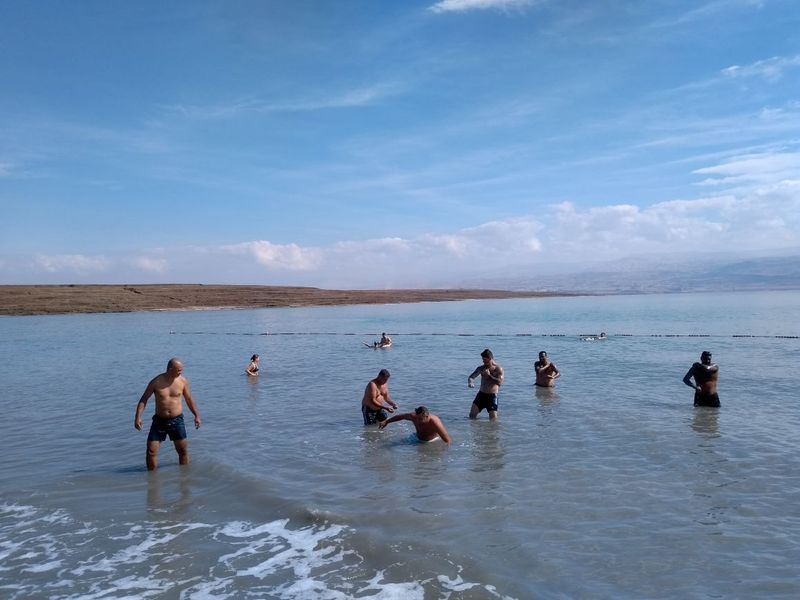
You cannot sink in the Dead Sea, no matter how hard you try. The water is so packed with salt, roughly ten times saltier than the ocean, that the human body floats like a cork.
People come from all over the world just to experience that weightless feeling while reading a newspaper on the surface.
Bordered by Jordan to the east and Israel and the West Bank to the west, the Dead Sea sits at about 430 meters below sea level, making it the lowest point on Earth’s surface. The Jordan River is its only major inflow, and like all landlocked lakes, it has no outlet.
Evaporation is constant in the scorching desert heat.
The lake is shrinking rapidly, dropping about one meter per year. Sinkholes are opening up along its former shoreline as underground salt dissolves.
Despite the environmental challenges, the Dead Sea remains one of the most iconic and visited natural landmarks in the entire Middle East.
12. Lake Sevan
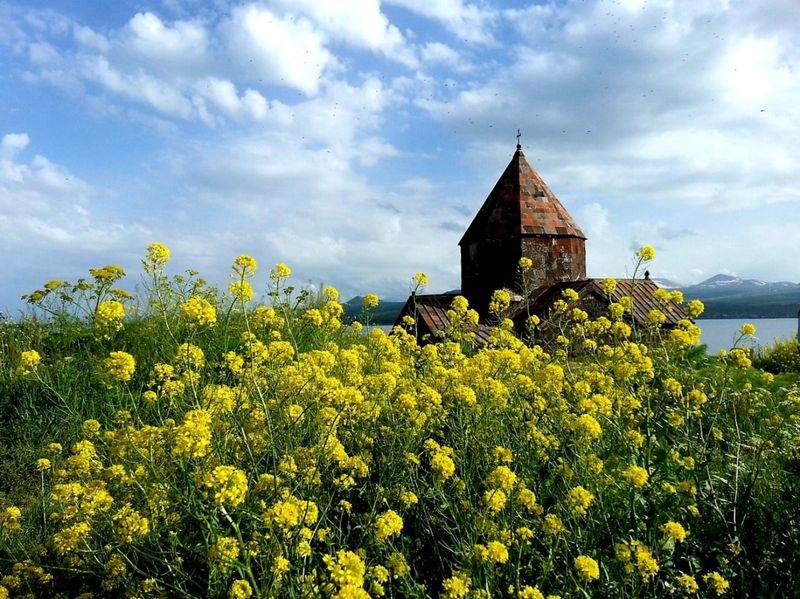
Perched at about 1,900 meters above sea level in the Armenian highlands, Lake Sevan is one of the largest high-altitude freshwater lakes in the world. Covering roughly 1,240 square kilometers, it holds about 80 percent of Armenia’s total freshwater supply.
For a small country with limited water resources, that makes it absolutely vital.
During the Soviet era, engineers drained significant amounts of water from the lake to generate hydroelectric power and irrigate farmland. Water levels dropped sharply, exposing shorelines and damaging the ecosystem.
Armenia has spent decades trying to reverse that damage by reducing water withdrawals and allowing natural inflow to refill the lake.
The recovery has been slow but real. The famous Sevanavank monastery, which once sat on an island, now stands on a peninsula because the water level dropped so much.
As the lake slowly rises again, that peninsula may one day become an island once more. Lake Sevan’s story is one of loss, effort, and cautious hope.
13. Salton Sea
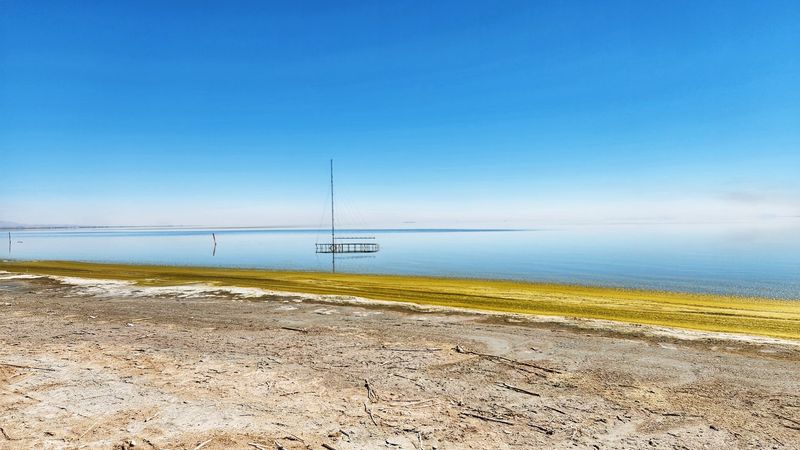
Nobody planned for the Salton Sea to exist. Back in 1905, an irrigation canal in Southern California broke, and the Colorado River poured into the Salton Sink for nearly two years before engineers could stop it.
The result was California’s largest lake, covering about 970 square kilometers, created entirely by accident.
With no natural outlet, the Salton Sea depends on agricultural runoff to maintain its water level. As California water policies have shifted water away from farming in the region, the lake has been shrinking steadily.
Exposed lakebed releases dust laced with pesticides and fertilizers, creating serious air quality problems for nearby communities.
Despite its troubled state, the Salton Sea still supports an enormous variety of bird species, including pelicans and herons. Restoration efforts are underway, but the challenges are enormous.
The Salton Sea is a striking example of how human activity can create a major water body and then slowly destroy it.
14. Pyramid Lake
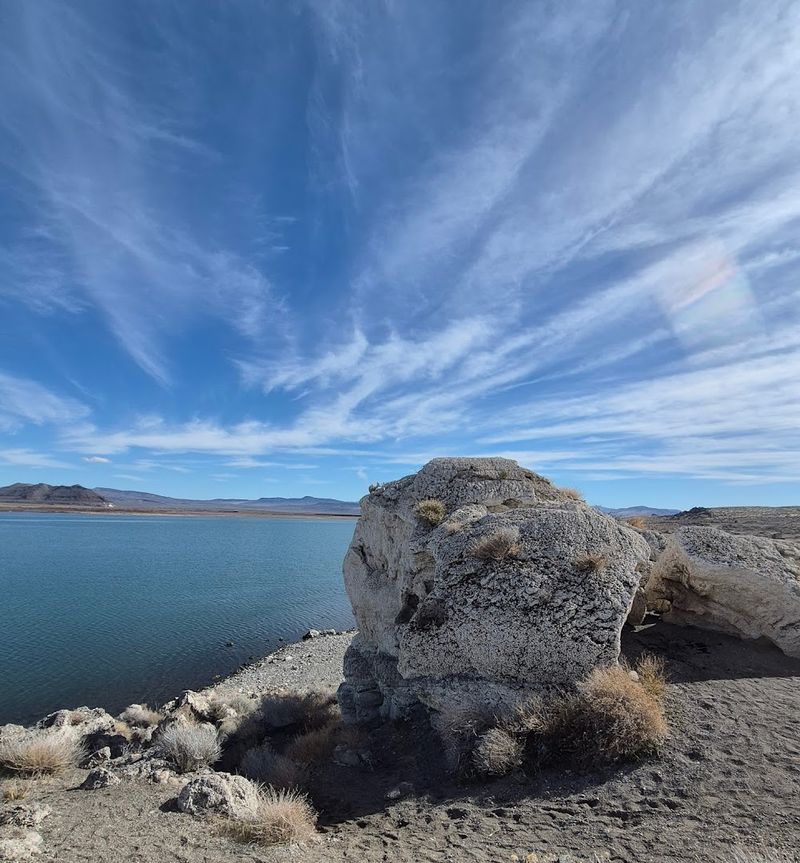
Rising straight out of the water like a monument, a 230-foot pyramid-shaped rock formation gives this Nevada lake its unforgettable name. Pyramid Lake sits in the high desert north of Reno and is one of the most visually striking lakes in the American West.
The stark contrast between the deep blue water and the surrounding brown desert landscape is breathtaking.
The lake is a remnant of ancient Lake Lahontan, a massive prehistoric lake that once covered much of the Great Basin during the last Ice Age. Today, Pyramid Lake covers about 446 square kilometers and sits entirely within the Pyramid Lake Paiute Tribe Reservation.
The tribe has managed the lake for generations and continues to protect it today.
The lake supports the endangered Lahontan cutthroat trout, one of the largest trout species in North America. Fishing rights and water allocation have long been contested legal issues.
Pyramid Lake has no natural outlet and loses water only through evaporation, keeping it slightly saline but still ecologically rich.
15. Mono Lake
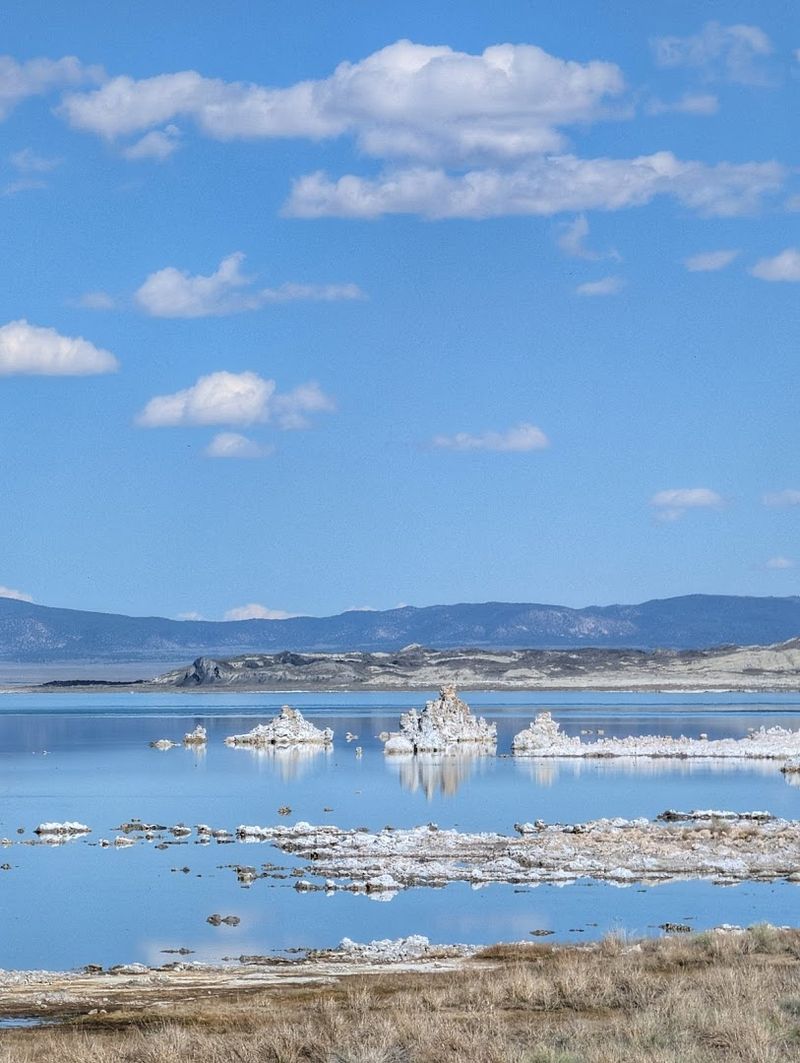
Ancient, alien-looking, and fiercely protected, Mono Lake in eastern California is one of the oldest lakes in North America, estimated to be at least 760,000 years old. Its most iconic feature is the tufa towers, strange white limestone spires that formed underwater and were exposed when the lake level dropped dramatically in the 20th century.
Los Angeles began diverting water from the streams feeding Mono Lake in 1941, and the lake level fell by nearly 14 meters over the following decades. The shrinking lake became twice as salty and twice as alkaline, threatening the entire ecosystem.
A landmark 1994 California Supreme Court ruling forced the city to stop the diversions and allow the lake to recover.
The lake is a critical stopover for millions of migratory birds, including 80 percent of California’s nesting California gulls. Brine shrimp and alkali flies form the base of its food chain.
Mono Lake’s recovery is considered one of the great environmental victories in American conservation history.



