History is full of remarkable people who pushed boundaries, defied expectations, and left the world forever changed. Some of them were warriors, some were explorers, some were inventors, and some were all three rolled into one extraordinary human being.
What they all share is an undeniable cool factor that makes their stories impossible to forget. Get ready to meet 15 of the most fascinating, fearless, and flat-out legendary people who ever walked this earth.
1. Leonardo da Vinci
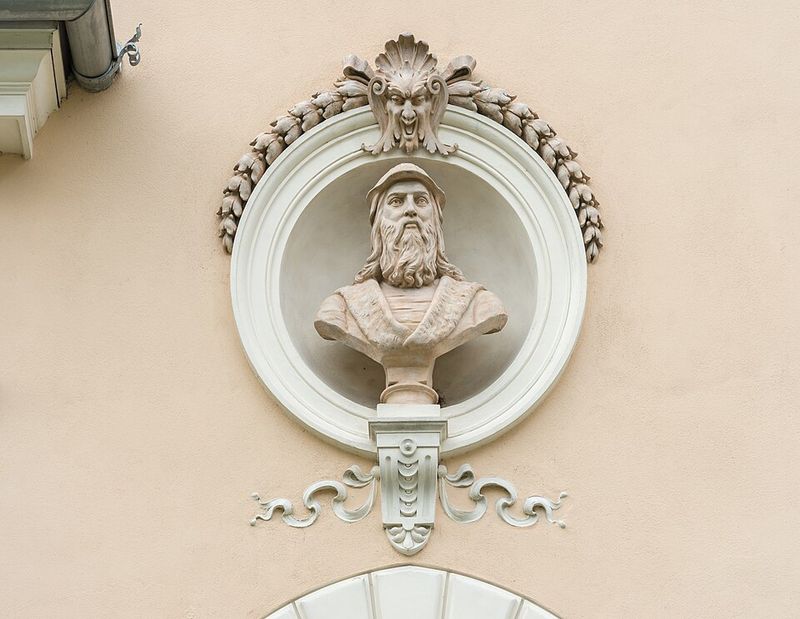
Before smartphones, before airplanes, before modern science had a name, Leonardo da Vinci was already sketching blueprints for all of them. Born in Italy in 1452, he was a painter, sculptor, architect, musician, mathematician, engineer, and inventor all at once.
His most famous painting, the Mona Lisa, still draws millions of visitors to the Louvre in Paris every year.
What made Leonardo truly extraordinary was how his mind refused to stay in one lane. He designed flying machines centuries before the Wright Brothers ever took flight.
He studied human anatomy so deeply that his drawings were more accurate than most medical textbooks of his era.
Leonardo never stopped asking questions or chasing ideas. He proved that curiosity is not a distraction but a superpower.
Few people in all of history have matched the sheer range of his brilliance.
2. Theodore Roosevelt
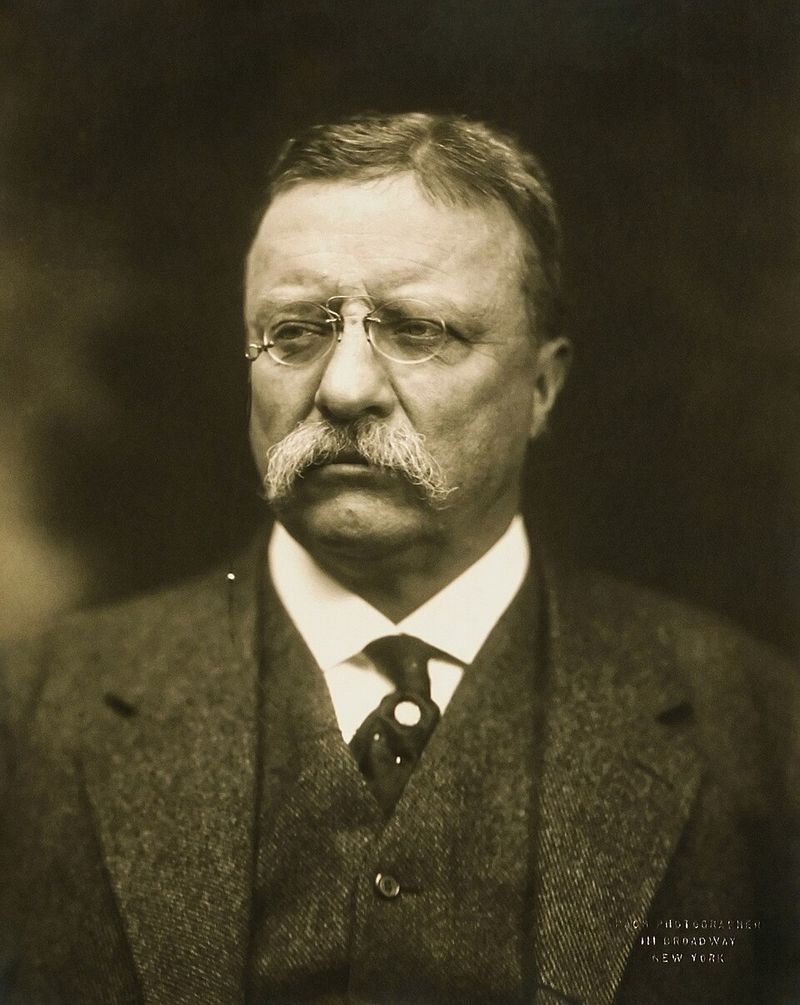
Theodore Roosevelt once got shot in the chest before a speech and still delivered the entire address before going to the hospital. That single moment captures everything you need to know about the 26th president of the United States.
He was a boxer, a cowboy, a war hero, a conservationist, and a Nobel Peace Prize winner all wrapped into one relentless human being.
Growing up, Roosevelt was a sickly child with severe asthma. Rather than accepting that limitation, he built himself up through sheer willpower and became one of the most physically active presidents in American history.
He hiked, hunted, wrestled, and explored with the same intensity he brought to politics.
Roosevelt also helped preserve over 230 million acres of public land, protecting natural wonders for future generations. His legacy proves that energy, courage, and determination can reshape an entire nation.
3. Amelia Earhart
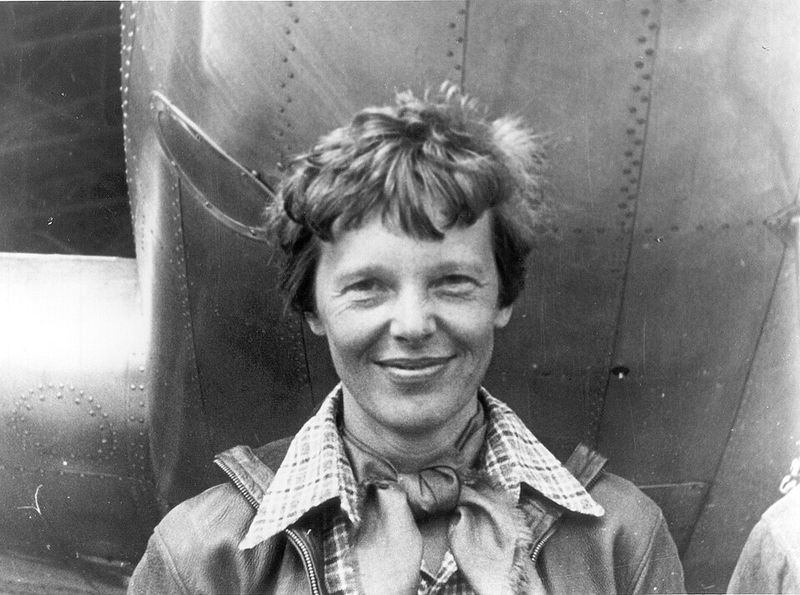
Amelia Earhart looked up at the sky and decided it belonged to her just as much as anyone else. In 1932, she became the first woman to fly solo across the Atlantic Ocean, completing the journey in just under 15 hours.
At a time when women were expected to stay close to home, she was crossing entire oceans alone at 10,000 feet.
Her bravery went beyond flying. Earhart actively fought for women’s rights and encouraged young girls to pursue careers in aviation and beyond.
She wore practical clothes, ignored critics, and kept setting records while the world debated whether she should be allowed to try.
Though she disappeared mysteriously during her attempt to fly around the world in 1937, her legacy never faded. Amelia Earhart remains one of the most inspiring symbols of courage, independence, and refusing to let anyone else define your limits.
4. Harriet Tubman
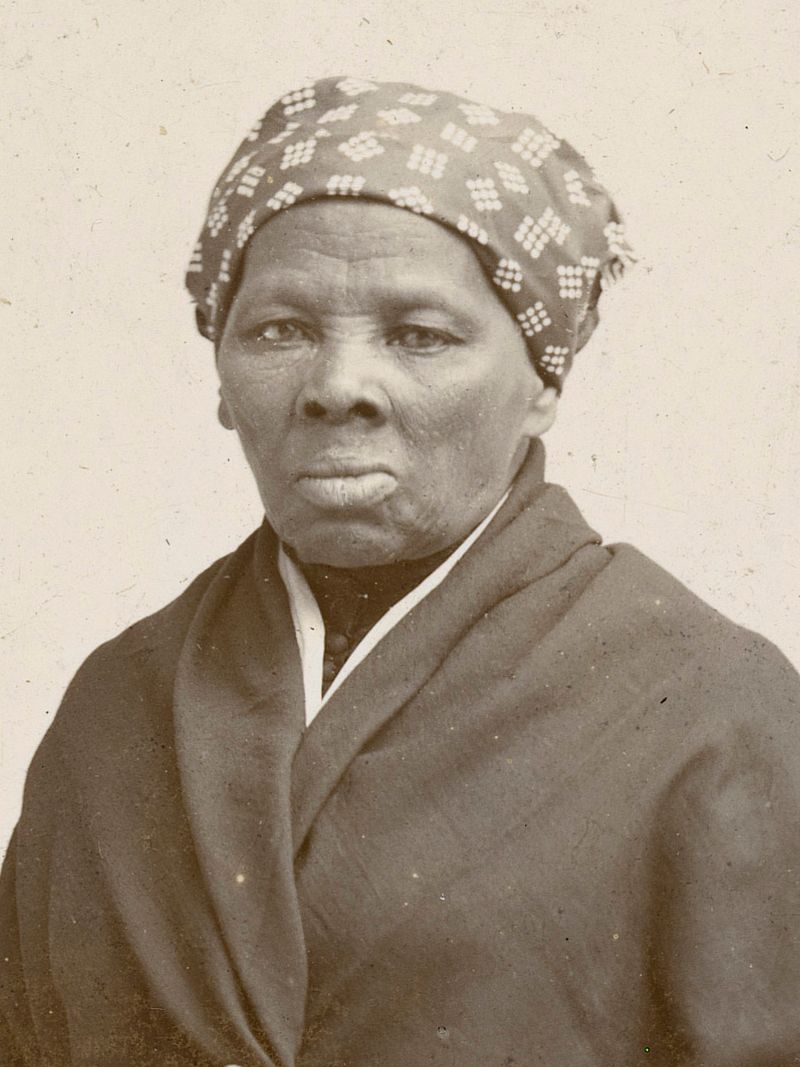
Harriet Tubman escaped slavery in 1849 and then did something almost unimaginable: she went back. Thirteen times she returned to the South, guiding approximately 70 enslaved people to freedom through the Underground Railroad.
She never lost a single passenger, earning the nickname Moses for leading her people to freedom.
Tubman suffered a traumatic head injury as a young girl that caused her to have sudden blackouts for the rest of her life. Despite this, she operated with military precision, moving groups through dangerous terrain at night, relying on a network of safe houses and sheer nerve.
During the Civil War, she served as a spy and scout for the Union Army, leading a raid that freed more than 700 enslaved people in a single night. Harriet Tubman was fearless in a way that changed history, and her story deserves to be told over and over again.
5. Bruce Lee
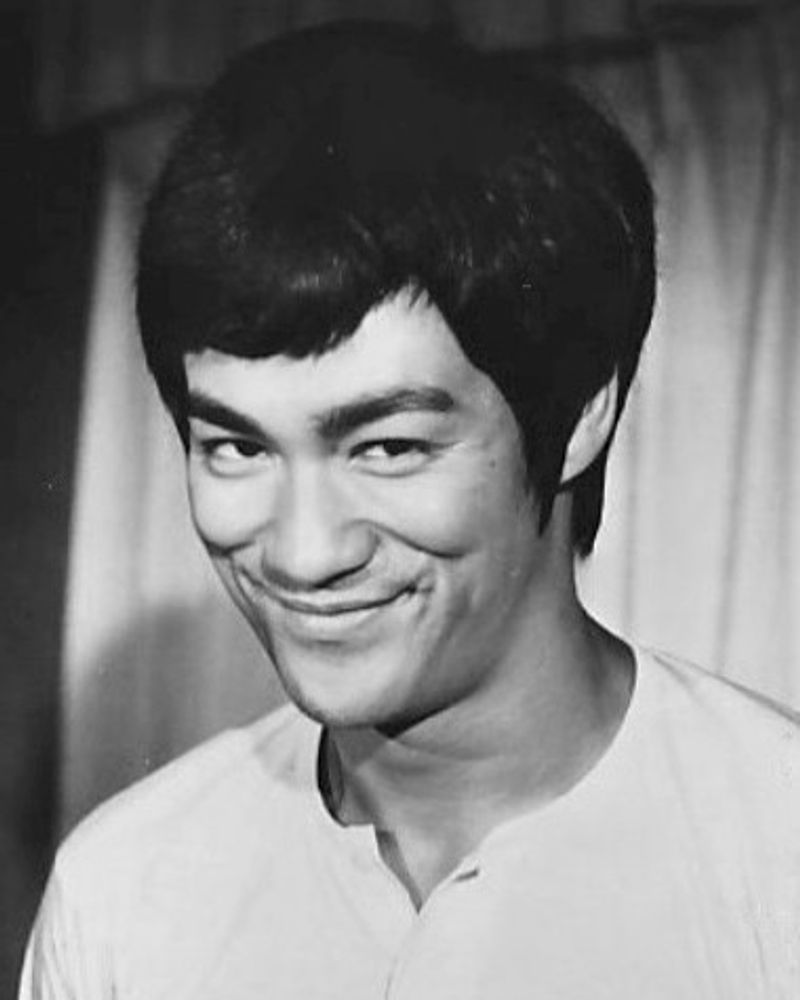
Bruce Lee moved so fast that film crews sometimes had to slow down their cameras just to capture what he was doing. Born in San Francisco in 1940 and raised in Hong Kong, he became the most famous martial artist in history and transformed how the world viewed Asian culture and physical discipline.
His speed, strength, and philosophy were in a class of their own.
Lee did not just fight on screen. He developed his own martial arts system called Jeet Kune Do, which emphasized adaptability over rigid rules.
He was also a deep thinker who wrote poetry, studied philosophy, and held a degree from the University of Washington.
He broke racial barriers in Hollywood at a time when Asian actors were rarely given leading roles. Bruce Lee proved that physical mastery and intellectual depth are not opposites.
He remains a global icon more than 50 years after his passing.
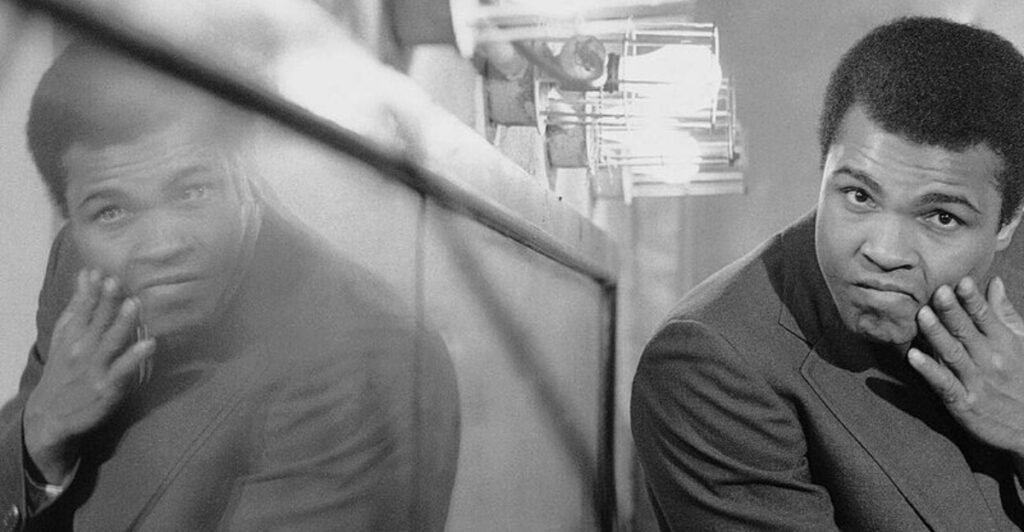
6. Muhammad Ali
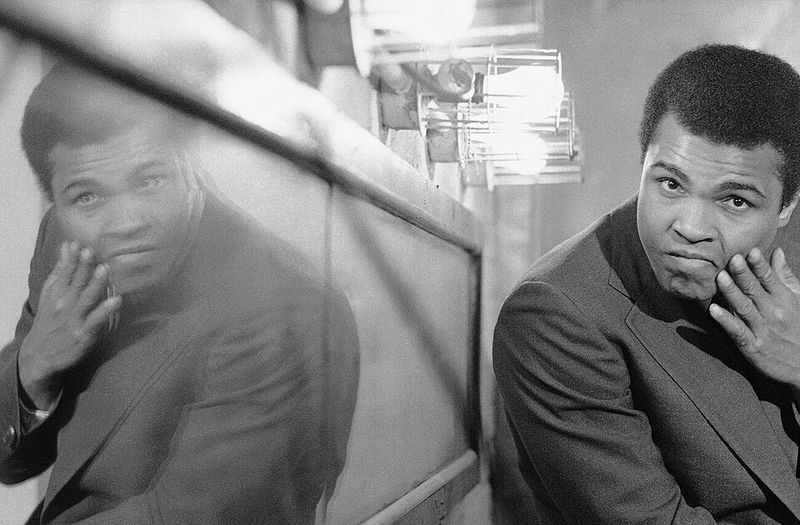
Muhammad Ali once said he was the greatest, and the remarkable thing is that he was absolutely right. Born Cassius Clay in Louisville, Kentucky, in 1942, he became the heavyweight boxing champion of the world three times over.
His combination of blazing speed, iron chin, and sharp wit made him unlike any fighter the sport had ever seen.
Ali was as bold outside the ring as he was inside it. He refused military induction during the Vietnam War on moral and religious grounds, sacrificing the prime years of his career and risking prison.
He stood by his beliefs even when it cost him everything, and history ultimately proved him right.
His battles with Joe Frazier and George Foreman are among the greatest sporting events of the 20th century. Muhammad Ali showed the world that an athlete could also be a poet, an activist, and a moral force all at once.
7. Nikola Tesla
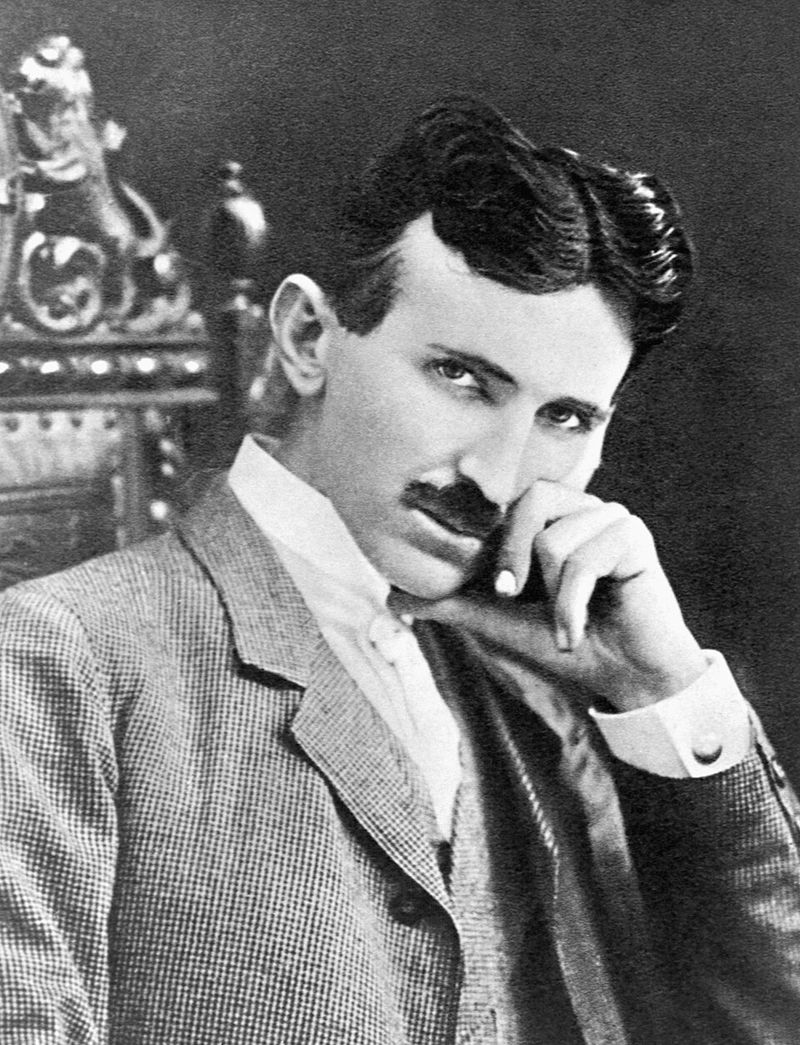
Nikola Tesla could reportedly memorize entire books and perform complex calculations entirely in his head. Born in Serbia in 1856, he emigrated to America and developed the alternating current electrical system that powers virtually every home and building on the planet today.
Without Tesla, modern civilization would look completely different.
His rivalry with Thomas Edison is legendary. Edison championed direct current while Tesla backed alternating current, and history sided firmly with Tesla.
He also worked on wireless communication, X-ray technology, remote control, and early concepts that look remarkably like modern Wi-Fi.
Despite his genius, Tesla died nearly broke and largely forgotten, having signed away many of his patents. His story is both inspiring and heartbreaking.
In recent decades, the world has finally recognized how far ahead of his time he truly was, making his legacy one of the most remarkable in all of scientific history.
8. Joan of Arc
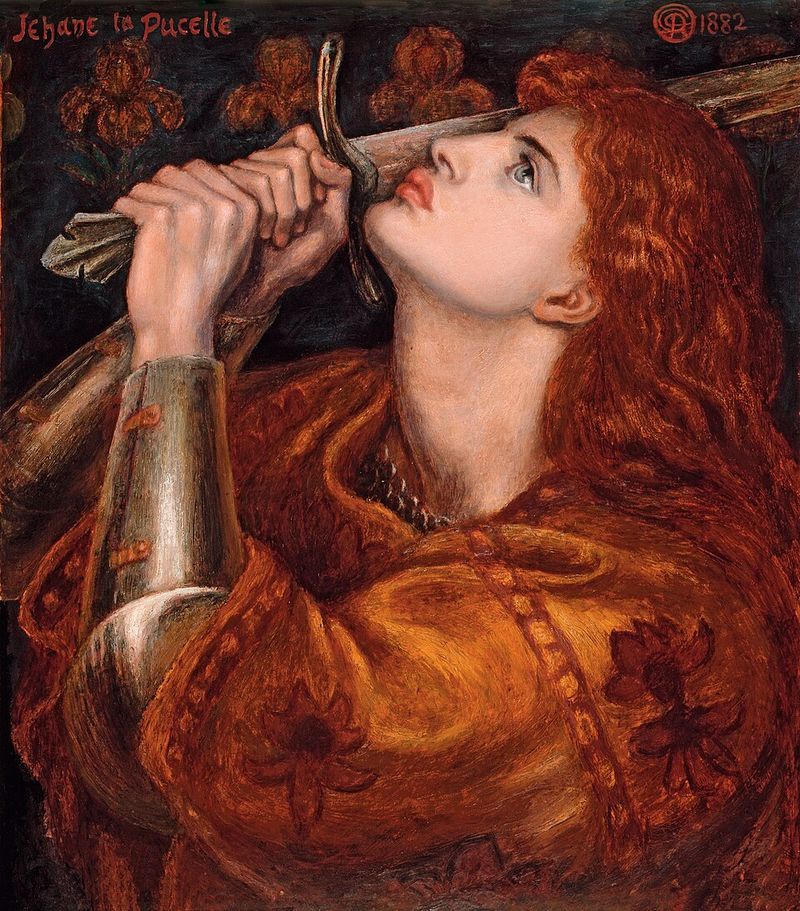
At just 17 years old, Joan of Arc convinced the future king of France to give her command of his army. Then she actually led it to victory.
Born a peasant girl in a small French village around 1412, she claimed to receive divine visions instructing her to drive the English out of France during the Hundred Years War. Remarkably, the king listened.
Joan led French forces to a series of stunning victories at a time when the war had seemed all but lost. Her courage on the battlefield was extraordinary, especially considering she had zero military training before stepping into that role.
She was eventually captured, tried for heresy, and burned at the stake at just 19 years old. Centuries later she was declared a saint.
Joan of Arc remains one of the most astonishing figures in military history, a teenager who changed the fate of an entire nation.
9. Sir Edmund Hillary
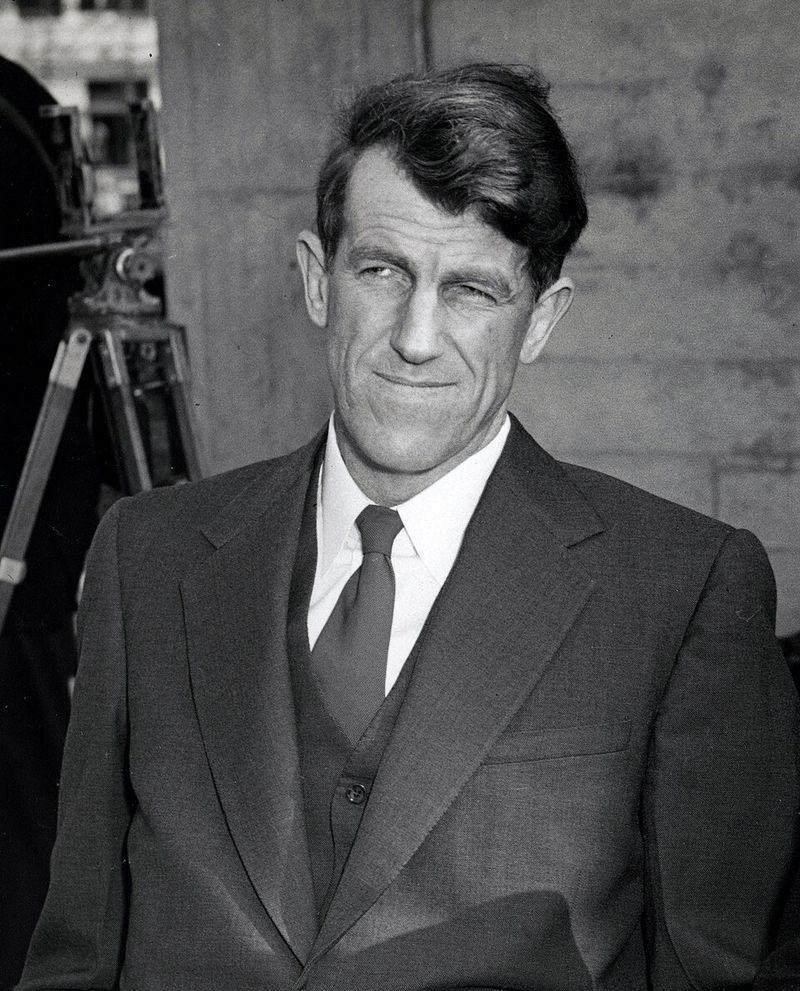
On May 29, 1953, Sir Edmund Hillary and Tenzing Norgay stood on top of the world. They were the first people confirmed to have reached the summit of Mount Everest, the highest point on Earth at 29,032 feet.
Hillary, a beekeeper from New Zealand, had spent years preparing for a challenge that many believed was simply impossible.
What made Hillary especially admirable was what he did after his famous climb. Rather than resting on his achievement, he dedicated decades of his life to building schools and hospitals for the Sherpa communities of Nepal who had helped make the ascent possible.
He became a champion for the people who lived in the shadow of the mountain he conquered.
Hillary also explored Antarctica and participated in the famous Commonwealth Trans-Antarctic Expedition. His life was a constant pursuit of challenge combined with genuine humility.
He remains one of the greatest adventurers and humanitarians of the 20th century.
10. Ernest Shackleton
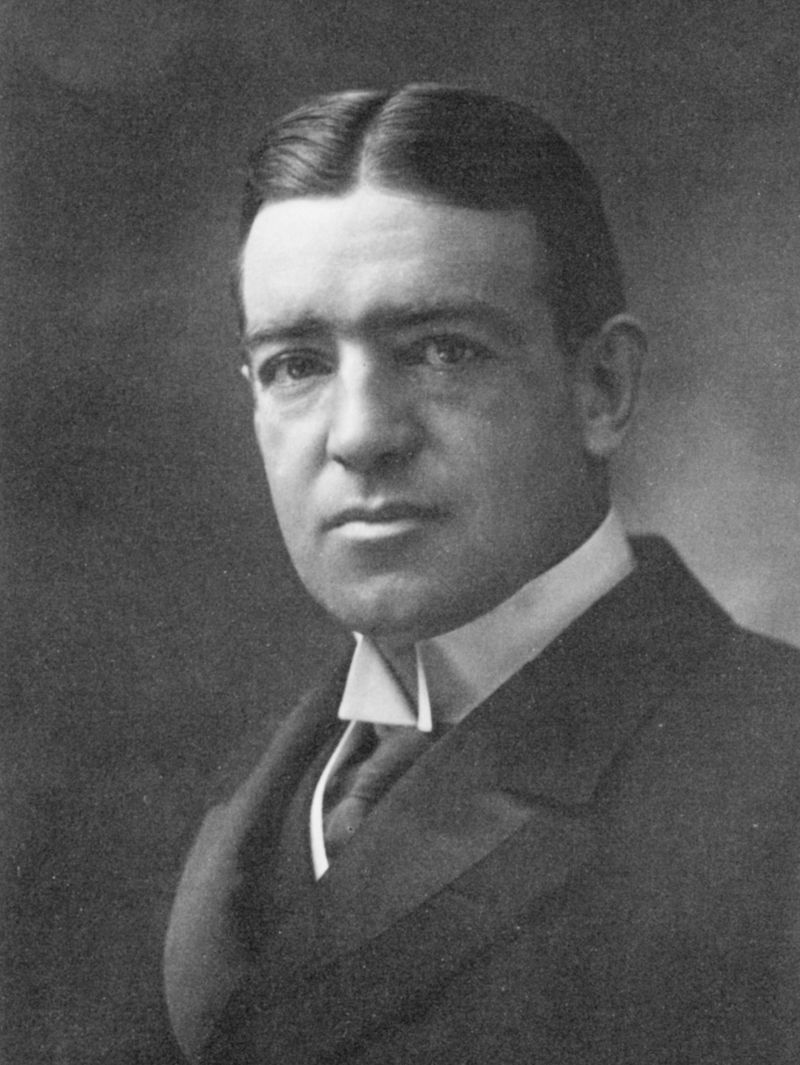
Ernest Shackleton’s ship got crushed by Antarctic ice in 1915, stranding his entire crew of 27 men on one of the most hostile environments on the planet. What happened next is one of the greatest survival stories in human history.
Shackleton made a personal vow that every single man would make it home alive, and he kept that promise.
After months on the ice, he sailed an open lifeboat 800 miles across the most dangerous ocean on Earth to reach a remote whaling station and organize a rescue. The journey was nearly suicidal.
It worked anyway.
Every man survived. Shackleton’s ability to maintain morale, make impossible decisions under pressure, and hold his crew together through nearly two years of brutal conditions is studied in leadership courses around the world today.
He never found the fame or fortune he chased, but he earned something rarer: the complete trust of every person who followed him.
11. Hedy Lamarr
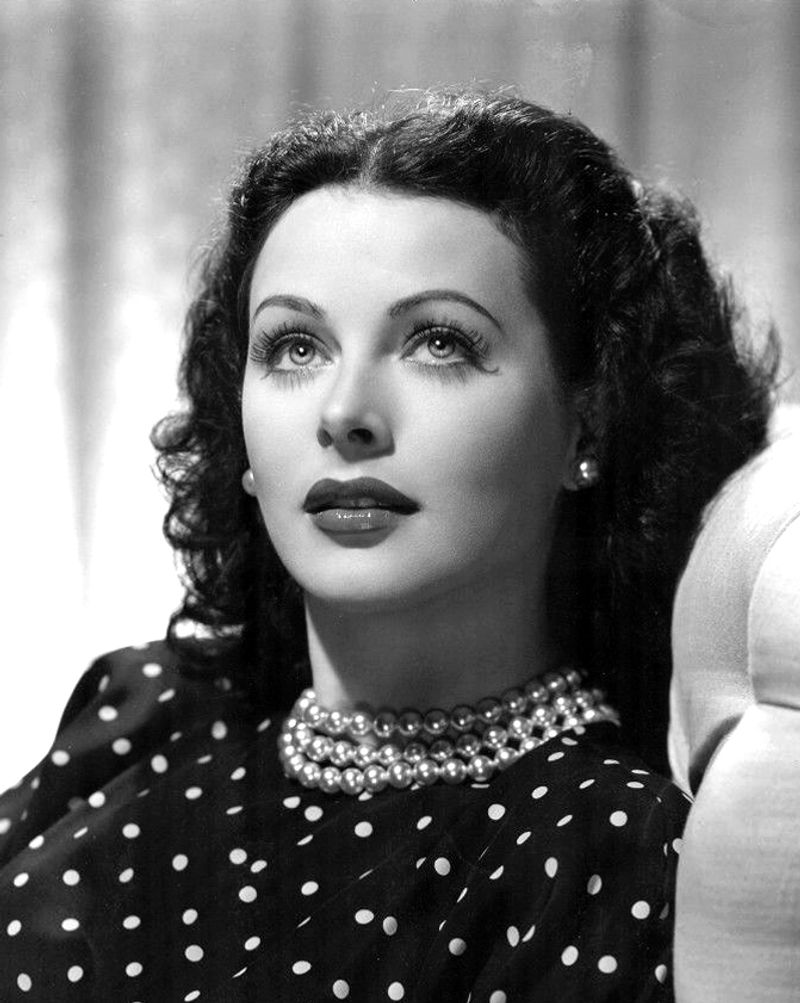
Hollywood called Hedy Lamarr the most beautiful woman in the world, but her brain was even more impressive than her face. Born in Austria in 1914, she became a major film star in the 1930s and 1940s.
What most people did not know was that she was also a self-taught inventor working on technology that would change global communications forever.
During World War II, Lamarr co-invented a frequency-hopping signal system designed to prevent enemy forces from jamming Allied torpedo guidance systems. The military did not adopt it during the war, but the concept became the foundation for modern Bluetooth, Wi-Fi, and GPS technology used by billions of people today.
She received no financial compensation for her invention during her lifetime, and her scientific contributions were largely overlooked for decades. Hedy Lamarr was a genius hiding in plain sight, a reminder that brilliance can show up in the most unexpected places and people.
12. Miyamoto Musashi
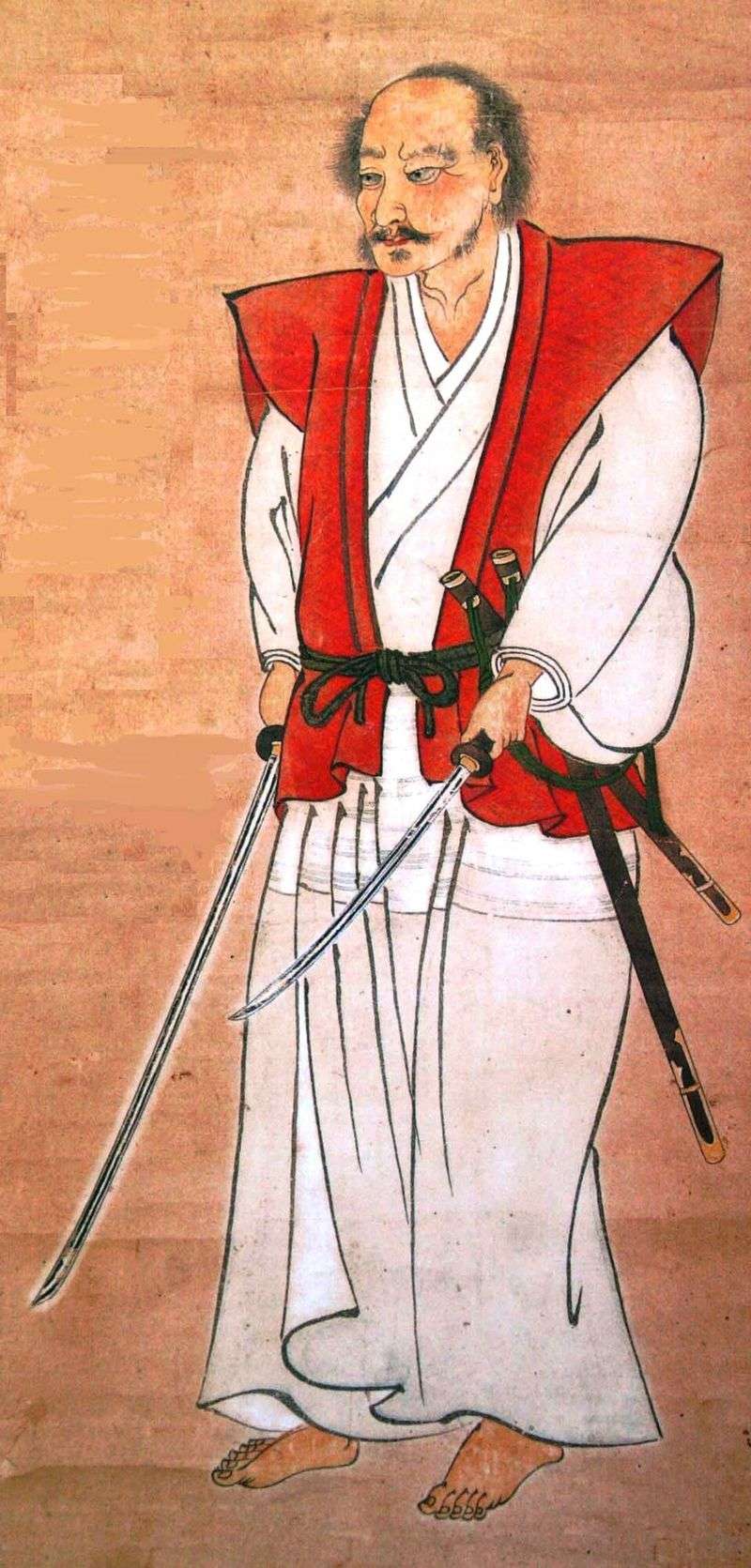
Miyamoto Musashi fought his first duel at age 13 and won. By the time he was done fighting, he had survived over 60 duels without a single loss, making him the most celebrated swordsman in Japanese history.
He lived during Japan’s Edo period in the late 1500s and early 1600s, an era when samurai culture was at its peak.
Musashi developed his own two-sword fighting style called Niten Ichi-ryu, which was considered revolutionary and nearly impossible to counter. He once defeated his greatest rival, Sasaki Kojiro, using a wooden sword he carved from an oar on the boat ride to the duel.
Later in life he retired to a cave and wrote The Book of Five Rings, a guide to strategy and philosophy that is still read by military leaders and business executives around the world. Musashi was equal parts warrior, artist, and philosopher, a combination that is almost impossible to match.
13. Neil Armstrong
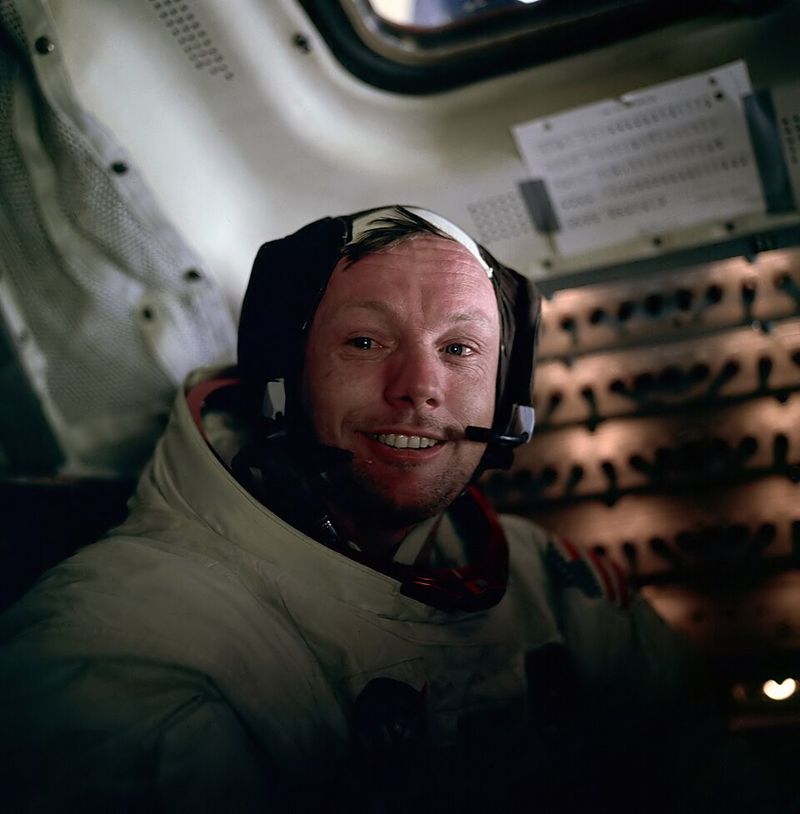
On July 20, 1969, Neil Armstrong became the first human being to set foot on the Moon. His words as he stepped off the lunar lander became instantly iconic: one small step for man, one giant leap for mankind.
Armstrong, a former Navy pilot and test pilot from Ohio, had the coolest job title imaginable: astronaut, engineer, and first man on the Moon.
What made Armstrong stand out beyond the achievement itself was his character. He was famously modest, avoiding the spotlight and rarely cashing in on his historic status.
He returned to teaching engineering at the University of Cincinnati and largely stayed out of public life by choice.
The Apollo 11 mission was one of humanity’s greatest technical achievements, accomplished with computing power far less advanced than a modern smartphone. Neil Armstrong represented the best of human ambition, and he wore that distinction with remarkable quiet dignity his entire life.
14. Steve Irwin

Steve Irwin once said that every single animal deserves to live, and he spent his entire life proving he meant it. The Crocodile Hunter, as the world came to know him, grew up in Queensland, Australia, where his parents ran a wildlife park.
By the time he was nine years old, he was already wrestling crocodiles under his father’s guidance.
His TV show made him a global phenomenon in the 1990s and early 2000s. Viewers around the world could not take their eyes off him as he handled venomous snakes, massive crocs, and every dangerous creature imaginable, all while radiating pure joy and genuine love for animals.
Irwin’s conservation work was just as important as his entertainment career. He purchased large tracts of land in Australia and beyond specifically to protect wildlife habitat.
When he passed away in 2006, the world mourned someone who had made wildlife feel personal, exciting, and worth protecting.
15. Jacques Cousteau
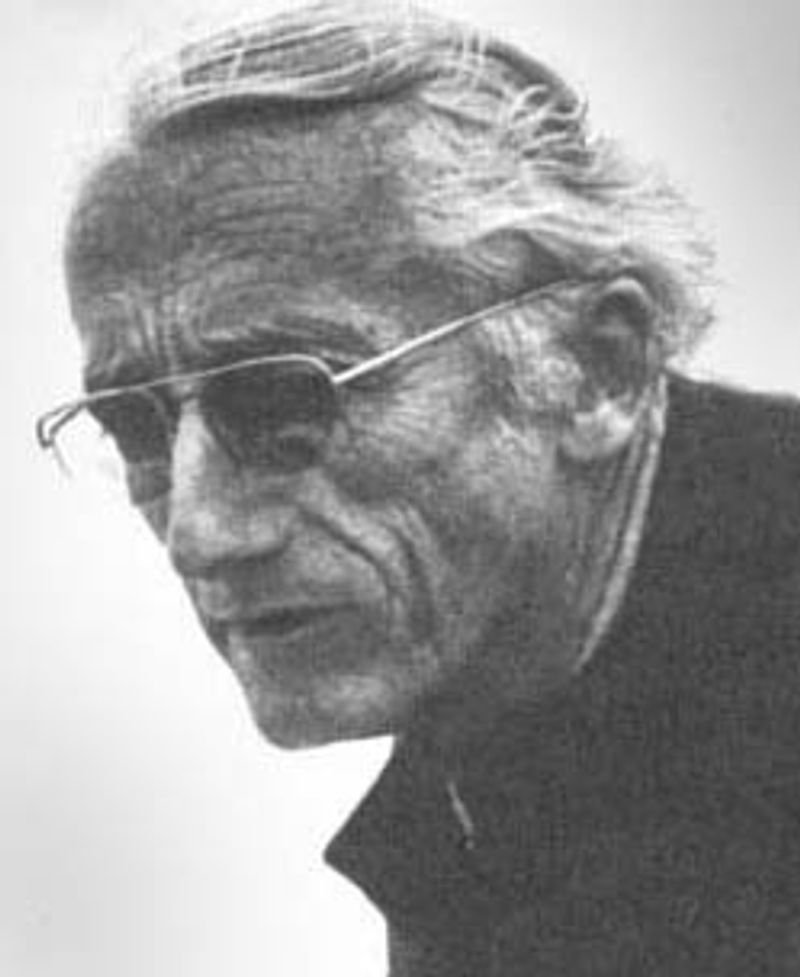
Jacques Cousteau introduced the ocean to the world. The French explorer, filmmaker, and marine biologist co-invented the Aqua-Lung, the first practical open-circuit scuba device, which allowed humans to breathe underwater freely for the first time in history.
That single invention opened up an entirely new frontier for science and exploration.
His television series, The Undersea World of Jacques Cousteau, ran through the 1960s and 1970s and brought the beauty and mystery of the deep ocean into living rooms around the planet. Millions of people who had never seen the sea fell in love with it through his camera.
Cousteau was also a fierce environmental advocate, warning decades ahead of his time about ocean pollution, overfishing, and the destruction of coral reefs. His research vessel, Calypso, became one of the most famous ships in the world.
Jacques Cousteau made the ocean feel like home, and that changed everything.
Share this story