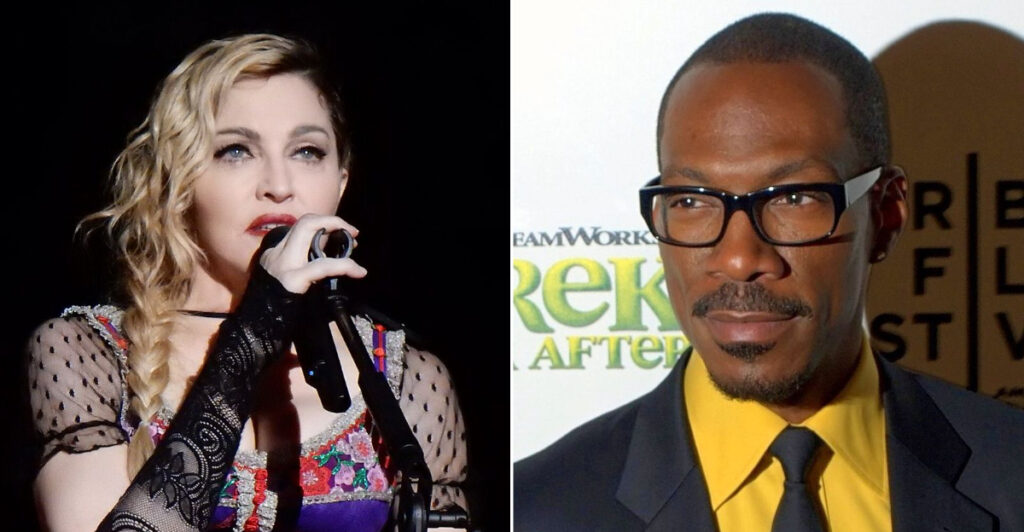
The 1980s were a decade like no other, packed with big hair, neon colors, and even bigger personalities. From pop stars who rewrote the rules of music to actors who owned every movie screen in sight, this era produced some of the most unforgettable names in entertainment history.
I still remember flipping through my older sister’s cassette collection and wondering how one decade could hold so much talent. Get ready to revisit the legends who made the ’80s the most electric decade in pop culture.
Michael Jackson: The King of Pop Who Ruled the ’80s
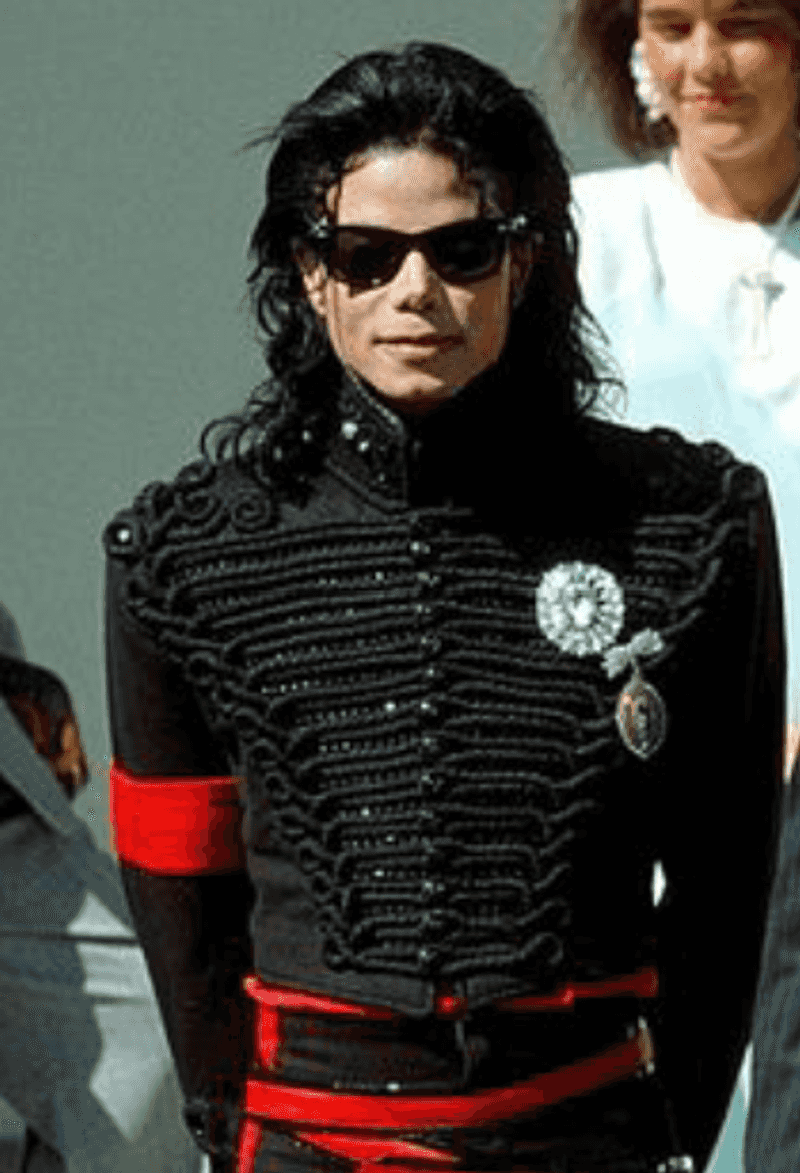
No album in history has sold more copies than Thriller, and that fact alone tells you everything about Michael Jackson’s place in the 1980s. Released in 1982, it produced seven hit singles and turned MTV into a cultural battleground he basically owned.
The moonwalk he debuted on the Motown 25 special in 1983 broke the internet before the internet even existed.
“Billie Jean” and “Beat It” were not just songs. They were events.
Radio stations would stop regular programming just to play them back to back. Jackson did not just top charts; he reshaped how the entire music industry worked.
His short films for each single set a new standard for music videos. Directors, choreographers, and costume designers all leveled up because of him.
The King of Pop title was not a nickname. It was a fact that the whole world agreed on without a single vote.
Madonna: The Pop Superstar Who Changed Everything

Before Madonna, female pop stars were expected to play it safe. She walked in wearing lace gloves and a wedding dress at the 1984 VMAs and immediately made everyone forget what safe even meant. “Like a Virgin” was not just a hit; it was a declaration that she was going to do things her own way, full stop.
Her album Like a Virgin went to number one and stayed there like it had signed a lease. “Material Girl” turned her into a fashion icon overnight, and every teenager in America started copying her look before the week was out. She was the blueprint for the modern pop star, and many artists have spent decades trying to replicate what she pulled off so effortlessly.
Madonna proved that reinvention is a superpower. She changed her image, her sound, and her message every few years, keeping fans constantly guessing.
The ’80s belonged to her as much as anyone.
Prince: The Musical Genius Behind Purple Rain
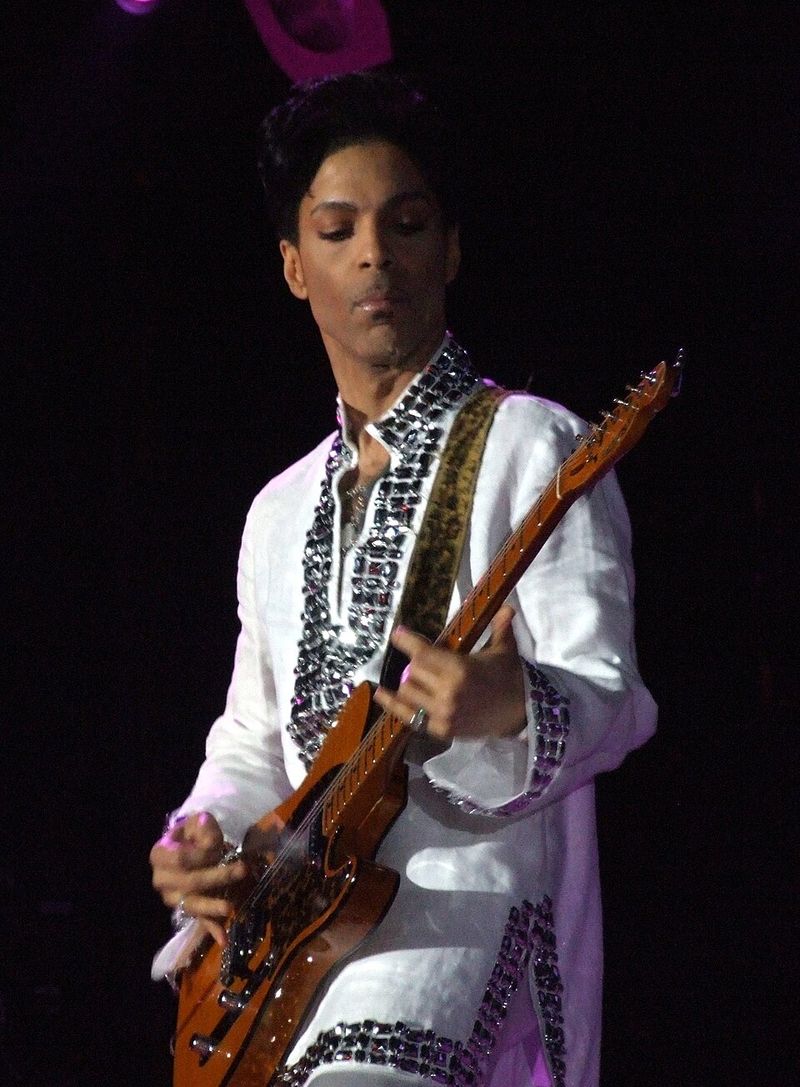
Prince did not fit neatly into any musical box, and that was exactly the point. He played virtually every instrument on his records, wrote hits for other artists on the side, and still found time to release one of the greatest albums of the decade.
Purple Rain in 1984 was not just a soundtrack; it was a masterclass in what one human being could do with talent and total creative control.
The title track alone is enough to cement his legacy. That guitar solo at the end still gives people chills decades later.
The accompanying film was a massive box office hit, proving Prince could conquer Hollywood just as easily as he conquered music charts.
His Minneapolis sound influenced pop, R&B, and rock simultaneously. Artists from across genres borrowed from his playbook.
I have never met anyone who sat down to listen to Purple Rain once and did not immediately play the whole thing again from the top.
Whitney Houston: The Voice That Defined a Generation
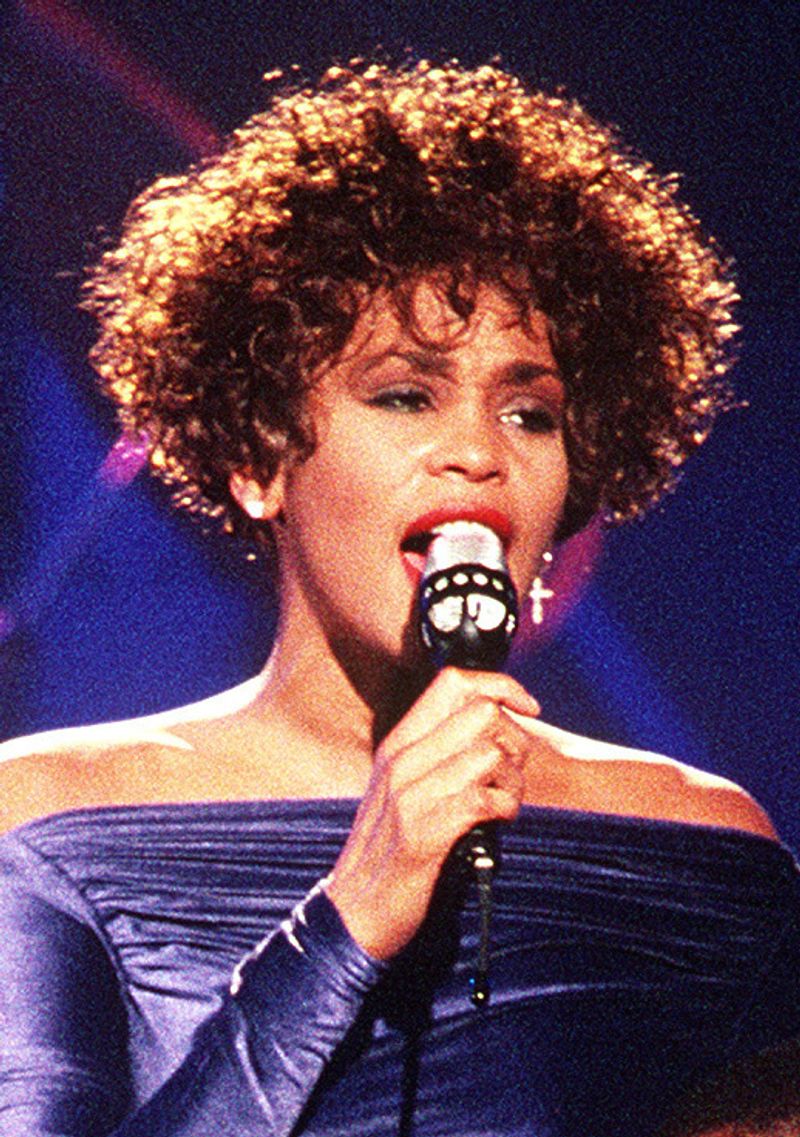
Whitney Houston arrived in 1985 and immediately made every other vocalist in the game quietly nervous. Her debut album went to number one and produced three chart-topping singles, a record that had never been done before by a debut artist.
The voice was not just good; it was a force of nature that made producers cry in the studio.
“Saving All My Love for You,” “Greatest Love of All,” and “How Will I Know” each hit number one in rapid succession. She was nominated for Grammy Awards and won them like she was collecting loyalty points.
Her vocal range covered territory that most singers cannot even visit on their best days.
Whitney was not just a singer; she was an event. Watching her perform live was one of those experiences people talked about for years afterward.
The 1980s had no shortage of talented voices, but hers was the one that stopped conversations the moment it came through the speakers.
Bruce Springsteen: The Working-Class Hero of Rock
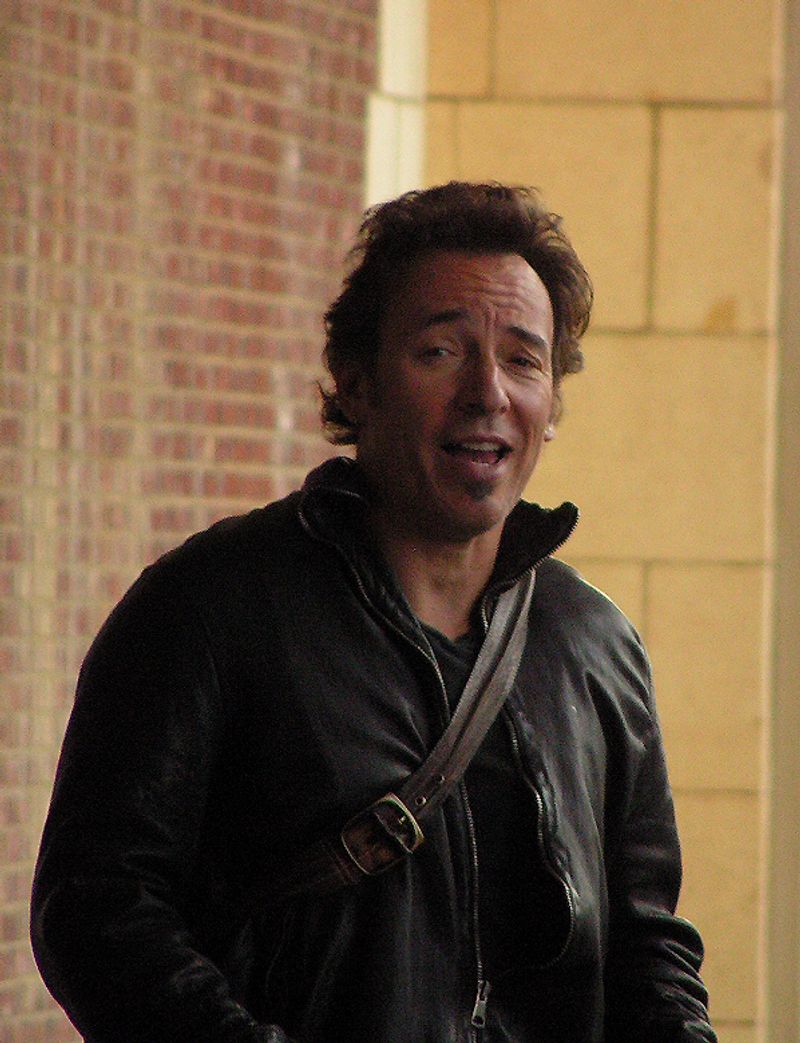
Bruce Springsteen wrote songs that felt like they were written specifically for anyone who had ever worked a tough job and dreamed of something bigger. Born in the U.S.A., released in 1984, produced seven top-ten singles from a single album, a record that still stands.
That album cover, with the red cap and the jeans, became one of the most iconic images of the entire decade.
His live shows were legendary for their length. A Springsteen concert regularly ran three to four hours, and the crowd begged for more every single time.
He gave everything on that stage, and audiences gave it right back with the same energy.
“The Boss” nickname was not random. He earned it by treating music like a full-time, overtime, no-days-off profession.
His band, the E Street Band, was one of the tightest live acts in rock history. The 1980s needed a working-class anthem, and Springsteen delivered an entire album full of them.
Cyndi Lauper: The Colorful Voice of Individuality
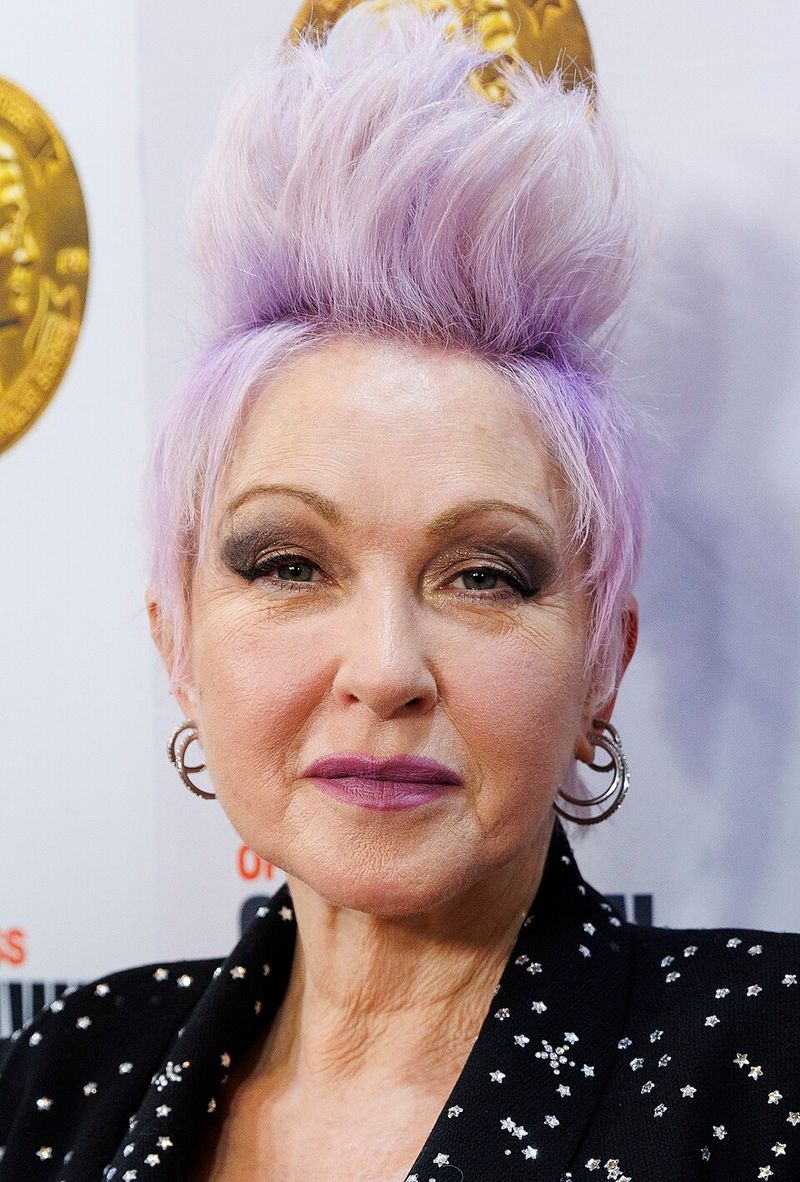
Cyndi Lauper showed up in 1983 looking like a walking art project and sounding like nothing anyone had heard before. “Girls Just Want to Have Fun” was an anthem for every girl who was tired of being told to tone it down. The music video alone was a masterpiece of ’80s energy, complete with the most chaotic sleepover scene ever filmed.
“Time After Time” proved she was not just a one-trick pop novelty. That ballad hit number one and showed a tender, emotional side that surprised everyone who had only seen the neon exterior.
She and Michael Jackson were the only two artists nominated for Record of the Year at the 1985 Grammys, and she took home Best New Artist.
Her style was deliberately over-the-top, and that was the whole message. Be yourself, loudly, in color, with mismatched earrings if necessary.
Cyndi Lauper made individuality look like the most fun anyone could possibly have.
Harrison Ford: Hollywood’s Ultimate Action Hero
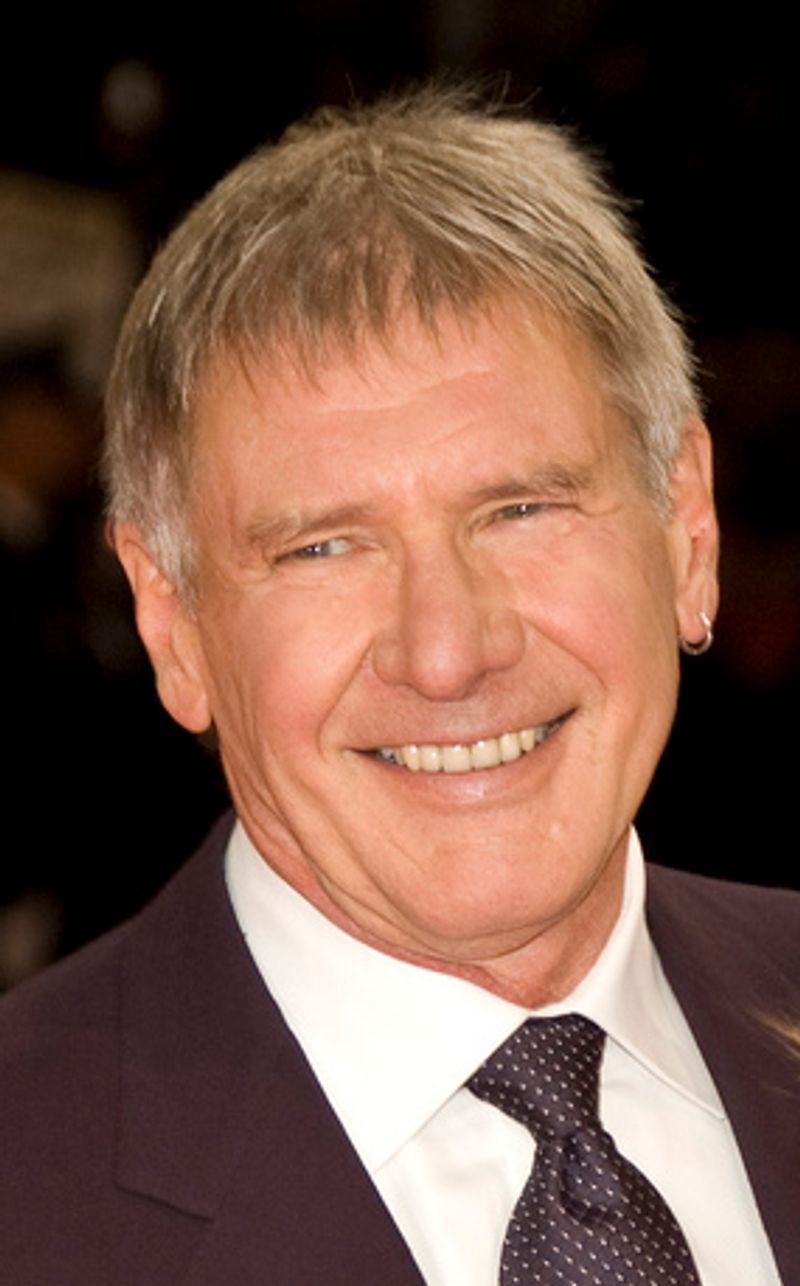
Harrison Ford spent the 1980s making every other action hero look like they were trying too hard. He played Indiana Jones in Raiders of the Lost Ark in 1981 and Han Solo in The Empire Strikes Back the year before, and somehow managed to be the coolest guy in two completely different universes at the same time.
That is an achievement that deserves its own award category.
Raiders of the Lost Ark grossed over 380 million dollars worldwide and turned Indiana Jones into one of cinema’s most beloved characters instantly. The sequels kept coming, and the audiences kept showing up.
Ford had this rare gift of making danger look completely casual, which made every chase scene twice as thrilling.
Blade Runner in 1982 added yet another dimension to his range, proving he could do gritty science fiction just as convincingly. Few actors have had a decade as stacked as Harrison Ford’s 1980s filmography.
He was not just a movie star; he was the movie star.
Eddie Murphy: The Comedy King of the ’80s
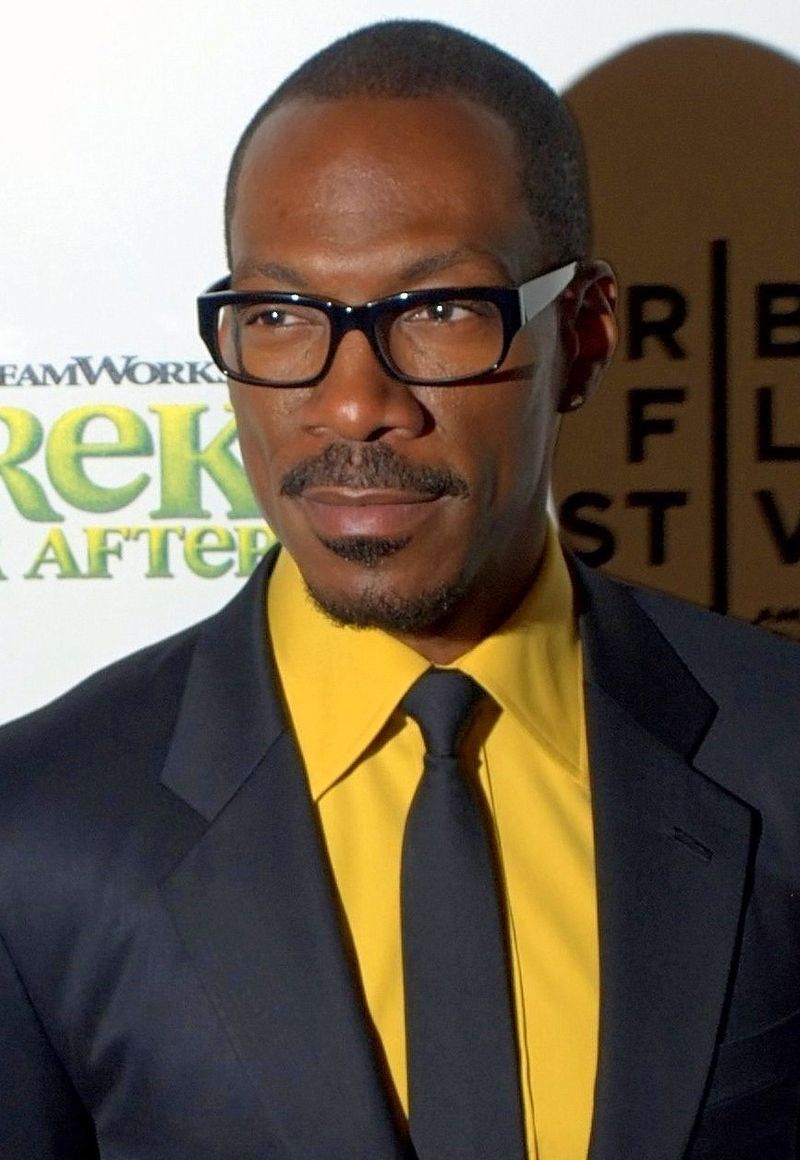
Eddie Murphy hit Saturday Night Live at 19 years old and immediately made the show relevant again. His energy was unlike anything television had seen, and his characters were so sharp that people quoted them at school the next morning.
By the time Beverly Hills Cop came out in 1984, he was not just funny; he was a full-blown phenomenon.
Beverly Hills Cop became the highest-grossing film of 1984 in the United States. His laugh alone could carry a scene.
Trading Places, 48 Hrs., and Coming to America followed, each one proving he could hold a blockbuster entirely on his own shoulders.
His stand-up specials, Delirious and Raw, are still studied by comedians today as examples of perfect timing and crowd control. My dad has quoted lines from Delirious for thirty years running and still laughs at his own jokes every time.
Eddie Murphy did not just make people laugh; he made the whole decade funnier by existing in it.
Tom Cruise: The Rising Star Who Became a Global Sensation
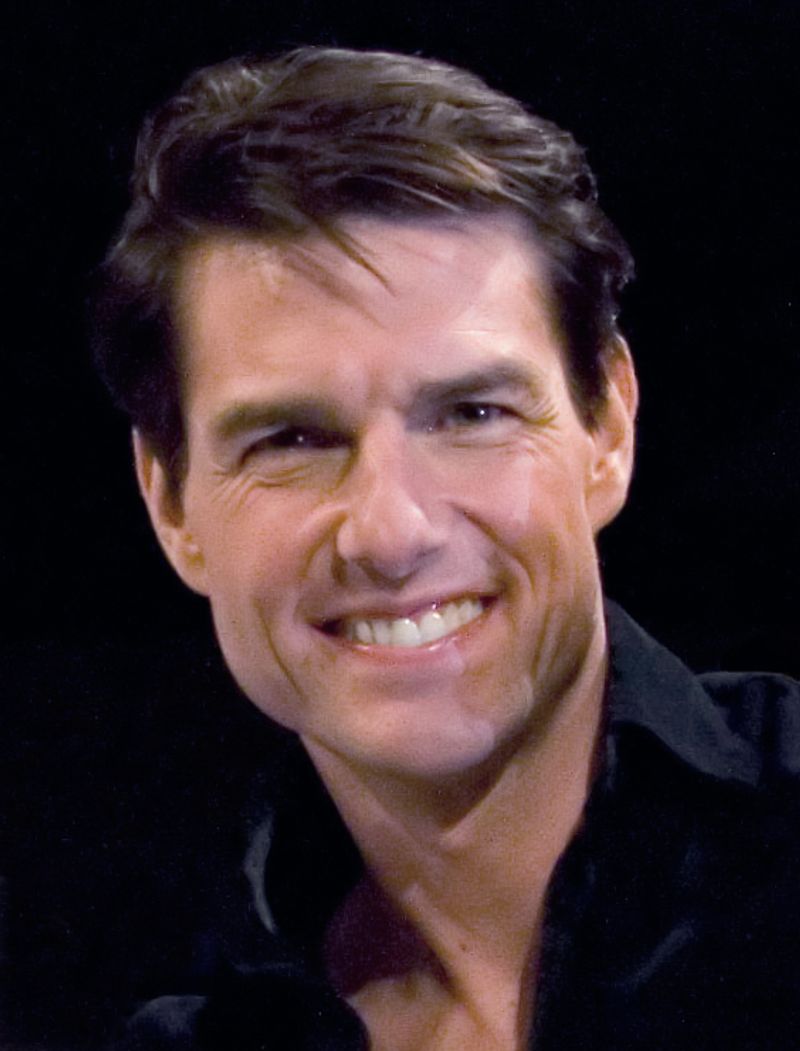
Top Gun landed in theaters in 1986 and turned Tom Cruise into something close to a national obsession. That film grossed 357 million dollars worldwide, and every teenage boy in America suddenly needed a pair of aviator sunglasses and a leather jacket.
The volleyball scene alone sold more Ray-Bans than any ad campaign could have managed.
Risky Business in 1983 had already introduced him as someone to watch, but Top Gun made him untouchable. He followed it with The Color of Money, Rain Man, and Born on the Fourth of July, showing he could handle serious dramatic roles just as convincingly as action-packed blockbusters.
Rain Man won the Academy Award for Best Picture in 1989.
What set Cruise apart was his commitment. He threw himself into every role completely, and audiences could feel that energy through the screen.
The ’80s launched his career, but the craft he developed during that decade built an empire that has lasted well past it.
Molly Ringwald: The Queen of Teen Movies

John Hughes basically built a universe around Molly Ringwald, and she filled it perfectly. Sixteen Candles in 1984 introduced her as the relatable teenager every high school kid recognized immediately.
She was not playing some glamorous fantasy; she was playing the real, awkward, hopeful experience of being young, and that honesty made her magnetic.
The Breakfast Club came out in 1985 and became one of the most quoted films of the entire decade. Pretty in Pink followed in 1986, completing a trilogy of teen classics that defined an entire generation’s view of high school life.
She was the emotional center of every film she appeared in, which is a remarkable thing for someone who was still a teenager herself while making them.
Ringwald represented something rare in 1980s Hollywood: a young actress who got to be complicated, funny, and real all at once. Decades later, those films still hold up because she made every scene feel genuinely lived-in and true.
Michael J. Fox: The Decade’s Favorite Everyman
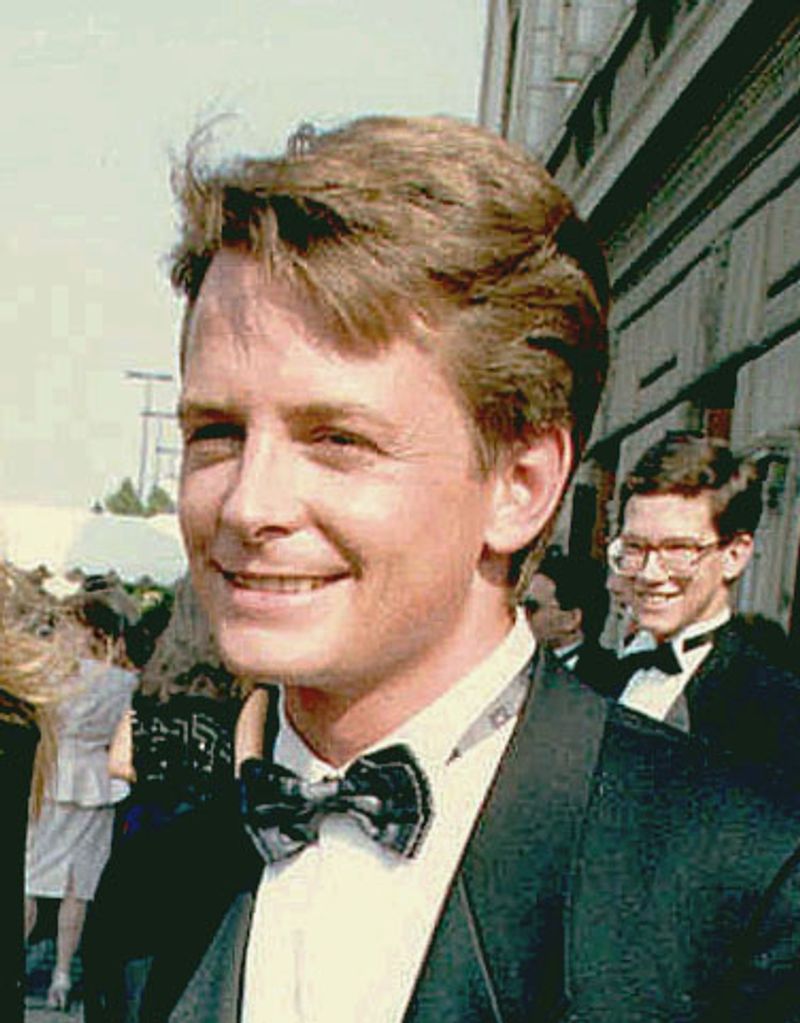
Few actors have ever been as likable as Michael J. Fox was in the 1980s.
Family Ties made him a television star, but Back to the Future in 1985 turned him into a full-on cultural icon. Marty McFly was the perfect character for the decade: quick-witted, slightly panicked, and impossible not to root for from start to finish.
Back to the Future grossed over 381 million dollars worldwide and became the highest-grossing film of 1985. The sequels arrived in 1989 and kept the magic running.
Between the TV show and the film franchise, Fox was basically everywhere you looked for the entire second half of the decade.
His comedic timing was impeccable. He could deliver a joke with a single expression faster than most actors could with a full paragraph of dialogue.
The 1980s had no shortage of charming leading men, but Fox brought a warmth and accessibility to his roles that made audiences feel like they personally knew him.
Oprah Winfrey: The Media Pioneer on the Rise
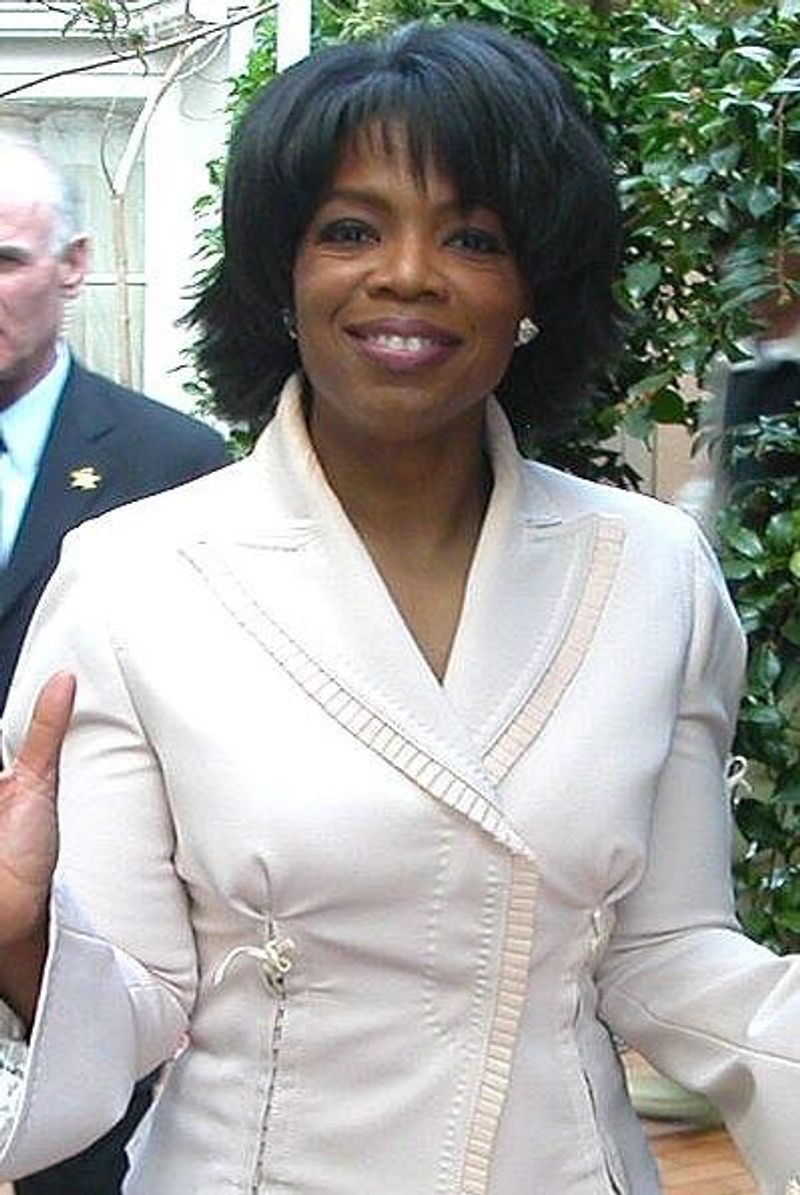
The Oprah Winfrey Show went national in September 1986, and American television was never quite the same afterward. Oprah did not just host a talk show; she created a space where real conversations happened on daytime TV for the first time.
Topics that other hosts avoided, she tackled head-on, and audiences responded by making her show the highest-rated talk program in history.
Her film debut in The Color Purple in 1985 earned her an Academy Award nomination for Best Supporting Actress. Not bad for someone who was simultaneously building a media empire from scratch.
Steven Spielberg cast her, and she delivered a performance that left critics searching for new words to describe what they had just watched.
What made Oprah extraordinary was her authenticity. She was not performing relatability; she genuinely had it.
By the end of the decade, she had built something that no one had built before: a brand based entirely on honesty, empathy, and the radical idea that people deserved to be heard.
Freddie Mercury: The Showman Who Captivated the World
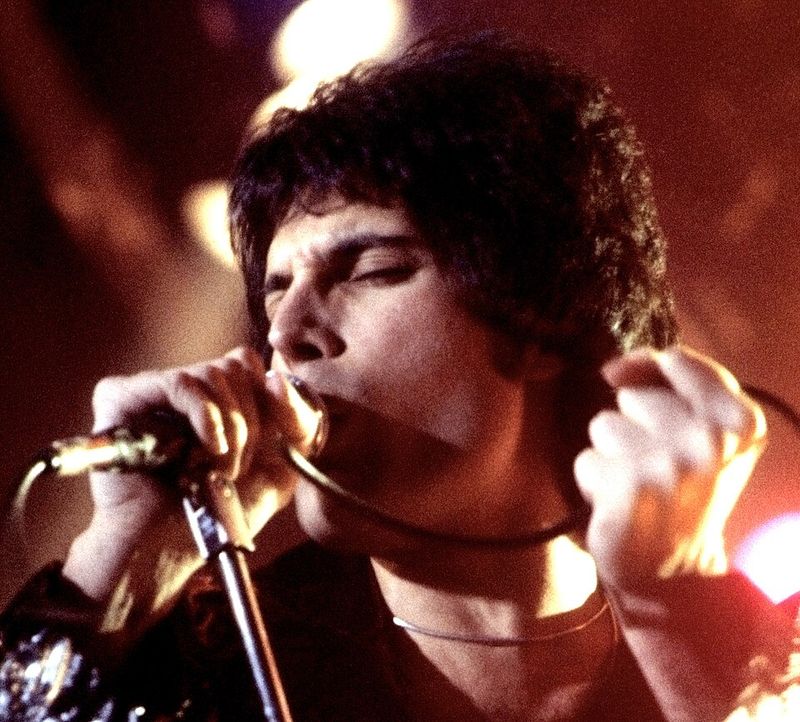
There is a reason the Live Aid performance in 1985 is still called the greatest live concert moment in history. Freddie Mercury walked onto that Wembley stage and proceeded to hold 72,000 people in the palm of his hand for 21 uninterrupted minutes.
No pyrotechnics, no elaborate set pieces, just a man and a crowd having the most electric conversation ever conducted without words.
Queen’s 1980s catalog was stacked. “Another One Bites the Dust,” “Under Pressure,” “Radio Ga Ga,” and “I Want to Break Free” all landed during this decade, each one showing a different side of the band’s remarkable range. Freddie wrote melodies that lodged themselves permanently into the brain of anyone who heard them once.
His stage presence was completely self-invented. He studied performers he admired and then created something entirely his own.
Every move, every interaction with the audience, felt spontaneous and yet somehow perfectly placed. Freddie Mercury was not just a rock star; he was a masterclass in what performing actually means.
Demi Moore: The Actress Who Became an ’80s Icon
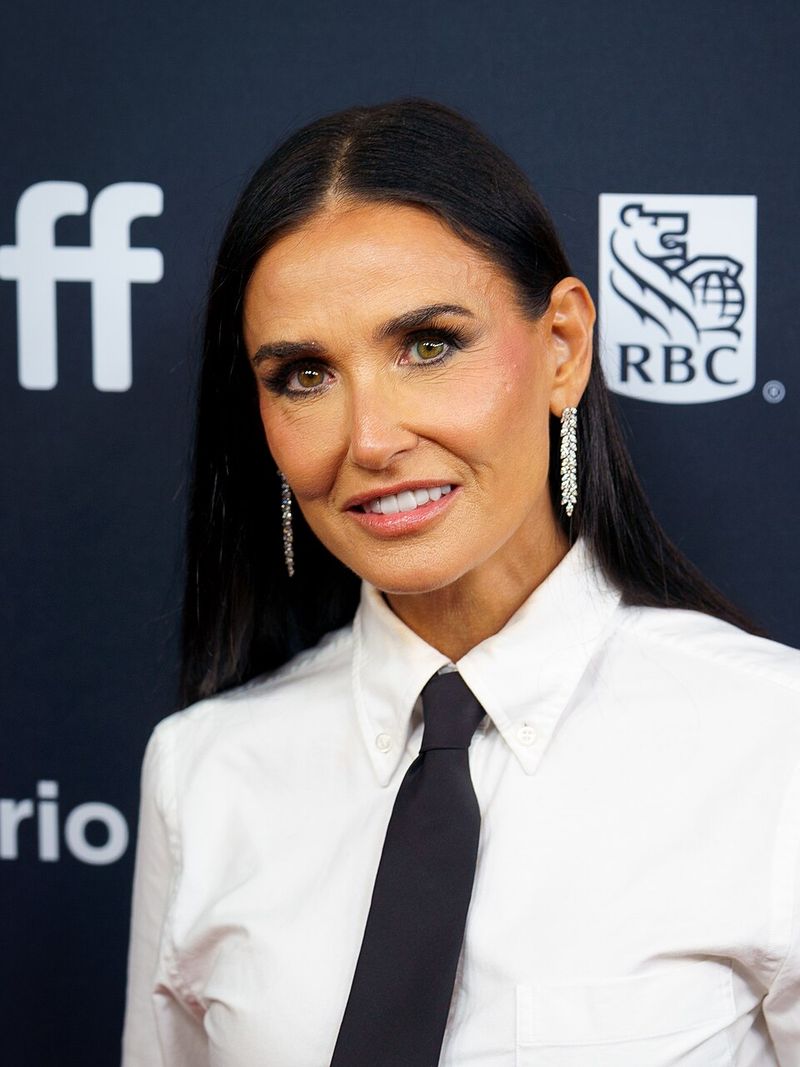
St. Elmo’s Fire came out in 1985 and introduced the world to the Brat Pack, but Demi Moore was the one who stuck around and built the longest career afterward. Her role as Jules in that film was raw, complicated, and completely captivating.
She was playing a character falling apart at the seams, and she made it look like the most honest thing anyone had put on screen that year.
She also appeared in About Last Night in 1986, which gave her room to show real emotional depth in a quieter, more intimate story. Critics started paying closer attention.
Ghost in 1990 was still years away, but the foundation she built during the 1980s made that blockbuster possible.
Moore worked consistently and deliberately throughout the decade, choosing roles that challenged her rather than ones that simply showed her off. That strategy paid off.
While some Brat Pack members faded quickly, she kept growing, kept pushing, and turned a decade of groundwork into a genuinely lasting career.
David Bowie: The Chameleon Who Reinvented Pop Culture
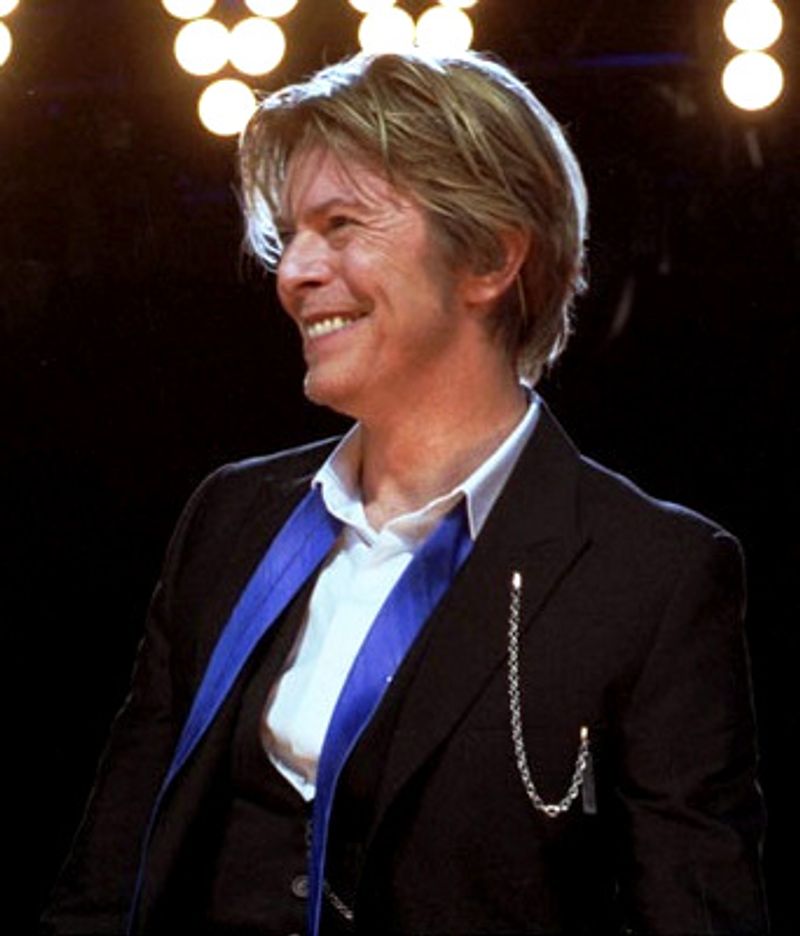
By the time the 1980s arrived, David Bowie had already reinvented himself several times over, but the decade gave him a whole new audience. Let’s Dance, released in 1983, became his best-selling album and introduced him to millions of listeners who had somehow missed the Ziggy Stardust and Thin White Duke chapters.
The title track hit number one in multiple countries simultaneously.
Nile Rodgers produced Let’s Dance, and the combination of his dance-floor instincts with Bowie’s artistic ambition created something genuinely irresistible. Stevie Ray Vaughan played guitar on the record, which is the kind of lineup that makes music historians emotional. “Modern Love” and “China Girl” from the same album were massive hits in their own right.
Bowie also appeared in Labyrinth in 1986, cementing his status as a pop culture figure who transcended any single medium. He influenced fashion, film, and music all at once, often without appearing to try very hard at any of them.
That effortless range is what made him genuinely irreplaceable.
Share this story