 Unearth The Voyage
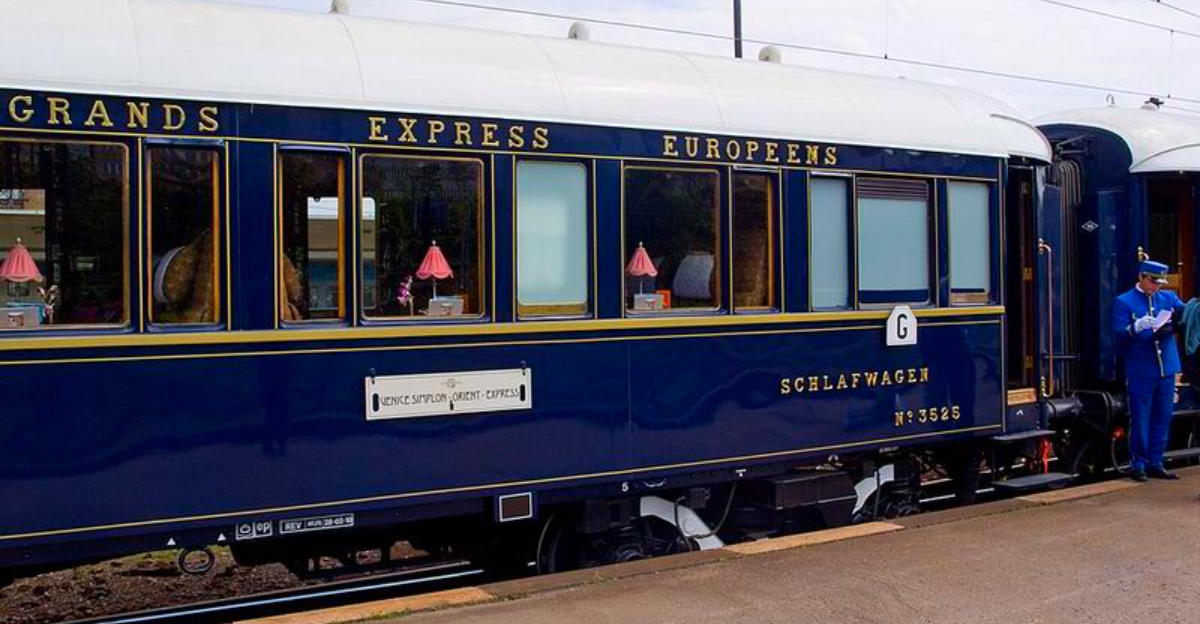
There is a reason classic train travel still feels irresistible. The pace is slower, the scenery lasts longer, and every station stop carries a little old-world romance.
If you want a trip that feels both nostalgic and vividly alive, these legendary routes still let you experience the spirit of the 1940s with a modern seat and a better camera.
1. Glacier Express
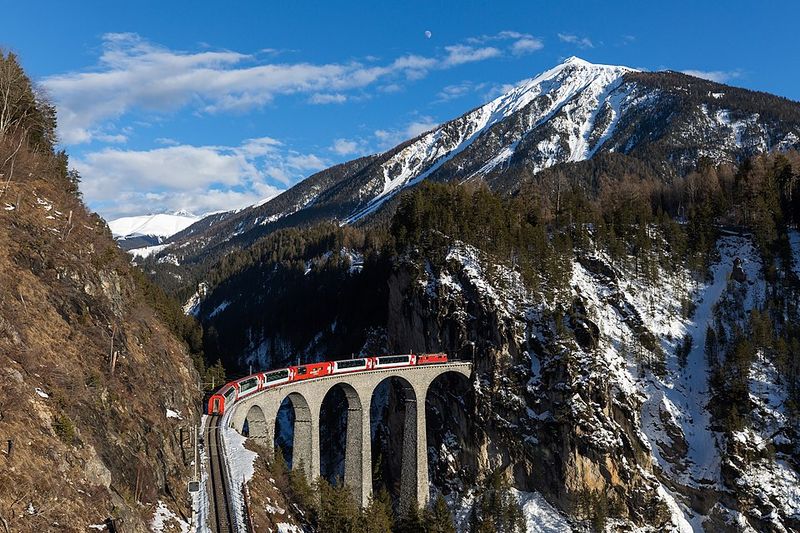
The Glacier Express proves that a train does not need speed to feel spectacular. Connecting Zermatt and St. Moritz, it became a beloved alpine route long before modern tourism turned scenic travel into a marketing phrase.
When you ride it today, you still get the same sense that Switzerland was made to be admired from a panoramic carriage window.
I love how every section seems designed to outdo the last. The train glides over bridges, through tunnels, and past snow-dusted peaks, villages, and green valleys that look almost too perfect to be real.
Because the pace stays gentle, you actually get to enjoy the details, and that lingering, unhurried pleasure is exactly what makes this route feel so enduringly classic.
2. The Blue Train
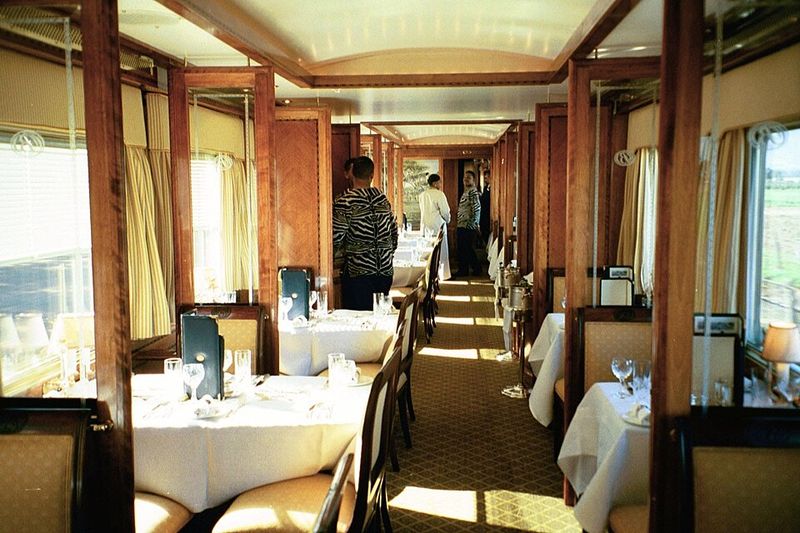
The Blue Train is one of those journeys that makes luxury feel timeless rather than flashy. Running between Pretoria and Cape Town, it built its reputation in the mid twentieth century by pairing polished service with some of South Africa’s most memorable landscapes.
You can still feel that heritage the moment you board and settle into its calm, refined rhythm.
What stands out to me is the contrast between plush interiors and the vast scenery outside. One minute you are enjoying elegant dining, and the next you are staring at open plains, mountains, and big South African skies.
It keeps the romance of classic rail travel alive while giving you the comfort that makes long-distance journeys feel indulgent instead of exhausting.
3. California Zephyr
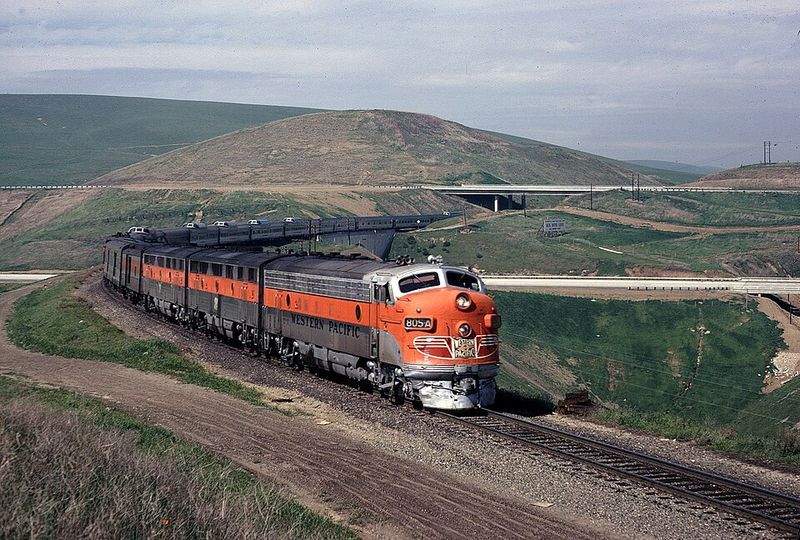
The California Zephyr captures everything people romanticize about American rail travel. Introduced in 1949, it became famous for dramatic views, streamlined style, and a route that made the Rockies feel close enough to touch.
If you want a train trip that still feels cinematic, this is the one I would put high on your list.
You glide past mountain passes, desert stretches, and river valleys that look almost unreal from the observation car. The slow reveal of the landscape is what makes it special, because you are never blasted through the scenery.
Instead, you get time to watch the West unfold like an old travel poster, only now the seats are softer and the windows make the whole thing even better.
4. Trans-Siberian Railway
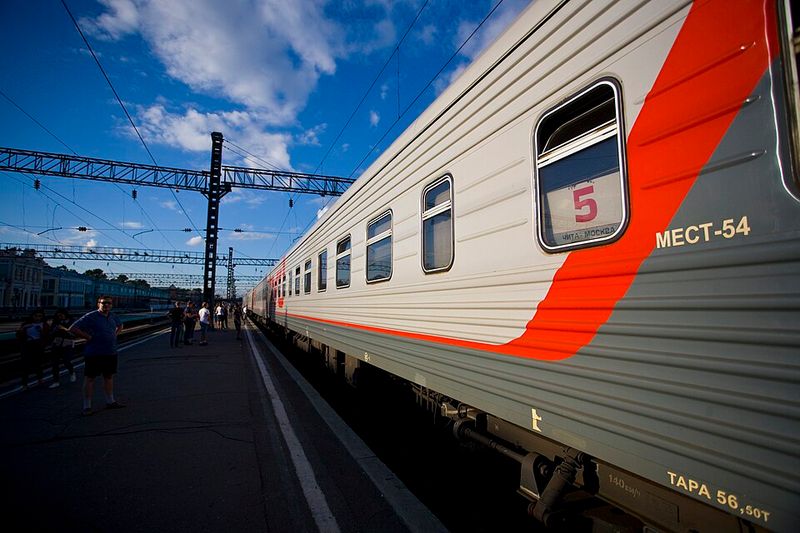
The Trans-Siberian Railway is less a train ride and more a world unto itself. Spanning Russia across thousands of miles, it remains one of the most legendary rail journeys on Earth and still carries the same epic spirit that fascinated travelers in the 1940s.
If you crave scale, history, and a little endurance, nothing else really compares.
What makes it memorable is not one single view but the accumulation of many. Forests, steppe, cities, remote towns, and endless horizons roll by until the distance itself becomes part of the experience.
I find that this route changes your sense of time, because after several days on board, the train’s rhythm starts to feel natural and the outside world begins to seem unusually rushed.
5. The Canadian
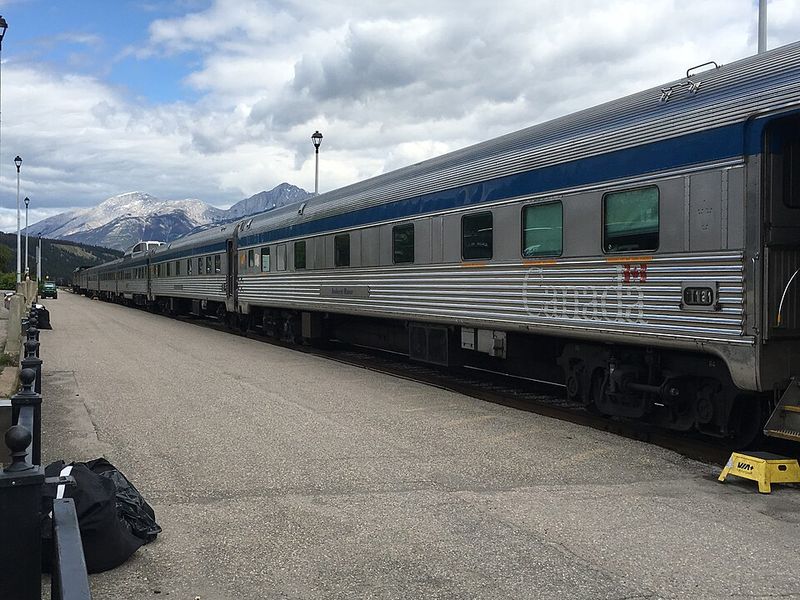
The Canadian holds onto the grandeur of classic North American rail travel in a way few routes still can. Traveling from Toronto to Vancouver, it threads through forests, prairies, lakes, and mountains with a slow confidence that feels wonderfully old-fashioned.
You board for the scenery, but the real reward is how completely the journey takes over your attention.
I think the dome cars are what make this route especially magical. Sitting high above the tracks, you watch Canada expand in every direction, from empty wilderness to jagged peaks, without ever feeling separated from it.
There is a quiet majesty to the whole experience, and it is easy to understand why this train still preserves the spirit of mid-century travel so well.
6. The Orient Express
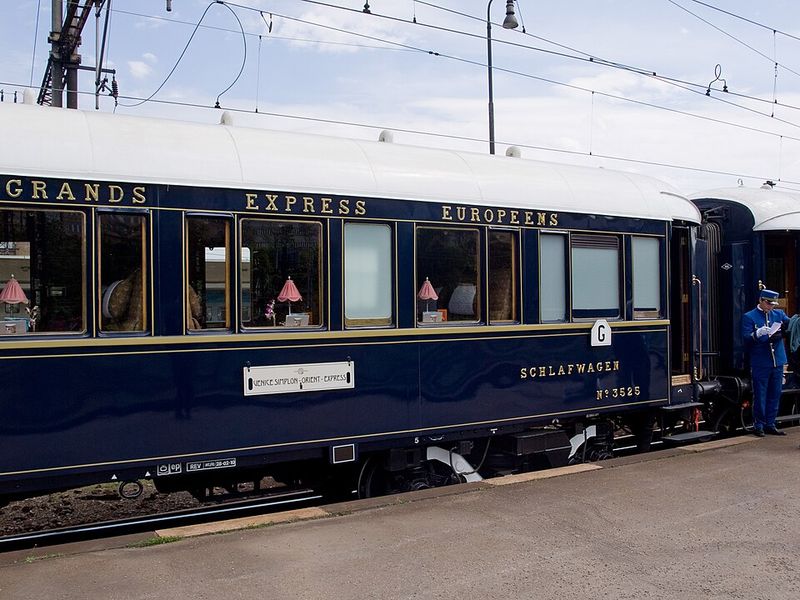
If you have ever wanted rail travel to feel like a novel, the Orient Express still delivers that mood. The original Paris to Istanbul service changed over time, but modern recreations preserve the glamour, polished wood, and hushed excitement that made it famous in the 1940s.
You are not just booking transport here, you are stepping into a carefully revived legend.
What I love most is how the route turns the journey into the event itself. Fine dining, restored carriages, and elegant cabin details make every mile feel ceremonial rather than rushed.
When Europe rolls past your window, from cities to open countryside, it becomes easy to imagine what long-distance luxury once meant and why travelers still chase that feeling today.
7. The Ghan
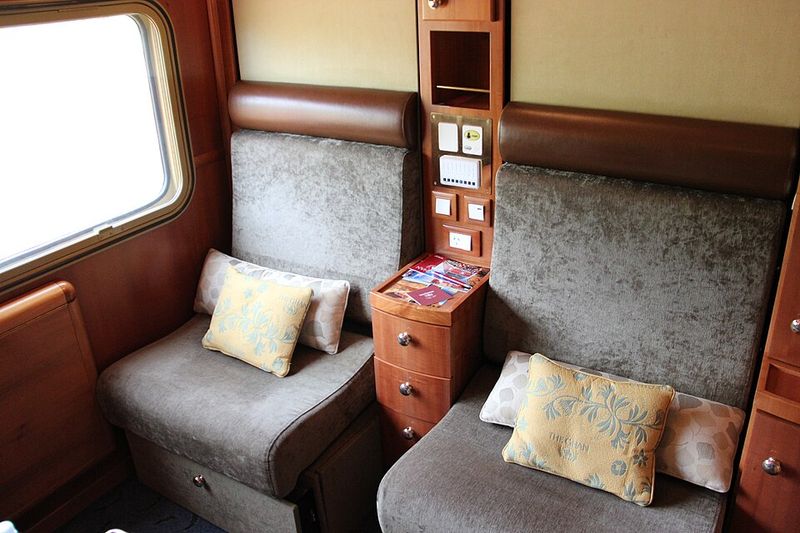
The Ghan is one of those trains that instantly conjures up adventure. Named after the Afghan cameleers who once crossed Australia’s interior, it links north and south through the country’s dramatic Red Centre with a sense of purpose that reaches back well before the 1940s.
Even today, the route feels rugged, iconic, and deeply tied to the landscape.
What you notice first is how powerfully the outback fills the window. Red earth, wide skies, and isolated stops create a feeling of distance that airplanes never let you appreciate.
I like this journey because it gives you time to absorb Australia rather than simply arrive in it, and that slower experience is exactly why classic long-distance train travel still matters.
8. West Highland Line
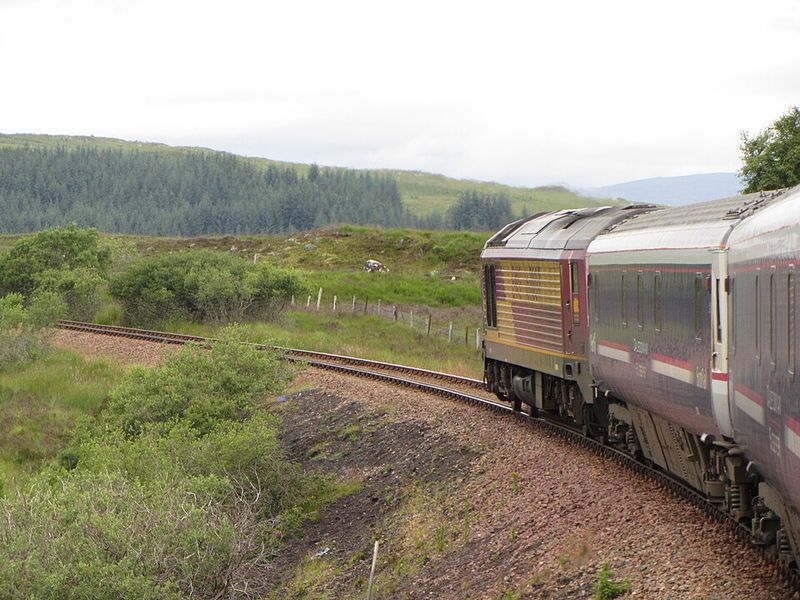
The West Highland Line has a rugged beauty that feels completely different from the polished glamour of famous continental trains. Running into the Scottish Highlands, it became beloved for its wild scenery, isolated stretches, and timeless atmosphere long before modern film fame pushed it into the spotlight.
You ride this route for drama, not decoration, and it delivers exactly that.
I like how the journey feels slightly untamed, as if the landscape still has the upper hand. The train passes lochs, moors, mountains, and the famous Glenfinnan Viaduct, all wrapped in that shifting Highland light that can turn moody and magical in minutes.
It is a perfect reminder that classic rail travel was often about connecting difficult, beautiful places in unforgettable ways.
9. Darjeeling Himalayan Railway
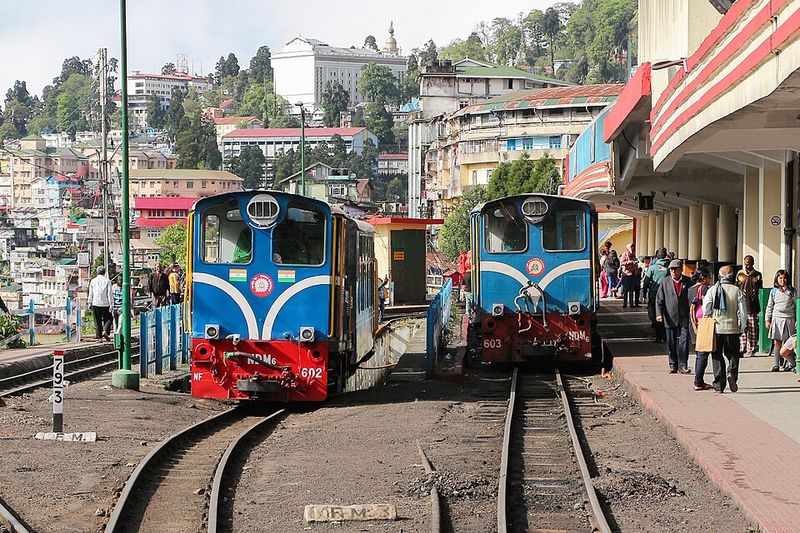
The Darjeeling Himalayan Railway is small in scale but enormous in character. Known as the Toy Train, it winds through the Himalayan foothills with loops, tight curves, and old engineering that still feels ingenious today.
By the 1940s it had already become iconic, and riding it now feels like entering a living piece of railway history.
What makes it so memorable is how close you feel to everything around you. The train edges past markets, homes, tea gardens, and mountain views with an intimacy that bigger routes rarely achieve.
I find that its charm comes from this constant interaction between railway and daily life, which gives you not just scenery but a vivid sense of place and continuity across generations.
10. Night Riviera
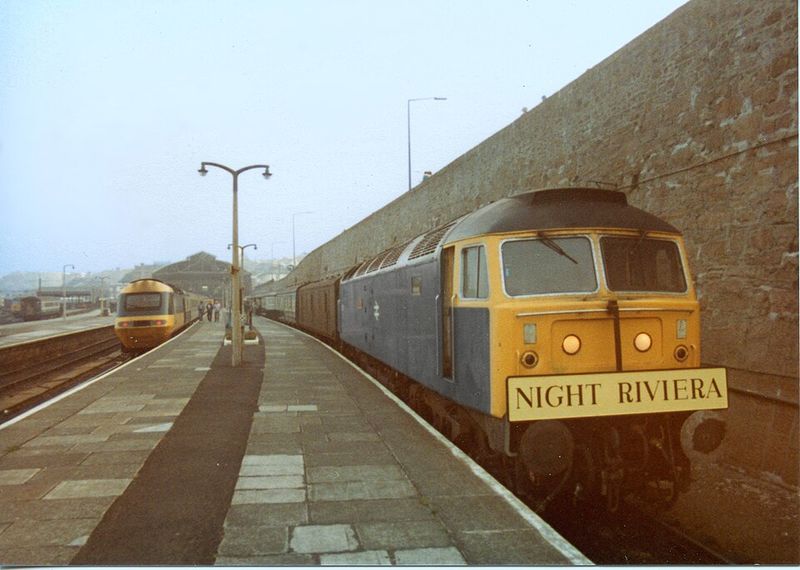
The Night Riviera keeps alive a form of travel that once felt completely normal and now seems pleasantly romantic. Linking London with Cornwall overnight, it preserves the sleeper train tradition that was a practical and popular part of rail life during the 1940s.
There is something deeply satisfying about falling asleep in one place and waking up near the sea.
What I enjoy most is the blend of usefulness and nostalgia. You save daylight hours, avoid the stress of airports, and still get the quietly magical experience of corridors, bunks, and the muffled motion of a night train.
By morning, Cornwall appears with that fresh-arrival feeling only sleepers seem to create, reminding you that old travel habits sometimes remain the most charming ones.
11. Bergen Line
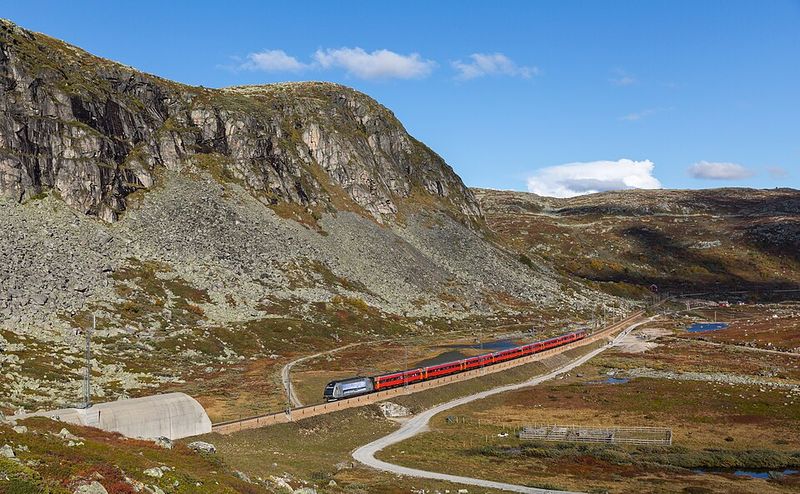
The Bergen Line shows how a practical railway can also feel epic. Connecting Oslo and Bergen across Europe’s highest railway plateau, it has long been treasured for the way it cuts through some of Norway’s most dramatic scenery.
If you want a route that feels both historic and elemental, this one makes a strong case for traveling by rail.
I am always struck by how quickly the views turn from gentle to severe. Forests give way to snowfields, mountain terrain, and weather-shaped expanses that feel beautifully remote, especially in winter.
The route has remained a favorite for decades because it gives you that rare sense of crossing a landscape rather than skimming over it, which is exactly the kind of experience classic train travel does best.
12. Flam Railway
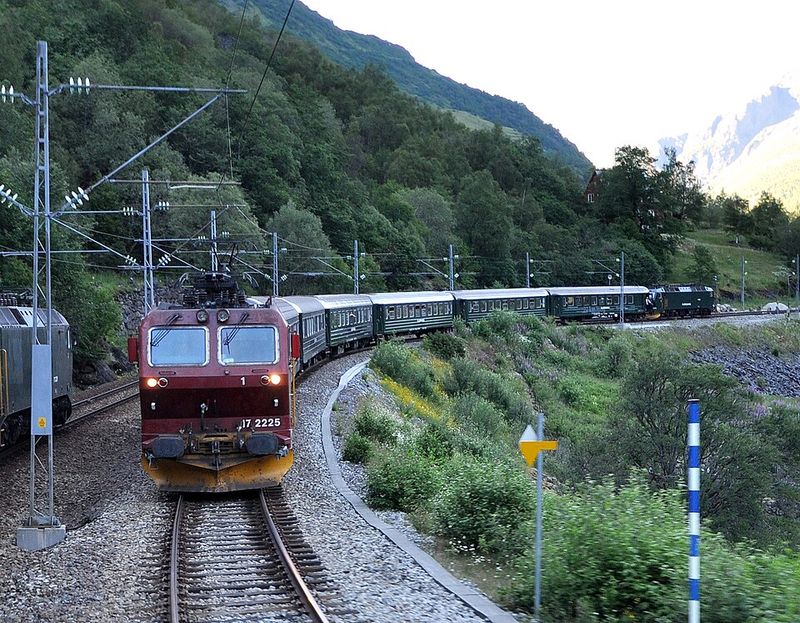
The Flam Railway is short, but it packs more visual drama into its route than many all-day journeys. Branching from the Bergen Line, it descends through a steep Norwegian valley filled with waterfalls, cliffs, and postcard-worthy scenery that never seems to pause.
You may not spend long on board, but the experience stays with you far longer than the timetable suggests.
What I like is how immediate everything feels. The train moves close to sheer rock faces, rushing water, and tiny farms clinging to the mountainside, so every minute brings another photo-worthy moment.
It is a reminder that classic rail appeal is not only about distance or luxury, but about how cleverly a line can reveal terrain that would be far less magical by road.
13. Venice Simplon-Orient-Express
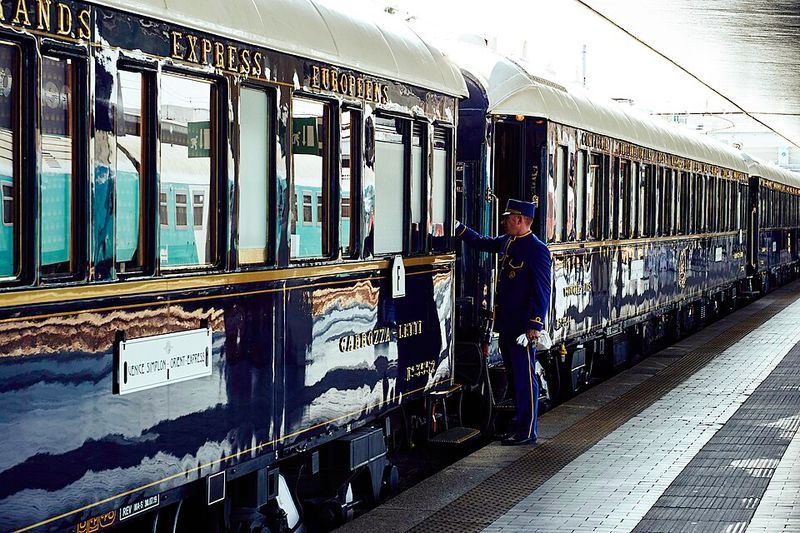
The Venice Simplon-Orient-Express is a revival, but it does not feel like an imitation. With beautifully restored vintage carriages, rich Art Deco details, and candlelit dining, it recreates the mood of Europe’s golden age of rail travel so convincingly that you quickly stop thinking of it as modern.
If you want theatrical elegance, this train absolutely understands the assignment.
What I appreciate is how carefully the entire experience is curated. From the cabin finishes to the dress code and the leisurely meals, everything invites you to slow down and enjoy the performance of travel itself.
As the train moves through Europe, the shifting landscapes become part of that glamour, making the route feel both nostalgic and unexpectedly alive in the present.
14. The Overland
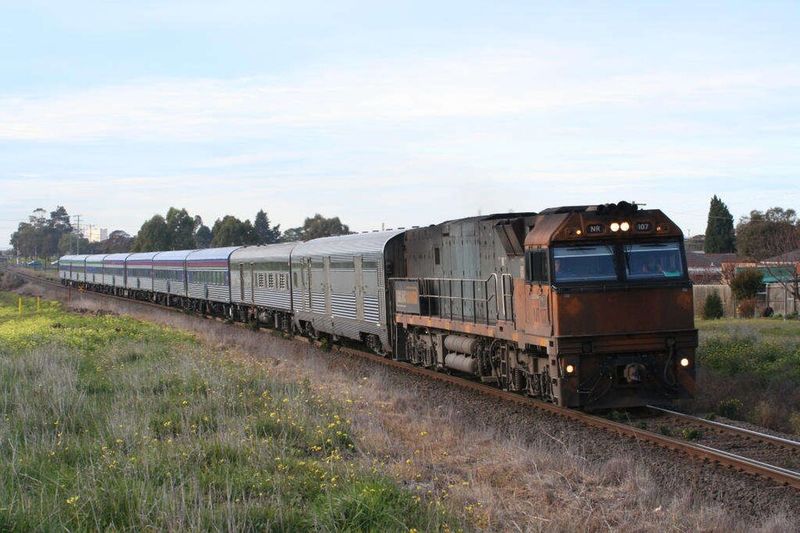
The Overland may not be as flashy as some famous long-distance trains, but that is part of its charm. Running between Melbourne and Adelaide since the early twentieth century, it preserves the dependable, civilized feel of intercity rail travel that remained central to everyday life in the 1940s.
You ride it less for spectacle and more for atmosphere, tradition, and continuity.
What I appreciate is the route’s understated appeal. The landscapes are gentler, the pace feels measured, and the whole experience suggests a time when train travel was simply how many journeys were meant to happen.
There is a quiet pleasure in that simplicity, and if you value heritage over hype, this train offers a very real connection to Australia’s enduring railway culture.
15. Empire Builder
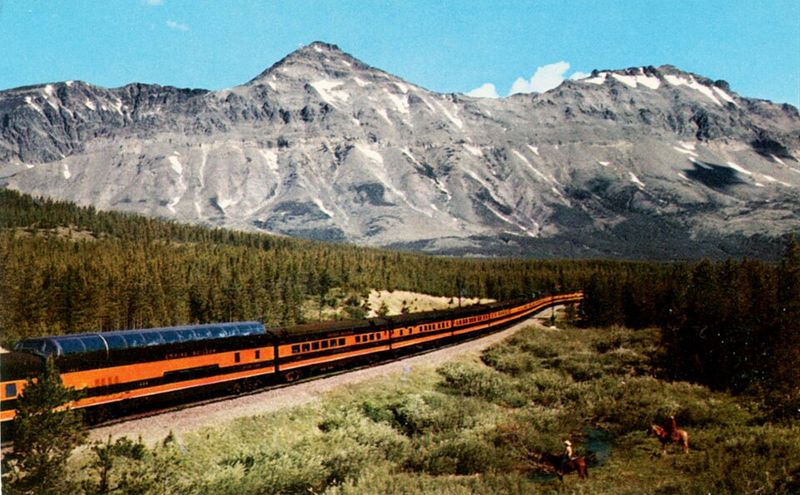
The Empire Builder remains one of the most evocative train names in America, and the route lives up to it. Following the legacy of the Great Northern Railway, it still links Chicago with the Pacific Northwest through landscapes that feel expansive, rugged, and deeply tied to the nation’s rail history.
If you want a trip with both historical resonance and real scenic payoff, this is a strong choice.
I like how the journey gradually shifts from Midwestern openness to northern forests and mountain country. That transition gives the ride a narrative quality, as if you are traveling through chapters rather than states.
The train still carries the adventurous spirit of an earlier era, when long-distance rail lines promised not just mobility, but a genuine sense of discovery across the American map.



