Australia is famous for the Opera House and the Great Barrier Reef, but the country has been quietly hiding some jaw-dropping natural wonders that most tourists never find. From ancient gorges carved billions of years ago to glowing pink lakes and underground lava tunnels, the real Australia is wilder and weirder than most people expect.
I spent years thinking I knew this country well, until a road trip through the outback proved me very, very wrong. These 15 lesser-known spots deserve a permanent spot on your bucket list.
Bungle Bungle Range, Western Australia
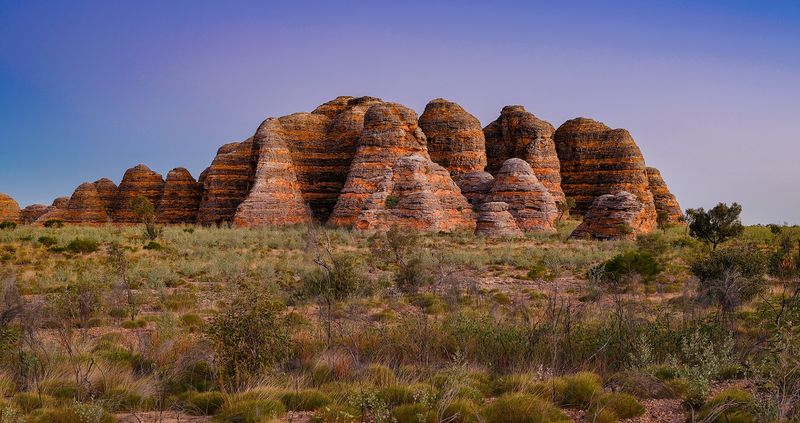
Nobody told me that the Bungle Bungle Range would make me feel like I had landed on another planet. Tucked inside World Heritage-listed Purnululu National Park, these beehive-shaped sandstone domes are banded in striking orange and black stripes that no filter can improve.
The remoteness is part of the magic. Getting here takes effort, which is exactly why the crowds are thin and the sense of discovery is real.
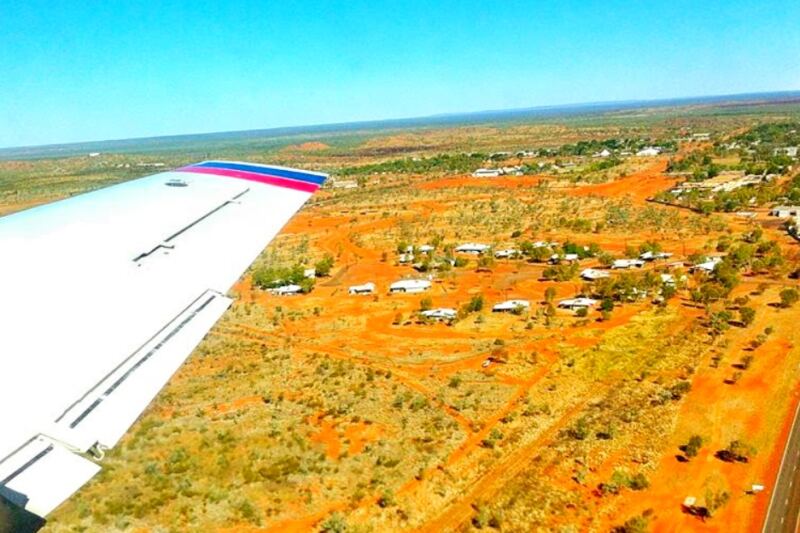
Most visitors fly in or tackle a long dirt road, and every bump is worth it.
The domes were largely unknown to the wider world until the 1980s, even though Aboriginal people have known and cared for this land for tens of thousands of years. Cathedral Gorge, a natural amphitheater hidden within the range, is the kind of place that makes you go very quiet.
Plan at least two days here. One is never enough.
Karijini National Park, Western Australia
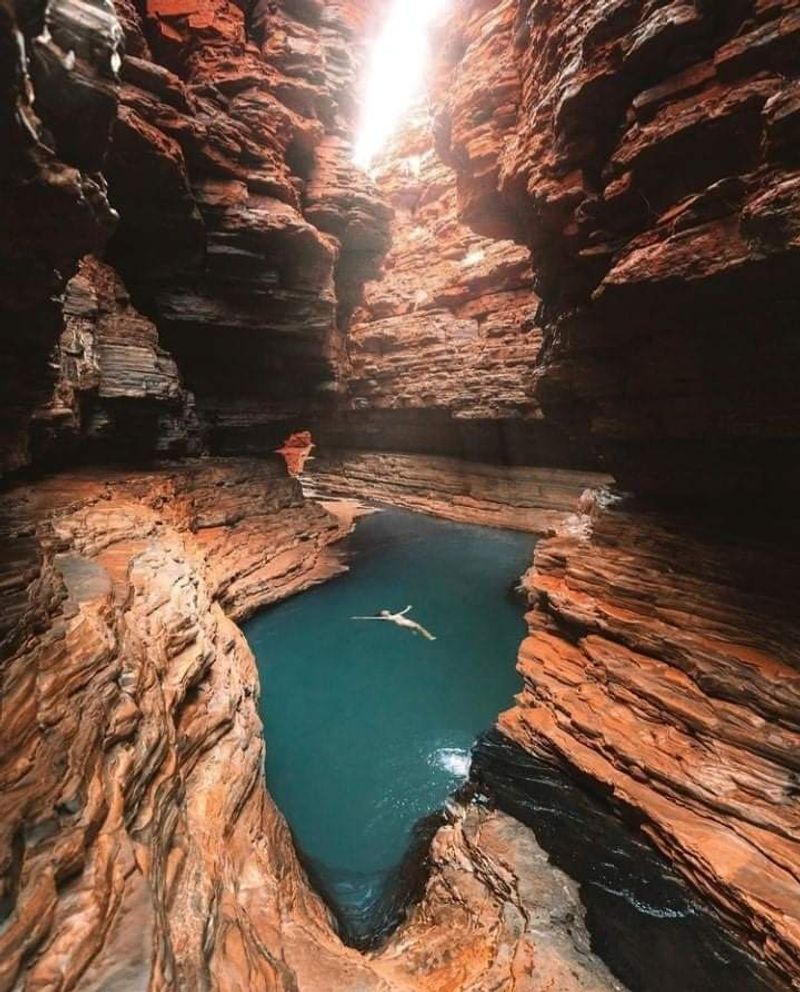
Karijini National Park looks like a special-effects team went overboard, and yet every single pixel of it is completely real. The park sits on rock that is more than 2.5 billion years old, which makes it one of the most ancient landscapes on Earth that you can actually walk through.
The gorges here are genuinely dramatic. Narrow slots of red rock open up to emerald swimming holes and cascading waterfalls that feel almost secret.
Hancock Gorge and Weano Gorge are fan favorites, but every trail here delivers something worth stopping for.
A word of warning: some of the gorge walks involve squeezing through tight gaps and wading through cold water. Pack sturdy shoes and leave the flip-flops in the car.
The effort pays off spectacularly. Karijini is the kind of park that ruins you for ordinary hikes, and honestly, that is a trade worth making.
The Pinnacles, Nambung National Park, Western Australia
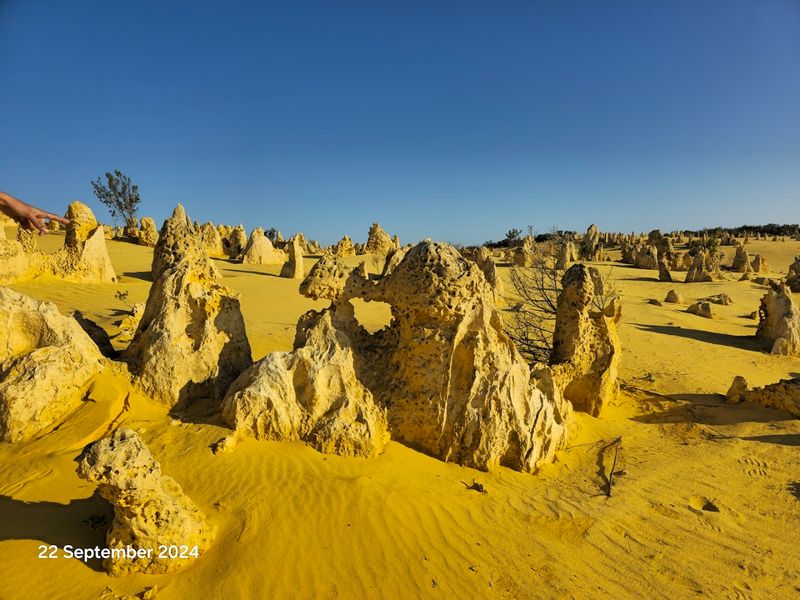
Thousands of limestone pillars jutting out of golden sand with zero explanation is peak Western Australia energy. The Pinnacles Desert inside Nambung National Park is one of those places that looks photoshopped but is completely, gloriously natural.
Scientists believe the pillars formed from ancient seashells, slowly cemented and then exposed by shifting sands over thousands of years. The result is a landscape that looks like nature got bored and started sculpting.
Sunrise and sunset are the best times to visit, when the shadows stretch long and the whole desert glows amber.
Here is the part most visitors miss: the park is far more than just the Pinnacles. Nearby Lake Thetis holds ancient stromatolites, one of the oldest life forms on Earth.
The coastal dunes and wildflower country surrounding the park round out a visit that rewards anyone willing to slow down and explore a little beyond the obvious photo spot.
Danggu (Geikie Gorge), Western Australia
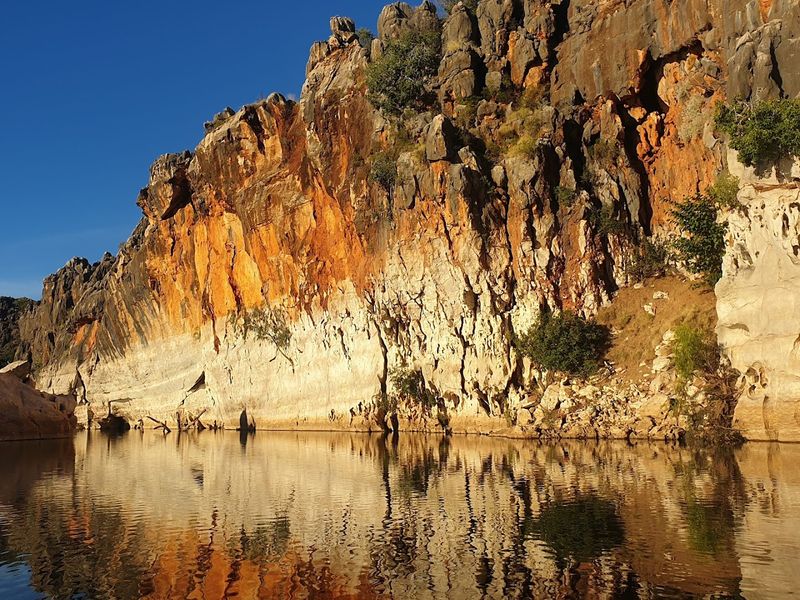
Danggu, also known as Geikie Gorge, is where the Kimberley shows off its geological resume. The steep cream and orange rock walls rise directly from the Fitzroy River, and on a still morning the reflections are almost too perfect to believe.
What makes Danggu genuinely special is the fossils. The walls are packed with ancient marine creatures, which seems wild given that you are standing in the middle of the outback.
This was once a coral reef, and the rock remembers. Ranger-guided boat tours are the best way to hear the full story, and the Bunuba people, the traditional custodians, share knowledge of this place that no guidebook can replicate.
The park currently operates with limited facilities, which keeps the experience refreshingly unpolished. This is not a place built around tourism.
It is a place that simply exists, ancient and unhurried, and it welcomes visitors on its own terms. That alone makes it worth the trip.
Carnarvon Gorge, Queensland
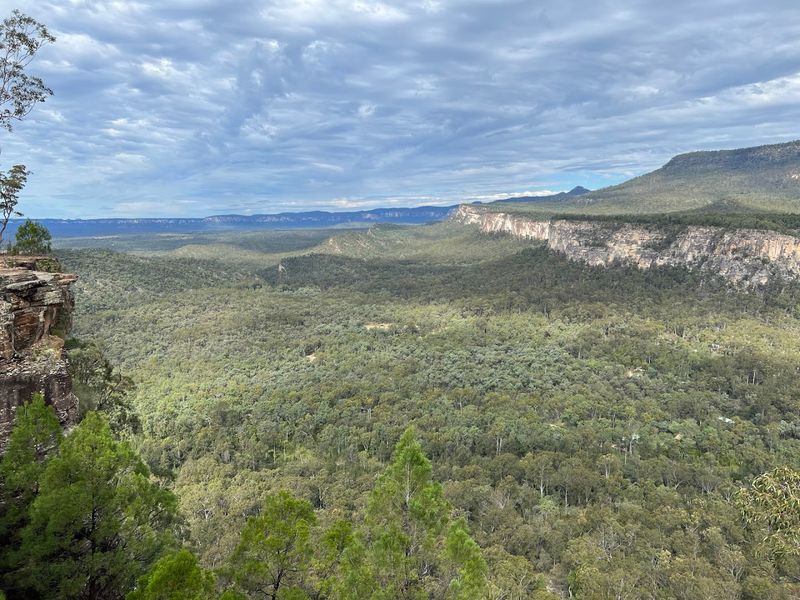
Carnarvon Gorge is the outback’s best-kept secret, and I am slightly annoyed it took me so long to find it. Towering sandstone cliffs, cool side gorges, ancient ferns, and some of the most significant Indigenous rock art in Australia all share this one remarkable place in central Queensland.
The gorge is about 30 kilometers long and rewards walkers who go slowly. The Art Gallery, a long sandstone overhang covered in stenciled hands and engravings, is one of the most moving cultural sites I have ever stood in front of.
It stops you in your tracks.
Queensland’s tourism pages call it a hiking haven, and that is accurate. There are trails for every fitness level, from easy creek walks to full-day adventures.
The camping is excellent too. Carnarvon Gorge is not a place you rush through on a day trip.
It is a place you settle into, and it rewards every extra hour you give it.
Undara Lava Tubes, Queensland
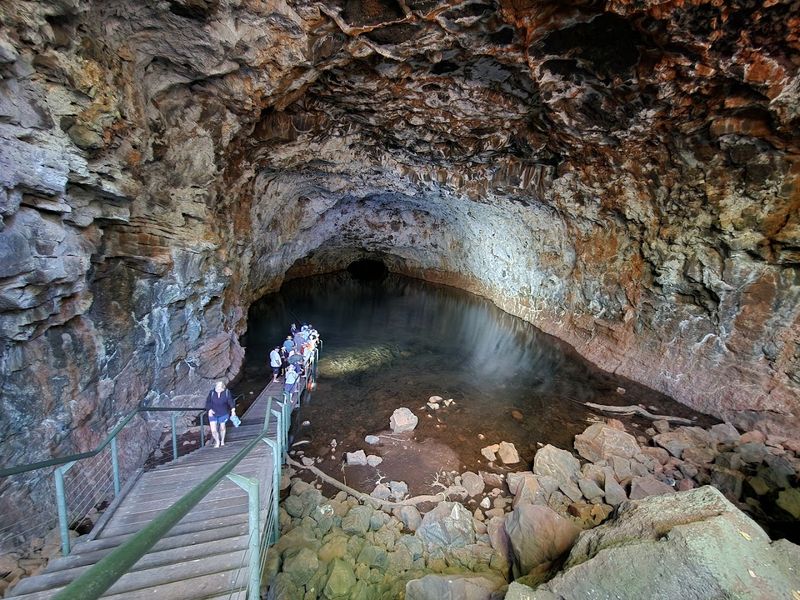
About 190,000 years ago, a volcano in north Queensland had a very bad day. The lava it produced flowed so fast and so far that it created one of the longest lava tube systems in the world, and those tubes are still sitting under the savanna, waiting for visitors.
Undara Volcanic National Park is the kind of place that rewards curiosity. The tubes themselves are enormous, some large enough to drive a bus through, and the guided tours do a brilliant job of explaining exactly how liquid rock carved these tunnels and then left them hollow.
It is underground geology at its most theatrical.
Access is by guided tour only, which keeps the experience focused and the formations protected. The park is open around the clock, making it a flexible stop on any north Queensland road trip.
Wildlife is a bonus here too. Microbats pour out of the tube entrances at dusk in numbers that are genuinely hard to comprehend.
The Lost City, Northern Territory
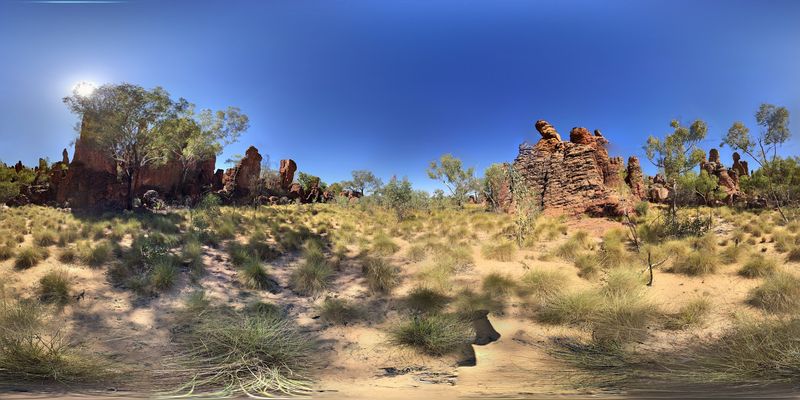
The Lost City is not lost at all. It is right there inside Litchfield National Park, quietly being one of the most underrated geological spectacles in the entire Top End.
The sandstone formations really do look like the ruins of an ancient city, all towers and crumbling walls, arranged in eerie clusters across the bush.
Getting there requires a 4WD vehicle and a sense of adventure. The track can close seasonally, so checking conditions before you go is genuinely important.
That small hurdle keeps the crowds away and makes arrival feel earned.
Litchfield is already popular for its waterfalls and swimming holes, but most visitors never make it out to the Lost City. That is their loss and your gain.
The formations sit quietly among the trees, looking ancient and slightly dramatic, which they absolutely are. Pair this stop with a swim at Florence Falls and you have one of the best days the Northern Territory can offer.
Bitter Springs, Northern Territory
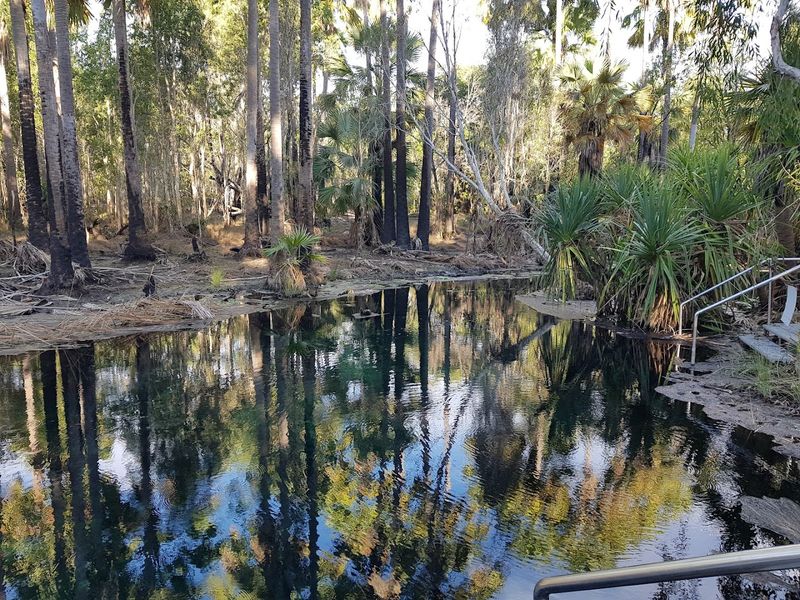
Floating down a warm, crystal-clear thermal spring lined with palms in the middle of the Northern Territory is exactly as good as it sounds. Bitter Springs, part of Elsey National Park near Mataranka, sits at a steady 34 degrees Celsius year-round, which makes it one of the most pleasant swimming experiences in Australia regardless of the season.
The spring feeds a slow-moving channel through the palm forest, and the traditional method of enjoyment is to simply float downstream and then walk back up to do it again. I did this four times on a Tuesday.
I regret nothing.
The water is remarkably clear, and the setting is lush in a way that feels unexpected this far into the outback. Nearby Mataranka Thermal Pool gets more visitors, but Bitter Springs is the better spot.
It is quieter, more beautiful, and far less likely to be packed with tour buses. Arrive early for the full serene effect.
Warrumbungle National Park, New South Wales
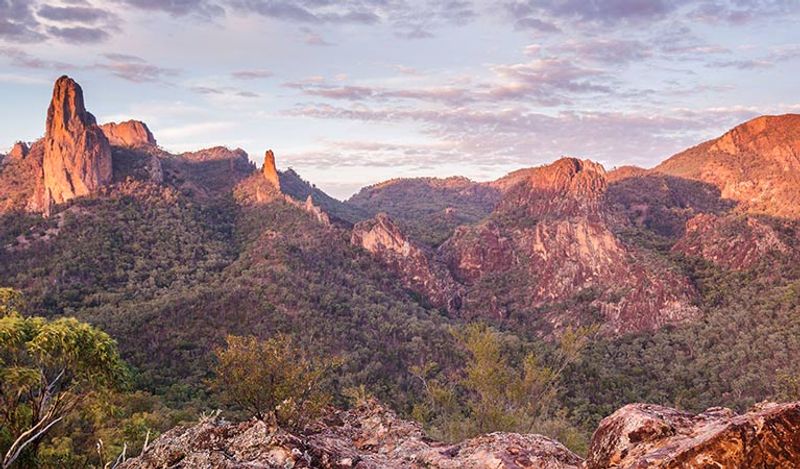
By day, Warrumbungle National Park is a dramatic tangle of volcanic spires and ancient lava formations rising above the New South Wales outback. By night, it becomes something else entirely: Australia’s first officially declared Dark Sky Park, with some of the clearest, most spectacular stargazing in the country.
The Breadknife, a narrow volcanic wall just four meters wide but 90 meters tall, is the park’s most iconic landmark. Hikes range from short loops to full-day ridge walks, and the scenery shifts constantly as the volcanic geology throws up new shapes at every corner.
Warrumbungle sits on the edge of the outback, far enough from city lights to make the Milky Way look almost overwhelming. The Siding Spring Observatory is nearby, which tells you everything about the quality of the skies here.
Pack a sleeping bag, stay overnight in one of the campgrounds, and let the stars do the rest. You will not be disappointed.
Walls of China, Mungo National Park, New South Wales
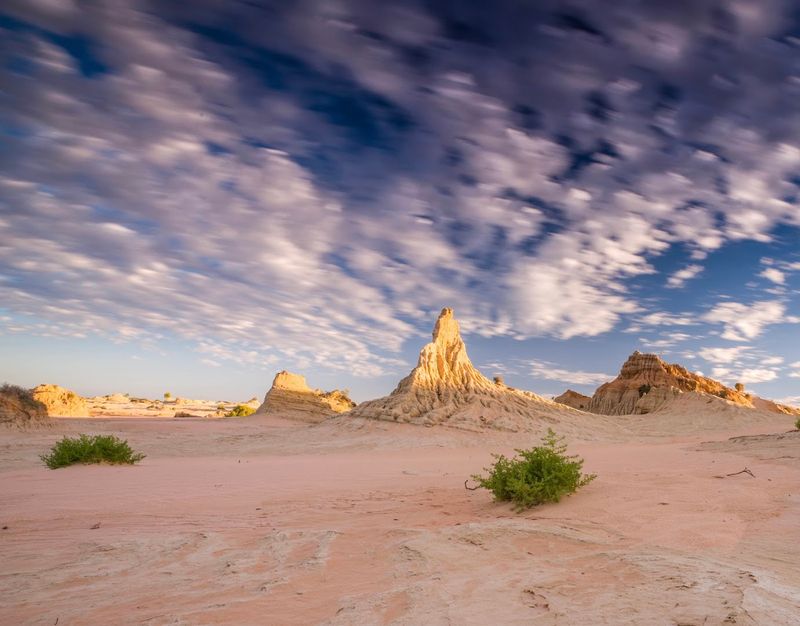
Despite the name, the Walls of China in Mungo National Park have nothing to do with China and everything to do with one of the most haunting landscapes in Australia. The name comes from a former Chinese workforce who once lived nearby, but the formations themselves are pure outback poetry.
Wind and rain have sculpted the ancient sand and clay into jagged, pale ridges that stretch across the horizon like something from another world. The landscape shifts color through the day, moving from cream to orange to deep red as the light changes.
Sunset here is genuinely dramatic.
Mungo National Park is also one of the most significant archaeological sites in Australia. Human remains found here date back around 40,000 years, making this one of the oldest known human burial sites on Earth.
That context adds a layer of weight to every visit. Guided tours with Aboriginal rangers are available and highly recommended for anyone who wants the full story.
Ikara (Wilpena Pound), South Australia
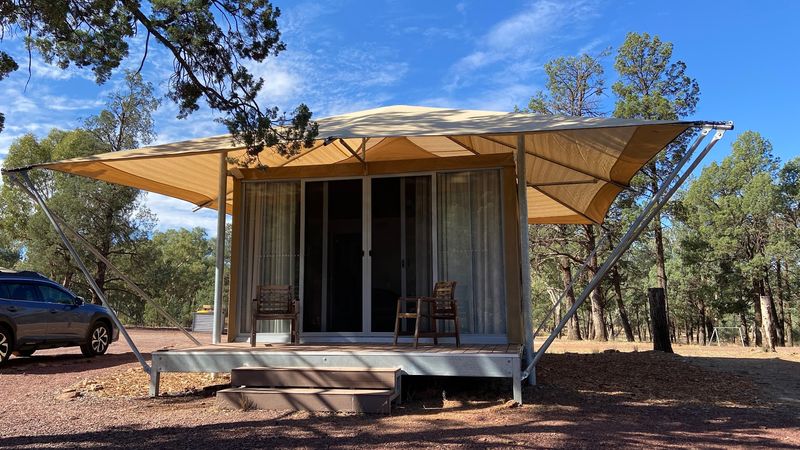
From the air, Wilpena Pound looks like a giant meteor impact site. On the ground, it looks like the mountains decided to form a circle and never stopped.
This natural amphitheater of ancient ridgelines in the Flinders Ranges is one of South Australia’s most breathtaking landscapes, and it is criminally undervisited.
The Pound is enormous. The enclosed area covers about 80 square kilometers, and the surrounding ridges rise to over 1,000 meters.
Walking into the interior feels like stepping inside a natural fortress. The geology here is spectacular, with tilted quartzite ridges telling a story of ancient seabeds and continental collisions.
Ikara is the Adnyamathanha name for this place, meaning meeting place of wedge-tailed eagles. The traditional custodians have cared for this country for thousands of years, and their connection to the land is woven into every guided experience available here.
Stay at least two nights. The light in the late afternoon turns the whole range deep gold, and that is worth every kilometer of the drive.
Naracoorte Caves, South Australia
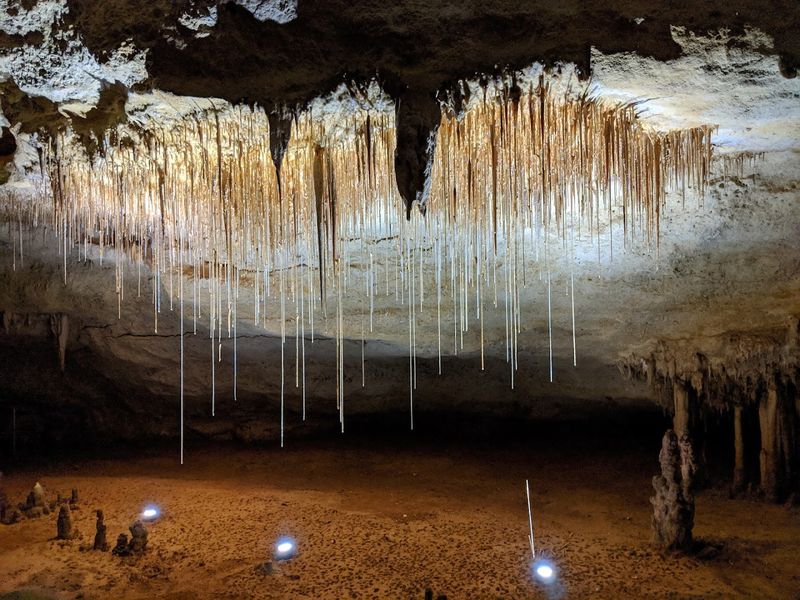
Naracoorte Caves are pulling double duty as both a spectacular underground attraction and one of the most important fossil sites on the planet. Located in South Australia’s southeast, these caves form part of the Australian Fossil Mammal Sites World Heritage Area, which is a very impressive title for a very impressive place.
The caves have been collecting fossils for hundreds of thousands of years. Animals fell into the natural pits, and the sediment preserved them in extraordinary detail.
The bones of giant wombats, Tasmanian tigers, and other extinct megafauna are still being excavated here by researchers today.
Multiple caves are open for guided tours, ranging from gentle walking tours to more adventurous options that involve crawling through narrow passages with a headlamp. The Bat Cave is a highlight, home to a massive colony of southern bent-wing bats that create a spectacular aerial display at dusk.
Science, spectacle, and a little bit of claustrophobia: Naracoorte delivers all three.
Buchan Caves, Victoria
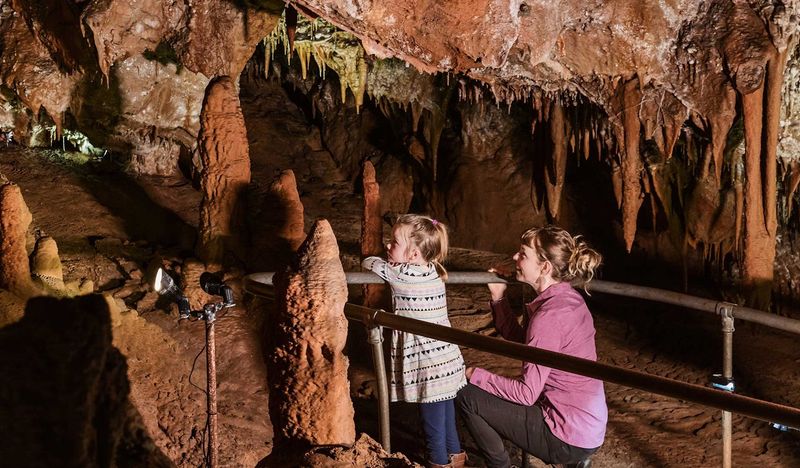
Victoria has been hiding a world-class underground attraction in the foothills of the Victorian Alps, and not nearly enough people know about it. Buchan Caves were carved by an underground river over millions of years, creating a honeycomb of limestone chambers filled with formations that took your breath away before you even reach the good bits.
Parks Victoria runs guided tours through the Royal Cave and the Fairy Cave, each with its own character. The Royal Cave is grand and theatrical, with tall ceilings and dramatic columns.
The Fairy Cave is more intimate, with delicate formations that look almost too fragile to exist.
Buchan the town is a genuinely charming stop, and the surrounding bush is lovely for a post-cave walk. The caves stay at a constant cool temperature year-round, which makes them a welcome escape in summer.
Wear a light jacket regardless of the season outside, because the underground does not care what month it is.
The Pink Lakes, Murray-Sunset National Park, Victoria
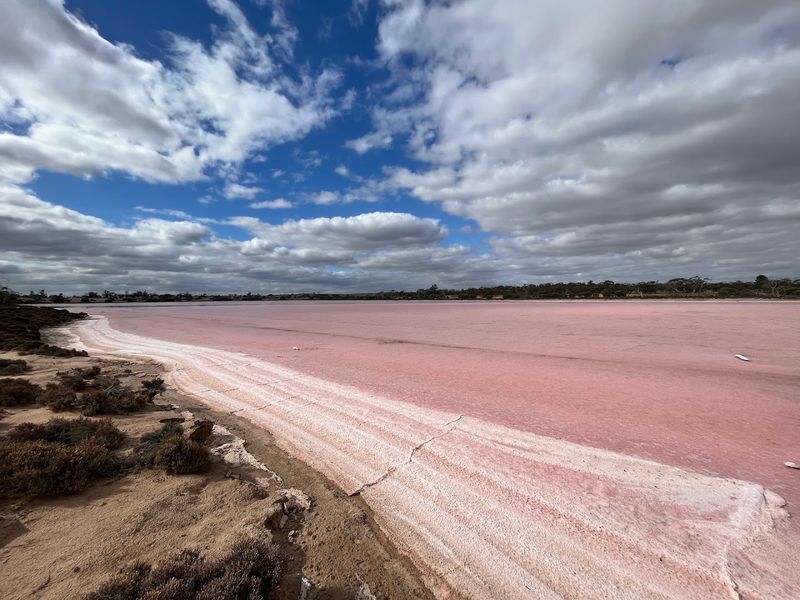
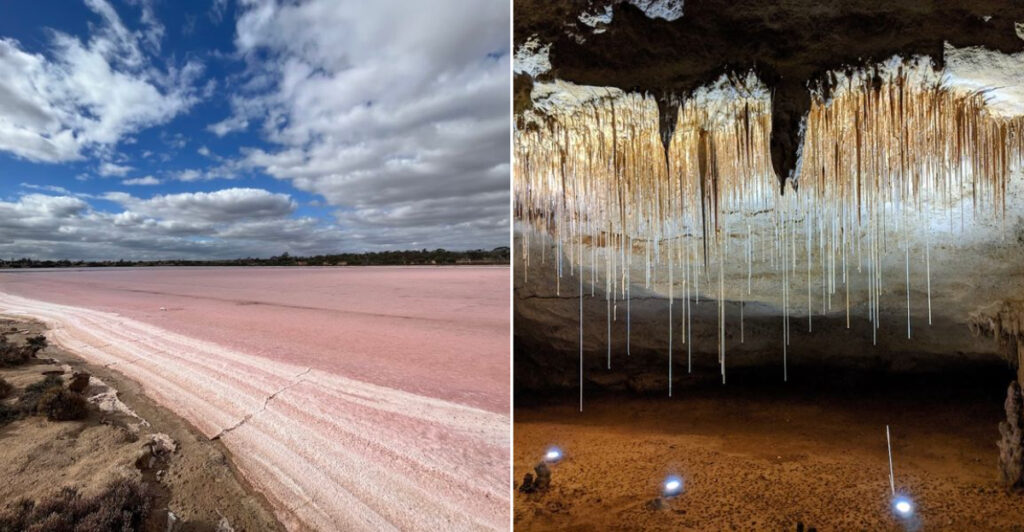
Victoria is not the first state that comes to mind when you think of pink lakes, but Murray-Sunset National Park has been pulling off this trick for years. Lake Crosbie and Lake Becking are among the standout spots, and the color shifts depending on the season, the salinity, and the light, ranging from soft blush to deep rose.
The pink color comes from a combination of salt-tolerant algae and halobacteria, which thrive in the hypersaline water. Nature has a flair for the dramatic when given the right conditions, and these lakes are proof.
Early morning visits tend to produce the most vivid colors before the midday light flattens everything out.
Murray-Sunset is one of Victoria’s largest national parks, and the Pink Lakes are just one reason to make the trip. The mallee scrub, the birdlife, and the sheer remoteness of the park make it a rewarding destination for anyone willing to drive a few hours from Melbourne.
Bring a hat, sunscreen, and a fully charged camera battery.
Painted Cliffs, Maria Island, Tasmania
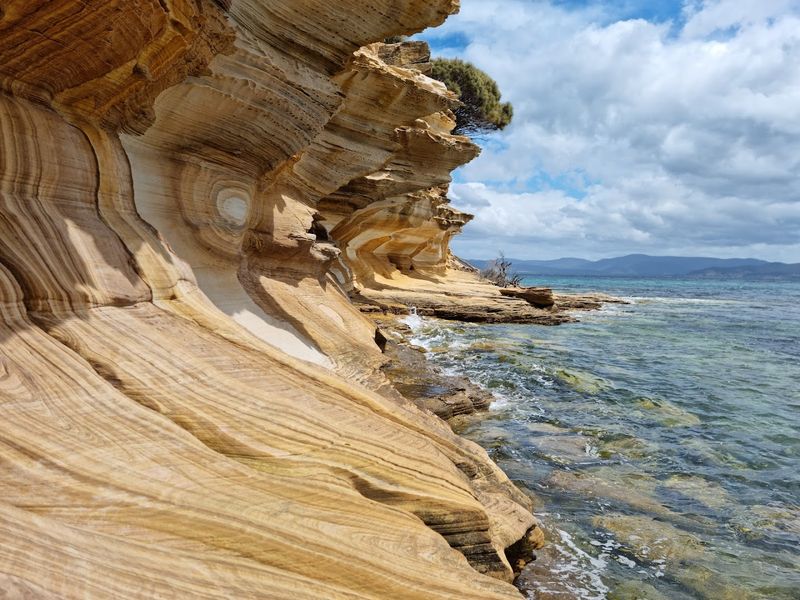
Maria Island has no cars, no shops, and no stress, which already makes it one of the best places in Tasmania. The Painted Cliffs are the island’s geological showpiece: a stretch of sandstone coastline where mineral-rich water has seeped through the rock over thousands of years, leaving behind swirling patterns of orange, rust, and honey yellow.
The walk to the cliffs from Darlington is easy and takes about 30 minutes each way, which makes this accessible for almost everyone. Timing matters though.
Visit at low tide and the full expanse of patterned rock is revealed. Visit at high tide and you are standing in the water, which is less ideal.
Getting to Maria Island requires a short ferry ride from Triabunna, and that small logistical step keeps the island wonderfully quiet. Wombats wander freely around the campsite, Cape Barren geese are everywhere, and the whole island operates at a pace that the mainland could learn from.
The Painted Cliffs alone justify the trip.
Share this story