Colombia is one of those countries where the well-known spots get all the attention, but the real magic often hides just around the corner. Beyond Cartagena and Medellín, there are towns with cobblestone streets, rivers that change color, and islands that feel completely untouched.
I spent weeks chasing these places on a map, and what I found genuinely surprised me. This list is for the curious traveler who wants something real, not just a postcard.
Mompox, Bolívar
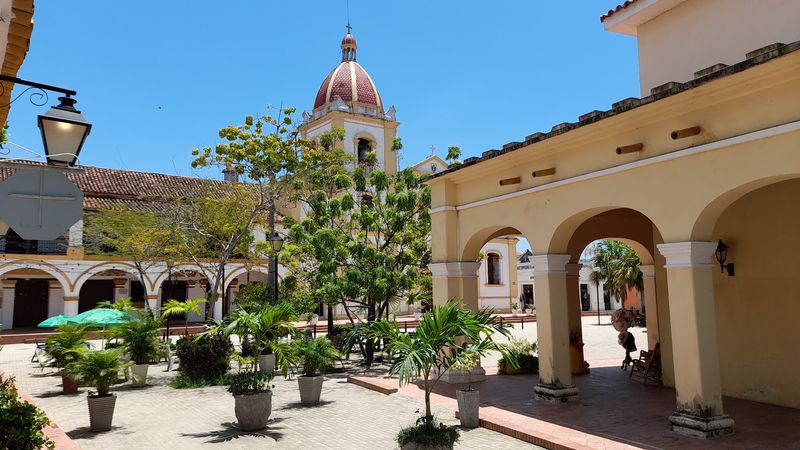
A town where the clocks seem to run slower than everywhere else, Mompox sits along the Magdalena River like a well-kept secret. Its colonial mansions and Andalusian-style churches are almost absurdly photogenic.
Gabriel García Márquez drew inspiration from this place, and honestly, walking its streets, you can feel why.
The filigree jewelry made here is unlike anything sold in airport gift shops. Local artisans craft delicate gold and silver pieces by hand, a tradition passed down through generations.
Skip the souvenir stalls and go straight to a workshop.
Getting here takes effort, which is exactly what keeps the crowds away. Boats, buses, and a bit of patience are required.
But slow travelers who love culture over checklists will find Mompox deeply rewarding. It is the kind of place you mention casually at dinner parties and watch people look it up on their phones.
San José del Guaviare, Guaviare
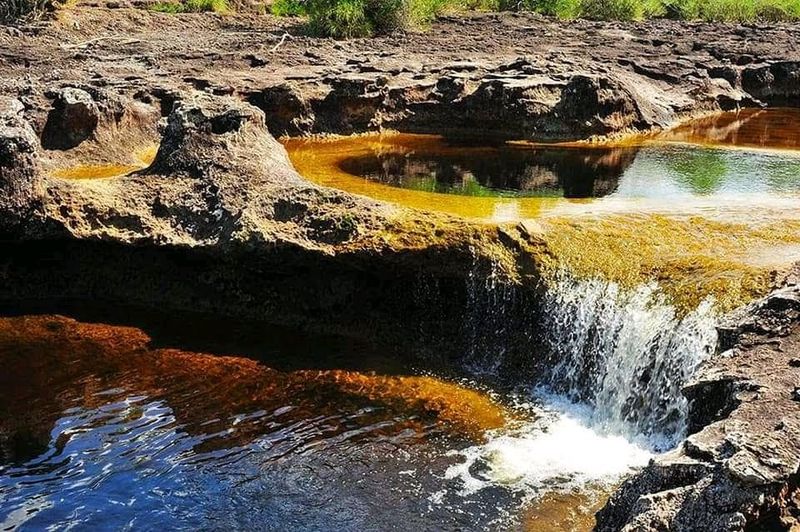
San José del Guaviare is where the map starts to feel a little blurry around the edges, and that is a very good thing. Located in Colombia’s Amazon-Orinoco region, this town is a launching pad for some of the country’s most extraordinary natural and archaeological experiences.
Ancient petroglyphs carved into rock faces sit alongside jungle trails bursting with biodiversity. These are not rope-off, glass-case kind of ruins.
They are out in the open, raw and genuinely old, and standing near them feels like an accidental time machine.
This is not a beach-umbrella-and-cocktail destination. Guided tours are essential here, both for safety and to understand what you are actually looking at.
Indigenous cultural heritage runs deep in this region, and responsible tourism matters. If you want a Colombia trip that feels genuinely different from the tourist trail, Guaviare belongs on your shortlist.
Barichara, Santander
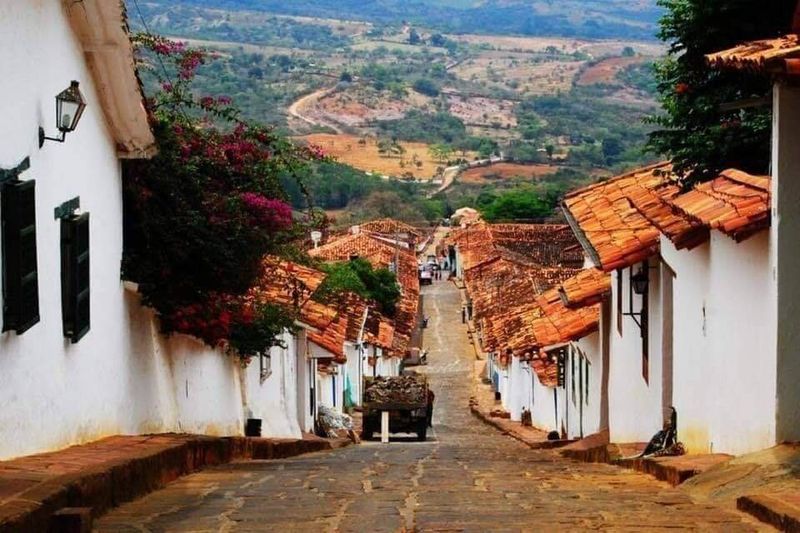
Barichara is the town that Colombian architects quietly reference when they talk about beauty. Stone streets, white walls, and terracotta roofs come together so perfectly that it looks like someone set-designed the whole place.
Spoiler: they did not. It just grew that way over centuries.
The surrounding Santander landscape adds serious drama. Steep canyons and dry mountain scenery frame the town in a way that makes every photo look professionally edited.
Artisan workshops scattered around town are worth the detour, especially those working with the traditional fique fiber.
I wandered into a small workshop one afternoon and ended up watching a woman weave for twenty minutes without saying a word. That is the Barichara effect.
Walking slowly is the whole point here. There is no rush, no must-see attraction demanding your attention.
Just a beautifully preserved town that rewards people who actually stop moving for a while.
Salamina, Caldas
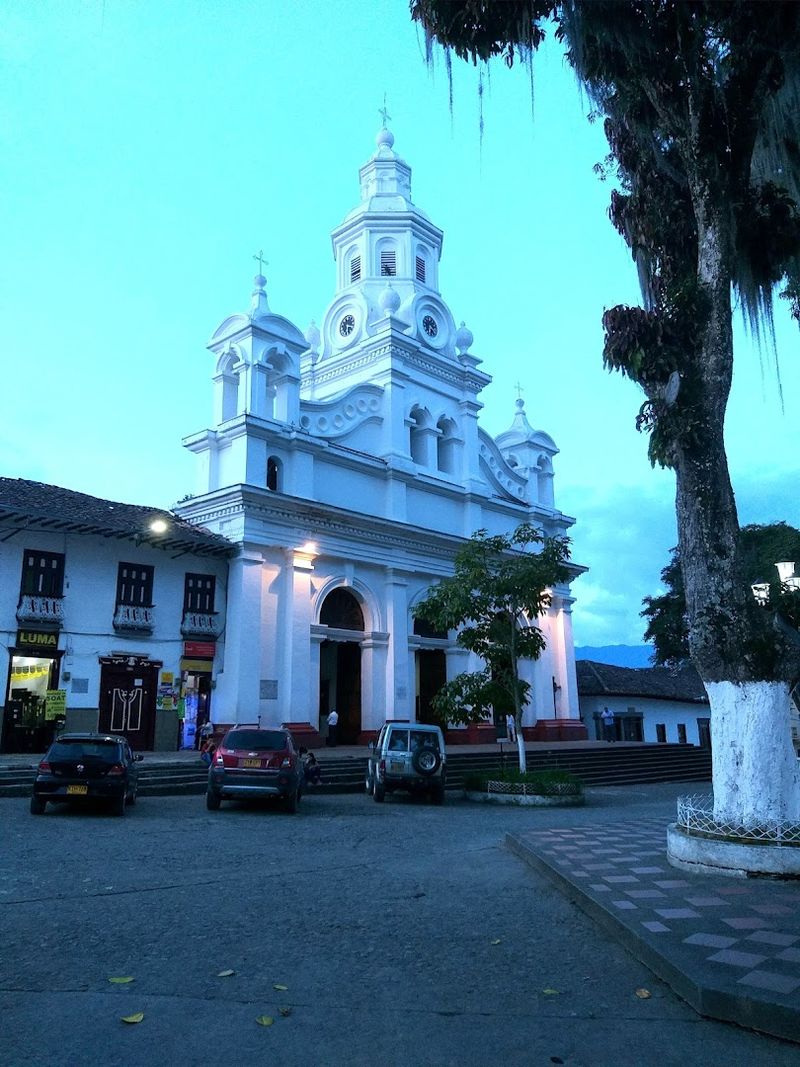
Founded in 1825, Salamina has the kind of coffee-town charm that visitors usually have to fight crowds to experience elsewhere. Carved wooden balconies line the streets, tiled roofs catch the afternoon light, and the whole place smells faintly of good coffee.
Not a bad combination at all.
Salamina is part of the Colombian Coffee Cultural Landscape, the same UNESCO-recognized region that includes more famous towns. The difference is that Salamina has not yet been overrun by influencers staging flat-lay photos of their morning brew.
That gap will not last forever, so timing matters.
The town’s quieter pace makes it genuinely easier to connect with locals and understand coffee culture beyond the marketing version. Visit a small finca, sit on a balcony, and order whatever the family is making.
Salamina is the Coffee Region as it was meant to be experienced, before the boutique hotels arrived and tripled the prices.
Monguí, Boyacá
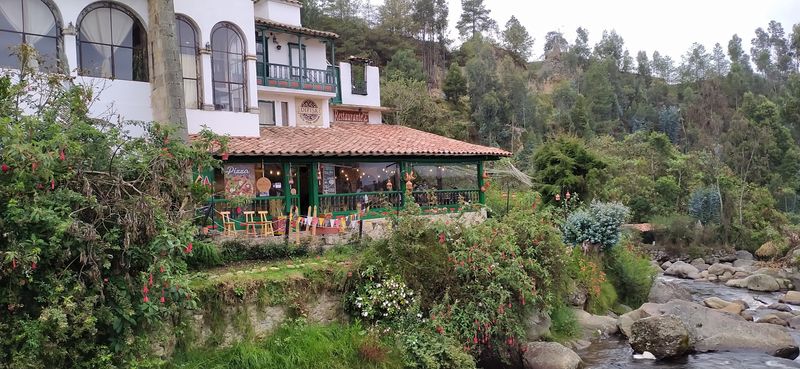
Monguí is Boyacá’s best-kept secret, though locals there would probably argue it is not secret enough. The town’s colonial stone streets lead to a basilica that took nearly a century to build, finished in 1760.
That kind of timeline puts modern construction complaints in perspective.
Beyond the architecture, Monguí is a trailhead for the Páramo de Ocetá, a high-altitude ecosystem that looks like a fantasy film set. The walk takes three to four hours from town, and the landscape shifts dramatically as you climb.
Frailejones, those strange woolly plants unique to Andean páramos, line the trail in every direction.
The town is also oddly famous for manufacturing footballs, which is a fun fact to drop into conversation. Pack layers for the páramo walk regardless of the season.
Altitude changes fast up there. Monguí is the kind of place where the journey to get there feels as good as the destination itself.
Providencia Island
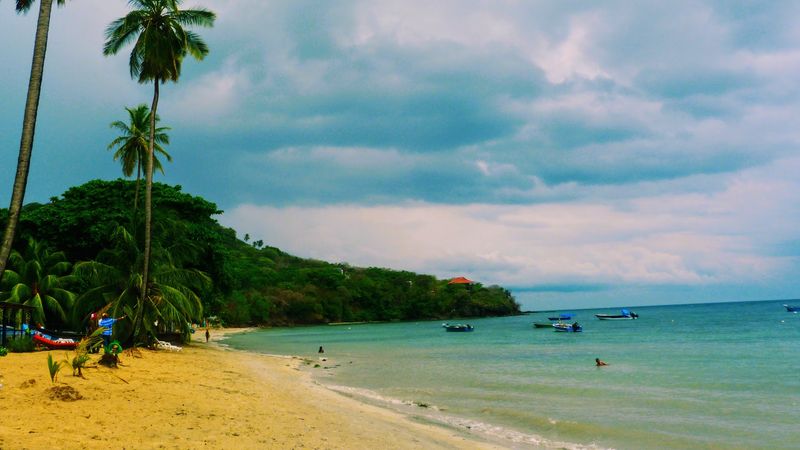
Providencia is what the Caribbean looked like before the all-inclusive resorts showed up with their swim-up bars and branded towels. At just 17 square kilometers, this island in the San Andrés archipelago is small enough to feel personal and remote enough to feel genuinely wild.
The Raizal people, descendants of English-speaking African and British Caribbean communities, give Providencia a cultural identity you will not find anywhere else in Colombia. Their food, music, and relationship with the sea are worth paying attention to.
This is not background scenery. It is the whole point.
Diving around Providencia and Santa Catalina is consistently rated among the best in the Caribbean, with healthy coral and impressive marine biodiversity. Getting here requires a flight from San Andrés, which keeps the crowds manageable.
Stay at least three nights. One day is not enough to understand why people who visit this island start looking up property listings.
San Agustín, Huila
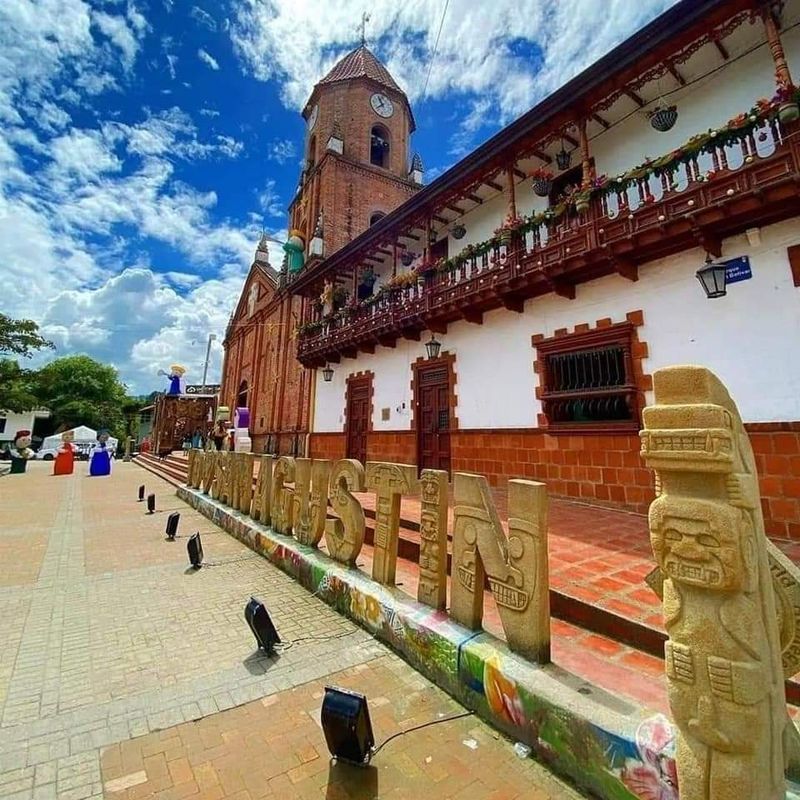
There is something quietly unsettling about standing next to a carved stone statue that is over a thousand years old and knowing almost nothing about the people who made it. That is San Agustín in a nutshell, and it is one of Colombia’s most underrated UNESCO sites.
The San Agustín Archaeological Park, together with Alto de las Piedras and Alto de los Ídolos, protects hundreds of volcanic stone sculptures and burial mounds. The museum helps provide context, though the real impact comes from seeing the statues out in the landscape where they were placed.
No glass cases. No crowds jostling for selfies.
San Agustín sits in Huila’s green mountains, and the surrounding scenery makes every trail between sites genuinely pleasant. Hire a local guide.
They know the stories, the shortcuts, and where to find the best lunch. The town itself is small and relaxed, which makes a few nights here feel like a proper reset.
Jericó, Antioquia
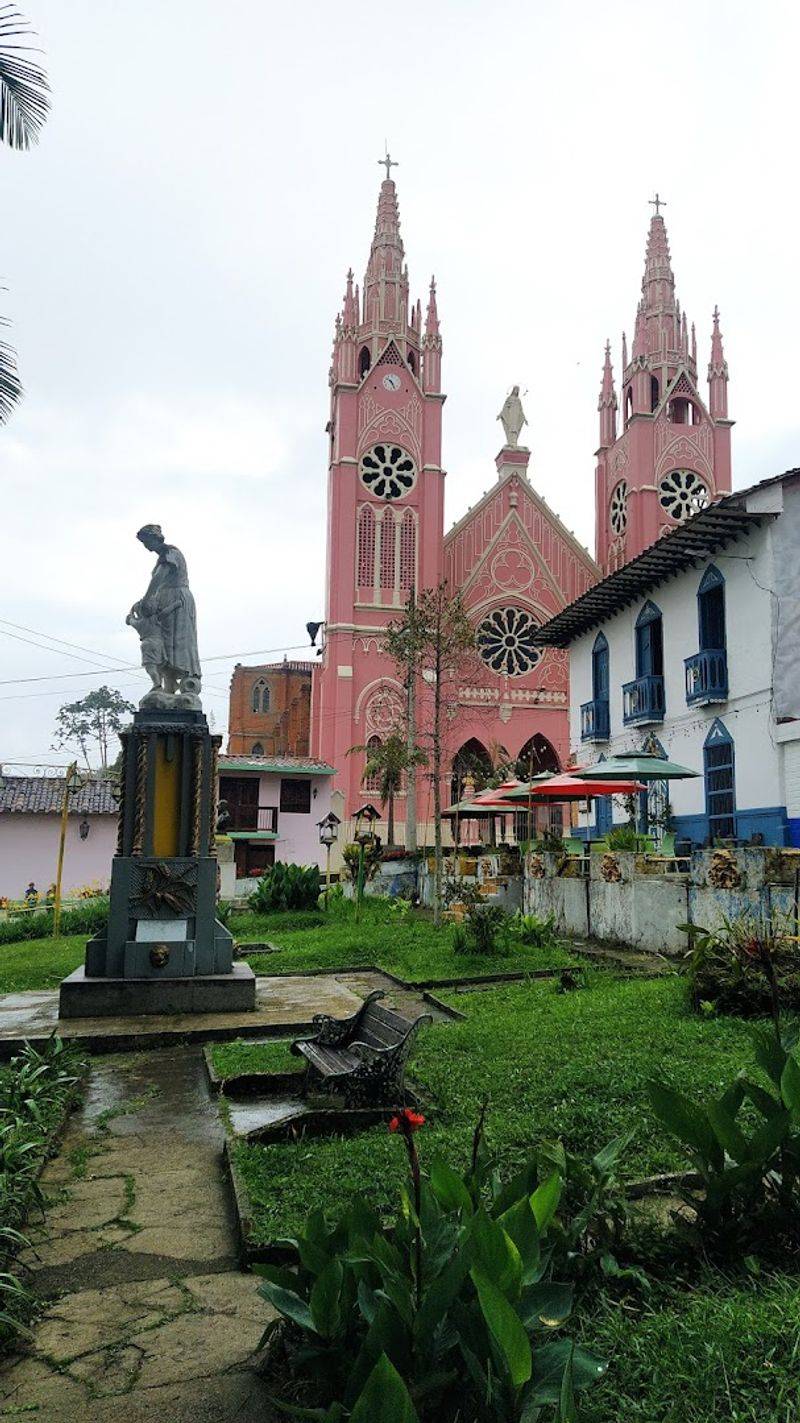
Jericó sits high in southwestern Antioquia with the kind of mountain-town personality that makes you want to cancel your return flight. Republican-era architecture, colorful balconies loaded with flowers, and a main plaza that actually functions as a social space rather than a tourist photo spot.
The town is the birthplace of Laura Montoya, Colombia’s first saint, which gives it a particular pride that locals are happy to share. Artisan workshops here produce the carriel, the traditional Paisa leather satchel that has been a regional icon for well over a century.
Watching one being made is genuinely fascinating.
The cable car ride above town offers views over a landscape that makes Antioquia’s green hills look like they were painted by someone showing off. Jericó is not trying to be the next big thing.
It is comfortable being exactly what it is, which is probably why it remains so easy to fall for.
Guaduas, Cundinamarca
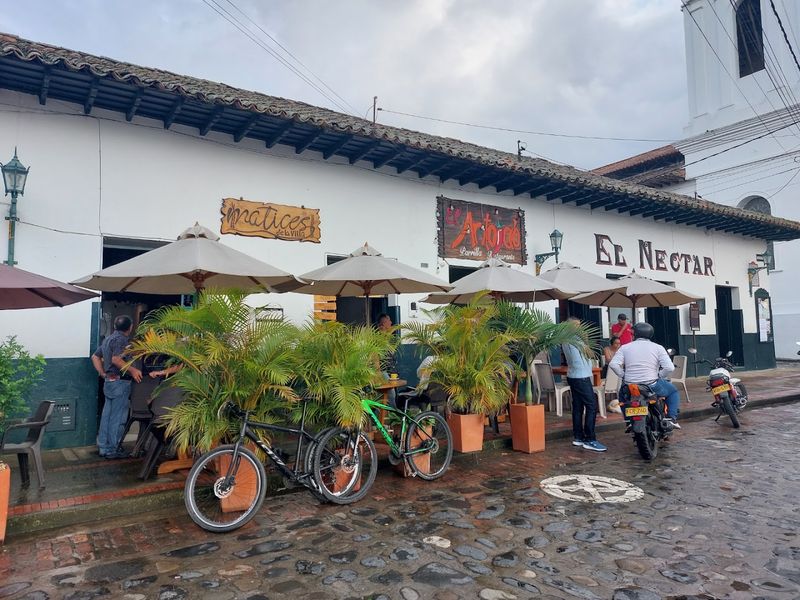
Close enough to Bogotá for a weekend trip, but overlooked by most international visitors, Guaduas is a heritage town with a genuinely compelling history. It sits along the old colonial Kings Road, once the main route connecting the capital to the coast.
Policarpa Salavarrieta, one of Colombia’s most celebrated independence heroines, was born here. Her house museum is small but thoughtfully presented, and walking through it gives a real sense of what colonial-era life looked like for women who refused to stay quiet.
The historic center around the main plaza is well preserved and easy to explore on foot.
Viewpoints over the Magdalena River valley add a geographic reward to the cultural one. Guaduas works well as a day trip or an overnight stop if you are driving between Bogotá and the Coffee Region.
It is the kind of town that makes you wonder why more travel guides do not mention it first.
Capurganá, Chocó
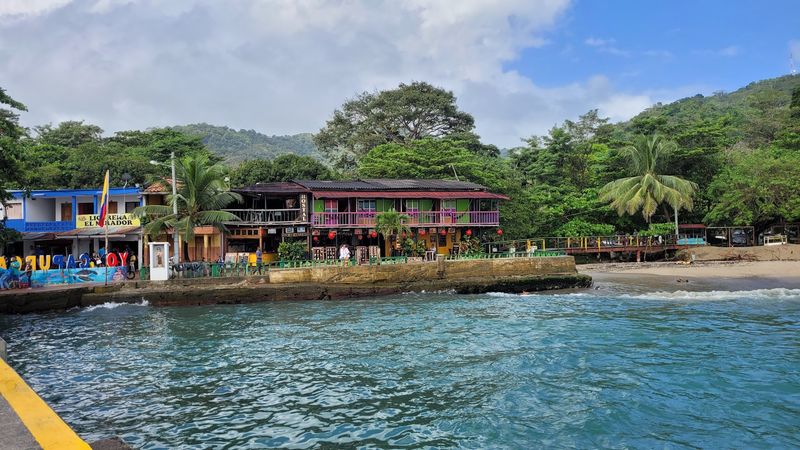
Capurganá has no roads connecting it to the rest of Colombia. You get there by boat or small plane, and that logistical hurdle is exactly what keeps it feeling like a genuine discovery rather than a branded experience.
Tucked between a small bay and dense tropical rainforest near the Panama border, the village runs on Afro-Colombian culture, fresh seafood, and a pace of life that has not been optimized for Instagram. The beaches here are real, meaning they have trees, birds, and the occasional crab, not just white sand and cocktail service.
Using a reputable local operator is strongly recommended, both for safety and for getting the most out of the surrounding jungle and snorkeling spots. Check current transport conditions before booking anything.
Capurganá rewards travelers who come prepared and flexible. Those who arrive expecting resort infrastructure will be confused.
Those who arrive expecting something raw and real will not be disappointed.
Jardín, Antioquia
Jardín is picking up followers fast, but it has not yet lost the local rhythm that makes it worth visiting. Coffee farms surround the town on every side, and the hills behind it are green in a way that feels almost aggressive about it.
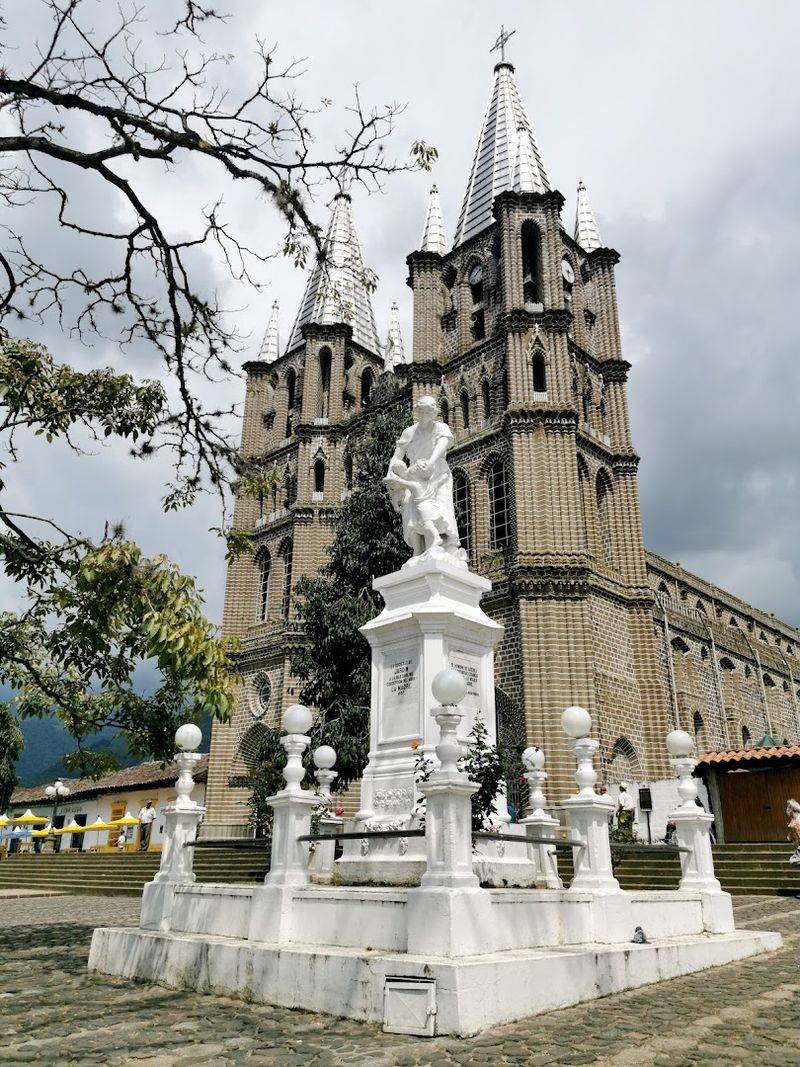
The Basilica of the Immaculate Conception dominates the main plaza with a Gothic confidence that seems slightly out of scale for a small mountain town, which makes it all the more striking. Morning market days bring farmers and vendors into the plaza, and the energy is completely different from the tourist version of Jardín that shows up on travel blogs.
Nature activities nearby include bird watching, waterfall hikes, and cable car rides over the valley. Jardín sits in a sweet spot where infrastructure is good enough for comfort but the town has not yet been smoothed into a tourism product.
Go before that changes, because it will.
La Macarena and Caño Cristales, Meta
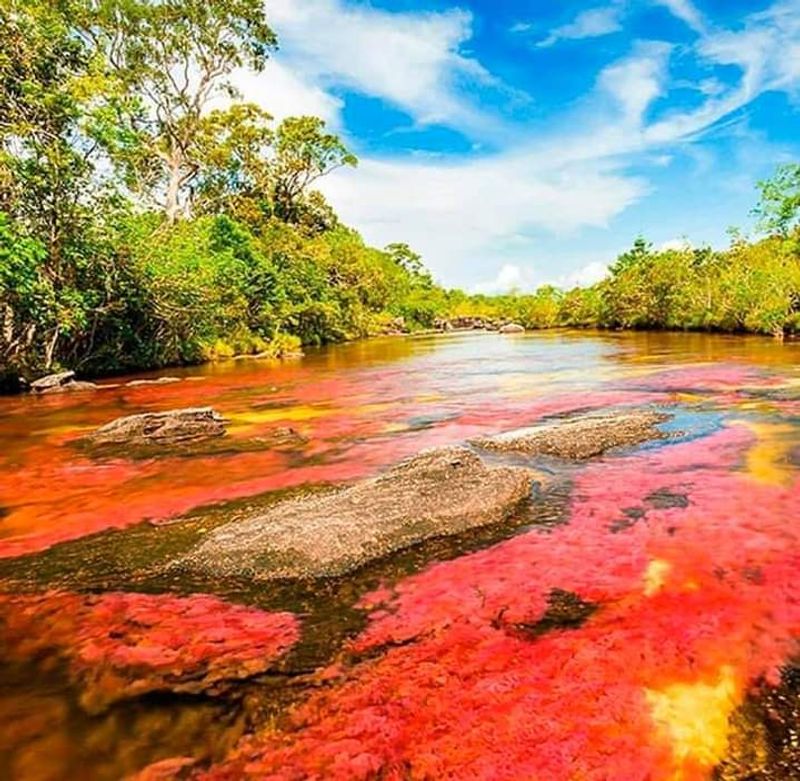
Caño Cristales is the river that broke the internet before that was even a phrase people used. The colors, caused by the aquatic plant Macarenia clavigera, turn the riverbed into something that looks digitally altered.
It is not. That is just what happens when biology and geology have a very good day together.
The best color season runs roughly from May to November, though sources vary on exact months. La Macarena is the access town, and all visits must be arranged through authorized local guides.
This is non-negotiable, both legally and practically, since the ecosystem is actively protected.
Plan the logistics well in advance because access is seasonal and limited. Flights from Bogotá or Villavicencio are the standard route.
The crowds are manageable compared to what the photos suggest, partly because the access controls work. Caño Cristales is famous in theory but still genuinely remote in practice, which is a rare combination worth chasing.
Pitalito, Huila
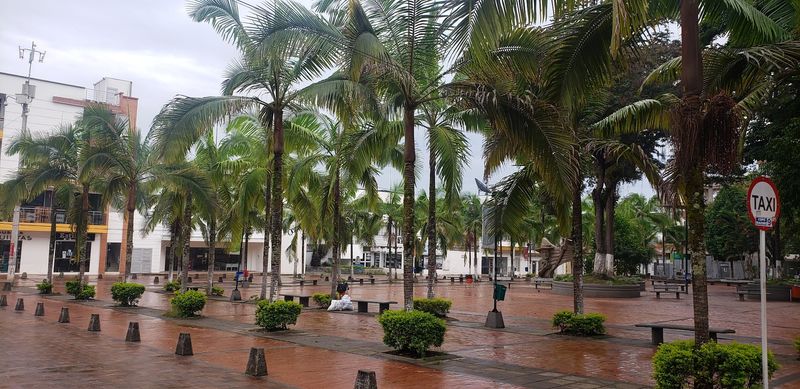
Pitalito gets treated like a bus stop on the way to San Agustín, which is a shame because the town has its own quiet personality worth spending time with. Located in the Magdalena River valley between mountain ranges, it sits in one of Huila’s most fertile and scenic pockets.
The surrounding area is known for high-quality coffee and abundant fruit cultivation, and local markets reflect that agricultural richness in a way that feels genuinely tied to the land. There are no major tourist attractions demanding your attention, which is either a problem or the entire appeal, depending on your travel style.
For travelers who want to slow down and experience a Colombian town without a curated itinerary, Pitalito delivers. It is practical as a base for exploring southern Huila more broadly, and the locals are generally pleasantly surprised to see international visitors who chose to stay rather than just pass through.
El Socorro, Santander
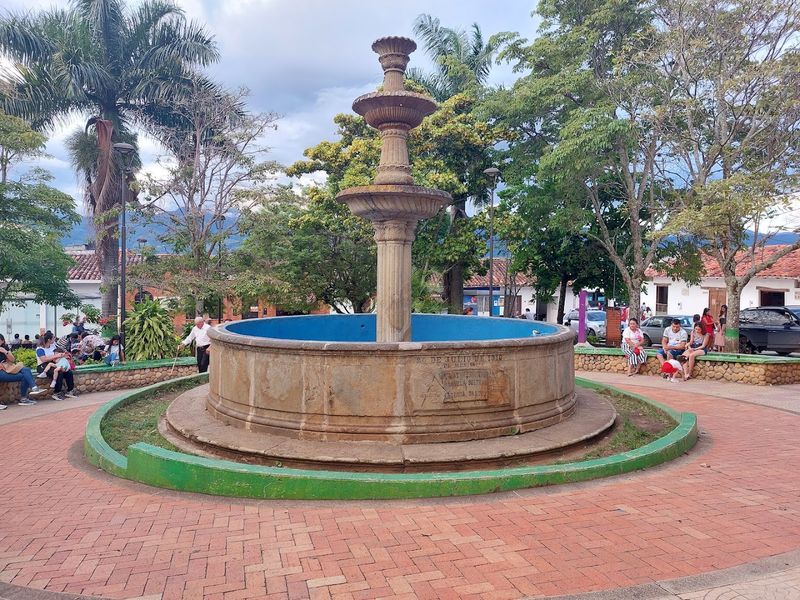
El Socorro has a résumé that most Colombian towns would envy. It played a central role in the Revolt of the Comuneros in 1781, one of the earliest uprisings against Spanish colonial rule in the Americas.
That is serious historical weight for a town that rarely appears on travel shortlists.
The large stone co-cathedral anchoring the town center is architecturally impressive and refreshingly uncrowded. The House of Culture is well worth a visit for anyone interested in the region’s role in Colombian independence history.
El Socorro gives context that makes other Santander towns feel more meaningful afterward.
Most visitors to Santander focus on Barichara and San Gil, which means El Socorro stays genuinely quiet. That works in your favor.
Pair it with a stop at Barichara and you have a Santander loop that covers both the pretty and the historically substantial. History lovers will find this town punches well above its visibility.
Santa Fe de Antioquia, Antioquia
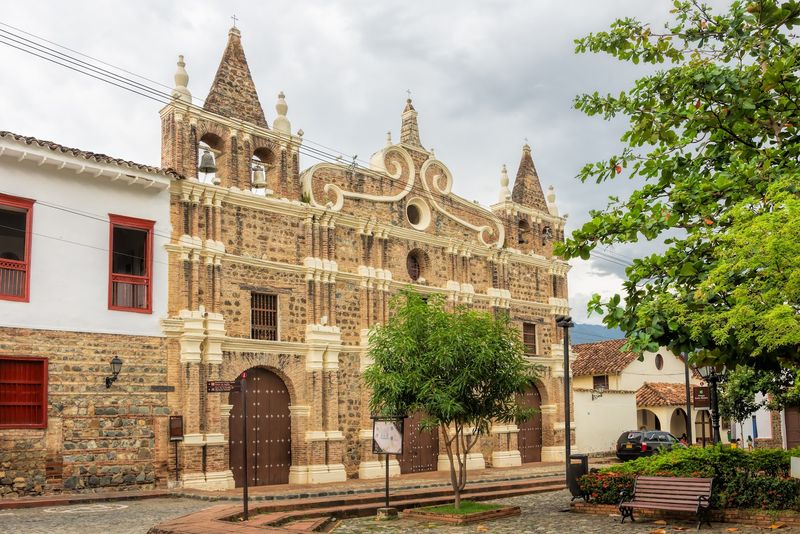
Santa Fe de Antioquia was the original capital of Antioquia before Medellín took over, and it has been quietly holding a grudge ever since. Just kidding.
The town is far too relaxed for grudges. Warm weather, colonial plazas, and whitewashed churches make it one of the most pleasant places to spend a slow weekend in the western Andes.
Colombians from Medellín have been coming here for decades, so the infrastructure is solid without being overwhelming. The historic center is compact and walkable, and the Bridge of the West, a nineteenth-century suspension bridge nearby, is worth the short trip out of town.
For international visitors, Santa Fe de Antioquia still carries that discovery feeling, even though it is hiding in plain sight just 80 kilometers from Medellín. It rewards visitors who treat it as a destination rather than a detour.
Come for the architecture, stay for the pace, leave wondering why you booked only one night.
Share this story