 Unearth The Voyage
Most travelers stick to the same well-known spots, but the United States is packed with incredible places that rarely make the headlines. From frozen sea caves in Wisconsin to wild ponies in Virginia, there is so much more to discover beyond the usual tourist traps.
These hidden gems offer breathtaking scenery, rich history, and unforgettable adventures without the massive crowds. If you are ready to go off the beaten path, this list is your starting point.
Apostle Islands National Lakeshore — Wisconsin
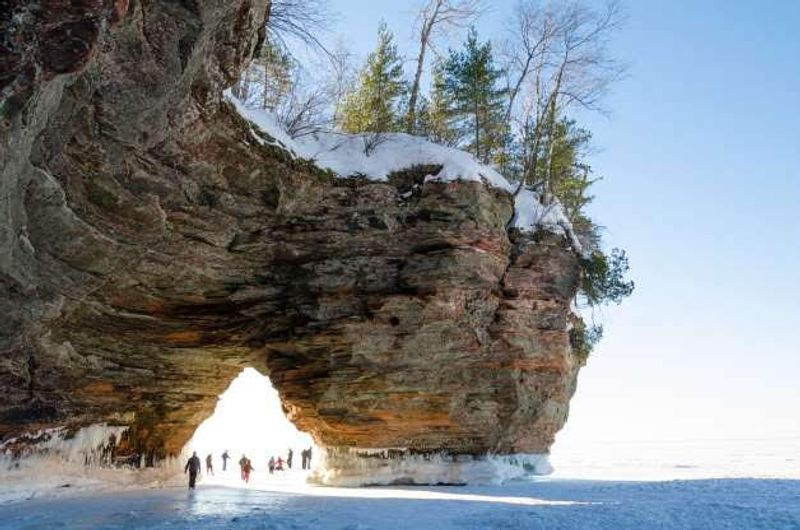
Imagine paddling a kayak through a tunnel of rock while Lake Superior’s icy blue water glitters around you — that is what Apostle Islands National Lakeshore delivers every single summer. Stretching across more than 20 islands along the Wisconsin shoreline, this park is one of the most underrated outdoor destinations in the entire Midwest.
The sea caves carved into the sandstone cliffs look like something straight out of a fantasy novel.
Summer brings kayakers, hikers, and lighthouse enthusiasts from across the country. The islands are dotted with historic lighthouses, some of which you can actually tour up close.
Each one tells a story about the tough sailors and keepers who once relied on them during brutal Lake Superior storms.
Winter is when things get truly magical. When temperatures drop low enough, the sea caves freeze into stunning formations of ice and icicles, drawing thousands of visitors willing to brave the cold for the view.
The hike out to the ice caves is not easy, but nobody walks away disappointed. Whether you visit in July or January, Apostle Islands will leave a lasting impression on anyone lucky enough to make the trip.
Letchworth State Park — New York
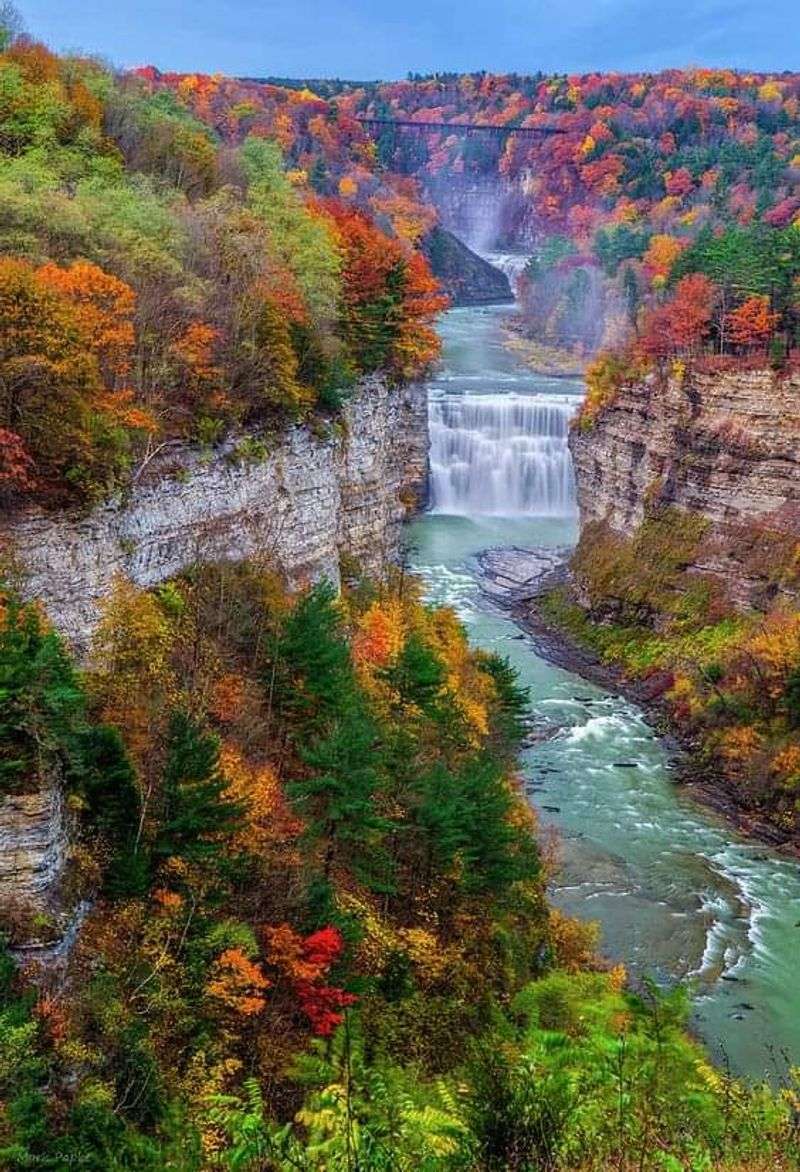
Nicknamed the “Grand Canyon of the East,” Letchworth State Park in upstate New York is the kind of place that makes your jaw drop the second you peek over the canyon rim. The Genesee River cuts through deep gorges, and three massive waterfalls thunder along the canyon floor below.
It sounds dramatic because it genuinely is.
Hiking trails wind along the cliff edges, offering one incredible viewpoint after another. There are more than 66 miles of trails here, meaning you could spend multiple days exploring without ever retracing your steps.
The canyon walls rise as high as 600 feet in some spots, making every overlook feel like a reward worth earning.
Fall is arguably the best time to visit. The combination of golden and crimson foliage framing the waterfalls and canyon walls creates a scene that photographers absolutely love.
Hot air balloon rides over the park during autumn are also popular and give a bird’s-eye perspective that is hard to beat. Even in spring, when snowmelt feeds the falls and the river runs fast, Letchworth feels alive and powerful.
This park deserves far more attention than it currently gets from out-of-state travelers.
Dry Tortugas National Park — Florida
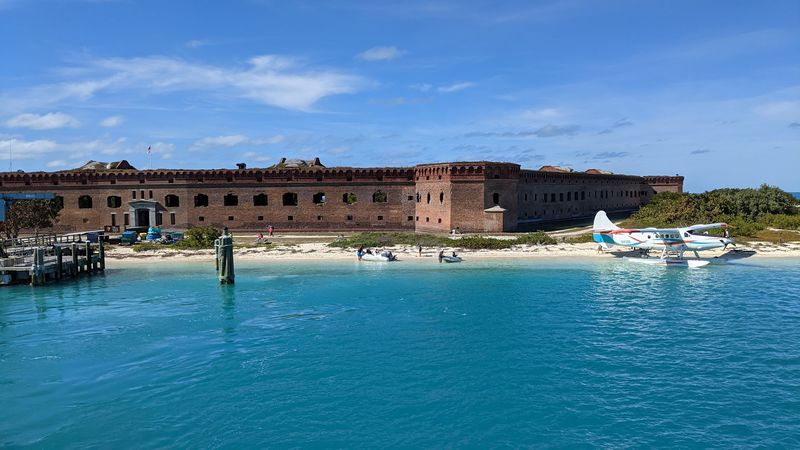
Getting to Dry Tortugas National Park requires either a ferry ride or a seaplane, and honestly, that effort is a huge part of what makes it so special. Sitting about 70 miles west of Key West, this remote park is home to one of the most impressive 19th-century forts you will ever see.
Fort Jefferson is an enormous brick structure rising straight out of the ocean like something from a pirate story.
The waters surrounding the park are some of the clearest in the entire United States. Snorkelers can spot sea turtles, colorful fish, and coral reefs without ever needing scuba gear.
The visibility underwater is remarkable, especially compared to more crowded Florida destinations that suffer from boat traffic and pollution.
Bird-watchers have a field day here too. The park sits along a major migratory bird route, meaning rare species stop by during spring migration in impressive numbers.
Camping overnight on the island is allowed and gives visitors a rare chance to experience true darkness and a sky absolutely packed with stars. Very few places in Florida still offer that kind of quiet.
Dry Tortugas is remote, yes, but every mile of that ferry ride is completely worth it.
Valley of Fire State Park — Nevada
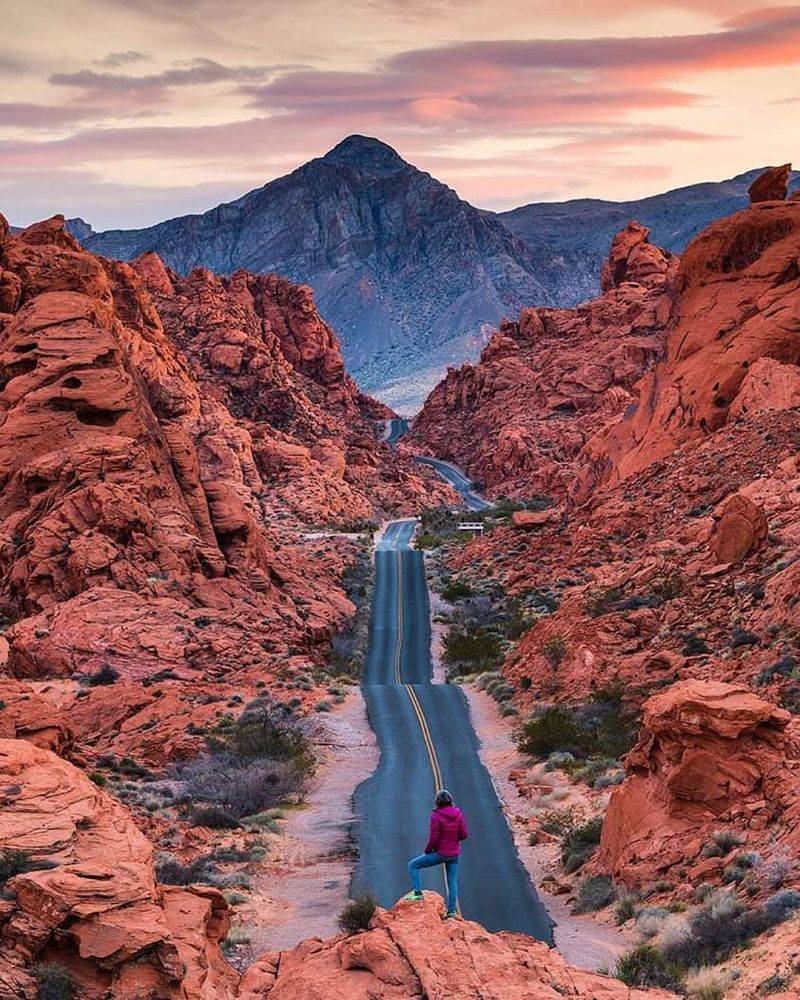
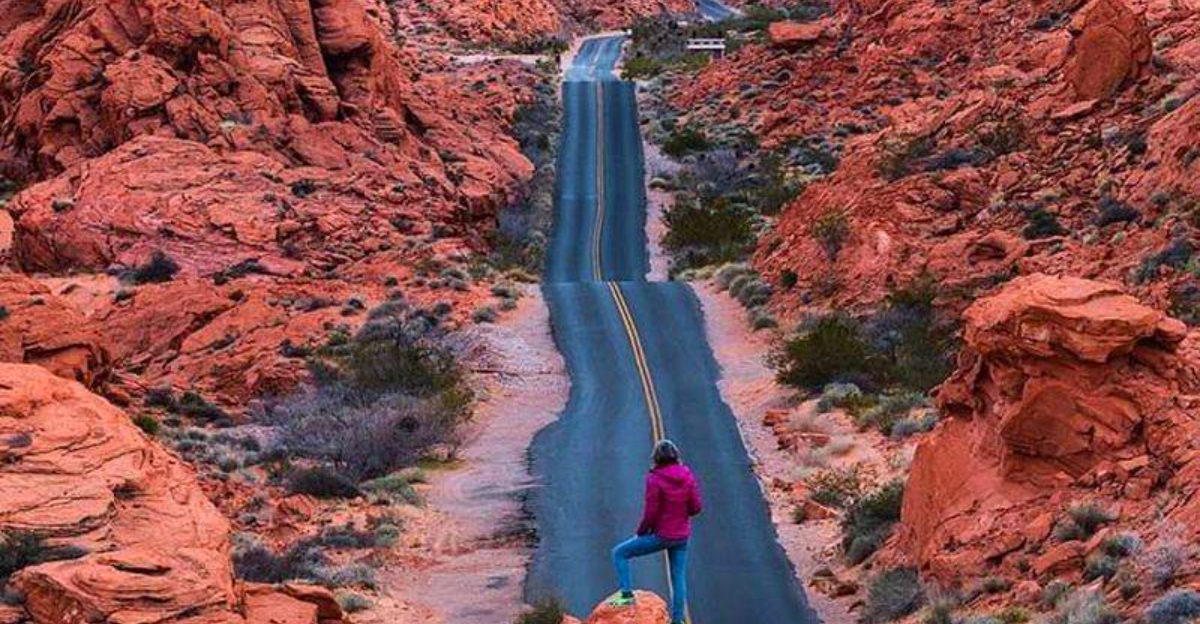
The name alone should tell you something — Valley of Fire State Park in Nevada looks like the landscape is literally on fire. Bright red and orange sandstone formations stretch across the desert, and when the late afternoon sun hits them just right, the whole place glows like a furnace.
It is one of the most visually dramatic landscapes in the American Southwest.
What makes this park extra fascinating is the history carved right into the rocks. Ancient petroglyphs created by the Ancestral Puebloans thousands of years ago are scattered throughout the park.
Standing in front of those carvings and realizing how old they are puts the entire place in a completely different perspective.
Despite being only an hour from Las Vegas, Valley of Fire sees a fraction of the visitors that national parks like Zion or Bryce Canyon attract. That means shorter lines, quieter trails, and a much more personal experience with the landscape.
The Arch Rock Trail and White Domes Loop are two of the best hikes for first-time visitors. Sunrise and sunset are the absolute prime times to be out with a camera.
Bring plenty of water though — the desert heat here is no joke, especially in summer months.
Ouray — Colorado
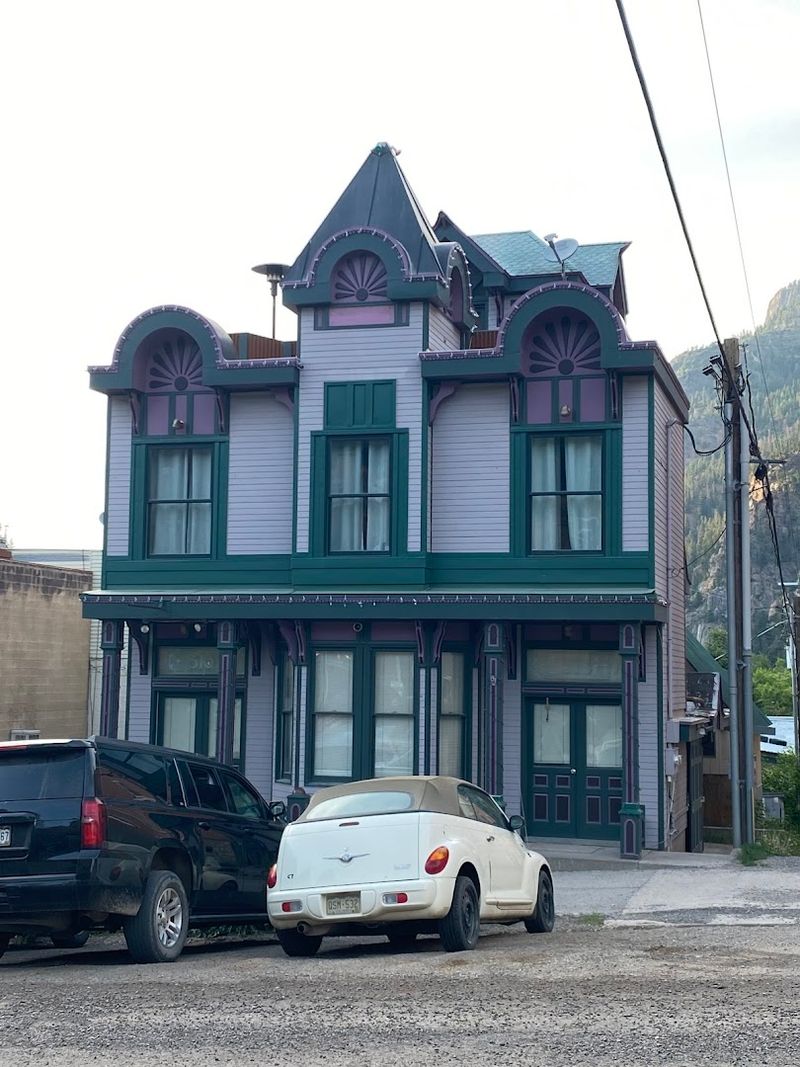
Tucked into a narrow valley completely surrounded by 13,000-foot peaks, Ouray, Colorado, earns every bit of its nickname — the “Switzerland of America.” The town itself is tiny, with a charming Victorian-era downtown that feels frozen in the best possible way. Walking the main street feels like a storybook version of what a mountain town should look like.
The outdoor activities here are genuinely world-class. The Million Dollar Highway, one of the most scenic and nerve-wracking drives in the country, winds right through town.
Ice climbers from around the world also flock to Ouray every winter to tackle the famous Ouray Ice Park, a man-made ice climbing park built right inside a canyon just outside the city limits.
After a long day on the trails or the road, the natural hot springs in town are the perfect reward. The Ouray Hot Springs Pool is fed by geothermal water that stays warm year-round, and soaking in it while staring up at snow-dusted peaks is as relaxing as it sounds.
Waterfall hikes are another highlight, with several stunning falls within easy walking distance. Ouray is the kind of place that travelers stumble upon by accident and immediately start planning their return trip.
Hocking Hills State Park — Ohio
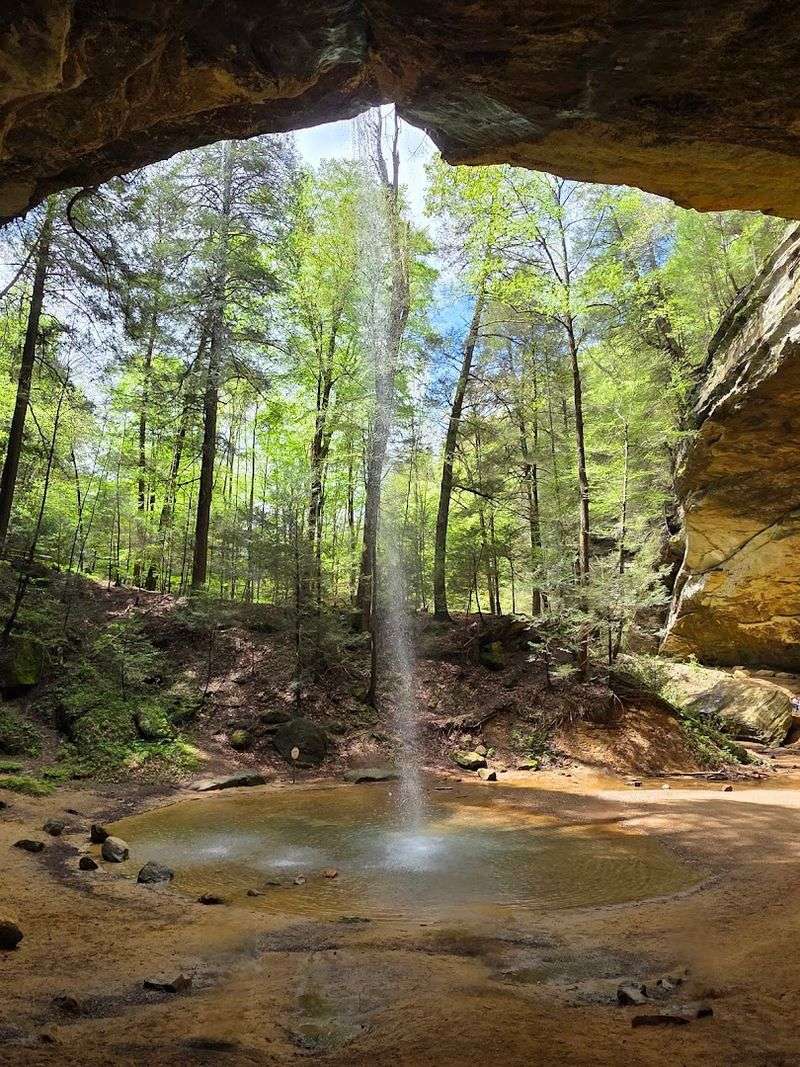
Ohio does not always get credit as an outdoor destination, but Hocking Hills State Park makes a very convincing argument for why it should. Hidden inside dense Appalachian forests are some of the most dramatic rock formations, caves, and waterfalls you will find east of the Rockies.
Old Man’s Cave alone is worth the drive from anywhere in the state.
The park’s most popular sites are carved into the sandstone over thousands of years, creating deep recess caves, natural arches, and gorges draped in ferns and moss. Ash Cave is another standout — it is the largest recess cave in Ohio and features a gorgeous waterfall spilling over its curved sandstone rim.
The whole scene feels almost prehistoric.
What makes Hocking Hills especially appealing is its accessibility. Most of the major trails are well-maintained and suitable for families with younger kids, though there are also more challenging routes for experienced hikers.
The park is busiest in fall when the leaf colors are at their peak, but visiting in late spring when wildflowers bloom throughout the gorges is a genuinely underrated experience. Cabins and lodges nearby make it easy to turn a day trip into a full weekend escape without sacrificing comfort.
Red River Gorge — Kentucky
Rock climbers talk about Red River Gorge the way foodies talk about Paris — with a kind of reverence that tells you it is the real deal. Located in the Daniel Boone National Forest in Kentucky, this rugged stretch of Appalachian terrain draws climbers from every corner of the globe.
The sandstone cliffs here offer thousands of climbing routes at every skill level imaginable.
But you absolutely do not need to be a climber to fall in love with Red River Gorge. The hiking trails wind through some of the most beautiful forest scenery in the eastern United States.
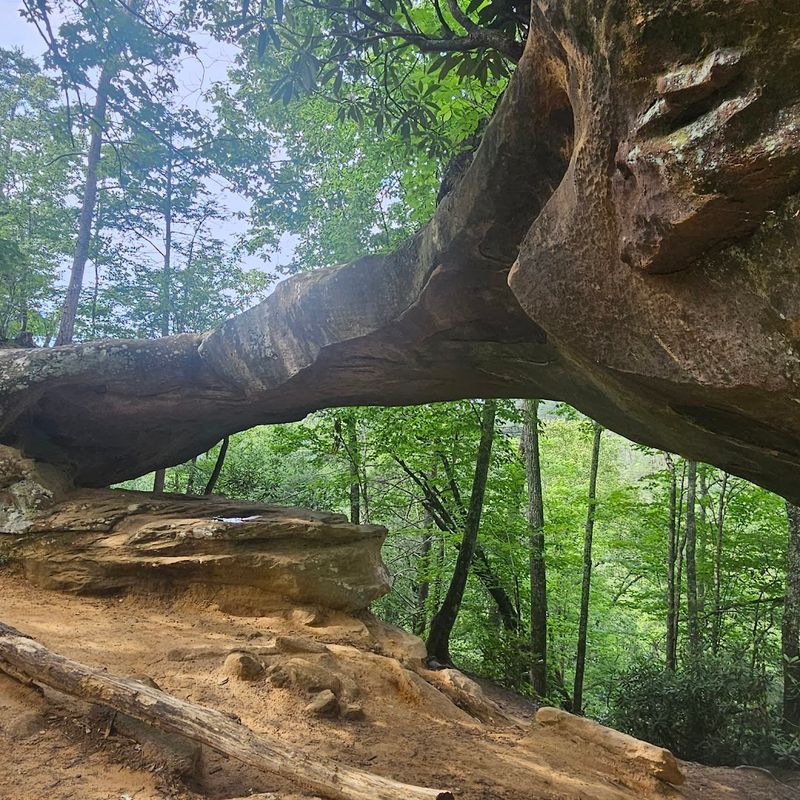
Natural sandstone arches dot the landscape, and stumbling upon one on a quiet trail is the kind of moment that sticks with you for years.
Camping in the gorge is incredibly popular, and for good reason. Waking up in the middle of all that forest, with mist hanging over the cliffs and birdsong filling the air, is a genuine reset for the soul.
The Nada Tunnel, a narrow one-lane tunnel carved through a cliff that serves as one of the main entrances to the area, is also a quirky highlight that visitors never forget. Fall foliage season turns the entire gorge into a blaze of color that rivals any landscape in the region.
Cumberland Island National Seashore — Georgia
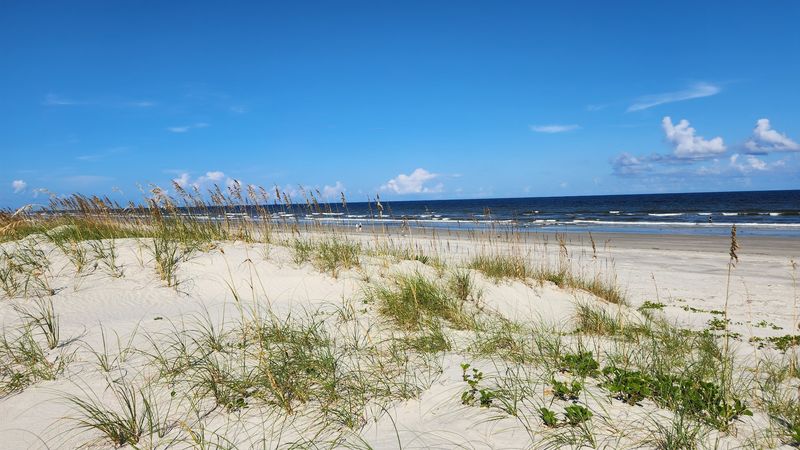
Wild horses roaming freely along a pristine beach with no hotels, no gift shops, and no traffic — that is Cumberland Island in a nutshell. Georgia’s largest barrier island is only accessible by ferry, which keeps the crowds small and the atmosphere wonderfully peaceful.
The island has a raw, untouched quality that is increasingly rare along the Atlantic coast.
The horses are the obvious star attraction. A feral herd has lived on the island for centuries, and watching them graze along the dunes or trot across the beach at sunset is genuinely unforgettable.
Beyond the horses, the island is packed with natural and historical wonders. The ruins of Dungeness, a Carnegie family mansion, sit hauntingly beautiful amid the overgrown maritime forest.
Hiking and biking trails weave through the island’s varied ecosystems, from salt marshes to ancient live oak forests draped in Spanish moss. Wildlife is everywhere — armadillos, sea turtles, shore birds, and alligators all call Cumberland home.
Camping is available on the island, and spending the night here with no light pollution and only the sound of the ocean is an experience that feels miles away from modern life. The ferry from St. Marys runs daily, making access straightforward even for first-time visitors.
Palouse Region — Washington
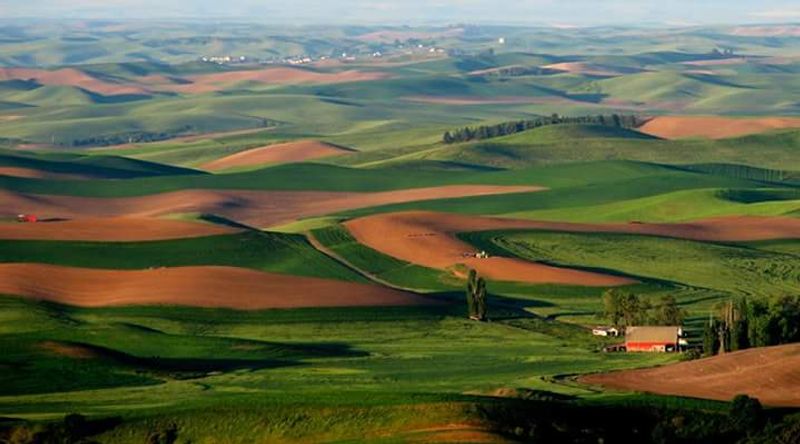
There is a moment when you crest a hill in the Palouse and the landscape unfolds in every direction like a living painting — endless rolling hills stitched together in shades of green, gold, and amber. This agricultural region in southeastern Washington is one of the most photogenic places in the entire country, yet most people outside the Pacific Northwest have never heard of it.
The Palouse is primarily wheat and lentil country, and the crops change the color palette of the hills with every season. Spring brings vivid greens, summer transitions to golden yellows, and harvest season leaves the hills in warm, earthy tones.
Steptoe Butte State Park offers an elevated viewpoint that puts the entire rolling landscape on full display and is especially popular with photographers chasing the perfect shot.
Small towns like Colfax and Pullman give the region a genuine, lived-in character that tourist-heavy destinations often lack. Washington State University is based in Pullman, giving the area a lively college-town energy alongside its rural charm.
There are no major theme parks or resort complexes here, just wide open scenery, friendly locals, and roads that beg to be driven slowly with the windows down. The Palouse is proof that beauty does not need to announce itself loudly.
Bentonville — Arkansas
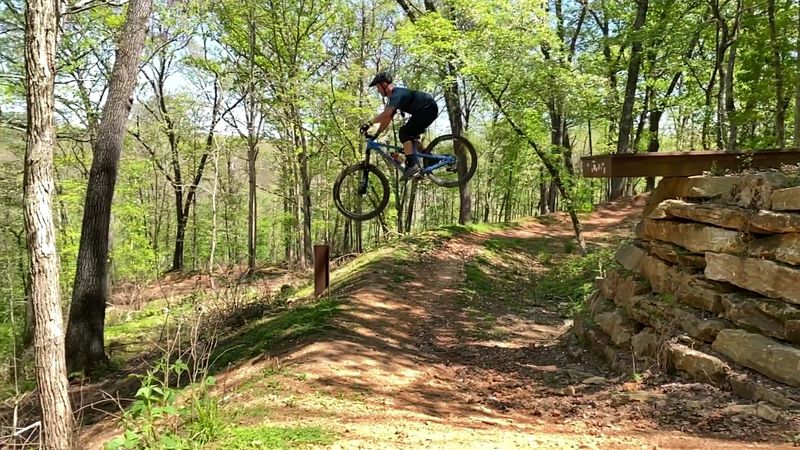
Nobody expects the best mountain biking in the country to be in Arkansas, which is exactly what makes Bentonville such a delightful surprise. The city has quietly built over 100 miles of world-class single-track trails, drawing serious riders from across North America and beyond.
The trail system is so well-designed that it has earned international recognition in the cycling community.
Bentonville is also home to Crystal Bridges Museum of American Art, a stunning architectural gem nestled into the Ozark forest. The museum houses an impressive collection of American masterworks and admission is always free, which is almost unheard of for a museum of this caliber.
The building itself, designed by Moshe Safdie, is as much a work of art as anything hanging inside it.
The downtown square has been transformed into a buzzing hub of restaurants, coffee shops, boutiques, and galleries. Walmart’s global headquarters is based here, and the company’s investment in the city’s cultural infrastructure has had a genuinely transformative effect on the entire region.
Whether you are here for the trails, the art, or just to wander around a surprisingly cool small city, Bentonville consistently exceeds expectations. It is the kind of place you tell your friends about and they do not believe you until they see it themselves.
Mackinac Island — Michigan
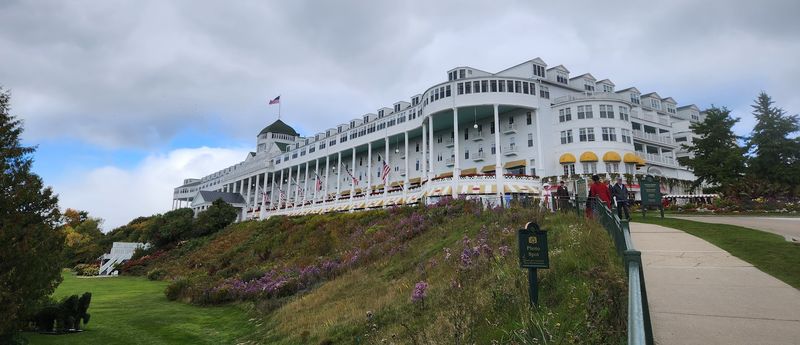
Step off the ferry onto Mackinac Island and the first thing you notice is the silence — no car engines, no traffic noise, nothing. Cars have been banned on this Lake Huron island since the late 1800s, and the result is one of the most refreshingly calm travel experiences you can have in America.
Getting around means biking, walking, or climbing into a horse-drawn carriage.
The island is steeped in history. Fort Mackinac, perched on a bluff overlooking the harbor, dates back to the Revolutionary War era and offers living history demonstrations throughout the summer.
The famous Grand Hotel, with its enormous 660-foot front porch, has been welcoming guests since 1887 and remains one of the most iconic buildings in the Midwest.
Fudge is practically the island’s official food group. Dozens of fudge shops line the main street, and the smell of fresh-made fudge drifting through the air has become part of the island’s identity.
Cycling the 8-mile perimeter road that hugs the shoreline is a must-do activity, offering beautiful views of the Straits of Mackinac along the way. Mackinac Island is the rare destination that works equally well for families, couples, and solo travelers looking for a genuinely different kind of getaway.
Marfa — Texas
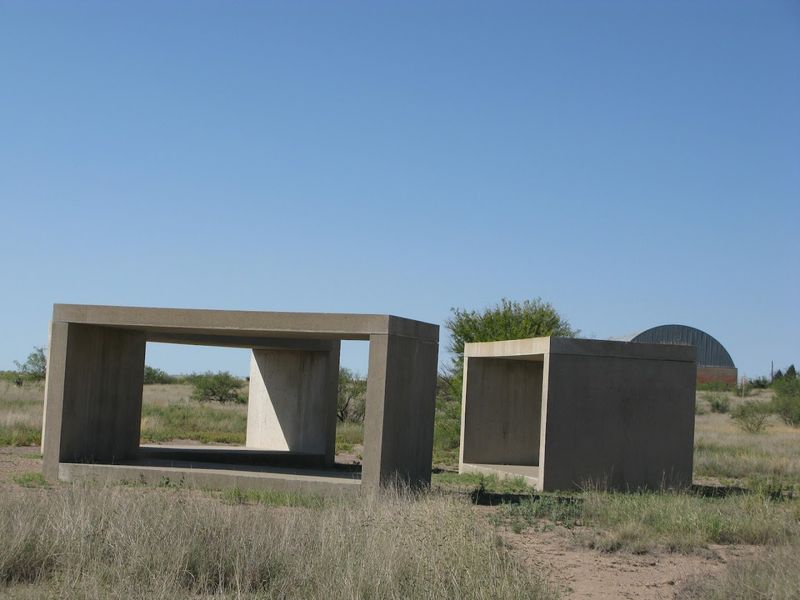
Marfa is a town of about 2,000 people sitting in the middle of the West Texas desert, and somehow it has become one of the most talked-about cultural destinations in the entire country. Artists, architects, and curious travelers make the long drive out here specifically to experience something that feels completely unlike anywhere else in America.
The isolation is not a drawback — it is the whole point.
The Chinati Foundation, established by minimalist artist Donald Judd in the 1970s, anchors Marfa’s art scene. His large-scale aluminum installations fill two enormous former military warehouses and must be seen in person to be fully appreciated.
The scale and the silence of the experience together create something genuinely moving.
Then there are the Marfa Lights. On certain nights, mysterious glowing orbs appear hovering over the desert horizon south of town.
Scientists have proposed various explanations, but nobody has fully cracked the case, and the mystery keeps visitors coming back. The Prada Marfa art installation — a fake luxury boutique sitting alone on a desert highway — has become one of the most photographed spots in Texas.
Marfa rewards visitors who embrace its weirdness wholeheartedly. Come with an open mind, and this tiny desert town will give you stories worth telling for years.
Chincoteague Island — Virginia
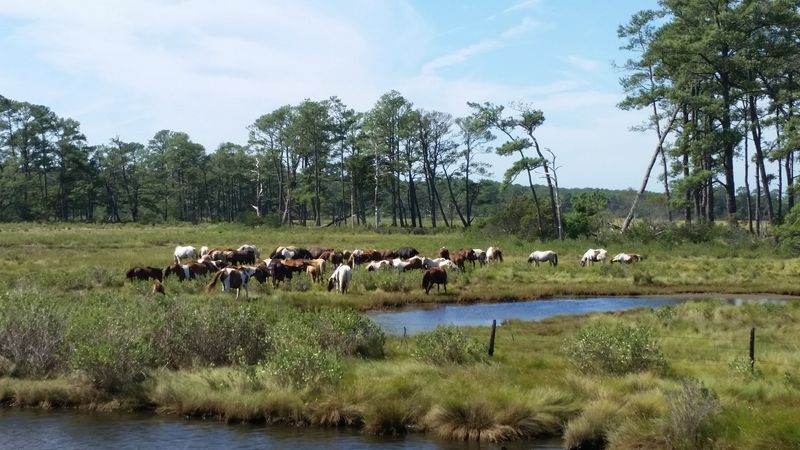
Every July, a herd of wild ponies swims across a channel from Assateague Island to Chincoteague — and crowds gather on the shore to watch with the kind of excitement usually reserved for major sporting events. The Chincoteague Pony Swim is one of the most beloved annual traditions on the East Coast, but the island has plenty to offer the other 11 months of the year too.
Chincoteague National Wildlife Refuge covers much of neighboring Assateague Island and provides exceptional wildlife viewing opportunities. Shorebirds, ospreys, herons, and the famous ponies share the refuge’s beaches, marshes, and forests.
The refuge is also one of the best spots on the Atlantic coast for watching migratory birds during spring and fall.
The town of Chincoteague itself has a low-key, unhurried charm that feels increasingly rare. Fresh seafood restaurants, small shops, and a relaxed pace of life make it easy to stay longer than planned.
Kayaking through the island’s calm waterways is a highlight, especially at dawn when the marshes are quiet and the light is soft. Fans of Marguerite Henry’s classic children’s book “Misty of Chincoteague” will find the island feels exactly as magical as advertised.
It is a place that earns genuine affection from everyone who visits.
Blackwater Falls State Park — West Virginia
The waterfall at Blackwater Falls does not look like any other waterfall you have seen. The water runs a deep amber-brown color, stained naturally by tannic acid from fallen hemlock and red spruce needles upstream.
It plunges five stories into a dramatic canyon, and the contrast between the dark water and the surrounding forest is striking enough to stop you in your tracks.
The park sits in the Allegheny Highlands of West Virginia and offers far more than just the famous falls. Miles of hiking and mountain biking trails wind through the surrounding forest and along canyon ridges with sweeping views of the Blackwater River valley below.
In winter, the park transforms into a snow-covered wonderland popular with cross-country skiers and snowshoers.
The lodge and cabins within the park are a major draw for visitors who want to extend their stay without giving up creature comforts. Waking up to misty mountain views from a cabin porch with a cup of coffee is a simple pleasure the park delivers reliably.
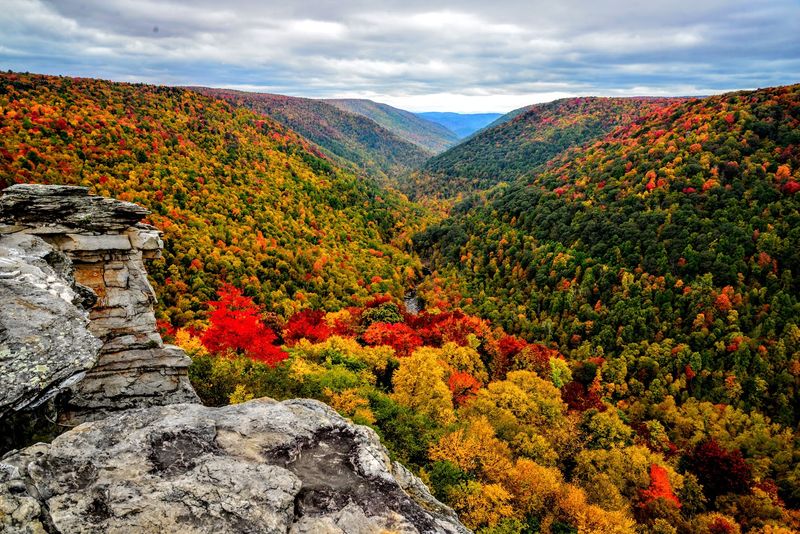
Autumn is the most popular season, when the hardwood forest erupts in brilliant color around the dark canyon. Blackwater Falls is one of those places that makes West Virginia’s outdoor reputation feel completely justified — and it remains wonderfully uncrowded compared to parks of similar beauty.
Delaware Water Gap — Pennsylvania & New Jersey
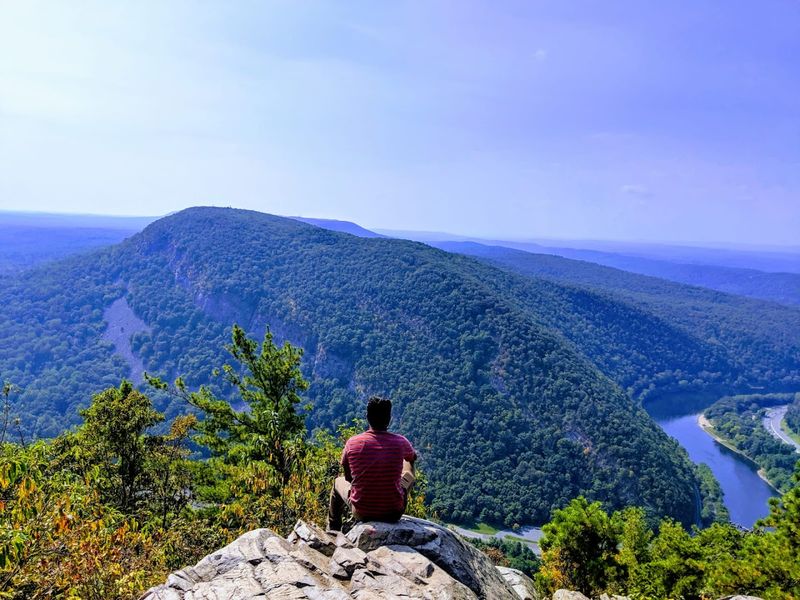
Sitting right on the border between Pennsylvania and New Jersey, the Delaware Water Gap National Recreation Area is one of the most accessible wilderness escapes on the entire East Coast. Yet despite being within a two-hour drive of both New York City and Philadelphia, it somehow manages to feel genuinely remote once you are inside the forest.
That combination of convenience and solitude is rare and worth appreciating.
The Delaware River is the centerpiece of the park, offering excellent kayaking, canoeing, and tubing opportunities throughout the warmer months. The river moves at a gentle, forgiving pace in most sections, making it friendly for beginners and families.
Swimmers cool off along several designated river beaches during summer weekends.
The Appalachian Trail passes directly through the recreation area, giving hikers a taste of one of the world’s most famous long-distance paths without committing to the full journey. Dingmans Falls, located within the park, is among the tallest waterfalls in Pennsylvania and rewards the short hike required to reach it.
Camping options range from developed sites with amenities to more secluded backcountry spots for experienced outdoors people. The sheer variety of activities packed into one accessible location makes Delaware Water Gap a genuinely smart choice for anyone looking to enjoy nature without complicated logistics or long travel times.



