Wisconsin is packed with places worth stopping for, and you do not need to spend a lot to have a great time. From free zoos and botanical gardens to quirky roadside museums and dramatic lakeside parks, the state offers a surprising range of experiences across every corner.
Whether you are planning a family day trip, a weekend road trip with friends, or just looking for something new to do nearby, this list covers 15 real spots that deliver memorable experiences without draining your wallet. Some of these are well-known, some are easy to overlook, and a few might genuinely surprise you.
Henry Vilas Zoo, Madison, Wisconsin
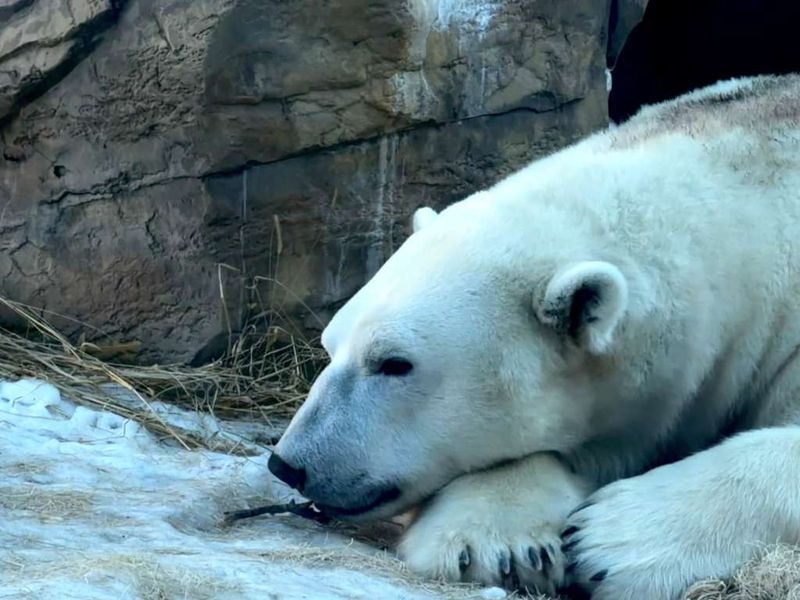
One of the few remaining free admission zoos in the United States, Henry Vilas Zoo in Madison has been welcoming visitors since 1911. The city of Madison and Dane County fund it together, which is why walking through the front gate costs absolutely nothing.
The zoo is home to more than 700 animals representing around 130 species. Big cats, primates, sea lions, giraffes, and a popular tropical building are among the highlights.
The sea lion feeding demonstrations draw consistent crowds and are worth timing your visit around.
Parking near the zoo is free as well, which makes the total cost of a family visit remarkably low. The grounds sit right along the edge of Lake Wingra, so the setting itself is pleasant even between exhibits.
Strollers are welcome, paths are paved, and the layout is manageable even with young kids in tow. Plan for two to three hours.
Wisconsin State Capitol, Madison, Wisconsin

The Wisconsin State Capitol is one of the most architecturally impressive buildings in the Midwest, and you can tour the inside for free. The dome is the only state capitol in the country built with granite on the exterior, and it rises to just over 284 feet.
Free guided tours run regularly throughout the week and cover the legislative chambers, the governor’s conference room, and the observation deck on the fourth floor. The views of Madison from up there are genuinely worth the climb.
Self-guided tours are also available if you prefer to move at your own pace.
The Capitol sits at the center of the Capitol Square, surrounded by a popular farmers market on Saturdays from spring through fall. Combining a Capitol visit with a walk through the market makes for a full and affordable morning.
The building is open to the public most days, though hours vary around legislative sessions.
Olbrich Botanical Gardens, Madison, Wisconsin
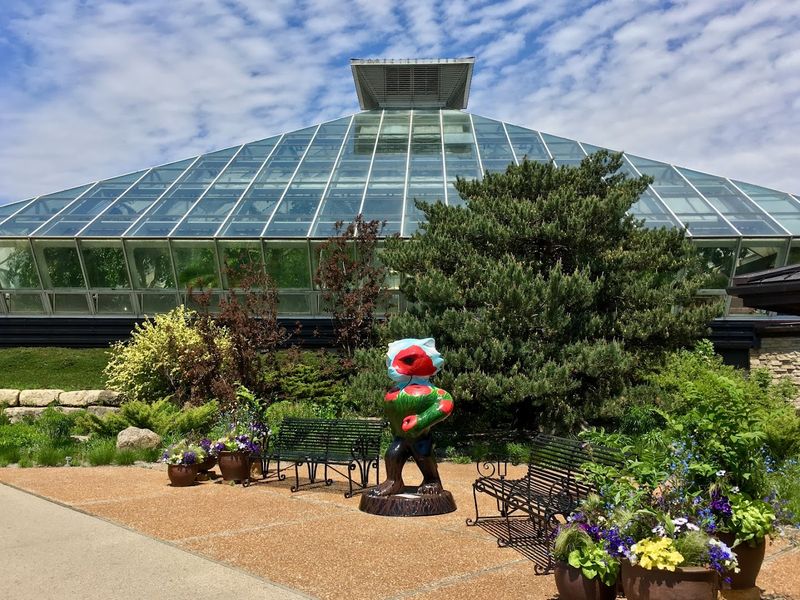
Olbrich Botanical Gardens covers 16 acres along the shore of Lake Monona and offers free outdoor access year-round. The garden features themed sections including a rose garden, an herb garden, a rock garden, and a sunken garden that blooms in waves through the warmer months.
One of the most distinctive features on the grounds is the Thai Pavilion and Garden, a gift from Thailand that remains the only such structure in the United States located outside a museum. It is a striking spot and worth seeing up close.
The indoor Bolz Conservatory charges a small admission fee and houses a tropical environment with free-flying birds and exotic plants. The outdoor gardens, however, are completely free.
Olbrich also hosts seasonal events like the Illuminations light show in winter, which has separate ticketing. For a casual weekday visit during blooming season, the outdoor gardens alone offer more than enough to make the trip worthwhile.
National Mustard Museum, Middleton, Wisconsin
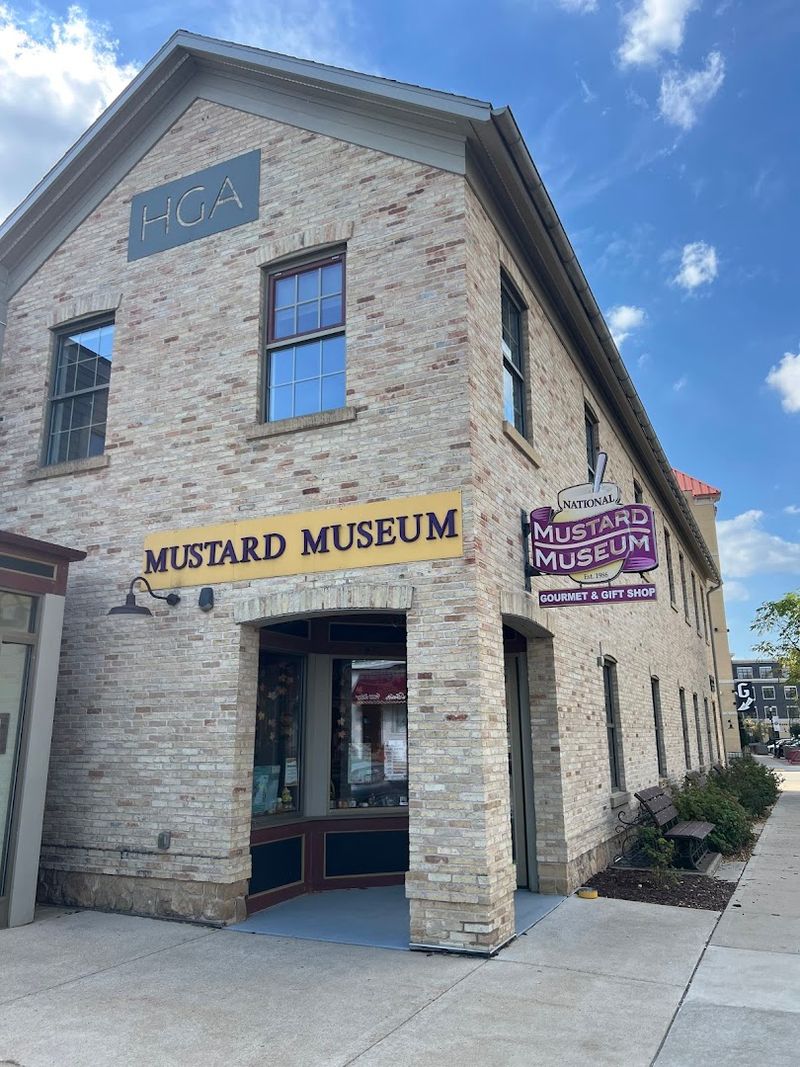
There are more than 6,700 mustards on display at the National Mustard Museum in Middleton, making it one of the most oddly specific and genuinely entertaining roadside attractions in the state. Admission is free, which makes it an easy detour from Madison just a few miles away.
The collection spans mustards from all 50 states and more than 70 countries. Vintage mustard tins, antique mustard pots, and mustard-related memorabilia fill the shelves alongside the jars.
The museum takes its subject seriously while also leaning into the humor of being a mustard museum, which gives it a personality most attractions lack.
A retail shop inside sells hundreds of mustards available for tasting and purchase. If you have never tried a blueberry mustard or a smoky chipotle variety, this is the place to start.
The museum is a quick stop, usually 30 to 45 minutes, but it is the kind of place people remember and bring up in conversation for years afterward.
Bay Beach Amusement Park, Green Bay, Wisconsin
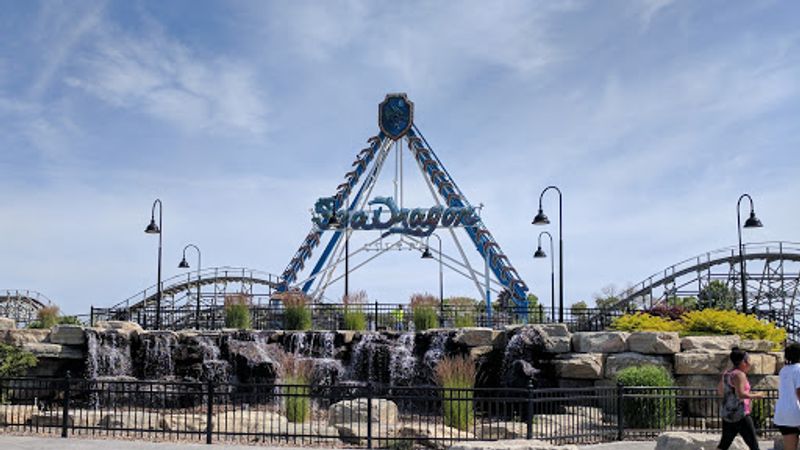
Bay Beach Amusement Park in Green Bay operates as a city-run park where most rides cost between 25 and 50 cents per ticket. That pricing has made it a beloved destination for Wisconsin families for generations, and it still draws big crowds every summer.
The park sits on the shore of Green Bay and includes classic midway-style rides, a Ferris wheel, a Zippin Pippin wooden roller coaster, and a variety of rides suited for younger children. The Zippin Pippin is a historically notable ride, as an earlier version of the same coaster was a favorite of Elvis Presley in Memphis.
Bay Beach opens seasonally, generally running from late April through Labor Day, with some fall weekend dates added in recent years. There is no gate admission, so families can walk in and spend only what they choose on rides.
Picnic areas, a wildlife sanctuary nearby, and waterfront views round out the visit nicely.
Cave Point County Park, Sturgeon Bay, Wisconsin
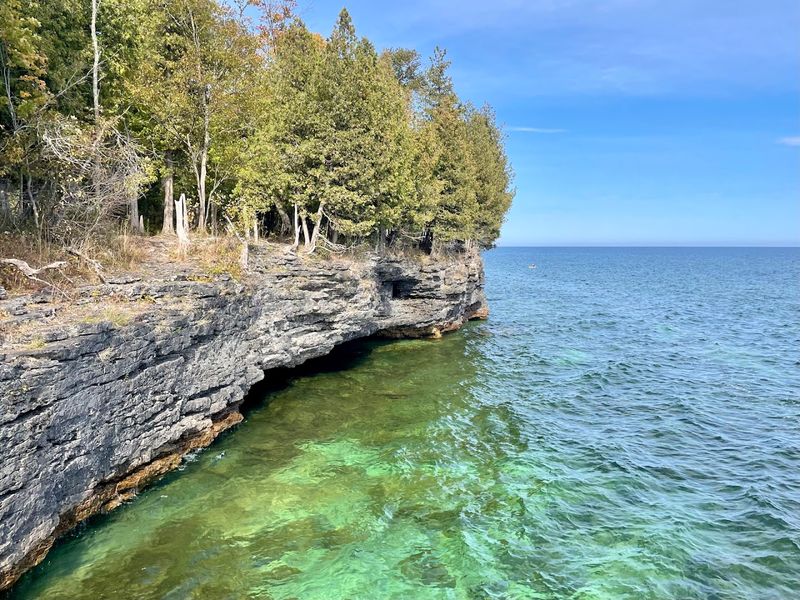
Cave Point County Park sits along the Lake Michigan shoreline in Door County and offers one of the most dramatic natural scenes in Wisconsin at no cost to enter. The park features limestone cliffs that drop directly into the lake, with waves carving caves and arches into the rock face over thousands of years.
On calm days, the water is clear enough to see the rocky bottom from the cliff edges. On windy days, waves crash into the caves with enough force to send water spraying upward in impressive columns.
Both versions of the park are worth experiencing.
Kayaking the caves from the water is a popular activity for those who bring their own equipment or rent nearby in Sturgeon Bay. Hiking trails connect Cave Point to the adjacent Whitefish Dunes State Park, which adds beach access and sand dunes to the same visit.
The combination of the two parks makes for a full and varied day in Door County without much spending involved.
Devil’s Lake State Park, Baraboo, Wisconsin
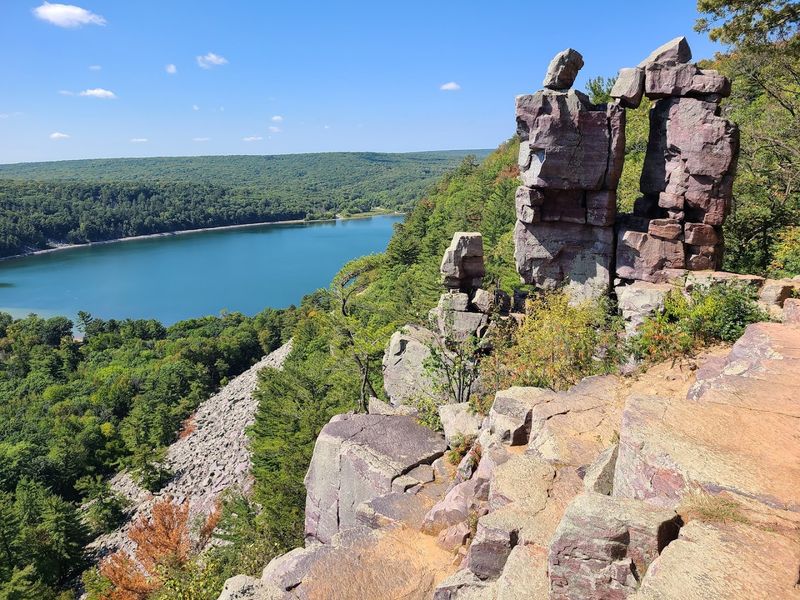
Devil’s Lake State Park is Wisconsin’s most visited state park, and the reasons are obvious once you see it. A glacially formed lake sits in a narrow gorge surrounded by ancient quartzite bluffs that rise more than 500 feet above the water.
The combination of geology, water, and forest makes it a striking place in any season.
Hiking is the main draw, with trails ranging from flat lakeside paths to steep bluff climbs that reward visitors with panoramic views. The East Bluff and West Bluff trails are the most popular, and both deliver the kind of views that make people stop mid-hike to just look around.
Swimming beaches, a boat launch, and a nature center add to the options on site. A state park vehicle sticker is required for entry, which costs $28 annually or $8 for a day pass.
Given how much the park offers, the day pass is a reasonable investment. Weekends in summer fill up early, so arriving before 9 a.m. is a smart move.
Kenosha Public Museum, Kenosha, Wisconsin
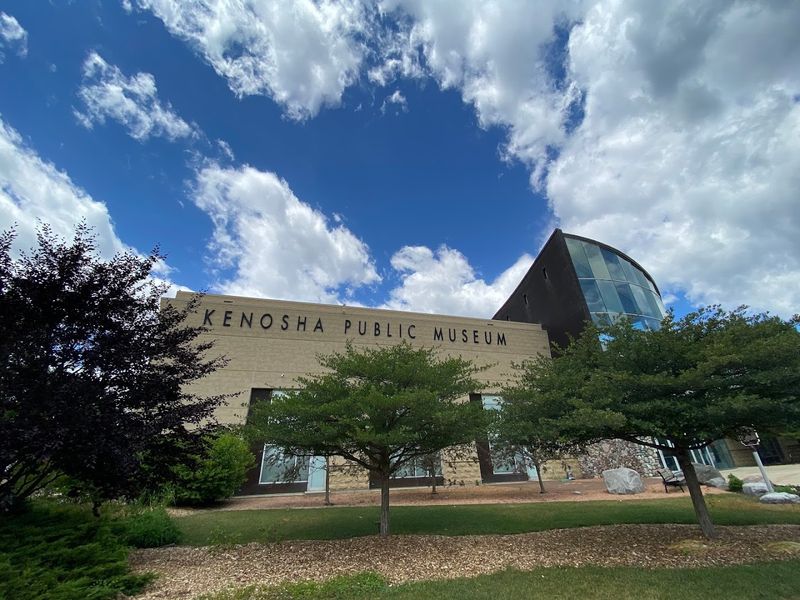
The Kenosha Public Museum offers free admission and covers an impressive range of topics across its exhibits. Natural history, fine art, decorative arts, and regional history all share space in a well-maintained building along the Lake Michigan shoreline in downtown Kenosha.
The most talked-about exhibit is the Schaefer mammoth, a nearly complete mammoth skeleton discovered in Kenosha County in 1964. It is one of the best-preserved mammoth specimens in the Midwest and serves as the centerpiece of the natural history section.
The story of its discovery and excavation is part of what makes it interesting beyond just the bones themselves.
The museum’s location near the lakefront makes it easy to combine with a walk along the Kenosha Harbor, a visit to the Civil War Museum nearby, or a ride on the city’s electric streetcar, which runs along the lakefront for free. For a full low-cost day in Kenosha, the public museum is a natural anchor for the itinerary.
Dinosaur Discovery Museum, Kenosha, Wisconsin
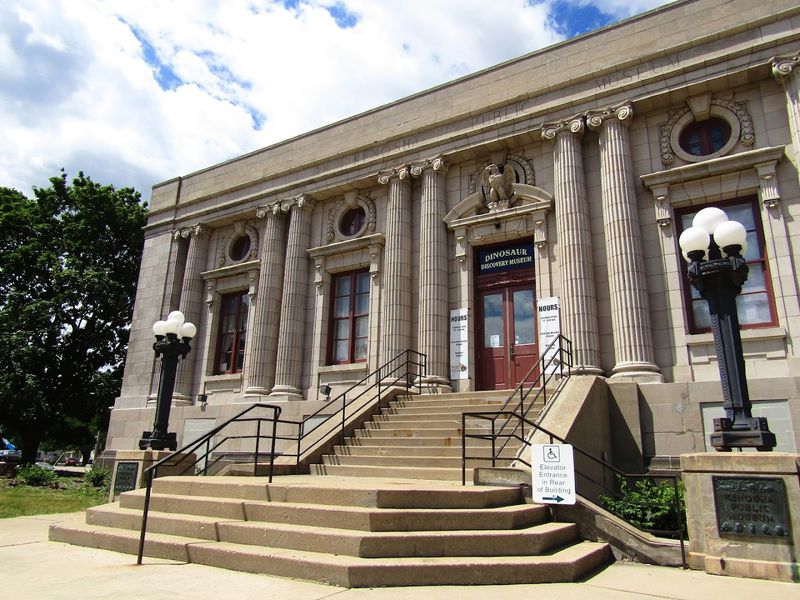
Kenosha has two excellent free museums, and the Dinosaur Discovery Museum is the more specialized of the two. It focuses specifically on theropod dinosaurs, the group that includes Tyrannosaurus rex and Velociraptor, and it makes a compelling scientific case for the connection between those animals and modern birds.
The museum is run in partnership with Carthage College and features cast skeletons, fossil specimens, and research-based exhibits that go deeper than most dinosaur displays aimed at general audiences. It is genuinely informative for adults while still being visually engaging enough for kids to stay interested.
Admission is free, and the museum is located just a short walk from the Kenosha Public Museum, making it easy to visit both in the same trip. The building is not enormous, so plan for about an hour.
What it lacks in square footage it makes up for in focus and quality. Few free dinosaur museums in the country match what Kenosha has put together here.
Milwaukee RiverWalk, Milwaukee, Wisconsin
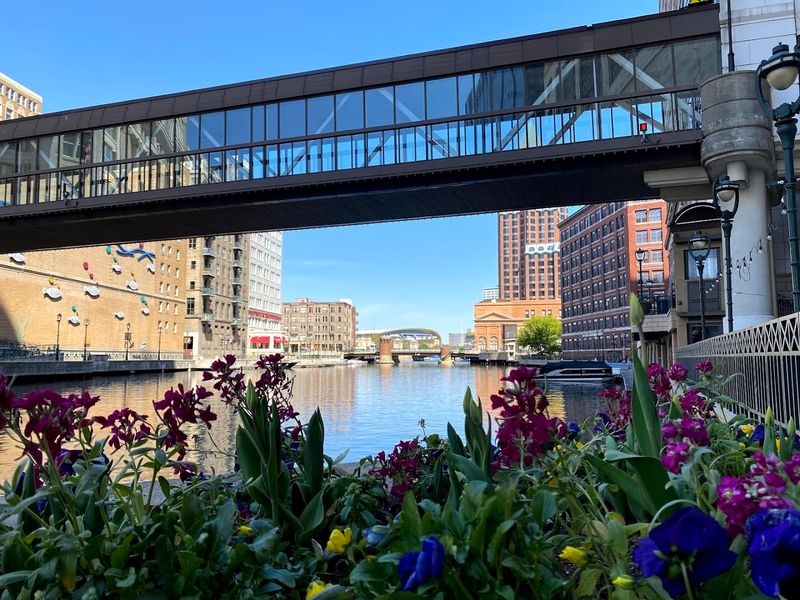
The Milwaukee RiverWalk stretches for about three miles through the heart of downtown Milwaukee and follows the Milwaukee River through the Historic Third Ward, downtown, and the Lower East Side neighborhoods. It is free to walk and connects a long stretch of public art, restaurants, bridges, and waterfront scenery.
More than 30 public art installations are placed along the route, ranging from sculptures to murals, and the collection has grown steadily over the years. The RiverWalk also connects to boat tour launch points, kayak rentals, and outdoor dining patios that line the water during warmer months.
For visitors new to Milwaukee, the RiverWalk offers a practical and pleasant way to get oriented in the city. It passes near the Milwaukee Art Museum, the Historic Third Ward shopping district, and several well-known restaurants.
Walking the full length takes about an hour at a casual pace. It works equally well as a standalone outing or as a connector between other Milwaukee stops on a road trip itinerary.
Schmeeckle Reserve, Stevens Point, Wisconsin
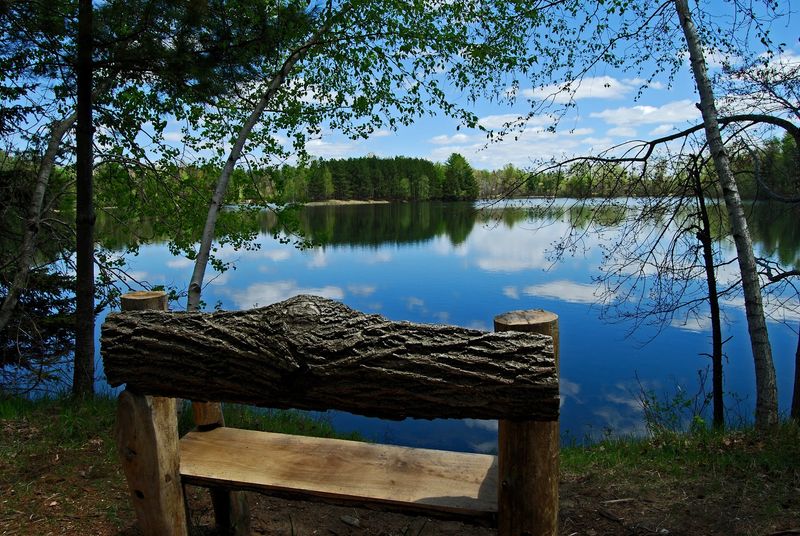
Schmeeckle Reserve sits on the edge of the University of Wisconsin-Stevens Point campus and offers 280 acres of protected natural land with free access year-round. The reserve includes a lake, wetlands, prairies, and forested trails that cover about 10 miles total.
A visitor center on site houses natural history exhibits and serves as the starting point for guided programming offered through the university. The Wisconsin Conservation Hall of Fame is also located within the visitor center, recognizing individuals who have contributed to conservation efforts across the state.
The trails are open to hikers, cross-country skiers in winter, and birdwatchers throughout the year. The wetland boardwalk sections offer particularly good wildlife viewing, with herons, waterfowl, turtles, and occasionally beavers visible depending on the season.
Because the reserve is managed as a teaching and research area, it is kept in excellent condition. For central Wisconsin residents or anyone passing through Stevens Point on a road trip, this is one of the more rewarding free outdoor stops in the region.
Horicon Marsh Education and Visitor Center, Horicon, Wisconsin
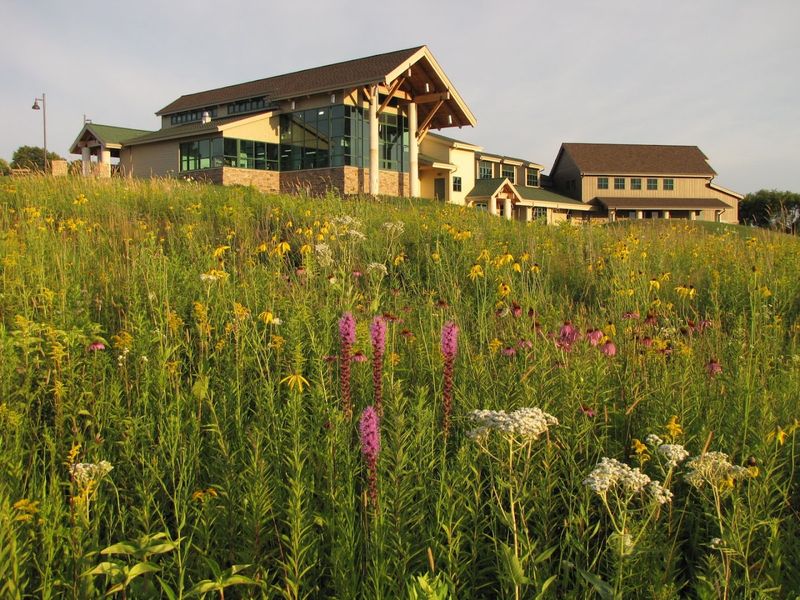
Horicon Marsh is the largest freshwater cattail marsh in the United States, covering more than 32,000 acres across Dodge and Fond du Lac counties. The Education and Visitor Center on the Wisconsin Department of Natural Resources side of the marsh offers free entry and serves as the best starting point for first-time visitors.
The marsh is best known as a major stopover for migrating birds, particularly Canada geese, which gather here in the hundreds of thousands during fall migration. The spectacle of that many birds lifting off the water at once is genuinely remarkable and draws visitors from across the region specifically to witness it.
Hiking trails, wildlife observation platforms, and canoe launch points give visitors multiple ways to experience the marsh up close. Guided boat tours are available seasonally for a fee, but the free trails and overlooks provide plenty of access on their own.
Spring brings nesting herons and egrets. Fall brings the geese.
Any season offers something worth seeing at Horicon.
Wisconsin Concrete Park, Phillips, Wisconsin
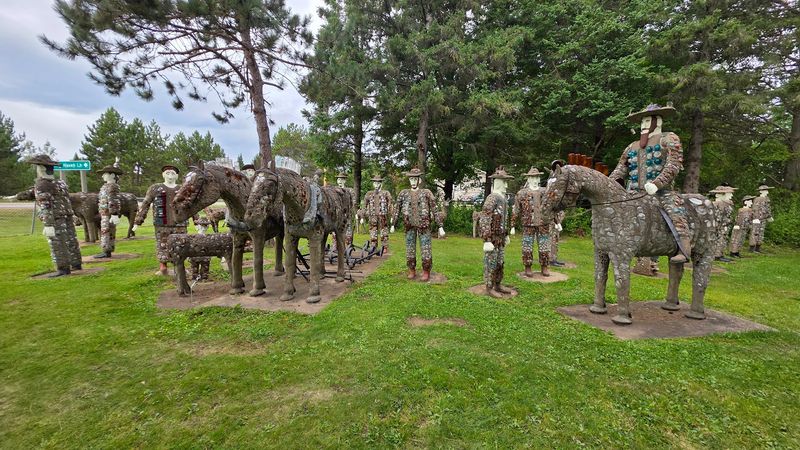
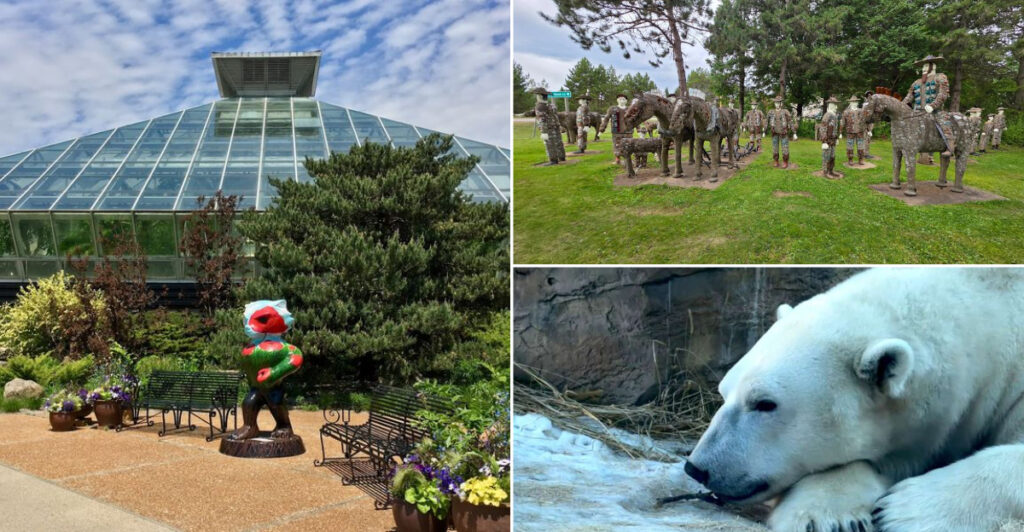
Fred Smith spent nearly 20 years creating more than 200 concrete sculptures on his property in Phillips, Wisconsin, finishing the project in 1964 when he was in his late seventies. The result is one of the most significant examples of folk art environments in the United States, and it is free to visit.
The sculptures depict historical figures, animals, loggers, Native American scenes, and characters from Wisconsin folklore, all rendered in concrete and embedded with glass, mirrors, stones, and found materials. The scale of the project is hard to fully appreciate until you are standing among the figures, many of which are life-size or larger.
The park is managed by the Kohler Foundation, which has worked to preserve and restore the sculptures over the decades. It sits in a quiet part of northern Wisconsin, making it a natural stop on a longer road trip through the Northwoods.
There is no formal admission fee, though donations are appreciated. Few places in Wisconsin feel quite this singular.
Kohler-Andrae State Park, Sheboygan, Wisconsin
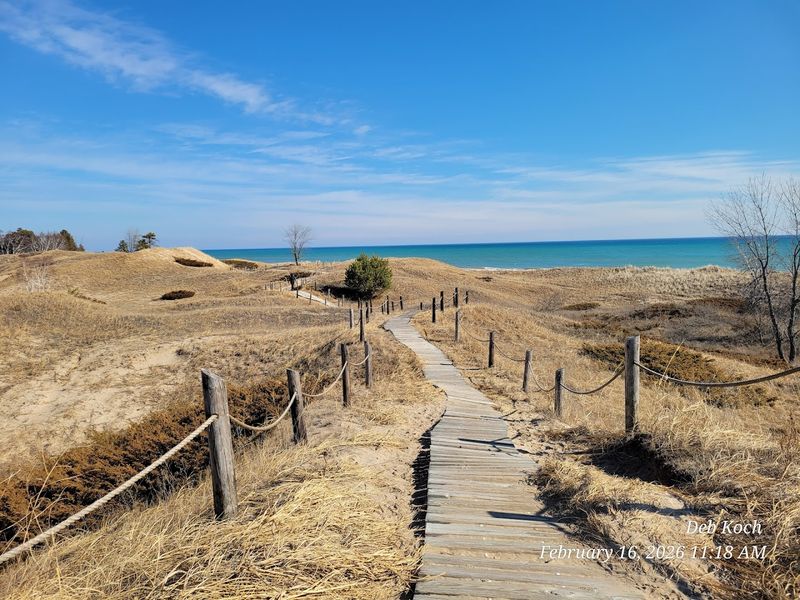
Kohler-Andrae State Park offers some of the best sand dunes and beach access on Lake Michigan’s western shoreline. Located just south of Sheboygan, the park features nearly two miles of sandy beach, a dune cordwalk trail that winds through the fragile dune ecosystem, and forested interior trails that total several miles.
The Sanderling Nature Center inside the park provides exhibits on the Lake Michigan coastal environment and is a good first stop for families with younger children. Staff there can point visitors toward the best trail options based on age and interest.
Swimming is popular in summer, and the beach here is notably clean and wide compared to many Lake Michigan access points. A state park vehicle sticker is required for entry.
The park also offers camping, making it a practical base for a longer Sheboygan-area visit that could include Bookworm Gardens or the Sheboygan lakefront. For a straightforward beach day with scenic dune hiking added in, Kohler-Andrae delivers reliably well.
Bookworm Gardens, Sheboygan, Wisconsin
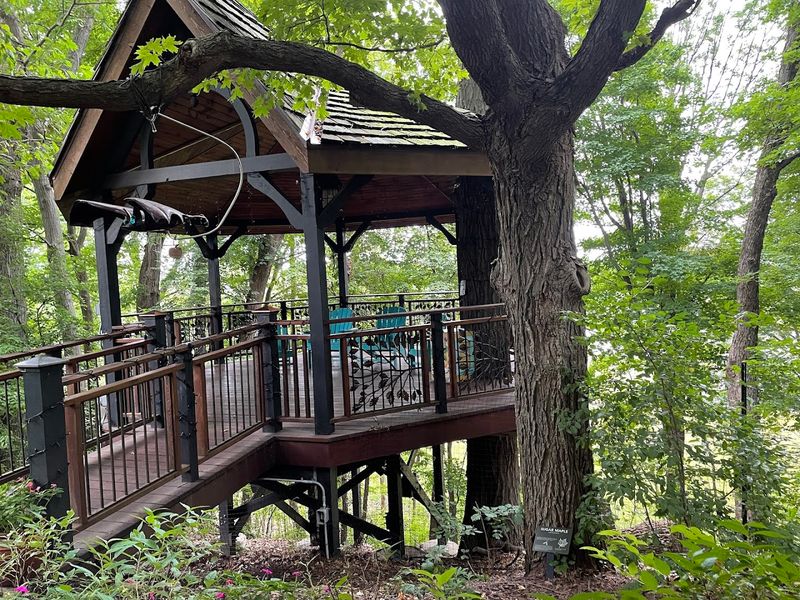
Bookworm Gardens is a four-acre outdoor garden in Sheboygan built entirely around children’s literature. Each section of the garden corresponds to a specific book, with sculptures, plantings, and interactive features that bring the stories into the physical world.
It is one of the most creative free attractions in Wisconsin.
The garden features more than 60 literary installations covering classics like Charlotte’s Web, The Secret Garden, and many others. Children who recognize the books tend to engage with the garden at a completely different level than they would a typical park, which is the whole point of the design.
Admission is free, though donations are accepted and help maintain the garden. Bookworm Gardens is open seasonally, generally from May through October, and the hours vary, so checking the official website before visiting is recommended.
The garden is located near Maywood Environmental Park, which adds a natural area to the visit. For families with young readers, this stop is genuinely hard to beat anywhere in the state.
Share this story