 Unearth The Voyage
You can feel it before you see it. The air gets thicker, the light turns green, and the path narrows like it’s trying to keep a secret.
That’s the thing about Mexico’s ancient Maya cities. They’re not just old stones in the jungle.
They still feel purposeful, like someone stepped away for a moment and never came back. Look up and you start noticing patterns.
Doorways that frame the sky. Staircases that pull your eyes toward the sun.
Carvings that seem almost too precise to be weathered by centuries.
Some sites are swallowed by rainforest, with howler monkeys sounding off overhead. Others sit by the coast, where salt air clings to the walls.
And if you give them more than a quick photo, these fifteen places start doing something surprising. They make history feel close enough to touch.
1. Chichén Itzá (Yucatán)
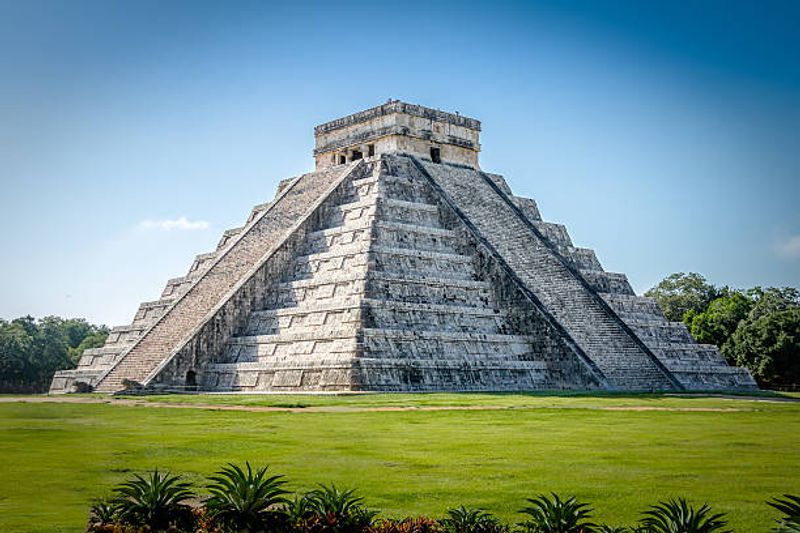
El Castillo rises from the Yucatán plains like it owns the place, and honestly, it kind of does. This pyramid isn’t just famous because it looks good on postcards.
During equinoxes, shadows create a serpent slithering down the staircase, which still blows minds centuries after Maya engineers planned it.
The Great Ball Court stretches longer than a football field, with stone rings mounted high on the walls. Players supposedly couldn’t use their hands, which makes you wonder how anyone scored.
The acoustics are wild too: clap once and you’ll hear it echo seven times.
I showed up at 8 a.m. once and had the pyramid almost to myself for about twenty minutes. By 10 a.m., tour buses rolled in like a parade.
The observatory area, called El Caracol, looks surprisingly modern for something built before telescopes existed.
Bring water, wear a hat, and maybe skip the vendors selling jaguar whistles unless you want that sound stuck in your head forever. Chichén Itzá earns its reputation, but timing matters.
Early birds get the pyramid without the crowds.
2. Uxmal (Yucatán)
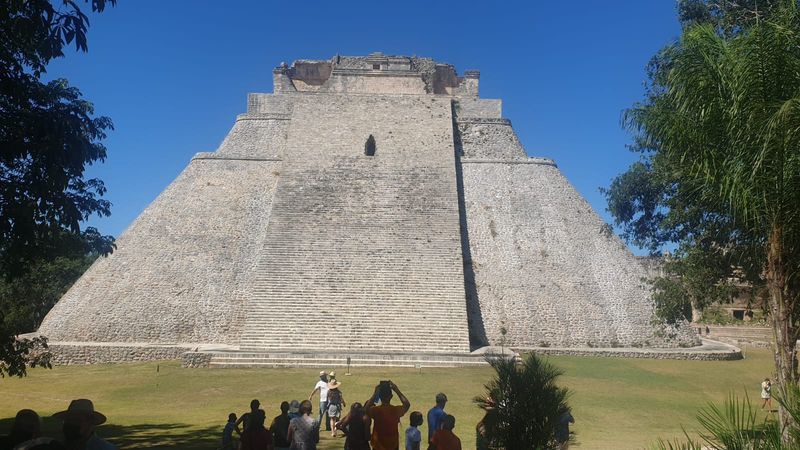
Uxmal feels like someone actually cared about making things beautiful, not just functional. The Pyramid of the Magician has these rounded edges that stand out from the typical sharp-cornered Maya structures.
Legend says a dwarf magician built it overnight, which is a better story than “skilled laborers worked for decades.”
The Governor’s Palace stretches across a massive platform with stone mosaics covering the façade. Each piece fits together like an ancient jigsaw puzzle, creating patterns that somehow survived centuries of weather.
Stand back far enough and the whole building looks like it’s wearing an elaborate stone sweater.
Fewer tourists means you can actually hear birds and wind instead of tour guides competing with megaphones. The Nunnery Quadrangle surrounds a courtyard with buildings on all four sides, covered in more intricate carvings.
Some show rain gods, others display geometric patterns that make your eyes do funny things if you stare too long.
Uxmal rewards the architecture nerds and the “I just want to wander peacefully” crowd equally. Pack good walking shoes because you’ll cover ground admiring details most people rush past.
3. Ek Balam (Yucatán)
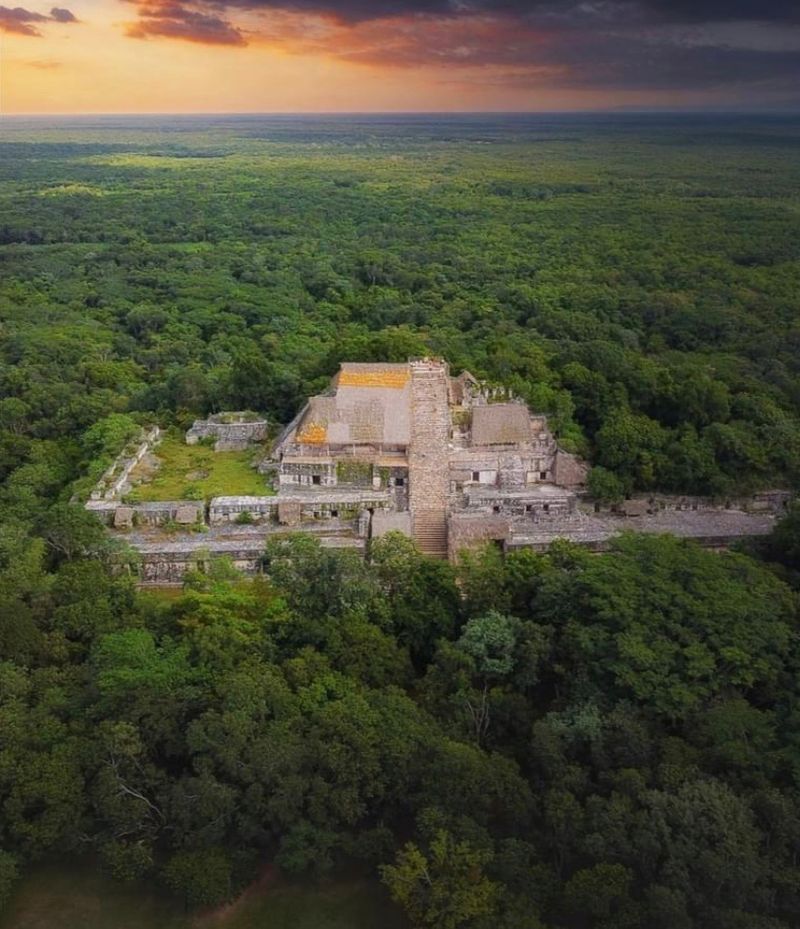
Most ruins make you keep your distance, but Ek Balam invites you right up to the carvings. The main acropolis features this incredible stucco façade with winged figures and a jaguar mouth entrance that looks like it might bite.
You can get close enough to see individual chisel marks, which is rare at major sites.
The name means “Black Jaguar” in Yucatec Maya, and the place lives up to it with detailed sculptural work that survived because it was buried for centuries. Once archaeologists uncovered it, they built a protective palapa roof to keep rain from washing away the stucco.
Smart move, because these details are too good to lose.
After climbing pyramids in the heat, the nearby cenotes offer perfect relief. X’Canche cenote sits about a mile away, reachable by bike or foot through jungle paths.
The water’s cold enough to make you gasp and clear enough to see fish swimming below.
Ek Balam works great for people who want the “explorer” feeling without trekking for days. Crowds stay manageable, and you’ll actually remember the carvings instead of just the crowd chaos.
4. Cobá (Quintana Roo)
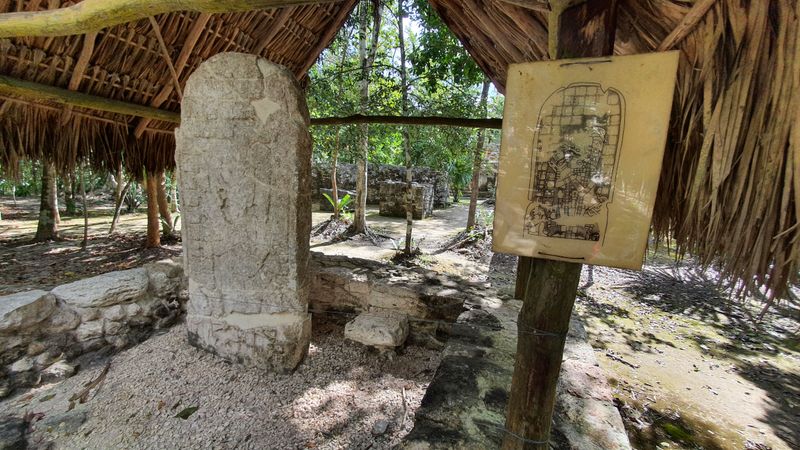
Cobá sprawls across jungle like a city that refused to stay contained. Buildings scatter along ancient roads called sacbeob, some stretching over sixty miles to connect distant Maya centers.
Walking between structure groups takes actual effort, which is why bike rentals exist at the entrance.
Nohoch Mul pyramid shoots up 138 feet, making it one of the tallest on the Yucatán Peninsula. They reopened climbing after years of closure and restoration, though the rope down the middle suggests they know those steps are steep.
The view from the top shows nothing but green canopy in every direction, exactly how it looked centuries ago.
Stelae dot the site, carved with dates and ruler portraits that helped archaeologists piece together Maya history. Some are worn smooth by time, others still show clear details.
The jungle keeps everything shaded and slightly mysterious, with howler monkeys providing soundtrack.
Plan for more walking than typical ruins. Bring water, rent a bike if your legs aren’t feeling ambitious, and budget at least three hours.
Cobá rewards effort with that “lost city” atmosphere most sites can’t match anymore.
5. Tulum (Quintana Roo)
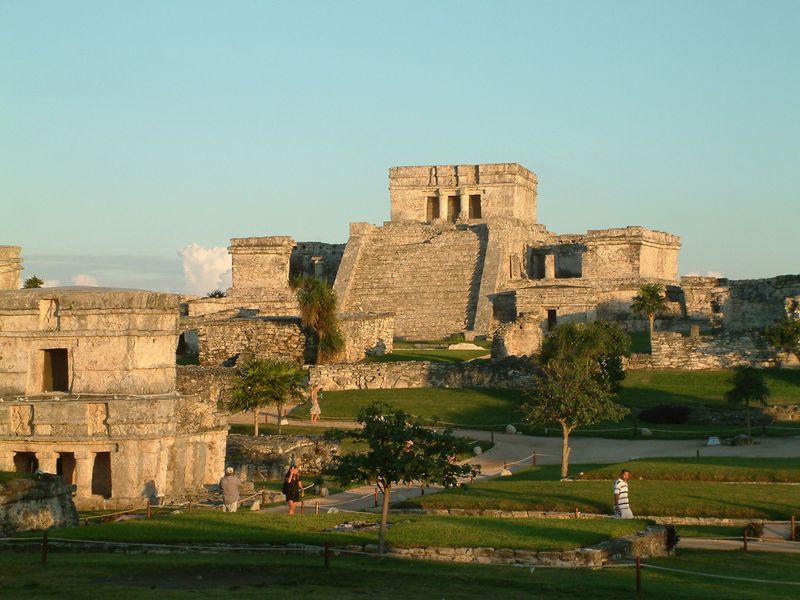
Tulum sits on limestone cliffs with the Caribbean crashing below, which has to be the best real estate decision any ancient civilization ever made. El Castillo perches right at the edge, looking like one good hurricane could send it tumbling.
Somehow it’s still standing after hundreds of years of storms.
The walled city protected a trading port where Maya merchants moved goods along the coast. These weren’t just ceremonial buildings but working structures for actual commerce and defense.
The Temple of the Frescoes still shows traces of original murals inside, though you can’t get close enough to really examine them anymore.
Tourism hit Tulum hard. By 10 a.m., the place resembles a theme park more than ancient ruins.
Instagram crowds swarm every photogenic corner, fighting for the perfect shot. Early morning or late afternoon helps, but honestly, it’s never empty anymore.
The beach below the ruins offers swimming after you’ve finished exploring, assuming you don’t mind sharing sand with a few hundred others. Tulum works best as a quick morning stop before the masses arrive, then escape to quieter sites.
The setting is genuinely spectacular, but the experience depends heavily on timing.
6. Mayapán (Yucatán)
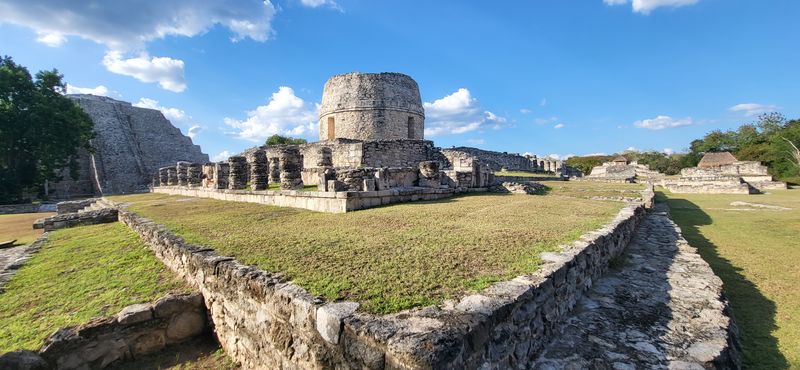
Mayapán represents the final chapter of Maya power on the peninsula, when Chichén Itzá’s influence faded and political control shifted. The city thrived from roughly 1200 to 1450 CE, making it one of the last great Maya capitals.
Then everything collapsed in civil war and the site got abandoned.
The main temple resembles a smaller version of El Castillo at Chichén Itzá, which wasn’t accidental. Later Maya rulers wanted that visual connection to earlier power centers.
Defensive walls surrounded the city, showing that by this period, Maya cities worried more about attacks from each other than external threats.
Almost nobody comes here compared to the famous sites, which means you might have entire plazas to yourself. Restoration work continues, revealing more structures and details about how this late Maya city functioned.
The layout feels dense and urban, with buildings packed closer together than earlier ceremonial centers.
History enthusiasts will appreciate Mayapán’s role in the bigger Maya story. It’s not as visually stunning as Uxmal or as massive as Chichén Itzá, but it fills in crucial gaps about what happened after the Classic period glory days ended.
Plus, the lack of crowds lets you actually think while exploring.
7. Edzná (Campeche)
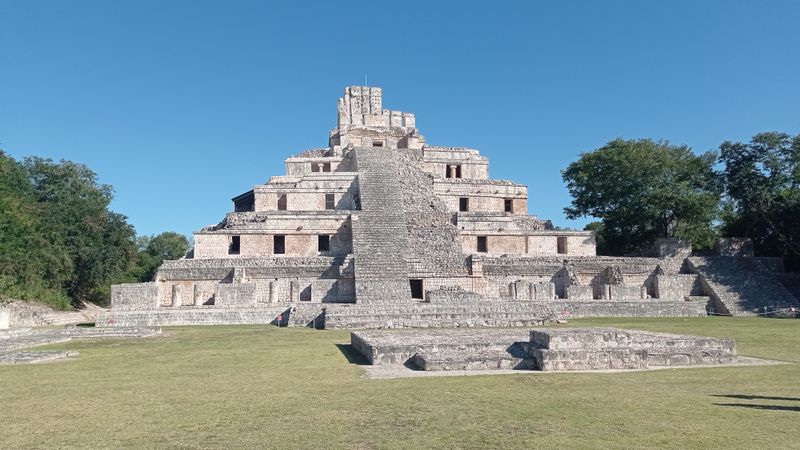
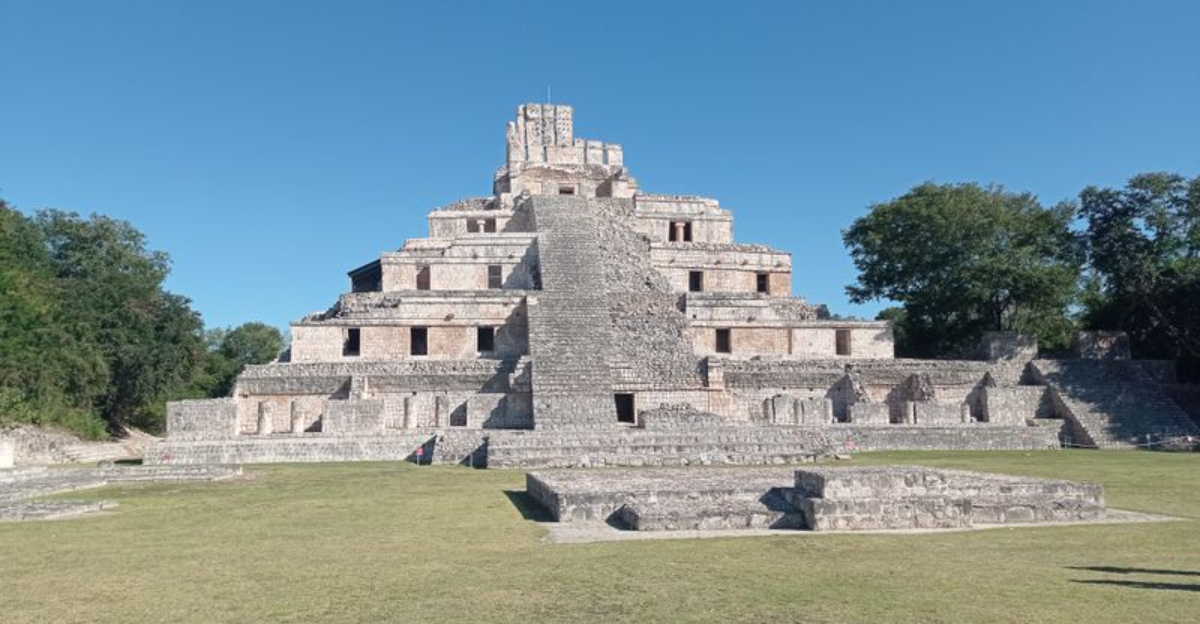
Edzná’s Building of the Five Stories rises in elegant tiers, combining pyramid and palace in one structure. Each level served different functions, from administrative to ceremonial, showing Maya architects could design vertical mixed-use buildings centuries before modern cities invented the concept.
The site spreads across open space with clear sightlines between major structures. No dense jungle here, just wide plazas and platforms under big sky.
This makes photography easier and helps you understand the city’s layout without getting lost in vegetation.
An elaborate canal and reservoir system once managed water here, crucial for supporting a city in this environment. Archaeologists found evidence of sophisticated hydraulic engineering that collected and stored rainwater.
The Maya weren’t just building pretty temples but solving real infrastructure problems.
Edzná sits far enough off the main tourist routes that crowds stay manageable even during peak season. The main ceremonial complex provides plenty to explore without overwhelming you with options.
Climbing the central structure gives panoramic views of surrounding platforms and the countryside beyond.
It’s perfect for a road trip stop when you’re cutting through Campeche state. Give it two hours minimum, bring sun protection, and enjoy ruins that feel accessible without feeling overrun.
8. Calakmul (Campeche)
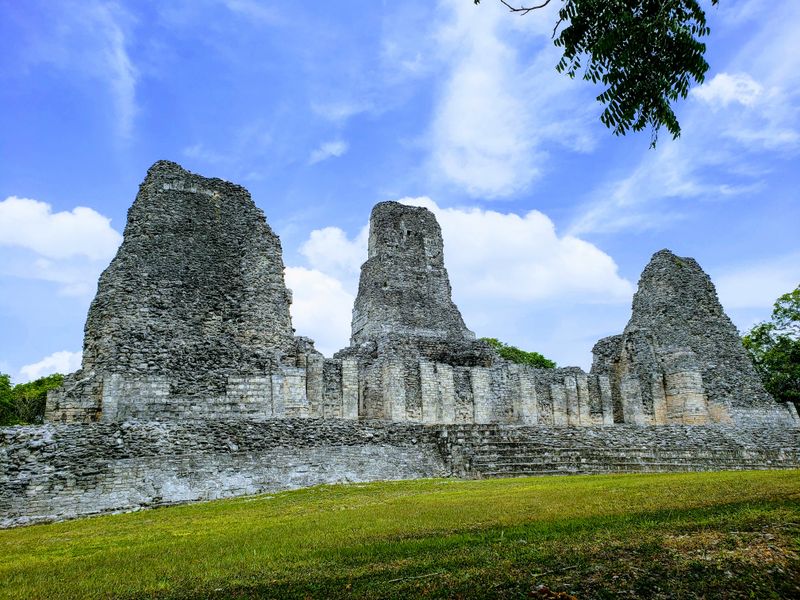
Getting to Calakmul requires commitment. The site sits deep inside the Calakmul Biosphere Reserve, reached by a road that cuts through protected forest for over thirty miles.
Jaguars, pumas, and all five Mexican wild cat species roam this area, though you’ll probably just see spider monkeys and exotic birds.
Two massive pyramids dominate the ancient city, both climbable for views that show nothing but unbroken jungle to the horizon. At its peak, Calakmul rivaled Tikal across the border in Guatemala for regional power.
The cities fought wars, formed alliances, and competed for control of trade routes and tribute.
Structure II rises over 170 feet, making it one of the largest Maya pyramids by volume. Climbing takes effort in the humidity, but reaching the top feels like genuine achievement.
You can see other pyramid tops poking through the canopy, reminding you how much remains unexcavated.
Plan for this to consume a full day from any base. Start early to maximize wildlife viewing during the drive and avoid midday heat at the ruins.
Bring more water than seems reasonable. Calakmul delivers that true expedition feeling few Maya sites can match anymore, but you earn it through logistics and travel time.
9. Palenque (Chiapas)
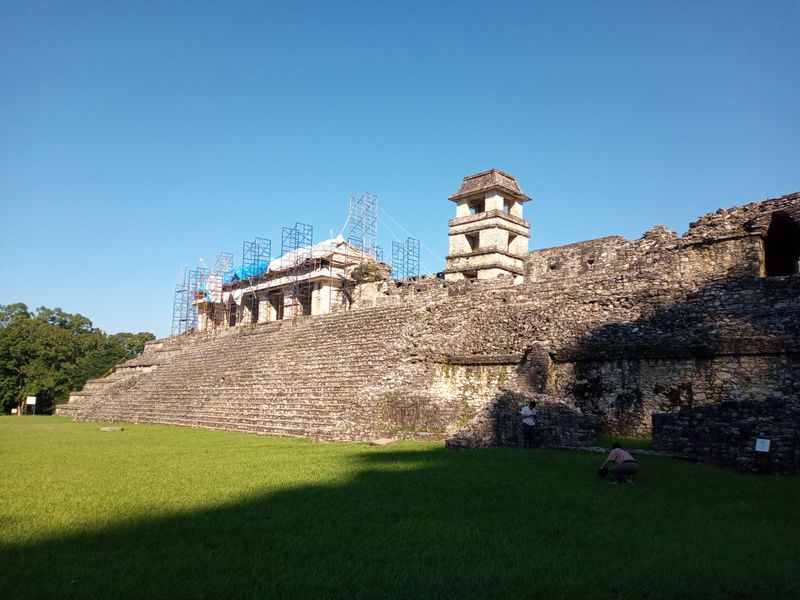
Palenque hits differently than other Maya sites. The architecture feels refined, almost delicate, with roofcombs and façades that suggest the builders cared deeply about aesthetics.
Mist rolls through the ruins most mornings, adding atmosphere that no amount of landscaping could replicate.
The Temple of the Inscriptions holds the tomb of K’inich Janaab Pakal, one of the most famous Maya rulers. His jade death mask and elaborate burial goods now sit in Mexico City’s museum, but the tomb chamber remains beneath the temple.
Carved glyphs covering the interior told his story and recorded dynastic history in detail that helped crack the Maya script.
The palace complex features a unique four-story tower that probably served as an observatory or watchtower. Courtyards, galleries, and relief sculptures show daily life alongside ceremonial scenes.
You can spend hours examining carvings and imagining how these spaces functioned when the city thrived.
Howler monkeys crash through trees overhead, their calls echoing across the ruins like they’re auditioning for a jungle soundtrack. The site stays open and accessible while maintaining that remote rainforest feeling.
Palenque combines beauty, history, and atmosphere better than almost anywhere else in the Maya world.
10. Yaxchilán (Chiapas)
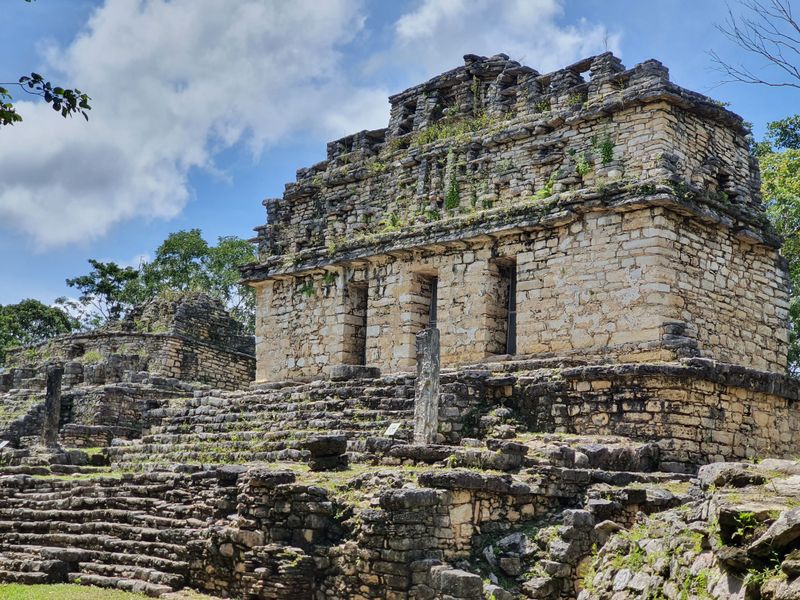
Reaching Yaxchilán means taking a boat up the Usumacinta River, which forms Mexico’s border with Guatemala. The journey itself sets the mood: river mist, jungle sounds, and the knowledge that you’re heading somewhere genuinely remote.
When ruins appear through the trees, it feels like discovery even though guides make this trip daily.
The site’s fame rests on its carved lintels and stelae, some of the finest Maya sculptural work anywhere. These stone pieces show rulers performing rituals, bloodletting ceremonies, and conjuring visions.
Lady K’abal Xook appears in several, depicted pulling a thorned rope through her tongue in ritual bloodletting. Maya art didn’t shy away from intense subjects.
Structures climb up hillsides, connected by paths that wind through jungle. The Grand Acropolis sits atop a ridge with views over the river valley.
Buildings retain more roofcombs and architectural details than many sites because jungle protected them from weathering and human damage.
Logistics require planning. Most people visit from Palenque or Frontera Corozal, combining it with Bonampak.
The effort filters out casual tourists, leaving people who genuinely want to be there. Yaxchilán rewards that commitment with authenticity and sculpture that belongs in art history textbooks.
11. Bonampak (Chiapas)
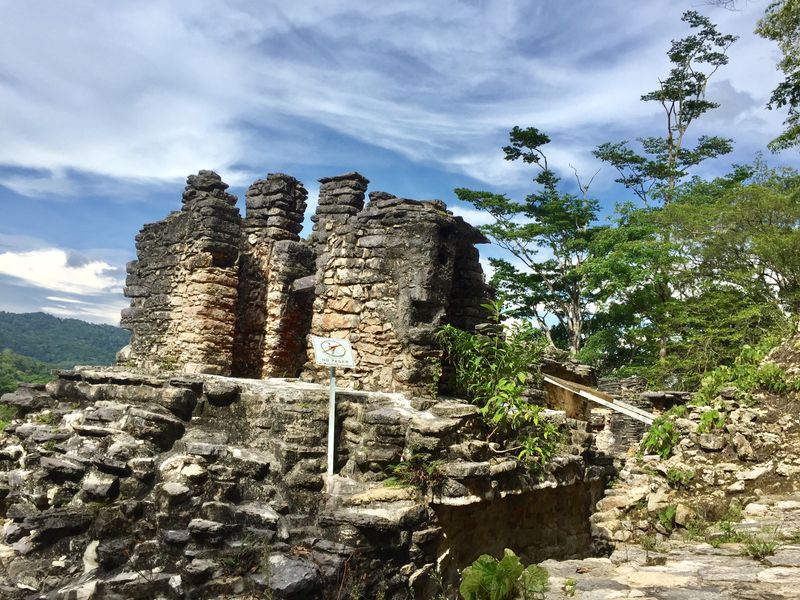
Bonampak exists for one reason: the murals. Three rooms contain the most complete Maya painted narrative known, showing everything from royal ceremonies to brutal battle scenes.
Colors still pop after over a thousand years, though you’ll view them under controlled lighting to prevent further fading.
Room 1 depicts preparations for an heir presentation ceremony, with nobles dressed in elaborate costumes and musicians playing instruments. Room 2 gets intense: a battle scene with prisoners being tortured and prepared for sacrifice.
Blood flows, captives plead, and victorious warriors pose with trophy heads. Room 3 shows the aftermath, with nobles celebrating and dancing on temple steps.
These paintings shattered romantic notions about the “peaceful” Maya. When archaeologists first documented them in the 1940s, the violent imagery surprised scholars who’d downplayed Maya warfare.
The murals don’t lie: this civilization engaged in serious conflict, took prisoners, and practiced ritual sacrifice.
Go with a guide who can explain the scenes because details matter. Without context, you’re just looking at faded paintings.
With explanation, you’re witnessing Maya history recorded by the people who lived it. Bonampak pairs naturally with Yaxchilán on the same trip, creating a full day of deep jungle ruins and art.
12. Comalcalco (Tabasco)
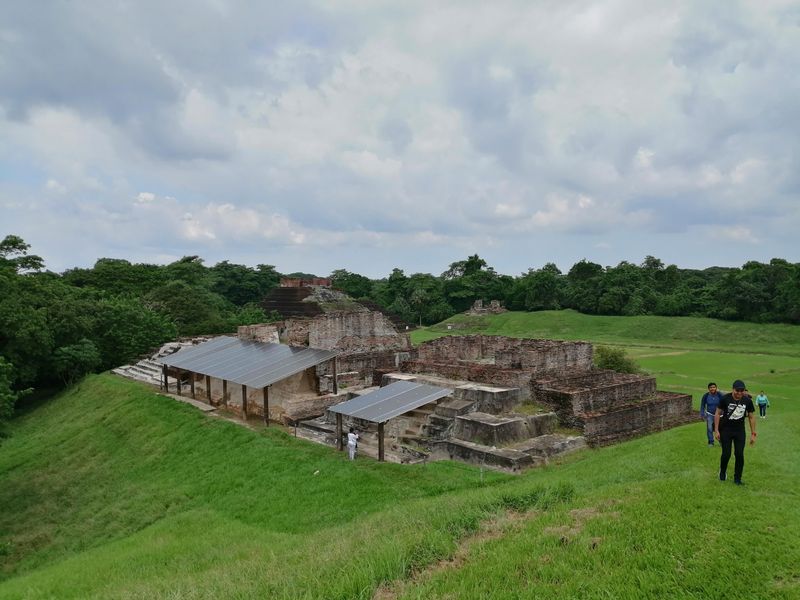
Every other major Maya site uses limestone blocks. Comalcalco used bricks, millions of them, because the local geology lacked good building stone.
This makes it architecturally unique and slightly surreal, like finding a Roman structure in the Maya lowlands.
Workers stamped many bricks before firing, leaving designs, fingerprints, and occasional images. Some show animals, others geometric patterns, a few depict gods or human figures.
Archaeologists have cataloged thousands of these markings, creating an accidental archive of Maya craftsmanship and daily life.
The site sits in cacao-growing country, which makes sense because Comalcalco thrived partly on chocolate trade. Ancient Maya valued cacao beans as currency and ceremonial drink ingredients.
The modern area still produces chocolate, connecting present agriculture to ancient economy.
Stucco once covered most brick surfaces, protecting them from weather and providing surfaces for paint and decoration. Where stucco remains, you can see how the finished buildings would have looked: smooth, painted, and impressive despite their humble brick cores.
If you’ve seen plenty of limestone Maya ruins and want something different, Comalcalco delivers. It’s less visited than Yucatán sites but equally important for understanding how Maya civilization adapted to different environments and resources.
Plus, brick pyramids just look cool.
13. Becán (Campeche)
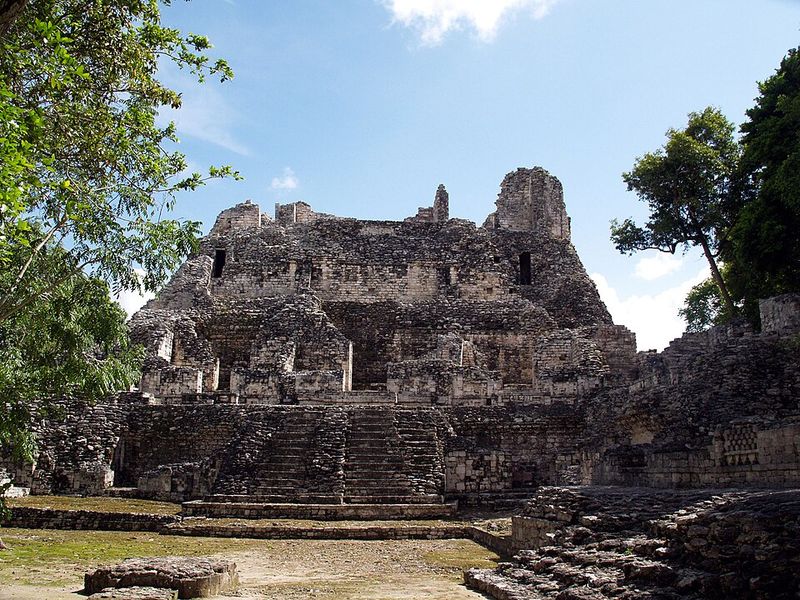
Becán translates roughly to “canyon formed by water,” which describes the defensive moat encircling the city. This ditch system stretches over a mile around the core, measuring up to sixteen feet deep in places.
Maya cities rarely bothered with such elaborate defenses, making Becán unusual and strategically fascinating.
The moat suggests serious threats, probably from rival cities competing for resources and control. Building it required moving massive amounts of earth without metal tools or wheeled vehicles.
The labor investment alone shows how much the city valued protection.
Architecture follows the Rio Bec style: towers that look like pyramids but don’t function as climbable structures. They’re purely decorative, designed to impress rather than serve practical purposes.
Steep fake stairways run up the front, too narrow and sharp to actually use.
Structures retain significant height and detail despite centuries of jungle growth. Palace complexes feature multiple rooms and levels, showing sophisticated urban planning.
The site feels atmospheric and slightly mysterious, partly because vegetation still crowds close to buildings.
Becán works well for people who want to see defensive architecture and Rio Bec style without huge crowds. It’s remote enough to discourage casual tourists but accessible enough to visit without expedition-level planning.
The moat alone makes it worth stopping.
14. Kohunlich (Quintana Roo)
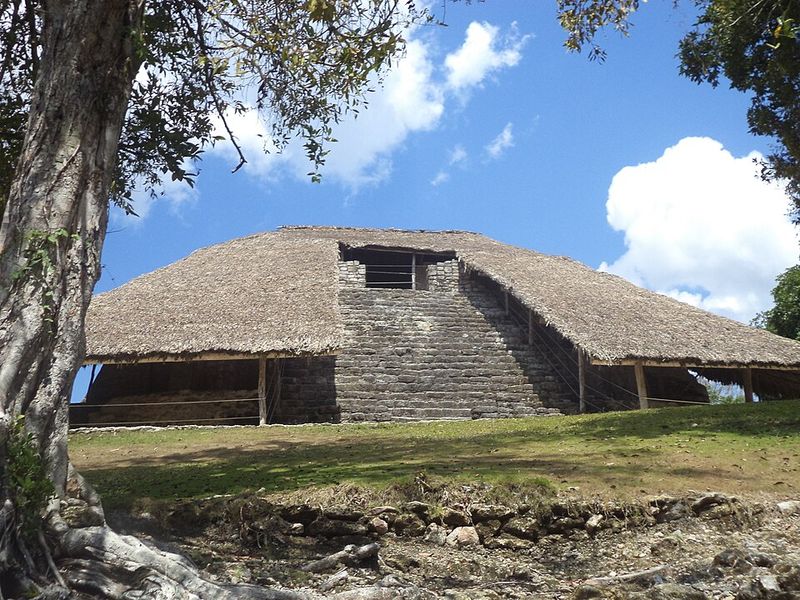
The Temple of the Masks stops people in their tracks. Six-foot-tall stucco faces flank the staircase, wearing elaborate ear ornaments and headdresses.
These masks probably represented the sun god or deified rulers, serving as powerful visual statements about who controlled this city.
Only some masks survive intact, protected by palapa roofs that keep rain from dissolving the stucco. The faces show individual features rather than generic representations, suggesting they might portray actual rulers.
Red paint traces remain visible on some, hinting at the original vibrant appearance.
Kohunlich spreads across a large area with multiple plaza groups connected by paths through forest. The site feels peaceful and uncrowded, letting you explore at your own pace without tour groups breathing down your neck.
Birds outnumber tourists most days.
Southern Quintana Roo doesn’t attract the same beach crowds as Cancún or Playa del Carmen, which keeps pressure off the archaeological sites. Kohunlich benefits from this, remaining accessible but not overrun.
The surrounding area includes other smaller ruins, making it possible to design a ruins road trip away from the main tourist circuits.
Those masks alone justify the visit, but the whole site rewards time and attention. It’s substantial enough to feel significant without overwhelming you with scale.
15. Dzibanché (Quintana Roo)
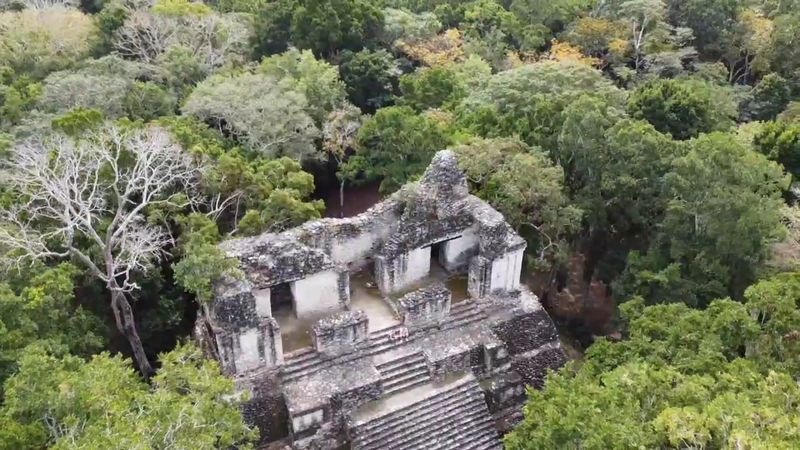
Dzibanché connects to the powerful Kaan dynasty, also called the Snake Kingdom, which dominated Maya politics for centuries. This city served as an early capital before the dynasty moved to Calakmul.
Recent excavations and restoration work have revealed impressive architecture and important historical details about this influential political force.
The main pyramid, called Structure I, rises dramatically from the plaza. Climbing provides views over the surrounding jungle and other temple groups.
Carved lintels and façade elements show the craftsmanship that went into important ceremonial buildings.
Temple of the Cormorants features a carved wooden lintel, rare because wood usually decays in tropical conditions. The preservation suggests protected burial under collapsed architecture.
These organic materials provide dating evidence and artistic examples that stone alone can’t offer.
The site spreads across a large area with multiple architectural groups. Plan for several hours if you want to see major structures.
Paths wind through forest between temple complexes, maintaining that exploration feeling that’s harder to find at heavily touristed sites.
Dzibanché appeals to history enthusiasts who care about Maya political dynamics and dynastic struggles. It’s not the prettiest or most restored site, but it’s historically significant and still relatively unknown.
That combination makes it perfect for travelers who’ve already seen the famous ruins and want deeper context.



