 Unearth The Voyage
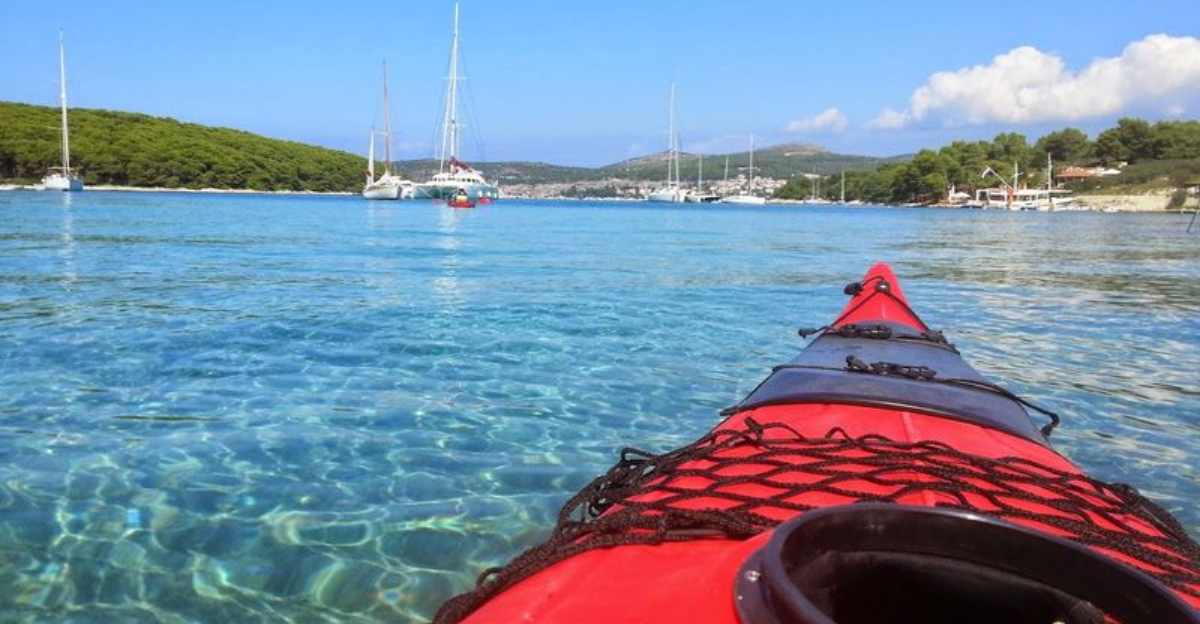
The Mediterranean holds thousands of islands, but only a handful have escaped the relentless march of mass tourism. While popular destinations buckle under cruise ship crowds and souvenir shops, these fifteen hidden gems maintain their authentic character and peaceful rhythms.
From Greece’s forgotten outposts to Spain’s protected reserves, these islands offer travelers a chance to experience the Mediterranean as it once was—unhurried, genuine, and breathtakingly beautiful.
Kastellorizo — Greece’s Tiny Seaside Paradise
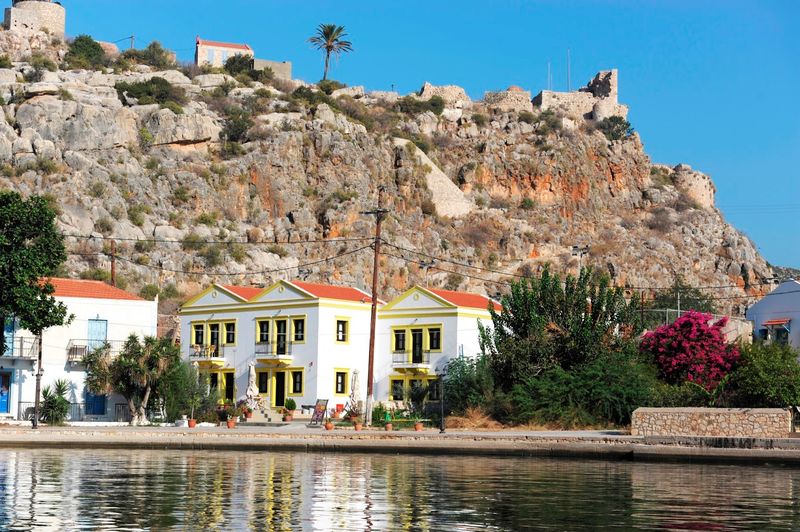
Floating near the Turkish coast, Kastellorizo feels like a watercolor painting come to life. Its harbor curves around pastel facades in shades of yellow, pink, and blue, creating a scene so picturesque you’ll think it’s staged for postcards.
But walk those narrow cobblestone streets and you’ll quickly realize this is genuine island life, where fishermen still mend nets at dawn and grandmothers chat from balconies.
The island measures just nine square kilometers, making it one of Greece’s smallest inhabited spots. Despite its size, Kastellorizo packs remarkable beauty into every corner.
Crystal-clear waters lap against rocky shores, perfect for snorkeling among curious fish and ancient underwater ruins.
Traditional tavernas line the waterfront, serving grilled octopus and fresh calamari caught that morning. Locals outnumber visitors even during July and August, when other Greek islands become unbearably crowded.
Evening strolls along the harbor bring cool sea breezes and the gentle sound of waves against wooden boats.
For travelers exhausted by Santorini’s selfie crowds or Mykonos party scene, Kastellorizo offers blessed relief. Here, you can actually hear yourself think, taste food made with care rather than speed, and experience Mediterranean island culture as it was meant to be—slow, warm, and wonderfully real.
Folegandros — Rugged Greek Serenity
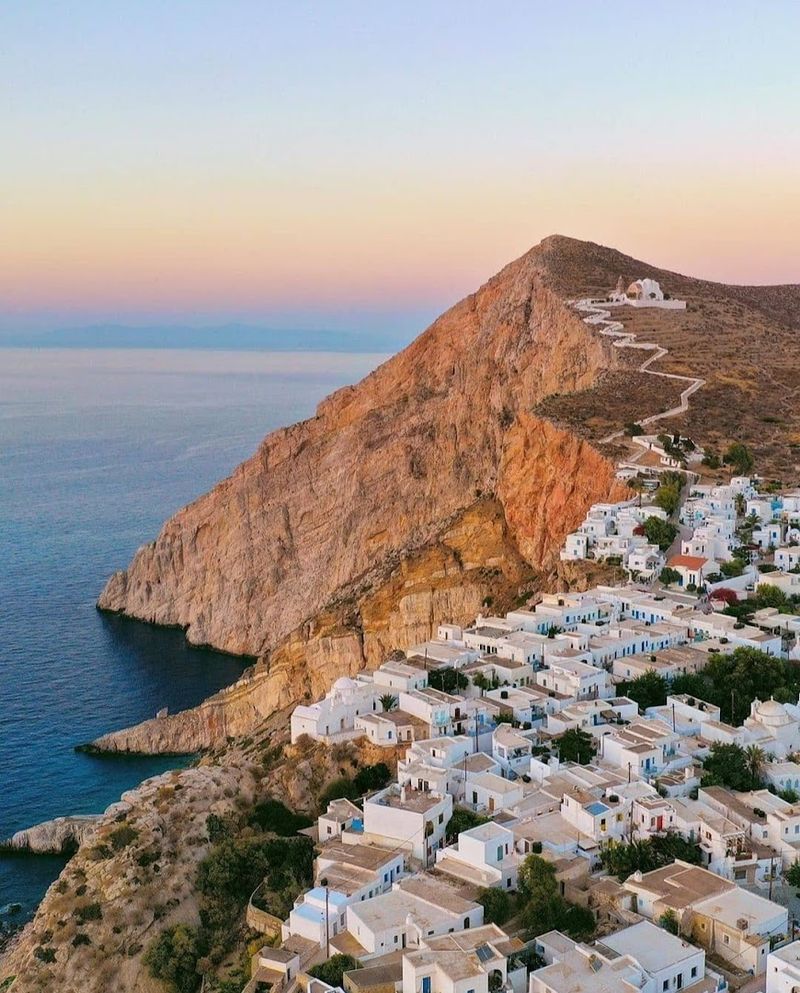
Cliffs plunge dramatically into the Aegean on Folegandros, creating a landscape that feels both wild and welcoming. Unlike its famous Cycladic cousins, this island hasn’t surrendered to tourism’s demands.
The main village of Chora perches high above the sea, its whitewashed buildings clustered around peaceful squares where locals still gather for evening coffee.
Walking Folegandros feels like stepping back decades. Narrow pathways wind between traditional homes adorned with bougainvillea, leading to hidden chapels and stunning viewpoints.
The island’s beaches require effort to reach—steep paths and rocky descents keep away casual visitors who prefer easy access and beach bars.
That effort rewards you with nearly private coves where turquoise water meets smooth pebbles. Katergo Beach, accessible by boat or challenging hike, remains blissfully uncrowded even in peak season.
Local tavernas serve simple, honest food without inflated prices or tourist menus in five languages.
Folegandros attracts hikers, photographers, and travelers seeking authentic Greek island atmosphere. The pace here follows natural rhythms—sunrise, siesta, sunset, repeat.
No nightclubs pulse until dawn, no cruise ships disgorge thousands daily. Just rugged beauty, genuine hospitality, and the kind of serenity that reminds you why Mediterranean islands became legendary in the first place.
Procida — Italy’s Colorful Quiet Haven
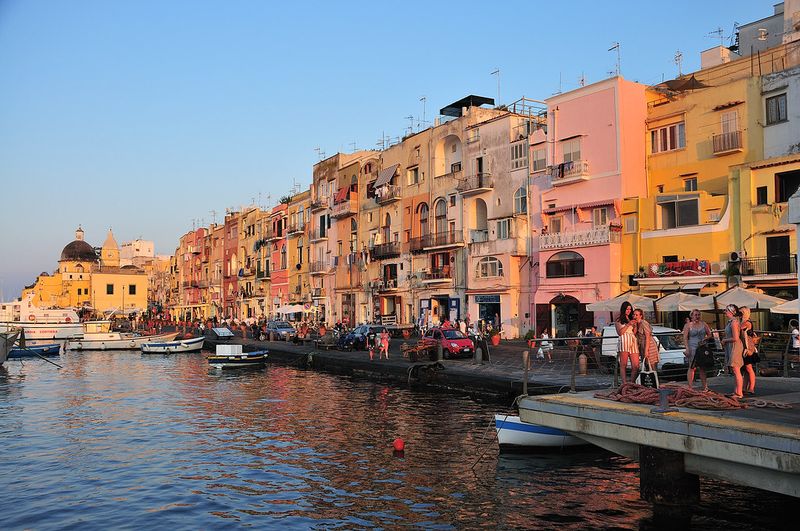
Painted houses in lemon yellow, coral pink, and sky blue cascade down to the harbor on Procida, creating Italy’s most photogenic secret. This tiny island sits in the Bay of Naples, visible from Capri yet worlds apart in atmosphere.
Where Capri glitters with designer boutiques and celebrity yachts, Procida maintains its fishing village soul with refreshing stubbornness.
You can bike around the entire island in an afternoon, pedaling past pastel facades and lemon groves. The compact size means nothing feels rushed or crowded—even the beaches maintain a local vibe where families spread picnics and kids splash without tour group invasions.
Waterfront trattorias serve seafood so fresh it was swimming hours earlier. Prices remain reasonable because Procida hasn’t yet realized it could charge tourist premiums.
The island’s authentic character earned it recognition as Italy’s Capital of Culture for 2022, yet somehow mass tourism hasn’t followed.
Marina Corricella, the oldest fishing village, looks like a film set but functions as a real neighborhood. Fishermen still repair nets outside their homes, laundry flaps from balconies, and residents greet each other by name.
Procida proves that Mediterranean charm doesn’t require crowds or commercialization—sometimes the smallest islands offer the biggest rewards for travelers seeking genuine experiences.
Ponza — Italy’s Unspoiled Pontine Jewel
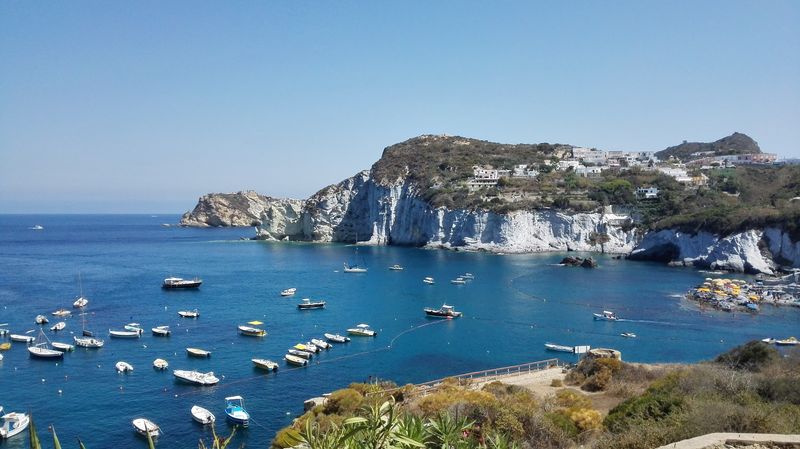
Volcanic rock shapes Ponza’s dramatic coastline into a series of hidden coves and turquoise grottoes. Located in the Pontine archipelago between Rome and Naples, this crescent-shaped island remains remarkably undiscovered by international crowds.
Romans have long known about Ponza as their summer escape, but they’ve kept it quiet—no flashy resorts or mega-hotels disturb the island’s natural beauty.
The main town climbs hillsides in pastel shades, its harbor filled with fishing boats rather than luxury yachts. Getting around means walking steep paths or catching small boats to secluded beaches.
Chiaia di Luna, a stunning beach backed by white cliffs, feels like a private paradise despite being accessible by tunnel.
Local restaurants focus on simple preparations of whatever the sea provides that day. Menus change with catches, and reservations happen through casual conversation rather than online systems.
The island’s rhythms follow the sun—early morning swims, long lunches in shaded courtyards, sunset strolls along the harbor.
Ponza’s lack of sandy beaches actually works in its favor, keeping away crowds who prefer easy sunbathing. Rocky coves and pebble shores attract swimmers and snorkelers instead, people who appreciate crystal-clear water and natural beauty over convenience.
It’s the kind of place where islanders still walk at dusk, greeting neighbors and watching boats return with the day’s catch.
La Maddalena — Sardinia’s Archipelago Escape
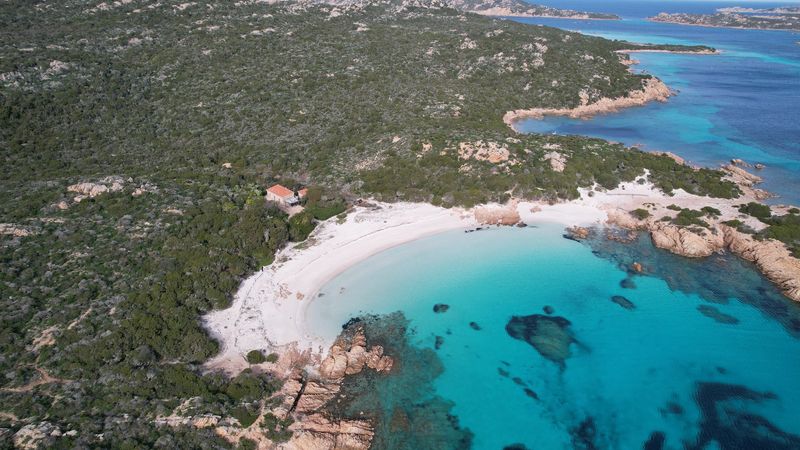
Granite boulders worn smooth by wind and waves dot La Maddalena’s coastline like natural sculptures. This archipelago off Sardinia’s northeastern coast consists of seven main islands, most uninhabited and protected as a national park.
While nearby Costa Smeralda attracts billionaires and their superyachts, La Maddalena maintains a more democratic beauty accessible to regular travelers.
Ferries connect the main island to Sardinia in just twenty minutes, making it easy to reach yet somehow still overlooked. Pink-tinged beaches and hidden coves reward those who explore beyond the small town center.
The water here achieves shades of blue and green that seem almost artificial in their intensity.
Protected marine areas mean underwater life thrives in ways rare for Mediterranean islands. Snorkelers encounter colorful fish, sea urchins, and occasionally dolphins in waters so clear you can see twenty meters down.
Roads wind through wild landscapes of juniper, myrtle, and granite formations shaped by millennia of wind.
The main town offers authentic Sardinian restaurants serving local specialties without tourist markup. Small hotels and rental apartments replace large resorts, keeping development human-scaled and respectful.
La Maddalena proves that even near famous destinations, quieter alternatives exist for travelers willing to look beyond the obvious choices and embrace natural beauty over manufactured luxury.
Menorca (Shoulder Season) — Still Calm Compared to Its Neighbors
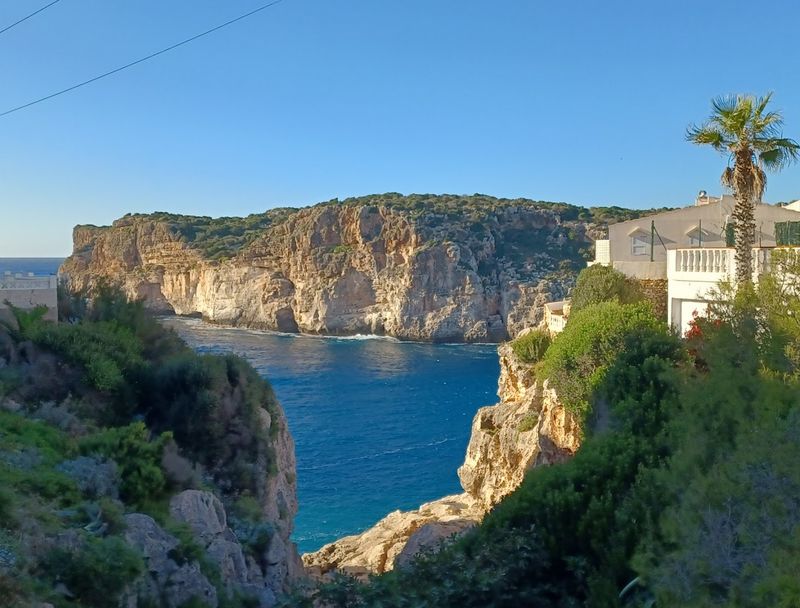
Limestone cliffs frame countless calas—small coves—around Menorca’s coastline, each one a potential private paradise if you visit outside July and August. Spain’s second-largest Balearic island lives in the shadow of party-mad Ibiza and overdeveloped Mallorca, which works entirely in its favor.
UNESCO designated the entire island a biosphere reserve, protecting its natural character from the worst tourist excesses.
Traditional stone villages like Fornells and Binibeca maintain their architectural heritage and local character. White buildings with green shutters cluster around harbors where fishing boats still outnumber pleasure craft.
The island’s famous gin, a legacy of British occupation, flows in bars where locals and visitors mix naturally.
September and October bring perfect weather without peak-season crowds or prices. Beaches that require parking reservations in summer become accessible again.
Coastal hiking paths—the Camí de Cavalls circles the entire island—offer stunning views without encountering tour groups every hundred meters.
Menorcan cuisine reflects the island’s history, blending Spanish, British, and Mediterranean influences. Caldereta de langosta, a lobster stew from Fornells, tastes even better when you’re not fighting crowds for a table.
The island’s relaxed pace persists year-round, but visiting in shoulder seasons amplifies that tranquility. You’ll experience genuine Balearic life rather than the tourism machine that dominates Menorca’s more famous neighbors.
La Graciosa — Spain’s Least Crowded Canary
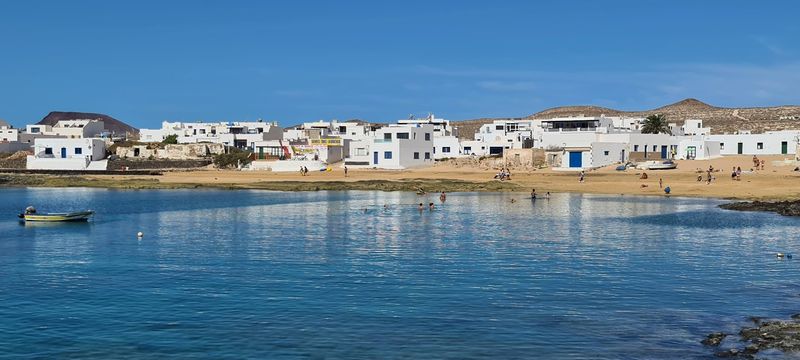
Sand replaces pavement on La Graciosa, where the absence of paved roads creates an atmosphere of genuine escape. This eighth Canary Island, officially recognized only in 2018, sits just north of Lanzarote yet feels removed from modern tourism entirely.
The ferry from Lanzarote takes thirty minutes, but crossing that channel transports you to a simpler era of island life.
Two small villages house the island’s seven hundred residents, who still earn livings from fishing rather than tourism. No hotels tower over beaches, no rental car agencies crowd the tiny port.
Visitors arrive for day trips or stay in simple apartments, exploring by foot or bicycle along sandy tracks.
Beaches stretch for kilometers with barely a soul in sight. Playa de las Conchas, facing north toward cliffs, rivals any tropical paradise for pristine beauty.
Turquoise water meets golden sand in compositions so perfect they seem unreal, yet you might have the entire beach to yourself even in good weather.
The island’s volcanic origins show in dark rock formations contrasting with pale sand. Protected as part of Chinijo Archipelago Natural Park, La Graciosa’s development remains strictly limited.
Restaurants serve simple grilled fish and local wine without pretension. Sunsets paint the sky in outrageous colors, reflected in calm waters, witnessed by handfuls rather than hundreds—exactly the Mediterranean experience thoughtful travelers seek.
Tabarca — Spain’s Protected Marine Village
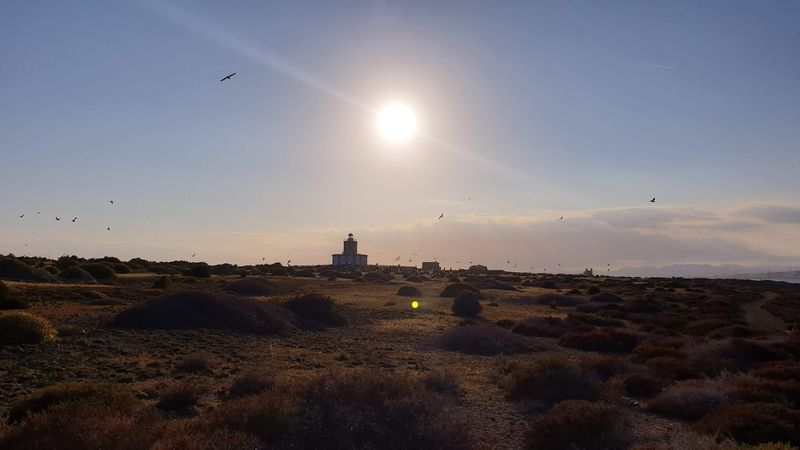
Stone walls encircle Tabarca’s tiny historic center, built in the 18th century to house Genoese fishermen rescued from North African captivity. Spain’s smallest permanently inhabited island measures just 1,800 meters long and 400 meters wide, yet packs remarkable character into that compact space.
A thirty-minute boat ride from Alicante brings you to this protected marine reserve where sustainability rules actually get enforced.
The walled village features a small church, a handful of restaurants, and narrow streets that take five minutes to explore completely. But Tabarca’s real treasure lies underwater—Spain’s first marine reserve protects waters teeming with fish, making snorkeling here exceptional.
Crystal-clear water lets you watch sea bream, octopus, and grouper going about their business among rocky reefs.
Restaurants specialize in caldero, a rice dish cooked in fish broth that originated on this island. Fresh seafood arrives daily from boats you can watch unloading their catches.
Prices remain reasonable because Tabarca attracts day-trippers rather than luxury seekers.
The island’s small size and protected status prevent overdevelopment. Limited ferry capacity naturally controls visitor numbers, and regulations prohibit new construction within historic walls.
Swimming from rocky shores into marine reserve waters feels like entering an aquarium without glass. Tabarca proves that even near major cities, islands can maintain their character through thoughtful protection and community commitment to sustainability over short-term tourism profits.
Salina — Sicily’s Quiet Aeolian Gem
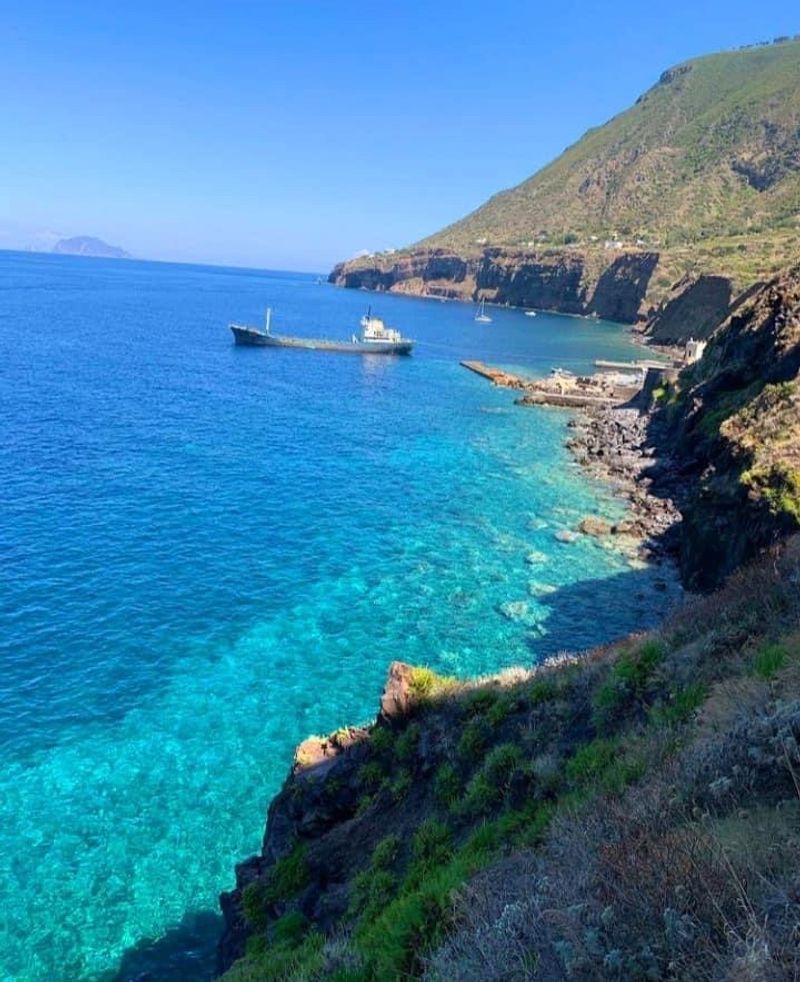
Twin volcanic peaks dominate Salina’s skyline, their slopes covered in terraced vineyards producing Malvasia wine. The greenest of Sicily’s Aeolian islands, Salina escaped the tourism boom that transformed neighboring Lipari into a busy hub.
Three small villages divide the island’s population of 2,500, each maintaining distinct character and local traditions that predate mass tourism.
Malvasia grapes thrive in volcanic soil, creating sweet wine that tastes of sunshine and sea breezes. Small family wineries welcome visitors for tastings without reservations or entrance fees—just knock and someone will pour you a glass while explaining generations of winemaking tradition.
The island also grows capers, their white flowers dotting stone walls and cliffsides.
Hiking trails connect villages and climb toward extinct craters, offering panoramic views of the entire Aeolian archipelago. Beaches remain small and pebbly, requiring effort to reach and therefore staying relatively empty.
Local restaurants serve pasta with capers, fresh fish, and vegetables grown in volcanic soil that adds distinctive flavor.
While Lipari bustles with ferry traffic and Stromboli attracts volcano tourists, Salina maintains its quiet dignity. The pace here follows agricultural rhythms—harvest seasons, wine production, fishing cycles.
Evenings bring locals to village squares for conversation and gelato, a scene unchanged for decades. Salina rewards travelers seeking authentic island culture over Instagram moments, proving that sometimes the second-most-famous option offers the better experience.
Vis — Croatia’s Authentic Adriatic Escape
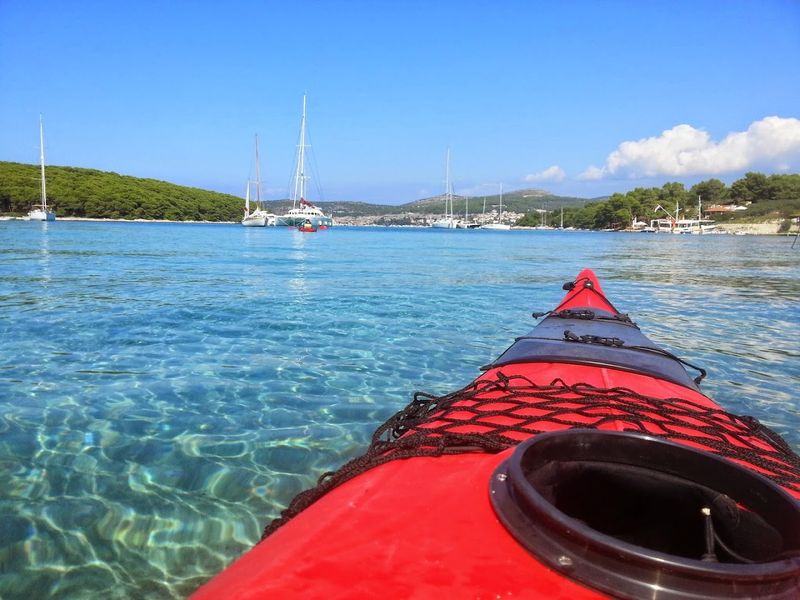
Military restrictions kept Vis closed to foreign visitors until 1989, accidentally preserving its authentic character while other Croatian islands developed rapidly. That isolation created an island where olive groves outnumber hotels and fishing remains more important than tourism.
Rocky coastline curves around hidden beaches and dramatic sea caves, including the famous Blue Cave on nearby Biševo islet.
Two main towns anchor opposite ends of the island—Vis Town with its ancient Greek ruins and Komiža, a fishing village that feels genuinely operational rather than preserved for tourists. Stone houses cluster around harbors where boats still bring in daily catches sold at morning markets.
Restaurants cook that fish simply, paired with local wine from vineyards that survived communist-era neglect.
Stiniva Cove, reached by steep path, offers one of the Adriatic’s most beautiful beaches—a narrow pebble strip between towering cliffs opening to turquoise water. Military tunnels and abandoned installations scattered across the island create surreal exploration opportunities for history enthusiasts.
The island’s isolation bred self-sufficiency, meaning agriculture and traditional crafts still function beyond tourism’s influence.
Vis attracts Croatian visitors and yacht crews seeking quiet anchorages, but international crowds haven’t discovered it yet. That might change—the island appeared in
Palagruža — Croatia’s Remote Natural Reserve
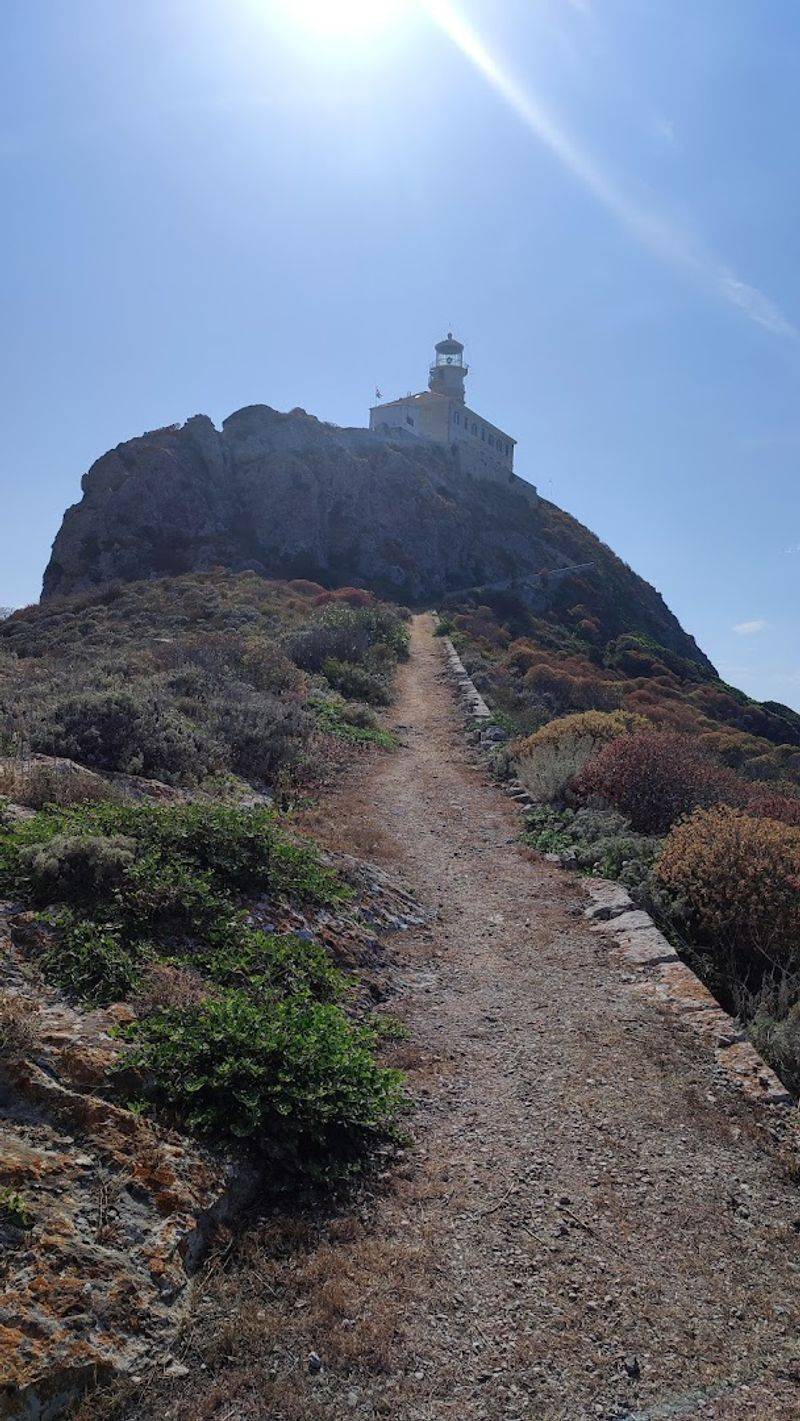
Standing on Palagruža feels like reaching the edge of the world. This tiny archipelago sits 68 nautical miles from the Croatian mainland, equidistant between Croatia and Italy in the Adriatic’s deepest waters.
No regular ferry service connects Palagruža to anywhere—reaching it requires chartering a boat or joining rare organized trips, which naturally limits visitors to those truly committed to remote island experiences.
A lighthouse built in 1875 provides the only accommodation, offering basic rooms for visitors who arrange stays months in advance. The lighthouse keeper and rotating staff comprise the island’s entire population.
No shops, no restaurants, no infrastructure beyond the lighthouse compound and a small chapel dedicated to Saint Michael.
But what Palagruža lacks in amenities it provides in natural beauty and solitude. Seabirds nest on rocky cliffs, using the remote location as safe breeding grounds.
Waters around the archipelago teem with fish, making it a magnet for serious anglers. Clear Adriatic water achieves remarkable visibility, perfect for diving among underwater rock formations and marine life undisturbed by boat traffic.
Visiting Palagruža requires planning, patience, and acceptance of basic conditions. But for travelers seeking genuine escape from connected modern life, this nature reserve offers something increasingly rare—true remoteness.
Stars blaze overhead without light pollution, waves provide the only soundtrack, and the horizon stretches empty in all directions. It’s Mediterranean isolation in its purest form.
Palmižana — Botanical Hideaway in Croatia
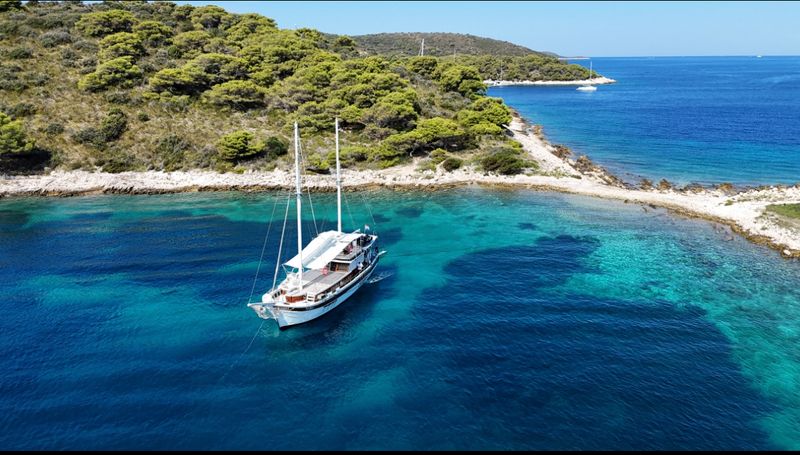
Pine forests and botanical gardens blanket Palmižana, creating a green sanctuary among the rocky Paklinski Islands. Just fifteen minutes by boat from Hvar Town, this small island offers complete contrast to Hvar’s party reputation.
A family planted exotic species here in the 1950s, transforming the landscape into a fragrant botanical paradise where rosemary, lavender, and century plants thrive alongside native Mediterranean vegetation.
Sheltered bays provide calm anchorage for sailing yachts, but the atmosphere remains relaxed rather than ostentatious. Small pebble beaches curve around turquoise coves where swimming feels private despite nearby boats.
Water stays remarkably clear, perfect for spotting fish and sea urchins among underwater rocks.
A handful of restaurants serve fresh seafood and local specialties, their terraces shaded by pine trees and overlooking the bay. Paths wind through botanical gardens, releasing aromatic scents with every footstep.
The island’s small size means exploration takes hours rather than days, perfect for escaping Hvar’s crowds without venturing far.
While Hvar Town pulses with nightclub beats and yacht-party energy, Palmižana maintains peaceful rhythms. Sailors know about it as a quiet overnight anchorage, and day-trippers from Hvar discover it as a swimming spot, but it hasn’t become overrun or commercialized.
The botanical legacy continues, with gardens maintained by descendants of the original planting family. It’s proof that even near famous destinations, peaceful alternatives exist for those who seek them.
Koufonisia — Cycladic Calm Corner
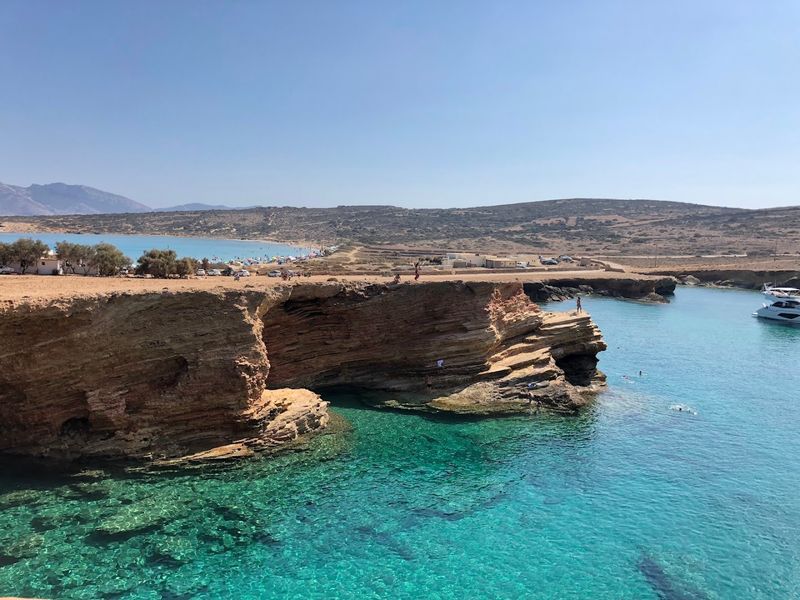
Bicycles outnumber cars on Koufonisia, where the entire island measures just 3.5 square kilometers of Cycladic simplicity. Part of the Small Cyclades between Naxos and Amorgos, this pair of tiny islands—Ano Koufonisi is inhabited, Kato Koufonisi mostly empty—remains blissfully under-visited despite having some of Greece’s most beautiful beaches.
Golden sand and turquoise water combine in Caribbean-like scenes, yet crowds stay manageable even in August.
One village contains the island’s entire population of 400, its whitewashed buildings clustered around a small port where fishing boats and passenger ferries dock. Narrow lanes wind between traditional houses, leading to family tavernas where menus depend on daily catches.
Donkeys still transport goods, and locals greet visitors by name after a day or two.
Beaches require short walks from the village, keeping them peaceful and protecting their natural beauty. Finikas Beach curves into a protected bay with shallow water perfect for swimming.
Pori Beach on the southern coast faces open sea, its golden sand backed by low dunes and wild vegetation.
The island’s small size and limited accommodation prevent mass tourism development. A few small hotels and rental rooms provide lodging, but nothing approaches resort scale.
Evening life centers on the village square, where locals and slow travelers mingle over wine and conversation. Koufonisia proves that Greek island paradise still exists without crowds—you just need to venture beyond the famous names.
Kastos — Greece’s Fishing Village Island
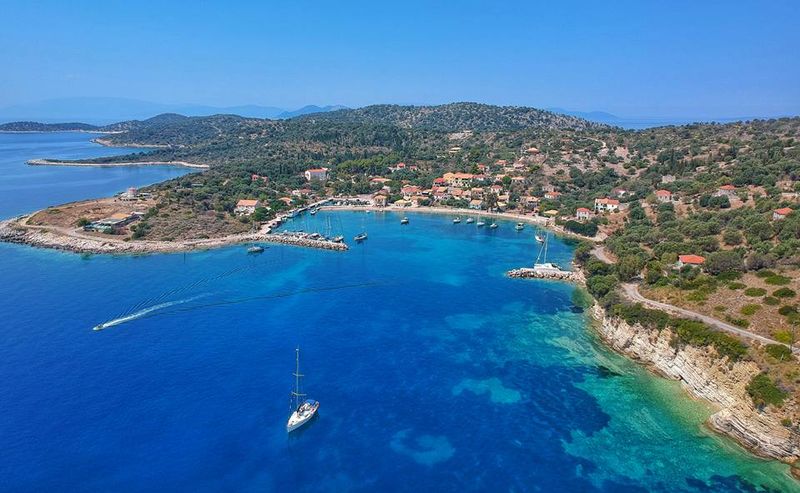
Fewer than one hundred people call Kastos home, making it one of Greece’s least populated islands. Located between Lefkada and Ithaca in the Ionian Sea, this sliver of land measures just six kilometers long and barely one kilometer wide.
A single village comprises the entire settlement, its traditional houses facing a small harbor where fishing boats bob on calm water protected by surrounding islands.
Life here follows patterns established centuries ago. Fishermen head out at dawn, returning with catches sold directly to the island’s handful of tavernas.
Women tend gardens growing vegetables and herbs that flavor evening meals. Afternoons bring siesta quiet, with only cicadas breaking the silence.
Evenings draw everyone to the waterfront for slow walks and casual conversation.
Three tavernas serve fresh fish, Greek salads, and local wine to the few visitors who discover Kastos. Prices reflect local economy rather than tourist markup, and service comes with genuine hospitality rather than professional efficiency.
The island has no hotels—visitors stay in simple rooms rented by island families or anchor boats in the protected harbor.
Swimming happens from rocky shores into clear water, without organized beaches or facilities. Paths climb hills covered in olive trees and wild herbs, offering views of neighboring islands and distant mountains.
Kastos represents Mediterranean island life stripped to essentials—sea, sun, simplicity, and human connections unmediated by tourism industry. It’s what Greek islands were before tourism transformed them, somehow surviving into the present for travelers seeking authenticity over amenities.
S’Illot Islet — Spain’s Quiet Nature Spot
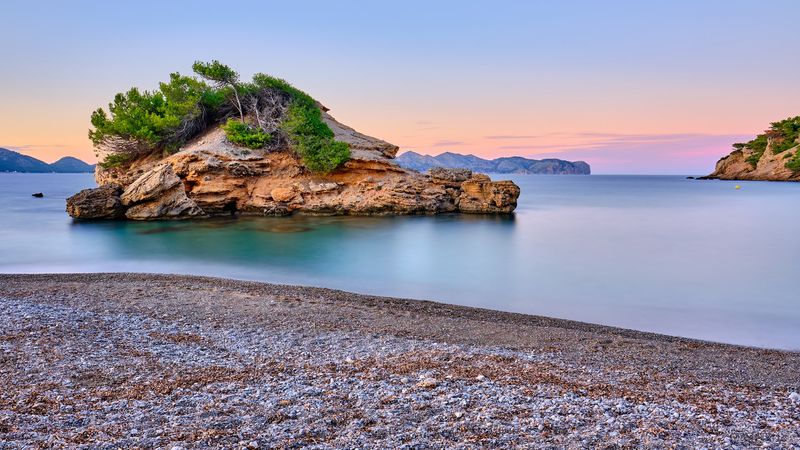
Rocky and uninhabited, S’Illot rises from turquoise water just off Mallorca’s eastern coast near Cala Morlanda. This tiny islet measures barely larger than a football field, yet it offers something increasingly rare near Mallorca—undisturbed nature and peaceful swimming away from beach crowds.
No buildings, no facilities, no development of any kind interrupts the natural landscape of rock, low vegetation, and crystal-clear surrounding water.
Reaching S’Illot requires swimming or kayaking from the nearby mainland beach, a short distance that filters out casual visitors. The effort rewards you with rocky shores perfect for sunbathing and water so clear you can watch fish swimming below.
Snorkeling around the islet reveals underwater rock formations, sea grass beds, and marine life thriving in protected conditions.
The islet’s small size means exploration takes minutes, but spending hours there feels natural. Bring snorkeling gear, water, and sun protection—nothing else exists on this natural spot.
The absence of amenities creates the appeal, offering pure Mediterranean swimming and sunbathing without crowds or commercialization.
While Mallorca’s famous beaches struggle under tourism pressure, tiny spots like S’Illot remind visitors that peaceful alternatives still exist. It represents the simplest form of Mediterranean island experience—rock, sea, sun, and solitude.
Day-trippers from nearby beaches discover it as a swimming destination, but most Mallorca visitors never learn it exists. For those seeking quiet nature spots near more developed areas, uninhabited islets like S’Illot provide perfect escapes without requiring long journeys to remote destinations.



