 Unearth The Voyage
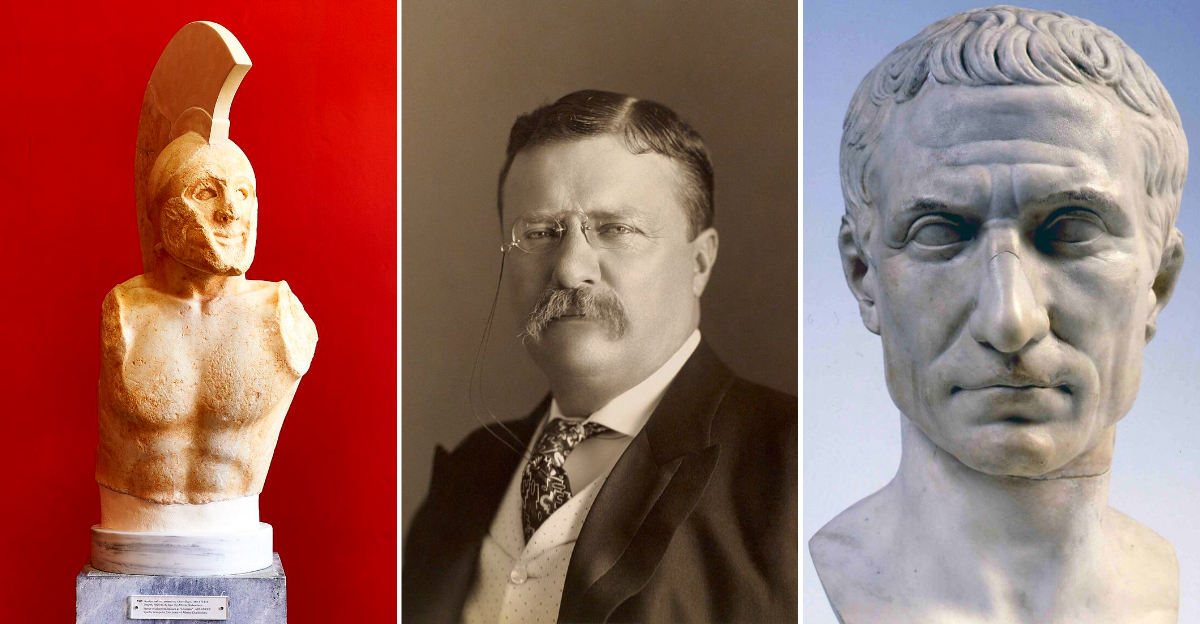
History saves special attention for people who refused to fade quietly. Across ancient battlefields, royal courts, frontier towns, polar expeditions, and early modern politics, a few men turned their final chapter into something larger than biography.
Some met pressure with calm, some answered danger with stubborn resolve, and others left behind a quote, a decision, or a scene that history never stopped replaying. Keep reading, and you will see how reputation is often built not just by what a person achieved, but by how he handled the moment when everything narrowed to one unforgettable ending.
1. Admiral Horatio Nelson
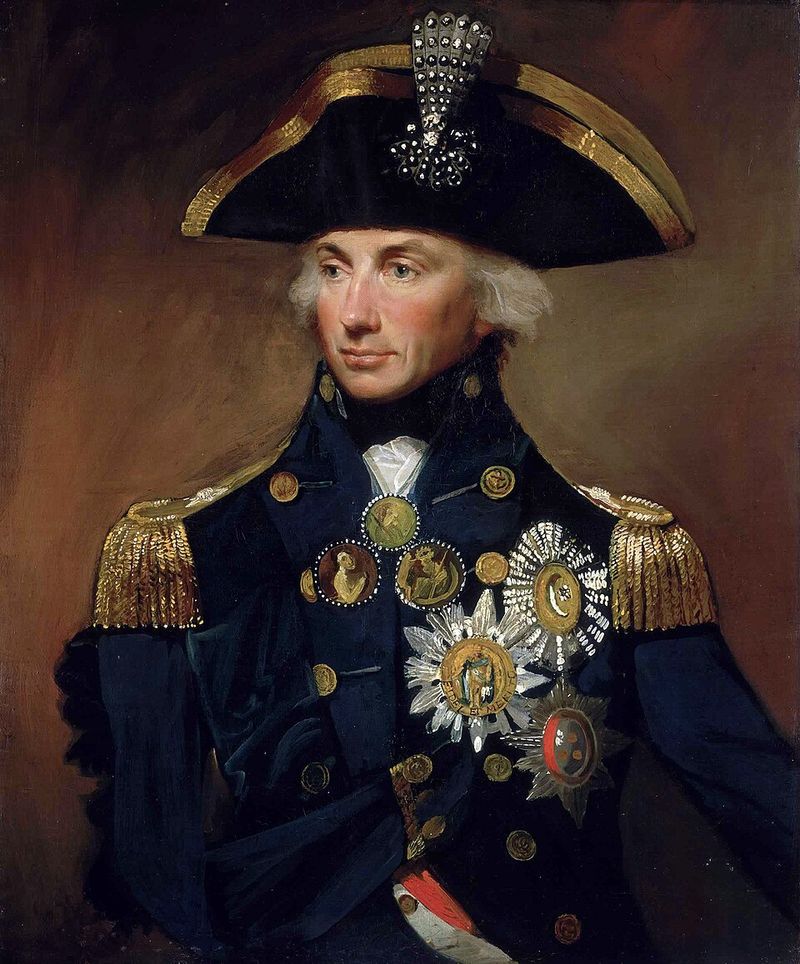
Few commanders left the stage with better timing than Horatio Nelson. By the time Trafalgar unfolded in 1805, he had already become Britain’s most admired naval leader, known for aggressive tactics, personal bravery, and a talent for turning risky plans into textbook victories.
During the battle, he was struck while moving on the deck of HMS Victory, yet he lived long enough to learn the fleet had prevailed. That detail fixed his reputation in place, because Nelson did not simply win famous battles – he seemed to embody Britain’s maritime confidence at the exact moment the nation wanted a hero.
His reported final words about doing his duty were repeated so often that they became part epitaph, part national slogan. Nelson’s ending also sealed Trafalgar as more than a naval success.
It became a public lesson in service, leadership, and image management before modern public relations had even learned to wear a proper coat.
2. Socrates
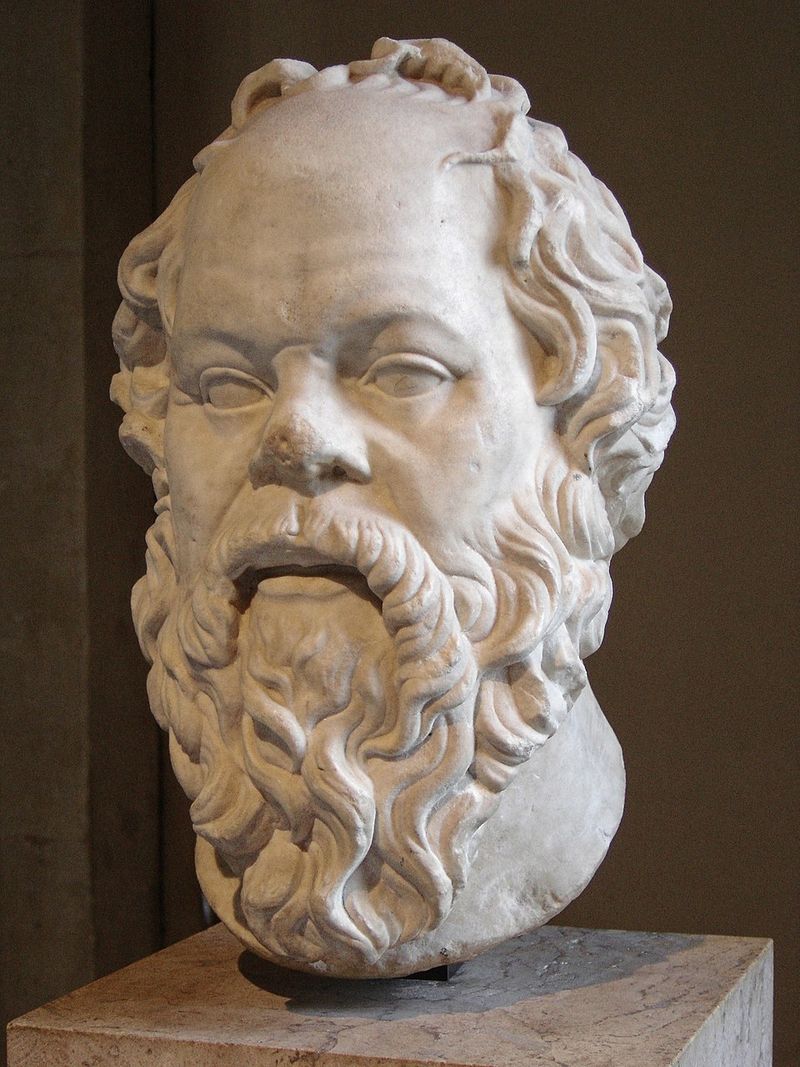
Socrates managed to make a courtroom sentence look like a philosophy seminar with very high stakes. In 399 BCE, an Athenian jury convicted him on charges tied to impiety and corrupting the young, accusations that reflected the city’s anxieties after years of political turmoil.
Friends reportedly arranged a path out, but Socrates refused escape and accepted the legal outcome, arguing that principles mattered only if they held under pressure. In Plato’s account, he spent his last hours discussing the soul, questioning assumptions, and staying impressively composed while his students struggled with the occasion.
That is why his end still resonates far beyond classical studies. Socrates became a model for intellectual integrity, not because he won the argument in court, but because he would not bend his method to save himself.
He treated ideas as obligations rather than ornaments. Centuries later, teachers still introduce him as the man who turned inquiry into a way of life and a final public statement.
3. Julius Caesar
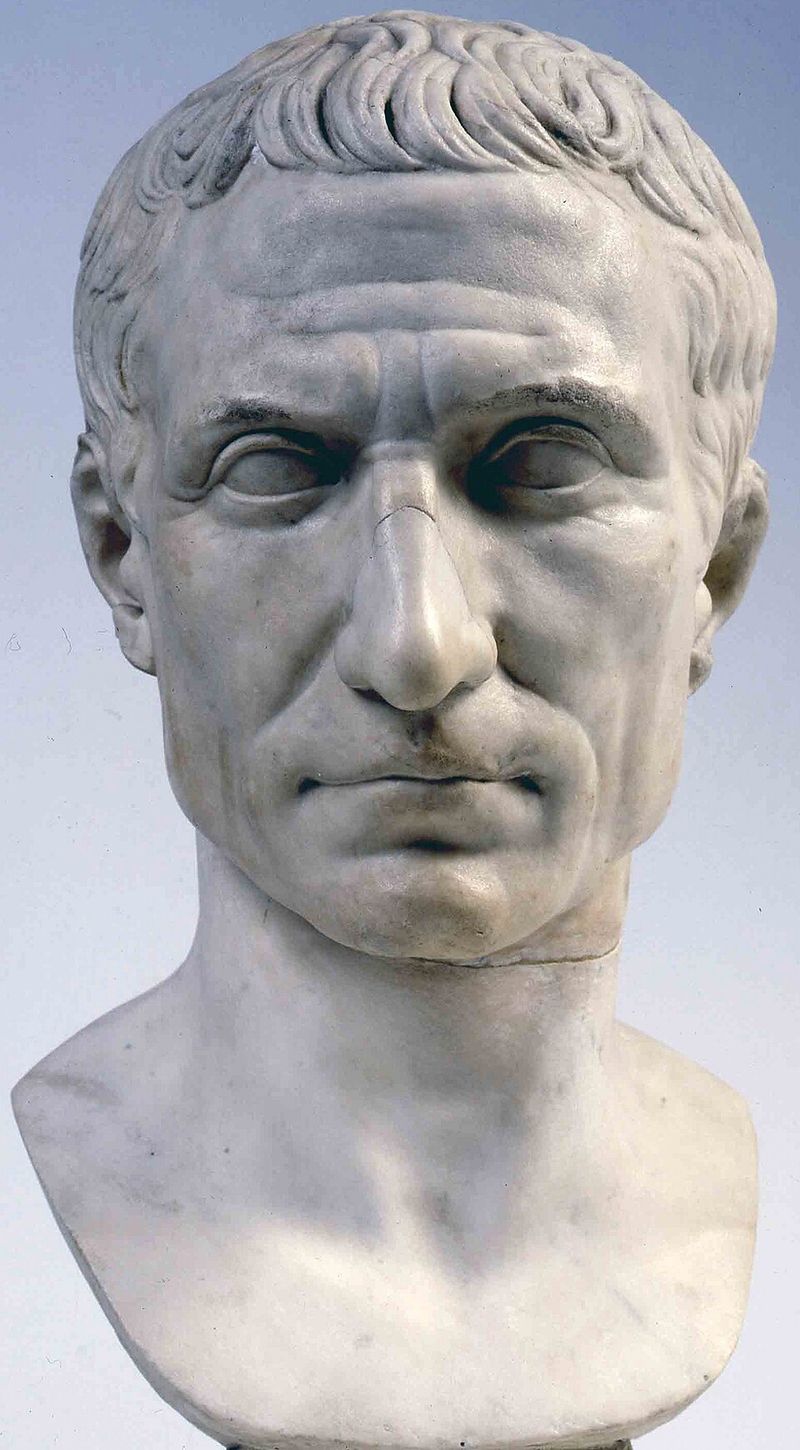
Roman politics rarely did subtle, and Julius Caesar found that out in unforgettable fashion. In 44 BCE, after military triumphs and sweeping reforms had made him the dominant figure in Rome, a group of senators decided that his rise threatened the Republic more than instability ever had.
They attacked during a Senate meeting, turning a political conspiracy into one of history’s most studied turning points. Whether Caesar truly spoke the famous line about Brutus remains doubtful, yet the story endured because it captured Roman anxiety over loyalty, power, and friendship colliding in one room.
The aftermath mattered even more than the event itself. Rather than restoring the old order, the conspiracy accelerated the Republic’s collapse and opened the way for imperial rule under Augustus.
Caesar’s final scene became permanent cultural shorthand for betrayal, but it also marks a constitutional crisis with real consequences. He left behind calendars, commentaries, reforms, and a warning that removing one towering figure does not automatically restore a broken political system.
4. Leonidas of Sparta
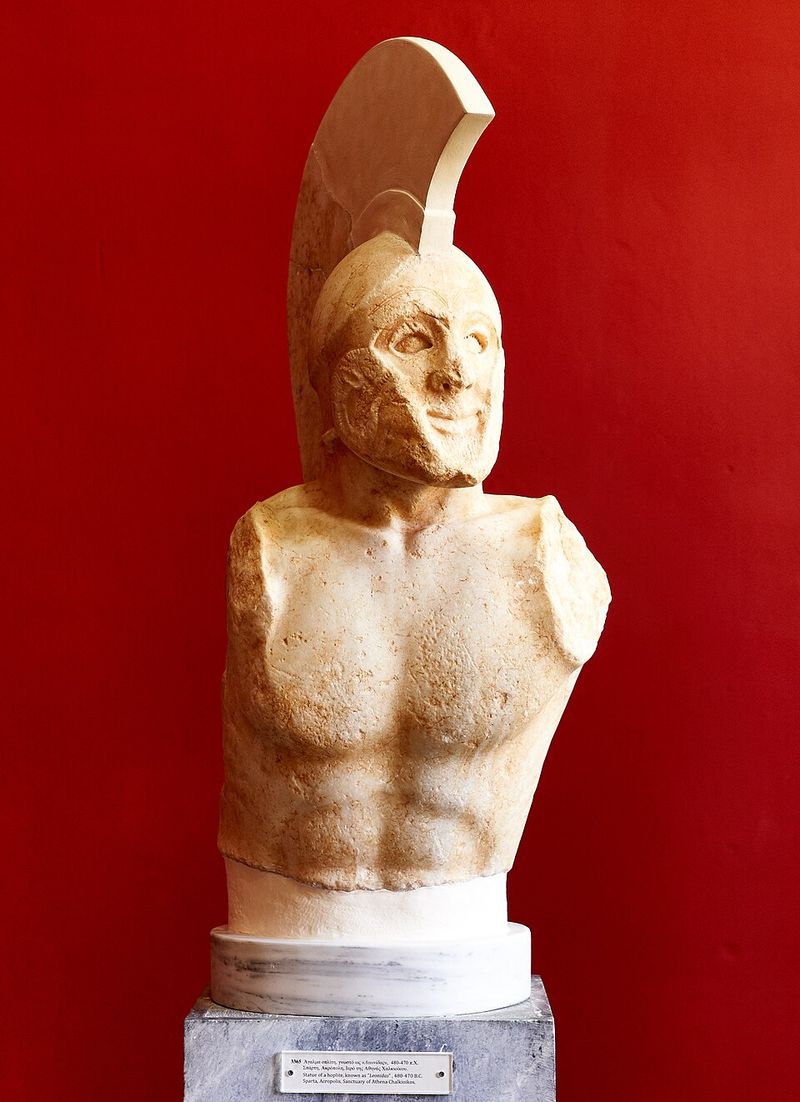
At Thermopylae, Leonidas turned a narrow pass into one of history’s most quoted acts of resolve. In 480 BCE, the Spartan king led a small Greek force against the invading Persians, using terrain, discipline, and timing better than sheer numbers ever could.
When the position could no longer hold, he sent many allies away and stayed with a reduced band to delay the advance. That choice mattered because Greek city-states still needed time to regroup, strengthen naval plans, and keep panic from doing Persia’s work for it.
What makes Leonidas legendary is not just the stand itself, but how cleanly it fit Spartan ideals of duty, training, and public example. Later writers enlarged the story, of course, yet the core remains sturdy: a king who understood that sometimes a retreat buys survival, and sometimes a refusal becomes the message.
His name still appears whenever courage and calculation share the same sentence in military history.
5. Captain James Cook
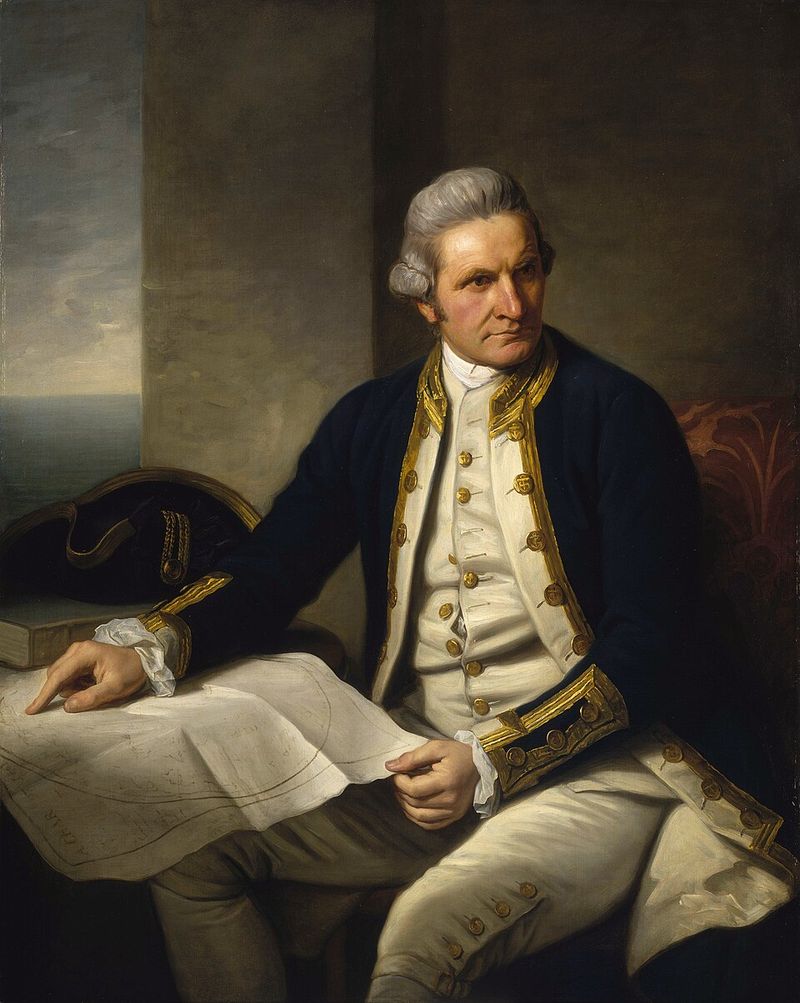
Exploration history often reads like confidence moving faster than caution, and James Cook is a prime example. By the time he reached Hawaii on his third Pacific voyage in 1779, Cook had mapped vast regions, transformed European geographic knowledge, and built a reputation for precision that bordered on myth.
Yet even skilled navigators could misread people. After tensions rose between his crew and Hawaiians, Cook attempted to pressure local leaders by taking a chief into custody, a decision that badly underestimated the situation and quickly unraveled on the shore.
His final chapter feels legendary because it joined brilliance and miscalculation in the same scene. Cook expanded maps, scientific observation, and imperial ambition all at once, which means his legacy remains impressive and complicated.
He was not simply a heroic voyager or a villain in uniform. He was a world-changing explorer whose methods belonged to empire, and whose ending exposed the limits of authority when local communities refused to accept someone else’s script for events.
6. Geronimo
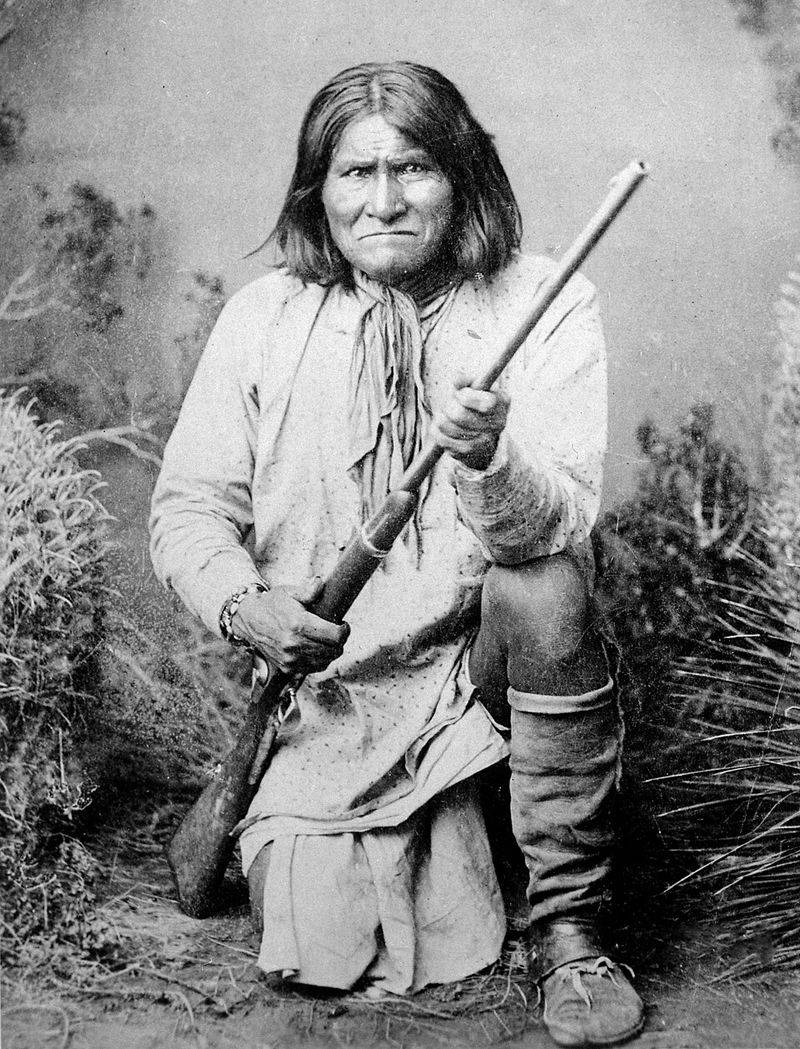
Geronimo spent years turning pursuit into a test of endurance for two governments. A Chiricahua Apache leader and resistance figure, he became famous in the late nineteenth century for repeated escapes, strategic mobility, and an ability to frustrate both Mexican and United States forces across harsh terrain.
After surrendering in 1886, he entered an uneasy new role as a public symbol, appearing at fairs, posing for photographs, and even joining Theodore Roosevelt’s 1905 inaugural parade. That shift from feared opponent to controlled celebrity says a great deal about how American memory packages resistance once the conflict itself is contained.
Accounts of his final words suggest he regretted surrender, which gives his story an especially reflective close. Geronimo’s reputation survives because he never fit neatly into official narratives.
He was presented as menace, curiosity, elder statesman, and living relic, often all at once. What remains clearest is his determination.
Even in old age, his image carried a message that neither defeat nor public display had fully erased the force of his earlier resistance.
7. Lawrence of Arabia
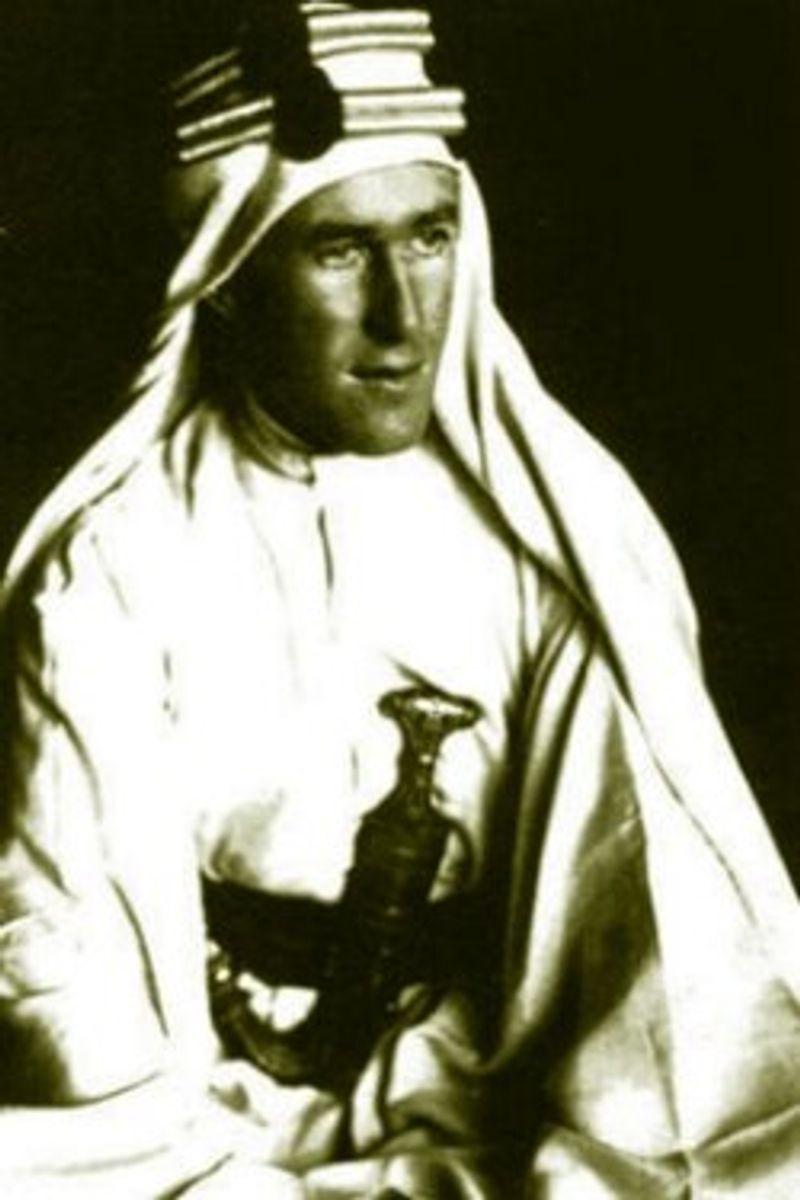
T.E. Lawrence seemed built for legend long before his final ride entered the record.
Scholar, soldier, writer, and reluctant celebrity, he became internationally famous for his role in the Arab Revolt during World War I, then spent years trying to step away from the very fame he had earned.
He enlisted under assumed names, sought ordinary service life, and kept a complicated relationship with public attention, which only made biographers chase him harder. In 1935, while riding his motorcycle on an English road, he swerved to avoid cyclists and suffered injuries that ended his remarkable career soon after.
What keeps Lawrence in this list is the contrast. Here was a man tied to desert campaigns, imperial diplomacy, and sweeping wartime myth, yet his last chapter arrived on a quiet country road.
That ending sharpened rather than reduced his legend. He remained difficult to classify: part strategist, part self-editor, part national symbol, part critic of empire.
Even now, his reputation rests not only on what he did, but on how stubbornly he resisted becoming a simple version of himself.
8. Billy the Kid
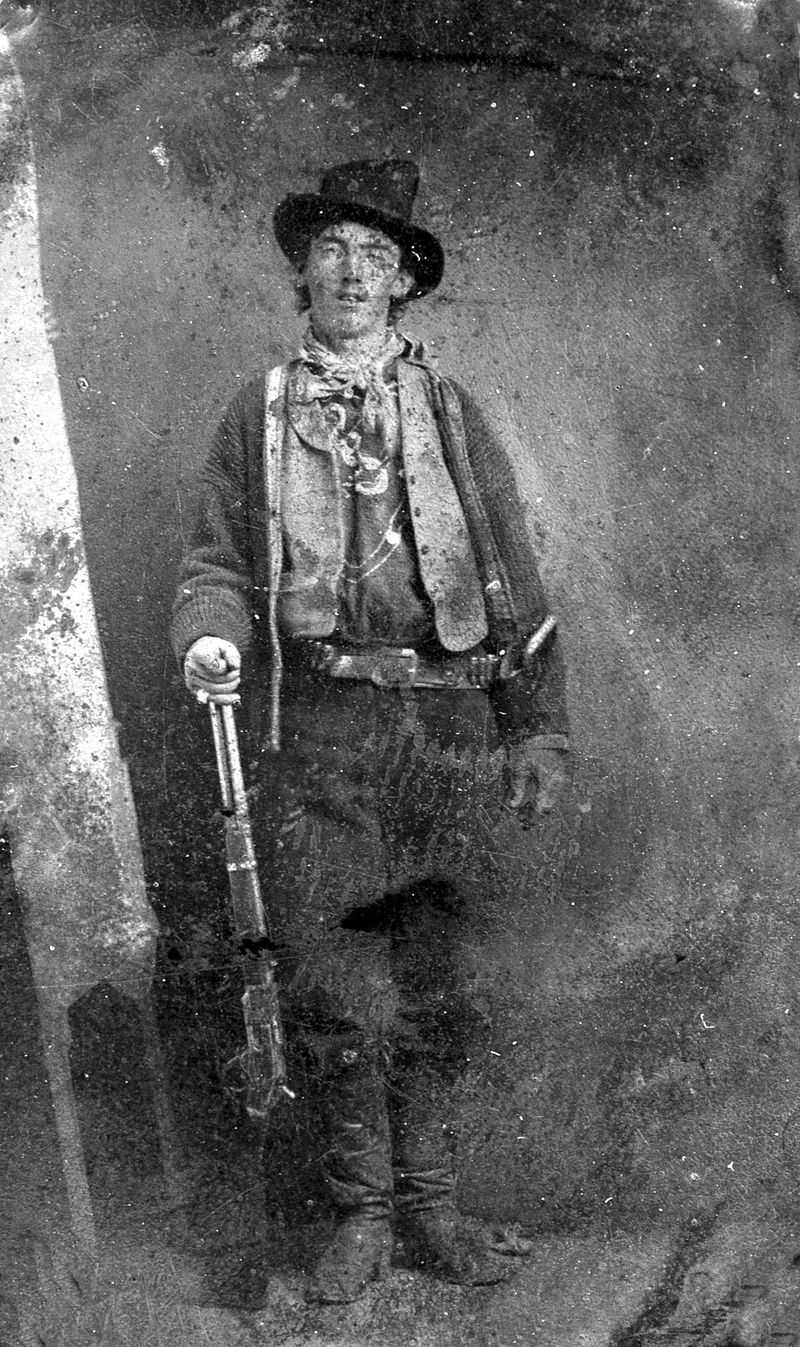
If legend had a hiring department, Billy the Kid would have aced the interview. Born Henry McCarty and known by several aliases, he became one of the American West’s most famous young outlaws, helped along by newspaper flair, courtroom drama, and the simple fact that he looked almost designed for a dime novel.
After escaping custody and extending his run from the law, he was tracked in 1881 by Sheriff Pat Garrett in New Mexico. The encounter that ended his story quickly entered frontier folklore, partly because Billy was so young and partly because the details invited retelling from every possible angle.
His final chapter mattered because it arrived before adulthood could flatten the image. Billy stayed frozen in cultural memory as restless youth, quick wit, and outlaw celebrity, while later books and films kept polishing the silhouette.
Historians still sort fact from invention around him, and that uncertainty is part of the package. He left behind no grand political program, only a compact myth that proved American popular culture never met a charismatic troublemaker it could resist.
9. Sitting Bull
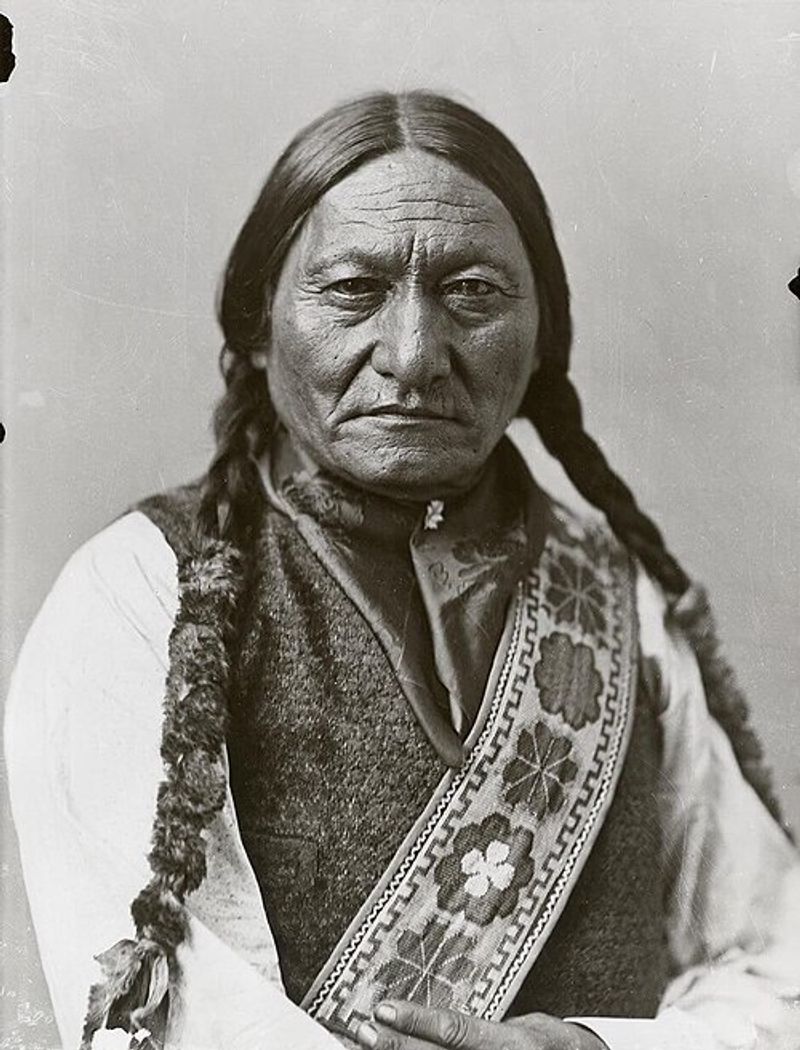
Sitting Bull carried authority that reached well beyond any single battlefield. A Hunkpapa Lakota leader and spiritual figure, he became internationally known after the Lakota and their allies defeated United States forces at the Little Bighorn in 1876, though his importance to his people was never reducible to one event.
In the years that followed, officials viewed him through a mix of fear, suspicion, and public fascination. By 1890, amid anxiety over the Ghost Dance movement, authorities ordered his arrest, and the confrontation that followed brought his remarkable life to a sudden close.
His final chapter remains significant because it revealed how threatening Indigenous leadership still appeared to federal power even after years of pressure and displacement. Sitting Bull was not simply a military opponent in American memory.
He stood for continuity, spiritual authority, and refusal to disappear into someone else’s administrative categories. That is why his name still appears in discussions of sovereignty, resistance, and representation.
He left a legacy deeper than legend, rooted in Lakota history and in the unfinished American struggle over whose story gets centered.
10. George Armstrong Custer
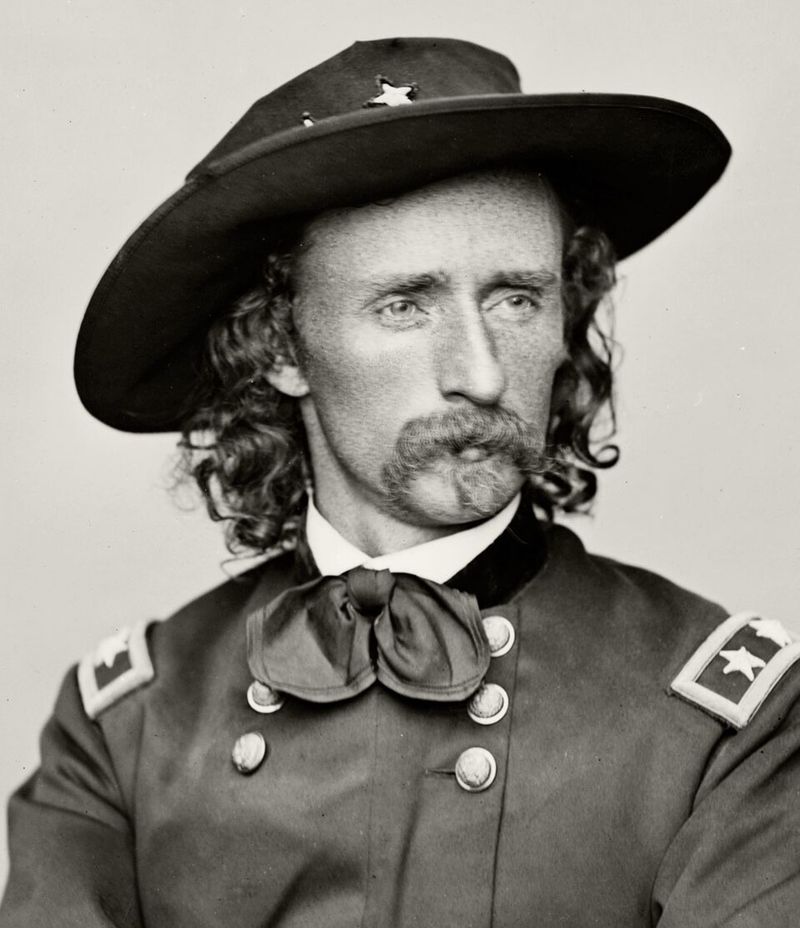
Confidence can be a career strategy until history sends a correction, and George Armstrong Custer learned that memorably. A Civil War officer turned celebrity commander, he cultivated an image of daring leadership, complete with dramatic hair, newspaper attention, and a habit of moving as if caution were a personal insult.
At the Little Bighorn in 1876, he divided his regiment and underestimated the size and cohesion of Lakota, Cheyenne, and Arapaho forces gathered in the area. The result was a complete defeat of his immediate command, and within days the phrase
11. Che Guevara
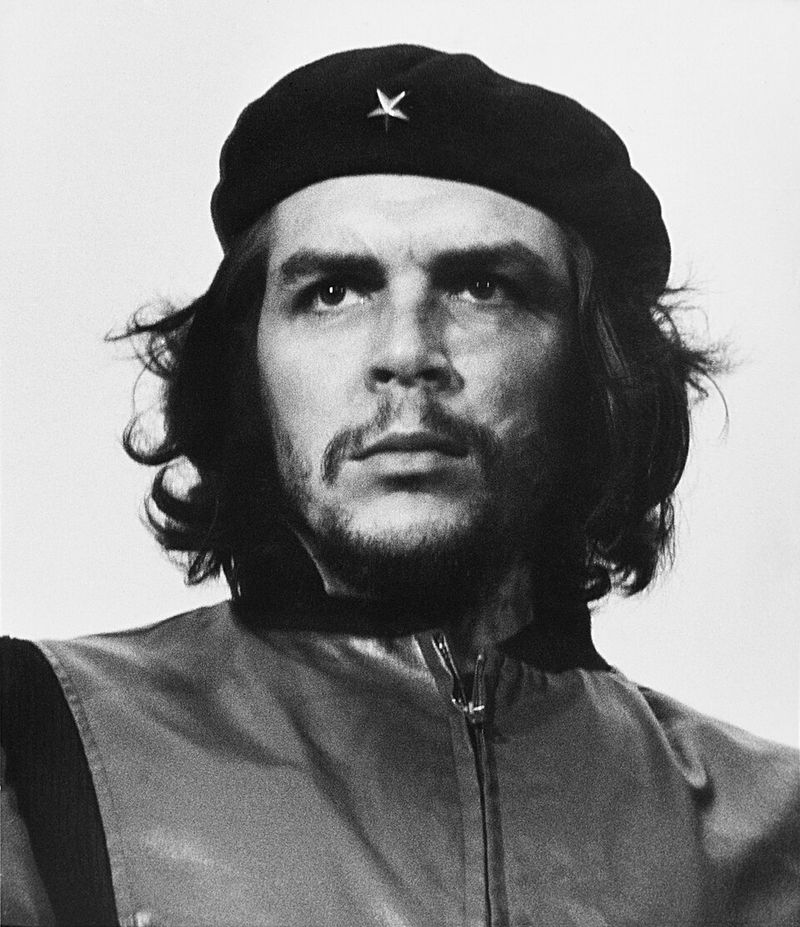
Che Guevara understood the power of image almost as well as the power of ideology. After helping shape the Cuban Revolution, he became a global symbol of militant idealism, carrying his politics into speeches, policy work, and later attempts to export revolution beyond Cuba’s borders.
His Bolivian campaign in 1967 struggled from the beginning, weakened by isolation, local conditions, and unrealistic expectations about support. Captured after months of hardship, he delivered the kind of defiant reported final words that practically guarantee a permanent afterlife in posters, memoirs, and student dorm walls.
Yet the legend often hides the administrative and strategic side of his story. Guevara was not merely a face on a T-shirt.
He was a doctor, guerrilla organizer, government official, theorist, and deeply polarizing figure whose ideas continue to divide opinion. His ending added a concentrated dose of martyr-style symbolism to an already charged reputation.
That symbolism traveled farther than the Bolivian campaign ever did, helping transform a failed insurgent effort into one of the twentieth century’s most durable political icons.
12. Captain Robert Falcon Scott
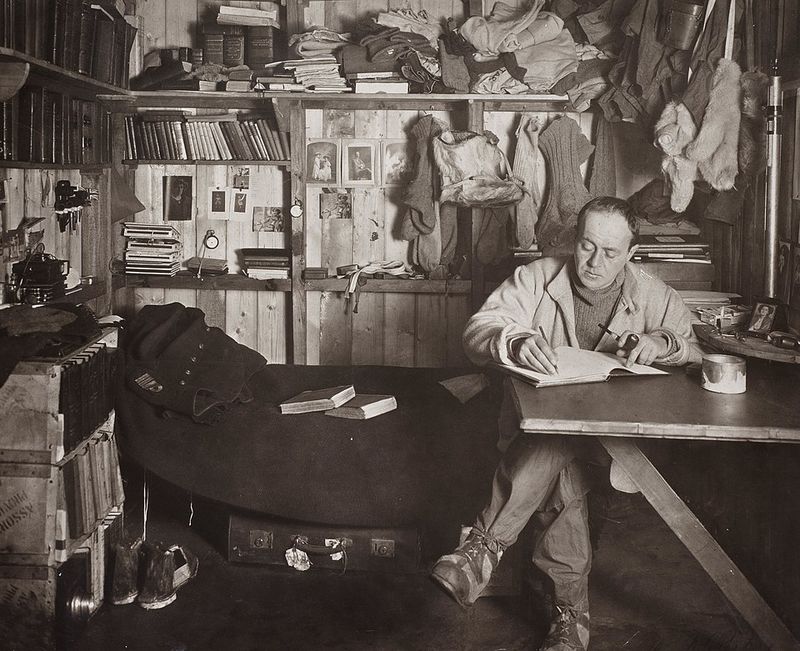
The Antarctic gave Robert Falcon Scott a final chapter that history still reads with mixed admiration and debate. Leading the British Terra Nova Expedition, Scott reached the South Pole in January 1912 only to discover that Roald Amundsen’s Norwegian team had arrived first, a crushing blow to national ambition.
The return journey became the true test. Harsh conditions, planning errors, physical decline, and terrible luck narrowed their options until Scott and his companions could go no farther, leaving behind journals and letters that turned endurance into literature almost immediately.
Those writings are why Scott remains such a powerful figure. He did not simply represent exploration.
He represented a specifically Edwardian idea of duty, companionship, and public stoicism under extreme pressure. Later historians have questioned decisions about transport, supplies, and strategy, and fairly so.
Still, his final journal entries gave the expedition a human dimension that statistics alone never could. Scott’s reputation survives in that tension between flawed planning and remarkable composure, which is exactly the sort of combination history refuses to file away neatly.
13. Theodore Roosevelt
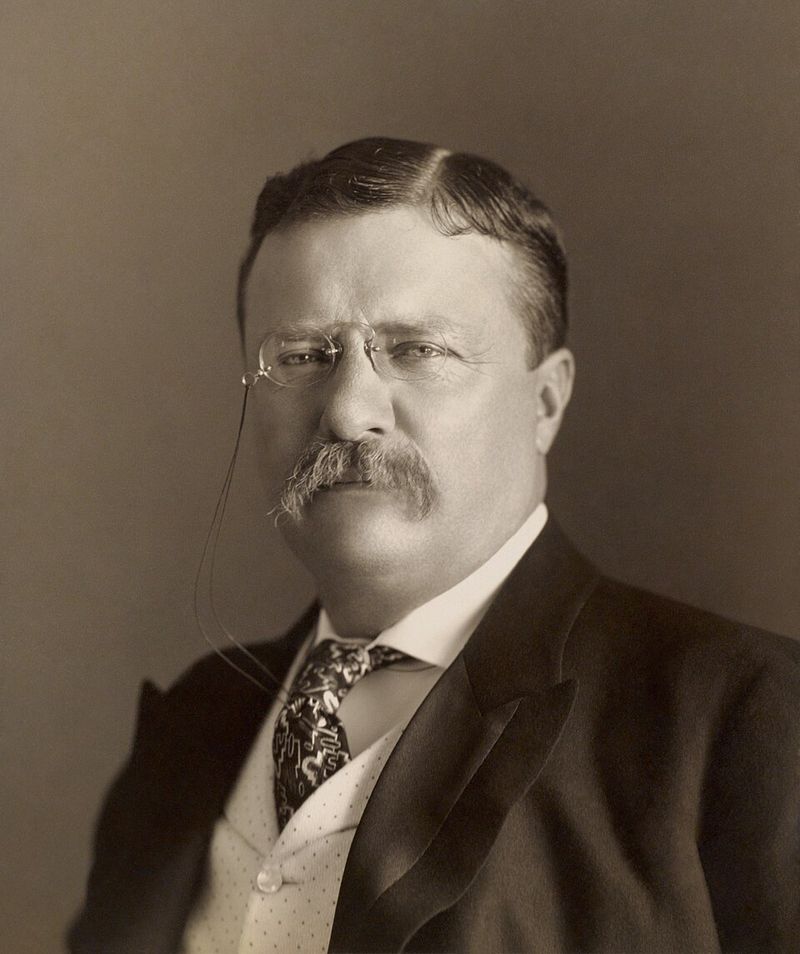
Theodore Roosevelt treated life like a schedule packed by an overcaffeinated force of nature. Soldier, reformer, rancher, author, hunter, president, explorer, and relentless public personality, he built a reputation so energetic that even opponents sometimes sounded as if they were describing a weather system in spectacles.
After leaving the White House, he stayed busy enough for three quieter men, including a punishing South American expedition that nearly broke his health. When he passed in 1919, the famous remark that he had to be taken sleeping captured exactly how the public understood him: motion, appetite, and combativeness right to the edge.
Roosevelt’s final image works because it fits the larger pattern of his career without feeling scripted. He had already turned himself into a symbol of vigorous citizenship, executive action, and national confidence in the early twentieth century.
He also left behind contradictions on race, empire, and policy that historians still argue over with good reason. Even so, few public figures have owned their persona so completely.
Roosevelt made intensity look like a governing philosophy, and his exit only confirmed the brand.
14. Butch Cassidy
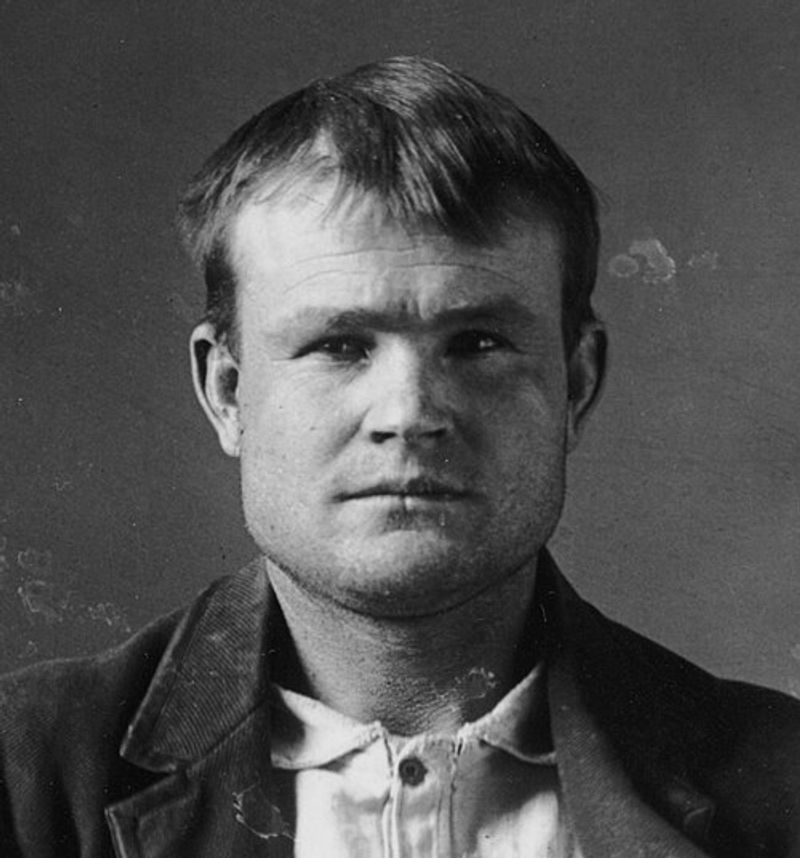
Some legends stay alive because the ending refuses to sit still, and Butch Cassidy proves it. Born Robert LeRoy Parker, he spent years robbing banks and trains across the American West, usually paired in public memory with the Sundance Kid and a reputation for charm that frontier criminals rarely earned.
After pressure increased in the United States, the pair headed to South America, where reports placed them in new schemes and new landscapes. Accounts suggest Cassidy’s story ended in Bolivia in 1908 during a confrontation with soldiers, but uncertainty around the details gave rumor an open seat at the table.
That ambiguity is a gift to folklore. A clearly documented ending might have closed the book, yet disputed reports allowed generations to imagine escapes, aliases, and secret returns.
Cassidy therefore survives as both person and puzzle, which is ideal territory for western mythology. He represented the outlaw as clever operator rather than reckless brute, and that image traveled well into film and popular history.
When facts thin out, culture usually fills the gap, and Cassidy has been benefiting from that arrangement for more than a century.
15. Wyatt Earp
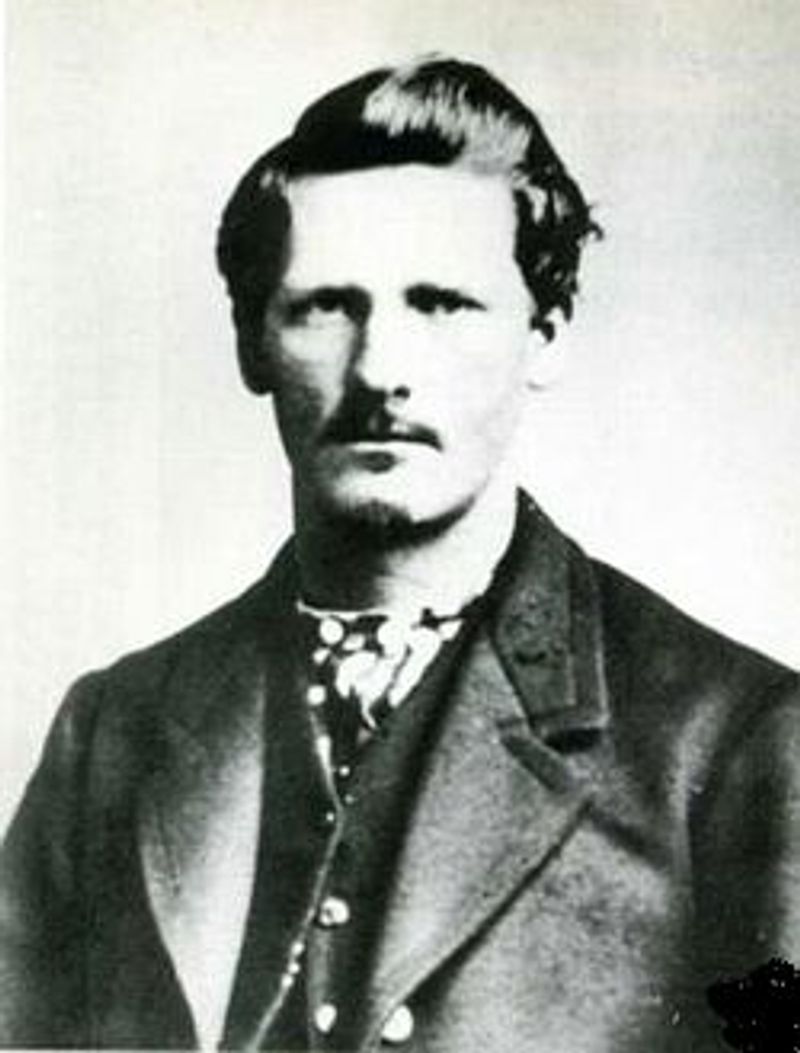
Wyatt Earp pulled off a rare trick in frontier history by living long enough to watch his own legend organize itself. Best known for the 1881 gunfight near the O.K.
Corral in Tombstone, he spent later decades moving through mining camps, business ventures, and eventually California’s growing film culture.
That long afterlife changed everything. Instead of remaining a local lawman from a famous dispute, Earp became a consultant figure for early western storytellers, which meant the man was present while the myth machine started building the version most people would later recognize.
When he passed in 1929 at eighty, he had already outlasted most of the era that made him famous. That peaceful ending gave his career a curious advantage.
Unlike many gunfighting contemporaries, he was available to shape memory, answer questions, and encourage certain interpretations while letting others fade. Historians still debate his accuracy, motives, and self-presentation, but that only confirms his importance.
Earp did not just survive the West. He crossed into modern media and helped oversee the translation of frontier conflict into national entertainment.



