 Unearth The Voyage
Metal fans can argue for hours about what “great” even means. One person hears a timeless anthem, another hears the same riff stretched across three albums.
Hype doesn’t help either. When a band gets huge, every new release arrives with impossible expectations and every flaw gets amplified.
That doesn’t always mean the music is bad. Sometimes the problem is consistency.
Sometimes it’s polish replacing danger. Sometimes the image grows louder than the songs.
And sometimes a band simply becomes so influential that people forget how much they shaped the scene in the first place.
Still, a few names come up again and again in these debates. They’re the ones everyone knows, everyone has an opinion on, and everyone feels weirdly compelled to defend or tear down.
Here are the metal bands that get called “overhyped” most often, and why that label sticks.
1. Metallica
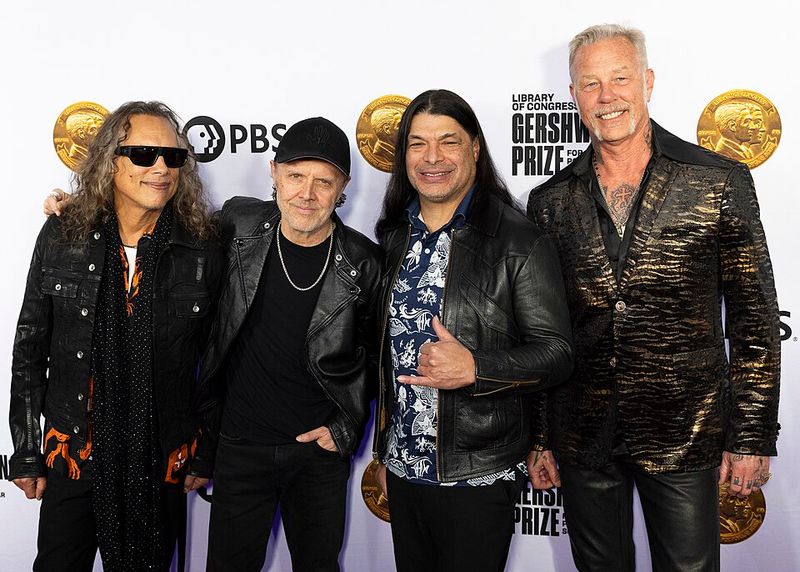
Metallica rewrote the rules of thrash metal with albums like Master of Puppets and Ride the Lightning. Those early records brought aggressive riffs and complex arrangements to a wider audience.
Nobody disputes their importance to the genre.
Then came the Black Album in 1991. It sold over 17 million copies in the U.S. alone, making it one of the best-selling albums ever.
That commercial explosion also sparked a divide among fans who felt the band traded raw intensity for radio-friendly production.
Critics point to the simplified song structures and polished sound as evidence that Metallica chased mainstream success. Supporters argue they simply evolved and reached more listeners.
Either way, the debate gets louder precisely because their fame is so massive.
Later albums like St. Anger faced harsh criticism for production choices and songwriting missteps. Some fans never forgave the band for straying from their thrash roots.
The “overhyped” label sticks because expectations grew impossibly high, and not every release could match the legendary early work that built their reputation in the first place.
2. Iron Maiden
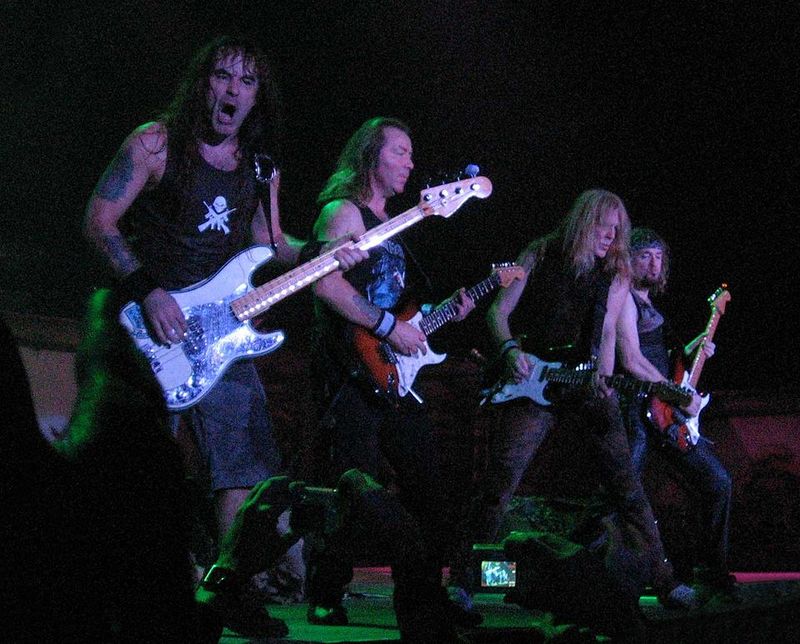
Iron Maiden built an empire on galloping bass lines, dual guitar harmonies, and Eddie the Head. Their catalog includes classics like The Number of the Beast and Powerslave.
Bruce Dickinson’s operatic vocals became instantly recognizable worldwide.
The criticism usually centers on predictability. After decades of touring and recording, some listeners hear the same formula repeated album after album.
The epic song lengths, historical themes, and stage theatrics remain consistent, which fans call reliability and skeptics call stagnation.
Their live shows are legendary spectacles featuring massive sets, pyrotechnics, and costume changes. For casual concertgoers, the visual experience can dominate the actual music.
That’s when critics argue the hype focuses more on the production than the songs themselves.
Maiden has never compromised their vision or chased trends, which earns respect. But that stubbornness also means their sound hasn’t evolved dramatically since the 1980s.
When people call them overhyped, they’re usually acknowledging the influence while questioning whether every album deserves the automatic praise it receives from die-hard fans who refuse to hear any flaws.
3. Judas Priest
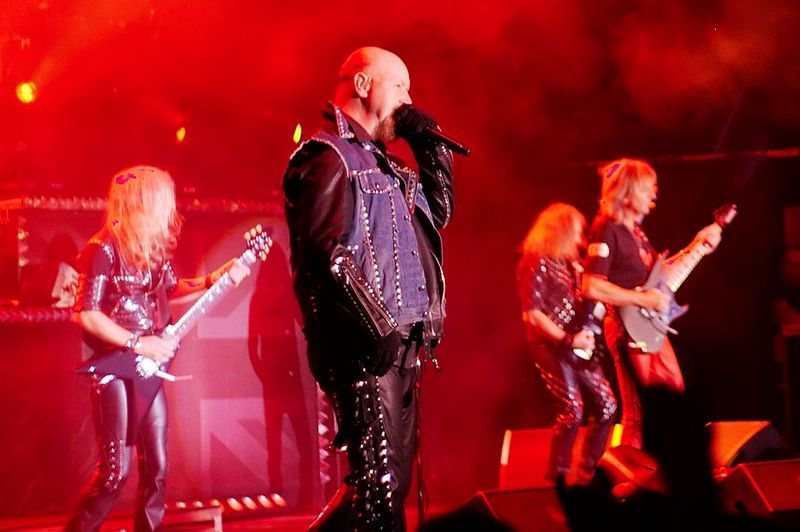
Judas Priest invented much of metal’s visual identity. The leather, studs, and motorcycles became standard uniform thanks to Rob Halford’s bold choices.
Songs like Breaking the Law and You’ve Got Another Thing Comin’ are undeniable anthems.
Their influence on metal’s sound and image is foundational. Twin guitar attacks, Halford’s piercing screams, and anthemic choruses shaped countless bands.
Nobody questions their historical importance or pioneering spirit.
The “overhyped” conversation typically focuses on their later material. Albums from the 1990s onward often felt safer and less adventurous compared to their classic run.
Fans still showed up, but critics noticed the edge had dulled somewhat.
The band’s legacy means every new release gets significant attention regardless of quality. That automatic respect can feel unearned when the music doesn’t match the classic era’s innovation.
The argument becomes “great but not untouchable,” acknowledging their contributions while questioning whether modern output warrants the same reverence. Priest remains hugely influential, but some feel the hype around every move exceeds the actual creative risk-taking happening on recent records.
4. Megadeth
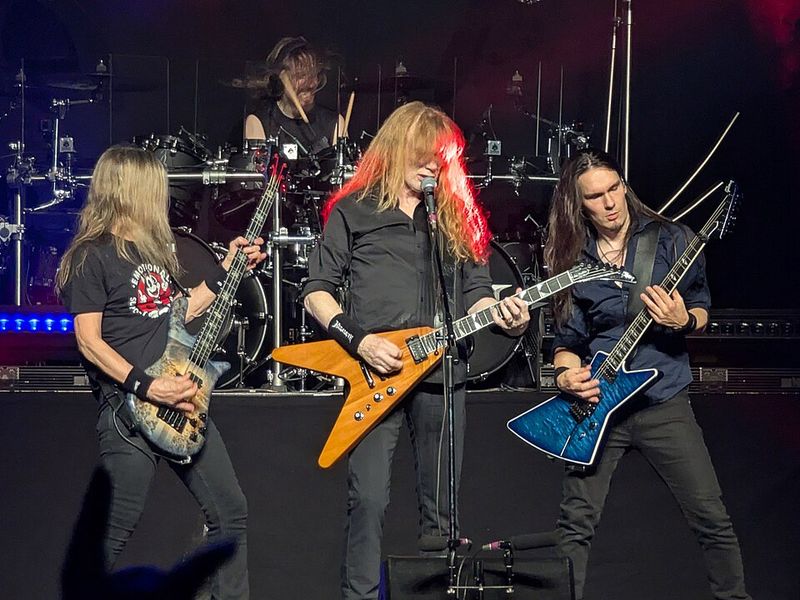
Dave Mustaine formed Megadeth after leaving Metallica, and the rivalry fueled both bands for decades. Rust in Peace showcased technical virtuosity that few thrash bands could match.
The musicianship was simply staggering.
Speed and complexity became Megadeth’s calling cards. The guitar solos were lightning-fast, the time signatures challenging, and the arrangements intricate.
Musicians worship this band for good reason.
Critics argue that technical skill doesn’t automatically create emotional connection. Some listeners find the songs impressive but cold, lacking the raw power that makes music memorable beyond the first listen.
The “overhyped” label comes from people who respect the chops but don’t feel moved by the results.
The constant lineup changes also affected consistency. While Mustaine remained the driving force, rotating band members meant the sound shifted frequently.
Albums like Risk showed the band chasing commercial appeal and missing the mark entirely. When people call Megadeth overhyped, they’re usually saying the praise focuses too much on speed and technique while overlooking whether the songs themselves have lasting impact beyond sheer instrumental prowess.
5. Pantera
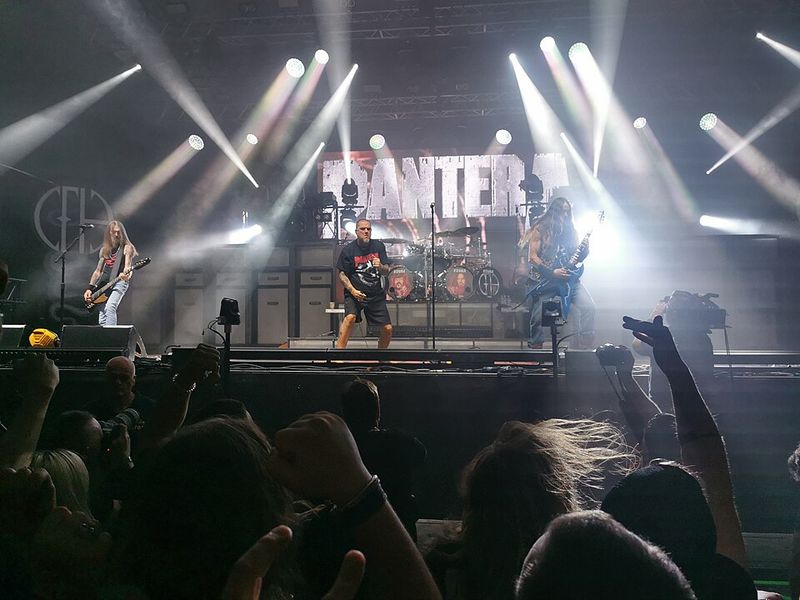
Pantera’s Cowboys from Hell through The Great Southern Trendkill run redefined heavy in the 1990s. Dimebag Darrell’s guitar tone became instantly iconic.
Phil Anselmo’s vocals brought raw aggression that felt genuinely dangerous.
Their groove metal blueprint influenced an entire generation of bands. The combination of thrash speed, sludgy heaviness, and southern swagger created something fresh.
Vulgar Display of Power remains a landmark album that sounds massive decades later.
The “overhyped” argument surfaces when fans treat Pantera as the only valid template for heavy groove. Some listeners feel their approach, while powerful, became overused and limiting.
The band’s influence was so strong that it spawned countless imitators who watered down the formula.
Depending on your perspective, Pantera is either essential listening or over-canonized to the point where other groove metal innovators get overlooked. The tragedy of Dimebag’s murder also cemented their legacy in ways that make critical discussion difficult.
When people question the hype, they’re usually acknowledging the impact while suggesting the reverence sometimes prevents honest assessment of whether every album truly deserves untouchable status in metal history.
6. Slipknot
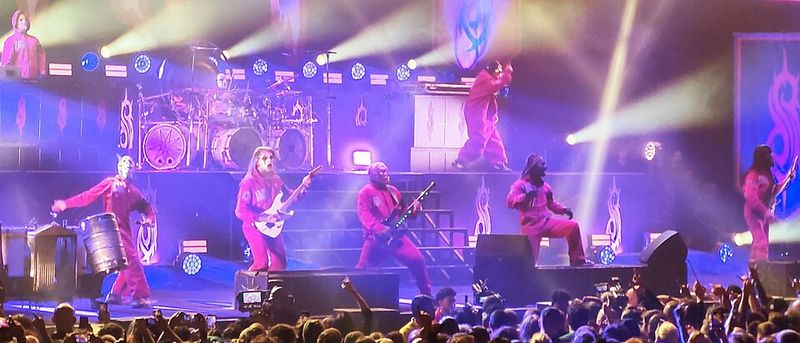
Nine masked members storming the stage changed metal’s visual landscape forever. Slipknot’s self-titled debut and Iowa brought genuine chaos to mainstream metal.
The percussion section added layers most bands never considered.
Their image is inseparable from their identity. The masks, jumpsuits, and stage antics create an overwhelming sensory experience.
They won a Grammy for Before I Forget, proving the industry recognized their impact beyond underground circles.
Critics argue the spectacle overshadows the actual songwriting. When you strip away the masks and pyrotechnics, some listeners question whether the music itself justifies the massive hype.
The visual identity becomes both their greatest strength and their biggest criticism.
Fans counter that the complete package is the point. The masks allow members to become characters, and the chaos reflects the music’s intensity.
The “overhyped” debate usually splits between those who embrace the total experience and those who want the songs to stand alone. Slipknot’s commercial success and devoted fanbase are undeniable, but skeptics wonder if the mythology grew larger than the music, making honest critique nearly impossible without addressing the elephant in the room.
7. Korn
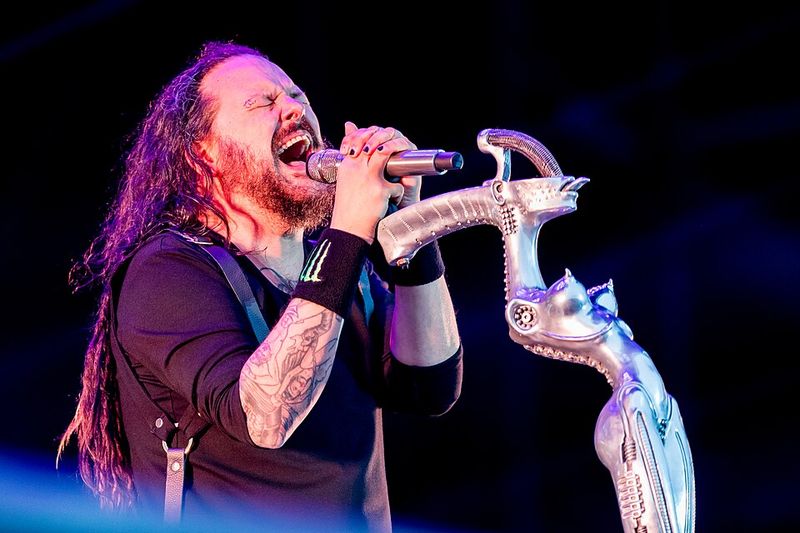
Korn invented nu-metal with their 1994 debut. The downtuned seven-string guitars, hip-hop influences, and Jonathan Davis’s tortured vocals created something genuinely new.
Issues and Follow the Leader sold millions and dominated MTV.
They get credited as pioneers who opened metal to new audiences. The stripped-down approach made heavy music accessible without requiring thrash technicality or death metal extremity.
Countless bands copied the formula throughout the late 1990s and early 2000s.
The “overhyped” criticism comes from people who feel that pioneering doesn’t equal lasting quality. The signature sound became a template that Korn themselves leaned on heavily, releasing similar-sounding albums long after the initial impact faded.
The innovation that made them special became their limitation.
Some metal purists dismissed nu-metal entirely as watered-down aggression for mall crowds. That dismissal isn’t entirely fair, but it reflects frustration with how dominant the style became.
When people call Korn overhyped, they’re usually acknowledging the historical importance while questioning whether the praise should extend to their entire catalog or just those groundbreaking early albums that genuinely changed metal’s trajectory before the formula grew stale.
8. Avenged Sevenfold
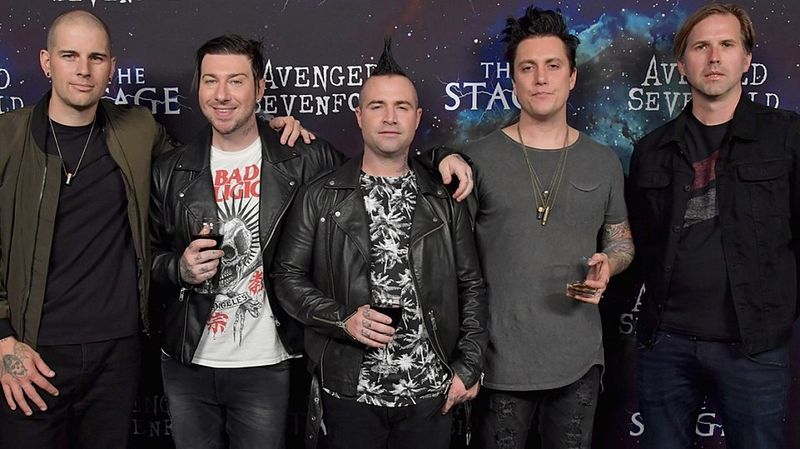
Avenged Sevenfold built their career on ambition and refusal to stay in one lane. City of Evil showcased technical ability and melodic hooks that appealed beyond typical metal audiences.
Their arena-ready sound filled stadiums worldwide.
The band constantly experiments with different styles, from metalcore roots to progressive rock influences. Nightmare showed they could write emotionally resonant songs after losing drummer The Rev.
Their willingness to evolve keeps things interesting for fans.
Critics, especially metal purists, hear more hard rock ambition than genuine metal innovation. The polished production and radio-friendly choruses can feel calculated rather than organic.
The “overhyped” label comes from people who question whether the band’s mainstream success reflects actual metal credibility or just crossover appeal.
The debate often centers on authenticity. Are they a metal band reaching new heights or a rock band wearing metal aesthetics?
Fans appreciate the big swings and refusal to repeat themselves. Skeptics hear a band chasing trends and arena appeal rather than pushing metal forward.
The hype backlash typically comes from gatekeepers who feel A7X receives metal accolades while playing it safer than their underground peers who take bigger creative risks.
9. Disturbed
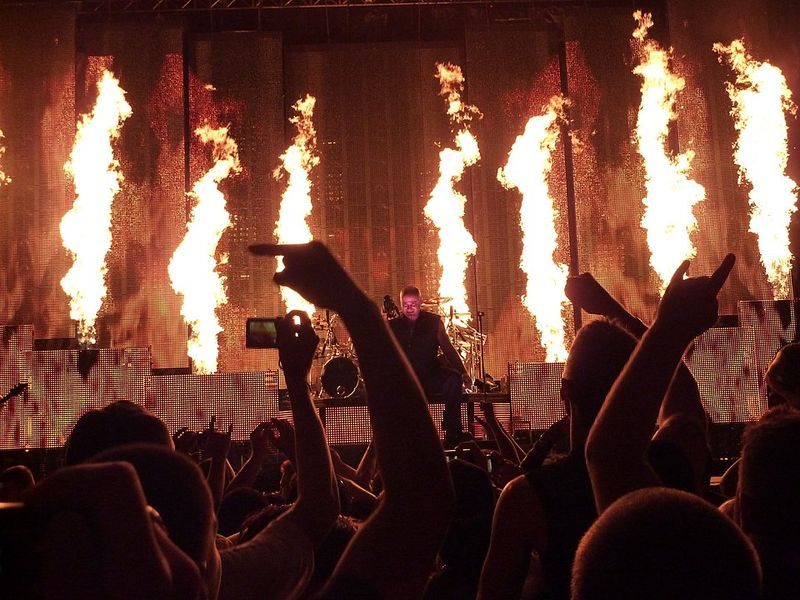
Disturbed’s Down with the Sickness became an inescapable anthem in 2000. David Draiman’s distinctive vocal style and the band’s accessible heaviness found massive audiences.
They’ve sold millions of albums and filled arenas consistently for over two decades.
Their sound is built for singalongs and radio play. The clean production, memorable choruses, and anthemic structures make them perfect for mainstream rock stations.
Their cover of The Sound of Silence even reached audiences who never listen to metal.
The “overhyped” criticism comes from people seeking raw danger and unpredictability. Disturbed feels too polished, too safe, too calculated for listeners who want metal to challenge rather than comfort.
The accessibility that makes them popular is exactly what skeptics dislike.
If you want huge crowd moments and fist-pumping energy, they deliver consistently. If you want innovation or edge, they can feel like metal-lite designed for maximum commercial appeal.
The debate rarely questions their professionalism or success but rather whether that success reflects genuine metal excellence or just effective mainstream rock marketed to metal audiences. Their hype matches their sales figures, but critics argue sales don’t equal artistic merit worth celebrating.
10. Linkin Park
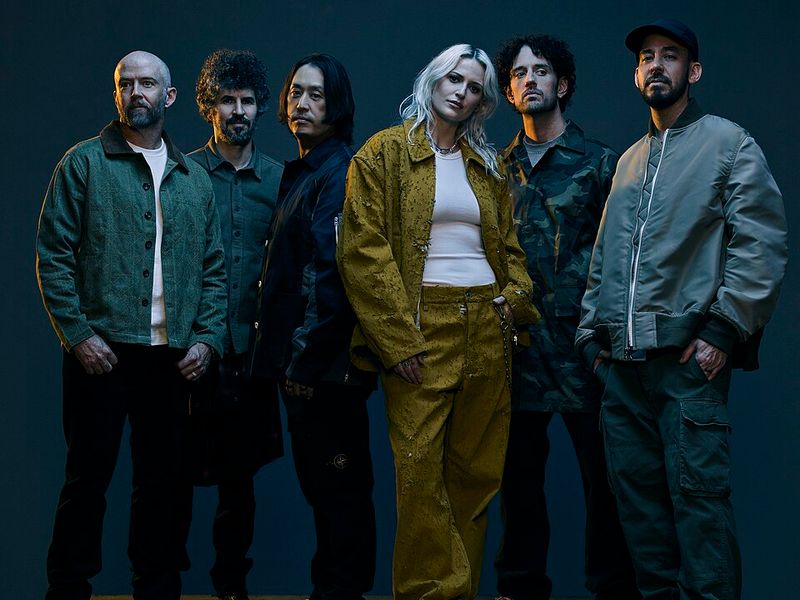
Hybrid Theory exploded into mainstream culture in 2000, selling over 12 million copies in the U.S. alone. The combination of rap verses, sung choruses, and electronic elements created something instantly addictive.
Chester Bennington’s emotional vocals resonated with millions of teenagers.
Their success was unprecedented for a metal-adjacent band. MTV played their videos constantly, and rock radio embraced them fully.
Meteora continued the momentum, cementing their status as one of the biggest rock acts of the 2000s.
The backlash was inevitable. Metal gatekeepers dismissed them as pop music wearing heavy aesthetics.
The “overhyped” label came from purists who felt the band’s massive success didn’t reflect genuine metal credibility but rather crossover appeal to audiences who wouldn’t touch traditional metal.
Later albums showed the band experimenting with electronic and pop influences, which divided fans further. Some appreciated the evolution; others felt betrayed.
Chester’s tragic death complicated all discussion, making critique feel inappropriate. When people called Linkin Park overhyped during their peak, they were usually expressing frustration with how nu-metal dominated mainstream attention while more traditional metal struggled for recognition and respect.
11. System of a Down

System of a Down arrived with Toxicity in 2001 and sounded like nothing else. The Armenian influences, political lyrics, and Serj Tankian’s distinctive vocals created genuine originality.
Songs shifted from melodic to chaotic within seconds, keeping listeners constantly off-balance.
Their genre-mashing approach earned immediate attention. Mixing metal, punk, folk, and progressive elements while maintaining accessibility was no small feat.
The political bite gave their music substance beyond typical metal themes.
The “overhyped” argument usually comes from people who find the unpredictability exhausting rather than exhilarating. The constant left turns and quirky songwriting can feel gimmicky over time.
What initially seemed innovative can start feeling like random chaos without clear purpose.
Fans argue that unpredictability is the entire genius. The band refuses to settle into comfortable patterns, which keeps their catalog interesting.
The long hiatus between albums adds mystique but also raises questions about whether the hype exceeds the actual output. When critics call them overhyped, they’re typically acknowledging the uniqueness while questioning whether novelty alone justifies the reverence, especially when the band’s sporadic activity makes their legend grow larger than their actual recorded output might warrant on its own merits.
12. Rammstein
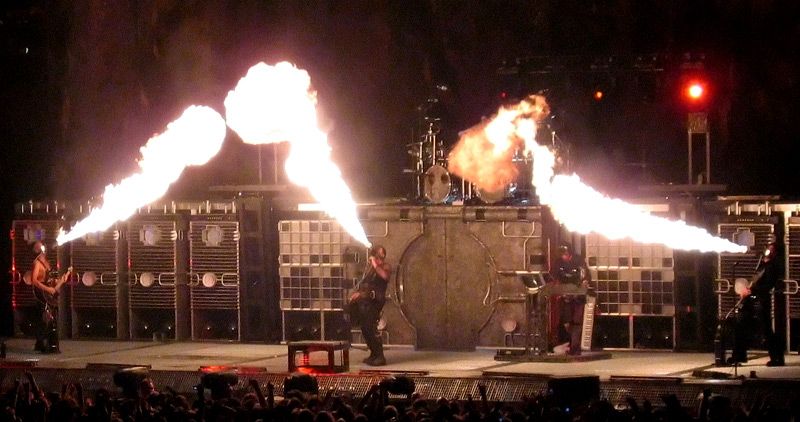
Rammstein’s live shows are legendary spectacles of fire, pyrotechnics, and theatrical staging. The German industrial metal band creates experiences that feel more like performance art than typical concerts.
Their stadium tours gross millions and sell out instantly worldwide.
The music itself is powerful and distinctive. Singing entirely in German, using industrial soundscapes, and crafting memorable riffs, they’ve built a unique identity.
Songs like Du Hast became international hits despite the language barrier.
The “overhyped” conversation usually starts with the question: are they a great band or the greatest stage show metal ever built? Critics argue the visual spectacle overshadows the actual songwriting.
Strip away the flames and theatrics, and some listeners question whether the music alone justifies the massive reputation.
Fans counter that the complete experience is what matters. Rammstein creates total sensory overload intentionally, and judging them solely on recorded music misses the point.
The debate reflects different values: those who prioritize songs versus those who embrace multimedia experiences. When people call them overhyped, they’re usually acknowledging the spectacle’s undeniable impact while wondering if the musical innovation matches the production budget and whether their legend relies too heavily on visual excess.
13. Mötley Crüe
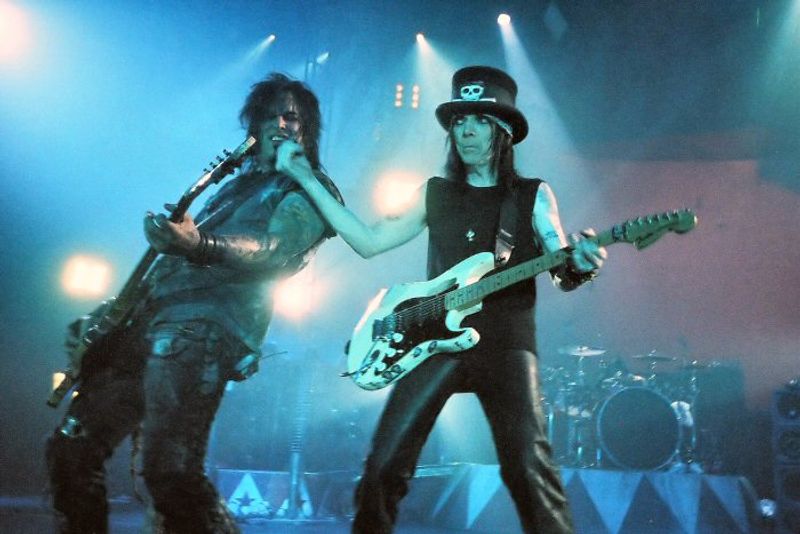
Mötley Crüe perfected glam metal excess in the 1980s. The big hair, leather, makeup, and wild lifestyles became as famous as the music.
Their autobiography The Dirt became a bestseller and later a Netflix movie, cementing their mythology.
Songs like Kickstart My Heart and Girls Girls Girls are undeniable anthems. The band knew how to write catchy, party-ready rock songs that filled arenas.
Their commercial success during the glam era was massive and undeniable.
The criticism is that the mythology outgrew the actual music. The stories of excess, the drama, and the personalities became more famous than the songs themselves.
If you’re chasing musicianship and depth, the hype can feel louder than the riffs justify.
The band’s multiple farewell tours and constant reunions also fuel skepticism. The business side of their legend sometimes feels more prominent than artistic legacy.
When people call Mötley Crüe overhyped, they’re usually acknowledging the entertainment value and cultural impact while questioning whether the actual musical output warrants the iconic status, or if the band’s greatest achievement was simply perfecting the rock star image and selling the lifestyle more effectively than the actual songs themselves.
14. Dream Theater
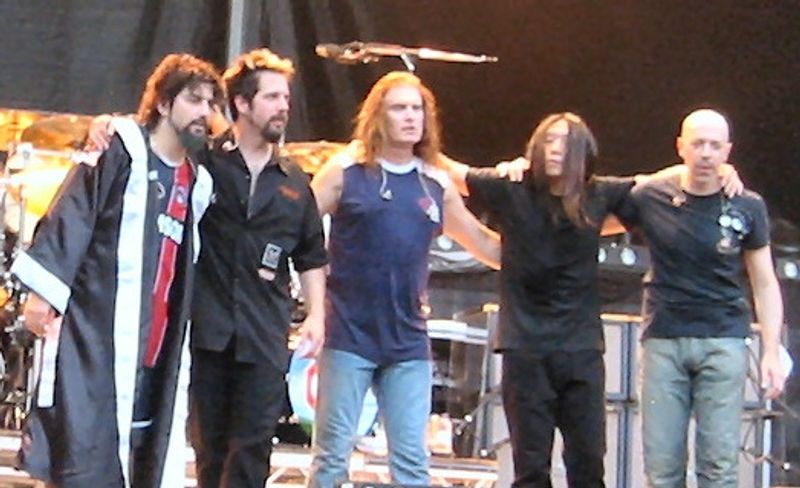
Dream Theater represents progressive metal’s technical peak. John Petrucci’s guitar work and the band’s complex compositions showcase musicianship at the highest level.
Albums like Images and Words feature time signatures and arrangements that boggle minds.
Musicians worship this band for good reason. The ability to play incredibly difficult material while maintaining precision is genuinely impressive.
Music schools use their songs as study material for advanced students.
The “overhyped” debate centers entirely on one question: does impressive automatically mean enjoyable? Critics argue the band prioritizes technical showmanship over emotional connection.
The songs can feel like exercises in complexity rather than genuine artistic expression.
Admirers hear mastery and innovation. Skeptics hear indulgence and pretension.
Dream Theater has become the poster band for “technically perfect but emotionally cold” debates in metal. When people call them overhyped, they’re usually acknowledging the skill while questioning whether virtuosity alone creates great music.
The band’s devoted fanbase treats them as untouchable, which can make critics push back harder. The hype reflects genuine respect for their abilities, but whether those abilities translate into music worth repeated listening beyond initial amazement remains the eternal debate surrounding this polarizing band.
15. Lamb of God
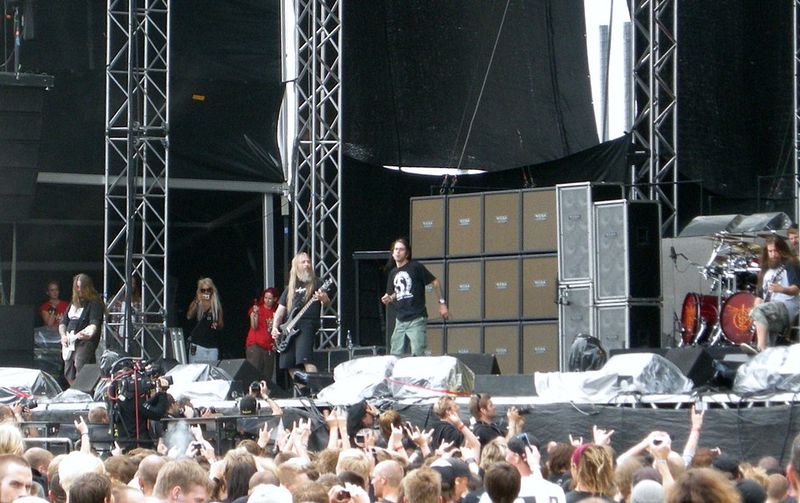
Lamb of God emerged as modern metal’s reliable standard-bearers. Their groove-heavy, precision-tight sound became the template for 2000s metal.
Albums like Ashes of the Wake showed they could write crushingly heavy music with actual songcraft.
Their consistency is both their strength and the source of criticism. You know exactly what you’re getting with every Lamb of God album: aggressive riffs, Randy Blythe’s distinctive screams, and tight musicianship.
Fans appreciate the reliability.
The “overhyped” argument focuses on innovation. Critics argue the band found a formula and stuck to it without meaningful evolution.
Album after album sounds similar, which some hear as dependable and others hear as stagnant.
In hype terms, the pushback is usually about whether the praise became automatic. Lamb of God releases an album, critics call it solid, fans buy it, and the cycle repeats without much critical examination.
They’re heavy and professional, but did the acclaim get a little too reflexive? When people question the hype, they’re typically acknowledging the band’s quality while wondering if their consistent output receives credit simply for existing rather than genuinely pushing boundaries or offering something fresh beyond competent execution of an established formula.



