Montana is the kind of place that makes you feel like you wandered into a movie set, except everything is completely real. From massive mountain ranges to prehistoric fossils buried in the earth, the state offers a remarkable variety of experiences that genuinely appeal to every age group. A seven-year-old and a seventy-year-old can both walk away from the same Montana destination with a story worth telling. This article covers 15 attractions scattered across the state, from well-known national parks to quirky roadside surprises that most travelers never expect to find.
Whether your family leans toward outdoor adventure, hands-on history, or wildlife encounters, Montana delivers in ways that are hard to top. Each stop on this list has something concrete to offer, so read on and start planning a trip that everyone in your group will actually enjoy.
Glacier National Park, West Glacier, Montana
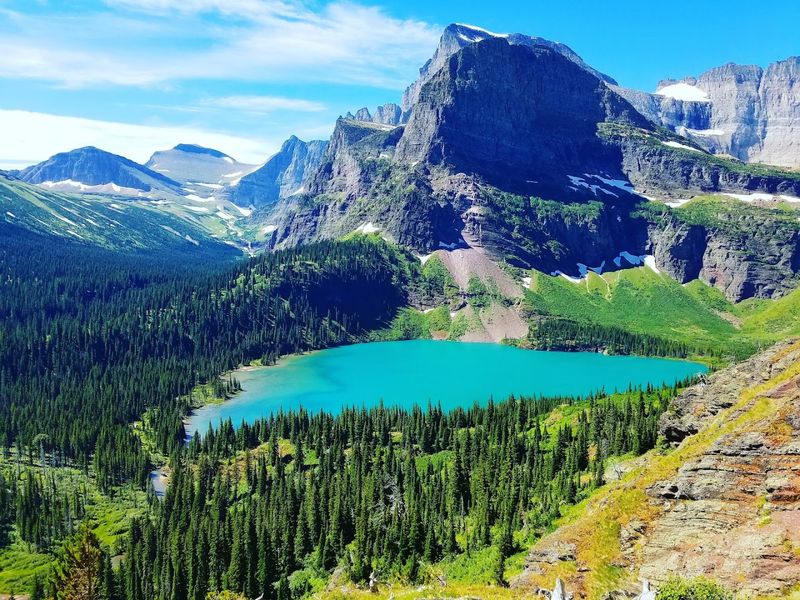
Going-to-the-Sun Road alone is worth the trip to Glacier National Park. This 50-mile scenic drive crosses the Continental Divide and passes through some of the most dramatic mountain landscapes in North America, with pullouts that let families stop and take in views that genuinely seem too big to be real.
Kids enjoy spotting wildlife along the road, including mountain goats, bighorn sheep, and the occasional black bear. Boat tours on Lake McDonald and St. Mary Lake give younger visitors a chance to experience the park without a strenuous hike.
The park has over 700 miles of trails, ranging from flat lakeside walks to serious backcountry routes, so every fitness level is covered. Visitors should book lodging and vehicle permits well in advance, since demand far exceeds availability during peak summer months.
Museum of the Rockies, Bozeman, Montana
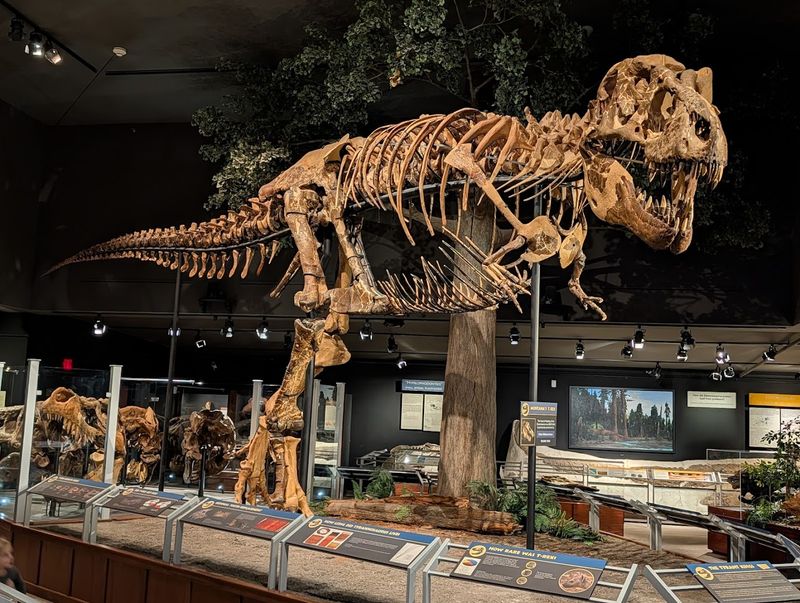
No museum in North America holds more T. rex specimens than the Museum of the Rockies, and that fact alone tends to stop people mid-sentence when they hear it. The fossil collection here is genuinely world-class, built largely through the work of paleontologist Jack Horner, whose discoveries in Montana changed how scientists understand dinosaur behavior.
Beyond the fossils, the museum includes a planetarium with rotating shows, regional history exhibits covering Native American cultures and pioneer life, and hands-on activity areas designed for younger visitors. The combination keeps multigenerational groups busy for a full day without anyone getting bored.
Admission is reasonably priced for a museum of this caliber. The gift shop stocks an impressive range of dinosaur-related books, toys, and replicas that make for memorable souvenirs well beyond the standard postcard rack.
Grizzly & Wolf Discovery Center, West Yellowstone, Montana
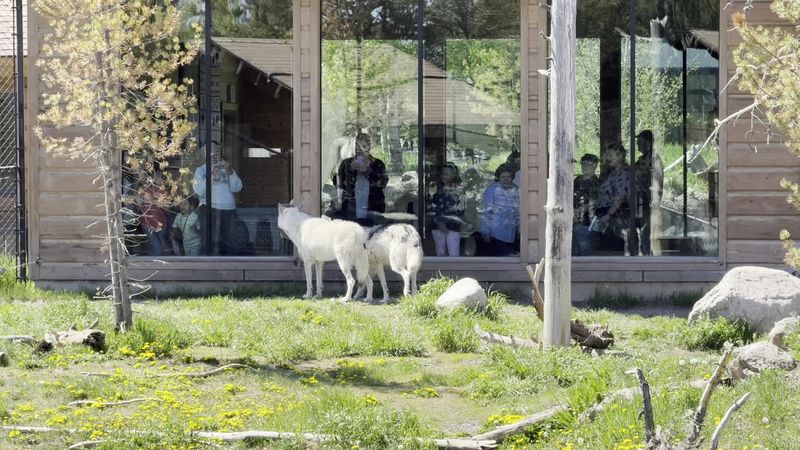
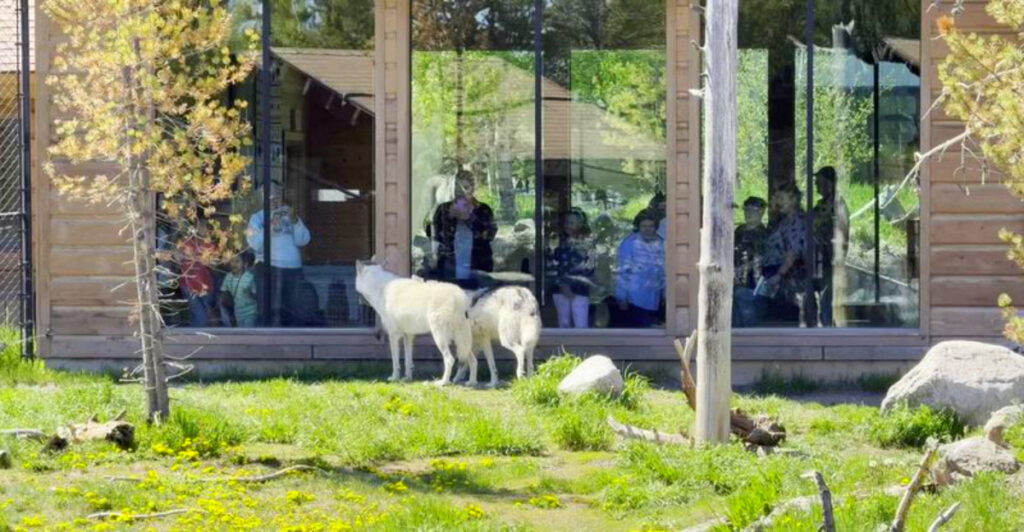
Most wildlife encounters in Montana involve binoculars and a lot of patience. The Grizzly and Wolf Discovery Center flips that formula entirely, letting visitors observe grizzly bears and gray wolves from just a few feet away through large viewing windows and outdoor observation areas.
The animals here are rescues that cannot survive in the wild, so the center serves both an educational and a conservation purpose. Naturalist-led programs run throughout the day, explaining animal behavior, habitat needs, and the challenges facing large predators in the American West.
Admission tickets are valid for two consecutive days, which gives families the chance to catch different feeding times and programming on separate visits. River otters and birds of prey round out the roster, making the center feel like a full wildlife experience rather than a single-species showcase.
Lewis & Clark Caverns State Park, Whitehall, Montana
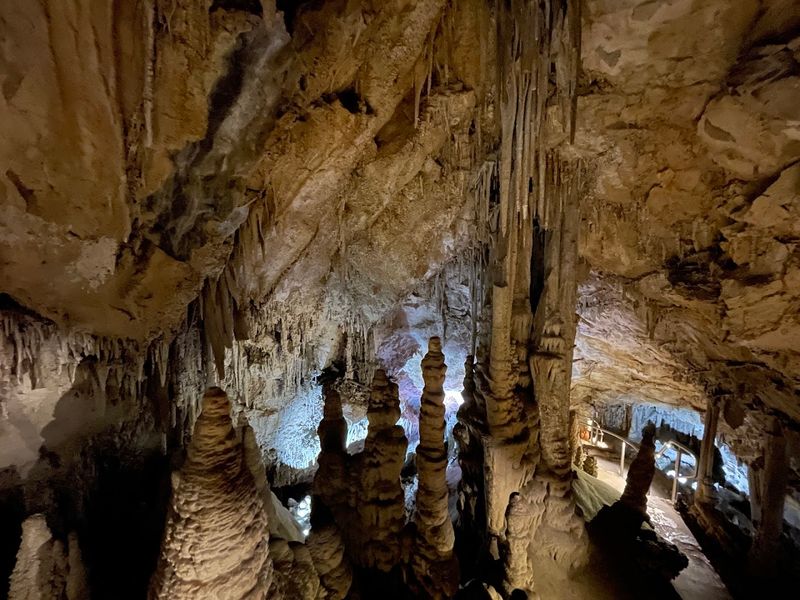
Montana’s largest known limestone cavern system sits tucked into the hills near Whitehall, and most people driving through the area have no idea it exists. That oversight is their loss, because the cave formations inside are genuinely striking, with stalactites, stalagmites, and narrow passageways that have been drawing curious visitors since the early 1900s.
Guided tours run regularly throughout the day and cover about two miles of underground terrain. The route includes some low ceilings and tight turns, which kids tend to find thrilling rather than inconvenient. Guides provide clear commentary on how the formations developed over thousands of years.
Above ground, the state park offers hiking trails with views of the Jefferson River valley and picnic areas that make it easy to turn the cave tour into a full-day outing. Temperatures inside the cave stay cool year-round, so bring a light jacket.
Virginia City Historic District, Virginia City, Montana
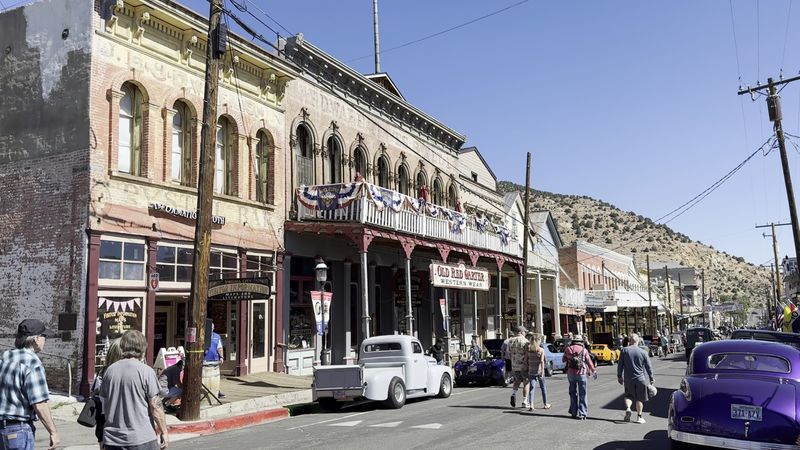
Virginia City is not a reconstruction or a theme park version of the Old West. The buildings here are original, preserved largely as they stood during the gold rush era of the 1860s, when the town served as Montana’s territorial capital and one of the busiest mining communities in the region.
Visitors can browse museums, ride horse-drawn carriages, watch live melodrama performances at the historic theater, and board a narrow-gauge train that runs between Virginia City and neighboring Nevada City. The combination of active entertainment and genuine history keeps both kids and adults engaged throughout the visit.
Seasonal programming ramps up significantly in summer, when costumed interpreters, guided tours, and special events fill the calendar. The town is small enough to explore on foot in a few hours, but most families find reasons to linger much longer than planned.
Nevada City, Nevada City, Montana
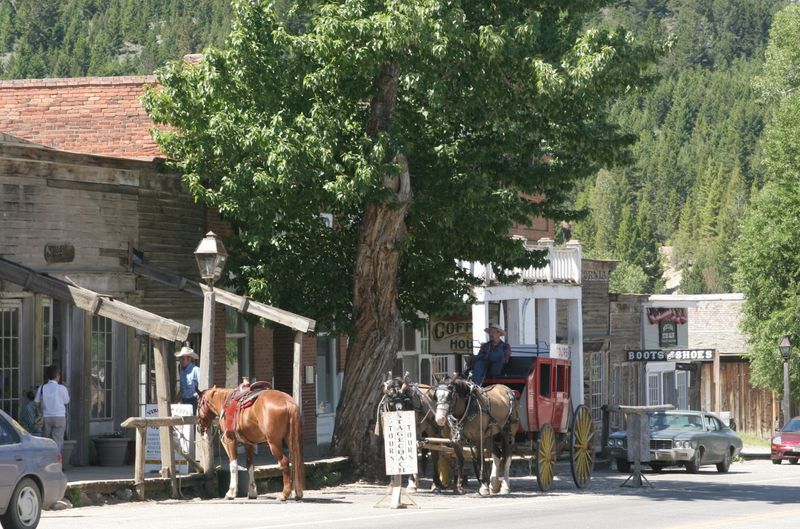
A short train ride or a quick drive from Virginia City, Nevada City operates as an open-air museum where history is spread across an entire outdoor landscape rather than confined to display cases. Dozens of historic buildings were relocated here from across Montana, creating a walkable collection of structures that spans mining, ranching, and frontier life.
Each building is filled with period artifacts, antiques, and interpretive displays that give context to what daily life looked like in 19th-century Montana. Costumed interpreters are on hand during summer months to answer questions and bring the setting to life in a way that static exhibits simply cannot.
The music hall, general store, and Chinese immigrant history exhibits are particular highlights. Nevada City pairs naturally with Virginia City as a combined half-day or full-day itinerary, and the two towns together offer one of the most authentic historic experiences in the entire state.
ZooMontana, Billings, Montana
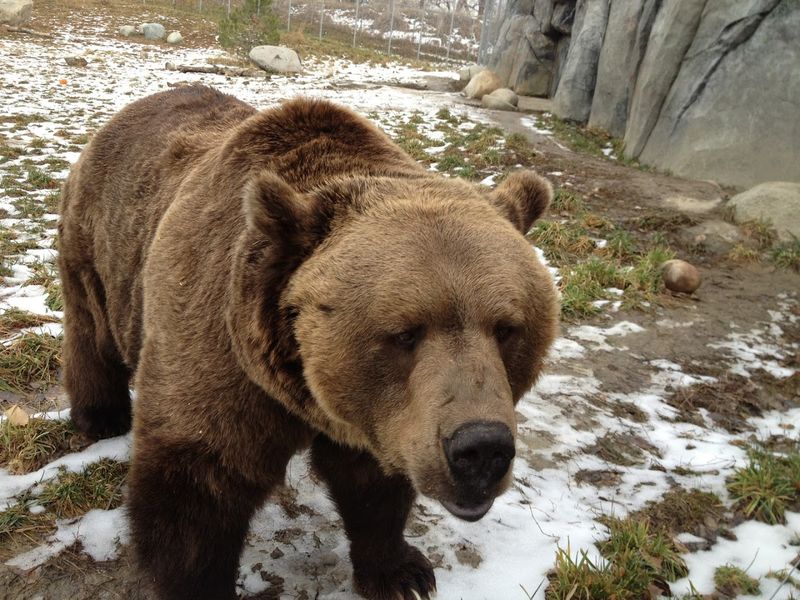
Montana’s only accredited zoo focuses specifically on animals from northern climates, which means the collection feels purposeful rather than random. Grizzly bears, gray wolves, snow leopards, red pandas, and Amur tigers are among the residents, all housed in spacious habitats designed to reflect their natural environments.
The botanical garden woven throughout the grounds adds a pleasant layer to the visit, with labeled plant collections that give the property a park-like atmosphere. Wide, paved paths make the zoo accessible for strollers and wheelchairs, which is a practical detail that parents and grandparents both appreciate.
ZooMontana also runs educational programs and seasonal events that draw repeat visitors throughout the year. The zoo covers about 70 acres, so comfortable shoes are a good idea. Admission is affordable by zoo standards, making it an easy choice for families looking for a full morning or afternoon activity in Billings.
World Museum of Mining, Butte, Montana
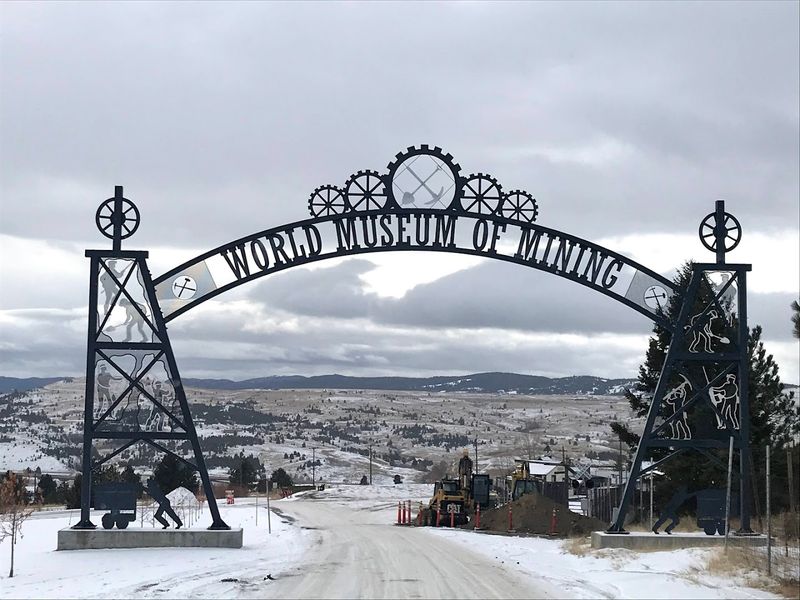
Butte was once called the richest hill on earth, and the World Museum of Mining does an excellent job of explaining exactly why that nickname stuck. The museum sits on the actual grounds of the Orphan Girl Mine and includes a full-scale recreation of a 1900s mining town called Hell Roarin’ Gulch, complete with original and replica structures spread across an outdoor campus.
Visitors can walk through a period saloon, assay office, schoolhouse, and Chinese laundry, each filled with authentic artifacts from Butte’s copper mining heyday. Underground mine tours take guests below the surface to see actual mining infrastructure up close, which tends to be the highlight for kids and adults alike.
The museum covers Montana’s transition from gold and silver to copper mining, explaining how that shift shaped the entire state’s economy. Guided and self-guided options are both available, making it easy to customize the visit based on your group’s pace.
Conrad Mansion Museum, Kalispell, Montana
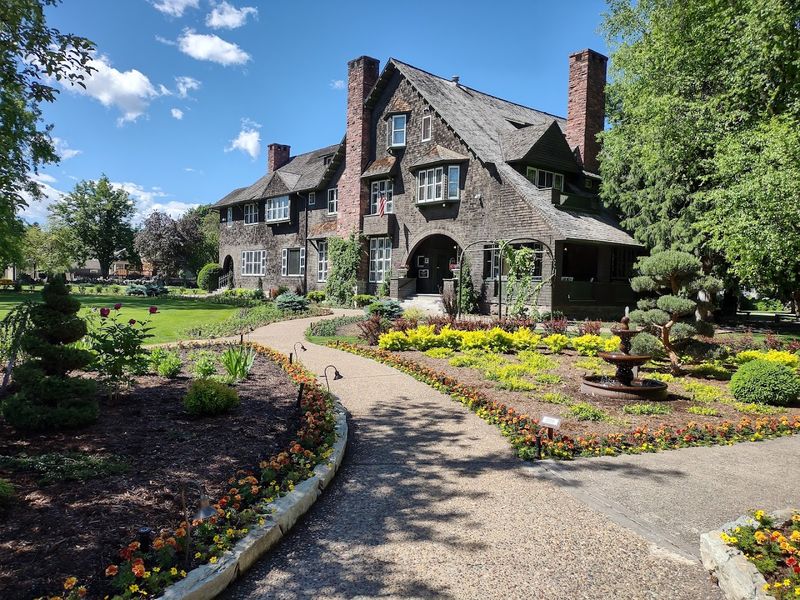
Built in 1895 for cattle baron and merchant Charles Conrad, this 26-room Norman-style mansion has been preserved with extraordinary care, right down to the original wallpaper and family furnishings. Unlike many historic homes that feel sterile and roped-off, the Conrad Mansion gives visitors a genuine sense of how a wealthy Montana family actually lived at the turn of the 20th century.
Guided tours run from May through October and are led by knowledgeable docents who share family stories alongside architectural details. The combination of personal history and period design keeps the tour engaging for adults, while kids tend to be fascinated by the sheer scale of the rooms and the unusual gadgets of the era.
The mansion sits on beautifully maintained grounds in a quiet Kalispell neighborhood, making it a pleasant stop that pairs well with other Flathead Valley activities. Tours last about an hour and cover all three floors of the home.
Miracle of America Museum, Polson, Montana
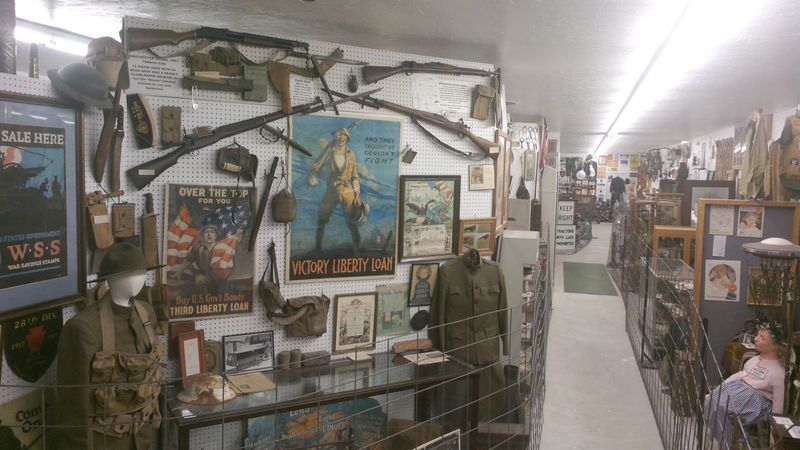
Calling the Miracle of America Museum a museum might actually undersell it. The property covers several acres and contains over 100,000 artifacts organized across indoor galleries and an outdoor village, making it one of the most densely packed collections of Americana anywhere in the country.
Vintage motorcycles, military vehicles, classic cars, pioneer cabins, farm equipment, and Cold War-era memorabilia all share space here in a layout that rewards slow, curious exploration. There is no single theme tying everything together beyond a genuine enthusiasm for preserving American history in all its quirky variety.
Families with kids who have short attention spans actually do well here because there is always something new around the next corner. The museum is located in Polson near the southern shore of Flathead Lake, making it a natural add-on to any lake-area itinerary. Admission is surprisingly affordable given the sheer volume of what is on display.
Giant Springs State Park, Great Falls, Montana
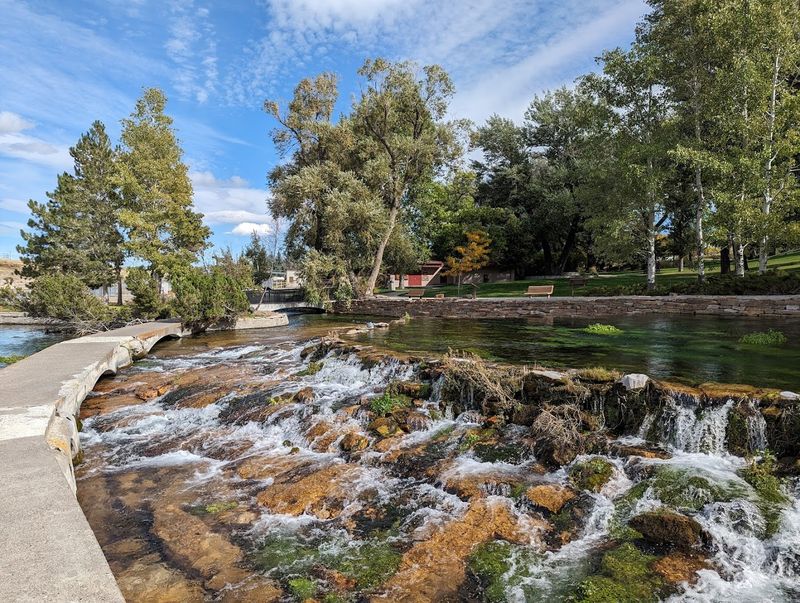
Giant Springs discharges about 156,000 gallons of water per minute, which puts it among the largest freshwater springs in the United States. The spring feeds directly into the Missouri River, and the park built around it is one of the most pleasant and underrated day-use areas in the state.
A fish hatchery on the property lets visitors observe trout at various stages of development and feed fish from docks along a family fishing pond. The combination of the spring, the hatchery, and the river trail gives the park more variety than its modest reputation might suggest.
Walking paths along the Missouri River connect to the River’s Edge Trail, which extends for miles through Great Falls and is suitable for all fitness levels. The park is close to the Lewis and Clark Interpretive Center, so combining both sites into one visit makes excellent logistical sense for history-minded families.
Yellowstone Giant Screen Theatre, West Yellowstone, Montana
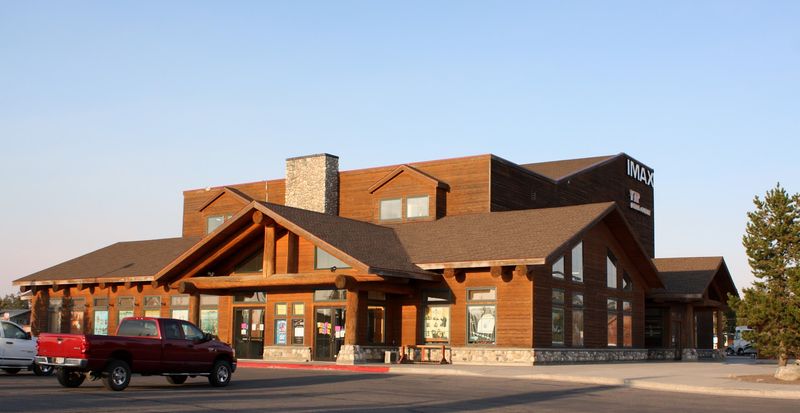
Before heading into Yellowstone National Park, many visitors make a stop at the Giant Screen Theatre in West Yellowstone to get a sense of what they are about to experience. The films shown here cover Yellowstone’s geology, wildlife, and history on a screen that stands several stories tall, which makes bison herds and geyser eruptions look genuinely impressive.
The theater is particularly useful for families traveling with young children who may not fully grasp the scale of Yellowstone before arriving. Watching a well-produced film in a comfortable setting gives kids a frame of reference that makes the actual park visit more meaningful.
Multiple films rotate throughout the day, and the runtime for most features runs between 40 and 60 minutes. The theater is centrally located in downtown West Yellowstone, making it easy to combine with other stops in the area before or after a day in the park.
Montana Dinosaur Center, Bynum, Montana
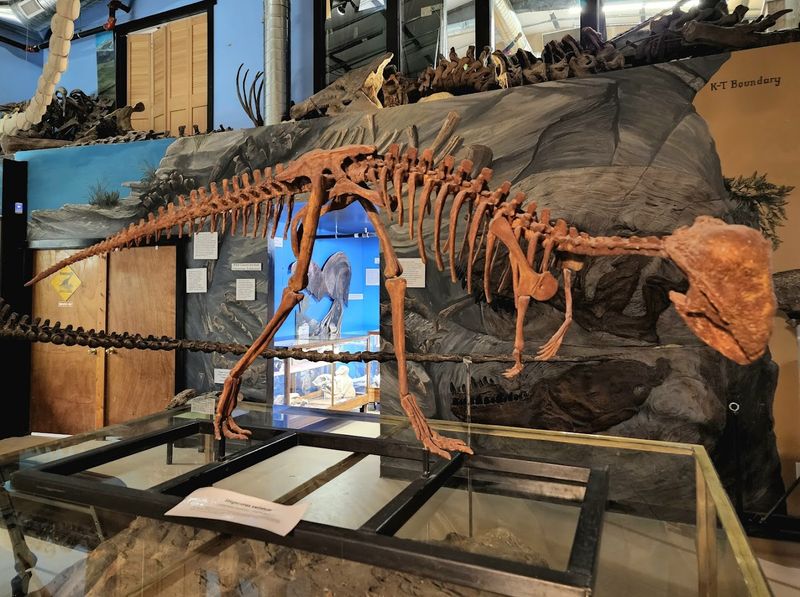
Bynum is a tiny town in north-central Montana, but the Montana Dinosaur Center has put it firmly on the map for anyone serious about prehistoric life. The center houses an impressive collection of real fossils and life-sized skeletal mounts, including species that were actually discovered in the surrounding Two Medicine Formation, one of the most productive dinosaur fossil sites in North America.
What sets this place apart from larger natural history museums is the opportunity to go beyond the display cases. Seasonal fossil dig programs let visitors join paleontologists in the field, sifting through real rock layers in search of actual specimens. Few experiences match the thrill of finding a genuine fossil fragment from an animal that lived 75 million years ago.
The center is a manageable size for families with younger children, and staff members are notably enthusiastic and informative. Plan for at least two hours, more if you join a dig program.
Garden of One Thousand Buddhas, Arlee, Montana
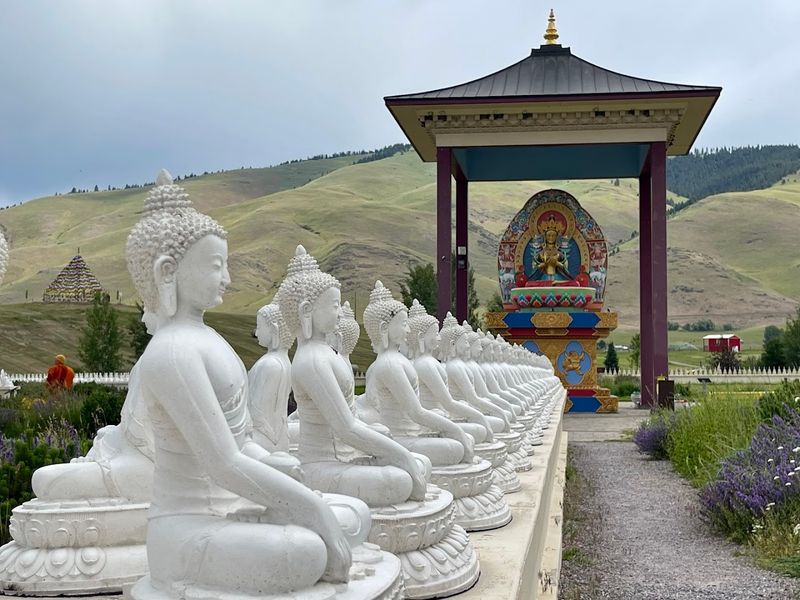
Finding a Tibetan Buddhist sanctuary in the middle of the Montana Rockies is not something most travelers expect, but the Garden of One Thousand Buddhas near Arlee is exactly that, and it is open to the public free of charge. The garden features 1,000 hand-crafted statues of Yum Chenmo arranged in a massive spiral pattern around a central 24-foot figure.
Colorful prayer flags line the pathways, and the mountain backdrop of the Mission Valley gives the entire setting a striking visual contrast. Visitors of all backgrounds are welcome, and the atmosphere encourages quiet reflection and respectful curiosity rather than any particular religious practice.
The garden is maintained by the Ewam International organization and is located on the Flathead Indian Reservation. Most families spend 30 to 60 minutes exploring the grounds, and the experience tends to generate genuine conversation among visitors of all ages about culture, art, and history.
Flathead Lake State Park, Big Arm, Montana
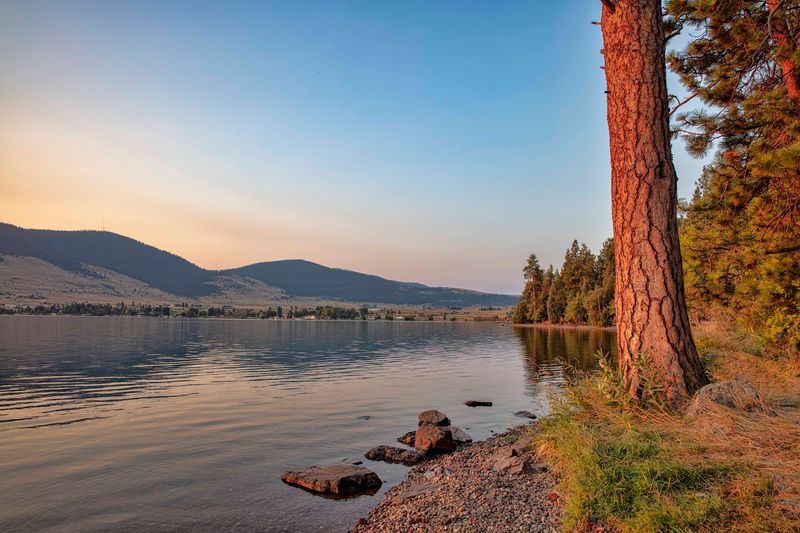
Flathead Lake covers about 200 square miles, making it the largest natural freshwater lake west of the Mississippi River in the contiguous United States. The Big Arm unit of Flathead Lake State Park gives families direct access to the water with boat ramps, swimming areas, and campsites that fill up fast during summer for good reason.
Kayaking and paddleboarding are popular on calm mornings when the water is clear enough to see the rocky bottom. Wildlife watching along the shoreline is also productive, with ospreys, eagles, and white-tailed deer making regular appearances throughout the warmer months.
The surrounding Mission Mountains provide a dramatic backdrop that makes even a simple picnic feel special. Flathead Lake is also known for its cherry orchards, and roadside stands selling fresh cherries pop up around the lake each July, giving visitors one more reason to time their trip just right.
Share this story