Few travel moments compare to the instant your ship glides into a stunning harbor. The world’s most beautiful cruise ports combine dramatic landscapes, iconic skylines, and unforgettable first impressions, often delivering the highlight of the entire journey before you even step ashore.
Recent global rankings based on traveler reviews and visual studies highlight ports where scenery, accessibility, and overall experience stand out above the rest. From Mediterranean gems to remote polar gateways, these destinations redefine what a perfect arrival looks like.
Valletta, Malta
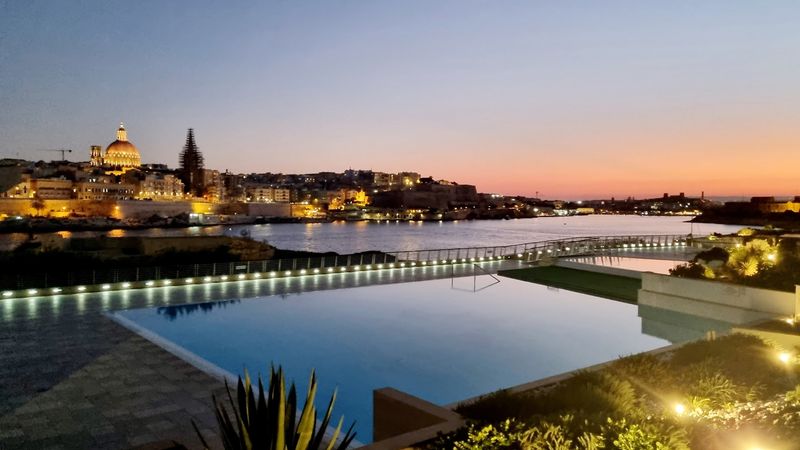
Ranked the world’s most beautiful cruise port by multiple travel studies, Valletta greets arriving ships with a wall of golden limestone that seems to glow in the Mediterranean sun. The Grand Harbour is enormous, flanked by centuries-old fortifications that have guarded this tiny island nation since the Knights of St. John ruled here in the 1500s.
Few arrivals anywhere on Earth are this cinematic.
Walking through the city feels like stepping into a living museum. Every street is paved with pale stone, every corner reveals a baroque church or a colorful balcony dripping with flowers.
Valletta became a UNESCO World Heritage Site in 1980, and the city has barely changed since then — in the best possible way.
The city is remarkably compact, making it easy to explore on foot in a single day. Stop at the Upper Barrakka Gardens for a sweeping view back over the harbor — you will want that photo.
Valletta also earned the title of European Capital of Culture in 2018, so art lovers will find plenty to enjoy beyond the architecture.
Santorini, Greece
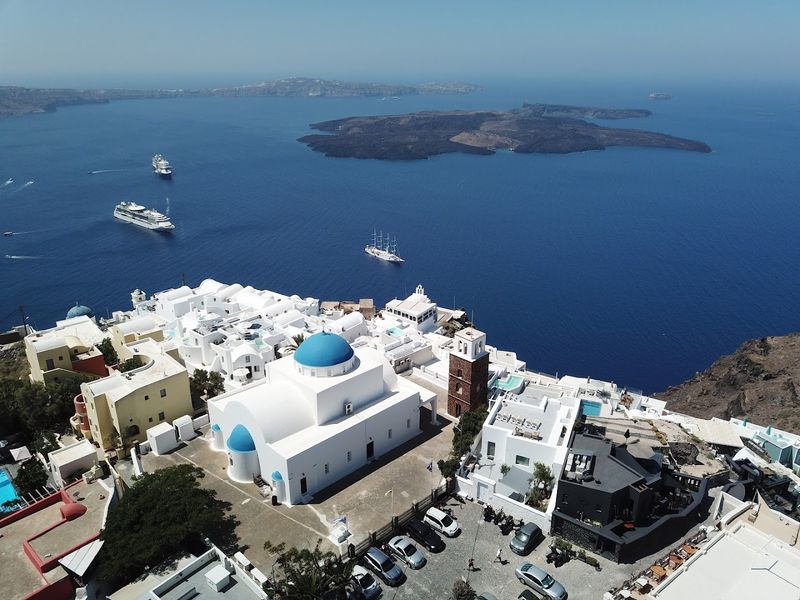
There is a moment when the volcanic caldera of Santorini appears on the horizon and every single passenger on deck stops talking. The cliffs rise nearly 300 meters straight out of the sea, topped with the famous whitewashed villages that have made this island the most photographed place in Greece.
It is genuinely hard to believe it is real.
The island was shaped by one of the largest volcanic eruptions in recorded history, around 1600 BCE, which created the dramatic horseshoe-shaped bay ships sail into today. That geological drama is part of what makes the arrival so jaw-dropping.
Oia and Fira cling to the rim like something out of a fantasy novel.
Getting up to the villages involves either a cable car, a donkey ride, or a very steep hike — all of which are worth it. Sunset in Oia is world-famous, and for good reason.
Arrive early to claim a spot on the terrace walls before the crowds do. The black sand beaches at the base of the cliffs offer a quirky contrast to the brilliant white architecture above.
Kotor, Montenegro
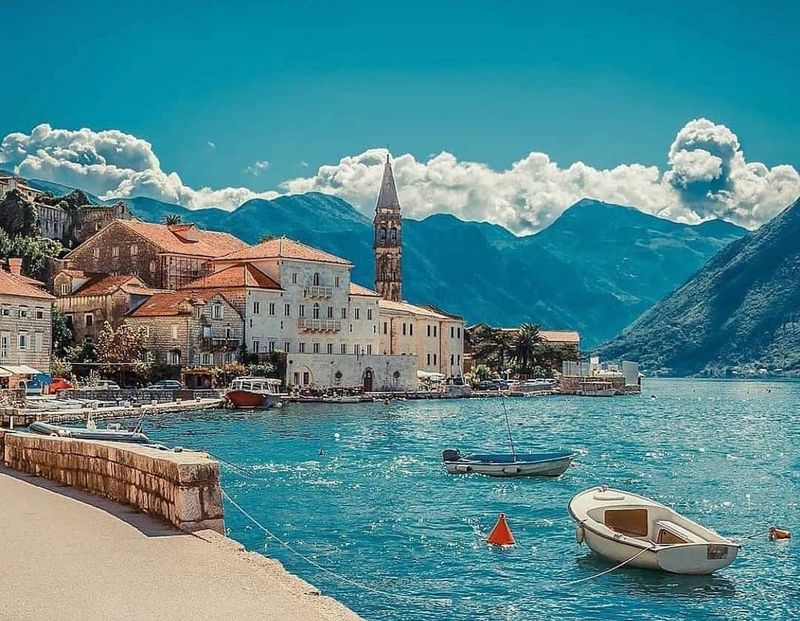
Sailors have described the approach into Kotor Bay as one of the most dramatic passages in all of European cruising — and they are not exaggerating. The ship winds through a narrow channel flanked by mountains that rise sharply from the water’s edge, creating a fjord-like experience that feels more Scandinavian than Adriatic.
The payoff at the end is extraordinary.
Kotor’s old town sits at the base of a steep cliff, encircled by medieval walls that zigzag all the way up the mountain. The entire area is a UNESCO World Heritage Site, and the preservation is remarkable.
Cats are practically the unofficial mascots of the city — they roam freely through the cobblestone alleys and locals take their care seriously.
Climbing the city walls rewards hikers with panoramic views of the bay and the terracotta rooftops below. The hike takes about 45 minutes and involves nearly 1,400 steps, but the view from the top is absolutely worth the effort.
Kotor also hosts a lively summer festival scene, so check the local calendar before you visit — you might stumble into something unexpected and wonderful.
Sydney, Australia
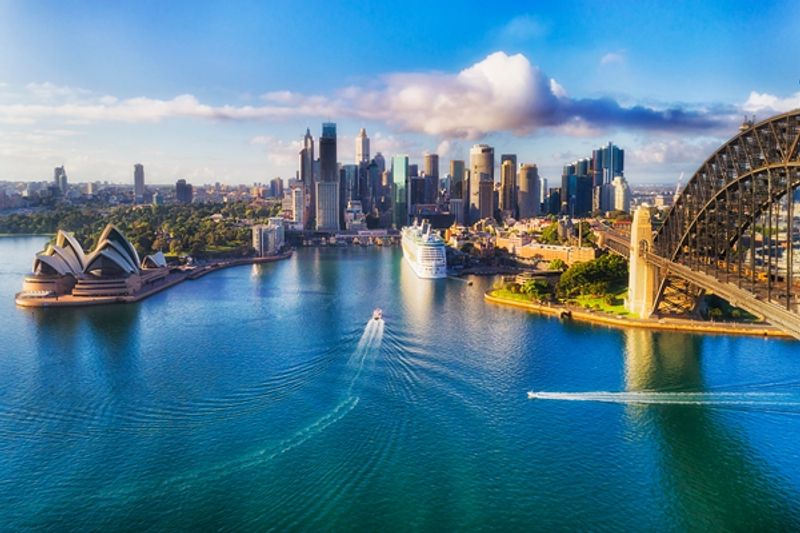
Pulling into Sydney Harbour on a clear morning is the kind of experience that makes people emotional — and not just first-timers. The Opera House appears to the port side, its distinctive shell-shaped roof gleaming white against the skyline, while the Harbour Bridge arches overhead in a single bold sweep of steel.
It is one of the most recognized cityscapes on the planet.
Sydney’s harbor is one of the largest natural harbors in the world, stretching over 55 kilometers of shoreline. Cruise ships dock at the Overseas Passenger Terminal, which is practically right in the heart of the city — steps from the Rocks neighborhood, the Botanic Gardens, and Circular Quay.
Very few ports offer this level of instant access to world-class attractions.
The city has a wonderfully laid-back energy that contrasts nicely with its impressive scale. Ferries criss-cross the harbor constantly, and hopping on one to Manly Beach is one of the best cheap thrills in travel.
For the brave, the Harbour Bridge Climb offers a 360-degree view of the city that is absolutely unforgettable. Sydney rewards both the spontaneous explorer and the careful planner equally well.
Dubrovnik, Croatia
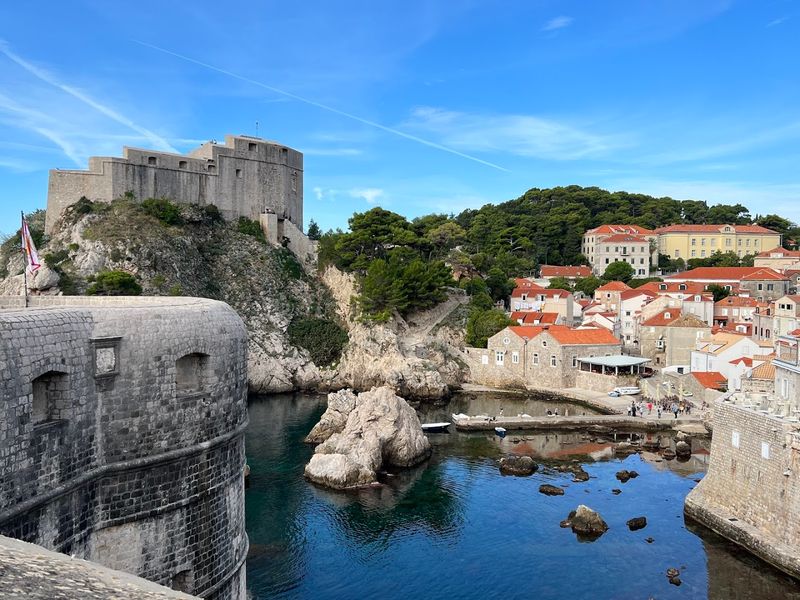
Game of Thrones fans will recognize Dubrovnik immediately — it doubled as King’s Landing in the show, and honestly, the real city is even more impressive than the TV version. The ancient limestone walls wrap around a perfectly preserved medieval city right on the edge of the Adriatic, making every angle a postcard.
It is almost aggressively photogenic.
Walking the city walls is the single best thing to do in Dubrovnik. The circuit takes about two hours at a leisurely pace and offers constantly changing views of the red-roofed old town on one side and the sparkling sea on the other.
The walls were built between the 13th and 16th centuries and have survived wars, earthquakes, and — more recently — massive tourist crowds.
Speaking of crowds: Dubrovnik is one of the busiest cruise ports in the Mediterranean, and the old town can get congested between 10am and 5pm. Arriving early or staying late in the afternoon makes a noticeable difference.
The cable car up to Mount Srd offers a bird’s-eye view of the entire city and coastline that is well worth the short ride.
Ushuaia, Argentina
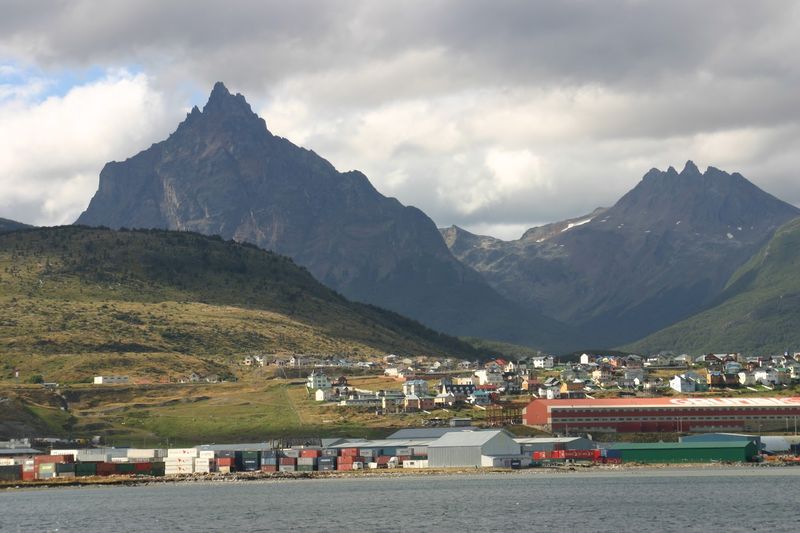
Welcome to the end of the world — literally. Ushuaia proudly holds the title of the southernmost city on Earth, sitting at the tip of South America where the Andes mountains tumble into the Beagle Channel.
The light here has a quality unlike anywhere else: sharp, cold, and almost metallic, especially in the early morning.
Most passengers arriving in Ushuaia are either returning from Antarctica or heading toward it, which gives the port a thrilling sense of adventure. The town itself is small and colorful, with a distinctly frontier feel.
Local restaurants serve king crab pulled fresh from the channel, and it is genuinely one of the best seafood meals you will have on any cruise itinerary.
The surrounding Tierra del Fuego National Park is spectacular and easy to reach from the dock. Trails wind through lenga beech forests to glacial lakes and beaver-dammed rivers — yes, beavers were introduced here in the 1940s and have been remodeling the landscape ever since.
The Museo del Fin del Mundo in town tells the full, fascinating story of this remote and remarkable place. Ushuaia is not just a stopover; it is a destination in its own right.
Geiranger, Norway
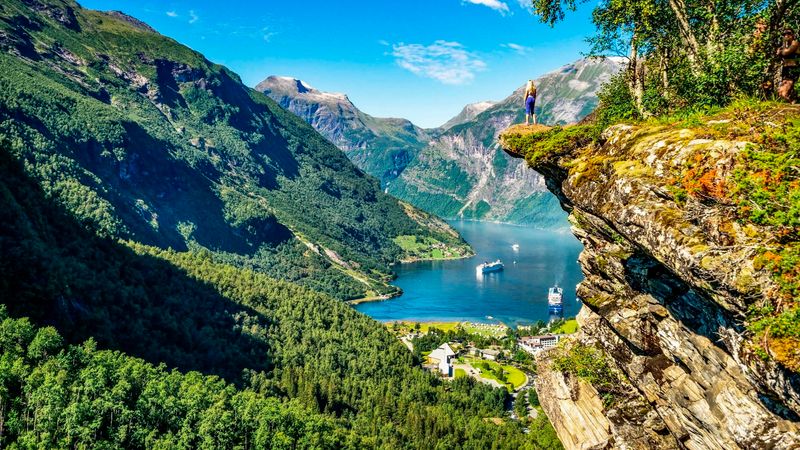
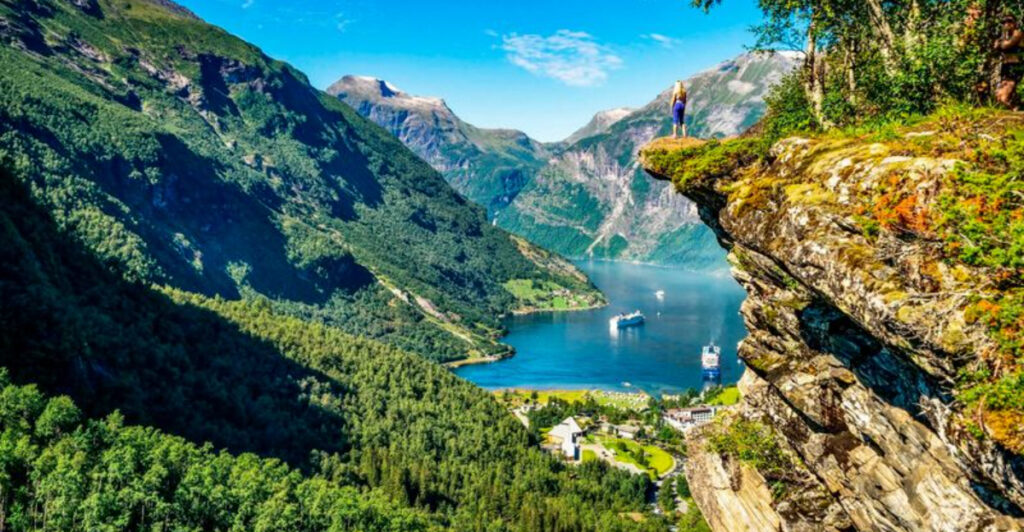
Silence is the first thing passengers notice when a ship enters Geirangerfjord. The engine noise seems to fade as the towering cliffs close in on both sides, and waterfalls — including the famous Seven Sisters — cascade hundreds of meters down sheer rock faces into the fjord below.
It is the kind of scenery that makes people put their phones down just to stare.
Geirangerfjord is a UNESCO World Heritage Site and one of Norway’s most celebrated natural wonders. The fjord stretches about 15 kilometers inland and reaches depths of over 260 meters.
The water is an extraordinary shade of blue-green, fed by snowmelt from the mountains above, and it stays remarkably clear throughout the summer season.
The small village of Geiranger at the head of the fjord has a population of just around 250 permanent residents, which makes it feel genuinely intimate despite the cruise traffic. The Flydalsjuvet viewpoint above the village offers one of the most photographed perspectives of the fjord — look for the overhanging rock jutting out above the water.
Kayaking tours are available for those who want to experience the fjord at water level, and the quiet is extraordinary out on the open water.
Barcelona, Spain
Barcelona does not ease you in gently — it hits you with color, noise, food smells, and architectural genius all at once, and somehow it works perfectly. The port sits right at the foot of Las Ramblas, the city’s famous tree-lined boulevard, making it one of the most walkable cruise arrivals in Europe.
You can be eating tapas within fifteen minutes of docking.
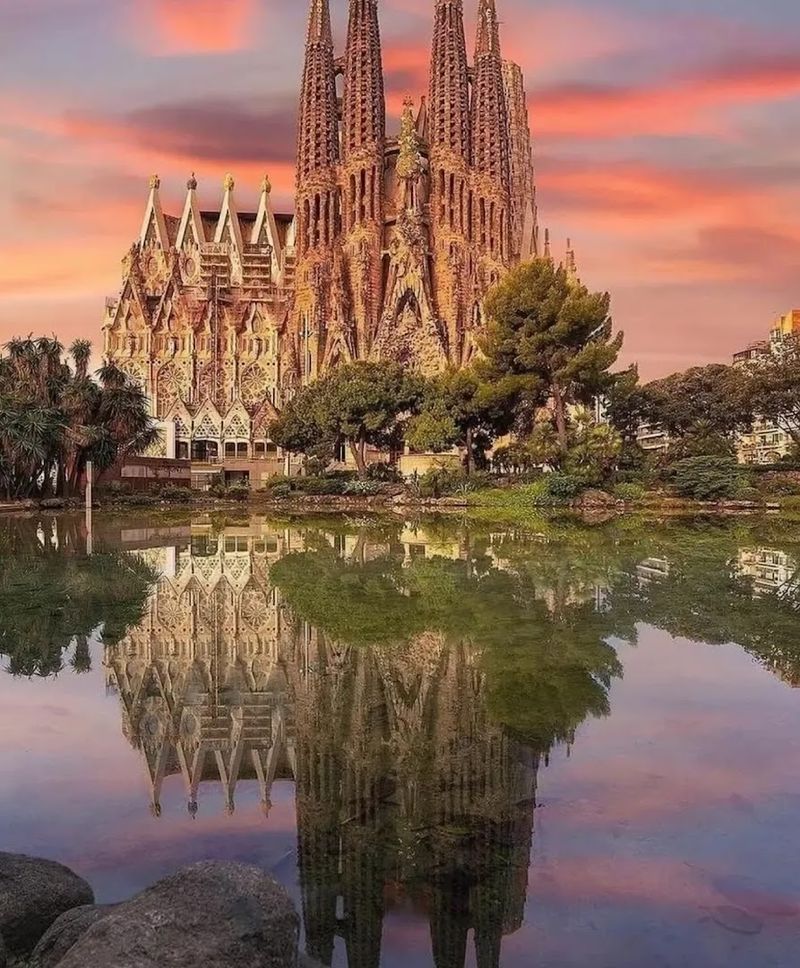
Antoni Gaudi’s fingerprints are all over this city. The Sagrada Familia basilica has been under construction since 1882 and is still not finished, yet it already draws over four million visitors a year.
Park Guell, Casa Batllo, and Casa Mila are all within easy reach of the port and represent some of the most wildly creative architecture ever built anywhere on Earth.
Beyond Gaudi, Barcelona offers world-class beaches, a thriving food scene, and a nightlife culture that does not get started until most people are already in bed. The Gothic Quarter near the port is a maze of narrow medieval streets hiding excellent restaurants and independent shops.
For football fans, a visit to Camp Nou — home of FC Barcelona — is practically a religious experience. This city genuinely has something for every type of traveler.
Juneau, Alaska
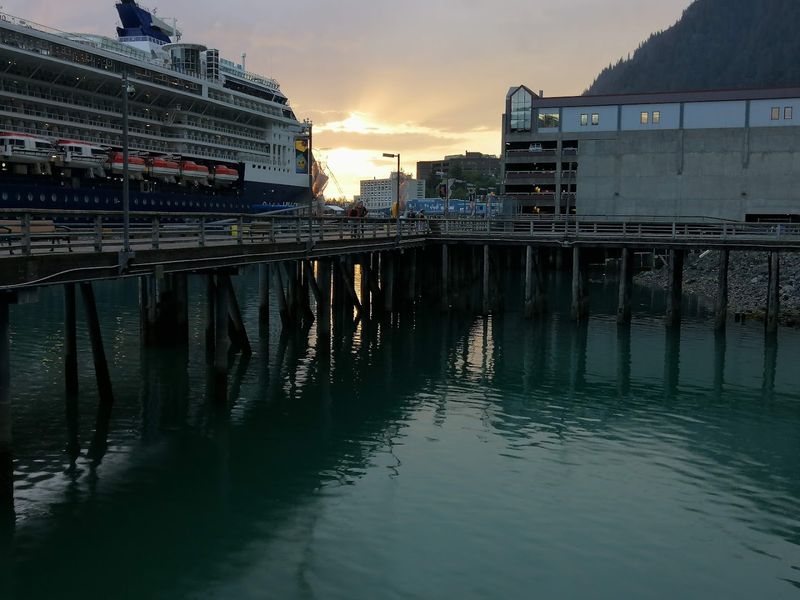
Juneau is the only state capital in the United States that cannot be reached by road — the only ways in are by boat or by plane, which immediately tells you something interesting about this place. The city is wedged between steep mountain peaks and the Gastineau Channel, with rainforest pressing in from every direction.
It rains a lot here, but somehow that just adds to the atmosphere.
The Mendenhall Glacier is the star attraction, sitting just 12 miles from downtown and accessible by bus from the dock. This 13-mile-long river of ice has been retreating in recent decades, but it remains a genuinely awe-inspiring sight.
Visitors can walk right up to the terminal face and hear the deep creaking sounds the glacier makes as it moves.
Wildlife encounters are practically guaranteed in Juneau. Humpback whales feed in the channel throughout the summer, bald eagles perch on practically every other tree, and brown bears fish for salmon in nearby streams.
Whale-watching tours depart directly from the cruise dock. The Mount Roberts Tramway whisks visitors 1,800 feet up the mountainside for panoramic views of the channel and surrounding peaks.
Juneau rewards the adventurous traveler more than almost any other port on an Alaska itinerary.
Palermo, Italy
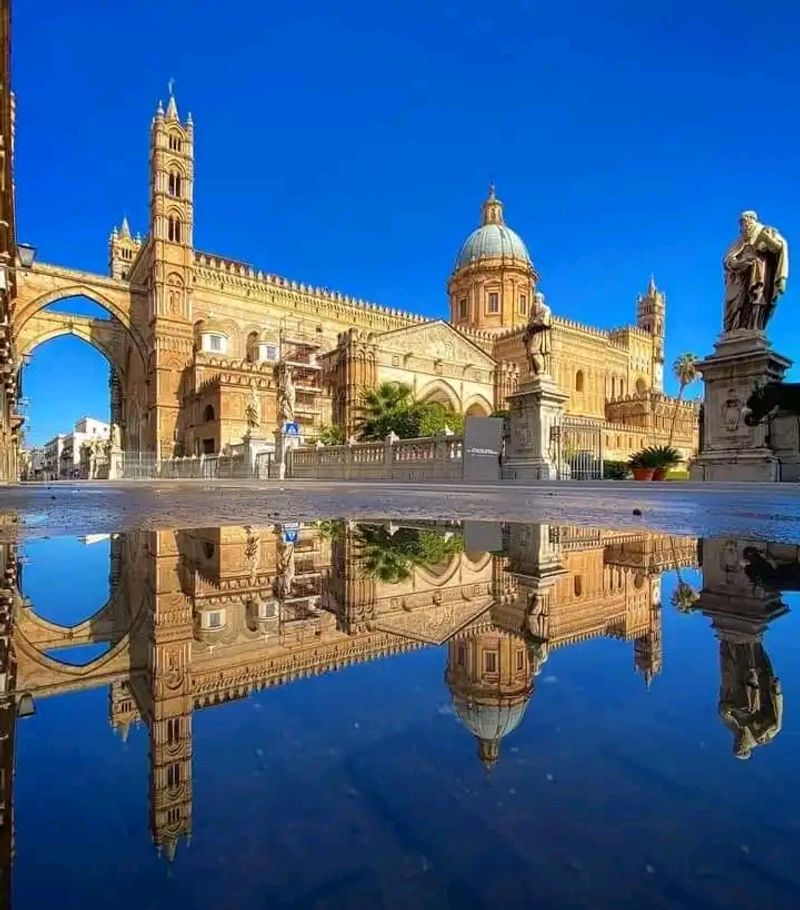
Mount Pellegrino towers above Palermo’s harbor like a guardian, and the approach by ship gives passengers a dramatic first look at this complex, layered city. Goethe called Pellegrino the most beautiful headland in the world — high praise from a man who had traveled extensively.
The mountain is still home to a celebrated pilgrimage sanctuary, drawing visitors for centuries.
Palermo’s food market scene is legendary. The Ballar market near the historic center is one of the loudest, most chaotic, and most delicious places in Italy, overflowing with fresh fish, street food, vegetables, and vendors calling out prices in thick Sicilian dialect.
Arancini, panelle, and sfincione are all must-tries that cost almost nothing and taste extraordinary.
The city’s architecture reflects every civilization that has ruled Sicily: Arab-Norman churches with golden mosaics, baroque palaces, Spanish fortifications, and Liberty-style villas all coexist within walking distance. The Palatine Chapel inside the Norman Palace is considered one of the finest examples of Arab-Norman art in the world.
Palermo is also one of the more affordable ports on the Mediterranean circuit, which makes splurging on a long lunch at a family-run trattoria feel entirely guilt-free.
Bergen, Norway
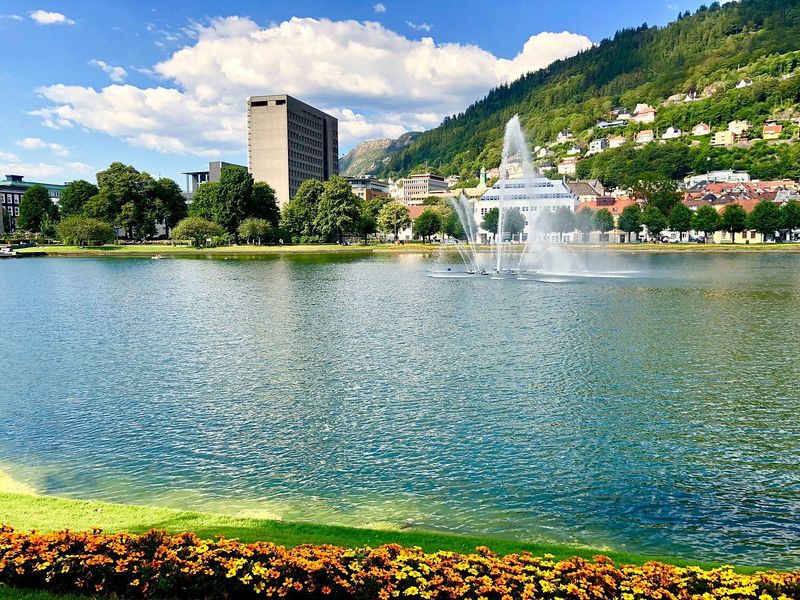
The Bryggen wharf in Bergen is one of the most distinctive sights in all of Scandinavia — a row of crooked, colorful wooden buildings leaning gently against each other like old friends, their reflections shimmering in the harbor water. Built by Hanseatic merchants in the 14th century, they have survived fires, floods, and the passage of seven centuries.
They are now a UNESCO World Heritage Site and the heart of Bergen’s identity.
Seven mountains surround the city, which locals call the Seven Mountains of Bergen, and the Floibanen funicular carries visitors to the top of Mount Floyen in just eight minutes. The view from the top stretches across the entire city, the surrounding fjords, and on clear days, far out to sea.
The funicular runs year-round and is one of the best value experiences in Norway.
Bergen is also famously rainy — locals joke that the city has two seasons: winter and July. But the rain gives the city its lush, green character and keeps the mountains looking impossibly vivid.
The fish market at the harbor is excellent and lively, serving fresh shrimp, smoked salmon, and Bergen’s famous fish cakes. As the gateway to the Norwegian fjords, Bergen makes an ideal base for day trips to Hardangerfjord and Sognefjord.
Cape Town, South Africa
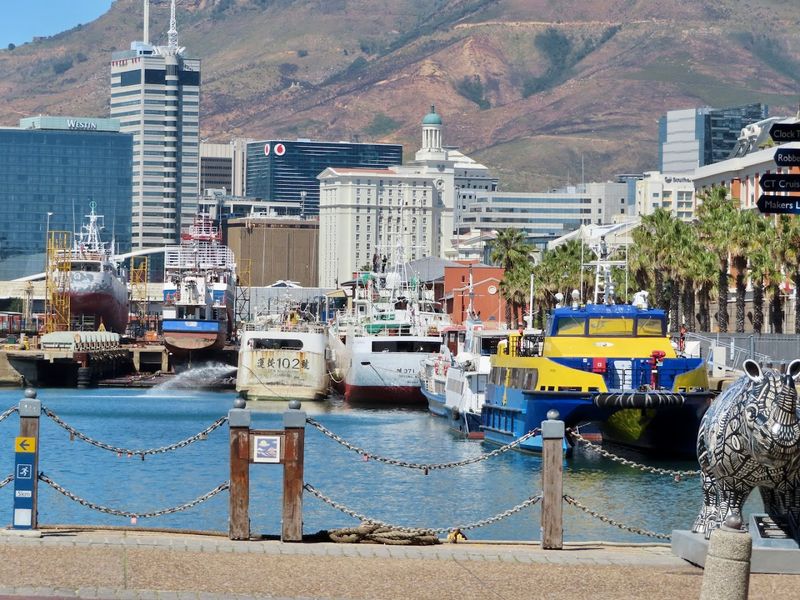
Table Mountain does not ease into the skyline — it just sits there, flat-topped and enormous, hovering above the city like the world’s most impressive backdrop. Cape Town’s harbor arrival is consistently voted one of the most dramatic on Earth, and the mountain is the main reason why.
On a clear day, the view from the dock is simply staggering.
The Victoria and Alfred Waterfront — where cruise ships dock — is one of the most vibrant harbor developments in the world. Restaurants, museums, a working harbor, and craft markets all share the same space, making it easy to fill an entire day without ever venturing far from the ship.
The Two Oceans Aquarium here is a particular highlight for families.
Cape Town sits at the meeting point of the Atlantic and Indian Oceans, which gives the region extraordinary biodiversity. Boulders Beach near Simon’s Town is home to a resident colony of African penguins that waddled their way into locals’ hearts decades ago.
The Cape of Good Hope, the Cape Winelands, and Robben Island — where Nelson Mandela was imprisoned for 18 years — are all accessible on day trips. Cape Town is one of those rare cities that manages to be genuinely world-class in nearly every category.
Reykjavik, Iceland
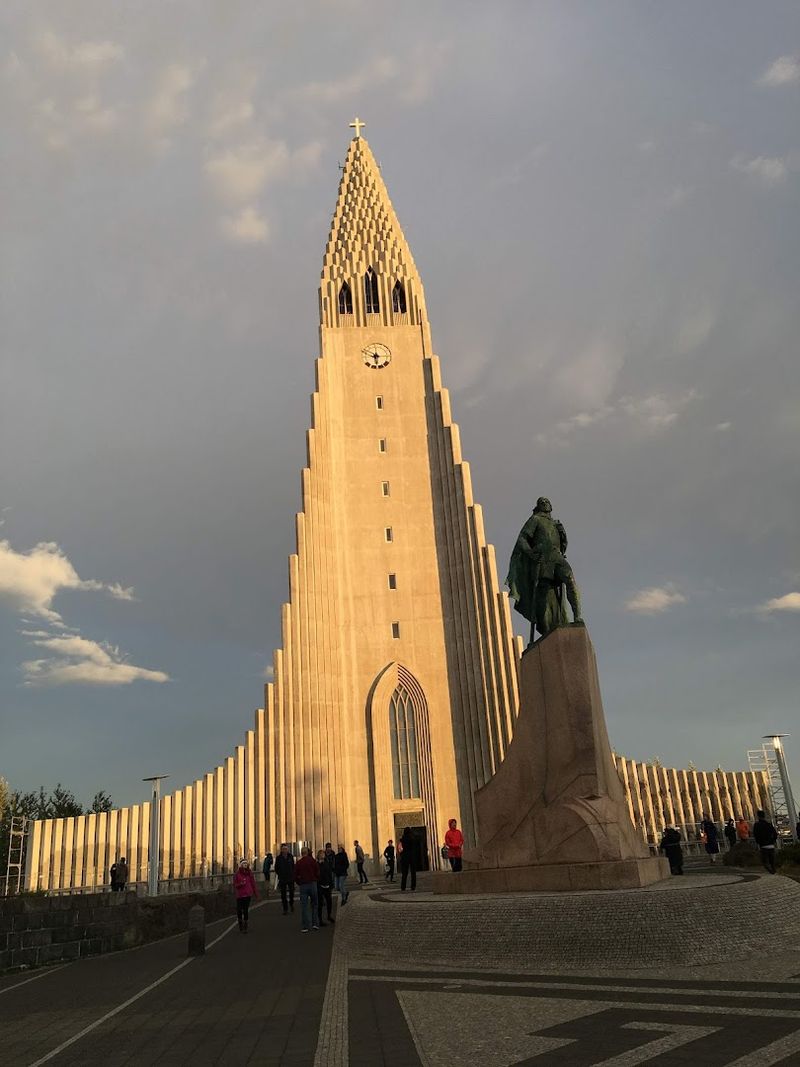
Reykjavik looks like a city that was designed by someone who had never seen a boring color in their life. The houses are painted in vivid reds, blues, yellows, and greens, and the whole compact downtown is presided over by the rocket-shaped Hallgrimskirkja church, which stands 74 meters tall and can be seen from practically everywhere.
It is a quirky, cheerful, endlessly surprising place.
Iceland itself is the real draw, and Reykjavik is the launchpad. The Golden Circle — a loop that takes in the erupting Strokkur geyser, Gullfoss waterfall, and the original Thingvellir parliament site — can be done as a full-day excursion from the port.
The Blue Lagoon geothermal spa is closer still and makes for an unforgettable afternoon soak.
The Northern Lights are visible from Reykjavik between September and April, adding another layer of magic to winter cruises. Summer sailings bring the midnight sun, when the sky never fully darkens and the golden light stretches on for hours after midnight.
Iceland’s food scene has improved dramatically in recent years — try the lamb soup, the skyr, and the fresh-caught Arctic char. Reykjavik punches well above its weight for a capital city of just 130,000 people.
St. Thomas, U.S. Virgin Islands
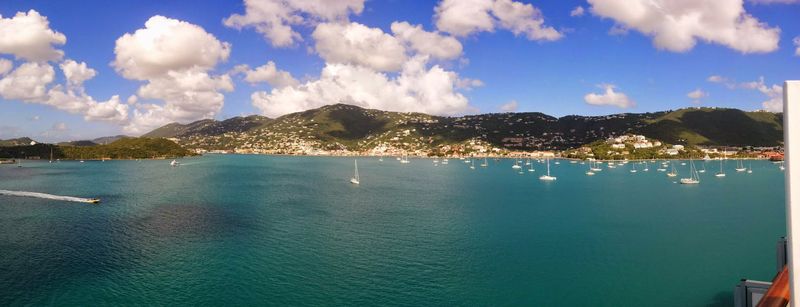
The water around St. Thomas is the kind of turquoise that looks digitally enhanced in photos — but it is completely real, and it is even more vivid in person. Charlotte Amalie harbor is one of the busiest cruise ports in the Caribbean, and on a busy day, multiple massive ships anchor side by side in the bay.
The sheer scale of it is almost comical, but the scenery somehow holds its own.
St. Thomas has been a trading hub since the 17th century when the Danish built Fort Christian and established a port that attracted merchants from across the Atlantic world. That history is still visible in the colorful colonial architecture of Charlotte Amalie, where pastel-painted warehouses now house duty-free shops selling jewelry, rum, and locally made goods.
Magens Bay on the north shore is regularly listed among the most beautiful beaches in the world, and getting there from the port is a quick taxi ride over the island’s central ridge. The view from Drake’s Seat lookout point — a hilltop perch overlooking the bay and surrounding islands — is breathtaking and costs absolutely nothing.
Snorkeling at Coki Beach offers underwater visibility that stretches out for dozens of meters on a calm day.
Naples (Amalfi Coast), Italy
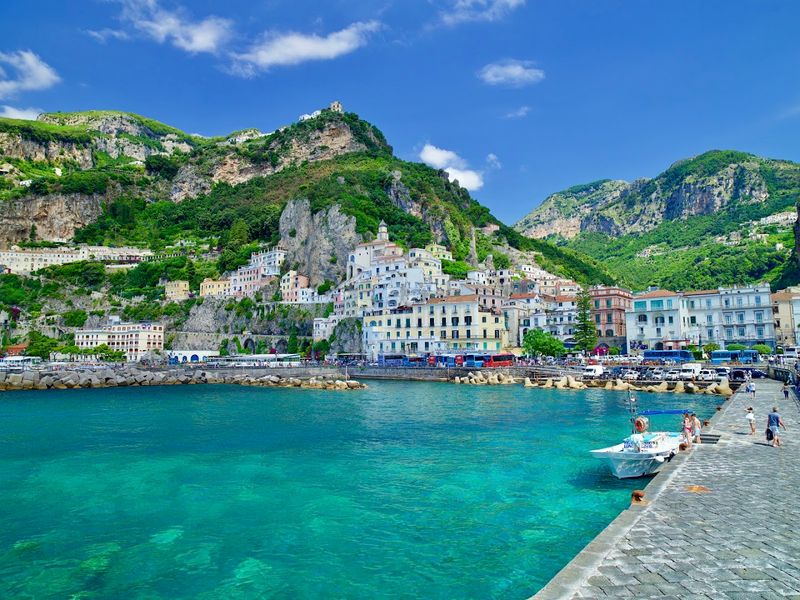
Mount Vesuvius watches over Naples from across the bay with the quiet authority of a volcano that last erupted in 1944 and has not forgotten how. The approach into the Bay of Naples is one of the most historically loaded arrivals in all of cruising — this is the same view that Roman emperors, Greek colonists, and countless sailors have been staring at for over 2,500 years.
Naples itself is loud, chaotic, passionate, and absolutely delicious. This is the birthplace of pizza, and a margherita from a wood-fired oven in the Spaccanapoli neighborhood is a genuinely life-changing experience.
The city’s street food culture — fried pizza, sfogliatella pastries, and espresso drunk standing at the bar — is equally unmissable.
The Amalfi Coast stretches south of Naples in a series of dramatic clifftop villages — Positano, Ravello, and Amalfi itself — that cling to the rocks above the turquoise Tyrrhenian Sea. Day trips from the port also reach Pompeii and Herculaneum, the Roman cities buried by Vesuvius in 79 CE and preserved in extraordinary detail.
Whether you spend the day eating, exploring ancient ruins, or simply staring at the coastline from a cliffside terrace, Naples delivers an overwhelmingly rich experience.
Share this story