Asia is a continent that seems almost too spectacular to be real. From towering mountain peaks and ancient jungle temples to crystal-clear lagoons and colorful valleys, it holds some of the most breathtaking scenery on the planet.
Whether you are an adventure seeker, a history lover, or just someone who enjoys stunning views, Asia has something that will leave you completely speechless. Get ready to discover 15 places that prove this continent is truly in a league of its own.
Ha Long Bay, Vietnam
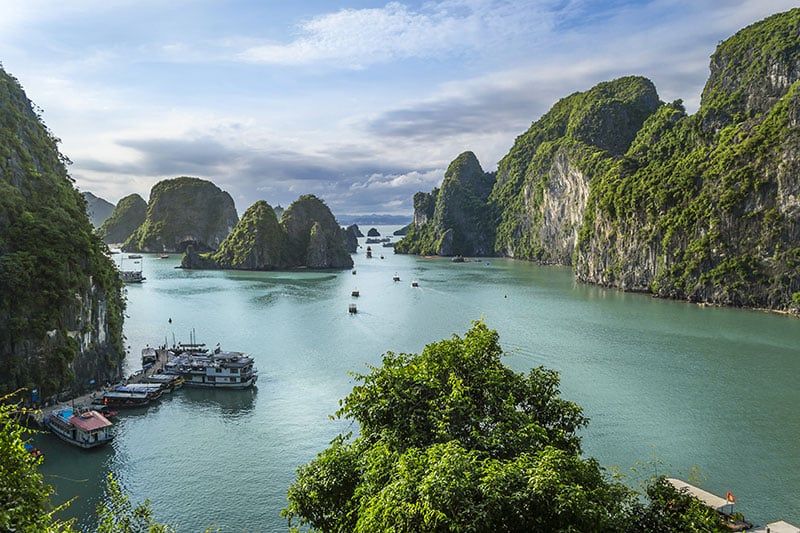
Imagine waking up on a boat, pulling back the curtain, and seeing thousands of rocky limestone towers jutting out of glowing green water. That is exactly what mornings look like in Ha Long Bay, Vietnam.
Spread across roughly 1,500 square kilometers, this UNESCO World Heritage Site contains around 1,600 islands and islets, many of them hollow with hidden caves inside.
Kayaking through narrow limestone archways is one of the most popular ways to explore the bay up close. You can paddle into sea caves, discover secluded lagoons, and spot floating fishing villages that have existed here for generations.
The water changes color depending on the light, shifting from jade green in the morning to deep blue by afternoon.
Overnight cruises are the best way to experience Ha Long Bay without rushing. Most boats offer comfortable cabins, fresh seafood meals, and guided cave tours.
Booking a two-night cruise gives you enough time to reach the quieter, less crowded corners of the bay. Sunrise from the deck, with mist curling around the limestone peaks, is something most visitors say they never forget.
Angkor Wat, Cambodia
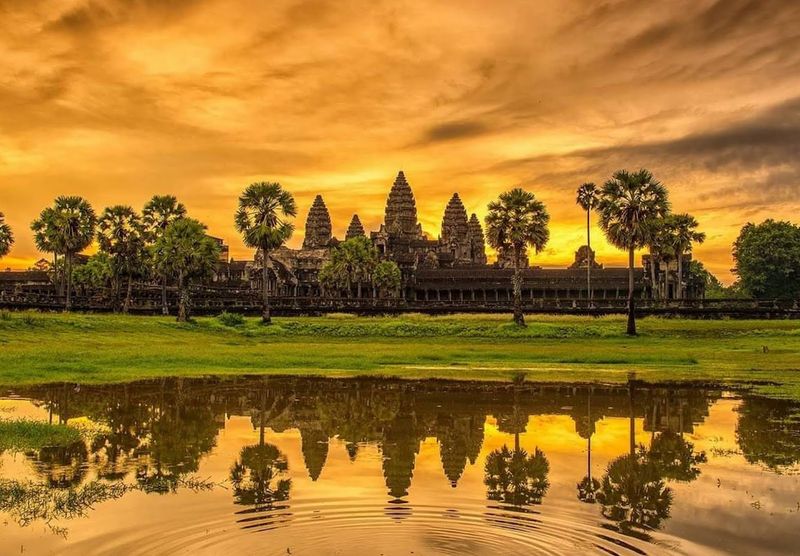
Built in the 12th century, Angkor Wat is the largest religious monument ever constructed by human hands. Its five iconic towers rise above the Cambodian jungle like something out of an ancient myth, and the sheer scale of the place is genuinely hard to wrap your head around until you are standing right in front of it.
Watching the sunrise from the reflecting pool at the main entrance is widely considered one of Asia’s greatest travel moments. The sky turns shades of orange and pink while the temple’s silhouette mirrors perfectly in the still water below.
Arrive by 5:00 a.m. to secure a good spot, because you will not be the only one with this idea.
Beyond the main temple, the Angkor Archaeological Park covers over 400 square kilometers and includes dozens of other remarkable ruins. Ta Prohm, famously swallowed by enormous tree roots, is another crowd favorite nearby.
Hiring a local guide is strongly recommended, since the carvings and stories covering every wall of Angkor Wat are far more interesting when someone explains what they actually mean. Plan at least two full days to explore the area properly.
Mount Fuji, Japan
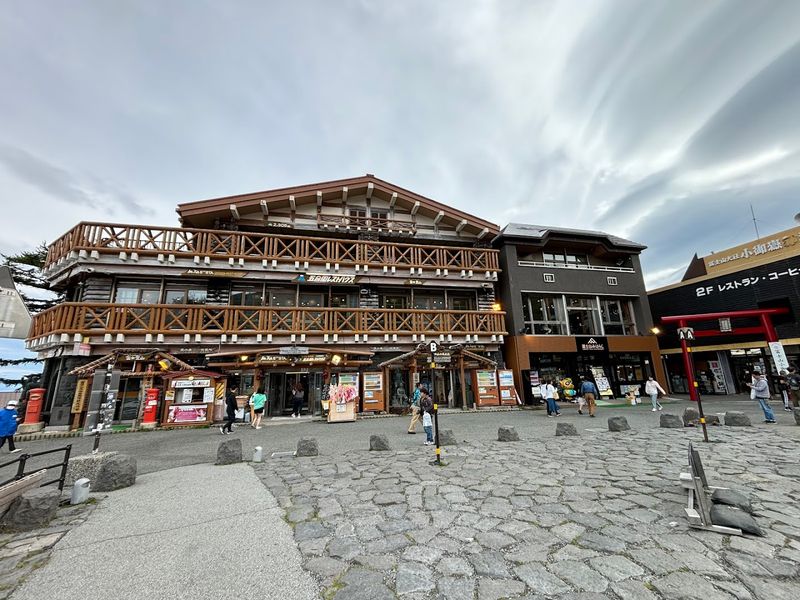
No photograph ever quite captures how majestic Mount Fuji looks in real life. Standing at 3,776 meters, Japan’s highest peak has a near-perfect cone shape that has appeared in thousands of paintings, poems, and woodblock prints over the past several centuries.
Seeing it for the first time, even from a distance, tends to stop people mid-sentence.
The official climbing season runs from early July to mid-September, and thousands of hikers make the overnight trek each year to watch sunrise from the summit. It is a tough climb, but the reward of standing above the clouds at dawn is absolutely worth the effort.
Outside of climbing season, the views from Kawaguchiko Lake or the Fuji Five Lakes region are equally stunning.
Spring is arguably the best time to visit, when cherry blossoms bloom around the lake shores and frame the snowcapped mountain in pink and white. The Chureito Pagoda viewpoint near Fujiyoshida is one of the most photographed spots in all of Japan, and for very good reason.
Whether you are looking up at it from a bullet train window or hiking its slopes at midnight, Mount Fuji delivers every single time.
Raja Ampat, Indonesia
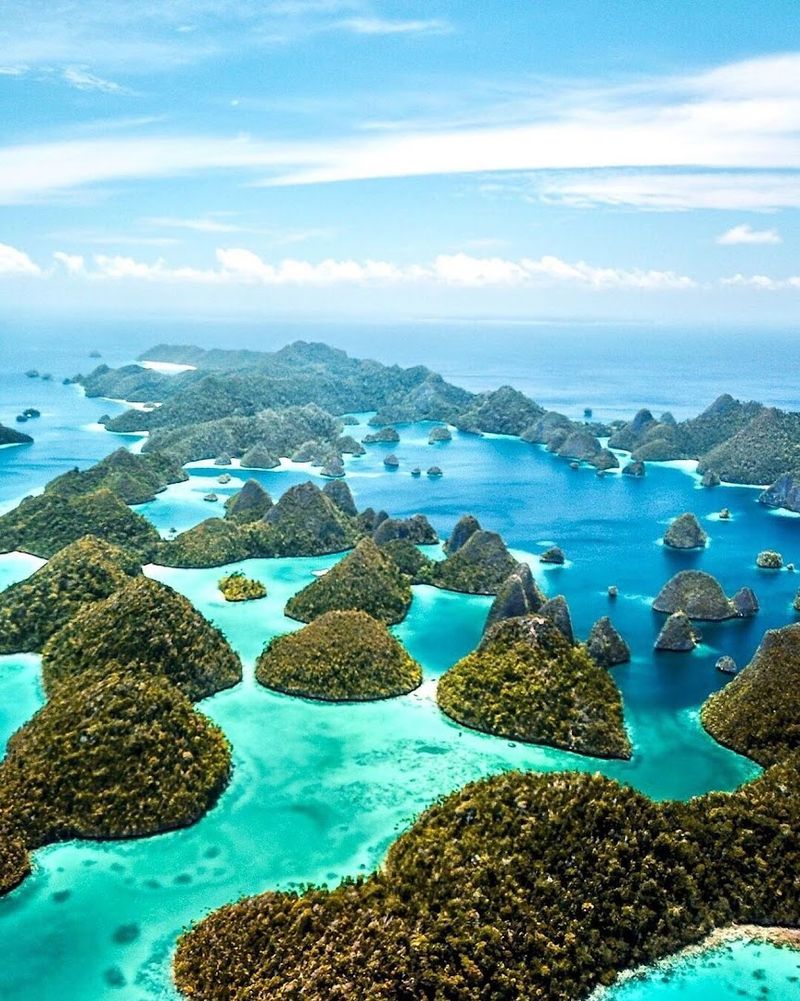
Scientists have recorded more species of fish and coral in Raja Ampat than almost anywhere else on the planet. Located off the western tip of Papua in Indonesia, this remote archipelago sits at the heart of the Coral Triangle, which is often called the Amazon of the ocean.
That reputation is well earned.
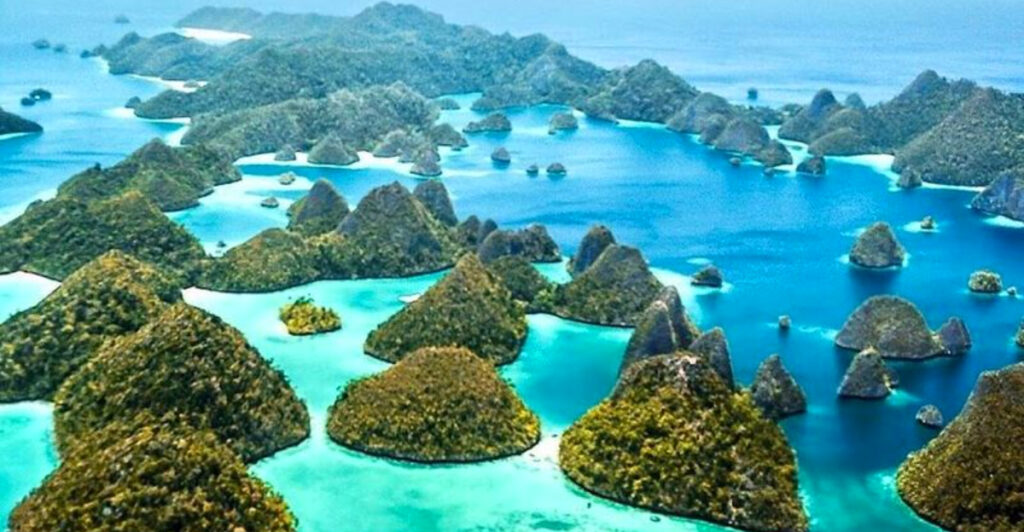
Above the water, the scenery is just as jaw-dropping. Jungle-covered limestone islands rise steeply from shallow turquoise lagoons, and traditional wooden boats called koliris drift quietly between them.
Snorkeling here feels like floating above an underwater city, with manta rays, reef sharks, and schools of brightly colored fish visible in just a few meters of water.
Getting to Raja Ampat requires some effort, usually a flight to Sorong followed by a ferry, but that distance is exactly what keeps it so unspoiled. Most visitors stay on liveaboard dive boats or small eco-resorts built on stilts above the water.
The best diving months are October through April, when visibility can reach over 20 meters. If you only snorkel once in your life, make it here.
Raja Ampat is the kind of place that ruins all other beaches for you permanently.
Zhangjiajie National Forest Park, China
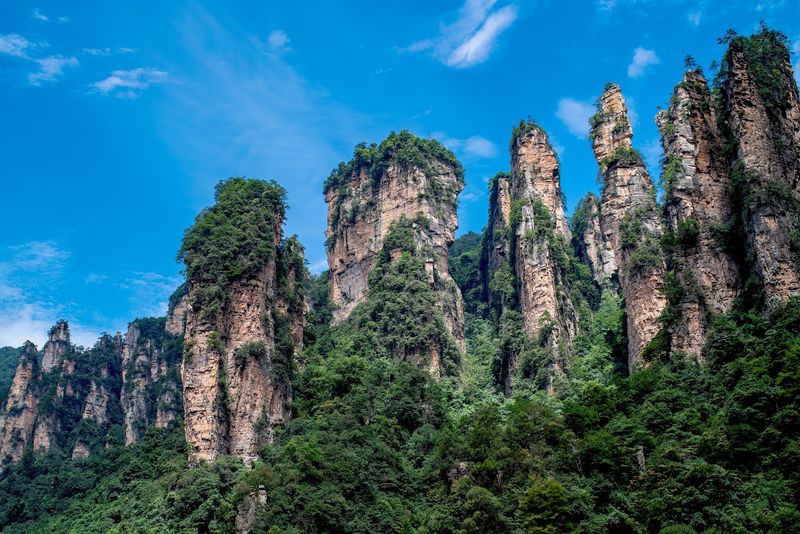
Walking on a glass-floored bridge suspended between two enormous sandstone columns while clouds drift below your feet is not a dream sequence. It is a Tuesday afternoon in Zhangjiajie, China.
This national forest park in Hunan Province features more than 3,000 towering quartzite sandstone pillars, many of them covered in green trees and draped in swirling mist.
The park famously inspired the floating Hallelujah Mountains in the blockbuster film Avatar, and seeing it in person makes that connection completely obvious. On misty mornings, the pillars seem to hover above the valley floor, disconnected from the earth below.
The Zhangjiajie Grand Canyon Glass Bridge, once the world’s longest and highest glass bridge, offers one of the most thrilling walkways on the planet.
Cable cars provide access to the higher viewing platforms, where panoramic views stretch across the entire pillar forest. The Tianmen Mountain cable car is the world’s longest passenger cable car at over seven kilometers.
Autumn is a fantastic season to visit, when golden foliage adds warm color to the already dramatic landscape. Wear comfortable shoes, because the park involves significant walking, but every single step rewards you with scenery that feels completely otherworldly.
El Nido, Philippines
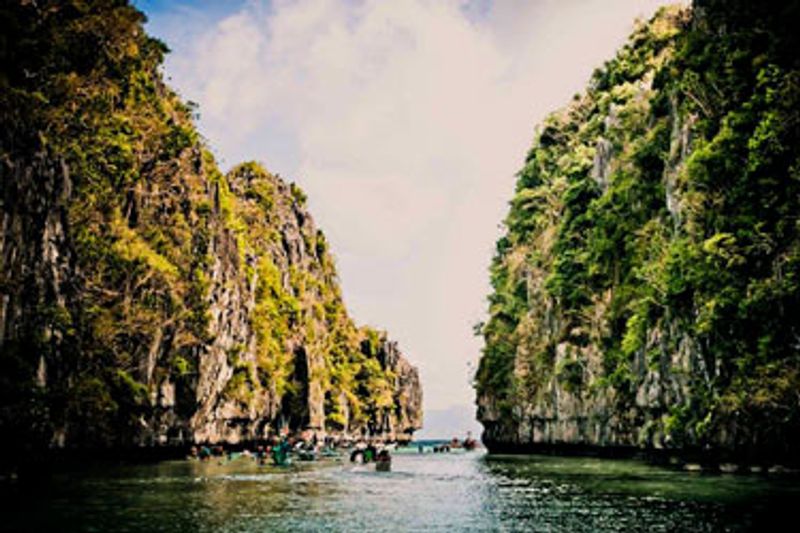
Paddling through a narrow gap in a limestone cliff and suddenly emerging into a completely hidden lagoon surrounded by jungle walls is the kind of experience El Nido delivers on a regular basis. Located on the island of Palawan in the Philippines, El Nido has been consistently ranked among the most beautiful island destinations in Southeast Asia, and the hype is completely justified.
The area is made up of more than 50 islands and islets, most of them explored by joining one of four popular island-hopping tours. Each tour covers a different cluster of beaches, lagoons, snorkeling spots, and coves.
The Big Lagoon and Small Lagoon are must-visits, offering stunning enclosed swimming areas that feel private even when other boats are nearby.
The town of El Nido itself has grown significantly in recent years, with plenty of restaurants, guesthouses, and beach bars lining the main street. Staying for at least four to five days gives you time to properly explore the different tour routes without feeling rushed.
Go during the dry season between November and May for the clearest water and calmest sea conditions. Sunsets from Nacpan Beach are particularly spectacular and worth the short drive from town.
Paro Valley, Bhutan
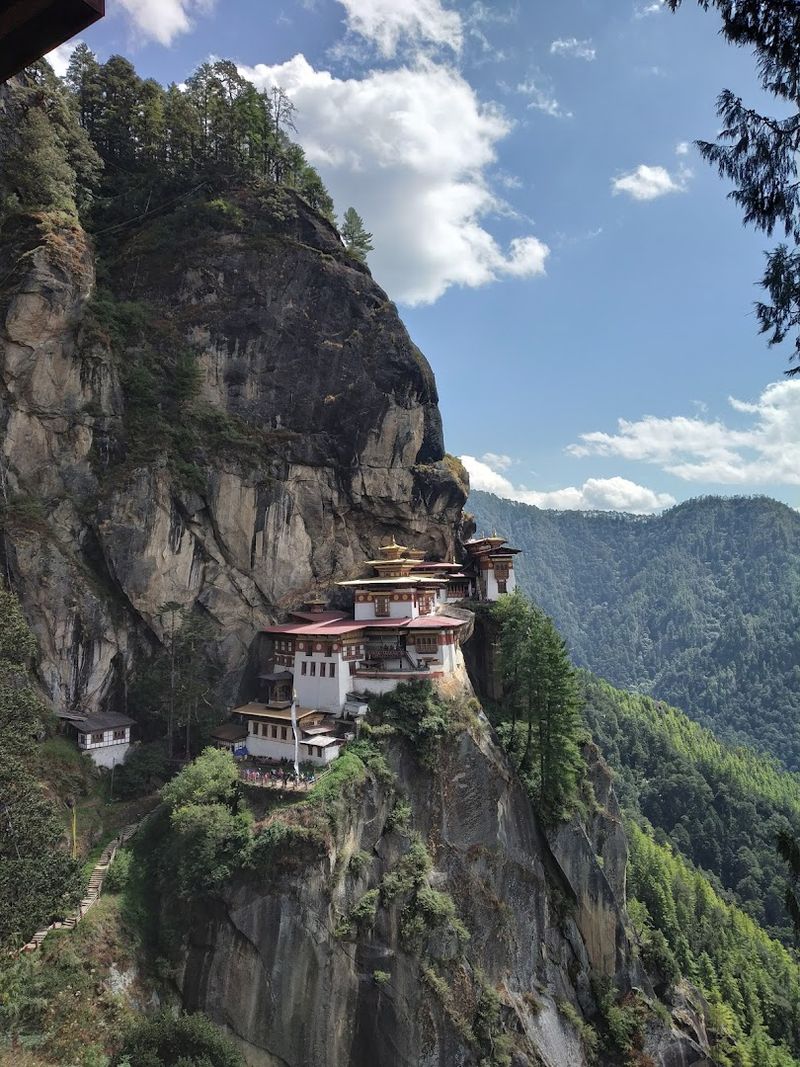
Clinging to a sheer cliff face 900 meters above the valley floor, Tiger’s Nest Monastery looks like it was placed there by someone with a very dramatic sense of interior decorating. Officially known as Paro Taktsang, this 17th-century Buddhist monastery in Bhutan is one of the most photographed buildings in Asia, and standing in front of it for the first time genuinely takes your breath away.
The hike up to Tiger’s Nest takes about two to three hours and passes through pine forests full of prayer flags and mountain views. A midpoint teahouse offers a perfect resting spot with a direct view of the monastery across the gorge.
The final section involves climbing steep stone steps carved directly into the cliff, which adds to the sense of adventure considerably.
Bhutan itself is a unique travel destination because the government limits tourist numbers by requiring visitors to pay a daily Sustainable Development Fee. This policy keeps the country beautifully uncrowded and helps protect its culture and environment.
The Paro Valley also contains Bhutan’s only international airport, surrounded by mountains so dramatic that pilots need special training to land there. Visiting Bhutan feels less like tourism and more like stepping into a completely different world.
Jiuzhaigou Valley, China
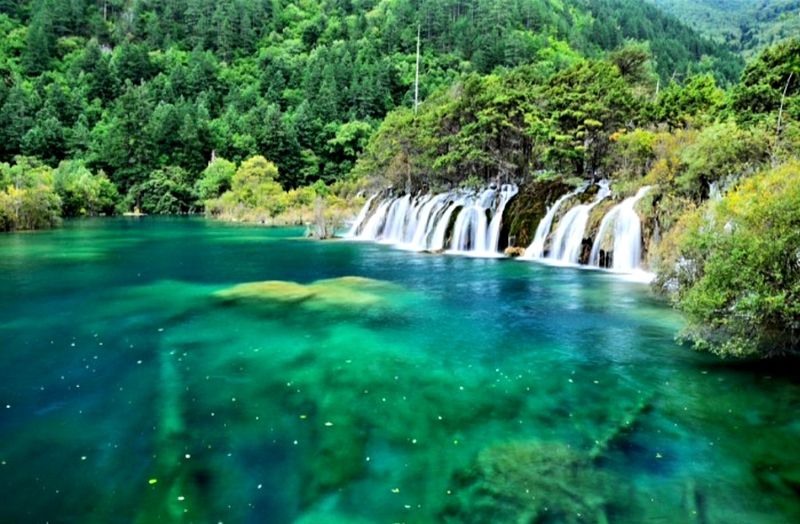
The lakes of Jiuzhaigou Valley look like someone spilled a giant paint set across the mountains of Sichuan Province. The water ranges from vivid turquoise to deep sapphire blue to bright green, sometimes all within the same lake, depending on the minerals dissolved in it.
These colors are completely natural and completely unbelievable until you see them in person.
Located in the Minshan mountain range, Jiuzhaigou is a UNESCO World Heritage Site that stretches across 720 square kilometers. Its name translates to Nine Village Valley, referring to the Tibetan villages historically scattered throughout the area.
Five Flower Lake is the most famous single spot, a shallow pool where the layered colors and submerged fallen trees are visible through perfectly clear water.
A major earthquake struck the valley in 2017, causing significant damage and closing the park for nearly two years. After careful restoration, Jiuzhaigou reopened with stricter visitor limits to protect its fragile ecosystem.
Autumn, from late September through October, is the absolute best time to visit. The surrounding forests explode into red, orange, and yellow foliage, which reflects in the colored lakes and creates some of the most stunning scenery found anywhere in Asia.
Book tickets well in advance for this season.
Komodo National Park, Indonesia
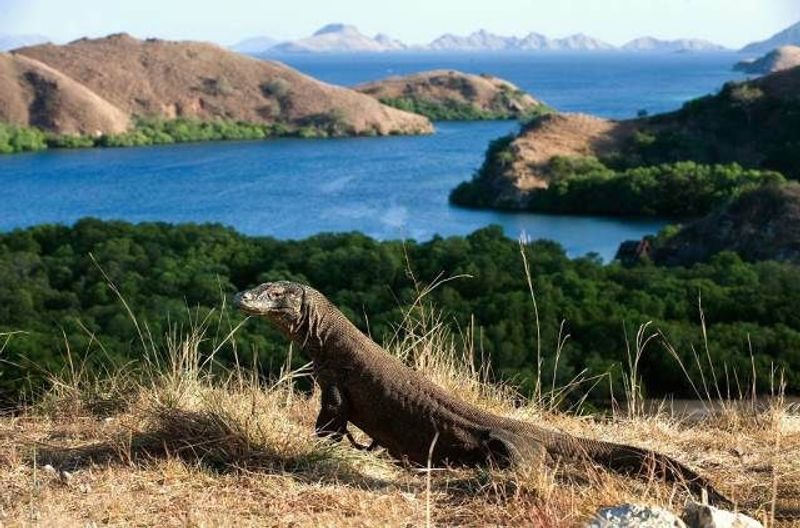
Most people come to Komodo National Park to see the dragons, and yes, watching a three-meter-long lizard lumber across a pink sand beach is every bit as wild as it sounds. But the park, located in eastern Indonesia between the islands of Sumbawa and Flores, offers far more than its famous prehistoric residents.
The pink sand beaches are a genuine highlight. Their color comes from tiny fragments of red coral mixed into the white sand, creating a soft rose-pink hue that photographs beautifully and looks even better in real life.
Pink Beach on Komodo Island is one of only a handful of pink sand beaches that exist anywhere in the world.
The underwater world here rivals even Raja Ampat in some areas. Strong currents flowing through the park bring cold, nutrient-rich water that supports extraordinary marine life, including manta rays, pygmy seahorses, dugongs, and massive schools of fish.
Diving in Komodo is considered world-class, with sites suitable for all experience levels. Most visitors reach the park by boat from Labuan Bajo on Flores Island.
Liveaboard trips lasting three to four days are the best way to combine dragon spotting, snorkeling, hiking, and beach visits without missing anything.
Annapurna Sanctuary, Nepal
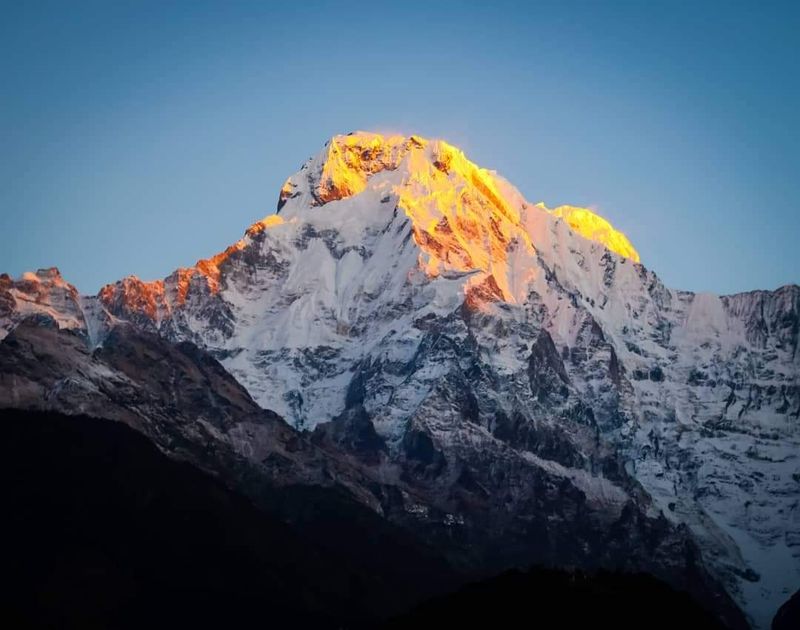
Standing inside the Annapurna Sanctuary feels like being at the center of the world’s most spectacular natural amphitheater. Surrounded on all sides by peaks exceeding 7,000 meters, including Annapurna I, the tenth highest mountain on Earth, this glacial basin in Nepal sits at around 4,130 meters above sea level.
The scale of everything around you is genuinely humbling.
The Annapurna Base Camp Trek, which leads into the sanctuary, is one of Nepal’s most popular trekking routes. Most hikers complete it in around ten to twelve days, passing through rhododendron forests, terraced rice fields, and traditional Gurung villages along the way.
The route is considered moderate in difficulty, making it accessible to reasonably fit trekkers without technical climbing experience.
Mornings in the sanctuary are extraordinary. The first light of sunrise hits the high peaks and turns them shades of orange and gold, a phenomenon known locally as alpenglow.
The reflection of those peaks in the frozen surface of the glacier below is one of Nepal’s most iconic visual moments. The best trekking seasons are March to May and September to November, when skies are clearest.
Hiring a licensed local guide not only keeps you safe but also supports the communities that have welcomed trekkers here for decades.
Guilin and the Li River, China
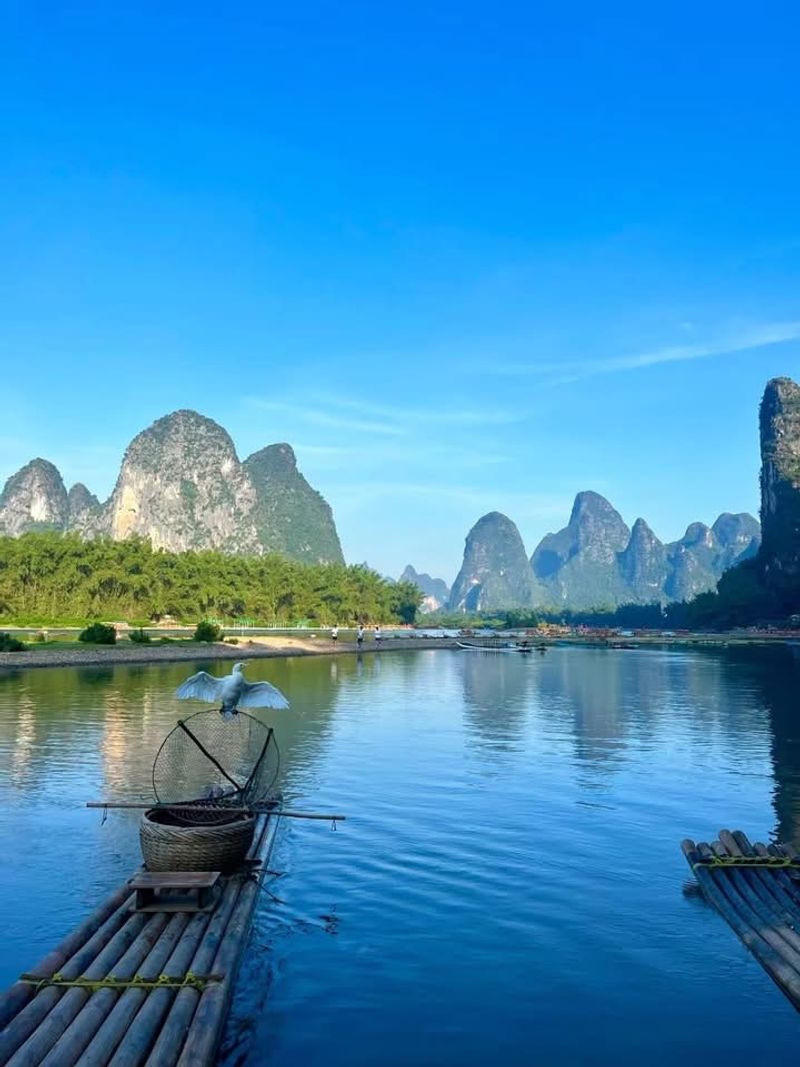
The Li River in southern China looks like it was painted by someone who had never seen an ugly landscape. Jagged karst peaks rise straight out of the water on both sides, draped in green vegetation and often wrapped in low morning mist.
This scenery has inspired Chinese painters and poets for well over a thousand years, and it still inspires travelers today.
A boat cruise from Guilin to Yangshuo is the classic way to experience the river, covering roughly 83 kilometers over four to five hours. Along the way, you pass iconic formations like Elephant Trunk Hill and Nine Horse Fresco Hill, each with its own legend attached.
The town of Yangshuo at the journey’s end is charming, full of cafes, night markets, and cycling routes through the surrounding karst countryside.
The 20 yuan banknote features a famous view of the Li River backed by karst peaks, which tells you just how important this landscape is to Chinese identity. Bamboo raft rides offer a quieter, more intimate alternative to the large tour boats.
Early morning is the best time to be on the water, before the mist burns off and before the tourist boats crowd the river. Guilin’s beauty is the kind that feels timeless.
Bali, Indonesia
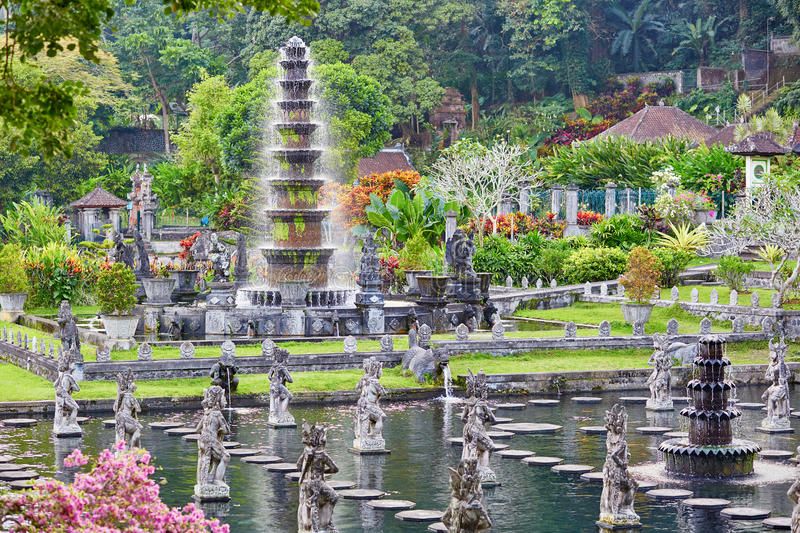
Bali has a way of making you feel like you have arrived somewhere fundamentally different from everywhere else. The air smells of incense and frangipani flowers.
Tiny woven offerings appear on doorsteps every morning. Roosters crow at 4 a.m.
Nobody seems particularly bothered by this. There is a rhythm to life here that is genuinely unlike anywhere else in the world.
The Tegallalang Rice Terraces near Ubud are among the most photographed landscapes in Asia, with layered emerald green fields carved into steep hillsides using an ancient cooperative irrigation system called subak. UNESCO recognized subak as a cultural landscape in 2012.
Watching the morning light move across those terraces while sipping a coffee is a perfectly acceptable way to spend several hours.
Bali also delivers on beaches, temples, and volcano hikes. Tanah Lot Temple, perched on a rock formation in the sea, is especially dramatic at sunset.
Mount Batur offers a popular sunrise hike with views over the caldera and neighboring mountains. Seminyak and Canggu attract surfers and beach lovers, while Ubud draws those interested in yoga, art, and traditional Balinese dance performances.
The island manages to be many things at once without feeling scattered. Bali simply works, and that is no small achievement.
The Maldives
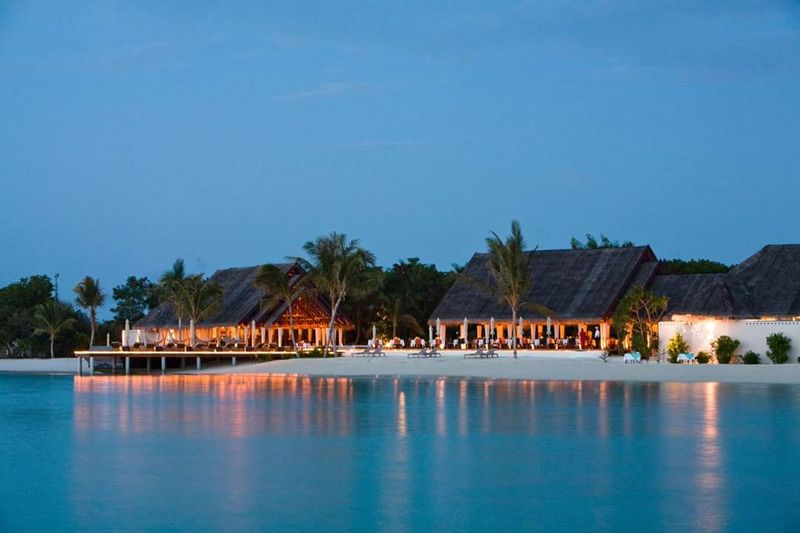
From above, the Maldives looks like someone scattered a handful of tiny green and white confetti across the Indian Ocean. Each coral atoll is ringed by a shallow turquoise lagoon so clear you can see the sandy bottom from a seaplane window at cruising altitude.
This is one of those rare places where the reality actually exceeds the brochure photography.
The country consists of 26 natural atolls and over 1,000 coral islands, of which only about 200 are inhabited. Tourism here largely revolves around private island resorts, many featuring the iconic overwater bungalows that have become globally synonymous with luxury travel.
Waking up, opening your villa door, and stepping directly into warm, bath-temperature ocean water is a very specific kind of happiness.
Beyond the resorts, the Maldives offers outstanding snorkeling and diving. Whale sharks, manta rays, and sea turtles are regularly spotted in the atolls, and the coral reefs, while suffering from bleaching events linked to warming oceans, still support remarkable marine diversity.
The Maldives sits just above sea level and is one of the countries most threatened by rising seas. Visiting now, while these extraordinary islands still exist in their current form, carries a sense of both privilege and urgency that adds genuine depth to the experience.
Hoi An, Vietnam
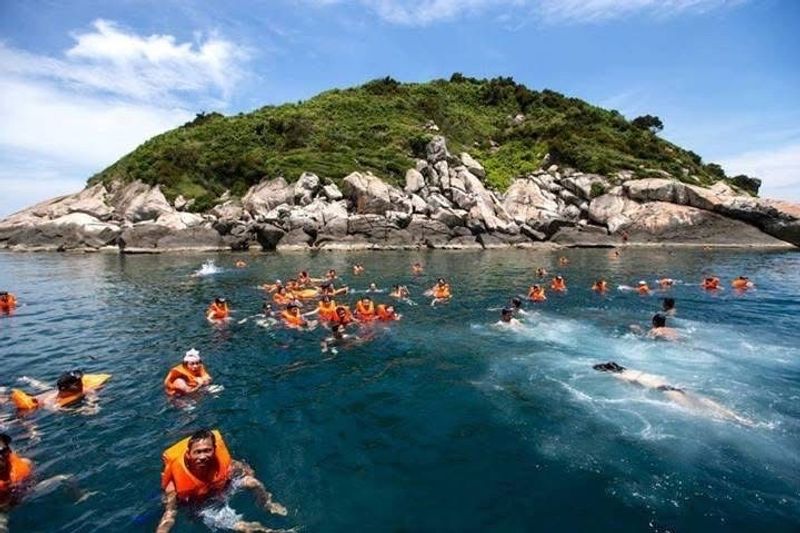
After dark, Hoi An transforms into something that feels lifted straight from a fairy tale. Hundreds of silk lanterns in red, orange, yellow, and blue hang across narrow streets, casting warm pools of light over ancient merchant houses and riverside cafes.
Every full moon, the town turns off its electric lights entirely and lets the lanterns do all the work. It is unforgettable.
Hoi An’s Ancient Town is a UNESCO World Heritage Site, preserving a remarkably intact trading port from the 15th through 19th centuries. The architecture blends Vietnamese, Chinese, Japanese, and European influences, reflecting the many cultures that once traded here.
The Japanese Covered Bridge, built around 1593, is the town’s most iconic landmark and still completely photogenic after four centuries of foot traffic.
Food is one of Hoi An’s greatest strengths. The town is famous for cao lau, a noodle dish made with water drawn specifically from local wells, and white rose dumplings that can only be found here.
Cooking classes are widely available and make for a fantastic half-day activity. An Bang Beach, just a short bike ride from the old town, offers a relaxed alternative to the busier central streets.
Hoi An rewards slow travel more than almost any other destination in Southeast Asia.
Mount Kailash and Ngari, Tibet, China
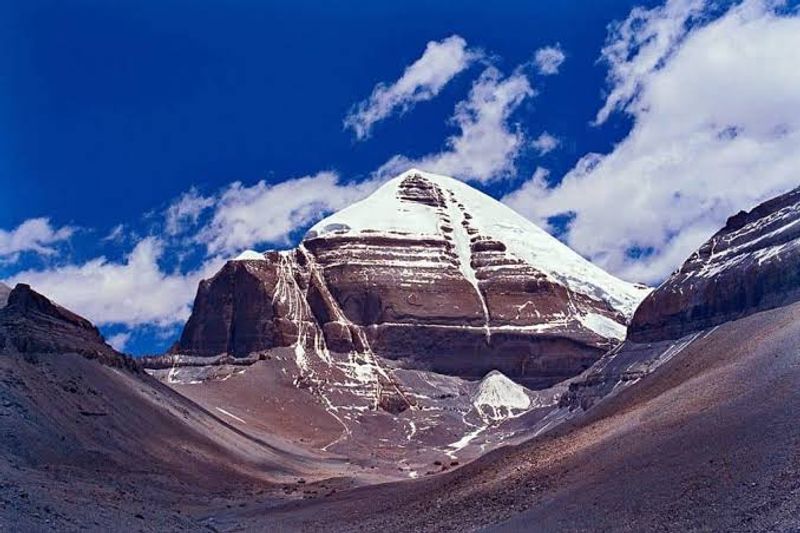
Four of the world’s great religions, Hinduism, Buddhism, Jainism, and Bon, all consider Mount Kailash the most sacred mountain on Earth. No one has ever climbed it, not because it is technically impossible, but because every attempt has been deliberately abandoned out of respect.
At 6,638 meters, it stands alone on the Tibetan plateau, perfectly symmetrical and genuinely otherworldly in appearance.
The Ngari region surrounding Kailash is one of the most remote inhabited places on the planet. The landscape is stark, vast, and deeply beautiful in a way that has very little to do with color or lushness.
Brown and grey plains stretch to the horizon, broken by dramatic ridgelines and the brilliant blue of Lake Manasarovar, which sits near the mountain’s base and is considered one of the holiest lakes in Asia.
Pilgrims from across Asia make the Kailash Kora, a 52-kilometer circumambulation of the mountain, completing it in one to three days depending on their pace and devotion. For many, it is the journey of a lifetime.
Reaching the area requires a special Tibet Travel Permit in addition to a Chinese visa, and organized tours are mandatory for foreign visitors. The difficulty and remoteness of getting here only deepens the sense that you have arrived somewhere truly extraordinary.
Share this story