Throughout history, people across every culture and faith have created stunning objects to honor what they hold most sacred. From golden statues to jeweled relics, these religious treasures carry centuries of devotion, artistry, and meaning.
Each one tells a story that goes far beyond its materials, connecting generations of believers to something greater than themselves. Here is a look at 15 of the most breathtaking religious treasures on Earth and the remarkable histories that surround them.
1. The Golden Buddha – Bangkok, Thailand
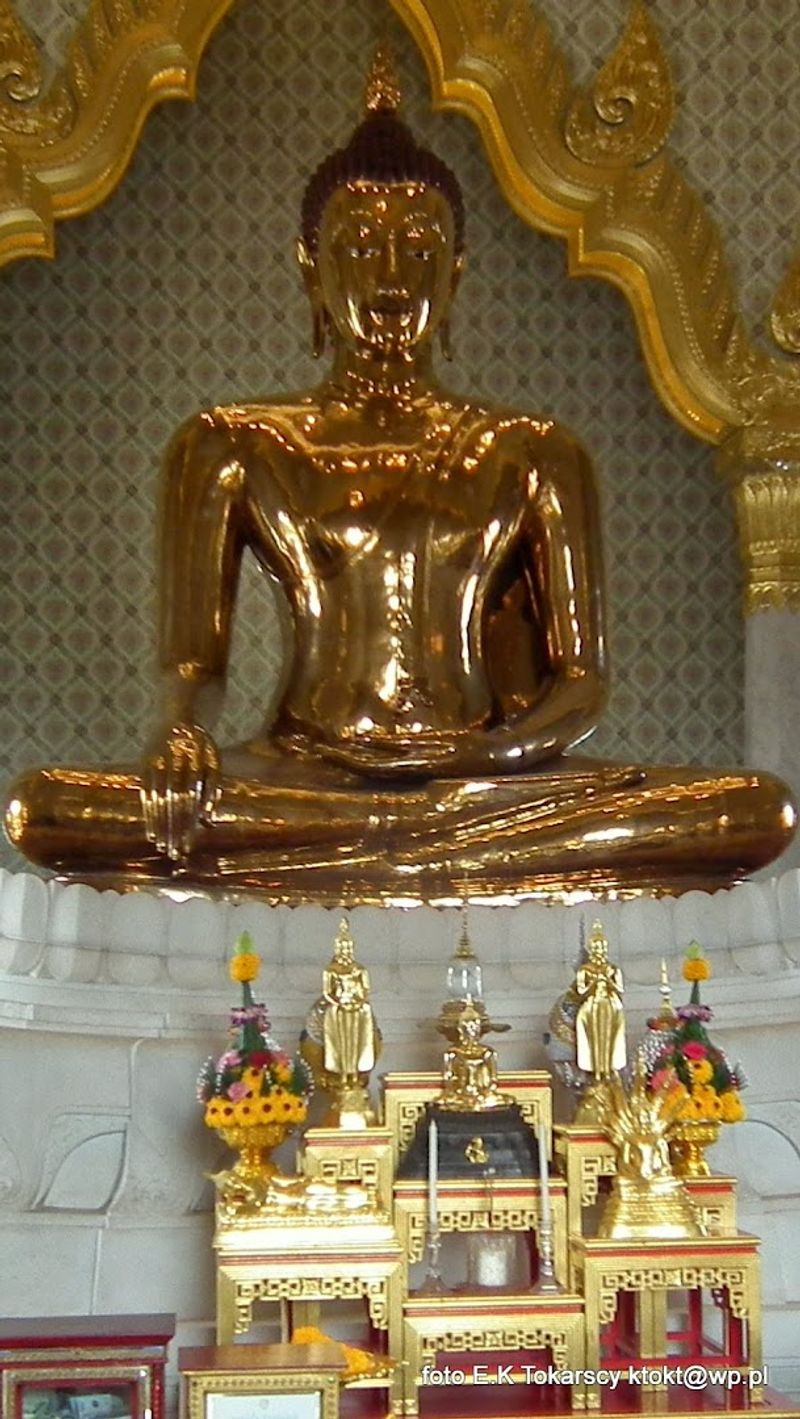
Weighing in at an astonishing five and a half tons of pure solid gold, the Golden Buddha at Wat Traimit in Bangkok is the largest gold statue of the Buddha in the world. Its origin story reads like an adventure tale.
For centuries, the statue was hidden beneath a thick layer of plaster, believed to be a simple clay figure.
During a relocation in 1955, the plaster cracked and workers discovered the gleaming gold beneath. Historians believe the coating was applied hundreds of years ago to protect it from invaders.
The statue dates back to the Sukhothai period, around the 13th or 14th century.
Today, millions of visitors travel to see it each year. Standing before it, many feel a deep sense of awe, not just at its beauty, but at the story of a treasure hiding in plain sight for so long.
2. The Emerald Buddha – Bangkok, Thailand
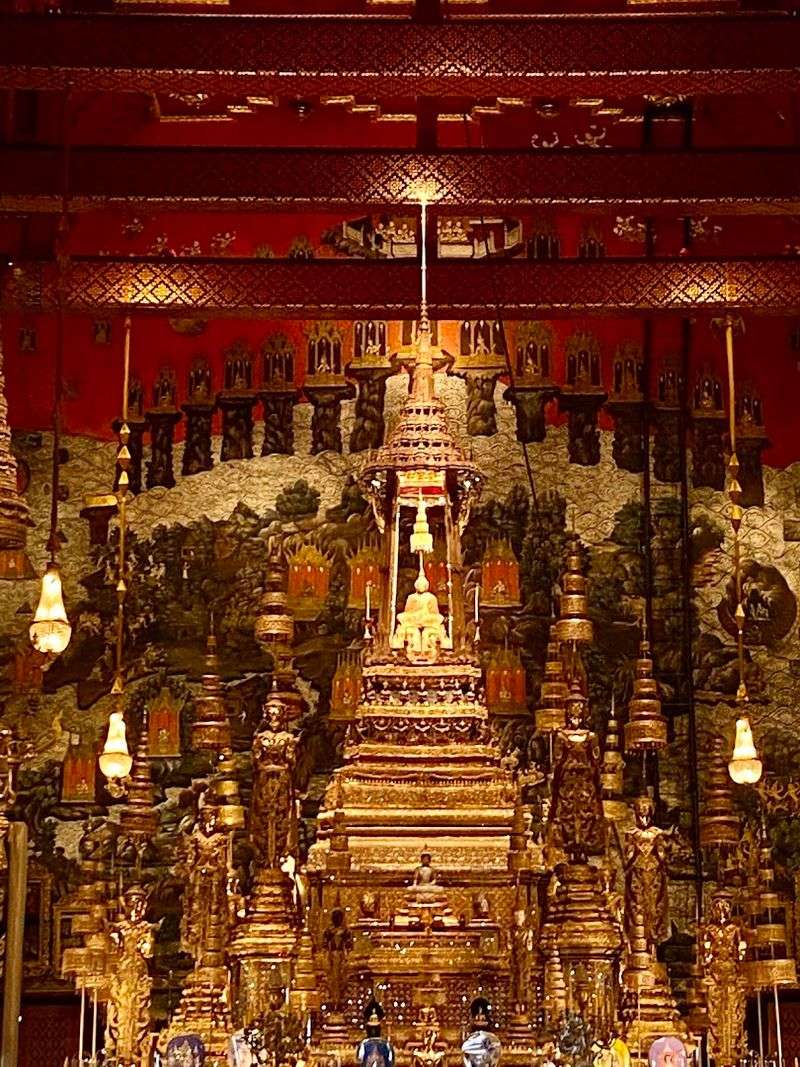
Perched high on a golden throne inside the magnificent Wat Phra Kaew temple, the Emerald Buddha is one of the most revered religious objects in Southeast Asia. Despite its name, the statue is actually carved from a single piece of green jade, not emerald.
It stands just 26 inches tall, yet its spiritual significance is enormous.
The statue is believed to have been created in northern India around the 1st century, though many historians place its origin in 15th-century northern Thailand. It was discovered in 1434 after lightning struck a chedi in Chiang Rai, revealing the jade figure inside.
Three times a year, the King of Thailand personally changes the statue’s golden robes to match the season. This ritual has been practiced for centuries, reinforcing the statue’s deep connection to Thai national identity and royal tradition.
3. The Reliquary of the Three Kings – Cologne, Germany
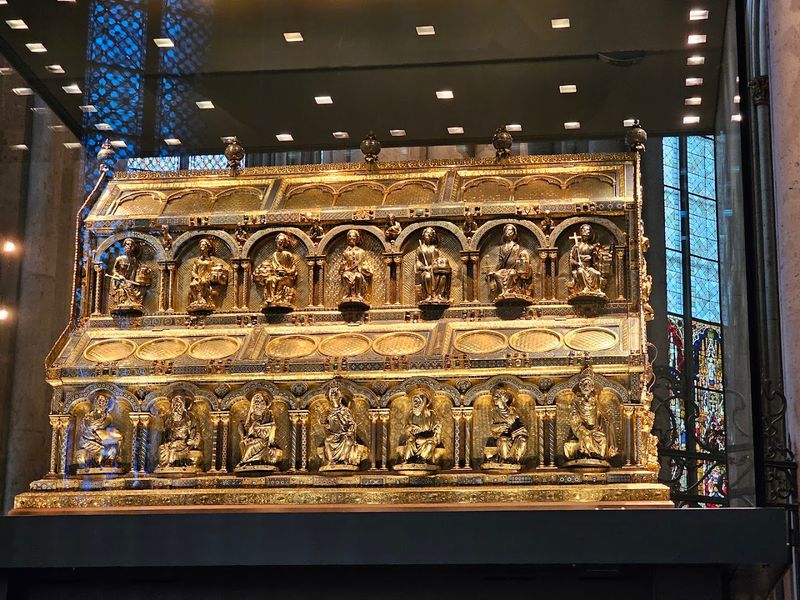
Housed inside the breathtaking Cologne Cathedral, the Reliquary of the Three Kings is considered the largest medieval reliquary in the Western world. Crafted between 1180 and 1225, this golden chest is shaped like a small basilica and covered with hundreds of precious gems, enamel portraits, and intricate gold figures.
According to tradition, the reliquary contains the remains of the Biblical Magi, the three wise men who visited the infant Jesus. Holy Roman Emperor Frederick Barbarossa brought the relics from Milan to Cologne in 1164, and the magnificent shrine was built specifically to house them.
The arrival of the relics transformed Cologne into one of the most important pilgrimage destinations in medieval Europe. Thousands of faithful travelers made the journey each year just to be near these sacred bones.
Even today, the shrine draws visitors from around the globe who come to marvel at its extraordinary craftsmanship.
4. The Pala d’Oro – Venice, Italy
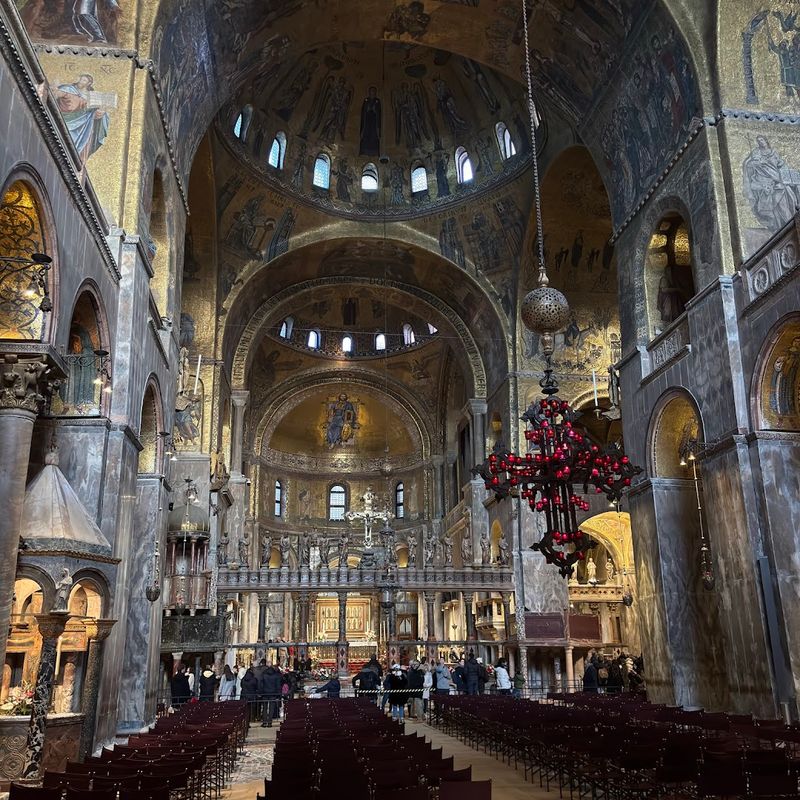
Behind the high altar of St. Mark’s Basilica in Venice lies one of the greatest works of Byzantine art ever created. The Pala d’Oro, which means “golden cloth” in Italian, is a massive golden altarpiece measuring nearly 11 feet wide and 7 feet tall.
It is decorated with 250 enamel panels and more than 2,000 precious gems.
Originally commissioned in Constantinople in 976 by Venetian Doge Pietro Orseolo I, the altarpiece was expanded and enriched several times over the following centuries. Its enamel miniatures depict scenes from the life of Christ and the story of Saint Mark with stunning detail and vibrant color.
Napoleon’s troops looted many of its gems during the early 1800s, yet what remains is still breathtaking. Art historians consider the Pala d’Oro a masterpiece of medieval craftsmanship that has no equal anywhere in the world.
5. The Monstrance of Toledo – Toledo, Spain
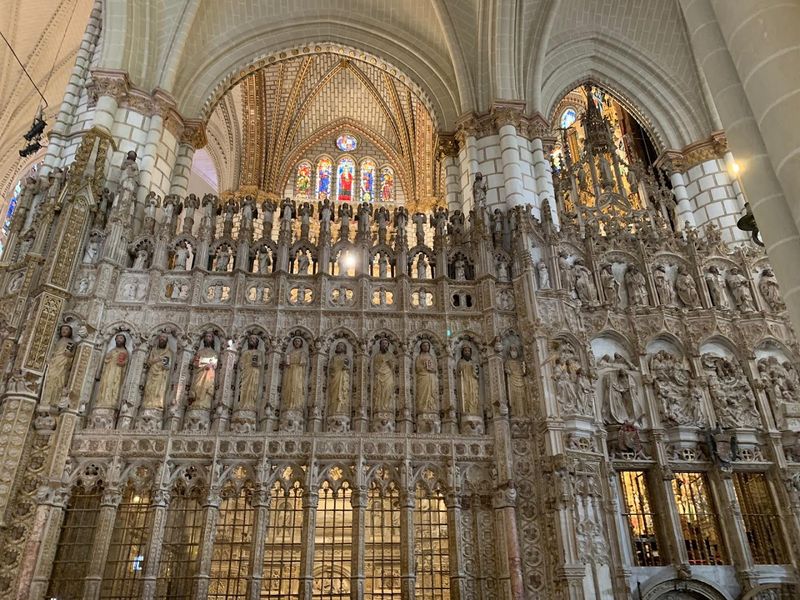
Standing nearly six feet tall and weighing over 35 pounds, the Monstrance of Toledo is one of the most spectacular examples of Gothic goldsmithing in the world. Crafted by the master artisan Enrique de Arfe in the early 16th century, it took years to complete and is said to contain over 5,600 individual pieces of gold and silver.
A monstrance is a ceremonial vessel used in Catholic worship to display the consecrated Eucharist, the bread believed to be the body of Christ. Toledo’s version is so grand that it has its own procession during the feast of Corpus Christi each year, carried through the city streets under a silk canopy.
According to legend, some of the gold used in its creation came from the first gold brought back from the Americas by Christopher Columbus, a detail that adds another layer of historical fascination to this already extraordinary object.
6. The Guru Granth Sahib Throne – Amritsar, India
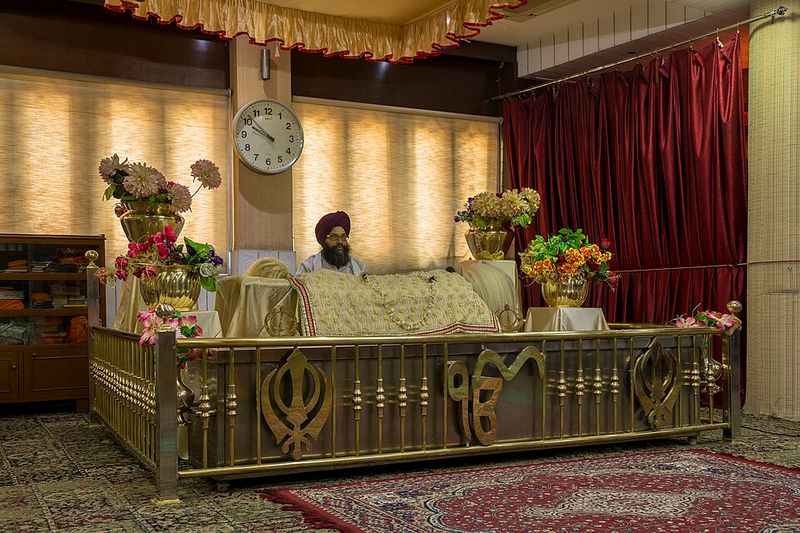
At the heart of Sikhism’s holiest site, the Golden Temple in Amritsar, rests one of the faith’s most sacred arrangements: the Guru Granth Sahib placed upon its golden throne. The Guru Granth Sahib is the eternal living scripture of the Sikh faith, and treating it like a living guru is central to Sikh belief and practice.
The throne, known as the Palki Sahib, is an exquisitely decorated palanquin adorned with gold, precious stones, and fine fabrics. Each morning, the scripture is ceremonially carried from the Akal Takht building to the throne inside the temple with music, prayer, and deep reverence.
Each evening, it is carried back with equal ceremony.
This daily ritual has continued without interruption for centuries. Hundreds of thousands of pilgrims visit Amritsar annually to witness these processions and to experience the profound spiritual atmosphere that surrounds this living, breathing sacred treasure.
7. The Jade Buddha – Shanghai, China
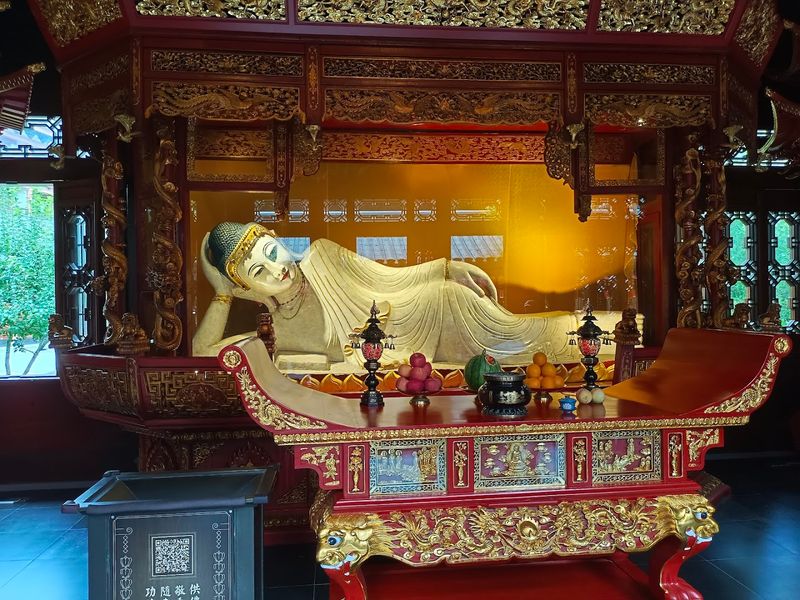
Carved from a single piece of white Burmese jade and standing nearly 6 feet tall, the Jade Buddha at Shanghai’s Jade Buddha Temple is one of China’s most celebrated religious artifacts. Its serene expression and flawless white surface give it an otherworldly quality that has captivated visitors for well over a century.
The statue was brought to Shanghai in 1882 by a monk named Huigen, who had traveled to Burma and commissioned the carving. He originally intended to transport it to his home province of Putuo, but the statue never made the full journey.
Instead, a temple was built in Shanghai specifically to house it.
During the Cultural Revolution in the 1960s, monks reportedly disguised the statue with paper and paint to protect it from destruction. That act of quiet courage helped preserve one of the most beautiful pieces of religious art in all of East Asia.
8. The Black Stone (Hajar al-Aswad) – Mecca, Saudi Arabia
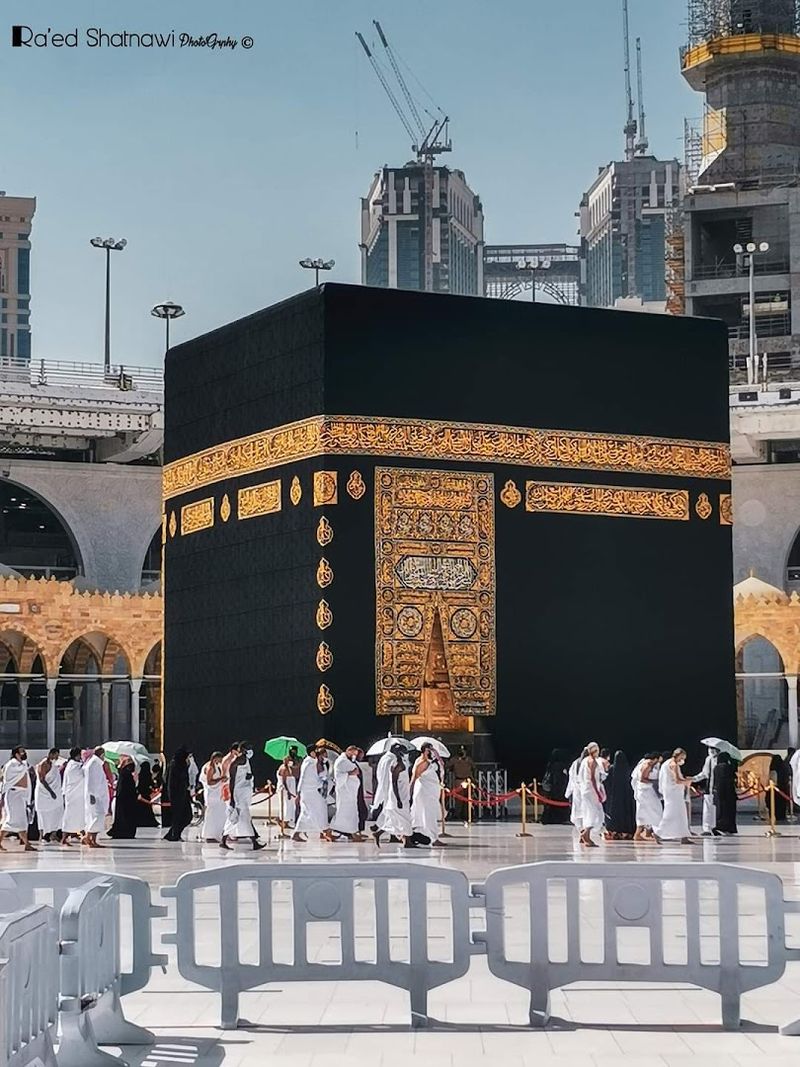
Embedded in the eastern corner of the Kaaba, Islam’s most sacred structure, the Black Stone has been a focal point of Muslim devotion for over 1,400 years. Pilgrims performing the Hajj and Umrah rituals circle the Kaaba and attempt to touch or kiss the stone, following a practice established by the Prophet Muhammad himself.
The stone is dark reddish-brown in color and is now held together by a silver frame, having been broken into several pieces during turbulent periods in history. Islamic tradition holds that it fell from paradise as a white stone and gradually darkened from absorbing the sins of humanity over the ages.
Geologically, scientists have debated its origins, with some suggesting it may be a meteorite. Regardless of its physical nature, its spiritual significance to over a billion Muslims worldwide makes it one of the most deeply venerated objects in human history.
9. The Book of Kells – Dublin, Ireland
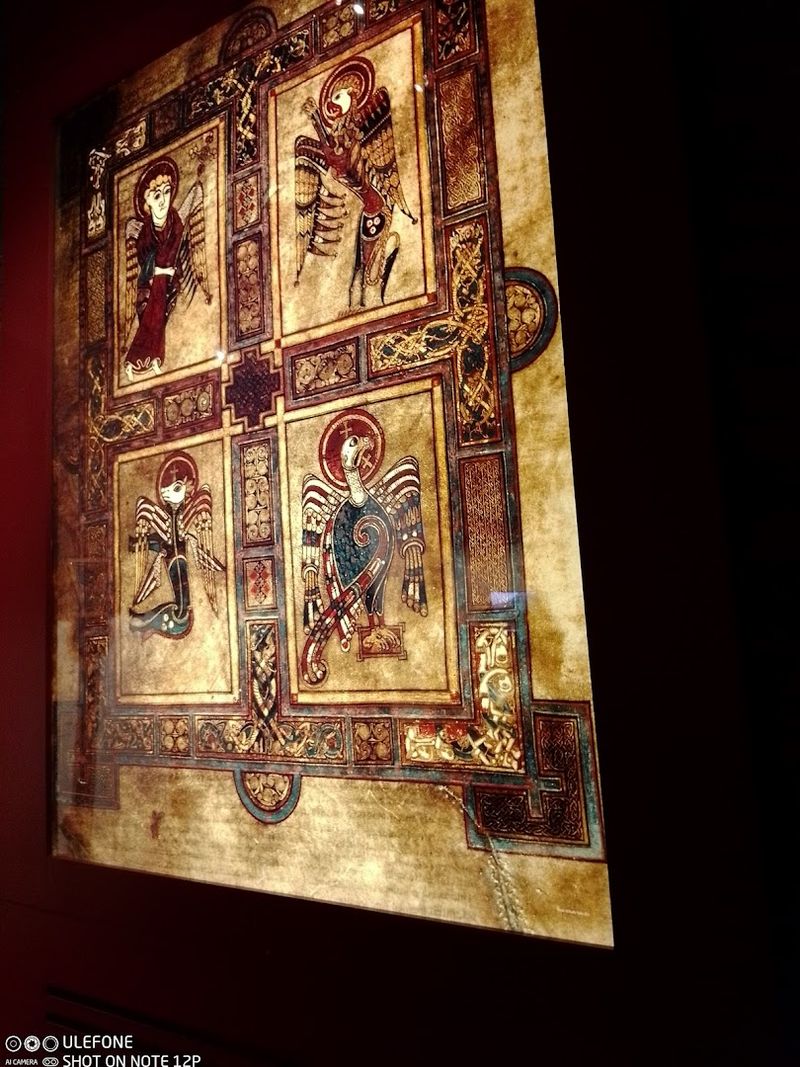
Created by Celtic monks around the year 800, the Book of Kells is one of the most stunning manuscripts ever produced by human hands. Housed today in the Old Library at Trinity College Dublin, this illuminated gospel book contains the four Gospels of the New Testament written in Latin on vellum made from calf skin.
What makes it truly extraordinary is its decoration. Every page bursts with intricate Celtic knotwork, fantastical animals, human figures, and dazzling geometric patterns rendered in vivid pigments.
Some of the detail is so fine that it can only be fully appreciated under a magnifying glass.
Scholars believe it was created on the Scottish island of Iona and later moved to Ireland for safekeeping. It survived Viking raids and centuries of turbulence.
Today, around 500,000 people visit Trinity College each year just to catch a glimpse of its mesmerizing pages.
10. The Crown of the Virgin of the Andes – New York City, United States
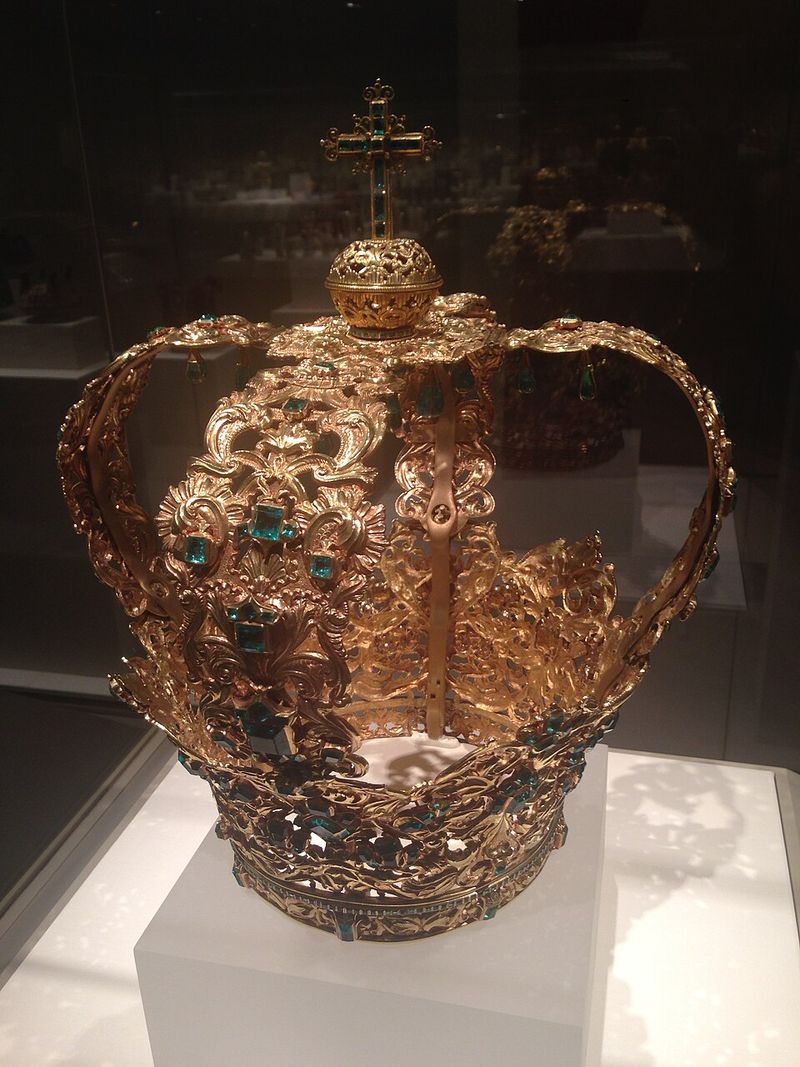
Few objects in the Western Hemisphere combine faith, gemstones, and national history quite like the Crown of the Virgin of the Andes. Created in Colombia between 1895 and 1924, this extraordinary crown was crafted by local artisans and donated by Colombian women who contributed their own personal jewelry to the project.
The crown contains over 1,500 emeralds, 600 diamonds, and hundreds of pearls, totaling more than 20 pounds of gold and precious stones. It was made to adorn a statue of the Virgin Mary in Popayan, Colombia, and became a powerful symbol of faith and national pride.
After spending decades in Colombia, the crown was eventually sold and made its way to the United States. It is currently housed at the Metropolitan Museum of Art in New York City.
Its combination of extraordinary craftsmanship and deeply personal origins makes it one of the most emotionally resonant religious objects in the Americas.
11. The Shrine of Saint Foy – Conques, France
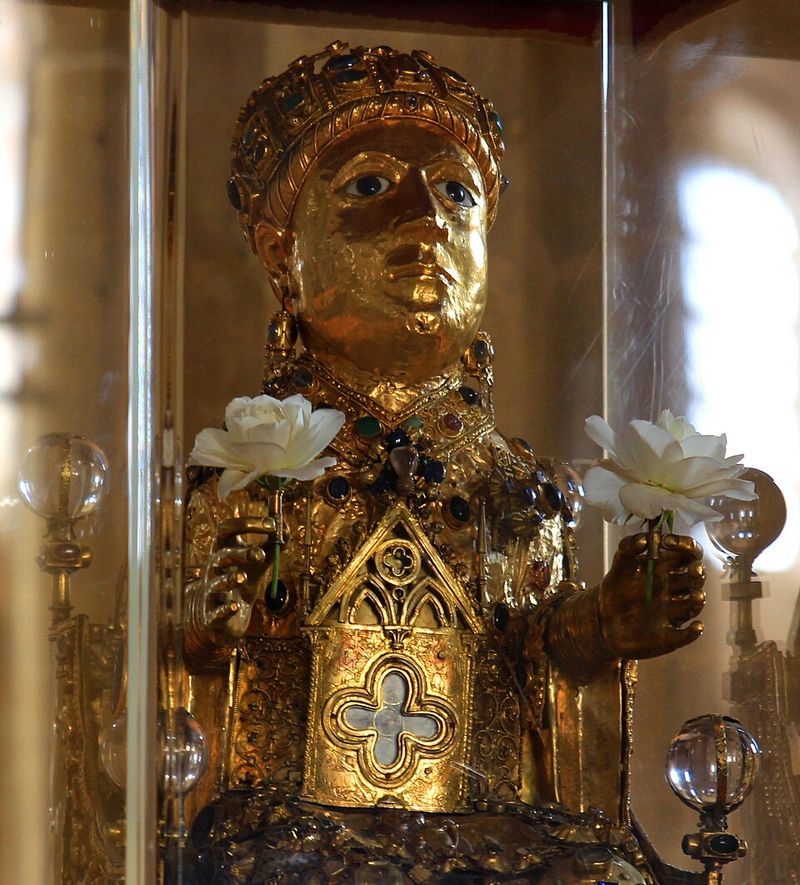
Tucked away in the small village of Conques in southern France, the Shrine of Saint Foy is one of the most remarkable reliquary statues to survive from the early medieval period. Dating to around the 9th and 10th centuries, the statue depicts a young girl seated on a throne, her golden figure covered in ancient gems, cameos, and rock crystals accumulated over centuries of devotion.
Saint Foy was a young Christian girl martyred in Roman Gaul around 303 CE. Her relics were stolen from Agen by a monk from Conques, and their arrival transformed the village into a major stop on the pilgrimage route to Santiago de Compostela in Spain.
The statue’s large, staring eyes give it an almost hypnotic presence that medieval pilgrims found both awe-inspiring and slightly unsettling. Scholars describe it as one of the earliest known examples of three-dimensional figurative sculpture from the Middle Ages.
12. The Golden Zarih of Imam Husayn – Karbala, Iraq
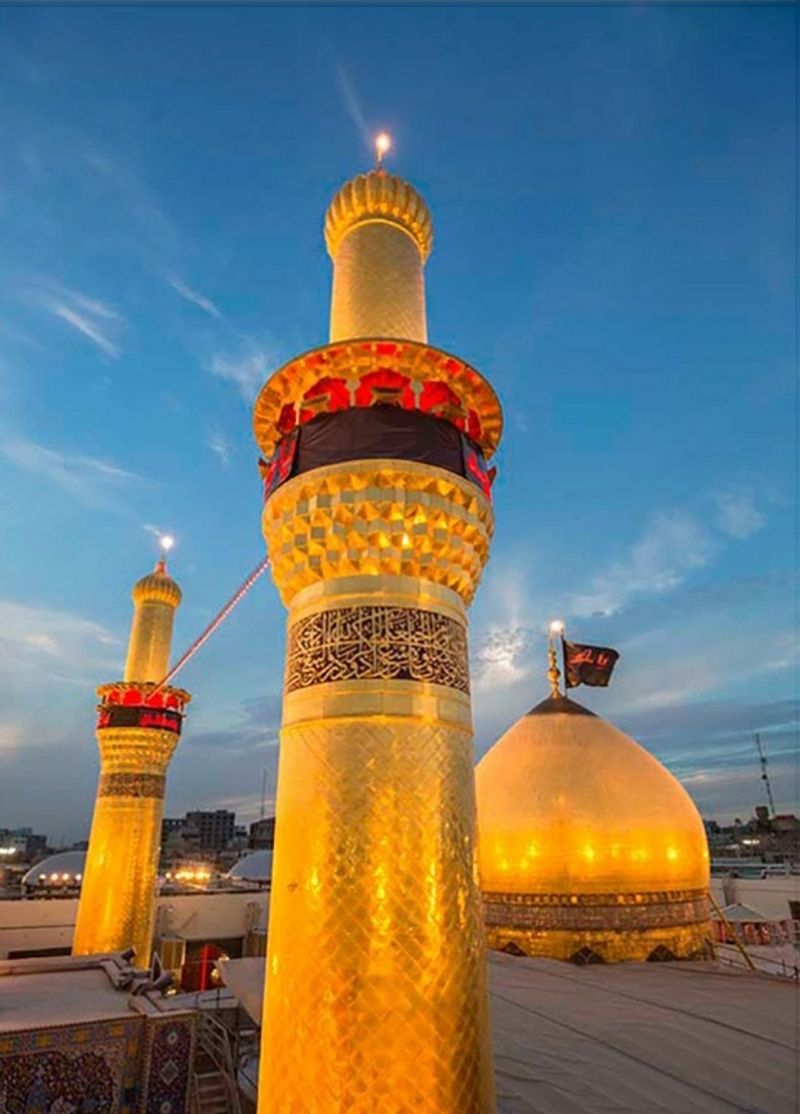
Rising above the tomb of Imam Husayn ibn Ali in Karbala, Iraq, the golden zarih is one of the most sacred objects in Shia Islam. A zarih is an ornate metal screen that surrounds a holy tomb, and this one is widely regarded as among the most beautiful ever made.
Its intricate golden latticework is covered in Quranic calligraphy and floral patterns of extraordinary detail.
Imam Husayn, the grandson of the Prophet Muhammad, was killed at the Battle of Karbala in 680 CE, an event that became the defining tragedy of Shia Islam. His shrine has been rebuilt and embellished many times over the centuries, and the current zarih was crafted by skilled Iranian artisans using gold and precious materials.
Every year, millions of pilgrims travel to Karbala, particularly during the religious observance of Arbaeen, making it one of the largest peaceful gatherings of people anywhere on Earth.
13. The Temple Menorah Replica – Jerusalem, Israel
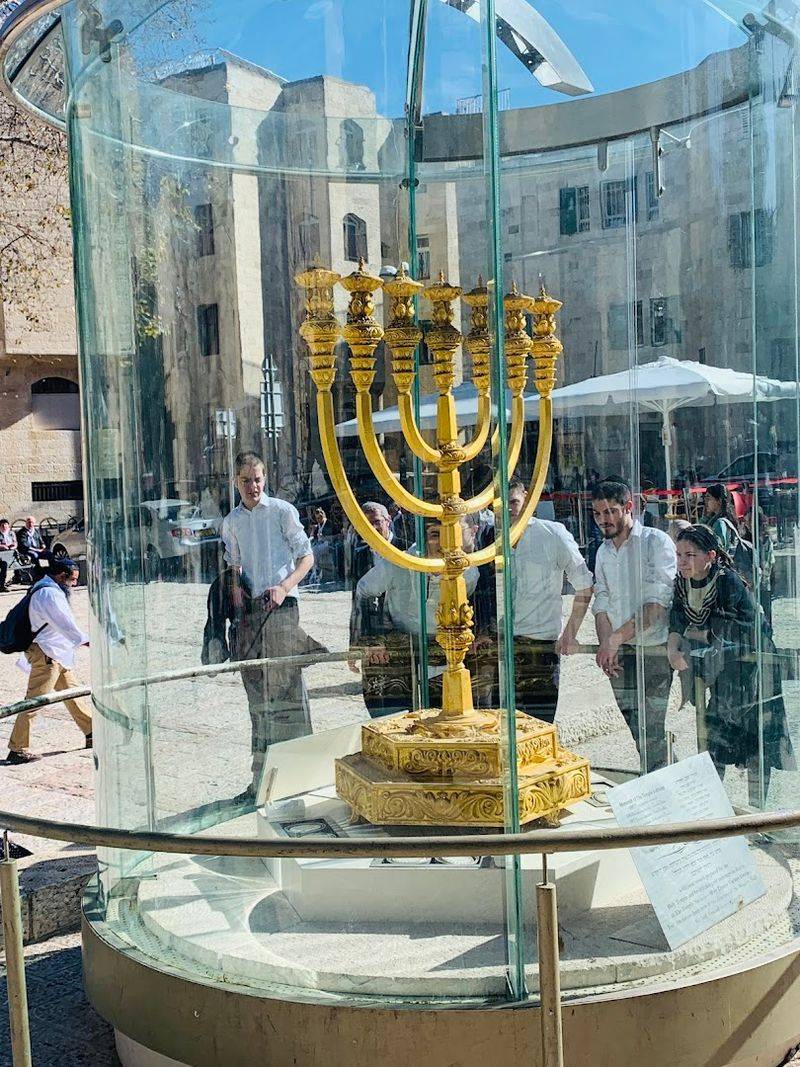
Standing behind a glass barrier near the Western Wall in Jerusalem, the golden Menorah replica created by the Temple Institute is one of the most visually striking religious objects in the modern world. Crafted to exact biblical specifications, the seven-branched candelabrum stands nearly five feet tall and is made of 95 pounds of pure gold.
The original Menorah was one of the most sacred objects in the ancient Temple of Jerusalem, used in daily ritual worship. It was carried away by Roman soldiers after they destroyed the Temple in 70 CE, an event depicted on the famous Arch of Titus in Rome.
The Temple Institute created this replica with the intention of eventually placing it in a rebuilt Third Temple, an ambition that makes the object both spiritually powerful and politically significant. For many Jewish visitors, simply standing before it is a deeply moving and historic experience.
14. The Tooth Relic of the Buddha – Kandy, Sri Lanka
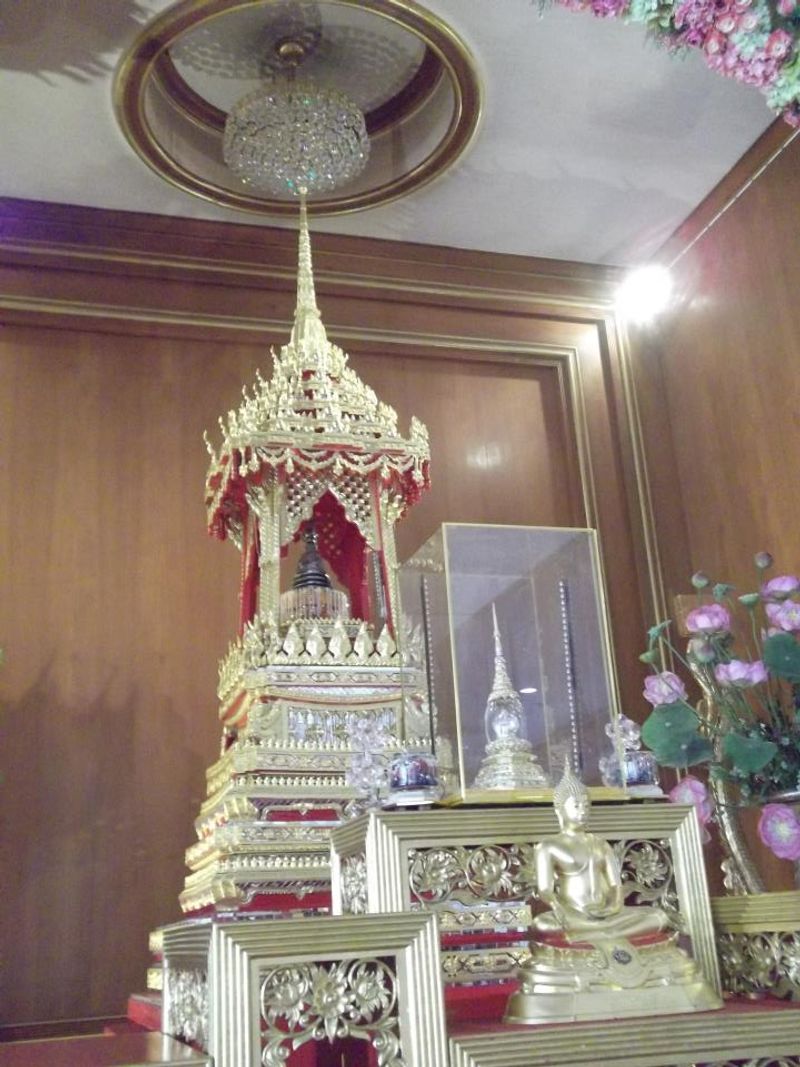
High in the Sri Lankan hill city of Kandy, the Temple of the Sacred Tooth Relic houses what is believed to be an actual tooth of the Gautama Buddha. The relic is kept inside a series of nested golden caskets, each more elaborate than the last, and is considered the most important Buddhist relic in Sri Lanka.
According to tradition, the tooth was smuggled out of India in the 4th century CE, hidden in the hair of a princess to protect it from enemies. Whoever possessed the tooth was believed to hold the right to rule the island, making it a symbol of both spiritual and political authority for centuries.
Today, the relic is displayed to the public only on rare occasions, but the temple itself draws millions of pilgrims and tourists every year. The annual Esala Perahera festival, a grand procession in its honor, is one of the most spectacular religious celebrations in all of Asia.
15. The Silver Sarcophagus of Saint Cuthbert – Durham, England
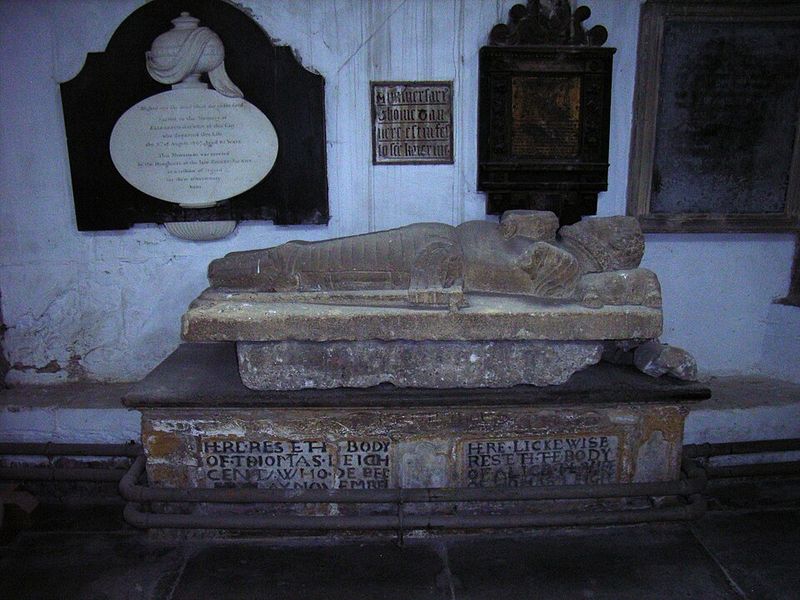
Within the solemn grandeur of Durham Cathedral in northern England rests the tomb of Saint Cuthbert, one of the most beloved saints of early medieval Christianity. The objects associated with his burial, including a beautifully crafted portable altar, a pectoral cross of gold and garnet, and an elaborately carved wooden coffin, form one of the most significant collections of early Christian treasures in the world.
Cuthbert was a monk and bishop who lived in the 7th century on the island of Lindisfarne. After his death in 687, his body was said to remain miraculously uncorrupted for centuries.
Monks carried his relics across northern England for over a hundred years to protect them from Viking raids.
His treasures are now displayed in the cathedral’s museum. The delicate gold and garnet pectoral cross in particular is considered a masterpiece of Anglo-Saxon craftsmanship, its beauty unchanged after more than 1,300 years.
Share this story