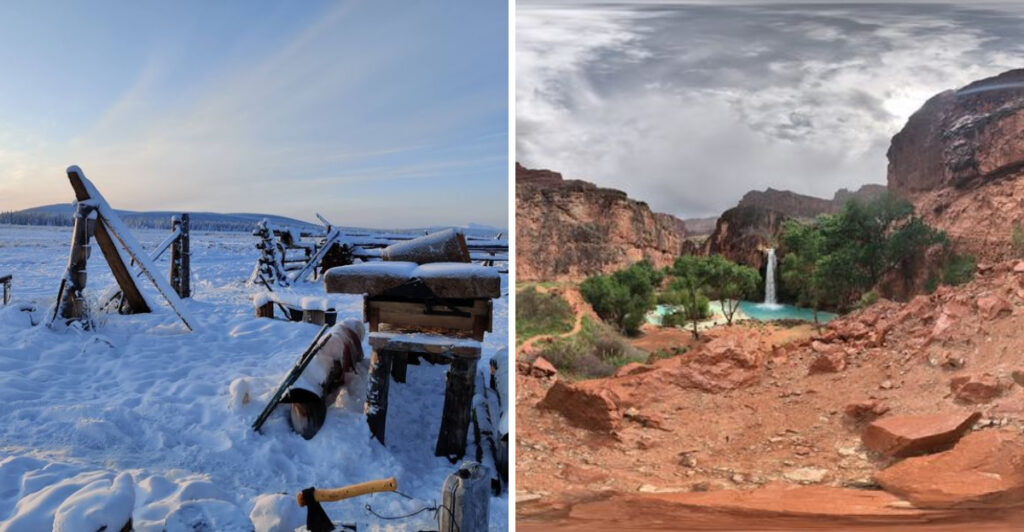
While many of us worry about traffic jams or bad weather, millions of people around the world live in environments that push the limits of human endurance. From frozen Arctic settlements and scorching deserts to isolated islands and high-altitude mining towns, these places prove that people can survive and even thrive in conditions that seem almost impossible.
Each location on this list tells a story of remarkable human resilience, creativity, and stubborn determination. Get ready to discover some of the most jaw-dropping, challenging, and fascinating corners of our planet.
Oymyakon — Sakha Republic, Russia
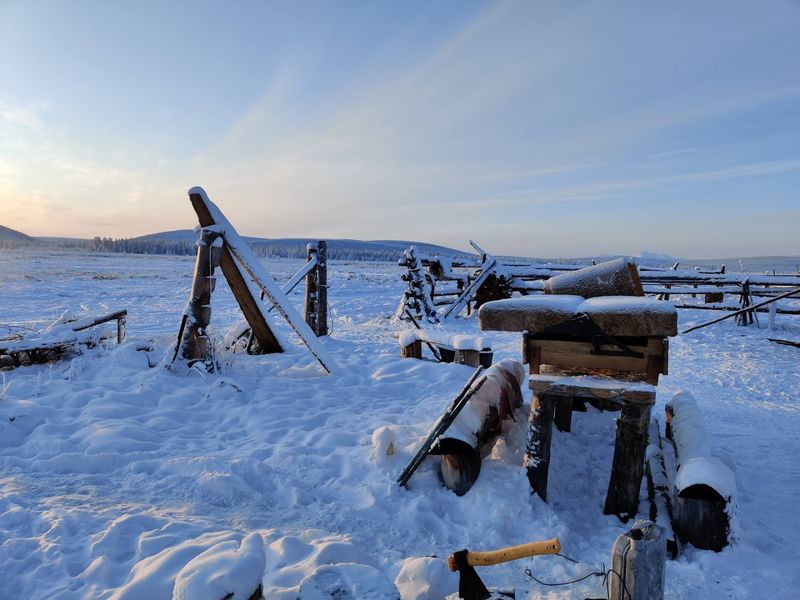
Imagine waking up and your breath freezes before it even leaves your face. That is a typical morning in Oymyakon, a small Siberian village that holds the record as the coldest permanently inhabited place on Earth, with temperatures plunging below -67°C (-89.9°F).
Cars are left running all day and night because turning off the engine means it may never start again.
The ground stays permanently frozen year-round, making farming nearly impossible. Residents survive mainly on reindeer meat, horse meat, and fish since vegetables simply cannot grow in such conditions.
Most homes rely on wood-burning stoves, and outdoor pipes would freeze solid in minutes.
Despite all this, around 500 people still call Oymyakon home. Children attend school unless temperatures drop below -52°C, which is the official cancellation threshold.
Visitors who make the long journey here are often stunned by how cheerfully locals go about their daily lives. The village even holds a winter festival celebrating its extreme cold, attracting adventurous tourists from around the world who want bragging rights for surviving the freeze.
La Rinconada — Peru
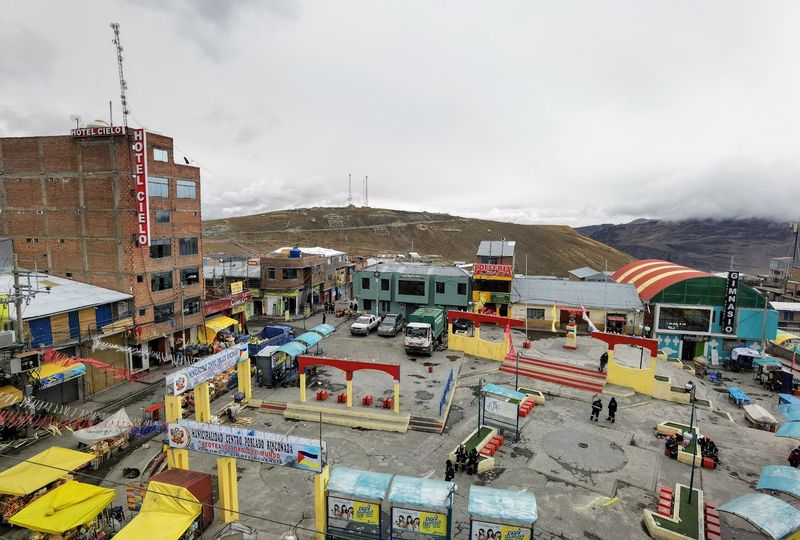
Sitting at roughly 5,100 meters (16,700 feet) above sea level, La Rinconada in Peru is the highest permanent human settlement on Earth, and getting there already feels like a challenge before you even arrive. The road up is steep, icy, and often blocked by landslides.
Most visitors feel dizzy and breathless within minutes of stepping out of the vehicle.
Oxygen levels at this altitude are about 40 percent lower than at sea level. Headaches, nausea, and fatigue are everyday realities for the roughly 50,000 people who live here.
There is no formal sewage system, clean water is limited, and the nearest proper hospital is hours away down the mountain.
So why do people stay? Gold.
The surrounding glacier sits on rich deposits, and miners work under a unique payment system called cachorreo, where they receive no wages for 30 days and then keep whatever ore they can carry out on the 31st day. It is a risky gamble, but the promise of striking it rich keeps thousands here.
La Rinconada is chaotic, challenging, and utterly unlike anywhere else on the planet.
Norilsk — Russia
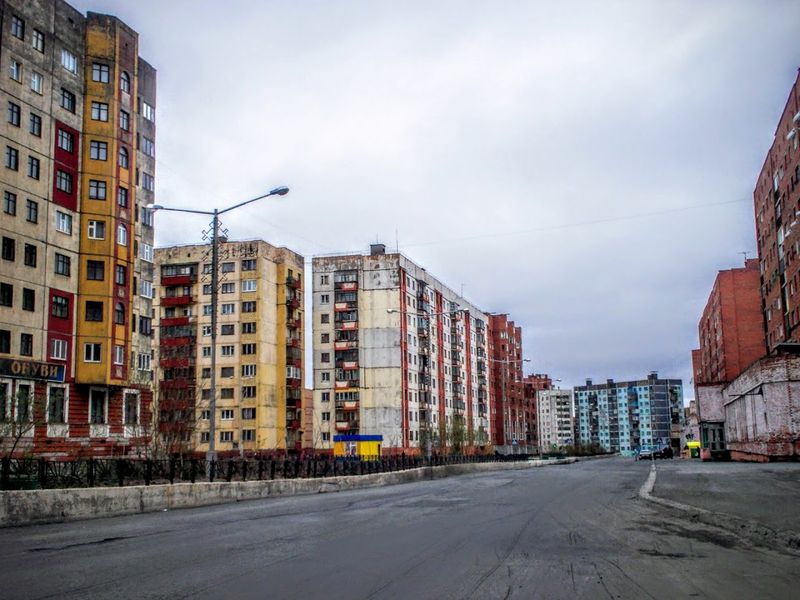
Norilsk is a city that seems determined to make life as difficult as possible. Located above the Arctic Circle in Siberia, it combines punishing winters, extreme geographic isolation, and some of the worst air pollution ever recorded in any city on Earth.
Temperatures regularly drop below -50°C, and blizzards can last for days at a stretch.
The city was built largely by Soviet-era prisoners and exists almost entirely because of its massive nickel and palladium mining operations. Norilsk processes more metal than almost anywhere else on the planet, but that comes at a serious environmental cost.
The surrounding land and rivers have been heavily contaminated, and snow sometimes turns black from industrial fallout.
During polar night, the sun disappears completely for nearly two months. Residents navigate this darkness with artificial lighting, regular routines, and a dry sense of humor that outsiders find both admirable and baffling.
Norilsk is also a closed city, meaning foreigners need special permission just to visit. Despite all its hardships, around 175,000 people live here, drawn by higher wages offered to workers willing to endure the conditions.
It is one of the toughest urban environments anywhere on Earth.
Utqiagvik (Barrow) — Alaska, United States
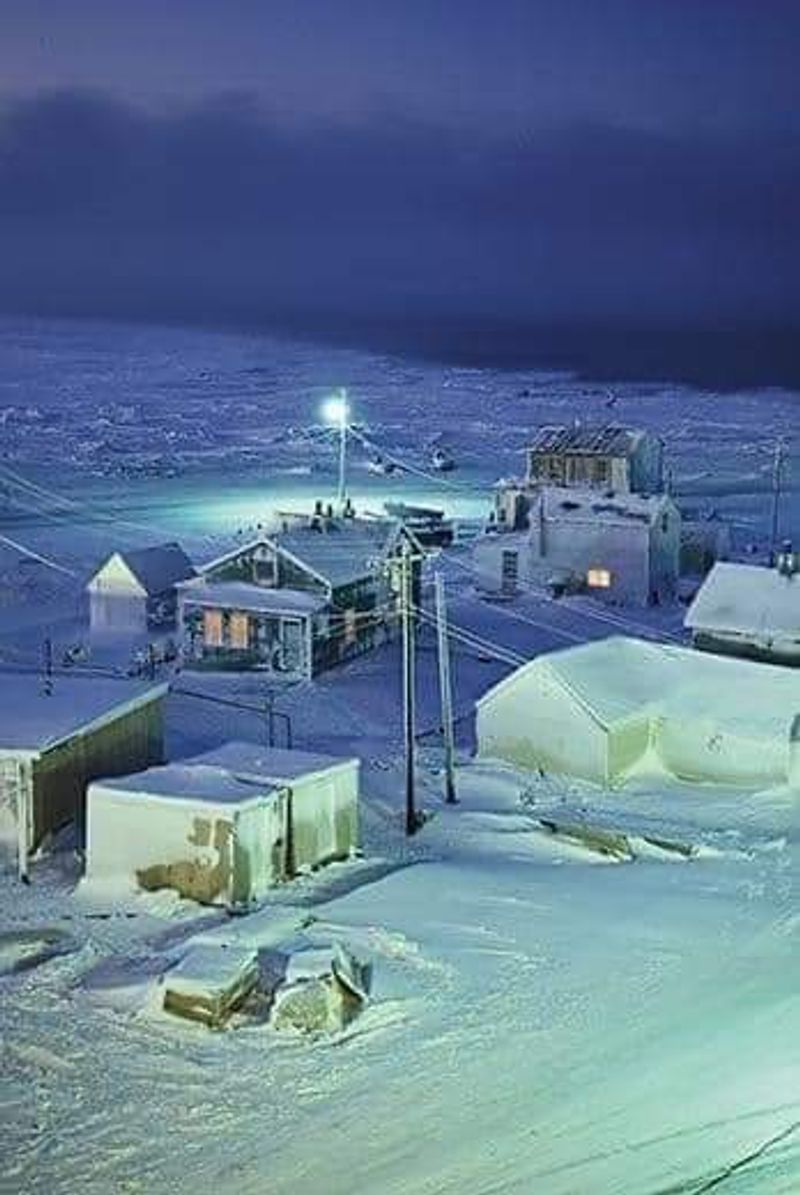
For 65 straight days every winter, the sun simply does not rise in Utqiagvik, the northernmost city in the United States. Locals navigate months of complete darkness, bitter Arctic cold, and winds that cut straight through the heaviest winter gear.
Then, just to keep things interesting, summer flips the script entirely, bringing 82 consecutive days of nonstop sunlight.
Located on the northern tip of Alaska along the Arctic Ocean, Utqiagvik is home to around 4,500 people, many of whom are Inupiaq, the Indigenous community that has thrived here for thousands of years. Traditional practices like whale hunting and seal fishing remain central to the local culture and food supply.
There are no roads connecting Utqiagvik to the rest of Alaska. Everything from groceries to building materials must be flown in, making the cost of living extremely high.
A gallon of milk can cost three times what it does in the lower 48 states. Polar bears wander near town, and residents are advised to stay alert outdoors.
Yet the community maintains a strong cultural identity, rich traditions, and a genuine pride in calling one of the world’s most challenging places home.
Ittoqqortoormiit — Greenland
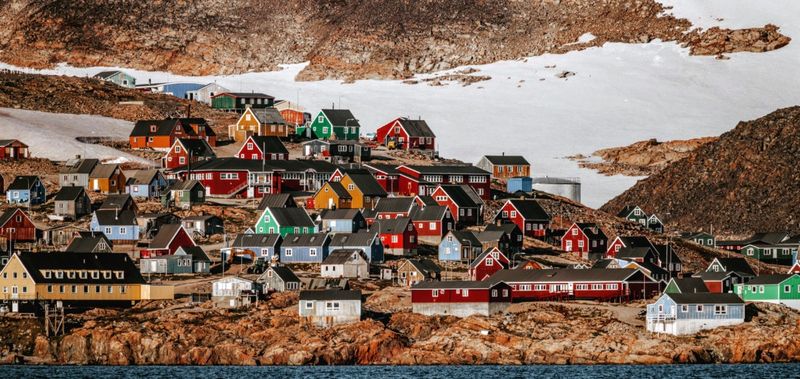
Try saying the name three times fast, and you will already have a small taste of how unusual Ittoqqortoormiit truly is. Perched on the remote eastern coast of Greenland, this settlement is one of the most isolated communities on the entire planet, home to fewer than 400 people living surrounded by sea ice, polar bears, and dramatic Arctic fjords.
Reaching Ittoqqortoormiit is no casual trip. The only regular connections to the outside world are helicopter flights and seasonal boat services during the brief summer months when sea ice retreats enough to allow passage.
There are no supermarkets stocked with fresh produce. Residents hunt musk ox, polar bear, and seal to supplement whatever supplies arrive by air.
The landscape is breathtaking in a way that photographs genuinely cannot capture. Towering icebergs drift past the colorful wooden houses, and the silence during winter is so complete it feels almost physical.
Children here grow up learning traditional Greenlandic hunting and survival skills alongside standard school subjects. The community is tight-knit by necessity, where everyone truly depends on everyone else.
For those who call it home, Ittoqqortoormiit is not just a place but a way of life that has endured for centuries.
Tristan da Cunha — South Atlantic Ocean
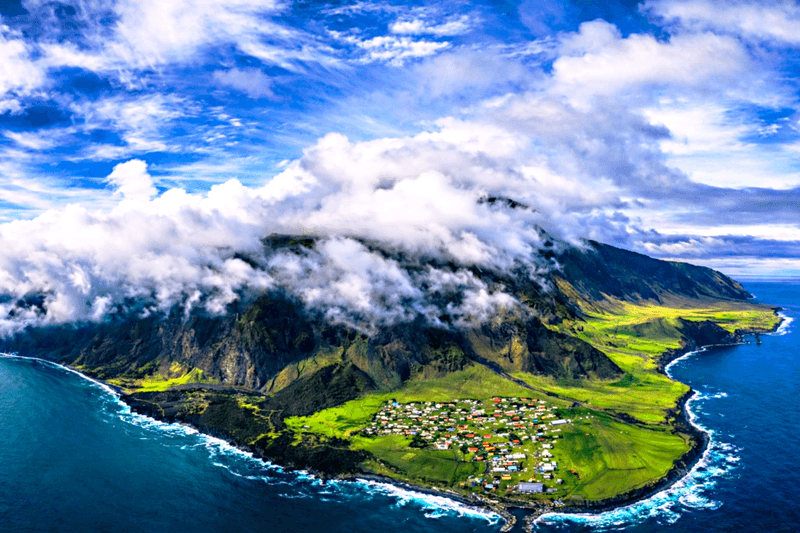
Picture the most remote inhabited island on Earth and you have Tristan da Cunha, a volcanic speck in the South Atlantic sitting more than 2,400 kilometers from the nearest continental landmass. The only way to reach it is by boat, and that voyage takes roughly seven days from Cape Town, South Africa.
There are no airports, no landing strips, and no shortcuts.
Around 250 people live on the island, many of whom share just eight surnames, reflecting the island’s small founding population from the early 1800s. The main settlement is called Edinburgh of the Seven Seas, which sounds far grander than it actually is, though residents are understandably proud of the name.
The island has no tourist infrastructure to speak of, and visitor numbers each year can often be counted in the dozens. Residents grow potatoes, fish the surrounding waters, and sell postage stamps to collectors worldwide as one of their main sources of income.
The island volcano erupted in 1961, forcing the entire population to evacuate to England. Remarkably, almost all of them chose to return once it was safe.
That decision alone says everything about how deeply attached people can become to even the most remote and challenging places on Earth.
Danakil Desert — Ethiopia
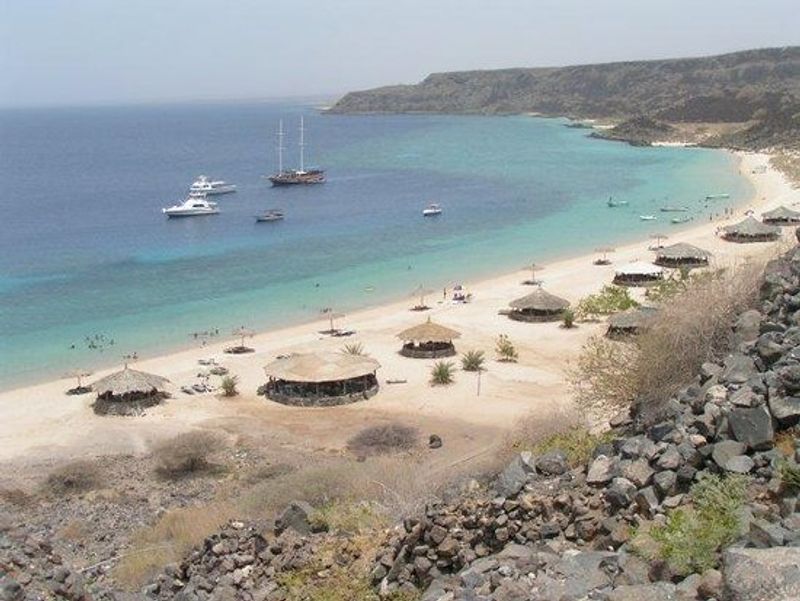
The Danakil Desert in Ethiopia is not just hot, it is the kind of hot that makes you question every life decision that brought you there. Daytime temperatures regularly exceed 50°C (122°F), and the Danakil Depression sits more than 100 meters below sea level, making it one of the lowest and hottest places on the planet.
Volcanic activity, bubbling lava lakes, and colorful hydrothermal pools add a surreal, almost alien quality to the landscape.
Despite these extreme conditions, Afar communities have lived and worked in the Danakil for centuries. Salt mining is the economic backbone of the region, with workers cutting salt slabs from ancient lake beds and loading them onto camel caravans for transport.
The work is backbreaking, the heat is relentless, and the pay is minimal.
Scientists visit the Danakil to study extremophile organisms, tiny life forms that survive in the boiling, acidic pools. Their findings help researchers understand how life might exist on other planets.
Adventurous tourists also come for guided tours, drawn by the volcanic scenery and the sheer audacity of standing somewhere so spectacularly hostile. The Danakil is a reminder that Earth still holds landscapes so extreme they seem borrowed from another world entirely.
Changtang Plateau — Tibet Autonomous Region, China
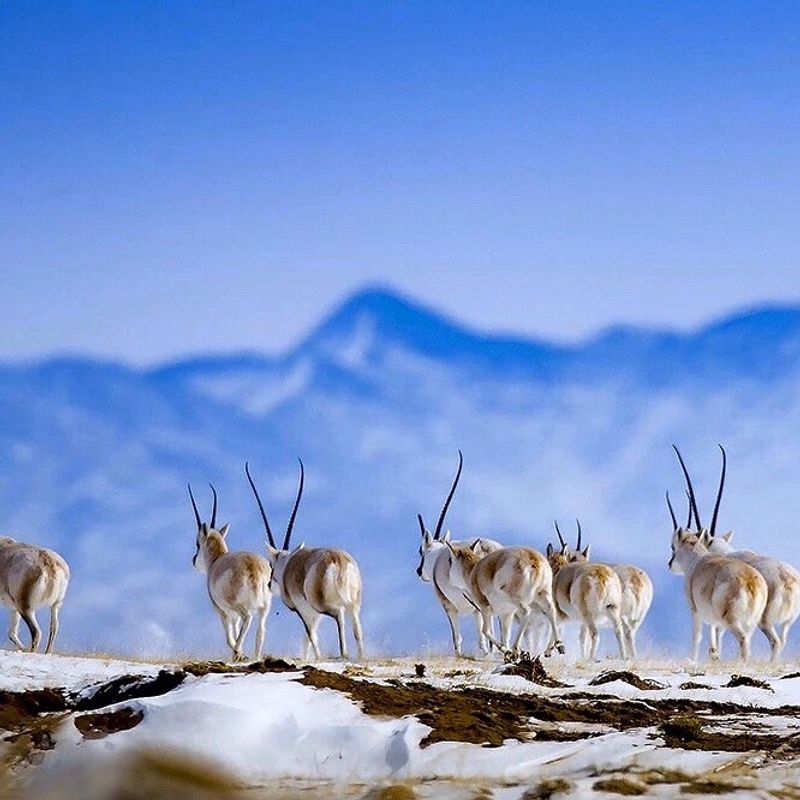
Stretching across the northern part of Tibet at an average elevation of around 4,500 meters, the Changtang Plateau is a place where the wind never really stops and the cold never truly leaves, even in summer. It is one of the largest and highest plateaus on Earth, covering an area bigger than France and Germany combined.
Very few outsiders ever venture into its vast interior.
Nomadic herders known as Drokpa have called this plateau home for thousands of years, moving seasonally with their herds of yaks, sheep, and goats across the treeless grasslands. Yaks are the cornerstone of survival here, providing milk, meat, wool for clothing, and dried dung used as fuel for cooking fires.
Life follows the rhythm of the animals and the seasons rather than any clock or calendar.
Oxygen levels on the plateau are low enough to cause altitude sickness in most visitors within hours. Winters bring blizzards fierce enough to bury entire herds overnight.
Yet the Drokpa have adapted physically over generations, developing larger lung capacity and more efficient blood oxygen processing than lowland populations. The Changtang is wild, silent, and staggeringly beautiful in a way that only becomes clear once you truly accept how small you are inside it.
Coober Pedy — South Australia, Australia
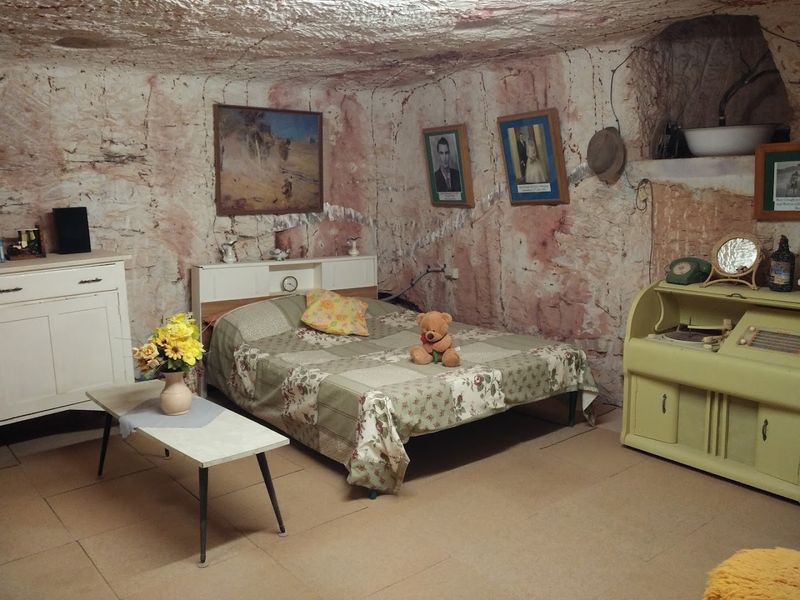
When temperatures outside regularly hit 45°C (113°F) and the landscape looks like a moonscape peppered with mounds of upturned earth, most people would pack their bags. The residents of Coober Pedy in South Australia took a different approach entirely: they moved underground.
Around half the town’s population lives in homes called dugouts, carved directly into the soft sandstone hillsides, where temperatures stay a comfortable 23°C year-round without any air conditioning needed.
Coober Pedy is the opal mining capital of the world, producing more than 70 percent of the planet’s opals. The landscape is dotted with thousands of mine shafts, and locals joke that you should never walk backward in the dark here for obvious reasons.
Underground churches, hotels, and even a bookstore add to the surreal charm of this outback community.
The town sits in the middle of the Stuart Highway, roughly 850 kilometers north of Adelaide, making it genuinely remote by any standard. Water must be pumped from deep underground sources, and the nearest major city is a very long drive away.
Despite all this, Coober Pedy has a surprisingly international population, drawn by the glittering promise of finding a spectacular opal hidden just beneath the scorching desert surface.
Atacama Desert Mining Communities — Chile
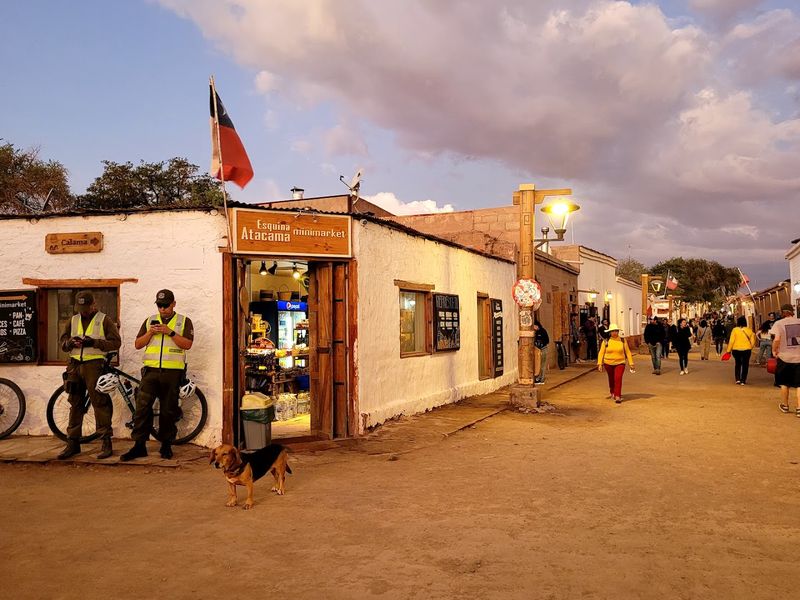
There are weather stations in the Atacama Desert that went without recording a single drop of rain for decades. The Atacama is the driest non-polar desert on Earth, and in some areas, measurable rainfall is essentially a mythological concept.
Yet tens of thousands of people live here in mining towns scattered across this bone-dry Chilean landscape, driven by the region’s enormous copper and lithium deposits.
Water is the most precious resource in Atacama communities. It must be piped in from the Andes Mountains or extracted from deep underground aquifers at enormous cost.
Grocery prices are high, dust storms are a regular nuisance, and the UV radiation at these elevations is intense enough to cause sunburn in under 15 minutes without protection.
Interestingly, the Atacama’s extreme dryness has made it invaluable to science. It hosts some of the world’s most powerful telescopes because the clear, dry air provides near-perfect viewing conditions for studying the universe.
NASA also tests Mars rovers here because the terrain so closely resembles the Martian surface. Mining families have built surprisingly tight communities with schools, clinics, and social clubs despite the harsh setting.
Life in the Atacama is stripped down to essentials, and somehow that simplicity creates a genuine sense of community.
Longyearbyen — Svalbard, Norway
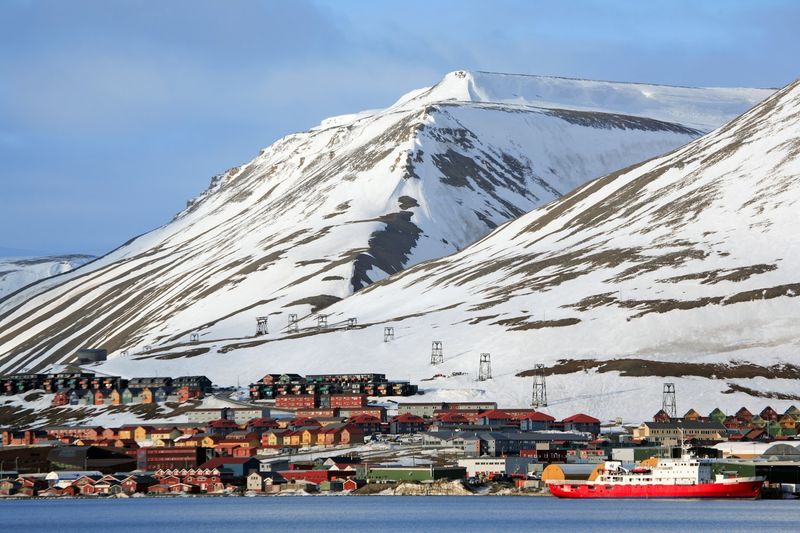
Longyearbyen holds one of the more unusual rules of any town on Earth: it is actually illegal to die there. Well, technically it is just strongly discouraged, because permafrost prevents proper burial and the town has no room in its small graveyard.
That quirky fact perfectly captures the spirit of this remarkable Norwegian settlement located deep in the Arctic archipelago of Svalbard.
At nearly 78 degrees north latitude, Longyearbyen experiences four months of polar night and four months of midnight sun. Polar bears outnumber people on Svalbard overall, and residents are advised to carry rifles when venturing outside town limits.
Despite this, around 2,400 people from more than 50 nationalities call Longyearbyen home, making it surprisingly cosmopolitan for an Arctic outpost.
The town has an international university, a surprisingly good restaurant scene, and a world-famous seed vault carved into the permafrost nearby that stores backup copies of the world’s crop seeds in case of global disaster. Coal mining once drove the economy, but tourism and research now dominate.
Longyearbyen sits at the very edge of what is humanly habitable, yet it manages to feel genuinely welcoming, even when the temperature drops to -30°C and the polar bears are restless outside.
Supai — Arizona, United States
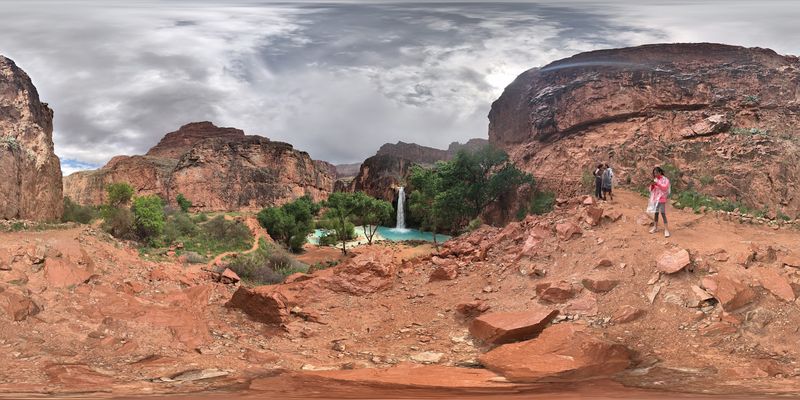
No roads lead to Supai. That sentence alone sets it apart from virtually every other town in the continental United States.
Tucked eight miles deep inside the Grand Canyon in Arizona, the village of Supai is home to the Havasupai tribe and can only be reached by hiking, horseback, mule, or helicopter. The US Postal Service still delivers mail here by mule train, making it one of the last places in the country where that is a genuine logistical reality.
Around 200 to 400 people live in Supai year-round, surrounded by some of the most stunning canyon scenery anywhere in the world. Bright blue-green waterfalls cascade over red rock cliffs just a short walk from the village, drawing thousands of hikers each year who must apply for permits well in advance.
The Havasupai have lived in this canyon for at least 800 years, maintaining a deep cultural connection to the land.
Basic supplies must be helicoptered in or carried down by pack animals, making everything significantly more expensive than in nearby towns. Medical emergencies require helicopter evacuation.
Internet access is limited, and cell service is essentially nonexistent. For the Havasupai, though, the canyon is not a hardship but a homeland, and their commitment to staying is a powerful statement about identity, culture, and belonging.
Eureka — Nunavut, Canada
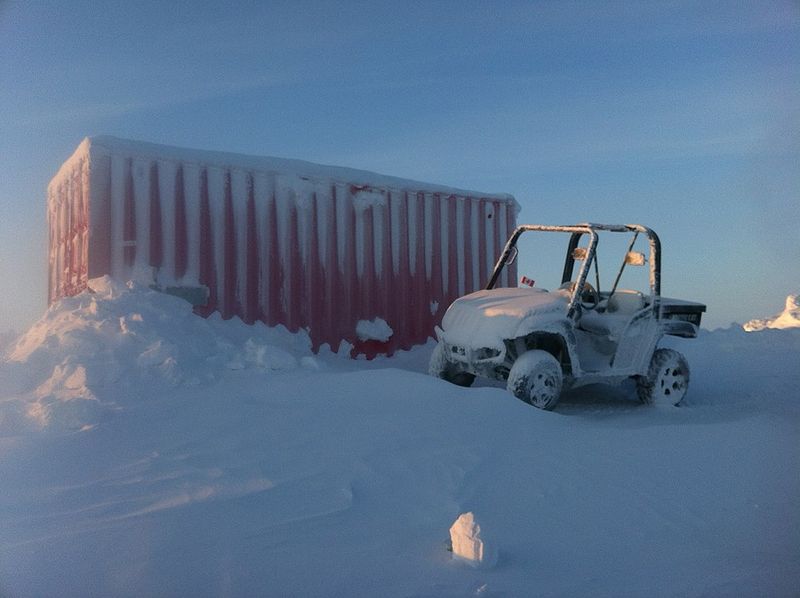
Eureka, Nunavut, consistently ranks among the coldest inhabited places on the planet, with an average annual temperature hovering around -19.7°C. Located on Ellesmere Island in Canada’s High Arctic, it sits so far north that it shares a latitude with the northern tip of Greenland.
The settlement is not a town in any conventional sense but rather a small cluster of research and weather station buildings staffed by rotating teams of scientists and technicians.
Despite technically being a research base rather than a traditional community, Eureka has been continuously staffed since 1947, making it one of the longest-running Arctic operations anywhere. The people who rotate through experience months of total darkness, months of continuous light, and temperatures that can drop below -55°C during the coldest stretches of winter.
The data collected at Eureka is critically important for understanding Arctic climate patterns, ozone layer measurements, and long-term weather trends. Researchers often describe the experience as both profoundly isolating and unexpectedly beautiful.
The aurora borealis appears regularly during dark months, and wildlife including Arctic wolves, foxes, and musk oxen occasionally wander near the station. Living and working at Eureka demands a very specific personality type: patient, self-sufficient, and genuinely comfortable with silence that stretches for miles in every direction.
Amdo — Tibet Autonomous Region, China
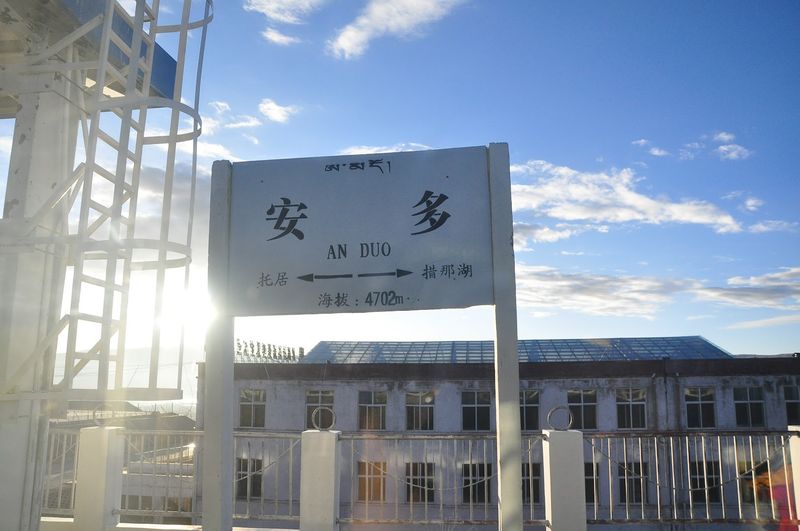
Breathing is something most people never think about, but in Amdo, Tibet, it becomes a constant, conscious effort. Sitting at an elevation exceeding 4,800 meters above sea level, Amdo is one of the highest inhabited towns in the world, where oxygen levels are low enough to make even slow walking feel exhausting for anyone not acclimatized to altitude.
Newcomers often spend their first few days with pounding headaches and a strange, fuzzy sense of unreality.
The town sits on the Tibetan Plateau, where winters are bitterly cold, winds are relentless, and the landscape is starkly beautiful in its emptiness. Residents have adapted to these conditions over generations, developing physiological traits that help their bodies process oxygen more efficiently than lowland populations.
Traditional Tibetan culture remains strong here, with Buddhism woven deeply into daily routines, architecture, and community life.
Farming at this altitude is limited to hardy crops like barley, and animal husbandry including yak herding remains central to local livelihoods. Healthcare access is limited compared to lower-altitude cities, and the challenging terrain makes infrastructure development expensive and slow.
Yet the people of Amdo maintain a warmth and hospitality that visitors consistently describe as surprising given how demanding their environment truly is. It is a town that earns your respect before you have even caught your breath.
McMurdo Dry Valleys Region — Antarctica
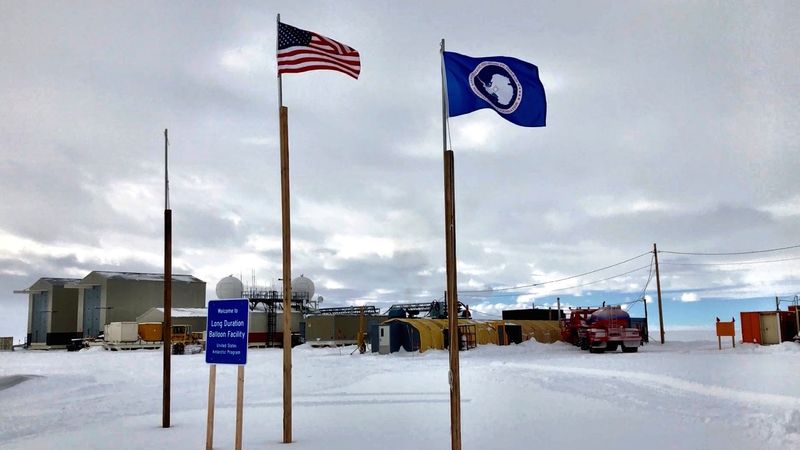
Antarctica is already the coldest, windiest, and driest continent on Earth, but the McMurdo Dry Valleys manage to take those extremes even further. These valleys are among the least hospitable places on the entire planet, receiving almost no snowfall and experiencing winds fierce enough to sublimate any moisture before it ever hits the ground.
The result is a haunting, almost completely lifeless landscape of bare rock and ancient frozen lakes that has not seen significant rain in millions of years.
Research stations near McMurdo Sound support the scientists who study this region, and life there is anything but glamorous. Workers and researchers endure months of isolation, extreme cold, and the psychological weight of operating in one of the most remote locations in existence.
Supply ships and aircraft can only reach the area during the narrow summer window when conditions allow.
Despite the harshness, the dry valleys have yielded extraordinary scientific discoveries. Microscopic organisms living inside rocks and beneath frozen lake ice have given researchers valuable clues about the possibility of life on Mars and other planets.
NASA has used the valleys as a test environment for planetary exploration equipment. For the small, rotating population that works here, the experience is both physically grueling and intellectually thrilling, making the McMurdo region one of the most fascinating extreme environments anywhere on Earth.
Share this story