Some chefs do more than cook great food. They change how we think about ingredients, traditions, and what a meal can truly mean.
From reinventing classic dishes to feeding millions in need, these culinary legends have left a mark on kitchens and dinner tables around the world. Here are 15 chefs who did not just master their craft but completely transformed the way we eat.
1. Gordon Ramsay
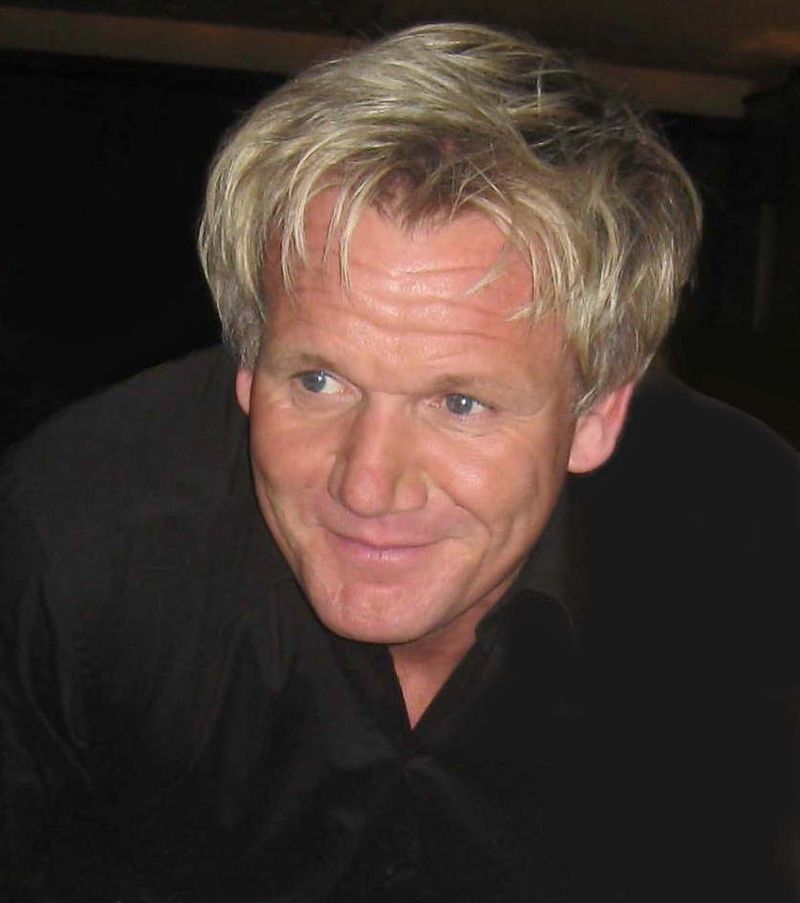
Few chefs in history have combined raw talent with sheer determination quite like Gordon Ramsay. Born in Scotland and raised in England, Ramsay earned his first Michelin star before most people his age had even opened a restaurant.
He went on to collect 17 Michelin stars across his career, making him one of the most decorated chefs alive.
His television shows, including Hell’s Kitchen and MasterChef, turned cooking into must-watch entertainment for millions of viewers worldwide. He had a gift for breaking down complex techniques in ways that everyday home cooks could actually understand and use.
Beyond the cameras, Ramsay is a serious chef with deeply rooted classical French training. His London flagship, Restaurant Gordon Ramsay, has held three Michelin stars for over two decades.
He proved that culinary excellence and mainstream popularity could absolutely go hand in hand.
2. Jamie Oliver
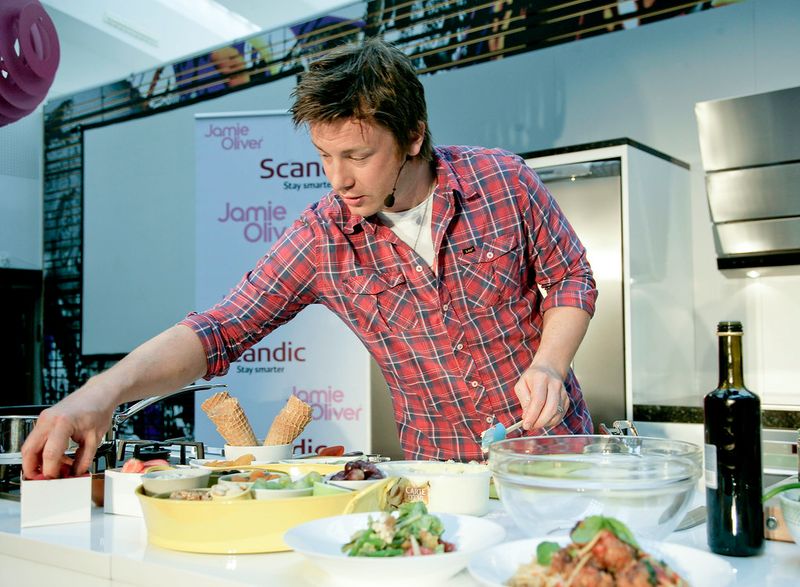
Jamie Oliver burst onto the food scene in the late 1990s with a fresh, relaxed approach that made cooking feel approachable and fun. His BBC show The Naked Chef became a cultural moment, attracting young viewers who had never cared about food before.
He made simple, honest cooking feel cool.
What truly set Oliver apart was his commitment to changing how people, especially children, eat. His campaign to improve school meals in the UK sparked a national conversation about nutrition and food policy.
He took that mission to the United States, pushing for healthier options in American school cafeterias too.
Oliver has written over 20 bestselling cookbooks, many translated into dozens of languages. His 5 Ingredients series showed that incredible food does not require a long shopping list.
He remains one of the most influential food advocates in the world today.
3. Wolfgang Puck
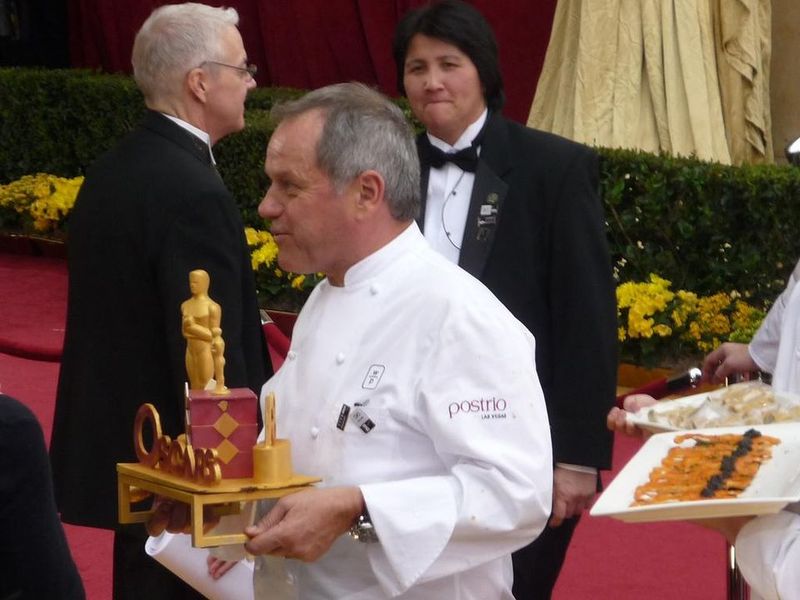
Wolfgang Puck almost single-handedly invented the idea of the celebrity chef in America. When he opened Spago in Beverly Hills in 1982, it quickly became the hottest table in Hollywood.
Movie stars, directors, and business moguls lined up to eat his wood-fired pizzas topped with smoked salmon and caviar.
Puck grew up in Austria and trained under some of Europe’s finest chefs before making his way to the United States. He blended classical European technique with Asian flavors and California’s fresh produce in ways no one had tried before.
That fusion approach, now common everywhere, was genuinely revolutionary at the time.
He has catered the Governors Ball following the Academy Awards for over 25 consecutive years, cementing his status as America’s most glamorous chef. His empire includes fine dining restaurants, casual eateries, and a successful line of packaged foods found in grocery stores nationwide.
4. Thomas Keller
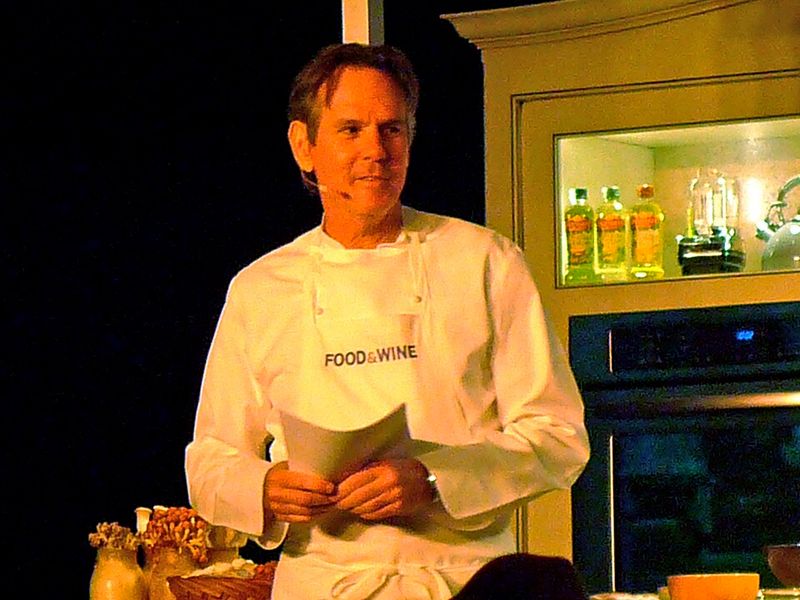
Perfection is not a goal for Thomas Keller. It is the minimum standard.
His restaurant The French Laundry in Yountville, California, is widely considered one of the greatest restaurants on earth, earning three Michelin stars and holding them with remarkable consistency for decades.
Keller is famous for his obsessive attention to detail. Every dish at his restaurants is the result of countless hours of testing, refining, and rethinking.
He once famously said that the most important ingredient a chef can have is respect, for the product, the guest, and the craft itself.
He also opened Per Se in New York City, which earned three Michelin stars as well, making him one of only a handful of American chefs to hold that honor simultaneously in two cities. His cookbooks, including The French Laundry Cookbook, are considered essential reading for serious culinary students and professionals alike.
5. Alain Ducasse
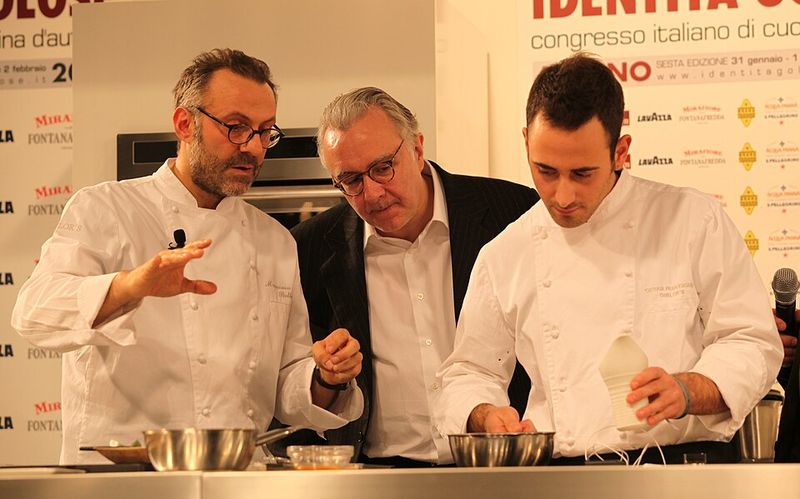
Alain Ducasse holds a record that may never be broken. At one point in his career, his restaurants simultaneously held 21 Michelin stars across multiple countries, a feat no other chef in history has matched.
That staggering number tells you everything about the scale and consistency of his culinary vision.
Born in rural France, Ducasse developed a deep love for seasonal, regional ingredients from an early age. He trained under legendary French chef Roger Verge and eventually built a global empire that spans Paris, Monaco, London, Tokyo, and beyond.
Each restaurant reflects his belief that great food must honor its local roots.
Ducasse has also been a passionate teacher, running culinary schools and mentoring generations of chefs who have gone on to earn their own stars. His influence on French cuisine and global fine dining is simply impossible to overstate.
He redefined what it means to run a restaurant empire.
6. Massimo Bottura
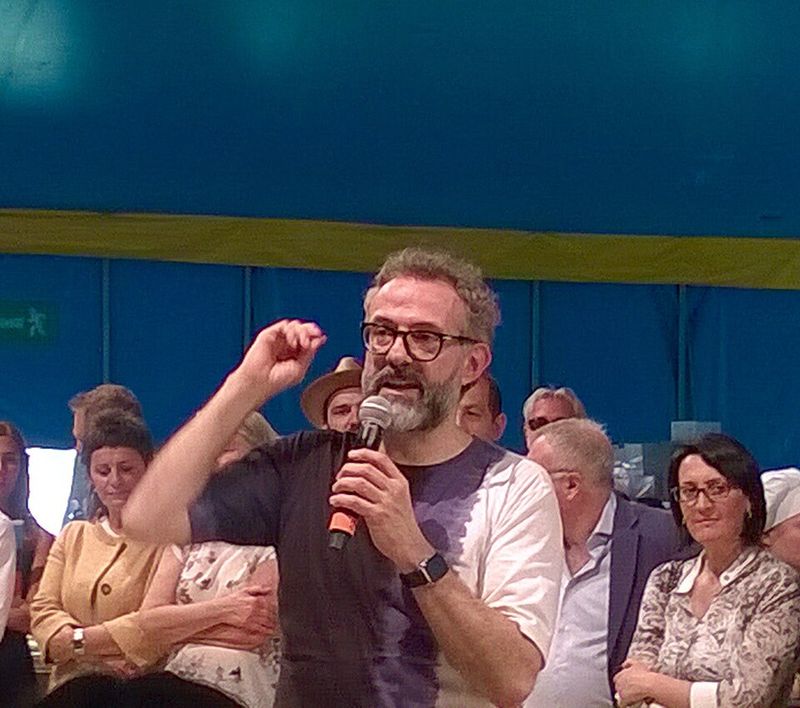
Massimo Bottura is the kind of chef who turns a broken lemon tart into a philosophy. His restaurant Osteria Francescana in Modena, Italy, has been named the best restaurant in the world twice by the World’s 50 Best Restaurants list.
That is not an accident. It is the result of a brilliant, restless mind.
Bottura built his reputation by reimagining classic Italian dishes through the lens of art, music, and memory. His signature dish, Five Ages of Parmigiano Reggiano, serves the famous cheese in five different textures, each representing a different stage of aging.
It is food as storytelling.
Off the plate, Bottura is equally inspiring. He founded Food for Soul, a nonprofit organization that transforms food waste into nutritious meals for vulnerable communities worldwide.
Refettorios, his community kitchens, operate in cities across Europe and the Americas. He is living proof that great chefs can also be great humanitarians.
7. José Andrés
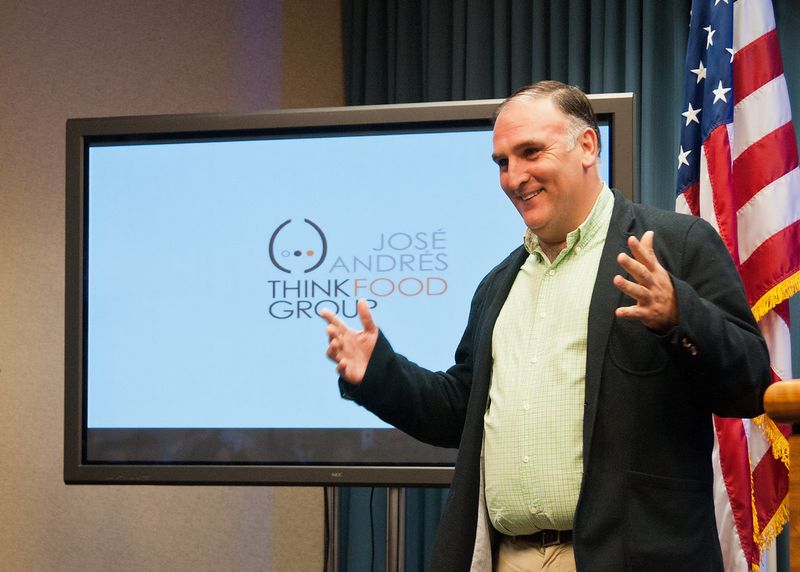
José Andrés arrived in the United States from Spain with almost nothing and turned himself into one of the most important food figures in the country. He introduced millions of Americans to modern Spanish cuisine, including tapas culture and molecular gastronomy, through his acclaimed Washington D.C. restaurants.
His restaurant minibar is a playground for avant-garde cooking, earning two Michelin stars and a loyal following among food lovers who crave something genuinely new. But what truly elevated Andrés to legendary status was his humanitarian work through World Central Kitchen, the nonprofit he founded in 2010.
After every major disaster, from earthquakes to hurricanes to war zones, World Central Kitchen shows up and starts cooking. The organization has served hundreds of millions of meals in crisis situations around the globe.
Andrés has been nominated for the Nobel Peace Prize, a recognition that speaks to how far a chef’s reach can extend.
8. Ferran Adrià
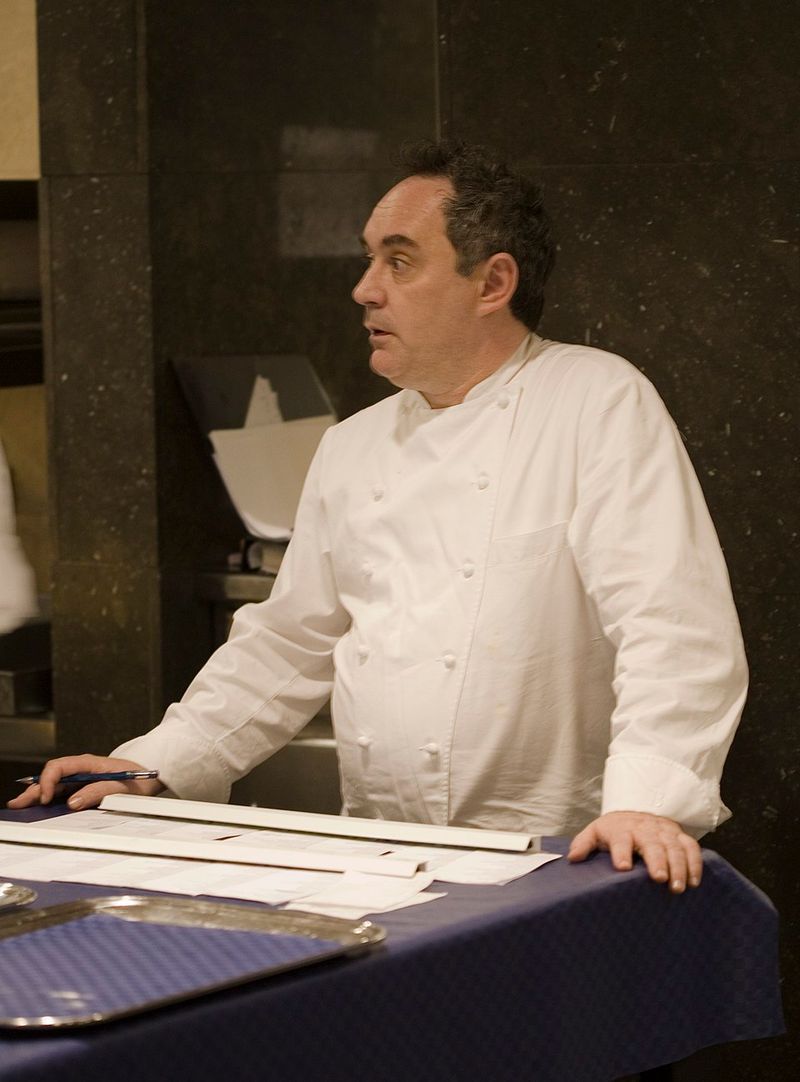
Before Ferran Adrià, a restaurant kitchen was a place to cook. After him, it became a laboratory.
His restaurant elBulli on the coast of Catalonia, Spain, was named the best restaurant in the world five times and became the most sought-after reservation on the planet. People waited years for a table.
Adrià pioneered a style of cooking called molecular gastronomy, using science to transform familiar ingredients into completely unexpected forms. He invented olive oil caviar, edible paper, and savory foam in ways that made the entire food world rethink what a dish could be.
Chefs flew from every continent to stage in his kitchen and absorb his ideas.
When elBulli closed in 2011, it was a cultural event. Adrià turned it into the elBulli Foundation, a center for culinary creativity and research.
His influence on modern cooking is so profound that many of today’s top chefs trace their entire creative philosophy directly back to him.
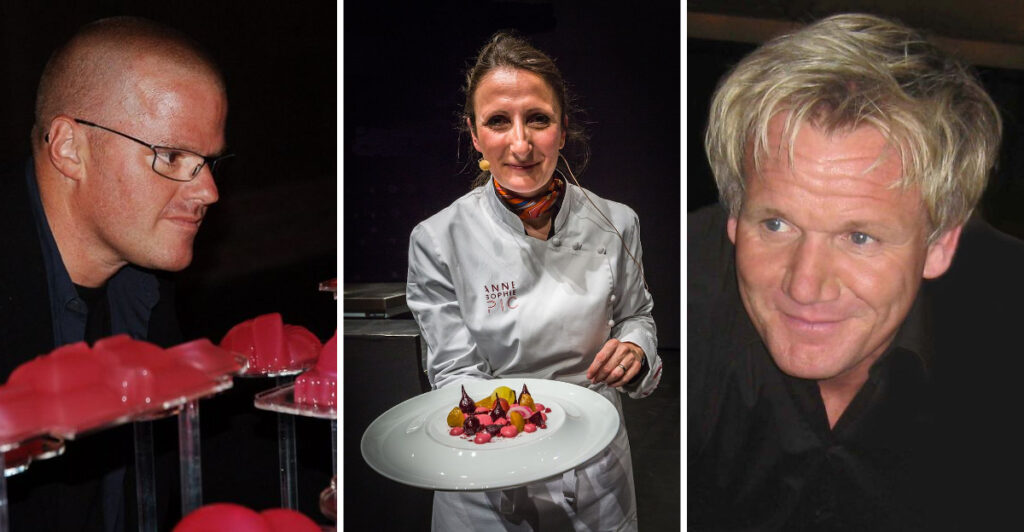
9. Heston Blumenthal
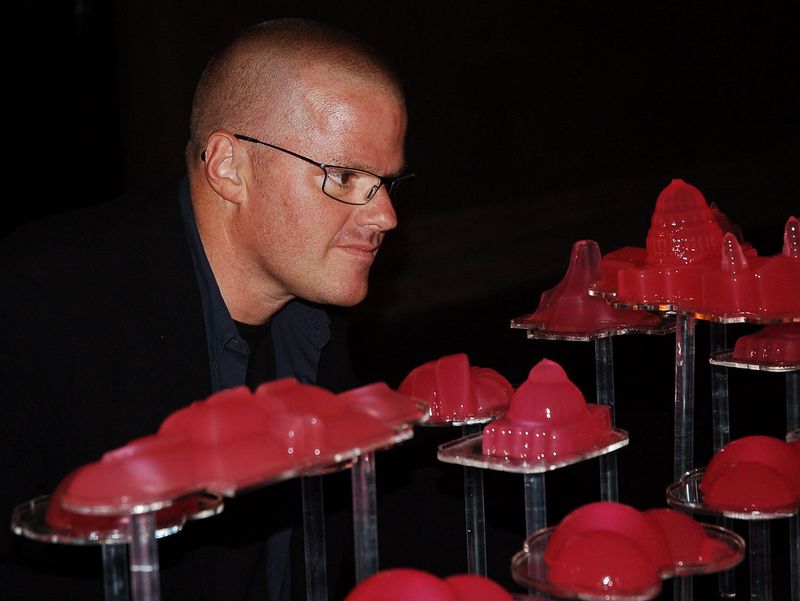
Heston Blumenthal once served a dish that came with its own soundtrack. Diners at The Fat Duck in Bray, England, were given an iPod playing ocean sounds while they ate a seafood course, because research showed that the sound of the sea actually makes seafood taste better.
That is the Blumenthal approach in a single story.
His three-Michelin-star restaurant has been named the best in the world and consistently ranks among the most creative dining experiences anywhere on the planet. Blumenthal is entirely self-taught, which may explain why he approaches food with zero preconceptions about what is or is not possible.
He introduced concepts like snail porridge and bacon and egg ice cream not to shock people but to challenge their assumptions about flavor and memory. His book The Fat Duck Cookbook is part recipe collection, part scientific journal.
Blumenthal genuinely changed how chefs think about the relationship between science, psychology, and taste.
10. Nobu Matsuhisa
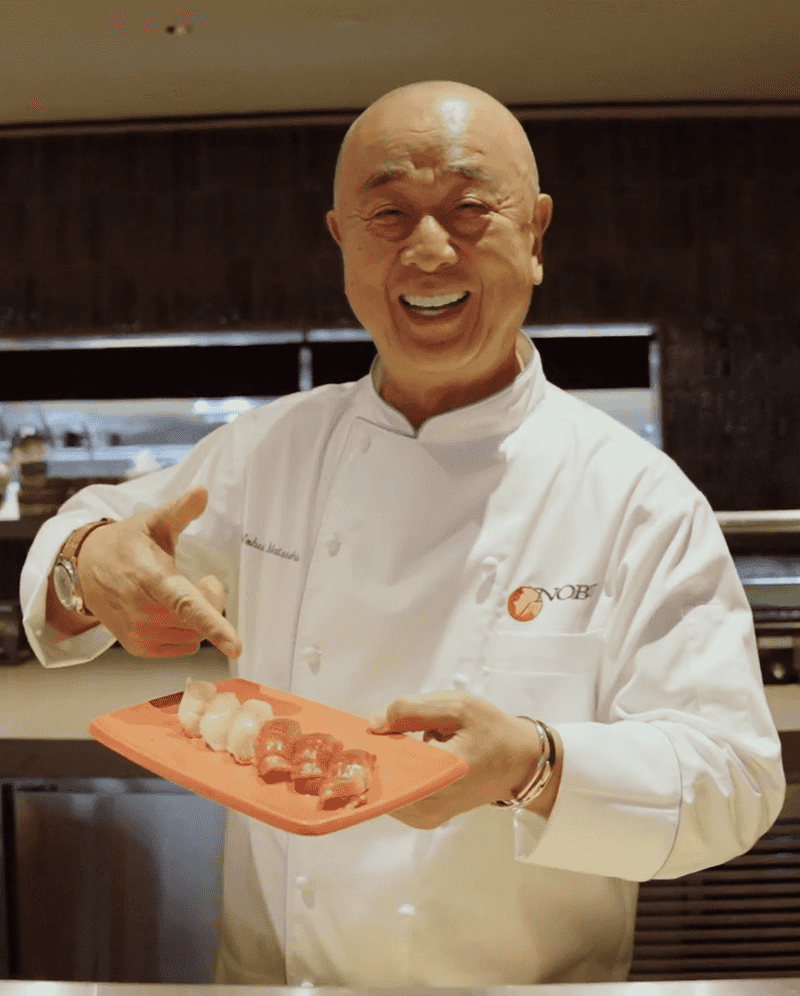
Nobu Matsuhisa’s story begins with tragedy and ends with triumph. After his sushi restaurant in Anchorage, Alaska, burned to the ground just three months after opening, he was devastated and nearly gave up cooking entirely.
Instead, he rebuilt, relocated to Los Angeles, and created one of the most influential restaurant brands in history.
His signature style blends traditional Japanese technique with South American ingredients he discovered while working in Peru during the 1970s. Dishes like black cod with miso and yellowtail with jalapeño became globally recognized and widely imitated.
He essentially created a new culinary language that chefs around the world still speak today.
Actor Robert De Niro became a fan and eventually a business partner, helping Nobu open his first New York restaurant in 1994. The Nobu brand now spans over 50 locations across five continents.
His journey from a burned-down kitchen in Alaska to global icon is one of food’s greatest comeback stories.
11. Bobby Flay
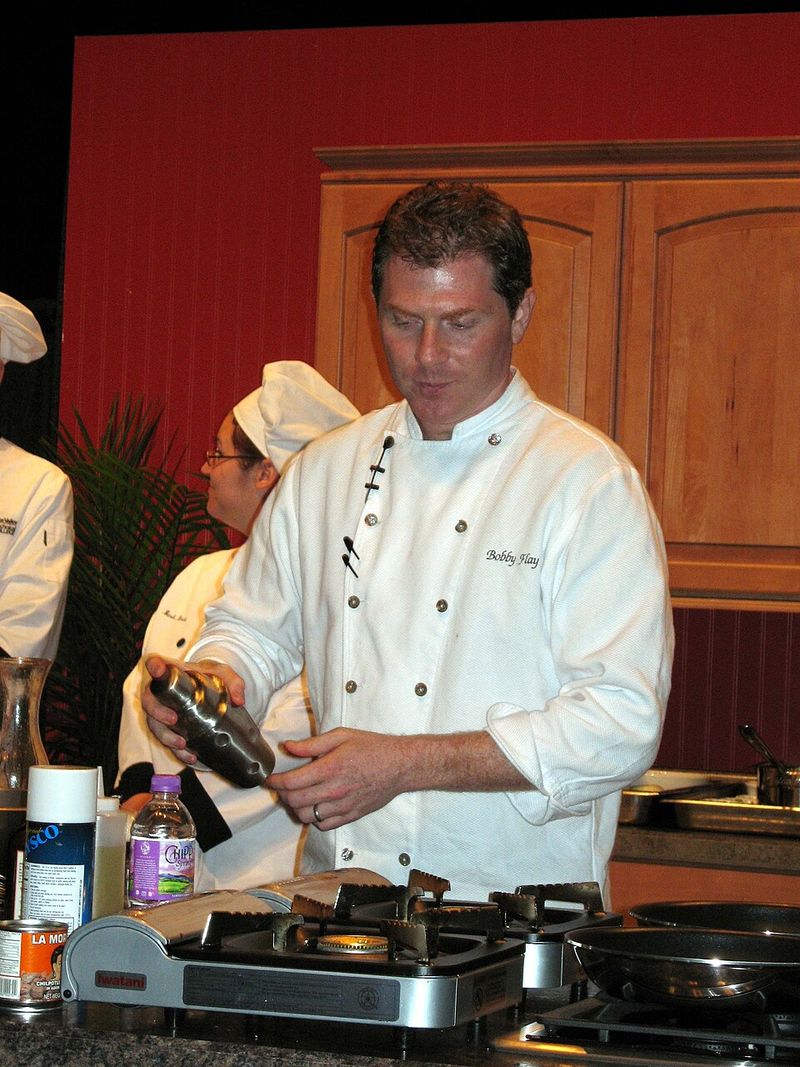
Bobby Flay made grilling cool. His bold, fire-forward cooking style and passion for Southwestern flavors helped redefine American barbecue culture and introduced millions of home cooks to the joys of cooking over an open flame.
He opened his first restaurant, Mesa Grill, in New York City at just 26 years old.
Flay became a Food Network star with shows like Boy Meets Grill, Throwdown with Bobby Flay, and Beat Bobby Flay, which turned him into one of the most recognized faces in American food television. His competitive spirit and natural charisma translated perfectly to the screen, making cooking feel exciting and accessible.
He has earned multiple James Beard Awards and opened acclaimed restaurants across the country, including Bolo and Bar Americain. Flay also holds an honorary doctorate from the Institute of Culinary Education, where he once studied.
His career proves that passion, swagger, and real skill can build a lasting culinary legacy.
12. Emeril Lagasse
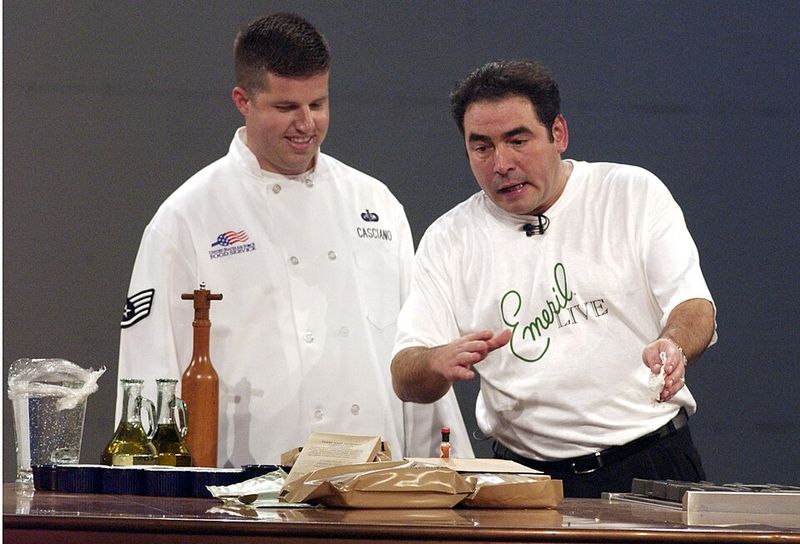
BAM! That single word, shouted with total joy while tossing spices into a pan, made Emeril Lagasse a household name.
His television show Emeril Live debuted on Food Network in 1997 and became the channel’s highest-rated program, drawing audiences who had never thought of cooking as entertainment before.
Lagasse grew up in Fall River, Massachusetts, in a family deeply rooted in Portuguese and Cajun cooking traditions. He trained formally in culinary school and eventually took over the legendary Commander’s Palace restaurant in New Orleans, where he earned national recognition for his take on Creole and Cajun cuisine.
He went on to open over a dozen restaurants and write 19 cookbooks. His Essence of Emeril seasoning blend became a bestselling product found in kitchens across America.
Perhaps most importantly, Lagasse helped launch an entire era of food television that transformed cooking from a chore into a spectator sport.
13. Alice Waters
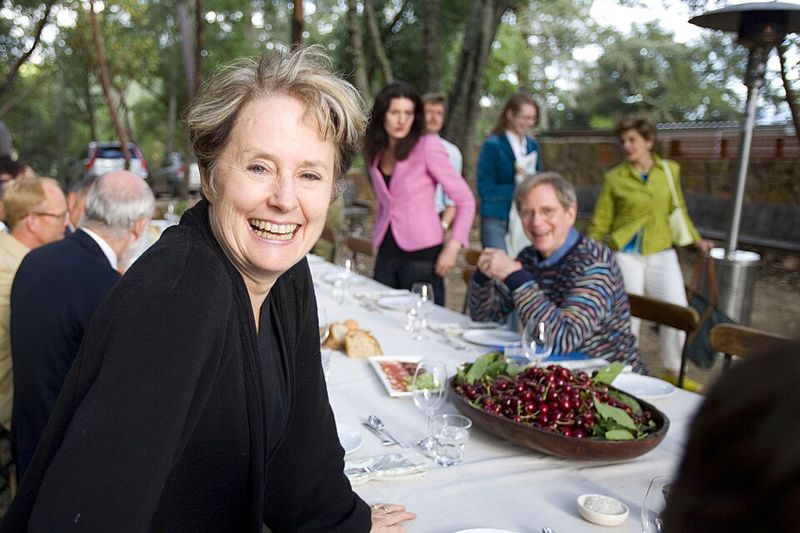
Long before farm-to-table became a trendy phrase on restaurant menus, Alice Waters was living it. When she opened Chez Panisse in Berkeley, California, in 1971, she insisted on sourcing ingredients directly from local farmers and letting the quality of those ingredients drive the menu.
It was a radical idea at the time.
Waters grew up deeply inspired by French food culture, particularly the markets of Provence where vendors knew their farmers by name. She brought that same personal, seasonal approach to California and sparked a movement that fundamentally changed how American restaurants think about sourcing and cooking.
Her Edible Schoolyard Project, launched in 1995, brought school gardens and cooking classes to public schools across the United States, teaching children where food actually comes from. Waters has received the James Beard Lifetime Achievement Award and the French Legion of Honor.
She is arguably the most important figure in American food over the last 50 years.
14. René Redzepi
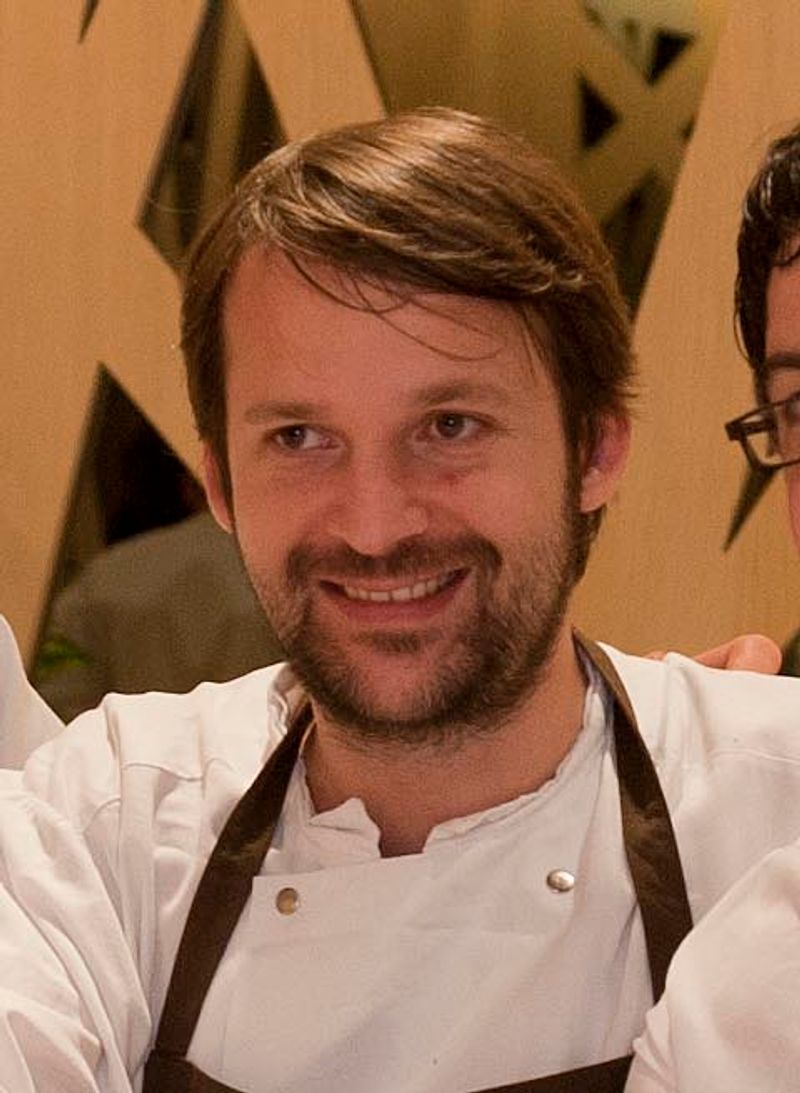
René Redzepi went into the forest and came back with a new kind of cuisine. His Copenhagen restaurant Noma redefined what Nordic food could be, turning foraged ingredients like sea buckthorn, reindeer moss, and fermented grains into some of the most celebrated dishes the food world had ever seen.
Noma was named the best restaurant in the world four times by the World’s 50 Best Restaurants list. Redzepi built his kitchen around a philosophy of radical locality, using only ingredients native to Scandinavia and changing the menu with each season.
That commitment inspired chefs from Tokyo to Buenos Aires to reconnect with their own regional food traditions.
He also co-founded the Nordic Food Lab, a research organization dedicated to exploring the science and culture of flavor. When Noma announced it would close its current format in 2024, it made international headlines.
Redzepi proved that a restaurant in Denmark could reshape global food culture from the inside out.
15. Anne-Sophie Pic
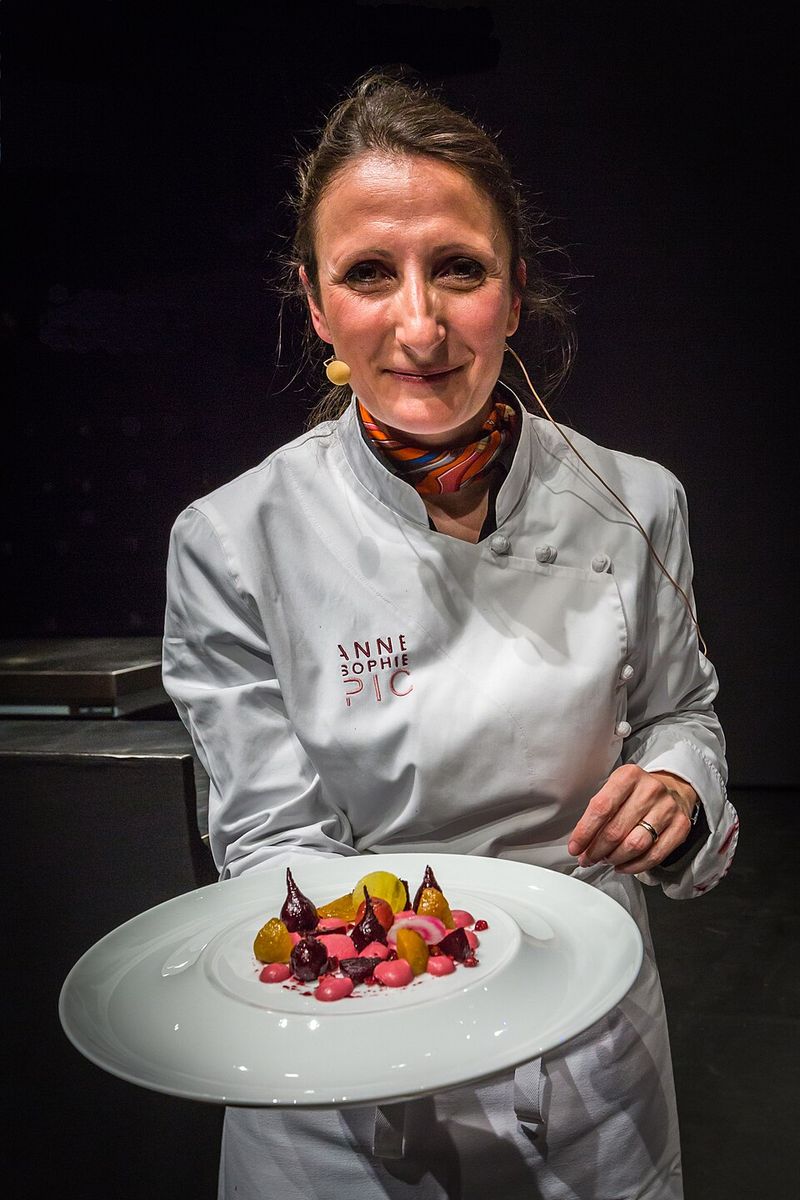
Anne-Sophie Pic comes from a family where three-Michelin-star cooking is practically in the blood. Her grandfather and father both held the highest honor in French cuisine, but when her father passed away, she took over the family restaurant in Valence, France, without formal culinary training.
Critics doubted her. The stars proved them wrong.
She earned back the restaurant’s third Michelin star in 2007, becoming the only woman in France at the time to hold that distinction. Her cooking is defined by delicate layering of flavors, unexpected ingredient pairings, and an almost poetic sensitivity to texture and aroma.
Pic has since expanded to restaurants in Paris, London, Lausanne, and Singapore, each earning its own Michelin recognition. She has also developed a line of food products and authored several cookbooks.
Her journey from grieving daughter to the most decorated female chef in France is one of the most inspiring stories in the culinary world.
Share this story