 Unearth The Voyage
Europe is home to some of the most breathtaking buildings ever created by human hands. From ancient temples that have stood for thousands of years to modern glass towers reshaping city skylines, the continent is packed with architectural wonders.
These structures tell stories of power, faith, creativity, and history that stretch across centuries. Whether you’re a travel lover or just curious about the world, these 15 buildings will absolutely blow your mind.
Sagrada Família – Barcelona, Spain
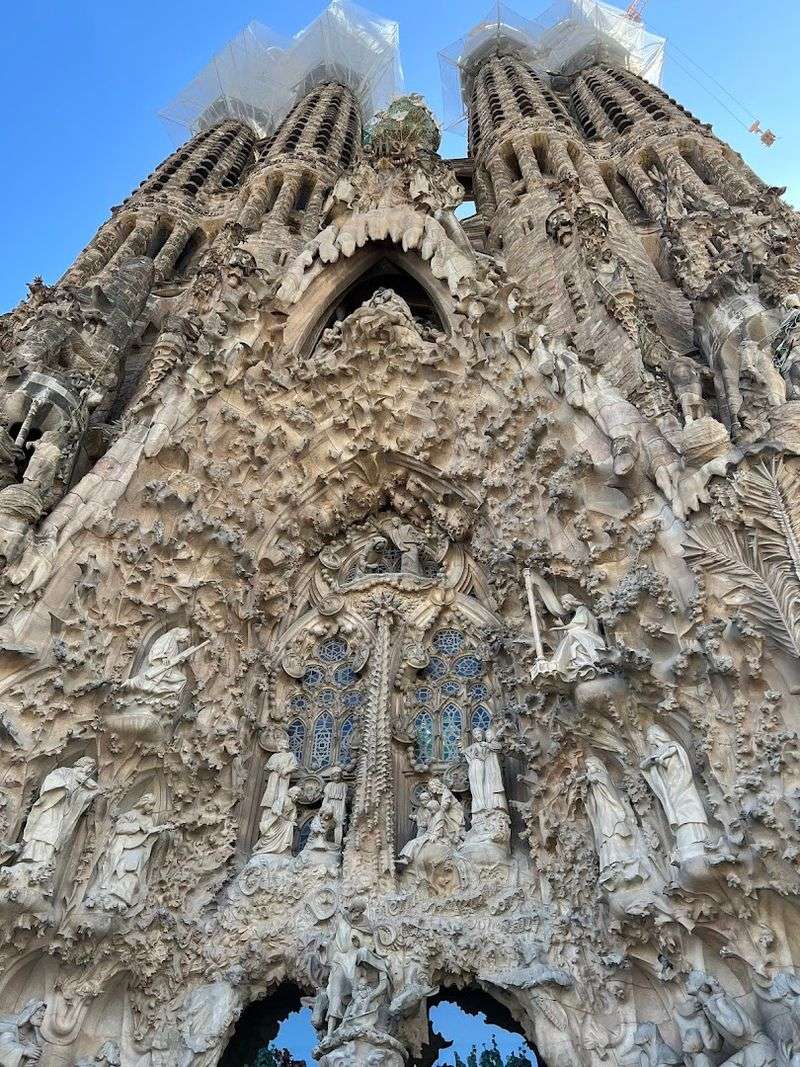
Step inside the Sagrada Família and your jaw will drop before you even reach the altar. Antoni Gaudí designed this cathedral to look like nature itself had built it — columns branch upward like tree trunks, and light pours through stained glass in rivers of color.
No two corners look the same, and every surface tells a story.
Construction kicked off in 1882, and here’s the wild part: it’s still not finished. That makes it one of the longest-running construction projects in history.
Gaudí dedicated over 40 years of his life to it, and he’s actually buried in the crypt beneath the building.
The outside is just as jaw-dropping as the inside. Two main facades — the Nativity and the Passion — show scenes from the life of Christ in completely different artistic styles.
One is soft and detailed, the other sharp and almost haunting. Visiting feels less like touring a building and more like walking through a living work of art that refuses to be finished.
Eiffel Tower – Paris, France
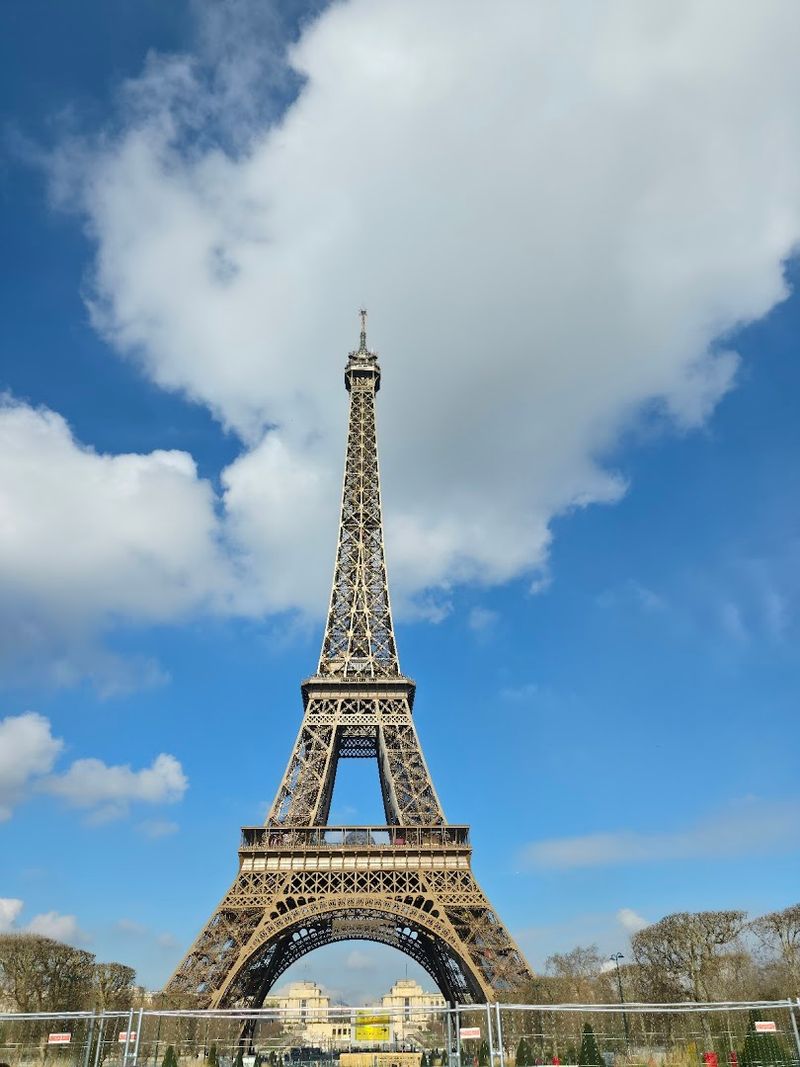
When it was first unveiled in 1889, Parisians called it an eyesore. Fast forward to today, and the Eiffel Tower is arguably the most recognized structure on the planet.
Funny how opinions change when millions of tourists are lining up to take selfies with it.
Engineer Gustave Eiffel designed the iron lattice tower for the World’s Fair, meant to show off France’s industrial power. Standing 330 meters tall, it held the record for world’s tallest man-made structure for over 40 years.
Every night, it sparkles with thousands of lights for five minutes at the top of each hour.
Climbing to the top is a bucket-list experience. From the third floor observation deck, you can see Paris stretching out in every direction like a beautifully arranged postcard.
The tower also houses a restaurant, a champagne bar, and even a small apartment that Gustave Eiffel built for himself near the top. Yes, the man had his own private sky suite — and honestly, we respect it.
Colosseum – Rome, Italy
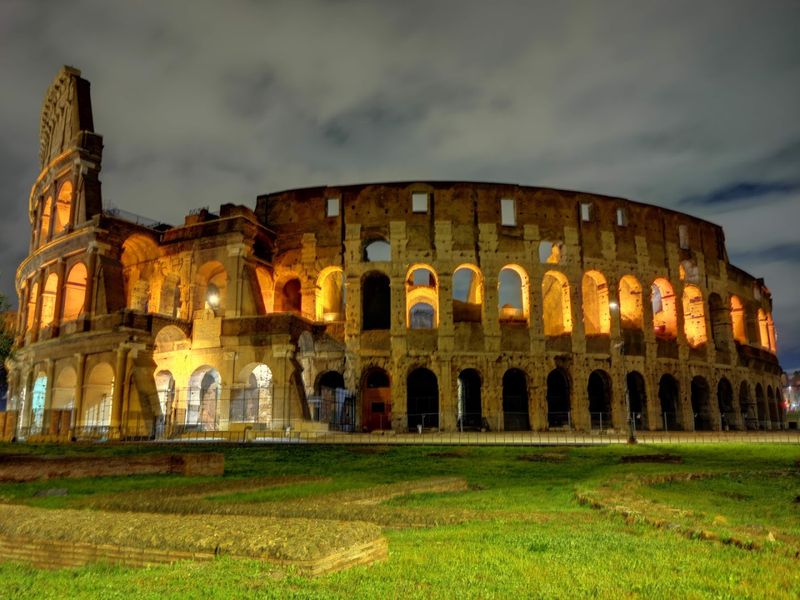
Nearly 2,000 years old and still standing, the Colosseum is proof that the ancient Romans knew how to build things to last. Completed around 80 AD, this enormous oval arena could pack in up to 50,000 screaming spectators.
It hosted gladiator fights, wild animal hunts, and even mock naval battles — ancient Rome’s version of prime-time entertainment.
The engineering behind it is genuinely impressive. Workers used a system of vaults, arches, and concrete that modern architects still study today.
Beneath the arena floor was a maze of tunnels and cages where animals and fighters waited before their big entrance.
Walking through the Colosseum today is a strange, powerful experience. You can almost hear the echoes of the crowd as you stand on the same stone where history played out in dramatic fashion.
Despite centuries of earthquakes, stone theft, and general wear, about two-thirds of the original structure remains. It has been used as a fortress, a quarry, and a church over the years.
Today, it stands as a UNESCO World Heritage Site and Rome’s most visited landmark.
Neuschwanstein Castle – Germany
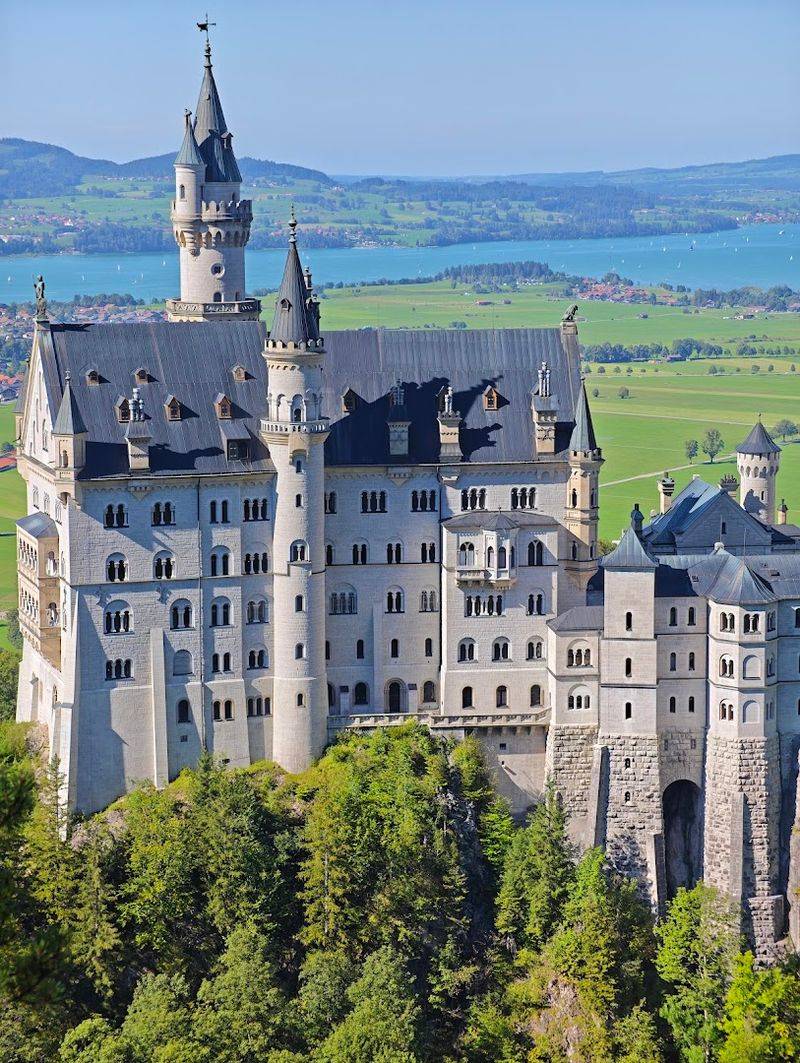
Perched on a jagged cliff in the Bavarian Alps, Neuschwanstein Castle looks like it was plucked straight out of a storybook. King Ludwig II of Bavaria commissioned it in 1869, not as a military fortress, but purely as a personal fantasy retreat.
He wanted to live inside a fairy tale, and honestly, he nailed it.
The castle is packed with elaborate murals, swan motifs, and rooms themed after operas by composer Richard Wagner, whom Ludwig deeply admired. The Throne Room is especially over-the-top, covered in gold and Byzantine-style mosaics.
Ludwig only lived there for about 172 days before he died under mysterious circumstances in 1886.
Here’s a fun twist: Neuschwanstein directly inspired Walt Disney’s Sleeping Beauty Castle. So every time you picture a Disney castle, you’re actually picturing a real building in southern Germany.
Today, over 1.4 million visitors come each year to see it, especially in autumn when the surrounding forests turn brilliant shades of orange and red. The views from the Marienbrücke bridge nearby are so stunning they almost feel unreal.
St. Peter’s Basilica – Vatican City
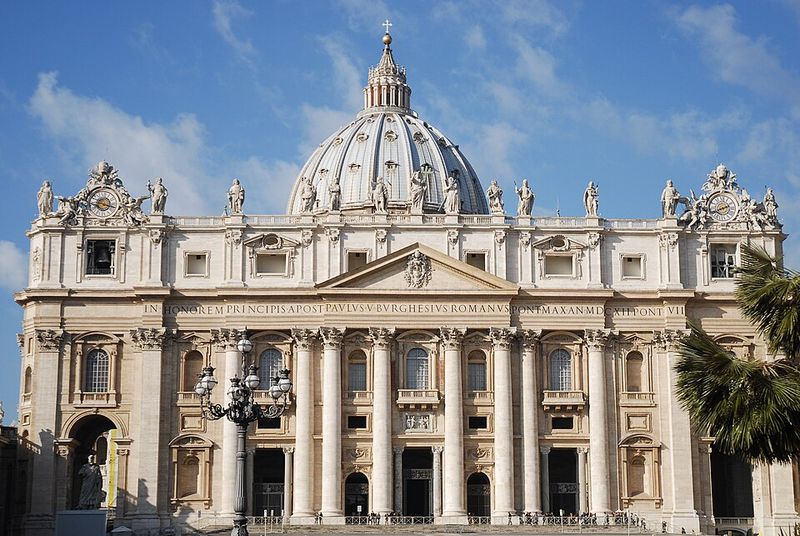
The numbers alone are staggering — St. Peter’s Basilica can hold up to 20,000 people, its dome soars 136 meters into the Roman sky, and it took over 120 years to build. This is not just a church; it’s the largest church in the world and one of the holiest sites in Christianity.
Michelangelo designed much of the dome, though he died before it was completed. The interior is filled with masterpieces, including his famous Pietà sculpture, which shows Mary cradling Jesus after the crucifixion.
The sheer scale of everything inside — the columns, the mosaics, the golden altar canopy — makes even the tallest visitors feel tiny.
Climbing to the top of the dome is absolutely worth the effort. From up there, you get a sweeping view over Vatican City and the rooftops of Rome that stretches for miles.
The Piazza San Pietro outside features a massive colonnade designed by Gian Lorenzo Bernini, which wraps around visitors like two welcoming arms. Whether you’re religious or not, standing inside St. Peter’s Basilica is an experience that leaves a lasting impression.
Parthenon – Athens, Greece
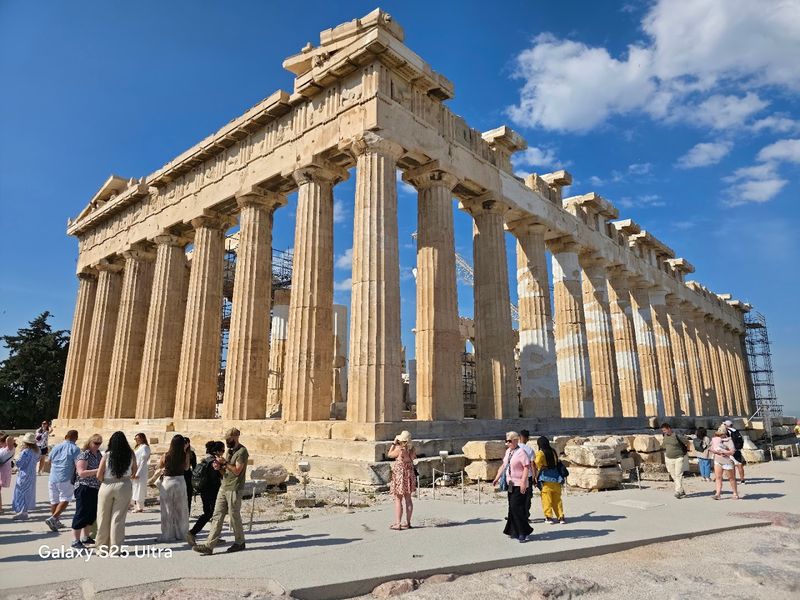
Built over 2,400 years ago and still one of the most photographed buildings on Earth — the Parthenon simply refuses to fade into history. Completed in 432 BC, this marble temple was dedicated to Athena, the Greek goddess of wisdom, and it sat at the very heart of ancient Athenian life.
Every column, every carved frieze, was placed with mathematical precision.
The Parthenon’s columns aren’t perfectly straight — they’re actually slightly curved inward. This was intentional, designed to trick the human eye into seeing them as perfectly straight.
That level of optical engineering from ancient architects is genuinely mind-blowing.
Over the centuries, the Parthenon has been used as a Christian church, an Islamic mosque, and even a gunpowder storage room (which did not end well — it exploded in 1687). Despite all this, the core structure still stands on the Acropolis, overlooking modern Athens with quiet authority.
Visiting at sunrise or sunset gives you the best light on the marble, turning the whole hilltop golden. The Acropolis Museum nearby holds many of the original carved sculptures and is well worth a visit before or after climbing the hill.
Palace of Versailles – France
Imagine a palace with 700 rooms, 2,000 windows, and gardens stretching across 800 hectares — that’s Versailles, and it was built to make absolutely sure everyone knew France was the most powerful nation in Europe. King Louis XIV moved his entire court here in 1682, turning a hunting lodge into the most extravagant royal residence ever constructed.
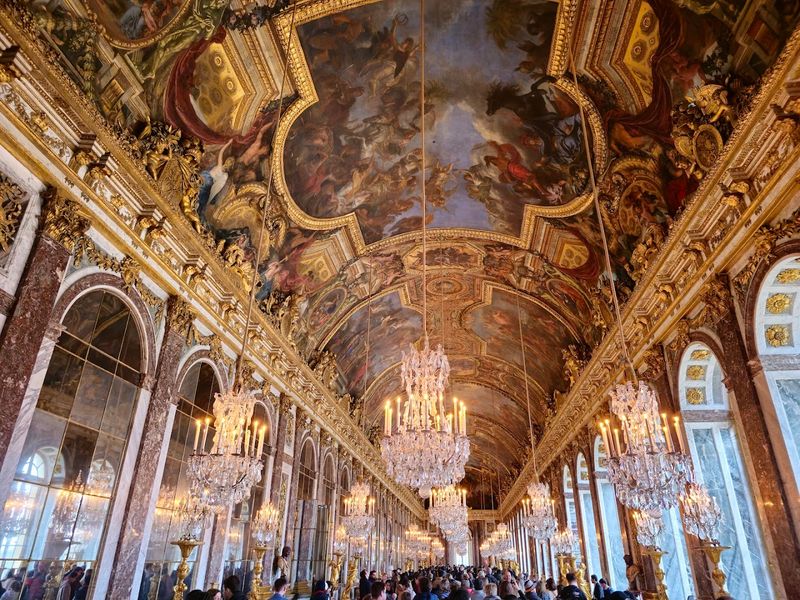
The Hall of Mirrors is the showstopper. Stretching 73 meters long, it features 357 mirrors reflecting 20,000 candles and golden chandeliers.
Important historical events took place here, including the signing of the Treaty of Versailles in 1919, which officially ended World War I.
The gardens outside are almost as famous as the palace itself. Designed by landscape architect André Le Nôtre, they’re laid out with geometric precision — perfectly trimmed hedges, symmetrical fountains, and long reflecting pools.
On weekends in summer, the fountains run with classical music playing in the background, which feels like something out of a royal dream. Versailles was so over-the-top that it actually contributed to the resentment that sparked the French Revolution.
Luxury, it turns out, has consequences.
Leaning Tower of Pisa – Italy
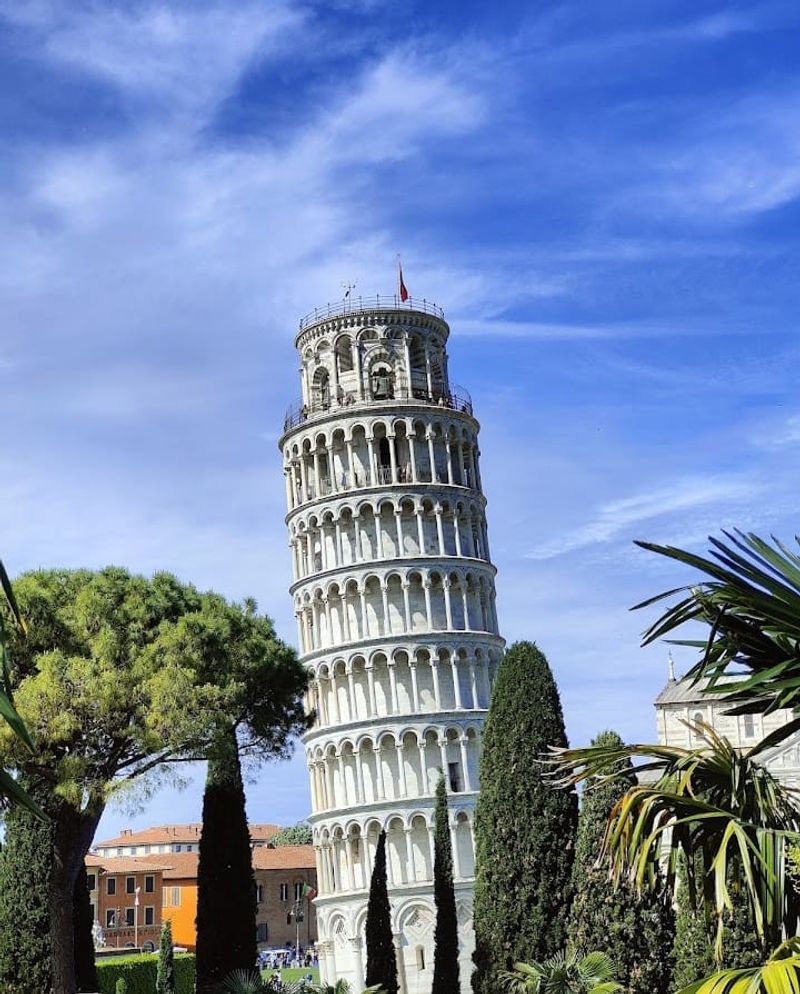
Most famous buildings are celebrated for doing everything right. The Leaning Tower of Pisa became world-famous for doing one thing spectacularly wrong.
Construction began in 1173, and the tower started tilting almost immediately because builders chose soft, unstable soil on one side. Rather than fix it, they just… kept building.
By the time it was completed in the 14th century, the lean was already noticeable. Engineers have since worked hard to stabilize it — and actually straightened it slightly in the 1990s to prevent it from falling over completely.
Today it leans at about 3.99 degrees, which is still dramatic enough to look totally unbelievable in photos.
Standing 56 meters tall, the tower is actually the freestanding bell tower of the Cathedral of Pisa. You can climb all 294 steps to the top, and the tilted staircase will mess with your sense of balance in the most entertaining way.
The square it sits on — Piazza dei Miracoli — also includes a stunning cathedral and baptistery, making the whole area worth a long afternoon. It’s one of those places where the story behind the building is just as fun as the building itself.
Notre-Dame Cathedral – Paris, France
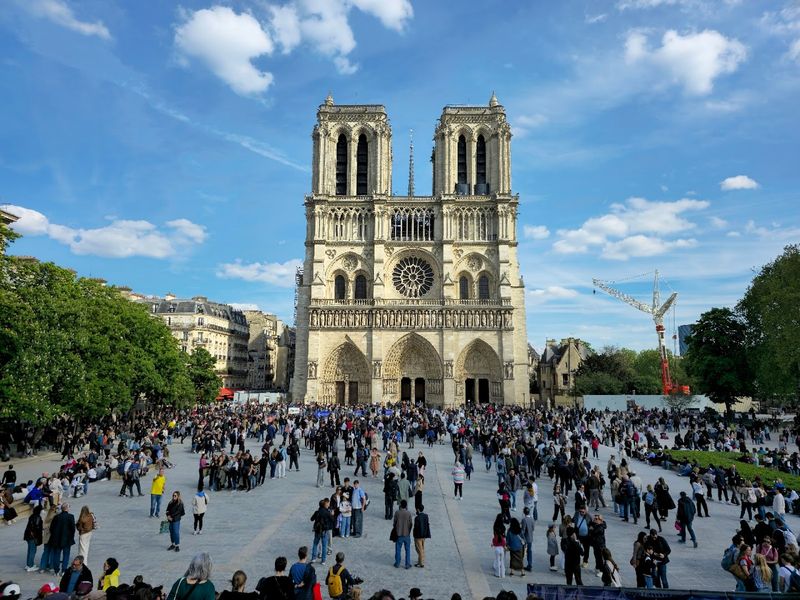
Few buildings carry as much emotional weight as Notre-Dame Cathedral. Standing on an island in the Seine River, this Gothic masterpiece took nearly 200 years to build, beginning in 1163.
Its flying buttresses, gargoyles, and enormous rose windows have inspired artists, writers, and architects for centuries.
Victor Hugo wrote his famous novel “The Hunchback of Notre-Dame” partly to draw attention to the cathedral’s crumbling state in the 1800s — and it worked. Public interest led to a major restoration project.
Then, in April 2019, a devastating fire broke out during renovation work, destroying the spire and much of the roof. The world watched in shock.
What happened next was remarkable. Billions of dollars in donations poured in from around the globe within days.
Restoration work began quickly, and the cathedral is currently being painstakingly rebuilt to its former glory, with a planned reopening in late 2024. Notre-Dame’s story has always been one of survival — surviving wars, revolutions, neglect, and now fire.
The gargoyles perched on its towers seem to guard it with stubborn determination, as if they know the old girl still has centuries left in her.
The Shard – London, England
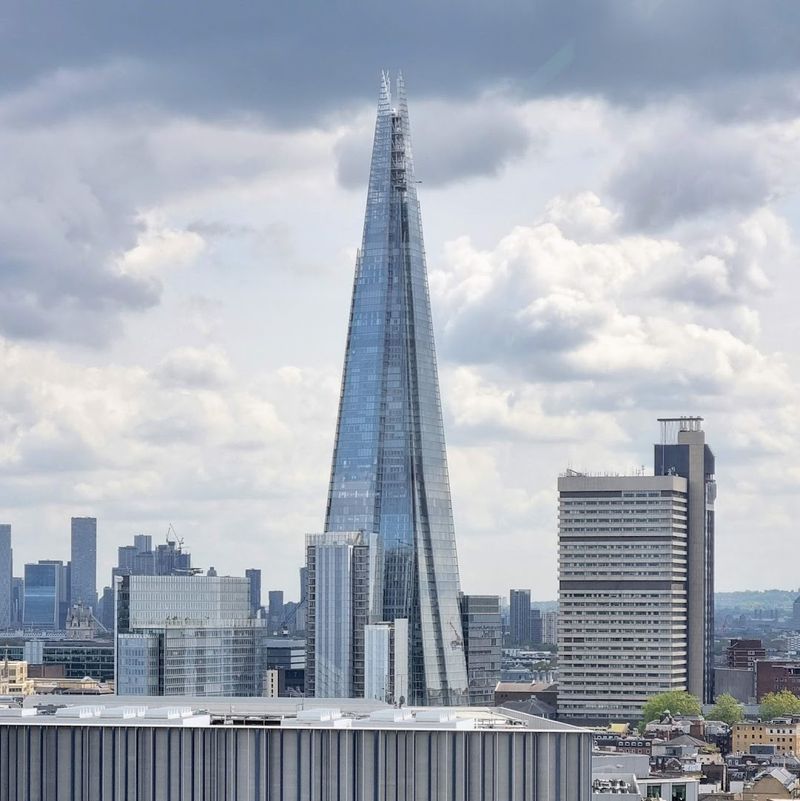
Sharp, sleek, and slightly intimidating — The Shard announced itself on the London skyline in 2012 and immediately started arguments. Some called it a bold statement of modern architecture.
Others called it a giant glass splinter stuck in a historic city. Either way, nobody could ignore it.
Designed by Italian architect Renzo Piano, The Shard stands 310 meters tall, making it the tallest building in Western Europe. Its tapered glass shape was inspired by the spires of London’s historic churches and the masts of sailing ships on the Thames.
Up close, the glass panels reflect the sky and city around them, constantly changing color throughout the day.
The View from The Shard observation deck on the 72nd floor is one of London’s most spectacular experiences. On a clear day, you can see up to 64 kilometers in every direction — the Thames snaking through the city, Tower Bridge looking like a toy, and the green patches of parks scattered across the urban sprawl.
The building also houses hotels, offices, restaurants, and apartments, making it a vertical city within a city. Love it or hate it, The Shard has become a genuine London icon.
Doge’s Palace – Venice, Italy
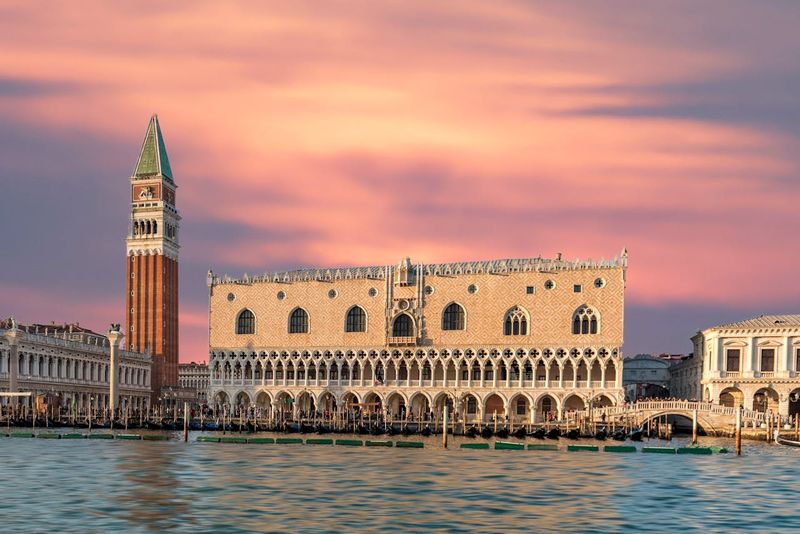
Venice is already one of the most visually surreal cities on Earth, but even by Venetian standards, the Doge’s Palace is something special. Its pink-and-white checkered marble facade and rows of delicate Gothic arches look almost too elegant to be a center of political power — which is exactly what it was for nearly a thousand years.
The Doge was Venice’s elected ruler, and this palace was his official residence, court of law, and government headquarters all rolled into one. Inside, the rooms are covered with massive paintings by Tintoretto and Veronese, including one of the largest oil paintings in the world.
The golden ceilings and ornate wooden carvings make every room feel like walking through a painting.
One of the most fascinating parts is the Bridge of Sighs, a covered passage connecting the palace to the old prison. Legend says condemned prisoners would catch their last glimpse of Venice through its small windows before entering their cells — hence the dramatic name.
Visitors today can cross the same bridge and peer through those same tiny windows at the canal below. The Doge’s Palace is Venice’s power, art, and drama all wrapped up in one extraordinary building.
Cologne Cathedral – Cologne, Germany
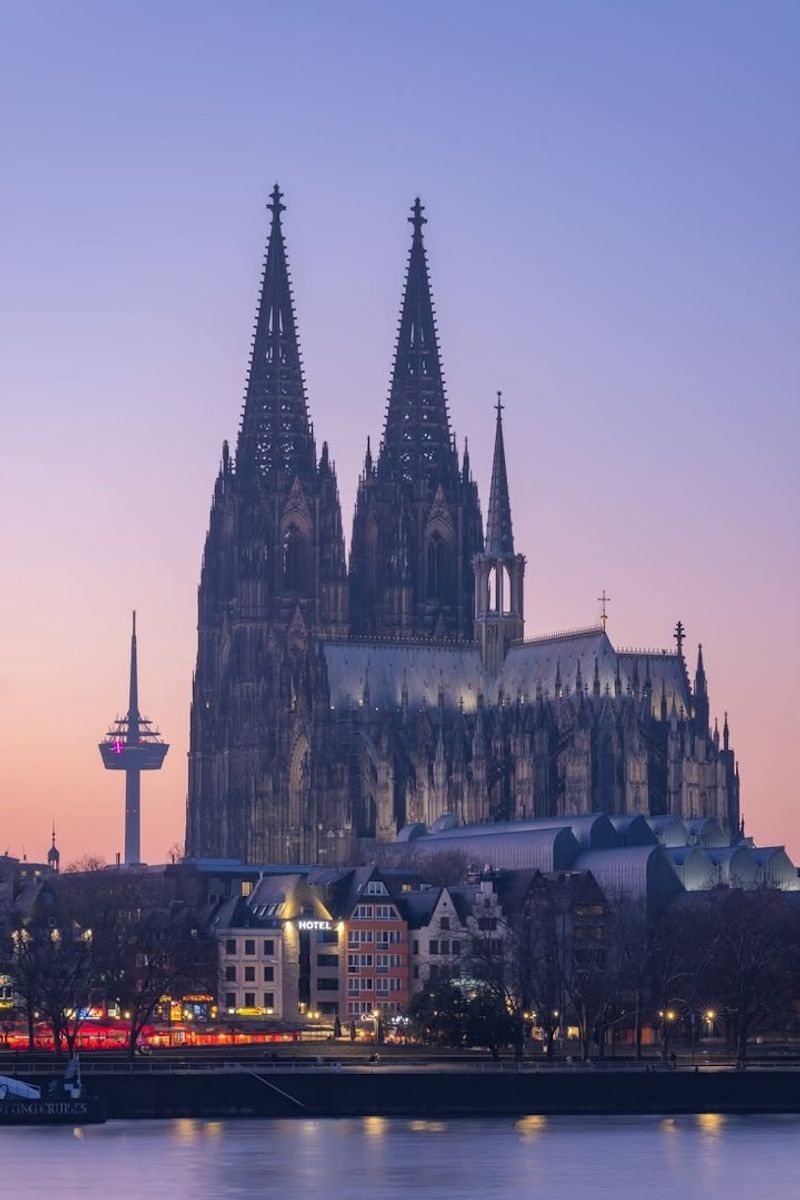
Construction of Cologne Cathedral started in 1248. It was completed in 1880.
That’s 632 years of building one church — a record that no other cathedral in the world comes close to matching. The twin spires soar 157 meters into the sky and were actually the tallest structures in the world for a brief period after completion.
The Gothic architecture is extraordinarily detailed up close. Every surface is carved with saints, gargoyles, and biblical scenes.
The south tower has a viewing platform you can reach by climbing 533 steps, and the reward is a breathtaking panorama over the Rhine River and the city spreading out below.
Inside, the atmosphere shifts completely. The soaring stone ceilings and slim stained glass windows create a hushed, almost otherworldly feeling.
The Cathedral Treasury holds some of the most valuable medieval religious artifacts in Europe, including the Shrine of the Three Kings — a golden reliquary said to contain the remains of the Biblical Magi. Cologne Cathedral survived World War II remarkably intact, even as the city around it was heavily bombed.
Locals believe the spires were deliberately spared by Allied pilots, who used them as navigation landmarks. Whether true or not, it’s a great story.
Pantheon – Rome, Italy
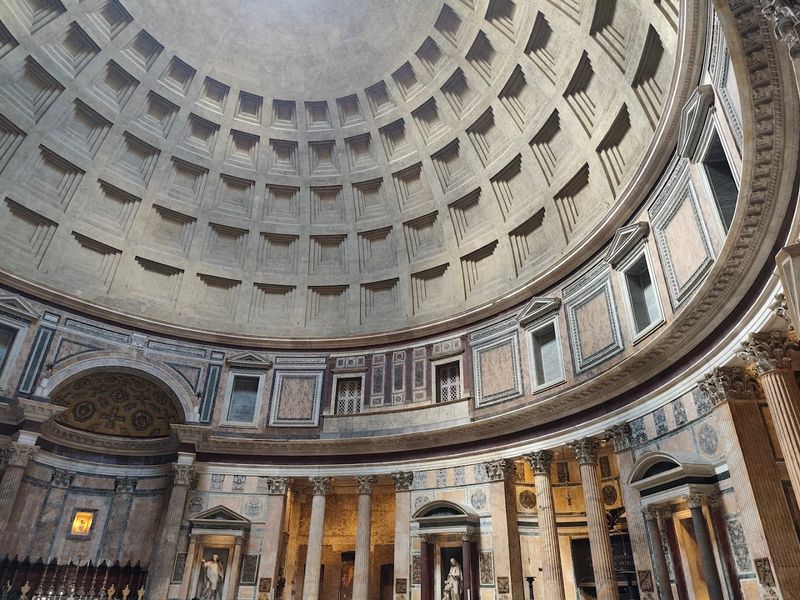
Walk through the bronze doors of the Pantheon and look straight up — there’s a hole in the roof. That circular opening, called the oculus, is 9 meters wide and has been the building’s only light source for nearly 2,000 years.
On sunny days, a perfect beam of light moves across the interior like a slow-motion spotlight.
Built around 125 AD under Emperor Hadrian, the Pantheon’s dome was the largest in the world for over 1,300 years. Here’s what makes it even more impressive: it’s made of unreinforced concrete, and modern engineers still aren’t entirely sure how it’s held together for so long.
The dome actually gets lighter as it rises, using progressively less dense materials toward the oculus.
Unlike many ancient buildings, the Pantheon has been in continuous use since it was built. It became a Christian church in 609 AD, which is largely why it survived while so many other Roman structures were stripped for parts.
Several Italian kings and the artist Raphael are buried inside. There’s no admission fee to enter — you just walk in off the street, which somehow makes this 2,000-year-old architectural marvel feel even more extraordinary and accessible.
Big Ben & Houses of Parliament – London, England
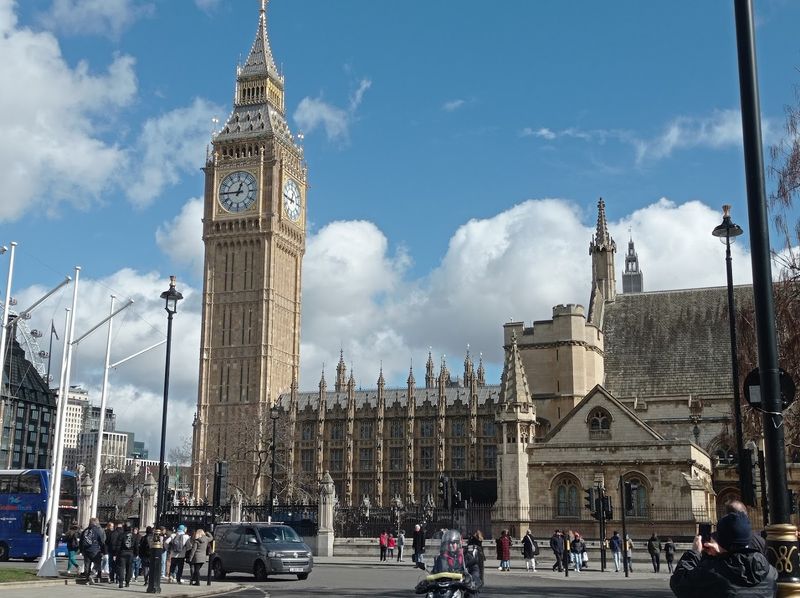
You’ve seen it on postcards, movies, and news broadcasts your entire life — but nothing quite prepares you for how impressive Big Ben and the Houses of Parliament look in person. Rising from the north bank of the Thames, the Gothic Revival complex stretches for nearly 300 meters along the river with towers, turrets, and golden stonework at every turn.
Fun fact: “Big Ben” technically refers only to the giant bell inside the Elizabeth Tower, not the tower itself. The bell weighs over 13 tonnes and has been chiming on the hour since 1859.
The clock faces are enormous — each one measures 7 meters in diameter, and the minute hands alone are 4.2 meters long.
The building houses the UK’s two legislative chambers — the House of Commons and the House of Lords — making it the beating heart of British democracy. The current structure was rebuilt after a devastating fire in 1834 destroyed most of the original medieval palace.
Architect Charles Barry won the design competition, and the result is one of the finest examples of Gothic Revival architecture anywhere in the world. Watching the clock strike midnight from Westminster Bridge on New Year’s Eve is one of London’s truly unforgettable experiences.
Hagia Sophia – Istanbul, Turkey
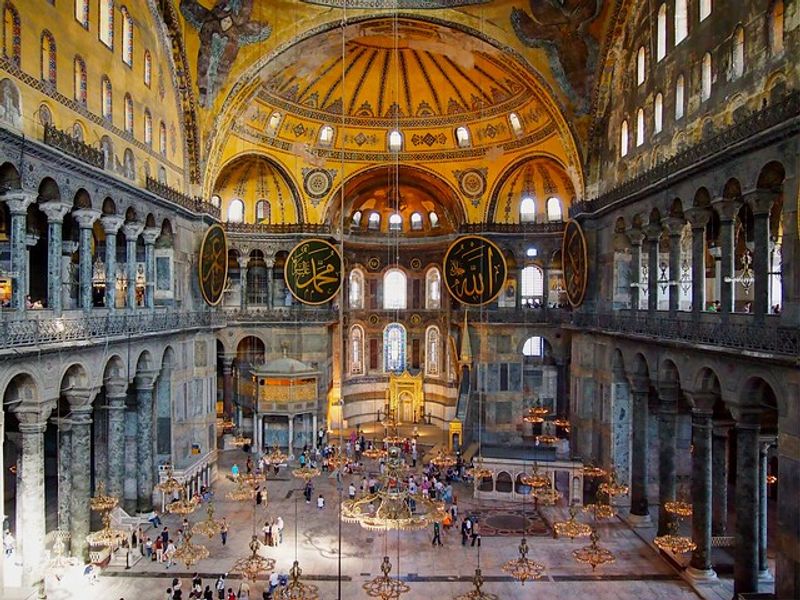
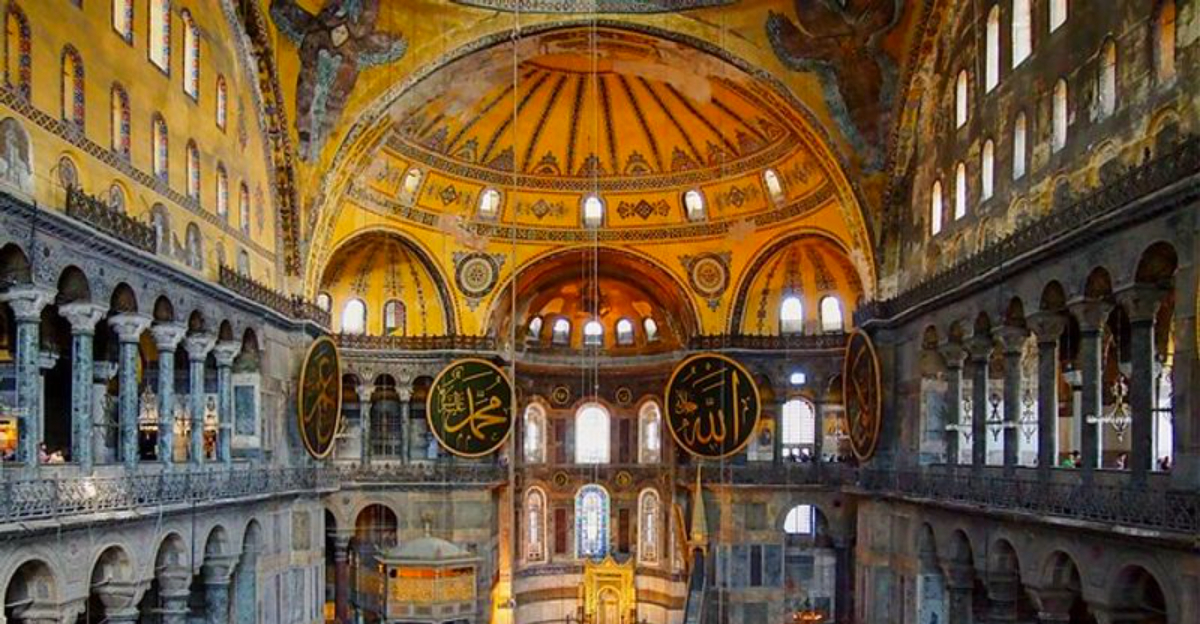
No building on Earth has changed its identity quite like the Hagia Sophia. Built in 537 AD as a Christian cathedral, converted to a mosque in 1453, turned into a museum in 1934, and then reconverted back into a mosque in 2020 — this building has lived through more history than most entire cities.
The massive central dome, spanning 31 meters across, seems to float above the interior with no visible support. Byzantine architects achieved this by placing the dome on a ring of 40 arched windows, flooding the space with light and creating an almost weightless effect.
When it was completed, Emperor Justinian reportedly declared, “Solomon, I have surpassed thee.”
Inside, layers of history literally overlap each other. Ancient Byzantine mosaics of Christian figures sit alongside Islamic calligraphy panels and Arabic inscriptions.
The building holds the artistic fingerprints of multiple civilizations at once, which makes it unlike anything else in the world. Istanbul itself sits on two continents — Europe and Asia — and the Hagia Sophia feels like a physical symbol of that crossroads identity.
Whether you visit for history, architecture, or sheer wonder, this 1,500-year-old giant delivers on every level.



