 Unearth The Voyage
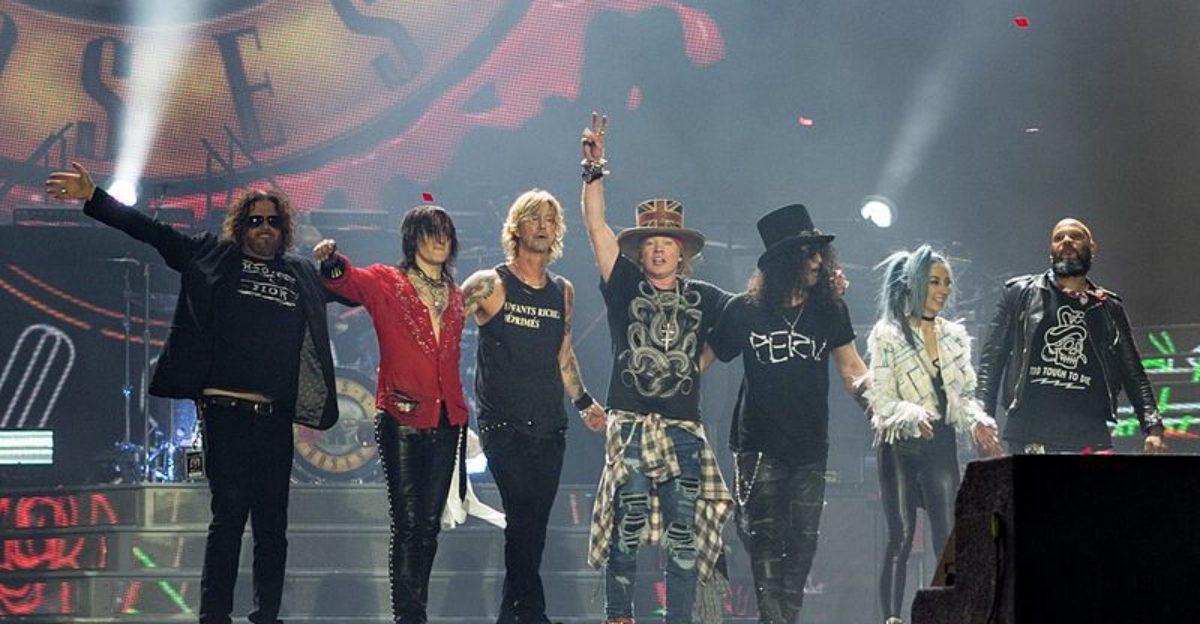
Rock music has produced some of the most unforgettable songs in history, and certain tracks stand out as truly perfect from start to finish. Whether it’s a soaring guitar solo, an emotional lyric, or a riff you can’t get out of your head, these songs have stood the test of time.
From the 1960s through the 1990s, rock musicians pushed boundaries and created music that still moves people today. Here are 15 rock songs that music fans and critics alike consider the closest thing to perfection.
1. Led Zeppelin – Stairway to Heaven
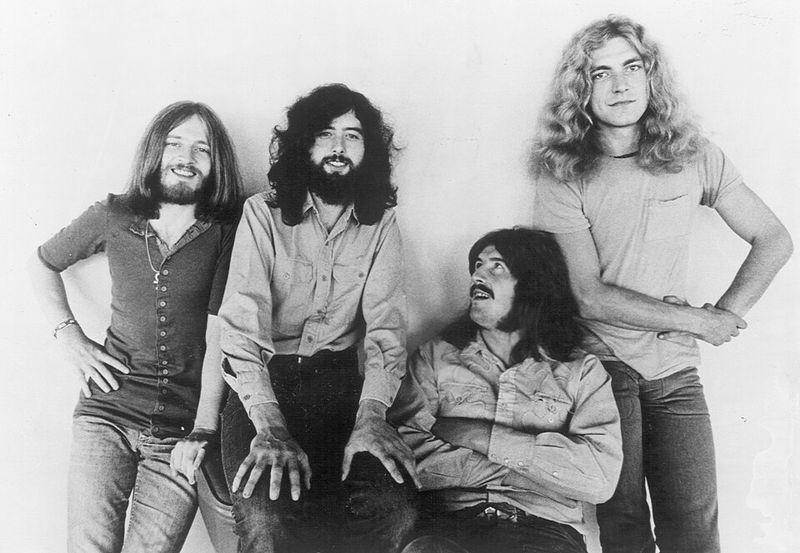
Few songs in rock history carry the weight and wonder of “Stairway to Heaven.” Released in 1971 on Led Zeppelin IV, this eight-minute epic begins with a delicate acoustic guitar melody before gradually building into one of the most explosive finishes in rock music.
Jimmy Page’s guitar solo near the end is widely considered one of the greatest ever recorded. Robert Plant’s vocals soar through layers of meaning that listeners have debated for decades.
The song never got a commercial single release, yet it became the most-requested song on FM radio throughout the 1970s.
Rolling Stone magazine ranked it among the greatest songs of all time. Whether you’re hearing it for the first time or the hundredth, “Stairway to Heaven” delivers something new every single listen.
It is the gold standard of rock songwriting.
2. Queen – Bohemian Rhapsody
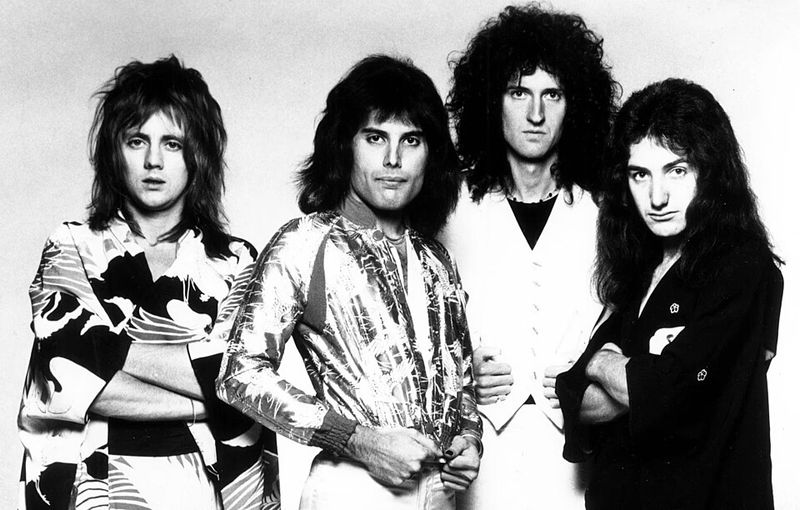
Freddie Mercury once described “Bohemian Rhapsody” as a mock opera, and that description barely scratches the surface. Released in 1975, the six-minute track moves through a soft ballad, an operatic section, and a hard rock finale in a way no one had ever attempted in mainstream music.
Producer Roy Thomas Baker and the band spent three weeks layering vocals to create the operatic middle section. Radio programmers were convinced it was too long to succeed, yet it became Queen’s biggest hit.
It reached number one in the UK twice, first in 1975 and again after Freddie Mercury’s death in 1991.
The song’s 1992 appearance in the film “Wayne’s World” introduced it to a whole new generation. No two listeners experience it the same way, which is exactly what makes it timeless and genre-defying in every sense.
3. The Rolling Stones – (I Can’t Get No) Satisfaction
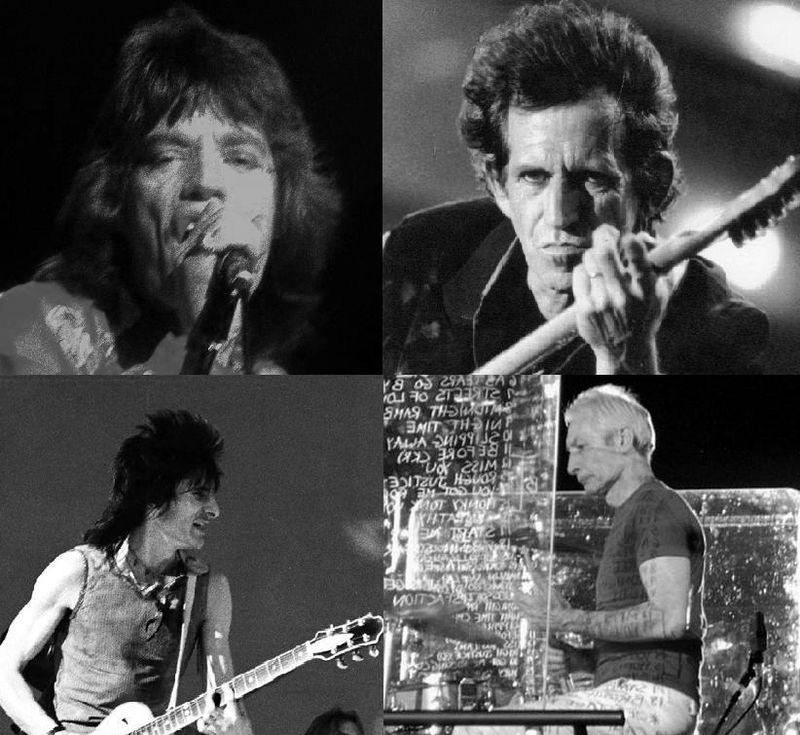
Keith Richards reportedly came up with the famous fuzz-tone guitar riff in his sleep, recording it on a cassette player beside his bed before drifting off again. When the band heard it the next morning, rock history was made.
Released in 1965, “Satisfaction” became the Rolling Stones’ first number-one hit in the United States.
Mick Jagger’s frustrated lyrics about consumerism and media overload felt urgent then and still resonate today. The song’s raw energy captured the restless spirit of a generation pushing against the status quo.
Its fuzzy, distorted guitar tone was unlike anything on the radio at the time.
Rolling Stone magazine named it the second greatest song of all time. More than 60 years after its release, “Satisfaction” still gets played at stadiums around the world.
That riff alone is worth its spot on this list without question.
4. The Beatles – A Day in the Life
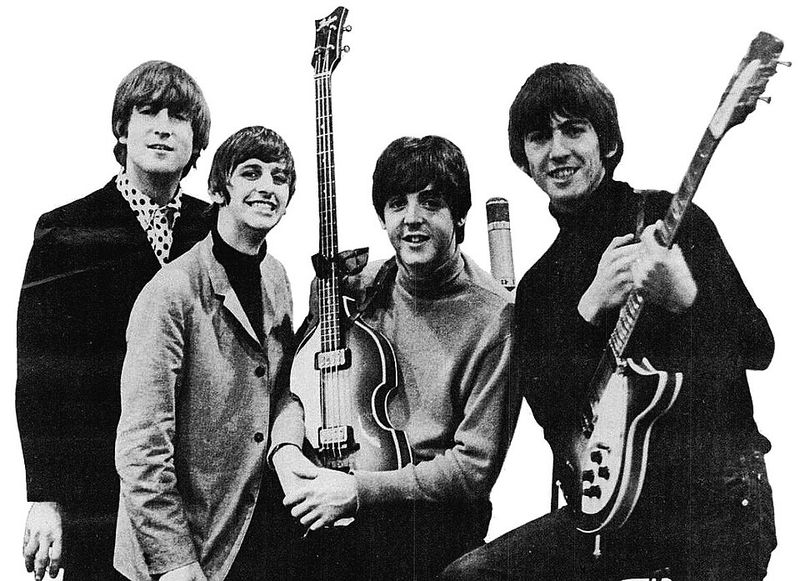
Closing out the landmark “Sgt. Pepper’s Lonely Hearts Club Band” album in 1967, “A Day in the Life” is often called the greatest Beatles song ever recorded.
John Lennon and Paul McCartney each contributed distinct sections, creating a dreamlike contrast between the detached and the personal.
The orchestral crescendos, recorded with 40 musicians playing from their lowest to highest notes simultaneously, were completely unprecedented in pop music. The final piano chord, held for nearly a minute, became one of the most analyzed moments in music history.
Producer George Martin helped shape an arrangement that felt both chaotic and perfectly controlled.
The BBC banned the song, claiming drug references, which only added to its cultural mystique. Decades later, musicians and critics still study it as a masterclass in studio innovation.
As a closing statement on one of rock’s greatest albums, it remains utterly unmatched.
5. Nirvana – Smells Like Teen Spirit

When “Smells Like Teen Spirit” exploded onto MTV in September 1991, it felt like someone had pulled the rug out from under mainstream pop music. Kurt Cobain’s distorted guitar riff and raw, half-mumbled vocals were unlike anything dominating radio at the time, and the world could not get enough.
The song launched Nirvana’s “Nevermind” album to global success and single-handedly pushed grunge into the mainstream. Its music video, set in a chaotic high school gym, became one of the most iconic clips of the decade.
Cobain himself later admitted he was trying to write a pop song in the style of the Pixies.
Even after more than three decades, the opening four notes of that riff still cause an immediate reaction in listeners. Rolling Stone ranked it ninth on its list of the 500 greatest songs of all time.
Few songs have changed popular music so dramatically and so fast.
6. Pink Floyd – Comfortably Numb
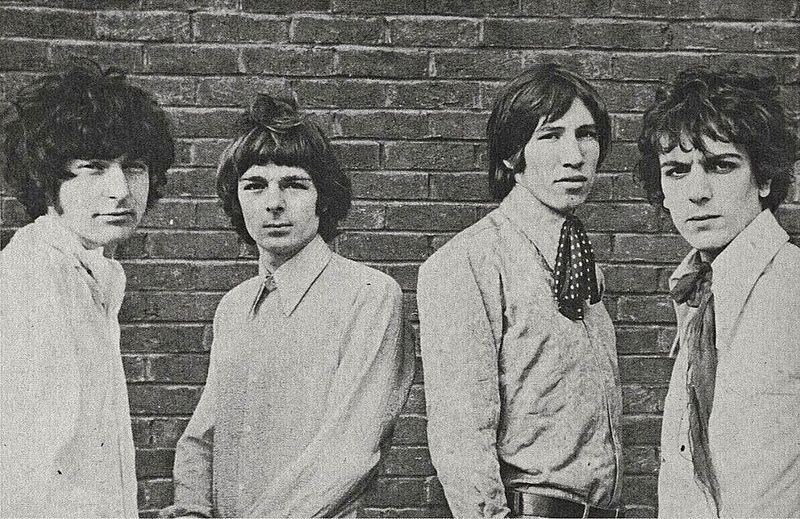
There is a reason guitarists around the world still talk about the solo in “Comfortably Numb” in hushed, reverent tones. David Gilmour’s second guitar solo in this 1979 track is consistently ranked among the greatest ever put to tape, full of aching bends and sustained notes that feel almost human.
The song came from Pink Floyd’s double album “The Wall” and features a powerful dialogue between Roger Waters and Gilmour, both vocally and musically. Waters wrote the lyrics from the perspective of a rock star disconnecting from reality, inspired by a real experience of being injected with tranquilizers before a concert.
The contrast between the verses’ quiet unease and the guitar solos’ emotional release gives the song a dramatic arc few rock tracks can match. At over six minutes long, it never once overstays its welcome. “Comfortably Numb” is the kind of song that makes people stop whatever they are doing just to listen.
7. Jimi Hendrix – All Along the Watchtower
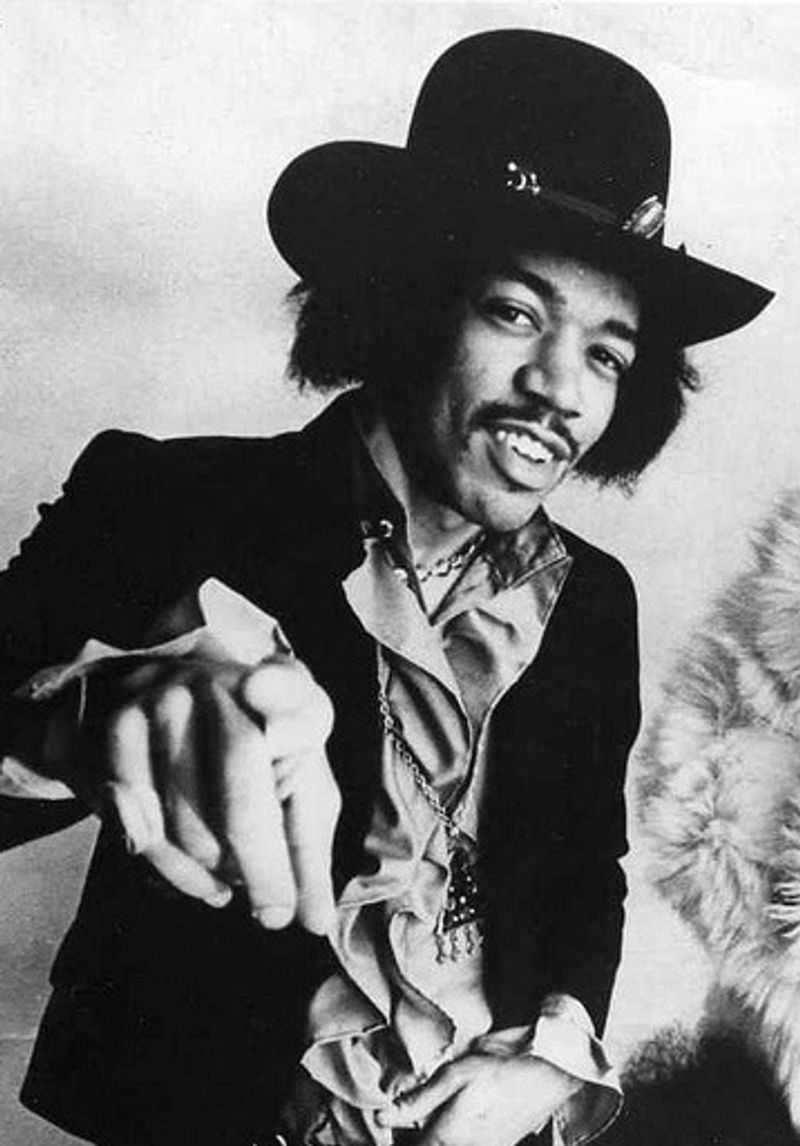
Bob Dylan wrote “All Along the Watchtower” and released it in 1967, but Jimi Hendrix turned it into something otherworldly. Within months of Dylan’s version, Hendrix reimagined the song with layered guitars, a soaring solo, and an urgency that made it feel brand new.
Dylan himself later admitted he preferred Hendrix’s version.
Hendrix restructured the song by starting with what Dylan used as the final verse, giving it a completely different emotional weight. The guitar work is stunning even by today’s standards, featuring rhythm parts, lead lines, and slide guitar woven together seamlessly.
It remains one of the most studied guitar recordings in rock history.
The track appeared on Hendrix’s 1968 album “Electric Ladyland” and became one of his signature songs. When an artist covers a song so brilliantly that the original writer defers to it, you know something truly special has been created.
8. The Who – Baba O’Riley
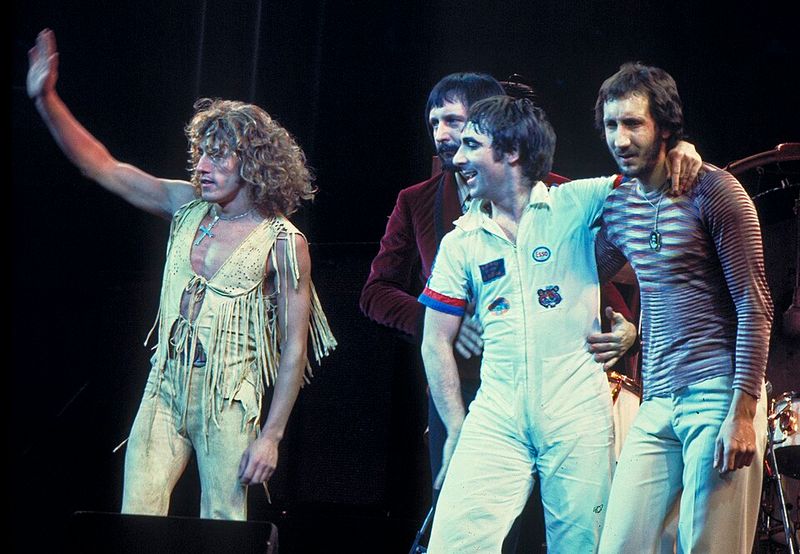
That synthesizer intro is one of the most instantly recognizable openings in all of rock music. Pete Townshend wrote “Baba O’Riley” for The Who’s 1971 album “Who’s Next,” combining influences from philosopher Meher Baba and composer Terry Riley into a sprawling anthem about teenage disillusionment and freedom.
Many people know the song by the title “Teenage Wasteland” because that phrase appears repeatedly in the chorus. Roger Daltrey’s powerful vocal delivery gives the lyrics an anthemic quality that still connects with young listeners today.
The song was originally conceived as part of a much larger concept project called “Lifehouse” that was never fully completed.
Keith Moon’s explosive drumming and John Entwistle’s thunderous bass playing push the song forward with incredible momentum. The violin-driven outro feels triumphant rather than sad, despite the melancholy subject matter.
Few songs capture the energy and confusion of youth as honestly as this one does.
9. Guns N’ Roses – Sweet Child O’ Mine
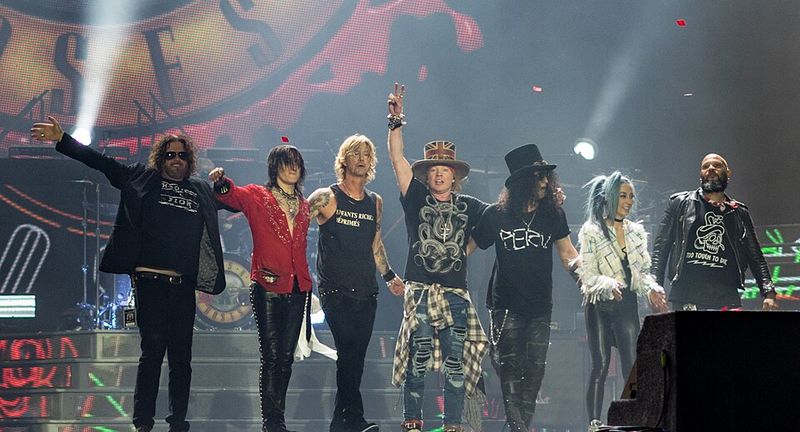
Slash came up with the iconic opening guitar riff almost by accident, describing it as a “circus melody” he was playing as a warm-up exercise. Axl Rose heard it and immediately began writing lyrics, and one of rock’s most beloved songs was born.
Released in 1988 on the “Appetite for Destruction” album, it became the band’s first and only number-one hit in the United States.
Axl Rose wrote the lyrics as a tribute to his then-girlfriend Erin Everly, giving the song a tenderness that balanced out the band’s harder, more aggressive material. Duff McKagan and Steven Adler’s rhythm section provides a solid backbone beneath Slash’s soaring lead work.
The song’s emotional range, from gentle and romantic to full-throttle rock, is part of what makes it so enduring. Decades later, that opening riff remains one of the most recognizable moments in rock history, guaranteed to fill any room with energy.
10. AC/DC – Back in Black
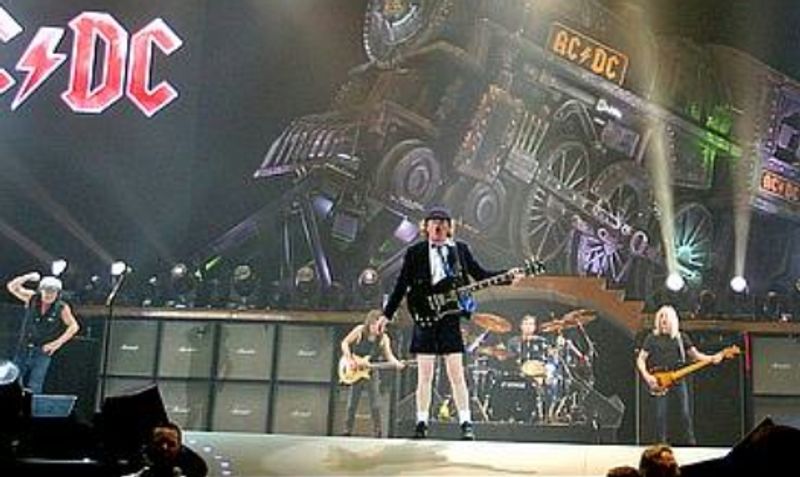
Written as a tribute to late vocalist Bon Scott, “Back in Black” became one of the best-selling rock albums in history, and its title track set the tone from the very first note. That opening guitar riff from Angus Young is pure, unfiltered rock power, built from just a handful of notes arranged with genius-level simplicity.
Released in 1980, the song marked the debut of new singer Brian Johnson, who had enormous shoes to fill. Johnson’s gravel-voiced delivery proved he was more than up to the task, bringing grit and swagger to every line.
The production by Robert John “Mutt” Lange gave the track a clarity and punch that still sounds massive on any speaker system today.
“Back in Black” is a masterclass in restraint, proving that rock does not need complexity to be powerful. Sometimes four chords and a thunderous backbeat are all you need to create something truly unforgettable and lasting.
11. Bruce Springsteen – Born to Run
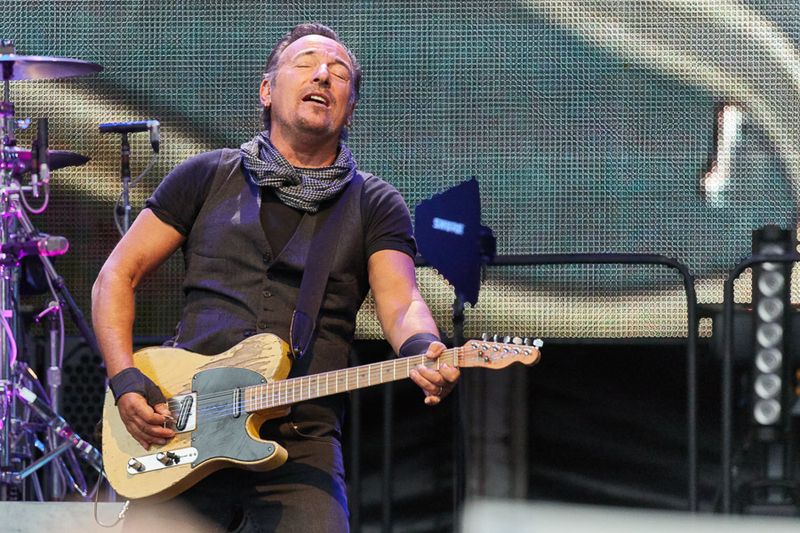
Bruce Springsteen spent six months writing and recording “Born to Run,” reportedly going through 14 hours of tape to get it right. Released in 1975, the song became his commercial breakthrough and remains his defining artistic statement.
It captures the desire to escape a dead-end life with a cinematic scale that few rock songs have ever matched.
The production is enormous, layered with saxophone, glockenspiel, and wall-of-sound guitars inspired by Phil Spector’s recording style. Springsteen wrote it as a love letter to rock and roll itself, as much as to the young couple at the center of the story.
Clarence Clemons’ saxophone lines weave through the track with a warmth that balances the song’s raw urgency.
Time magazine put Springsteen on its cover in 1975, the same week as Newsweek, an almost unheard-of achievement for a rock musician. “Born to Run” is the sound of young America dreaming out loud, loud and clear.
12. Fleetwood Mac – Go Your Own Way
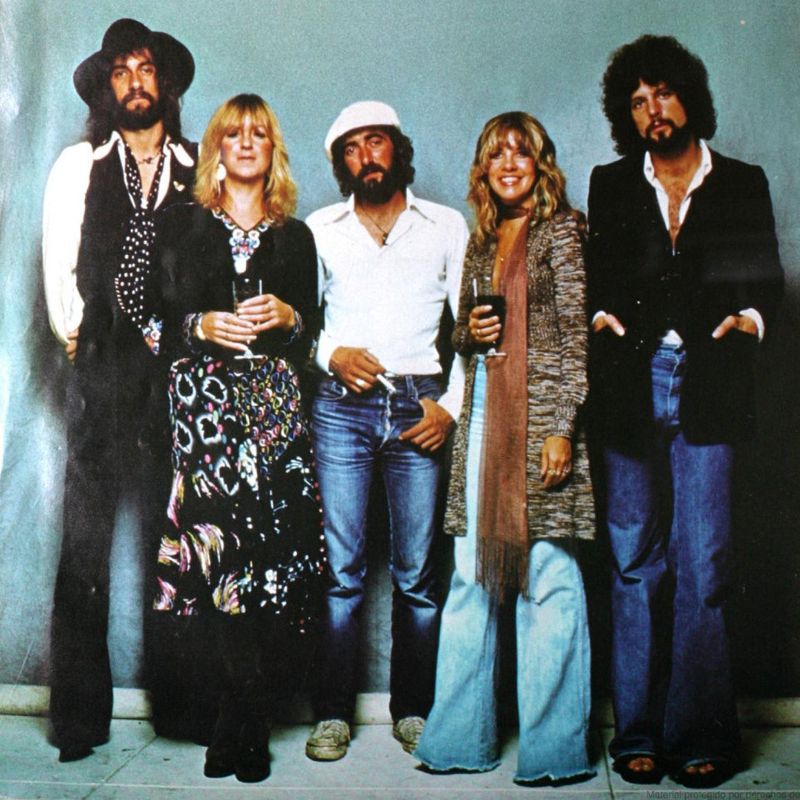
Writing a breakup song about someone you still have to perform with every night takes a certain kind of courage. Lindsey Buckingham wrote “Go Your Own Way” about his split from bandmate Stevie Nicks while both were still members of Fleetwood Mac, and the tension in the song is completely real.
Released in 1977 as the lead single from the legendary “Rumours” album, it became one of the band’s signature tracks.
Mick Fleetwood’s unconventional drumming, which he described as playing the pattern backward, gives the song a propulsive, restless energy that perfectly matches its emotional content. Nicks has publicly said she hated singing the backing vocals on the track because she disagreed with the lyrics about her.
That real-life friction between two people who loved and hurt each other is baked into every note. “Go Your Own Way” is a perfect storm of personal pain, great musicianship, and pop craftsmanship that still sounds brilliant today.
13. David Bowie – Heroes
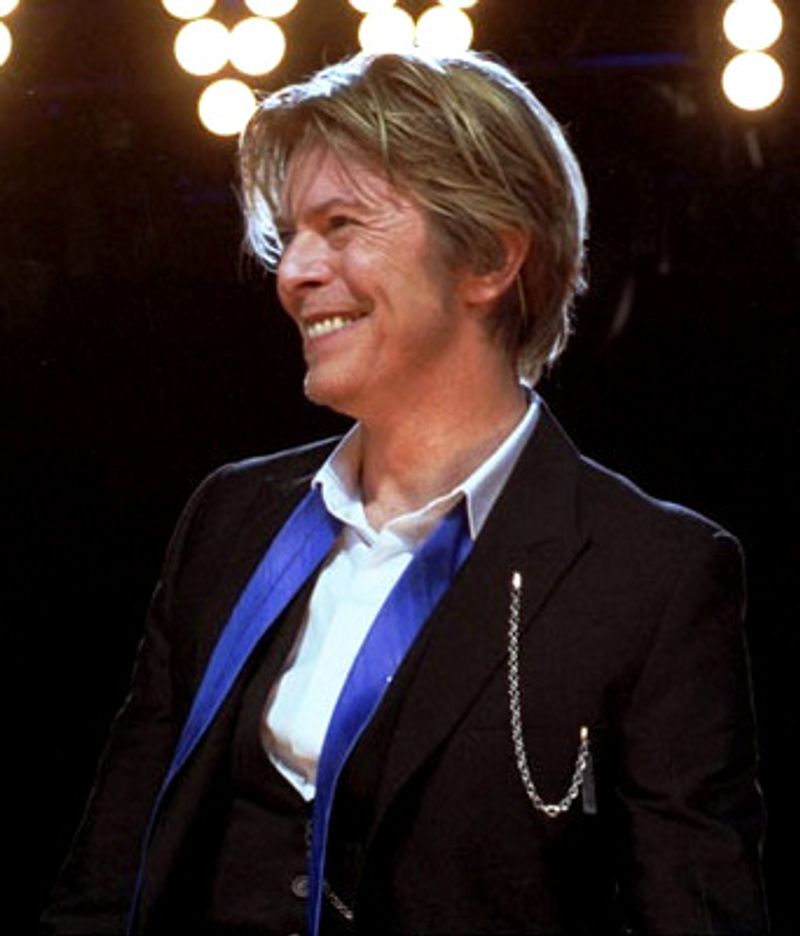
Recorded in Berlin in 1977, “Heroes” was inspired by a real moment David Bowie witnessed from a studio window: his producer Tony Visconti kissing a woman near the Berlin Wall. Bowie transformed that small, human moment into something universal, a song about love, defiance, and the hope that ordinary people can be extraordinary, even if just for one day.
The song’s production, built with guitarist Robert Fripp’s unique ambient guitar layers and Brian Eno’s synthesizer textures, creates a sound that feels both cold and warm at the same time. Bowie recorded his vocals in three passes, each time standing farther from the microphone to capture a natural sense of building intensity.
Despite being only a modest chart hit on release, “Heroes” grew into one of the most beloved songs in rock history. Its message of hope against impossible odds has made it an anthem for generations of listeners seeking something to believe in.
14. Eagles – Hotel California
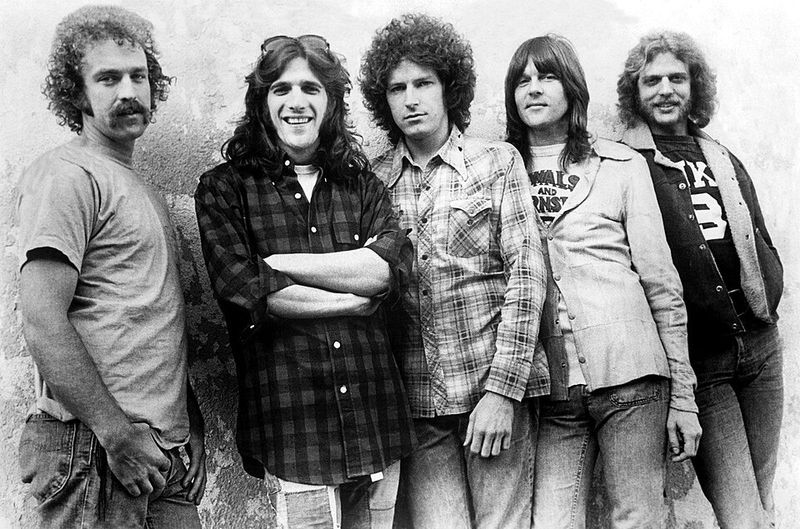
Few songs in rock history build atmosphere quite like “Hotel California.” From the opening acoustic guitar figure to the famous twin lead guitar outro, the Eagles constructed a song that feels like stepping into a dream you cannot quite escape. Released in 1977, it became the defining track of the classic rock era.
Don Henley described the song as a metaphor for the dark underbelly of the American dream, specifically the excesses of the music industry in Los Angeles. The lyrics are full of vivid, unsettling imagery that has kept listeners guessing about their meaning for nearly 50 years.
Don Felder and Joe Walsh’s interlocking guitar solos at the end are a clinic in melodic lead playing.
The song won the Grammy for Record of the Year in 1978 and remains one of the best-selling singles of all time. Every element, the lyrics, the melody, the arrangement, feels intentional and perfectly placed.
15. The Clash – London Calling
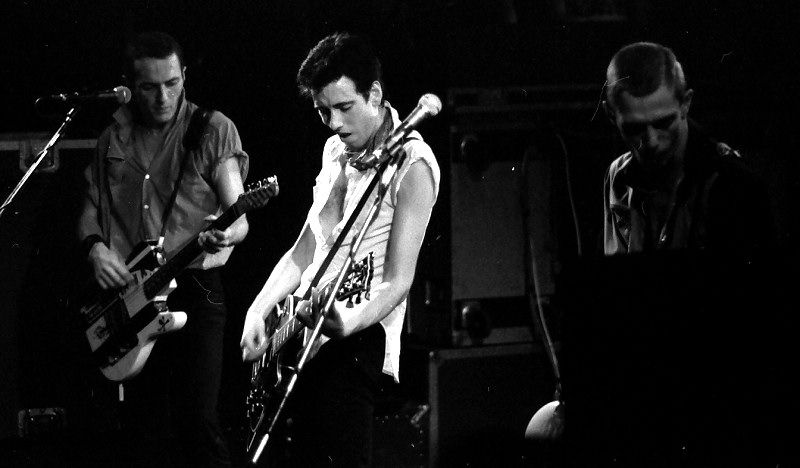
Joe Strummer wrote “London Calling” in 1979 against a backdrop of real anxiety: rising unemployment, racial tensions, nuclear threat fears, and the looming sense that the world was coming undone. The result was a song that crackled with urgency and anger without ever losing its musical punch.
It became the title track of what many critics consider the greatest punk album ever made.
Paul Simonon’s now-legendary bass smash, captured on the album cover, happened during a frustrated moment at a New York concert, and it perfectly sums up the energy the band brought to everything they did. Mick Jones’ guitar work blends reggae, rock, and punk in a way that sounds effortless but was carefully crafted.
Rolling Stone ranked “London Calling” as one of the greatest songs of all time. More than four decades later, its sharp social commentary still feels relevant, proving that great rock music can be both a fist in the air and a mirror held up to the world.



