 Unearth The Voyage
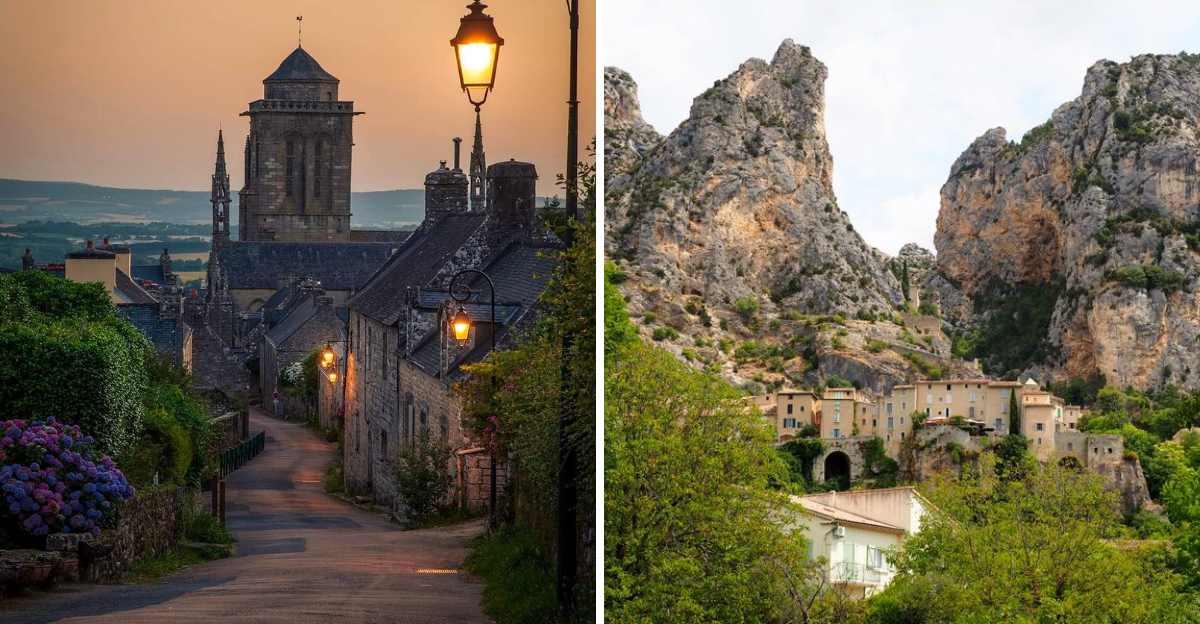
France is home to some of the most charming and beautiful villages in the world, tucked away in valleys, perched on cliffs, and nestled among vineyards. These rural gems offer cobblestone streets, ancient stone houses, and stunning views that make you feel like you’ve stepped back in time.
Whether you’re dreaming of lavender fields in Provence or medieval towers in the Dordogne, these villages showcase the very best of French countryside life. Get ready to explore fifteen unforgettable spots that capture the magic and beauty of rural France.
Saint-Cirq-Lapopie — Cliffside Medieval Marvel, Occitanie
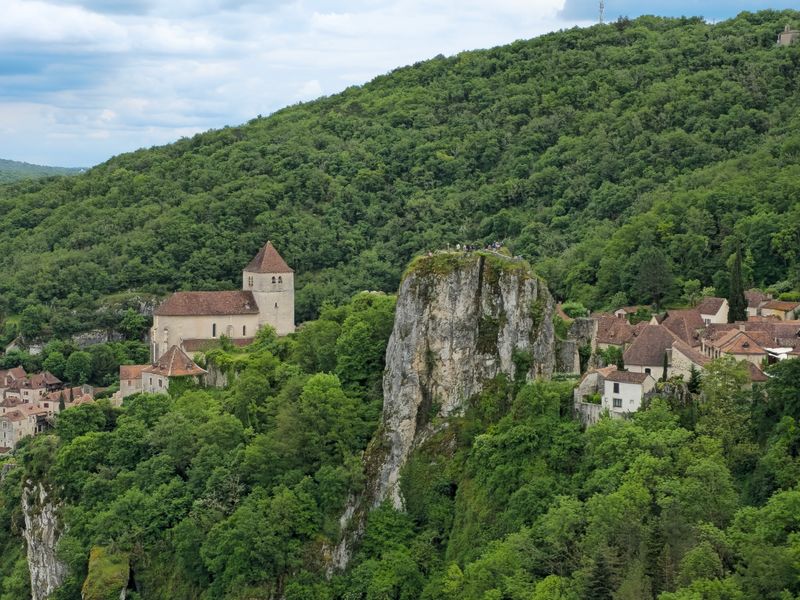
Imagine a village so beautiful it looks like it belongs in a painting. Saint-Cirq-Lapopie clings to a steep cliff high above the Lot River, where honey-colored stone houses cascade down narrow medieval lanes.
The village has barely changed since the Middle Ages, giving visitors a genuine taste of centuries-old French life.
Artists and writers have flocked here for over a hundred years, drawn by the magical light and stunning views. Wander the winding streets past artisan workshops, cozy cafés, and the impressive 13th-century Gothic church that towers over the village.
Every corner offers another postcard-worthy scene.
The village started as a defensive fortress, which explains its dramatic hilltop position and the incredible panoramic views over the valley below. Today, those same ramparts make perfect spots for sunset watching as the golden light bathes the stone facades.
Local shops sell handmade crafts and regional treats.
Plan to spend at least a few hours exploring the steep pathways and hidden courtyards. The climb is worth every step for the breathtaking scenery and peaceful atmosphere that make Saint-Cirq-Lapopie truly unforgettable.
Gordes — Provence’s Hilltop Jewel
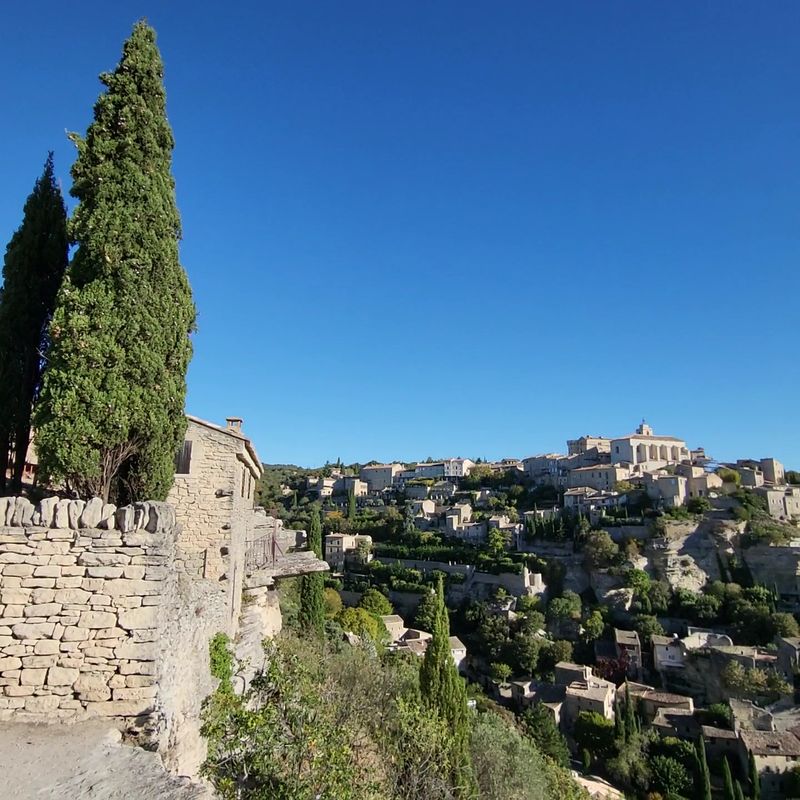
Golden stone buildings tumble down a hillside like a waterfall frozen in time. Gordes sits majestically atop a rocky outcrop in the Luberon region, crowned by a stunning Renaissance castle that watches over endless lavender fields and silvery olive groves.
This is Provence at its absolute finest.
The village’s narrow cobblestone lanes invite leisurely exploration, leading past boutique shops, art galleries, and sunny terraces where locals sip rosé and watch the world go by. Markets burst with fresh produce, fragrant herbs, and handmade soaps that capture the essence of southern France.
Every corner smells like lavender and sunshine.
Just minutes away, the ancient Sénanque Abbey rises from purple lavender fields that bloom spectacularly each summer, creating one of the most photographed scenes in all of France. The contrast between gray stone and vibrant purple is absolutely magical.
Photographers arrive before dawn to capture the perfect shot.
Whether you’re enjoying a leisurely lunch on a shaded terrace or exploring the village’s historic stone houses, Gordes delivers that dreamy Provençal experience everyone imagines.
Riquewihr — Alsace’s Fairytale Vineyards
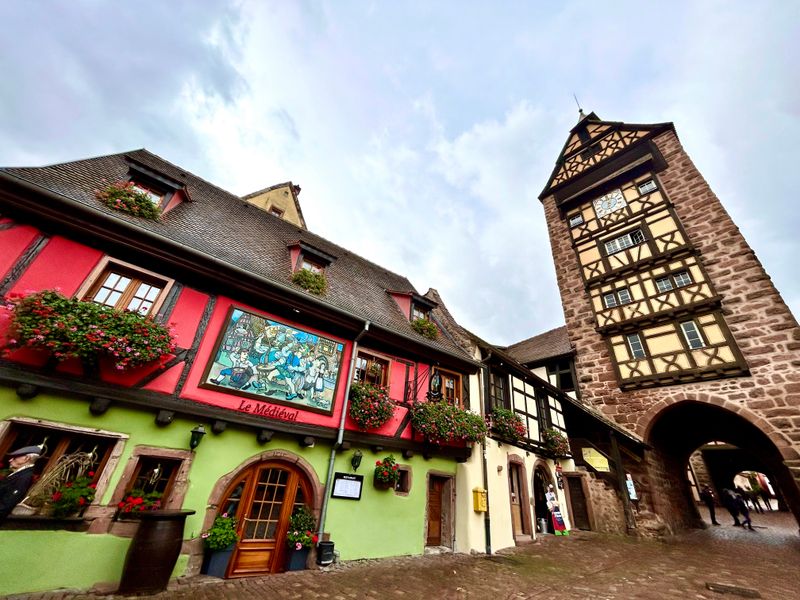
Half-timbered houses painted in cheerful pastels line cobblestone streets like something straight out of a storybook. Riquewihr sits snugly among rolling vineyards along the famous Alsace Wine Route, where Riesling and Gewurztraminer grapes have grown for centuries.
The village looks almost too perfect to be real.
Ancient fortifications still encircle the old town, complete with medieval gates and watchtowers that once protected precious wine cellars below. Today those same cellars welcome visitors for tastings of crisp white wines that reflect the region’s unique terroir.
Flower boxes overflow from every window, adding splashes of red and pink against timber and plaster.
Wander the narrow streets past family-run wineries, bakeries selling pretzels and kugelhopf, and shops displaying Alsatian pottery and textiles. The village manages to feel both festive and peaceful at the same time.
Christmas markets here are particularly magical, with twinkling lights and the scent of mulled wine filling the air.
Sunset is the best time to grab a glass of local wine and settle onto a terrace, watching golden light play across timber facades and distant vineyard hills.
Eguisheim — Concentric Streets & Alsatian Wine
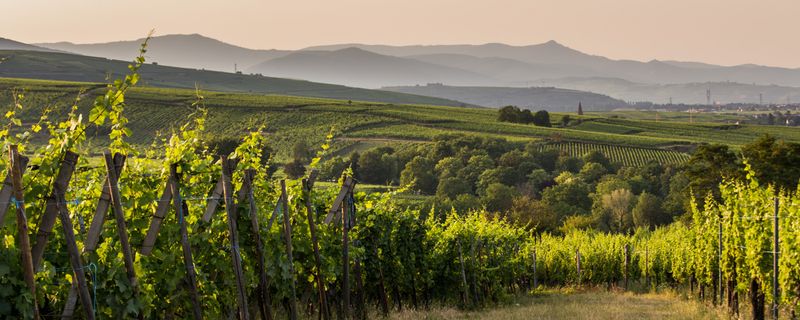
Streets spiral outward in perfect circles from a medieval castle at the heart of this enchanting village. Eguisheim’s unique circular layout makes exploring feel like unwrapping a beautiful present, with each concentric ring revealing more colorful half-timbered houses and flower-filled fountains.
It’s like walking through a living kaleidoscope.
Recognized as one of France’s Most Beautiful Villages, Eguisheim has earned its reputation with postcard-perfect scenes at every turn. Geraniums and petunias cascade from window boxes, creating explosions of color against timber-framed facades painted in cheerful yellows, pinks, and blues.
The village takes serious pride in its floral displays.
Vineyards press close to the village walls, and local winemakers continue traditions passed down through generations. Sample crisp Alsatian whites in cozy tasting rooms, then stroll past medieval wells and carved wooden signs that mark family businesses dating back centuries.
The village celebrates its wine heritage with festivals throughout the year.
Cobblestones worn smooth by centuries of footsteps lead past artisan workshops and bakeries where the smell of fresh bread drifts into the streets. Eguisheim feels like stepping into a painted postcard that somehow came to life.
La Roque-Gageac — Riverside Gem on the Dordogne
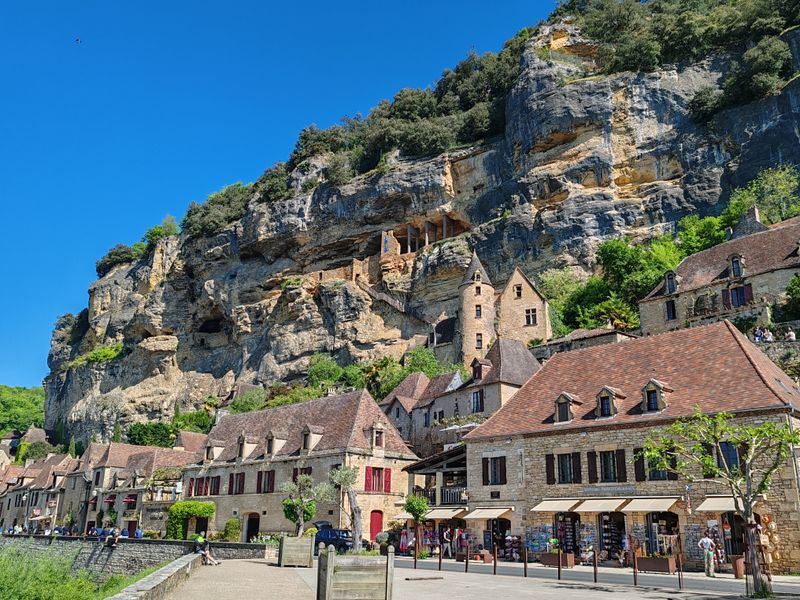
Stone houses press against towering limestone cliffs as if seeking shelter from the elements above. La Roque-Gageac hugs the sunny banks of the Dordogne River, creating one of the most dramatic village settings in all of southwestern France.
The cliffs trap warmth, creating a microclimate where fig trees and exotic plants thrive.
Traditional flat-bottomed boats called gabarres bob along the riverbank, offering peaceful cruises past golden stone facades and château-topped hills. Riverside cafés provide perfect perches for watching paddlers glide by in canoes and kayaks.
The water reflects the village like a mirror on calm days.
Narrow lanes squeeze between ancient houses, climbing toward caves once used as shelters and storage spaces carved directly into the cliff face. Tropical gardens flourish in the protected warmth, with banana trees and palms adding unexpected greenery.
The village’s unique position means it gets more sunshine than surrounding areas.
Visit in late afternoon when golden light illuminates the honey-colored stone and turns the river into liquid gold. Local markets sell regional specialties like foie gras, walnuts, and truffles that make the Dordogne famous among food lovers throughout France.
Rocamadour — Pilgrim Settlement in Stone
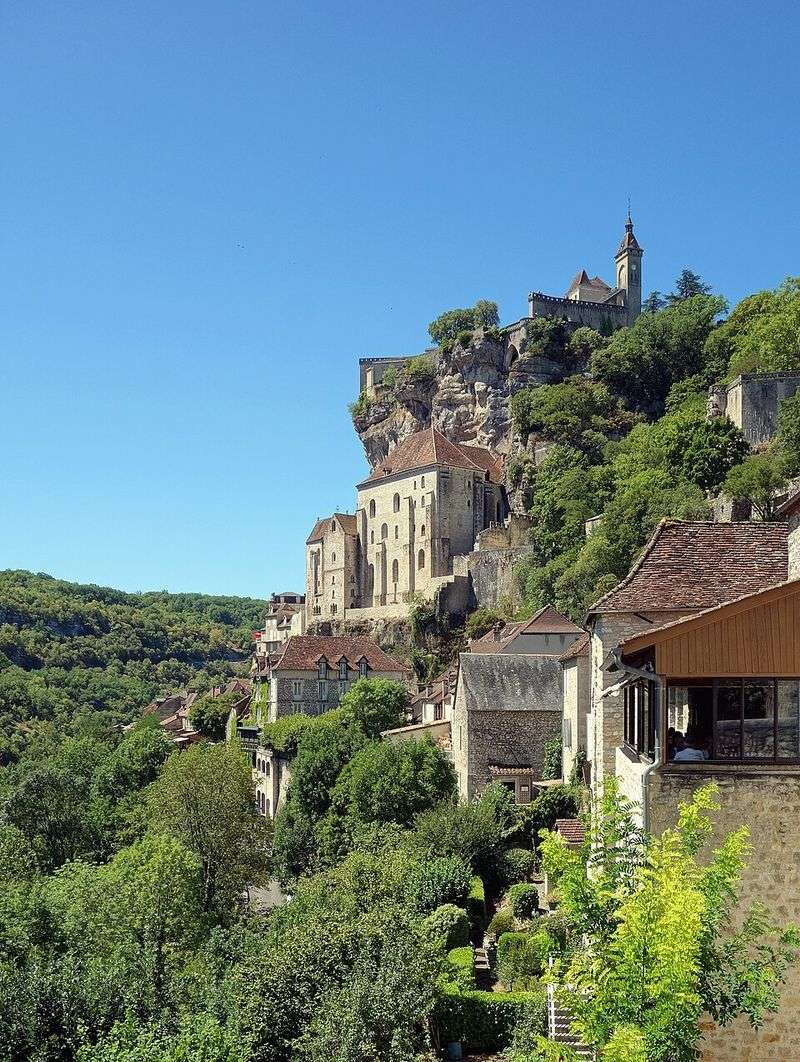
Buildings stack vertically up a sheer cliff face like a gravity-defying miracle frozen in stone. Rocamadour rises dramatically above the Alzou gorge in seven distinct layers, with houses, churches, and chapels clinging impossibly to the rock.
Pilgrims have climbed these steep stairs for over a thousand years.
The village’s vertical layout creates one of France’s most photographed and jaw-dropping sights, especially when floodlit at night. Medieval pilgrims would climb the 216 steps on their knees to reach the sanctuary at the top, seeking blessings from the Black Madonna housed in the chapel.
Today’s visitors can take stairs or an elevator, but the spiritual atmosphere remains powerful.
Religious buildings dominate the middle levels, including seven chapels, a basilica, and museums displaying centuries of pilgrimage artifacts. Above everything, a castle perches at the summit, offering sweeping views over the lush valleys and limestone plateaus of the Lot region.
The panorama alone is worth the climb.
Narrow streets squeeze between stone buildings that seem to grow directly from the cliff itself. Shops sell religious souvenirs alongside local cheeses and Rocamadour’s famous small goat cheeses that share the village’s name.
Lagrasse — Abbey & Corbières Vineyards
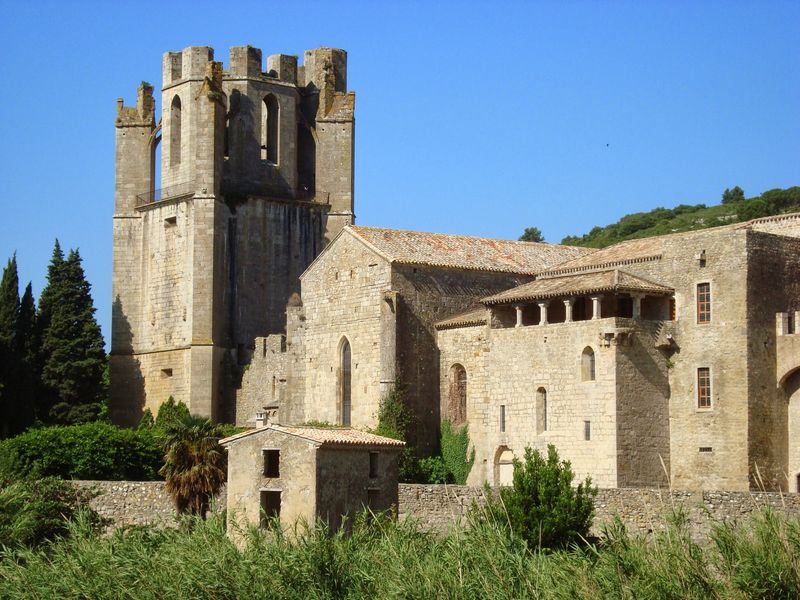
A magnificent Benedictine abbey dominates this peaceful village nestled in the foothills of the Pyrenees. Lagrasse grew up around its abbey, which was founded in the 8th century and remains one of the finest examples of medieval monastic architecture in southern France.
The abbey’s towers and cloisters still inspire awe today.
An ancient stone bridge arches gracefully over the River Orbieu, connecting the medieval village to the abbey grounds. Wander narrow streets past artisan workshops where potters, painters, and craftspeople keep traditional skills alive.
The village hosts regular book festivals and craft markets that draw creative souls from across the region.
Corbières vineyards carpet the surrounding hills, producing robust red wines that perfectly complement the hearty cuisine of Languedoc. Local wine shops offer tastings where you can sample these southern treasures while chatting with passionate winemakers.
The village’s location near the Mediterranean means plenty of sunshine for ripening grapes.
Lagrasse earned its place among France’s Most Beautiful Villages through its authentic medieval character and resistance to over-commercialization. Cafés and restaurants serve regional specialties without tourist prices, and locals still outnumber visitors even during summer months.
Vaugines — Provençal Serenity in the Luberon
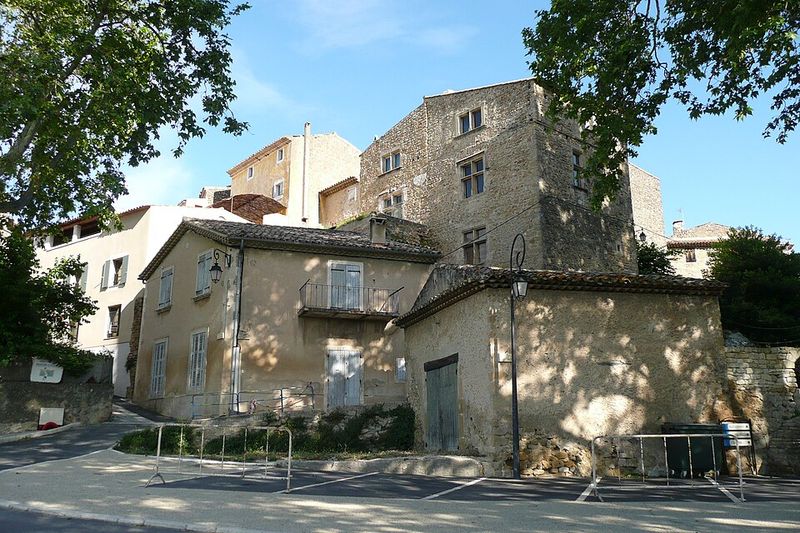
Shuttered windows in faded blues and greens punctuate golden stone facades along quiet lanes. Vaugines remains blissfully untouched by mass tourism, preserving the authentic Provençal atmosphere that writer Peter Mayle made famous in his beloved books about life in the Luberon.
The village inspired filmmakers too, serving as a location for classic French films.
Tucked into the southern slopes of the Luberon Massif, Vaugines enjoys protection from cold northern winds while soaking up Mediterranean sunshine. Lavender scents the breeze in summer, and ancient plane trees shade the village square where locals gather for boules and conversation.
Time moves differently here, measured in espresso cups and afternoon siestas.
Hiking trails wind through nearby cork-oak forests and across hillsides carpeted with wild herbs and flowers. The village makes an ideal base for exploring the Luberon’s quieter corners, away from the crowds that flock to more famous neighbors.
Small vineyards produce wines meant for local tables rather than export.
A single café-restaurant serves simple, delicious Provençal food on a terrace where you can watch village life unfold at its own gentle pace. This is France as it used to be everywhere.
Issigeac — Dordogne’s Circular Medieval Village
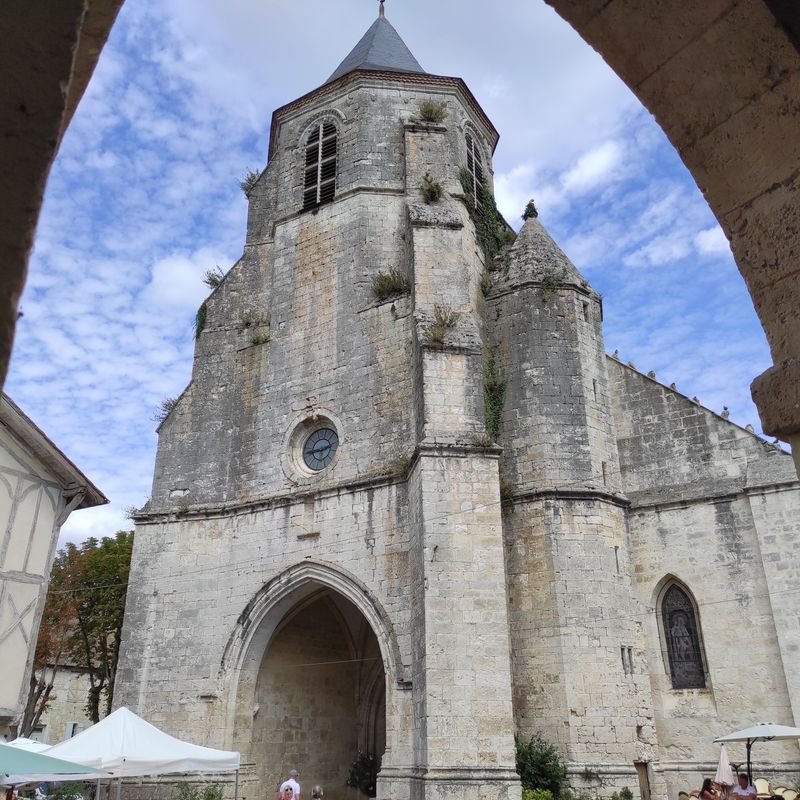
Sunday mornings transform this sleepy village into a bustling celebration of regional flavors and traditions. Issigeac’s famous market fills the circular streets with vendors selling everything from foie gras and truffles to local wines and farm-fresh cheese.
The medieval layout creates a natural flow as shoppers spiral through concentric rings of stalls.
Half-timbered houses lean companionably against each other along cobblestone lanes that follow the village’s ancient circular plan. Gothic and Renaissance details decorate doorways and windows, remnants of Issigeac’s prosperous past as a bishop’s seat.
The 13th-century walls still embrace the old town, though gates now welcome rather than defend.
Périgord wine country surrounds the village with neat rows of vines producing lesser-known but delicious wines worth discovering. Local winemakers often pour samples at the market, happy to share their passion with curious visitors.
The region’s limestone soil contributes distinctive mineral notes to both reds and whites.
A beautiful late-Gothic church anchors the village center, its ornate stonework showcasing the wealth and importance Issigeac once enjoyed. Explore slowly on foot, ducking into courtyards and pausing at wine bars that serve regional specialties alongside local vintages.
Collonges-la-Rouge — Red Sandstone Fairytale, Corrèze
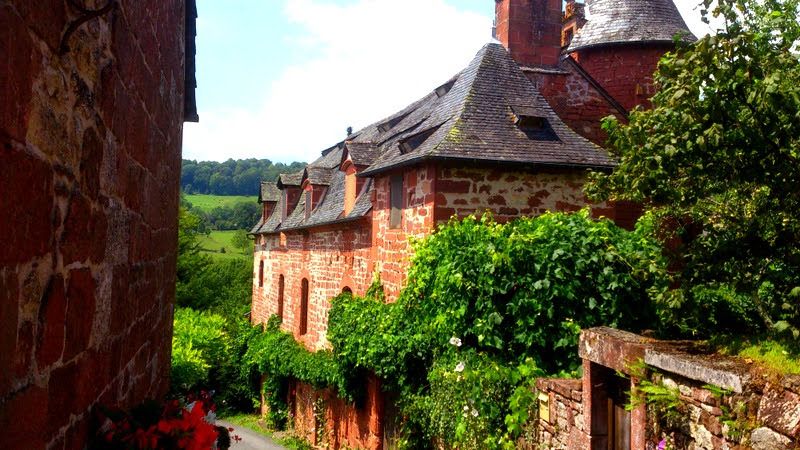
Every building glows crimson, creating a village unlike any other in France. Collonges-la-Rouge takes its name from the distinctive red sandstone used to construct every house, tower, and church in this remarkable medieval settlement.
Against green hillsides and blue skies, the color contrast is absolutely striking.
Turrets and towers rise from noble mansions built by wealthy officials who made Collonges their summer retreat centuries ago. The village prospered during the Middle Ages, and that wealth shows in the elaborate architecture featuring carved doorways, mullioned windows, and defensive towers that seem more decorative than practical today.
Wisteria vines soften the stone with purple blooms in spring.
Cobblestone streets wind between red walls, leading to a central market hall and church that anchor village life. Local artisans sell crafts and regional products from shops housed in buildings that have stood for five hundred years.
The village earned recognition as one of France’s Most Beautiful Villages, drawing visitors who want to experience its unique character.
Photographers love how the red stone changes color throughout the day, from deep burgundy in morning shadows to bright coral in afternoon sun. The village is small enough to explore in an hour but memorable enough to stay in your mind forever.
Beaulieu-sur-Dordogne — “Limousin Riviera” Riverside
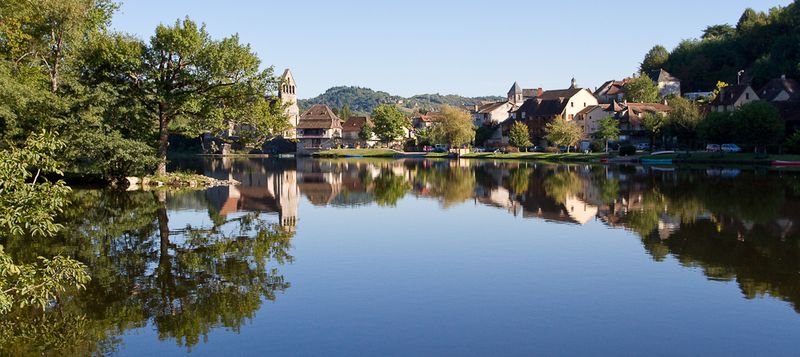
Locals call it the Limousin Riviera, and the nickname fits this sunny riverside charmer perfectly. Beaulieu-sur-Dordogne enjoys a remarkably mild microclimate that allows Mediterranean plants to flourish far from the actual coast.
Palm trees and flowering vines thrive alongside the river, creating an almost tropical atmosphere in the heart of central France.
The village grew around a magnificent Romanesque abbey church whose carved portal ranks among the finest in France. Intricate stone sculptures depict biblical scenes with remarkable detail and artistry, worth studying closely.
Shaded squares invite lingering over coffee or a glass of wine while watching boats drift past on the Dordogne.
Beaulieu celebrates its famous strawberries each spring with festivals featuring the plump, sweet berries in every imaginable form. Riverside cafés serve strawberry tarts, jams, and even strawberry-infused wines.
The festive atmosphere brings the whole community together in joyful celebration of local agriculture.
Stone houses with flower-filled balconies line narrow streets that climb gently from the riverbank. The village maintains an authentic, lived-in feel despite its considerable charm, with locals going about daily life amid the beauty.
Markets, concerts, and community events happen regularly throughout the warmer months.
Ségur-le-Château — Riverside Medieval Beauty
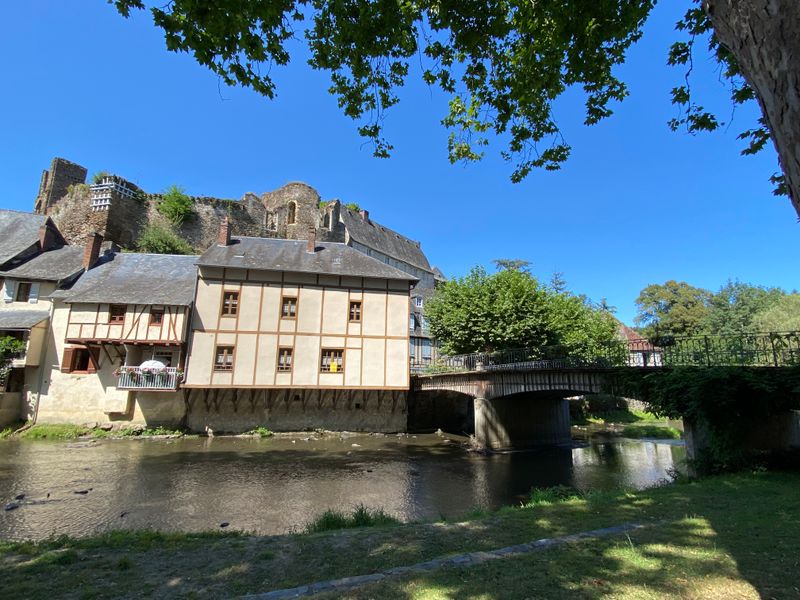
Water surrounds this enchanting village on three sides, creating a natural moat that protected medieval residents and now provides scenic beauty. The Auvézère River curves around Ségur-le-Château in a horseshoe bend, reflecting half-timbered houses and the ruined castle that crowns the rocky outcrop.
It’s like the river is giving the village a gentle hug.
Medieval towers and turrets punctuate the skyline, remnants of Ségur’s importance as a seat of local power during the Middle Ages. The castle ruins invite exploration, with enough walls and towers remaining to imagine the fortress in its glory days.
Views from the top sweep across the river and surrounding forests.
Chestnut trees shade peaceful squares where benches invite visitors to sit and soak in the timeless atmosphere. The village has preserved its medieval character remarkably well, with cobblestone streets, ancient doorways, and buildings that have stood for centuries.
Waterside walks follow the river through dappled light beneath overhanging branches.
Ségur earned recognition among France’s Most Beautiful Villages, yet it remains peaceful and uncrowded even during summer. The village offers simple pleasures: quiet walks, pretty views, and the satisfaction of discovering a place that tourism hasn’t spoiled.
Turenne — Hilltop Heritage & Panoramas
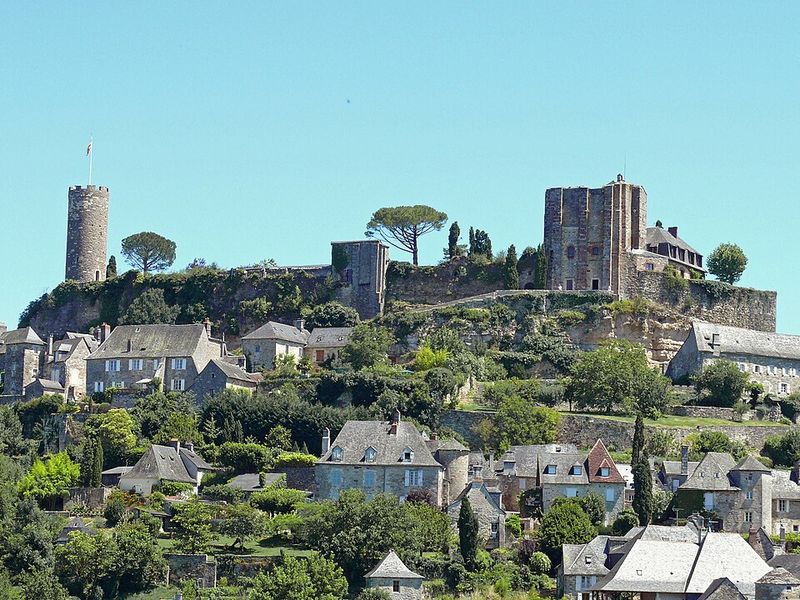
Two ancient towers rise from a hilltop like fingers pointing toward the sky. Turenne climbs steeply upward, its stone houses and pedestrian lanes leading to the ruins of a castle that once ruled over vast territories.
The powerful viscounts of Turenne controlled this strategic height for centuries, and their fortress remains impressive even in ruins.
Climbing the village’s sloping streets feels like traveling backward through time. Medieval and Renaissance houses line the narrow lanes, their weathered stone facades telling stories of centuries past.
No cars disturb the peace here—only footsteps on cobblestones and birdsong from surrounding trees. The village has resisted modernization beautifully.
Panoramic views from the castle towers reward those who make the climb, with pastoral landscapes spreading in every direction across the Corrèze countryside. Rolling green hills, scattered farms, and distant villages create a patchwork of rural beauty.
Photographers arrive for sunset when golden light bathes everything in warm color.
Small gardens tucked between houses overflow with roses and herbs, adding color and fragrance to the stone surroundings. The village maintains an authentic, quiet character that appeals to those seeking genuine rural France without tourist crowds or commercialization.
Turenne is for slow travelers who appreciate history and natural beauty.
Locranon — Brittany’s Granite Gem
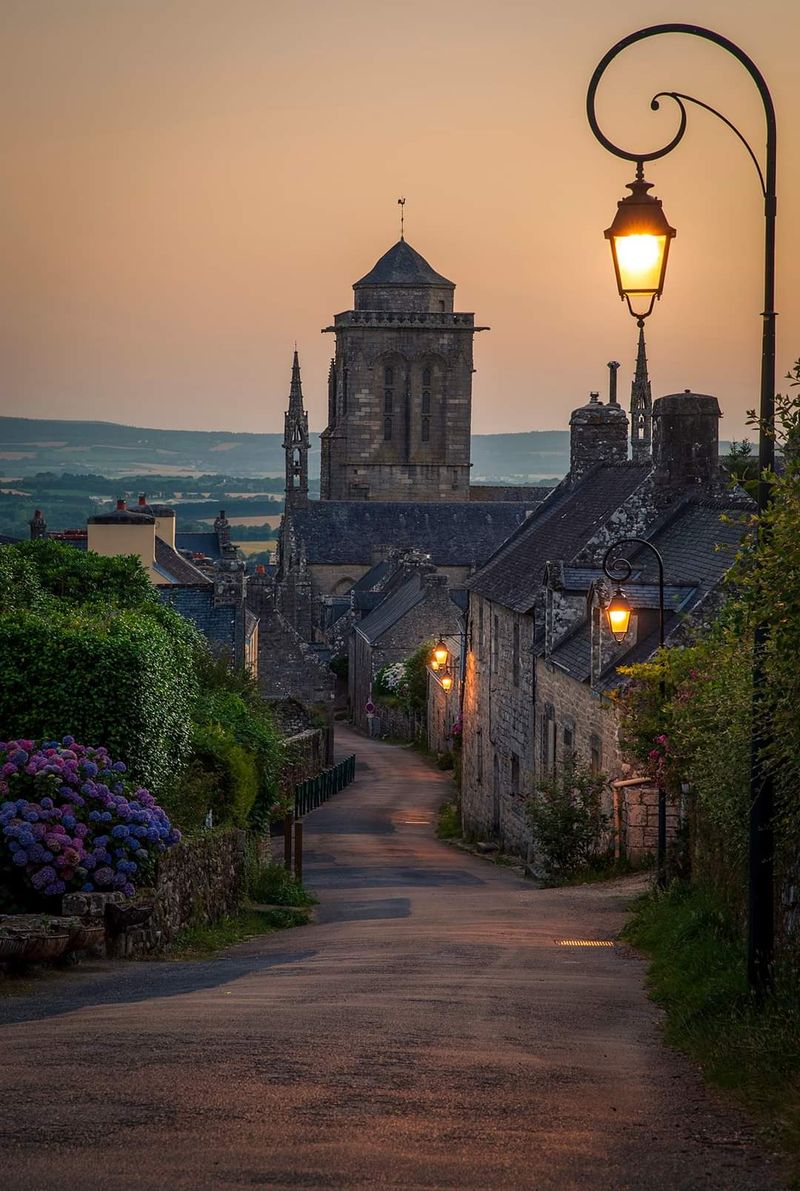
Granite buildings the color of storm clouds frame a perfect central square. Locronan preserves Brittany’s architectural heritage with remarkable completeness, its Renaissance-era houses and church built from local stone that has weathered centuries of Atlantic weather.
The village feels solid and timeless, rooted deeply in Celtic and Breton traditions.
Filmmakers love Locronan’s authentic period atmosphere, using it as a location for movies set in centuries past. Walking these streets requires no imagination to picture life in earlier times—the village has changed very little.
Artisan workshops continue traditional crafts like weaving and pottery that connect to Brittany’s Celtic heritage. Local festivals celebrate ancient customs with traditional costumes and music.
The village sits just inland from Brittany’s dramatic coastline, where rugged cliffs meet crashing waves. Day trips to nearby beaches and coastal paths are easy, offering a perfect contrast to the village’s sheltered calm.
The combination of cultural richness and natural beauty makes Locronan special among Breton villages.
A magnificent church dominates the square, its granite walls and carved details showcasing the wealth from linen trade that once made Locronan prosperous. Today, cafés and crêperies occupy historic buildings around the square, serving traditional buckwheat galettes and local cider to visitors who appreciate authentic Brittany.
Moustiers-Sainte-Marie — Ceramic Clifftop Village
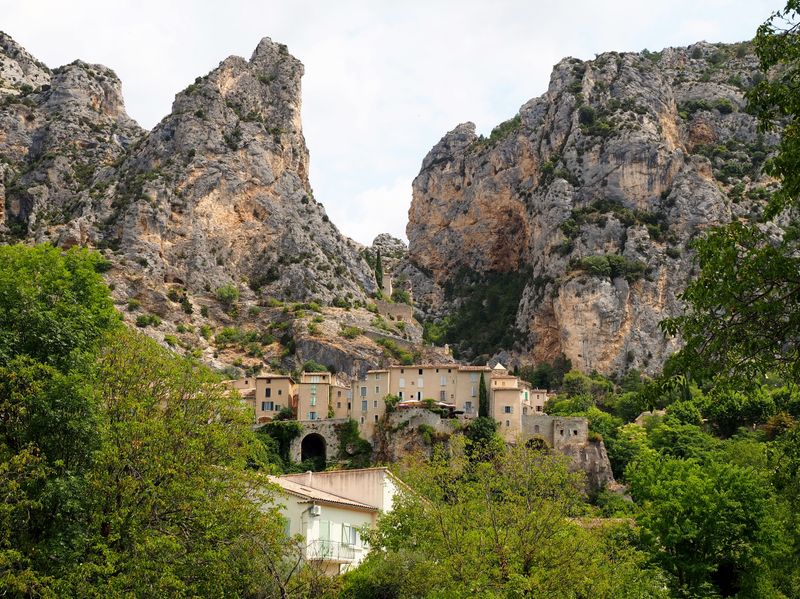
A golden star hangs suspended on a chain stretched impossibly between two cliff faces high above the village. Legend says a knight hung the star to thank the Virgin Mary for his safe return from the Crusades, and it has become Moustiers-Sainte-Marie’s most distinctive symbol.
The star catches sunlight and glints like a beacon over terracotta roofs below.
The village clings to steep mountainsides at the entrance to the spectacular Gorges du Verdon, Europe’s deepest canyon. A waterfall tumbles through the center of town, its rushing waters once powering mills and workshops.
Today the sound of water mingles with church bells and the chatter of visitors exploring narrow lanes.
Moustiers has been famous for faïence pottery since the 17th century, and workshops still produce the distinctive hand-painted ceramics featuring delicate designs in blue, yellow, and green. Shops display beautiful pieces ranging from simple bowls to elaborate serving platters, continuing centuries of artistic tradition.
Pottery museums showcase historical examples and explain production techniques.
The dramatic mountain backdrop and artistic heritage make Moustiers irresistible to visitors exploring Provence’s wilder side. After browsing pottery shops and climbing to the cliff-top chapel, many continue to the Gorges du Verdon for hiking, kayaking, or simply marveling at the turquoise waters far below.



