 Unearth The Voyage

Throughout history, certain individuals have left such a powerful mark on the world that their names remain instantly recognizable centuries later. From brilliant scientists and inspiring leaders to revolutionary thinkers and creative geniuses, these figures shaped the course of human civilization in profound ways. Their achievements, ideas, and actions continue to influence how we live, think, and understand our world today.
1. Albert Einstein
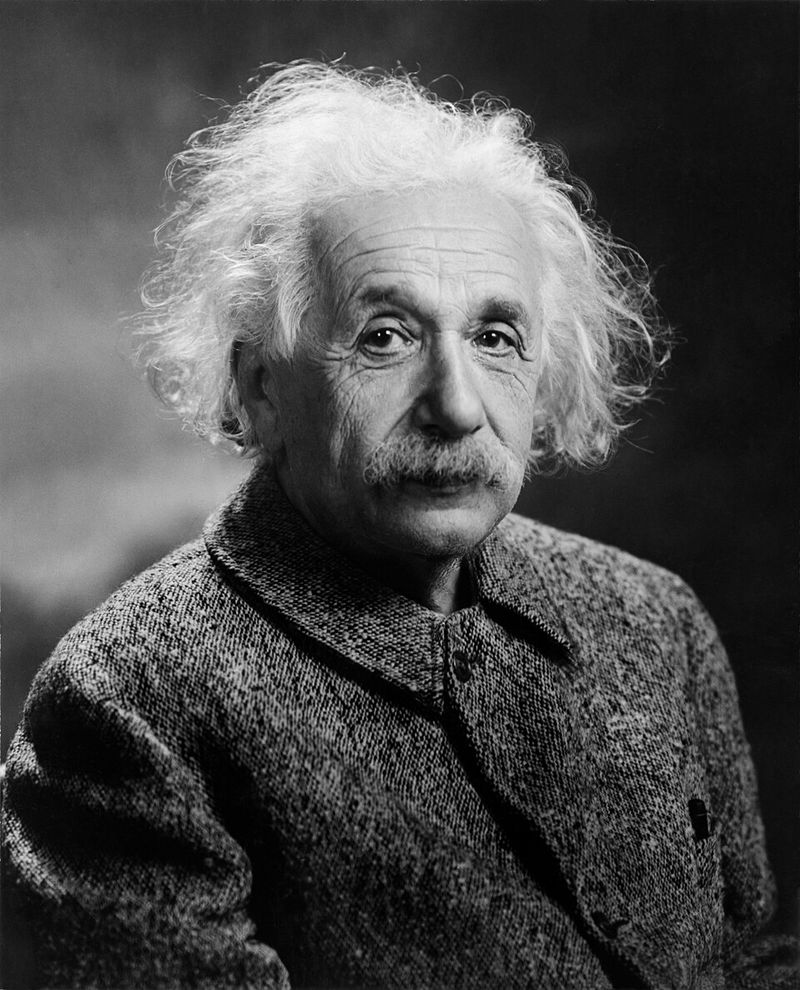
Wild hair, playful smile, and a mind that changed everything we know about space and time. Albert Einstein wasn’t just a scientist; he was a rebel who questioned what everyone else took for granted. Born in Germany in 1879, he struggled in school but never stopped asking questions that others were too afraid to explore.
His theory of relativity revolutionized physics and proved that time isn’t constant and light bends around massive objects. The famous equation E=mc² showed how energy and matter are connected, leading to discoveries that would change technology forever. Einstein’s work laid the groundwork for nuclear energy, GPS systems, and our understanding of black holes.
Beyond science, Einstein spoke out against war and discrimination, using his fame to promote peace. His quirky personality and refusal to wear socks made him relatable despite his genius. Today, his name has become synonymous with intelligence itself.
2. Leonardo da Vinci
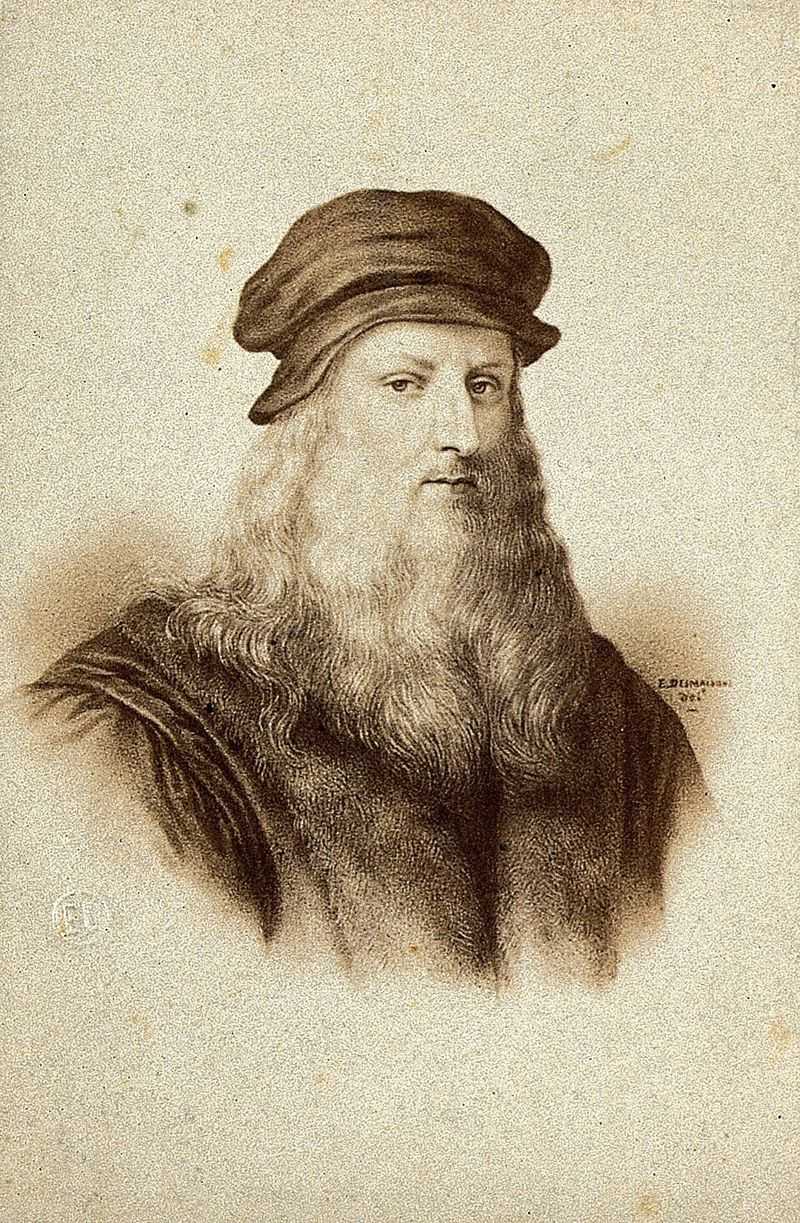
Imagine someone who could paint masterpieces, design flying machines, and study human anatomy all before breakfast. Leonardo da Vinci embodied the Renaissance spirit of curiosity and creativity like no one else. Growing up in Italy during the 1400s, he became an apprentice at just 14 and quickly surpassed his teachers with extraordinary talent.
The Mona Lisa and The Last Supper remain two of the most famous paintings ever created, studied and admired by millions worldwide. But Leonardo wasn’t satisfied with just art – he sketched helicopters, tanks, and diving suits centuries before technology could build them. His notebooks contain over 13,000 pages of observations, inventions, and ideas that were hundreds of years ahead of their time.
What made Leonardo truly special was his insatiable curiosity about everything around him. He believed art and science were deeply connected, and his legacy proves that creativity knows no boundaries.
3. William Shakespeare
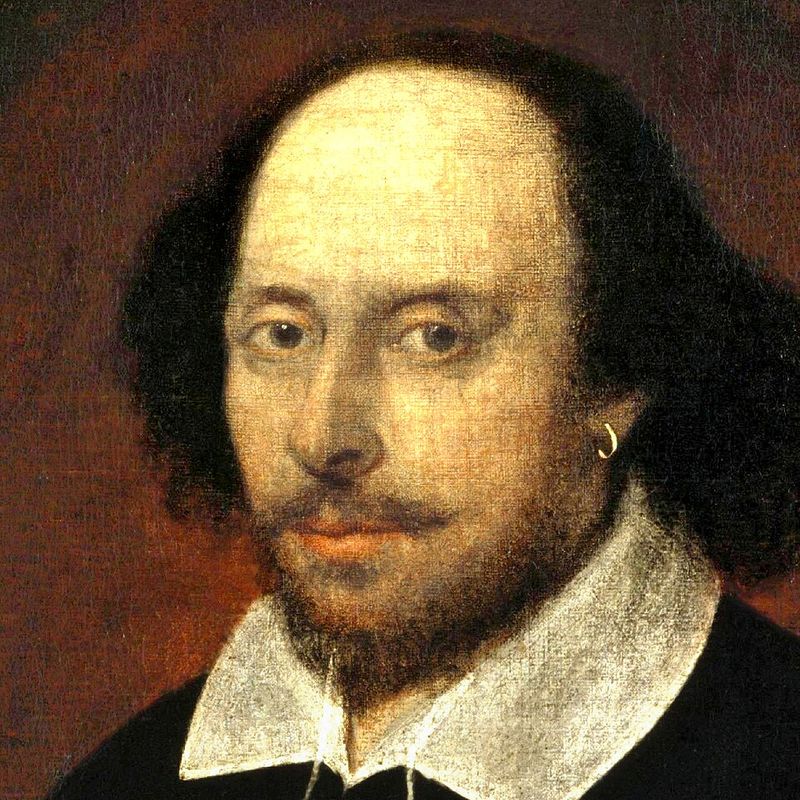
Four hundred years after his death, we still quote him without even realizing it. William Shakespeare invented over 1,700 words we use every day, from “bedroom” to “eyeball” to “lonely.” Born in a small English town in 1564, he became the greatest playwright the world has ever known, crafting stories that capture every human emotion imaginable.
Romeo and Juliet, Hamlet, and Macbeth are performed somewhere in the world almost every single day. His plays explore love, betrayal, ambition, and revenge in ways that feel just as relevant now as they did in Elizabethan England. Shakespeare understood people deeply, creating characters so real they feel like friends or enemies you might actually know.
Despite his fame, much of Shakespeare’s personal life remains mysterious, adding to his legendary status. His works have been translated into every major language and adapted into countless movies, musicals, and books, proving that great storytelling never grows old.
4. Cleopatra
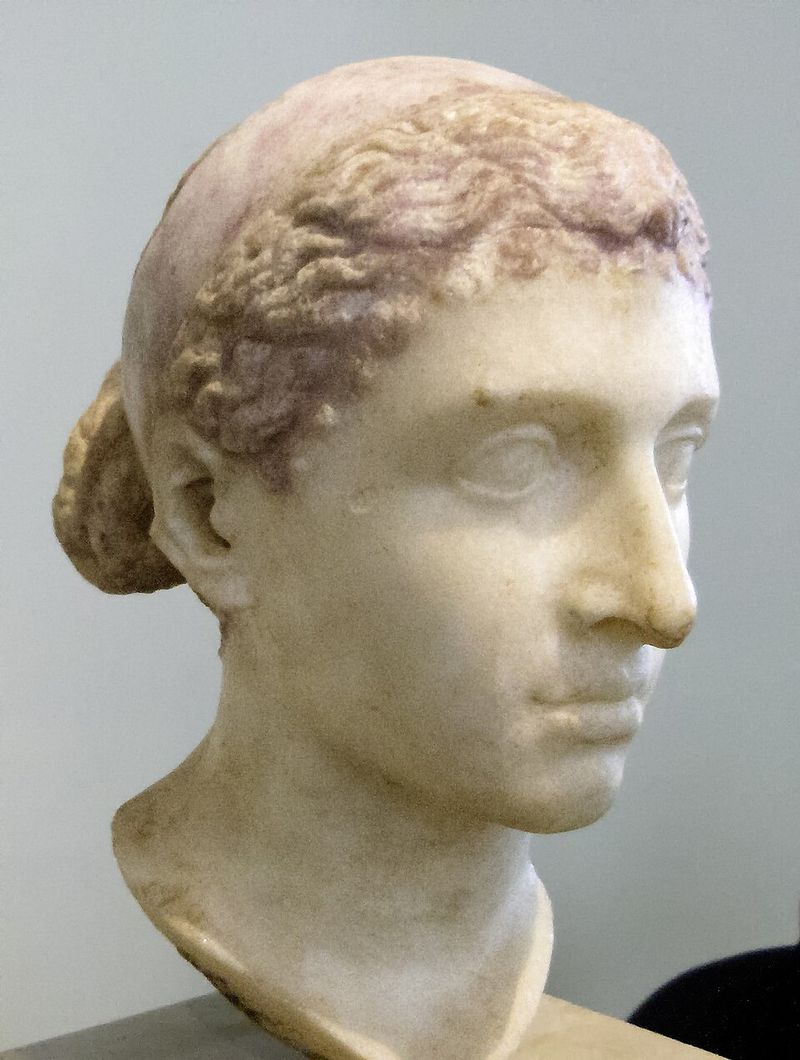
Beauty, brains, and political genius combined in one of history’s most fascinating women. Cleopatra wasn’t just a pretty face – she was a brilliant strategist who spoke nine languages and ruled Egypt during one of its most turbulent periods. Born into royalty in 69 BC, she fought her own family for power and won, becoming pharaoh at just 18 years old.
Her legendary romances with Julius Caesar and Mark Antony weren’t just love stories; they were strategic alliances designed to protect Egypt from Roman conquest. Cleopatra understood that relationships with powerful Roman leaders could keep her kingdom independent and prosperous. She was a skilled negotiator who used every tool at her disposal, from charm to intelligence to military strategy.
When defeat became inevitable, Cleopatra chose death on her own terms, allegedly from a snake bite. Her dramatic life and death have inspired countless books, movies, and legends, making her one of the most recognizable figures from ancient times.
5. Mahatma Gandhi
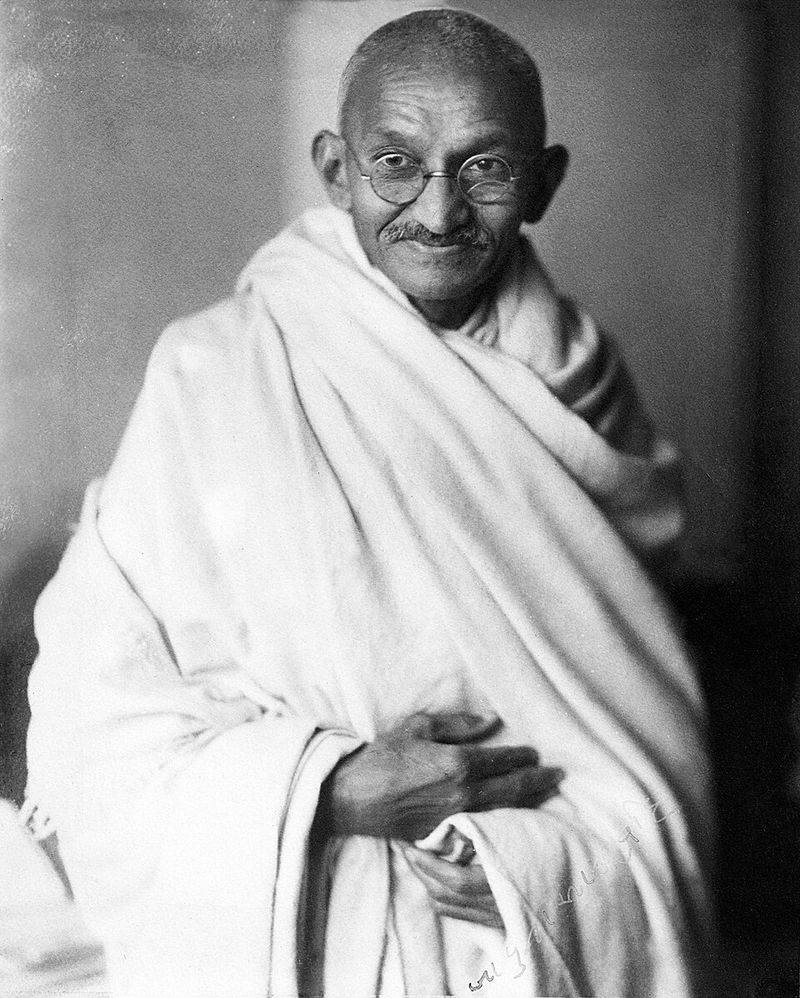
A small man in simple clothes brought the mighty British Empire to its knees without firing a single shot. Mahatma Gandhi proved that peaceful resistance could be more powerful than any army, inspiring freedom movements around the globe. Born in India in 1869, he studied law in London but found his true calling fighting injustice through nonviolent protest.
Gandhi led India to independence in 1947 through methods like peaceful marches, hunger strikes, and civil disobedience. His famous Salt March challenged unfair British taxes and sparked nationwide resistance that couldn’t be ignored. He believed that violence only creates more violence, and that lasting change comes from appealing to people’s conscience and sense of justice.
His philosophy of nonviolence influenced leaders like Martin Luther King Jr. and Nelson Mandela, who used similar tactics in their own struggles. Gandhi’s simple lifestyle and dedication to truth earned him the title “Mahatma,” meaning “great soul,” and his legacy continues inspiring activists worldwide.
6. Julius Caesar
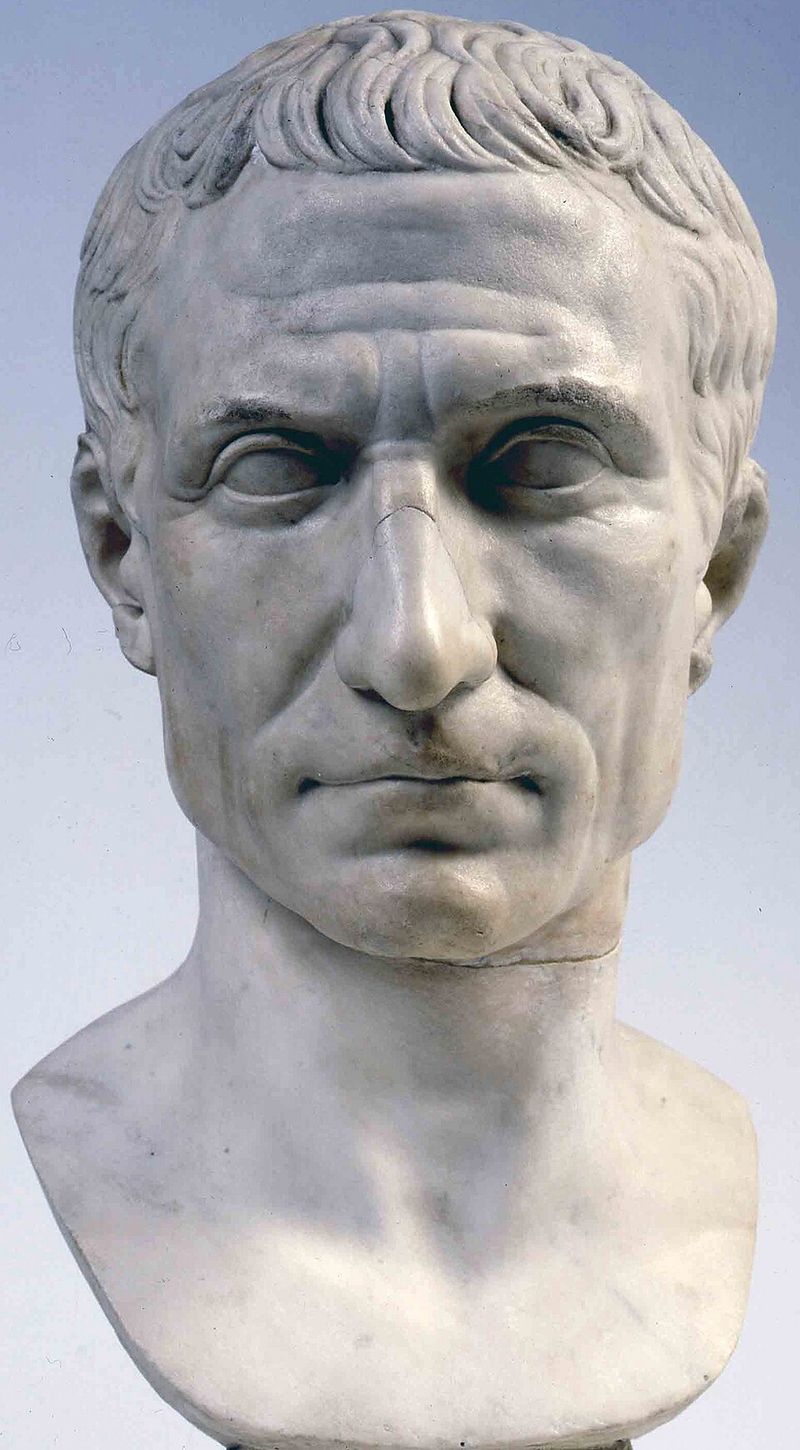
Conqueror, dictator, and reformer – Julius Caesar’s name became so powerful that it turned into the word for emperor in multiple languages. Born into a noble Roman family in 100 BC, he rose through military and political ranks to become the most powerful man in the ancient world. His military campaigns in Gaul expanded Rome’s territory and made him fabulously wealthy and popular with soldiers.
Caesar’s crossing of the Rubicon River with his army sparked a civil war that changed Rome forever. The phrase “crossing the Rubicon” still means passing a point of no return because Caesar knew this act of defiance meant war or death. He won the civil war and became dictator, implementing reforms that helped common people but worried the Senate about his growing power.
On March 15, 44 BC, senators assassinated Caesar, fearing he wanted to become king. His death sparked more civil wars and eventually led to the end of the Roman Republic and the birth of the Roman Empire under his adopted heir, Augustus.
7. Joan of Arc
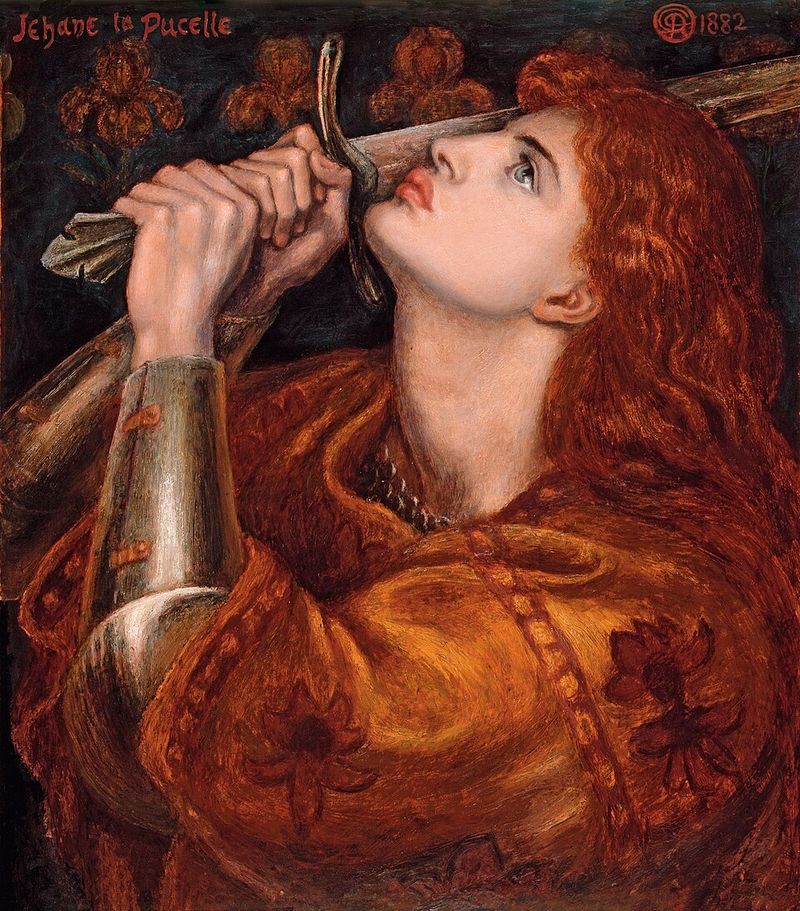
At just 17 years old, a peasant girl convinced an army to follow her into battle because she claimed God spoke to her. Joan of Arc’s story sounds impossible, yet it’s completely true and remains one of history’s most remarkable tales of courage and faith. Born in rural France in 1412, she grew up during the Hundred Years’ War when English forces occupied much of her homeland.
Joan claimed visions from saints told her to help crown the rightful French king and drive out the English invaders. Amazingly, the desperate French leaders believed her and gave her troops to command. She led French forces to several stunning victories, turning the tide of the war and boosting French morale when hope seemed lost.
Captured by enemies and sold to the English, Joan was tried for heresy and burned at the stake at age 19. Twenty-five years later, the Church declared her innocent, and eventually, she became a saint. Her bravery continues inspiring people who face impossible odds.
8. Christopher Columbus
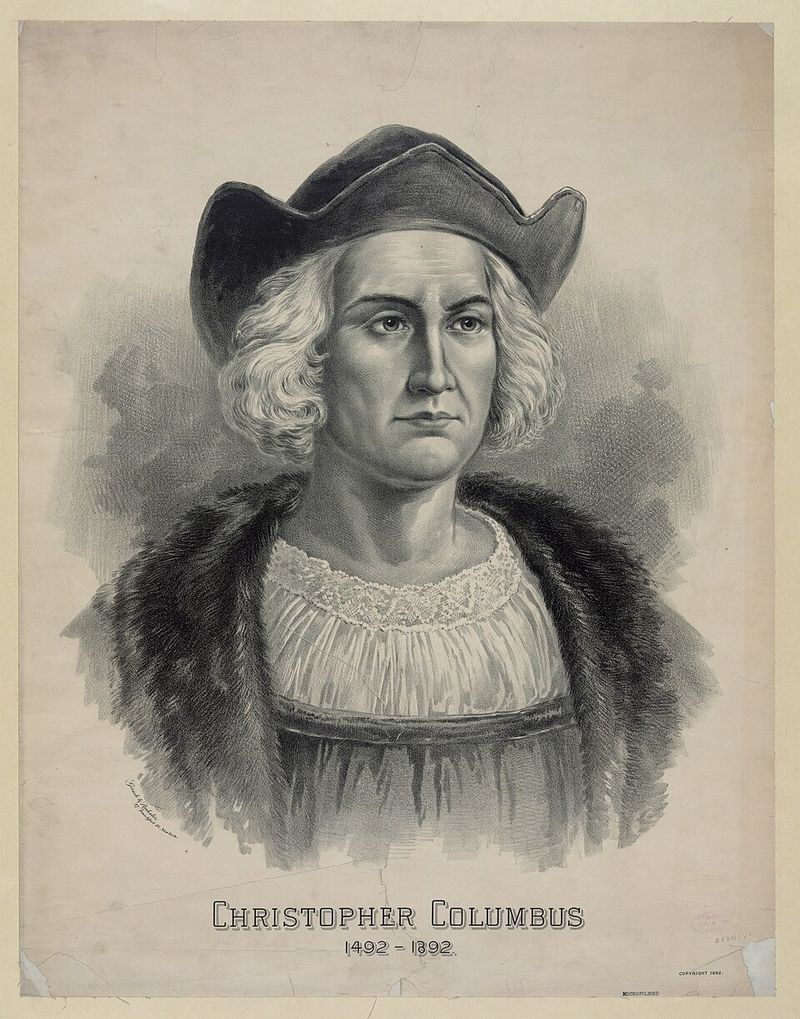
In 1492, Columbus sailed the ocean blue – and accidentally changed the world forever. Christopher Columbus set out to find a shortcut to Asia but instead stumbled upon the Americas, connecting two hemispheres that had developed separately for thousands of years. Born in Italy around 1451, he spent years trying to convince European monarchs to fund his risky voyage westward across the Atlantic.
Spain’s King Ferdinand and Queen Isabella finally agreed, and Columbus departed with three small ships: the Niña, Pinta, and Santa María. When he landed in the Caribbean, he thought he’d reached Asia and called the native people “Indians,” a mistake that stuck for centuries. His voyages opened the door to European exploration and colonization of the Americas.
Today, Columbus remains controversial because his arrival led to devastating consequences for indigenous peoples, including disease, enslavement, and cultural destruction. While he connected worlds, the cost was enormous, reminding us that historical figures are often more complicated than simple hero stories suggest.
9. Napoleon Bonaparte
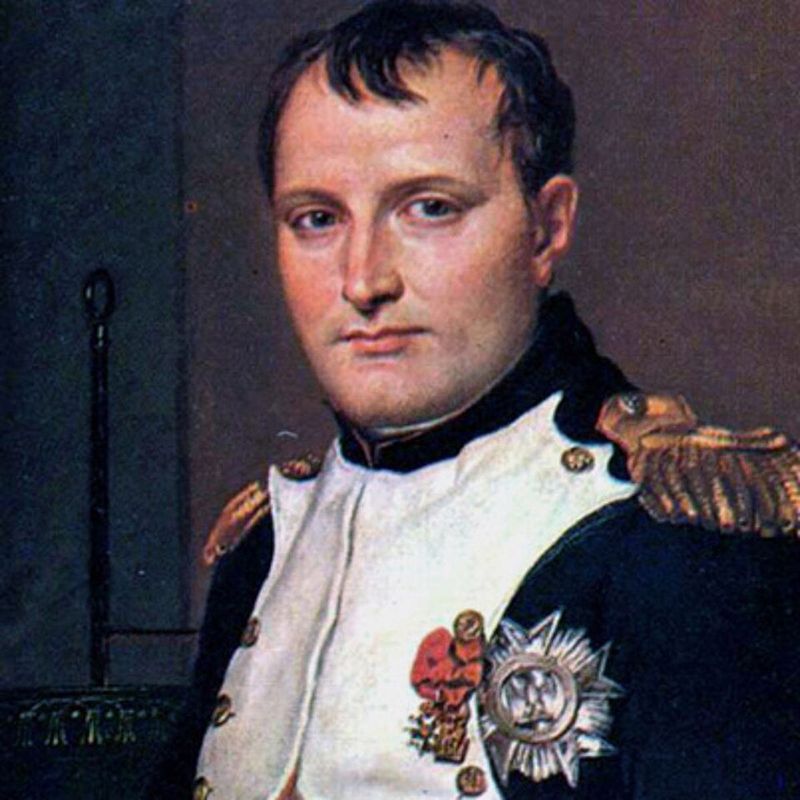
From obscure military officer to emperor of France, Napoleon Bonaparte’s meteoric rise and dramatic fall reads like an adventure novel. Born on the island of Corsica in 1769, he attended military school in France and quickly proved himself a tactical genius on the battlefield. During the chaos following the French Revolution, he seized power and crowned himself emperor in 1804.
Napoleon conquered most of Europe through brilliant military campaigns, reforming laws and spreading revolutionary ideas about citizenship and rights. The Napoleonic Code, his legal system, still influences law in many countries today. He centralized government, improved education, and modernized infrastructure wherever French armies marched, leaving lasting changes across the continent.
His ambition eventually led to defeat when he invaded Russia in 1812, losing most of his army to harsh winter and guerrilla warfare. After final defeat at Waterloo, Napoleon was exiled to a remote island where he died in 1821. His name became synonymous with both military genius and the dangers of unchecked ambition.
10. Martin Luther King Jr.
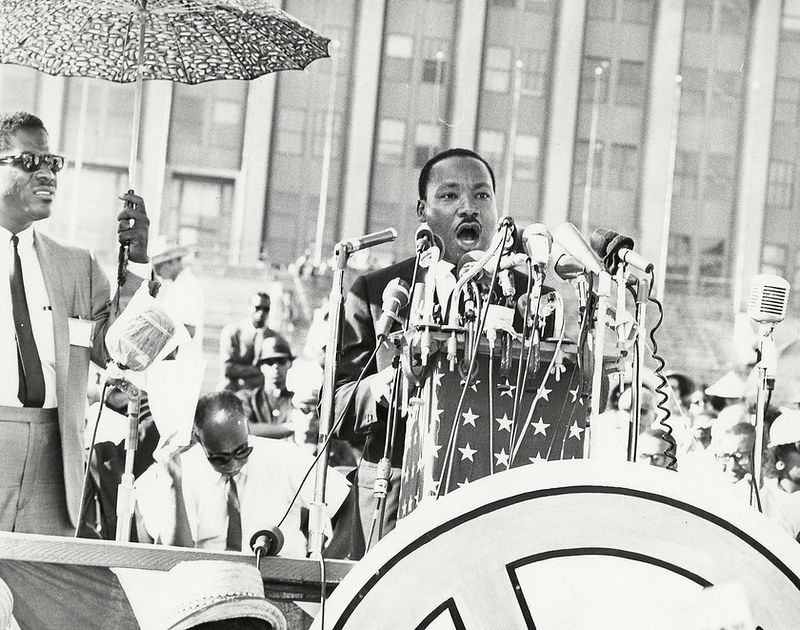
With words that moved millions and courage that inspired a nation, Martin Luther King Jr. led the American civil rights movement through one of history’s most transformative periods. Born in Atlanta, Georgia, in 1929, he grew up experiencing the harsh realities of racial segregation and discrimination. After becoming a Baptist minister, he dedicated his life to fighting injustice through nonviolent protest, inspired by Gandhi’s methods.
His “I Have a Dream” speech during the 1963 March on Washington remains one of the most powerful addresses ever delivered. King organized boycotts, marches, and demonstrations that exposed the cruelty of segregation and demanded equal rights for all Americans. His leadership helped pass the Civil Rights Act of 1964 and the Voting Rights Act of 1965, landmark laws that changed America forever.
Tragically, King was assassinated in 1968 at just 39 years old, but his vision of equality and justice continues inspiring movements worldwide. His birthday is now a national holiday, honoring his sacrifice and the ongoing struggle for human rights everywhere.
11. Queen Elizabeth I
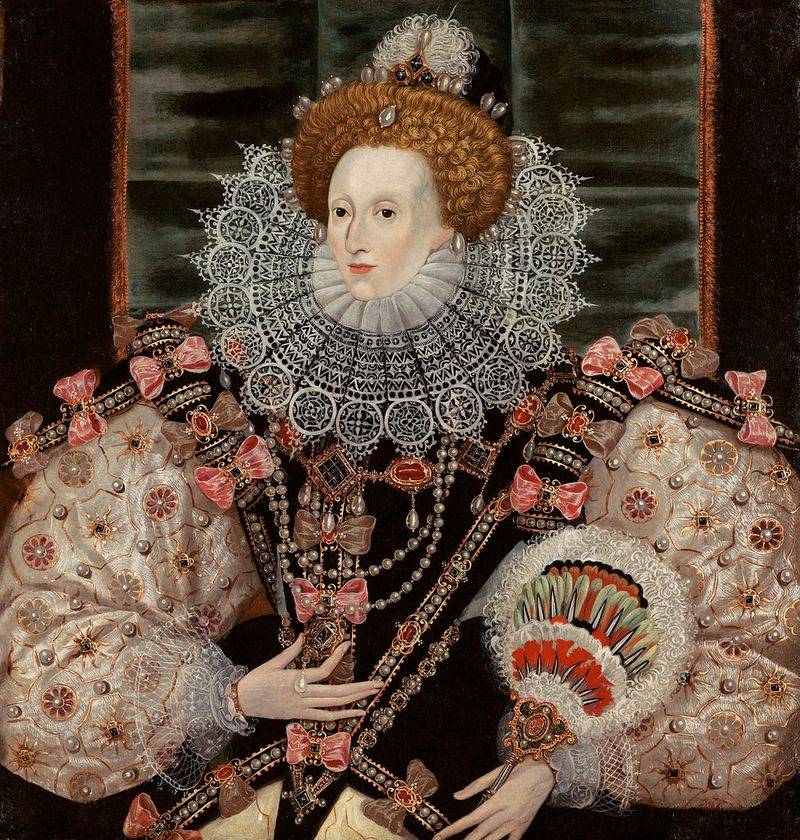
Never married, often underestimated, but absolutely unforgettable – Queen Elizabeth I turned England into a global powerhouse during her 45-year reign. Born in 1533 as the daughter of the infamous Henry VIII, her early life was filled with danger as various factions plotted around who would control the throne. Many doubted a woman could rule effectively, but Elizabeth proved them spectacularly wrong.
She skillfully navigated religious conflicts between Catholics and Protestants, keeping England relatively peaceful when other European nations tore themselves apart over faith. Elizabeth supported exploration and trade, with English ships sailing around the world and establishing colonies. Her reign saw England defeat the powerful Spanish Armada in 1588, a victory that established England as a major naval power.
The Elizabethan Era became known for cultural flourishing, with Shakespeare writing his greatest plays during her reign. Elizabeth’s intelligence, political savvy, and fierce independence made her one of history’s greatest monarchs. She chose to remain unmarried, declaring herself “married to England,” maintaining power by never giving it to a husband.
12. Alexander the Great
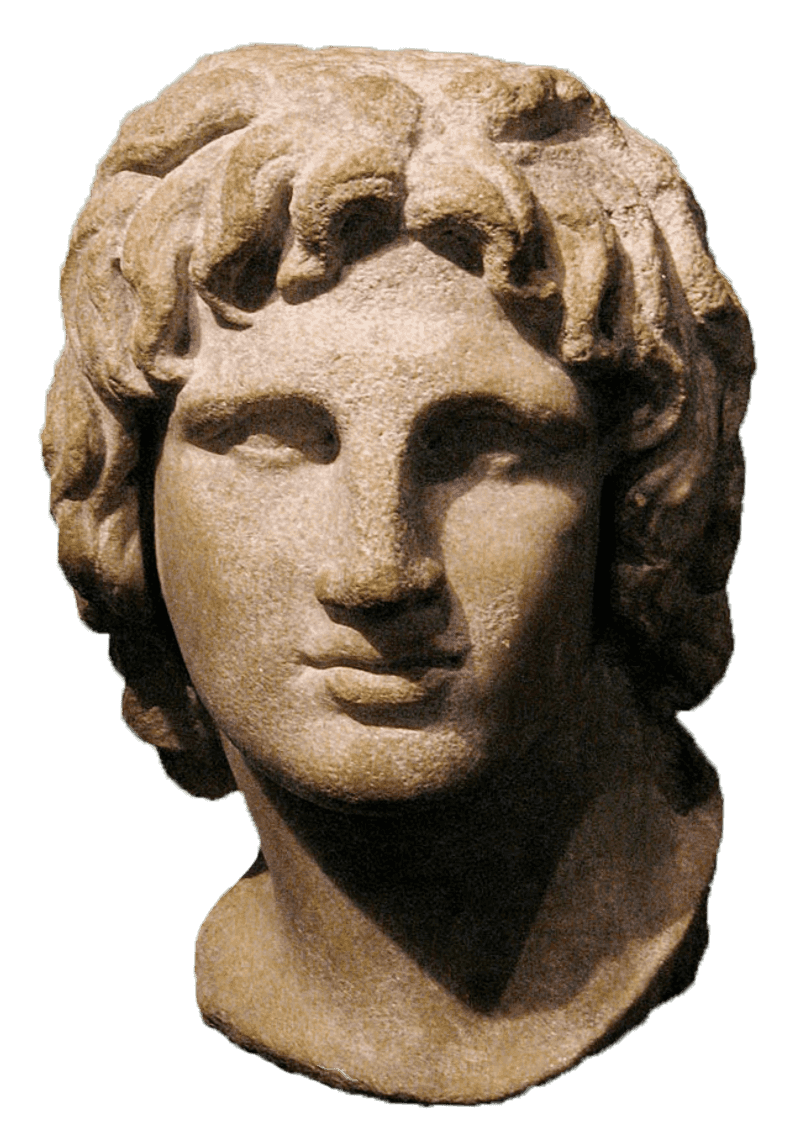
By age 30, he had conquered most of the known world, earning a name that literally includes the word “Great.” Alexander of Macedonia was tutored by the philosopher Aristotle and trained in warfare by his father, King Philip II. When his father was assassinated in 336 BC, 20-year-old Alexander inherited the throne and immediately set out to fulfill his father’s dream of conquering Persia.
Over the next decade, Alexander’s armies swept through Asia Minor, Egypt, Persia, and into India, never losing a major battle. He founded over 20 cities, many named Alexandria, spreading Greek culture and ideas across three continents. Alexander believed in cultural fusion, encouraging his soldiers to marry local women and adopting some customs from conquered peoples himself.
His empire stretched from Greece to India, the largest the ancient world had ever seen. Tragically, Alexander died at just 32, possibly from illness or poisoning, and his empire quickly fractured without his leadership. Despite his short life, Alexander’s conquests spread Greek culture so widely that it influenced civilizations for centuries afterward.
13. George Washington
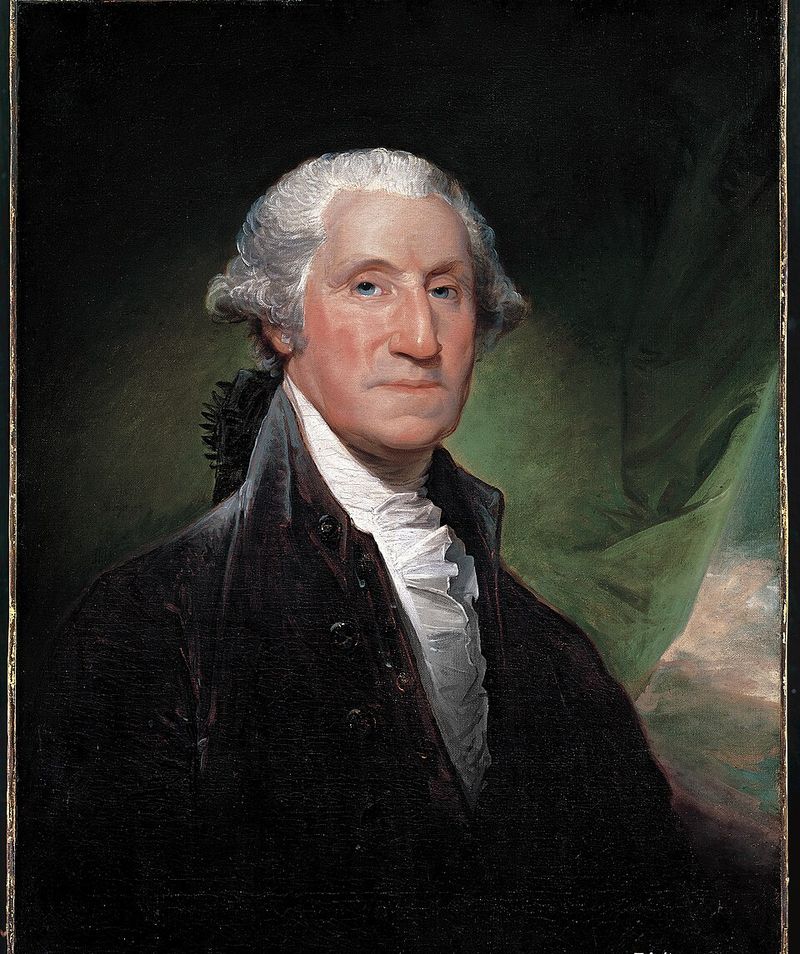
Leading a ragtag army against the world’s most powerful empire took extraordinary courage, but George Washington did exactly that and won. Born in Virginia in 1732, he grew up learning surveying and farming before becoming a military officer. When American colonies decided to fight for independence from Britain, they chose Washington to command the Continental Army despite his limited experience leading large forces.
The Revolutionary War lasted eight grueling years, with Washington holding his poorly supplied army together through harsh winters, devastating defeats, and constant shortages. His famous crossing of the Delaware River on Christmas night 1776 led to a surprise victory that boosted American morale when hope was fading. Washington’s determination and leadership kept the revolution alive until France joined as an ally, helping secure final victory.
After winning independence, Washington could have made himself king, but instead, he helped create a democratic republic and served two terms as the first president. His decision to step down peacefully set a crucial precedent for American democracy, proving that power could be transferred without violence or monarchy.
14. Isaac Newton
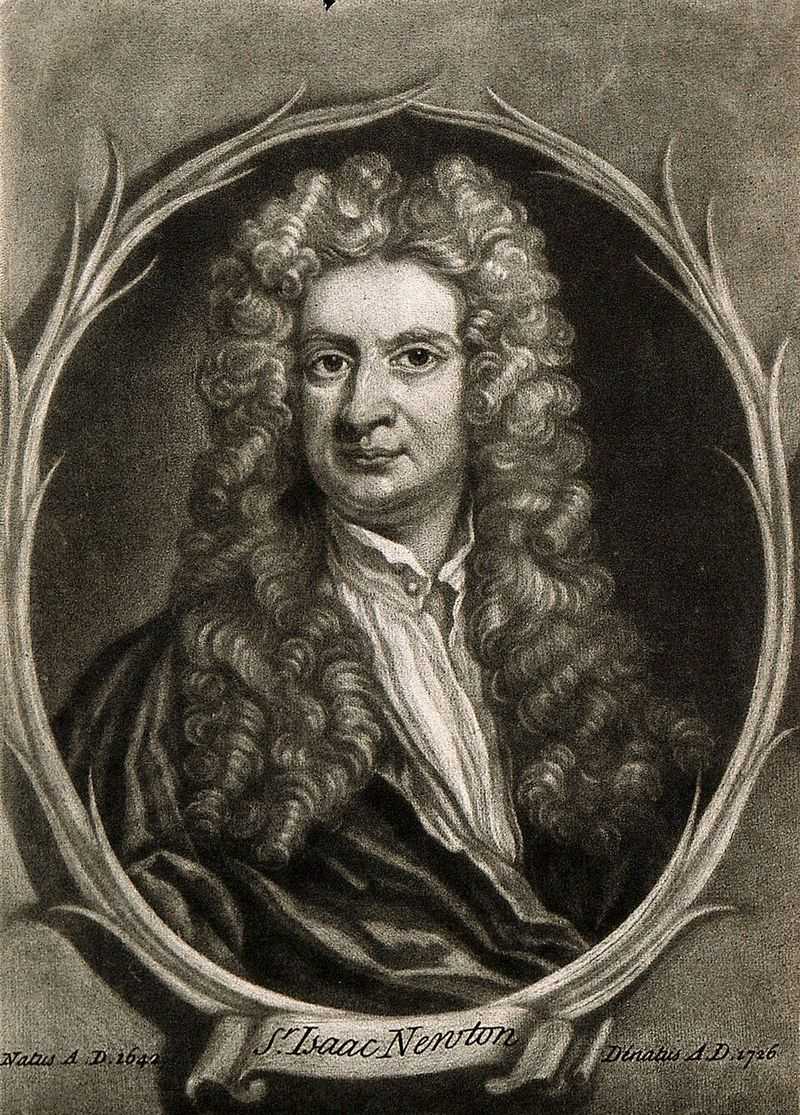
An apple falling from a tree sparked questions that revolutionized science and mathematics forever. Isaac Newton wasn’t just observing gravity – he was discovering the mathematical laws that govern how everything in the universe moves. Born in England in 1642, he was a sickly child who grew into one of history’s most brilliant minds, though he was known for being difficult and often feuding with other scientists.
Newton’s laws of motion and universal gravitation explained everything from falling objects to planetary orbits, creating the foundation for classical physics. He invented calculus (though German mathematician Leibniz invented it independently around the same time), developed theories about light and color, and built the first practical reflecting telescope. His book “Mathematical Principles of Natural Philosophy” is considered one of the most important scientific works ever written.
Beyond science, Newton served in Parliament and spent years studying alchemy and theology, showing the breadth of his curiosity. His work remained the foundation of physics until Einstein’s theories added new understanding centuries later, proving that Newton’s genius shaped science itself.
15. Marie Curie

Breaking barriers in a male-dominated field, Marie Curie became the first woman to win a Nobel Prize – and then won a second one in a different science. Born in Poland in 1867 as Maria Sklodowska, she moved to Paris to study physics and chemistry when Polish universities wouldn’t fully educate women. There she met Pierre Curie, and together they began groundbreaking research on radioactivity, a term Marie herself coined.
The Curies discovered two new elements, polonium and radium, working in a freezing, poorly equipped shed and often exposing themselves to dangerous radiation without knowing the risks. Marie’s dedication was extraordinary – she stirred boiling materials with an iron rod nearly as tall as herself, processing tons of ore to isolate tiny amounts of radioactive elements. Her work opened entirely new fields of science and medicine.
After Pierre’s tragic death, Marie continued their research alone, becoming the first female professor at the Sorbonne. She died in 1934 from radiation exposure, a sacrifice to the science she loved. Her notebooks remain too radioactive to handle safely, a testament to her dangerous, pioneering work.



