Some islands are so far from the rest of the world that reaching them feels like traveling to another planet. Yet despite the distance, real people call these places home, living out their daily lives surrounded by ocean for hundreds or even thousands of miles.
From tiny coral atolls with just a handful of families to windswept sub-Antarctic outposts, these islands tell fascinating stories of human resilience. Get ready to discover the most remote permanently inhabited islands on Earth.
1. Tristan da Cunha, United Kingdom
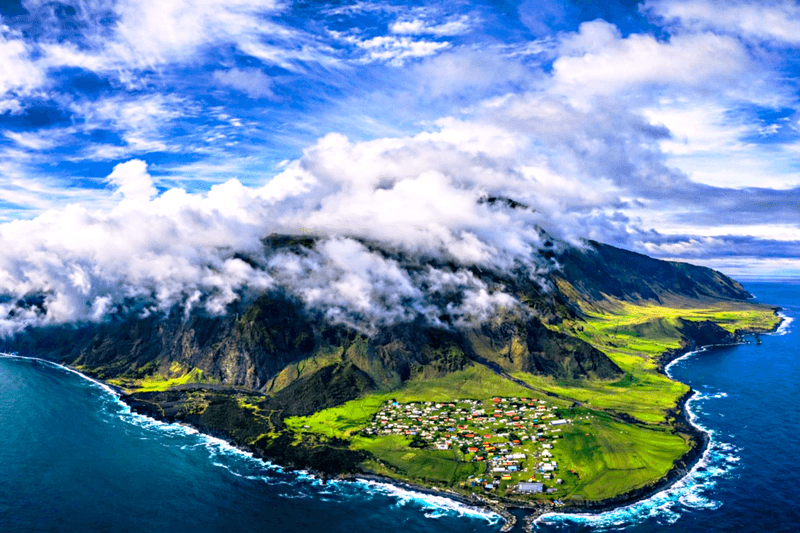
Officially recognized as the most remote inhabited island on Earth, Tristan da Cunha sits roughly 2,400 kilometers from the nearest mainland in South Africa. Between 250 and 300 people call this rugged volcanic island home, living in the only settlement, Edinburgh of the Seven Seas.
There is no airport here. The only way to arrive is by ship, and voyages can take six or more days depending on weather conditions.
Supply ships visit only a handful of times each year, making self-sufficiency an everyday reality for residents.
The islanders grow potatoes, fish the surrounding waters, and maintain a tight-knit community unlike anywhere else on the planet. Despite the isolation, the community has its own school, hospital, and even a small post office.
Life here is quiet, unhurried, and deeply connected to the natural rhythms of the South Atlantic Ocean.
2. Pitcairn Island, United Kingdom
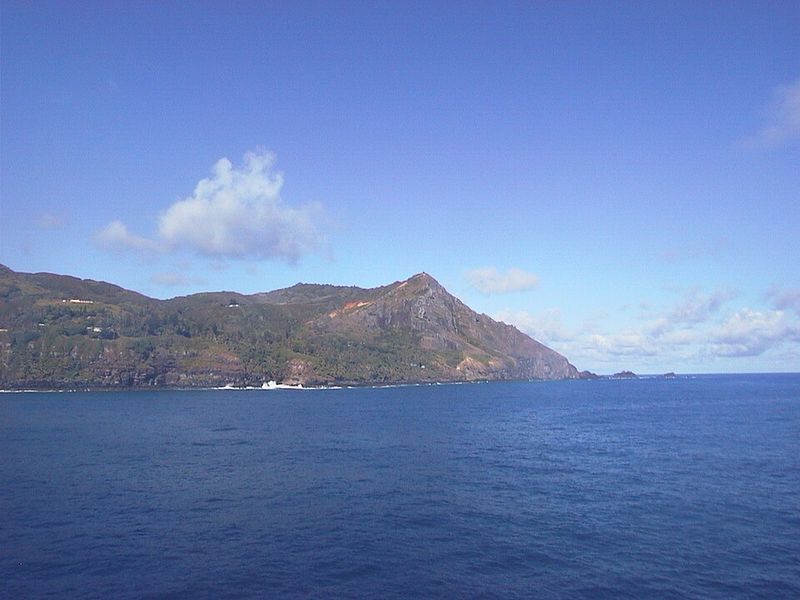
Pitcairn Island carries one of history’s most dramatic backstories. It was settled in 1790 by the mutineers from the famous ship HMS Bounty, who chose this speck of land in the South Pacific to hide from the British Navy.
Their descendants still live here today.
With only 40 to 50 residents, Pitcairn holds the title of one of the smallest permanent populations on Earth. Reaching the island requires a multi-day sea voyage from French Polynesia, and there is no airport to make things easier.
Residents rely on fishing, small-scale farming, and selling handmade crafts and postage stamps to collectors around the world. The community is so small that everyone pitches in for major tasks, like unloading supply ships or maintaining the island’s single dirt road.
Few places on Earth feel quite as genuinely off-the-grid as Pitcairn.
3. Easter Island, Chile
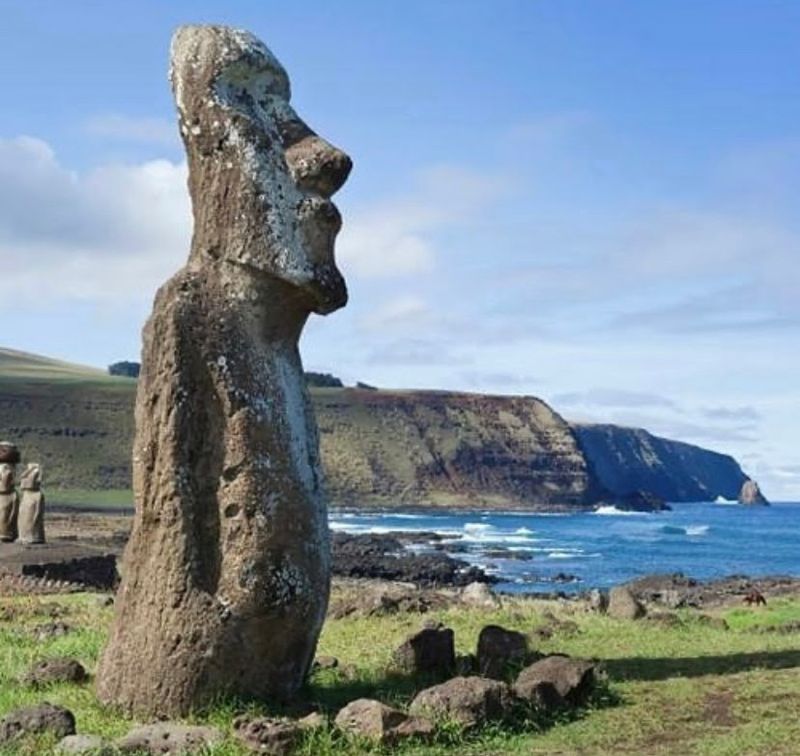
Easter Island is famous worldwide for its mysterious Moai statues, nearly 1,000 massive stone figures carved by the ancient Rapa Nui people centuries ago. But beyond the archaeology, this island is also one of the most geographically isolated inhabited places in the entire Pacific Ocean.
Located roughly 3,500 kilometers from mainland Chile and about 2,000 kilometers from the nearest inhabited island, Easter Island is home to around 7,000 people today. A regular flight service connects it to Santiago, making it more accessible than many islands on this list.
The local Rapa Nui culture remains vibrant, with traditional dance, language, and crafts still actively practiced. Tourism has grown significantly over the decades, bringing both economic opportunity and cultural challenges to the community.
Visitors come from every corner of the globe just to stand in the shadow of those iconic stone giants.
4. Niue, New Zealand Free Association
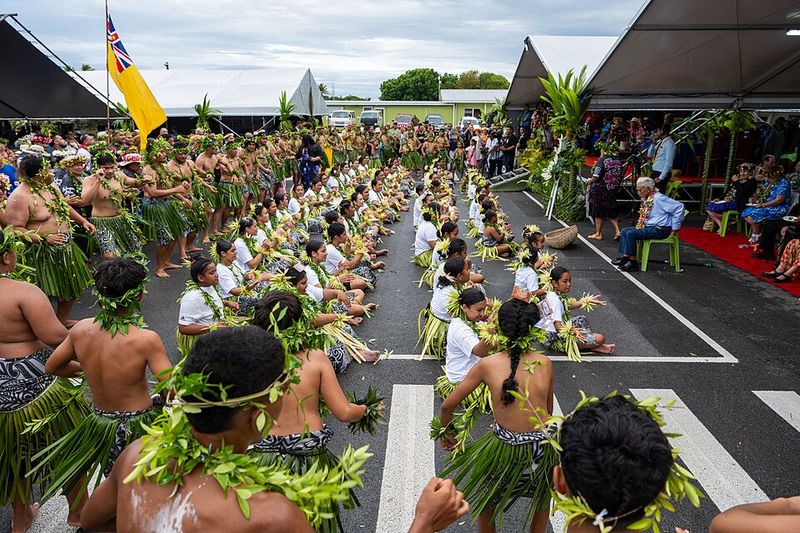
Niue is often called the Rock of Polynesia, and for good reason. This single raised coral island sits in the middle of the South Pacific with no neighboring island chains nearby, making it one of the most isolated self-governing nations on Earth.
About 1,600 people currently live on Niue, though the island’s population has declined significantly over the decades as many residents have moved to New Zealand for better economic opportunities. The country shares a free association agreement with New Zealand, meaning Niueans hold New Zealand citizenship.
Despite its small size, Niue has earned a reputation as one of the world’s best dive destinations, with pristine waters and remarkable marine biodiversity. The island also became the world’s first nation to offer free public Wi-Fi islandwide, a surprisingly modern achievement for such a remote place.
Niue rewards curious travelers with rare, uncrowded beauty.
5. Tokelau, New Zealand Territory
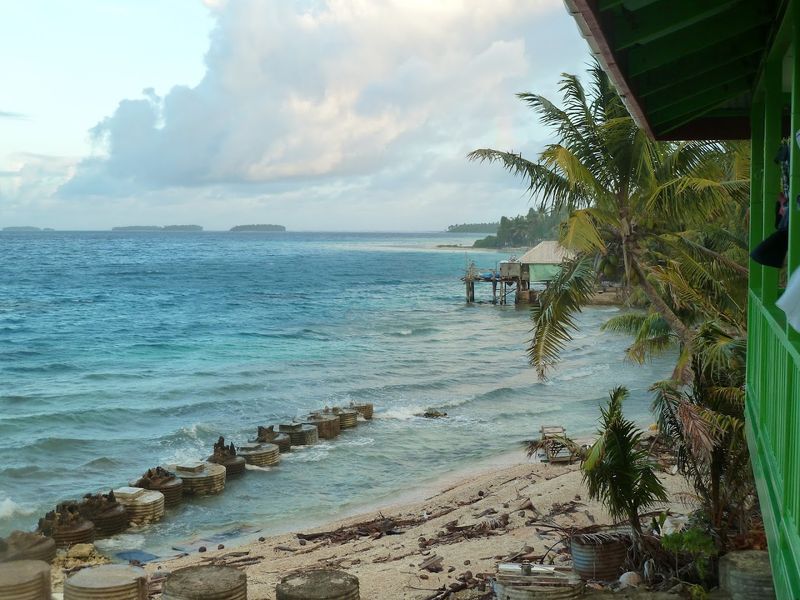
Tokelau consists of three tiny coral atolls scattered across the South Pacific, and no single piece of land rises more than five meters above sea level. With about 1,500 residents spread across three atolls, Fakafo, Nukunonu, and Atafu, it is one of the smallest territories in the world by both population and land area.
There is no airport anywhere in Tokelau. The only way to reach the atolls is by a two-day boat journey from Samoa, and even that service runs on a limited schedule.
This makes Tokelau genuinely difficult to visit for outsiders.
Climate change poses a serious and growing threat to the community, since rising sea levels could eventually submerge these low-lying atolls entirely. The people of Tokelau have been working toward 100 percent renewable energy, and they largely succeeded using solar power.
Their story is one of quiet determination in the face of enormous global challenges.
6. Norfolk Island, Australia
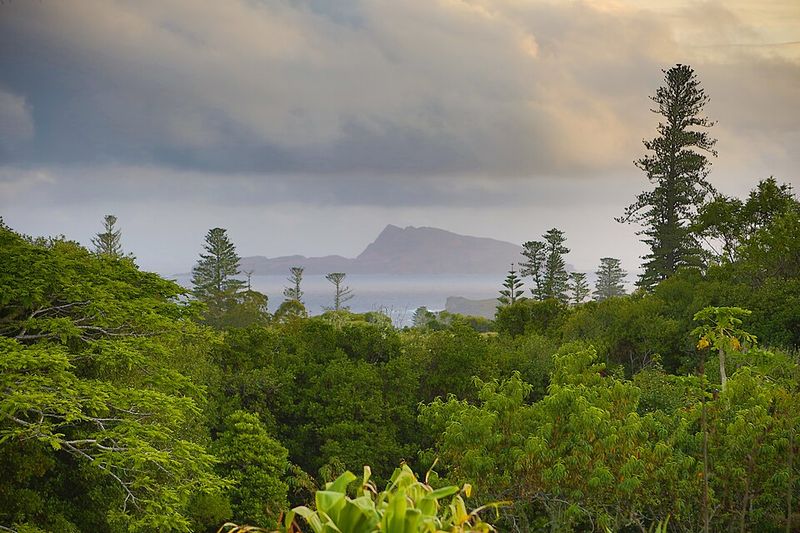
Norfolk Island floats in the Pacific Ocean roughly halfway between Australia, New Zealand, and New Caledonia, sitting about 1,400 kilometers from the Australian coast. Around 2,000 people live here, and many of them are descendants of the Pitcairn Island mutineers who were relocated to Norfolk in 1856.
The island has its own unique culture, a blend of British colonial history and Polynesian Pitcairn heritage, including a local language called Norfuk. Tall Norfolk Island pines line the roads, giving the landscape a distinctive and almost fairytale-like quality.
Until 2016, Norfolk Island had its own government, but Australia absorbed its administration following financial difficulties. Residents still feel strongly about their cultural identity and continue to celebrate their heritage through annual events and community traditions.
The island offers tourists a peaceful escape with stunning coastlines, historic sites, and a genuinely unhurried pace of life that is hard to find elsewhere.
7. Saint Helena, United Kingdom
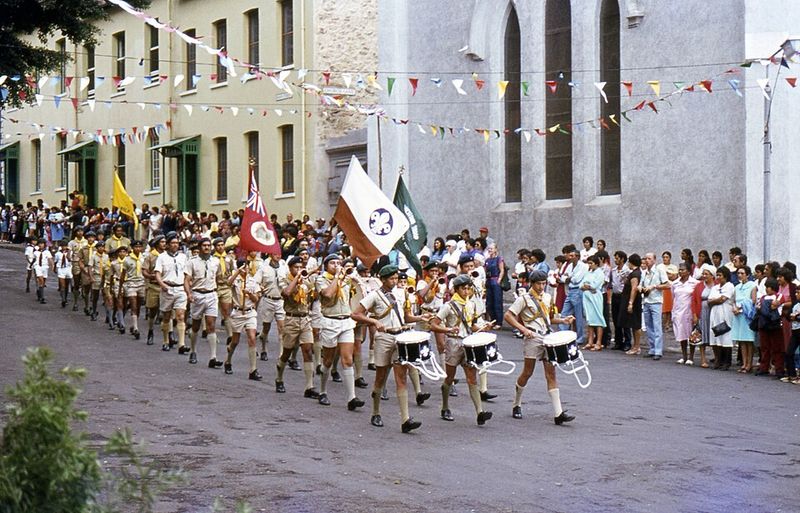
Saint Helena became world-famous as the place where Napoleon Bonaparte spent the final years of his life in exile after his defeat at Waterloo in 1815. He died here in 1821, and his former residence, Longwood House, remains a museum that visitors can tour today.
About 4,000 people live on this South Atlantic island, located roughly 1,900 kilometers from the coast of Africa. For most of its history, the only way to reach Saint Helena was by ship, but a new airport opened in 2016, finally connecting the island to regular air travel.
The island’s economy has historically relied on fishing, agriculture, and the small number of visitors passing through. Saint Helena also has a fascinating ecological history, with many endemic species found nowhere else on Earth.
It is a place where history, nature, and remoteness combine in a way that feels genuinely unlike anywhere else.
8. Palmerston Island, Cook Islands
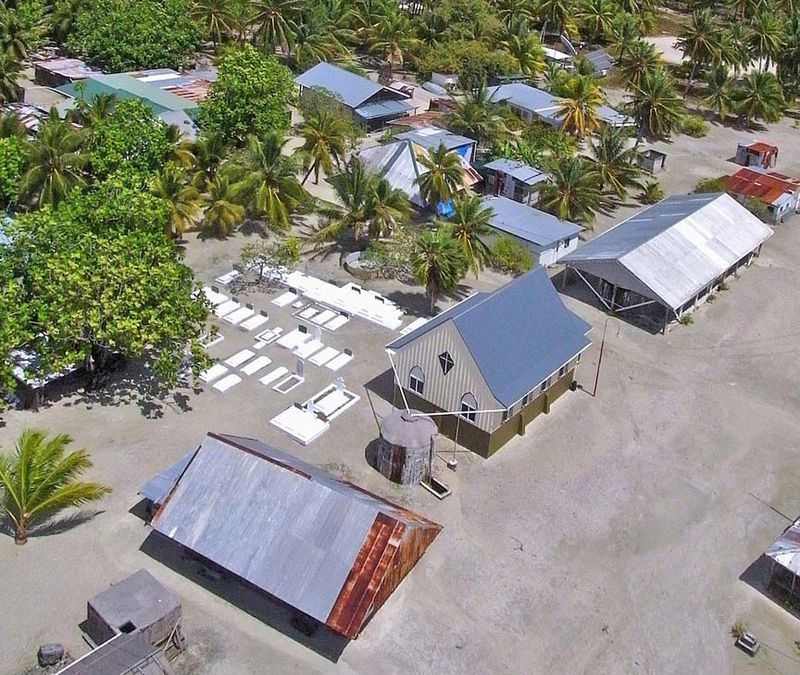
Every single person living on Palmerston Island today is descended from one man: William Marsters, a British sailor who arrived on the uninhabited atoll in 1863 with three Polynesian wives and began building a community from scratch. That founding story gives Palmerston one of the most extraordinary genealogical histories in the world.
Today, about 50 to 60 people live on this tiny coral atoll in the South Pacific Cook Islands. Supply ships visit only a few times a year, and there is no regular passenger service connecting the island to the outside world.
Residents fish, harvest coconuts, and maintain a lifestyle that has changed very little over generations. The community is warm and welcoming to the rare visitor who makes it out this far, often greeting boats personally at the water’s edge.
Palmerston is one of the most socially and geographically isolated communities anywhere on Earth.
9. Juan Fernandez Islands, Chile
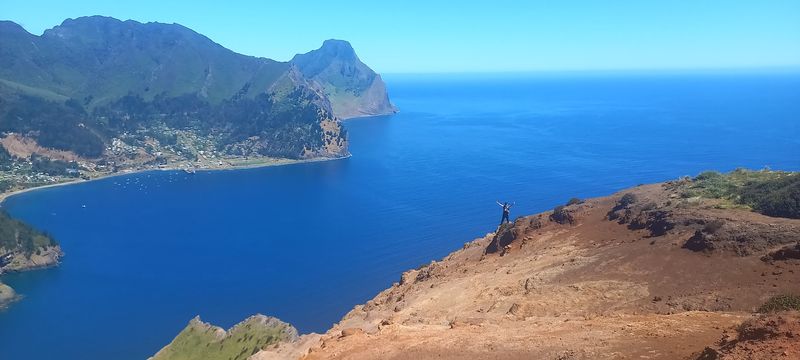
The Juan Fernandez Islands inspired one of literature’s most enduring adventure stories. A Scottish sailor named Alexander Selkirk was marooned on one of these Pacific islands in 1704 and spent over four years alone before being rescued, a story that later inspired Daniel Defoe to write Robinson Crusoe.
Today, about 900 people live on the main island, which has since been officially renamed Robinson Crusoe Island in honor of that literary legacy. The archipelago sits roughly 670 kilometers off the coast of mainland Chile, making regular contact with the mainland limited but not impossible.
Residents rely mainly on fishing, particularly the prized Juan Fernandez lobster, which is exported to Chilean restaurants and international markets. The islands are also a national park, protecting remarkable endemic plant and animal species.
Getting here typically requires a small propeller plane flight from Santiago, an adventure in itself given the rugged terrain below.
10. Falkland Islands, United Kingdom
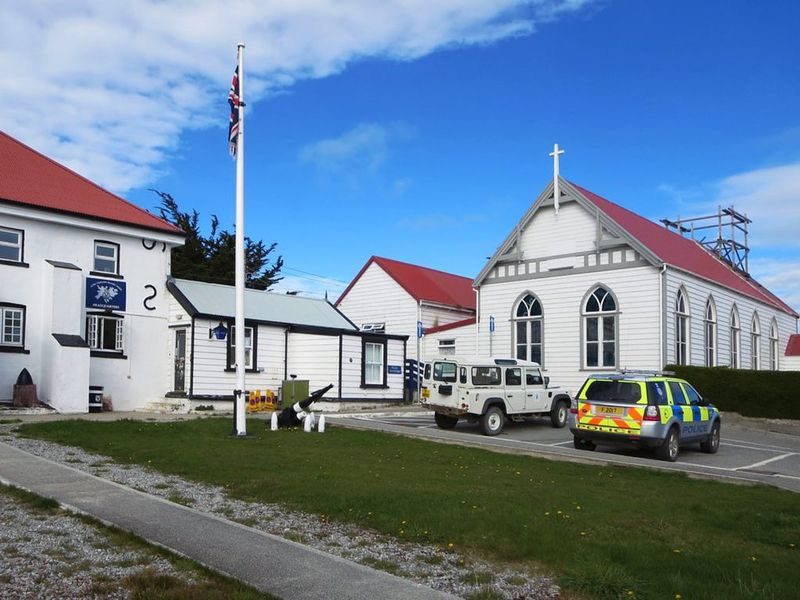
The Falkland Islands became the center of a brief but intense armed conflict in 1982 when Argentina invaded and British forces retook the territory in a ten-week war. That history still shapes the islands’ identity and its relationship with neighboring Argentina today.
Around 3,500 people live across the two main islands and several smaller ones, with most residents based in the capital, Stanley. The islands sit in the South Atlantic, roughly 500 kilometers from the southern tip of South America, and the nearest major population center is far away.
Life on the Falklands revolves around sheep farming, fishing, and a growing tourism industry driven by wildlife enthusiasts. The islands host enormous colonies of penguins, seals, and seabirds, making them a dream destination for nature lovers.
Despite their remote location, the Falklands maintain a distinctly British character, complete with red phone boxes and fish-and-chip shops.
11. Socotra, Yemen
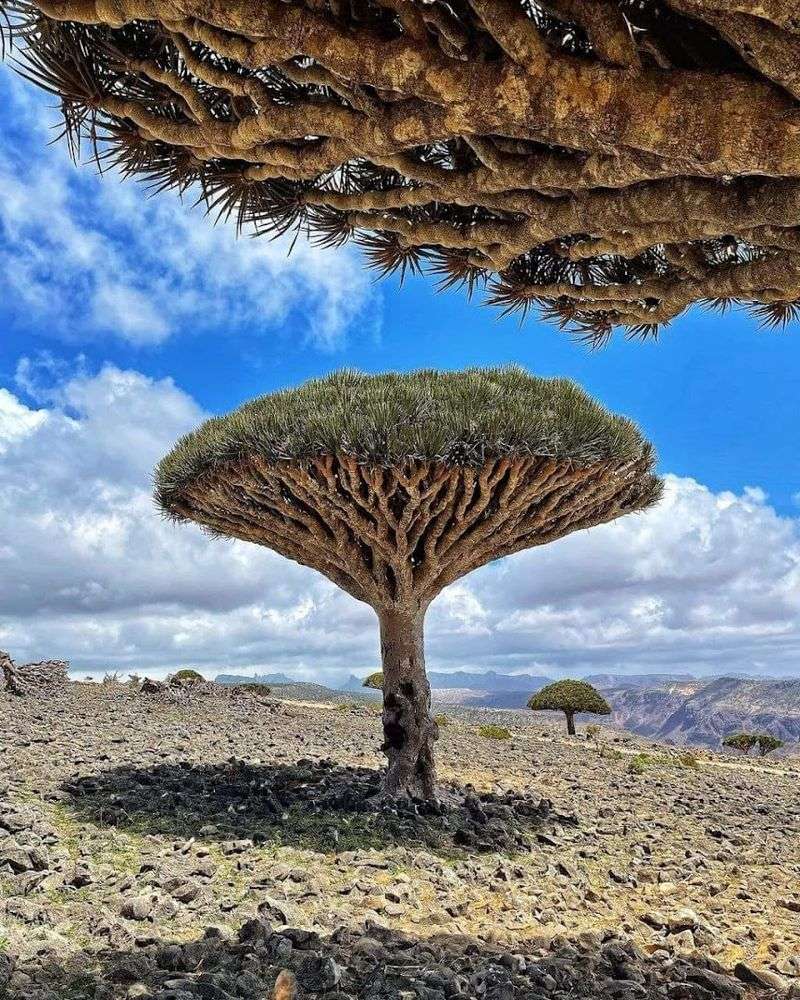
Socotra looks like it belongs on another planet. The island is home to the Dragon Blood tree, a bizarre umbrella-shaped tree that bleeds deep red sap when cut, along with hundreds of other plant and animal species found absolutely nowhere else on Earth.
UNESCO declared Socotra a World Heritage Site in 2008.
About 60,000 people live on Socotra, making it the most populated island on this list by a considerable margin. Located in the Indian Ocean off the coast of Yemen and Somalia, the island is geographically isolated by strong seasonal monsoon winds that historically cut it off from the outside world for months at a time.
Yemen’s ongoing civil conflict has created serious hardships for Socotra’s residents in recent years, complicating access to food, medicine, and basic services. Despite political turmoil on the mainland, the island’s natural wonders remain extraordinary and continue to attract researchers and adventurous travelers willing to make the difficult journey.
12. Fernando de Noronha, Brazil
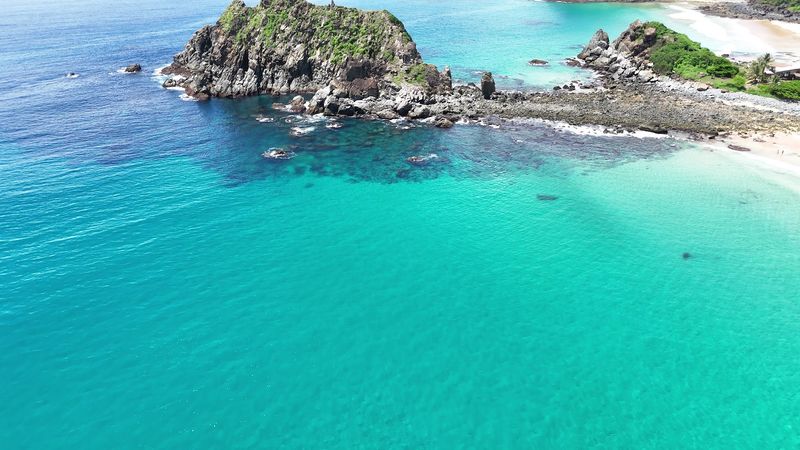
Fernando de Noronha is widely considered one of the most beautiful island groups in the entire Atlantic Ocean. This Brazilian archipelago sits about 350 kilometers off the northeastern coast of Brazil, and access is tightly controlled to protect its extraordinary marine and terrestrial ecosystems.
Roughly 3,000 to 4,000 people live on the main island, which serves as both a permanent community and a carefully managed tourist destination. Visitors must pay a daily environmental preservation tax that increases the longer they stay, a creative way to limit the environmental impact of tourism.
The waters surrounding Fernando de Noronha are among the clearest in the Atlantic, drawing snorkelers and divers from around the world. Spinner dolphins regularly gather in the bay in large numbers, creating one of nature’s most spectacular daily shows.
The island feels like a secret paradise that Brazil has managed to keep mostly unspoiled through thoughtful conservation policies.
13. Lord Howe Island, Australia
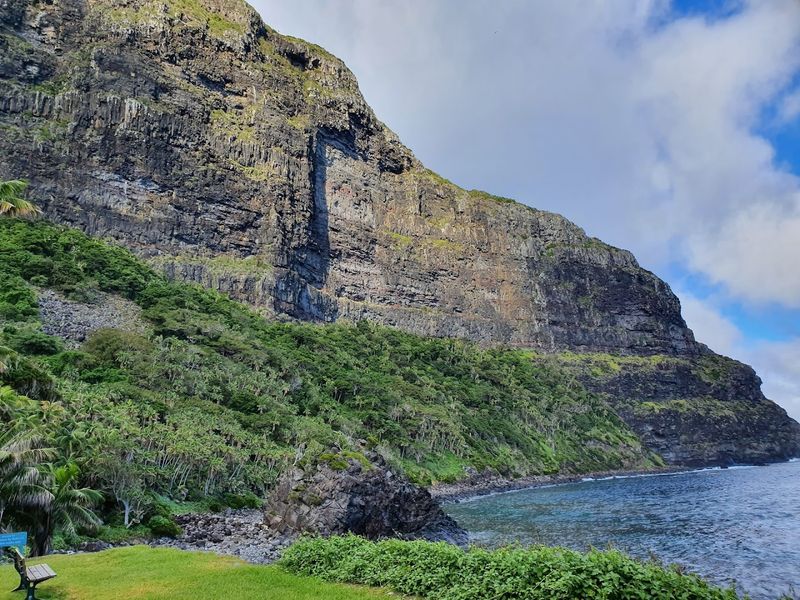
Lord Howe Island enforces one of the most unusual rules of any populated place on Earth: no more than 400 tourists are allowed on the island at any given time. This strict cap, combined with the island’s UNESCO World Heritage status, helps protect one of the most ecologically significant places in the Tasman Sea.
About 350 permanent residents call Lord Howe home, living alongside rare birds, endemic plants, and one of the world’s southernmost coral reefs. The island sits roughly 600 kilometers off the coast of New South Wales, Australia, and is reachable only by a two-hour flight from Sydney or Brisbane.
The community is largely car-free, with most residents getting around by bicycle. The pace of life here is famously relaxed, and the lack of large-scale tourism means the natural environment remains remarkably intact.
Lord Howe Island consistently ranks among the most pristine and beautiful islands in the entire Southern Hemisphere.
14. Kerguelen Islands, France
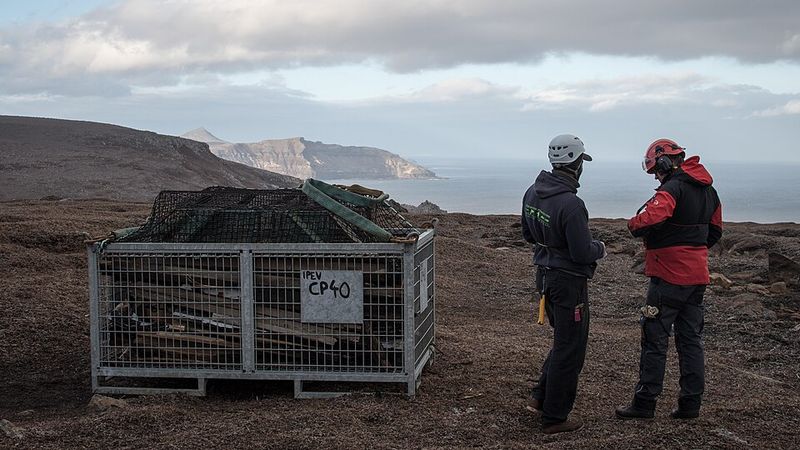
The Kerguelen Islands are so remote that they have no indigenous population and no civilian town. Only 50 to 100 researchers and support staff live here at any given time, rotating through on temporary assignments at the French scientific base called Port-aux-Francais.
Still, the sheer extremity of this location earns it a place on any serious list of remote inhabited spots.
Located in the southern Indian Ocean roughly 3,300 kilometers from the nearest inhabited land, the Kerguelen archipelago is battered by near-constant sub-Antarctic winds. The islands have no trees, and the landscape looks more like the surface of a cold, windswept moon than anything tropical.
Scientists stationed here study meteorology, geology, biology, and oceanography. The surrounding waters are rich with marine life, including elephant seals and enormous colonies of king penguins.
Getting to Kerguelen requires a six-day sea voyage from Reunion Island, with no other access available.
15. South Georgia Island, United Kingdom
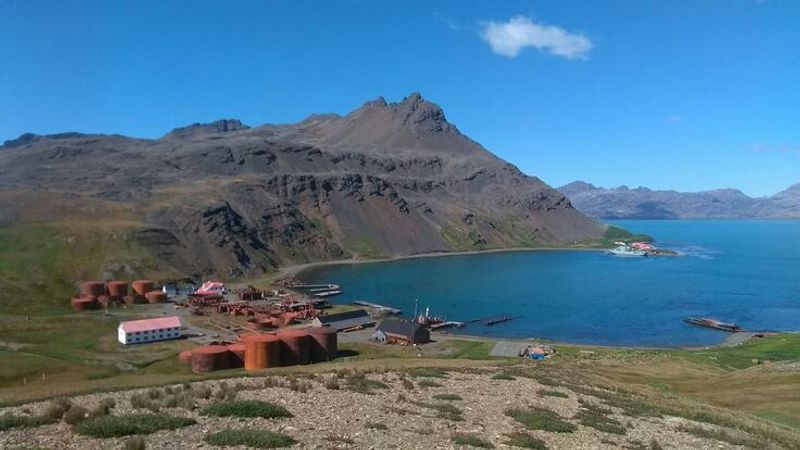
South Georgia Island has no permanent civilian population. The only people living here at any time are scientists and support staff at the British Antarctic Survey research station, and their stays are temporary.
Even so, South Georgia appears on virtually every serious list of the world’s most remote islands, and for very good reason.
Located in the South Atlantic roughly 1,400 kilometers southeast of the Falkland Islands and not far from Antarctica, South Georgia is one of the most biologically rich places on Earth despite its harsh conditions. King penguin colonies here number in the hundreds of thousands, and the beaches are packed with fur seals and elephant seals.
Explorer Ernest Shackleton is buried on the island, having made one of history’s most remarkable survival journeys to reach it in 1916. Expedition cruise ships now visit regularly, bringing adventurous travelers face-to-face with wildlife that has almost no fear of humans whatsoever.
Share this story