 Unearth The Voyage
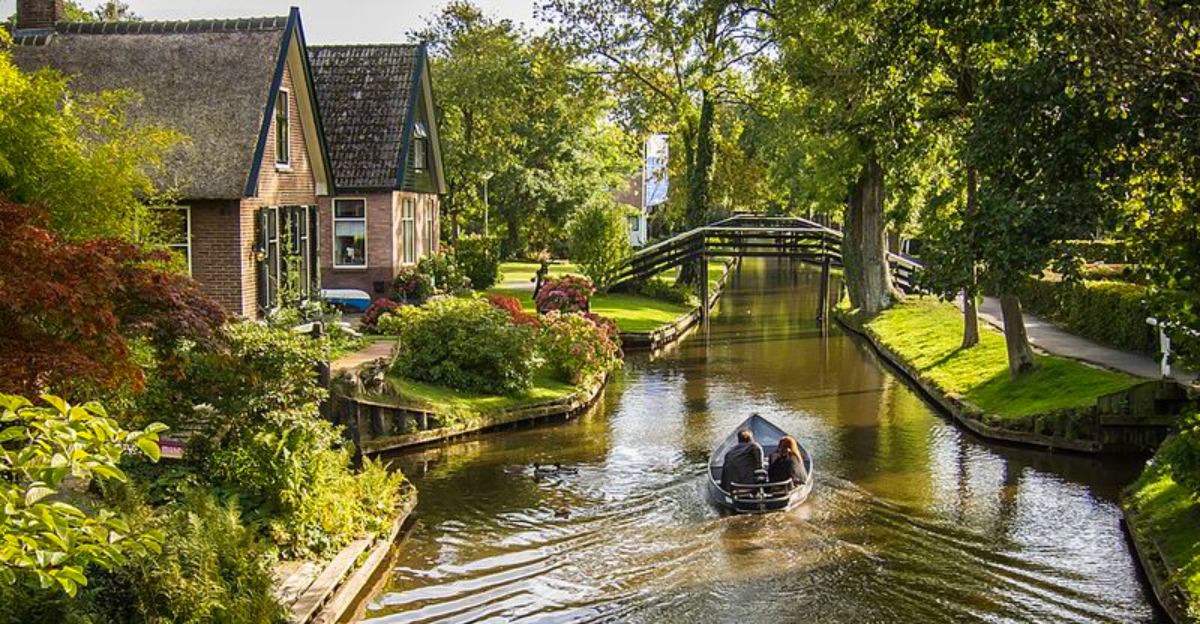
Imagine waking up in a village where homes float on water, roads don’t exist, or entire communities are carved into cliffsides. Around the world, there are places so unusual and beautiful that they seem almost unreal.
These aren’t your typical tourist spots—they’re villages where history, culture, and nature come together in the most extraordinary ways, offering travelers experiences they’ll remember forever.
Hallstatt — Austria’s Fairytale Lake Village
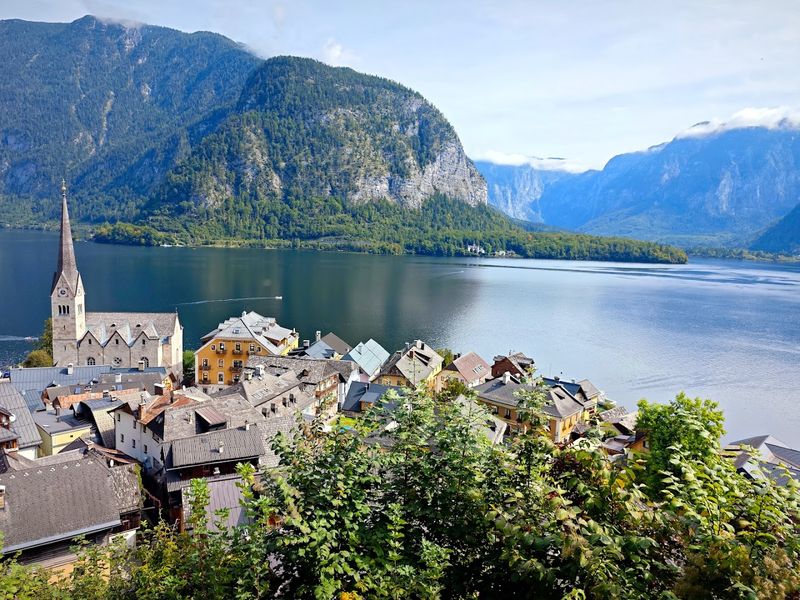
Tucked between towering alpine peaks and a mirror-smooth glacial lake, Hallstatt looks like something straight out of a fantasy novel. The village’s 16th-century houses cascade down the mountainside, their pastel facades reflected perfectly in the water below.
Every corner offers a postcard-worthy view that makes you want to pinch yourself.
This tiny Austrian gem has been home to people for over 7,000 years, which is mind-blowing when you think about it. Visitors can explore ancient salt mines that helped build the village’s wealth centuries ago.
The Skywalk observation platform dangles over the valley, giving brave souls panoramic views that stretch for miles.
UNESCO recognized Hallstatt’s cultural landscape because it’s genuinely irreplaceable. Winter transforms the village into a snow-globe scene, while spring brings wildflowers that spill from every balcony.
The narrow lanes between buildings create intimate spaces where you can hear church bells echo off the mountains.
Getting there requires some effort, but that’s part of what keeps Hallstatt feeling special. Whether you arrive by boat across the lake or wind down the mountain roads, your first glimpse will take your breath away.
It’s classic European beauty without the overwhelming crowds of bigger destinations.
Shirakawa-go — Japan’s Thatched Roof Village
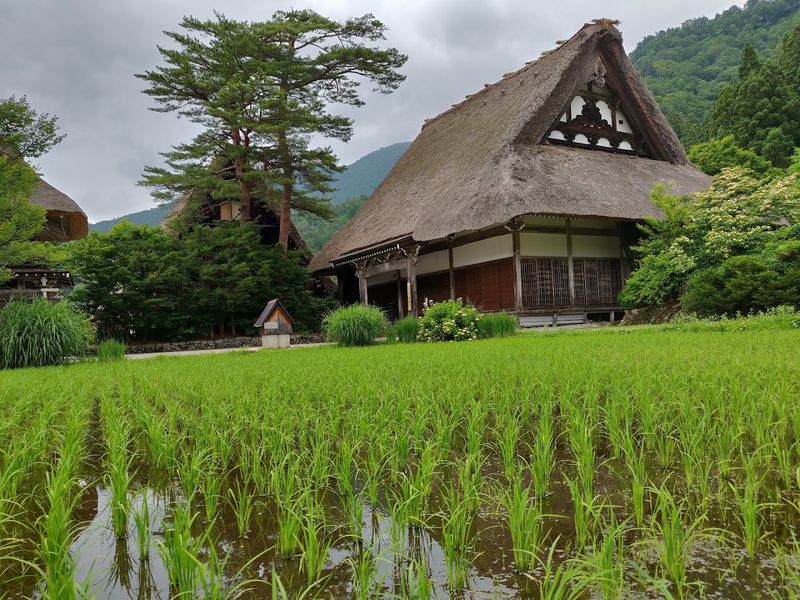
Snow piles six feet high in winter here, which explains why Shirakawa-go’s farmhouses have those incredibly steep thatched roofs. The gasshō-zukuri style—which means “praying hands”—was engineered centuries ago to shed heavy snow before it could crush the buildings.
Walking through this village feels like stepping into rural Japan from 300 years ago.
Nestled in Gifu Prefecture’s mountains, the cluster of these unique structures creates a landscape that changes dramatically with the seasons. Cherry blossoms frame the thatched roofs in spring, while autumn sets the surrounding forests ablaze with color.
But winter is when Shirakawa-go truly shines, illuminated at night when snow blankets everything in white.
UNESCO World Heritage status came in 1995, recognizing how remarkably well-preserved these traditional buildings remain. Many farmhouses still function as homes, though some now welcome overnight guests.
You can actually sleep in a 250-year-old house and wake up to mountain views.
The village demonstrates how people adapted architecture to harsh environments long before modern heating existed. Local families maintained these massive roofs through community effort, rethatching them together every few decades.
Today, watching craftsmen work on roof maintenance is a reminder of skills passed down through generations, keeping history alive in a functioning village.
Giethoorn — Netherlands’ “Venice of the North”
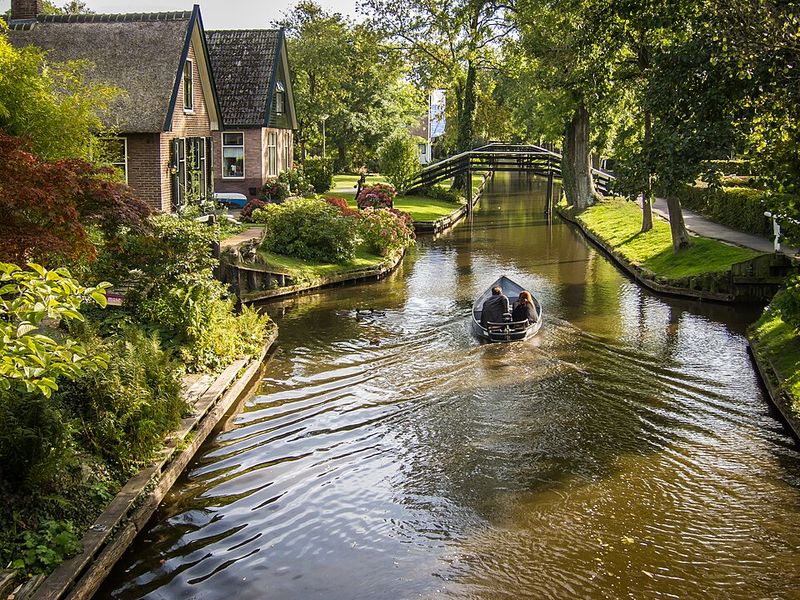
Cars simply don’t exist in Giethoorn’s historic center, which might sound impossible until you realize the entire village is built around canals instead of roads. Residents travel by boat or bike, creating an atmosphere so peaceful you can hear ducks paddling and wind rustling through the reeds.
It’s like someone designed a village specifically to help people relax.
The waterways wind between picture-perfect thatched cottages that could illustrate a children’s storybook. Wooden footbridges arch gracefully over the canals every few dozen yards.
Gardens overflow with flowers that lean toward the water, and swans glide past like they own the place—which, honestly, they kind of do.
Visitors rent whisper-boats—small electric vessels that make almost no noise—to explore the seven kilometers of canals at their own pace. You can also bike the paths that parallel the waterways or simply wander on foot.
Either way, the absence of car engines and honking horns makes everything feel like a different era.
The nickname “Venice of the North” gets thrown around a lot, but Giethoorn earns it through sheer charm rather than grandeur. Families love it because kids can run around safely, couples find it impossibly romantic, and anyone stressed by city life discovers their shoulders dropping within minutes of arrival.
Oia — Greece’s Iconic Cliffside Village
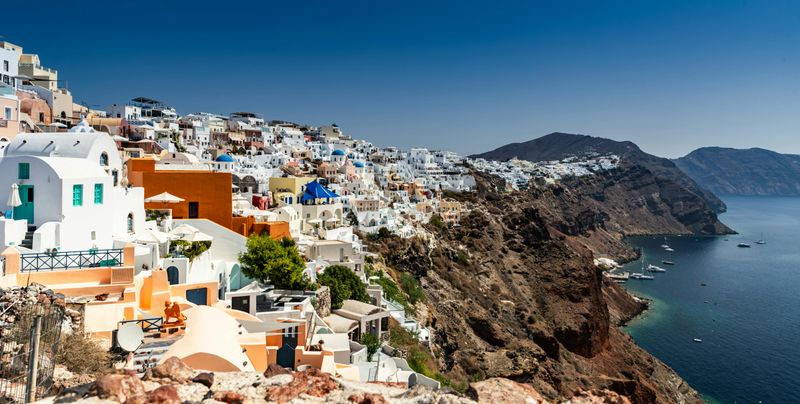
Everyone’s seen photos of Oia even if they don’t know its name—those white buildings with blue domes stacked on cliffs above impossibly blue water define Greek island imagery. Carved into Santorini’s volcanic caldera, the village clings to the clifftop like it’s defying gravity.
Sunset here draws crowds from across the island, all jostling for that perfect Instagram shot.
The architecture evolved from cave dwellings that locals carved directly into the volcanic rock. Over time, these expanded into the distinctive white houses that stay cool even under the Mediterranean sun.
Blue-domed churches punctuate the skyline, their colors chosen to reflect sky and sea.
Winding marble pathways connect different levels of the village, with stairs leading down toward the caldera edge. Boutique hotels occupy restored sea captains’ houses, many with infinity pools that seem to pour into the Aegean.
The views from these terraces are legitimately breathtaking, especially when cruise ships look like toys far below.
Yes, Oia gets crowded—sunset viewing spots fill up an hour early during summer. But there’s a reason people keep coming back.
Early mornings offer a different experience, when the village belongs to locals and cats sunning themselves on warm stone walls. The combination of dramatic natural setting and human architecture creates something genuinely unforgettable.
Bibury — England’s Quintessential Cotswolds Village
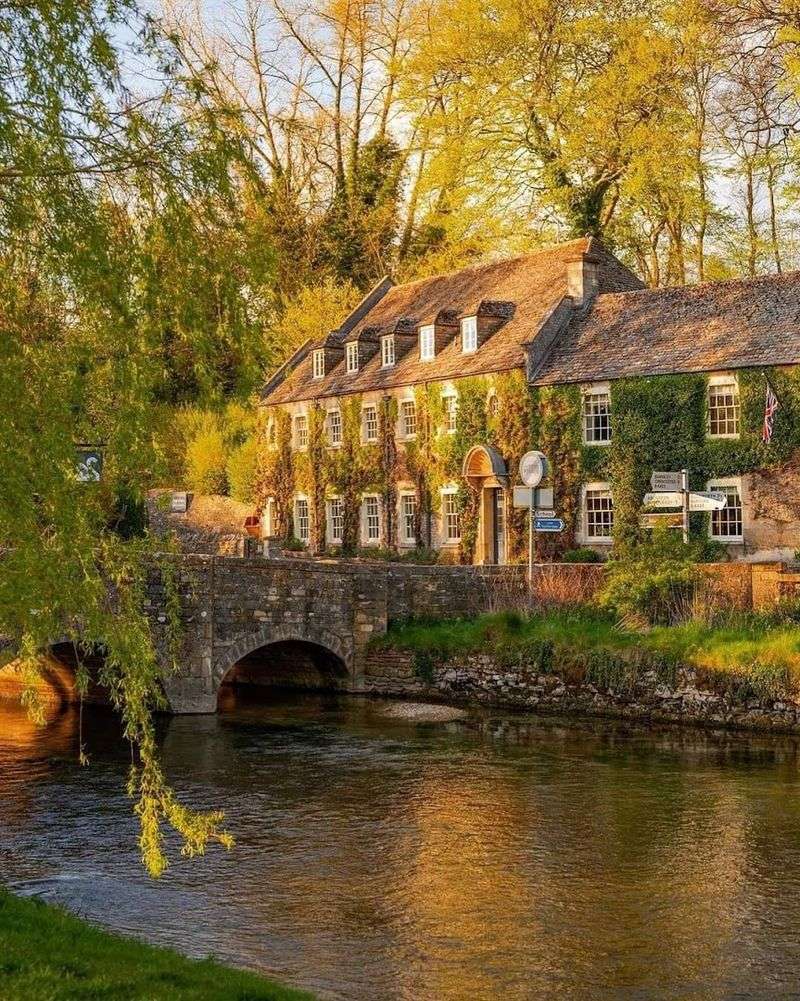
William Morris called Bibury “the most beautiful village in England,” and honestly, it’s hard to argue with him. The honey-colored stone cottages glow golden in afternoon light, their steep roofs and mullioned windows exactly what you picture when someone says “English countryside.” The River Coln flows gently through the village, adding the soothing sound of moving water to the pastoral scene.
Arlington Row steals the show—a line of weavers’ cottages built in the 14th century that now appears on every Cotswolds postcard, mug, and calendar. These buildings originally housed wool workers who supplied fabric to nearby mills.
Today they’re some of England’s most photographed homes, though actual people still live in them, which must be both charming and slightly exhausting.
The village green spreads beside the river, where you might spot ducks waddling between visitors or trout swimming in the clear water. Stone bridges cross at perfect spots for photos.
Tea rooms serve scones with clotted cream, because of course they do—this is the Cotswolds, after all.
Bibury represents rural England at its most idyllic, the kind of place where time seems to have paused somewhere around 1850. Gentle walks along the river reveal wildflowers and ancient trees.
Everything here whispers rather than shouts, creating an atmosphere of deep, settled peace.
Albarracín — Spain’s Red Rock Village
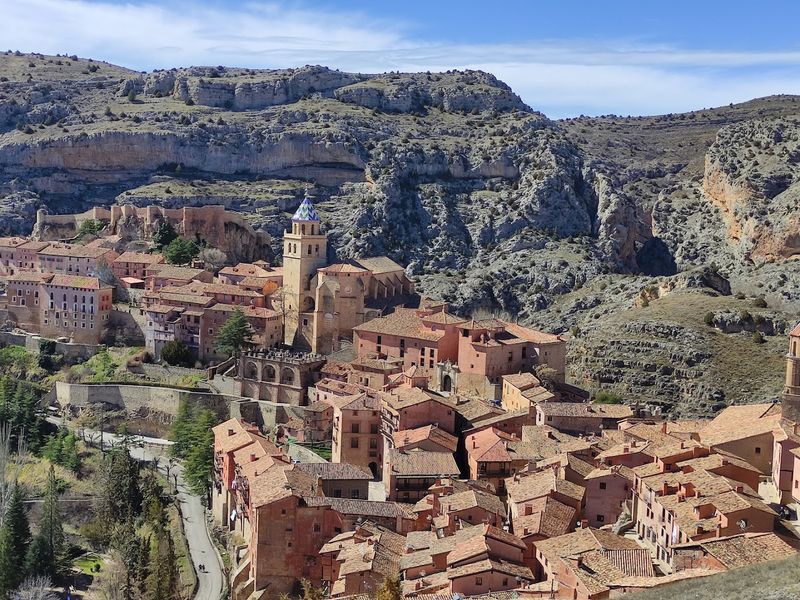
Rising from rust-colored cliffs in Aragon, Albarracín looks like it grew directly from the rock itself. The medieval buildings share the same pinkish-red tone as the stone outcrop they’re built on, creating a monochromatic landscape that photographs like a watercolor painting.
Ancient defensive walls snake across the hilltops, remnants of when this village was a strategic fortress.
Getting lost in Albarracín’s labyrinthine streets isn’t frustrating—it’s the whole point. Narrow lanes twist between buildings that lean toward each other, sometimes creating tunnels of shade.
Wrought-iron balconies jut from upper floors, decorated with flower pots that add splashes of green and purple to all that red stone.
The village’s position on its rocky perch provides sweeping views across the surrounding sierra. Below, the Guadalaviar River curves through the valley.
Above, the remains of medieval towers watch over everything like they have for 800 years.
Albarracín’s architectural palette makes it instantly recognizable and completely unique among Spanish villages. The combination of Moorish influence, Christian reconquest history, and dramatic natural setting creates layers of visual interest.
Walking these streets at sunset, when the low light intensifies the red tones, feels like traveling back to medieval Iberia when this frontier village stood between competing kingdoms.
Jeonju Hanok Village — South Korea’s Traditional Core
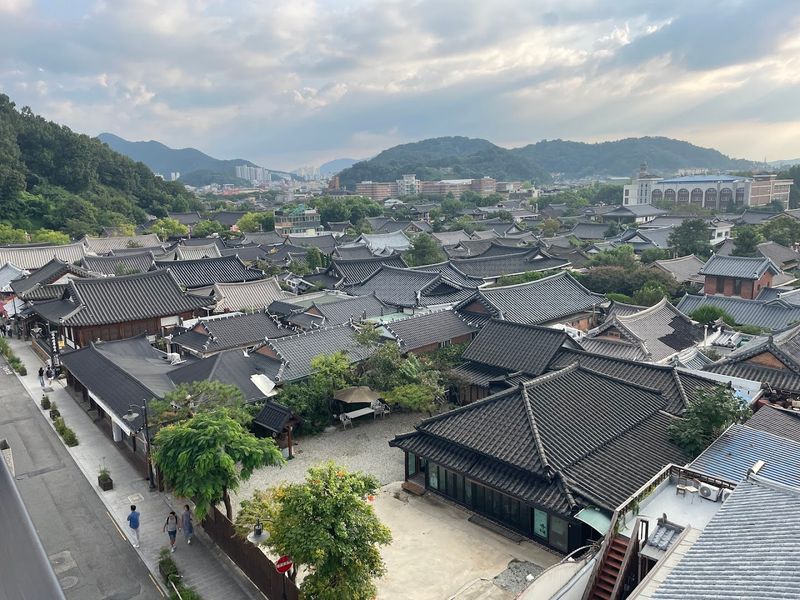
In the middle of a thoroughly modern city, 800 traditional hanok houses cluster together like a time capsule from the Joseon Dynasty. Jeonju Hanok Village preserves Korean architectural heritage that disappeared from most urban areas during rapid modernization.
The curved tile roofs and wooden structures create rhythmic patterns that contrast sharply with the glass towers visible in the distance.
Walking these streets means experiencing traditional Korean life without leaving the city. Artisan workshops produce hanji paper by hand using methods unchanged for centuries.
Tea houses serve their drinks in rooms with heated ondol floors. You can even rent hanbok—traditional Korean clothing—and stroll around looking like you belong in a historical drama.
Jeonju earned fame as the birthplace of bibimbap, and the village’s restaurants take this mixed rice dish seriously. The local version includes dozens of ingredients arranged in brass bowls, each component prepared with careful attention.
Food pilgrims come specifically to taste bibimbap where it originated.
The village demonstrates how traditional architecture can survive within modern cities when communities choose to preserve it. Young Koreans visit to reconnect with cultural roots, while international travelers get an accessible introduction to Korean heritage.
At night, when lanterns illuminate the curved rooflines, the village transforms into something magical, proving that old doesn’t mean outdated.
Hahoe Folk Village — Joseon-Era Korea
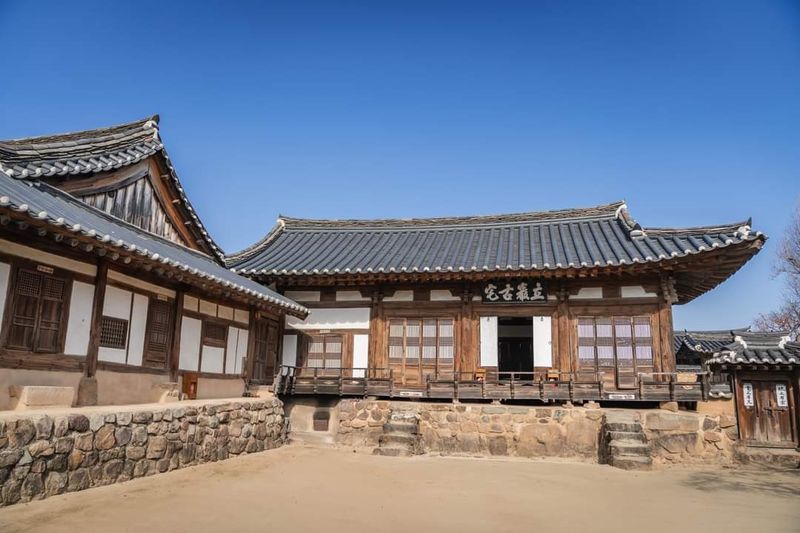
Unlike museum reconstructions, Hahoe is a living village where families have occupied the same clan-based compounds for over 600 years. The Joseon Dynasty layout remains intact—yangban noble houses on higher ground, commoner dwellings below, everything positioned according to pungsu-jiri (Korean geomancy).
The Nakdong River curves around the village in a horseshoe shape that gives Hahoe its name, which means “village enfolded by water.”
UNESCO recognized Hahoe partly because it preserves social structures along with architecture. The Ryu clan still maintains ancestral rituals in the village’s Confucian shrines.
During festivals, locals perform Hahoe Byeolsin-gut Talnori—masked dance dramas that satirize yangban nobles and Buddhist monks, a tradition that somehow survived centuries of social upheaval.
The masks used in these performances are national treasures, their exaggerated expressions carved from alder wood centuries ago. Watching villagers don these ancient masks and perform comedic routines that mocked the powerful offers insight into how ordinary people expressed dissent in rigidly hierarchical societies.
Staying overnight in a hanok guesthouse here means sleeping on yo mattresses on heated floors, just like Koreans did 500 years ago. Morning fog rises from the river, and roosters actually crow at dawn.
It’s not a theme park—it’s a functioning village that happens to exist in a different historical moment.
Huangling — China’s Classic Countryside Gem
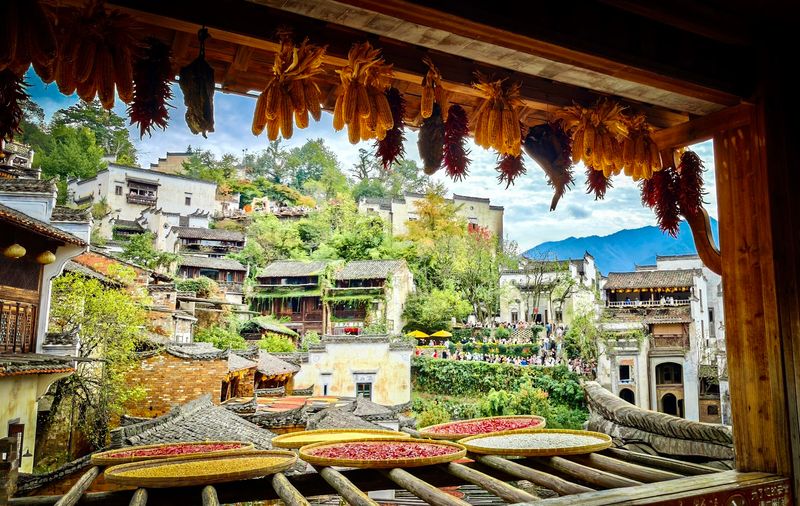
Every spring, Huangling explodes in yellow when rapeseed flowers bloom across the terraced hillsides surrounding this ancient Hui-style village. Farmers spread their harvest on bamboo racks outside their homes to dry in the sun—a practice called “basking in autumn” that creates colorful geometric patterns of red chilies, golden corn, and orange persimmons against white walls.
The UNWTO named it one of the world’s Best Tourism Villages, recognizing how it balances tourism with authentic rural life.
The architecture follows Hui traditions—white walls, black-tiled roofs, and horse-head gables that curve upward at the ends. These buildings climb the mountainside in terraces, connected by stone pathways worn smooth by generations of footsteps.
The village layout maximizes ventilation and light while minimizing fire risk, showing sophisticated understanding of practical design.
Wuyuan County, where Huangling sits, has been called “the most beautiful countryside in China,” which brings crowds during rapeseed season. But the village maintains farming traditions that give visitors genuine glimpses into rural Chinese life.
Women still practice traditional embroidery, and tea cultivation continues on the surrounding slopes.
The seasonal transformations here are dramatic—spring’s yellow fields give way to summer’s green terraces, then autumn’s drying harvest displays, and finally winter’s occasional snow dusting the black roofs. Each season offers different colors and agricultural activities, making Huangling a living agricultural calendar.
Kongthong — India’s Singing Village
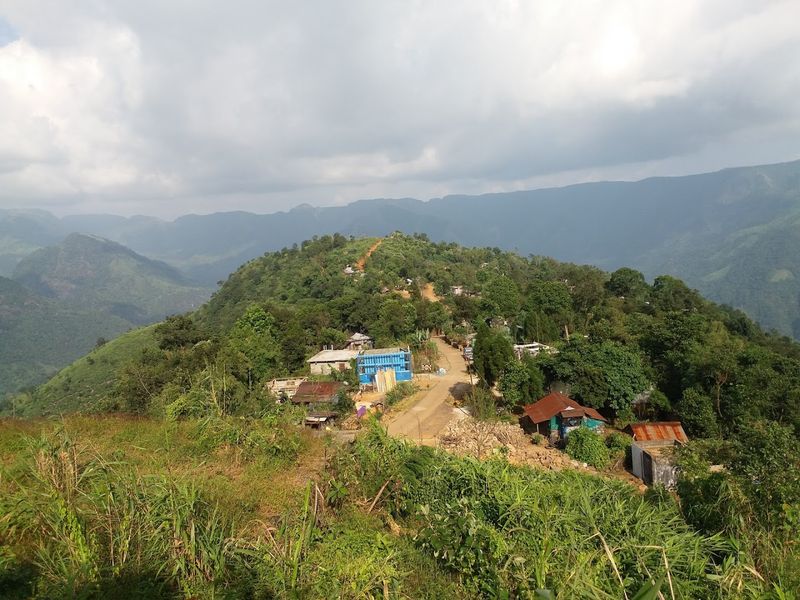
Mothers in Kongthong don’t call their children by spoken names—they whistle unique melodies instead. Each person has their own tune, a melodic signature that family and neighbors recognize instantly across the village.
This extraordinary tradition, found nowhere else on Earth, has earned Kongthong the nickname “singing village” and attracted ethnomusicologists fascinated by this oral culture.
The village sits in Meghalaya’s East Khasi Hills, where some of India’s heaviest rainfall nourishes impossibly green landscapes. Mist clings to the valleys most mornings, and waterfalls cascade down every hillside during monsoon season.
The Khasi people who live here have adapted to extreme precipitation by creating living root bridges—training fig tree roots to grow across rivers, forming structures that strengthen over decades.
Kongthong’s whistled names apparently developed as a practical solution for communicating across the hilly terrain, where melodies carry farther than shouted words. But the tradition has evolved into something more—an identity marker and cultural treasure that residents protect fiercely.
Children learn their tune from birth and carry it throughout their lives.
Visiting requires effort—the village remains relatively remote, accessed by winding mountain roads. But travelers who make the journey discover not just the whistling tradition but also spectacular natural beauty.
Nearby attractions include Nohkalikai Falls and the living root bridges that demonstrate how humans and nature can collaborate.
Corrèze Villages — France’s Fairytale Collection
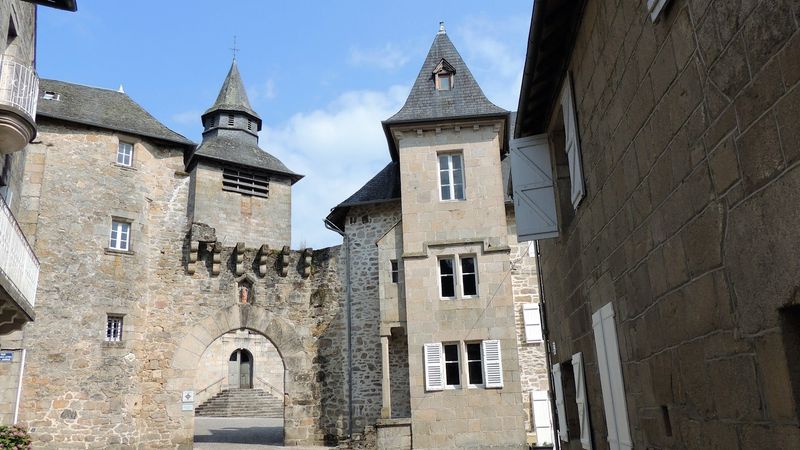
Corrèze doesn’t offer just one fairytale village—it delivers an entire collection of them scattered across southwestern France. Collonges-la-Rouge stands out immediately because every building glows red, constructed entirely from local sandstone that ranges from deep burgundy to bright crimson.
Walking these streets feels like stepping into a Grimm Brothers illustration rendered in stone.
Beaulieu-sur-Dordogne curves along the river of the same name, its medieval abbey and half-timbered houses creating reflections in the water. The village earned “Plus Beaux Villages de France” status, joining France’s official list of most beautiful villages.
Summer brings visitors who kayak the Dordogne, while winter sees the village return to peaceful obscurity.
Turenne climbs a hillside toward its ruined castle, which once served as the seat of viscounts powerful enough to negotiate with French kings as equals. The village retains its medieval layout, with narrow streets winding upward past Renaissance houses.
From the castle ruins, views extend across the Corrèze countryside for miles.
These villages have gained attention as travelers seek alternatives to overcrowded Provence and the Loire Valley. Corrèze offers similar historic charm with fewer tour buses and lower prices.
The region’s tourism boards promote it as “fairytale France,” which sounds like marketing speak until you actually visit and realize they’re underselling it.
Pemuteran — Bali’s Eco-Coastal Village
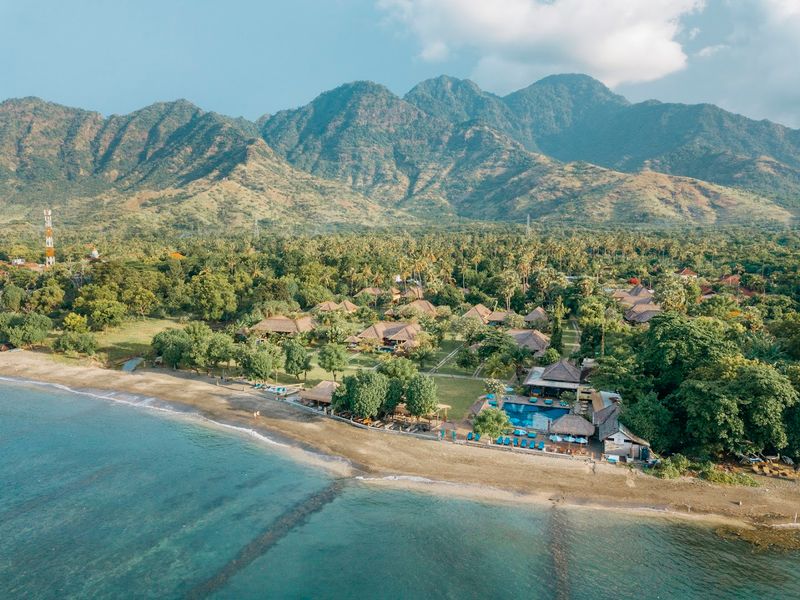
While southern Bali drowns in tourists, Pemuteran in the north maintains the peaceful coastal atmosphere that once characterized the entire island. The UNWTO recognized this village for sustainable tourism practices that balance visitor income with environmental protection and cultural preservation.
It’s Bali before the beach clubs and traffic jams took over.
The village became famous in conservation circles for its BioRock coral restoration projects, where low-voltage electrical currents stimulate rapid coral growth on metal structures. Divers and snorkelers can visit these underwater sculptures that have transformed from bare metal to thriving reef ecosystems.
The projects demonstrate how tourism can fund environmental restoration rather than destruction.
Pemuteran’s black sand beaches curve along a protected bay where the water stays calm most of the year. Traditional jukung fishing boats rest on the sand, their outriggers creating distinctive silhouettes.
Behind the beach, mountains rise dramatically, and rice paddies stretch toward the foothills, reminding visitors that Bali is more than beaches.
The village maintains Balinese Hindu traditions that have disappeared from more touristy areas. Temple ceremonies happen on the Balinese calendar regardless of visitor schedules.
Gamelan music drifts from compounds in the evening. Locals still fish and farm alongside running guesthouses, creating a balanced economy that doesn’t depend entirely on tourism’s whims.
Ganvie — Benin’s Floating Village
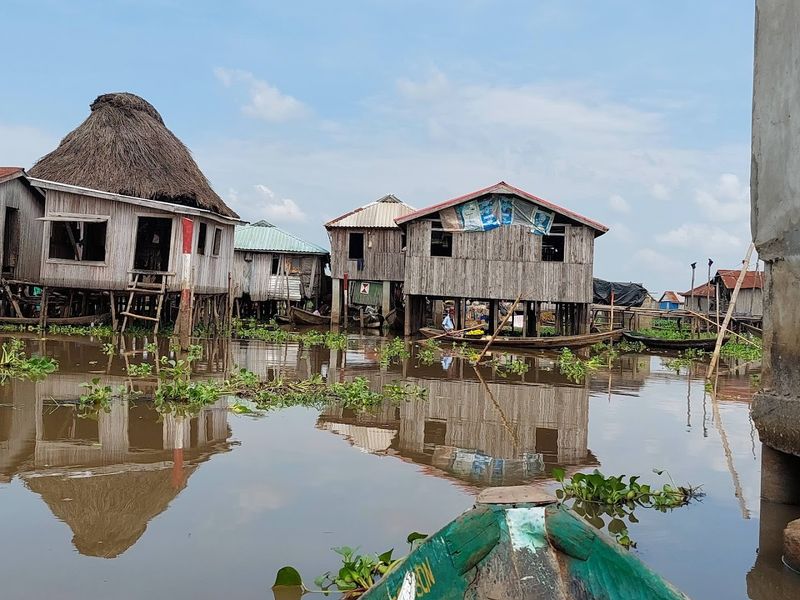
Eighteen thousand people live on Lake Nokoué in houses built entirely on stilts, making Ganvie one of Africa’s largest and most unusual settlements. The Tofinu people founded this floating village centuries ago to escape slave raiders who, according to their religion, couldn’t pursue victims over water.
What began as refuge evolved into a complete society where everything—homes, schools, markets, even the church—stands on wooden poles above the lake.
Canoes serve as the primary transportation, with residents paddling between houses, shops, and neighbors like others might walk down a street. Children learn to handle boats before they can read, and “roads” consist of water channels marked by poles.
The morning fish market happens entirely afloat, with vendors displaying their catch in canoes while buyers paddle up to negotiate.
Life rhythms here follow the lake’s patterns—water levels, fish migrations, and weather systems dictate daily activities. Houses rise and fall with seasonal water changes.
During dry season, the lake bottom emerges in places, revealing the mud that supports the poles. Rainy season brings higher water and rougher conditions.
Visiting Ganvie requires hiring a local guide with a motorized canoe, as the village sits several kilometers from shore. The experience offers genuine insight into how communities adapt to challenging environments, creating entire civilizations on water through ingenuity and determination.
Inle Lake Villages — Myanmar’s Stilt Towns
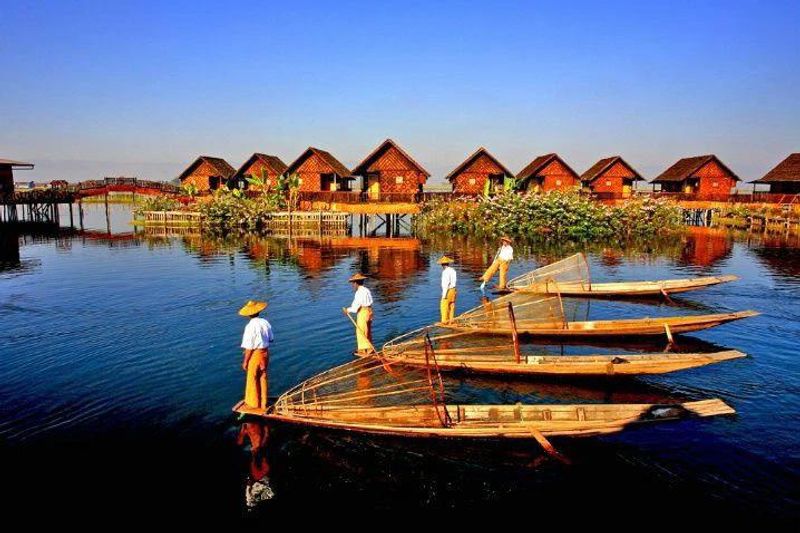
On Myanmar’s Inle Lake, communities like Nampan and Ywama exist in a space between water and land, their stilt houses connected by wooden walkways that sway slightly when you walk across them. The Intha people developed a unique lifestyle here, including floating gardens where vegetables grow on rafts of water hyacinth and lake soil.
Watching farmers tend tomato plants that literally float on the lake challenges everything you thought you knew about agriculture.
Inle fishermen practice a distinctive leg-rowing technique, standing on one leg at the stern while wrapping the other around their oar, leaving both hands free to handle conical fishing nets. This method evolved from the need to see over the lake’s tall reeds while navigating.
It looks precarious but demonstrates perfect balance developed over lifetimes on the water.
The villages support traditional crafts that survive here better than in mainland Myanmar. Lotus fiber weaving—creating fabric from the delicate threads inside lotus stems—happens in small workshops where weavers spend weeks producing a single scarf.
Silver smithing, boat building, and cheroot cigar rolling continue using methods passed down through generations.
Five-day markets rotate between villages, drawing vendors and shoppers from around the lake and nearby hills. These markets offer glimpses into Myanmar’s ethnic diversity, with Shan, Pa-O, and other minority groups selling produce, textiles, and handicrafts in a vibrant, photogenic chaos.
Tonle Sap Floating Villages — Cambodia’s Water World
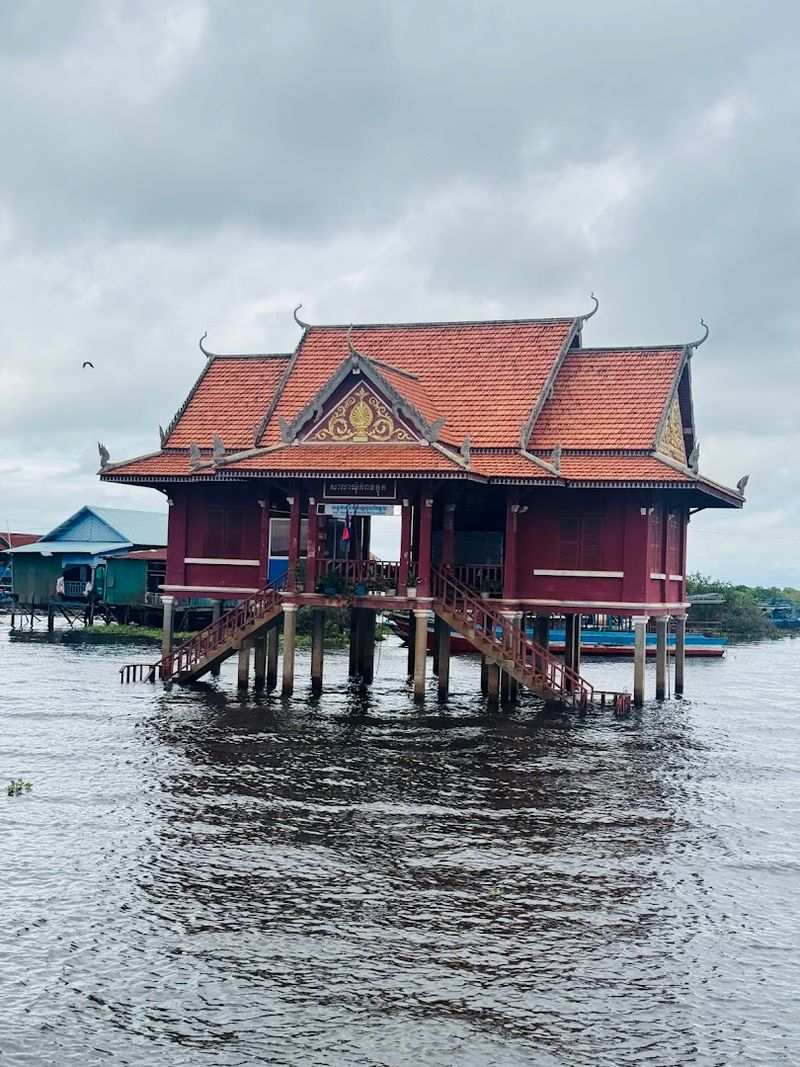
Cambodia’s Tonle Sap lake performs a hydraulic magic trick twice yearly—during monsoon season, water from the Mekong River reverses flow and floods the lake, expanding it to four times its dry-season size. The floating villages here don’t just adapt to this change—they’re designed around it, with entire communities that rise and fall with water levels like enormous houseboats.
Kompong Luong and Chong Kneas are among the most visited floating villages, where houses, shops, schools, and even Buddhist pagodas rest on platforms that float freely or are tethered loosely to the lake bottom. During high water, these structures spread across the lake.
When water recedes, they cluster closer together or relocate entirely, following the fish that sustain the communities.
Life here revolves completely around water and fishing. Children paddle small boats to school, learning to swim before they can walk far.
Families keep crocodiles in underwater pens beneath their houses, raising them for eventual sale. Basketball courts and karaoke bars float alongside homes, proving that entertainment matters even in challenging environments.
Many residents are ethnic Vietnamese, originally refugees who found freedom on the water. Their stateless status creates complications, but the lake provides resources and lifestyle that mainland living can’t match.
Visiting these villages reveals human resilience and creativity in building societies that literally float on nature’s rhythms.



