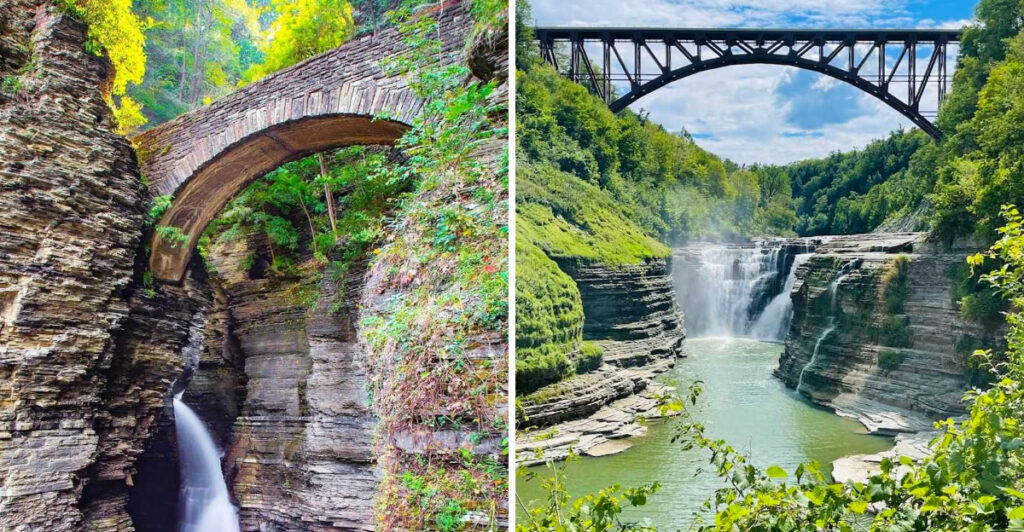
America’s state parks are hiding some seriously jaw-dropping scenery, and millions of people have already figured that out. From roaring waterfalls to glowing red canyons, these parks offer world-class experiences without the long waits of national parks.
They’re closer to home, easier to access, and packed with adventures for every kind of outdoor lover. Whether you’re a seasoned hiker or a first-time explorer, these 15 most-visited state parks prove that incredible nature is never too far away.
Valley of Fire State Park — Nevada
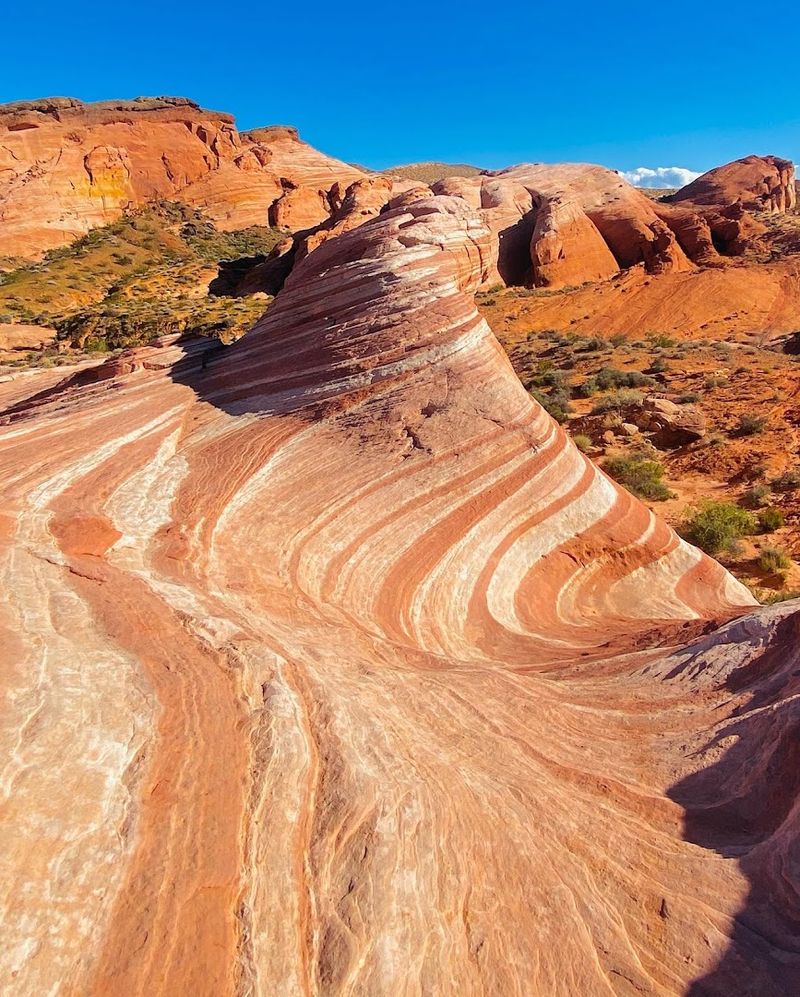
If Mars had a tourist destination, it would look a lot like Valley of Fire. Located just 50 miles northeast of Las Vegas, this Nevada gem explodes with bright red sandstone formations that seem to glow like embers in the afternoon sun.
The colors shift dramatically depending on the time of day, making every visit feel different.
Ancient petroglyphs carved by the Ancestral Puebloans thousands of years ago are scattered throughout the park, giving history buffs plenty to marvel at. The Mouse’s Tank Trail is a popular short hike that leads past some of the best rock art in the region.
You don’t need to be a serious hiker to enjoy it, either.
Spring and fall are the best times to visit, when temperatures are manageable and the light hits those red rocks just right. Camping is available inside the park for those who want to experience the magical desert sunsets and starry skies.
Honestly, the night sky alone is worth the trip out here.
Letchworth State Park — New York
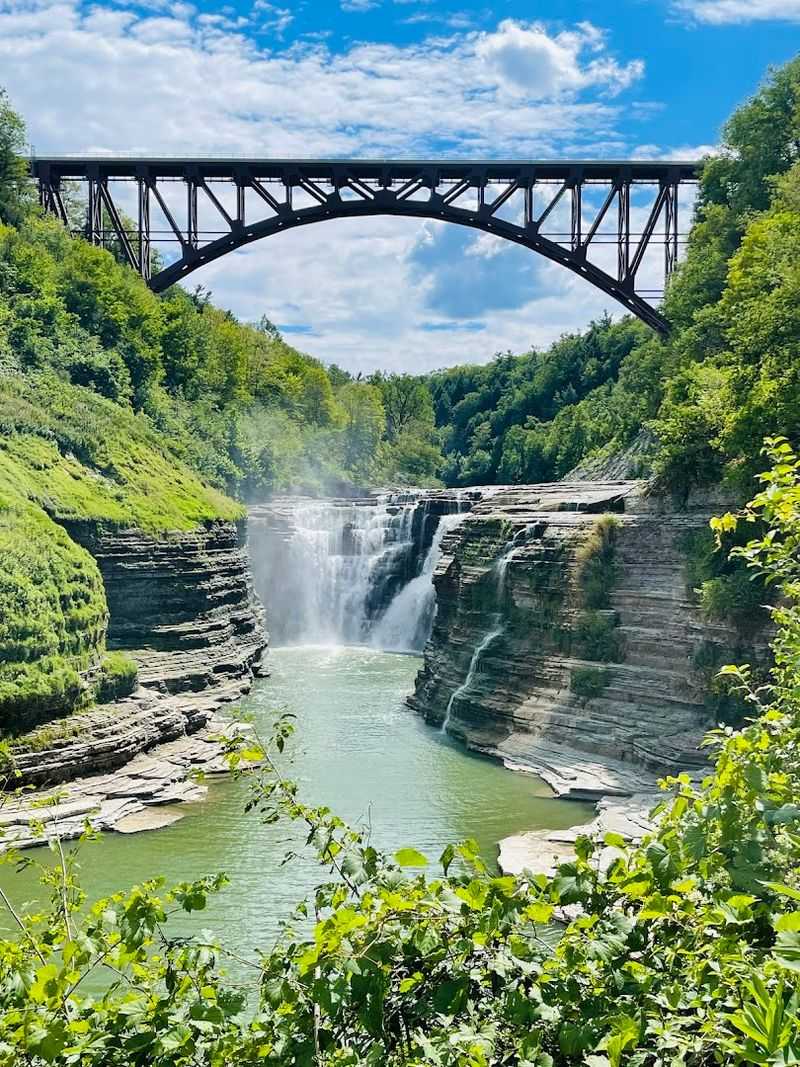
Nicknamed the Grand Canyon of the East, Letchworth State Park earns that title every single season. The Genesee River carves through gorges as deep as 600 feet, flanked by towering cliffs draped in trees that explode with color every autumn.
It’s the kind of place that makes you stop mid-hike just to stare.
Three major waterfalls cascade through the park, with the Middle Falls being the showstopper at 107 feet wide. Visitors can view them from above on well-maintained overlook platforms or get closer via the trails below.
Hot air balloon rides over the gorge are available seasonally and offer an unforgettable perspective.
With over 66 miles of trails, the park caters to hikers of all experience levels. There are also options for kayaking, horseback riding, and even whitewater rafting along the river.
The park has a solid campground and several cabins, making it easy to extend your stay. Fall foliage season here is genuinely one of the most spectacular natural events in the entire northeastern United States.
Silver Falls State Park — Oregon
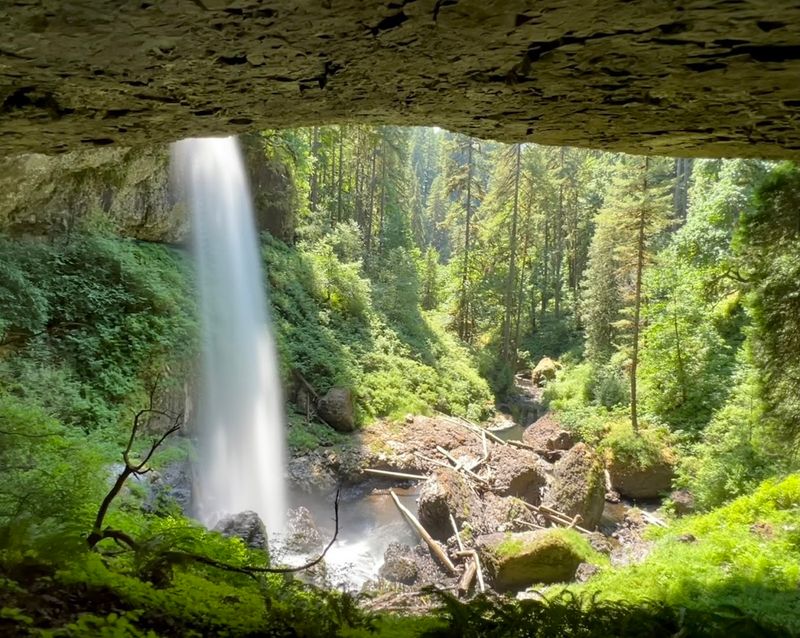
Walking behind a waterfall is one of those experiences that sounds made up until you actually do it. Silver Falls State Park in Oregon makes it possible at multiple points along its legendary Trail of Ten Falls, a 7.2-mile loop that passes behind four of the park’s ten waterfalls.
South Falls, the tallest at 177 feet, is the crown jewel of the whole route.
The trail winds through old-growth forest covered in thick green moss, ferns, and towering Douglas firs. Even on a drizzly Oregon day, the scenery feels magical rather than miserable.
The moisture in the air actually makes the whole forest smell incredible.
Silver Falls is large enough to feel like a true wilderness experience but accessible enough for families with kids who can handle a moderate hike. The park also offers horseback riding trails, a campground, and picnic areas for a full day out.
Fun fact: the park was developed in part by the Civilian Conservation Corps in the 1930s, and many of those original stone structures are still standing today. History and nature, all in one loop.
Watkins Glen State Park — New York
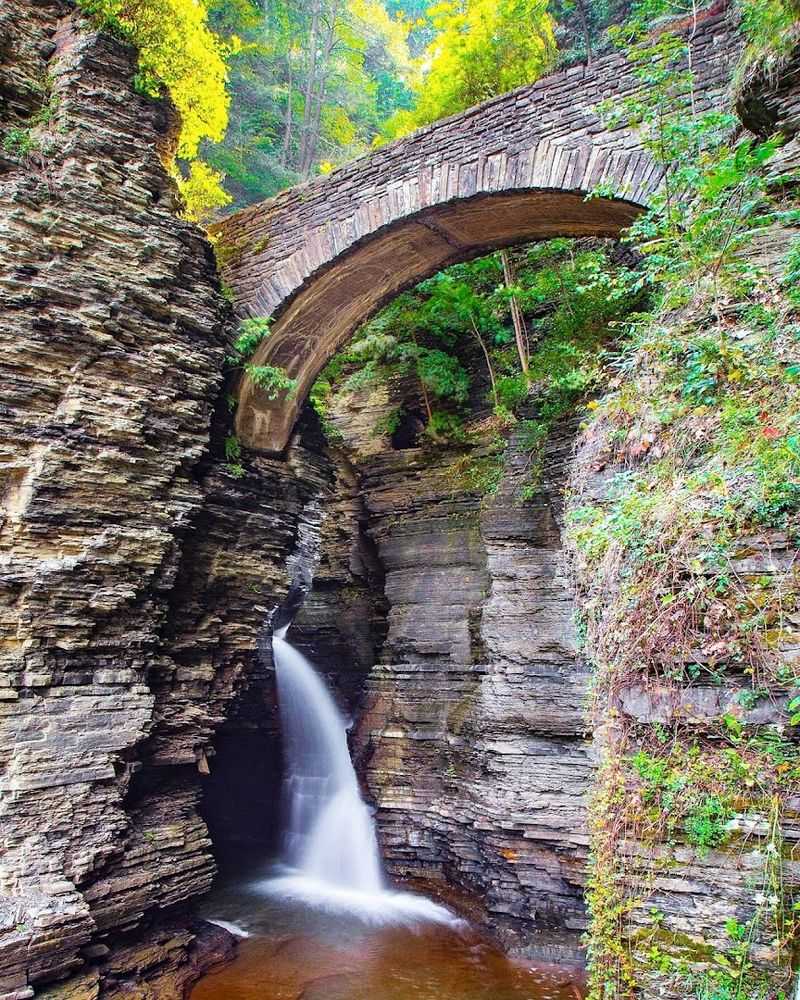
Nineteen waterfalls packed into less than two miles of trail sounds like an exaggeration, but Watkins Glen State Park makes good on that promise. The gorge trail winds through a narrow canyon carved by Glen Creek, passing stone bridges, carved tunnels, and cascading falls at nearly every turn.
The whole experience feels like walking through a living postcard.
The gorge walls rise up to 200 feet on either side, and the trail stays cool and misty even on warm summer days. That mist keeps the moss and ferns brilliantly green, adding to the fairy-tale atmosphere.
Spray from the falls will get you a little wet, so wear shoes you don’t mind soaking.
The park sits at the southern tip of Seneca Lake in the Finger Lakes region, meaning there’s plenty to explore beyond the gorge. Wine country is literally minutes away, and the nearby town of Watkins Glen has restaurants and shops worth checking out after your hike.
The gorge trail is open seasonally and can get crowded on summer weekends, so an early morning visit is always the smartest move here.
Palo Duro Canyon State Park — Texas
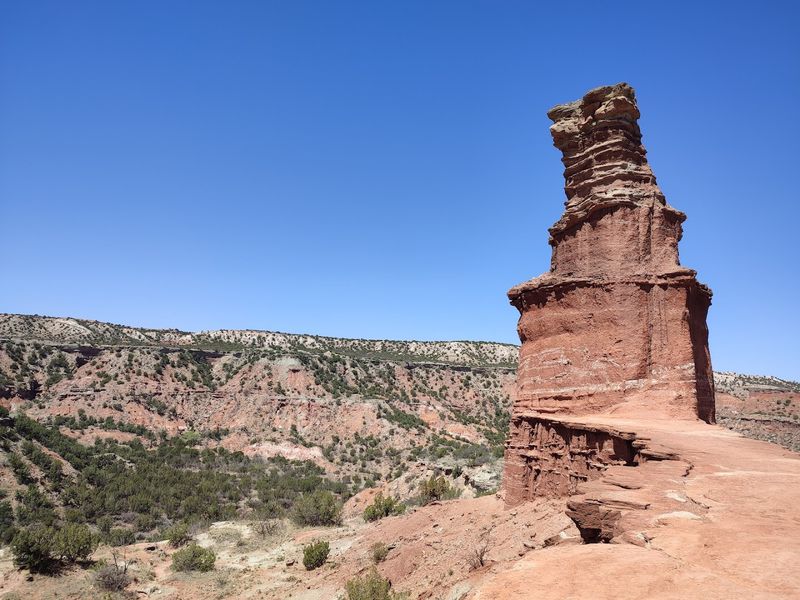
Texas doesn’t do anything small, and its canyon is no exception. Palo Duro Canyon is the second-largest canyon in the United States, stretching 120 miles long and dropping 800 feet deep in places.
The layers of red, orange, and purple rock tell 250 million years of geological history in a single sweeping view.
Located in the Texas Panhandle near Amarillo, the park offers everything from scenic drives to mountain biking, horseback riding, and a range of hiking trails for all fitness levels. The Lighthouse Trail is the most popular route, leading to a striking 310-foot rock pillar that has become the park’s unofficial mascot.
Sunrise and sunset light up those canyon walls in ways that seem almost too beautiful to be real.
Every summer, the park hosts TEXAS, an outdoor musical drama that has been running since 1965, performed right inside the canyon at an outdoor amphitheater. It’s part history lesson, part spectacle, and entirely entertaining.
Camping inside the canyon puts you right in the middle of all that rugged beauty. Honestly, skipping Palo Duro on any Texas road trip would be a serious mistake.
Point Lobos State Natural Reserve — California
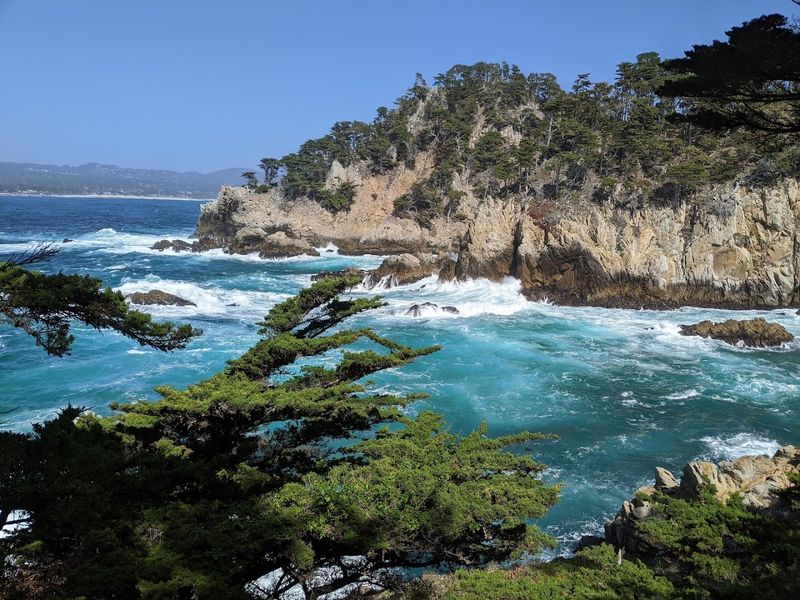
Photographer Ansel Adams once called Point Lobos the greatest meeting of land and water in the world, and it’s hard to argue with that. This small reserve on the Monterey Peninsula packs an extraordinary amount of beauty into just 1,250 acres of protected coastline.
Jagged granite cliffs, hidden coves, and kelp forests make every trail feel like a discovery.
Sea otters float lazily in the coves while harbor seals lounge on the rocks without a care in the world. The tidepools are some of the richest in California, teeming with starfish, anemones, and tiny crabs.
Snorkeling and scuba diving are allowed in designated underwater reserves, giving adventurous visitors a chance to explore the kelp forest from below.
Parking is very limited and reservations fill up fast, especially on weekends. Arriving early or booking ahead is essential if you want to get in.
The trails are relatively short and manageable, making this a great spot for families with younger kids. Point Lobos sits just south of Carmel-by-the-Sea, so you can pair a visit with a stroll through one of California’s most charming coastal towns.
Starved Rock State Park — Illinois
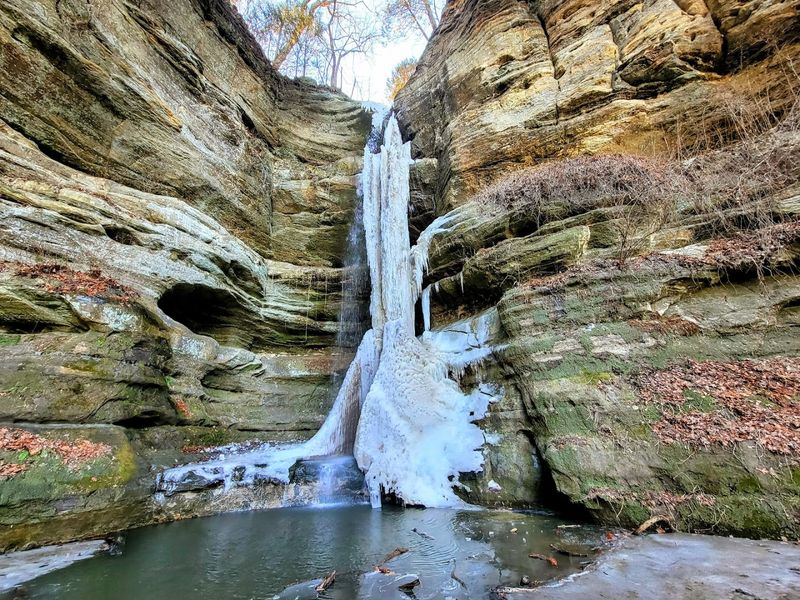
Sandstone canyons in Illinois might not be the first thing that comes to mind, but Starved Rock State Park has been quietly stunning visitors for over a century. Carved by glacial meltwater thousands of years ago, the park’s 18 canyons feature dramatic walls, seasonal waterfalls, and trails that wind through dense hardwood forest along the Illinois River.
It’s genuinely unexpected for the Midwest.
Winter is actually one of the most magical times to visit, when the canyon waterfalls freeze into towering columns of ice. The contrast of white ice against the golden sandstone walls creates scenes that look straight out of a fantasy novel.
Spring brings rushing waterfalls fed by snowmelt, while fall delivers some of the region’s best foliage.
The park has over 13 miles of well-marked trails ranging from easy riverside walks to more challenging canyon climbs. A historic lodge built in 1939 sits inside the park and offers rooms, dining, and a cozy fireplace that’s perfect after a winter hike.
Starved Rock is only about 90 miles southwest of Chicago, making it an incredibly popular weekend escape for city dwellers who need a nature fix fast.
Blue Spring State Park — Florida
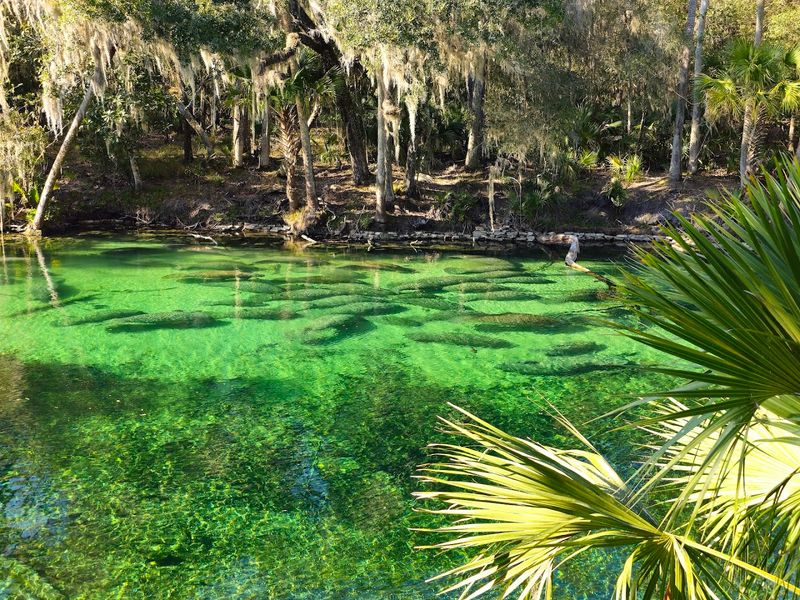
Every winter, something remarkable happens at Blue Spring State Park: manatees show up by the hundreds. The spring maintains a constant temperature of 72 degrees Fahrenheit year-round, making it a warm haven for West Indian manatees escaping cooler river waters from November through March.
On peak days, over 500 manatees have been counted in the spring run.
The crystal-clear water of the spring itself is strikingly beautiful, with visibility extending deep below the surface. During the summer months when manatees head back to the St. Johns River, swimming and snorkeling in the spring are open to visitors.
The water is cool, refreshing, and impossibly clear.
The park sits along the St. Johns River near Orange City, just an hour from Orlando. Canoe and kayak rentals are available for exploring the river and getting a closer look at the surrounding cypress forest.
A boardwalk runs along the spring run, giving manatee-season visitors an easy way to spot the gentle giants without entering the water. Arrive early during manatee season because the park reaches capacity quickly and turns visitors away at the gate once it fills up.
Crater of Diamonds State Park — Arkansas
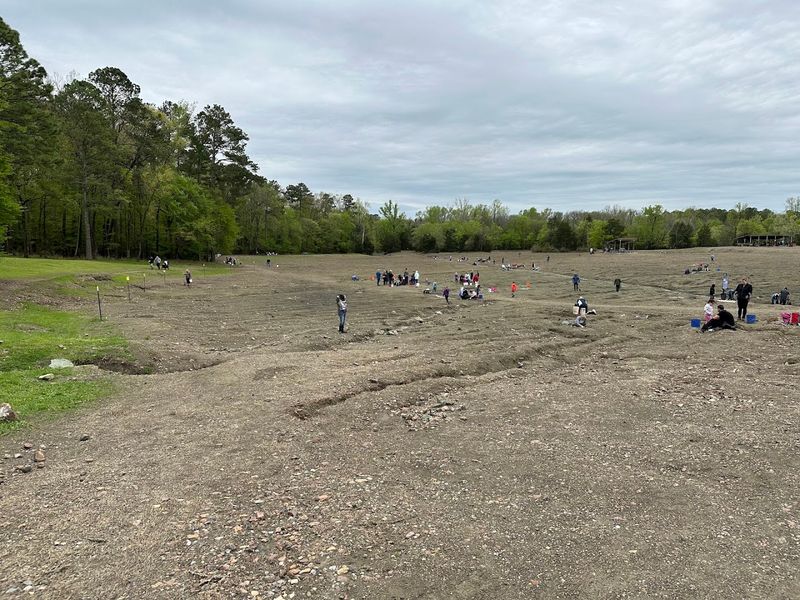
What if a trip to a state park could actually pay off? At Crater of Diamonds State Park in Murfreesboro, Arkansas, visitors get to search a 37-acre plowed field for real diamonds and keep every gem they find.
This is the only diamond-producing site in the world open to the public, and people strike it lucky there every single year.
The largest diamond ever found by a park visitor weighed in at 16.37 carats, discovered back in 1975. More recently, visitors have walked away with stones in the 2 to 4 carat range.
Park staff will even help identify and certify what you find at no extra charge.
Beyond the diamond field, the park has a water playground, walking trails, a campground, and a visitor center with exhibits on diamond geology. Tools like sifting screens and small shovels can be rented at the park, so you don’t need to bring your own equipment.
The best time to search is after a heavy rain, when the soil gets washed and diamonds are easier to spot on the surface. Even if you leave empty-handed, the experience is genuinely one of a kind.
Slide Rock State Park — Arizona
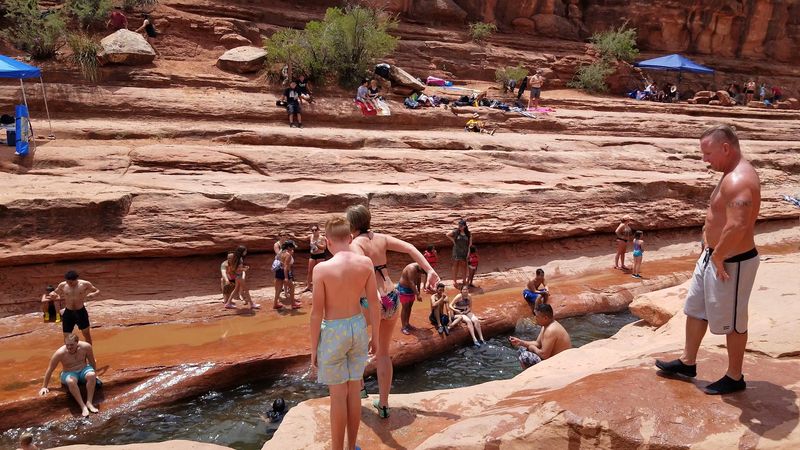
Nature built one of the best water slides in Arizona, and it didn’t charge a single admission fee to do it. Slide Rock State Park in Sedona features a smooth, algae-slicked chute of red sandstone carved by Oak Creek that sends visitors gliding into cool, clear pools below.
On a hot Arizona summer day, there is nowhere more popular in the entire state.
The natural slide is about 80 feet long and drops you into water that stays refreshingly cool even when air temperatures soar above 100 degrees. The surrounding red rock canyon walls and apple orchards, remnants of an old homestead, add a uniquely beautiful backdrop to all the splashing and laughter.
It’s a full sensory experience.
The park does reach capacity on summer weekends, and timed entry reservations are sometimes required, so planning ahead is essential. Beyond the main slide area, there are short trails along the creek with great views of the canyon.
The historic Pendley Homestead, dating back to 1912, is also open for visitors to explore. Slide Rock is only 7 miles north of Sedona, making it easy to combine with a visit to the town’s famous red rock viewpoints and galleries.
Custer State Park — South Dakota
Few wildlife encounters in North America match the experience of driving through Custer State Park during bison season. The park’s herd of roughly 1,400 bison roams freely across 71,000 acres of Black Hills grassland, and these massive animals have zero interest in moving out of your way.
Traffic jams caused by bison are an expected part of the visit.
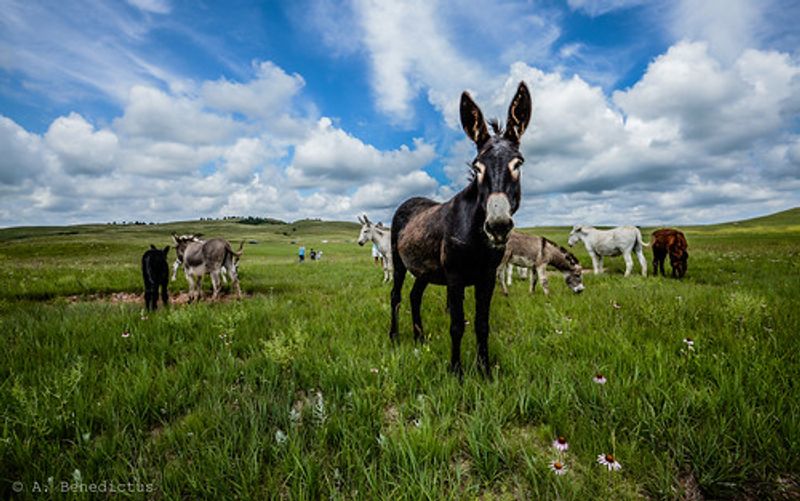
The Wildlife Loop Road is a 18-mile scenic drive that winds through prime wildlife habitat where pronghorn, burros, elk, and coyotes also make regular appearances. The famous begging burros, descendants of old mining stock, will literally stick their heads into your car window looking for snacks.
It’s equal parts hilarious and endearing.
Beyond wildlife, the park offers granite peaks, crystal-clear lakes, and some of the best hiking in the Black Hills region. Sylvan Lake, with its boulder-strewn shoreline and stunning reflections, is one of the most photographed spots in all of South Dakota.
Cabins, lodges, and campgrounds are plentiful throughout the park. Custer is also perfectly positioned near Mount Rushmore and Crazy Horse Memorial, making it a natural anchor for a broader Black Hills road trip itinerary.
Niagara Falls State Park — New York
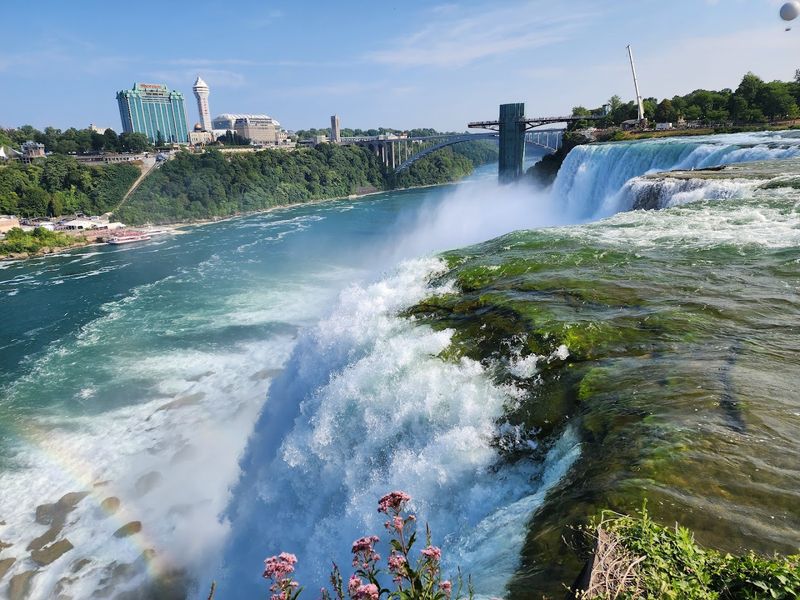
Established in 1885, Niagara Falls State Park holds the title of America’s oldest state park, and it’s been drawing slack-jawed visitors ever since. The sheer volume of water pouring over the falls is almost incomprehensible: about 3,160 tons of water flows over Niagara every single second.
Seeing it in person is a completely different experience than any photo or video can convey.
The park offers multiple ways to experience the falls up close. The Maid of the Mist boat tour takes visitors directly into the mist at the base of the falls, while the Cave of the Winds excursion puts you on wooden walkways just feet from the cascading water.
Both experiences are soaking wet and completely worth it.
The American Falls and Bridal Veil Falls are located entirely within the park, while the larger Horseshoe Falls straddles the US-Canada border. The park is free to enter, though individual attractions charge separate fees.
Winter transforms the area into a dramatic ice-covered wonderland that far fewer tourists experience. Niagara Falls may be one of the world’s most famous natural landmarks, but it still manages to exceed expectations every single time.
Dead Horse Point State Park — Utah
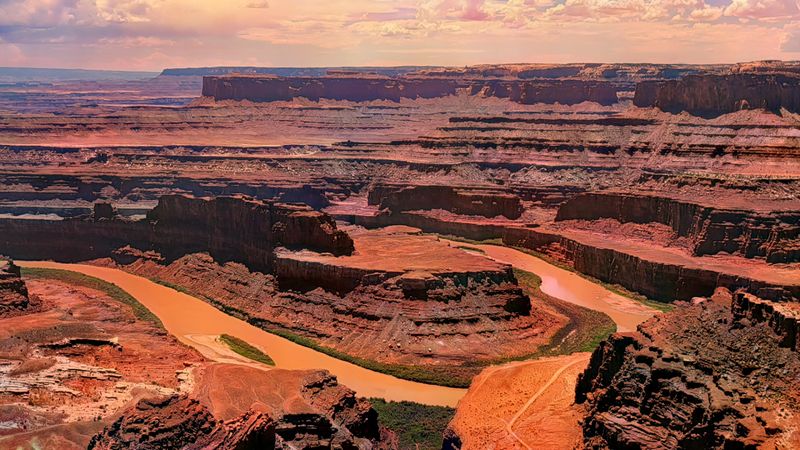
The name sounds ominous, but the view from Dead Horse Point is anything but. Perched 2,000 feet above the Colorado River on a narrow mesa near Moab, this Utah state park delivers canyon vistas so dramatic that Hollywood keeps coming back.
The opening sequence of Thelma and Louise was filmed here, and the landscape has appeared in dozens of other films and commercials since.
The point itself juts out like a peninsula above the canyon, surrounded on three sides by sheer cliffs dropping to the river below. The Colorado River curves in a sweeping horseshoe bend that photographers absolutely love, especially during the golden hour before sunset when the canyon walls turn deep amber and crimson.
It’s one of those views that genuinely makes you reconsider your priorities in life.
The park sits just 30 miles from Canyonlands National Park and Arches National Park, making it an ideal addition to any Moab-area itinerary. Mountain biking on the Intrepid Trail System and stargazing from the designated dark-sky areas are both outstanding activities.
The campground books up fast, especially in spring and fall. Arrive with a reservation or risk missing out on one of the Southwest’s most spectacular overnight spots.
Willow River State Park — Wisconsin
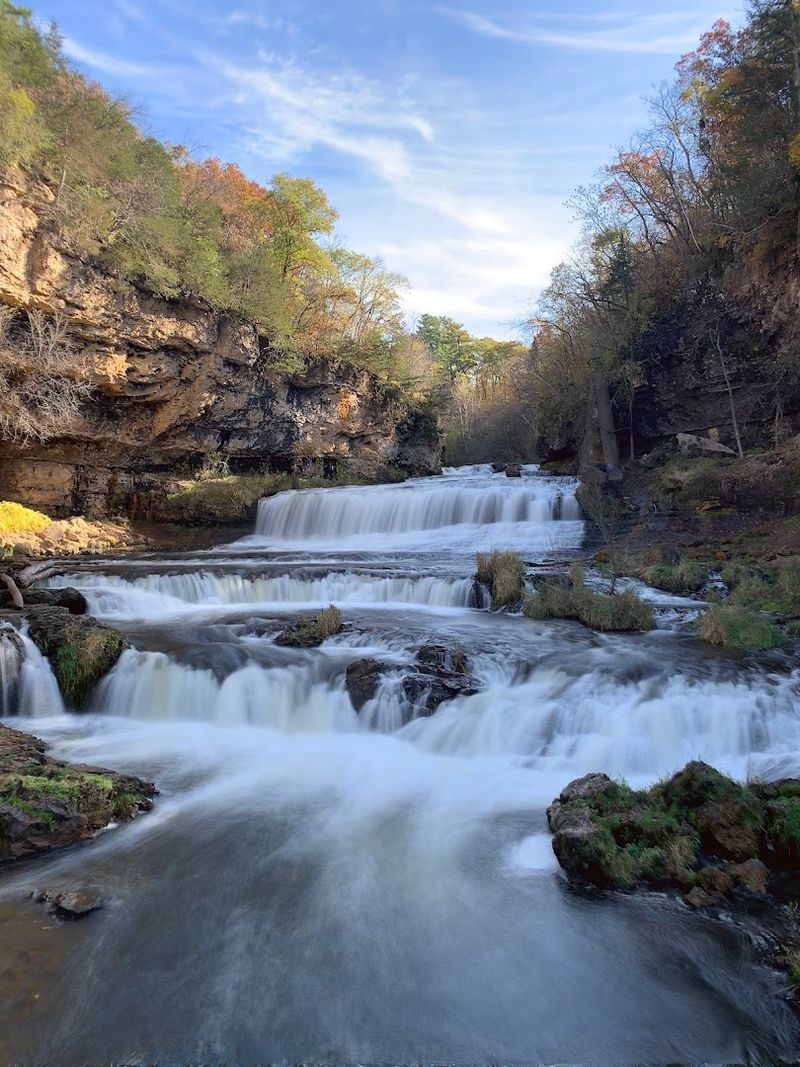
Tucked into the rolling hills of western Wisconsin near Hudson, Willow River State Park punches well above its weight when it comes to natural beauty. Three waterfalls, a deep gorge, and a peaceful reservoir make this one of the most visually varied state parks in the upper Midwest.
It’s the kind of place that regulars return to season after season without ever getting bored.
The park’s most impressive feature is the Willow River gorge, carved out of sandstone and lined with towering walls that frame the river beautifully. The trail to Burkhardt Falls drops into the gorge and rewards hikers with a stunning multi-tiered waterfall surrounded by ferns and mossy rock faces.
The hike is moderately challenging but manageable for most families with older kids.
Lake Mallalieu, the park’s reservoir, is popular for swimming, fishing, and non-motorized boating during the summer months. The park sits only about 25 miles from the Minneapolis-Saint Paul metro area, making it an easy and very popular weekend destination for Minnesota and Wisconsin residents alike.
Fall brings stunning leaf color to the gorge trails. Camping spots fill up quickly, so reserving a site weeks in advance is strongly recommended during peak season.
Hocking Hills State Park — Ohio
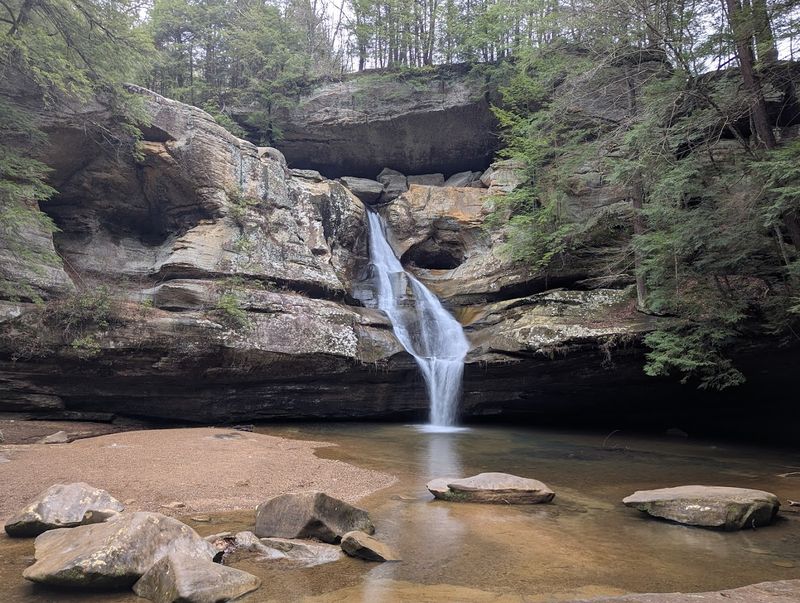
Ohio’s most beloved state park hides some genuinely jaw-dropping geology beneath its dense forest canopy. Hocking Hills is famous for its dramatic recess caves, carved out of Black Hand sandstone over millions of years of erosion.
Old Man’s Cave is the most iconic of the bunch, a sweeping hollow carved into a cliff face with a waterfall tumbling through the center of it.
The park’s trail system connects six major geological features including Ash Cave, the largest recess cave in Ohio at 700 feet wide and 100 feet deep. Cedar Falls and Conkle’s Hollow round out a park that manages to feel wild and remote despite being only 50 miles southeast of Columbus.
The forest here is thick and old, giving the trails a moody, atmospheric quality that visitors love.
Hocking Hills has exploded in popularity over the past decade, partly thanks to social media making those cave photos go viral. Weekends in fall are especially busy, so weekday visits offer a much more peaceful experience.
The surrounding area has grown into a full-fledged tourism hub with zipline canopy tours, horseback riding, and plenty of cabin rentals for a cozy overnight stay. Ohio really saved its best scenery for this corner of the state.
Share this story