Canada is full of surprises, and some of its best-kept secrets look suspiciously like something you’d find tucked into the Swiss Alps or a quiet French ski village. From colorful pedestrian streets to historic brick downtowns framed by jaw-dropping peaks, these mountain towns have a charm that feels anything but ordinary.
Whether you’re planning a ski trip, a fall foliage escape, or just a weekend away from the city grind, Canada’s mountain towns deliver big on atmosphere. Pack your bags, grab your best flannel, and get ready to feel like you accidentally booked a flight to Europe.
Banff, Alberta
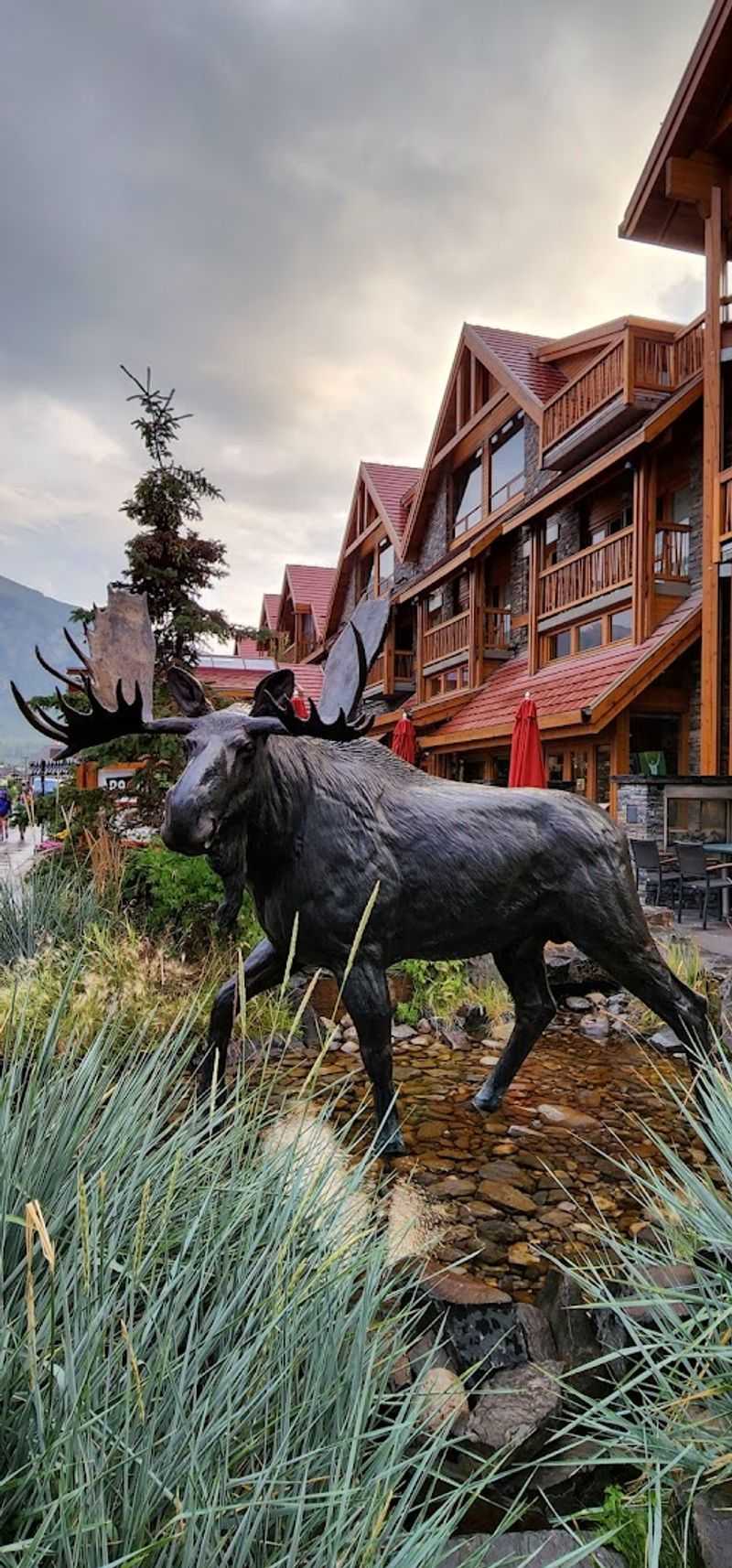
Few towns on Earth pull off “Swiss resort village” as effortlessly as Banff does without technically being in Switzerland. Nestled inside Banff National Park, this iconic Alberta town is wrapped in Rocky Mountain peaks so dramatic they look photoshopped.
The walkable downtown is packed with restaurants, boutique hotels, and cozy cafes that invite slow, aimless wandering.
I spent a rainy afternoon just strolling Banff Avenue, ducking into shops and watching elk casually wander past tourists. It felt more like a scene from a European postcard than anything I expected from Canada.
The grand mountain-resort atmosphere here genuinely rivals what you’d find in Austria or Switzerland.
Use Banff as your base for Lake Louise day trips, gondola rides, hot springs soaks, and scenic Icefields Parkway drives. Winter skiing and summer hiking both shine here.
Banff is not just a destination; it is the gold standard of Canadian alpine towns.
Lake Louise, Alberta
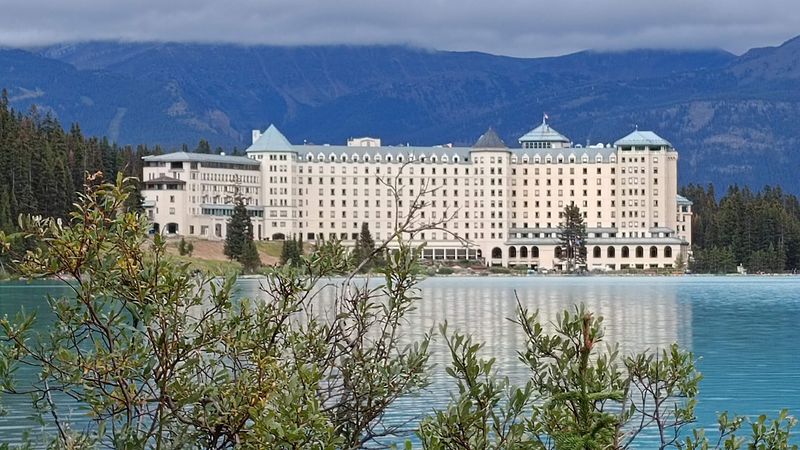
Lake Louise is the kind of place that makes you check your camera roll three times because you can’t believe the photos are real. Smaller and quieter than Banff, this tiny village earns its reputation through sheer, jaw-dropping natural beauty.
The glacial lake, surrounded by mountain peaks and ancient glaciers, is genuinely one of the most photographed spots on the planet.
The village itself has a compact, alpine base-camp feel, where nature is clearly the headliner and everything else plays a supporting role. Hikers, skiers, and photographers all converge here, giving it an international energy that feels surprisingly European in its pace and purpose.
Stay at the famous Fairmont Château Lake Louise for the full grand-resort experience, or base yourself here for trails, ski runs, and peaceful morning walks along the lakeshore. For travelers chasing scenery over nightlife, Lake Louise is about as close to a perfect alpine escape as Canada gets.
Canmore, Alberta
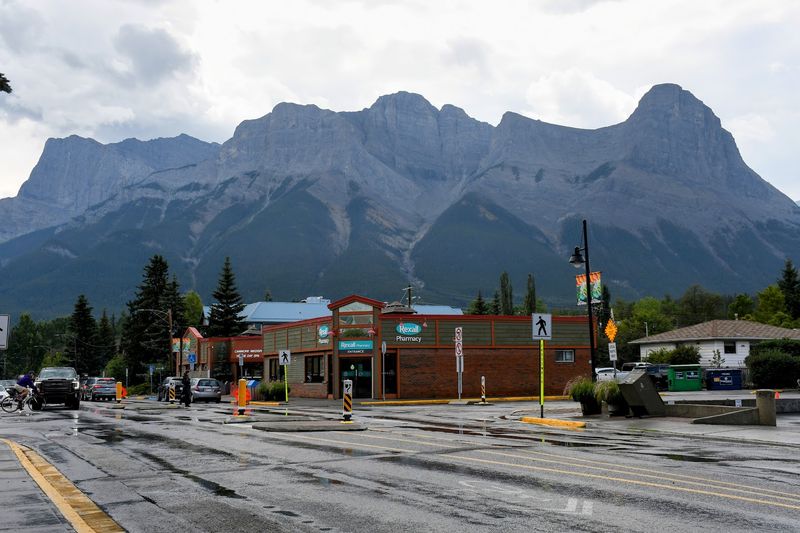
Canmore is what happens when a mountain town refuses to be just a tourist attraction. Framed by the iconic Three Sisters peaks and tucked into the Bow Valley, this Alberta gem has a lived-in, authentic energy that sets it apart from its flashier neighbor Banff.
Locals actually live here, which means the coffee is better and the attitude is refreshingly relaxed.
The town blends cafes, craft breweries, art galleries, and hiking trailheads in a way that feels genuinely organic rather than manufactured for visitors. That mix of beauty and everyday life gives Canmore a strong alpine character without the velvet-rope polish of a big resort.
It is also a practical base for exploring the Canadian Rockies, offering easy access to Banff National Park without the park’s higher price tags. Whether you’re here for trail running, mountain biking, or simply eating your way through great local restaurants, Canmore delivers on every front.
Mont-Tremblant, Quebec
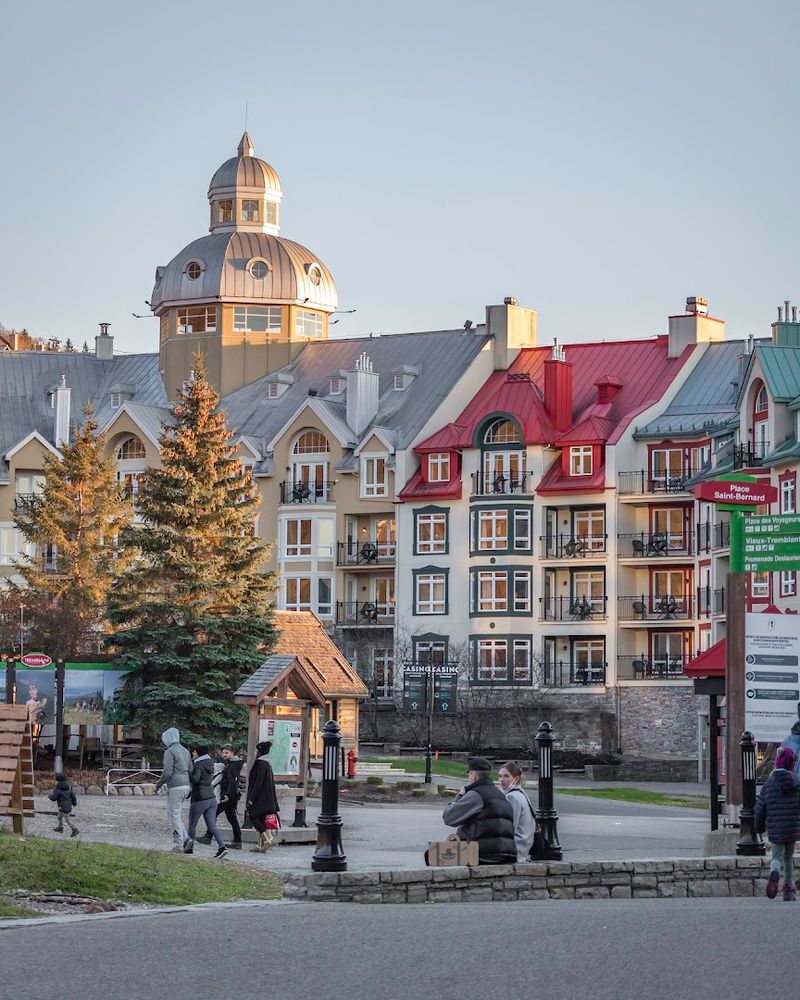
Mont-Tremblant might be the most convincing European impersonator on this entire list, and it is not even trying to hide it. The pedestrian village at the base of the mountain is car-free, colorful, and absolutely bursting with French alpine energy.
Cobblestone-style paths, slopeside terraces, and brightly painted buildings make it feel like a resort town lifted straight out of the French Alps.
In winter, snow piles on the rooftops and ski culture takes over completely. The après-ski scene is lively, the restaurants are genuinely good, and the whole village hums with a festive energy that is hard to replicate elsewhere in North America.
Come summer or fall, the same village transforms into a hiking and lake-activity hub, with festivals adding extra color to an already vibrant scene. Mont-Tremblant works beautifully in every season, which is rare and worth celebrating.
Quebec’s mountain jewel deserves every bit of hype it gets.
Baie-Saint-Paul, Quebec
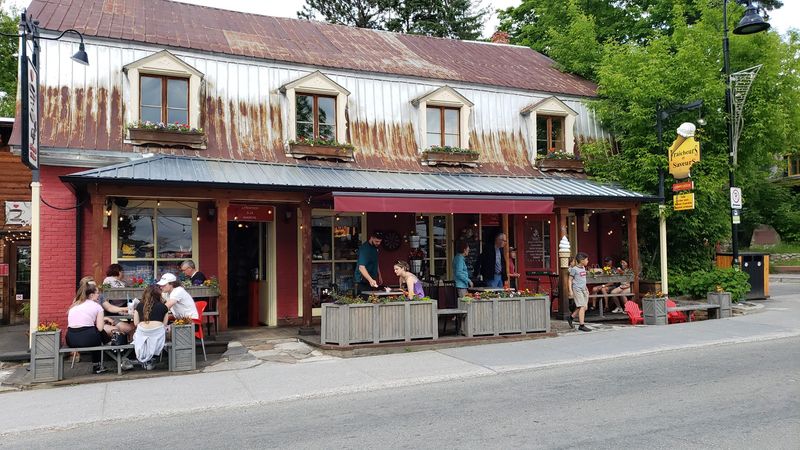
Baie-Saint-Paul sneaks onto this list not because it screams alpine resort, but because it whispers old French village in a way that genuinely gets under your skin. Set in the Charlevoix region where mountains tumble down toward the St. Lawrence River, this town has an artistic soul and a deep sense of place that most Canadian towns simply can’t match.
Its streets are lined with galleries, local restaurants, and heritage buildings that have been drawing painters and creatives for well over a century. The food scene here is exceptional, rooted in Charlevoix’s strong local agriculture and culinary identity.
This is the kind of town where lunch accidentally turns into a three-hour affair.
For travelers who want European-flavored charm without the ski-resort crowds, Baie-Saint-Paul is a revelation. The mountain-and-river scenery surrounding the town adds a dramatic backdrop that makes every walk feel like you’ve stumbled into a painting.
Slow down and enjoy every second of it.
Whistler, British Columbia
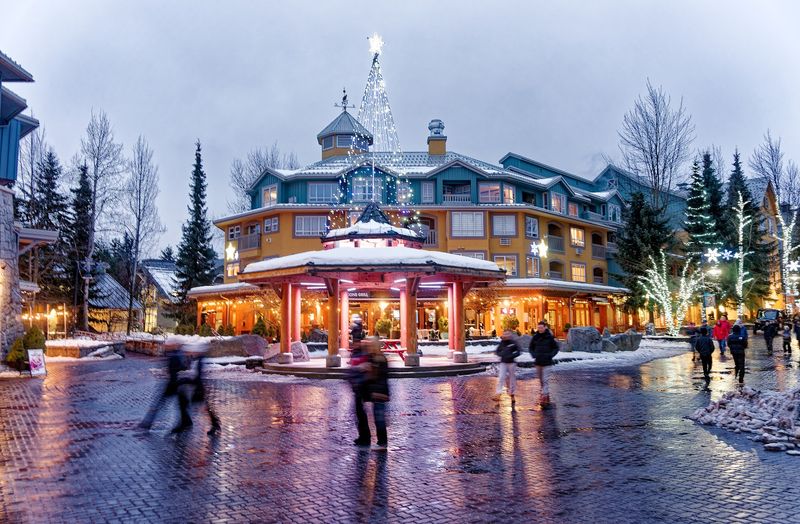
Whistler is proof that going big does not have to mean losing charm. Sure, it is one of North America’s largest ski resorts, but the car-free village at its core gives it an authentically European alpine-resort atmosphere that smaller towns often fail to achieve.
Walking through Whistler Village in the snow feels genuinely special, like a mountain town that took its design cues from the Austrian Alps.
The village is packed with restaurants, patios, boutique shops, and ski culture that carries through every season. Winter means world-class skiing and lively après-ski; summer flips the script with mountain biking, hiking, paddleboarding, and outdoor festivals that fill the streets with energy.
What makes Whistler worth the hype is the seamless way everything connects. You can ski down a mountain, grab a coffee, and wander the village streets all without touching a car.
That pedestrian flow is exactly what gives it that European resort-town feeling most visitors can’t quite put their finger on.
Kimberley, British Columbia
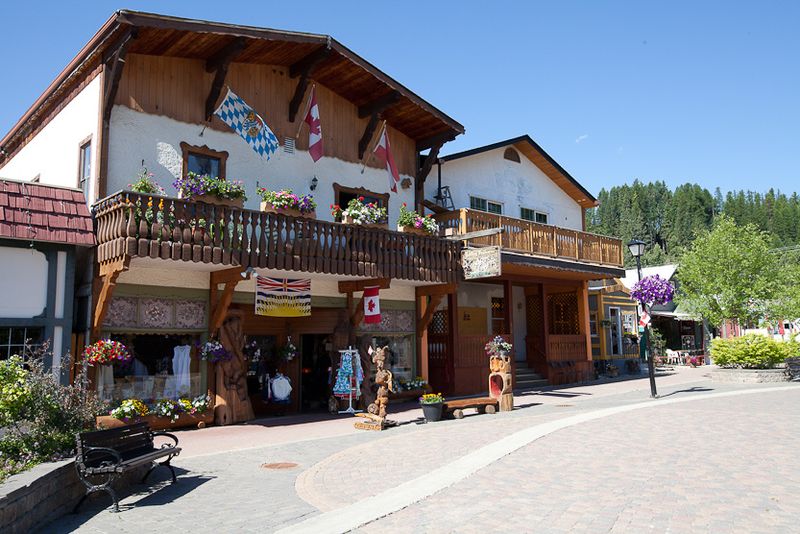
Kimberley did not accidentally stumble into its Bavarian identity. Back in the 1970s, the town made a deliberate decision to lean into an alpine European theme, and decades later, it is still one of the most committed and charming examples of that vision in all of Canada.
The Platzl, Kimberley’s pedestrian main street, is lined with alpine-style buildings, hanging flower baskets, and a general air of cheerful European whimsy.
Beyond the aesthetics, Kimberley is a genuine outdoor destination. The ski resort, Kimberley Nature Park, and surrounding Kootenay Rockies provide serious year-round adventure for hikers, skiers, and mountain bikers alike.
This town earns its European comparison through both looks and lifestyle.
Best of all, Kimberley is far less crowded than Banff or Whistler, which means you get the mountain-town atmosphere without the shoulder-to-shoulder tourist experience. It is the perfect pick for travelers who want character, outdoor access, and a refreshingly unhurried pace.
Auf Wiedersehen, crowds.
Nelson, British Columbia
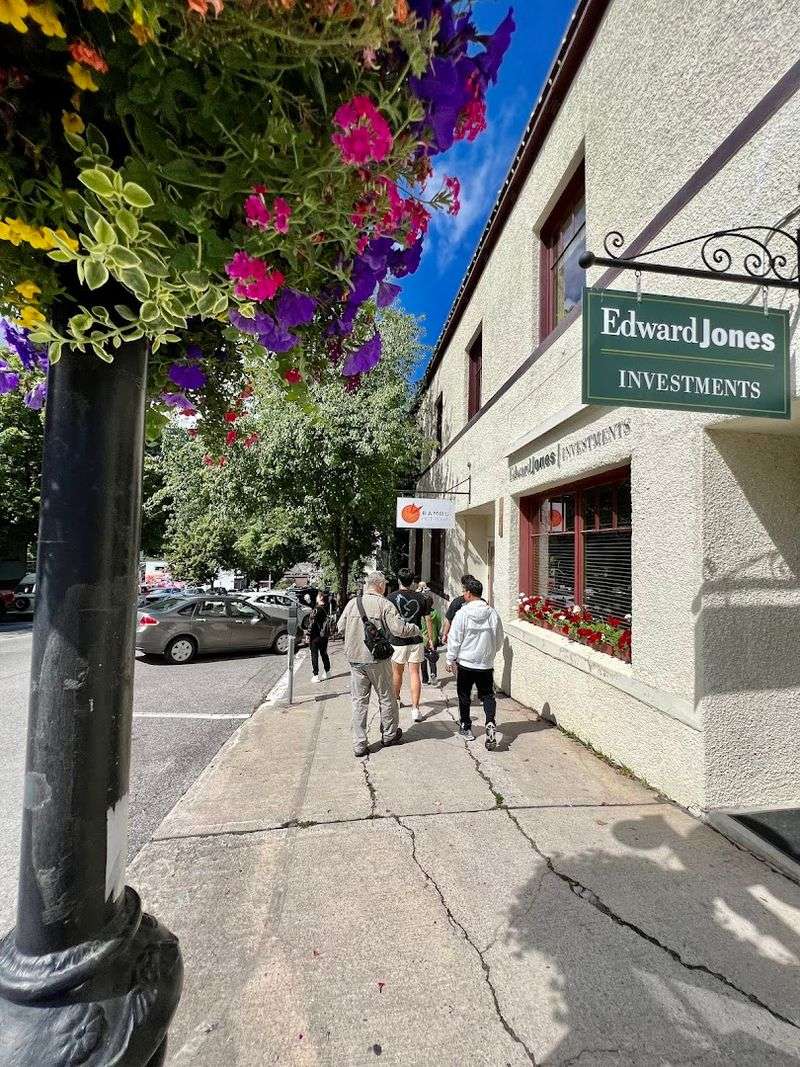
Nelson is the cool, understated cousin at the mountain-town family reunion. It does not wear a Bavarian costume or brand itself as a resort village.
Instead, it simply exists as one of the most beautifully preserved, walkable, mountain-lake towns in Canada, and lets that speak for itself. The heritage downtown, built along the slopes above Kootenay Lake, has a timeless quality that feels genuinely old-world.
Independent coffee shops, bookstores, art galleries, and locally owned restaurants fill the brick-facade streets with real community life. The arts scene here is punching well above its weight for a town this size.
Nelson has long attracted writers, artists, and outdoor enthusiasts who want both culture and mountains within walking distance of each other.
Summer brings lake swimming, hiking, and paddling. Winter opens up nearby Whitewater Ski Resort, which has a cult following for its deep powder and no-frills vibe.
Nelson rewards travelers who take their time and resist the urge to rush through it.
Fernie, British Columbia
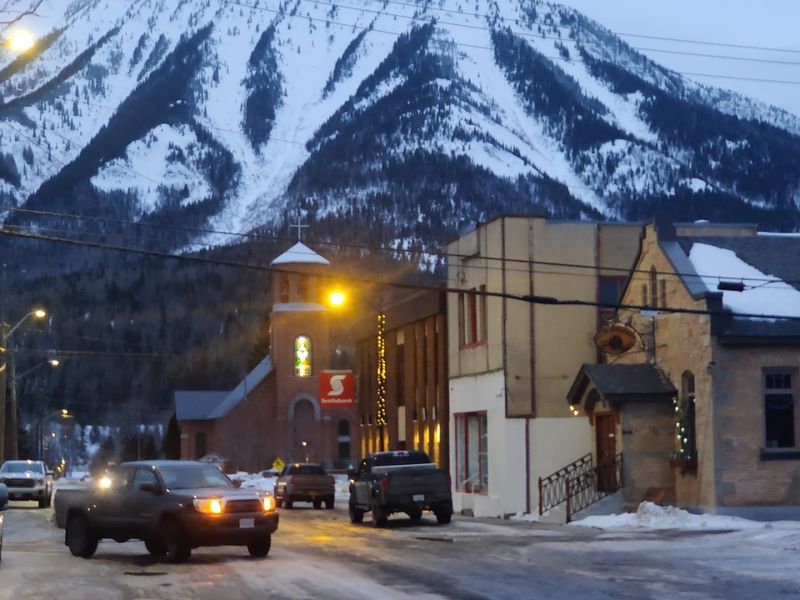
Fernie has a gritty, authentic mountain-town energy that feels hard-earned rather than manufactured. The historic brick downtown, built during the town’s early 20th-century mining boom, gives Fernie a timeless character that most resort towns can only dream about.
Walking its streets, you get the sense that this place has stories, and most of them involve deep snow and strong coffee.
The surrounding mountains are genuinely dramatic, with Lizard Range peaks rising steeply above town in a way that makes every glance upward feel rewarding. Fernie Alpine Resort draws skiers and snowboarders chasing legendary powder, while summer brings mountain bikers, hikers, and fly-fishers into the mix.
The European comparison here is earned through the combination of walkable history, dramatic alpine scenery, and a town that feels alive year-round. Locally owned shops and restaurants give Fernie its soul.
It is the kind of mountain town where you plan to stay two nights and end up booking a third because leaving feels wrong.
Revelstoke, British Columbia
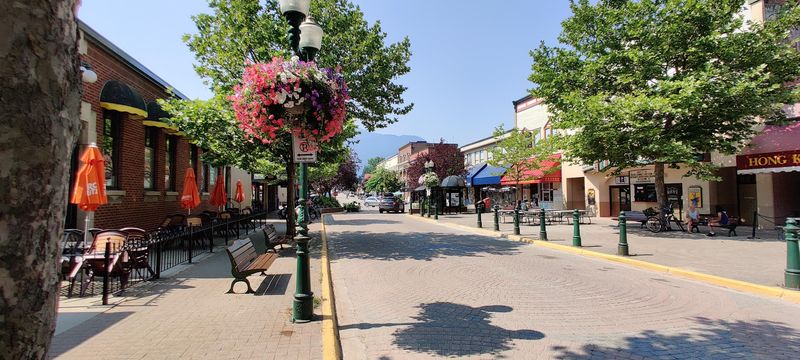
Revelstoke has quietly become one of the most talked-about mountain towns in Canada, and for good reason. Tucked between the Selkirk and Monashee mountain ranges in interior British Columbia, it has a rugged, historic personality that feels more like a forgotten European railway town than a polished North American resort.
That railway history is very real: the CPR helped build this place, and the old buildings downtown still carry that heritage.
The skiing at Revelstoke Mountain Resort is legendary among serious skiers, with some of the deepest vertical drops in North America. But the town works beautifully beyond ski season too, with mountain biking, hiking, and a growing restaurant scene that punches far above its size.
What I love most about Revelstoke is its refusal to feel fake. The character here is genuine, the mountains are enormous, and the vibe is adventurous without being pretentious.
For travelers who want rugged mountain beauty with real town soul, Revelstoke is hard to top.
Rossland, British Columbia
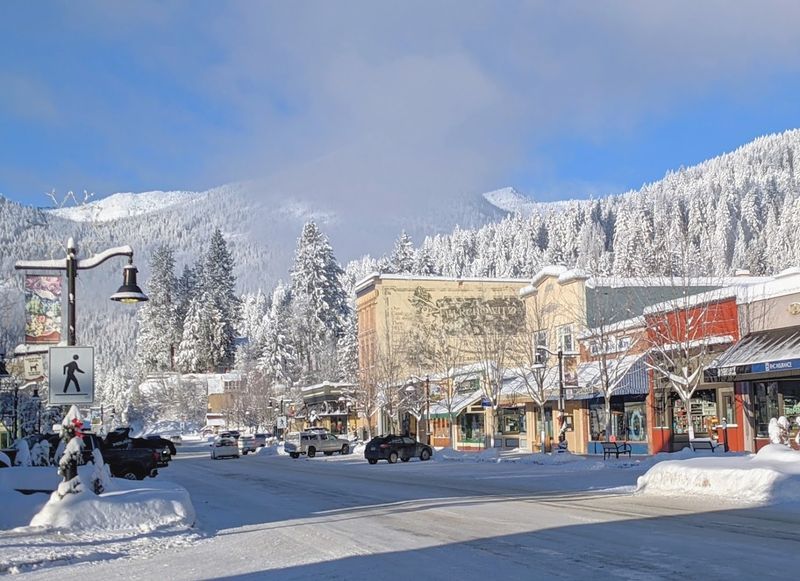
Rossland sits so high in the Kootenay Rockies that it practically has clouds as neighbors. At nearly 1,000 meters elevation, this small but fiercely proud town has a mountain identity built on skiing, mountain biking, and an old-school heritage downtown that resists the urge to be anything other than itself.
It is compact, unpretentious, and genuinely charming in a way that bigger resort towns often lose.
RED Mountain Resort, right on the town’s doorstep, has a passionate local following for its challenging terrain and laid-back culture. In summer, the same mountains become a world-class mountain biking destination, drawing riders from across North America.
The town’s trails, both on and off the bike, are a serious draw.
Rossland never feels like it’s performing for tourists. The locals are outdoorsy, the coffee shops are cozy, and the mountain backdrop is consistently spectacular.
For travelers who love authentic alpine towns with real outdoor credentials, Rossland is a genuinely rewarding find.
Waterton Village, Alberta
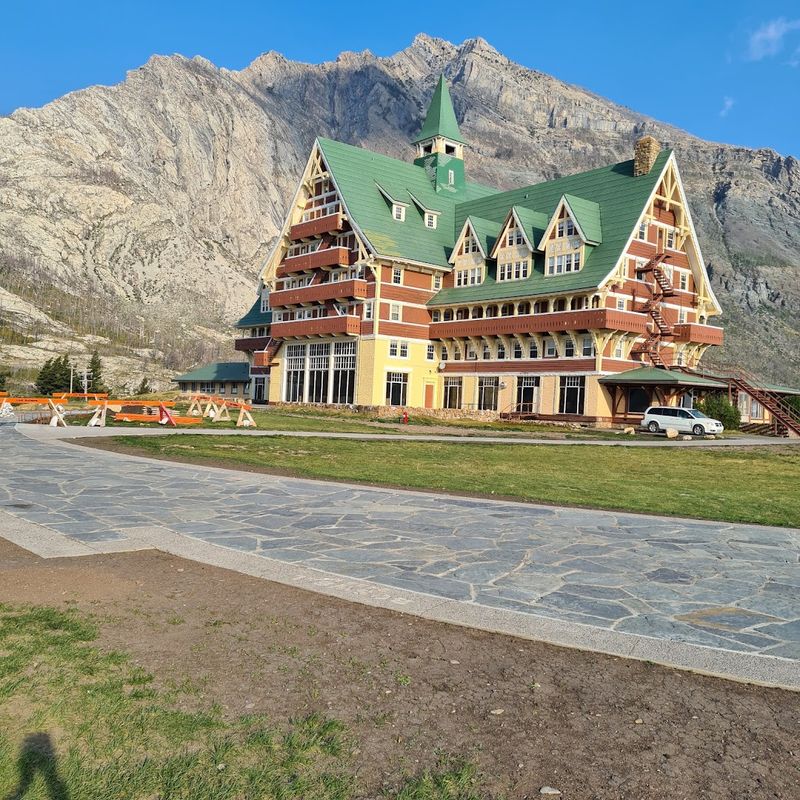
Waterton Village might be the most underrated gem on this entire list. Tucked inside Waterton Lakes National Park in southern Alberta, this tiny lakeside village has a scenery-to-size ratio that is genuinely absurd.
Steep mountain slopes rise almost directly behind the townsite while the lake stretches out in front, creating a setting that absolutely earns comparisons to Switzerland’s smaller, quieter resort villages.
The iconic Prince of Wales Hotel perches on a bluff above the lake like something out of a fairy tale, adding a dramatic architectural exclamation point to an already extraordinary landscape. Wildlife wanders freely through town, deer and bighorn sheep included, which adds a certain wild charm that no European village can actually match.
Waterton is far quieter than Banff, which is either a selling point or a warning depending on your personality. For travelers who want intimate mountain-lake beauty, hiking, and a genuine sense of wilderness without the resort-town crowds, Waterton Village is a perfect fit.
Kaslo, British Columbia
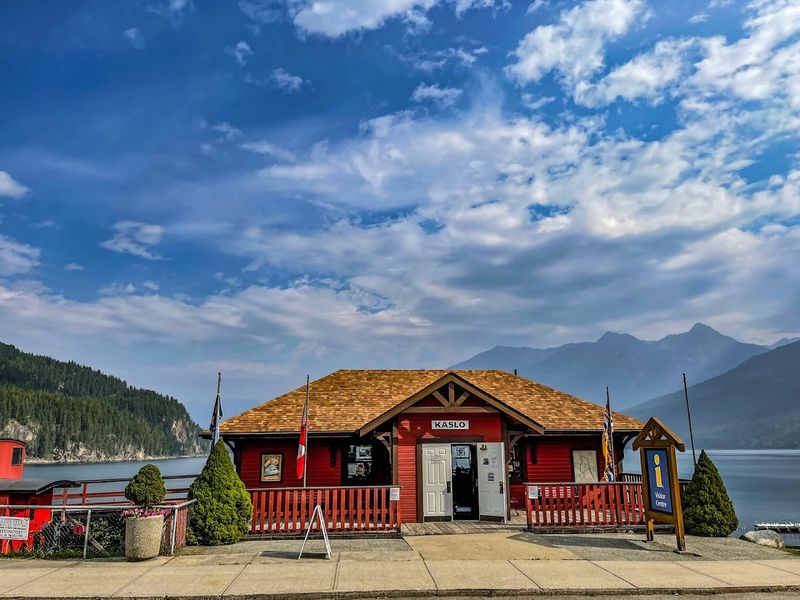
Kaslo is the kind of tiny village that makes you wonder why it is not on every travel list in existence. Perched on the west shore of Kootenay Lake with the Selkirk and Purcell mountain ranges as its backdrop, this historic little town has an old-world lakeside atmosphere that feels genuinely rare in North America.
The heritage buildings, quiet streets, and mountain views create a storybook setting without any artificial effort.
The SS Moyie, a beautifully preserved historic sternwheeler docked at the Kaslo waterfront, adds a layer of heritage appeal that makes the town feel like a living museum. The arts scene here is small but surprisingly vibrant, with galleries and events that punch above the town’s modest population.
Kaslo rewards slow travel. Spend a morning wandering the waterfront, browse the local shops, and watch the mountains reflect in the lake.
For travelers chasing peaceful, scenic, and genuinely atmospheric mountain-lake escapes off the beaten path, Kaslo is a beautiful and memorable choice.
Smithers, British Columbia
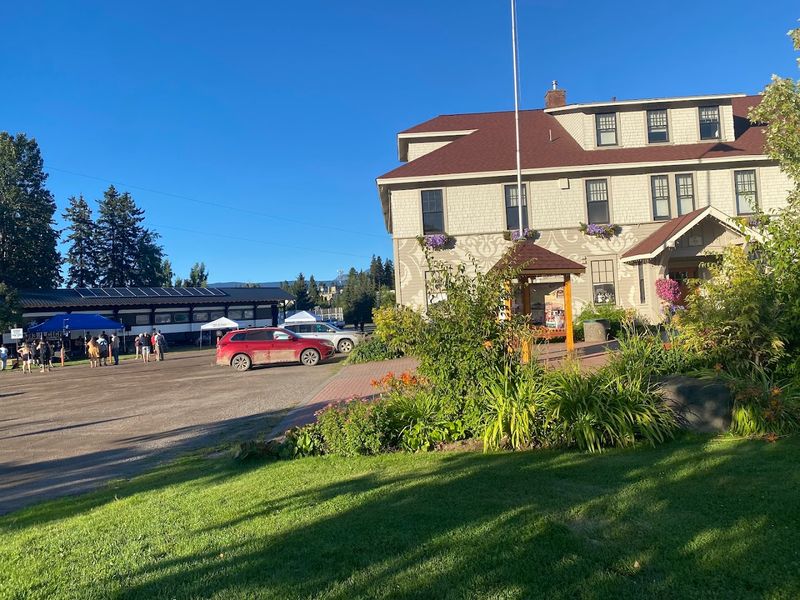
Smithers made a decision decades ago to fully commit to its alpine identity, and the result is one of Canada’s most distinctive and endearing small towns. The Main Street features genuine alpine-style architecture, brick sidewalks, and direct views of Hudson Bay Mountain that frame every stroll like a landscape painting.
The famous “Alpine Al” statue adds a dose of cheerful self-awareness to the whole European-inspired theme.
What makes Smithers more than just a pretty facade is the outdoor culture surrounding it. Skiing at Hudson Bay Mountain, hiking in the Babine Mountains, camping, and serious backcountry access make this a four-season outdoor destination for people who like their scenery wild and their crowds nonexistent.
It is also genuinely far from the tourist hordes that descend on Banff and Whistler, which gives Smithers a refreshingly local and unhurried atmosphere. For adventurous travelers willing to venture into northern British Columbia, Smithers offers alpine charm, mountain access, and a personality that is entirely its own.
Blue Mountain Village, Ontario
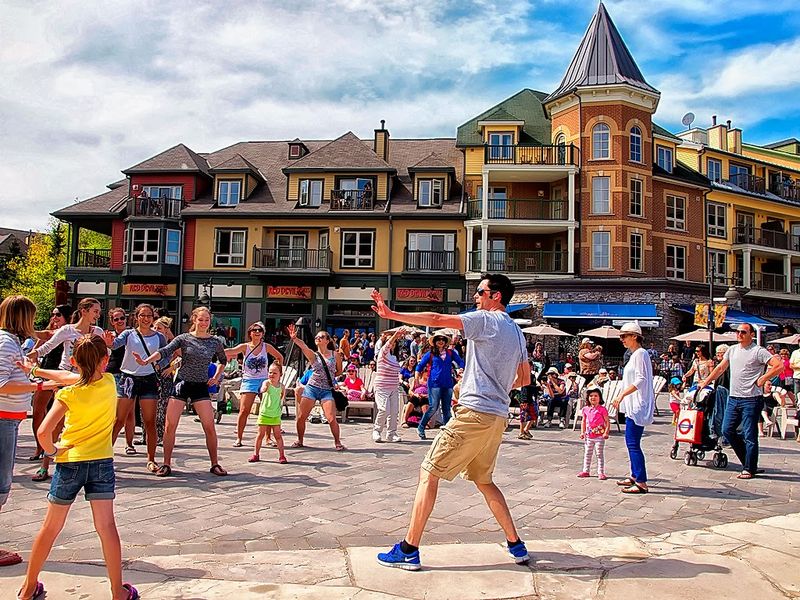
Blue Mountain Village proves you do not need the Rocky Mountains to pull off serious European resort-village energy. Located at the base of the Niagara Escarpment in Ontario, this cobblestoned, car-free village is designed for wandering, lingering, and generally pretending you are somewhere much farther from Toronto than you actually are.
The resort-village layout is thoughtful, compact, and genuinely enjoyable to explore on foot.
Shops, restaurants, accommodations, and activity hubs cluster together in a way that makes the whole experience feel seamless. Winter brings skiing and skating; summer fills the village with festivals, cycling, and outdoor events that keep the energy high regardless of the season.
It is a four-season destination that earns its keep year-round.
For Ontario families, couples, and weekend travelers who want a lively village experience without a cross-country flight, Blue Mountain is a genuinely satisfying answer. The mountains may be modest by Rocky Mountain standards, but the atmosphere is warm, fun, and surprisingly charming.
Sometimes the closer escape is the smarter one.
Share this story