 Unearth The Voyage
Europe’s mountain towns offer some of the most stunning scenery on the planet, where peaks pierce clouds and valleys cradle centuries-old villages. From the Swiss Alps to the Serbian highlands, these destinations blend natural wonder with rich culture, inviting travelers to hike pristine trails, explore historic streets, and soak in views that feel almost unreal.
Whether you crave adventure, relaxation, or simply a break from everyday life, these fifteen mountain towns promise experiences you’ll never forget.
Zermatt, Switzerland — Matterhorn Backdrop and Alpine Culture
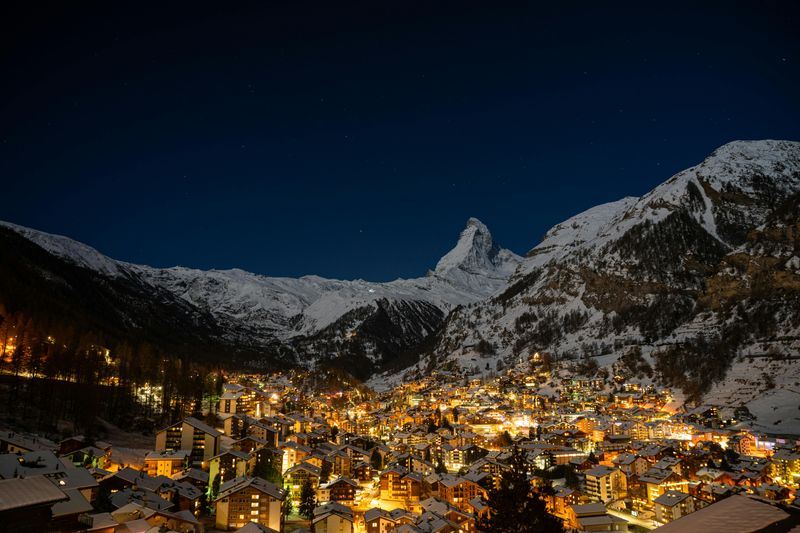
The Matterhorn looms over Zermatt like nature’s own cathedral, its pyramid peak instantly recognizable from a thousand postcards. But this Swiss town offers far more than just a famous backdrop—it’s where alpine tradition meets modern mountain life in the most delightful ways.
Cars aren’t allowed here, so electric taxis and horse-drawn carriages glide silently through streets lined with weathered wooden chalets. The air smells of pine and fresh snow, even in summer.
Traditional restaurants serve fondue and raclette in cozy dining rooms with centuries-old beams, while world-class hotels offer luxury that never feels out of place.
Summer transforms the surrounding valleys into hiking paradise, with trails winding through wildflower meadows toward glacier viewpoints. Winter brings some of Europe’s best skiing, with runs that stretch for miles beneath that iconic peak.
Cable cars and mountain railways whisk you to heights where the air grows thin and views stretch forever.
Whether you’re watching sunrise paint the Matterhorn pink from your hotel balcony or catching your breath after a steep climb to a mountain hut, Zermatt delivers moments that stick with you. The town has hosted mountaineers and travelers for generations, and that heritage shows in every detail.
Grindelwald, Switzerland — Dramatic Peaks and Outdoor Thrills
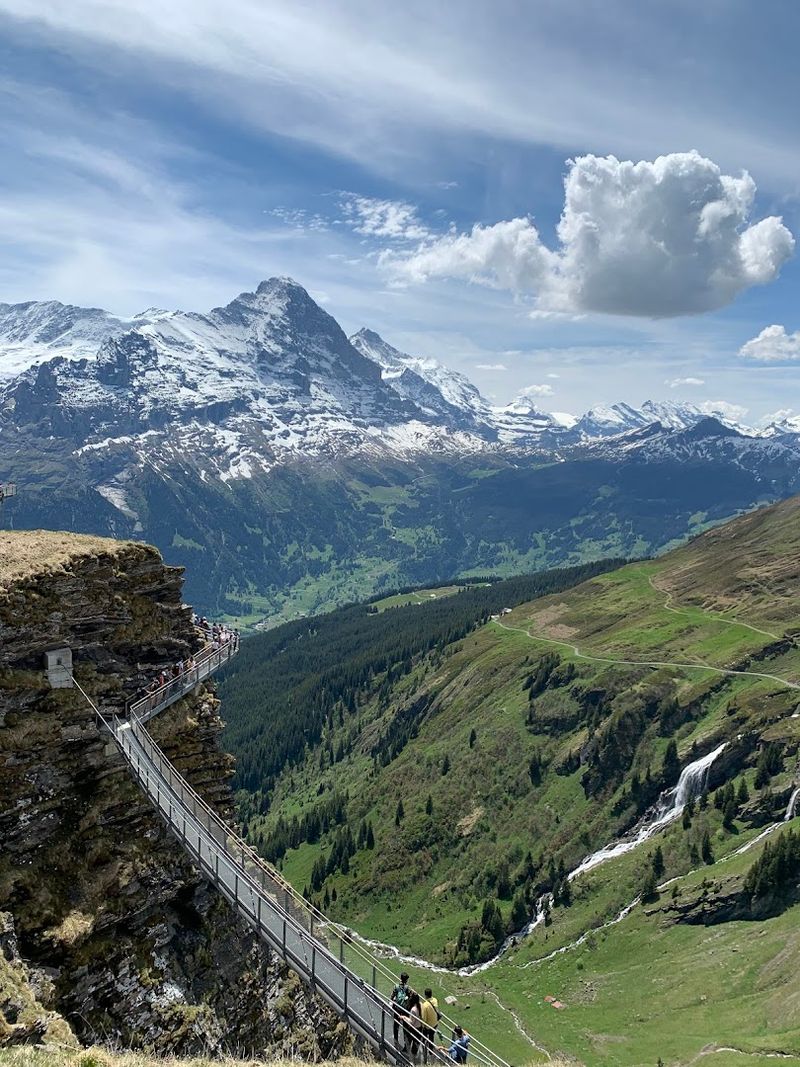
Grindelwald hits you with scenery that seems almost aggressive in its beauty—massive peaks shoot straight up from lush valleys, creating drama at every turn. This isn’t gentle rolling hills; it’s raw alpine power that makes your heart race even before you start hiking.
Cable cars here aren’t just transportation, they’re experiences. Suspended above glaciers and gorges, you’ll find yourself pressed against windows, trying to take in views that seem impossible.
The Eiger, Mönch, and Jungfrau peaks form a backdrop so stunning that even locals still stop to stare.
Trails range from easy valley walks to serious mountain routes that test your limits. Waterfalls thunder down cliff faces, their mist cooling your face on warm summer days.
Via ferratas let adventurous souls clip onto steel cables and climb exposed rock faces, while gentler souls can picnic in meadows dotted with wildflowers and grazing cows.
The village itself charms with traditional architecture and modern amenities living side by side. After a day outdoors, restaurants serve hearty Swiss fare that tastes even better when you’ve earned it through physical effort.
Grindelwald doesn’t just show you mountains—it invites you into them, making you part of the landscape rather than just an observer looking on.
Annecy, France — Canal Town with Mountain Soul
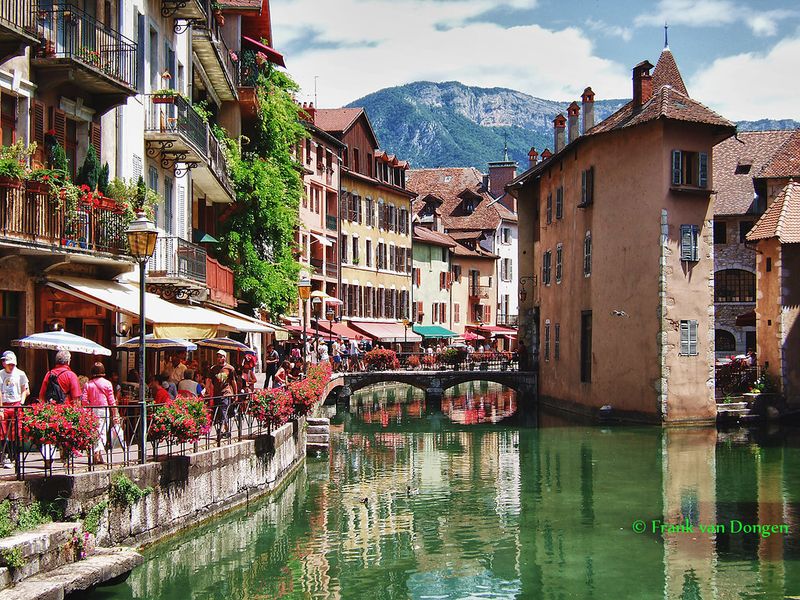
Annecy earns its nickname as the Venice of the Alps, though that comparison barely captures its unique magic. Turquoise canals wind between pastel buildings that look like they’ve been painted by an artist with a love for soft colors and romantic details.
The medieval old town feels frozen in time, with cobbled streets leading to flower-draped bridges and waterside cafés. Lake Annecy stretches beyond the town, its waters so clear you can see straight to the bottom.
Mountains rise on all sides, their peaks reflected in the lake’s mirror-like surface on calm days.
Rent a bike and follow paths that circle the lake, stopping at beaches and viewpoints whenever the mood strikes. In town, the Palais de l’Isle sits like a stone ship in the middle of a canal, its medieval walls housing a small museum.
Markets fill squares with local cheeses, wines, and produce that showcase the region’s agricultural bounty.
What makes Annecy special is how it balances different elements—French elegance meets alpine rusticity, medieval history coexists with modern vitality, and water complements mountains in perfect harmony. Summer brings crowds, but even then, you can find quiet corners where canals reflect ancient walls and time seems to slow.
It’s romantic without trying too hard, beautiful without being showy.
Bled, Slovenia — Lake, Castle and Julian Alps Splendor
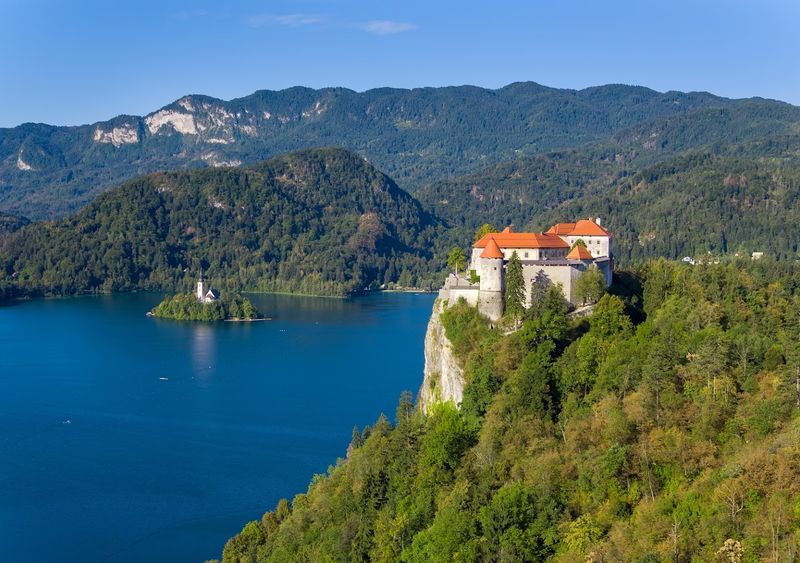
An island church rising from emerald waters, a medieval castle perched on a cliff, and jagged alpine peaks forming a crown around it all—Bled assembles these elements like a fairy tale come to life. Slovenia’s most photographed spot somehow exceeds even the highest expectations.
Walk the path circling the lake and you’ll understand why artists and poets have long found inspiration here. Each angle offers a new perspective: the castle from below, the island from the shore, the Alps reflected in still morning waters.
Traditional pletna boats, rowed by standing oarsmen, ferry visitors to the island where a church bell supposedly grants wishes to those who ring it.
The castle itself rewards climbers with panoramic views that sweep across lake, town, and mountains. Inside, a small museum tells Bled’s story, from medieval fortress to modern resort town.
Below, thermal springs feed the lake, making summer swimming surprisingly pleasant despite the alpine elevation.
Cream cake called kremšnita has become a Bled institution—locals will debate which café makes the best version. Hiking trails lead into Triglav National Park, where waterfalls, gorges, and mountain meadows await.
Yet many visitors find themselves simply sitting by the water, content to watch light play across the surface and clouds drift past mountain peaks.
Cortina d’Ampezzo, Italy — Dolomite Queen With Style
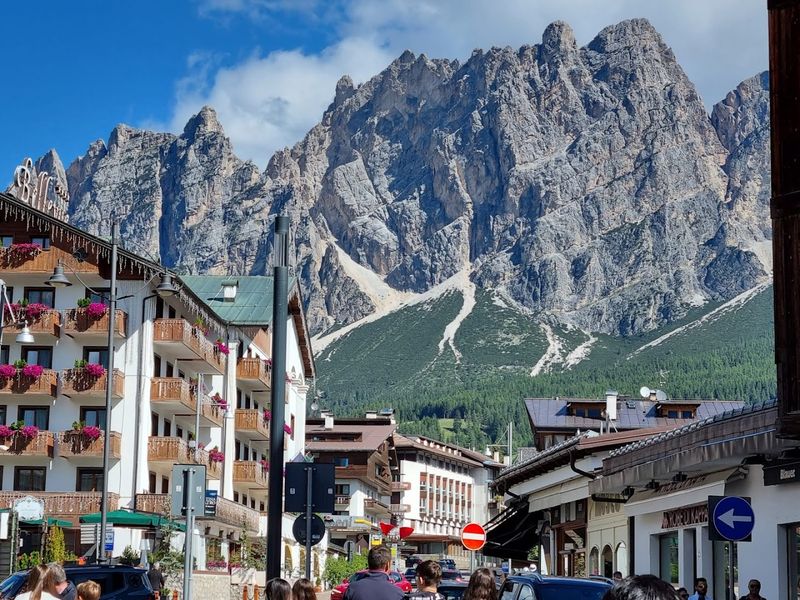
Cortina wears its glamour lightly, like a silk scarf casually tossed over hiking boots. This Italian mountain town has hosted Olympic skiers and European aristocrats, yet never lost touch with its Dolomite roots or the dramatic landscape that surrounds it.
Those Dolomite peaks are something else entirely—limestone towers that glow pink and orange at sunset, their jagged profiles looking more like fantasy art than geology. Via ferrata routes let adventurous travelers clip into steel cables and climb exposed faces, while hiking trails offer gentler ways to explore valleys and meadows.
Winter transforms Cortina into a premier ski destination, with runs threading between those iconic peaks.
The town center mixes mountain charm with Italian sophistication. Designer boutiques share streets with outdoor gear shops, and restaurants serve both hearty mountain fare and refined Italian cuisine.
Pedestrian zones make strolling pleasant, especially when you’re window-shopping or people-watching with an espresso in hand.
Cultural events fill the calendar year-round, from film festivals to classical concerts. Luxury hotels and cozy rifugios both find their place here, catering to different tastes without conflict.
What sets Cortina apart is how it balances elegance and adventure—you can tackle a challenging climb in the morning and enjoy aperitivo at a chic bar by evening, both experiences feeling equally authentic to the town’s character.
Hallstatt, Austria — Fairytale Lake and Alpine Majesty
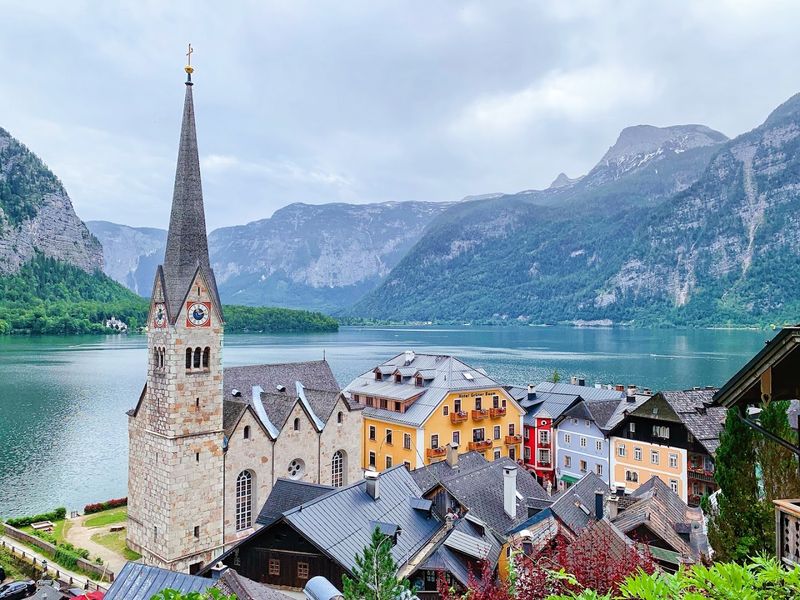
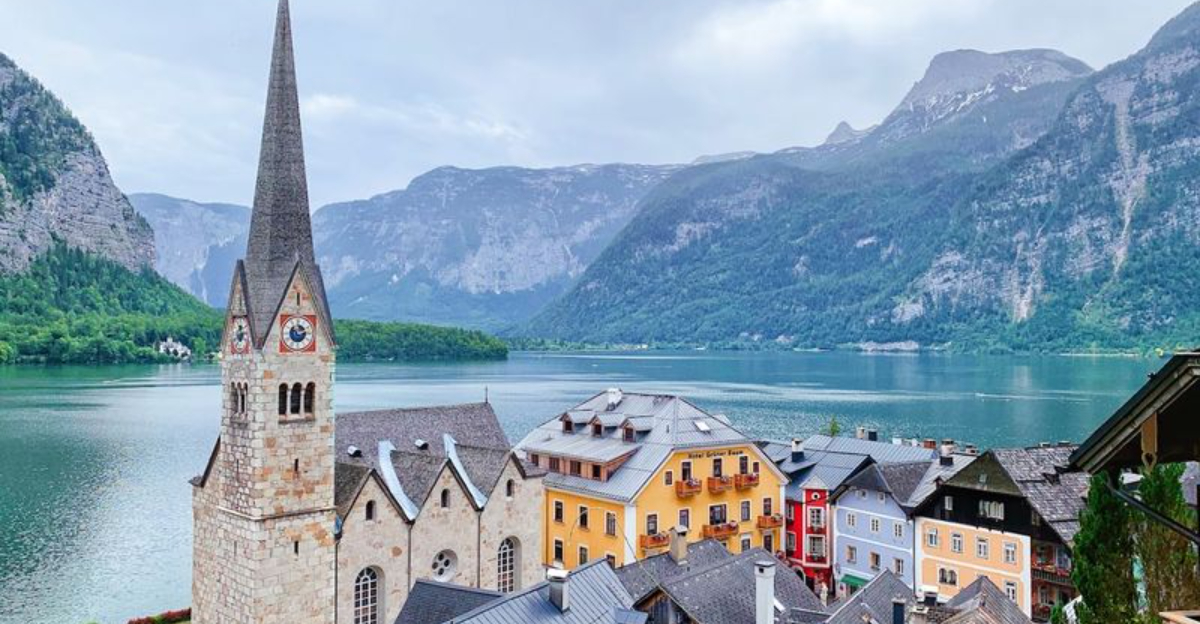
Picture-perfect doesn’t begin to describe Hallstatt. This Austrian gem clings to the edge of a glittering alpine lake, with pastel houses stacked like colorful building blocks against towering peaks.
Every corner feels like a movie set, yet it’s all wonderfully real.
Cobblestone lanes wind between historic buildings, some dating back centuries. The town’s famous salt mines drew settlers here thousands of years ago, and you can still tour these ancient tunnels to see where Hallstatt’s fortune began.
Above ground, cafés spill onto lakeside terraces where you can sip hot chocolate while gazing at snow-dusted summits reflected in calm waters.
Hiking trails fan out in every direction, leading to viewpoints that showcase the town from above—trust us, the climb is worth every step. In quieter moments, rent a boat and glide across the lake’s surface, surrounded by nothing but mountains and sky.
Despite its fame, Hallstatt retains an intimate charm that makes visitors feel like they’ve stumbled upon a secret.
UNESCO recognized this entire cultural landscape for good reason. The blend of natural beauty and human history creates something truly special, a place where past and present exist in perfect harmony beneath alpine skies.
Innsbruck, Austria — Alpine Capital With Urban Flair
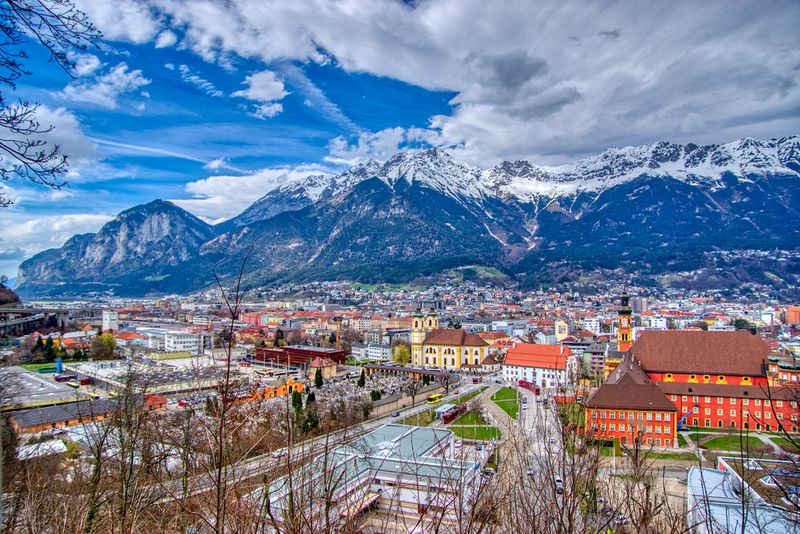
Mountains literally loom over Innsbruck’s streets, creating one of Europe’s most dramatic urban backdrops. One moment you’re admiring baroque architecture and sipping coffee at a sidewalk café, the next you’re riding a cable car straight up into alpine wilderness—all without leaving city limits.
The historic center showcases Innsbruck’s imperial past, when Hapsburg rulers made this their alpine residence. Golden-roofed buildings catch afternoon light, while narrow streets open onto squares where street musicians perform and markets sell everything from fresh produce to handmade crafts.
Museums house treasures from centuries of mountain culture and royal patronage.
But those peaks keep calling. Cable cars depart from near the city center, whisking passengers to heights where hiking trails wind through meadows and mountain huts serve traditional food with panoramic views.
In winter, world-class ski slopes lie just minutes away, making Innsbruck a rare city where you can ski in the morning and attend a concert at night.
This combination of urban culture and mountain access creates unique possibilities. Students from the local university keep the city young and vibrant, while Olympic facilities remind visitors of Innsbruck’s winter sports heritage.
Restaurants range from traditional Tyrolean to international fusion, and nightlife spans cozy wine bars to modern clubs. It’s a place where city sophistication and alpine adventure enhance rather than compete with each other.
Zakopane, Poland — Tatra Mountain Heartland
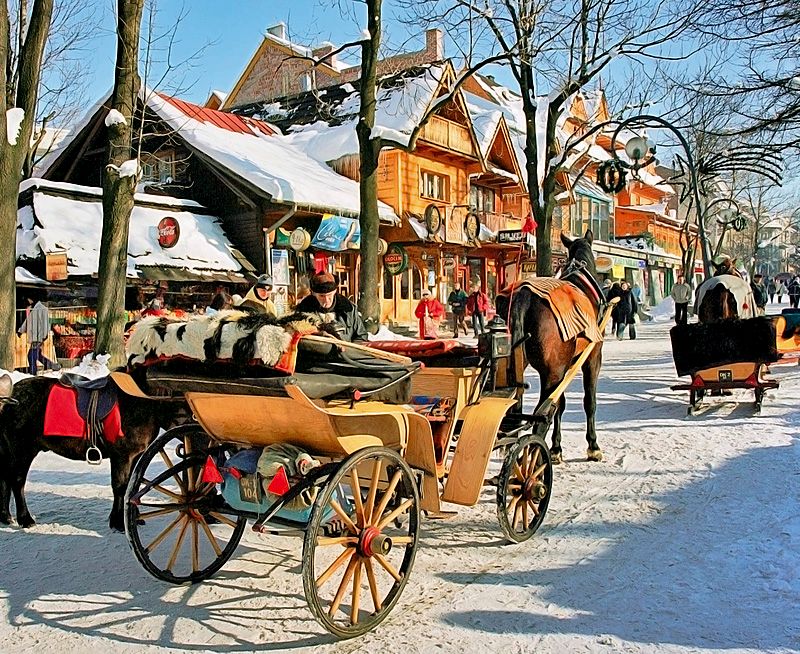
Poland’s mountain soul lives in Zakopane, where wooden houses built in distinctive highlander style line streets that lead straight toward the Tatra peaks. This isn’t polished alpine elegance—it’s something earthier, more rooted in folk tradition and mountain culture that goes back generations.
Krupówki Street pulses with energy, especially on weekends when locals and visitors mix in a colorful parade. Vendors sell oscypek, a smoked sheep cheese that’s become a regional symbol, while craft stalls display hand-carved wooden items and traditional textiles.
Street performers play mountain music on folk instruments, their melodies carrying centuries of highland heritage.
The Tatras rise abruptly from the town, their rocky peaks offering hiking that ranges from easy valley walks to serious alpine scrambles. Morskie Oko, a stunning mountain lake, rewards those willing to hike several miles into the range.
Cable cars provide easier access to high viewpoints, where Poland meets Slovakia across a dramatic mountain border.
Winter brings serious skiing and a festive atmosphere as snow blankets everything. Traditional restaurants called karczmas serve hearty food—think meat-heavy dishes, thick soups, and plenty of vodka to warm cold bones.
Zakopane’s appeal lies in its authenticity; it hasn’t been sanitized for tourists but remains a working mountain town where traditions still matter and locals still speak the distinctive highland dialect.
St. Moritz, Switzerland — Alpine Elegance and Lakeside Views
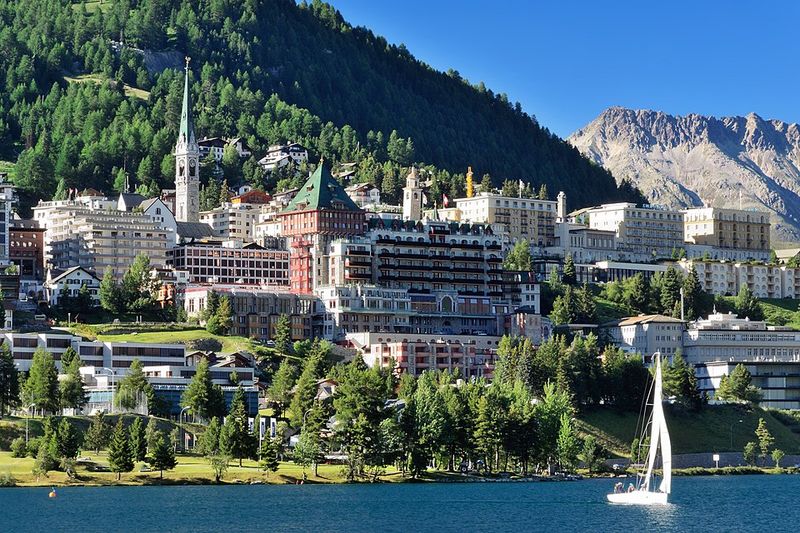
St. Moritz invented alpine glamour, or at least perfected it to a degree few places can match. This isn’t just a mountain town—it’s where European aristocracy came to see and be seen, where winter sports became fashionable, and where luxury learned to coexist with raw alpine beauty.
The frozen lake becomes a stage in winter, hosting polo matches and horse races on ice that seem delightfully absurd until you witness the spectacle yourself. Elegant hotels line streets where designer boutiques cater to guests who consider skiing just one part of a refined mountain experience.
Yet the surrounding peaks remain utterly wild, their glaciated summits caring nothing for human pretensions.
Gondolas whisk you to heights where the air grows thin and views stretch across an ocean of peaks. Summer transforms the landscape into hiking paradise, with trails crossing flower-filled meadows and passing crystal-clear mountain lakes.
The light here is famously clear—something about the altitude and dry air makes colors more vivid, shadows sharper.
Restaurants range from mountain huts serving simple fare to Michelin-starred establishments where meals become events. After dark, St. Moritz offers culture and nightlife that rival much larger cities.
It’s expensive, undeniably so, but the combination of natural splendor and cultivated elegance creates something you won’t find elsewhere—a place where mountains meet high society in surprising harmony.
Berchtesgaden, Germany — Bavarian Fairytale Base
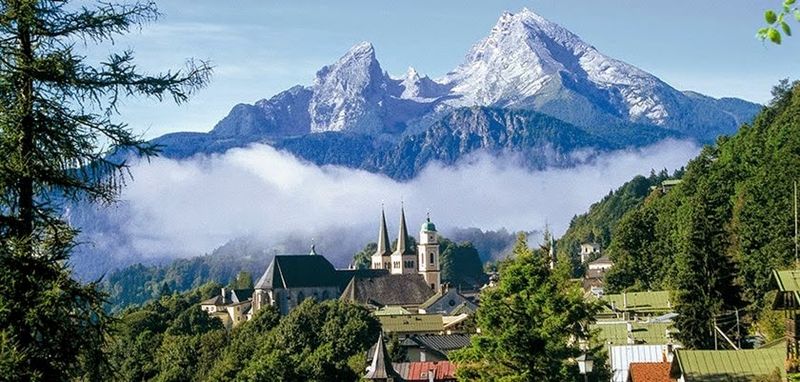
Bavarian charm reaches its peak in Berchtesgaden, where painted houses with flower-filled window boxes cluster beneath some of Germany’s most dramatic mountains. This corner of Bavaria feels removed from modern rush, a place where traditions aren’t performed for tourists but simply continue as they have for generations.
Königssee steals the show—an emerald lake squeezed between vertical cliffs that plunge straight into impossibly clear water. Electric boats glide silently across the surface, their captains stopping mid-lake to play trumpets that echo off rock walls in a demonstration of natural acoustics.
At the far end, the pilgrimage church of St. Bartholomä sits like a postcard come to life, its red domes bright against gray stone and green water.
Hiking trails wind through forests and along ridges, leading to mountain huts where you can refuel with Bavarian specialties and cold beer. The Watzmann, Germany’s second-highest peak, dominates the skyline, its massive east face one of the most imposing rock walls in the Alps.
Salt mines that once enriched the region now offer underground tours, complete with wooden slides that thrill kids and adults alike.
The town itself rewards wandering, with historic buildings housing traditional shops and cozy restaurants. It’s a place that feels authentically Bavarian without trying too hard, where mountain beauty and cultural heritage blend naturally.
Meteora-Adjacent Kalambaka, Greece — Monasteries & Peaks
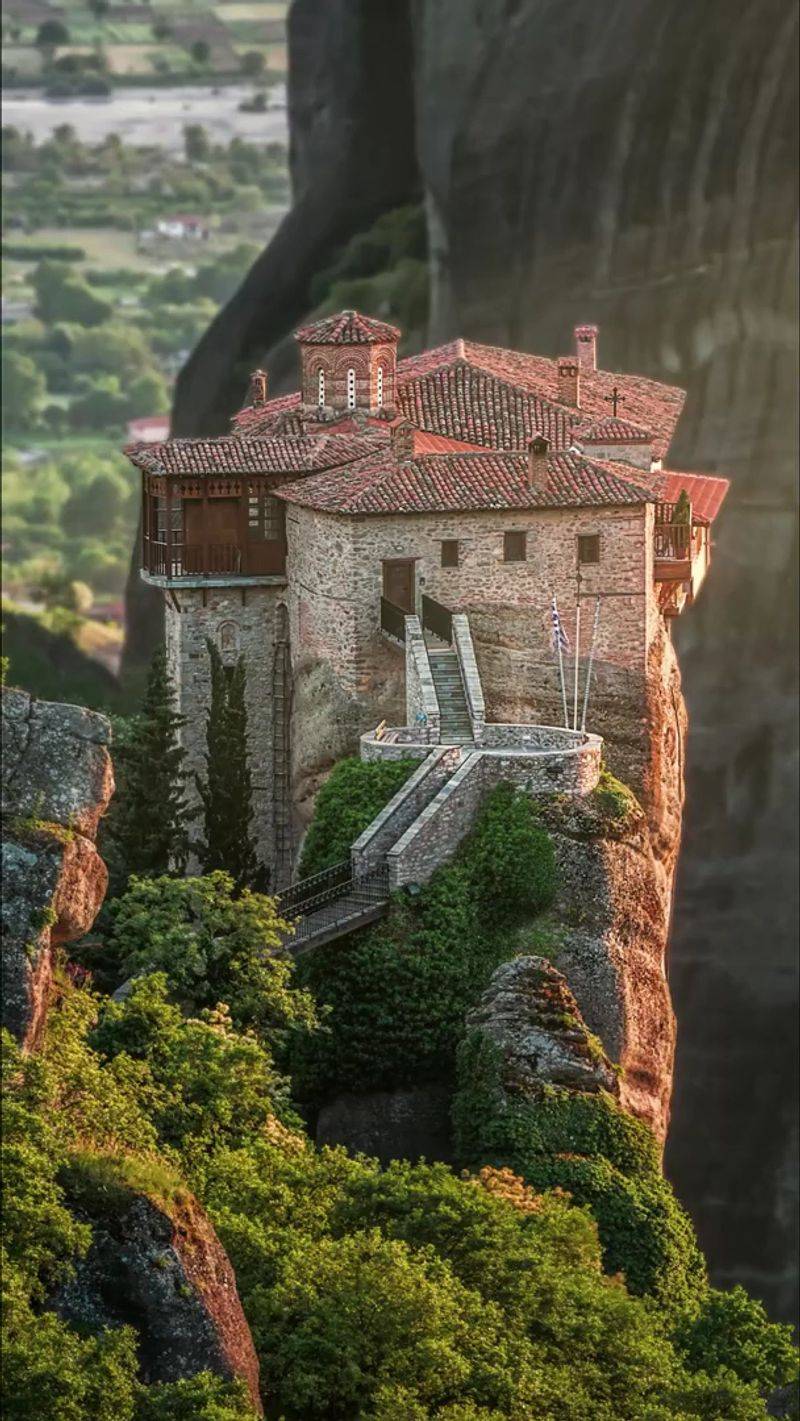
Massive rock pillars shoot skyward above Kalambaka like stone fingers reaching for clouds, and perched impossibly on their summits sit ancient monasteries that seem to defy both gravity and logic. This Greek town serves as gateway to one of the world’s most surreal landscapes, where geology and faith created something utterly unique.
The Meteora monasteries cling to clifftops hundreds of feet up, originally accessed only by rope ladders that could be pulled up when danger threatened. Today, stone steps carved into rock faces let visitors climb to these remarkable structures, where Byzantine frescoes cover walls and windows frame views that stretch across plains to distant mountains.
Monks and nuns still inhabit some monasteries, maintaining traditions that date back centuries.
Kalambaka itself offers a more grounded experience—literally—with tavernas serving grilled meats and Greek salads, shops selling local honey and wine, and hotels that cater to the steady stream of visitors drawn by those impossible rock towers. Early morning and late afternoon bring the best light, when shadows play across stone faces and the rocks seem to glow from within.
Hiking trails wind between the pillars, offering perspectives you can’t get from the road. Rock climbers tackle challenging routes on stone that’s been sculpted by millions of years of erosion.
It’s not traditional alpine scenery, but the drama and uniqueness of Meteora’s landscape creates an unforgettable mountain experience.
Sils-Maria, Switzerland — Alpine Culture and Art Legacy
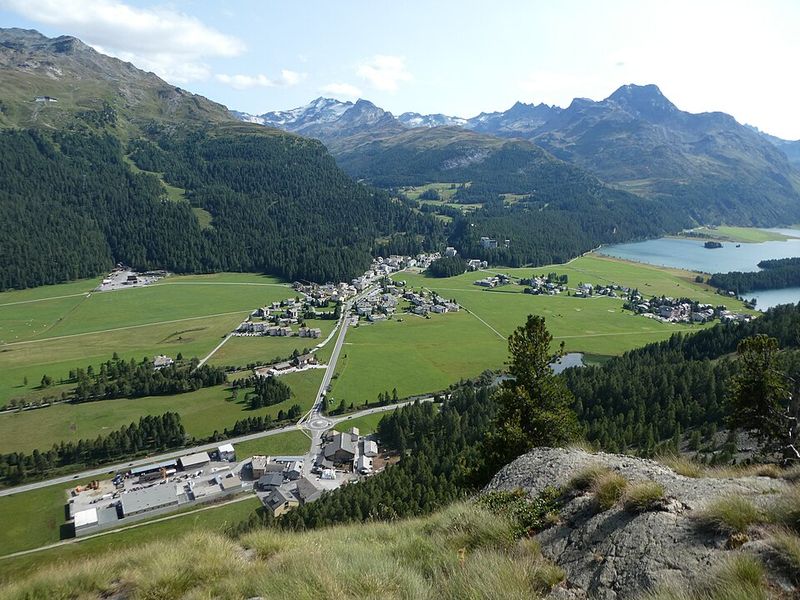
High in the Engadine valley, Sils-Maria maintains a quiet dignity that attracted philosophers, writers, and artists seeking mountain inspiration. Nietzsche spent summers here, walking forest paths while formulating ideas that would shake Western thought.
That intellectual and artistic heritage still permeates this small village, creating an atmosphere quite different from typical tourist resorts.
The setting itself inspires contemplation—glaciated peaks rise on all sides, their permanent snowfields gleaming above dark forests and alpine meadows. Lakes dot the valley floor, their surfaces reflecting sky and mountains in constantly changing patterns.
The light at this altitude possesses a clarity that painters have tried for generations to capture on canvas.
Traditional Engadine houses line village streets, their thick walls and small windows built to withstand harsh winters. Many display sgraffito decorations, intricate patterns scratched through layers of plaster that turn building facades into works of folk art.
Small museums celebrate the region’s cultural history and the famous figures who found inspiration here.
Hiking trails lead in every direction, from easy lakeside walks to challenging mountain routes. Winter brings cross-country skiing and a peaceful alternative to busier Swiss resorts.
What Sils-Maria offers isn’t dramatic excitement but something subtler—a place where natural beauty and cultural depth combine, where you can walk the same paths that inspired great thinkers and perhaps find your own moments of clarity.
Lucerne, Switzerland — Lakeside Alps and Historic Streets
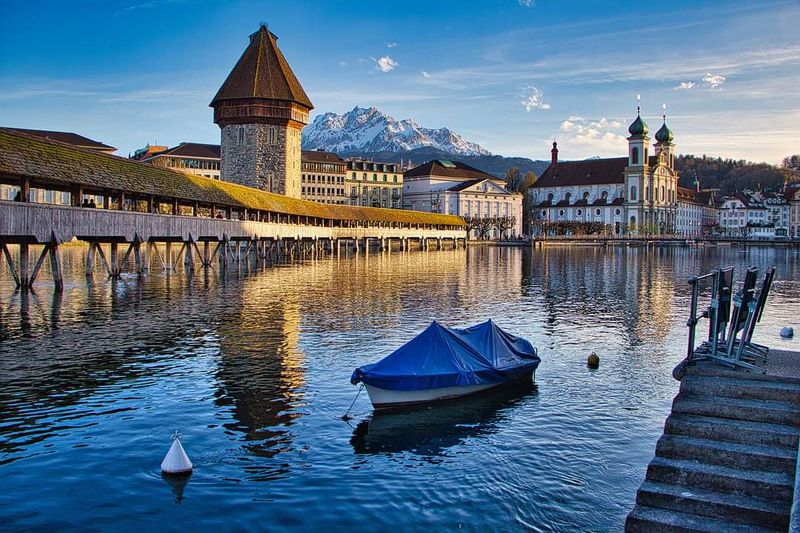
Lucerne bridges worlds—literally and figuratively. The famous Chapel Bridge, covered and medieval, spans the Reuss River with flowers spilling from its sides and historic paintings decorating its interior.
Beyond the old town, Lake Lucerne stretches toward mountains that seem to rise directly from the water, creating one of Switzerland’s most striking urban-alpine combinations.
The old town charms with painted facades, fountain-centered squares, and narrow lanes that reward aimless wandering. Medieval towers punctuate the skyline, remnants of fortifications that once protected this strategic location.
Modern Lucerne pulses around this historic core, with concert halls, museums, and a vibrant cultural scene that draws visitors year-round.
But those mountains keep calling. Steamboats and modern vessels cruise the lake, stopping at small towns and mountain bases where cogwheel railways climb to stunning viewpoints.
Mount Pilatus and Mount Rigi offer easy access to alpine heights, with summit restaurants where you can enjoy lunch surrounded by peaks. The views back across the lake to Lucerne and beyond create panoramas that justify every travel brochure cliché.
What makes Lucerne special is its accessibility—you get mountain scenery without sacrificing urban amenities, historic charm without museum stuffiness, and Swiss beauty without remote isolation. It’s a perfect base for exploring the Alps while enjoying city comforts, a place where you can ride a boat, climb a mountain, and catch a concert all in one memorable day.
Zlatibor, Serbia — Panoramic Gondolas and Forest Trails
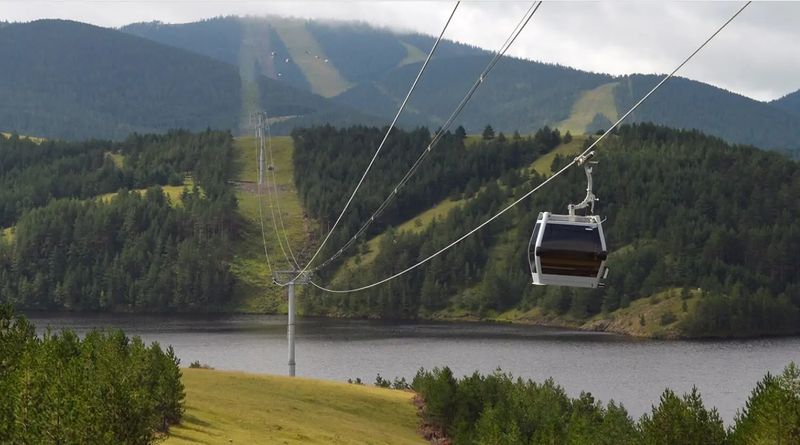
Serbia’s Zlatibor region surprises visitors expecting typical Balkan landscapes. This high plateau in the Dinaric Alps combines rolling meadows with dense forests, all surrounded by peaks that create a natural amphitheater of mountain beauty.
It’s less dramatic than the Swiss Alps, perhaps, but that gentler topography makes it wonderfully accessible.
The Gold Gondola lives up to its name as one of Europe’s longest panoramic lifts, whisking passengers across valleys and up mountainsides in glass cabins that offer 360-degree views. From the top, hiking trails fan out through forests where the air smells of pine and wildflowers.
Mountain streams cut through valleys, their clear water tumbling over rocks toward distant lowlands.
Zlatibor town itself caters to Serbian tourists seeking fresh mountain air and outdoor recreation. Restaurants serve traditional foods—grilled meats, hearty stews, and local cheeses that showcase regional flavors.
The pace feels refreshingly unhurried compared to more famous European mountain resorts, and prices remain remarkably reasonable.
Winter brings skiing and snowshoeing, while summer invites mountain biking, hiking, and simply breathing that clean highland air. What Zlatibor offers is an alternative to overcrowded alpine destinations—a place where you can enjoy mountain scenery and outdoor activities without fighting crowds or emptying your wallet.
It’s Serbia’s mountain playground, increasingly discovered by international visitors but still retaining its authentic local character and welcoming spirit.
Chiavenna, Italy — Hidden Alpine Romance
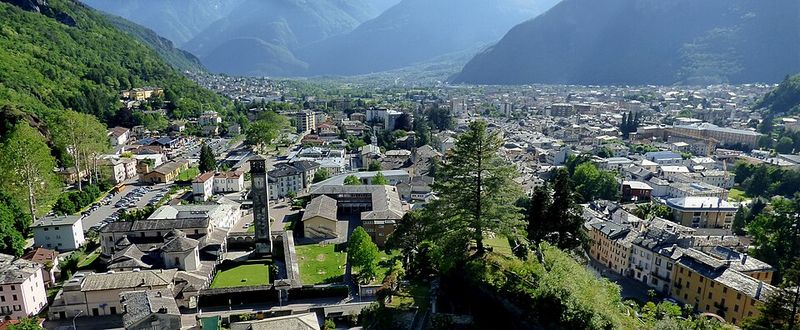
Tucked near the Swiss-Italian border, Chiavenna remains wonderfully under the radar despite possessing all the ingredients for alpine town perfection. Frescoed buildings line cobbled streets, their painted facades telling stories in images that date back centuries.
Small piazzas invite lingering over espresso, while the sound of rushing water reminds you that mountain streams flow through and around the town.
The Marmitte dei Giganti, giant glacial potholes carved into rock by ancient ice, create natural sculptures that fascinate geologists and casual visitors alike. Nearby waterfalls thunder down cliff faces, their spray cooling the air even on hot summer days.
Hiking trails lead into surrounding hills, where views stretch across valleys toward higher peaks.
What really sets Chiavenna apart is its crotti—natural caves in the hillside where cool air flows year-round. Locals have turned these into wine cellars and restaurants, creating unique dining experiences where you eat traditional food in spaces carved by nature.
The microclimate these caves create has influenced local cuisine and wine culture for generations.
The town hasn’t been overrun by tourism, so it retains an authentic rhythm where locals go about daily life and visitors feel like welcomed guests rather than revenue sources. Markets sell local produce, small shops offer regional specialties, and restaurants serve food that reflects both Italian and Swiss influences.
It’s the kind of place you stumble upon and immediately want to keep secret, though that’s hardly fair to others seeking quiet alpine romance.



