 Unearth The Voyage
Some peaks steal the spotlight while others quietly guard world class drama, culture, and adventure. If you crave solitude, big landscapes, and stories that feel personal, these underrated mountains deliver in spades.
You will find sacred summits, equatorial glaciers, and ridgelines where your footsteps might be the only ones all week. Let this list guide you toward wilder horizons and a deeper kind of wonder.
1. Gangkhar Puensum – Bhutan
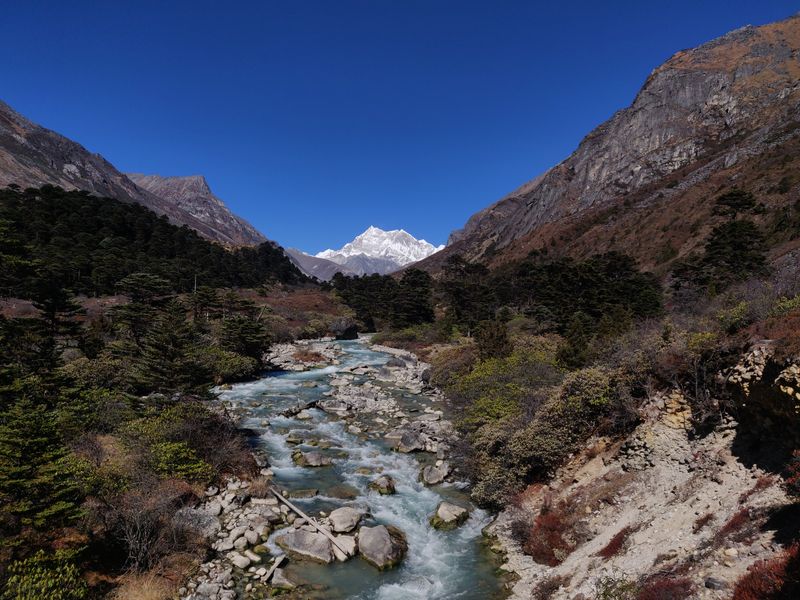
Gangkhar Puensum rises like a guarded secret, its summit untouched and its slopes wrapped in clouds and reverence. You feel the stillness long before you see the mountain, a hush broken only by wind and river.
The ban on climbing protects more than a peak; it preserves a spiritual sanctuary where legends breathe.
From distant valleys, the pyramid silhouette glows with dawn light, drawing your eye the way a lighthouse pulls ships. Trekkers skirt its base, moving through villages where prayer flags snap and guides share hushed lore.
There is no summit selfie here, only the honest work of walking and looking.
In a world chasing firsts, the highest unclimbed mountain offers a different prize: restraint. You are invited to witness, not conquer, to measure success by humility and attention.
Stand at a viewpoint and notice how your heartbeat settles, how the mountain feels present without welcoming footsteps on its crown.
2. Rwenzori Mountains (“Mountains of the Moon”) – Uganda / DRC
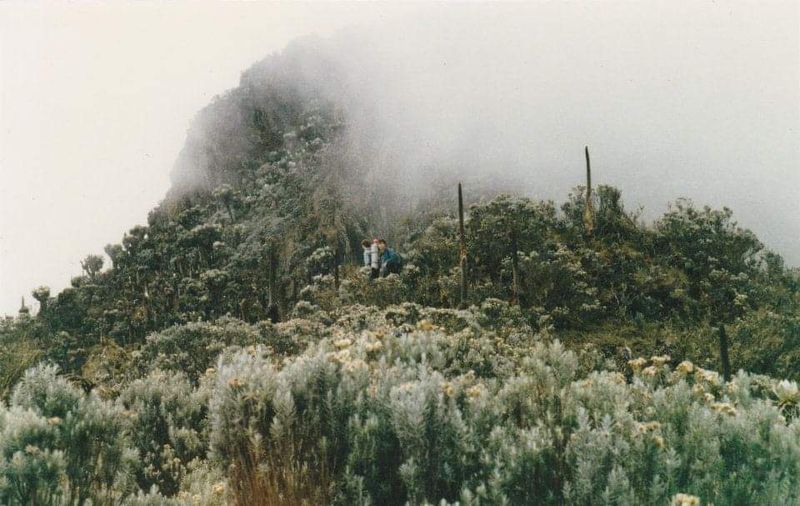
The Rwenzori appear from jungle mist like a revelation, their glaciers improbably perched near the equator. You hike from fern soaked forests into alien highlands dotted with giant lobelias.
Every switchback resets your sense of scale as rivers crash below and cloud breaks reveal silvered ice.
Unlike busier ranges, these trails feel personal, a conversation with mud, moss, and thunder. Guides know hidden boardwalks and weather moods, steering you between bogs and boulder steps.
Wildlife stirs at the edges, and you feel the old name Mountains of the Moon grow literal under shifting light.
Margherita Peak looms, but even without summiting, the journey astonishes. You will camp above a sea of green, listening to rain drum tents, counting breaths with the altitude.
When the clouds lift, glaciers gleam like secret crowns, reminding you that wonder still lives far from headline destinations.
3. Muztagh Ata – China (Pamir)
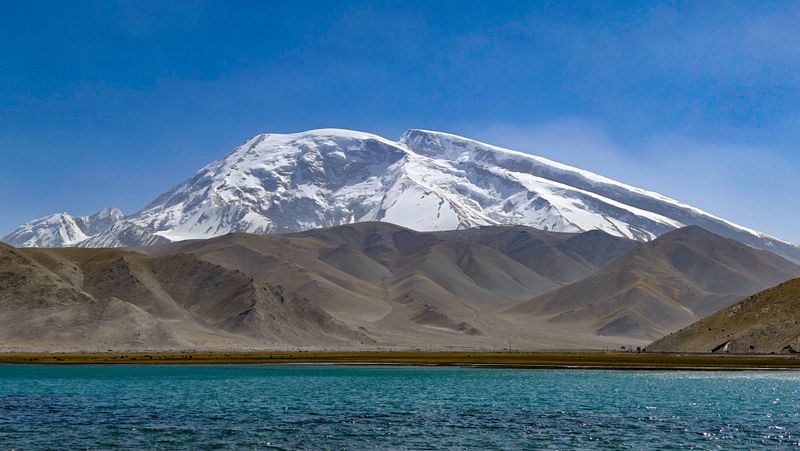
Muztagh Ata sits regal above wind brushed plateaus, its long snow slopes catching sunrise like silk. You approach across high desert where yaks graze and caravans pass, a rhythm older than maps.
Photographers love the mirror calm lakes that hold the mountain upside down.
Climbers find gentle angles but serious altitude, a paradox that tests patience more than acrobatics. The thin air demands slow steps, measured sips, and respect for weather stories racing off the Pamir.
Camps feel like islands on a white ocean where stars come heavy and close.
For travelers, it is the solitude that lingers. You will remember the crunch of frozen scree, the taste of salty tea, the way light slides across massive flanks.
Muztagh Ata does not shout; it invites, and if you listen, you will bring home a quieter kind of triumph.
4. Sincholagua Volcano – Ecuador
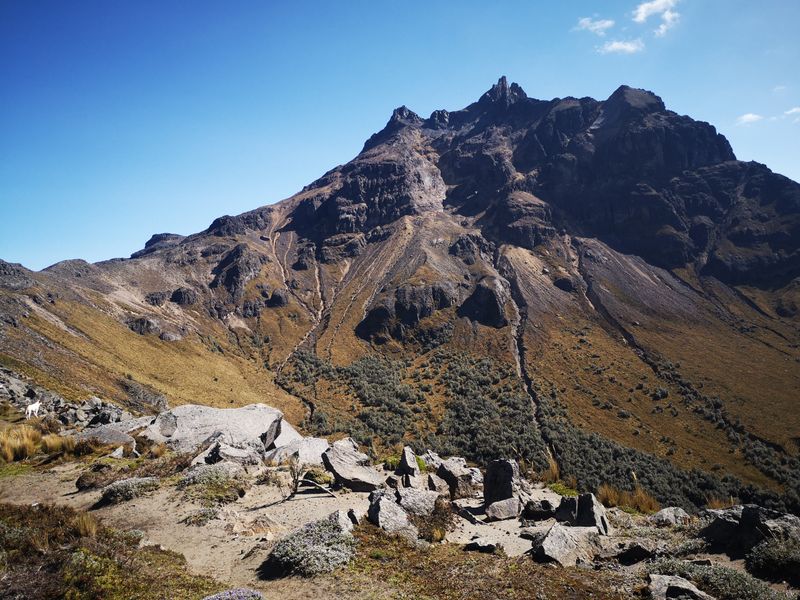
Sincholagua looks jagged and close, yet it slips under most itineraries. You leave Quito’s bustle and step into paramo grasslands where fox tracks stitch the trail.
The peak’s crags frame enormous views of Cotopaxi and, on clear days, the Amazon’s hazy door.
Its routes are scrambly rather than technical, rewarding steady feet and a love for open sky. You will likely have the ridge to yourself, sharing wind and silence with hawks.
The terrain alternates volcanic rubble and cushion plants, a patchwork that keeps every switchback interesting.
For a day out or a training ascent, Sincholagua punches above its reputation. You feel the Andes under your boots without the crowds that swarm famous neighbors.
Bring layers, drink the thin air slowly, and watch afternoon clouds build dramatics over Cotopaxi’s perfect cone.
5. Baintha Brakk (“The Ogre”) – Pakistan (Karakoram)
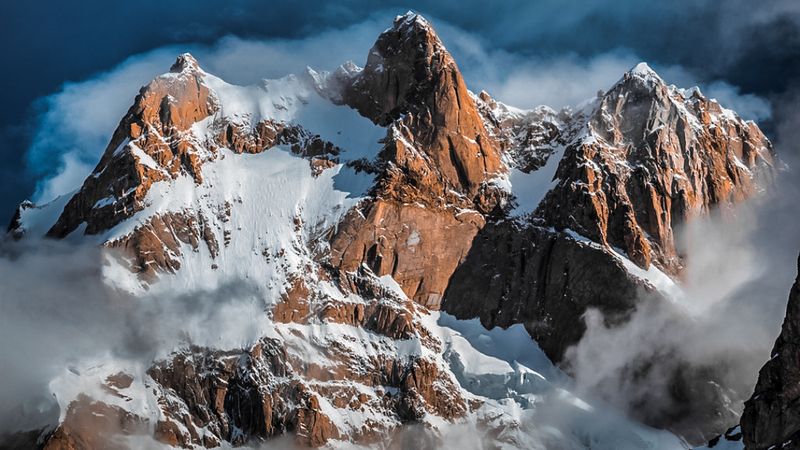
Baintha Brakk is all menace and magnetism, a fortress of granite that seems to repel ambition. You look up and understand why legends whisper its name like a dare.
The spires twist into storm hooks, and even the snow clings like it is negotiating terms.
Few climbs carry such myth. The routes are technical, the weather mercurial, and the commitment unforgiving.
Camp chatter turns quiet when the wind starts speaking in the guy lines, and retreat can be as epic as success.
For non climbers, the approach trek through the Karakoram still mesmerizes. You will cross rubble seas and glassy ice, watching sunset paint stone a bruised purple.
The Ogre does not care for crowds, and in that indifference, you will feel a raw, undiluted mountain presence.
6. Molamenqing – Tibet, China
Molamenqing sits in the shadow of louder neighbors, a high Himalayan secret many maps barely bold. You sense the altitude before the summit shows, breath turning to measured currency.
The mountain’s symmetry catches late light like a blade’s edge, clean and austere.
Getting close requires patience with permits, roads, and weather windows. You move through high valleys where yaks browse and prayer flags frame the sky.
Each pass reveals new facets, corniced ridges that seem to hover above glaciers like quiet sentinels.
This is classic big mountain beauty without the circus. You will savor uncluttered camps, unhurried horizon watching, and the soft percussion of distant seracs.
Molamenqing reminds you that fame is not the measure of grandeur, and sometimes grace prefers the sidelines.
7. Ren Zhong Feng – Sichuan, China
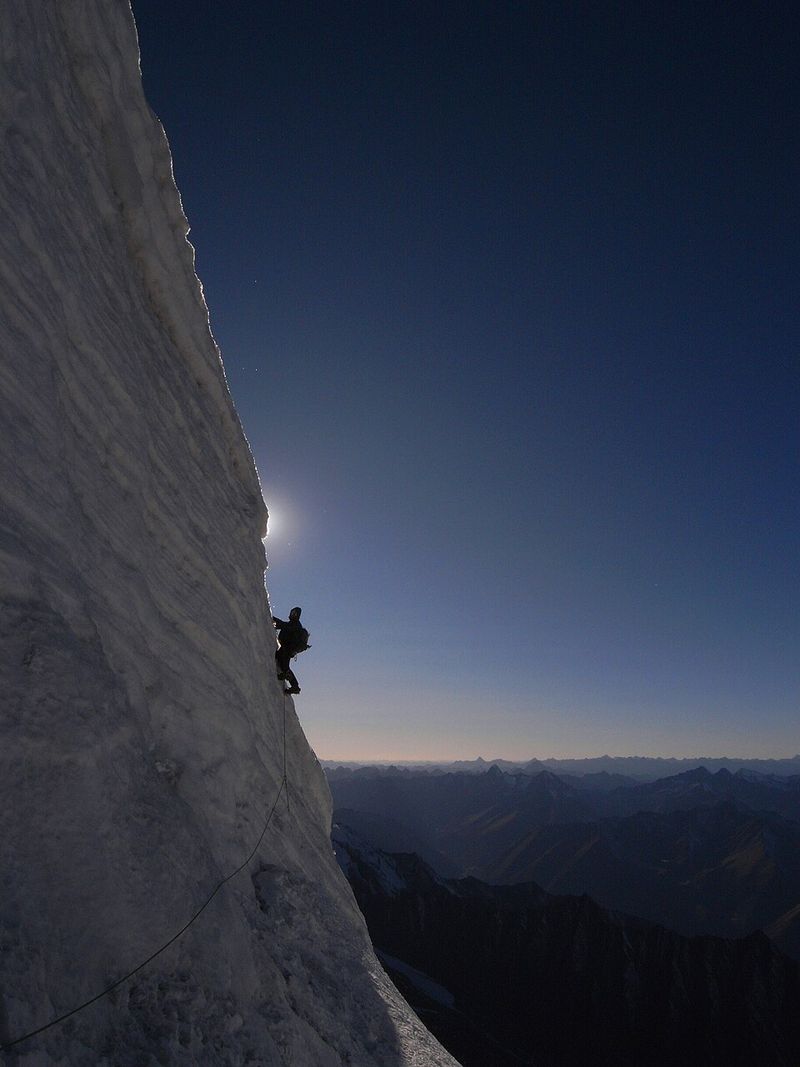
Ren Zhong Feng rises lonely in Sichuan’s Daxue Shan, elegant and less told. You approach through cedar forests sweet with resin, crossing bridges that hum with meltwater.
The peak appears in blink moments between clouds, a reserved star avoiding paparazzi.
It is ultra prominent, yet scarcely climbed, a paradox that tempts explorers who like maps with blank corners. Trails give way to scree and snow where route finding matters more than headlines.
Your reward is perspective, valleys nested like origami to the horizon.
If you crave wildness without theater, this mountain fits. You will camp where the night smells of woodsmoke and frost, and dawn unspools slow gold across ridges.
Ren Zhong Feng asks for attentiveness, pays in silence, and sends you home changed in ways hard to name.
8. Pico Simón Bolívar & Pico Cristóbal Colón – Colombia
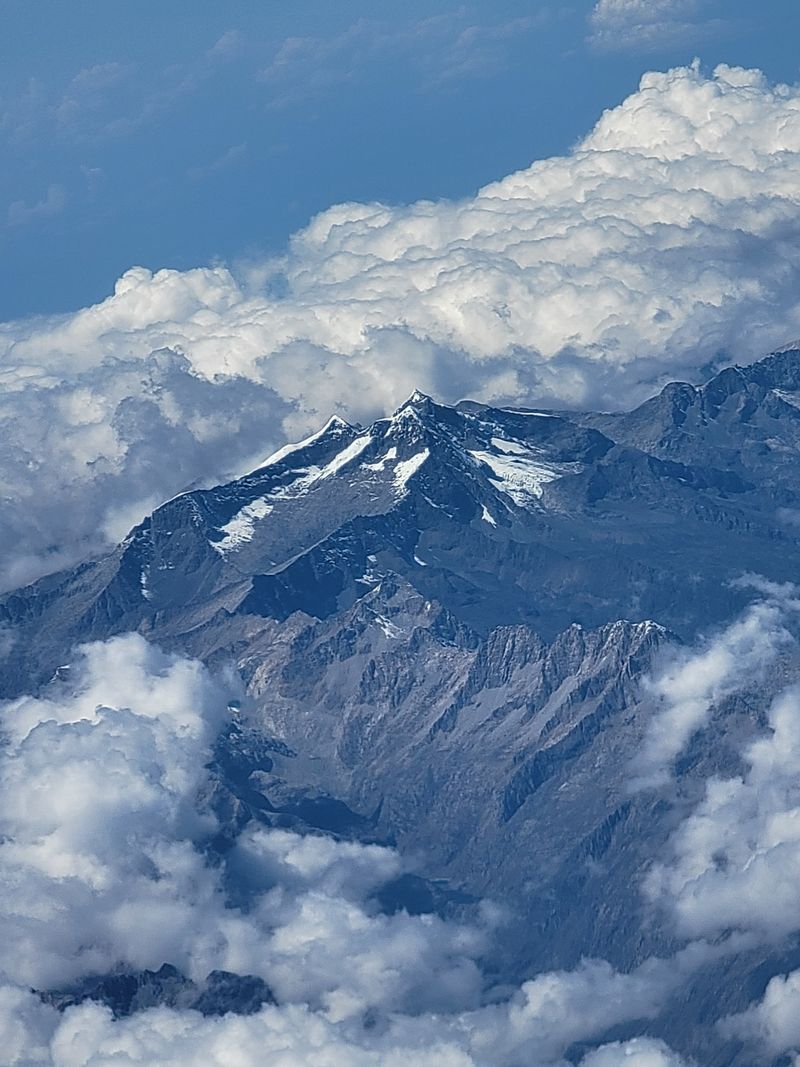
These twin summits rise startlingly close to the Caribbean, a vertical sprint from sea to snow. You feel climates stack like floors in a tower: tropical foothills, cloud forests, then high Andean chill.
The peaks glint above green waves, guardians of Colombia’s hidden skyline.
Access is complex, with indigenous territories and sensitive zones requiring careful coordination. That challenge keeps the crowds away, leaving space for respectful, well guided journeys.
Wildlife flickers at the margins, and the cultural context deepens every step.
Even seen from afar, the range stirs imagination. You will trace contours at sunset and sense the ocean’s breath on mountain air.
These highest Colombian peaks prove that beauty is not only altitude or fame; it is contrast, culture, and the patience to earn a view.
9. Mount Kailash – Tibet/Nepal border
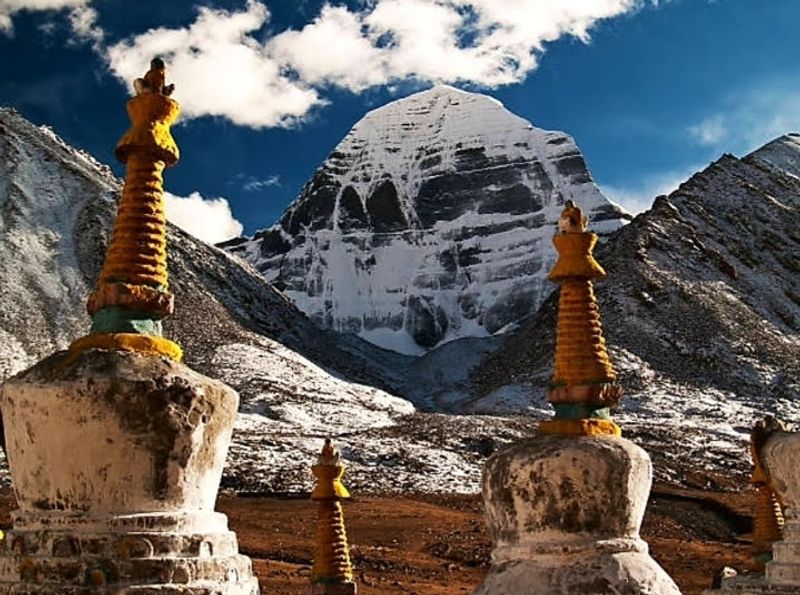
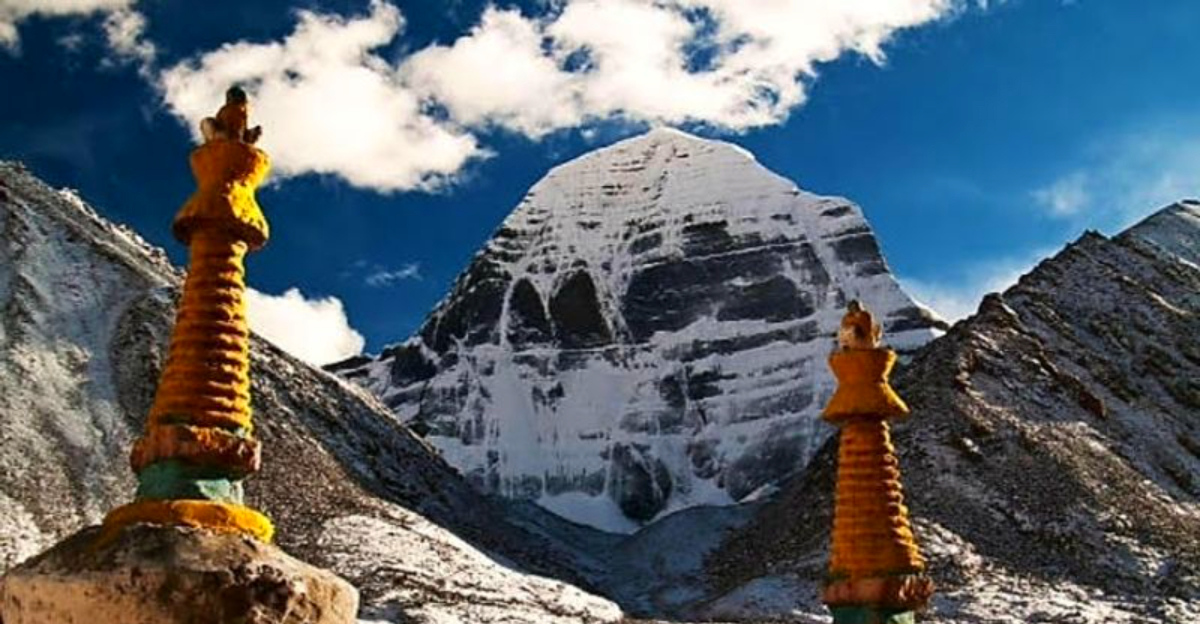
Mount Kailash does not invite summits; it invites circles. You join pilgrims on the kora, walking clockwise past prayer stones and wind worn stupas.
The peak’s contours feel deliberate, as if carved for contemplation rather than conquest.
Altitude taps your shoulder, slowing steps into a meditative pace. Every pass becomes a small ceremony, every tea stop a lesson in patience.
The sacred status preserves a rare balance, a mountain honored by distance rather than trophies.
Even from miles away, Kailash commands attention with an almost architectural presence. You will leave with a quieter pulse, dust on your boots, and a feeling that the mountain looked back.
Not every journey climbs upward; some turn inward, tracing meaning across high plateau light.
10. Margherita Peak (Mount Stanley) – Rwenzori, Africa
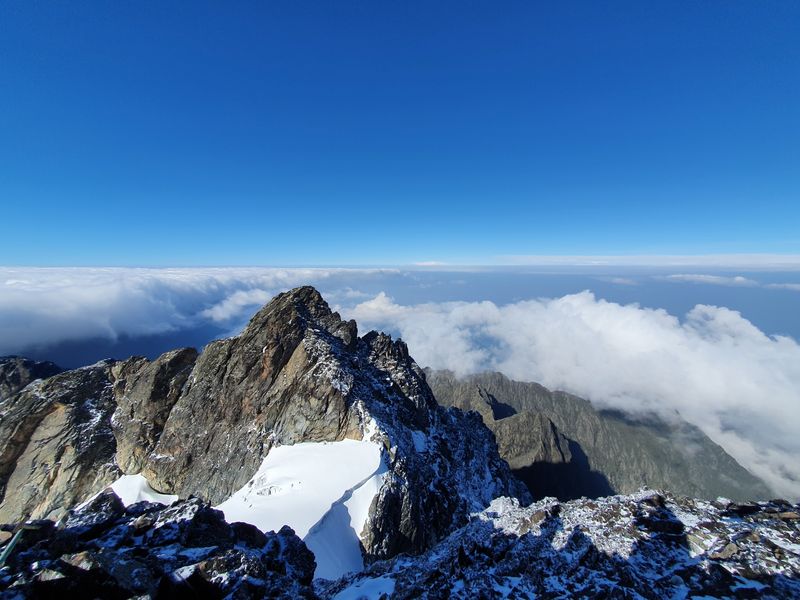
Margherita Peak holds equatorial ice like a paradox, blue crevasses under African sun. You start in jungle and end on crampons, a rare arc for any trek.
The summit ridge feels sculpted by weather that moves fast and decisive.
Guides keep pace steady, weaving through ladders, rock steps, and glacier tongues. You hear water run beneath ice, the mountain’s quiet plumbing.
On clear moments, views push across Uganda and the DRC, continents of green folded into ridgelines.
This ascent is more journey than notch on a list. You will carry memories of moss gardens, tin cup tea, and that first moment the glacier appears like a hidden stage.
Margherita proves Africa’s alpine story is broader than the classic volcano silhouettes.
11. Aconcagua Sub-Ranges (less visited areas) – Argentina
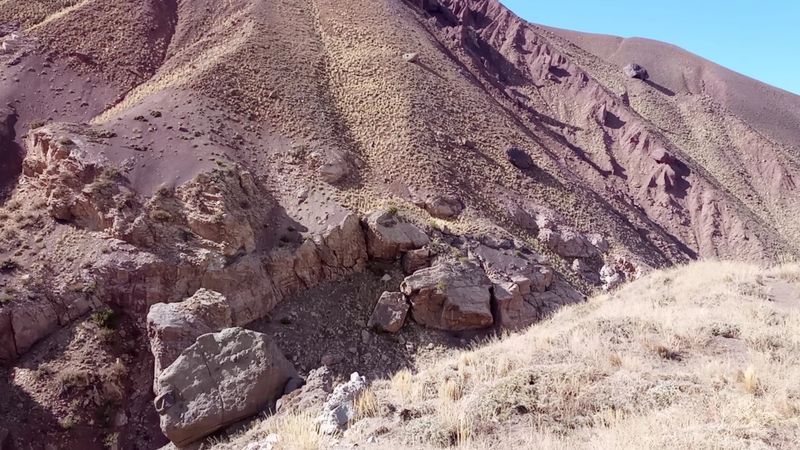
Beyond Aconcagua’s normal route lie side valleys where silence does the talking. You follow mule tracks past rust red cliffs and wind combed scree, far from the summit rush.
The air smells of dust and snow, and camp feels like a secret kept between you and the range.
These ridges offer altitude training and stark beauty without logistical chaos. You can stitch loops that trace abandoned mining roads and river braids.
Condors patrol the void, and every cairn feels earned rather than inherited.
If you have written off the area as crowded, recalibrate. You will find solitude, painterly geology, and weather moods that keep you honest.
The sub ranges prove that fame concentrates, but grandeur diffuses, waiting patiently just beyond the main marquee.
12. The Drakensberg Escarpment Peaks – South Africa/Lesotho
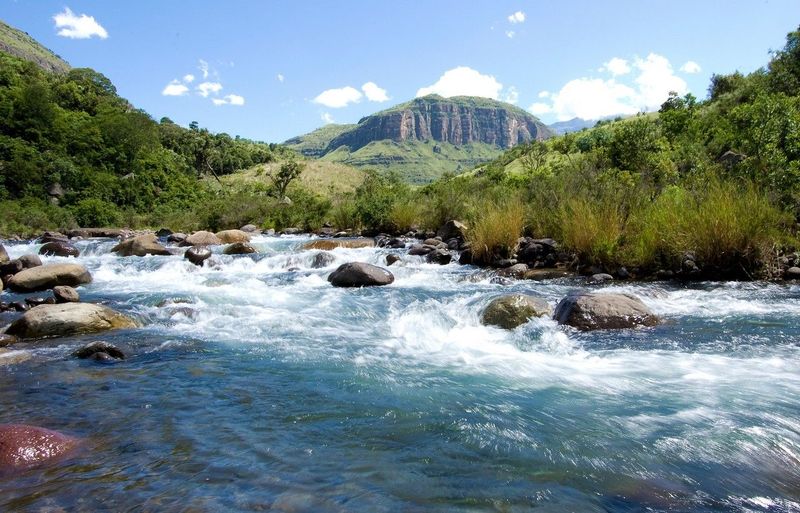
The Drakensberg rises like an organ of stone, pipes of basalt cut by sky. You hike along a high rim where rivers begin as sudden threads over cliffs.
Caves hide San rock art, delicate and alive under careful light.
Routes range from grassy passes to airy chain ladders, giving choices for comfort and daring. The scale impresses without feeling hostile, and storms roll in with dramatic theater.
Camps glow warm in gullies, and mornings bring long shadows across amphitheaters.
What surprises most is how under sung it remains internationally. You will collect miles of clean horizon, waterfall thunder, and stars that feel spillable.
The Drakensberg is a masterclass in edges, where continents seem to pause and look down.
13. Accursed Mountains / Prokletije – Albania/Montenegro/Kosovo
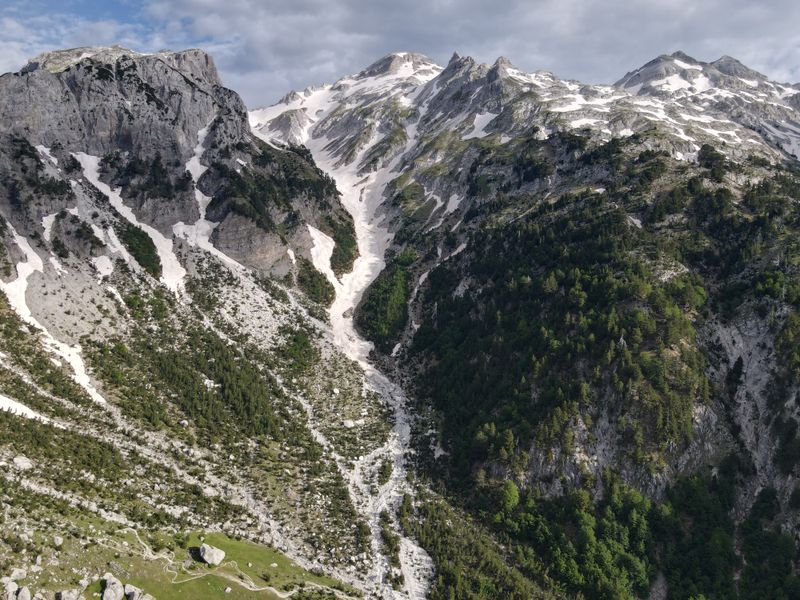
The Accursed Mountains wear their name like a dare, all teeth and shadow. You walk on knife ridges where limestone bites the sky, then drop into meadows spilling wildflowers.
Old shepherd paths lead to border saddles with views that feel contraband.
This Balkan corner is rugged, welcoming, and still under the global radar. Villages serve strong coffee and stronger stories, and trail signs share space with goat tracks.
Lakes shine turquoise in cirques, cooling feet and sharpening plans.
If Europe seems tamed elsewhere, come here. You will find frontier energy, long day traverses, and evenings of bread, cheese, and starlight.
Prokletije is not polished, and that is the treasure: a landscape honest enough to scuff your boots and lift your heart.
14. Tien Shan Mountains (lesser-known sectors) – Central Asia
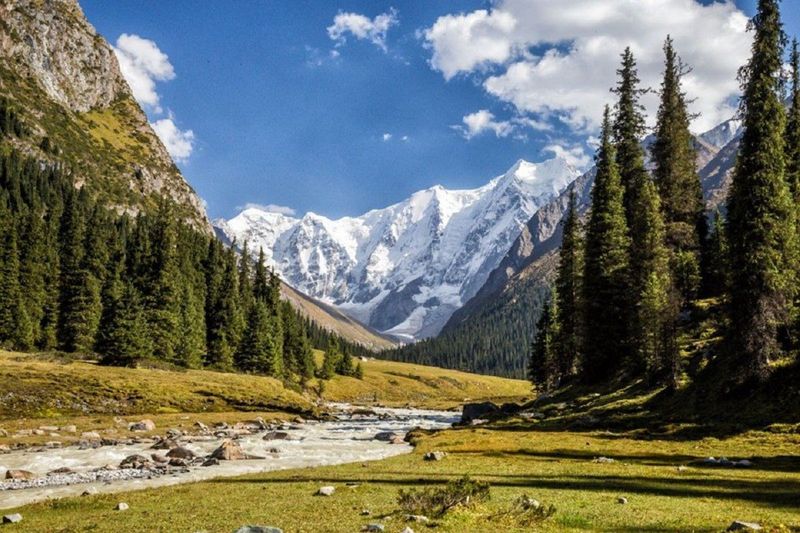
The Tien Shan stretch like a continent’s spine, with corners that maps barely annotate. You find yourself in valleys where horses outnumber people and trails fade into lupine.
Lakes lie like coins in green bowls, reflecting ridges that run forever.
Lesser known sectors deliver quiet and generous space. Logistics can be rough, but the payoff is big sky solitude and authentic encounters.
Shepherd camps offer kumis and smiles, and weather writes fast moving lessons across the horizon.
Here, distance resets expectations. You will acclimatize to silence, measure time by shadow drift, and save battery for a final photo when light finally sings.
The Tien Shan’s secret is not height but breadth, adventure poured long instead of high.
15. Cordillera Blanca (less-touristed parts) – Peru
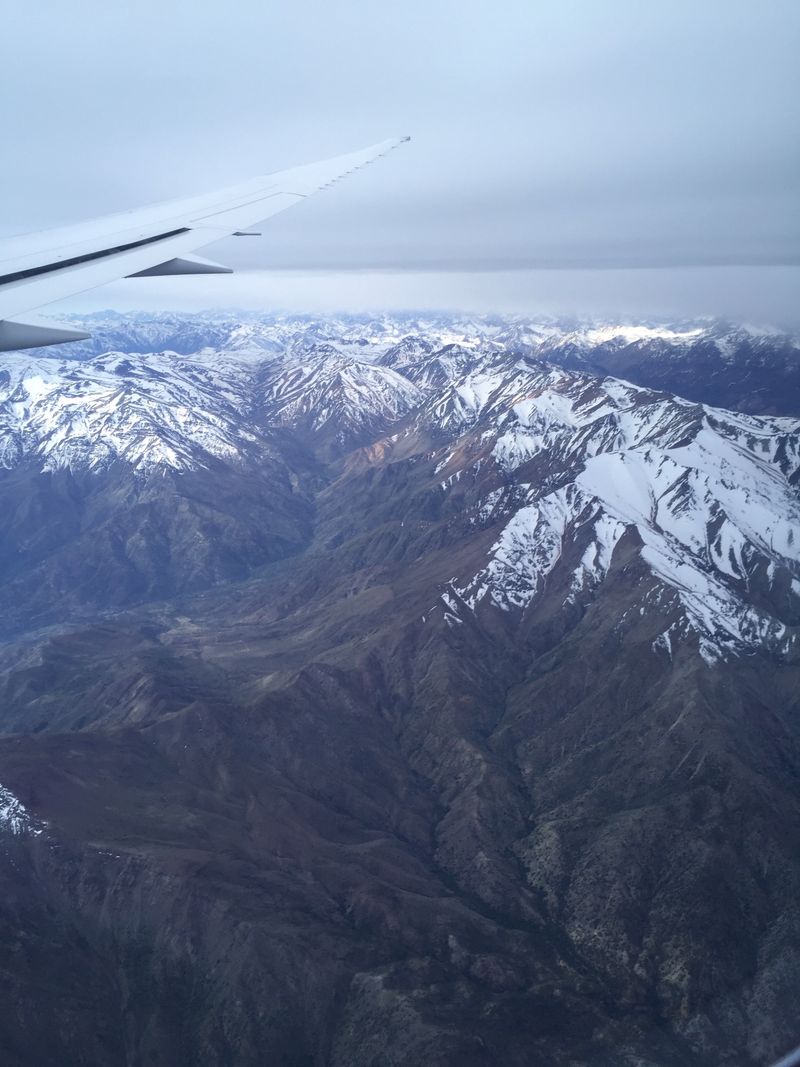
Step away from famous viewpoints and the Cordillera Blanca softens into intimacy. You follow quebradas lined with lupine and stone, the big faces peeking only when you round the right bend.
Lakes glow turquoise like lanterns under ice hung walls.
These side valleys reward patience more than icon hunting. You will meet more burros than hikers, share trails with farmers, and camp on terraces kissed by frost.
Mornings burn pink across serrated crests while coffee steams in thin air.
Climbs on lesser summits feel personal, with simple huts and stars loud enough to wake you. Routes weave glacial benches and moraine, technical enough to taste but not oversold.
The Blanca reminds you that wonder thrives beyond postcards, especially where the map fades to small print.



