 Unearth The Voyage
If you have ever wanted a museum to pull you into the story rather than talk at you from a wall, you are in the right place. These destinations do more than display art or artifacts, they surround you with sound, light, narrative, and touchable worlds.
You will step into rooms that react to your movement, fly over skylines, and even decode a secret or two. Ready to wander through places that feel alive and curious about you too?
teamLab Planets — Tokyo, Japan
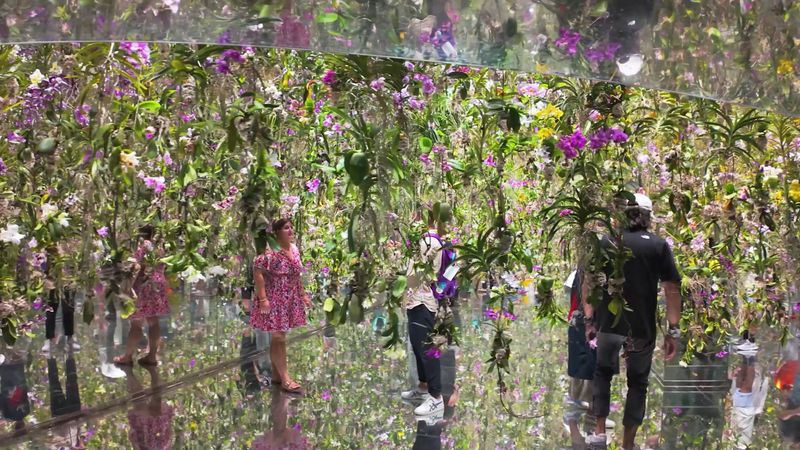
Step into teamLab Planets and the ground under your feet seems to vanish into water and mirror, so your reflection blurs into living light. Rooms bloom with responsive projections that chase footsteps and ripple when your hand reaches out, so every move becomes part of the artwork.
You are not just looking at an installation, you are shaping it with presence and breath.
The famous water room invites a slow wade through knee deep warmth, while glowing koi swirl and scatter as you pass. In the floating flower space, petals surround you like a drifting galaxy, fragrant and impossibly close, and the mirrors stretch the scene to an endless horizon.
Sound wraps around in layered waves, syncing to color shifts that feel like weather.
What makes it stick is the sensation of co creating something ephemeral and personal, then watching it disappear the moment you leave. You learn to move with intention, playful one second and meditative the next.
If you arrive early, the crowds thin and the pacing feels almost ritual, like walking through a dream that politely waits for your cue.
Wear shorts or rollable pants, and do not stress about getting wet, attendants guide you smoothly. The technology is cutting edge, sure, but the feeling is strangely human and tender.
You exit a little quieter, eyes tuned to motion, and the city outside looks charged, as if it might answer when you move.
ArtScience Museum — Singapore
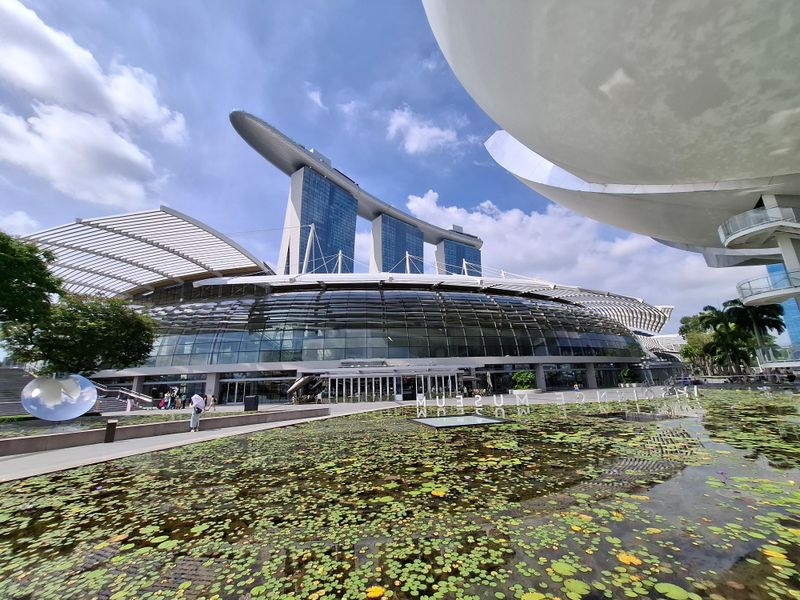
Singapore’s ArtScience Museum lives inside a lotus shaped icon, but the real bloom happens once you step into Future World and the projections wake up. Trails of light scatter from your fingertips, flowers open as you walk by, and tiny digital creatures migrate across walls like they own the place.
It feels playful, but the science and art conversation runs deep underneath.
Exhibits respond to touch and motion, so you will end up tinkering like a kid and learning by accident. Sketch a simple drawing and watch it join a living city, or slip under a canopy where seasons change in minutes.
The tech choreography is clean, yet the spaces never feel cold, more like friendly laboratories.
Rotating shows bring new ideas, from space exploration to data visual poetry, so repeat visits genuinely feel different. Weekdays are calmer, and late afternoon light through the atrium turns the place cinematic.
Docents are generous with tips, pointing out small details you would otherwise miss.
Bring curiosity and comfortable shoes, because the museum rewards wandering and lingering equally. The balance of science storytelling and artful wonder makes it easy to share across ages without dumbing anything down.
You leave with color still flickering in your eyes, and a small itch to build something that reacts when someone smiles.
SPYSCAPE — New York City, USA
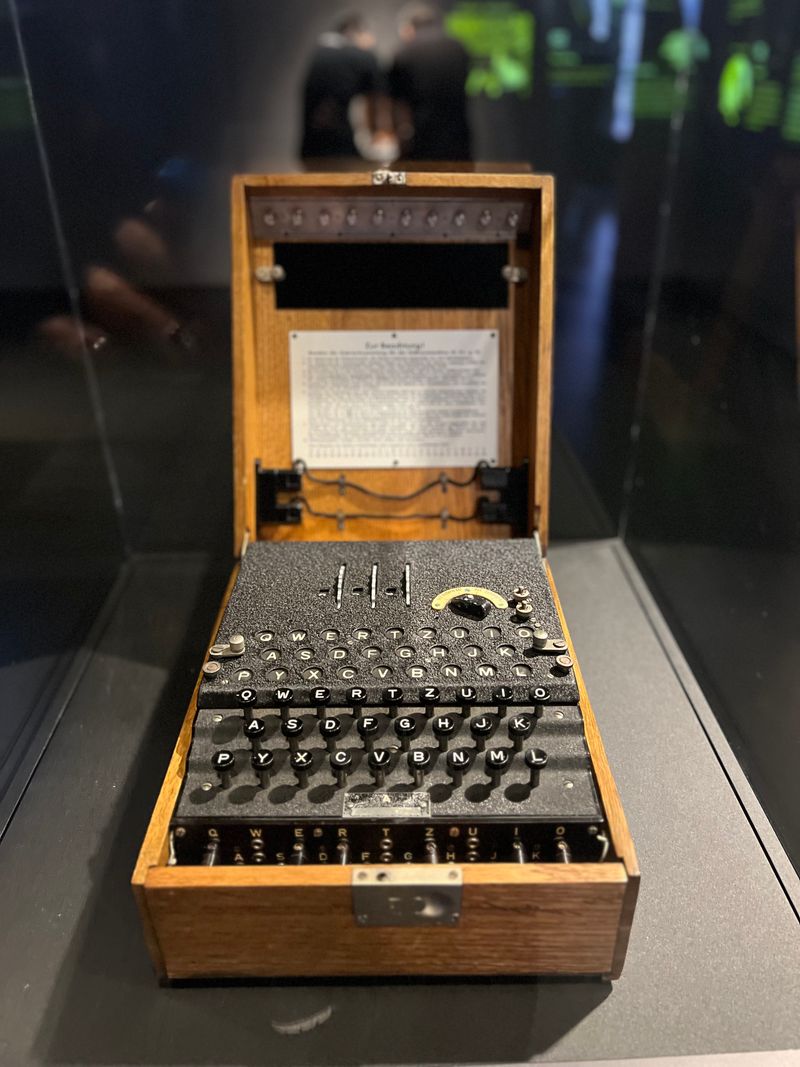
SPYSCAPE swaps hushed galleries for adrenaline and tests you the moment you step in. You face lasers, codebreaking puzzles, and credibility interviews that feel way more fun than they should.
The spaces are dark and cinematic, lit like a briefing room, with enough swagger to make you square your shoulders.
Each station measures your skills, from memory to agility, then feeds your profile with cheeky feedback. You move through espionage history, gadgets, and true stories that make spycraft feel less Hollywood and more human.
The Broadway style set design keeps the pressure light but real enough to care.
What sticks is how the museum plays you against yourself, not just the scoreboard. The laser tunnel dares you to slow down and breathe, while cryptography stations reward patient patterns.
It is immersive learning disguised as a mission, and honestly, it works.
Go with friends and compare your spy type over coffee afterward, it adds drama to the debrief. Lines can build on weekends, so timed entry helps, and the staff keeps traffic moving.
You will leave a touch more observant, clocking exits and cameras on the walk to the subway, just because.
RiseNY — New York City, USA
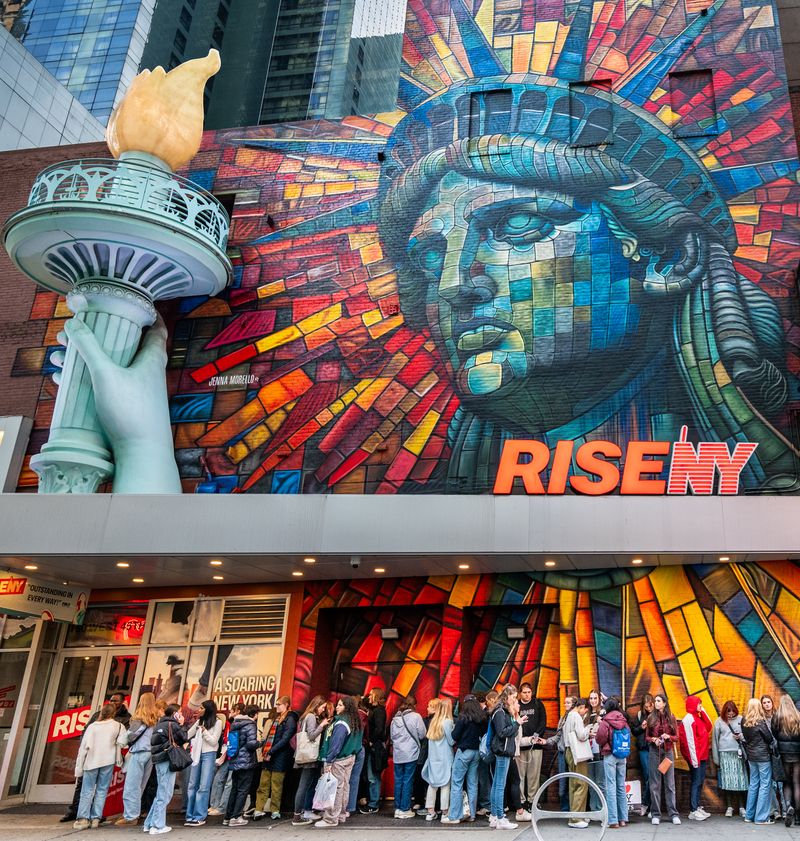
RiseNY starts with a time capsule of New York culture and ends by tossing you into the sky. The flying theater straps you in front of a massive curved screen and lifts you toward the skyline, while wind, mist, and scent sync to each scene.
Neighborhoods whip by, bridges glitter, and there is a surprising lump in the throat when the city opens wide.
Before the flight, themed galleries walk through media, fashion, finance, and music with bite sized stories that feel quick and textured. It is not dense like a traditional museum, more like an affectionate primer with artifacts and clever displays.
The pacing builds anticipation without dragging your feet.
On the ride, motion is smooth and surprisingly gentle, more soaring than jolting. If you get motion sensitive, pick an aisle seat and focus on the horizon, a simple trick that helps.
The effects are polished enough that shoes might dangle a little nervously when you skim a rooftop.
It works best as a shared experience, especially for first time visitors who want a sweep of the city’s vibe. Book earlier slots to dodge crowds, then step outside and compare the real skyline to what you just flew over.
You will walk out smiling, a little windblown, and oddly proud of a city that never keeps still.
INTER — New York City, USA
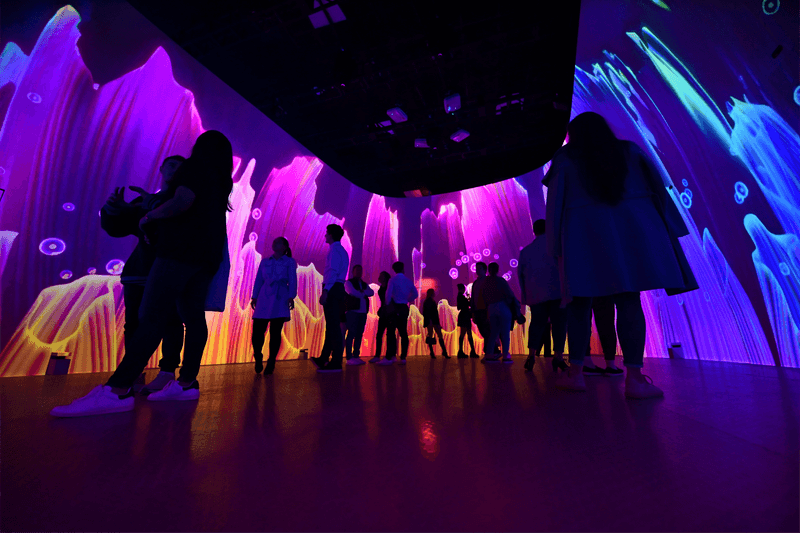
INTER in SoHo feels like stumbling into a lab where artists and physicists share snacks. You climb through rope constellations, trigger sensors with a fingertip, and watch cosmic patterns ripple across walls that hum with sound.
The installations invite gentle play, not just spectacle, and the staff gently nudges you to try things twice.
Each room leans into a theme, from micro scale biology to big sky physics, and your body becomes part of the measuring instrument. Light responds to posture, tones bloom as you move, and the air itself seems to change temperature with color shifts.
It is strangely grounding to see your presence quantified as art.
The spaces encourage wandering without a fixed path, which makes discoveries feel earned. If you are impatient, you might miss slower interactions that take a few seconds to reveal themselves.
Take a breath, count to three, and the room answers in kind.
For best flow, go weekday afternoons and wear something you can stretch in a bit. The vibe is friendly and curious, like a science fair that grew up and found good lighting.
You walk out feeling tuned to quiet patterns, noticing how city noise has a rhythm you can almost touch.
Mercer Labs Museum of Art and Technology — New York City, USA
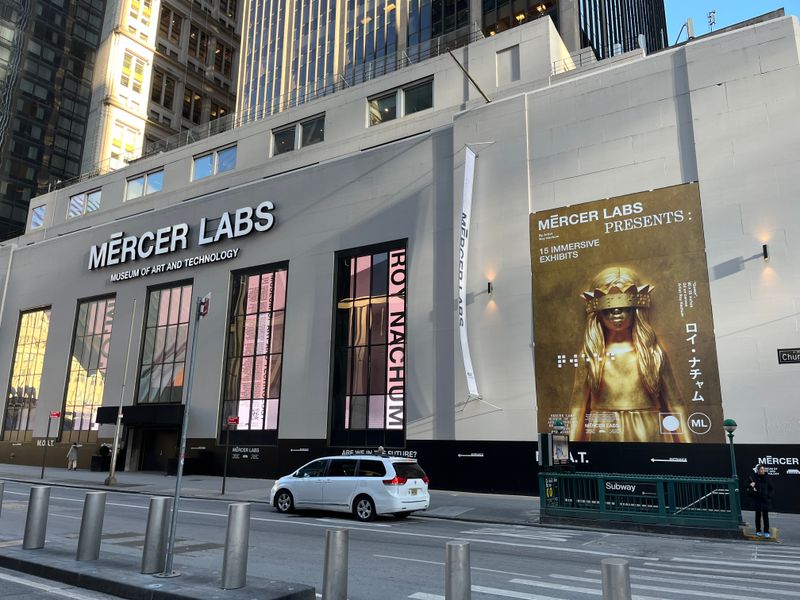
Mercer Labs spreads out like a playground for digital senses, with rooms that fold light and audio into responsive habitats. You stand inside a 360 degree projection and feel the floor hum gently, as if the building is listening back.
Mirrors stretch patterns into infinity, while low frequencies roll through your ribs and slow your steps.
Unlike a single show, the museum is a constellation of installations, each tuned to a different tempo. Some pulse with quick feedback, others ask for patience and reward a still body with hidden textures.
The result is a slow build that leaves you present and a little unmoored.
Sound design is a star here, wrapping you in layered tones that behave like weather. When you move, the system answers, and a path of color follows like a polite shadow.
The tech is advanced, but the feeling stays human and warm.
Go with curiosity and comfortable shoes, and let yourself drift rather than chase highlights. The staff is attentive without hovering, offering small tips that unlock moments you might miss.
Leaving feels like surfacing, the city’s clatter briefly distant while your ears keep listening for echoes.
Meow Wolf — Various U.S. Locations
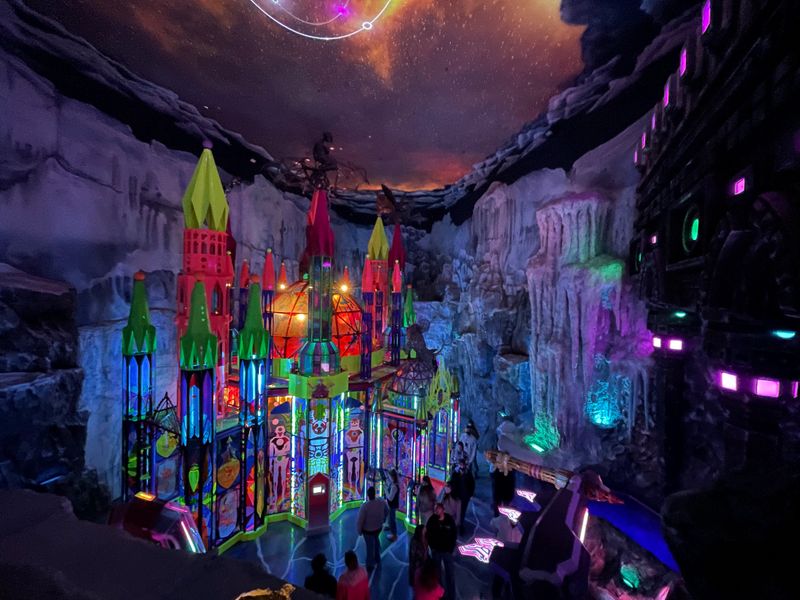
Meow Wolf is a rabbit hole that starts with a house or a market or a transit station and spirals into other worlds. You open a fridge and step into a glowing forest, follow a melody into a secret lab, and piece together clues that whisper a story.
It is less museum, more playable novel with a hundred doors.
Each location has its own mythos, from Santa Fe’s strange family drama to Denver’s cosmic convergence and Las Vegas’s dreamy supermarket. The sets are practical and tactile, buzzing with buttons, portals, and hand built textures that beg for touch.
Kids sprint, adults slow down, and both are right.
The narrative is there if you want it, but there is no homework. Wander, read fragments, or just bask in color that hums like a daydream.
Staff storytellers drop hints with a smile if you look curious enough.
Expect crowds on weekends, and plan a few hours to let your brain adjust to the weird. Blacklight reactive clothing adds a playful twist in certain rooms.
You will leave with glittering afterimages and a pocket of unanswered questions that feel delicious to carry.
ARTECHOUSE — New York, D.C., Miami — USA
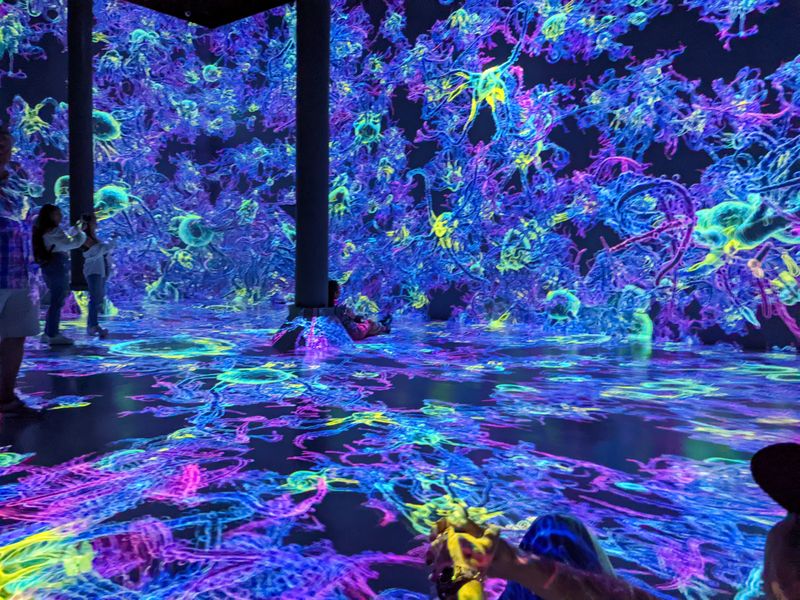
ARTECHOUSE treats data like paint and motion like a brush. Step onto the floor and waves of color respond, folding around your silhouette as if the room is thinking aloud.
Exhibitions rotate frequently, exploring everything from quantum motifs to blooming botanicals built from math.
The spaces are crisp and modern, a clean canvas for intense visuals and deep bass you feel in your ankles. Because shows are seasonal, locals come back for fresh takes, which keeps the energy high.
It is a sweet spot for date nights and camera happy afternoons.
Interaction is intuitive, which means you will not need a manual, just a willingness to move. Kids figure it out instantly and adults catch up in a minute, grinning when the wall answers.
The staff knows the best vantage points and will happily point you there.
Book timed tickets and arrive a bit early to let your eyes adjust. If you like to photograph, aim for opening slots to get cleaner frames.
You leave feeling gently rewired, like your body learned a new language under the lights.
Museum of Illusions — Global, including Sydney and Sarajevo
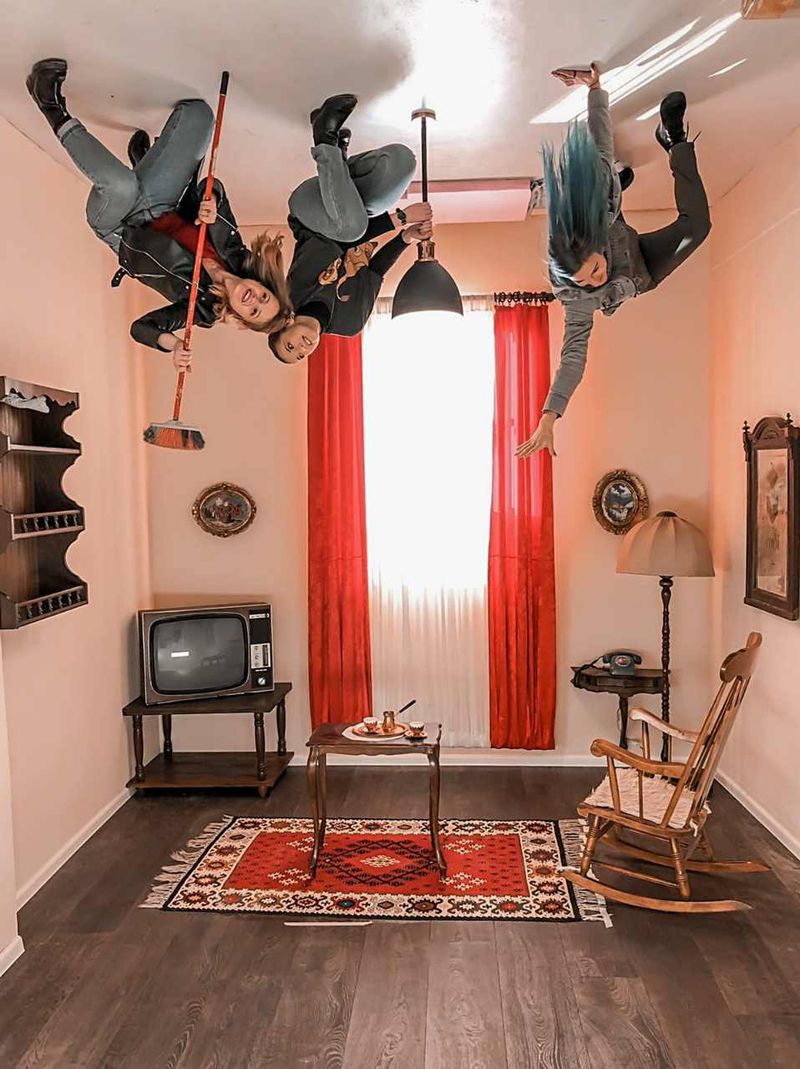
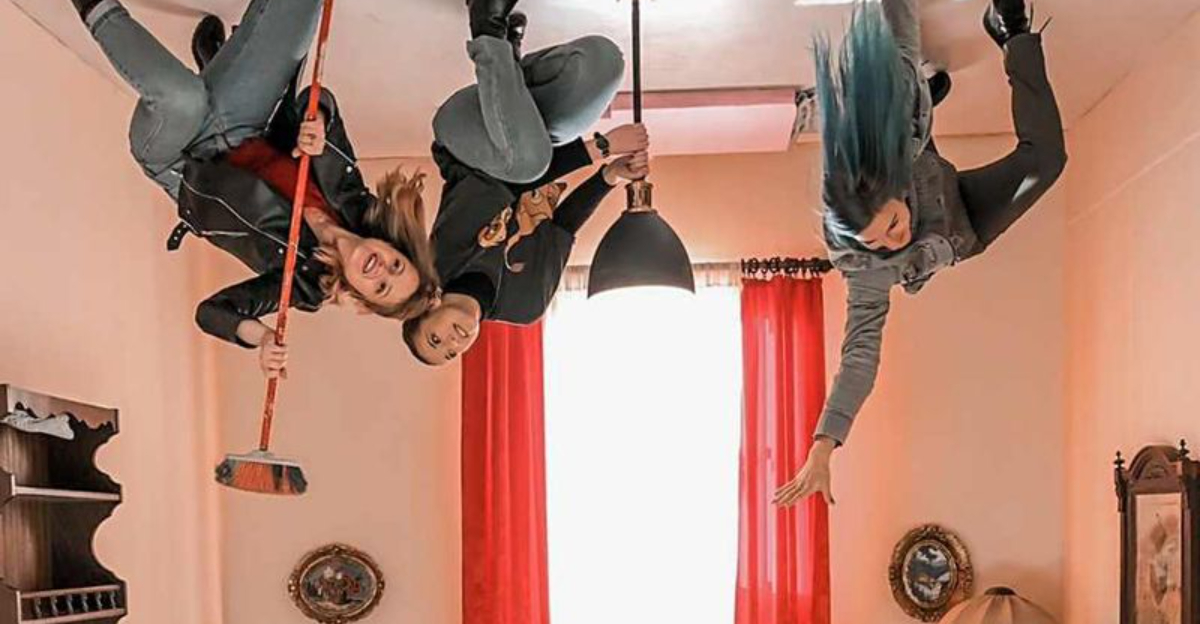
The Museum of Illusions is a cheerful trap for your senses, and you will love how willingly you fall for it. One room tilts your balance until laughter kicks in, another stretches you tall for a photo that convinces your friends.
The vortex tunnel spins just enough to make a steady step feel heroic.
It is not highbrow, and that is the charm. Displays explain the science in quick bites, so you can learn why your brain flips a scene while still enjoying the gag.
Staff help with angles and camera spots, turning visitors into co conspirators.
Locations vary in size, but the hits are consistent, from holograms to mind bending mirrors. It is a great pre dinner stop or rainy day fix, especially with mixed age groups.
Expect noise, giggles, and the occasional shriek when gravity plays a trick.
Go early for fewer photobombs, and bring patience for popular rooms. The best souvenir is a photo that tells a story your friends cannot parse at first glance.
You will walk out steadier, maybe, but happily suspicious of every straight line on the sidewalk.
Paradox Museum — Miami and Worldwide
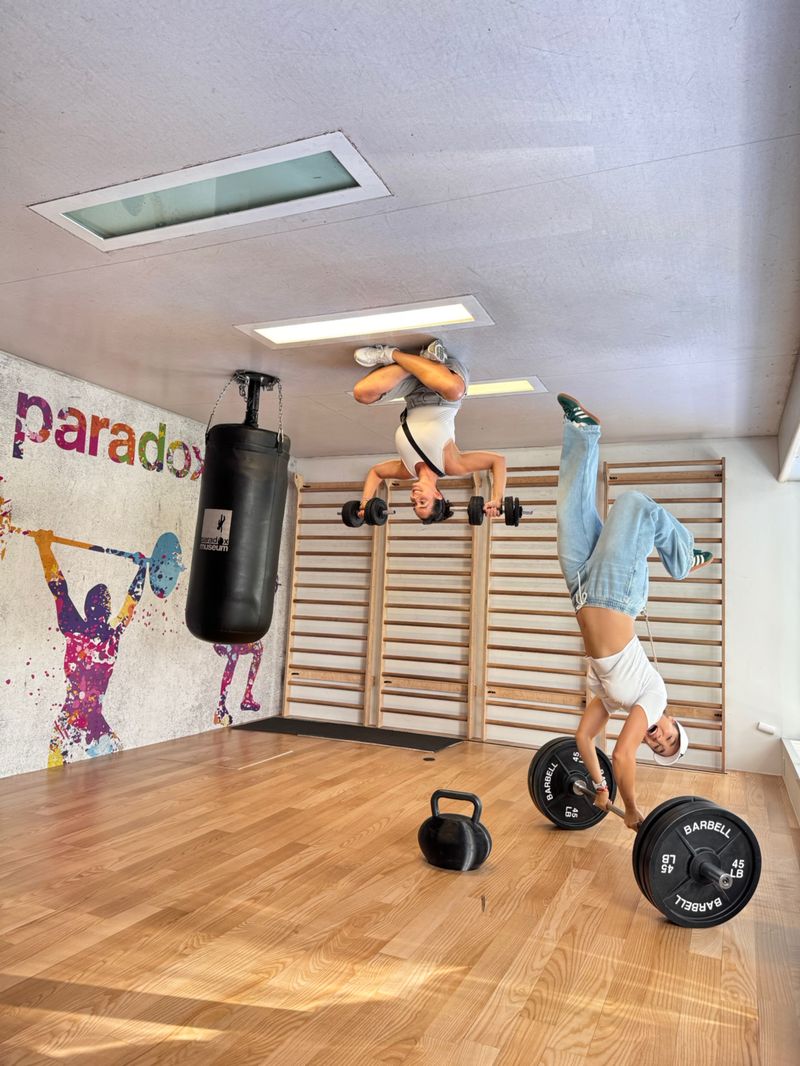
Paradox Museum cranks illusions into full theater, nudging you to doubt your own eyes and still grin about it. The Zero Gravity Room flips orientation until your brain protests, then gives in and laughs.
Nearby, perspective sets turn a simple pose into a head scratching scene that photographs like magic.
Exhibits mix tactile switches, bold graphics, and clean explanations so you know the why without killing the wow. You move at your own pace, backtracking for second takes when a trick finally clicks.
Staff are quick with tips, helping nail the angles that sell the effect.
Compared to quieter museums, this one is loud, bright, and social. Friends trade phones, strangers cheer, and the whole place feels like a collaborative prank.
That energy is the point, and it sticks.
Plan for an hour or two, and aim for off peak slots if you want space to experiment. Comfortable shoes help with all the tilting and stepping.
Leaving, you will notice how sidewalks and stair rails suddenly look like props in a very convincing set.
teamLab Borderless — Tokyo, Japan
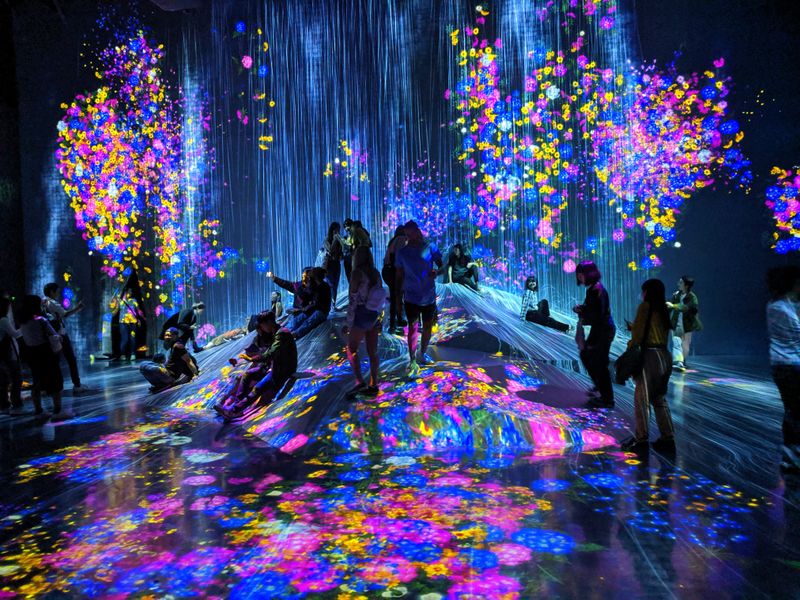
teamLab Borderless removes walls in every way that matters. Art spills from one room into the next, drifting like weather so you never see the same show twice.
Walk slowly and flowers follow, turn fast and a flock of light scurries ahead, adapting to the rhythm of your steps.
The trick is to ditch the map and chase curiosity. Doors open onto fields of color, then into dark caverns where constellations rearrange around your silhouette.
Sounds swell and fade as if the whole museum is breathing with you.
Unlike Planets, you will not wade through water, but you will still feel submerged in motion. Patterns migrate, collide, and morph across surfaces, as if the building discovered tides.
It is a museum that rewards wandering like a city at night.
Go early or late to soften the crowds, and plan for plenty of time because exits feel optional. This is the rare place where getting lost is the whole point.
When you finally step back outside, the street lights look organized by someone who just learned joy.
Atelier des Lumières — Paris, France
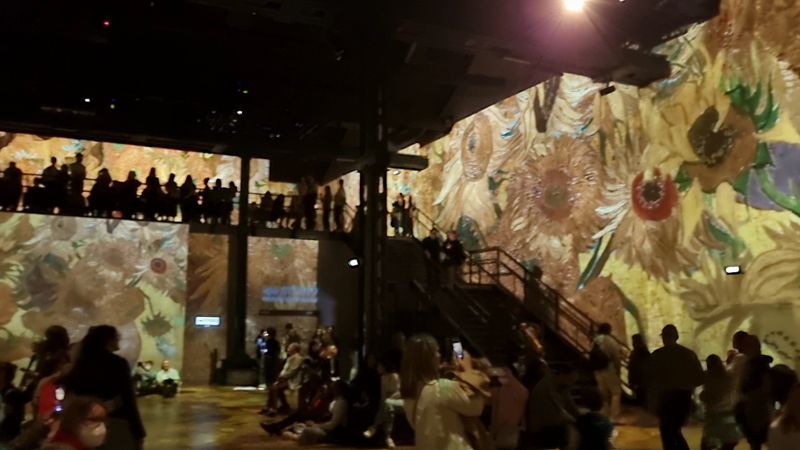
Atelier des Lumières turns a former foundry into a cathedral of motion, where classics like Klimt or Van Gogh flood every surface. You do not stand before a painting, you stand inside the brushstrokes as they glide and multiply.
Music carries the room, guiding your gaze with gentle swell and hush.
The scale does heavy lifting, but the curation keeps it tender. Images unfold in sequences that feel like stories, not slideshows, and the industrial bones of the building add grain to the light.
People sit on the floor without thinking twice, letting the show wash over them.
It is ideal for mixed groups, especially anyone who finds traditional galleries intimidating. You can talk in a whisper or not at all, and both feel right.
The projection cycles repeat, so you can arrive at any time and still catch the full wave.
Buy tickets ahead on weekends, and bring a layer because the space can run cool. If you linger by the edges, you will see details most folks miss.
Leaving, you will want to revisit old paintings with a fresh appetite for movement and sound.
Bassins des Lumières — Bordeaux, France
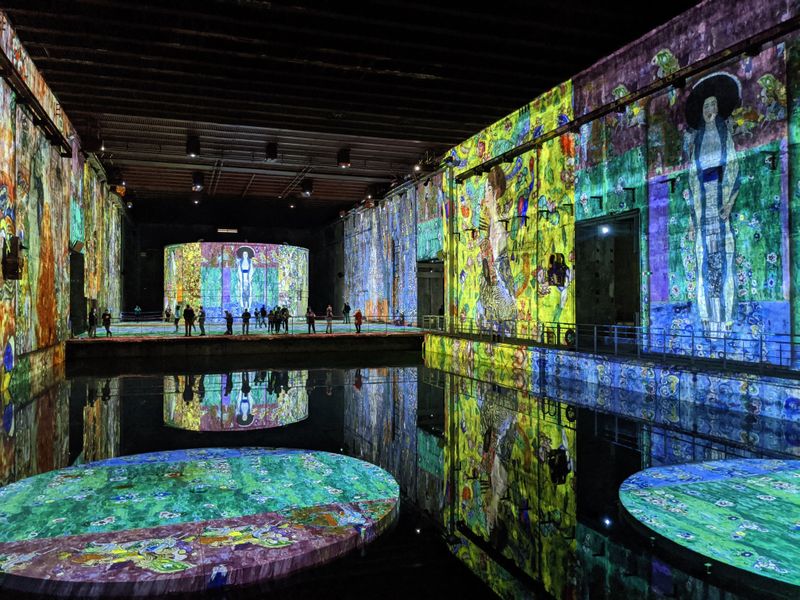
Bassins des Lumières places art on water inside a massive submarine base, and the reflections do half the storytelling. Projections stretch over concrete and ripple across dark pools, doubling images until they feel weightless.
The echoing soundscape turns footsteps into part of the score.
The site’s military history lingers, giving the light a tender defiance. Curators lean into the scale, pacing sequences so your eyes and ears have room to breathe.
From a walkway, you watch colors drift and then deepen like a tide change.
Compared to a Parisian cousin, this venue feels more solemn, more architectural, and wonderfully cinematic. The water’s surface constantly edits the show, making each angle a fresh cut.
You will find yourself moving slowly, chasing reflections as much as images.
Tickets sell out in peak seasons, and evenings add extra drama to the space. Wear comfortable layers and take your time on the ramps.
When you step outside, the river and city lights feel synced to a rhythm you just learned.
Interactive Hubs at Natural History and Science Museums — Global
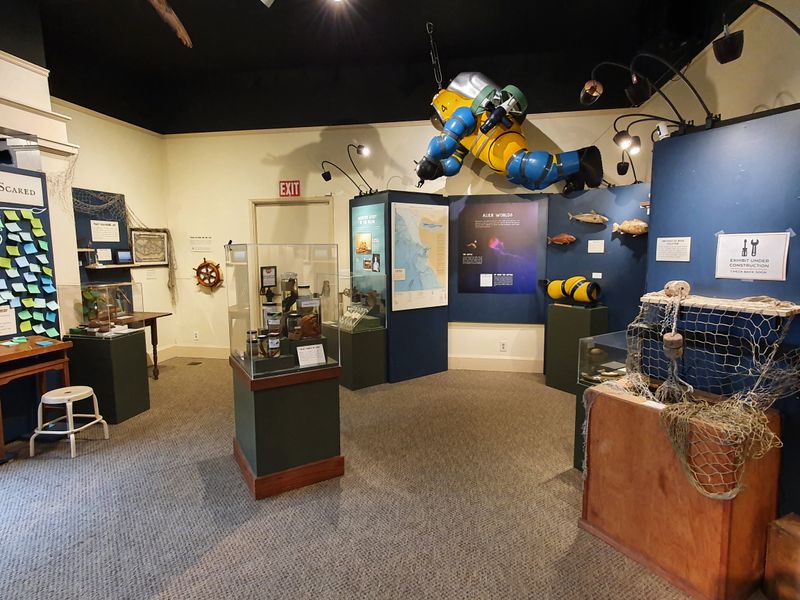
Interactive hubs at major science and natural history museums turn complex ideas into touchable experiences. You can ride an earthquake simulator, pilot a flight panel, or test a mini wind tunnel without a PhD.
The learning sneaks up on you because your hands go first, and your eyes follow the result.
Think of places like the Smithsonian National Air and Space Museum or London’s Science Museum, where labs invite tinkering and curiosity is the ticket. Educators float through with prompts, offering just enough nudge to keep momentum.
Kids lead, adults learn to follow gracefully, and everyone wins.
What makes these hubs immersive is not just screens, it is consequence. Pull a lever, data changes, and then the story updates in real time.
You feel accountable to the experiment, which is the best teacher.
Arrive early to avoid crowds and claim time on the popular simulators. Short attention spans thrive here, but deeper dives are available if you slow down.
You leave with a gentle buzz, the kind that turns bus rides into little laboratories for noticing how the world moves.
ArtScience Future World — Singapore
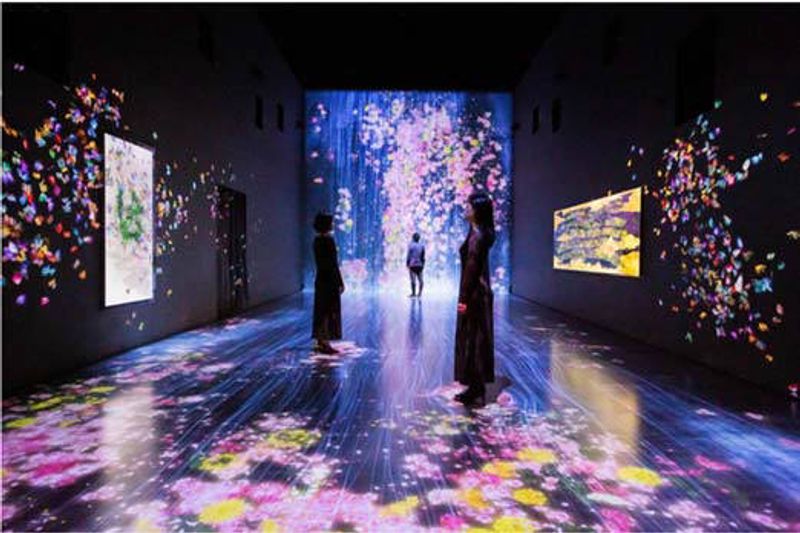
Future World inside the ArtScience Museum deserves its own spotlight because it feels like a living playground. You draw a fish and it swims a second later, or run across a room and flowers pop open at your feet.
The line between visitor and artwork is almost gone, replaced by a messy, joyful loop.
Rooms vary from serene constellations to bustling digital cities, and you can steer the vibe with movement. Families love it, dates get playful, and solo wanderers find calm by watching patterns settle.
The tech is precise, but the experience stays wonderfully human.
Exhibit cycles refresh often, so repeats are rewarded with new scenes and behaviors. Staff encourage gentle interaction, and the space holds up to curious hands.
You will catch yourself grinning at a wall like it told a good joke.
Buy timed tickets, aim for quieter weekday slots, and give yourself room to linger. Comfortable shoes help, and so does a willingness to look a little silly.
Leaving, you carry a small ache to keep making things that react when someone walks by.



