 Unearth The Voyage
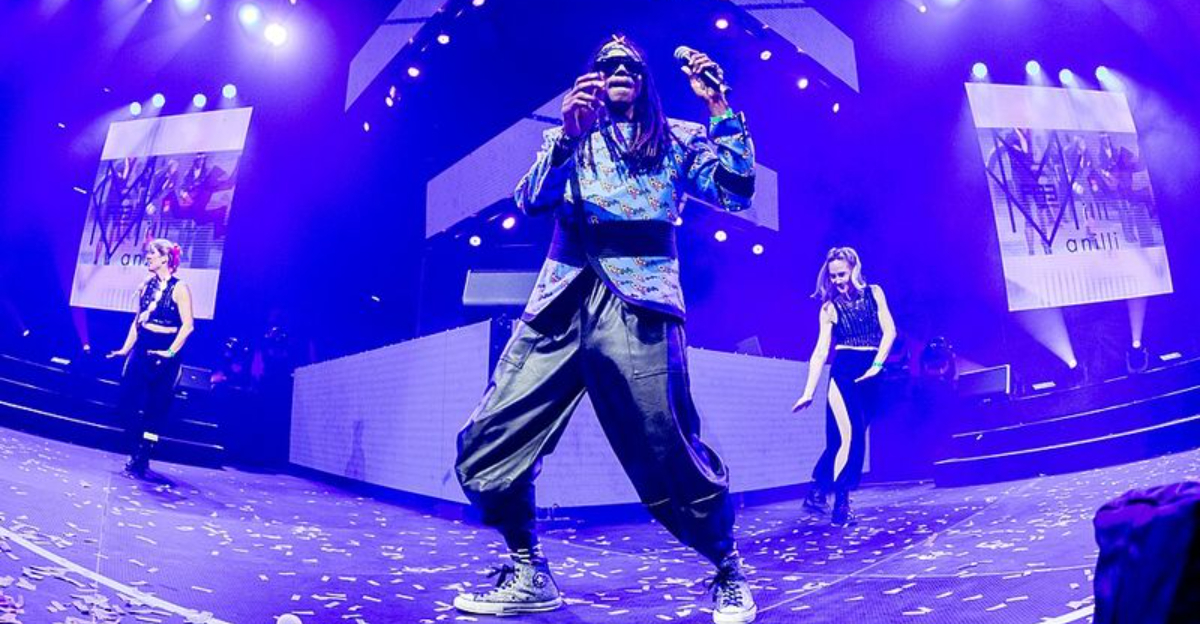
Not every music superstar has a picture-perfect voice, and that’s actually more common than you might think. Some of the biggest names in the industry have faced serious criticism for their singing abilities, yet they still landed major record deals and built massive careers.
What they lacked in vocal power, they made up for in charisma, stage presence, and smart branding. Their stories prove that talent in the music world is about much more than just hitting the right notes.
1. Bob Dylan
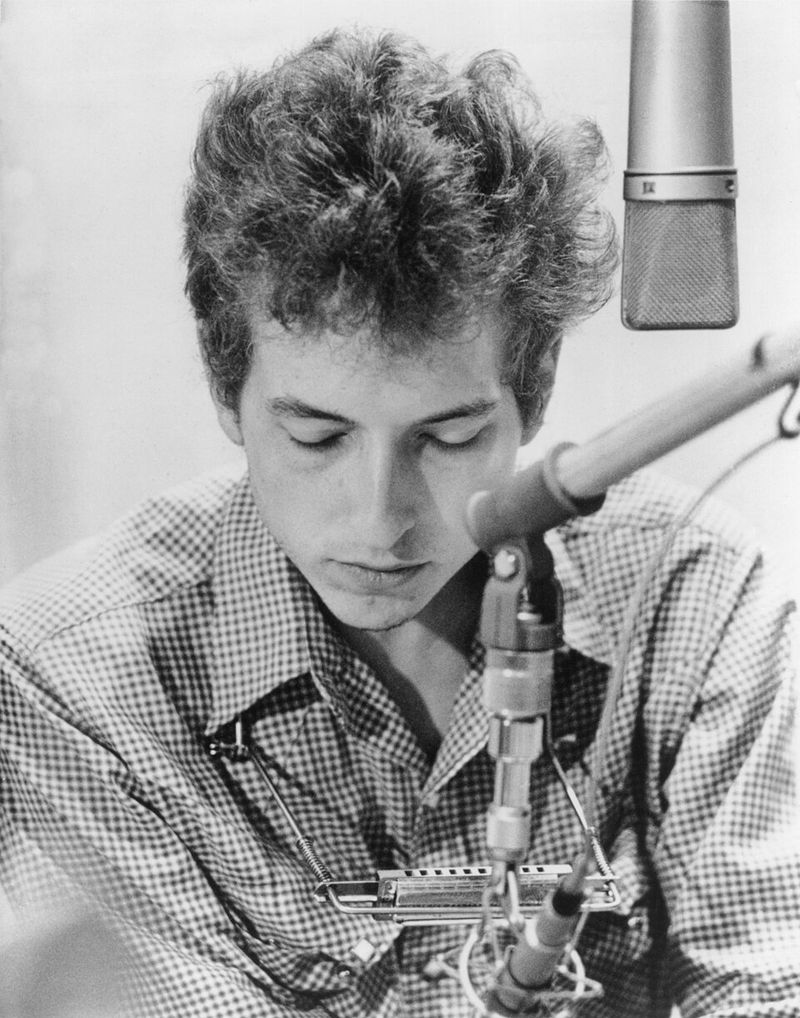
Few voices in music history have sparked as much debate as Bob Dylan’s. Critics have called his singing nasally, rough, and even unpleasant, yet Columbia Records signed him in 1961 and changed music history forever.
His voice was an acquired taste that millions eventually grew to love deeply.
Dylan proved that raw storytelling could outweigh vocal polish any day of the week. His lyrics tackled civil rights, war, and human emotion in ways that left audiences speechless.
The words did the heavy lifting, and the voice became part of the identity.
He went on to win the Nobel Prize in Literature in 2016, a stunning achievement for a musician. Dylan’s career is a masterclass in how artistic vision and authentic expression can triumph over technical singing ability every single time.
2. Selena Gomez
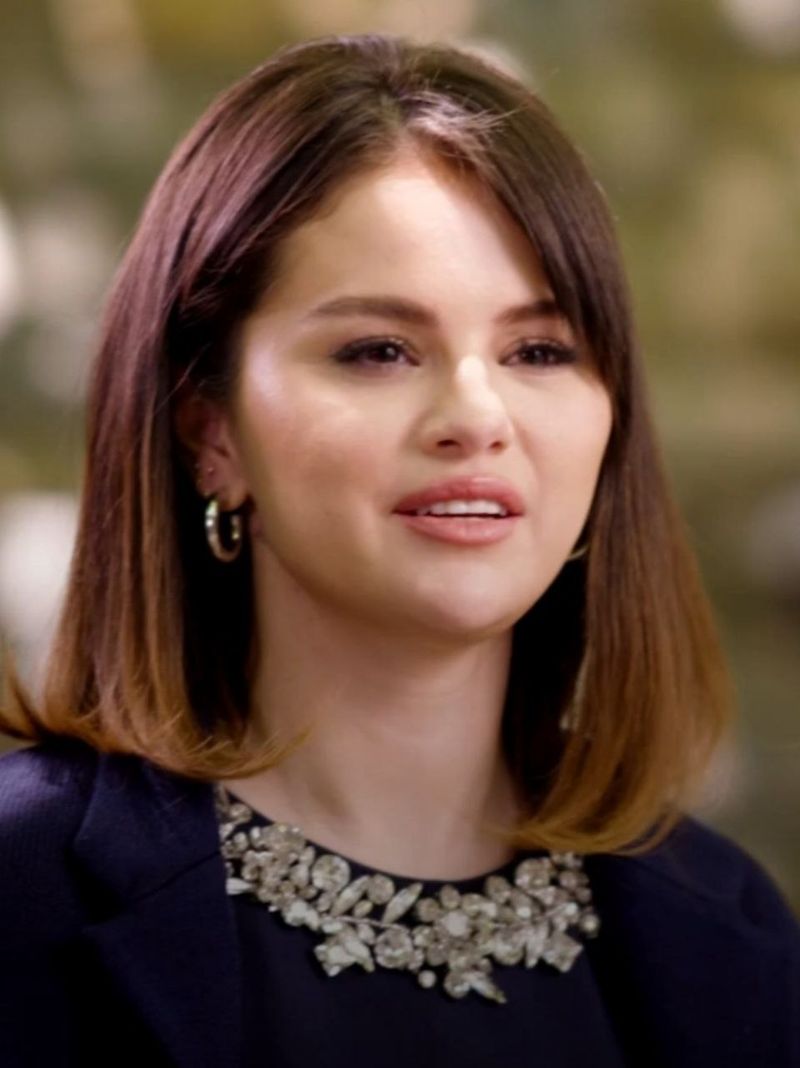
Selena Gomez has faced vocal criticism throughout her career, with many music reviewers pointing out her limited range and thin tone during live performances. Still, Hollywood Records and Interscope Records saw something undeniable in her, and they were absolutely right to take the chance.
Her appeal goes far beyond her singing voice. She connects with fans on a deeply personal level, sharing her health struggles and emotional journey with remarkable honesty.
That authenticity has built one of the most loyal fanbases in modern pop music.
Gomez has sold over 210 million records worldwide, making her one of the best-selling music artists of all time. She has also expanded into acting and business, proving that a multifaceted personality can carry a career further than a powerful voice alone ever could.
3. Paris Hilton
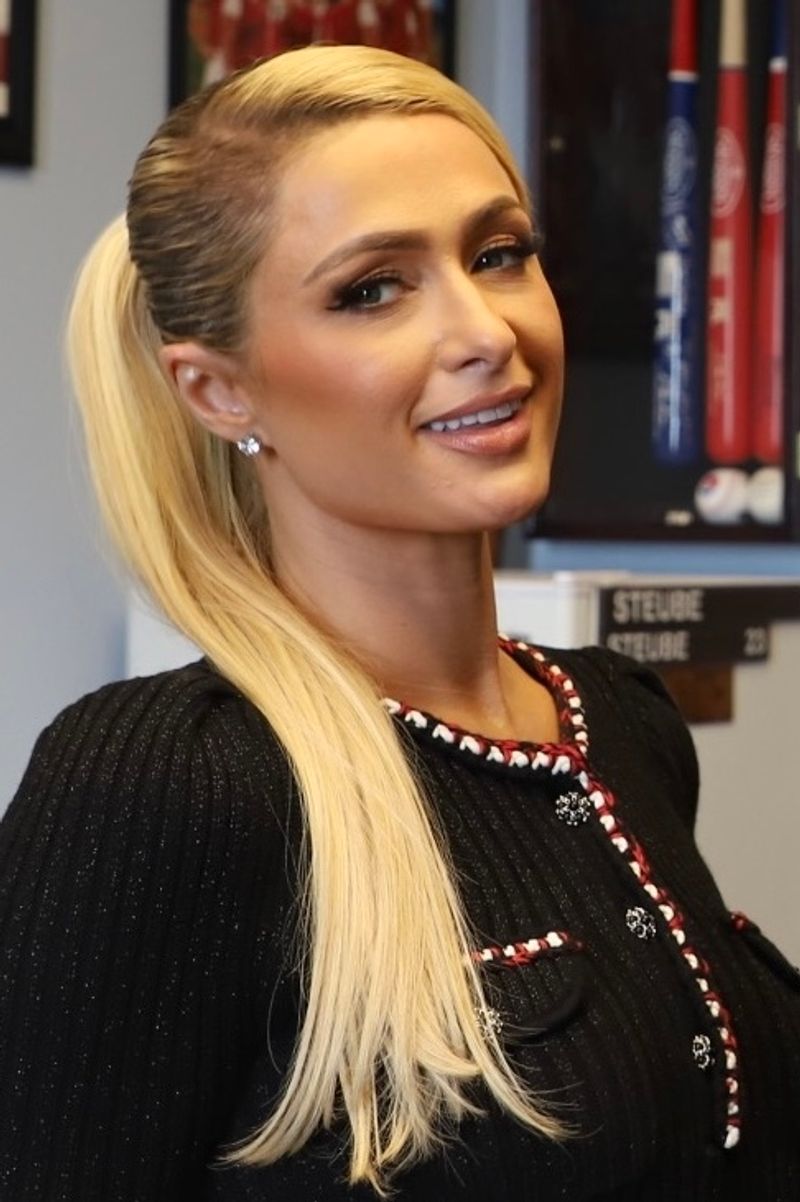
When Paris Hilton released her debut single “Stars Are Blind” in 2006, the music world was skeptical from the very start. Critics questioned whether her record deal with Warner Bros.
Records was based on talent or simply on her celebrity status and tabloid fame.
Surprisingly, the song performed decently on international charts and showed that Hilton had a certain breezy pop charm. Her voice was soft and limited, but the production around it was catchy enough to earn genuine airplay across multiple countries.
She later transitioned into DJing, which suited her public persona far better than traditional singing ever did. Paris Hilton’s music journey is a fascinating reminder that the entertainment industry sometimes bets on personality and brand recognition just as much as raw vocal talent.
Fame, it turns out, has its own kind of currency.
4. Ashlee Simpson
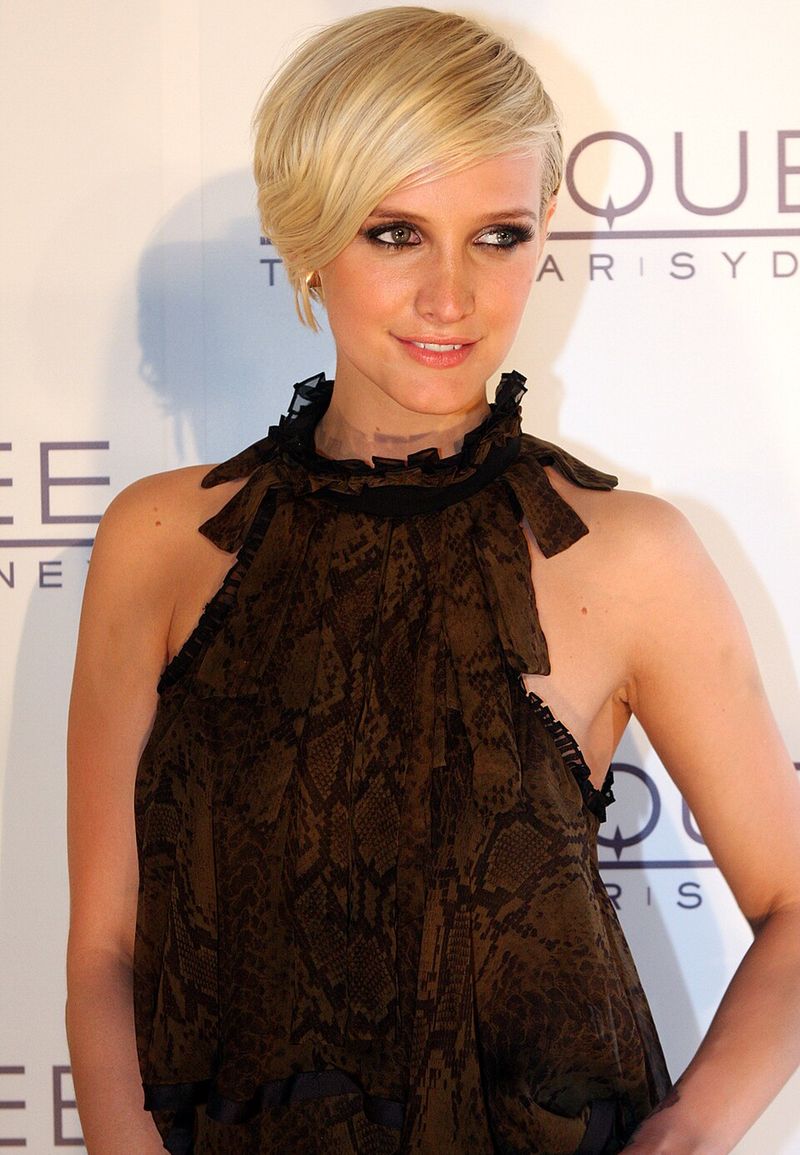
Ashlee Simpson’s career took a dramatic turn in 2004 when a lip-syncing incident on Saturday Night Live exposed the gap between her studio sound and her live vocal abilities. The moment went viral before viral was even a common term, and the public backlash was fierce and immediate.
Despite the controversy, her debut album “Autobiography” had already sold over four million copies worldwide by that point. Geffen Records had clearly seen enough commercial potential to stand behind her, and the sales figures backed that decision up solidly.
Simpson’s story is honestly a complicated one. She had real songwriting involvement and genuine artistic ambitions, but the pressure of live performance exposed real limitations.
Her career slowed significantly after the SNL incident, but she remains a notable example of how image and production can elevate an artist well beyond their natural vocal ceiling.
5. William Hung
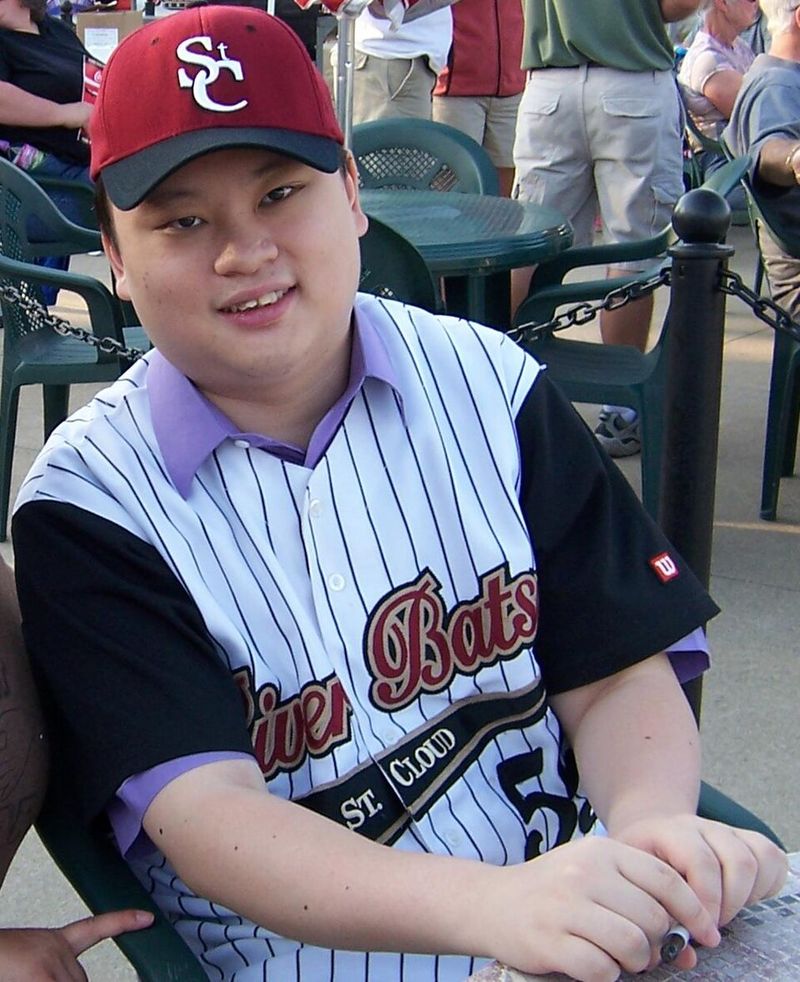
William Hung became famous for all the wrong reasons after his off-key audition of Ricky Martin’s “She Bangs” on American Idol in 2004. The judges were blunt, the audience laughed, and most people assumed that was the end of the story.
They were completely wrong.
His joyful enthusiasm and total lack of self-consciousness turned him into an unexpected pop culture phenomenon overnight. Koch Records quickly signed him, and his debut album “Inspiration” actually sold over 37,000 copies in its first week, which genuinely surprised industry insiders.
Hung never claimed to be a great singer, and that honesty was part of his charm. His story raises interesting questions about what a record deal actually means in the modern entertainment landscape.
Sometimes a compelling personality and a cultural moment matter more than vocal training or musical skill ever could.
6. Rebecca Black

“Friday” by Rebecca Black became one of the most mocked songs on the internet when it dropped in 2011. The auto-tuned vocals, simple lyrics, and oddly literal songwriting made it an easy target for critics and online commentators everywhere.
Yet the song racked up hundreds of millions of views.
That kind of attention was impossible for record labels to ignore completely. The viral moment launched her into a genuine music career, and she later signed deals that allowed her to release more polished and mature material as she grew older and developed her sound.
Black has spoken openly about the emotional toll the early mockery took on her as a teenager. Her resilience is genuinely admirable.
She turned one of the internet’s biggest jokes into a launching pad, and her continued presence in music shows that persistence and self-awareness can outlast even the harshest criticism.
7. Vanilla Ice
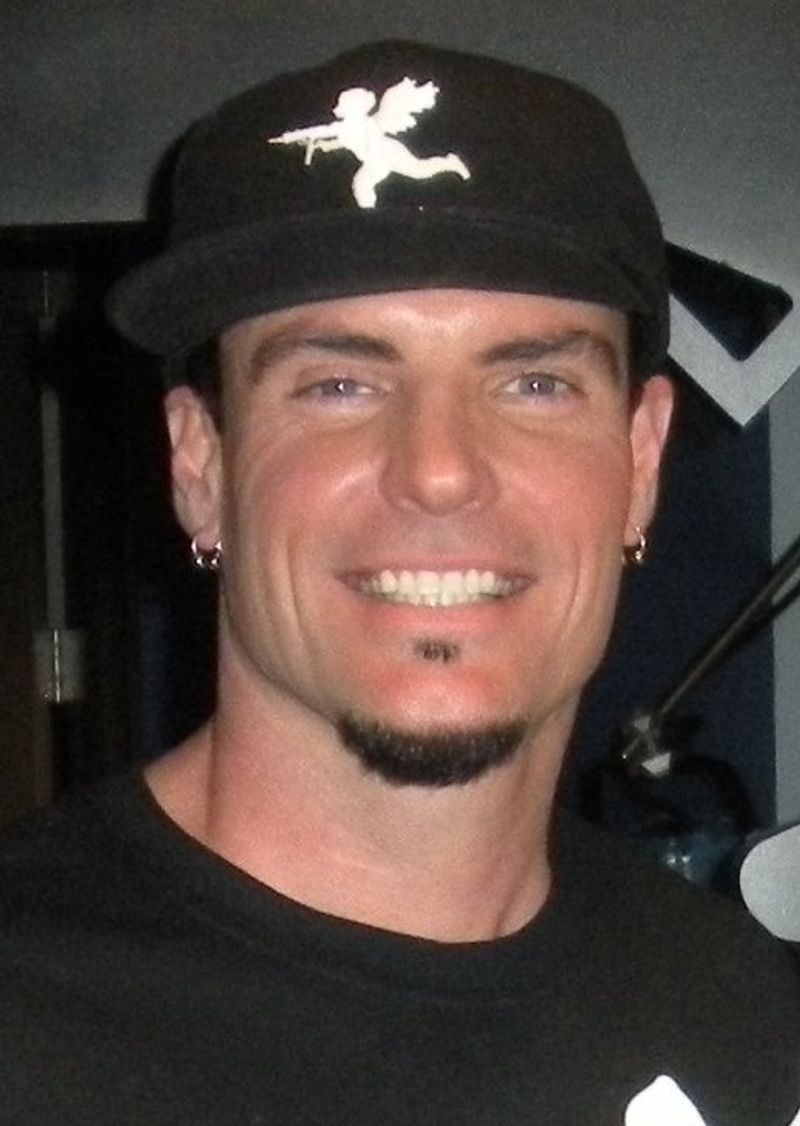
Vanilla Ice burst onto the music scene in 1990 with “Ice Ice Baby,” a song that became inescapable on radio stations and MTV. Critics were quick to dismiss him as a gimmick, pointing out his stiff delivery and questioning whether he truly belonged in hip-hop culture at all.
SBK Records clearly saw dollar signs, and they were not wrong. The debut album “To the Extreme” sold over 15 million copies worldwide, making it one of the best-selling rap albums in history at the time.
The commercial success was undeniable regardless of critical opinion.
His career faded quickly as hip-hop evolved and audiences moved on, but that initial explosion of success was real. Vanilla Ice remains a fascinating case study in how marketing, timing, and a genuinely catchy hook can launch a career even when the core talent draws serious skepticism from music professionals.
8. Madonna
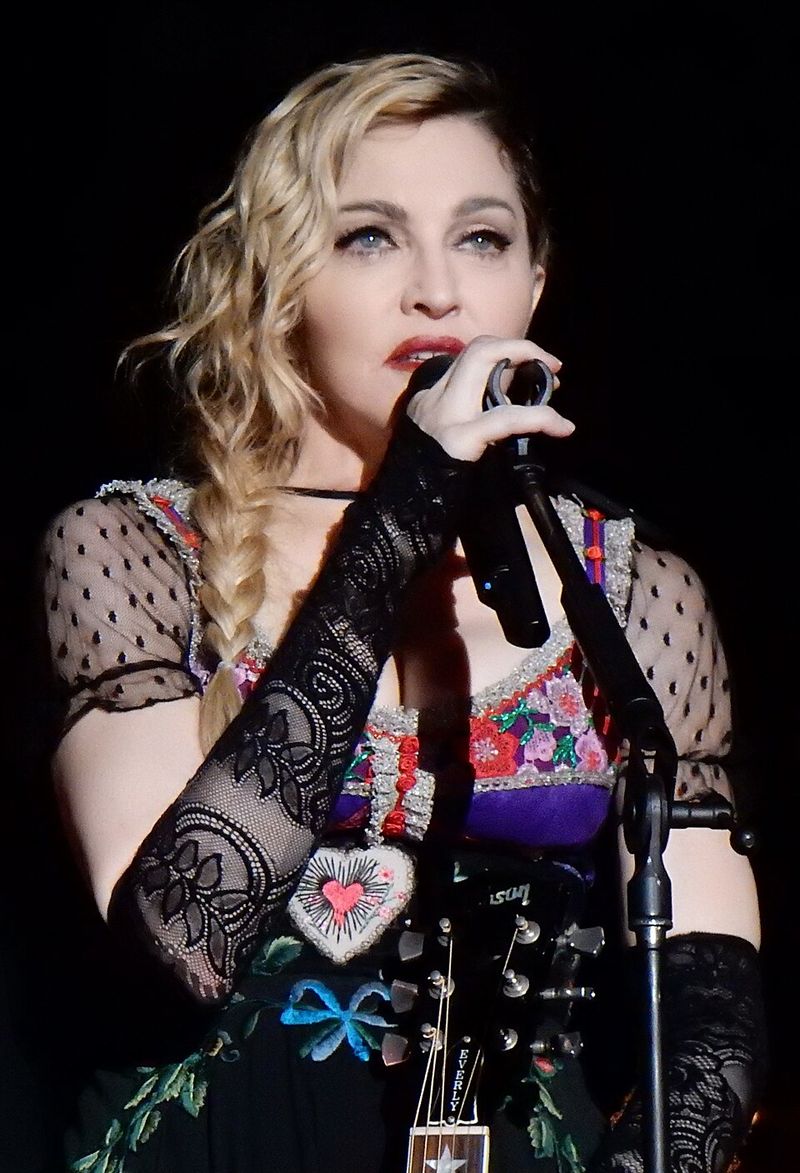
Madonna’s voice has been a topic of debate since she first appeared on the music scene in the early 1980s. Critics have described her singing as thin, limited in range, and heavily reliant on studio production to sound its best.
Sire Records signed her anyway, and the rest is history.
What Madonna lacked in raw vocal power, she more than made up for in reinvention, visual storytelling, and an almost supernatural instinct for cultural trends. She understood image, controversy, and timing in ways that most artists never fully grasp throughout their entire careers.
With over 300 million records sold, she is the best-selling female music artist of all time. Her success is a powerful argument that a compelling artistic identity can build a legacy that pure vocal talent alone simply cannot guarantee.
Madonna rewrote the rules of what pop stardom actually requires.
9. Jennifer Lopez
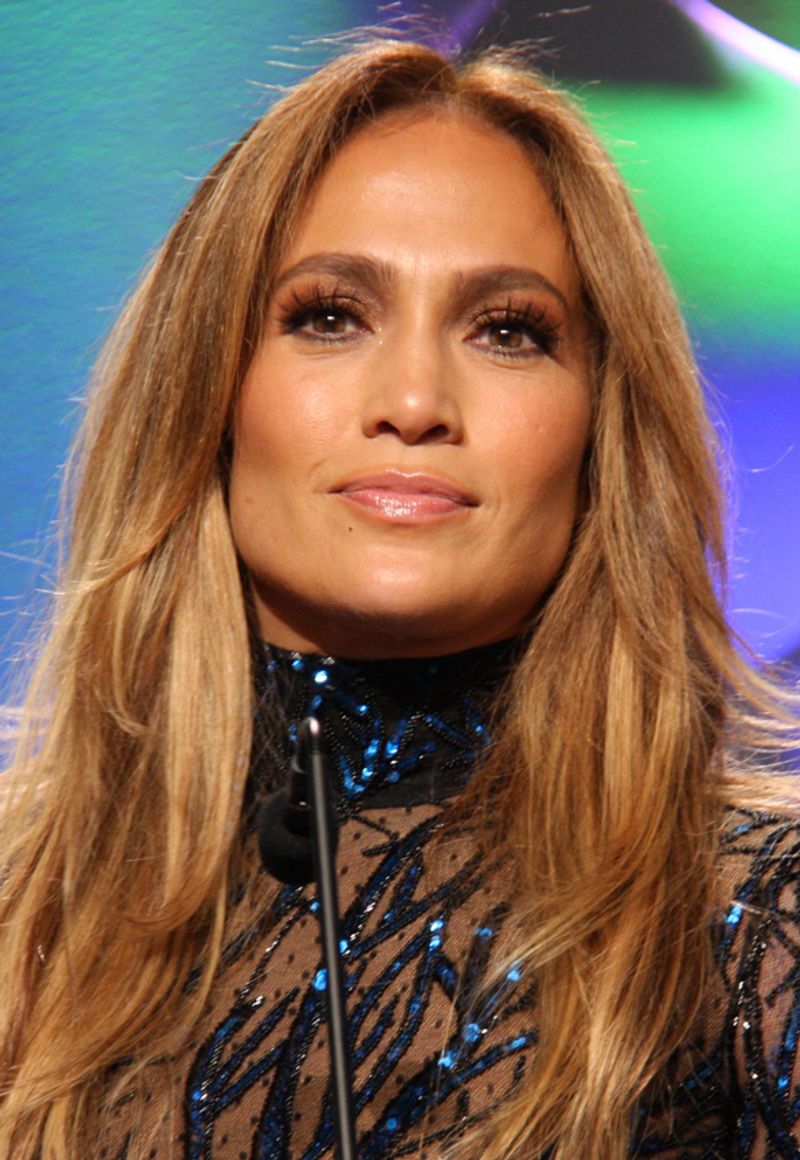
Jennifer Lopez made her music debut in 1999 with the album “On the 6,” and vocal critics were almost immediately skeptical. Her singing voice was considered breathy and limited compared to the powerhouse vocalists dominating pop and R&B at the time.
Sony Music signed her regardless.
What Lopez brought to the table was something harder to quantify but impossible to ignore. Her dancing was exceptional, her screen presence was magnetic, and her overall package as an entertainer was simply more compelling than most.
The combination worked spectacularly well in the marketplace.
She has sold over 80 million records worldwide and remains one of the highest-paid entertainers on the planet. Lopez is proof that being a complete performer matters enormously in today’s music industry.
Audiences respond to the full experience, and she delivers that experience with a consistency very few artists can match over a long career.
10. Britney Spears
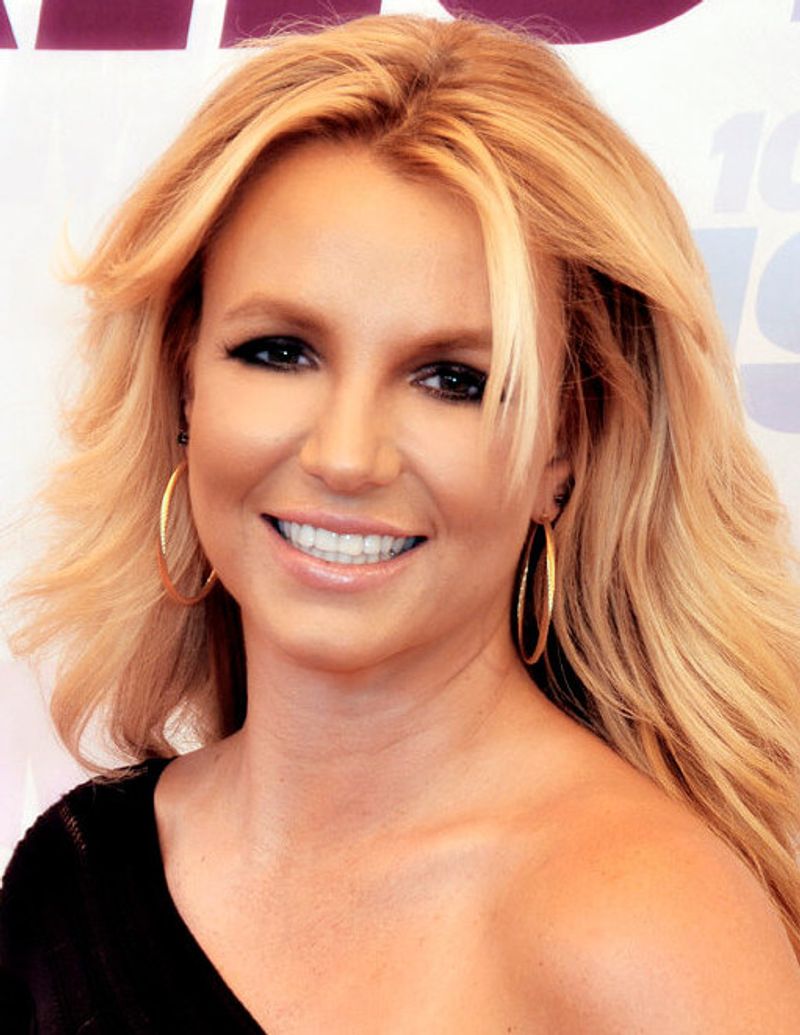
Britney Spears became a global pop phenomenon with “…Baby One More Time” in 1998, but vocal coaches and music critics were always somewhat divided on her actual singing abilities. Her voice was considered light and heavily processed, relying on production tricks to reach its full potential.
Jive Records bet big on her youthful energy, her dancing, and her undeniable star quality, and that bet paid off in extraordinary fashion. She became one of the defining pop artists of an entire generation, shaping the sound and look of early 2000s music in lasting ways.
Spears has sold over 150 million records globally, making her one of the best-selling music artists in history. Her story also opened important conversations about mental health and industry pressures on young performers.
Whatever critics said about her voice, her cultural impact is simply impossible to overstate or dismiss.
11. Kesha (early career)
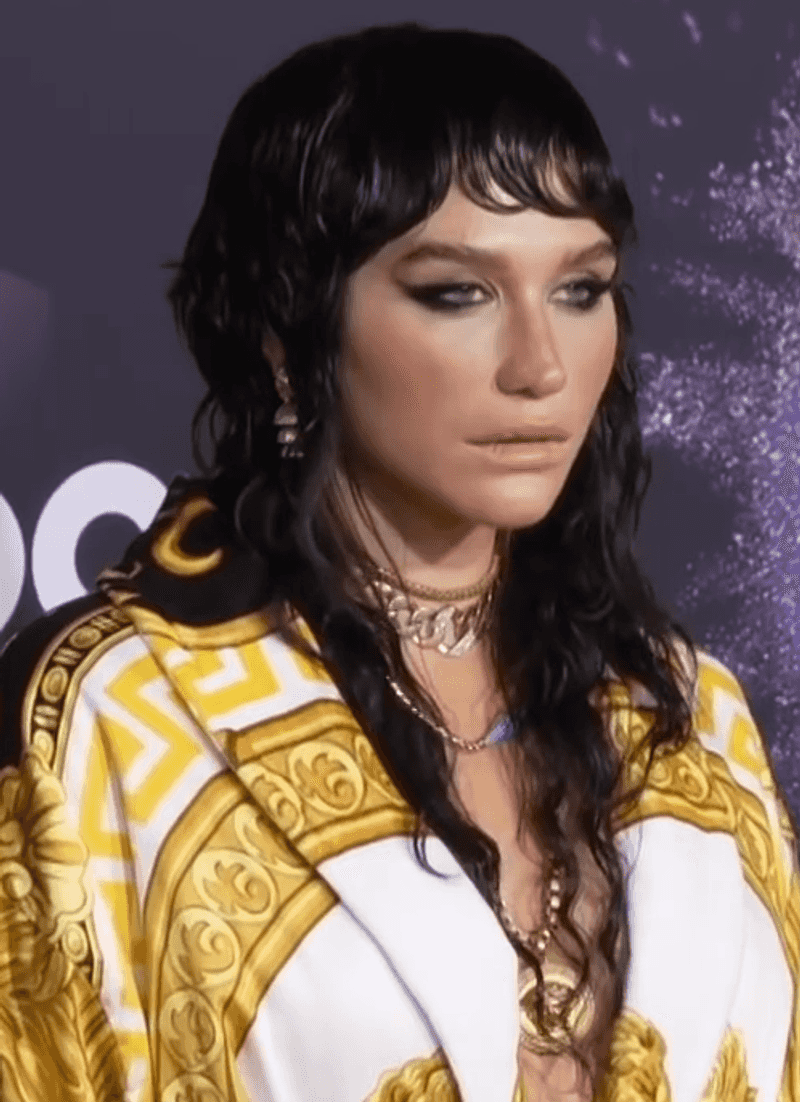
When Kesha first exploded onto the pop scene with “TiK ToK” in 2009, the talk-singing style she used was instantly polarizing. Her delivery was more spoken word than traditional singing, and plenty of critics questioned whether she had enough vocal ability to sustain a real recording career.
RCA Records clearly understood what she brought to the party. Her rebellious party-girl persona, sharp wit, and knack for writing absurdly catchy hooks made her one of the most commercially dominant artists of the early 2010s. “TiK ToK” was the most-played song of 2010 in the United States.
Later in her career, Kesha revealed a far more powerful singing voice on her album “Rainbow,” silencing many of her early doubters. Her journey from talk-singer to genuine vocalist is one of the more surprising and satisfying artistic evolutions in recent pop music memory.
12. Tom DeLonge
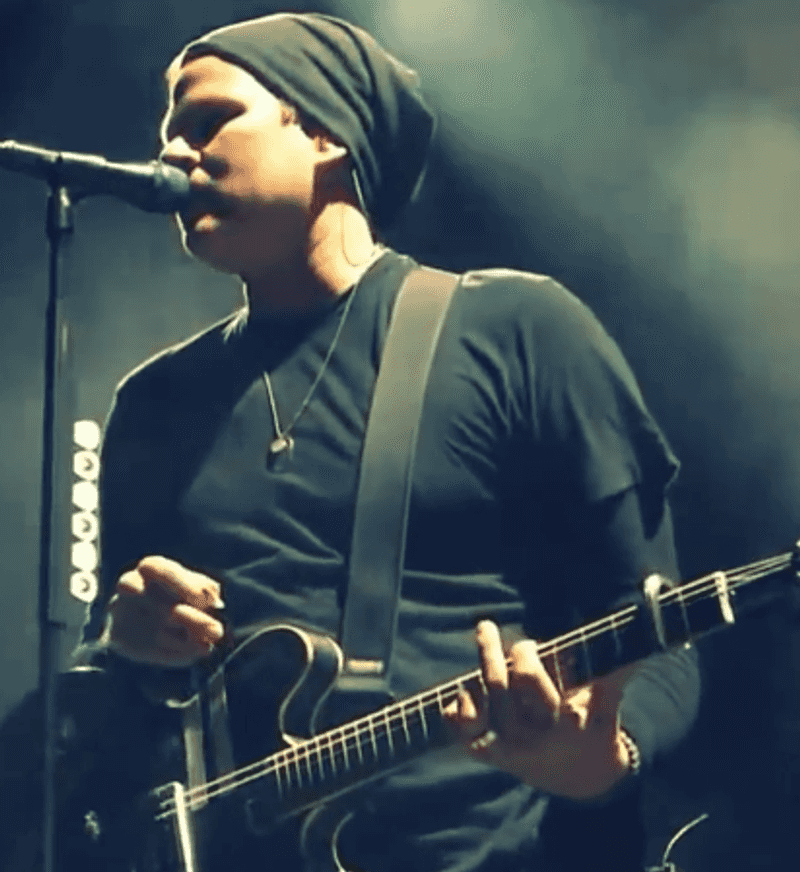
Tom DeLonge of Blink-182 has one of the most recognizable and most imitated voices in pop punk history, but that does not mean it has been free from criticism. His exaggerated nasally accent and limited melodic range have drawn mockery from vocal purists and rock critics for decades.
MCA Records signed Blink-182, and the band went on to sell over 50 million albums worldwide. DeLonge’s vocal style became so iconic that it actually defined an entire generation of pop punk music and inspired countless imitators who copied his distinctive sound note for note.
There’s something genuinely interesting about a voice that gets criticized and parodied yet simultaneously becomes one of the most copied sounds in a genre. DeLonge’s career proves that distinctiveness and emotional connection with an audience can matter far more than technical vocal perfection or critical approval ever will.
13. Courtney Love
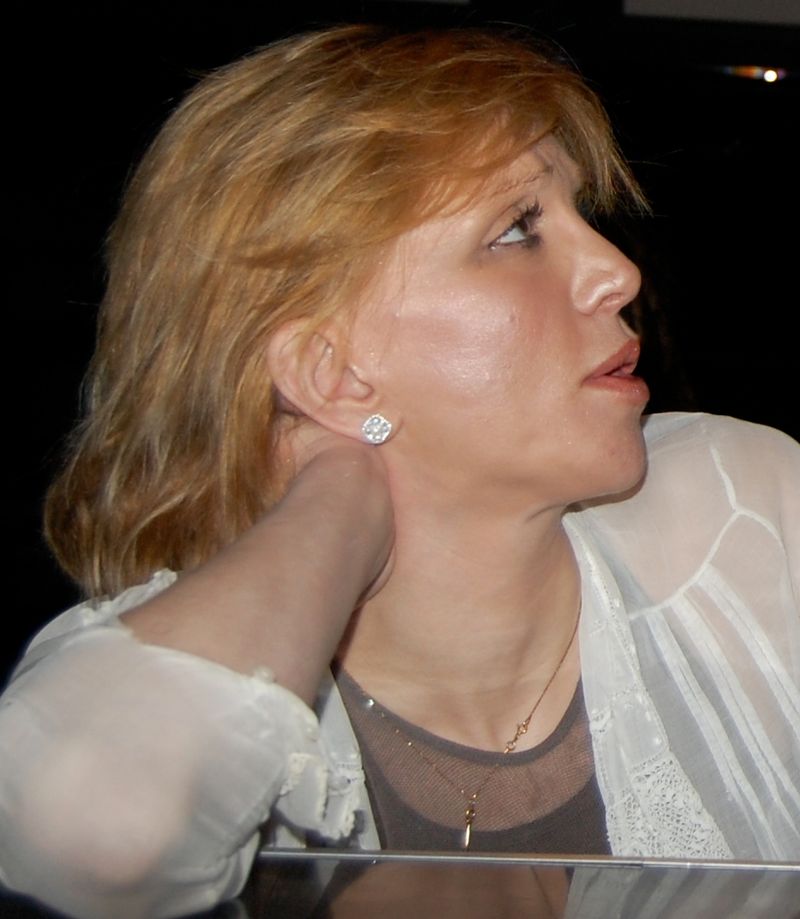
Courtney Love fronted Hole, one of the most talked-about alternative rock bands of the 1990s, and her vocal style was always more raw aggression than refined technique. Critics frequently described her singing as chaotic, screechy, and undisciplined in ways that made traditional vocalists wince.
DGC Records signed Hole anyway, and the band’s 1994 album “Live Through This” became a critical and commercial success that is still celebrated today. Love’s unpolished delivery actually felt perfectly matched to the emotional intensity of the music surrounding it.
Her voice carried pain, anger, and vulnerability in ways that more technically gifted singers sometimes struggle to convey convincingly. Rock music has always had room for singers who prioritize feeling over precision, and Love occupies that space with a fierce, undeniable presence.
Her influence on alternative and riot grrrl music remains significant and widely acknowledged by fans and fellow artists alike.
14. Scott Stapp
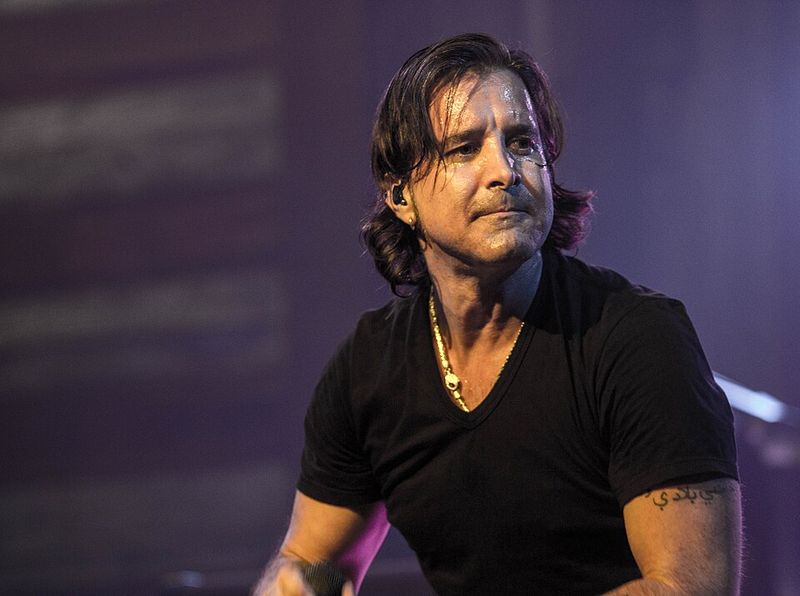
Scott Stapp became one of the most parodied vocalists of the late 1990s thanks to his intensely dramatic delivery and what critics called an overwrought, self-serious singing style. His tendency to stretch syllables and perform with theatrical heaviness made him an easy target for comedians and rock reviewers alike.
Epic Records signed Creed, and the band went on to sell over 50 million albums worldwide despite the critical backlash. Songs like “With Arms Wide Open” and “Higher” connected deeply with millions of fans who responded to the emotional sincerity in Stapp’s performances.
The gap between critical reception and commercial success is rarely more dramatic than in Creed’s story. Stapp’s voice divided opinion sharply, but it also created an undeniable emotional bond with a massive audience.
That connection is ultimately what record labels care about most when deciding who to sign and support.
15. Milli Vanilli
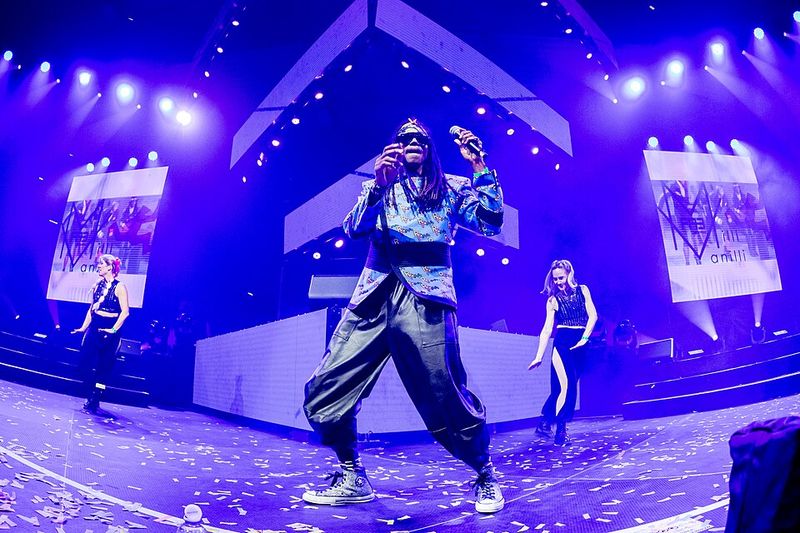
Milli Vanilli might be the most extreme example on this list, and for very good reason. The duo of Fab Morvan and Rob Pilatus did not actually sing on any of their recordings at all.
Real session singers performed all the vocals, while Morvan and Pilatus lip-synced during performances and videos.
Arista Records signed them, and the marketing machine worked brilliantly for a while. They won a Grammy Award for Best New Artist in 1990, only to have it revoked when the truth about their vocals became public knowledge in one of music history’s most embarrassing scandals.
The Milli Vanilli story is a cautionary tale about the music industry prioritizing image over authenticity. It also sparked serious conversations about honesty, artistic credit, and what it truly means to be a recording artist.
Few music scandals have left a longer-lasting impression on how the industry handles transparency.



