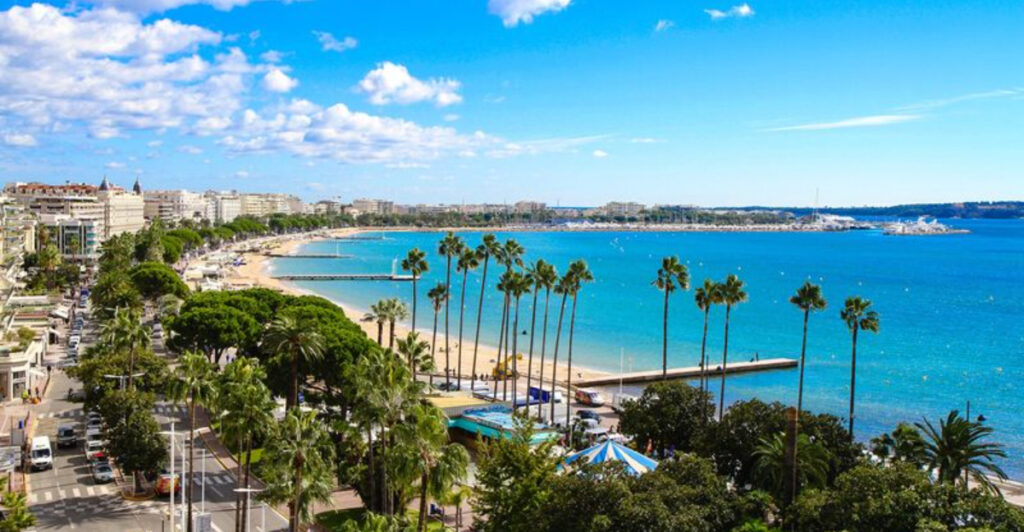
The French Riviera, or Côte d’Azur, has been captivating travelers for more than a century with its glamorous resorts, medieval villages, turquoise waters, and Mediterranean charm. From sun-drenched beaches to hilltop villages frozen in time, this stretch of coastline packs more beauty per mile than almost anywhere else in Europe.
Whether you’re a first-time visitor or a returning fan, the Riviera always has something new to offer. These 15 experiences capture the very best of one of the world’s most iconic destinations.
Stroll the Promenade des Anglais in Nice
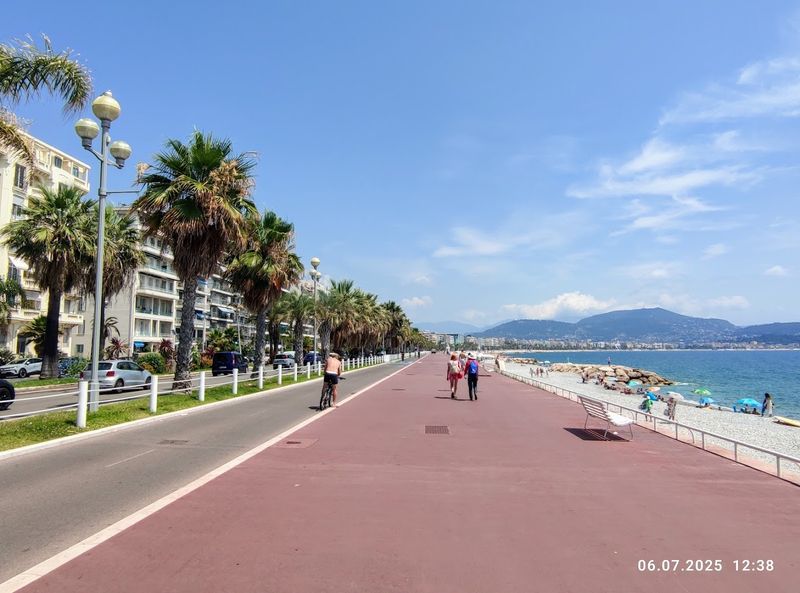
Picture yourself walking beside the sea with the warm Mediterranean breeze in your hair and the sound of gentle waves just steps away. The Promenade des Anglais in Nice is one of those places that instantly makes you feel like you’ve arrived somewhere truly special.
Stretching for nearly five miles along the shoreline, this legendary boulevard is the heartbeat of the city.
Built in the 1820s with funding from the local English community, the promenade has hosted royalty, artists, and millions of everyday travelers ever since. Elegant Belle Epoque hotels line one side while the pebbly beach and glittering bay stretch out on the other.
The contrast creates a scene that feels both timeless and alive.
Morning walkers, cyclists, and joggers share the wide path with tourists soaking in the views. Sunset hours transform the whole stretch into something almost magical, with the sky turning shades of pink and gold over the water.
Grab a coffee from a nearby café, find a bench facing the sea, and let the Riviera work its charm on you. This is one walk you will not forget.
Wander the Medieval Streets of Èze
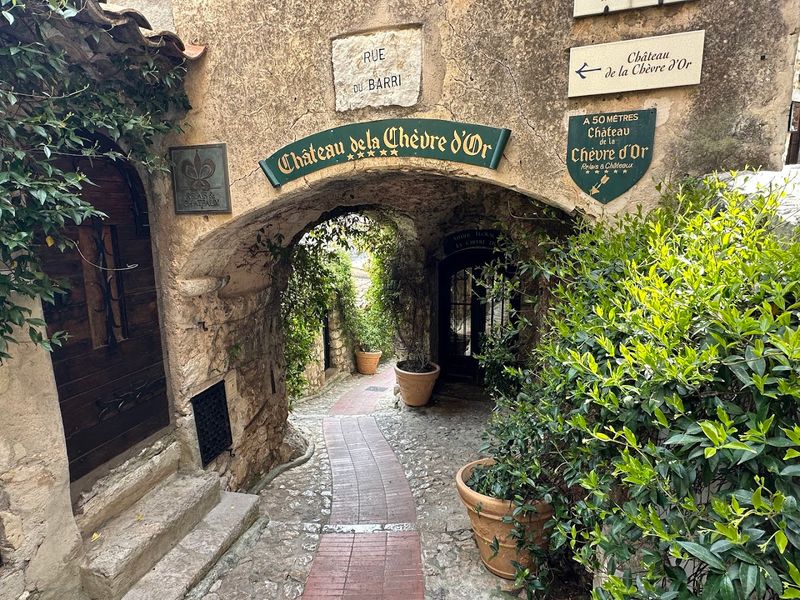
Clinging to a rocky clifftop nearly 1,400 feet above the sea, Èze is the kind of village that makes you question whether you’ve accidentally walked onto a movie set. Everything here looks impossibly picturesque, from the honey-colored stone walls to the tiny arched doorways and flower-draped windows.
Getting here involves a climb, but the reward is absolutely worth the effort.
The village dates back to the Middle Ages and has barely changed in centuries. Artisan boutiques selling perfumes, ceramics, and handcrafted jewelry are tucked into the winding lanes alongside tiny art galleries and cozy cafés.
Fragrance giant Fragonard even has a perfume factory here, offering free tours and a fascinating look at how scents are made.
At the very top of the village, panoramic views stretch across the entire coastline, from Monaco to the west and Italy shimmering in the distance to the east. On a clear day, you can spot Corsica on the horizon. Èze rewards slow exploration, so resist the urge to rush through.
Spend at least a couple of hours wandering without a plan, letting each twist and turn reveal something new.
Visit the Exotic Garden of Èze
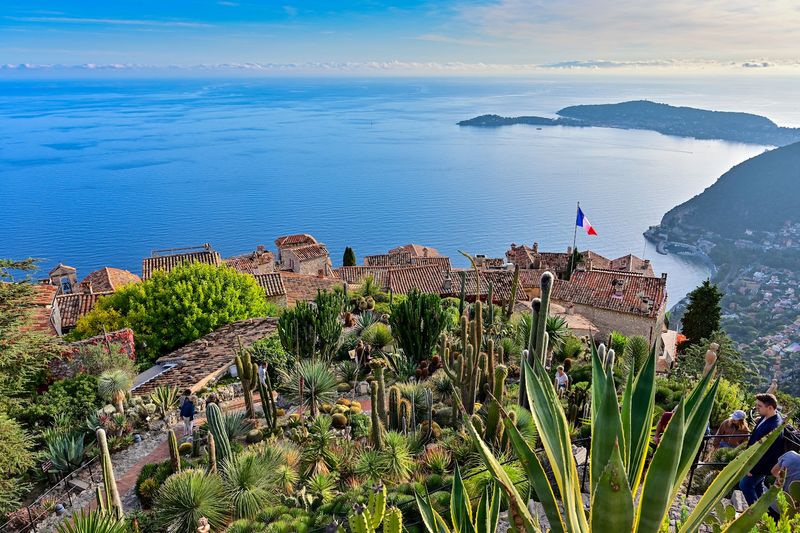
Cacti and sea views might not sound like an obvious pairing, but the Jardin Exotique in Èze pulls it off brilliantly. Perched right on the edge of the cliff where the old castle once stood, this remarkable garden is home to hundreds of rare succulents and cacti collected from deserts and dry regions around the world.
Some of the plants here are genuinely ancient, having been growing on this spot for well over a century.
Walking through the garden feels a little surreal. Towering spiky plants frame unobstructed views of the deep blue Mediterranean stretching out below, creating a visual contrast that is hard to describe and even harder to photograph without running out of battery.
Early morning visits are especially rewarding when the light is soft and the crowds are thin.
A small entrance fee covers access to the garden and the ruins of the medieval castle that once protected the village. Informational signs throughout help identify the plants and explain their origins.
The garden is compact enough to explore in about an hour, but the views alone justify every minute spent here. Pair it with a wander through the village itself for a complete Èze experience.
Experience the Glamour of Monaco
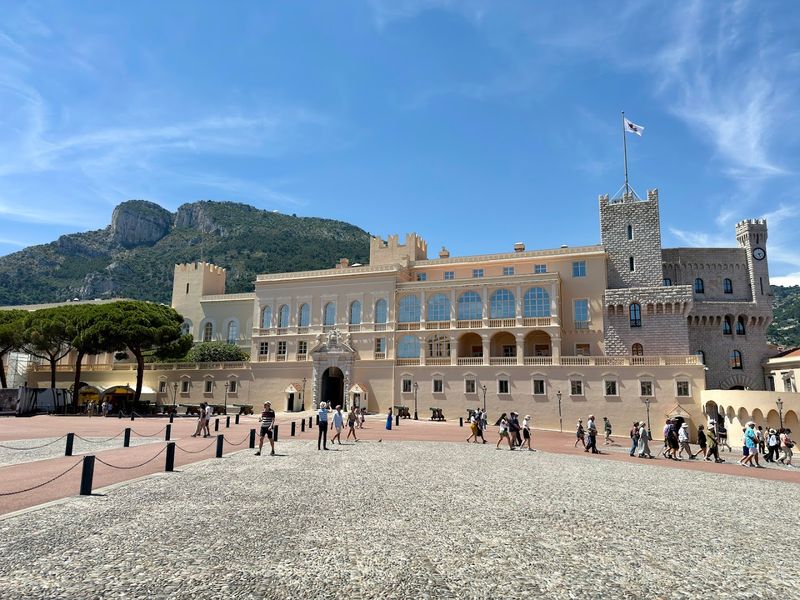
Monaco is technically its own country, but at just two square kilometers it’s the kind of place you can explore in a single day without missing much. What it lacks in size it more than makes up for in sheer spectacle.
Superyachts fill the harbor, sports cars cruise the narrow streets, and the Casino de Monte-Carlo stands like a grand wedding cake of a building overlooking it all.
The casino opened in 1863 and has been drawing the world’s wealthy ever since. Even if gambling isn’t your thing, the ornate interior is worth seeing.
Nearby, the Prince’s Palace sits on a rocky promontory above the harbor, offering guided tours and a daily changing of the guard ceremony that draws curious crowds every morning at 11:55.
Monaco’s old town, known as Le Rocher, is surprisingly charming and far less crowded than the glitzy harbor area below. The Oceanographic Museum, founded by Prince Albert I in 1910, houses an impressive collection of marine life and artifacts.
Street food stalls in the old town sell local specialties at reasonable prices, proving that Monaco isn’t entirely out of reach for budget-conscious visitors.
Explore Nice’s Old Town
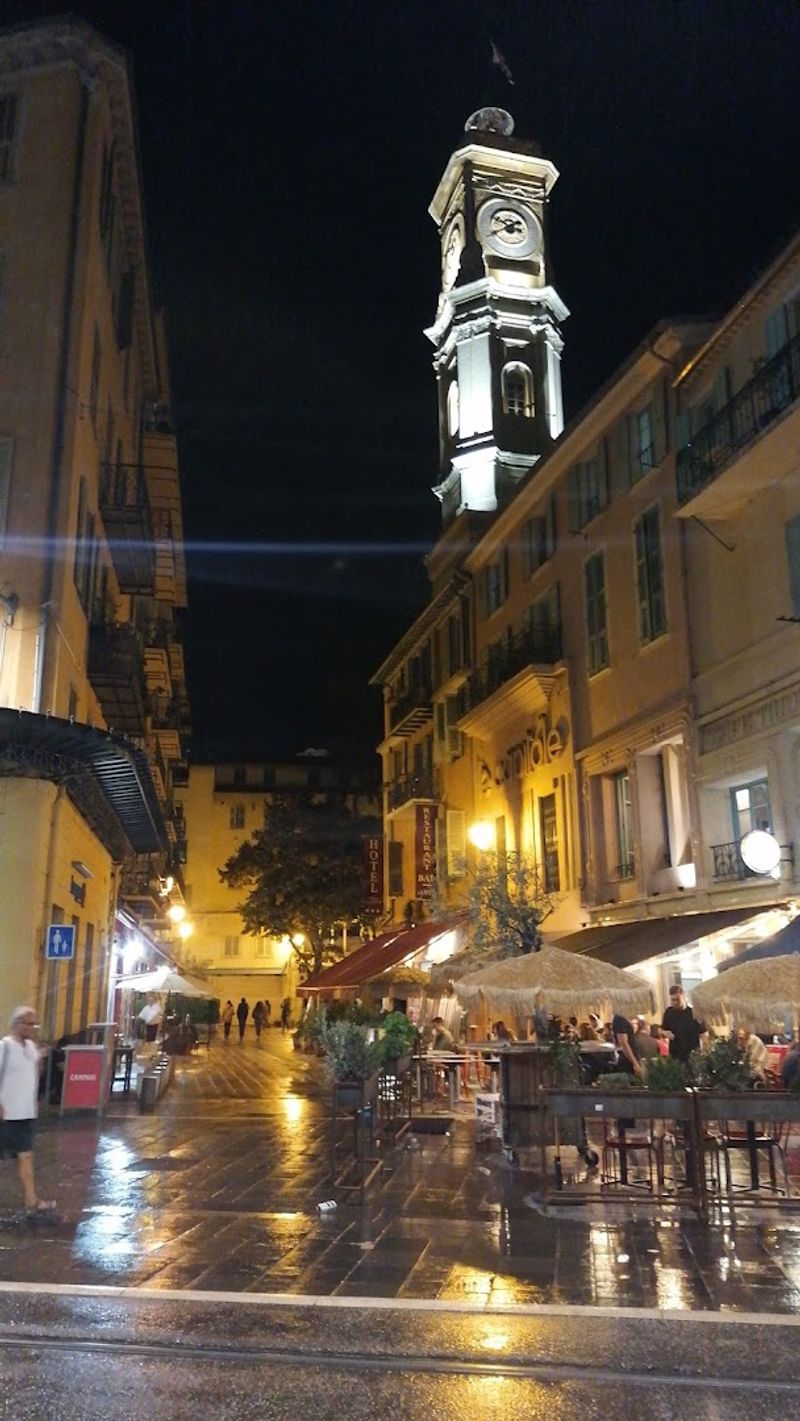
Step away from Nice’s beachfront and the city reveals a completely different personality. Vieux Nice, the old town, is a labyrinth of narrow streets, sun-faded buildings painted in shades of orange, yellow, and red, and lively squares that buzz with energy from morning until late at night.
The neighborhood has a distinctly Italian feel, which makes sense given that Nice only became part of France in 1860.
Cours Saleya is the beating heart of the old town, hosting one of the most vibrant flower and food markets on the entire Riviera. Stalls overflow with lavender, local produce, olives, and fresh herbs every morning except Monday, when an antique market takes over instead.
Arriving early means beating the crowds and getting the best selection of fresh goods.
The food scene here is exceptional and surprisingly affordable compared to the rest of the Riviera. Try socca, a crispy chickpea pancake cooked in a wood-fired oven, or pan bagnat, a hearty Niçoise sandwich stuffed with tuna, olives, and vegetables.
Pissaladière, a savory onion tart topped with anchovies, is another local favorite worth tracking down. Eat like a local and you’ll leave Vieux Nice completely satisfied.
Relax on the Beaches of Saint-Tropez
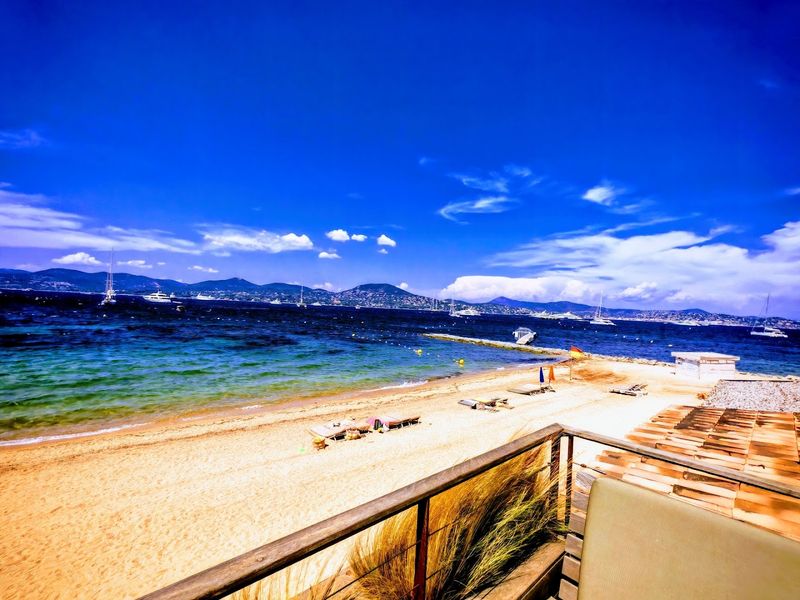
Saint-Tropez has been synonymous with Riviera glamour since Brigitte Bardot made it famous in the 1950s, and the town has never really looked back. While the harbor fills up with some of the most impressive superyachts you’ll ever see, the real draw for most visitors is Pampelonne Beach, a gorgeous stretch of golden sand about three miles from the town center.
It’s the kind of beach that makes you want to cancel your return flight.
Pampelonne is divided into a mix of private beach clubs and free public sections, so you can choose between renting a sunbed with full service or simply spreading a towel on the sand for free. The water here is genuinely clear and warm, perfect for swimming, paddleboarding, or just floating around doing absolutely nothing productive.
The town of Saint-Tropez itself is worth a wander too, especially in the early morning before the day-trippers arrive. The old fishing harbor, the weekly market at Place des Lices, and the narrow streets of the old town all have a charm that the glossy reputation sometimes overshadows.
Rent a bike to get between the town and the beach easily and cheaply.
Discover Antibes’ Old Town
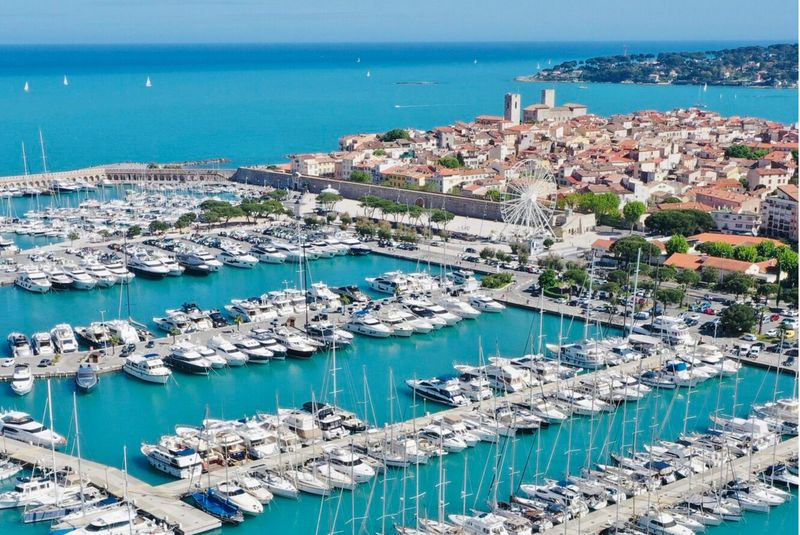
Antibes is the kind of place that sneaks up on you. It doesn’t shout for attention the way Cannes or Monaco do, but spend a few hours wandering its old town and you’ll quickly understand why so many visitors end up staying far longer than planned.
The town sits behind impressive 16th-century ramparts that jut out into the sea, creating a dramatic setting that feels genuinely historic rather than staged for tourists.
The Marché Provençal, held in a covered hall near the harbor, is one of the best food markets on the Riviera. Local farmers and producers bring fresh fruit, vegetables, cheese, charcuterie, and flowers every morning.
The smell alone is worth the visit. Grab some supplies and head to the rampart walls for a spontaneous picnic with sea views that cost absolutely nothing.
Antibes also holds a surprising cultural treasure: the Picasso Museum, housed in the medieval Château Grimaldi where the artist lived and worked briefly in 1946. He left behind a significant collection of paintings, drawings, and ceramics that now fill the museum’s sun-drenched rooms.
Entry is very reasonably priced, and the rooftop terrace overlooking the sea makes the visit even more rewarding.
Walk the Croisette in Cannes
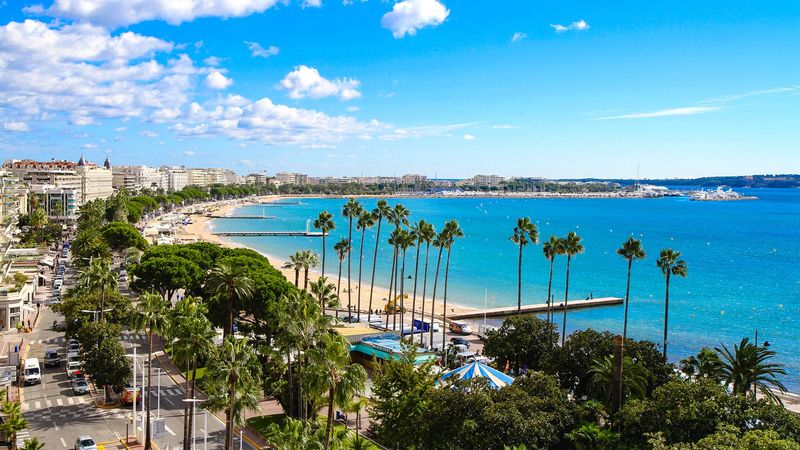
There’s something undeniably theatrical about walking along the Croisette in Cannes, where even a casual stroll feels a little like making an entrance. This famous two-mile boulevard runs along the waterfront, lined with legendary palace hotels like the Carlton and the Martinez, palm trees swaying in the sea breeze, and a sandy beach that surprises many first-time visitors expecting pebbles like Nice.
Outside of the famous film festival held every May, the Croisette is surprisingly accessible and free to enjoy. The beach on one side is a mix of private and public sections, with the public beaches offering free access and a relaxed atmosphere.
On the other side, window shopping along the designer boutiques is a sport in itself, even if buying is firmly off the table.
At the eastern end of the boulevard, the Palais des Festivals stands as the official home of the Cannes Film Festival. Visitors can walk the famous red carpet steps and press their hands into the celebrity handprints embedded in the pavement outside.
It’s a bit touristy, absolutely, but also genuinely fun. The old port nearby is worth a look too, with fishing boats sitting alongside sleek yachts in a pleasingly chaotic mix.
Visit Saint-Paul-de-Vence
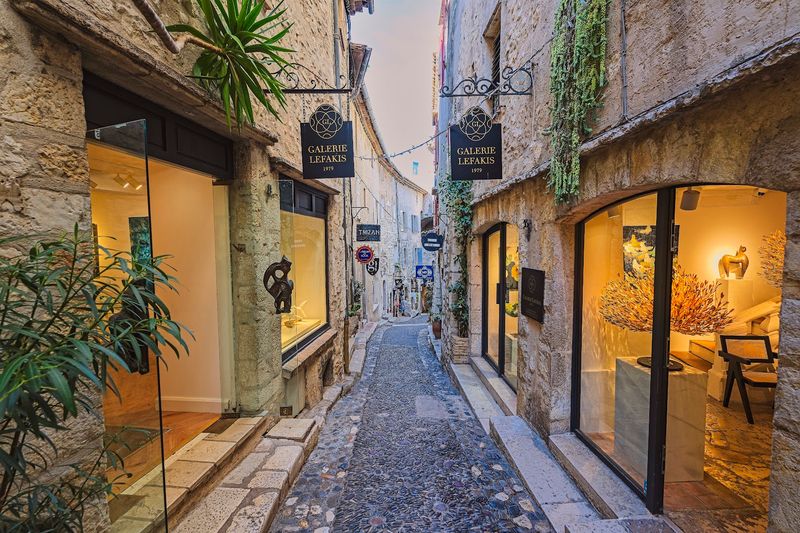
For decades, Saint-Paul-de-Vence has had a magnetic pull on artists, writers, and creative types searching for inspiration in the hills above the coast. Matisse, Chagall, and Picasso all spent time here, and the village still carries that creative energy in its cobblestoned streets and gallery-filled lanes.
It’s one of those rare places that feels both lived-in and extraordinary at the same time.
The village sits on a long narrow ridge surrounded by medieval walls that have remained largely intact for centuries. Walking through the main street feels like flipping through an art catalog, with galleries showcasing everything from contemporary sculpture to traditional Provençal painting.
The Fondation Maeght, just outside the village walls, is one of the finest modern art museums in Europe and absolutely worth a visit.
Marc Chagall is buried in the village cemetery, which has become a quiet pilgrimage site for admirers of his work. The café terrace at La Colombe d’Or, a legendary inn that has hosted celebrities for over a century, offers lovely views even if you’re just stopping for a drink.
Arrive early or late in the day to avoid the busiest crowds and experience the village at its most peaceful.
Take a Boat Trip Along the Coast
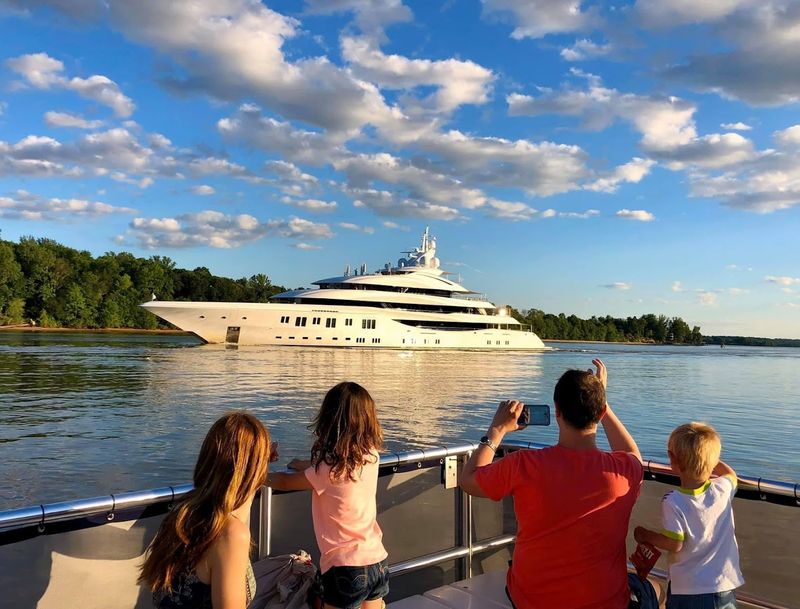
Seeing the French Riviera from the land is wonderful, but seeing it from the water is a completely different experience that most visitors never get around to trying. From a boat, the coastline reveals itself in a way that no road trip can replicate.
Hidden coves inaccessible by foot, dramatic cliff faces dropping straight into the sea, and luxury villas half-hidden by pine trees all come into view one after another.
Boat excursions depart from most major ports along the coast, including Nice, Cannes, Antibes, and Monaco. Options range from large group tours to small private charters, with prices varying considerably.
Day trips to the Lérins Islands off Cannes are particularly popular, offering a chance to swim in clear water and visit a working monastery where monks have been making wine and honey for centuries.
For the more adventurous, renting a small motorboat without a license is possible at several locations along the coast. This gives total freedom to explore at your own pace, anchor in quiet bays, and jump into the sea whenever the mood strikes.
Snorkeling gear is worth bringing along, as the underwater scenery in the clearer bays is genuinely impressive and surprisingly rich with marine life.
Explore Saint-Jean-Cap-Ferrat
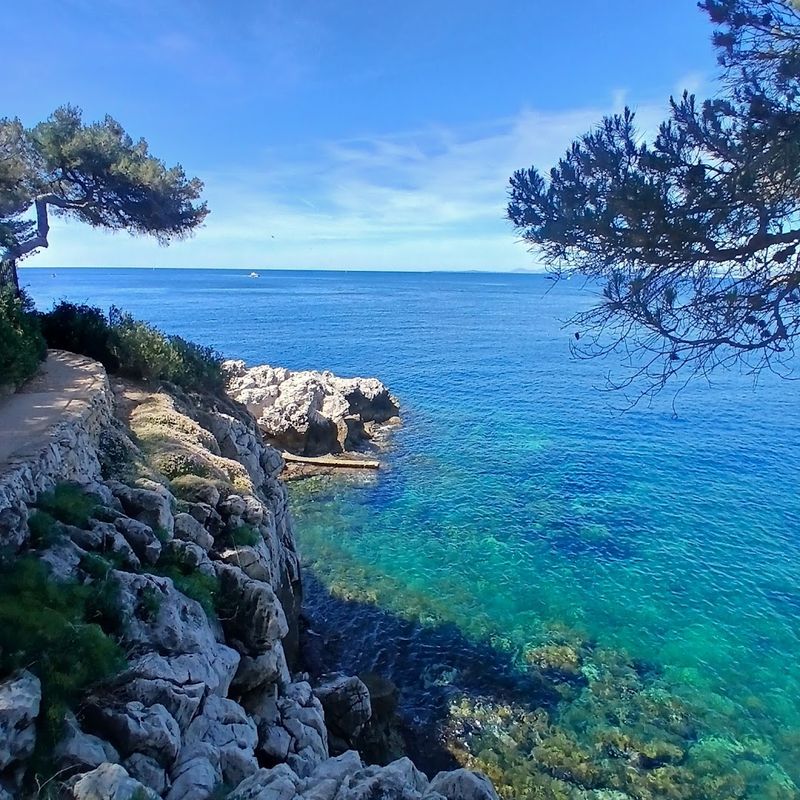
Real estate agents will tell you that Cap Ferrat is one of the most expensive pieces of land on the planet, and one look at the landscape explains exactly why. This small peninsula jutting into the Mediterranean between Nice and Monaco is draped in lush vegetation, lined with elegant villas, and surrounded by some of the clearest water on the entire coast.
The good news is that the best things here are completely free.
The coastal walking path that circles the peninsula is about eight kilometers long and takes roughly two to three hours at a relaxed pace. The trail dips in and out of pine forests, passes secluded rocky beaches perfect for a swim, and delivers jaw-dropping sea views at almost every turn.
Comfortable shoes are recommended as some sections involve uneven ground.
The Villa Ephrussi de Rothschild, a stunning pink Belle Epoque mansion built in the early 1900s, sits at the highest point of the peninsula and opens its doors to visitors. The house is filled with an extraordinary collection of art, furniture, and decorative objects, while the themed gardens outside are among the most elaborate on the entire Riviera.
The garden alone justifies the entrance fee several times over.
Visit Castle Hill in Nice
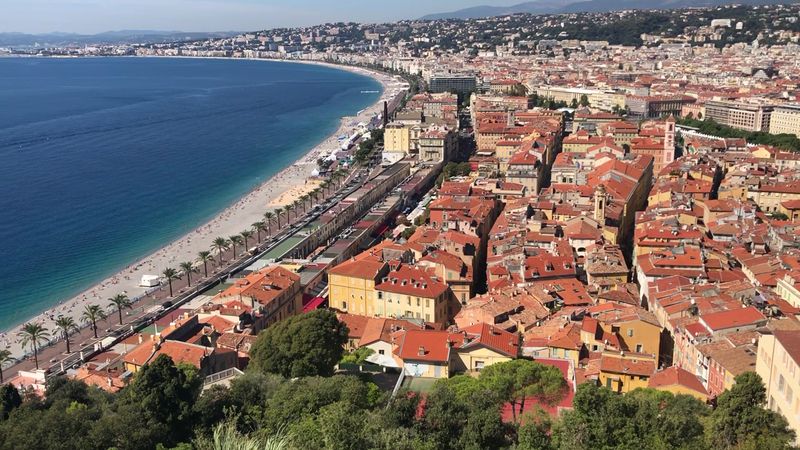
You haven’t really seen Nice until you’ve seen it from above. Castle Hill, or Colline du Château, rises steeply at the eastern end of the old town and offers what many consider the single best view on the entire Côte d’Azur.
The panorama from the top takes in the red-roofed old town on one side and the sweeping curve of the Bay of Angels on the other, with the Promenade des Anglais disappearing into the distance.
Despite the name, no castle actually stands here anymore. The original fortress was demolished by the French king in 1706 as punishment after the city resisted his forces.
What remains today is a beautifully landscaped park with waterfalls, shaded paths, and picnic areas spread across the hilltop. It’s a genuinely lovely place to spend an afternoon, especially with children who enjoy running around open spaces.
Getting to the top is easy and free. A lift operates from the beach level near the old port, or you can take the stairs if you prefer the workout.
The park is open every day from early morning until dusk and entry is completely free. Pack a picnic from the Cours Saleya market below and make an afternoon of it with one of the best views in France as your backdrop.
Sample Local Riviera Cuisine
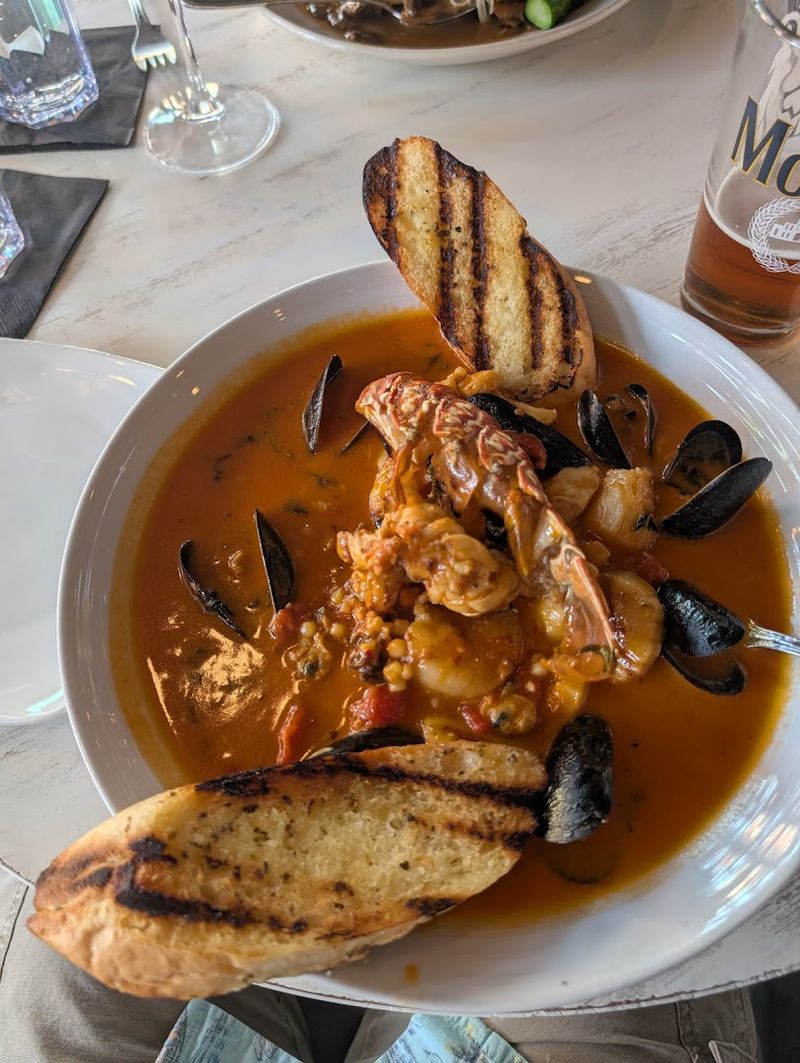
Forget the white tablecloth restaurants for a moment, because some of the most memorable eating on the French Riviera happens at street stalls, covered markets, and tiny neighborhood spots that don’t even bother with a printed menu. The local food culture here is deeply rooted in the land and sea, shaped by centuries of Provençal tradition and a strong Italian influence that arrived long before the tourists did.
Socca is the dish to try first. Made from chickpea flour, olive oil, and water, it’s cooked in a blazing hot wood-fired oven and served in rough, crispy wedges at street stalls around Vieux Nice.
It tastes simple and extraordinary at the same time. Pan bagnat, essentially a salade niçoise stuffed inside a round bread roll, makes a perfect lunch on the go and costs just a few euros.
Fresh seafood is everywhere along the coast, from grilled sea bass at harborside restaurants to bouillabaisse, the famous Provençal fish stew, served in proper portions at dedicated restaurants in Nice and Marseille. Rosé wine from the nearby Provence region pairs beautifully with almost everything.
Save room for a tarte tropézienne, a cream-filled brioche pastry invented in Saint-Tropez in the 1950s, for dessert.
Take a Day Trip to Menton
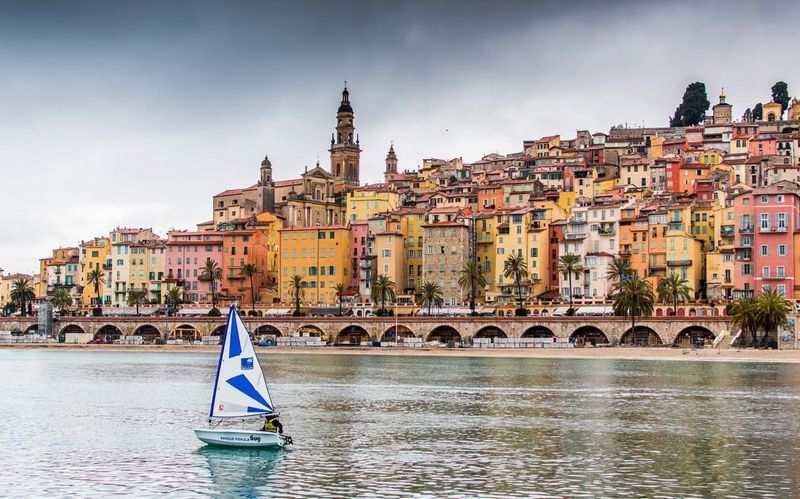
Tucked right against the Italian border, Menton is the quiet overachiever of the French Riviera. While its neighbors compete for headlines with film festivals and Formula One races, Menton gets on with being genuinely beautiful and largely crowd-free.
The waterfront here is one of the most photogenic on the entire coast, with a stack of candy-colored buildings rising steeply from the harbor in shades that make every photograph look professionally edited.
Menton has a well-earned reputation as the lemon capital of France, thanks to its exceptionally mild microclimate that allows citrus trees to thrive year-round. The annual Lemon Festival held each February transforms the town into an extraordinary display of sculptures built entirely from lemons and oranges, drawing visitors from across Europe.
Even outside of festival season, lemon-flavored everything is available in the local shops and restaurants.
The old town climbs steeply above the harbor in a series of narrow staircase streets leading up to the Saint-Michel Baroque church, which offers lovely views over the rooftops and sea. The Serre de la Madone garden, designed by American landscape artist Lawrence Johnston in the 1920s, showcases rare plants from around the world in a terraced hillside setting.
Menton rewards those willing to slow down and look carefully.
Watch Sunset Over the Mediterranean
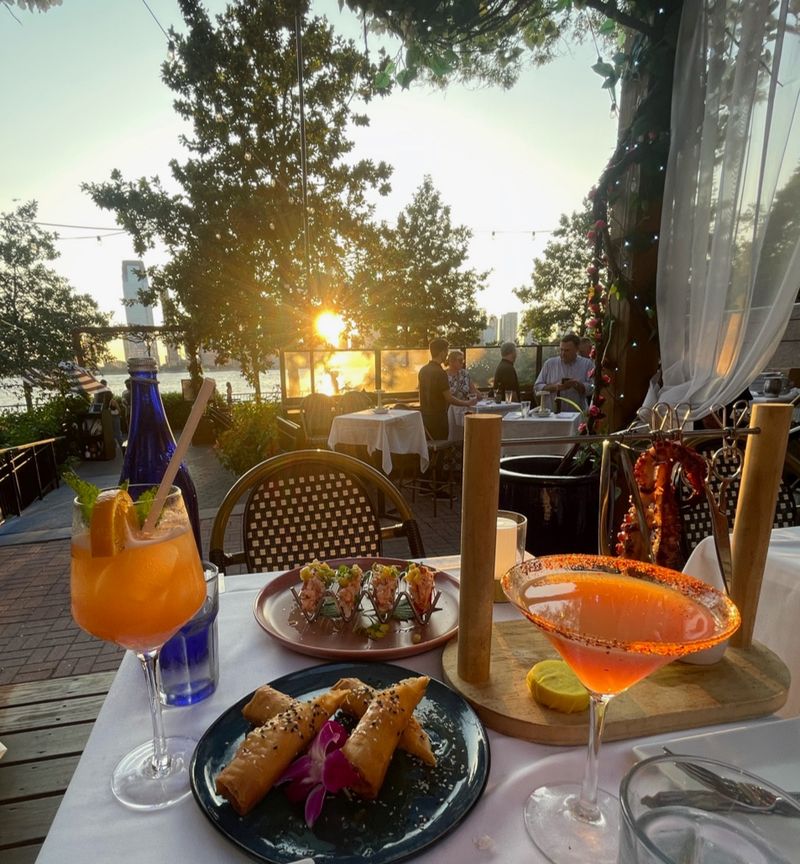
No itinerary on the French Riviera is truly complete without stopping everything to watch the sun go down. The Mediterranean has a way of turning ordinary evenings into something spectacular, and the Riviera’s varied geography means there’s a perfect sunset spot for every type of traveler.
The light here in the final hour before dusk takes on a warm golden quality that photographers travel thousands of miles to capture.
The clifftop gardens of Èze offer arguably the most dramatic viewpoint, with the sun dropping toward the horizon far below while the coastline curves away in both directions. Cap Ferrat’s western shore catches the last light beautifully, and the terrace bars of Cannes facing the Lérins Islands turn into something close to paradise around 7pm in summer.
Even a simple bench on the Promenade des Anglais in Nice will do the job perfectly well.
The trick is to arrive at least 30 minutes before the official sunset time and stay 20 minutes after the sun disappears. The afterglow, when the sky shifts from orange to deep pink to violet, is often more stunning than the sunset itself.
Bring a light layer because the air cools quickly once the sun drops, and bring a fully charged phone because you will absolutely want to take photographs.
Share this story