Italy is one of the most family-friendly destinations in Europe, offering a mix of history, outdoor adventures, food experiences, and interactive attractions that appeal to all ages. From ancient ruins to beaches and theme parks, there’s no shortage of activities to keep kids engaged.
Families can explore castles, ride trains through scenic landscapes, or even take part in cooking classes—making the trip both fun and educational. Whether you’re traveling with toddlers or teenagers, these experiences ensure that Italy is just as exciting for kids as it is for adults.
Explore the Colosseum in Rome
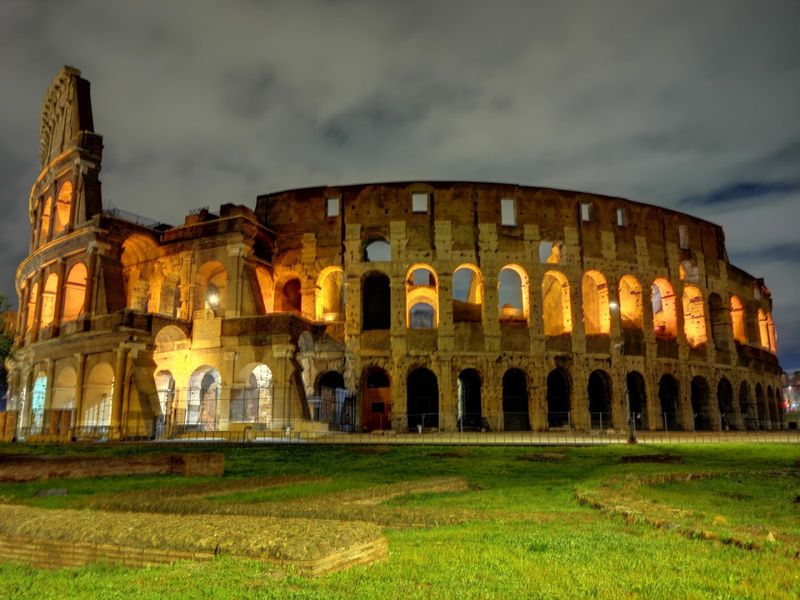
Two thousand years ago, 50,000 roaring Romans packed into this massive arena to watch gladiators battle it out—and kids absolutely love hearing about it. The Colosseum is one of the most thrilling historic sites in the world, and it delivers big on excitement for younger visitors.
Seeing it in person is a completely different experience from reading about it in a textbook.
Family-focused tours bring ancient Rome to life through storytelling, dramatic facts, and hands-on activities that keep children engaged from start to finish. Guides often dress up, act out scenes, or challenge kids with fun questions about gladiator life.
It turns what could feel like a school trip into something genuinely memorable.
Book tickets in advance to skip the long lines—this is non-negotiable during peak season. Many tour companies offer child-friendly audio guides that explain the history in simple, exciting language.
Younger kids will love imagining the roar of the crowd, while older ones can appreciate the incredible engineering behind the structure. Plan to spend at least two hours here.
Take a Gondola Ride in Venice
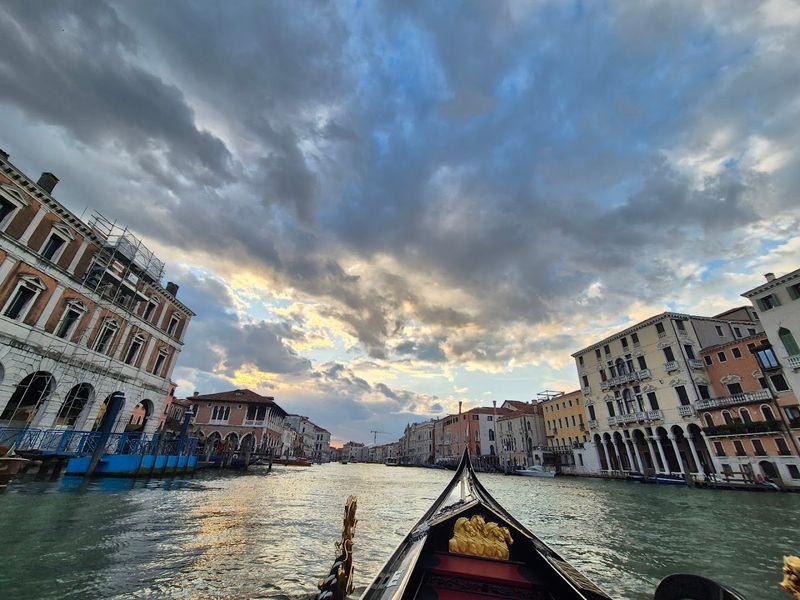
There is no other city in the world quite like Venice—built on water, threaded with canals, and completely car-free. Stepping into a gondola feels like entering a world that has barely changed in centuries.
Kids are instantly fascinated by the fact that boats replace buses here.
Gondoliers steer with impressive skill through tight waterways, ducking under low stone bridges while pointing out hidden courtyards and ancient palaces. Children often press their hands into the water as the gondola glides along, giggling at the splashes.
It is genuinely one of those moments families talk about for years afterward.
Rides typically last around 30 to 40 minutes and are best enjoyed in the late afternoon when the light turns golden and the canals are slightly less crowded. Shared gondola rides are available at a lower cost if you want to save some money.
Pair the ride with a walk through narrow alleyways and a stop for gelato, and you have the perfect Venice afternoon. Kids also enjoy spotting cats lounging on doorsteps throughout the city.
Join a Pizza or Pasta-Making Class
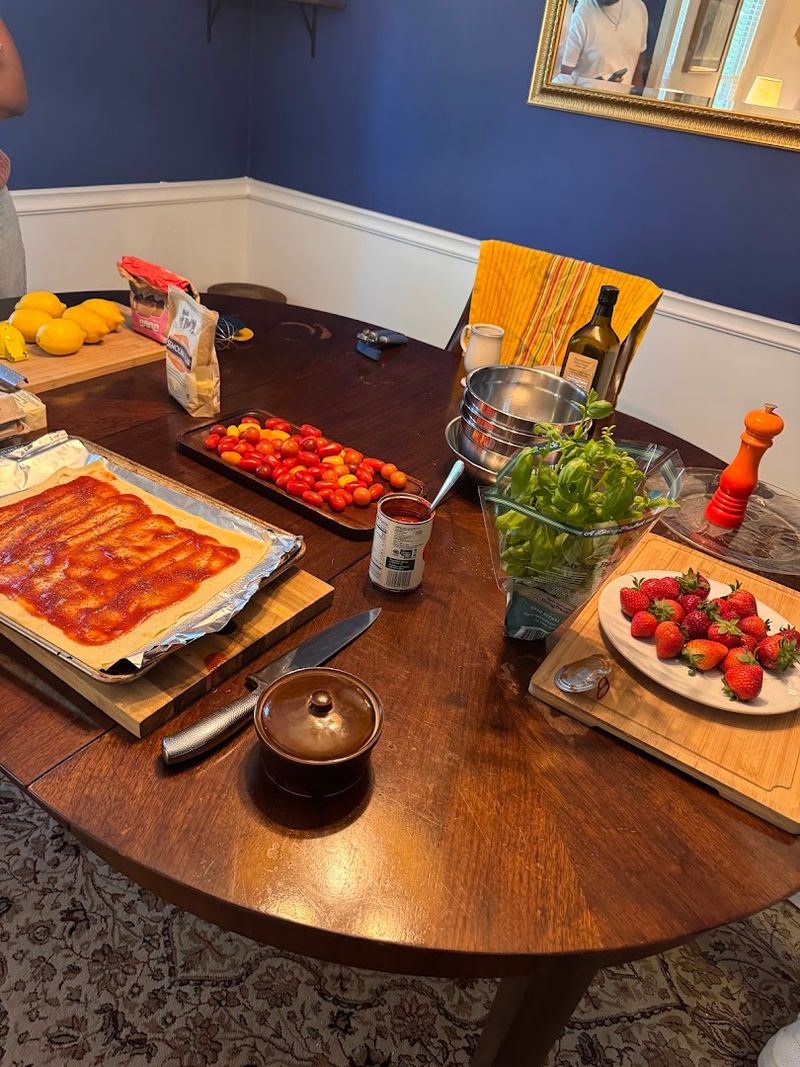
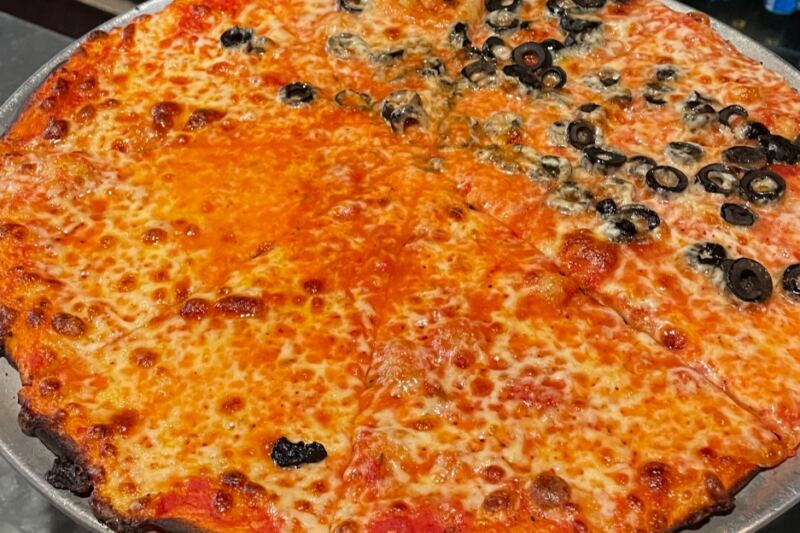
Flour on the nose, dough in the hands, and a pizza that you built yourself—there are very few things more satisfying for a kid traveling in Italy. Cooking classes designed for families are everywhere, from Rome to Florence to small countryside kitchens, and they are genuinely one of the best ways to connect with Italian culture.
Plus, the reward at the end is eating your own creation.
Most classes are relaxed, hands-on, and run by local chefs who have a real talent for working with children. Kids learn to knead dough, roll pasta, and add toppings while picking up a few Italian words along the way.
Parents usually enjoy it just as much, especially the part where everyone sits down together to eat.
Classes typically run between two and three hours and cover the basics of either pizza or fresh pasta. Some sessions also include a market visit beforehand to pick out fresh ingredients, which adds an extra layer of fun.
Look for family-specific classes rather than adult-only sessions, as the pace and teaching style are much better suited for younger cooks. Booking in advance is strongly recommended.
Visit Gardaland Theme Park
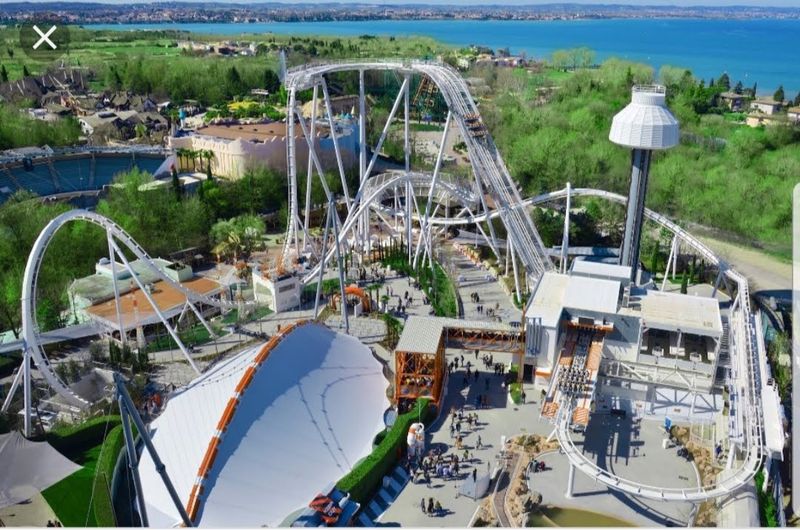
If your kids have been patiently sitting through museums and ancient ruins, Gardaland is the ultimate reward. Italy’s largest theme park sits right on the shores of Lake Garda and delivers a full day of rides, shows, and attractions that rival anything else in Europe.
The park is well-organized, clean, and genuinely fun for all ages.
Roller coasters, water rides, a sea life aquarium, and a LEGOLAND Water Park are all part of the experience. Younger children have dedicated areas with gentler rides and interactive play zones, so nobody feels left out.
The park does an excellent job of balancing thrill-seekers with little ones who just want to splash around.
Gardaland is busiest during Italian school holidays and summer weekends, so arriving early makes a real difference. Grab a park map at the entrance and plan your must-do rides first before the queues build up.
Staying at one of the on-site hotels adds a magical touch, especially since some are themed around pirates or wizards. Combining a Gardaland visit with a few days exploring Lake Garda itself makes for a perfectly balanced family holiday.
Climb the Leaning Tower of Pisa
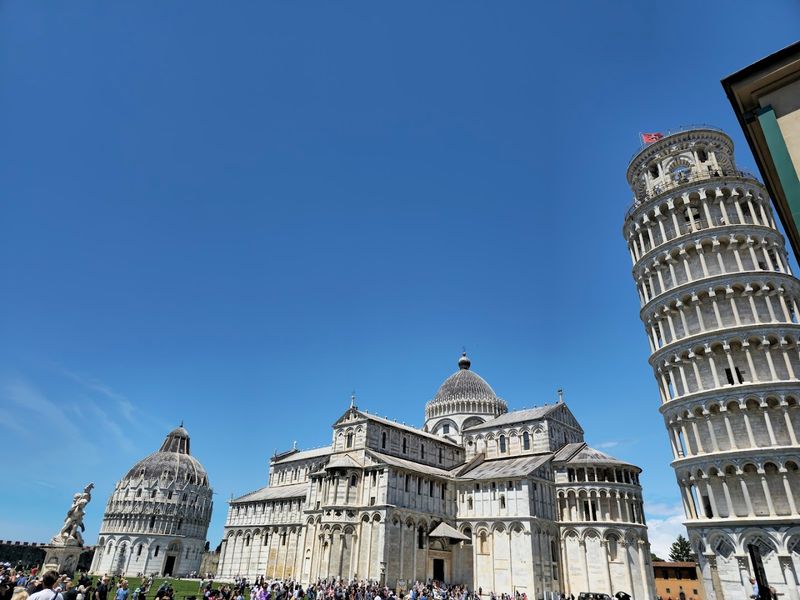
The Leaning Tower of Pisa leans at nearly four degrees—which does not sound like much until you are actually standing next to it and your brain refuses to accept what your eyes are seeing. It is genuinely disorienting in the best possible way, and kids find it absolutely hilarious.
The famous “pushing the tower” photo never gets old, no matter how many times you have seen it.
Climbing the 294 steps to the top is a real adventure, especially because the tilt makes the staircase feel like something out of a funhouse. Older kids handle it well and love the challenge, while younger children may need a hand on the steeper sections.
The panoramic view from the top is a proper reward for the effort.
Children under 8 are not permitted to climb for safety reasons, so keep that in mind when planning. The surrounding Piazza dei Miracoli is beautiful and spacious, making it a great spot for younger kids to run around while older siblings take the climb.
Book timed entry tickets online well in advance, particularly during summer. The whole visit, including the surrounding cathedral and baptistery, takes around two to three hours.
Explore Pompeii
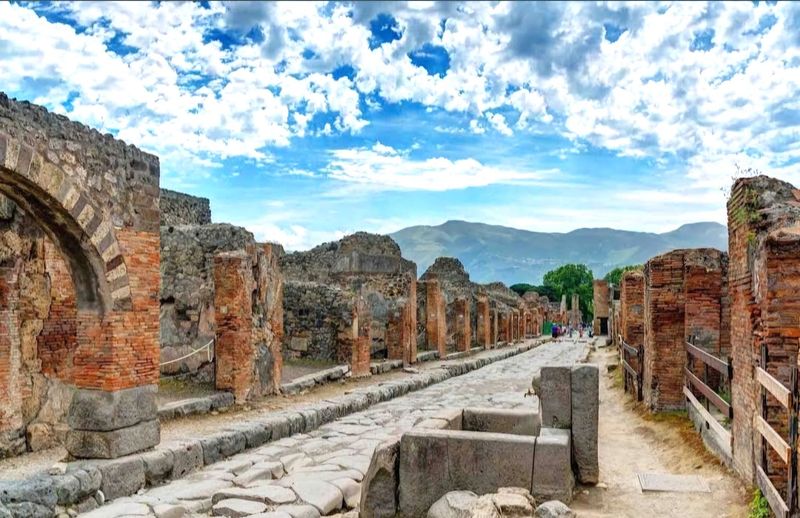
Pompeii is the kind of place that stops kids mid-sentence. Walking through streets that were buried under volcanic ash nearly 2,000 years ago and are now completely uncovered is a surreal experience that no museum exhibit can replicate.
The sheer scale of the ancient city is jaw-dropping from the moment you walk through the gates.
Preserved bakeries, homes, theaters, and public baths give children a vivid picture of daily Roman life. The famous plaster casts of volcano victims are sobering but educational, sparking real conversations about history, natural disasters, and ancient civilizations.
Many families find that kids who normally zone out in museums are completely riveted here.
Wear comfortable shoes and bring plenty of water—the site is large and most surfaces are uneven cobblestone. A guided tour is worth every penny, as a good guide brings the ruins to life with stories and context that make everything far more interesting.
Audio guides designed for families are also available and work well for older children. Visit in the morning to avoid the midday heat, and pair the trip with a stop at the nearby Naples Archaeological Museum to see artifacts recovered from the site.
Spend a Day at the Beach
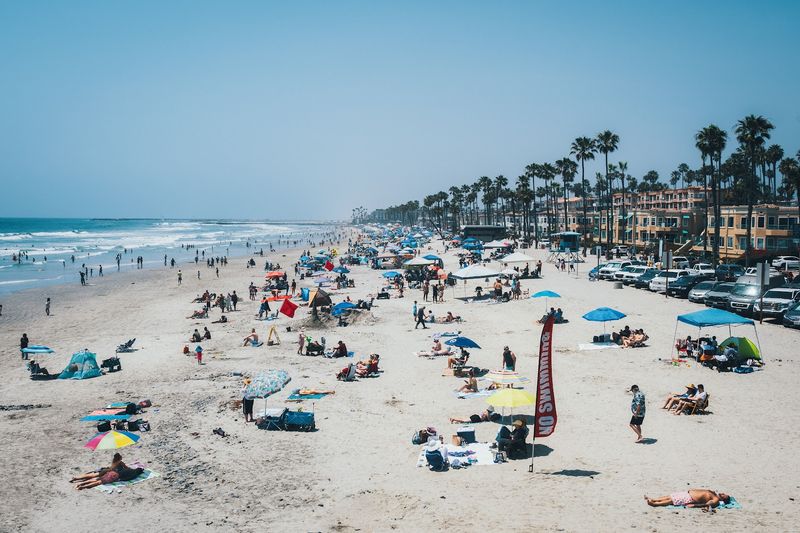
Italy has over 4,700 miles of coastline, which means finding a spectacular beach is never a problem. From the dramatic cliffs of the Amalfi Coast to the powdery white sands of Sardinia, the variety is staggering.
Families can pick the vibe that suits them best—lively and organized, or quiet and tucked away.
Most Italian beaches are split between free public areas and organized lido sections where you rent sun loungers and umbrellas. The lido setup is actually brilliant for families—attendants are on hand, there are usually cafes nearby, and the calm, shallow waters close to shore are ideal for younger swimmers.
Kids can paddle, snorkel, and build sandcastles for hours without getting bored.
Sardinia consistently ranks among the best family beach destinations in Europe, with crystal-clear shallow waters that feel almost tropical. Sicily, the Cinque Terre shoreline, and the beaches around Sorrento are also excellent choices.
Pack reef-safe sunscreen, water shoes for rocky sections, and plenty of snacks. Arriving early in the morning secures the best spots and avoids the intense midday sun.
A beach day in Italy genuinely feels like a reward after days of sightseeing.
Ride a Train Through the Countryside
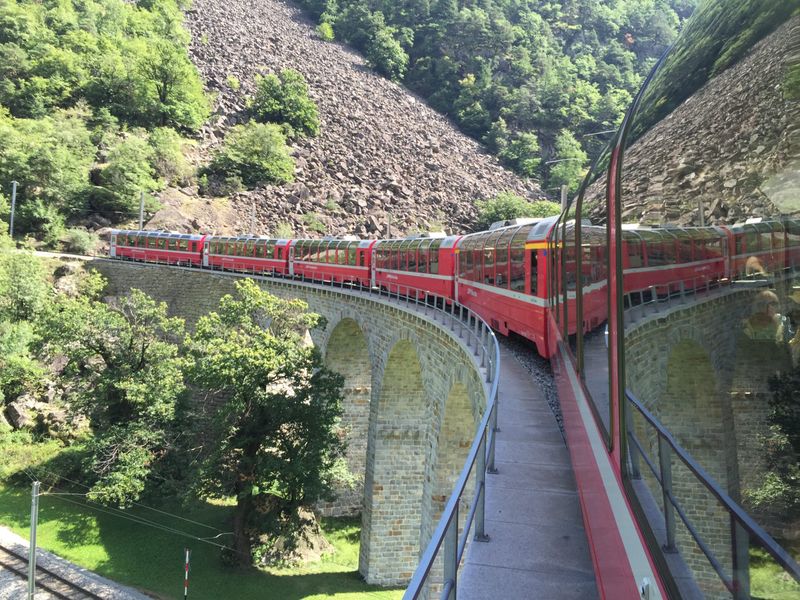
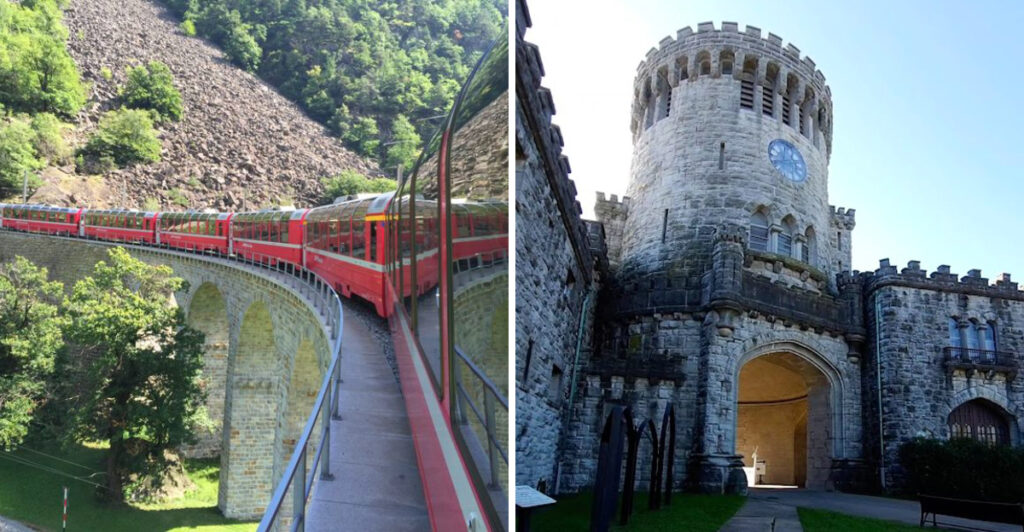
Italy’s train network is one of the great unsung pleasures of traveling through the country, and kids often enjoy the journey just as much as the destination. High-speed trains connect major cities in under two hours, while slower regional trains wind through landscapes so beautiful they feel almost painted.
There is something genuinely magical about watching Tuscany roll past your window.
Children are naturally curious on trains—spotting tunnels, rivers, hilltop towns, and fields of sunflowers keeps them entertained without a screen in sight. Older kids enjoy tracking the route on a map and calling out landmarks as they pass.
It is a low-stress travel option that gives everyone a chance to relax between destinations.
Trenitalia and Italo are the two main rail operators, and both offer family discounts worth looking into before booking. Reserving seats in advance is a smart move, especially on popular routes during summer.
Pack snacks, a travel card game, and a window seat, and the journey becomes part of the adventure. Scenic routes worth prioritizing include Rome to Florence, Florence to Venice, and the slow train through the Val d’Orcia in Tuscany.
Kids often ask to ride again.
Visit a Medieval Castle
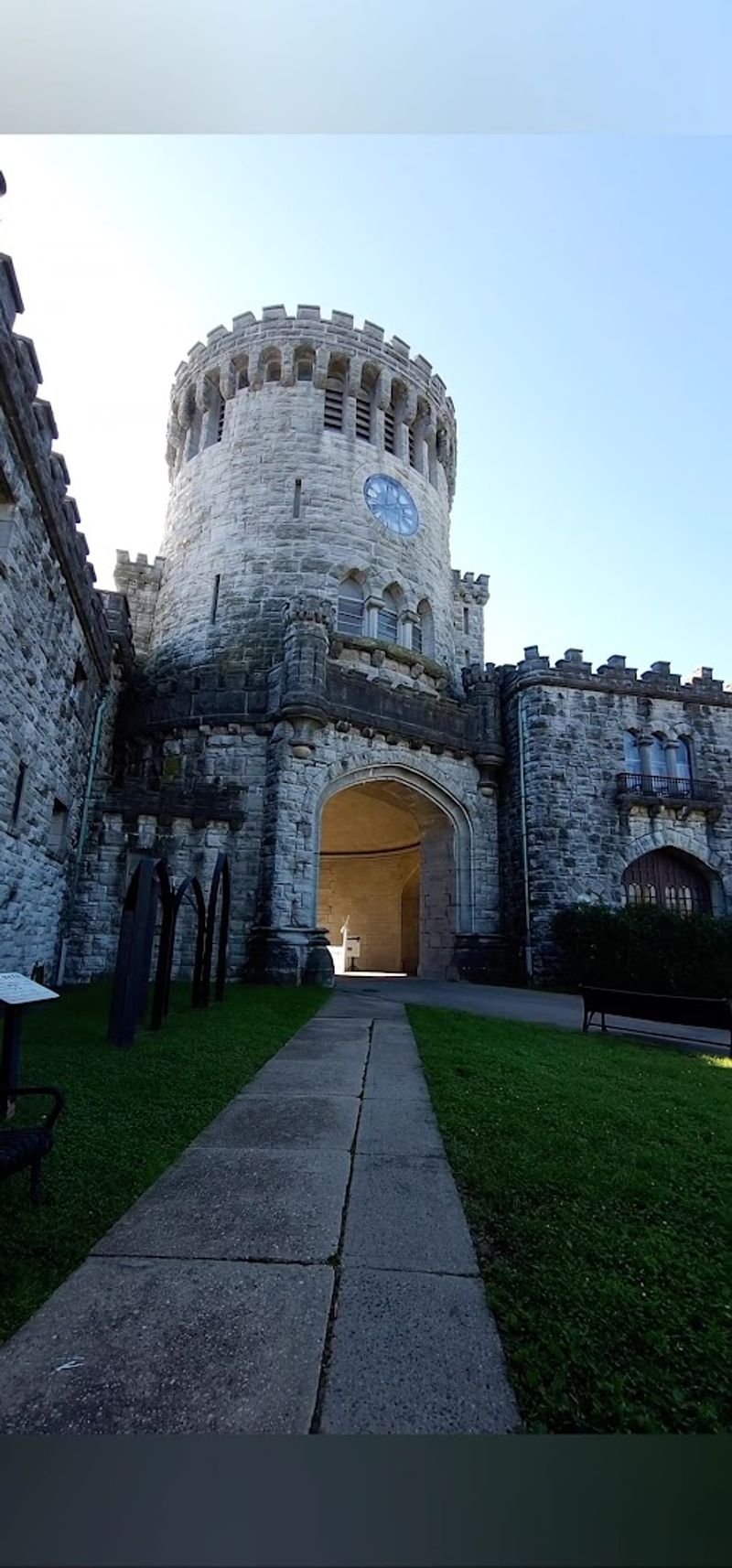
Secret passages, towering stone walls, and the echo of footsteps in ancient halls—medieval castles are basically built for curious kids with big imaginations. Italy has thousands of them scattered across hilltops, coastal cliffs, and river valleys, many open to the public and bursting with history.
Few things spark a child’s imagination faster than standing inside a real fortress.
Castel Sant’Angelo in Rome, Castello Sforzesco in Milan, and Castello di Fénis in the Aosta Valley are among the most impressive and family-friendly options. Many castles offer guided tours with storytelling elements, interactive exhibits, and even costumed characters during special events.
Kids can often try on replica armor or handle prop weapons, which is an instant hit.
The best castle visits combine exploration with a bit of education—learning about siege tactics, medieval daily life, and the stories of the families who once lived there. Older children tend to get absorbed in the history, while younger ones are happy simply running through courtyards and climbing spiral staircases.
Bring a notebook and encourage kids to sketch what they see. Pairing a castle visit with a picnic on the surrounding grounds turns the whole outing into a genuinely memorable day out.
Discover Interactive Museums
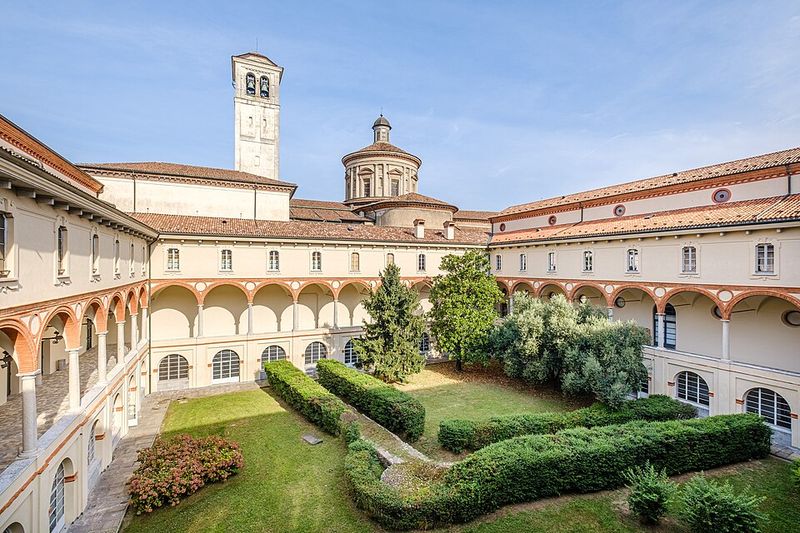
Not all museums are the quiet, hands-off kind—Italy has a growing number of interactive spaces designed specifically to get kids thinking, experimenting, and creating. These are the museums that children actually ask to go back to.
Science centers, children’s history museums, and creativity labs are popping up in cities across the country.
The Museo Nazionale della Scienza e della Tecnologia in Milan is a standout, featuring Leonardo da Vinci-inspired exhibits, submarines, trains, and interactive technology displays that fascinate kids and adults equally. In Rome, the Explora Children’s Museum is designed entirely for young visitors, with role-play zones, science experiments, and sensory play areas for toddlers.
Bologna’s Museo della Storia di Bologna offers an engaging, multimedia look at the city’s past.
The key to a great museum visit with kids is keeping it short and focused rather than trying to see everything. Pick two or three exhibits that match your children’s interests and let them lead the way.
Many Italian museums offer family tickets that bring the cost down significantly. Audio guides and activity sheets designed for children are widely available and make the experience much richer.
Check the museum website in advance for any special family workshops or events running during your visit.
Explore the Dolomites
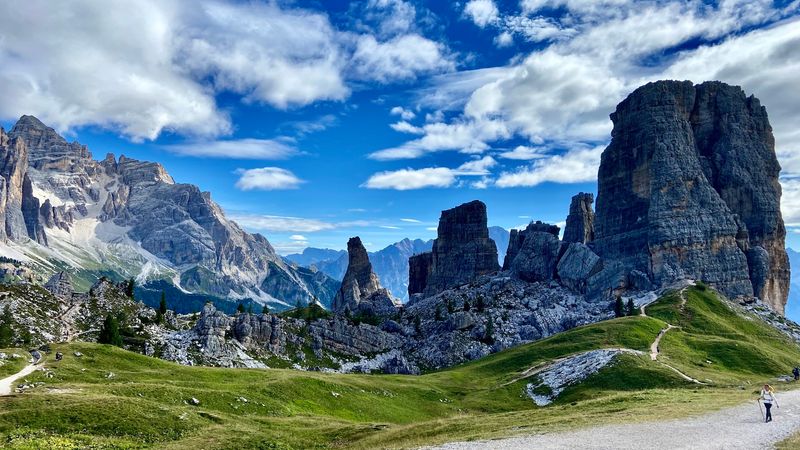
The Dolomites look like something a movie director invented—jagged pink-grey peaks shooting straight up from green meadows, with cable cars floating silently overhead. This UNESCO World Heritage mountain range in northeastern Italy is one of the most spectacular natural landscapes on the planet, and it is surprisingly accessible for families.
You do not need to be a serious hiker to enjoy it.
Cable car rides to high-altitude viewpoints are a massive hit with kids, offering stunning panoramas without the effort of a full climb. Easy marked trails wind through alpine meadows where children can spot wildflowers, marmots, and mountain streams.
In summer, mountain huts called rifugi serve hot meals and act as base camps for half-day walks, making the whole experience feel like a proper adventure.
Winter transforms the Dolomites into a world-class ski destination, with family-friendly ski schools that cater to complete beginners. Towns like Cortina d’Ampezzo, Ortisei, and Canazei make excellent base camps for exploring the region.
Pack layers regardless of the season, as mountain weather shifts quickly. The combination of fresh air, dramatic scenery, and physical activity makes this one of the most energizing and rewarding family experiences Italy has to offer.
Enjoy Gelato in Every City
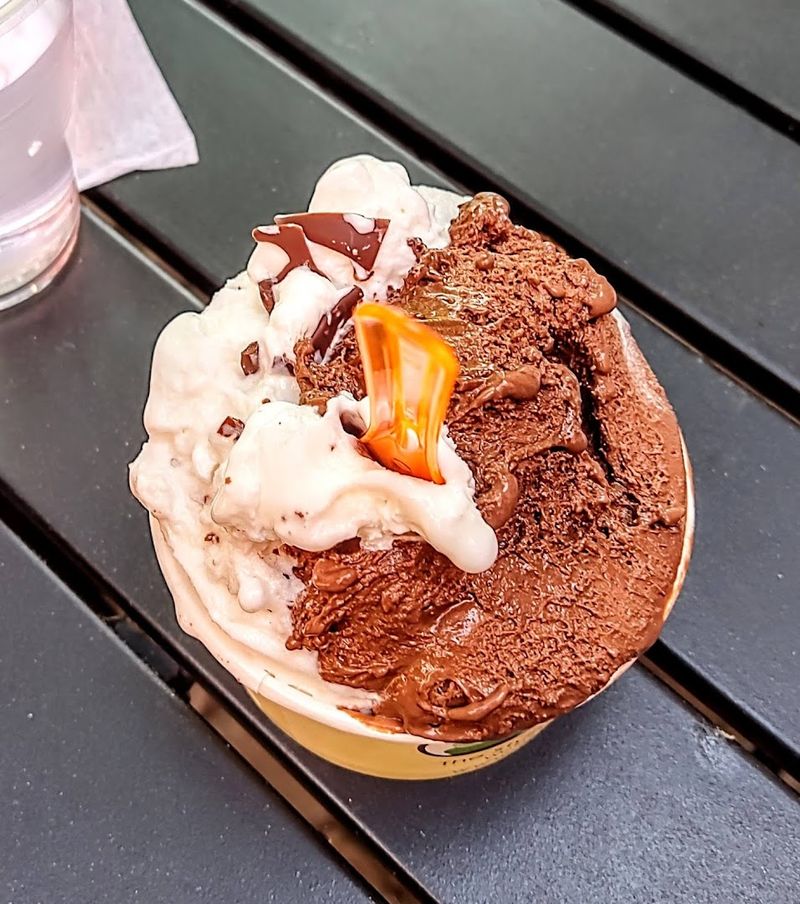
Forget the soft-serve at home—Italian gelato is a completely different experience, and every city in Italy seems to do it slightly differently. Denser, creamier, and packed with real flavor, it is one of those simple pleasures that genuinely makes a travel day better.
Kids treat it like a daily mission, and honestly, so do most adults.
Part of the fun is comparing gelaterias across different cities. Florence is famous for its rich, artisan gelato made with local ingredients.
Sicily leans toward intense citrus and almond flavors. In Bologna, pistachio reigns supreme.
Encouraging kids to try one new flavor in each city turns dessert into a delicious little game that runs throughout the entire trip.
Spotting a quality gelateria is easy once you know the signs—look for gelato stored in covered metal containers rather than piled high in colorful mounds, which usually indicates artificial ingredients. Expect to pay between two and four euros per scoop at a good shop.
Gelato is best eaten fresh, so skip the pre-packaged versions in tourist shops. Whether it is after a long museum visit, a beach afternoon, or a train ride, gelato has a magical way of making everyone in the family smile at exactly the right moment.
Visit Lake Garda
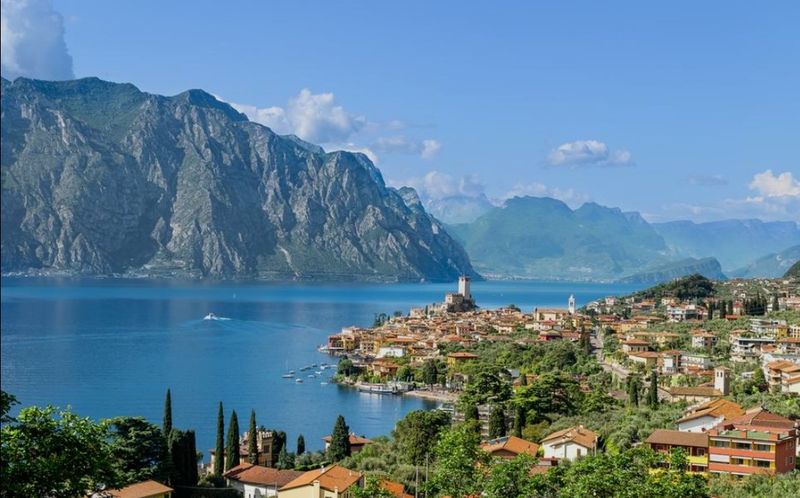
Lake Garda is the kind of place that feels like it was designed with families in mind—and in many ways, it was. Italy’s largest lake sits at the foot of the Alps and combines beach relaxation, water sports, scenic villages, and world-class attractions all within easy reach of each other.
It is endlessly versatile, which is exactly what traveling families need.
The southern shore near Sirmione is flat, warm, and perfect for young children, with shallow waters and sandy beaches that are safe for paddling. Further north, the lake narrows and the scenery becomes more dramatic, with cliffs dropping into deep blue water and wind conditions ideal for windsurfing and sailing lessons.
Boat trips between lakeside villages like Limone, Malcesine, and Riva del Garda are a highlight for all ages.
Beyond the water, Gardaland theme park is just a short drive away, as is the LEGOLAND Water Park and Movieland Park. The town of Sirmione sits on a narrow peninsula and features a beautiful medieval castle right at the water’s edge that kids love exploring.
Lake Garda rewards families who linger—spend at least three or four days here to properly enjoy everything it offers without feeling rushed.
Take a Boat Trip in Cinque Terre
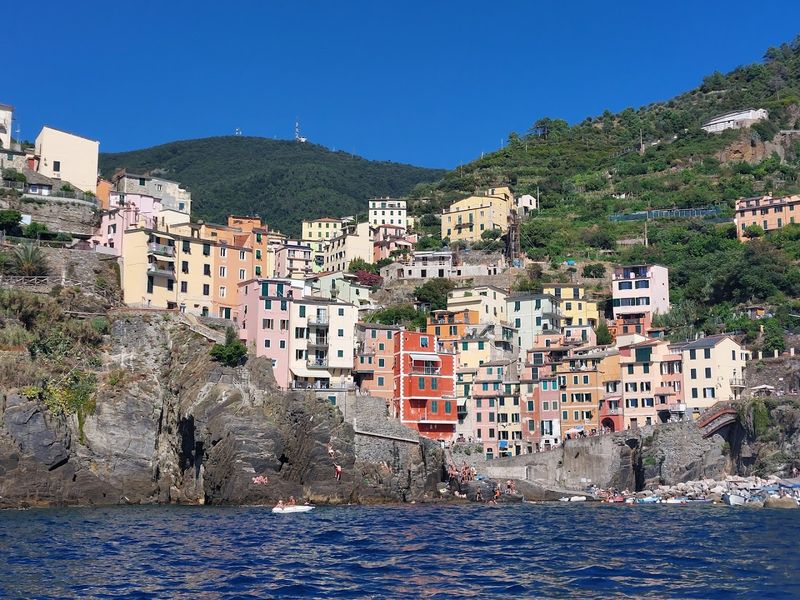
Cinque Terre from the water hits differently. The five colorful villages stacked dramatically on cliffsides above the Ligurian Sea look almost unreal when viewed from a boat, and kids react with genuine wide-eyed amazement the first time they see it.
It is one of those views that earns a permanent spot in the family photo album.
Boat trips run regularly between the five villages—Monterosso, Vernazza, Corniglia, Manarola, and Riomaggiore—and take the pressure off walking the sometimes steep and crowded coastal paths. Children can sit at the front of the boat, feel the sea breeze, and spot swimmers jumping from rocks into the clear water below.
It is relaxed, scenic, and genuinely fun.
Private boat rentals are available for families who want more flexibility, including the option to stop for a swim in secluded coves that are impossible to reach on foot. The boat journey between all five villages takes roughly 90 minutes in total if you stop at each one.
Bring sunscreen and hats, as there is very little shade on the water. Combine the boat trip with lunch at a waterfront restaurant in Vernazza or Manarola for a perfect Cinque Terre day that the whole family will remember fondly.
Stay on a Farm (Agriturismo)
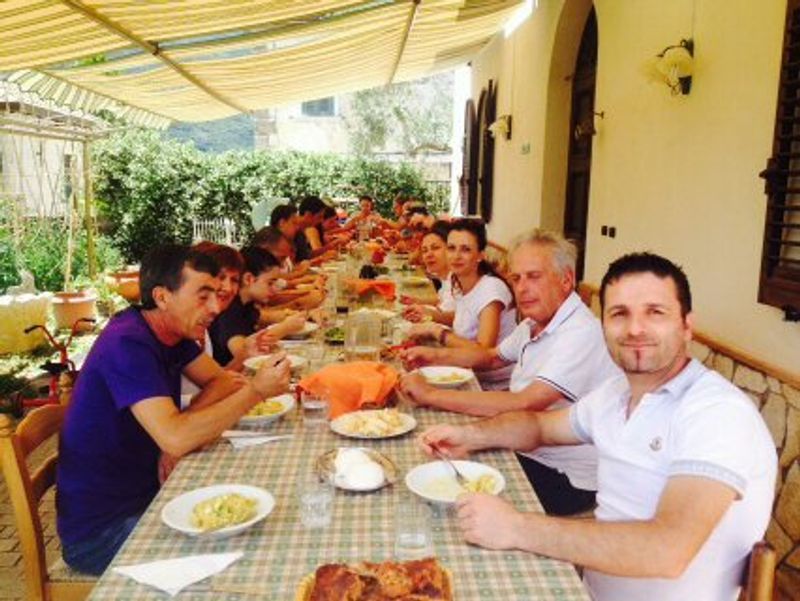
Swapping a hotel room for a working Italian farm might sound like a bold move, but agriturismo is one of the most rewarding travel experiences a family can have in Italy. These farm stays range from simple rustic setups to beautifully converted stone farmhouses with pools, and they offer something that no city hotel can match—space, quiet, and a genuine connection to the land.
Kids go absolutely wild for farm life. Collecting eggs in the morning, feeding goats, helping harvest vegetables, and chasing chickens around the yard are the kinds of activities children talk about long after the holiday ends.
Many agriturismos also offer horse riding, cooking lessons using ingredients grown on-site, and guided nature walks through surrounding fields and forests.
Meals at an agriturismo are often the highlight of the stay. Home-cooked dinners made with fresh, seasonal produce from the farm itself are served family-style around a long communal table—a beautiful way to experience authentic Italian food culture.
Tuscany, Umbria, and Sicily are the best regions for agriturismo stays, with hundreds of options at various price points. Book well in advance during summer, as the most popular farms fill up quickly.
It is rural Italy at its most genuine and most welcoming.
Share this story