Some places make you stop and wonder if you accidentally walked into a painting. The United States is home to dozens of stunning botanic gardens, each packed with rare plants, jaw-dropping landscapes, and enough beauty to make your phone storage cry for mercy.
Whether you are a hardcore plant nerd or just someone who enjoys a good outdoor stroll, these gardens deliver. Here are 15 must-see botanic gardens across the country that prove nature is the best artist around.
Longwood Gardens – Kennett Square, Pennsylvania
Over 1,000 fountains. Let that sink in.
Longwood Gardens in Kennett Square, Pennsylvania, holds one of the most spectacular fountain collections on the planet, and the nightly fountain shows are nothing short of theatrical magic.
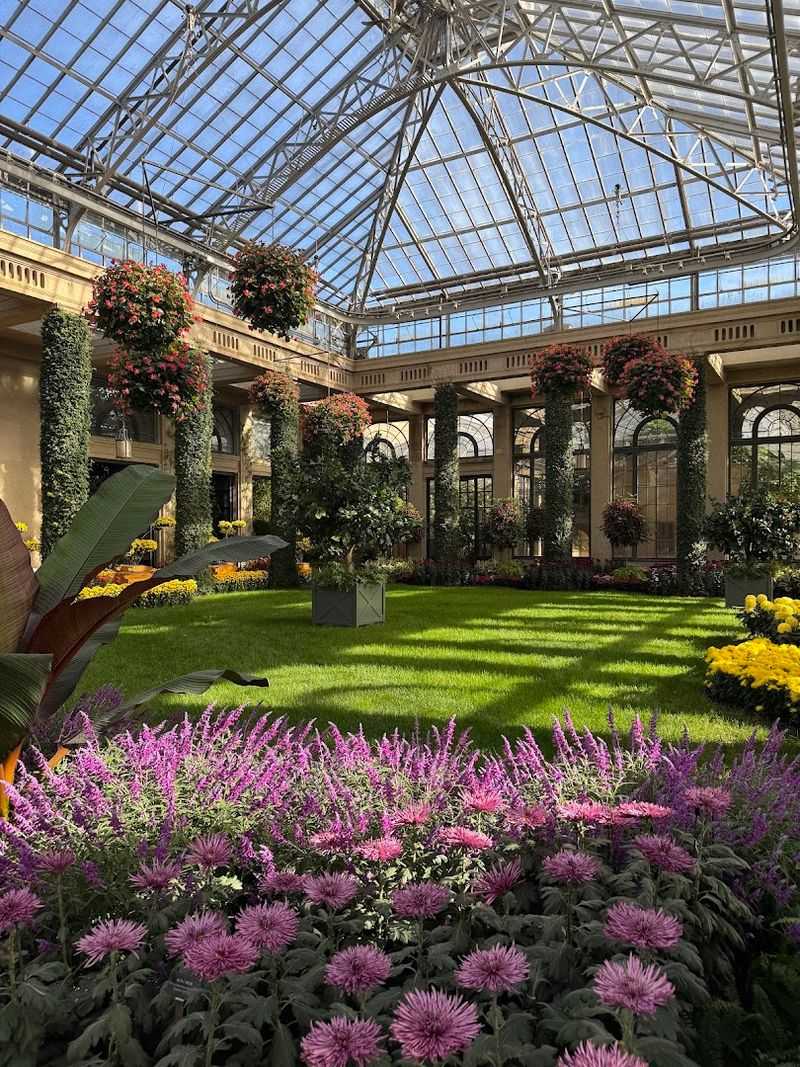
Spread across 1,100 acres, this garden features indoor conservatories packed with orchids, towering trees, and manicured meadows that change with every season. Spring brings tulips in ridiculous numbers.
Summer turns the place into a green wonderland. Fall layers everything in warm amber tones.
Founded in 1906 by Pierre S. du Pont, the garden reflects his obsession with perfection, and honestly, it shows. First-time visitors often spend five or six hours here without realizing it.
Bring comfortable shoes, a fully charged camera, and maybe a snack. The garden also hosts seasonal events, concerts, and holiday light displays that draw massive crowds.
Book tickets online in advance because this place fills up fast.
New York Botanical Garden – Bronx, New York
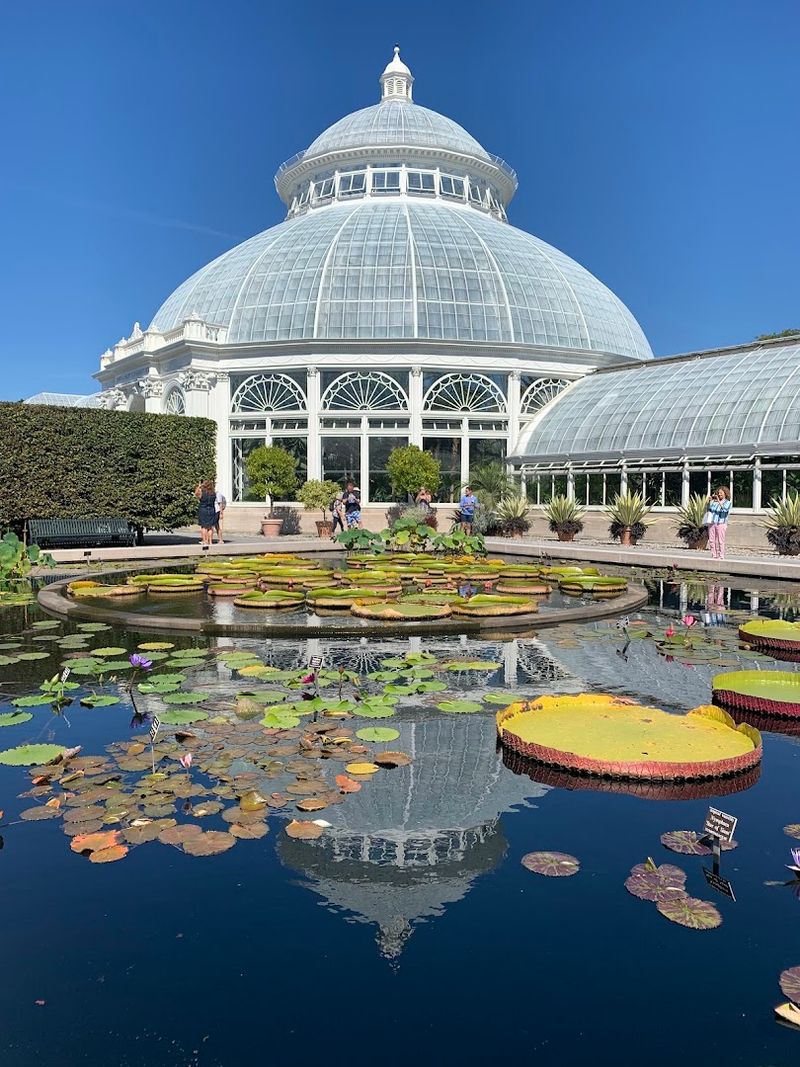
Right in the middle of the Bronx sits 250 acres of pure botanical brilliance. The New York Botanical Garden has been wowing visitors since 1891, and it shows absolutely zero signs of slowing down.
The crown jewel is the Enid A. Haupt Conservatory, a stunning Victorian glass house that shelters tropical rainforest plants, desert cacti, and seasonal floral exhibitions all under one roof.
Stepping inside feels like teleporting to three different climates in ten minutes.
The garden also includes a 50-acre old-growth forest, one of the last remaining in New York City. That forest alone is worth the trip.
Kids love the Everett Children’s Adventure Garden, which turns plant science into hands-on fun. Science programs, art exhibitions, and culinary events make this place more than just a garden.
It is a full cultural destination tucked behind a subway ride. The NYBG annual orchid show each spring is genuinely breathtaking and wildly popular.
Chicago Botanic Garden – Glencoe, Illinois
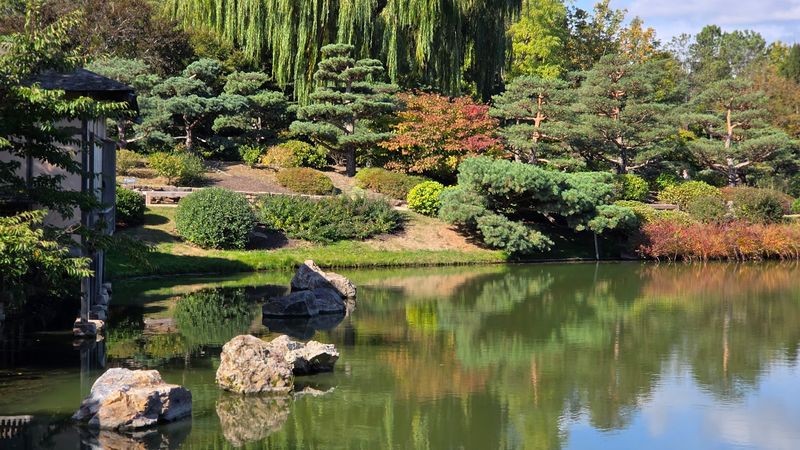
Nine islands, 26 distinct gardens, and zero admission fee to enter. The Chicago Botanic Garden in Glencoe, Illinois, is basically the most generous garden in America, and it has the beauty to back up that generosity.
The Japanese Garden on Sansho-En Island is the kind of place where you accidentally spend an hour just staring at the water. The rose garden holds over 5,000 plants in bloom during peak season, which is a spectacular sight even for people who claim they do not care about roses.
I visited during a random Tuesday in October, and the fall color alone made me genuinely emotional. The garden stretches across 385 acres along the shores of Lake County, making it one of the largest public gardens in the Midwest.
Educational programs here are top-notch, drawing students, researchers, and casual plant lovers alike. Parking does have a fee, so factor that into your budget before heading out.
Desert Botanical Garden – Phoenix, Arizona
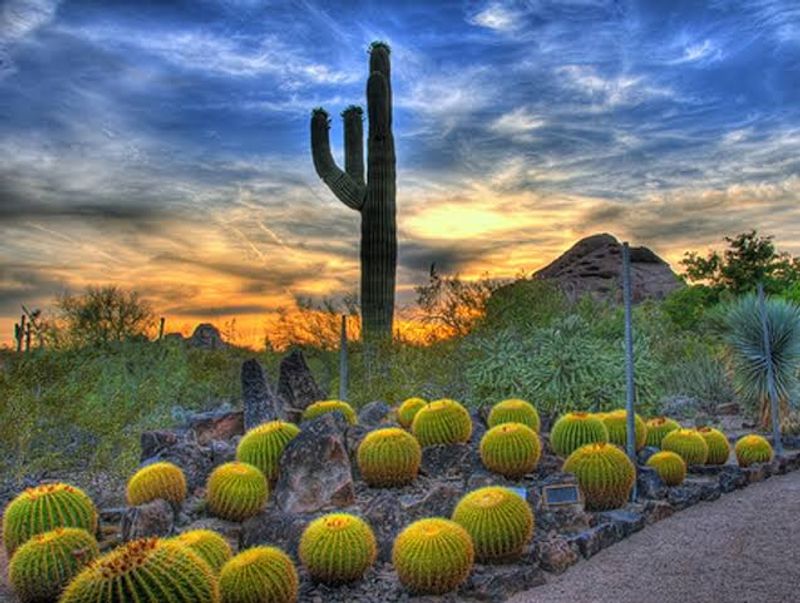
Most gardens say stay on the path. At the Desert Botanical Garden in Phoenix, the path IS the point.
Winding through 140 acres of Sonoran Desert, this garden showcases over 50,000 plants, including some of the rarest cacti and succulents on Earth.
The saguaro cacti here can be over 150 years old. Walking past them feels like walking through living history.
Spring wildflower season turns the desert into a surprisingly colorful explosion that shocks first-time visitors who expected only sand and spines.
The garden stays open after dark during their annual Las Noches de las Luminarias event, where thousands of paper lanterns light the trails. It is one of the most magical winter evenings you can have outdoors in Arizona.
Summers here are hot, and that is an understatement, so plan morning visits between October and April for the best experience. The butterfly pavilion running in spring is a bonus worth catching.
Atlanta Botanical Garden – Atlanta, Georgia
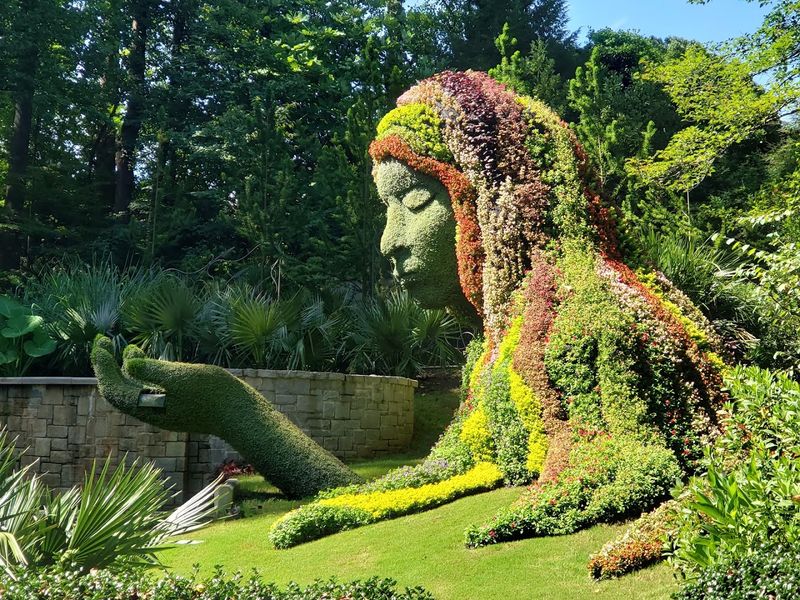
Walking through the treetops is not something most gardens offer, but Atlanta Botanical Garden is not most gardens. The Kendeda Canopy Walk stretches 600 feet through the forest, putting you level with the leaves in the most delightful way possible.
Located right next to Piedmont Park in midtown Atlanta, this 30-acre garden punches well above its weight. The Fuqua Orchid Center holds one of the largest orchid collections in the country, with rare specimens that make plant enthusiasts go completely silent in awe.
The garden has also made serious conservation commitments, housing endangered plant species from around the world. The Children’s Garden is a hit with younger visitors, featuring a splash pad and interactive plant exhibits that make learning genuinely fun.
Summer concerts in the garden draw big crowds and create a lively atmosphere. Tickets sell out on event nights, so book ahead.
The Japanese garden section is a quiet retreat when the rest of the grounds get busy.
Missouri Botanical Garden – St. Louis, Missouri
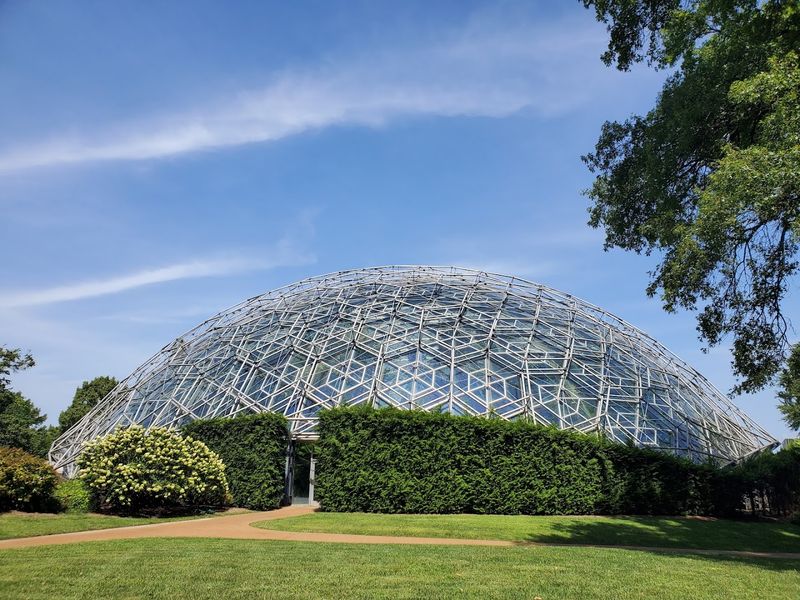
Founded in 1859, the Missouri Botanical Garden is the oldest continuously operating botanical garden in the United States, and it has clearly spent those years perfecting the art of being spectacular. History and horticulture rarely blend this well.
The Climatron, a geodesic glass dome built in 1960, houses a full tropical rainforest ecosystem inside. Walking through it on a cold St. Louis winter day is a genuinely surreal experience.
The Japanese strolling garden, called Seiwa-en, is one of the largest in North America and a masterpiece of peaceful design.
The garden covers 79 acres and draws around 900,000 visitors each year. The annual Japanese Festival held every Labor Day weekend is a beloved tradition that brings thousands of people together for food, music, and cultural performances.
The garden also runs serious plant research programs, contributing to global conservation science. Admission is affordable, and the experience is absolutely worth every cent you spend.
Denver Botanic Gardens – Denver, Colorado
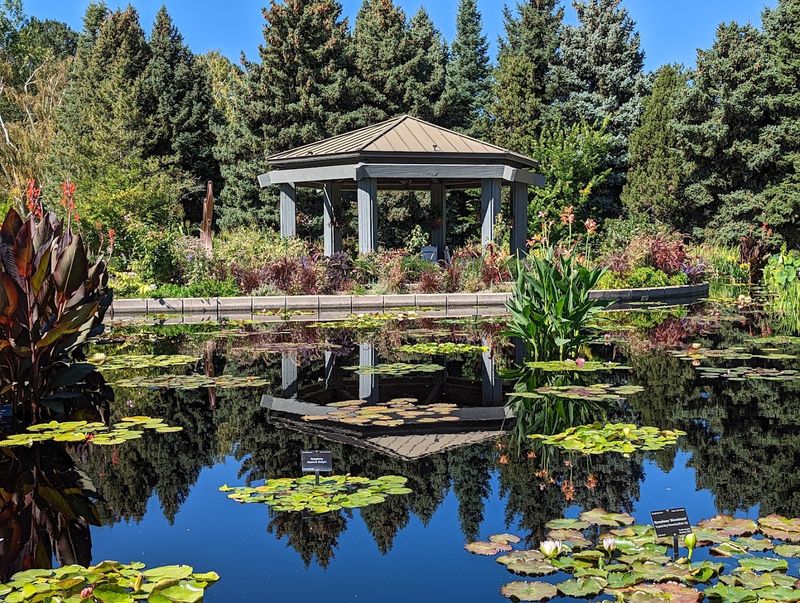
At 5,280 feet above sea level, Denver Botanic Gardens grows plants that most other gardens would never even attempt. The altitude shapes everything here, and the result is a garden with a personality as bold as the Rocky Mountains looming in the background.
The rock alpine garden is a highlight, showcasing plants that thrive in harsh mountain climates. It is a surprisingly colorful and textured display that challenges the idea that alpine environments are barren.
The tropical conservatory provides a warm contrast, packed with lush green plants year-round.
The gardens span 24 acres in the heart of Denver and attract over 800,000 visitors annually. The outdoor concert series called Concerts in the Garden is a summer tradition that locals absolutely love.
Getting tickets early is wise because popular acts sell out quickly. The York Street location is the main campus, but the Chatfield Farms site offers a completely different rural experience worth exploring on a second visit.
Coastal Maine Botanical Gardens – Boothbay, Maine
Maine has lobster, lighthouses, and apparently one of the most stunning botanical gardens in the entire country. The Coastal Maine Botanical Gardens in Boothbay opened in 2007 and has already earned a spot among the top public gardens in North America.
Not bad for a teenager.
The garden covers 295 acres of coastal Maine woodland, meaning you get both incredible plant displays and breathtaking ocean views in a single visit. The Bibby and Harold Alfond Children’s Garden was named the best children’s garden in the country by the American Horticultural Society.
High praise, and completely deserved.
The Gardens Aglow event in winter transforms the property with half a million lights, drawing visitors who would not normally brave a Maine December. Summers are peak season, with wildflowers, coastal breezes, and long daylight hours making every walk feel cinematic.
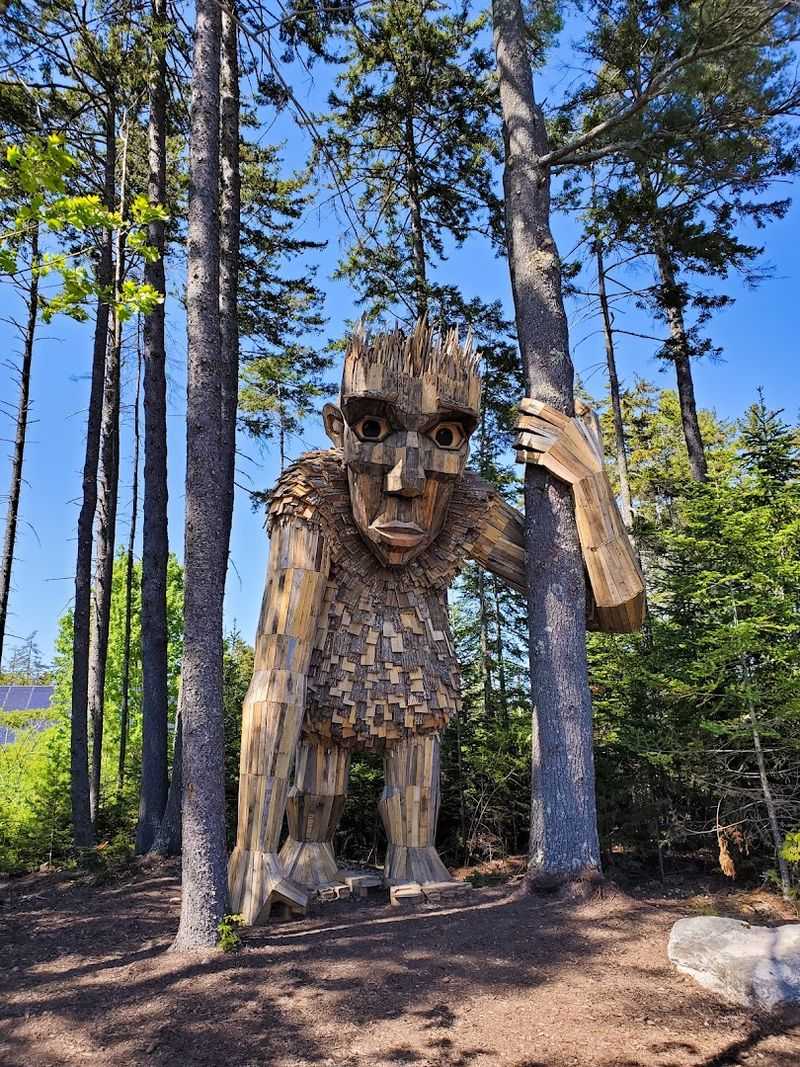
The troll sculptures scattered throughout the grounds are a quirky and beloved addition that kids and adults equally adore.
Brooklyn Botanic Garden – Brooklyn, New York
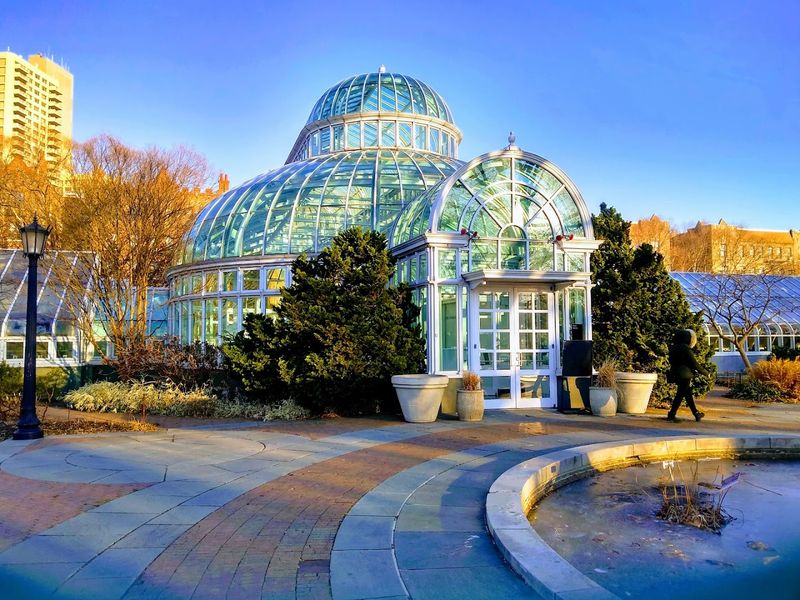
Cherry blossom season in Brooklyn hits different. Every spring, the Brooklyn Botanic Garden erupts in a cloud of pink and white blossoms that turns the whole neighborhood into a pilgrimage site for flower lovers, photographers, and people who just need a reason to go outside.
The Japanese Hill-and-Pond Garden, built in 1915, is one of the oldest Japanese-style gardens in the United States. It is genuinely serene, even when surrounded by the energy of New York City just outside the gates.
The contrast is part of the charm.
Spread across 52 acres in the heart of Brooklyn, this garden manages to feel both intimate and expansive at the same time. The Cherry Esplanade during Sakura Matsuri festival draws tens of thousands of visitors each year.
The rose garden, fragrance garden, and Shakespeare garden each offer their own distinct character. Visiting on a weekday avoids the weekend crowds and gives you more space to actually breathe and enjoy things.
Naples Botanical Garden – Naples, Florida
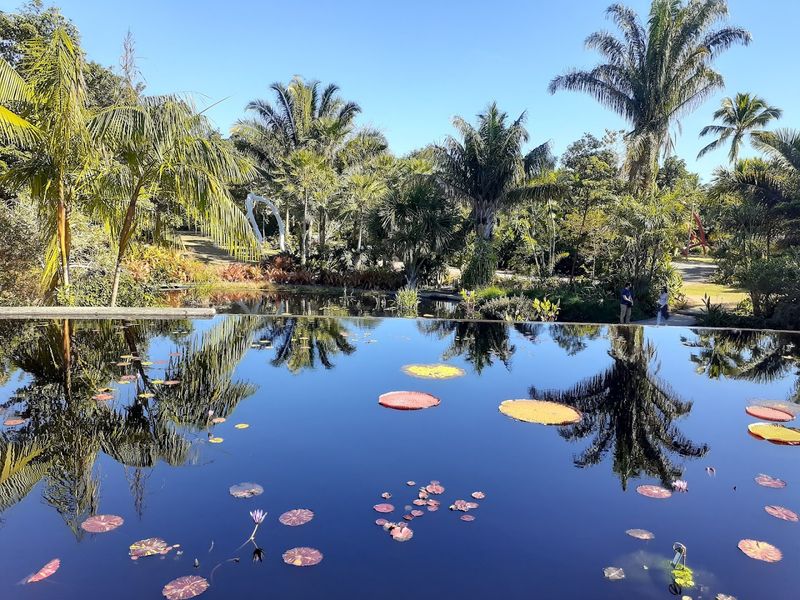
Florida sunshine plus world-class tropical plants equals the Naples Botanical Garden, a 170-acre paradise on the southwest coast that proves the Sunshine State is more than just theme parks and alligators.
The garden is divided into themed areas representing the tropical regions of the world, including the Caribbean, Asia, and Brazil. Each section feels like a different country, which makes walking through the whole property feel like an extremely affordable world tour.
The Brazilian Garden is especially striking, with bold colors and dramatic plant arrangements that feel theatrical. The Children’s Garden includes a treehouse, a water area, and plant-themed activities that keep younger visitors completely entertained.
The garden opens at 9 a.m. and closes at 5 p.m. most days, so arriving early gives you cooler temperatures and better light for photos. The butterfly garden is a highlight during warmer months, attracting dozens of species that float around you as you walk.
Worth every minute of the drive to Naples.
The Huntington Library, Art Museum, and Botanical Gardens – San Marino, California
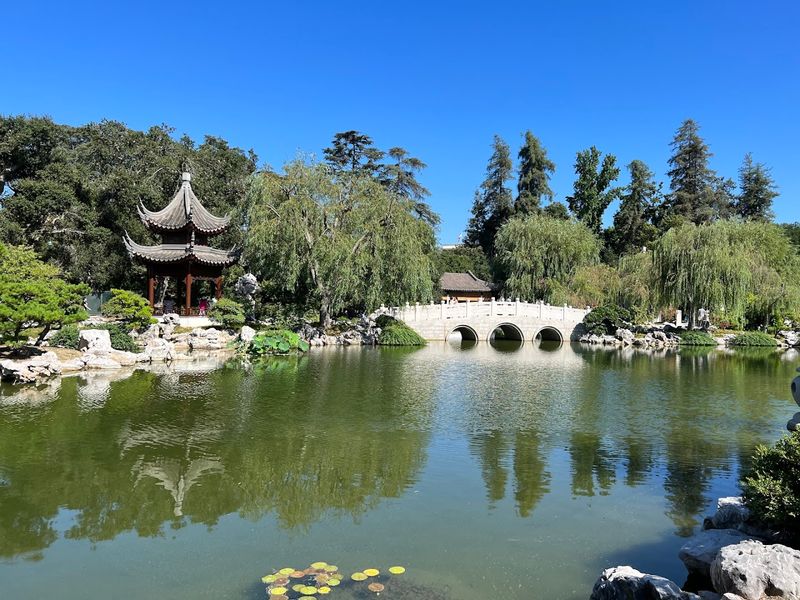
Three world-class institutions in one address. The Huntington in San Marino, California, combines a research library holding rare manuscripts, a major art museum, and 120 acres of botanical gardens, making it one of the most intellectually dense cultural destinations in the entire country.
The Desert Garden alone contains over 5,000 species of cacti and succulents and is considered one of the finest collections of its kind anywhere on Earth. Wandering through it feels like visiting another planet, especially during late afternoon light.
The Chinese Garden, called the Garden of Flowing Fragrance, is the largest classical Chinese garden outside of China. The Japanese Garden, the Rose Garden, and the Australian Garden each add their own distinct flavor to the property.
Henry Huntington assembled this collection in the early 1900s with the clear goal of building something extraordinary. He succeeded.
Timed entry tickets are required, and weekends book up quickly, so plan your visit well in advance to avoid disappointment.
Phipps Conservatory and Botanical Gardens – Pittsburgh, Pennsylvania
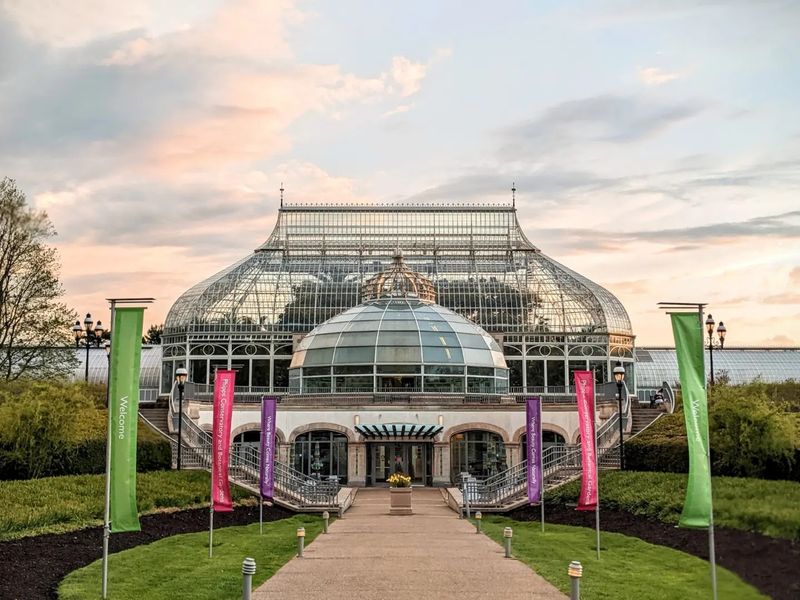
Built in 1893, Phipps Conservatory in Pittsburgh is one of the oldest glass botanical conservatories in the United States, and it has somehow gotten better with age. The Victorian-era architecture alone makes it worth visiting before you even see a single plant.
Phipps holds the distinction of being one of the greenest buildings in the world, having earned multiple LEED certifications for sustainable design. So this garden is not just beautiful, it is also genuinely good for the planet.
That is a rare combination worth celebrating.
The seasonal flower shows here are legendary in Pittsburgh. Each show transforms the interior rooms into themed floral landscapes that change throughout the year.
The holiday show and the spring flower show consistently draw long lines, so buying tickets online in advance is strongly recommended. The outdoor garden surrounding the conservatory is free to walk through and features thoughtful plant arrangements in every season.
Phipps also runs excellent educational programs for students and families throughout the year.
Dallas Arboretum and Botanical Garden – Dallas, Texas
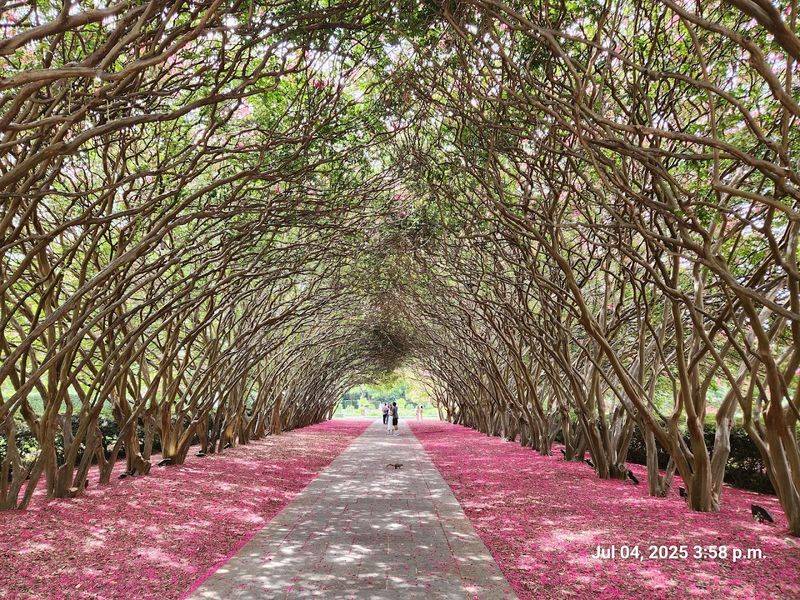
Everything is bigger in Texas, and the Dallas Arboretum takes that motto seriously. Sitting on the eastern shore of White Rock Lake, this 66-acre garden delivers some of the most spectacular seasonal flower displays anywhere in the South.
The Dallas Blooms festival each spring plants over 500,000 spring bulbs across the property, turning the entire arboretum into a riot of color that absolutely demands to be photographed. It runs for about eight weeks and is consistently one of the most visited events in Dallas each year.
The Rory Meyers Children’s Adventure Garden is a 8-acre science and nature playground that has won national recognition for its design and programming. Adults love the lakeside views and the historic DeGolyer Estate, which adds a touch of elegant history to the visit.
Fall brings a spectacular pumpkin village display with thousands of carved and decorated gourds. Parking fills fast on weekends, so arriving early in the morning is genuinely the best strategy here.
United States Botanic Garden – Washington, D.C.
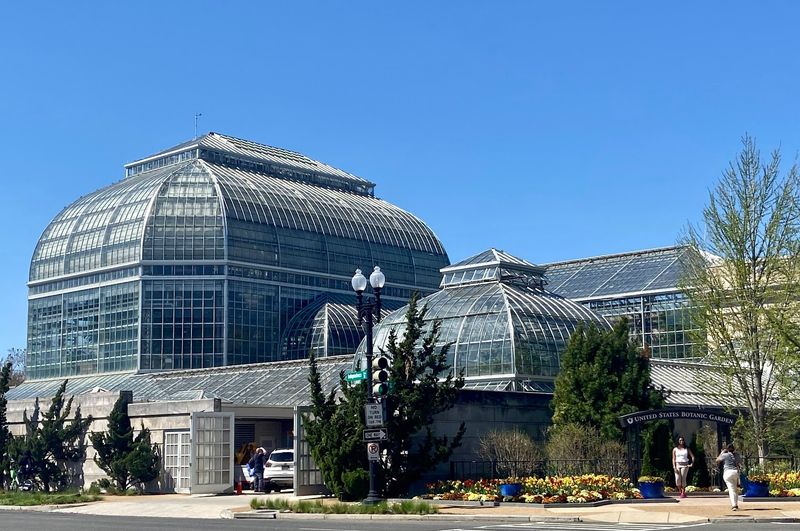
The oldest continuously operating botanic garden in North America sits right next to the U.S. Capitol building, and somehow it still does not get enough credit.
The United States Botanic Garden in Washington, D.C., has been growing plants and educating the public since 1820, which makes it older than most countries.
Entry is completely free, which feels almost too good to be true for a garden of this quality. The conservatory houses tropical plants, medicinal plants, orchids, and one of the most impressive cycad collections in the world.
Cycads are ancient plants that have survived since the dinosaur era, and seeing them up close is oddly thrilling.
The Bartholdi Park directly across the street is also managed by the garden and offers a beautifully maintained outdoor display that showcases plants suited to the mid-Atlantic climate. It is a perfect spot for a picnic after touring the conservatory.
The holiday season brings a beloved model train display inside the conservatory that draws families from across the region every December.
Lewis Ginter Botanical Garden – Richmond, Virginia
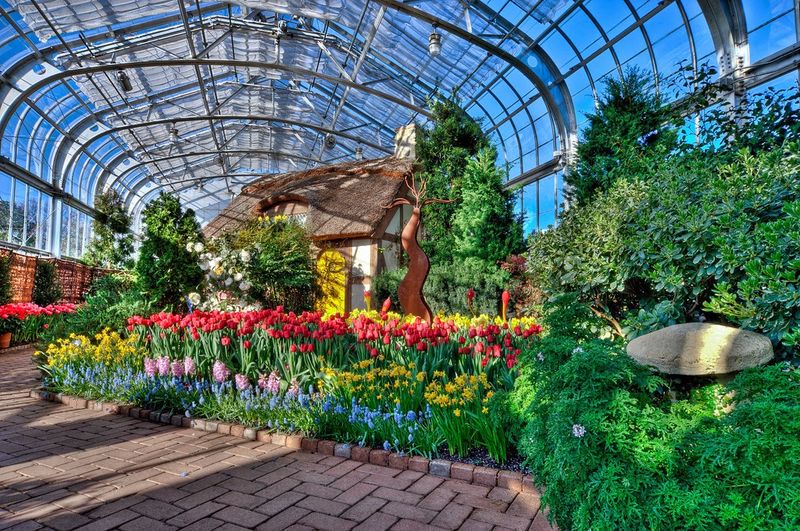
Richmond, Virginia, has a secret weapon, and its name is Lewis Ginter Botanical Garden. This 82-acre garden in the heart of the city has been quietly becoming one of the best botanical destinations on the East Coast, and more people should be talking about it.
The domed conservatory is a visual standout, housing tropical plants and seasonal exhibitions year-round. The perennial garden is jaw-dropping in summer, with layers of color and texture that make you want to start gardening the moment you get home.
The children’s garden features a treehouse, a wading stream, and endless ways to connect with nature.
Lewis Ginter also runs one of the best holiday light events in Virginia called Dominion Energy GardenFest of Lights, which attracts over 200,000 visitors each winter season. The event uses over half a million lights to decorate the garden in a way that feels both festive and genuinely artistic.
Admission is reasonably priced, and the garden is open almost every day of the year.
Share this story