 Unearth The Voyage
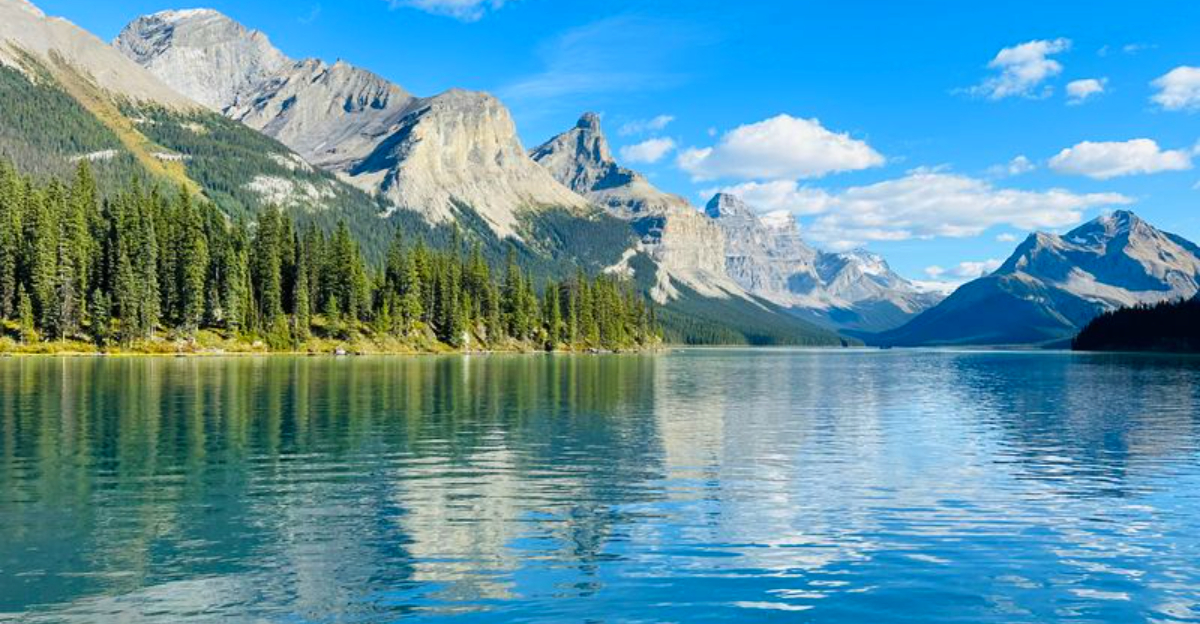
Canada is the kind of place that makes you stop mid-scroll and wonder how one country can hold so much beauty. Water is everywhere here.
It shapes the views, the weather, the weekends, and even the way people talk about “getting outside.”
Some lakes feel unreal, with colors that look edited and shorelines that seem too perfect to be real life. Others are so wide and calm they read more like inland oceans than simple freshwater.
And while the numbers behind Canada’s lakes are impressive, the experience is what really sticks with you.
In this article, we’ll look at what makes these waters so special, the kinds of landscapes they create, and why a few of them deserve a spot on your travel list, even if you think you’ve seen it all.
1. Lake Louise: The Turquoise Icon of the Rockies
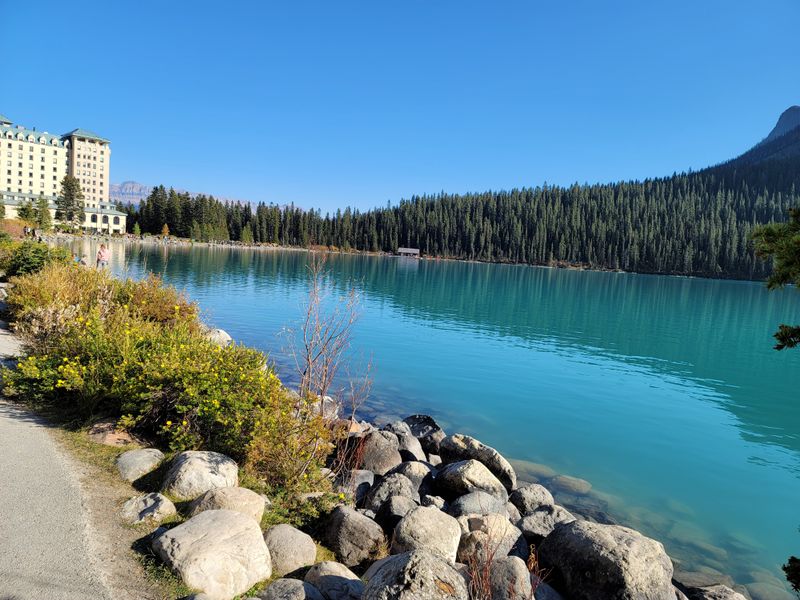
Calling Lake Louise famous feels like an understatement. This glacial masterpiece sits in Banff National Park like nature’s own screensaver, complete with that ridiculously photogenic hotel perched on its shore.
The milky-turquoise color comes from rock flour, tiny particles ground up by glaciers and suspended in the water. It’s the same geological magic that makes your photos look fake even when they’re completely real.
Summer brings canoe rentals and lakeside strolls that feel almost too perfect. The surrounding peaks create a natural amphitheater that makes every angle Instagram-worthy, though you’ll be fighting crowds for those shots during peak season.
Early risers get rewarded with mirror-like reflections and actual breathing room. The Lake Agnes Tea House hike starts right from the lakeshore and climbs to a backcountry teahouse that’s been serving hikers since 1901.
Winter transforms the scene into a frozen wonderland where ice sculptors carve elaborate displays. The lake becomes a skating rink, and suddenly that fairytale castle vibe goes into overdrive.
Pack layers regardless of season because mountain weather plays by its own rules up here.
2. Moraine Lake: Ten Peaks and Unbelievable Blue
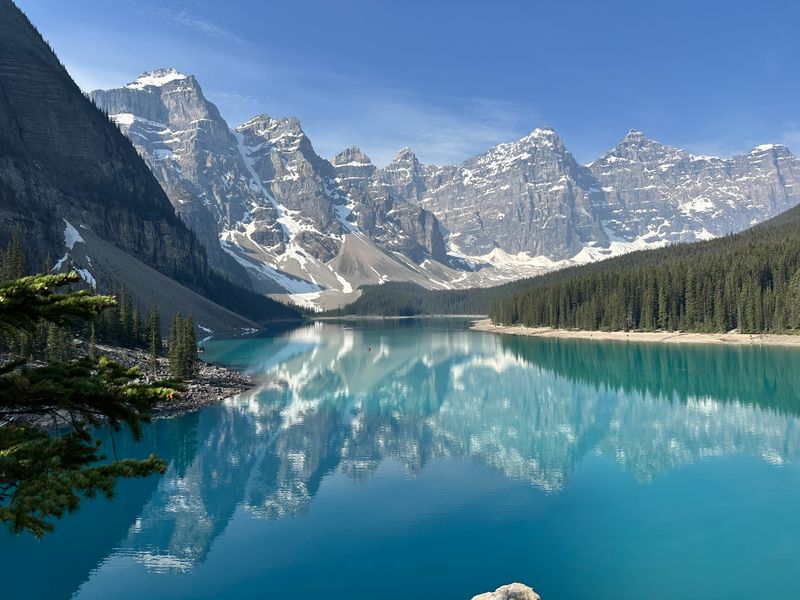
Moraine Lake makes you question whether your eyes work properly. The blue is so intense it looks Photoshopped, yet there you stand, staring at water that somehow achieved a color not found in standard crayon boxes.
The Ten Peaks tower behind the lake like nature’s own cathedral. This view graced the Canadian twenty-dollar bill for years, cementing its status as one of the country’s most recognizable landscapes.
Rockpile Trail takes about three minutes to climb and delivers that classic postcard angle. Everyone crowds onto these rocks at sunrise, tripods jostling for position, because the early light turns everything golden while the water stays impossibly blue.
Canoe rentals let you paddle right into the scenery when conditions allow. There’s something surreal about floating on water this color, surrounded by peaks that seem close enough to touch.
Parks Canada restricts vehicle access during peak times, running a shuttle system to manage the chaos. This actually improves the experience since you’re not circling a parking lot for an hour.
Bring a real camera if you have one because phone cameras struggle to capture the full color intensity. The lake sits at about 1,885 meters elevation, so take it easy if you’re not acclimated.
3. Lake Superior: Canada’s Freshwater Ocean
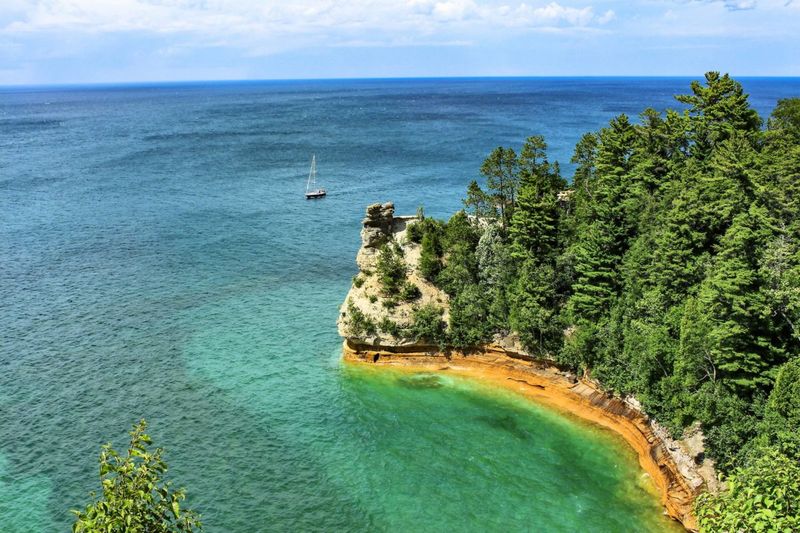
Superior lives up to its name in every measurable way. As the largest lake by surface area in Canada and the world’s biggest freshwater lake by area, it’s basically an inland sea that happens to lack salt.
The shoreline stretches wild and rugged, especially along Ontario’s northern coast. Cliffs plunge into deep water, ancient rock formations tell geological stories, and storms roll in with oceanic fury.
Lake Superior Provincial Park protects some of the most spectacular coastal scenery. The Agawa Rock pictographs sit right at water level, Indigenous artwork that’s survived centuries of waves and weather.
Water temperatures stay shockingly cold even in summer, rarely climbing above 10°C. This isn’t a swimming lake unless you enjoy hypothermia or possess unusual cold tolerance.
Kayakers and canoeists treat Superior with serious respect because conditions change fast. What starts as glassy calm can turn into three-meter swells within hours, and the cold water doesn’t forgive mistakes.
The coastal hiking trails offer endless exploration opportunities. You’ll walk through boreal forest, scramble over Canadian Shield rock, and encounter views that make you feel genuinely small.
Fall colors explode across the hillsides in late September. Combined with the moody lake and dramatic skies, it’s peak Great Lakes atmosphere.
4. Lake Ontario: Urban Waterfront and Island Escapes
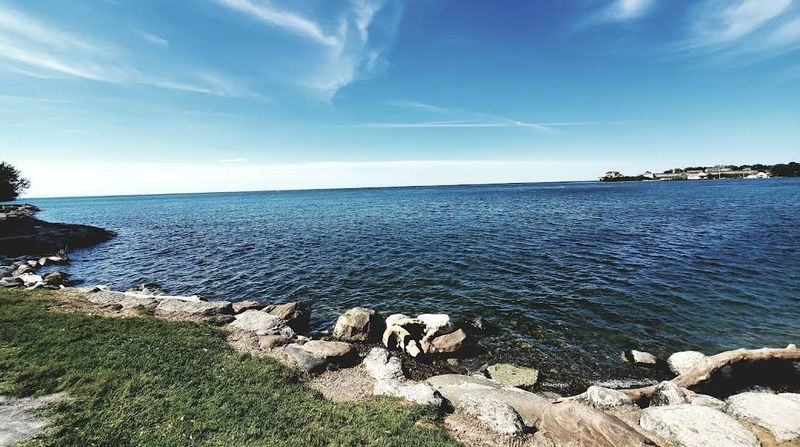
Lake Ontario shapes daily life for millions of Canadians who probably take it for granted. Toronto’s entire identity revolves around this shoreline, from the beaches to the islands to the endless waterfront trails.
The Toronto Islands sit just offshore like a car-free vacation village. Ferry rides deliver you to beaches, bike paths, and a slower pace that feels impossible given the downtown skyline looming across the water.
Scarborough Bluffs create dramatic cliffs on the eastern shore. These towering formations drop straight into the lake, offering viewpoints that surprise people who think Toronto lacks natural drama.
Summer transforms the waterfront into festival central. Concerts, cultural events, and beach volleyball tournaments pack the shoreline while sailboats dot the water and paddleboarders wobble past.
The lake moderates Toronto’s climate, keeping summers slightly cooler and winters somewhat milder than inland areas. This creates a microclimate that makes waterfront living particularly desirable and expensive.
Sunset watching becomes a ritual for locals who gather along the boardwalk. The sky puts on shows that range from subtle pastels to explosive oranges and pinks.
Water quality has improved dramatically over recent decades. Beaches now earn Blue Flag certifications, and people actually swim without growing extra appendages.
5. Lake Huron: Georgian Bay and Island Paradise
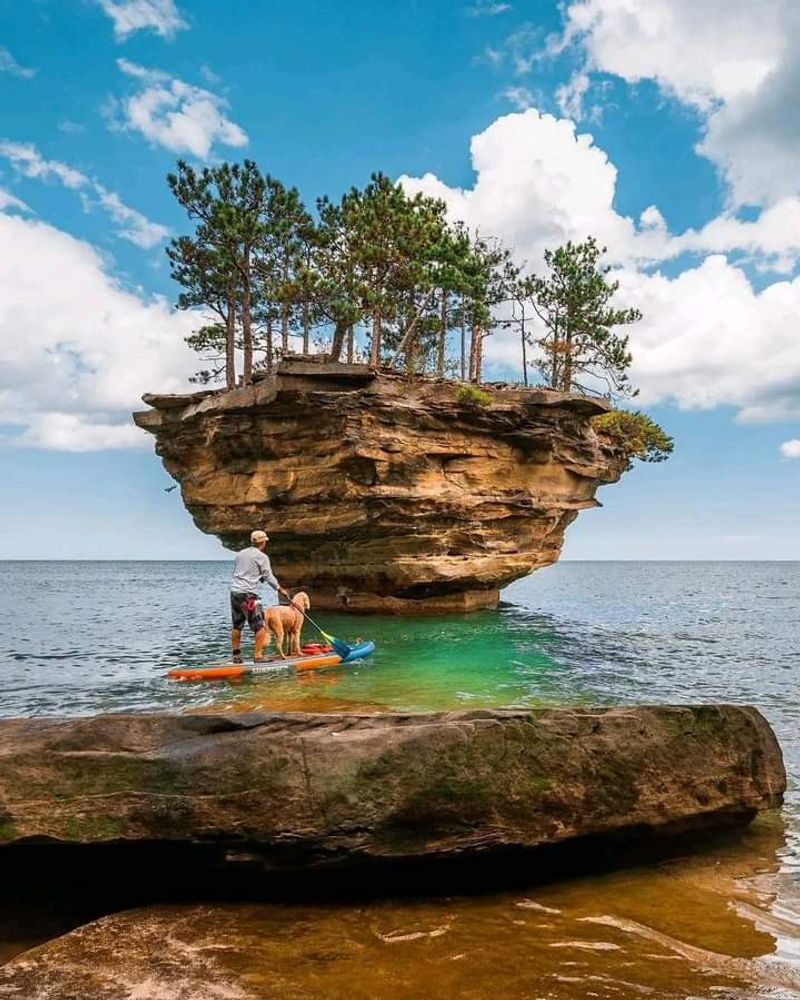
Huron contains multitudes, from the cottage-packed shores of southern Ontario to the wild beauty of Georgian Bay. The eastern shore feels almost Mediterranean during summer, minus the heat and plus way more pine trees.
Georgian Bay deserves its own fan club. The 30,000 Islands region creates a maze of granite outcrops topped with twisted pines, connected by channels of impossibly clear water.
Tobermory anchors the Bruce Peninsula at Huron’s northern tip. The Grotto and other formations draw crowds who come to swim in turquoise waters that rival tropical destinations for clarity if not temperature.
Manitoulin Island holds the title of world’s largest freshwater island. It’s big enough to contain its own lakes, creating a lake-within-a-lake situation that feels very Canadian somehow.
The water clarity in many areas lets you see bottom at surprising depths. Snorkeling reveals underwater landscapes of rock formations and shipwrecks that tell Great Lakes maritime history.
Cottage culture reaches peak intensity around Huron’s shores. Multi-generational families return to the same properties every summer, creating traditions and memories that span decades.
Sunset cruises and sailing trips take advantage of the protected bays. The landscape changes character constantly as you navigate between islands and along the coast.
6. Lake Erie: Warm Waters and Sandy Shores
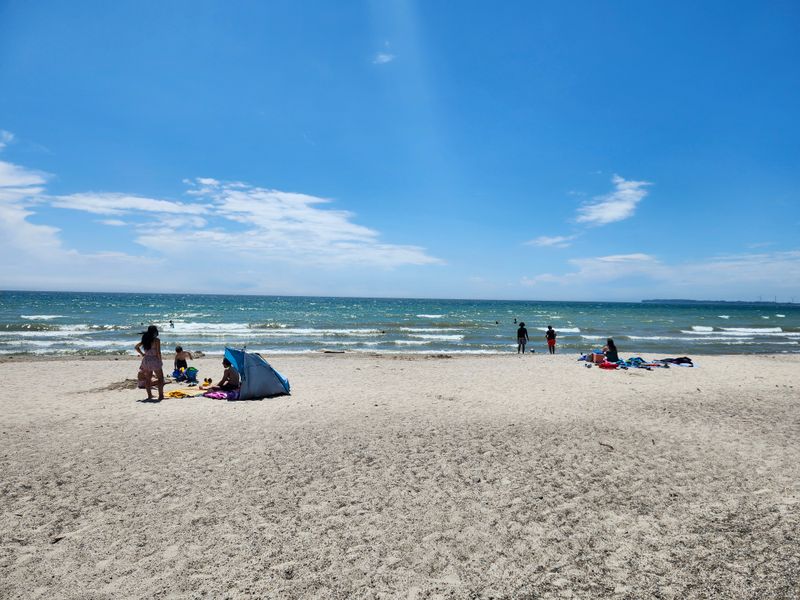
Erie gets overlooked in Great Lakes discussions but delivers exactly what summer needs. The shallowest Great Lake warms up faster than its siblings, making it the most swim-friendly option for people who prefer not freezing.
Point Pelee National Park juts into the lake like Canada’s southernmost finger. This peninsula becomes a migration superhighway for birds, attracting birdwatchers who travel internationally to witness the spring spectacle.
Sandy beaches stretch along the northern shore, lined with cottages and small towns that embrace lake life. These aren’t dramatic rocky cliffs but rather gentle, accessible shorelines perfect for families.
The lake’s warmth comes with trade-offs including occasional algae blooms. Agricultural runoff creates challenges that scientists and conservationists continue addressing through various programs and initiatives.
Fishing remains a significant draw despite historical contamination issues. Walleye and perch populations support both recreational and commercial fishing operations that feed into local economies.
Sunset views across Erie offer unobstructed horizons. The flatness of the surrounding landscape means nothing blocks those big sky moments when clouds light up in impossible colors.
Small beach towns maintain a retro summer vibe. Ice cream shops, mini golf courses, and casual seafood restaurants create an atmosphere that feels delightfully stuck in time.
7. Great Slave Lake: Northern Depths and Aurora Nights
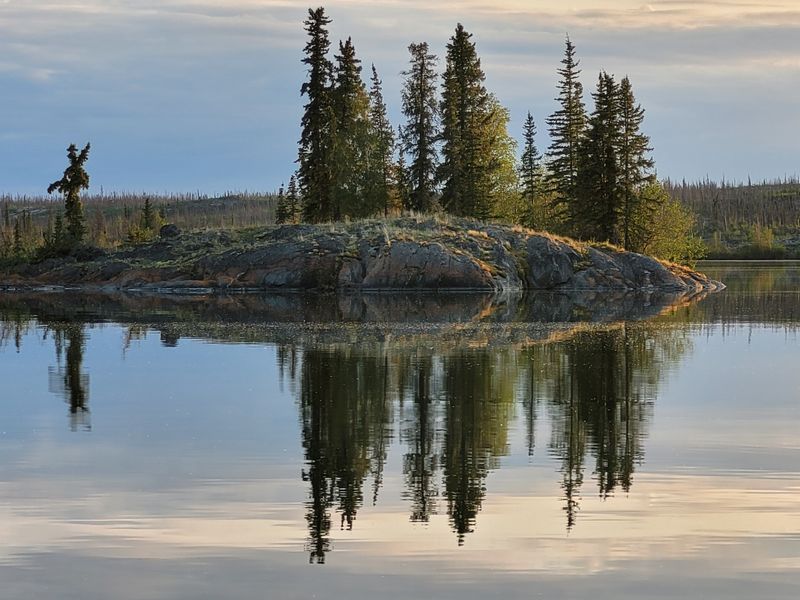
Great Slave Lake operates on a different scale than southern Canadian lakes. Deepest lake in North America at over 600 meters, it’s a northern giant that freezes solid enough to support ice roads connecting remote communities.
Yellowknife perches on the north shore, using the lake as both highway and gathering place. In winter, the frozen surface becomes a transportation network and an aurora viewing platform.
Speaking of auroras, the combination of dark northern skies and lake-reflected lights creates spectacular shows. The northern lights dance across the ice in displays that justify the cold and the journey.
Summer brings midnight sun and endless daylight. Boat trips explore rocky islands and hidden bays while the sun circles the horizon without fully setting.
The lake’s name comes from the Slavey people, though it’s increasingly known by Indigenous names including Tı̨dé in Dënesųłı̨né Yatıé. These names carry deeper cultural significance than colonial designations.
Fishing attracts anglers chasing trophy-sized lake trout and northern pike. The cold, deep waters produce fish that grow slowly but reach impressive sizes.
Ice thickness during winter reaches well over a meter. Trucks haul cargo across the frozen surface, creating temporary roads that disappear completely come spring thaw.
8. Great Bear Lake: Arctic Wilderness and Endless Horizons
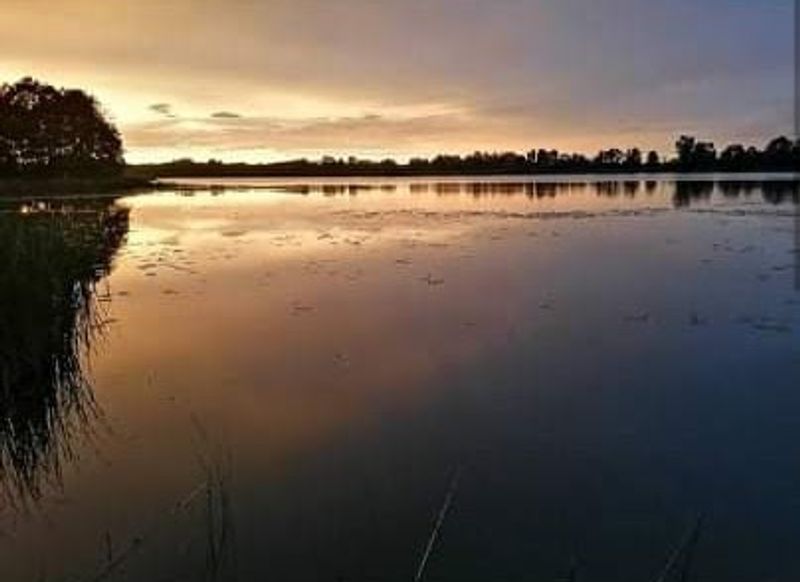
Great Bear Lake embodies remoteness in ways that challenge comprehension. The largest lake entirely within Canada sprawls across the Arctic Circle with virtually no development and limitless wilderness.
Getting here requires serious commitment involving float planes and proper planning. This isn’t a weekend road trip destination but rather a true expedition into one of North America’s last wild places.
The fishing reputation precedes the lake itself. Anglers travel from around the world chasing lake trout, Arctic grayling, and northern pike in waters that remain largely pristine.
Summer days stretch endlessly under the midnight sun. The Arctic location means June brings nearly 24-hour daylight, creating surreal conditions where time loses meaning.
Indigenous communities maintain connections to the lake despite its remoteness. The Sahtúgot’įnę Dene have called these shores home for millennia, maintaining cultural practices tied to the land and water.
Stargazing during the brief dark season delivers unmatched views. With zero light pollution and crystal-clear air, the Milky Way appears so bright it casts shadows.
Wildlife encounters include caribou, grizzly bears, and countless bird species. The ecosystem remains largely intact, functioning as it has for thousands of years.
Solitude here isn’t just quiet but profound, the kind that makes you reconsider your place in the universe.
9. Lake Winnipeg: Manitoba’s Inland Sea
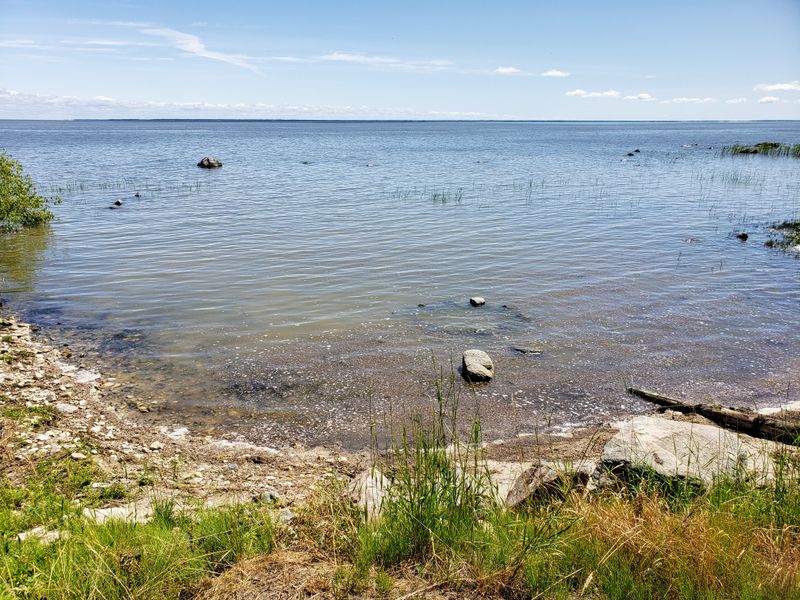
Lake Winnipeg functions as Manitoba’s summer headquarters. This massive inland sea provides beaches, boating, and cottage culture for a province that takes its lake time seriously.
Grand Beach consistently ranks among Canada’s best beaches, and for good reason. The sand dunes stretch for kilometers, creating a landscape that feels more Caribbean than Canadian Prairie.
The lake’s size creates its own weather patterns. Storms roll across the open water with impressive force, and wind-driven waves can reach heights that surprise people expecting calm inland conditions.
Cottage communities dot the shoreline, particularly on the south basin. Multi-generational families gather at properties that represent decades of summer memories and traditions.
Commercial fishing remains active despite environmental challenges. Walleye, sauger, and whitefish support an industry that connects to Indigenous fishing traditions stretching back thousands of years.
Water quality concerns have prompted conservation efforts. Agricultural runoff and invasive species require ongoing management to protect the lake’s ecological health.
Summer festivals celebrate lake culture with music, food, and community gatherings. Small towns around the shoreline come alive when warm weather arrives.
Sunset views across the open water rival ocean vistas. The prairie sky meets the lake horizon in displays of color that Manitoba residents consider their birthright.
10. Okanagan Lake: Wine Country Waters
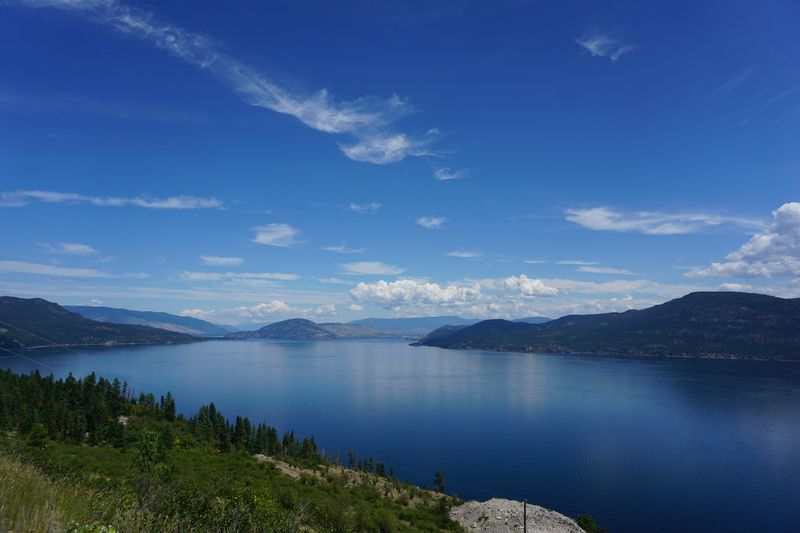
Okanagan Lake sits at the heart of Canada’s warmest, sunniest region. This isn’t your typical Canadian lake experience but rather something closer to Mediterranean, complete with vineyards climbing the hillsides.
The wine scene defines the region as much as the lake itself. Dozens of wineries line the shores, offering tastings with views that pair perfectly with their Rieslings and Pinot Noirs.
Kelowna anchors the central lake region with beaches, boardwalks, and a vacation-town energy. Summer brings festivals, concerts, and a steady stream of tourists escaping rainier parts of British Columbia.
Paddleboarding has become practically mandatory. The calm morning waters create perfect conditions for floating around while pretending to exercise.
Ogopogo, the lake’s resident cryptid, adds local flavor. This serpent-like creature features in Indigenous stories and modern tourist marketing with equal enthusiasm.
The surrounding valley produces not just wine but also cherries, peaches, and apples. Fruit stands line the highways during summer, offering produce so fresh it tastes like a completely different food group.
Winter transforms the region into a ski destination. Big White and other resorts pull double duty, letting visitors ski in the morning and golf in the afternoon during shoulder seasons.
The climate supports outdoor activities year-round, making this one of Canada’s most livable regions.
11. Lake Athabasca: Remote Wilderness Wonder
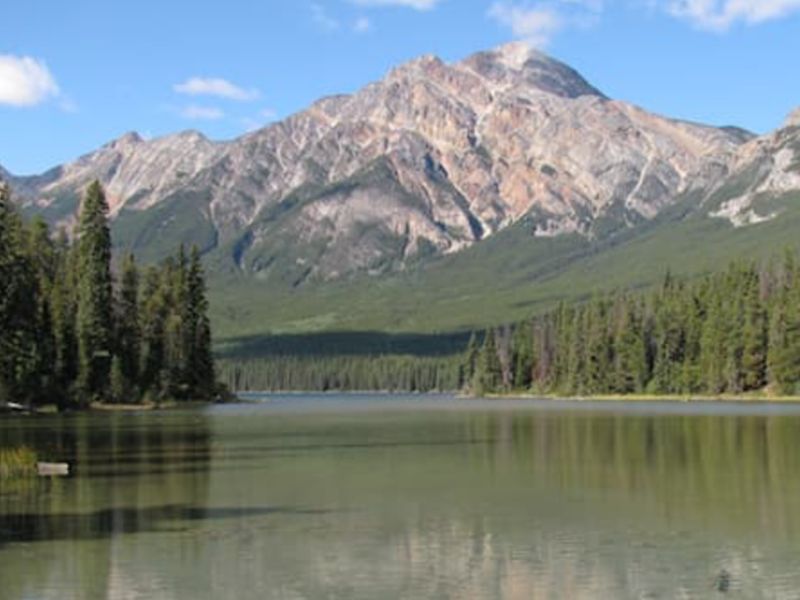
Lake Athabasca straddles the Alberta-Saskatchewan border in a region that defines remote. This massive lake combines stunning shorelines with the kind of solitude that’s increasingly rare.
The Athabasca Sand Dunes create an unexpected landscape along the south shore. These massive dunes rise from the boreal forest like a misplaced desert, creating unique ecosystems found nowhere else.
Size-wise, Athabasca ranks among Canada’s largest lakes. It stretches over 7,900 square kilometers, providing endless exploration opportunities for those willing to make the journey.
Fishing attracts serious anglers chasing lake trout, northern pike, and Arctic grayling. The remote location means fish populations remain robust and trophy-sized catches happen regularly.
Indigenous communities including Fort Chipewyan maintain deep connections to the lake. These settlements represent some of North America’s oldest continuously inhabited locations, with histories stretching back millennia.
Access requires planning since paved roads don’t reach much of the shoreline. Float planes, boats, and winter ice roads provide the main transportation options.
Wildlife viewing includes everything from caribou to black bears. The surrounding boreal forest and tundra transition zones support diverse ecosystems.
Big sky country takes on new meaning here. Sunsets and sunrises paint across horizons unobstructed by human development, creating natural light shows that cost nothing but attention.
12. Lake Nipigon: Ontario’s Northern Giant
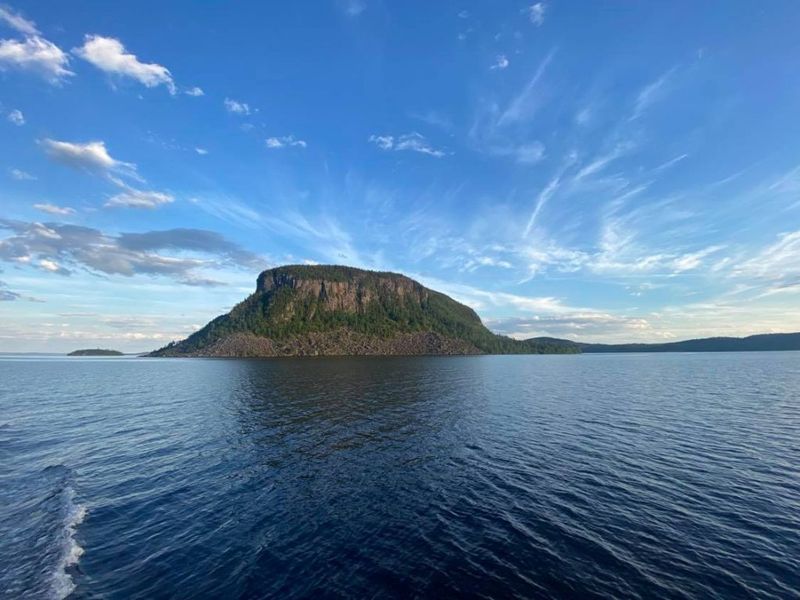
Lake Nipigon flies under the radar despite being Ontario’s largest lake entirely within provincial borders. Sitting north of Lake Superior, it offers big-water experiences without the crowds.
The fishing reputation alone justifies the journey. Brook trout reach sizes that seem fictional, and the remote setting means you’re competing with fewer anglers for prime spots.
Rugged shorelines create dramatic scenery dominated by Canadian Shield rock and boreal forest. The landscape feels ancient and untouched, which accurately reflects reality in many areas.
Trans-Canada Highway travelers catch glimpses crossing the Nipigon River bridge. Most keep driving, missing the opportunity to explore one of Ontario’s true wilderness gems.
Indigenous communities maintain connections through traditional fishing and cultural practices. The lake holds significance beyond recreation, representing ancestral territories and ongoing relationships with the land.
Backcountry routes attract paddlers seeking multi-day adventures. The lake’s size and numerous islands create endless exploration possibilities for those with proper equipment and experience.
Weather can turn quickly, and the lake’s size generates significant waves. Respect for conditions and proper preparation aren’t optional but essential for safe enjoyment.
Scenic lookouts along Highway 11 provide accessible viewpoints. Even a quick stop reveals why this lake captivates those who discover it.
13. Maligne Lake: Jasper’s Glacial Masterpiece
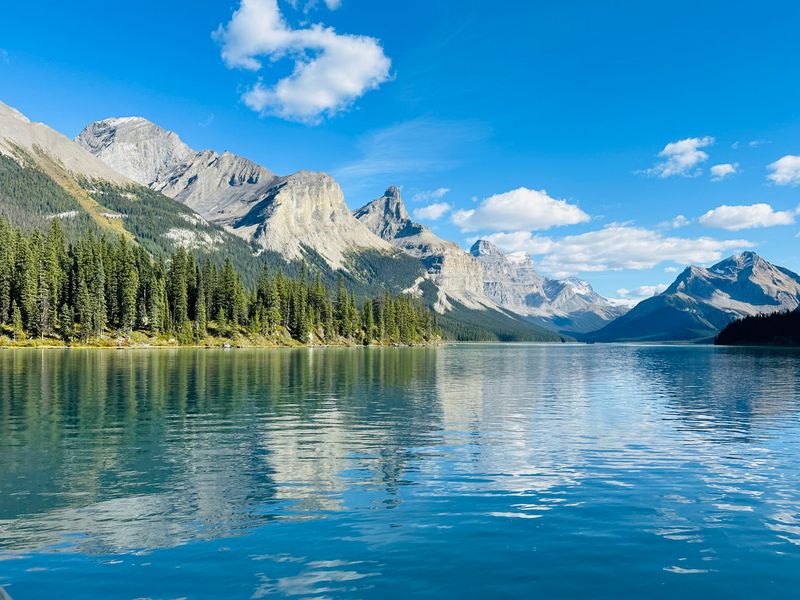
Maligne Lake stretches through Jasper National Park like a liquid highway into the mountains. At 22 kilometers long, it’s the largest lake in the Canadian Rockies and arguably the most photogenic.
Spirit Island steals the show despite being tiny. This tree-covered rock sits in the middle of the lake, creating one of the most photographed scenes in Canada when framed by surrounding peaks.
Boat tours run regularly during summer, ferrying visitors to Spirit Island viewpoints. The cruise itself offers constantly changing perspectives as you glide past mountains reflected in glacial waters.
The glacial-fed water maintains that signature turquoise color throughout summer. Rock flour suspended in the meltwater creates the milky hue that cameras struggle to capture accurately.
Hiking trails around the lakeshore range from easy walks to serious backcountry routes. The Skyline Trail starts nearby, offering some of the Rockies’ best high-elevation hiking.
Early morning and late evening provide the best light and fewest crowds. The lake faces east, making sunrise particularly spectacular when conditions cooperate.
Winter access requires skis or snowshoes, transforming the experience entirely. The frozen lake and snow-covered peaks create a silent, pristine world that summer visitors never witness.
Wildlife sightings include bears, elk, and mountain goats. Keep your distance and your camera ready.
14. Emerald Lake: Yoho’s Hidden Gem
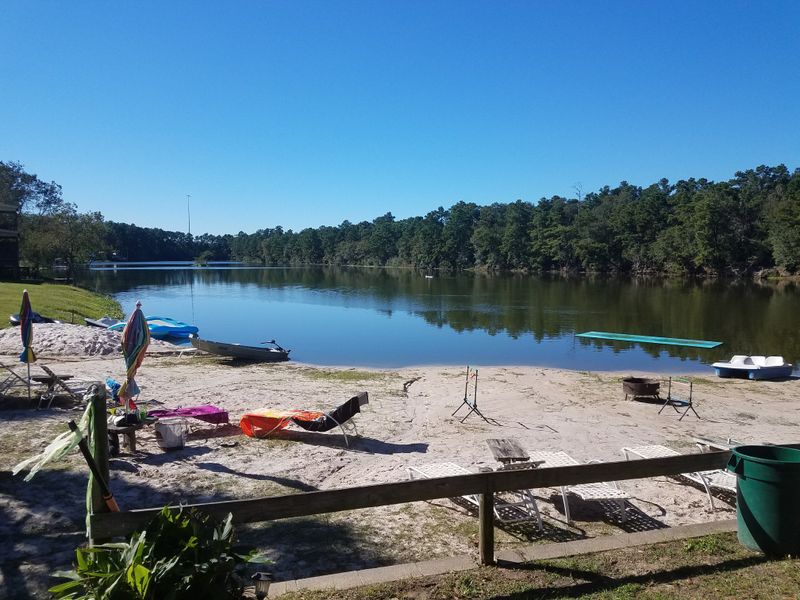
Emerald Lake earned its name honestly. The green-blue water looks artificially colored, like someone dumped dye in a perfectly good alpine lake just to mess with visitors’ perceptions.
Yoho National Park contains this gem, making it slightly less famous than Banff or Jasper lakes. This relative obscurity works in your favor if you prefer scenery without tour bus crowds.
The lakeshore loop trail circles the entire lake in about five kilometers. It’s easy enough for most fitness levels while offering constantly changing views and photo opportunities.
Canoe rentals let you paddle into the scenery rather than just observing from shore. There’s something magical about floating on water this color while mountains tower overhead.
The historic Emerald Lake Lodge sits right on the shoreline, offering accommodations for those who want to wake up to this view. Even if you’re not staying, the lodge makes a good rest stop.
Winter brings cross-country skiing and a completely different atmosphere. The frozen lake and snow-covered peaks create a quiet, peaceful scene that contrasts sharply with summer activity.
Smaller than the famous Rockies lakes, Emerald feels more intimate. You can take in the entire scene without feeling overwhelmed by scale.
The color varies with light and season, sometimes leaning more blue, other times more green. It’s always stunning.
15. Peyto Lake: The Wolf-Shaped Wonder
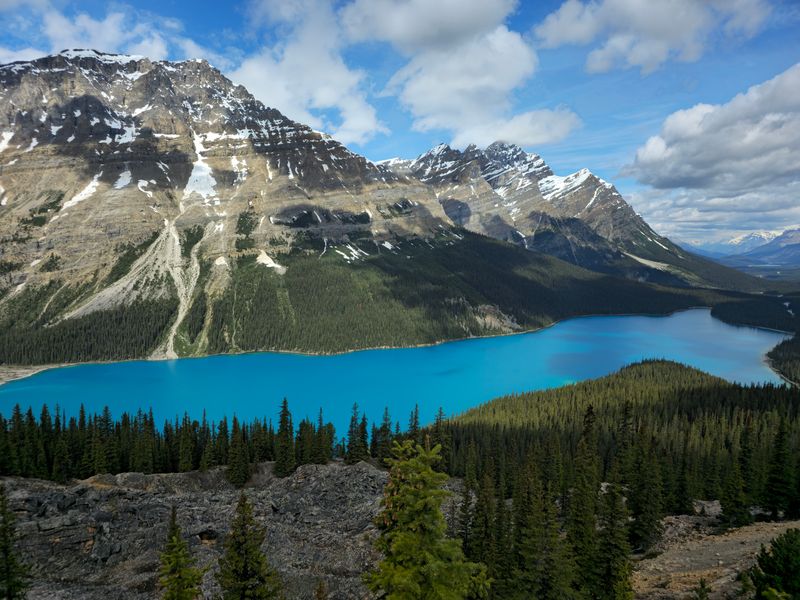
Peyto Lake viewpoint sits right off the Icefields Parkway, making it one of the easiest spectacular views you’ll ever access. A short uphill walk delivers you to an overlook that reveals the lake’s distinctive shape.
From above, the lake supposedly resembles a wolf or fox head, though honestly it takes some imagination. What’s undeniable is the color, an electric blue-green that photographs can’t quite capture.
The glacial flour concentration here reaches peak intensity. Caldron Peak’s glacier feeds the lake with meltwater so loaded with rock particles that the color seems almost neon.
Summer brings wildflowers to the viewpoint area. Purple lupines and red Indian paintbrush frame the lake view, adding foreground interest to your photos.
The main viewpoint gets crowded during peak season since it’s so accessible. Early morning or evening visits reward you with better light and breathing room.
Shoulder seasons offer advantages beyond smaller crowds. Fall brings golden larches, while late spring features more dramatic snow coverage on surrounding peaks.
The Icefields Parkway stretch around Peyto ranks among the world’s most scenic drives. Factor in extra time because you’ll want to stop at numerous viewpoints along the route.
Named after trail guide Bill Peyto, the lake represents just one highlight on a highway packed with them. Don’t rush through this section.



