Europe is basically one giant open-air history museum, and the best part is you can actually walk through it. From ancient ruins to royal palaces, every corner of this continent has a story worth knowing.
I remember standing at the foot of a crumbling Roman wall and thinking, this place was already old when Shakespeare was born. Whether you are a hardcore history buff or just someone who likes cool old stuff, these 15 places will absolutely blow your mind.
Alhambra, Granada, Spain
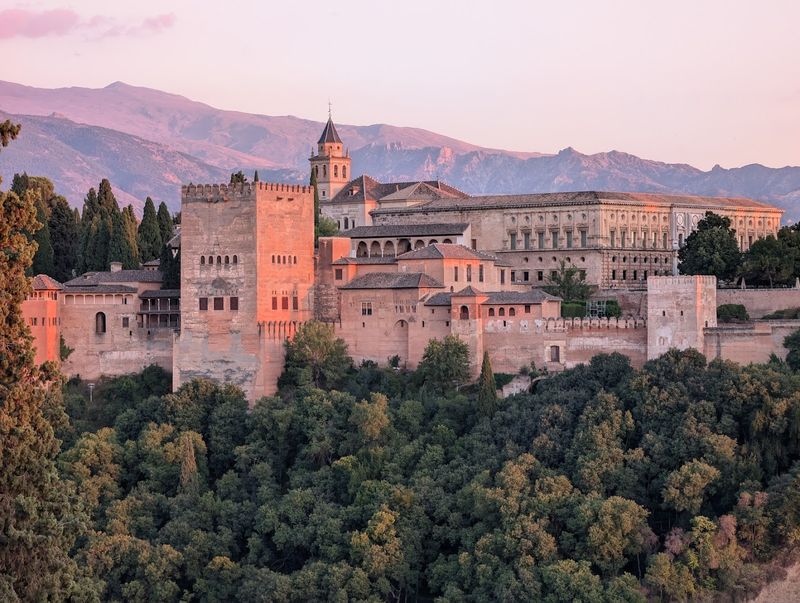
Built by Moorish rulers in the 13th and 14th centuries, the Alhambra is hands down one of the most jaw-dropping palaces ever constructed. The detail work inside is almost ridiculous.
Every ceiling, every wall, every arch is covered in geometric patterns so precise you would swear a computer made them.
The Nasrid Palaces inside the complex are the crown jewel. Walking through those rooms feels genuinely surreal.
The Generalife gardens surrounding the complex are a bonus treat, with fountains and greenery that make the whole place feel like a fairytale.
Book your tickets well in advance because this place sells out fast, sometimes weeks ahead. Timed entry slots exist for a reason.
The Alhambra gets around 2.7 million visitors per year, making it one of the most visited monuments in all of Spain. Go early in the morning for the best light and thinner crowds.
Acropolis of Athens, Athens, Greece
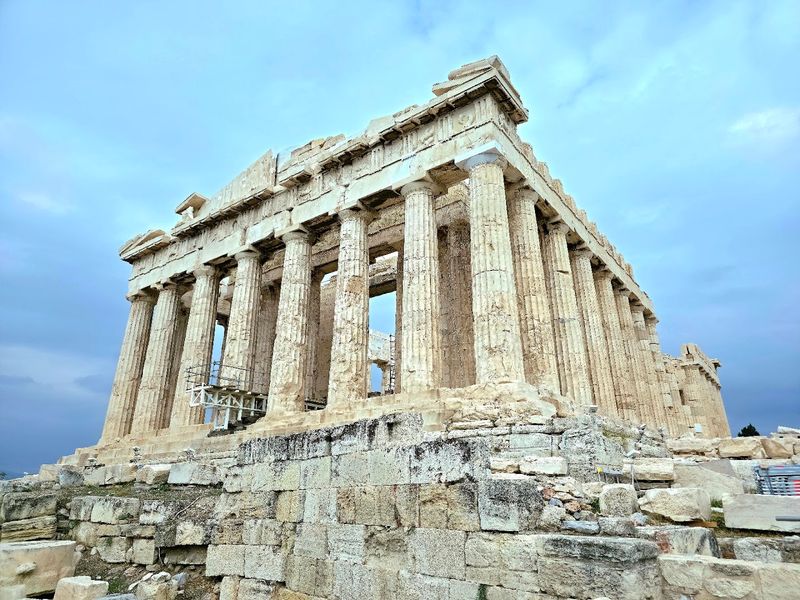
The Parthenon has been standing on that rocky hilltop for about 2,500 years. Let that sink in.
Ancient Greeks built it without power tools, cranes, or even a proper blueprint app.
The Acropolis is the kind of place that makes modern construction look a little embarrassing. The columns of the Parthenon are not actually straight.
They have a subtle curve built in to make them look perfectly straight to the human eye. That is ancient optical engineering, and it still works.
Wear comfortable shoes because the marble paths get slippery, and the climb is steeper than it looks in photos. Visit early in the morning or late in the afternoon to avoid the brutal midday heat.
The Acropolis Museum at the base of the hill is excellent and should not be skipped. It houses original sculptures and gives serious context to everything you see on top.
Colosseum, Rome, Italy
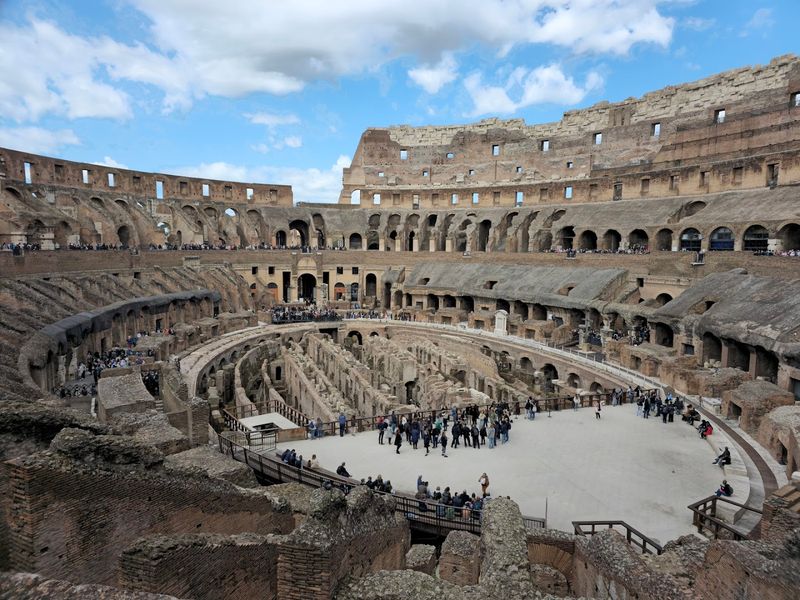
The Colosseum held up to 80,000 spectators. That is bigger than many modern NFL stadiums.
Romans were clearly not messing around when it came to entertainment planning.
Built between 70 and 80 AD, this amphitheater hosted gladiatorial combat, wild animal hunts, and elaborate public spectacles. The engineering is still studied today.
The Romans invented a retractable awning system called the velarium to shade the crowd. Ancient Rome had better shade logistics than some modern outdoor concerts.
Book tickets online before you arrive to skip the notoriously long lines. The underground hypogeum tour is worth every extra euro.
That is where gladiators waited before their big moment and where animals were kept in cages below the arena floor. Going at night is also an option and gives the whole experience a completely different atmosphere.
The Colosseum is genuinely one of those places that earns every bit of its reputation.
Mont-Saint-Michel, Normandy, France
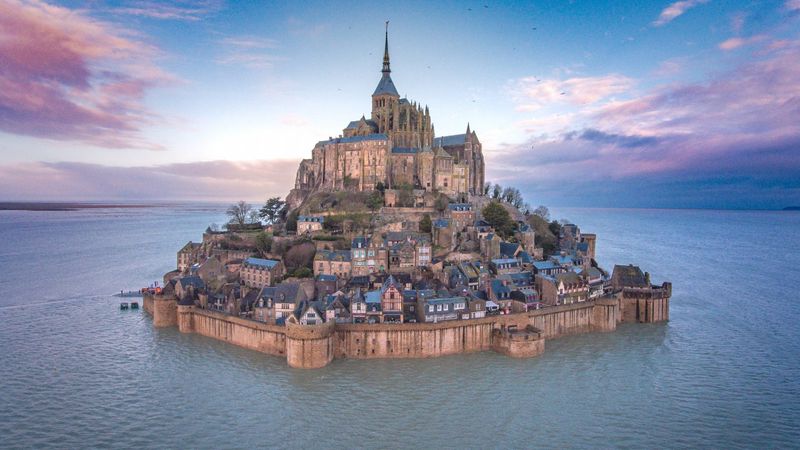
Mont-Saint-Michel looks like someone dropped a medieval fantasy novel onto a real tidal island. The abbey on top has been a pilgrimage site since the 8th century.
It sits on a granite island that gets cut off from the mainland twice a day when the tide comes in.
The tides here are among the fastest rising in Europe. At peak tide, the water moves at roughly the speed of a galloping horse.
Medieval pilgrims who misjudged the tides did not always make it back. That history gives the whole place a slightly dramatic edge.
The winding streets inside the walls are packed with shops and restaurants, so manage your expectations for a quiet, serene experience during peak tourist season. Stay overnight if you can.
Once the day visitors leave, the island transforms into something genuinely magical and quiet. The views at dusk and dawn are worth the extra cost of a room inside the walls.
Pompeii Archaeological Park, Pompeii, Italy
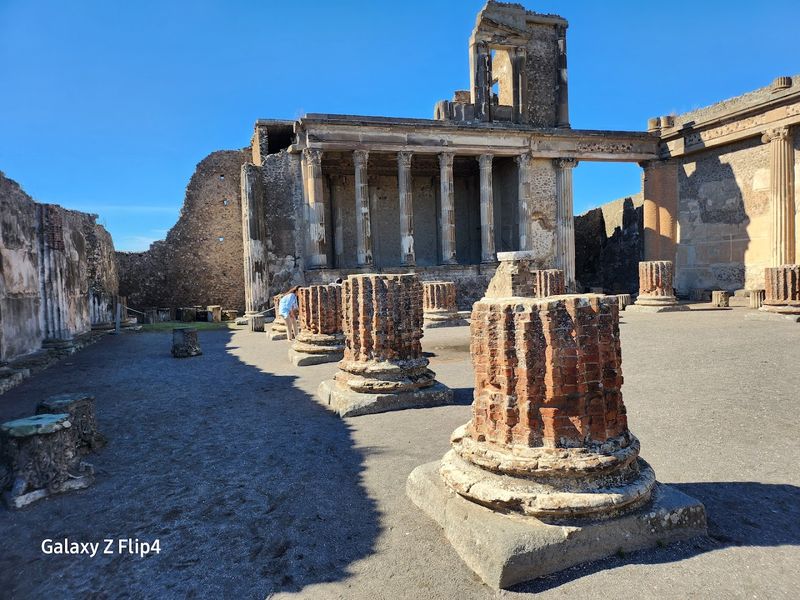
Pompeii is a city frozen in time by a volcano. In 79 AD, Mount Vesuvius erupted and buried the entire city under ash and pumice in less than 24 hours.
What makes Pompeii extraordinary is not just the destruction but how perfectly preserved everything is.
You can walk down actual Roman streets, see ancient bakeries still with flour mills intact, and visit homes with original mosaic floors. There are even preserved plaster casts of people caught in their final moments.
It is sobering and fascinating in equal measure.
Pompeii covers about 170 acres, so wear good walking shoes and bring water. It is easy to spend an entire day here and still not see everything.
The Lupanar, the ancient Roman brothel, is one of the most visited spots in the park and has remarkably explicit frescoes still on the walls. Guided tours add a lot of context that you would otherwise miss walking around on your own.
Palace of Versailles, Versailles, France
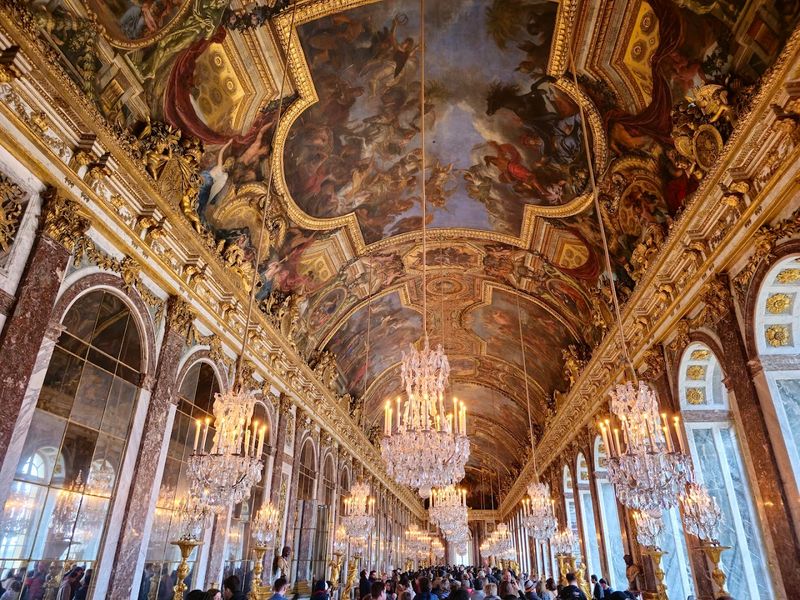
Louis XIV did not build Versailles to be modest. He built it to be the most extravagant royal residence in the world, and honestly, mission accomplished.
The Hall of Mirrors alone has 357 mirrors lining a 73-meter-long gallery. Subtlety was not on the renovation list.
The palace became the seat of French political power from 1682 until the Revolution in 1789. Walking through its rooms feels like flipping through a very expensive history textbook.
The gardens stretch over 800 hectares and include fountains, sculptures, and perfectly trimmed hedges that make lawn care feel like an art form.
Get there early because the crowds are no joke. A timed entry ticket helps.
The gardens are free to enter on most days, which is a brilliant deal considering how stunning they are. On certain weekends, the musical fountains show runs and it is genuinely worth catching.
The Grand Trianon and Petit Trianon palaces on the grounds are less crowded and equally impressive.
Stonehenge, Wiltshire, England
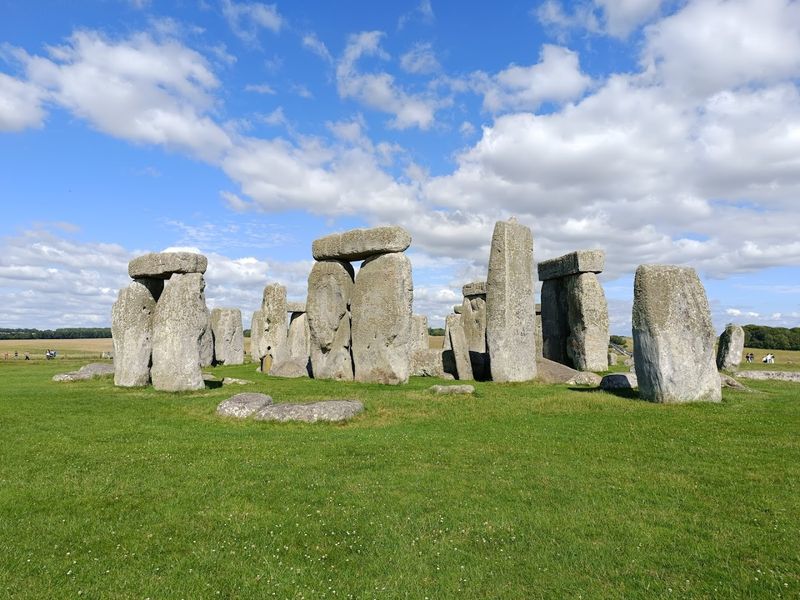
Nobody knows exactly why Stonehenge was built, and that mystery is a huge part of the appeal. The stones were erected around 3000 to 2000 BC, which means this structure is older than the Egyptian pyramids.
The largest stones weigh up to 25 tons. How ancient people moved them from Wales, about 150 miles away, is still debated by archaeologists.
Theories range from ceremonial burial site to astronomical calendar. The stones align perfectly with the sunrise on the summer solstice, which strongly suggests some serious sky-watching was going on.
Stonehenge is genuinely one of the most mysterious places on Earth.
The visitor center is excellent and worth spending time in before heading to the monument itself. You cannot walk among the stones on a regular visit, but inner circle access tours are available at sunrise and sunset for a more up-close experience.
Booking ahead is essential. The surrounding landscape is also full of ancient burial mounds that most visitors walk right past without realizing their significance.
Sagrada Família, Barcelona, Spain
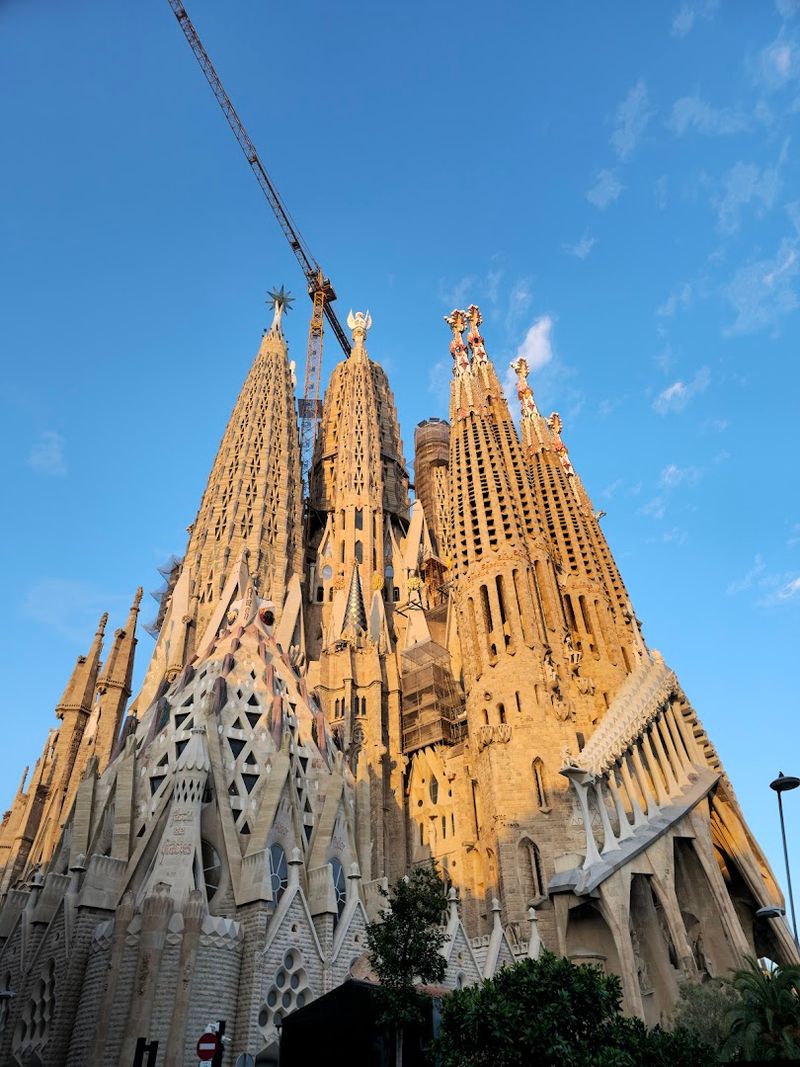
Construction on the Sagrada Familia started in 1882 and is still not finished. That makes it the longest-running construction project in modern European history.
Architect Antoni Gaudi dedicated the last 43 years of his life to it and is actually buried in the crypt below.
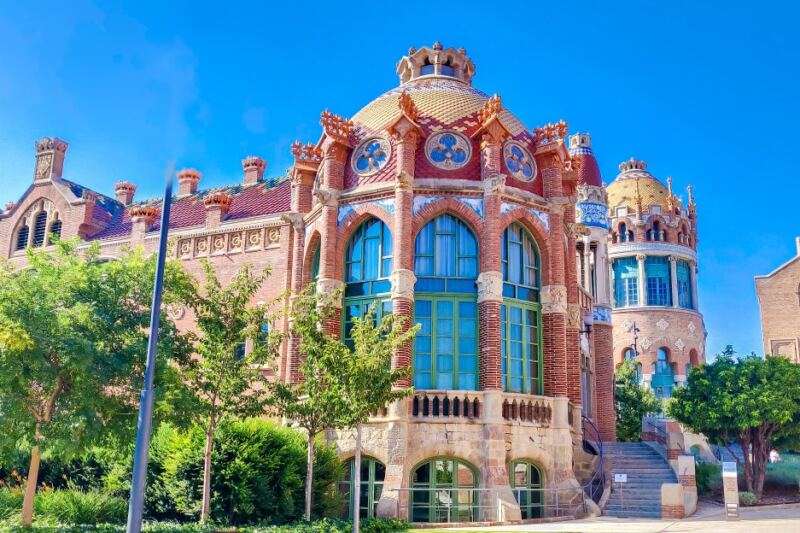
The building does not look like any other church on Earth. The exterior is covered in organic, flowing sculptural detail that looks more like a forest than a building.
The interior, flooded with colored light through stained glass windows, is genuinely breathtaking. It is one of those rare places where photos simply cannot do it justice.
Book tickets online well in advance because walk-up entry is rarely possible. The tower access tickets cost a bit more but offer incredible views over Barcelona.
The Nativity facade on the eastern side is the original Gaudi-designed section and shows his vision most clearly. The Passion facade on the western side was completed by another sculptor and has a noticeably different, more angular style.
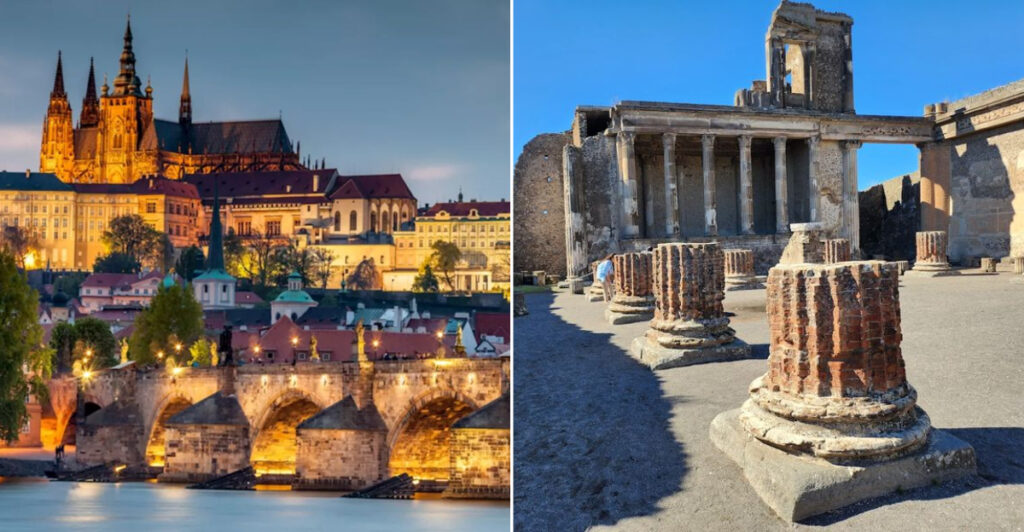
Prague Castle, Prague, Czech Republic
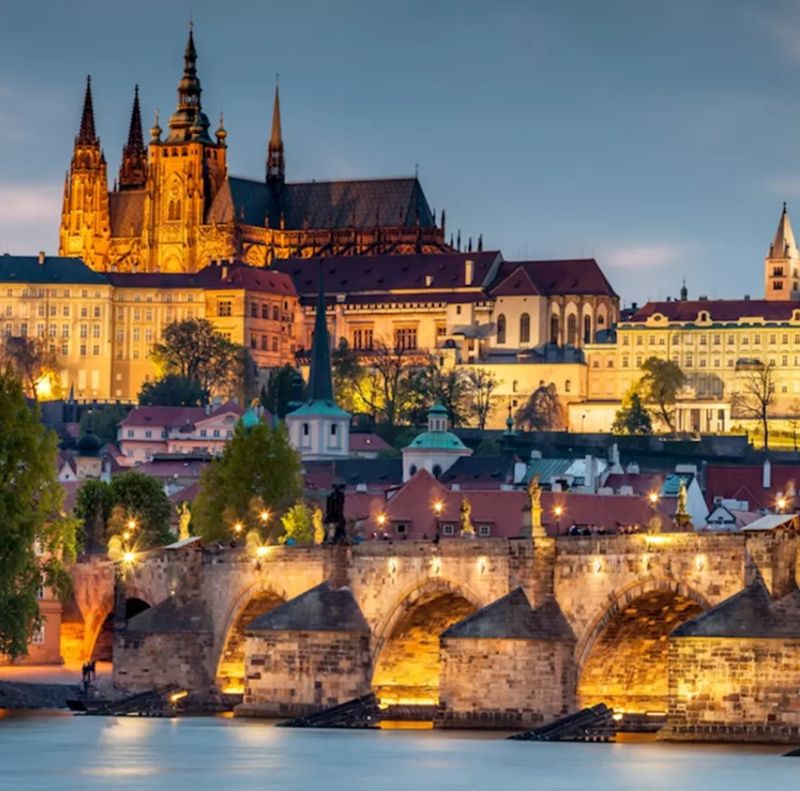
Prague Castle holds a Guinness World Record as the largest ancient castle complex in the world, covering about 70,000 square meters. That is not a castle.
That is basically a small town with better architecture. It has been the seat of Bohemian kings, Holy Roman Emperors, and Czech presidents for over a thousand years.
Inside the complex you will find St. Vitus Cathedral, a stunning Gothic masterpiece that took nearly 600 years to complete. The castle district also includes palaces, galleries, gardens, and the charming Golden Lane, a row of tiny colorful houses where Franz Kafka briefly lived.
That detail alone makes it worth visiting for literature fans.
Entry to the castle grounds is free, but individual attractions require tickets. The view of Prague from the castle terrace is one of the best in the city.
Go at sunset for a view that will make your camera work overtime. The Changing of the Guard ceremony at noon is also a crowd-pleaser and free to watch.
Tower of London, London, England
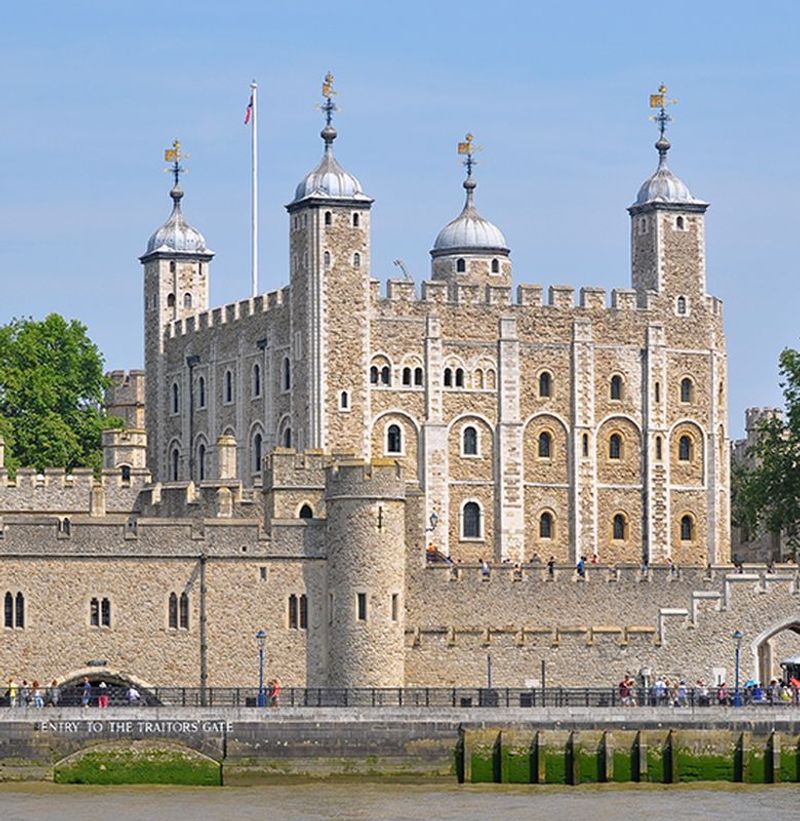
The Tower of London has been a royal palace, a prison, an armory, a zoo, and a place of execution. It has had more career changes than most people.
Built by William the Conqueror in 1078, it has been at the center of English history for nearly a thousand years.
Two of Henry VIII’s wives were executed here. Anne Boleyn and Catherine Howard both lost their heads within these walls.
The Tower also held Sir Walter Raleigh, Guy Fawkes, and even Rudolf Hess during World War Two. The guest list reads like a history textbook greatest hits collection.
Today the Tower houses the Crown Jewels, which are absolutely worth seeing. The Yeoman Warders, known as Beefeaters, give tours that are entertaining and packed with genuinely dark stories.
Book tickets in advance to avoid long queues. The ravens living on the grounds are a famous tradition.
Legend says if they ever leave, the kingdom will fall. They are well fed, just in case.
Edinburgh Castle, Edinburgh, Scotland
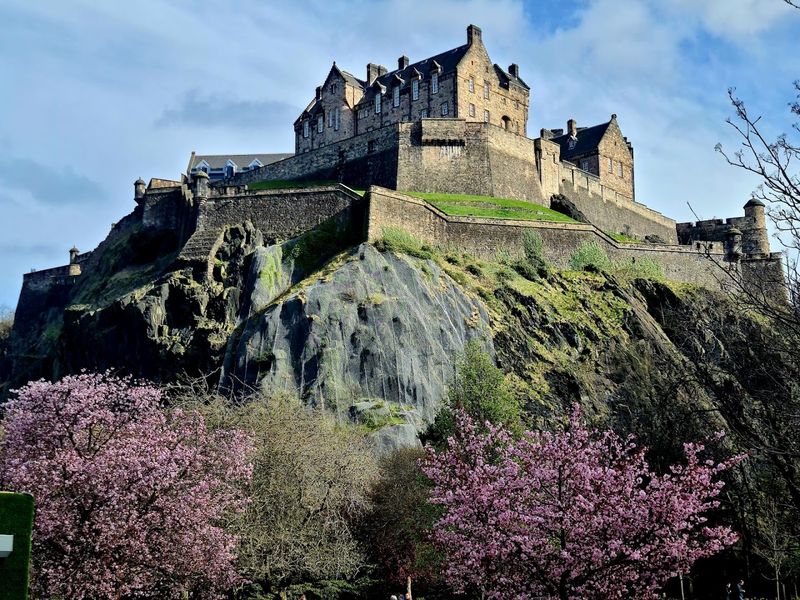
Edinburgh Castle sits on top of an ancient volcanic plug called Castle Rock, which makes it look like it was designed by someone who really wanted to make a statement. The rock itself is about 340 million years old.
The castle on top has been a royal residence and military stronghold since at least the 12th century.
The Stone of Destiny, also called the Stone of Scone, is kept here. It was used in the coronation of Scottish and later British monarchs for centuries.
The English took it in 1296 and only returned it to Scotland in 1996. Some historians still debate whether they got the real one back.
The castle hosts the famous Royal Edinburgh Military Tattoo every August, a spectacular event that sells out months in advance. The One O’Clock Gun fires every day except Sunday and still startles unsuspecting tourists.
Locals use it to set their watches. The views from the castle ramparts over the city are spectacular and completely free once you have paid admission.
Auschwitz-Birkenau Memorial and Museum, Oświęcim, Poland
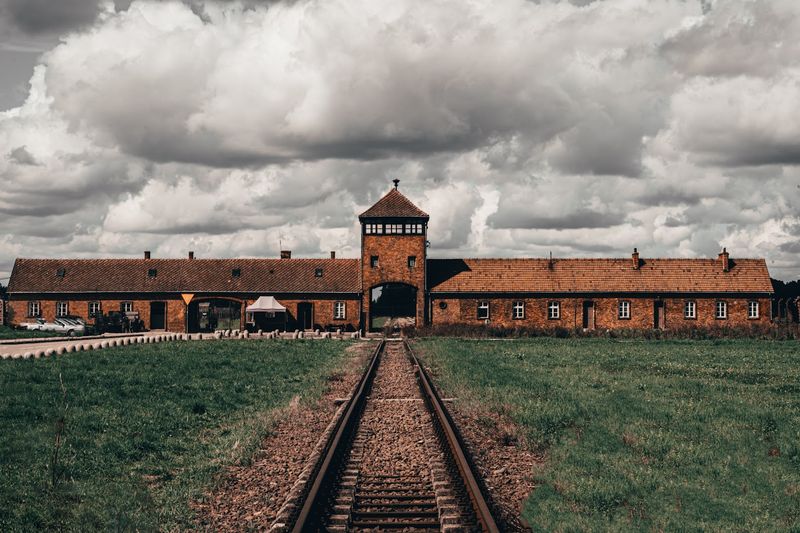
Auschwitz-Birkenau is not a place you visit for fun. You visit because some places demand to be remembered.
Between 1940 and 1945, the Nazi regime murdered over 1.1 million people here, the vast majority of them Jewish men, women, and children.
Walking through the barracks, seeing the displays of personal belongings, shoes, luggage, and eyeglasses taken from victims, is a deeply affecting experience. The scale of what happened here is almost incomprehensible.
The physical space of Birkenau, the larger adjacent camp, stretches for kilometers and makes the enormity of the horror more concrete.
Admission is free, but a guided tour is strongly recommended. Going without a guide means missing crucial context.
Book your visit well in advance, especially during summer, as entry is timed and managed. Dress respectfully and go with the understanding that this is a place of mourning.
Visiting Auschwitz is one of the most important and sobering things a traveler can do in Europe.
Neuschwanstein Castle, Hohenschwangau, Germany
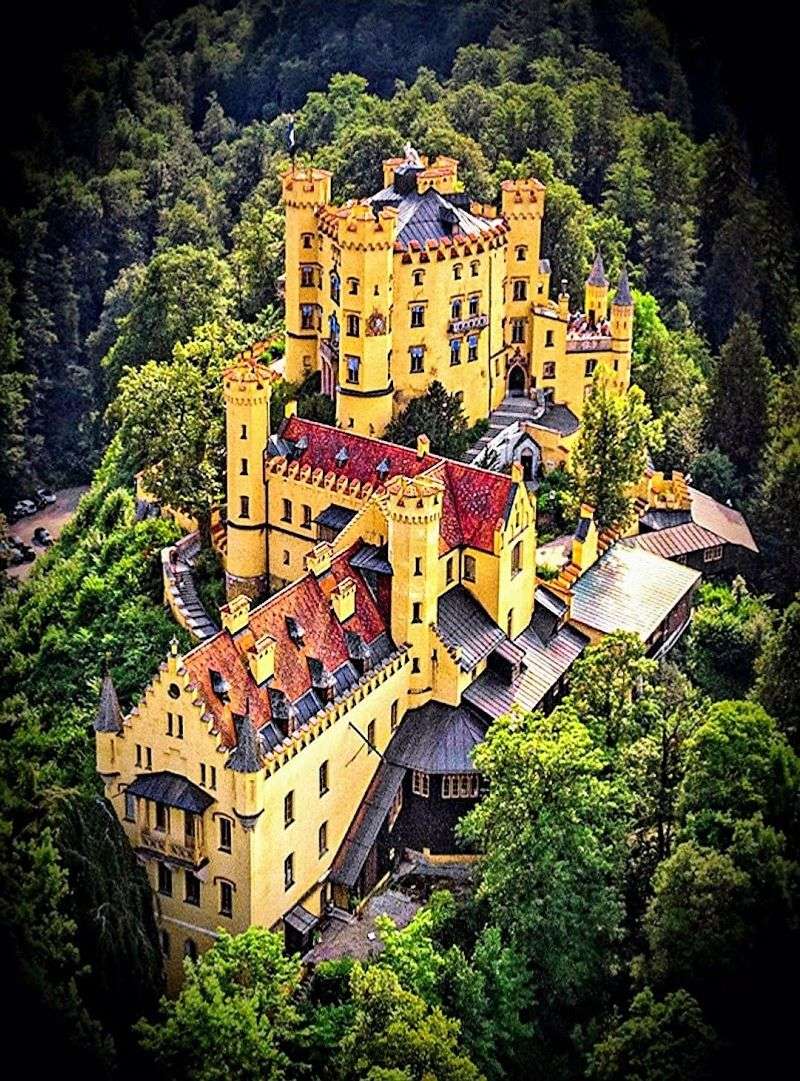
Neuschwanstein is the castle that inspired Disney’s Sleeping Beauty Castle. The irony is that King Ludwig II, who built it, never actually finished it and only lived there for 172 days before dying under mysterious circumstances in 1886.
The man was a dreamer with a very dramatic life story.
Construction began in 1869, and Ludwig funded it mostly from his own personal fortune, which is why Bavaria was not thrilled with him. He wanted a retreat inspired by the operas of Richard Wagner.
The throne room was planned to be spectacular but was never completed. A gold throne was intended but never installed.
The castle is reached by a 30-minute uphill walk or a short bus ride from the village below. The Marienbrucke bridge nearby offers the most famous postcard view of the castle.
Book tickets online because lines can be brutal. Interior tours are guided and move quickly.
The surrounding Bavarian Alps scenery makes the whole trip worth it regardless of what you think of the castle itself.
Schönbrunn Palace, Vienna, Austria
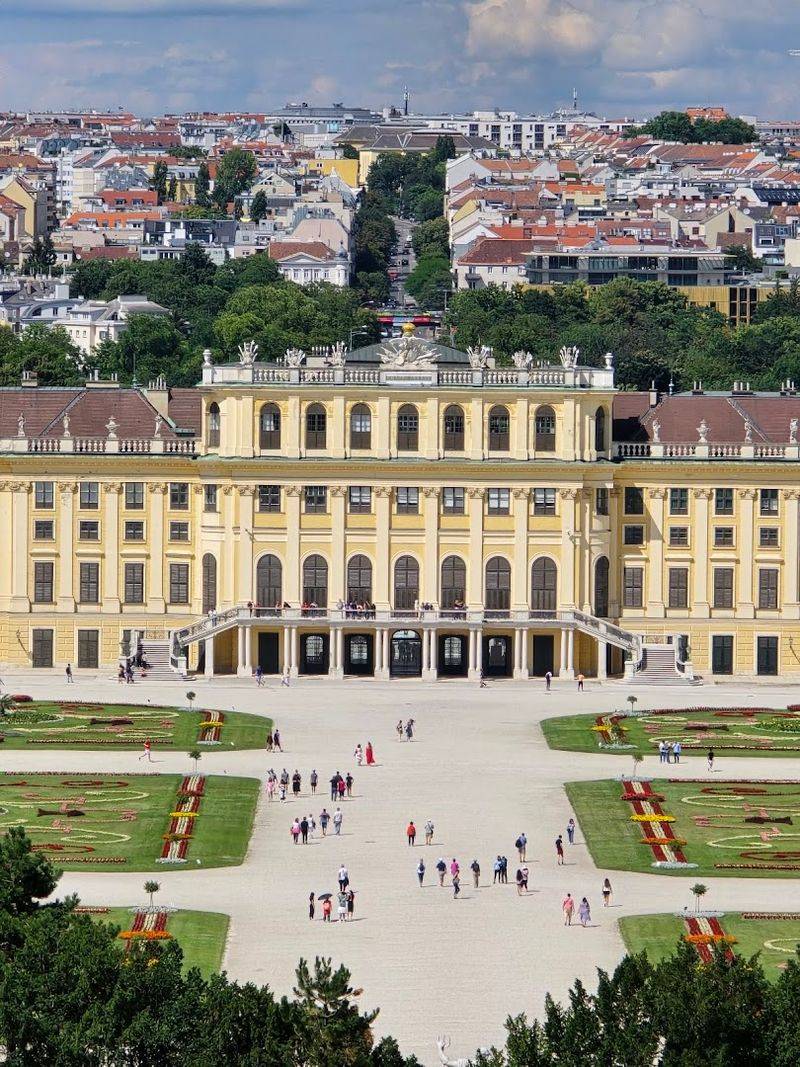
Schonbrunn Palace was the main summer residence of the Habsburg dynasty, and with 1,441 rooms, it was clearly a family that did not like feeling cramped. The Habsburgs ruled over a significant chunk of Europe for centuries, and this palace was basically their home base for imperial decision-making and very fancy dinner parties.
Mozart performed here as a six-year-old prodigy in 1762. He reportedly proposed to Marie Antoinette during the visit.
She was seven. History is full of wonderfully strange details.
The palace also witnessed Napoleon’s occupation and later became a key site during the Congress of Vienna in 1815.
The gardens are free to enter and are absolutely worth wandering through. The Gloriette at the top of the hill behind the palace offers a panoramic view over Vienna that is one of the best in the city.
The Imperial Tour inside covers the most historically significant rooms. Combine your visit with the nearby Belvedere Palace for a full day of Habsburg overload, in the best possible way.
Roman Baths, Bath, England
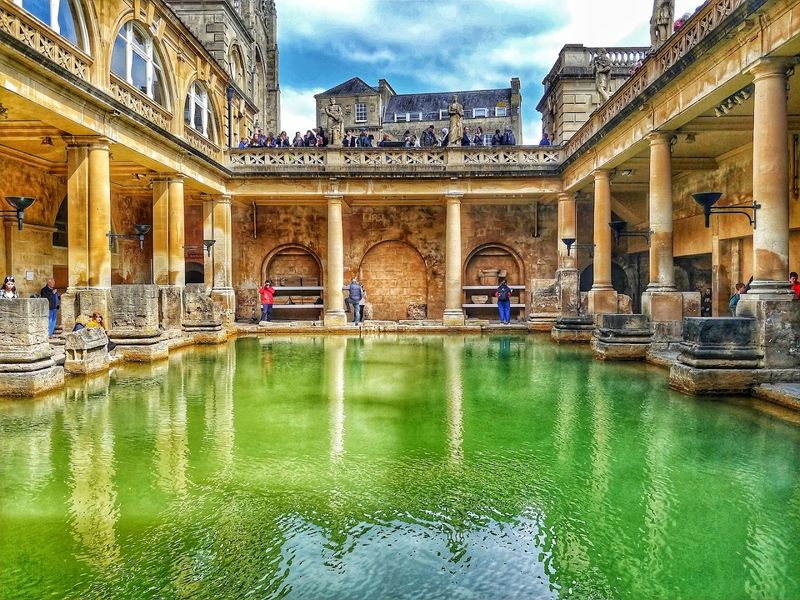
The Romans discovered a natural hot spring in what is now Bath and did what Romans always do: they built something impressive around it. The Roman Baths complex was constructed around 70 AD and was used for bathing, socializing, and religious rituals for over 300 years.
The water that fills the baths today fell as rain around 10,000 years ago. It seeps deep into the earth, gets heated by geothermal activity, and rises back up at about 46 degrees Celsius.
The Romans dedicated the spring to the goddess Sulis Minerva and threw thousands of offerings into the water, many of which have been recovered by archaeologists.
You cannot swim in the Roman Baths themselves, but just up the road, the modern Thermae Bath Spa lets you soak in the same thermal water. That combination makes Bath one of the best one-two punches in English tourism.
The museum surrounding the baths is genuinely excellent and includes curse tablets that visitors threw into the spring asking the goddess for revenge against their enemies.
Share this story