Europe’s street food scene is far more diverse than many travelers expect. From smoky grilled meats in the Balkans to crispy pastries in Portugal and loaded sandwiches in Italy, these iconic dishes reflect centuries of local tradition and regional flavor packed into unforgettable bites.
Whether you’re a seasoned traveler or planning your first European adventure, knowing which street foods to seek out can completely transform your trip. Get ready to eat your way across the continent one delicious bite at a time.
Pizza al Taglio — Rome, Italy
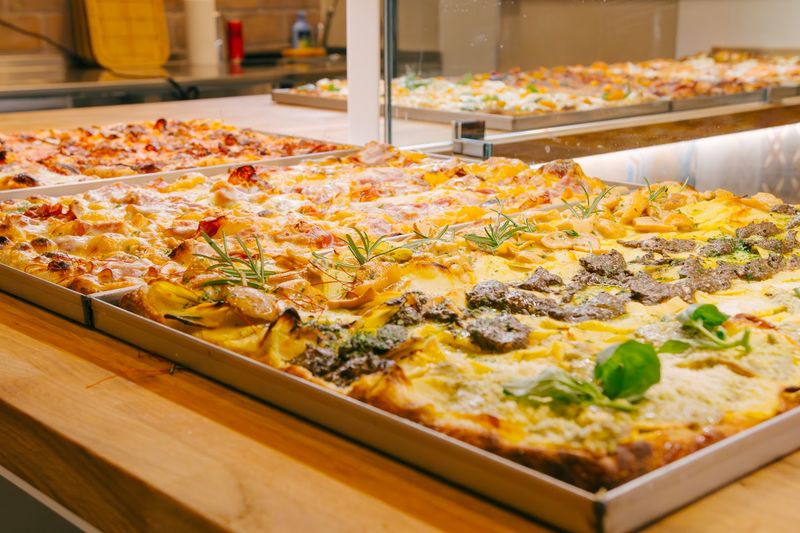
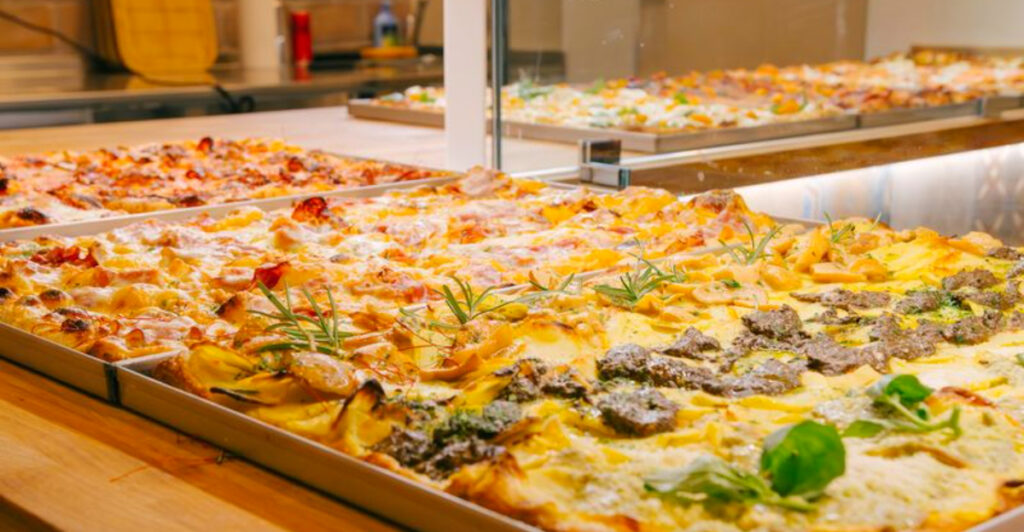
Walk down almost any Roman street and you will smell it before you see it: a warm, yeasty, herb-scented wave rolling out of a tiny shop called a pizzeria al taglio. Pizza al taglio translates to pizza by the cut, and that is exactly how it works.
You point at the slice you want, the vendor cuts it, weighs it, and charges you by the gram.
The crust is the real star here. It is thick and airy, almost like focaccia, with a satisfying crunch on the bottom and a soft, chewy interior that holds up under generous toppings.
Common varieties include classic tomato and mozzarella, potato with rosemary, zucchini with fior di latte, and even truffle options at fancier spots.
Locals grab a slice for a quick lunch or an afternoon snack, folding it in half like a sandwich for easy eating on the go. Tourists often line up at legendary spots like Antico Forno Roscioli or Bonci.
Prices are wallet-friendly, usually just a euro or two per slice, making this one of Rome’s most satisfying and affordable street food experiences you simply cannot skip.
Currywurst — Berlin, Germany
Berliners take their currywurst very seriously, and honestly, once you try it, you will understand why. This iconic snack was invented in 1949 by a resourceful Berlin woman named Herta Heuwer, who mixed ketchup with curry powder and poured it over a grilled pork sausage.
A legend was born, and Germany has never looked back.
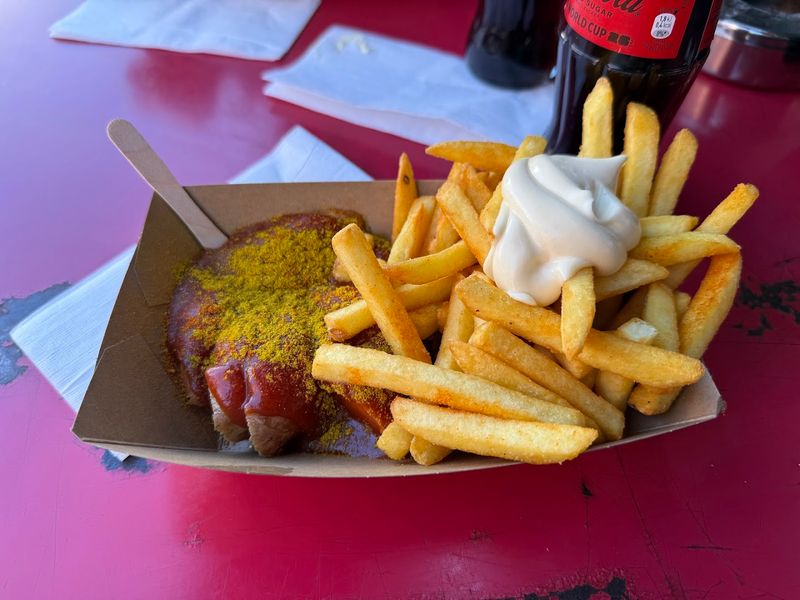
The sausage is sliced into bite-sized rounds, drenched in a tangy, spiced tomato sauce, and dusted with a generous shake of curry powder on top. It is served with a tiny plastic fork and usually comes with a side of crispy fries or a white bread roll.
Street-side kiosks called imbiss stands serve it all day and well into the night.
Berlin’s Curry 36 and Konnopke’s Imbiss are two of the city’s most famous spots, each drawing long lines of devoted fans daily. The flavor is bold, a little smoky, slightly sweet, and warmly spiced without being too hot.
It costs just a few euros and packs more personality than most full restaurant meals. Visiting Berlin without eating currywurst is like visiting Paris without seeing the Eiffel Tower.
Simply do not do it.
Burek — Sarajevo, Bosnia and Herzegovina
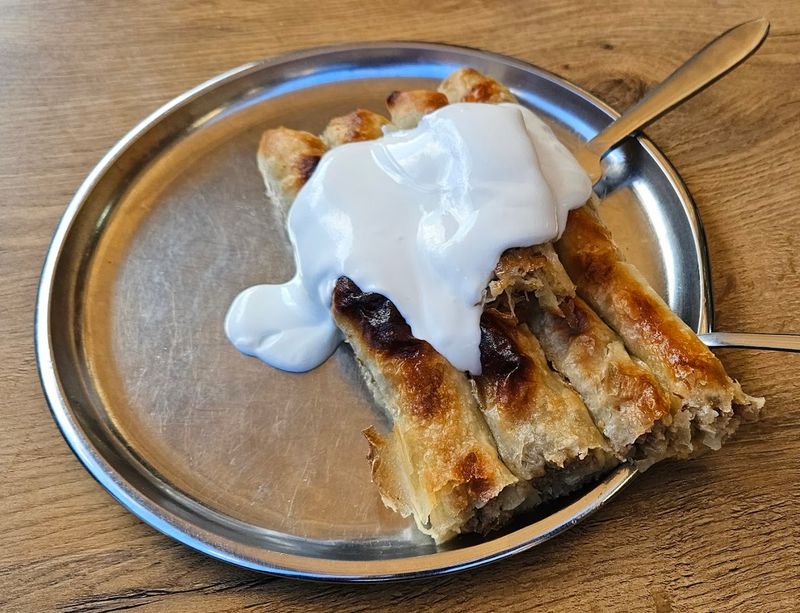
Few street foods in the world can match the sheer comfort of a freshly baked burek pulled straight from a wood-fired oven in Sarajevo. The pastry is spiral-shaped, paper-thin, and impossibly flaky on the outside, while the inside is packed with warmly seasoned ground beef that fills the whole bakery with an irresistible aroma.
Bosnians are passionate about their burek, and there is a playful regional debate worth knowing: in Bosnia, burek specifically means the meat-filled version. Pastries stuffed with cheese are called sirnica, spinach versions are zeljanica, and potato-filled ones are krompiruša.
Ordering the wrong one and calling it burek is a quick way to earn a raised eyebrow from a local.
The best place to find authentic burek is at a traditional bakery called a buregdžinica, where it is served hot and cut into generous portions. Eating it with a glass of cold, tangy yogurt on the side is the only proper way to enjoy it, according to Sarajevo locals.
It is hearty, warming, and deeply satisfying in a way that fancy restaurant food rarely manages. Budget travelers will love that a huge portion costs just a dollar or two.
Churros — Madrid, Spain
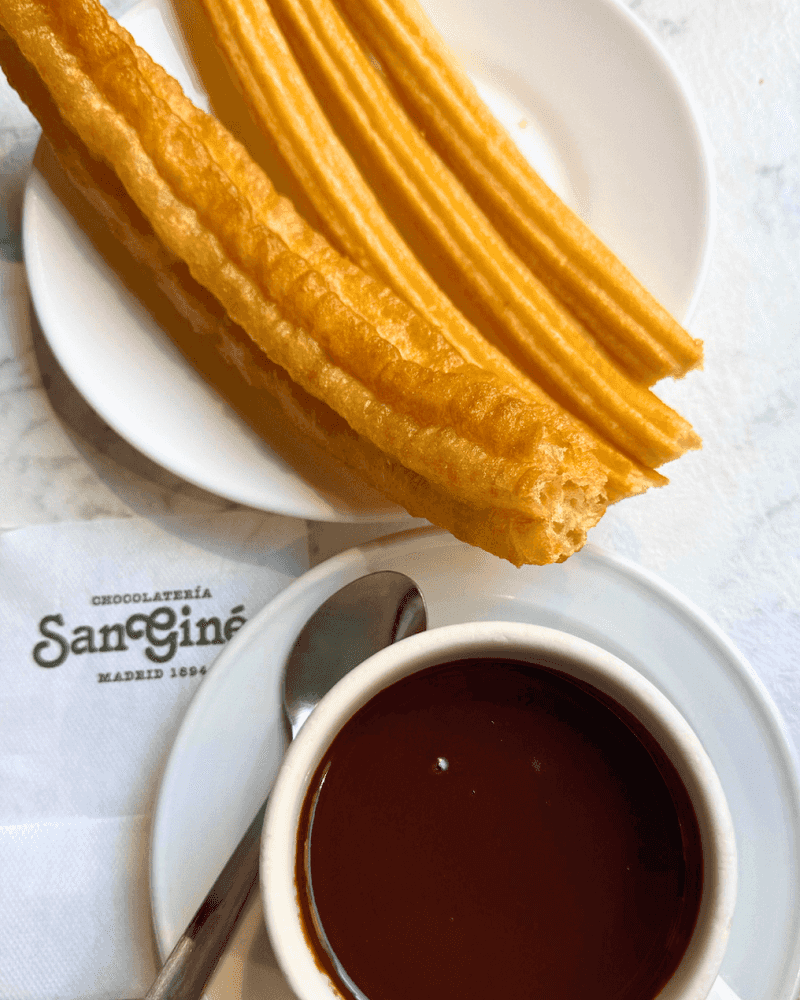
Madrid has a breakfast tradition that puts cereal and toast to shame: freshly fried churros dunked into a cup of thick, velvety hot chocolate so rich it barely qualifies as a drink. This ritual has been practiced in the Spanish capital for centuries, and locals treat it with the kind of reverence usually reserved for religious ceremonies.
Churros are made from a simple piped dough fried until golden and slightly crisp on the outside, then dusted with sugar. The most traditional version in Madrid is actually the thin, star-shaped variety rather than the thick porras you might have seen elsewhere.
Either way, the magic happens when you dip them into that impossibly dense chocolate, which clings to every ridge of the dough.
The legendary Chocolatería San Ginés near Puerta del Sol has been serving this combination since 1894 and stays open nearly around the clock. Locals show up after a night out as much as before work, making churros one of those rare foods that works for any hour.
A generous serving with chocolate costs around four to five euros. Sweet, indulgent, and deeply nostalgic even for first-time visitors, this is one Madrid experience that deserves a spot on every travel itinerary.
Döner Kebab — Istanbul, Türkiye
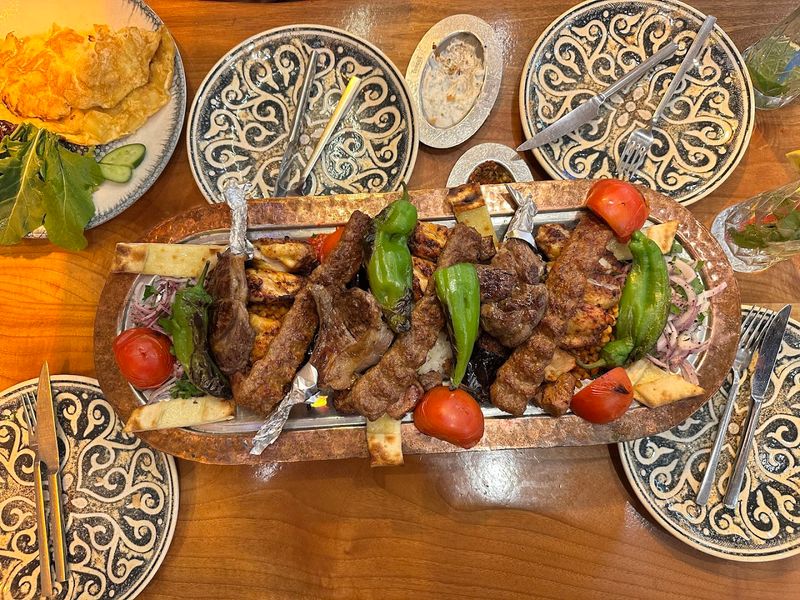
The döner kebab is one of the most influential street foods in human history, and it all started in Türkiye. Stacked layers of seasoned lamb, beef, or chicken rotate slowly on a vertical spit over an open flame, developing a deeply caramelized crust that gets shaved off in thin, juicy ribbons directly onto warm bread or into a wrap.
Istanbul takes its kebabs seriously. The city is full of dedicated kebab shops where skilled workers have been perfecting the same recipe for decades.
Inside a proper Istanbul döner, you will find not just meat, but also fresh tomatoes, sliced onions, pickled vegetables, and sauces ranging from tangy yogurt to spicy red pepper paste, all bundled into a pillowy flatbread called a dürüm.
Street prices in Istanbul are remarkably reasonable, often just 50 to 100 Turkish lira for a full wrap. The Karaköy and Eminönü neighborhoods are great hunting grounds for quality döner.
While the dish eventually spread across Europe and inspired countless variations in Germany and the UK, nothing quite compares to eating a proper döner in the city where it originated. The smoke, the sizzle, and the flavor all feel completely different here, and noticeably better.
Pastéis de Nata — Lisbon, Portugal
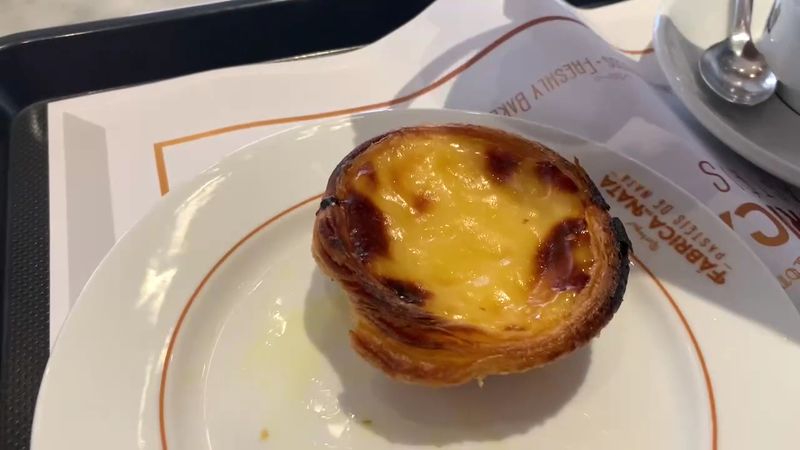
Bite into a warm pastel de nata and you will immediately understand why people fly to Lisbon just to eat these custard tarts. The pastry shell is shatteringly flaky, made from dozens of paper-thin layers that crunch and crumble at the slightest pressure.
Inside sits a silky, slightly wobbly egg custard with a top that is lightly caramelized into golden and dark brown spots.
The recipe was originally created by Catholic monks at the Jerónimos Monastery in Belém during the early 19th century. When the monastery closed, the monks sold the recipe to a nearby sugar refinery, which opened the now-famous Pastéis de Belém bakery in 1837.
That shop still uses the original secret recipe and serves thousands of tarts every single day.
The proper way to eat a pastel de nata is warm, dusted with cinnamon and powdered sugar, paired with a small black coffee called a bica. They cost just over one euro each at most Lisbon bakeries, making them one of the world’s great affordable luxuries.
You will find them at pastelarias on nearly every corner, but quality varies. Seek out the freshest batch and eat them immediately, still warm from the oven, for the full experience.
Belgian Frites — Brussels, Belgium
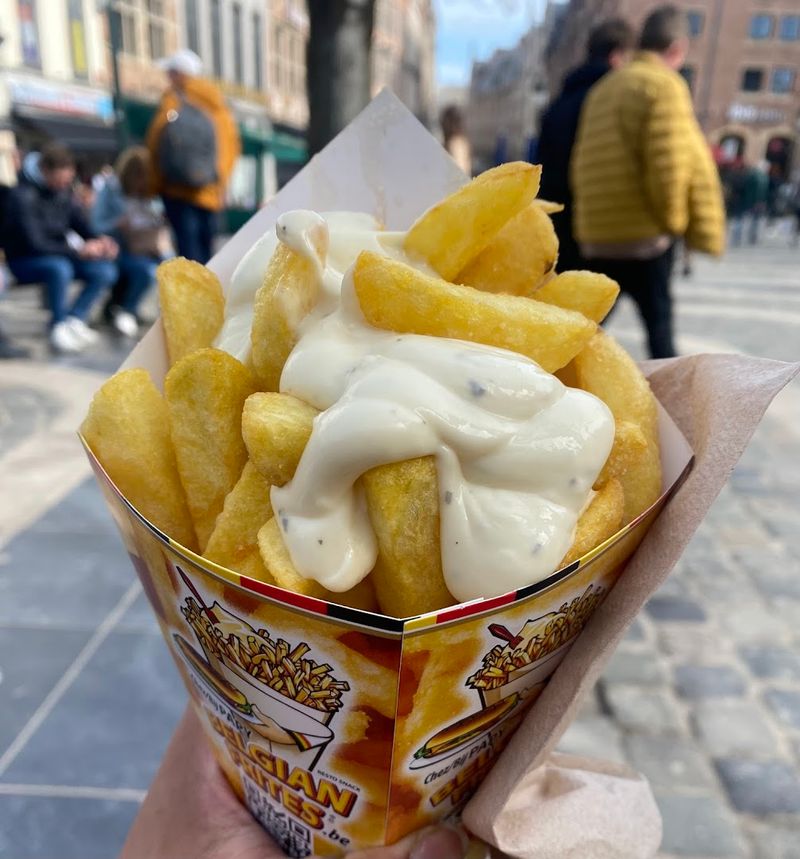
Belgium did not invent the french fry, but Belgians will argue passionately that they perfected it, and after tasting Belgian frites, it is very hard to disagree. The secret lies in a double-frying method: the potatoes are first cooked at a lower temperature to soften the inside, then plunged back into hotter oil to create an exterior that is deeply golden, crackling crisp, and almost impossibly light.
Frites are served in paper cones at street shops called frituurs, which are as much a part of Belgian culture as beer and chocolate. The cone comes with your choice of sauce, and the options go far beyond ketchup.
Locals typically choose mayonnaise, but you can also pick andalouse, samurai sauce, curry ketchup, or dozens of other regional varieties depending on the shop.
Brussels has several legendary frituurs worth tracking down, including Maison Antoine in the Etterbeek neighborhood, which has been frying since 1948 and draws devoted fans from across the city. A cone of frites costs just a few euros and is filling enough to count as a proper snack or light meal.
Standing on a Brussels street corner with a steaming cone of perfectly crisp frites is one of those simple travel moments that stays with you long after the trip ends.
Langos — Budapest, Hungary
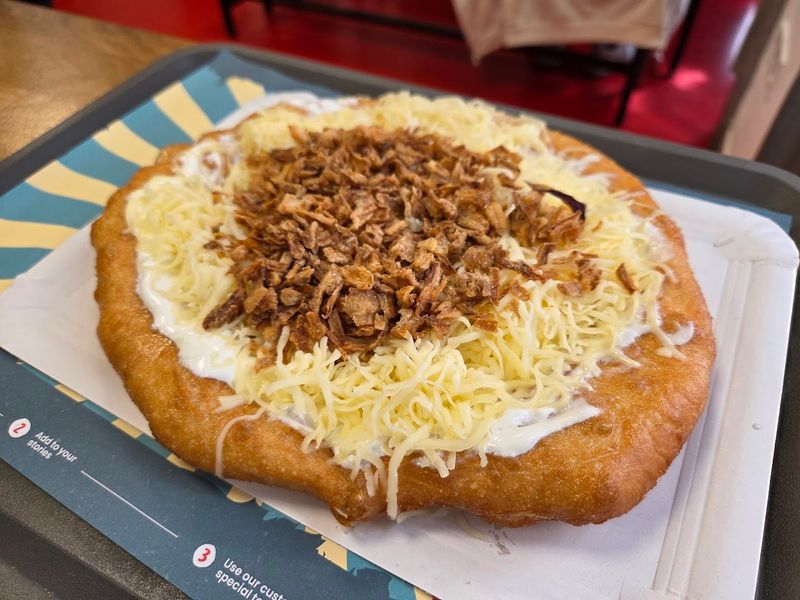
Langos is the kind of street food that makes you stop walking mid-stride just to stare at it. A disc of dough the size of a dinner plate gets dropped into hot oil and puffs up into a golden, bubbling, deeply satisfying fried flatbread that smells like something a grandmother would make on a very good day.
The toppings are what take it over the top. Vendors spread a thick layer of garlic-infused sour cream across the surface, then shower it with a generous pile of shredded cheese that melts slightly from the heat of the bread.
Some stalls offer additional toppings like ham, sausage, or even sweet versions with jam and powdered sugar, but the classic garlic-sour cream-cheese combination is the one Hungarians swear by.
Budapest’s Great Market Hall and outdoor festivals are the best places to find freshly made langos, though you will spot it at markets and fairs across Hungary year-round. It is rich, heavy, and unapologetically indulgent, so sharing one between two people is genuinely a reasonable idea.
Prices hover around 500 to 1,000 Hungarian forints, which works out to roughly one to three euros. Langos is not a snack for the faint of appetite, and that is precisely what makes it so wonderful.
Crêpes — Paris, France

The smell of butter hitting a hot cast-iron griddle on a Paris street is one of those sensory experiences that is genuinely hard to forget. Crêpe stands are scattered across the city, from tourist hotspots near the Eiffel Tower to quiet neighborhood corners in the Marais, and each one produces the same hypnotic effect: a silky, paper-thin pancake that cooks in under a minute and gets folded into a neat triangle or rolled into a cone.
Sweet crêpes are the most popular street version, filled with Nutella, strawberries, whipped cream, lemon and sugar, or salted caramel. Savory galettes, made with buckwheat flour and filled with ham, egg, and Gruyère cheese, are more common in sit-down crêperies but can sometimes be found at street stalls too.
The beauty of a Paris street crêpe is how perfectly portable it is. You walk, you eat, you admire the city, and you barely need to pause.
Prices range from two to five euros depending on fillings and location, making them one of the most affordable treats in an otherwise expensive city. Brittany, in northwestern France, is the true spiritual home of the crêpe, but Paris delivers them with a certain theatrical flair that feels entirely its own.
Smažený Sýr — Prague, Czech Republic
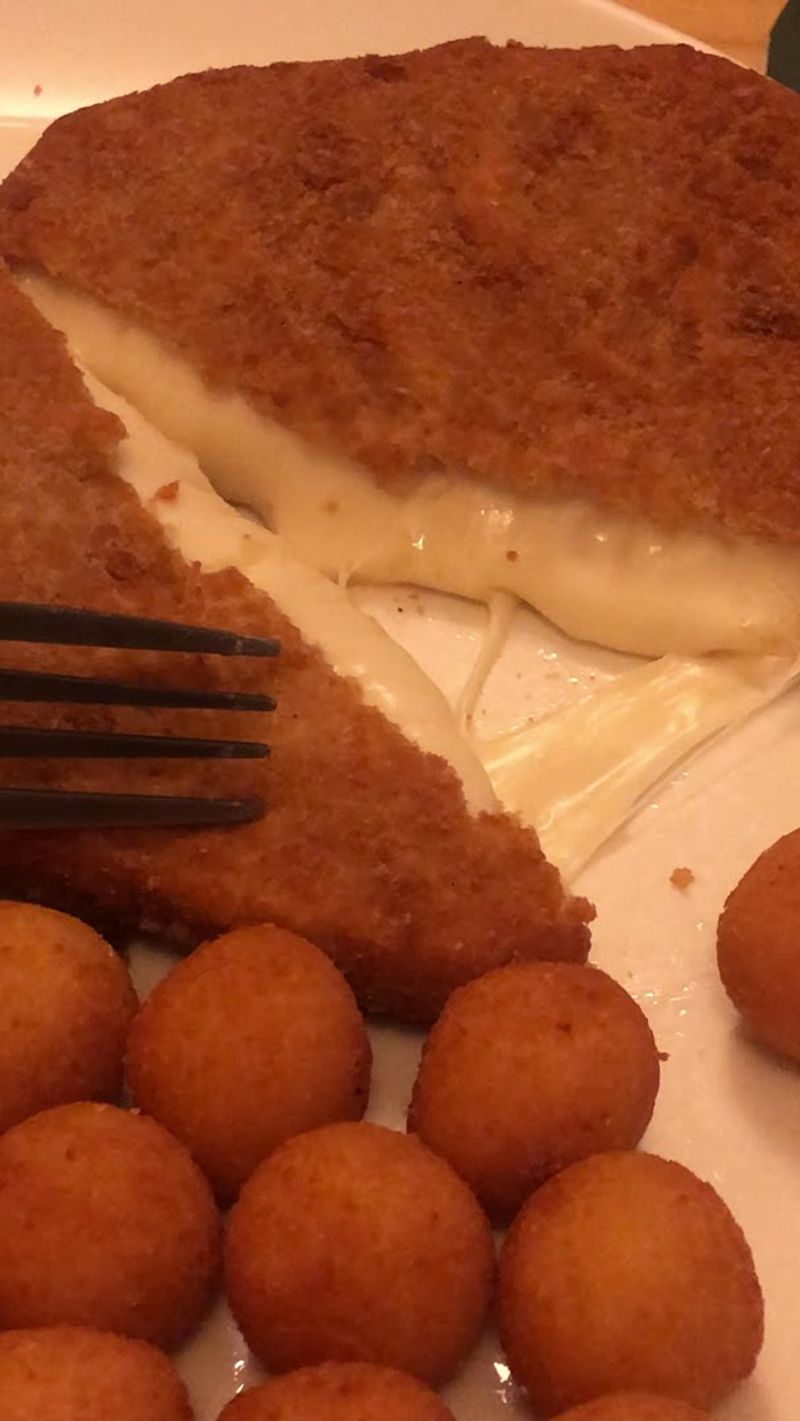
Smažený sýr might be the most gloriously simple street food on this entire list: a thick slab of cheese, coated in egg and breadcrumbs, deep fried until the exterior is perfectly golden and crunchy while the inside turns into a pool of molten, stretchy deliciousness. Czech people have been eating this for decades, and the rest of Europe is slowly catching on.
The cheese most commonly used is Edam or Hermelín, a soft Czech cheese similar to Camembert. Once fried, it is typically served inside a white bread roll with a generous dollop of tartar sauce and a slice of lemon.
Some stalls also serve it on a plate with boiled potatoes or fries on the side for a more filling meal.
You will find smažený sýr at fast-food counters, street stalls, and traditional Czech pubs called hospodas all across Prague. It is a staple of the local diet and costs very little, usually around 50 to 80 Czech crowns, which is roughly two to three euros.
Vegetarians visiting Prague especially love it because quality meat-free street food can be tricky to find in a city that really loves its pork. Crispy, gooey, and completely unpretentious, smažený sýr is Czech comfort food at its finest.
Pirozhki — Eastern Europe
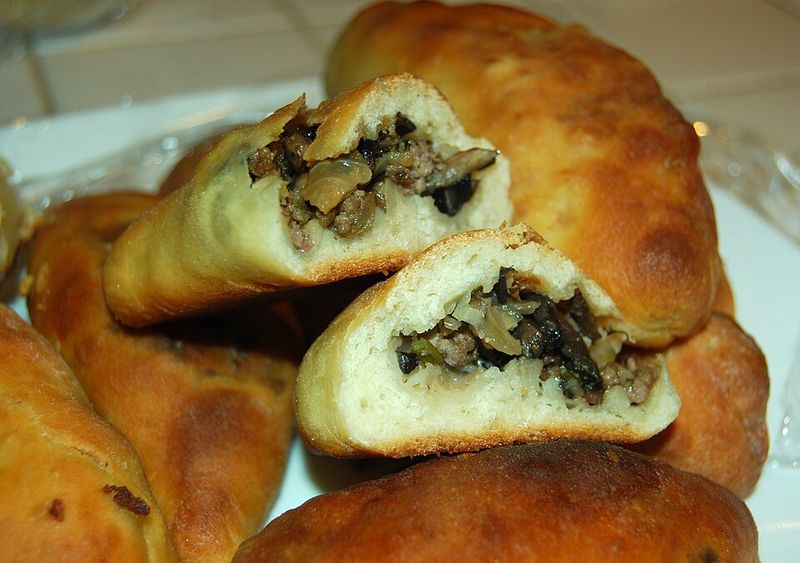
Pirozhki are the kind of food that feels like a warm hug on a cold day, which makes perfect sense given that they come from some of the chilliest corners of Europe. These small stuffed buns are made from a soft, slightly sweet dough that is either baked until golden or fried in oil until crisp, and both versions have their devoted fans across Russia, Ukraine, Poland, and beyond.
The fillings are where things get interesting. Savory options include ground beef with onions, mushrooms with rice, braised cabbage, mashed potatoes, or even hard-boiled eggs mixed with dill.
Sweet varieties filled with jam, cherries, or cottage cheese are equally popular. At a good market stall, you might find six or eight different varieties lined up, each one labeled with a small handwritten sign.
Pirozhki are sold at bakeries, train station kiosks, outdoor markets, and even from the hands of elderly women who make them at home and sell them on street corners, which is often the best quality you will find. They are cheap, filling, and endlessly customizable.
Eating a freshly baked meat pirozhok while wandering through a snow-dusted Eastern European market is one of those travel experiences that feels authentic in a way that no restaurant meal can quite replicate.
Pintxos — San Sebastián, Spain
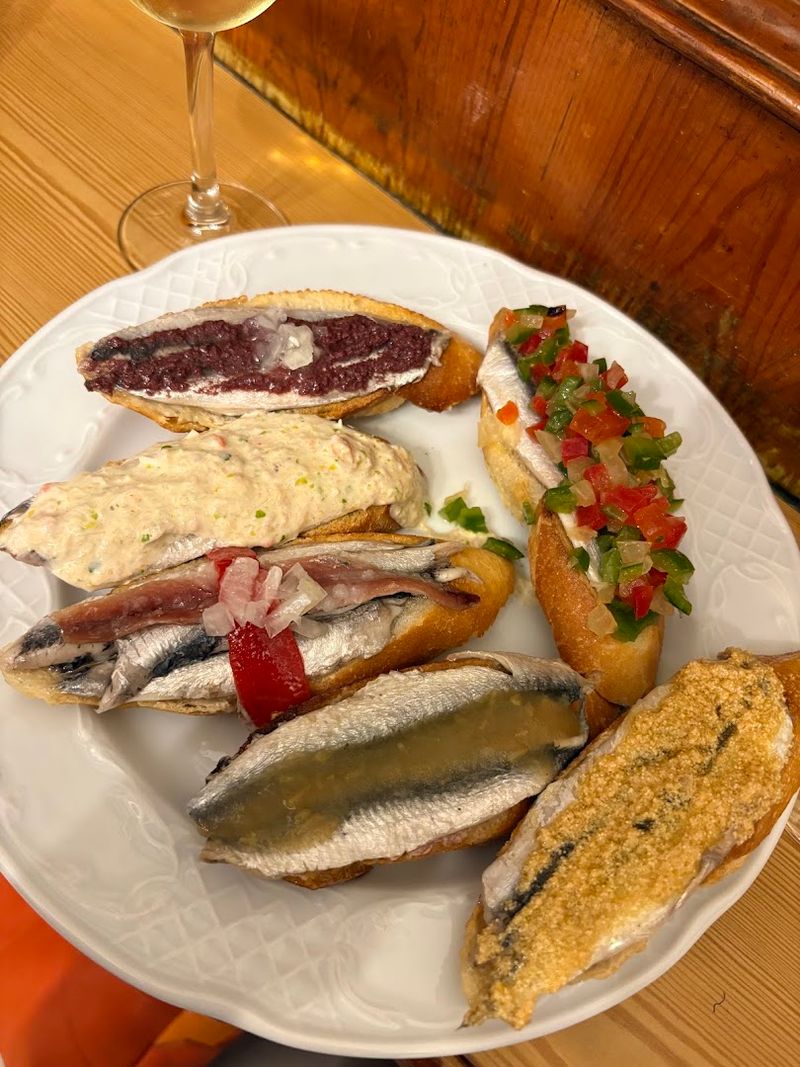
San Sebastián has more Michelin-starred restaurants per capita than almost anywhere else on earth, but its most democratic and joyful food tradition happens standing up at a bar counter with a glass of local wine called txakoli and a toothpick in hand. Pintxos are the Basque Country’s answer to tapas, and they make every other bar snack feel slightly underdressed.
These small bites are typically served on a slice of crusty baguette and skewered with a toothpick to hold the toppings in place. The combinations are endlessly creative: anchovies with roasted peppers, salt cod with aioli, jamón ibérico with quail egg, grilled mushrooms with foie gras, or crab salad with avocado.
Every bar in the old town has its own signature pintxo that regulars order without even glancing at the menu.
The tradition is to order one pintxo and a drink, then move to the next bar and repeat. This bar-hopping ritual is called a pintxo-pote and is one of the most social and lively food experiences anywhere in Europe.
Most pintxos cost between one and three euros each, so eating an impressive variety across several bars is surprisingly affordable. The old town neighborhood of Parte Vieja is the best place to start your pintxo crawl, ideally beginning around 7 PM when the bars come alive.
Zapiekanka — Kraków, Poland
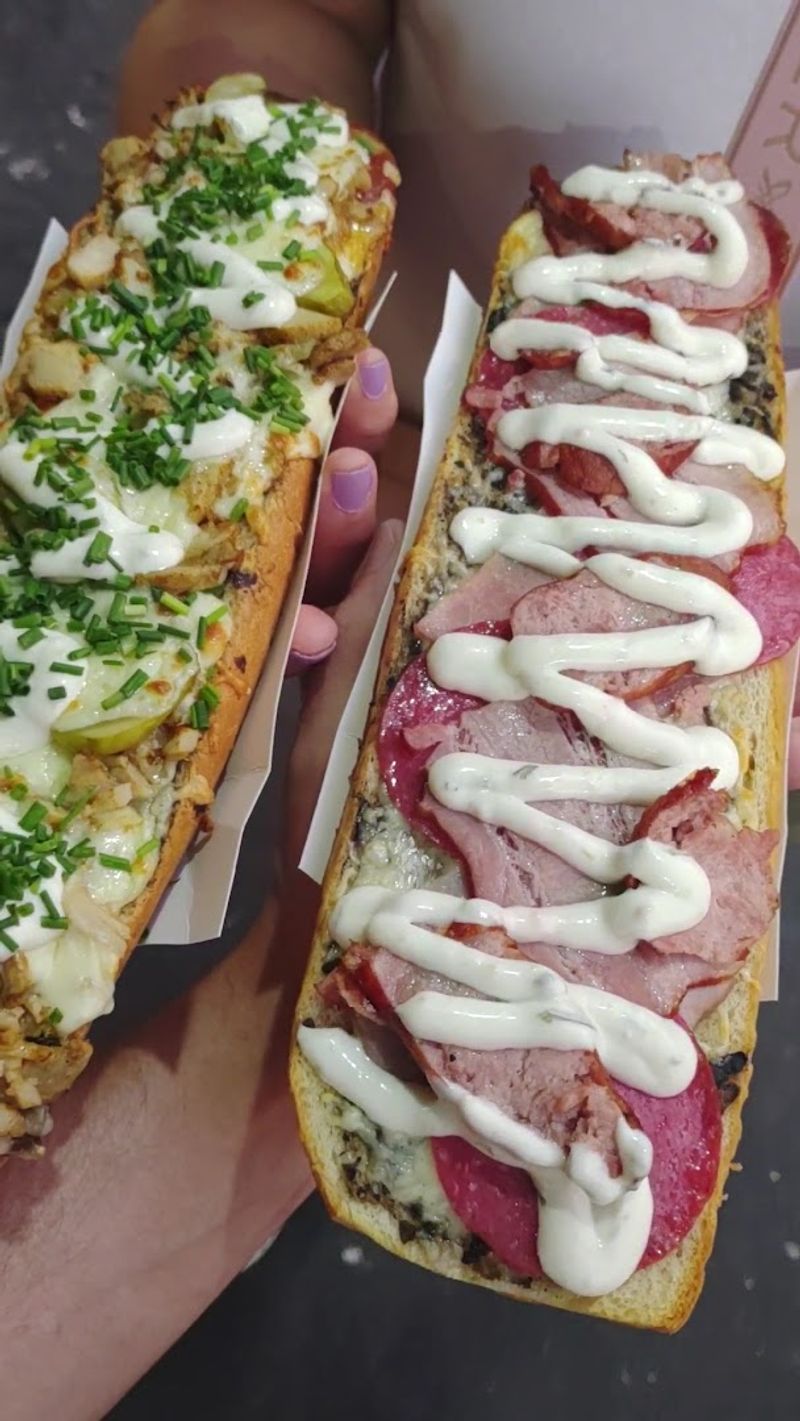
Poland’s most beloved street snack was born in the communist era of the 1970s and has been thriving ever since, which says a lot about how good it actually is. Zapiekanka is essentially an open-faced baguette toasted under a grill until the bread is crisp and the toppings are bubbly and golden.
It is simple, filling, and deeply satisfying in a way that defies its humble ingredients.
The classic version is topped with sautéed white mushrooms, melted yellow cheese, and a generous squirt of ketchup. Modern food stalls in Kraków have expanded the toppings dramatically, offering versions with pulled pork, caramelized onions, jalapeños, smoked salmon, and creative sauces.
The Kraków food scene has essentially turned zapiekanka into its own art form.
Plac Nowy, a circular market square in the Kazimierz neighborhood, is ground zero for zapiekanka culture. The round market building at its center has dozens of small hatches, each selling their own version, and the square fills up with locals and travelers eating at all hours of the day and night.
A full-length zapiekanka costs between 10 and 20 Polish zloty, roughly two to five euros, making it one of Europe’s most affordable and filling street meals. Late-night zapiekanka after exploring Kraków’s old town is basically a local rite of passage.
Arancini — Sicily, Italy
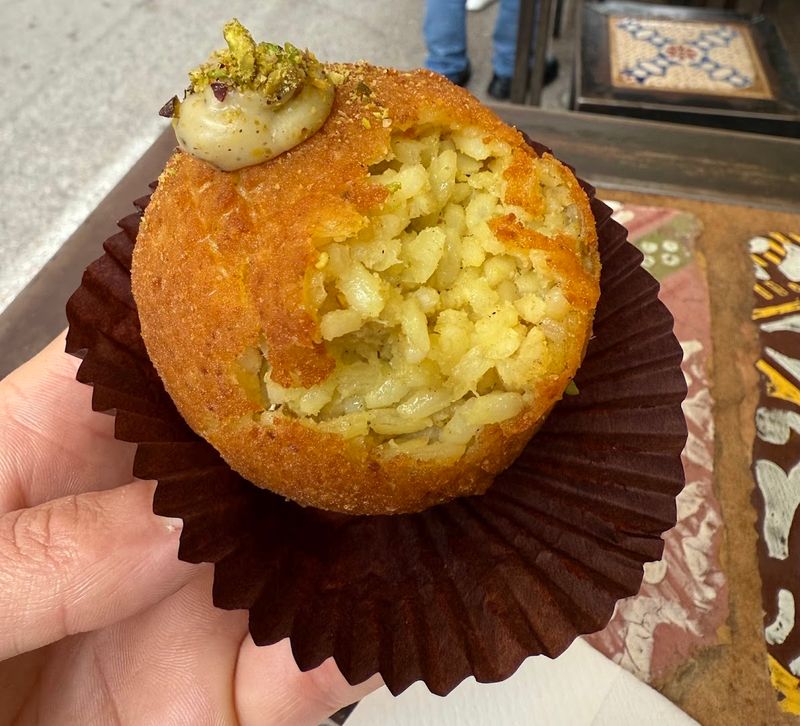
Sicily has a gift for turning simple ingredients into something extraordinary, and arancini might be the best proof of that. These fried rice balls are named after the Italian word for little oranges, which is exactly what they resemble when they come out of the fryer: round, golden, and roughly the size of a tennis ball, with a crust that shatters satisfyingly on the first bite.
Inside, the possibilities vary by region and vendor. The most classic filling is ragù, a slow-cooked meat sauce with peas and tomato, held together by creamy risotto-style rice.
Other popular versions include ham and béchamel, spinach and cheese, or even pistachio cream in the Catania style. Each version gets coated in breadcrumbs and deep fried to order, which means you eat them hot and fresh every time.
Palermo’s street markets, particularly the Ballarò and Vucciria markets, are some of the best places to find authentic arancini made by vendors who have been perfecting their recipe for generations. They cost between one and three euros each and are filling enough to make a satisfying lunch on their own.
Sicilians eat arancini as a morning snack, a quick lunch, or a late afternoon bite, proving that there is genuinely no wrong time for a perfectly fried rice ball.
Kontosouvli — Greece
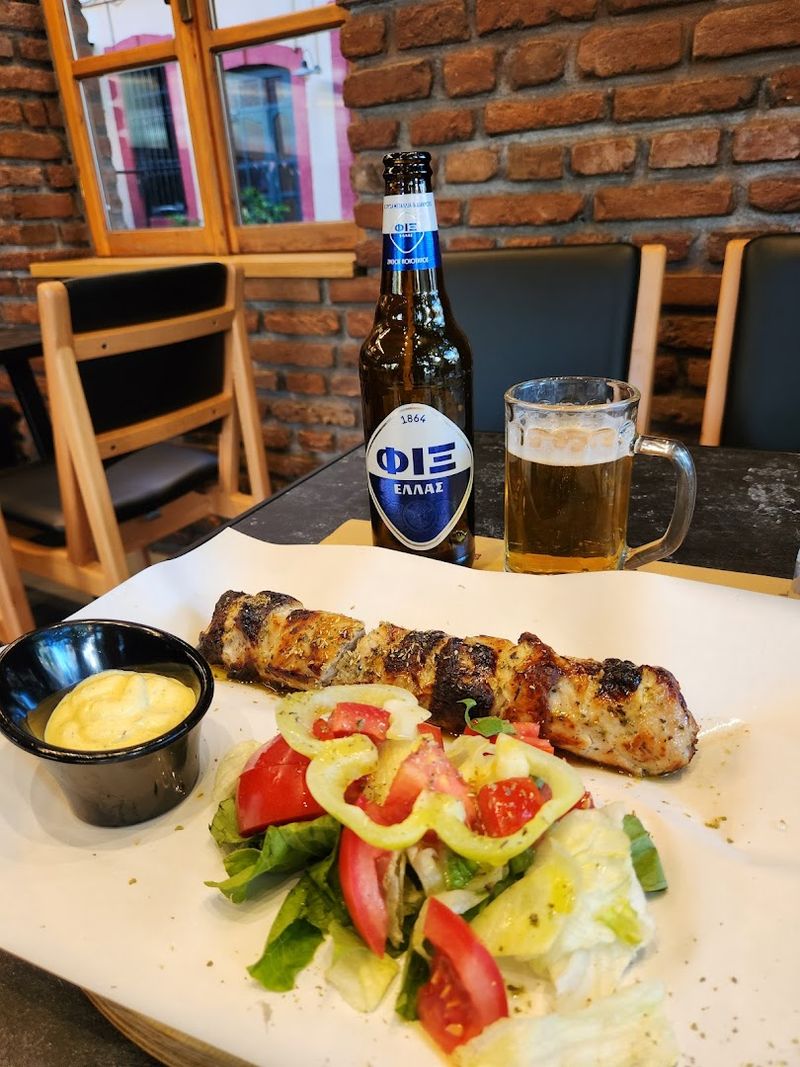
Greece is famous for souvlaki, but kontosouvli is the bigger, bolder, smokier older sibling that deserves far more international attention. The name literally means large skewer in Greek, and that is exactly what you get: chunky pieces of marinated pork threaded onto a massive rotating spit and cooked low and slow over charcoal until the outside is deeply caramelized and the inside is impossibly juicy.
The marinade is what sets kontosouvli apart from other grilled meats. Pork shoulder or leg is marinated for hours in a mixture of olive oil, lemon juice, garlic, oregano, and paprika before hitting the spit.
The slow rotation over live coals means the fat renders gradually, basting the meat continuously and building layers of smoky, herbaceous flavor that you can smell from half a block away.
Kontosouvli is especially popular at Greek festivals, religious celebrations, and outdoor tavernas during spring and summer. It is served sliced off the spit directly onto a plate or wrapped in pita with tomatoes, onions, and tzatziki.
Athens neighborhoods like Monastiraki and Psirri are reliable spots to find it year-round. Sharing a plate of kontosouvli with a cold Mythos beer while watching the sun set over the Acropolis is, without question, one of the finest ways a human being can spend an evening.
Share this story