Street food is one of the best ways to experience a city’s culture. From sizzling grills in Bangkok to taco stands in Mexico City, these destinations serve unforgettable flavors at every corner.
Around the world, street food isn’t just a quick bite — it’s a way of life, a source of community pride, and a delicious window into local history. Get ready to eat your way around the globe.
Bangkok, Thailand
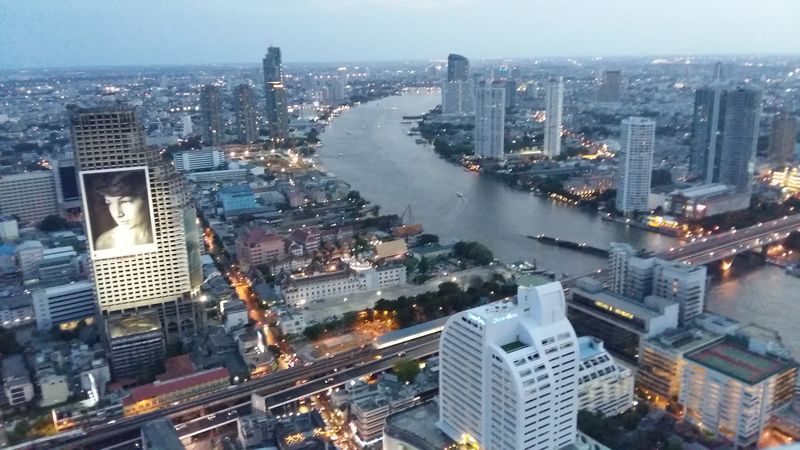
The smell hits you before you even see the stalls. Bangkok’s streets are alive with sizzling woks, smoky grills, and the sharp tang of fish sauce from morning until well past midnight.
No city on earth takes street food as seriously as this one.
Pad Thai, mango sticky rice, and spicy papaya salad are just the beginning. Yaowarat Road in Chinatown is especially legendary, drawing locals and travelers who line up for grilled seafood, roast duck, and crispy fried dumplings.
Vendors here have been perfecting their recipes for generations.
Bangkok is also incredibly affordable. A full, satisfying meal often costs less than two dollars.
Eating here feels less like a tourist activity and more like joining a long-running neighborhood tradition that the whole city takes part in every single day.
Mexico City, Mexico
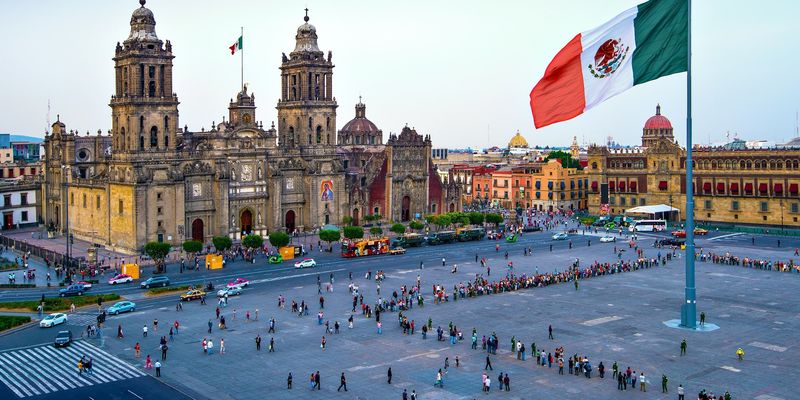
Taco lovers, consider this your holy land. Mexico City’s street food scene is one of the most iconic on the planet, with roadside stalls packed so tightly that the smell of grilled meat and fresh tortillas follows you everywhere you go.
Tacos al pastor are the undisputed stars, made with marinated pork shaved from a rotating spit and topped with pineapple, cilantro, and onion. But the city also serves incredible tamales, quesadillas, elote, and churros from vendors who treat every order like it matters.
Neighborhoods like Roma and Coyoacan come alive at night with food carts, friendly vendors, and hungry crowds. The ingredients are fresh, the portions are generous, and the prices are shockingly low.
Mexico City doesn’t just feed you well — it feeds your soul with every single bite.
Istanbul, Turkey
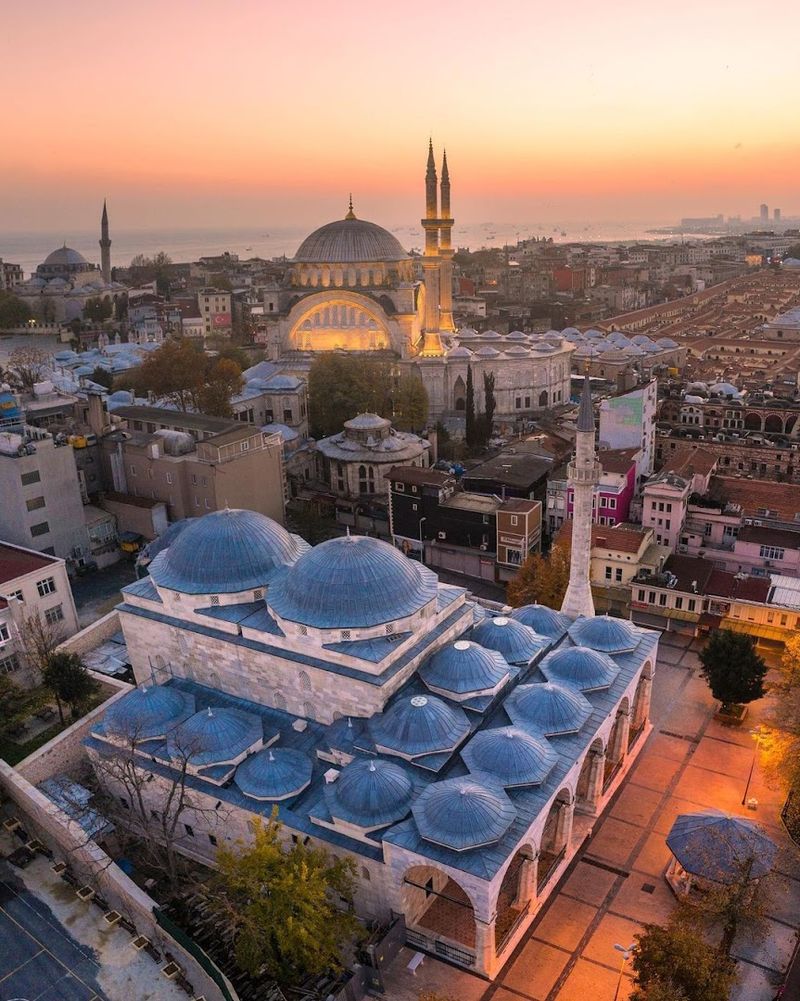
Few cities in the world can claim a street food culture that spans two continents, but Istanbul pulls it off with remarkable style. Perched between Europe and Asia, the city blends flavors from both worlds into something entirely its own.
Grilled fish sandwiches served fresh off boats near Galata Bridge are a must. So are simit, the sesame-crusted bread rings sold by cart vendors all over the city, and stuffed mussels that locals snack on while walking.
Döner kebabs are everywhere and consistently excellent.
Markets and ferry terminals buzz with vendors offering cheap, filling food backed by centuries of culinary tradition. Istanbul rewards curious eaters who wander without a plan.
Turn down any busy side street and you are almost guaranteed to find something warm, flavorful, and completely worth stopping for.
Ho Chi Minh City, Vietnam
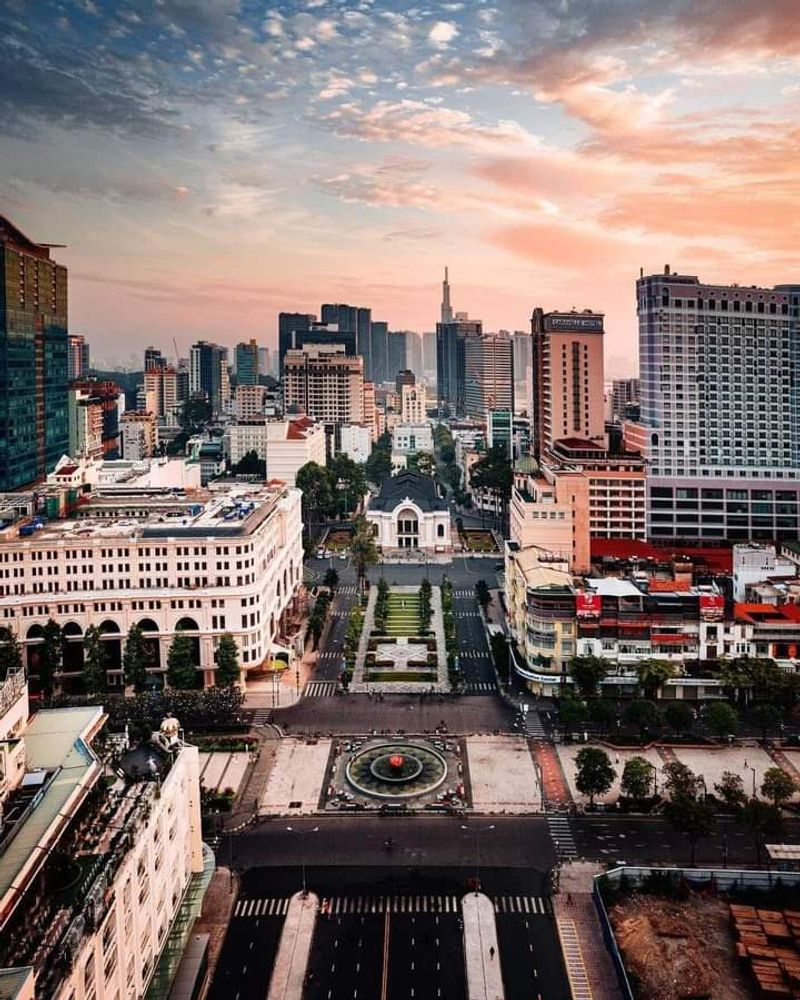
Plastic stools, steaming bowls, and the hum of motorbikes — that’s the Ho Chi Minh City dining experience in a nutshell. The city’s street food culture is fast, fresh, and absolutely addictive from the first bite.
Pho is the obvious starting point: rich, slow-cooked broth loaded with rice noodles, herbs, and your choice of meat. But banh mi sandwiches are just as beloved, stuffed with grilled pork, pickled vegetables, fresh cilantro, and chili inside a perfectly crispy baguette.
The French colonial influence on Vietnamese food is real and delicious.
Grilled pork dishes, fresh spring rolls, and sweet che desserts round out the menu at nearly every corner stall. Eating here is a social event — you sit close to strangers, share condiments, and leave feeling like you’ve been let in on one of the city’s best-kept secrets.
Singapore
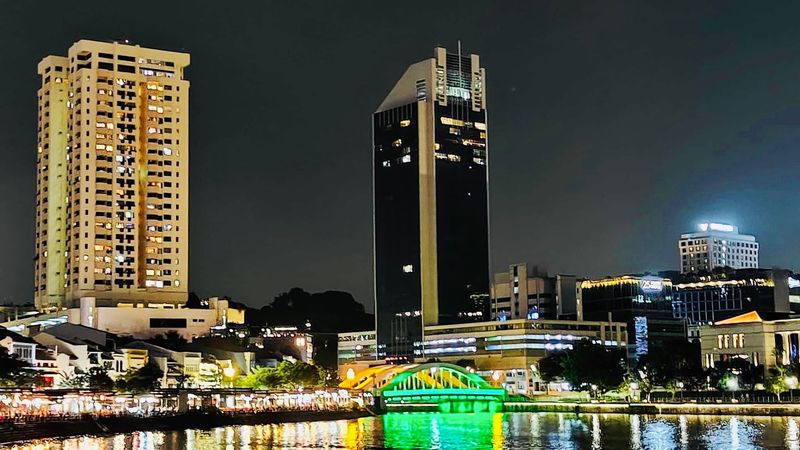
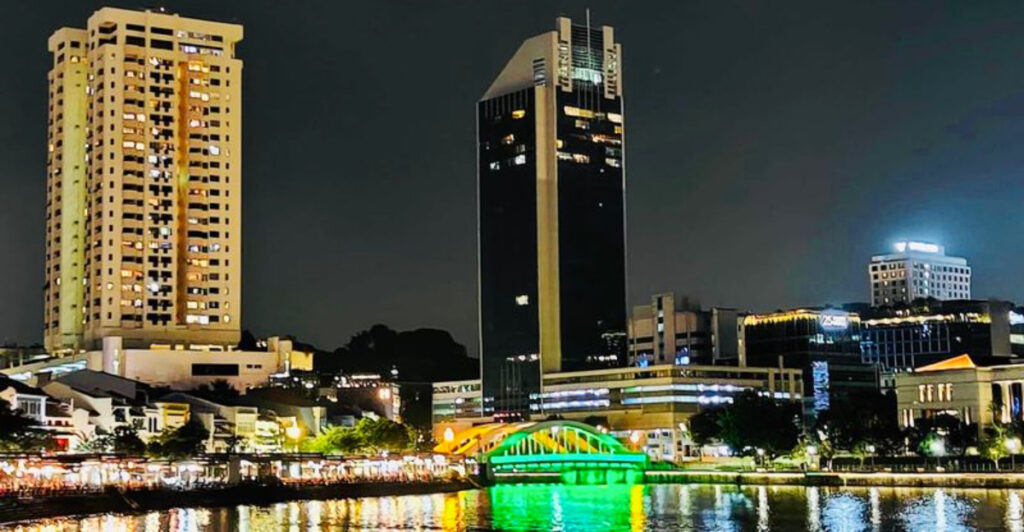
Singapore turned street food into a national institution, and the rest of the world is still trying to catch up. The city-state’s hawker centers are organized, affordable, clean, and home to some of the most technically skilled food vendors anywhere on earth.
Hainanese chicken rice is the dish most visitors obsess over — silky poached chicken served over fragrant rice with ginger sauce and dark soy. Laksa, a spicy coconut noodle soup, is another crowd favorite.
Satay skewers and chili crab round out a menu that somehow covers three major culinary traditions under one roof.
In 2020, UNESCO recognized Singapore’s hawker culture as an Intangible Cultural Heritage. Several stalls have even earned Michelin stars, proving that a five-dollar meal can absolutely stand alongside fine dining.
Maxwell Food Centre and Lau Pa Sat are two hawker centers that should be at the top of every food lover’s list.
Seoul, South Korea
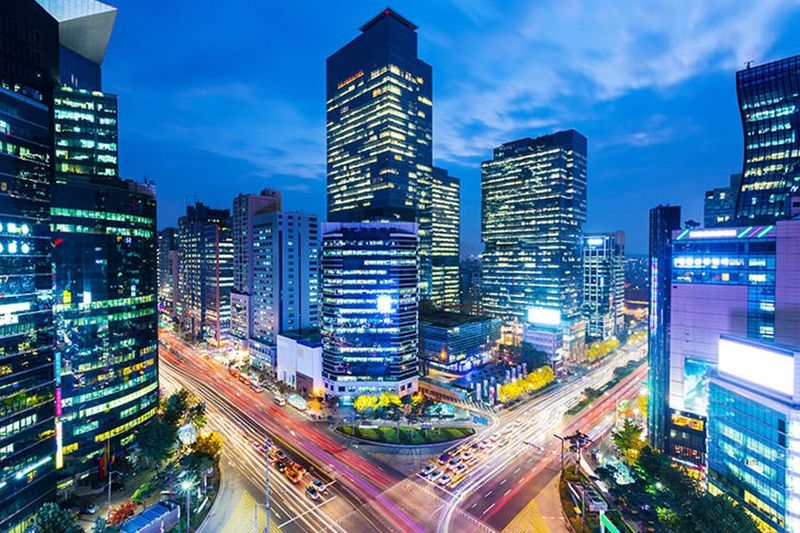
Seoul’s night markets operate at a volume that is almost impossible to describe. The sizzle of tteokbokki in spicy gochujang sauce, the crunch of Korean fried chicken, and the sweet scent of hotteok pancakes filled with brown sugar create a sensory experience unlike anything else.
Myeongdong is the most famous food street, packed with vendors selling everything from tornado potatoes to egg bread stuffed with a whole egg inside. Gwangjang Market offers a more traditional experience, with stalls serving bindaetteok mung bean pancakes and raw beef bibimbap that locals have been eating for decades.
What makes Seoul special is how naturally food fits into the city’s nightlife. Shopping, music, and eating all happen at the same time in the same streets.
You do not need a restaurant reservation or a big budget. Just follow the crowd, grab whatever smells incredible, and enjoy one of the world’s most energetic food cultures.
Mumbai, India

Mumbai never stops eating. From the first commuters grabbing vada pav at dawn to late-night crowds at Chowpatty Beach, the city’s appetite is relentless and its street food culture is one of the most exciting in the world.
Vada pav is Mumbai’s signature dish — a spiced potato fritter stuffed inside a soft bread roll with chutneys, often called the city’s answer to a burger. Pav bhaji, a buttery vegetable mash served with toasted rolls, is another obsession.
Then there is pani puri, hollow crispy shells filled with spiced water that deliver a burst of flavor with every bite.
Chowpatty Beach draws the biggest evening crowds, where chaat vendors set up colorful carts and families settle in for snacks and sea breeze. Mumbai’s street food is bold, messy, and deeply satisfying.
It reflects the city’s chaotic energy and generous spirit in every single dish.
Tokyo, Japan
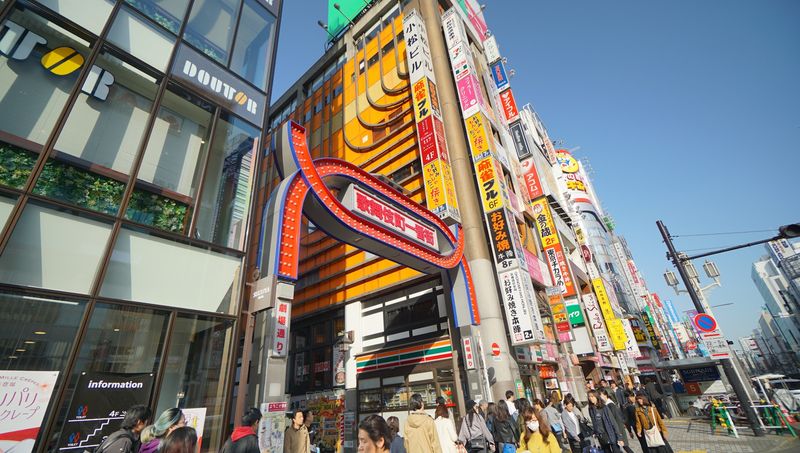
Tokyo approaches street food the same way it approaches everything: with quiet precision and an almost obsessive attention to detail. Vendors here do not cut corners, and even the simplest snack is treated as a craft worth mastering.
Takoyaki, the beloved octopus-filled batter balls, are cooked on specialized griddles and topped with mayo, bonito flakes, and savory sauce. Yakitori skewers of chicken grilled over charcoal are a staple in narrow alleys.
Taiyaki, fish-shaped waffles filled with sweet red bean paste, are a popular dessert that visitors quickly become addicted to.
Tsukiji Market and the streets around Shinjuku are the best places to explore Tokyo’s food scene on foot. Some vendors have been running their single-item stalls for over forty years, perfecting one recipe until it is absolutely flawless.
Tokyo proves that restraint and focus can produce street food just as exciting as anything from a busy, chaotic market.
Marrakech, Morocco
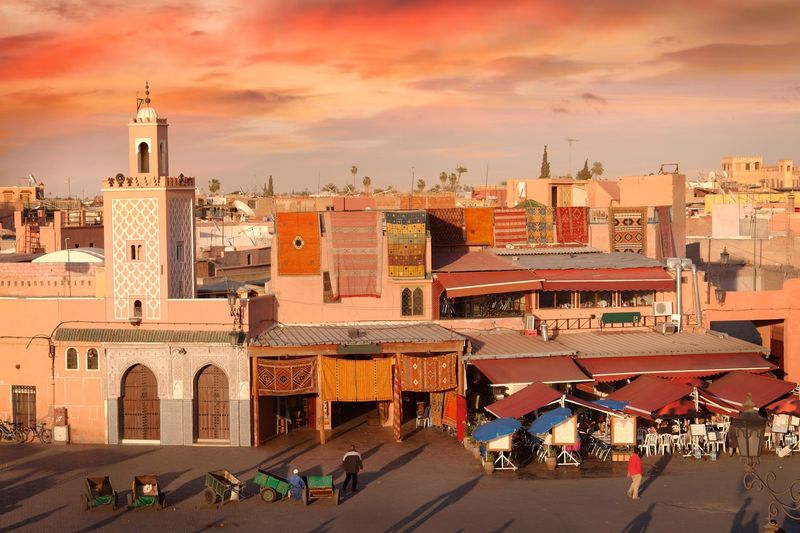
When the sun goes down in Marrakech, Jemaa el-Fnaa square becomes one of the most theatrical dining experiences on earth. Dozens of stalls ignite their grills at once, filling the air with smoke and the warm scent of cumin, cinnamon, and charred lamb.
Grilled merguez sausages, slow-cooked tagines, and spiced lamb chops dominate the savory options. Snail soup, sold in small cups from giant steaming pots, is a quirky local favorite worth trying at least once.
For dessert, honey-soaked pastries and warm almond cookies are impossible to resist.
The square is also full of storytellers, snake charmers, and musicians, making dinner feel more like a festival than a meal. Vendors are enthusiastic and the energy is electric.
Marrakech’s street food is not just about taste — it is a full cultural performance that engages every single one of your senses before the first bite even arrives.
Taipei, Taiwan
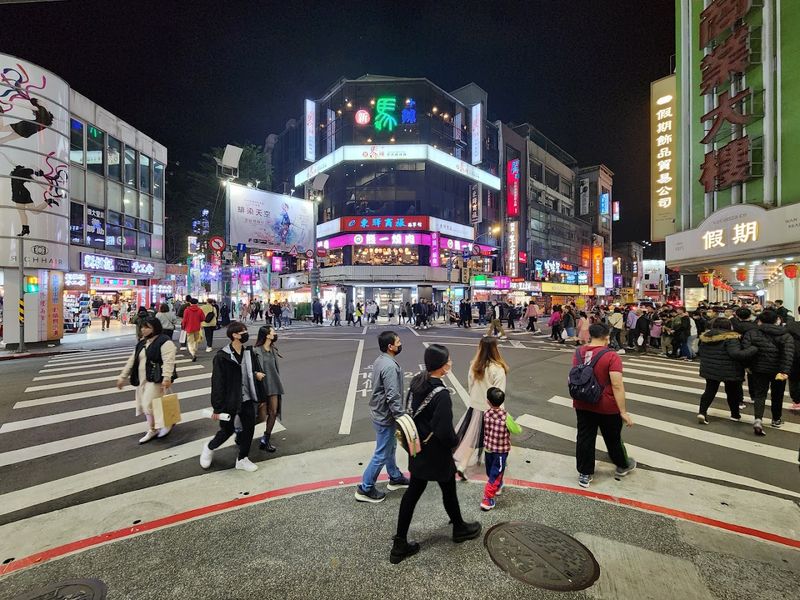
Stinky tofu has a reputation that scares off first-time visitors, but those brave enough to try it in Taipei usually come back for seconds. That adventurous spirit defines the city’s entire street food culture — bold, unapologetic, and endlessly interesting.
Shilin Night Market is the most famous, drawing massive crowds every evening for oyster omelets, scallion pancakes, grilled corn, and shaved ice desserts. Raohe Street Night Market is slightly smaller but equally packed with vendors who have been running the same stall for decades.
Bubble tea, invented in Taiwan, is available on practically every block.
Beef noodle soup is Taipei’s most iconic comfort food, served in deep, flavorful broth with thick noodles and tender braised beef. The city holds an annual Beef Noodle Festival that draws competitors from across the country.
Taipei’s night markets are not just places to eat — they are the social heartbeat of the city, humming with energy every single night.
Oaxaca City, Mexico
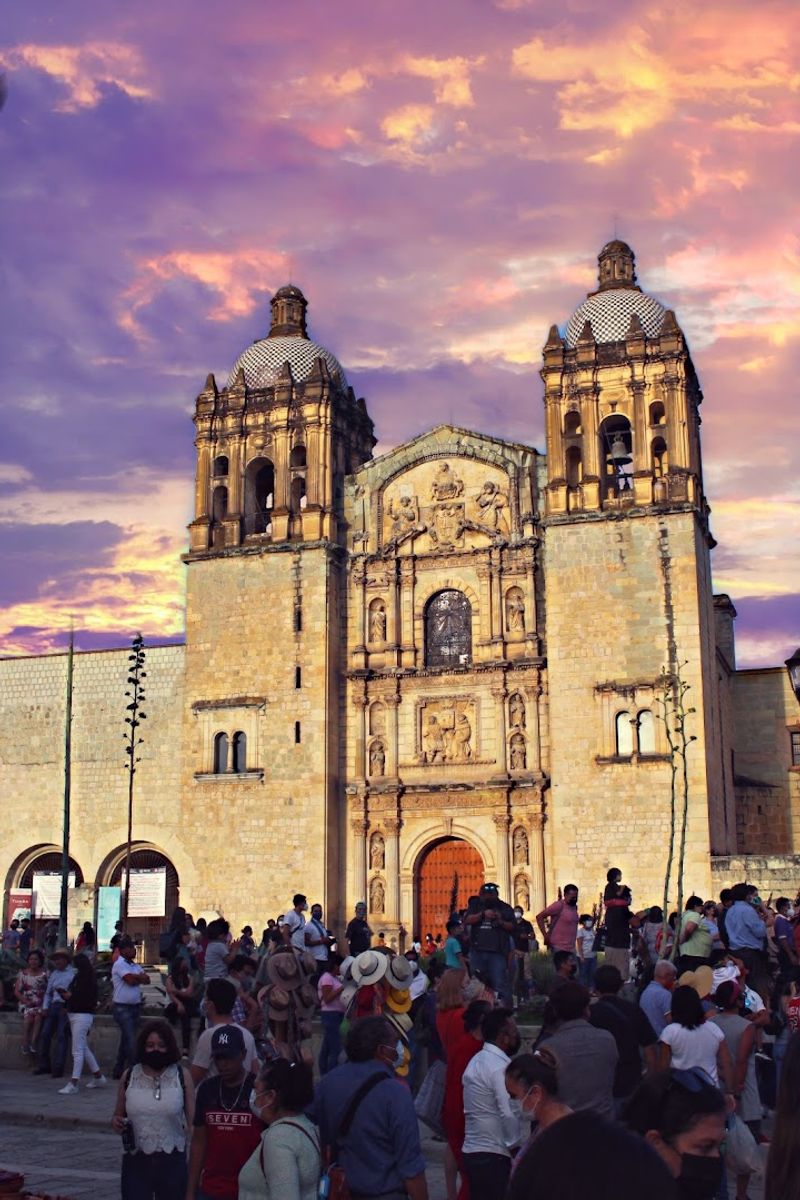
Oaxaca City is where Mexican street food gets deeply serious about its roots. The city’s cuisine is shaped by indigenous Zapotec and Mixtec traditions, and every bite reflects centuries of knowledge passed down through families and village recipes.
Tlayudas are the city’s signature street dish: giant crispy tortillas spread with black bean paste, Oaxacan cheese, and grilled meat. Mole negro, one of Mexico’s most complex sauces made with chili, chocolate, and dozens of spices, is served everywhere from market stalls to roadside spots.
Chapulines, or toasted grasshoppers seasoned with lime and chili, are a crunchy local snack that adventurous eaters swear by.
Mercado Benito Juarez and Mercado 20 de Noviembre are the city’s two main markets, both packed with vendors grilling meats over charcoal and serving fresh-made tortillas. Oaxaca is also the home of mezcal, which pairs beautifully with nearly everything on the menu.
This is a food city that rewards slow, curious exploration above all else.
Kuala Lumpur, Malaysia
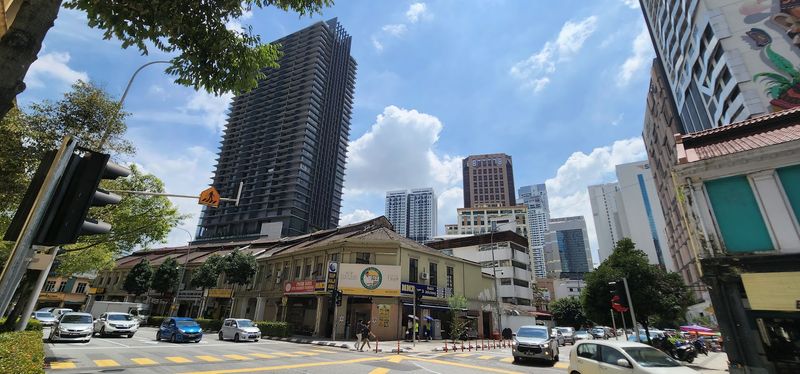
Kuala Lumpur might be the world’s most underappreciated food city. Its street food scene is a direct reflection of Malaysia’s multicultural makeup — Malay, Chinese, and Indian traditions all sharing the same block, sometimes the same table.
Jalan Alor is the most famous food street, transforming every evening into an outdoor feast of satay skewers, char kway teow noodles, grilled seafood, and fresh fruit juices. Nasi lemak, coconut rice served with sambal, boiled egg, peanuts, and anchovies, is the national dish and available at practically every hour of the day.
Roti canai, a flaky flatbread served with curry dipping sauce, is one of those foods that makes you wonder how you ever lived without it. Indian Muslim hawker stalls serve it fresh from dawn.
Kuala Lumpur rewards food lovers who wander beyond tourist zones, because the city’s best flavors are often found on quiet side streets where regulars have been eating for years.
Hanoi, Vietnam
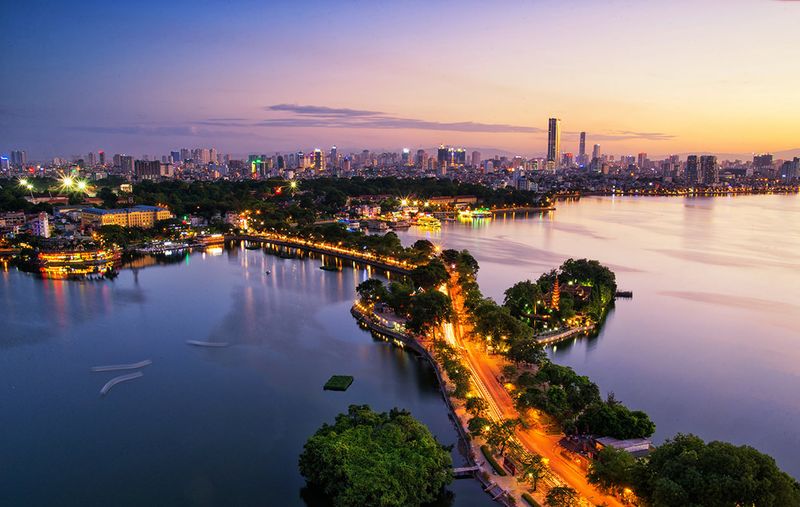
Hanoi moves at a slower pace than Ho Chi Minh City, and its street food reflects that calm, deliberate character. Everything here feels rooted in tradition, from the charcoal grills to the hand-rolled rice noodles prepared fresh before sunrise.
Bun cha is the dish that put Hanoi on the global food map, especially after a famous American president and a celebrity chef shared a meal of it together on television. Grilled pork patties served in a sweet, tangy broth with vermicelli noodles and fresh herbs — it is simple, balanced, and completely satisfying.
Egg coffee, a uniquely Hanoian invention made with whipped egg yolk and condensed milk, is a must-try dessert drink.
The Old Quarter is the best place to explore on foot, especially in the early morning when pho vendors set up on sidewalks and the city feels quiet and unhurried. Hanoi’s food scene rewards patience.
The more time you spend wandering its narrow streets, the better your meals become.
Fukuoka, Japan
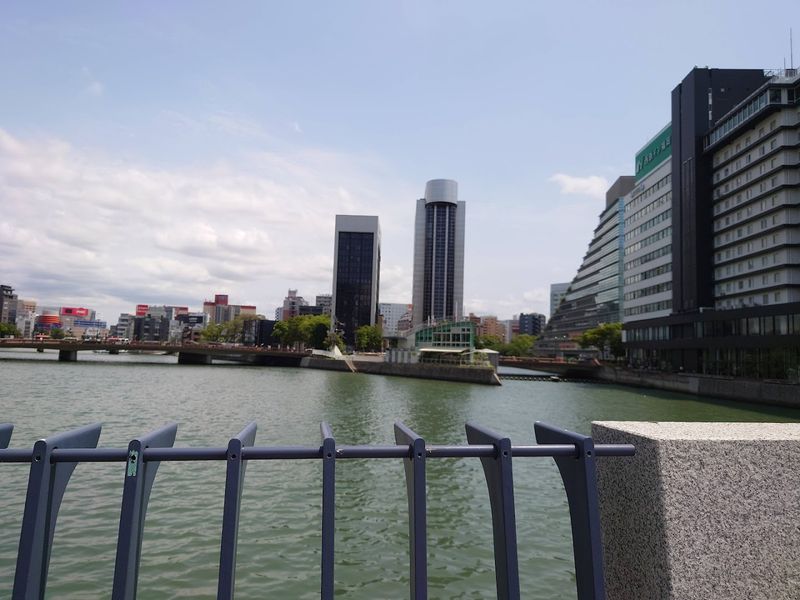
Japan’s best-kept street food secret sits on the northern tip of Kyushu island. Fukuoka is the birthplace of tonkotsu ramen, that rich, milky pork bone broth that ramen lovers around the world spend years trying to recreate at home.
The city’s most distinctive feature is its yatai stalls — small, mobile outdoor kitchens that appear along riversides and streets after dark. Each stall typically seats fewer than ten people, creating an intimate atmosphere where you end up chatting with strangers over steaming bowls and cold drinks.
Grilled chicken skewers, gyoza dumplings, and mentaiko spicy cod roe are popular alongside the ramen.
Nakasu and Tenjin districts have the highest concentration of yatai stalls, and the experience of eating under canvas canopies beside a glowing river is genuinely magical. Fukuoka also hosts an annual Ramen Stadium where top shops from across Japan compete.
Travelers who skip Tokyo for Fukuoka often say it was the best food decision of their entire trip.
New Delhi, India
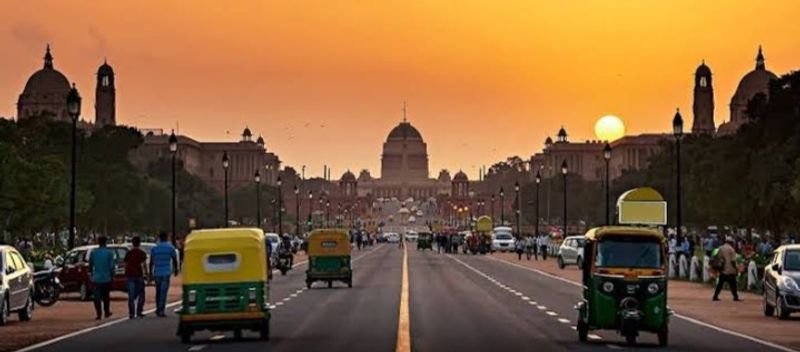
Chandni Chowk does not ease you in gently. One of the oldest and busiest markets in Asia, this historic lane in New Delhi hits you with color, noise, and the overwhelming smell of frying dough and spiced chickpeas all at once.
Parathas stuffed with potato, paneer, or radish are served with butter and yogurt at shops that have operated in the same spot for over a century. Chole bhature, a pillowy fried bread served with spiced chickpea curry, is the kind of breakfast that makes you rethink all other breakfast options permanently.
Sweet jalebi, spiral-shaped fried dough soaked in sugar syrup, finishes the meal on a sticky, golden note.
Old Delhi’s kebab culture is equally impressive, with Mughal-era recipes still being cooked the traditional way over live coals. New Delhi’s street food carries the weight of thousands of years of culinary history in every bite.
It is chaotic, unforgettable, and absolutely worth every crowded, delicious moment.
Share this story