Istanbul is one of those cities where the food tells the story better than any guidebook ever could. From century-old dining rooms tucked above spice markets to family-run lokantası that have barely changed since your great-grandparents’ era, the city’s restaurant scene is a living, breathing history lesson.
Whether you are chasing Ottoman palace recipes or just a killer kebab near the Bosphorus, Istanbul delivers. Here are 15 traditional restaurants that genuinely earn their reputation.
Pandeli
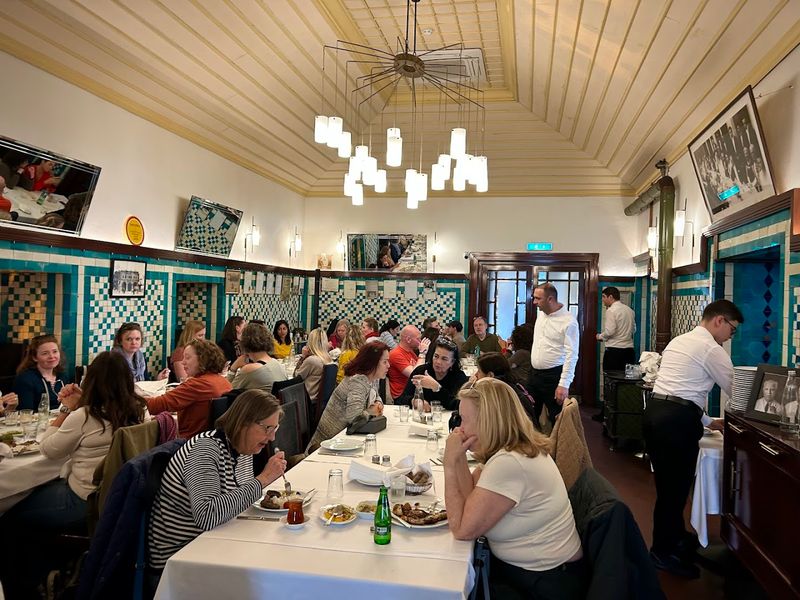
Eating at Pandeli feels less like dinner and more like a field trip through culinary history. Opened in 1901 and perched above the Spice Bazaar in Eminönü, this place has been feeding Istanbul for over a century.
The turquoise-tiled interior alone is worth the visit.
The menu leans into classic Turkish and Ottoman dishes done with quiet confidence. No flashy gimmicks, no fusion experiments.
Just honest, well-executed food in a room that has seen generations of loyal diners come and go.
Michelin included Pandeli in its 2026 Istanbul guide, which is a solid endorsement for a restaurant that already had plenty of street credibility. Book ahead, dress respectably, and arrive hungry.
Getting a window table with a view over the bazaar rooftops is the kind of bonus that makes a meal unforgettable. Pandeli is not just a restaurant; it is a genuine Istanbul institution.
Asitane Restaurant
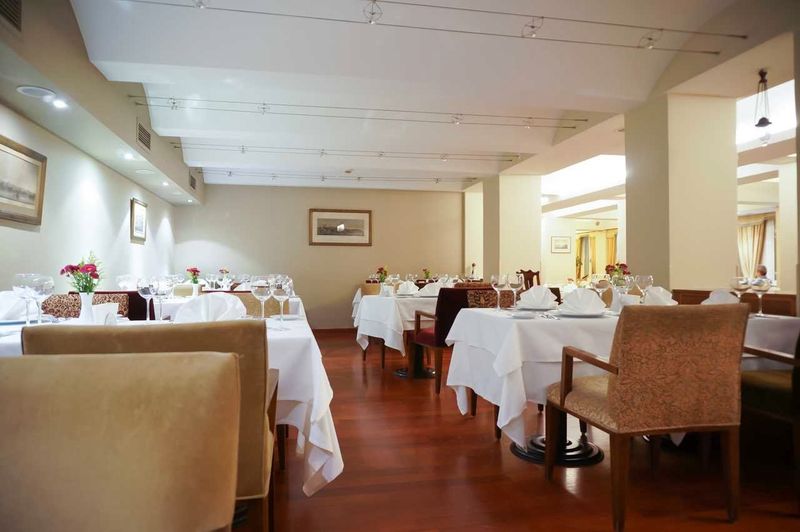
Asitane is the kind of restaurant that makes food historians genuinely excited. The team here builds menus around actual Ottoman palace recipes, sourced from historical documents and imperial kitchen records.
That is not a marketing line; it is their whole identity.
Located near the Chora Church in Edirnekapı, Asitane operates daily and welcomes diners who want something far beyond the standard tourist circuit. The dishes often feature ingredients and flavor combinations that have not appeared on most menus for hundreds of years.
I tried their stuffed melon dish on my first visit and spent the next ten minutes trying to figure out how something so old could taste so fresh. The garden seating in warmer months is particularly lovely.
If you are the type who reads restaurant menus the way other people read novels, Asitane will keep you very happy. Heritage dining done with real scholarly commitment.
Hacı Abdullah Lokantası
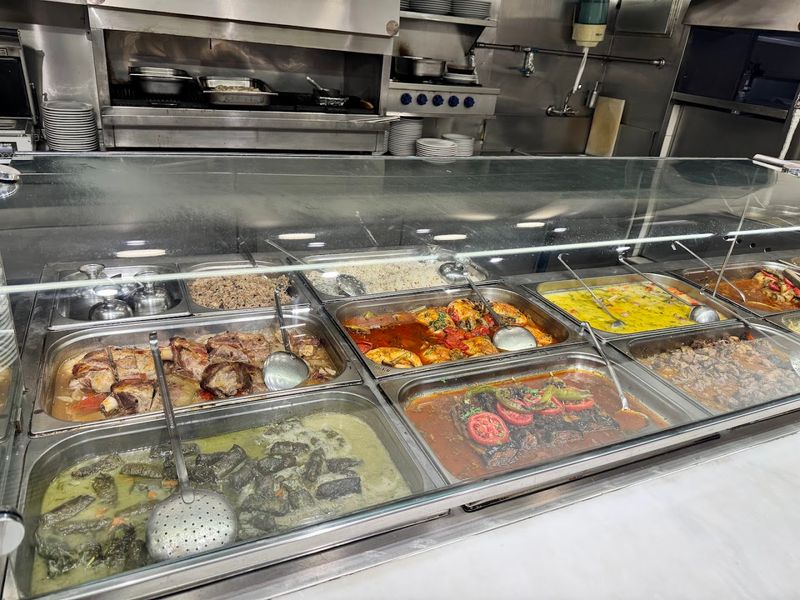
Founded in 1888, Hacı Abdullah has been feeding Istanbul through empires, republics, and a whole lot of history. That is not a typo.
This place pre-dates the Turkish Republic by several decades and still shows up for work every day in Beyoğlu.
The menu is a reliable tour of classic Turkish and Ottoman-style cooking. Think slow-cooked stews, expertly seasoned vegetable dishes, and traditional desserts that remind you why Turkish sweets have fans on every continent.
The atmosphere is warm, unpretentious, and very local.
What makes Hacı Abdullah special is its consistency. Generations of Istanbul families have eaten here, and the kitchen has never felt the need to reinvent itself for trend-chasers.
The display of preserved fruits and pickles near the entrance sets the tone perfectly. Old-school does not mean outdated here; it means the recipes have been tested by about 136 years of hungry customers.
That is a track record worth trusting.
Hünkar Lokantası
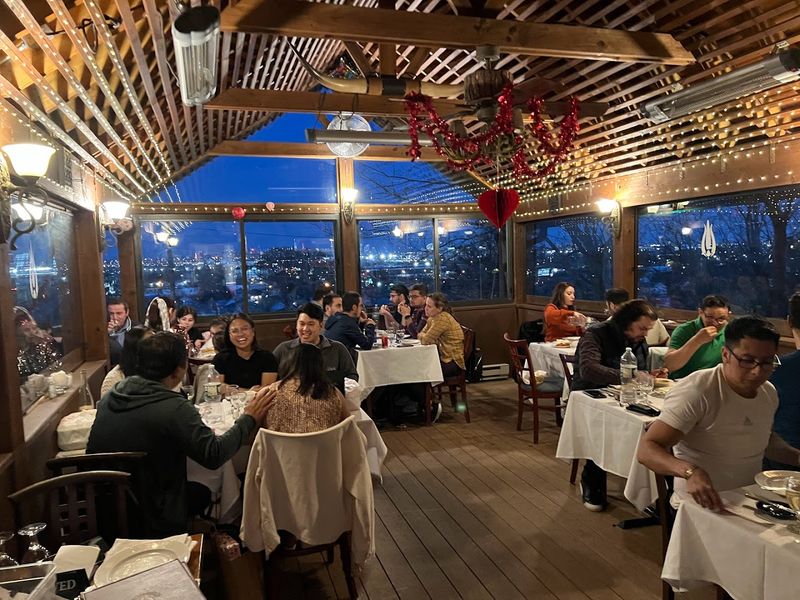
Hünkar has a name that translates roughly to “sultan” in Ottoman Turkish, and the restaurant has been living up to that title since 1950. Based in the upscale Nişantaşı neighborhood, it remains one of the city’s most respected addresses for Ottoman-Turkish cooking.
The menu covers the classics with real authority: slow-cooked lamb, rich eggplant dishes, and traditional stews that take hours to prepare properly. Nothing here is rushed, and you can taste that patience in every bite.
The dining room feels polished without being stuffy.
Nişantaşı itself is a great neighborhood to wander before or after your meal, full of boutiques and cafes that give you a very different side of Istanbul from the tourist-heavy historic peninsula. Hünkar attracts a loyal local crowd, which is always the best sign.
Recent coverage still rates it among the city’s standout traditional restaurants, and its official site confirms it is very much open for business.
Kanaat Lokantası
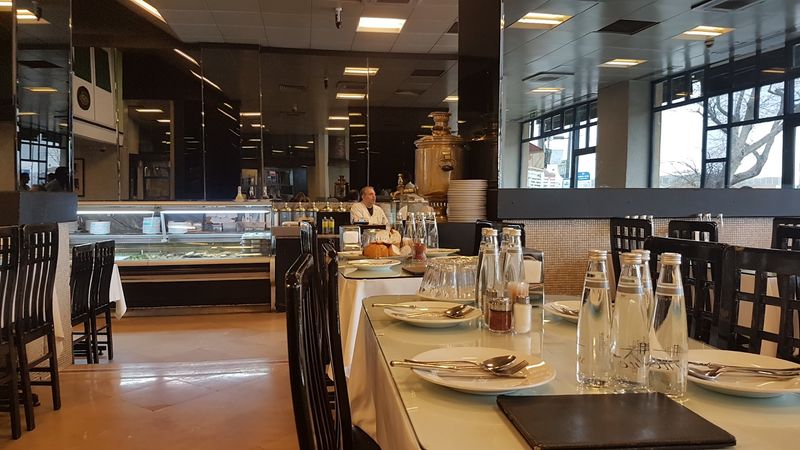
Cross the Bosphorus to the Asian side and you will find Kanaat Lokantası waiting in Üsküdar, quietly doing what it has always done. This is a proper old-school lokanta, the kind where the food comes out fast, the portions are generous, and nobody is trying to impress you with unnecessary decoration.
Kanaat’s about page spells out its mission clearly: preserving Ottoman-Turkish culinary values. The menu backs that up with traditional stews, classic mezes, and a dessert section that deserves its own separate visit.
The kazandibi and rice pudding here are genuinely excellent.
Üsküdar itself has a calmer, more residential feel than the European side, which makes eating at Kanaat feel like a genuine neighborhood experience rather than a tourist activity. The ferry ride over from Eminönü adds a nice bit of drama to the whole outing.
Good food, fair prices, and a side of Bosphorus breeze. Hard to argue with that combination.
Yanyalı Fehmi Lokantası
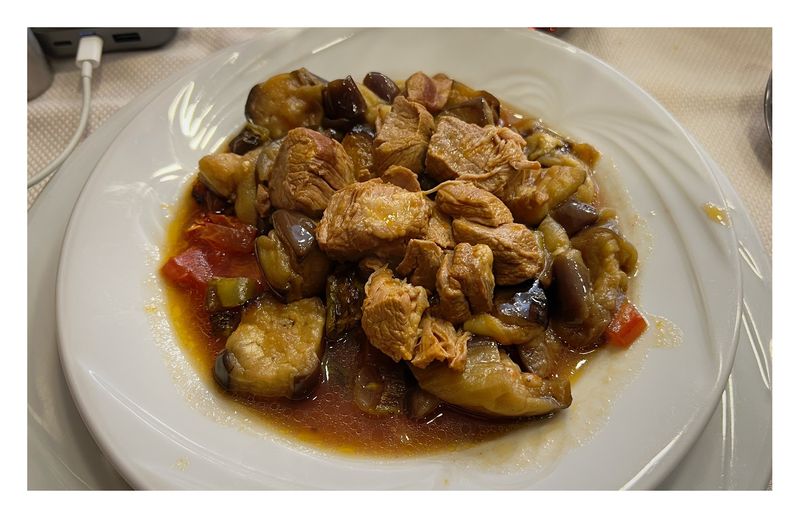
Operating since 1919, Yanyalı Fehmi Lokantası in Kadıköy has survived two world wars, multiple governments, and what feels like an infinite number of food trends. Michelin includes it in the 2026 guide and describes it as a slice of living history, which is about as accurate a description as you can get.
This is a family-run operation, and that shows in the food. The recipes feel personal, the portions feel generous, and the whole experience has the kind of warmth that chain restaurants spend millions trying to fake.
The menu rotates with seasonal home-style Turkish dishes.
Kadıköy is one of Istanbul’s most vibrant neighborhoods, packed with markets, coffee shops, and a lively local energy. Combining a meal at Yanyalı Fehmi with a wander through the Kadıköy market is a very solid plan for a full afternoon.
For heritage dining that feels genuinely alive rather than preserved in a museum, this place delivers every time.
Mahir Lokantası
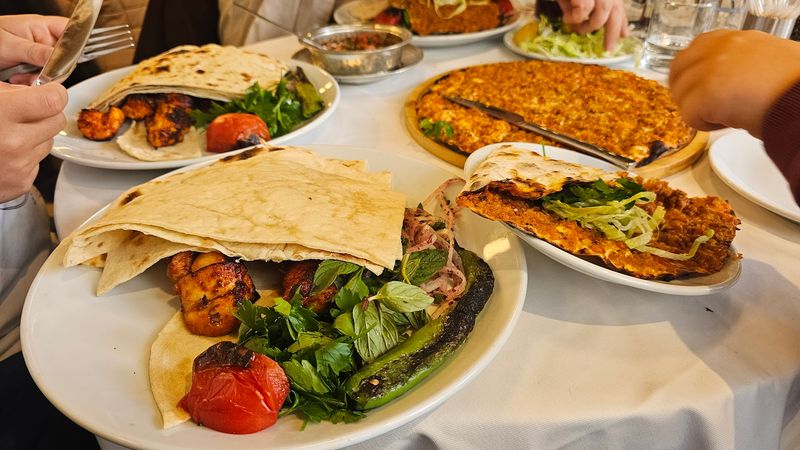
Not every great meal needs white tablecloths and a sommelier. Mahir Lokantası proves that point with cheerful efficiency.
Michelin awarded it a 2026 Bib Gourmand, which is the guide’s way of saying the food is seriously good and the prices will not send you into financial shock.
The format here is classic lokanta: a rotating daily menu of home-style Turkish dishes, served quickly in a no-nonsense environment. You eat what is fresh, you eat well, and you leave happy.
There is something genuinely refreshing about a restaurant that skips the performance and focuses entirely on the cooking.
Mahir is the kind of place that locals actually eat at on a regular Tuesday, not just for special occasions. That everyday loyalty is a stronger recommendation than any award.
If your Istanbul itinerary has been heavy on fancy meals, a lunch at Mahir is the perfect reset. Honest Turkish cooking at its most straightforward and satisfying.
Karaköy Lokantası
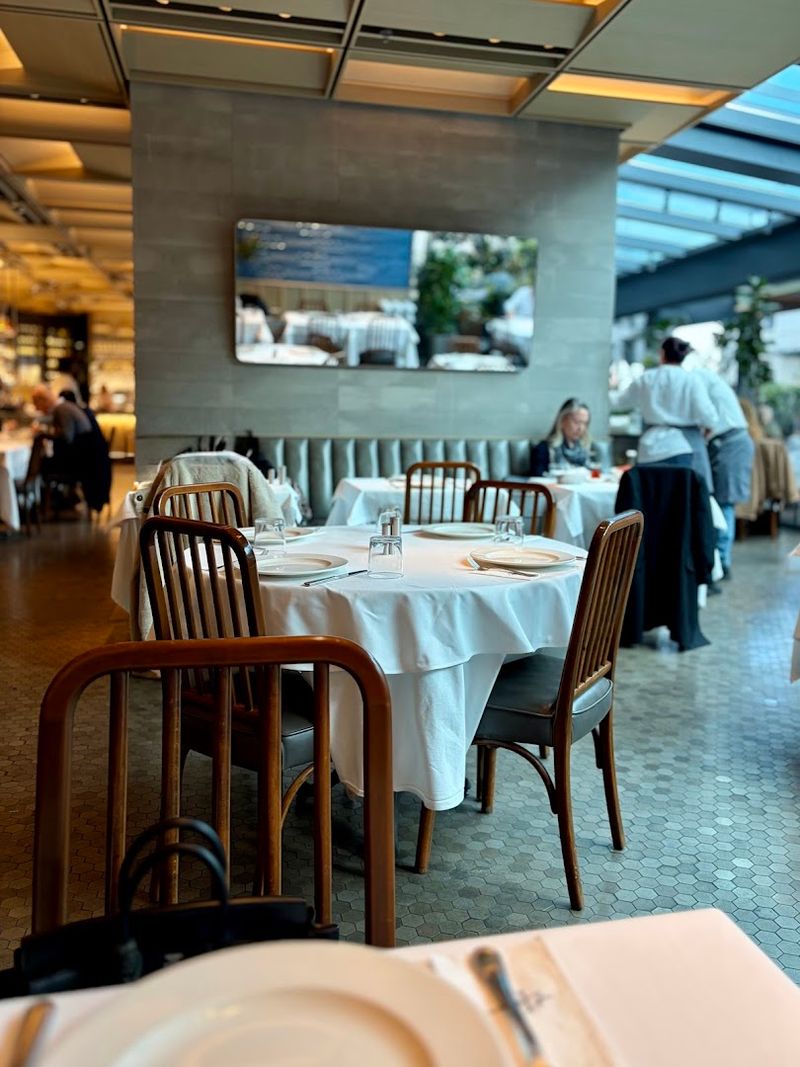
Karaköy Lokantası manages a neat trick: it feels stylish without abandoning its traditional roots. The tiled interior and marble bar give it a visual identity that is unmistakably Turkish, and the menu delivers classic mezze and mains with a level of polish that justifies the slightly higher price tag.
Michelin lists it in the 2026 guide with current hours, confirming it is still operating and still earning attention. The mezze selection here is particularly strong.
A table of small plates at Karaköy Lokantası is one of the more enjoyable ways to spend an evening in the city.
The Karaköy neighborhood itself has transformed over the past decade into one of Istanbul’s trendiest areas, full of galleries, coffee shops, and design studios. Eating here puts you right in the middle of that energy while still connecting you to something genuinely traditional.
Style and substance, sharing the same table. That is a combination worth seeking out.
Çiya Sofrası
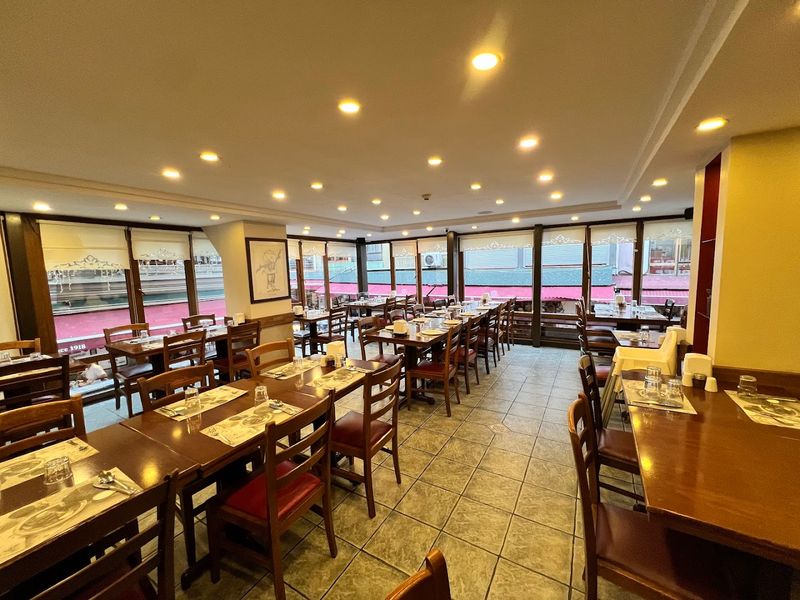
Çiya Sofrası is the restaurant that food writers keep writing about, and for good reason. Chef Musa Dağdeviren has spent decades tracking down regional Anatolian recipes that most Turkish restaurants have never heard of, let alone cooked.
The result is a menu that changes constantly and surprises reliably.
Located in Kadıköy’s market district, Çiya operates in a casual, counter-service style that feels more like a very delicious university canteen than a destination restaurant. Do not let that fool you.
The cooking here is serious, thoughtful, and often revelatory.
The dishes go well beyond the standard kebab-and-meze circuit. You might find sour pomegranate stews from southeastern Turkey, herb-heavy salads from the Black Sea coast, or fermented preparations that have been eaten in Anatolia for centuries. Çiya is the restaurant that reminds you how vast and varied Turkish cuisine actually is.
A must for any genuinely curious eater visiting Istanbul.
Hamdi Restaurant
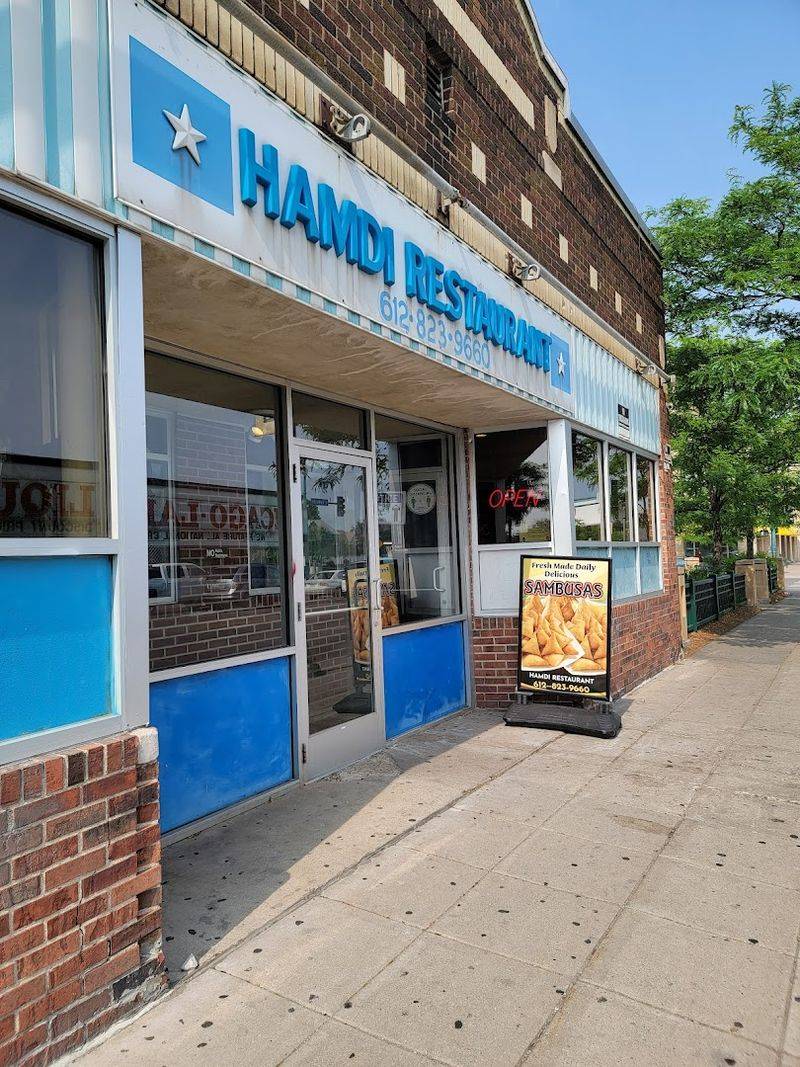
Hamdi Restaurant near Eminönü is where southeastern Turkish flavors meet one of Istanbul’s best rooftop views. The Golden Horn stretches out below while the kitchen sends up a parade of expertly grilled meats and kebabs that would make any Gaziantep grandmother nod in approval.
The restaurant has built its reputation on doing the classics well: urfa kebab, beyti, and lamb preparations that lean heavily on the rich spice traditions of Turkey’s southeast. The official site lists both the original Eminönü location and a Şişli branch, but the original is the one with the view.
Hamdi gets busy, especially at dinner, so a reservation is strongly recommended. The crowds are there for a reason, and the reason is the food.
Sitting on that terrace with a plate of mixed kebabs while the city does its thing below is one of those Istanbul experiences that people describe for years afterward. Book it.
Eat it. Thank yourself later.
Beyti
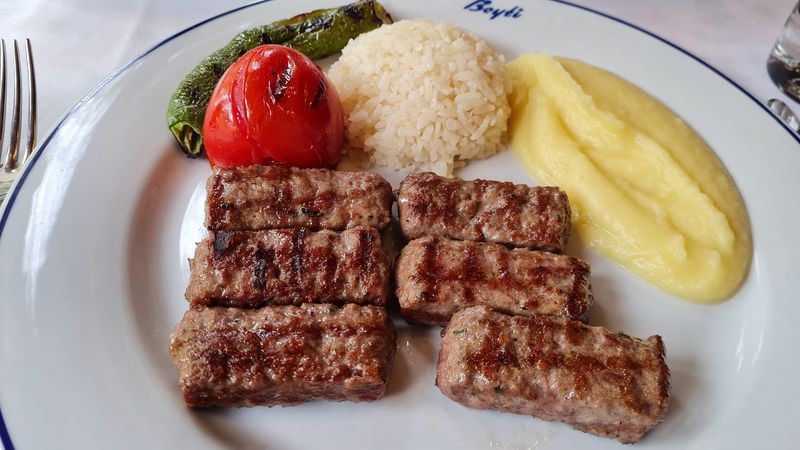
The beyti kebab is named after this restaurant, which tells you everything you need to know about its status in Turkish culinary history. Beyti in Florya has been serving grilled meats and classic Turkish hospitality since the 1940s, and it has collected a guest list that reads like a who’s who of world leaders and celebrities.
Michelin lists Beyti in its 2026 guide, describing it as a historic establishment with decades of loyal local following. The restaurant is large, formal by Istanbul standards, and priced accordingly.
But the quality of the meat and the precision of the grilling justify every lira.
Getting to Florya requires a bit of effort from the city center, but regulars treat that journey as part of the ritual. The dining room has a grand, occasion-dinner energy that makes even a midweek meal feel like an event.
If you are going to splurge on one traditional Istanbul restaurant, Beyti makes a very compelling case for itself.
Deraliye
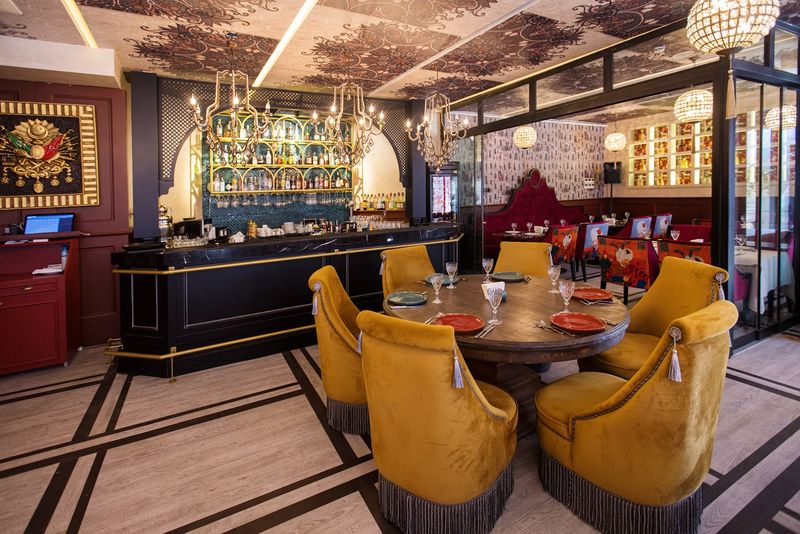
Deraliye sits in Sultanahmet, the neighborhood that contains more history per square meter than almost anywhere else on earth. The restaurant leans fully into that context, offering an Ottoman-inspired menu designed to reflect the elaborate culinary traditions of the imperial palace kitchens.
Michelin currently lists Deraliye in its Istanbul guide, which helps distinguish it from the many nearby restaurants that trade on location rather than quality. The dishes here tend toward the elaborate side: slow-cooked preparations, complex spice combinations, and presentation that reflects the theatrical nature of Ottoman court dining.
Sultanahmet can be overwhelming with its density of tourist restaurants, so having a Michelin-listed option with a clear culinary identity is genuinely useful. Deraliye is the right choice for travelers who want to combine sightseeing with a meal that actually reflects the history surrounding them.
Palace cuisine near the palaces. The logic is impeccable, and the execution backs it up reliably.
Tatbak
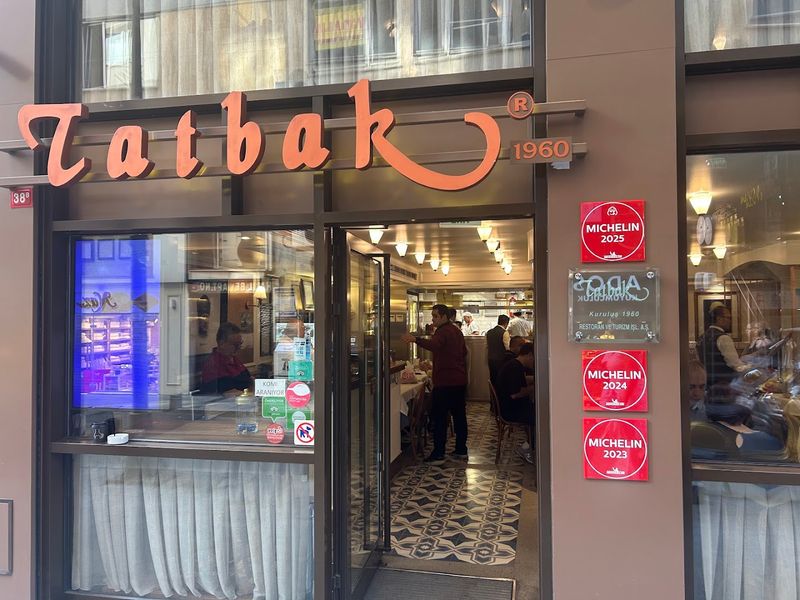
Tatbak is proof that Michelin recognition and budget-friendly dining are not mutually exclusive. The 2026 Bib Gourmand listing confirms what locals in Istanbul have known for a while: this place serves excellent lahmacun and kebabs at prices that leave money in your pocket for dessert.
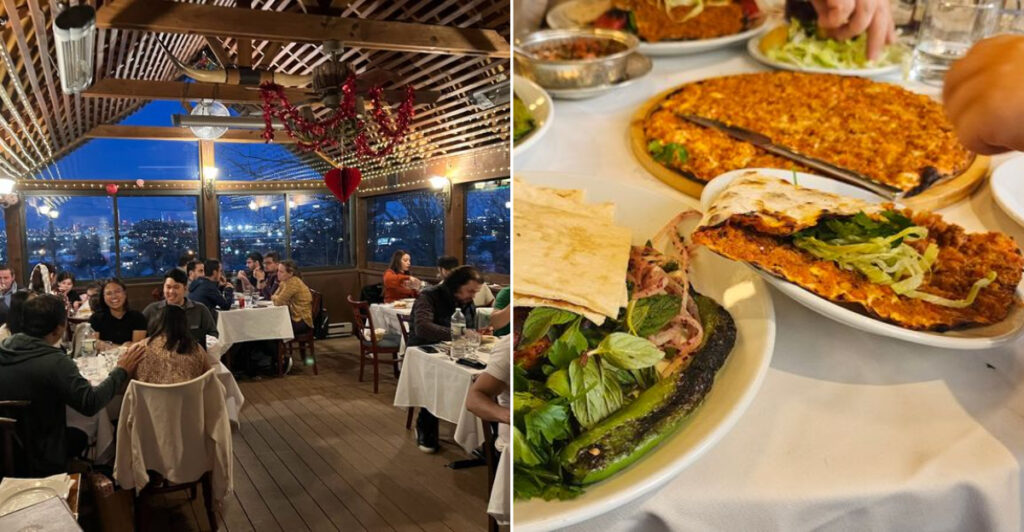
Lahmacun, for the uninitiated, is a thin, crispy flatbread topped with spiced minced meat and herbs. It is one of Turkey’s great casual foods, and Tatbak does it very well.
The kebabs are equally reliable, grilled with the kind of straightforward competence that comes from years of practice.
The atmosphere is unpretentious and lively, with a crowd that skews heavily local. That is always a good sign.
Tatbak is the restaurant you visit when you want to eat like someone who actually lives in Istanbul rather than someone following a tourist map. Affordable, satisfying, and Michelin-approved.
That combination deserves a spot on any Istanbul itinerary.
Khorasani
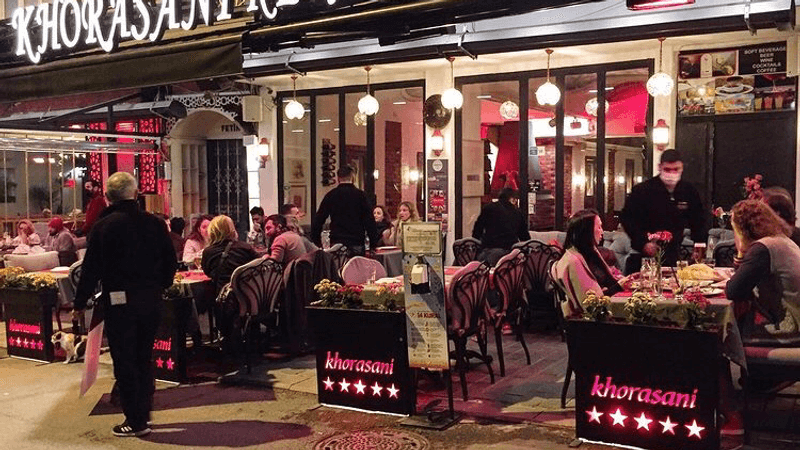
Sultanahmet is full of restaurants that look great from the outside and disappoint spectacularly from the inside. Khorasani is the exception that proves the rule.
Michelin lists it under traditional cuisine and grills in its current Istanbul guide, giving it a layer of credibility that most of its neighbors cannot claim.
The menu focuses on grilled meats and Turkish classics done with genuine care. In a neighborhood where many kitchens treat tourists as a captive audience, Khorasani actually bothers to cook properly.
The portions are solid, the flavors are direct, and the experience does not leave you feeling like you were ambushed.
For first-time Istanbul visitors who plan to spend most of their time around the Blue Mosque and Hagia Sophia, Khorasani is a practical and trustworthy choice. You do not need to venture far or navigate unfamiliar neighborhoods to eat well.
Sometimes the right restaurant is just around the corner from where you already are.
SADE Beş Denizler Mutfağı
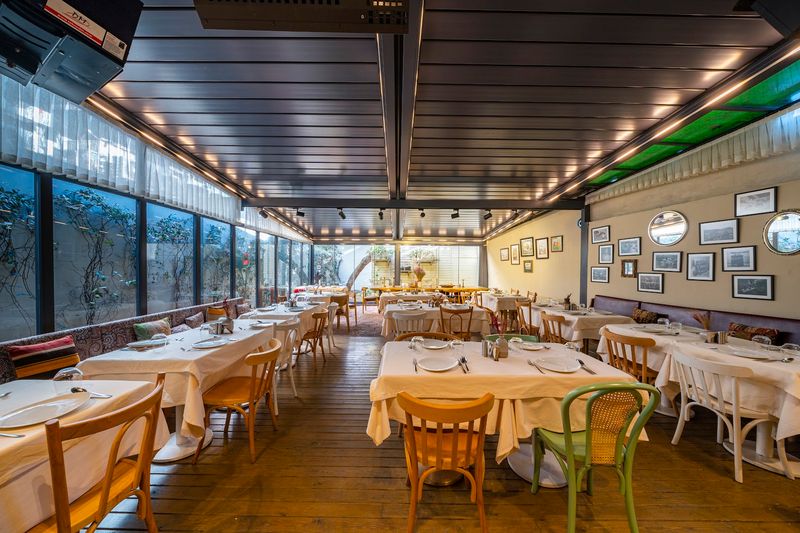
SADE does not have a century of history behind it, but Michelin describes it as a place for authentic Anatolian specialties and genuine Turkish hospitality, and that is a recommendation worth paying attention to. Sometimes the newest addition to a list earns its spot by simply doing the job better than the competition.
The name translates to “plain” or “simple” in Turkish, and there is an honesty to that branding. The focus here is on Anatolian flavors delivered without unnecessary complication.
The cooking respects its regional sources while presenting them in a format that feels current and well-considered.
SADE is a good choice for travelers who want traditional Turkish flavors without the museum-piece atmosphere that some of the older institutions carry. The food is the point, and the food is very good.
Michelin’s endorsement of a newer restaurant is always a meaningful signal. SADE has clearly figured out what it wants to be, and it is executing that vision with real conviction.
Share this story