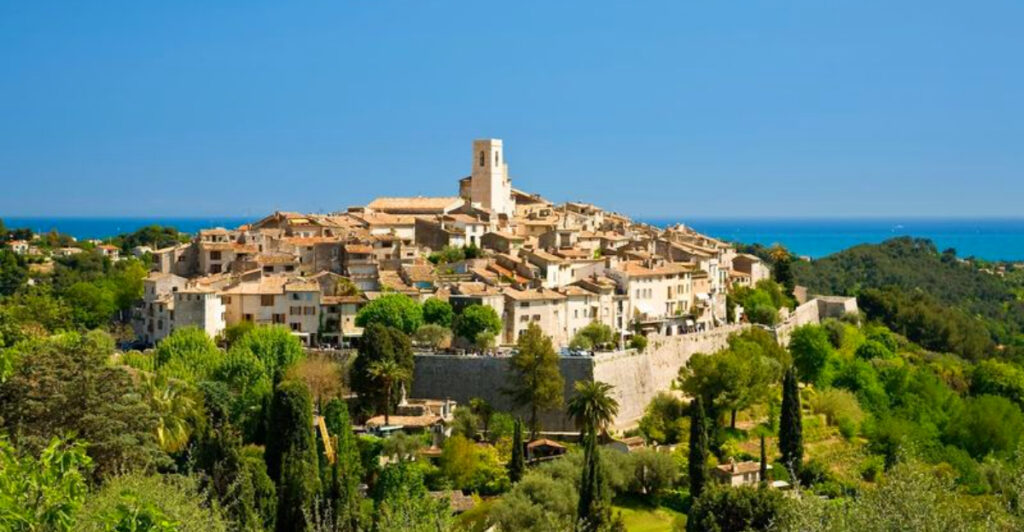
Southern France has a way of making you forget the rest of the world exists. Tucked between lavender fields, rocky cliffs, and shimmering coastlines are villages so beautiful they barely seem real.
These hidden gems offer medieval streets, local markets, and a slower pace of life that big cities simply cannot match. Whether you love history, art, food, or just stunning scenery, southern France has a village with your name on it.
Gordes
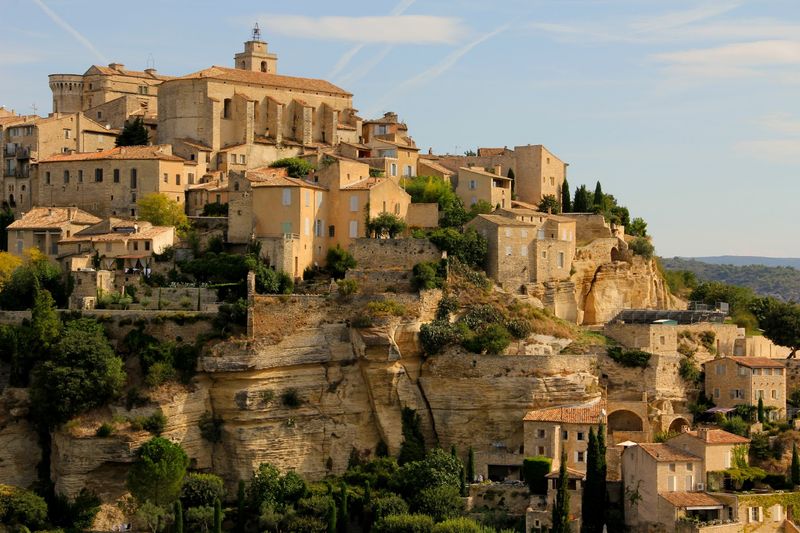
Few places on Earth look as though they were painted directly onto a hillside, but Gordes pulls it off effortlessly. Perched dramatically above the Luberon valley, this Provençal gem stacks golden stone houses up rocky cliffs in a way that makes photographers genuinely emotional.
Every narrow street seems to lead somewhere more beautiful than the last.
Summer is peak season here, and for good reason. The surrounding lavender fields bloom in waves of purple during July, turning the countryside into something almost surreal.
The weekly market fills the main square with fresh produce, local cheeses, and handmade crafts worth browsing slowly.
History lovers will appreciate the 11th-century château sitting at the village’s highest point, offering views that stretch endlessly across Provence. Nearby, the ancient Village des Bories features mysterious dry-stone huts dating back centuries.
Gordes rewards visitors who arrive early in the morning before tour buses show up, giving you the magic of the village almost entirely to yourself.
Èze
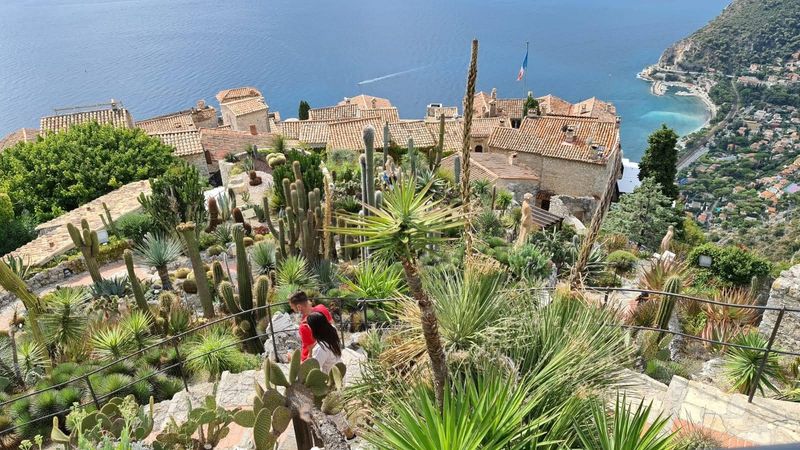
Clinging to a rocky peak 427 meters above the Mediterranean, Èze is the kind of place that makes your jaw drop before you even enter the gates. The views from up here stretch across glittering blue water all the way to Corsica on clear days.
Getting there involves a steep climb through narrow stone lanes, but trust the process completely.
The Jardin Exotique at the very top is a must-see, filled with exotic cacti and sculptures framing the most incredible coastal panorama on the entire Riviera. Artists and perfumers have called Èze home for generations, and small boutiques selling handmade soaps and locally crafted jewelry line the winding pathways.
Fragonard, one of France’s famous perfume houses, operates a factory here where visitors can tour the production process and pick up beautifully packaged scents as souvenirs. Arriving by the Grande Corniche road offers one of the most scenic drives in Europe, hugging clifftops above sparkling coastline. Èze is genuinely small, so a half-day visit covers it well, leaving time to explore nearby Monaco or Nice before sunset.
Saint-Paul-de-Vence
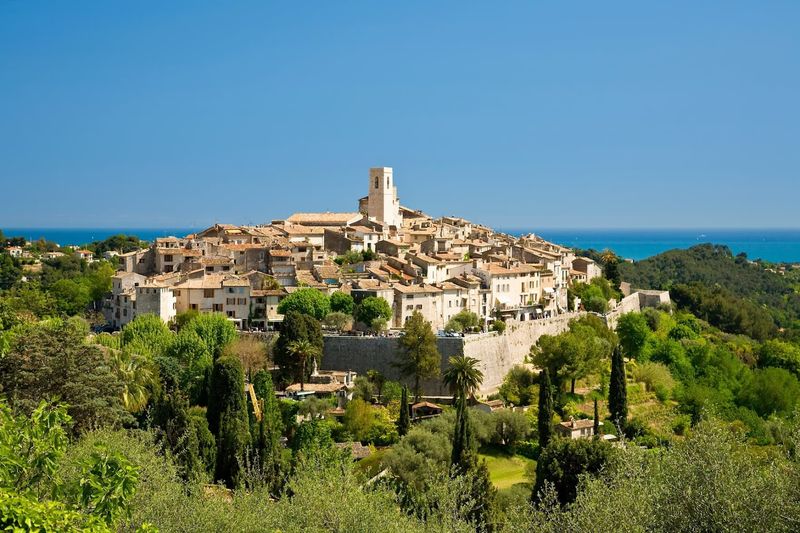
Picasso sketched here. Chagall loved it so much he is buried in the village cemetery.
Saint-Paul-de-Vence has been collecting legendary artists for nearly a century, and the creative energy still hums through every cobblestone alley today. Walking inside the ramparts feels like stepping into a living gallery.
The Fondation Maeght, just outside the village walls, is one of Europe’s finest modern art museums. Its sculpture garden alone justifies the trip, featuring works by Miró, Giacometti, and Calder arranged among pine trees and fountains.
Even visitors who do not consider themselves art fans tend to linger here far longer than planned.
Inside the village, dozens of galleries showcase contemporary paintings and ceramics alongside boutique shops selling Provençal textiles and local olive oil. The main street gets busy during peak tourist months, but stepping into quieter side lanes instantly restores the peaceful atmosphere.
The café terrace of La Colombe d’Or, a legendary inn where artists once paid for meals with paintings, remains one of the most charming spots in all of southern France for a long, unhurried lunch.
Roussillon
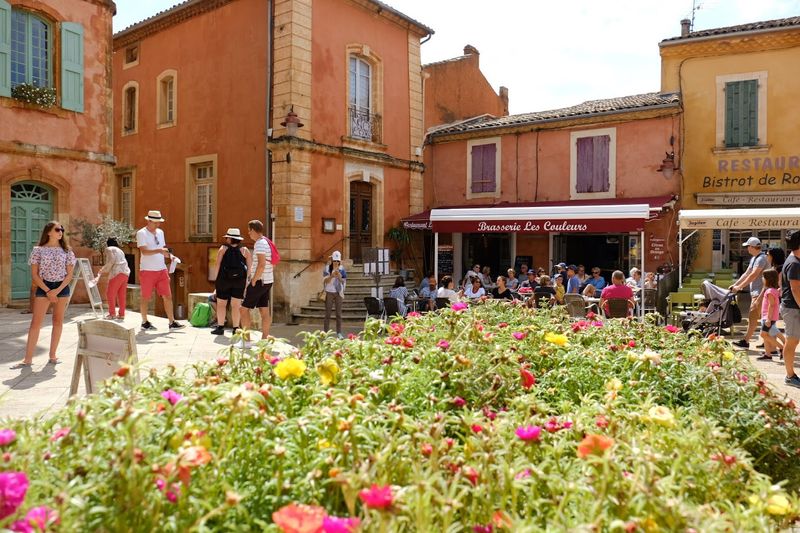
Roussillon looks like someone spilled an entire sunset and decided to build a village on top of it. The buildings here range from deep terracotta to pale yellow, all colored by the extraordinary ochre deposits found beneath the surrounding landscape.
No filter needed for photos here, the village provides its own dramatic palette.
The Sentier des Ocres is a short hiking trail winding through former ochre quarries just outside the village. Towering rust-red formations create a landscape that feels genuinely otherworldly, especially in late afternoon when long shadows play across the carved cliffs.
Wear shoes you do not mind getting dusty, because the orange earth gets everywhere cheerfully.
Back in the village, the main square is lined with cafés and ice cream shops perfect for a lazy afternoon break. Local artisan shops sell ochre-pigmented paints, ceramics, and textile dyes that make genuinely unique souvenirs impossible to find anywhere else.
Roussillon sits conveniently close to Gordes and Bonnieux, making it an easy addition to any Luberon road trip. Sunset here turns the already glowing buildings into something truly extraordinary, so plan your timing wisely.
Moustiers-Sainte-Marie
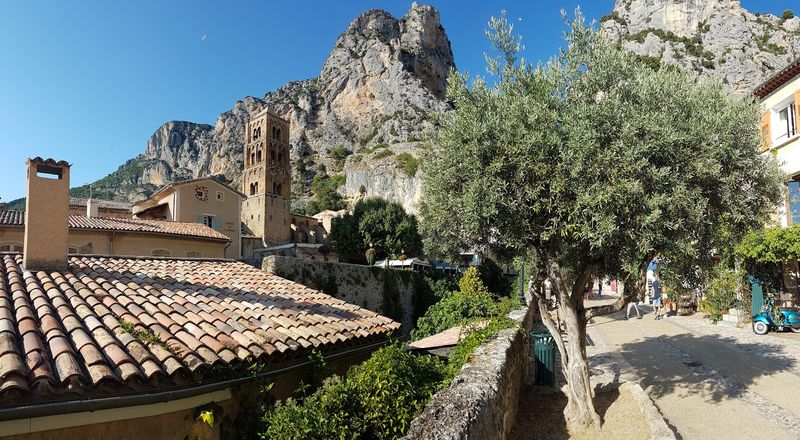
A golden star hangs suspended on a chain stretched between two towering cliffs above Moustiers-Sainte-Marie, and nobody completely agrees on how it got there. Legend says a knight returning from the Crusades hung it in gratitude for surviving captivity.
Whatever the story, that star makes arriving in this village feel genuinely theatrical.
Moustiers has been famous since the 17th century for its hand-painted faience ceramics, and dozens of workshops still produce beautiful pieces today. Watching artisans carefully paint intricate designs onto glazed pottery is fascinating, and buying a piece directly from the maker feels far more meaningful than any generic souvenir.
The village also sits at the gateway to the stunning Verdon Gorge.
The turquoise waters of Lac de Sainte-Croix are just minutes away, offering swimming, paddleboarding, and kayak rentals through the beginning of the gorge. A steep trail climbs from the village up to a Romanesque chapel perched above the cliffs, rewarding hikers with views across the entire valley.
Moustiers manages to feel genuinely unspoiled despite its well-deserved reputation as one of France’s officially designated most beautiful villages.
Lourmarin
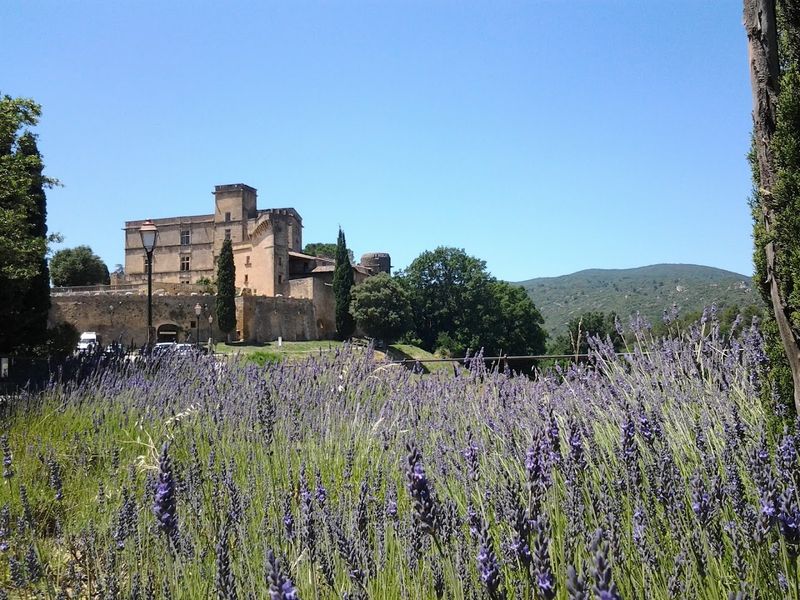
Albert Camus, the Nobel Prize-winning author, loved Lourmarin so much he bought a house here and is buried in its cemetery. That kind of literary endorsement says something real about a place.
Lourmarin has a lively, welcoming energy that sets it apart from quieter Luberon neighbors, making it feel more like a destination than just a stop.
The Friday market is a highlight worth planning around, filling the village streets with local farmers, cheese producers, olive merchants, and flower sellers. Rosé wines from the surrounding Luberon vineyards are exceptionally good here, and several local domaines offer tastings just outside the village.
The Renaissance château sitting above the rooftops hosts regular art exhibitions and cultural events throughout the year.
Unlike some Provençal villages that feel empty outside summer, Lourmarin stays lively in spring and autumn thanks to a strong local population and thriving restaurant scene. Outdoor dining terraces under plane trees create the perfect setting for long lunches fueled by local wine and seasonal Provençal cuisine.
The village is also an excellent base for exploring the wider Luberon, with Bonnieux, Roussillon, and Gordes all reachable within a short scenic drive.
Collioure
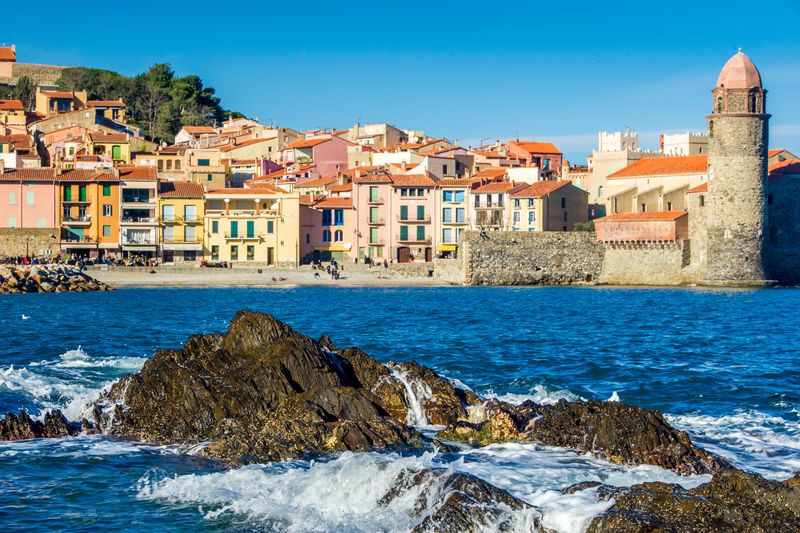
Henri Matisse arrived in Collioure in 1905 and essentially invented Fauvism here, inspired by the impossibly vibrant light bouncing off the harbor. The colors he painted seemed outrageous to critics at the time, but standing on the Collioure waterfront today, those bold hues make complete sense.
This place really does look like a painting brought to life.
The Château Royal de Collioure rises dramatically straight from the sea, its medieval towers reflected in the harbor water below. Originally built by the Knights Templar and later expanded by the kings of Aragon, it now hosts rotating art exhibitions inside its ancient walls.
The connection between the castle and the colorful village creates one of the most photogenic waterfronts in all of France.
Collioure sits firmly in Catalan territory, and the food reflects that heritage beautifully. Anchovies salted and preserved the traditional way are the local specialty, served in tapas-style dishes at waterfront restaurants alongside chilled local Banyuls wine.
The village has three small beaches tucked between rocky headlands, and the water here runs remarkably clear and warm by late June. Despite its fame, Collioure retains a genuinely working fishing village soul.
Bonnieux
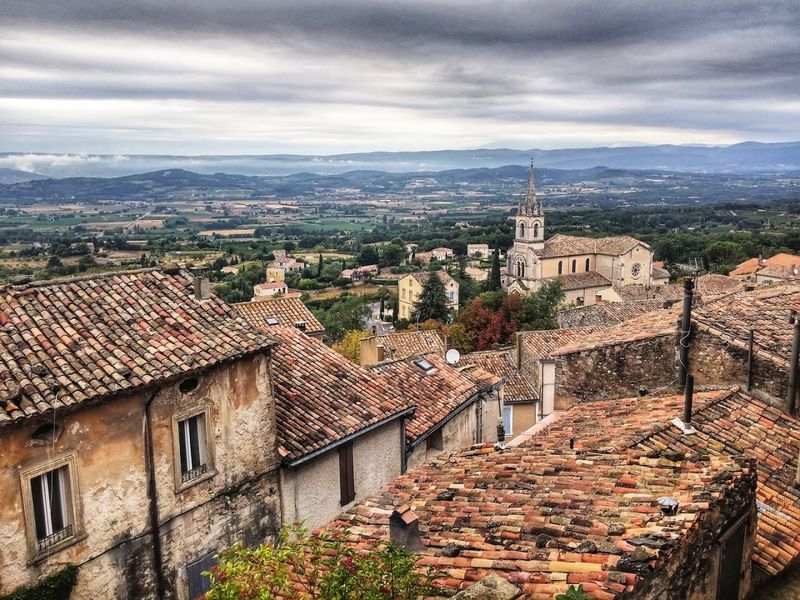
Climb to the top of Bonnieux on a clear morning and you will understand instantly why people move to Provence and never leave. The view from the upper church terrace sweeps across the entire Luberon valley, taking in vineyards, lavender fields, and distant mountain ridges in one breathtaking panorama.
This is the kind of scenery that ruins ordinary landscapes forever.
Bonnieux is noticeably quieter than nearby Gordes or Lourmarin, which is actually a significant part of its appeal. Stone stairways wind between honey-colored houses draped with wisteria and climbing roses, creating a genuinely unhurried atmosphere that encourages slow exploration.
A small bakery near the lower square produces some of the finest bread in the Luberon, worth arriving early to claim a warm loaf.
The Musée de la Boulangerie, a charming museum dedicated entirely to the history of bread-making in Provence, adds a quirky cultural note to the visit. Bonnieux also sits at the heart of excellent wine country, with several prestigious Luberon AOC estates offering tastings within easy driving distance.
The village hosts a small market on Friday mornings that draws locals from surrounding farms, giving it an authentic atmosphere larger tourist towns struggle to replicate.
Les Baux-de-Provence
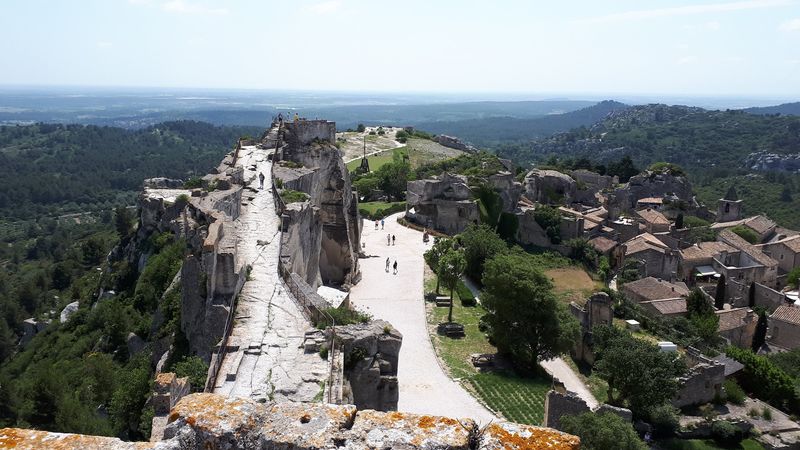
Les Baux-de-Provence looks like a film set for an epic medieval adventure, except everything here is completely real and genuinely ancient. The ruined fortress perched on its rocky spur above the Alpilles has been standing since the 10th century, and the views from the battlements across olive groves and limestone ridges are absolutely staggering.
Even the rocks seem to have stories to tell.
The Château des Baux is an impressive open-air museum where visitors can interact with reconstructed medieval siege weapons, including a working trebuchet that launches projectiles across the valley during demonstrations. Kids absolutely love it, and honestly so do most adults who claim to be too mature for that sort of thing.
The site covers the entire rocky plateau, rewarding those who explore every corner.
Just below the village, the Carrières des Lumières is an extraordinary immersive art show projected across the walls, floors, and ceilings of a vast former quarry. Massive digital installations bring the works of famous painters to life in a completely unique and sensory experience.
The village itself has excellent restaurants and olive oil shops, and the surrounding Alpilles countryside is ideal for cycling or scenic drives through ancient landscapes.
Cassis
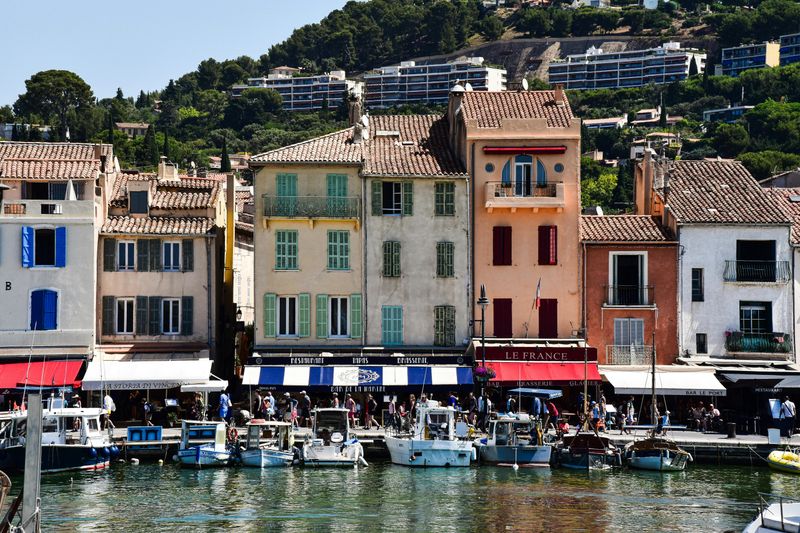
Cassis smells like sunscreen, fresh fish, and cold rosé all at once, and somehow that combination is completely irresistible. Tucked between the Calanques cliffs and a cheerful harbor, this coastal village manages to feel genuinely local despite attracting visitors from across the world.
The scale stays human, the streets stay narrow, and the wine stays excellent.
The Calanques National Park begins right at the edge of town, offering some of the most dramatic coastal scenery in Europe. Limestone cliffs plunge straight into water so clear and turquoise it looks digitally enhanced.
Boat tours departing from the harbor visit hidden coves accessible only by sea, revealing secret beaches wedged between towering white rock faces that take your breath away cleanly.
Cassis produces its own AOC white wine, one of the oldest wine appellations in France, and local producers make crisp, mineral-forward whites that pair perfectly with fresh seafood from the harbor restaurants. The covered market near the main square operates several mornings per week, offering local cheeses, olives, and seasonal produce.
Compared to nearby Marseille or the glitzy Riviera towns, Cassis feels refreshingly relaxed and genuinely sized for comfortable wandering rather than overwhelming crowds.
Aiguèze
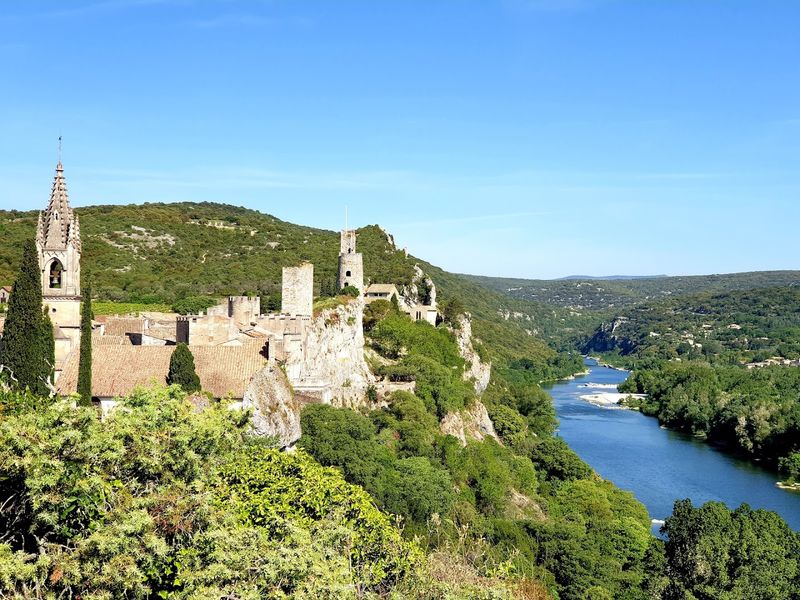
Tucked above one of France’s most spectacular river canyons, Aiguèze is the kind of discovery that makes you feel genuinely smug about your travel choices. The village sits on a limestone plateau above the Ardèche River, and the views down into the gorge are nothing short of jaw-dropping.
Most visitors to the Ardèche somehow miss this gem entirely, which makes it even better for those who find it.
The medieval architecture here is remarkably well preserved, with a fortified gate, Romanesque tower, and winding lanes of golden stone houses decorated with window boxes overflowing with geraniums. The entire village feels like a film set for a period drama, except quieter, cleaner, and without any camera crews blocking the best angles.
Wandering takes about an hour at a leisurely pace.
The Ardèche River below offers outstanding outdoor activities throughout summer, including kayaking through the famous gorge, swimming in crystal-clear river pools, and rock climbing on the canyon walls. Several companies in nearby Saint-Martin-d’Ardèche rent equipment and organize multi-day paddling trips through the full length of the gorge.
Aiguèze pairs beautifully with a riverside campsite or gîte, turning a single-day detour into an entire weekend adventure worth repeating every year.
Cotignac
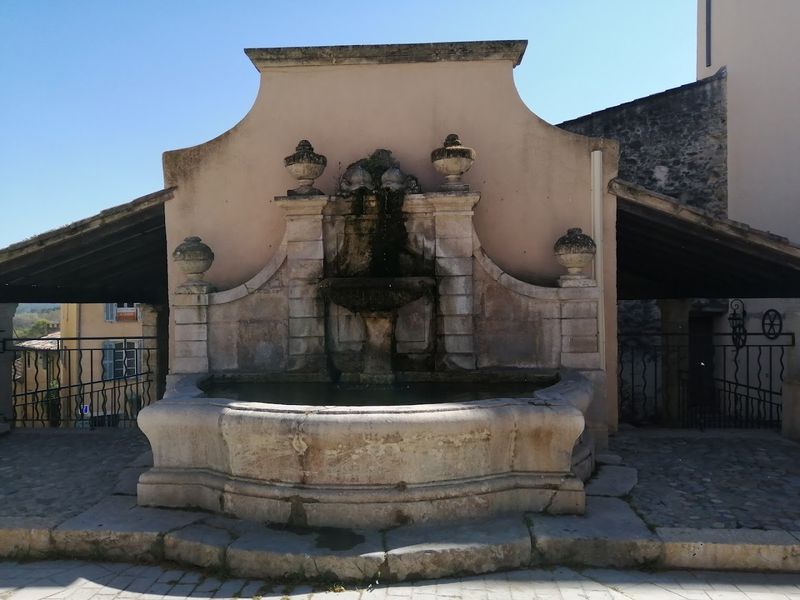
Cotignac has a secret hiding in plain sight directly behind the village. A massive tufa cliff, golden and pockmarked with ancient cave dwellings, rises dramatically above the rooftops like a natural stage backdrop nobody ordered but everyone appreciates.
Some of those caves were actually inhabited until the 18th century, which makes staring up at them feel genuinely surreal.
The main square, shaded by enormous plane trees, is one of the most pleasant spots in all of Provence for sitting absolutely still and doing nothing productive. Outdoor cafés serve pastis and local rosé to a soundtrack of fountain water and distant church bells.
The weekly Tuesday market brings the square to life with regional produce, honey, lavender products, and roasted chickens spinning on open-air rotisseries.
Cotignac sits in the Var region, slightly off the usual Luberon tourist trail, which means it retains a genuinely local feel that more famous villages sometimes lose during peak season. The surrounding countryside is excellent for cycling through vineyards and olive groves without fighting traffic.
Several local wine estates produce outstanding Côtes de Provence rosé, and impromptu tastings at small family domaines near the village roads are absolutely encouraged and enthusiastically welcomed.
Gassin
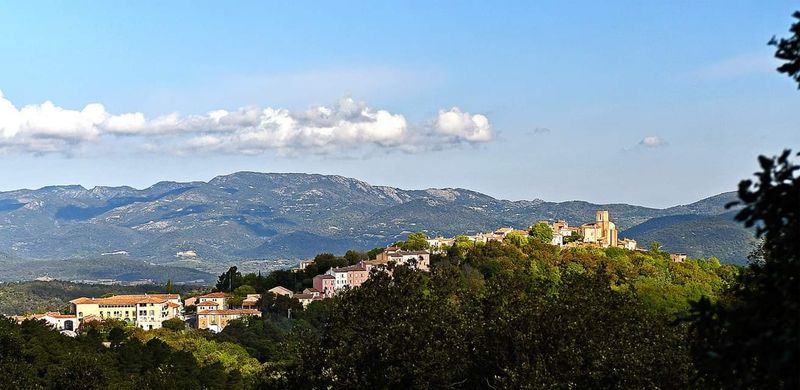
While Saint-Tropez just below is busy performing its glamorous beach party routine, Gassin sits quietly on its hilltop above it all, watching with mild amusement. This tiny medieval village offers arguably the best views on the entire Riviera without charging a single euro for the privilege.
The Gulf of Saint-Tropez, the Maures hills, and the sparkling sea spread out below like a map of paradise.
Gassin is classified among France’s most beautiful villages, a designation it earns honestly through its immaculate stone streets, ancient church, and complete absence of souvenir kitsch. The village has fewer than 3,000 permanent residents, giving it an intimate scale that makes wandering feel personal rather than touristy.
Flower boxes and climbing vines soften the stone facades in ways that make every corner genuinely photogenic.
The surrounding Presqu’île de Saint-Tropez peninsula is covered with vineyards producing some of Provence’s most celebrated rosé wines. Many estates offer tastings, and buying wine directly from a producer with views of the Mediterranean in the background qualifies as a peak life experience by most reasonable standards.
Gassin provides a perfect counterbalance to the energy of Saint-Tropez, offering quiet evenings, excellent local dining, and sunsets that routinely stop conversations mid-sentence.
Uzès
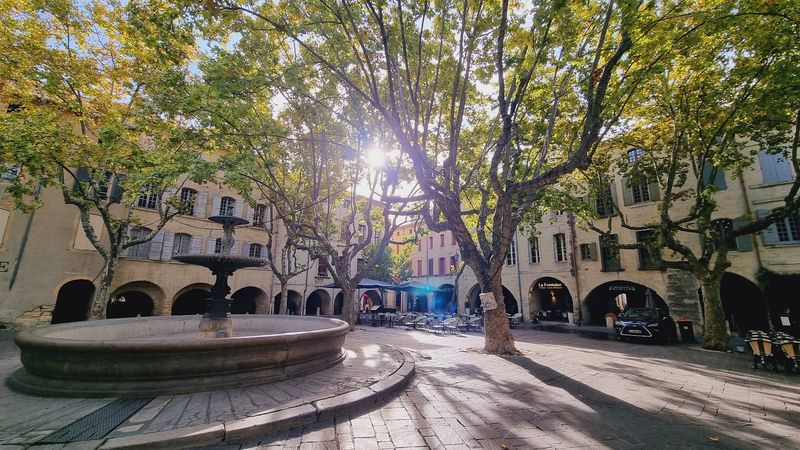
Uzès flies slightly under the radar compared to Provence’s headline villages, and that is honestly one of its greatest strengths right now. The historic center is built around the stunning Place aux Herbes, an arcaded square so perfectly proportioned it looks like it was designed specifically for lingering over coffee and croissants with no particular schedule.
The surrounding architecture ranges from medieval towers to Renaissance palaces without any awkward transitions.
The Duché d’Uzès is one of the oldest ducal residences in France, still owned by the same family after seventeen generations, which is the kind of continuity that makes history feel genuinely alive rather than just textbook material. Guided tours of the château reveal beautifully preserved rooms, tapestries, and a tower climb offering rooftop views across the old town.
The Saturday market is widely considered one of the best in the entire Languedoc region.
Uzès also serves as an excellent base for exploring some extraordinary Roman engineering nearby. The Pont du Gard aqueduct, a UNESCO World Heritage Site, stands just 20 minutes away and remains one of the most impressive ancient structures still standing anywhere in the world.
The combination of elegant town life and spectacular historical surroundings makes Uzès genuinely rewarding for visitors who stay at least two nights.
Pérouges
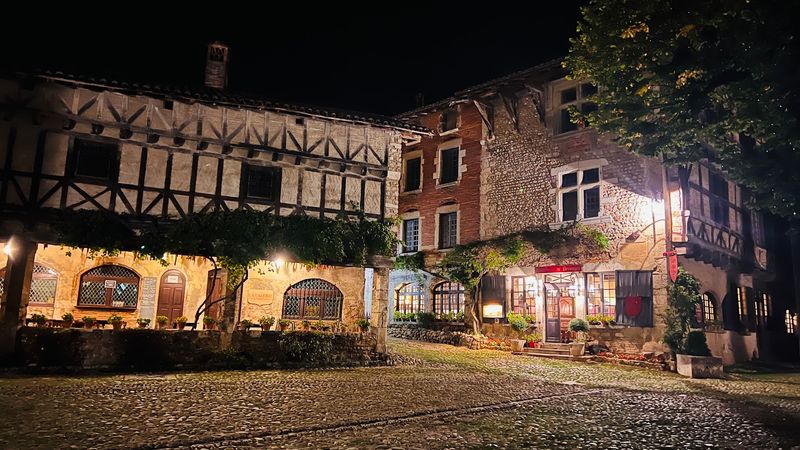
Stepping through the fortified gates of Pérouges feels less like tourism and more like accidentally falling through a crack in time. The cobblestone streets here are original medieval paving, the stone houses have been standing since the 14th and 15th centuries, and the village looks so unchanged that it has doubled as a film location for historical movies more than once.
This is what medieval France actually looked like.
The central Place de la Halle is anchored by a massive lime tree planted in 1792 to celebrate the French Revolution, which counts as relatively recent history by Pérouges standards. The surrounding houses are occupied by artisans, small restaurants, and a famous inn called the Hostellerie du Vieux Pérouges, where the local specialty is galette de Pérouges, a buttery, sugary flatbread that locals have been making here for centuries.
Pérouges sits about 35 kilometers from Lyon, making it an easy and extremely rewarding day trip from one of France’s greatest culinary cities. The village is quietest in the early morning and on weekday afternoons outside summer, when the crowds thin and the medieval atmosphere becomes almost overwhelming in the best possible way.
Visiting at dusk, when golden light catches the ancient stone walls, turns the experience into something genuinely unforgettable.
Share this story