What makes a country truly great to live in? It goes beyond just having money or technology.
Factors like healthcare, safety, work-life balance, and happiness play a huge role in shaping how enjoyable daily life actually feels. Several countries around the world consistently outshine the United States in these areas, and their secrets might surprise you.
Denmark
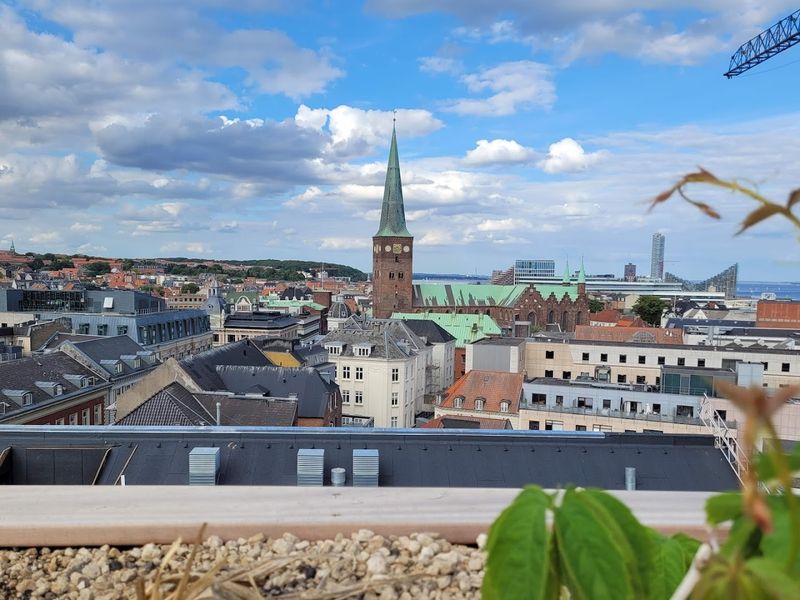
Imagine finishing work by 4 PM, hopping on your bike, and still having time to cook dinner with family before dark. That is a pretty normal Tuesday in Denmark.
Danish workers average around 33 hours per week, and employers genuinely respect personal time.
The country runs on something called “hygge,” a cultural philosophy built around coziness, togetherness, and enjoying simple pleasures. Whether it is a candlelit coffee with friends or a quiet evening at home, Danes prioritize comfort in ways Americans rarely get the chance to.
Healthcare is free and widely accessible, funded by taxes that most Danes consider a fair trade. Parents receive generous paid leave after having children, and childcare costs are heavily subsidized.
Trust in government institutions runs unusually high, which reduces everyday stress. Copenhagen regularly wins awards for being one of the world’s most livable and bike-friendly cities, making daily commutes feel less like a chore and more like a pleasant part of the day.
Finland
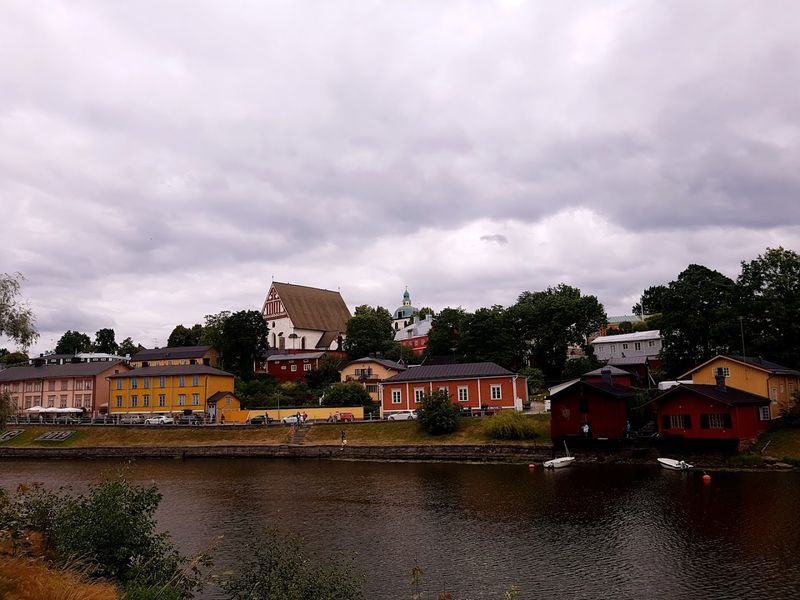
Finland has ranked as the world’s happiest country for seven consecutive years, and that distinction did not happen by accident. The Finnish education system is widely considered the gold standard globally, producing strong academic results without piling homework stress onto kids.
Nature is woven deeply into daily Finnish life. Millions of people live within easy reach of forests and lakes, and the right to roam freely across public land is protected by law.
Saunas are not a luxury here but a weekly ritual that practically everyone participates in, from toddlers to grandparents.
Crime rates are remarkably low, and the country feels genuinely safe in ways that affect how freely people move around. Public services run efficiently, and healthcare is universal.
Finnish workers also enjoy some of the most generous vacation entitlements in Europe, with many receiving five or more weeks annually. Perhaps most strikingly, the country manages to maintain this high quality of life while keeping corruption levels extremely low, which means public money actually reaches the people it is meant to serve.
Switzerland
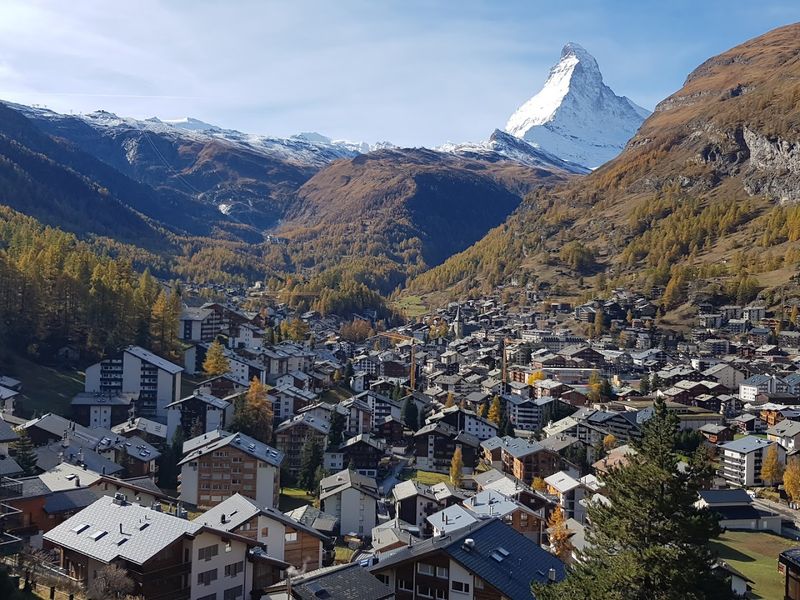
Trains in Switzerland run so precisely that delays are measured in seconds, not minutes. That level of reliability might sound minor, but it reflects something bigger: a country where public systems are built to actually work for the people using them.
Salaries in Switzerland are among the highest in the world, and they are paired with strong worker protections and solid healthcare coverage. The cost of living is admittedly steep, but wages tend to keep pace in a way that makes daily life feel manageable rather than financially exhausting.
Cities like Zurich and Geneva consistently top global livability rankings year after year.
The natural scenery is almost unfairly beautiful. Alpine villages, crystal-clear lakes, and dramatic mountain passes are part of the everyday backdrop rather than rare vacation destinations.
Residents can ski in winter and hike in summer without traveling far from home. Switzerland also maintains strict environmental standards, which keeps air and water quality noticeably high.
For families and professionals seeking a stable, clean, and well-organized place to build a life, it is hard to argue against Switzerland’s appeal.
Norway
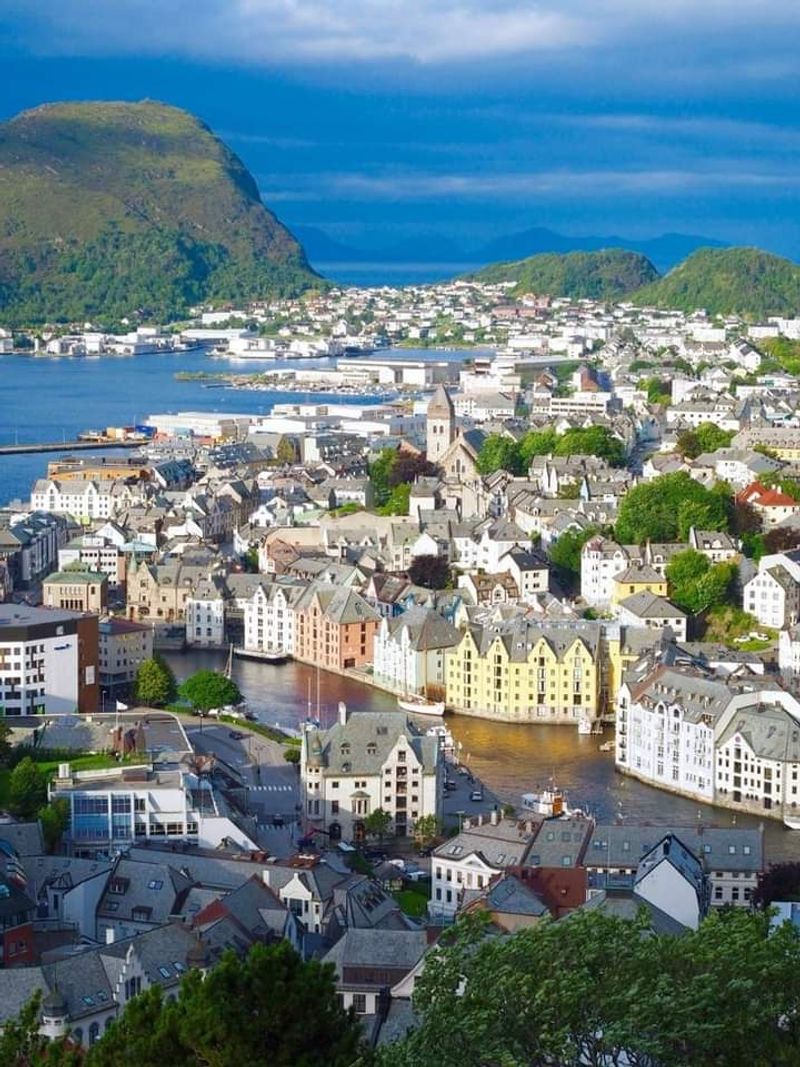
Norway sits on an extraordinary amount of oil wealth, but what makes it remarkable is how thoughtfully that wealth has been managed. Rather than burning through it, Norway funneled billions into a sovereign wealth fund that now benefits every single citizen through public services and social programs.
Workers in Norway enjoy some of the strongest labor protections in the world. Five weeks of paid vacation is standard, parental leave is generous for both mothers and fathers, and unemployment benefits are substantial enough to prevent real desperation during hard times.
The gap between the wealthiest and poorest citizens is also much narrower than in the United States.
Outdoor culture is practically a national religion. Norwegians have a concept called “friluftsliv,” which translates loosely to open-air living, and it shapes everything from weekend plans to urban park design.
Even Oslo, the capital, gives residents quick access to forests and waterways. Healthcare is universal and largely free at the point of service.
Crime rates are low, and the country consistently scores near the top of global safety and happiness indexes, making it one of the most genuinely comfortable places on Earth to call home.
Sweden
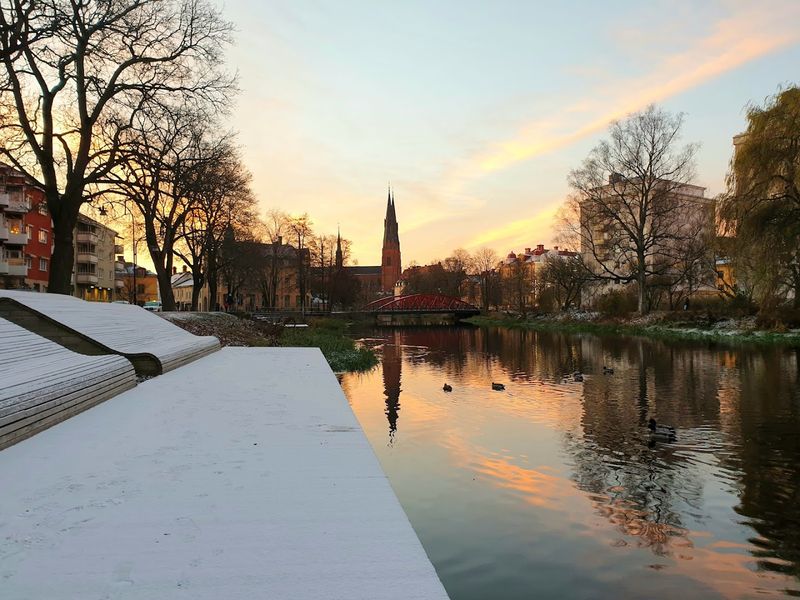
Sweden figured out something that many countries are still struggling with: you can have a thriving economy and take excellent care of your citizens at the same time. The country consistently balances high productivity with generous social benefits, proving that the two do not have to be in conflict.
Parental leave in Sweden is among the most progressive in the world. Parents share 480 days of paid leave after a child is born, and fathers are actively encouraged to take their share.
This policy has reshaped how Swedish families divide childcare and work, reducing burnout for mothers and strengthening family bonds overall.
Swedish cities are consistently ranked among Europe’s safest urban environments. Public transportation is efficient and widely used, reducing both traffic stress and environmental impact.
The country’s commitment to sustainability runs deep, from how buildings are constructed to how food is grown and distributed. Swedish workers also enjoy strong union representation, which keeps wages fair and working conditions humane.
Add in free university tuition for residents and universal healthcare, and it becomes clear why Sweden keeps showing up near the top of every global quality-of-life study worth reading.
Netherlands
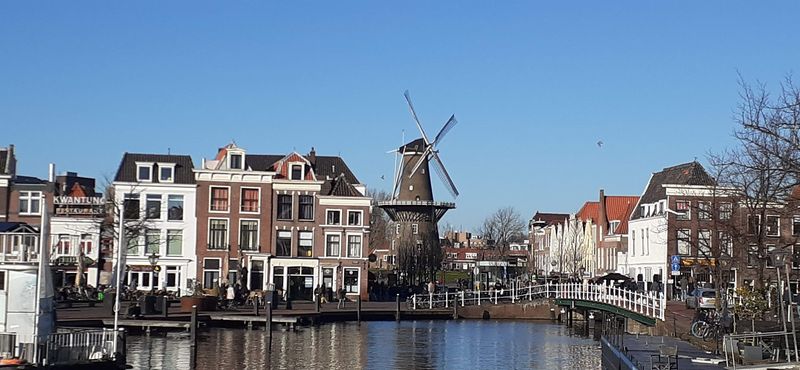
The Netherlands has 23 million bicycles for a population of roughly 17 million people. That number tells you almost everything about how Dutch cities are designed: around people, not cars.
Cycling infrastructure is so well developed that riding a bike to work feels safer and faster than driving in most urban areas.
Dutch workers enjoy some of the strongest protections against overwork in Europe. Part-time work is normalized and respected, meaning many people choose to work four days a week without career penalties.
This flexibility creates space for hobbies, family, and rest that many Americans rarely experience. The Netherlands also ranks highly for healthcare quality and accessibility.
Social trust runs high here. People feel comfortable leaving bikes unlocked in small towns, letting kids walk to school independently, and relying on public institutions to function fairly.
The country is also remarkably flat, which makes cycling practical even for older adults and people with light physical limitations. Dutch cities like Amsterdam, Utrecht, and Eindhoven blend historic charm with modern convenience in ways that make everyday errands feel genuinely pleasant rather than stressful.
For anyone who values a slower, more human-paced lifestyle, the Netherlands offers a compelling alternative to American-style hustle culture.
Iceland
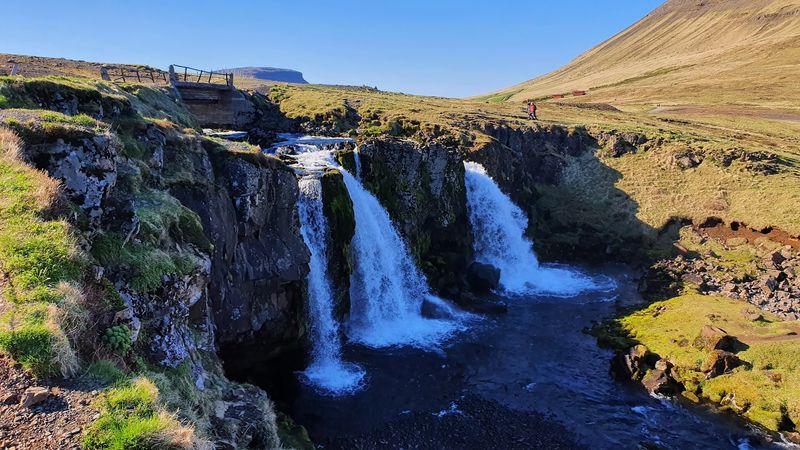
With a population smaller than many American suburbs, Iceland operates more like a tight-knit community than a traditional nation-state. Neighbors genuinely know each other, trust runs deep, and the country regularly records some of the world’s lowest crime rates.
Leaving a car unlocked here barely raises an eyebrow.
Iceland runs almost entirely on renewable energy, primarily geothermal and hydroelectric power. This means heating is cheap, electricity is clean, and the country has avoided many of the environmental headaches tied to fossil fuels.
Hot springs are not tourist attractions but actual neighborhood infrastructure, used by locals for relaxation year-round.
Gender equality in Iceland is the most advanced in the world, having topped the World Economic Forum’s Global Gender Gap Index for over a decade straight. Women hold significant positions in business, politics, and community leadership, and pay gaps are actively prosecuted by law.
Healthcare is universal, education is strong, and the scenery is almost absurdly dramatic. Waterfalls, glaciers, volcanoes, and the Northern Lights are essentially background features of daily life.
For a country this small, Iceland punches extraordinarily high in nearly every quality-of-life measurement that researchers bother tracking.
Austria
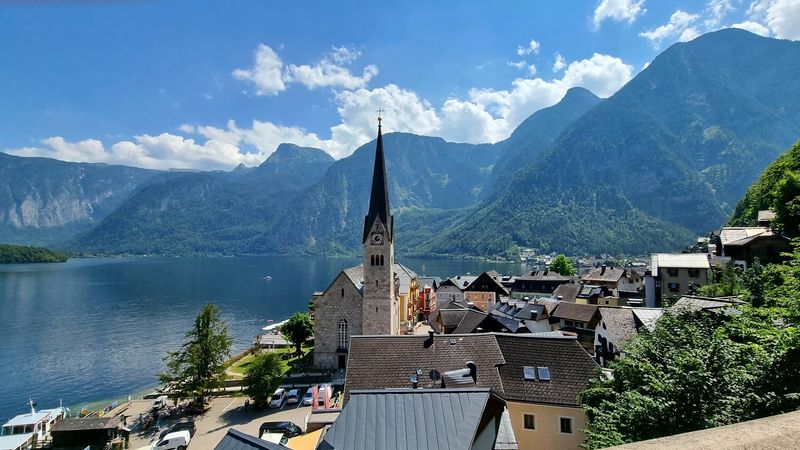
Vienna has topped the Economist Intelligence Unit’s Most Livable Cities index multiple times, beating out hundreds of global competitors. It is not hard to see why.
The city offers world-class opera, stunning baroque architecture, and an extensive metro system, all at prices that feel surprisingly reasonable compared to cities of similar cultural status.
Austrian workers receive a minimum of five weeks of paid vacation annually, and many receive six. That extra breathing room changes how people experience their jobs and personal lives.
Burnout is less common when rest is genuinely built into the system rather than treated as a reward for exceptional performance.
Public transportation in Austria is excellent beyond just Vienna. Regional trains connect smaller towns efficiently, and a single annual transit pass covering the entire country costs around 1,095 euros, roughly three euros per day.
Healthcare is universal and includes dental coverage, which is a notable advantage over many American insurance plans. The food culture, from hearty schnitzel to elaborate pastries, is deeply tied to community and slowing down over a meal.
Austria blends old-world elegance with modern functionality in a way that makes ordinary days feel quietly luxurious.
New Zealand
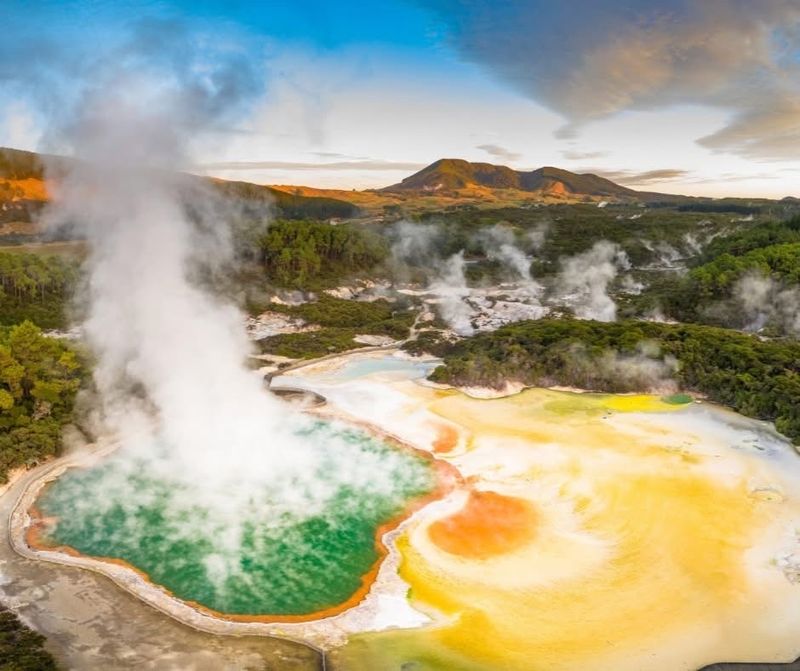
New Zealand is the kind of place where the drive to a work meeting might pass through farmland, mountain views, and a coastline, all within thirty minutes. The country’s natural diversity is staggering, and unlike many scenic destinations, New Zealanders actually live inside it rather than just visiting on weekends.
The pace of life here is noticeably slower than in major American cities, and that is largely considered a feature rather than a flaw. Work-life balance is taken seriously, outdoor recreation is central to the culture, and population density is low enough that crowded commutes and overbooked schedules feel less inevitable.
New Zealand also introduced the world to the concept of a wellbeing budget, where government spending decisions are evaluated not just on economic output but on citizen happiness and environmental health. Healthcare is publicly funded and covers most essential services without the insurance nightmares many Americans face.
The country ranks highly for political stability, press freedom, and overall safety. Maori culture adds a rich and living dimension to national identity that shapes art, language, and community values in meaningful ways.
For those craving space, calm, and natural beauty as part of everyday life, New Zealand delivers consistently.
Canada

Canada and the United States share the world’s longest undefended border, yet the daily experience of living in each country can feel surprisingly different. Canadians generally pay lower out-of-pocket healthcare costs, experience less violent crime, and enjoy more paid vacation time than their American neighbors just a few miles south.
Canadian cities consistently rank among the world’s most multicultural and livable urban environments. Vancouver, Montreal, and Toronto attract people from every corner of the globe, creating food scenes, cultural festivals, and neighborhood diversity that make city life feel genuinely rich and textured.
Public parks and green spaces are abundant and well-maintained.
One of Canada’s most meaningful advantages is its universal healthcare system, which removes the financial terror that medical emergencies cause for millions of uninsured or underinsured Americans. While wait times can be frustrating, the absence of medical debt is a significant quality-of-life factor that shapes daily financial stress levels.
Canada also offers stronger gun control laws, which contribute to measurably lower rates of gun violence. Winters can be brutal depending on the province, but for many residents, the stability, safety, and community feel of Canadian life more than compensate for the cold.
Germany
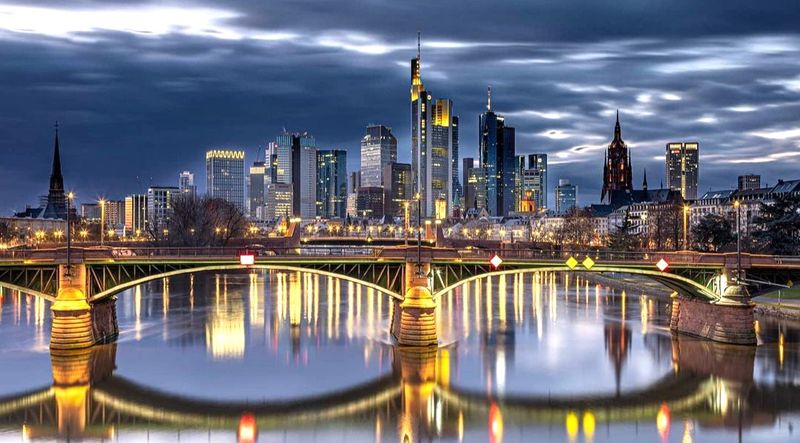
Germany gives workers 20 legally mandated vacation days as a minimum, but most employers offer 25 to 30. Add public holidays, and the average German worker enjoys significantly more genuine rest time than the average American, who receives no federally guaranteed paid vacation at all.
That gap in rest affects everything from mental health to family relationships.
The country’s rail network is one of the most extensive in the world, connecting hundreds of cities and towns with affordable, frequent service. While punctuality issues have drawn criticism in recent years, the system still outperforms car-dependent American infrastructure in terms of accessibility and environmental impact.
Cycling lanes are also widespread and actively used.
German workers benefit from strong union representation and codetermination laws that give employees a formal voice in company decisions. This creates workplaces where employee wellbeing is treated as a legitimate business concern rather than an afterthought.
Public healthcare covers the vast majority of residents through a regulated multi-payer system that keeps costs manageable. Germany also invests heavily in apprenticeship programs, giving young people skilled career paths that do not require university debt.
The country’s blend of economic strength and social protection creates a daily life that feels structured, fair, and genuinely sustainable.
Australia
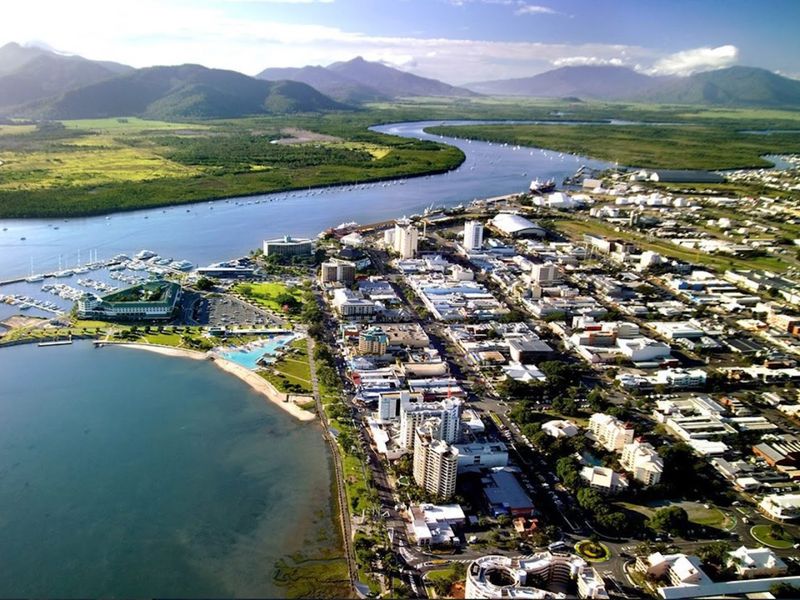
Australians have a cultural philosophy sometimes called “no worries,” and while it sounds like a cliche, it reflects something real about the country’s approach to daily stress. Work matters, but so does the weekend barbecue, the Saturday surf session, and the long lunch that stretches into afternoon.
Recreation is treated as essential rather than indulgent.
Australia’s minimum wage is one of the highest in the world in real terms, meaning even entry-level workers can afford reasonable housing, food, and leisure. The country also mandates four weeks of paid annual leave for all full-time employees, plus additional sick leave and public holidays.
Financial security at lower income levels reduces everyday anxiety in meaningful ways.
Healthcare in Australia operates through Medicare, a universal system that covers most essential medical services without the billing chaos that American patients routinely face. Cities like Melbourne and Sydney offer world-class dining, arts, and beaches within easy reach of each other.
The country’s warm climate encourages outdoor living year-round, which research consistently links to improved mental health. Australia does face challenges around housing costs in major cities, but the overall combination of income, benefits, safety, and outdoor culture makes daily life feel genuinely enjoyable for most residents.
Luxembourg
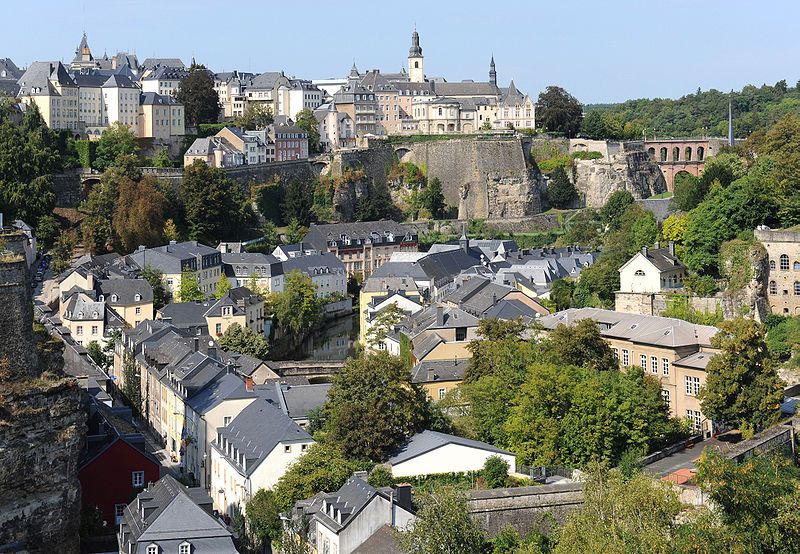
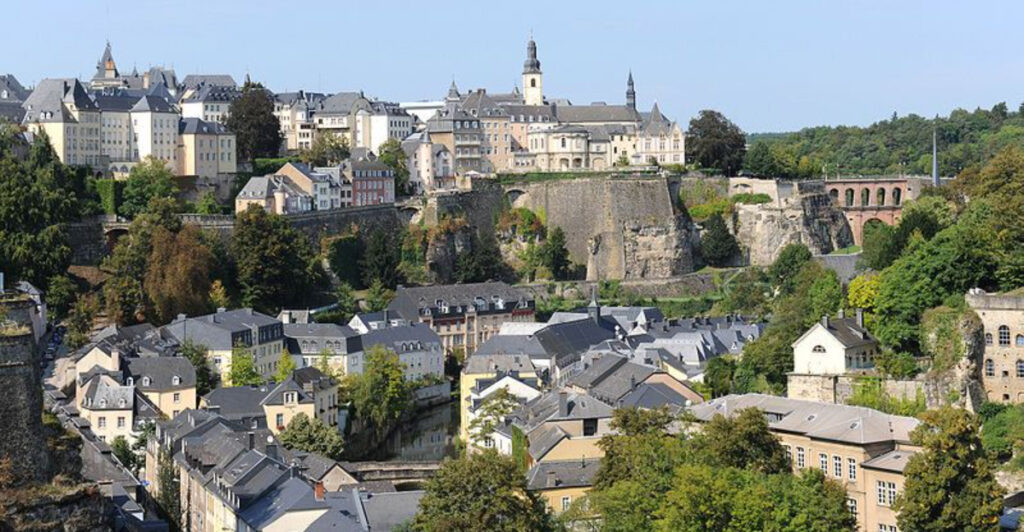
Luxembourg is easy to overlook simply because of its size, roughly the same area as Rhode Island, but what it lacks in geography it more than compensates for in quality of life. The country boasts one of the highest GDP per capita figures in the entire world, and that wealth is distributed in ways that genuinely improve everyday living.
In 2020, Luxembourg became the first country in the world to make all public transportation completely free for everyone, residents and visitors alike. Buses, trams, and trains cost nothing to ride.
That single policy removes a daily financial burden and reduces traffic congestion at the same time, making commuting both cheaper and less stressful.
Workers in Luxembourg benefit from strong labor protections, generous minimum wages, and low unemployment rates that give most residents genuine economic stability. The country sits at the crossroads of French, German, and Belgian cultures, which makes it unusually cosmopolitan for its size.
Most residents speak three or four languages without much fuss. Green spaces and medieval towns are woven into the landscape alongside modern financial districts.
Healthcare quality is excellent and broadly accessible. For a country most Americans could not find on a map, Luxembourg offers a surprisingly extraordinary everyday experience.
Japan
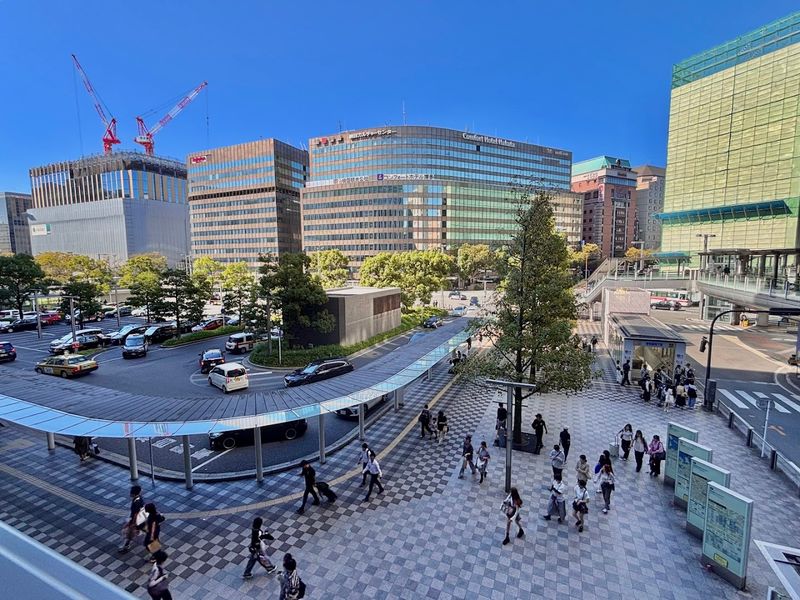
Tokyo’s trains arrive within seconds of their scheduled time, every single day, across a network serving millions of passengers. When a delay does occur, the rail company issues a formal written apology.
That level of civic precision reflects a broader cultural commitment to reliability and mutual respect that shapes Japanese daily life in profound ways.
Japan’s crime rates are extraordinarily low by global standards. Children as young as six ride the subway alone to school in Tokyo, a sight that would be unthinkable in most American cities.
Wallets left on public benches are regularly returned intact. The sense of public safety here is not just a statistic but a lived, daily experience that frees people from constant vigilance.
Healthcare in Japan is universal, affordable, and remarkably high quality. The country has one of the longest average life expectancies in the world, partly due to diet and partly due to consistent access to preventive medical care.
Japanese cities are immaculately clean without visible enforcement, because cleanliness is treated as a shared social responsibility. Food culture is extraordinary, from convenience store meals that rival restaurant quality to centuries-old ramen traditions.
Japan blends ancient ritual with cutting-edge modernity in ways that make ordinary days feel layered, interesting, and genuinely worth showing up for.
Portugal
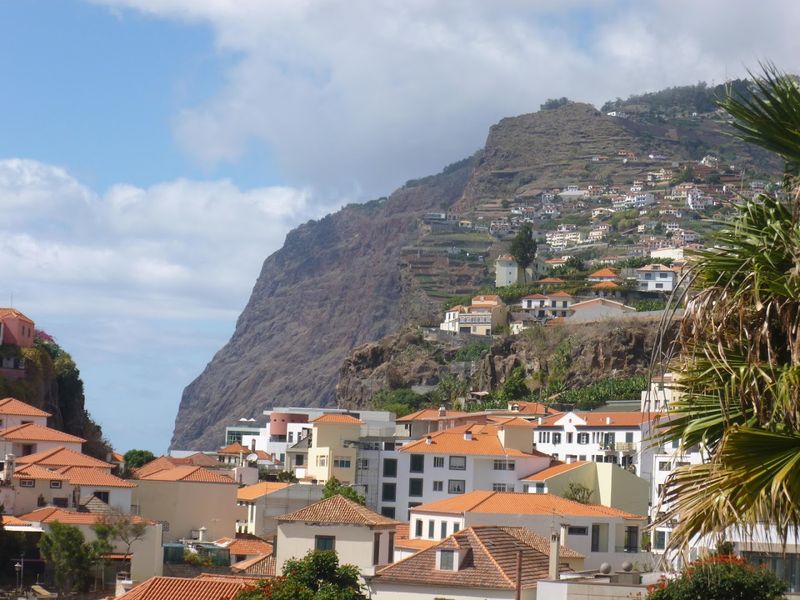
Lisbon’s famous yellow trams have been rattling up steep cobblestone hills since the 1800s, and somehow they still feel like the most charming way to get anywhere. Portugal has a way of making everyday life feel unhurried and beautiful, even when nothing particularly special is happening.
That quality is harder to manufacture than any policy.
The country offers one of the most affordable costs of living in Western Europe, which means salaries stretch noticeably further here than in Germany, France, or the UK. Fresh seafood, locally grown produce, and excellent wine are accessible at prices that would seem impossible in most American coastal cities.
Eating well does not require being wealthy in Portugal.
Healthcare is publicly funded and available to all residents, covering essential services without the crushing billing statements that haunt American patients. The climate is one of Europe’s mildest, with over 300 days of sunshine per year in many regions, which naturally encourages outdoor socializing, walking, and a generally relaxed approach to time.
Portuguese culture places enormous value on family gatherings and long shared meals, a rhythm that tends to support mental wellbeing. Crime rates are low, neighborhoods are walkable, and the country consistently ranks among Europe’s most peaceful nations.
Share this story