Country names come in all lengths, from the brief and punchy to the long and complex. Some nations manage to pack centuries of history, culture, and identity into just four or five letters.
These compact country names are easy to say, simple to spell, and belong to some of the most fascinating places on Earth. Read on to explore 15 UN member states with the shortest names in the world.
1. Chad
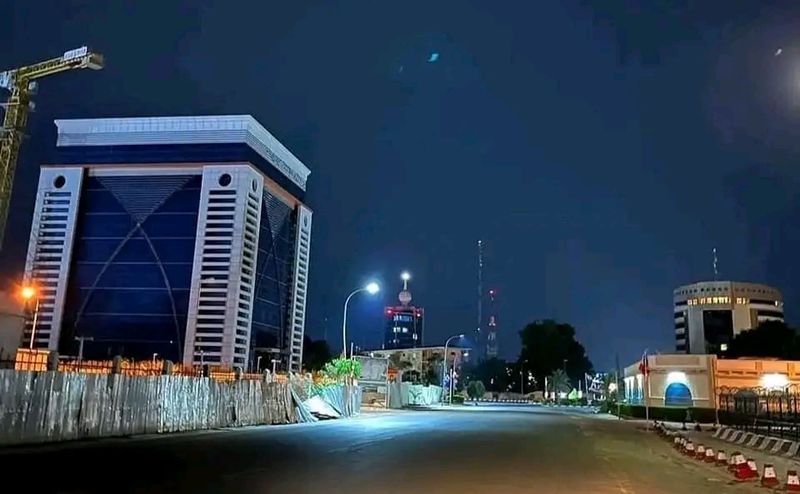
Landlocked in the heart of Africa, Chad carries one of the shortest country names on the planet. With just four letters, this nation holds an outsized place in African history and geography.
Lake Chad, which gives the country its name, was once one of the largest lakes in the world.
Today, that lake has shrunk dramatically due to climate change and overuse of water, making it a symbol of environmental concern worldwide. Chad’s landscape shifts from the Sahara Desert in the north to tropical forests in the south, giving it incredible natural variety.
The country is home to more than 200 ethnic groups, each with its own language and traditions. Despite ongoing political challenges, Chad remains a culturally rich nation with a resilient population and a deep connection to the land that surrounds it.
2. Cuba
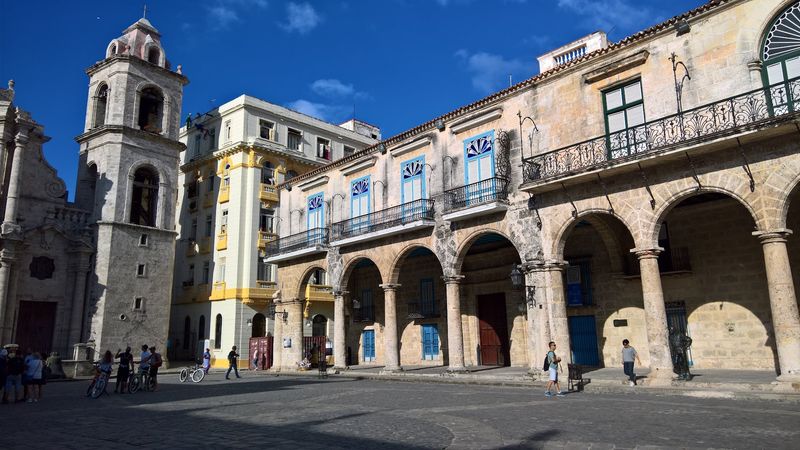
Few countries inspire as much curiosity as Cuba, the largest island in the Caribbean. Its four-letter name is recognized around the world, tied to iconic images of vintage cars, vibrant music, and a coastline that stretches for thousands of miles.
Cuba has been at the center of major world events, including the Cold War-era Cuban Missile Crisis of 1962.
The island’s culture is a lively blend of Spanish, African, and indigenous influences, reflected in everything from its food to its dance styles like salsa and rumba. Cuba is also known for its strong healthcare and education systems, which are often cited as impressive achievements despite limited resources.
Havana, the capital city, is a living museum of colonial architecture and revolutionary history. Visitors and historians alike find Cuba endlessly fascinating, making it one of the most talked-about nations in the Western Hemisphere.
3. Fiji
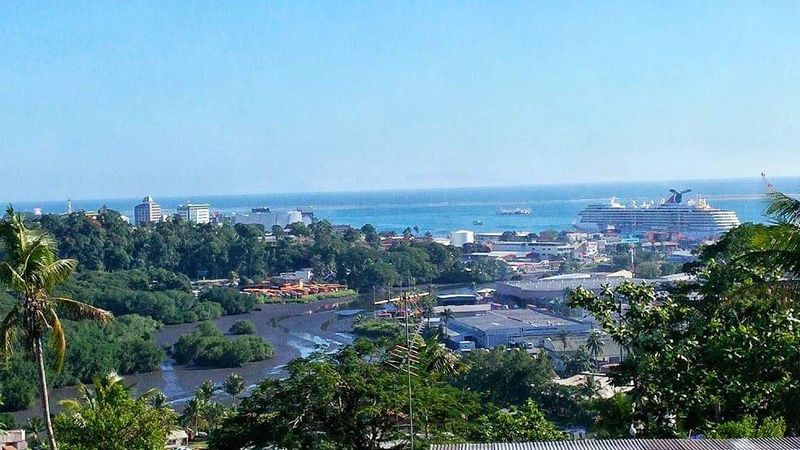
Tucked away in the South Pacific Ocean, Fiji is made up of more than 300 islands, though most people live on just two of them. The name Fiji rolls off the tongue easily, and the country itself is equally welcoming.
Known for its warm hospitality, Fijians greet visitors with a cheerful “Bula,” a word meaning life, health, and happiness.
Fiji gained independence from Britain in 1970 and joined the United Nations that same year. The country’s economy relies heavily on tourism and sugar production.
Beneath the sparkling surface of its lagoons lies one of the most diverse coral reef ecosystems in the world, making Fiji a dream destination for divers and snorkelers. The islands also have a rich cultural heritage rooted in Melanesian traditions, with elaborate ceremonies, kava-drinking rituals, and traditional weaving still practiced across many communities today.
4. Iran
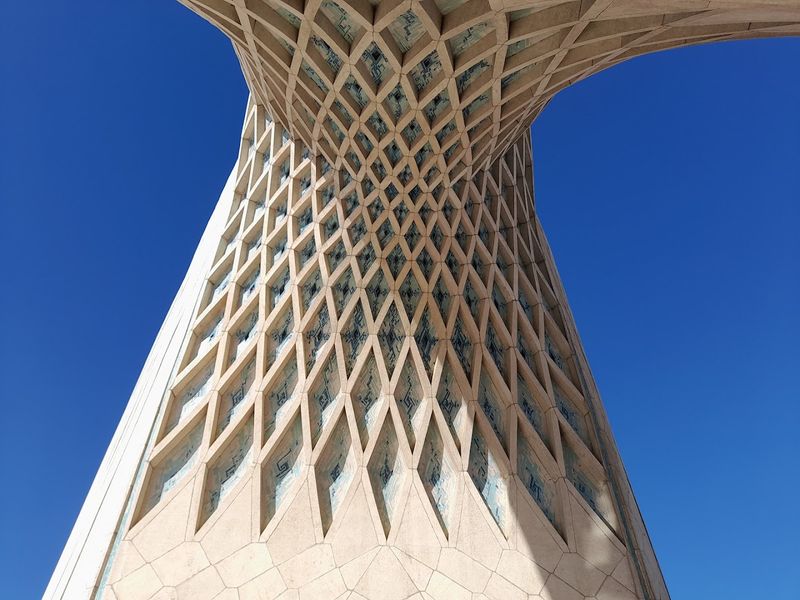
One of the world’s oldest civilizations calls Iran home. With a history stretching back more than 3,000 years, Iran was once the heart of the mighty Persian Empire, which influenced art, science, and governance across a vast region.
The name “Iran” itself comes from an ancient word meaning “Land of the Aryans.”
Today, Iran is a country of striking contrasts, where ancient ruins stand near modern cities, and vast deserts meet snow-capped mountain ranges. Tehran, the capital, is a bustling metropolis of over 15 million people.
Iran has made significant contributions to poetry, mathematics, and astronomy throughout history, with scholars like Omar Khayyam gaining worldwide recognition. The country is also one of the world’s largest producers of oil and natural gas.
Despite political tensions with Western nations, Iran remains a culturally vibrant and historically significant member of the global community.
5. Iraq
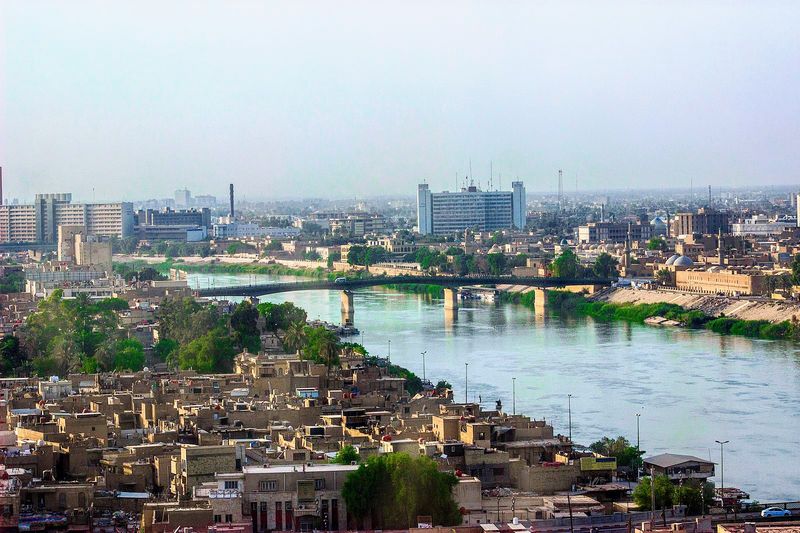
Between two famous rivers, the Tigris and the Euphrates, lies Iraq, a country often called the “Cradle of Civilization.” Ancient Mesopotamia, which occupied much of modern-day Iraq, gave humanity some of its earliest cities, writing systems, and legal codes. The name Iraq is believed to derive from an ancient Sumerian city called Uruk.
Despite decades of conflict that have made international headlines, Iraq is a place of extraordinary historical depth. The ruins of Babylon, home of the legendary Hanging Gardens, are located here.
Baghdad was once the intellectual capital of the Islamic Golden Age, producing breakthroughs in medicine, astronomy, and philosophy. Iraq also holds some of the world’s largest oil reserves, making it a key player in global energy markets.
Reconstruction efforts continue across the country as communities work to rebuild and restore stability after years of turbulence.
6. Laos
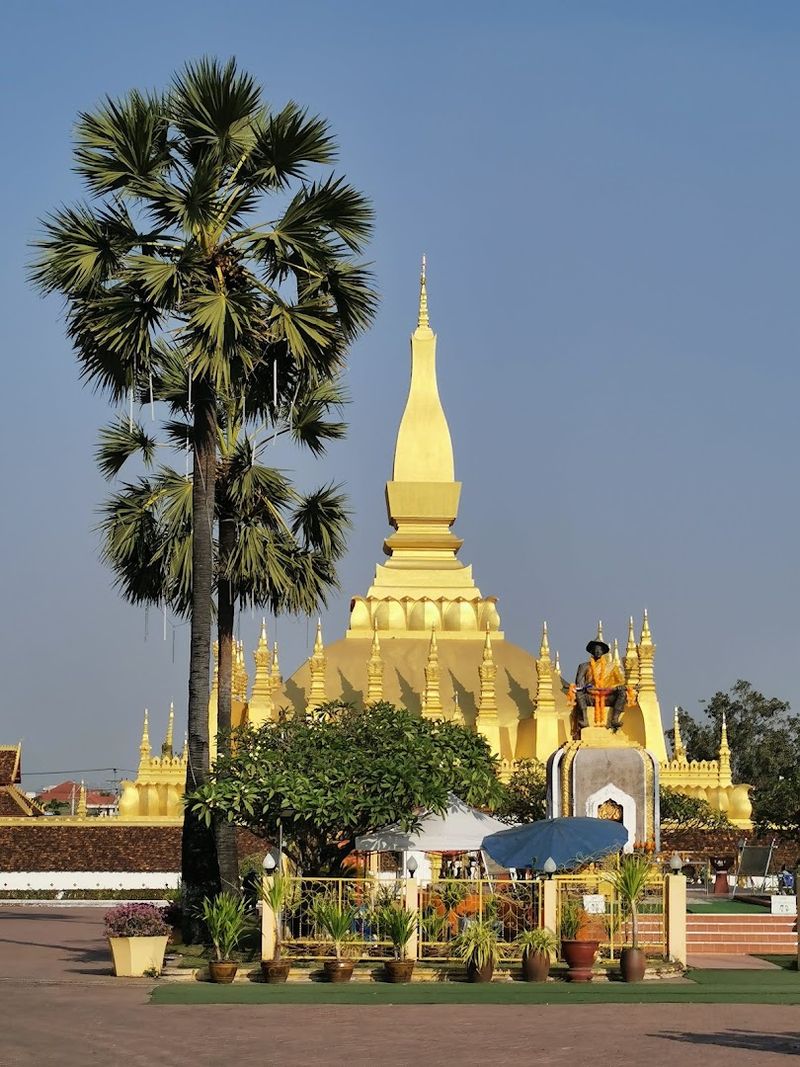
Laos is the only landlocked country in Southeast Asia, and its quiet, unhurried atmosphere sets it apart from its busier neighbors. The name has just four letters but carries a sense of peaceful dignity that matches the country’s reputation.
Buddhist temples, known as wats, dot the landscape from the mountains of the north to the Mekong River plains in the south.
Luang Prabang, a UNESCO World Heritage city, is one of the most beautifully preserved towns in all of Asia, drawing travelers who appreciate history and tranquility. Laos gained independence from France in 1953 and became a UN member state in 1955.
The country experienced heavy bombing during the Vietnam War era, making it one of the most heavily bombed nations per capita in history. Today, Laos is rebuilding and growing, with tourism and hydropower playing increasingly important roles in its developing economy.
7. Mali
Mali may have a short name, but its historical legacy is enormous. During the 14th century, the Mali Empire was one of the wealthiest and most powerful empires in the entire world.
Its ruler, Mansa Musa, is often cited by historians as the richest person who ever lived, thanks to Mali’s vast gold and salt trade routes.
The ancient city of Timbuktu, located in northern Mali, was a legendary center of Islamic scholarship and trade. Today, Mali is one of the largest countries in Africa by land area, stretching from the Sahara Desert in the north to the Niger River basin in the south.
The country faces serious challenges, including poverty, political instability, and climate-related drought. Yet Mali’s cultural heritage remains powerful, expressed through its music, textiles, and the enduring spirit of its communities who continue to preserve centuries-old traditions.
8. Oman
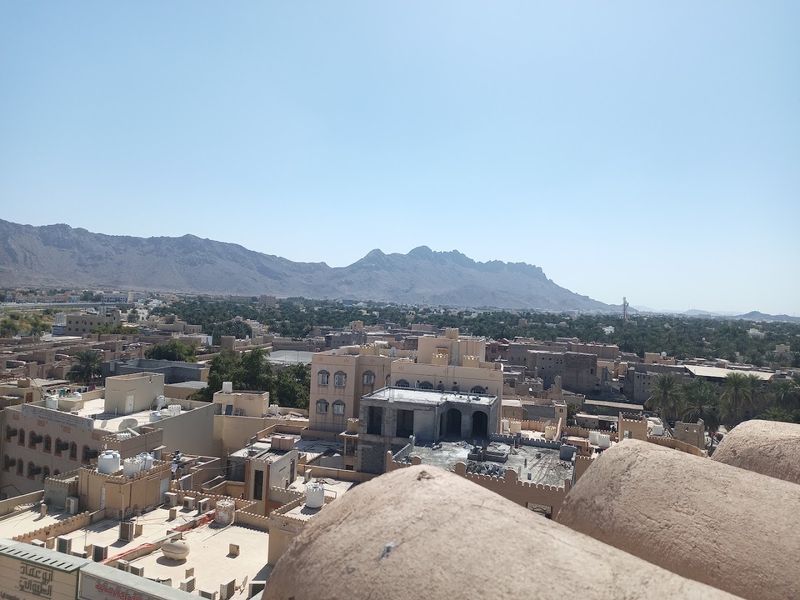
Perched along the southeastern tip of the Arabian Peninsula, Oman is a country that surprises many first-time visitors with its dramatic scenery and peaceful character. Unlike some of its oil-rich Gulf neighbors, Oman has built a reputation for calm diplomacy and steady development.
The country has played the role of neutral mediator in several regional conflicts.
Oman’s landscape is strikingly varied, from sandy deserts and rugged mountains to lush green valleys called wadis and a long, beautiful coastline along the Arabian Sea. Muscat, the capital, blends modern infrastructure with traditional architecture in a way that feels thoughtful rather than rushed.
Oman has been a seafaring and trading nation for thousands of years, with merchants sailing as far as China and East Africa. Sultan Qaboos, who ruled from 1970 to 2020, is widely credited with transforming Oman into a modern, stable nation while preserving its cultural identity.
9. Peru
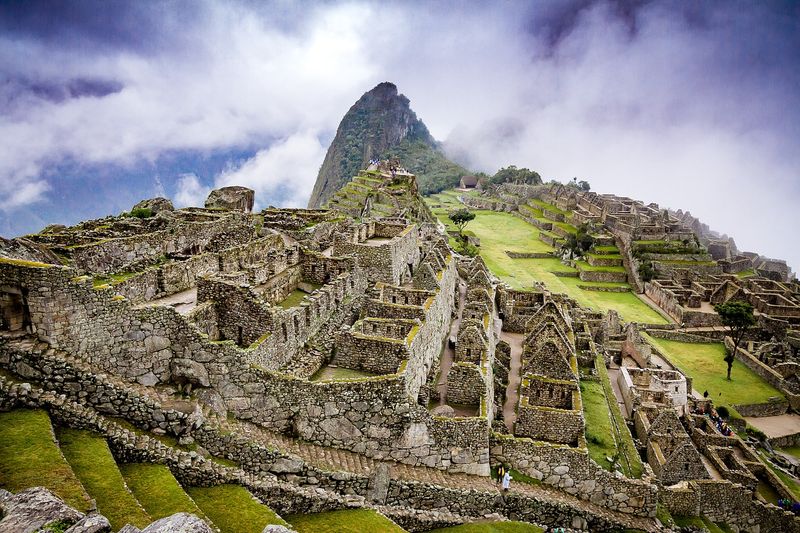
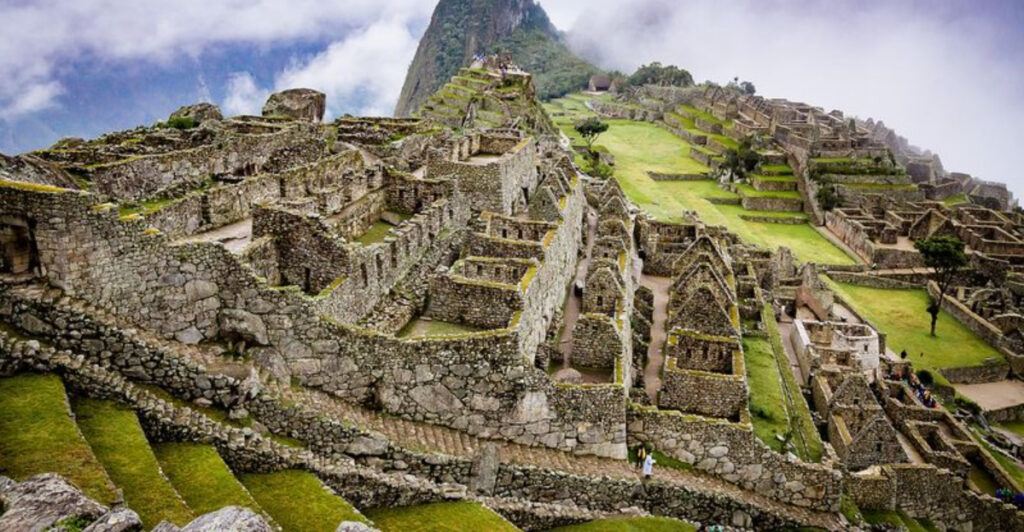
High in the Andes Mountains of South America sits Machu Picchu, the ancient Incan citadel that has become one of the most recognized landmarks on Earth. Peru, the country that guards this wonder, packs incredible diversity into its four-letter name.
From the Amazon rainforest in the east to the Pacific coast in the west, Peru spans three dramatically different geographic regions.
The Inca Empire, which had its capital in Cusco, Peru, was the largest empire in pre-Columbian America. Spanish colonizers arrived in the 16th century, and their influence blended with indigenous traditions to shape Peru’s unique culture today.
Peru is also a global leader in biodiversity, home to thousands of plant and animal species found nowhere else. Peruvian cuisine has earned international acclaim, with dishes like ceviche and lomo saltado gaining fans around the world, making food one of the country’s proudest modern exports.
10. Togo
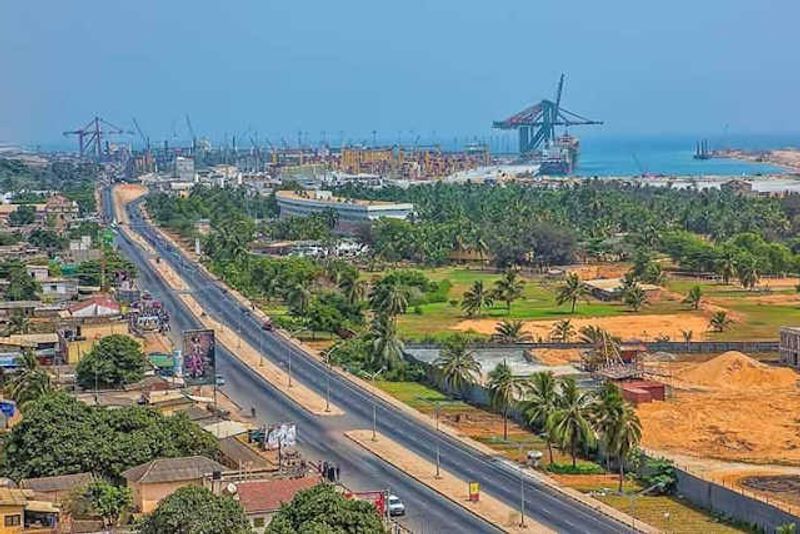
Stretching like a thin ribbon along the West African coast, Togo is one of the narrowest countries in the world. At its widest point, it measures only about 90 miles across.
Despite its small size, Togo has a rich cultural landscape shaped by more than 40 different ethnic groups, each contributing to a vibrant national identity.
Lome, the capital city, sits directly on the Gulf of Guinea and is one of the few African capital cities located right on a national border. Togo was a German colony before becoming a French territory and gaining independence in 1960.
The country is known for its voodoo traditions, which remain an active part of spiritual life for many Togolese people. Agriculture is the backbone of Togo’s economy, with phosphate mining also playing a key role.
Togo’s markets, music, and festivals reflect a culture that is both ancient and energetically alive.
11. Benin
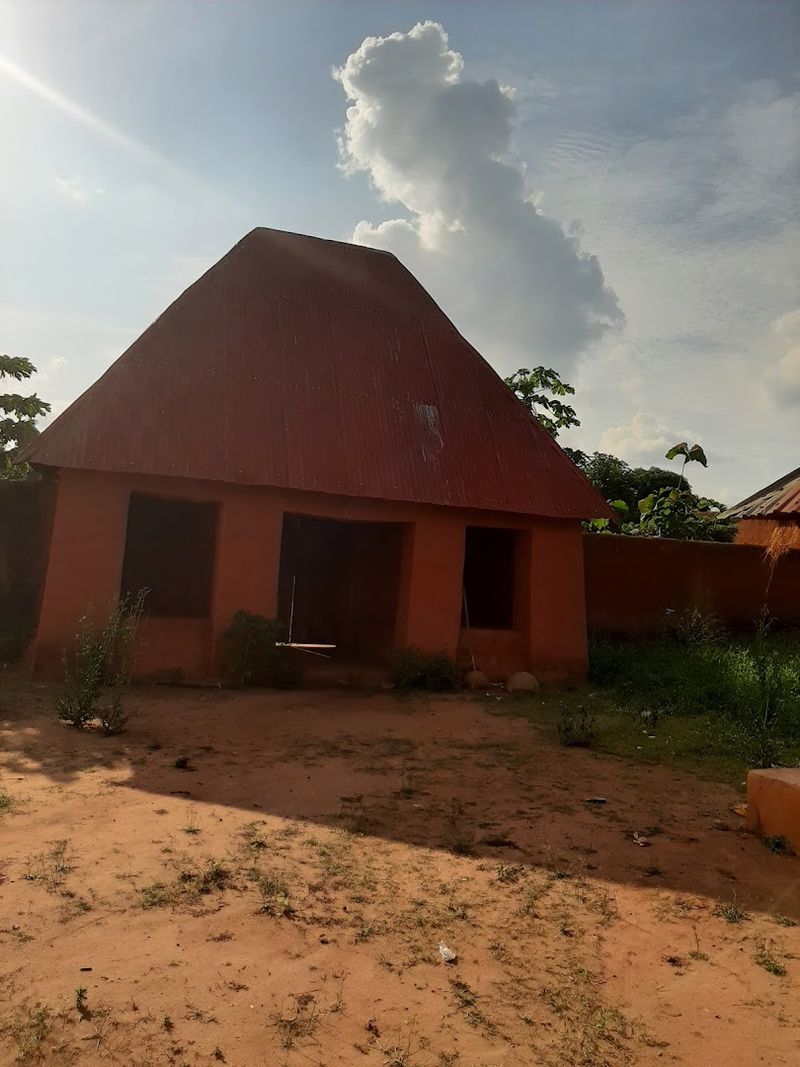
Before it was a modern country, the name Benin was already famous across the world. The ancient Kingdom of Benin, located in present-day Nigeria, was renowned for its stunning bronze sculptures that astonished European visitors in the 15th century.
The modern nation of Benin, which borders Nigeria to the west, took its name in honor of that legendary kingdom when it became independent in 1960.
Benin is often called the birthplace of the Vodun religion, better known globally as Voodoo, which spread to the Americas through the transatlantic slave trade. The city of Ouidah holds an annual Voodoo festival that draws thousands of participants and observers from around the world.
Benin is also recognized as one of West Africa’s more stable democracies, having made a peaceful transition from a Marxist government to multiparty elections in the early 1990s, a milestone celebrated across the continent.
12. Chile
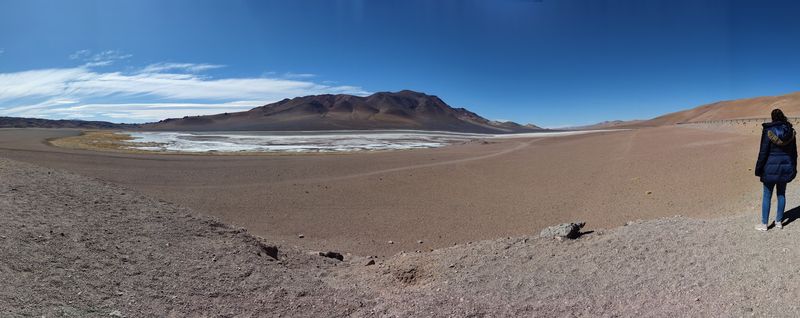
Chile is one of the most geographically extreme countries in the world. Running along the western edge of South America for about 2,700 miles, it is long and narrow, touching the driest desert on Earth in the north and icy glaciers in the south.
The Atacama Desert in northern Chile receives so little rainfall that some parts of it have never recorded any precipitation at all.
Easter Island, famous for its mysterious giant stone statues called moai, is a Chilean territory located far out in the Pacific Ocean. Chile is South America’s most economically stable country and one of its top copper producers.
The country is also known for its world-class wines, produced in fertile valleys that benefit from a Mediterranean-style climate. Chile’s diverse landscapes, from volcanoes to fjords, make it one of the most scenically dramatic nations anywhere on the globe.
13. China
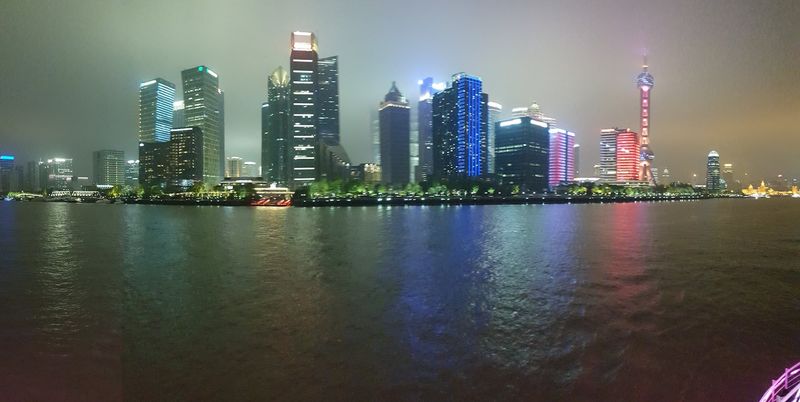
Home to nearly 1.4 billion people, China is the most populous country on Earth and one of the oldest continuous civilizations in human history. Its five-letter name represents thousands of years of innovation, from the invention of paper and gunpowder to the development of silk and porcelain.
The Great Wall of China, stretching thousands of miles across northern landscapes, remains one of humanity’s most ambitious construction achievements.
China became a founding member of the United Nations in 1945 and holds one of five permanent seats on the UN Security Council. Today, it is the world’s second-largest economy and the largest exporter of goods globally.
China’s cultural contributions span philosophy, literature, art, and cuisine, all of which have influenced civilizations far beyond its borders. Cities like Beijing and Shanghai blend ancient heritage with futuristic skylines, reflecting a nation that is simultaneously deeply rooted and rapidly moving forward.
14. Egypt
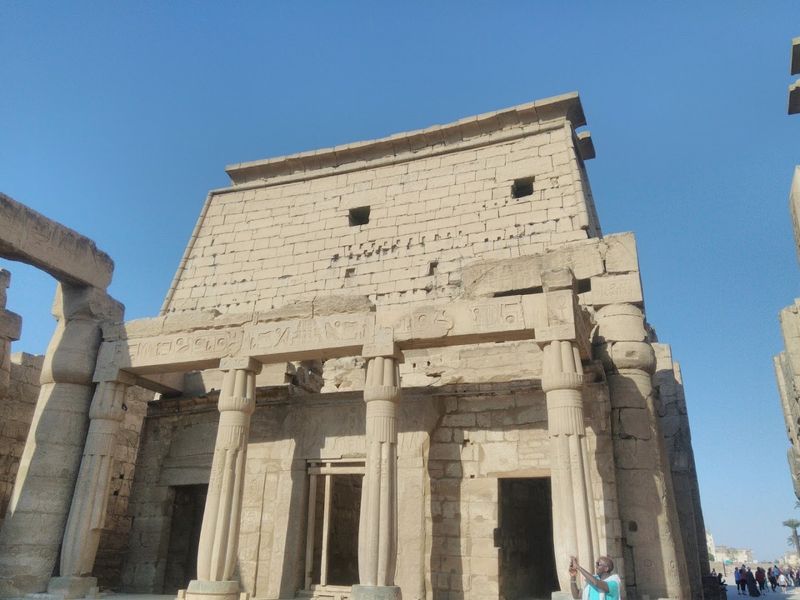
Ask almost anyone to name an ancient civilization, and Egypt will be among the first answers. The Great Pyramids of Giza, built over 4,500 years ago, still stand as a testament to the engineering brilliance of the ancient Egyptians.
The Nile River, the longest river in the world, runs through the heart of Egypt and made early civilization possible by providing fertile land in an otherwise desert landscape.
Egypt is the most populous country in the Arab world and serves as a cultural and political hub for the entire Middle East and North Africa region. Cairo, the capital, is a sprawling megacity where ancient mosques stand alongside modern high-rises.
Egypt is also home to the Suez Canal, a vital waterway connecting the Mediterranean Sea to the Red Sea, through which a significant portion of global trade passes every single year. History feels alive in Egypt in a way few countries can match.
15. Gabon
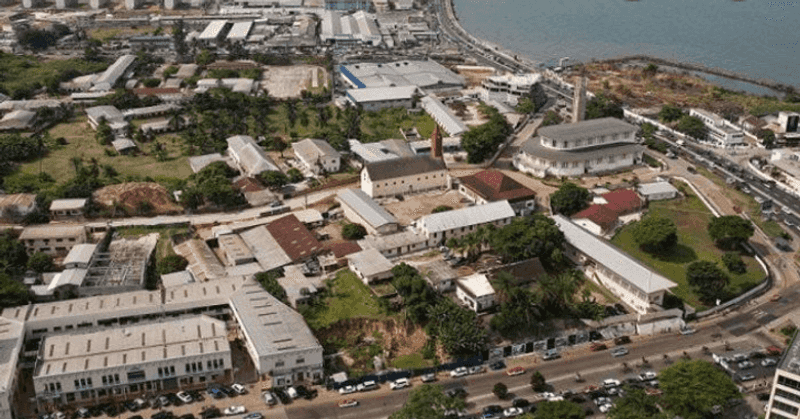
Gabon is a small Central African country with a big environmental story to tell. More than 85 percent of its land is covered by tropical rainforest, making it one of the most forested nations on the planet.
That forest is home to forest elephants, gorillas, chimpanzees, and an extraordinary range of bird species found in few other places on Earth.
Unlike many African nations that have struggled with the environmental costs of oil production, Gabon has taken steps to protect its natural heritage by creating a network of national parks covering about 11 percent of its territory. Libreville, the capital, sits on the Atlantic coast and was originally founded as a settlement for freed slaves in the 19th century.
Gabon’s oil wealth has given it one of the higher income levels in sub-Saharan Africa, though that prosperity has not always been evenly shared among its population of around 2 million people.
Share this story