 Unearth The Voyage
Our planet holds treasures beyond imagination, and national parks protect some of the most extraordinary landscapes and wildlife ever created. From steaming geysers to thundering waterfalls, from ancient rainforests to snow-capped peaks, these protected spaces offer windows into nature’s greatest achievements.
Whether you dream of spotting lions on African savannahs or hiking beside turquoise glacial lakes, the world’s national parks invite you to witness beauty that photographs can barely capture.
Yellowstone National Park — USA
Established way back in 1872, Yellowstone holds the honor of being the world’s very first national park. That pioneering status alone makes it special, but what keeps millions returning year after year are the geothermal wonders scattered across its vast landscape.
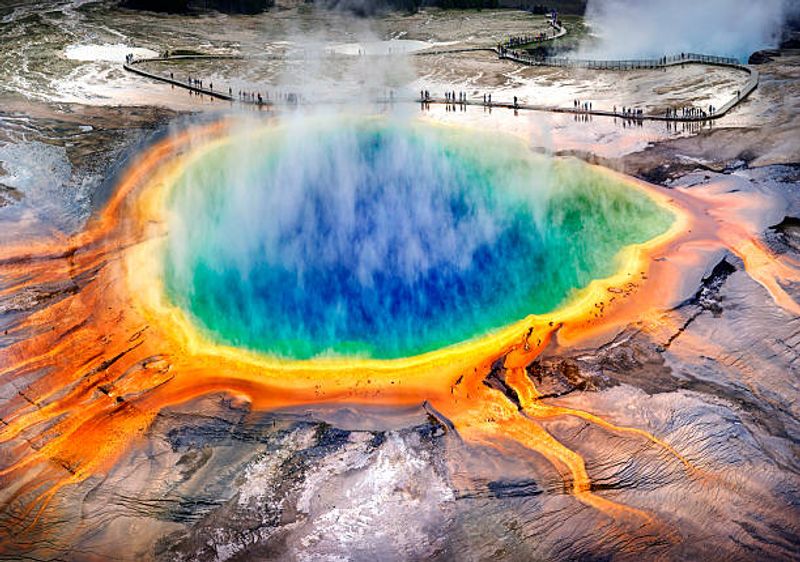
Old Faithful steals the spotlight with its rhythmic eruptions, shooting boiling water high into the sky like clockwork. Nearby, the Grand Prismatic Spring dazzles visitors with rainbow hues created by heat-loving bacteria thriving in scalding waters.
Walking among bubbling mud pots and hissing steam vents feels like exploring another planet entirely.
Beyond the geothermal features, Yellowstone’s valleys and forests teem with wildlife. Bison herds roam freely, wolves howl at dusk, and grizzly bears forage in meadows bursting with wildflowers.
Elk bugle during autumn mating season, creating sounds that echo through canyons carved over millennia.
Hiking trails wind through every ecosystem imaginable, from alpine peaks to riverside forests. Dawn brings steam rising off thermal features, painting the landscape in ethereal mist.
Whether you’re a geology enthusiast, wildlife photographer, or simply someone seeking natural beauty, Yellowstone delivers experiences that reshape how you see our planet’s raw power and delicate balance.
Serengeti National Park — Tanzania
Africa’s most famous wildlife reserve sprawls across Tanzania’s northern plains, where golden grasslands stretch to horizons that seem infinite. Serengeti means “endless plains” in the Maasai language, and standing amid its vastness makes that name feel perfectly chosen.
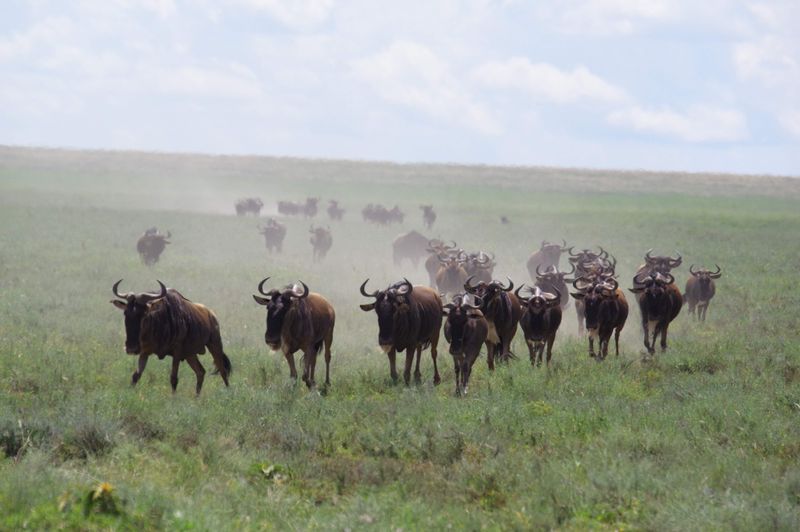
The Great Migration defines this park’s global reputation. Over two million wildebeest, zebras, and gazelles follow ancient rainfall patterns, trekking in massive herds that darken the savannah.
River crossings become dramatic life-or-death moments as crocodiles wait in murky waters below.
Predators shadow these herbivore armies constantly. Lions lounge in acacia shade, plotting their next hunt.
Cheetahs sprint across open ground with breathtaking speed. Leopards drape themselves over branches, surveying their territories with regal calm.
Safari drives here aren’t just tours—they’re immersive lessons in survival, adaptation, and the circle of life. Photographers capture images that define African wildlife for audiences worldwide.
Sunrise game drives reveal predators returning from nocturnal hunts, while sunset brings silhouettes of giraffes against crimson skies. Biodiversity thrives in every corner, from tiny dung beetles to towering elephants, creating ecosystems so complex scientists spend lifetimes studying them.
Banff National Park — Canada
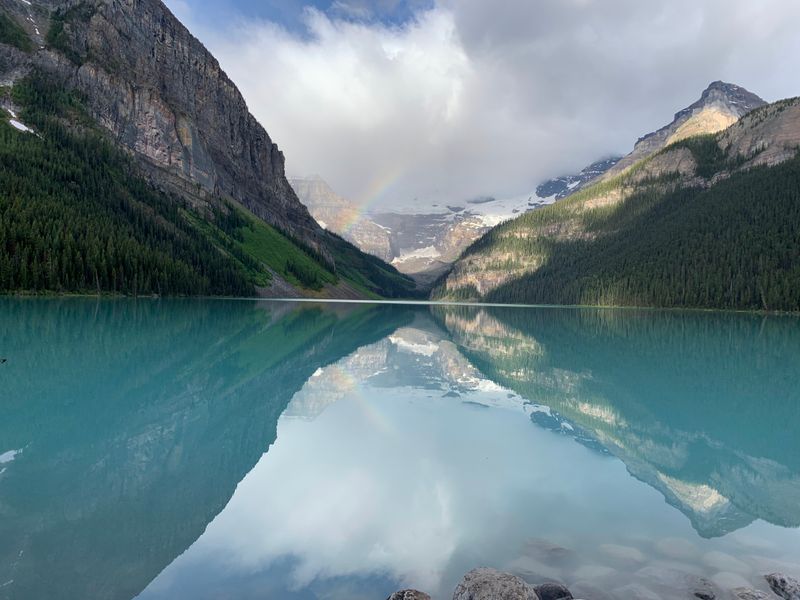
Tucked into the Canadian Rockies, Banff captivates visitors with scenery so stunning it barely seems real. Turquoise lakes fed by glacial meltwater glow with colors that defy natural explanation, reflecting jagged peaks crowned with eternal snow.
Lake Louise ranks among the world’s most photographed locations, and one glance explains why. Its vivid blue-green waters mirror surrounding mountains with mirror-like perfection.
Nearby Moraine Lake offers equally spectacular views, especially when dawn light paints the Valley of the Ten Peaks in golden hues.
Beyond water views, Banff transforms through seasons. Summer brings wildflower meadows and hiking trails threading through alpine wilderness.
Winter blankets everything in powder snow, creating world-class skiing conditions and opportunities for ice skating on frozen lakes.
Wildlife sightings add excitement to every visit. Elk wander through the town of Banff itself, grazing on lawns while tourists snap photos from respectful distances.
Grizzly bears forage in high valleys, while bighorn sheep scale impossibly steep cliffs. The charming mountain town culture blends seamlessly with wilderness, offering cozy lodges, hot springs, and restaurants serving hearty meals after long days exploring nature’s grandeur.
Kruger National Park — South Africa
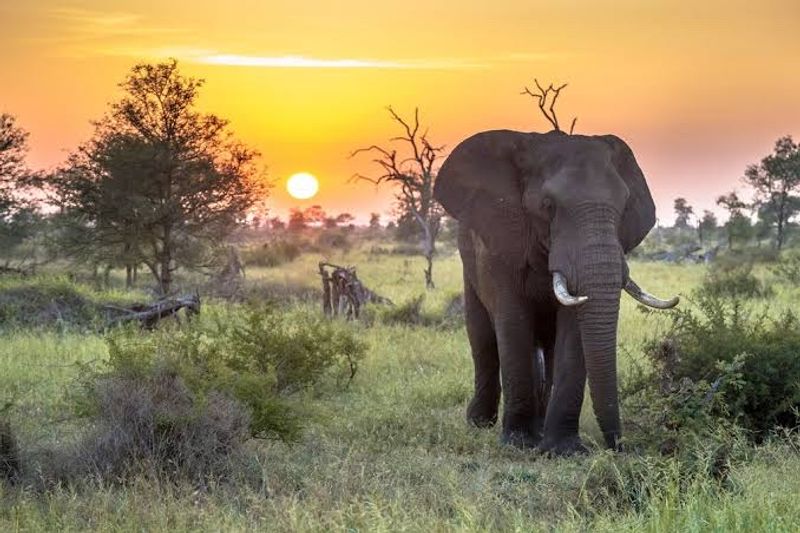
Spanning territory larger than some countries, Kruger National Park represents African safari experiences at their most authentic and accessible. Established over a century ago, this conservation stronghold protects ecosystems ranging from riverine forests to open grasslands.
The “Big Five” — lion, elephant, buffalo, leopard, and rhinoceros — all roam these protected lands. Spotting all five during a single visit becomes a thrilling challenge for safari-goers.
Early morning drives offer the best chances, when predators remain active and herbivores gather at waterholes.
Kruger’s infrastructure makes wildlife viewing surprisingly comfortable. Well-maintained roads wind through diverse habitats, while rest camps provide everything from basic camping to luxury lodges.
Guided drives led by expert rangers add educational depth, explaining animal behaviors, tracking techniques, and conservation challenges.
Beyond the Big Five, over 500 bird species fill the skies, from tiny sunbirds to massive vultures. Hippos grunt in rivers, while crocodiles bask on muddy banks.
Night drives reveal nocturnal creatures like genets, porcupines, and honey badgers. Conservation efforts here have helped bring species back from the brink, making Kruger both a wildlife wonderland and a beacon of hope for African ecosystems facing modern pressures.
Torres del Paine National Park — Chile
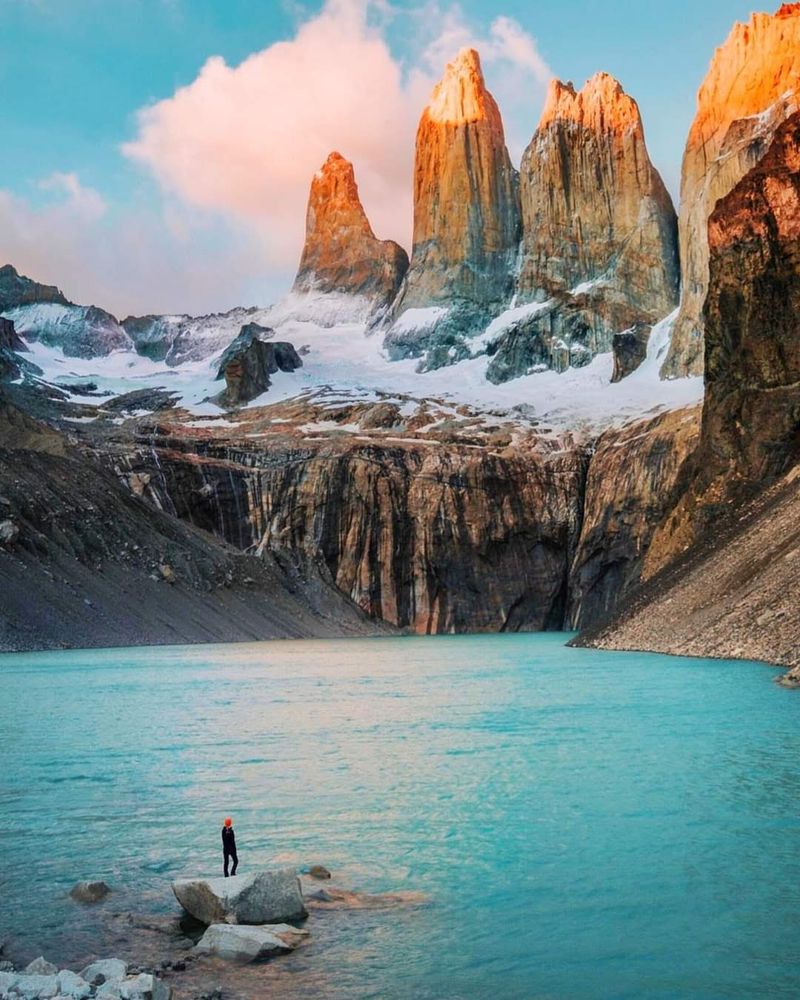
Chilean Patagonia’s crown jewel rises from windswept pampas in the form of three massive granite spires that seem to pierce the sky itself. Torres del Paine translates to “Towers of Blue,” though their color shifts from gray to gold depending on sunlight and weather moods.
Trekkers from every continent tackle the famous W Trek, a multi-day route passing glaciers, forests, and those iconic towers. Weather changes without warning—sunshine, rain, wind, and sometimes snow all in a single afternoon.
That unpredictability adds to Patagonia’s wild character, demanding respect and proper preparation.
Glacial lakes shimmer in impossible shades of blue and green, their colors created by rock flour suspended in meltwater. Massive ice fields feed these waters, remnants of ice ages that once covered far more territory.
Grey Glacier calves icebergs into its namesake lake with thunderous cracks that echo across valleys.
Wildlife adapted to harsh conditions thrives here. Guanacos—relatives of llamas—graze in herds across open grasslands.
Andean condors soar on thermal currents, their wingspans exceeding nine feet. Pumas hunt these lands, though spotting one requires patience and luck.
Remote and rugged, Torres del Paine rewards adventurous spirits with landscapes that redefine wilderness beauty.
Fiordland National Park — New Zealand
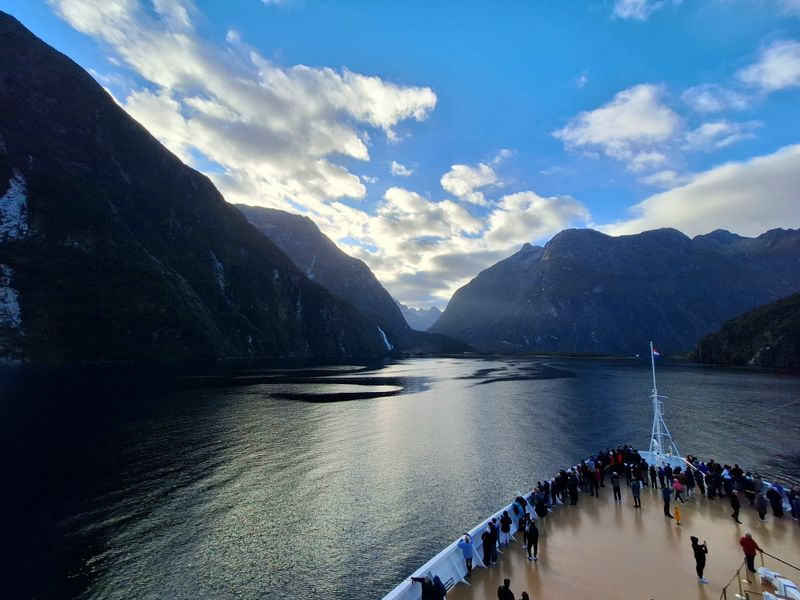
Ancient glaciers carved New Zealand’s South Island into dramatic fjords that rank among Earth’s most spectacular coastal landscapes. Fiordland National Park protects these natural sculptures, where rainforest-covered cliffs plunge straight into waters deep enough for ocean-going vessels.
Milford Sound dominates visitor itineraries, and rightly so. Mitre Peak rises nearly a mile straight from the fjord, creating reflections so perfect they confuse the eye.
Waterfalls cascade from heights so great that wind catches the falling water, sending it skyward in mist clouds before it reaches the sea.
Rain falls frequently here—Fiordland receives over 20 feet annually in some areas. Rather than dampening the experience, precipitation enhances it.
Temporary waterfalls appear on every cliff face, and the fjords take on mystical qualities when mist clings to mountainsides.
Hiking the Milford Track or Kepler Track reveals ecosystems found nowhere else. Ancient beech forests shelter rare birds like the kea, a cheeky alpine parrot known for investigating hikers’ belongings.
Fur seals bask on coastal rocks, while dolphins occasionally swim alongside boat cruises. This UNESCO World Heritage Site blends coastal and alpine environments into one breathtaking package that captures nature’s raw elemental power.
Grand Canyon National Park — USA
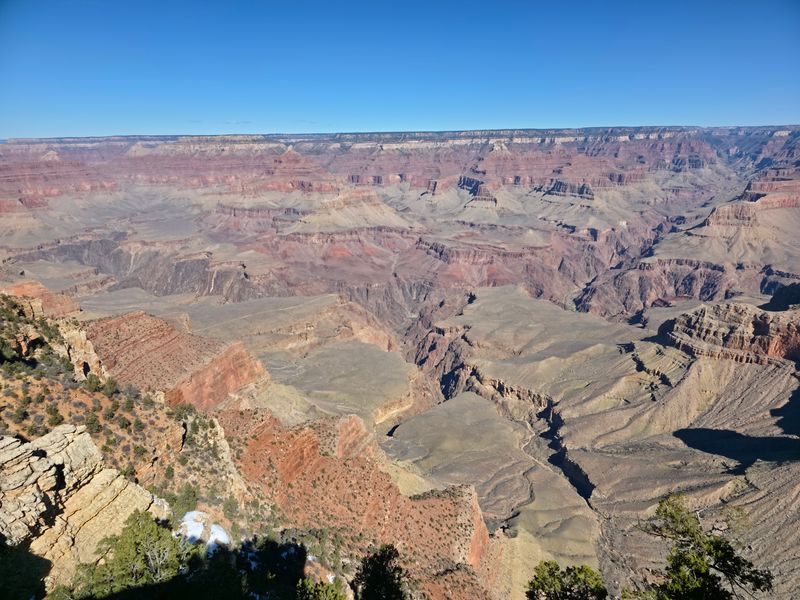
Few natural features humble humans quite like the Grand Canyon. Stretching 277 miles long, up to 18 miles wide, and plunging over a mile deep, this geological masterpiece overwhelms every sense with its impossible scale.
The Colorado River spent millions of years carving through rock layers, exposing Earth’s history in horizontal bands of color. Each stratum tells stories spanning nearly two billion years—almost half our planet’s entire age.
Geologists read these layers like history books, deciphering ancient seas, volcanic eruptions, and shifting continents.
Most visitors experience the canyon from the South Rim, where viewpoints offer perspectives that shift dramatically throughout the day. Sunrise paints eastern walls in gold and crimson.
Midday sun reveals every detail of distant formations. Sunset brings shadows creeping across the canyon floor while western cliffs glow orange.
Adventurous souls hike below the rim, descending switchbacks into environments that change with elevation. Temperatures rise significantly as you descend, and the Colorado River at the bottom flows through a completely different climate zone than the forested rim.
Mule rides, rafting trips, and backcountry camping offer ways to experience the canyon beyond tourist viewpoints, though its vastness and silence leave the deepest impressions on every visitor.
Galápagos National Park — Ecuador
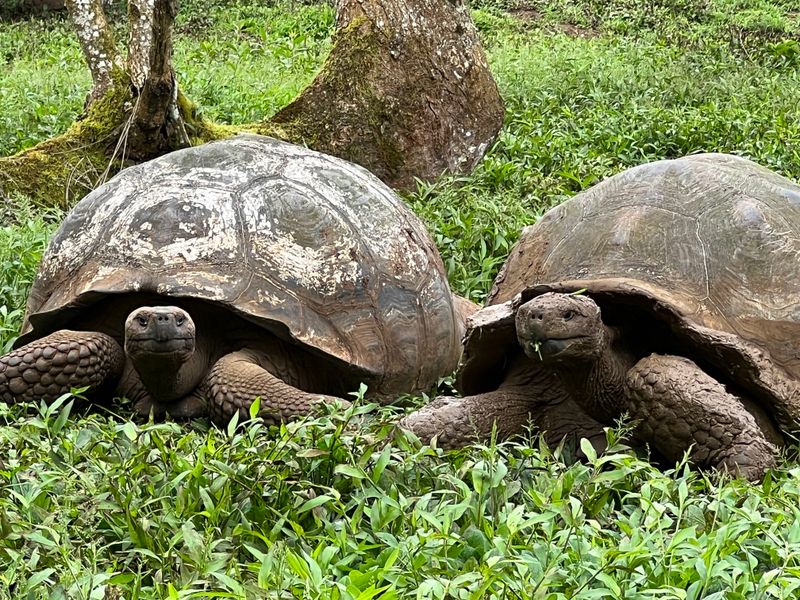
Scattered across the Pacific Ocean 600 miles from Ecuador’s coast, the Galápagos Islands function as evolution’s showcase. Species found nowhere else on Earth thrive here, having adapted over millennia to volcanic islands with unique conditions on each landmass.
Charles Darwin’s visit in 1835 sparked ideas that revolutionized biology. Observing finches with different beak shapes on different islands, he began formulating his theory of natural selection.
Today, visitors walk the same beaches Darwin explored, encountering wildlife remarkably unafraid of humans.
Giant tortoises lumber through highland vegetation, some individuals over 100 years old. Marine iguanas—the world’s only sea-going lizards—bask on black lava rocks between ocean feeding sessions.
Blue-footed boobies perform elaborate mating dances, lifting their bright blue feet in rhythmic displays that delight photographers.
Snorkeling reveals underwater wonders equally impressive. Sea lions playfully circle swimmers, while sea turtles glide past coral formations.
Penguins—yes, penguins near the equator—hunt in cold currents that upwell from ocean depths. Volcanic landscapes provide dramatic backdrops, with craters, lava tubes, and steaming fumaroles reminding visitors that these islands remain geologically active.
Every moment here feels like stepping into a natural history documentary brought to life.
Yosemite National Park — USA
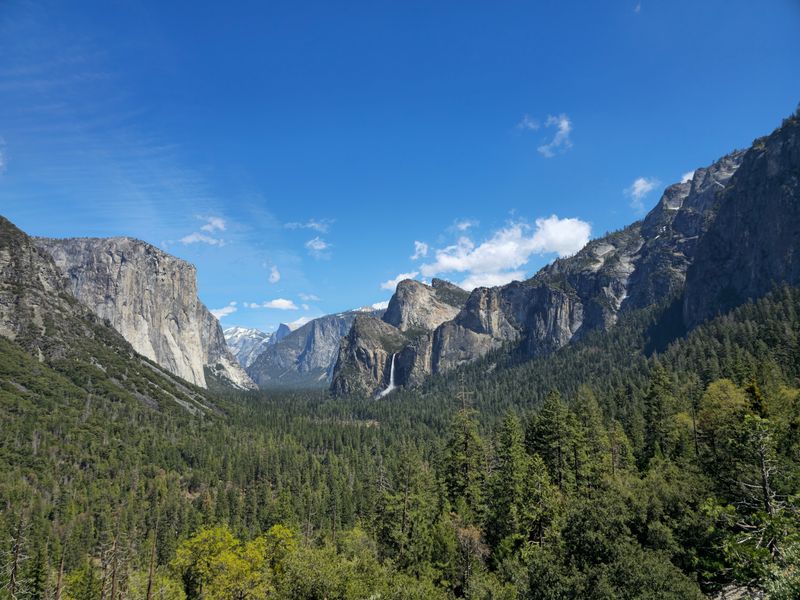
California’s Sierra Nevada mountains cradle Yosemite, a park that’s inspired artists, climbers, and nature lovers since it gained protection in 1890. Ansel Adams’ iconic black-and-white photographs introduced its grandeur to millions, though no image fully captures standing beneath its towering granite walls.
El Capitan rises over 3,000 feet from the valley floor in one sheer vertical face. Rock climbers spend days ascending its routes, sleeping in portable ledges suspended on the cliff.
Half Dome’s distinctive profile dominates the eastern valley, its summit accessible via cable-assisted trails that challenge hikers’ nerve and endurance.
Waterfalls thunder during spring snowmelt, with Yosemite Falls dropping 2,425 feet in three sections. The upper fall alone exceeds the height of the Empire State Building.
By late summer, some falls reduce to trickles or dry completely, demonstrating the Sierra’s seasonal transformations.
Ancient giant sequoias grow in Mariposa Grove, their massive trunks and towering heights inspiring awe. Some specimens have witnessed over 3,000 years of history.
Meadows burst with wildflowers in spring, while autumn brings golden aspens and fewer crowds. Winter transforms the valley into a snow-draped wonderland where waterfalls freeze into ice columns and silence blankets the landscape.
Kinabalu Park — Malaysia
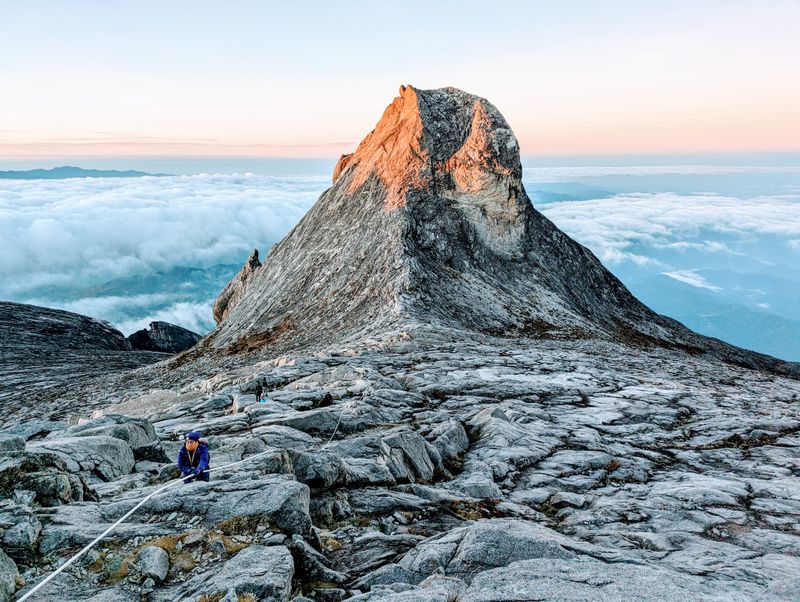
Rising from the rainforests of Malaysian Borneo, Mount Kinabalu dominates the landscape at 13,435 feet—Southeast Asia’s tallest peak outside the Himalayas. The mountain and surrounding park earned UNESCO World Heritage status for harboring extraordinary botanical diversity in compact terrain.
Over 6,000 plant species thrive across Kinabalu’s elevation zones, including 1,200 types of orchids and bizarre carnivorous pitcher plants. Some species exist only on this mountain, having evolved in isolation over millions of years.
Botanists still discover new species during research expeditions.
Hiking to the summit requires stamina but not technical climbing skills. Trails climb through lowland rainforest where hornbills call from canopy heights, then transition to montane forest draped in moss and ferns.
Above the tree line, alpine scrub gives way to bare granite slopes where temperatures drop sharply.
Summit attempts typically begin around 2 a.m., allowing climbers to reach the top for sunrise. Watching dawn break over Borneo’s jungles from this elevation creates memories that last lifetimes.
Local Kadazan-Dusun communities consider the mountain sacred, home to spirits of the departed. Cultural experiences in nearby villages add human dimensions to natural wonders, connecting visitors to traditions shaped by this towering landscape.
Taman Negara — Malaysia
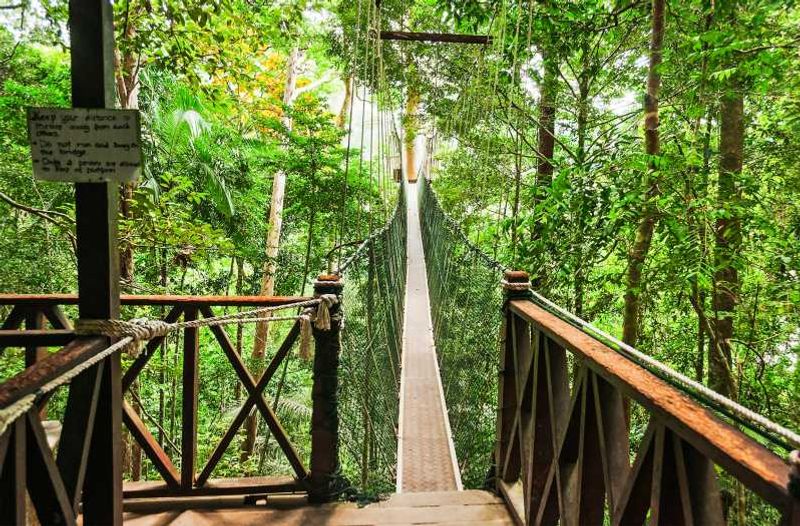
Step into Taman Negara and you’re walking through one of Earth’s oldest rainforests—a jungle that’s remained largely unchanged for 130 million years. Dinosaurs once roamed beneath these same tree species, a fact that adds profound perspective to every trail.
The park’s canopy walkway suspends visitors high above the forest floor, offering treetop perspectives normally reserved for birds and primates. Swaying gently in the breeze, the walkway extends over 1,600 feet and reaches heights exceeding 130 feet.
Looking down reveals multiple forest layers, each supporting different species.
Rivers carve through dense vegetation, creating rapids that range from gentle riffles to challenging whitewater. Boat trips navigate these waterways, accessing remote areas unreachable by trail.
Limestone caves riddled throughout the park shelter bats and unique invertebrates adapted to eternal darkness.
Wildlife includes some of Asia’s most elusive creatures. Malayan tigers prowl the undergrowth, though spotting one requires extraordinary luck.
Asian elephants crash through bamboo thickets, while tapirs forage nocturnally. Night safaris reveal eyeshine from countless creatures—from tiny insects to leopard cats hunting in darkness.
Taman Negara offers immersion in primeval jungle ecosystems that remind us what Earth looked like before human civilization reshaped landscapes worldwide.
Simien Mountains National Park — Ethiopia
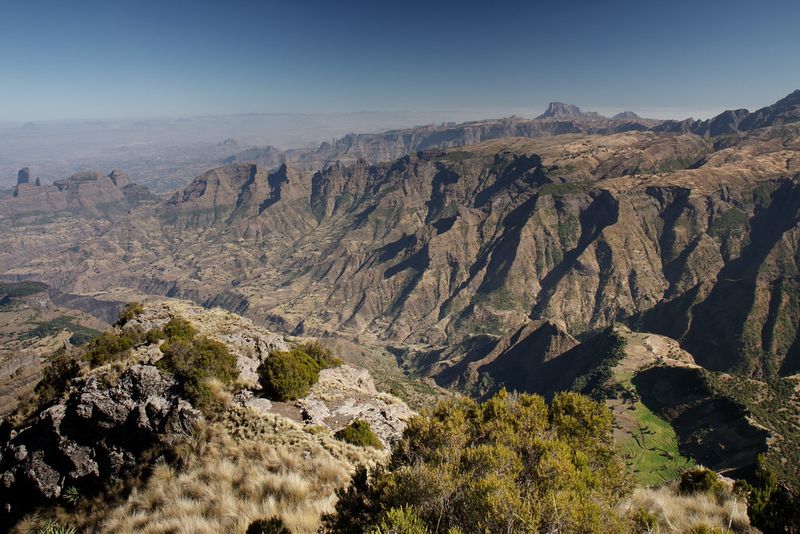
Ethiopia’s Simien Mountains create landscapes so dramatic they seem sculpted by giants. Jagged peaks rise above deep valleys carved by erosion over millions of years, forming what locals call “the roof of Africa.” This UNESCO World Heritage Site protects both spectacular geology and species found nowhere else on Earth.
Gelada baboons live in troops sometimes numbering in the hundreds, grazing on grasses like herbivores rather than foraging like typical primates. Their distinctive red chest patches and elaborate social behaviors make them endlessly fascinating to observe.
They perch fearlessly on cliff edges, seemingly unbothered by thousand-foot drops below.
Ethiopian wolves—the world’s rarest canids—hunt rodents in highland meadows. Fewer than 500 individuals survive, making every sighting precious.
Their russet coats and long legs distinguish them from other wolf species, adaptations to high-altitude environments.
Hiking routes traverse terrain ranging from gentle grasslands to challenging mountain trails. Ras Dashen, Ethiopia’s highest peak at 14,872 feet, rewards climbers with views across multiple mountain ranges.
Waterfalls plunge over escarpments, while rock formations create natural sculptures. The park’s remoteness means fewer visitors than famous African reserves, offering solitude and unspoiled wilderness for those willing to venture off typical tourist paths.
Plitvice Lakes National Park — Croatia
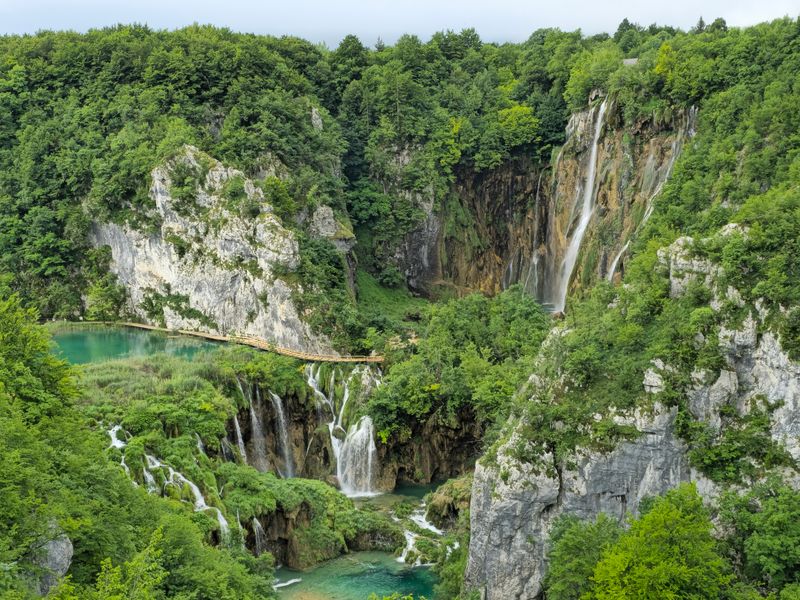
Nestled in Croatia’s forested interior, Plitvice Lakes creates a water wonderland where 16 terraced lakes cascade into each other through countless waterfalls. Limestone barriers called travertine dams form naturally, creating the stepped pools that define this park’s magical character.
Water flows in shades of turquoise, emerald, and sapphire—colors shifting with mineral content, sunlight angle, and water depth. Boardwalks wind directly over and beside these waters, bringing visitors so close you can see fish swimming in crystal-clear depths.
The gentle sound of falling water provides constant background music.
Unlike dramatic waterfalls that plunge from great heights, Plitvice’s cascades spread horizontally across travertine barriers. Water sheets over moss-covered rock, creating lace-like curtains that catch sunlight in sparkling displays.
Some areas feature multiple small falls side by side, while others send water tumbling through narrow channels.
Forests surrounding the lakes shelter European wildlife including brown bears, wolves, and rare bird species. Autumn transforms foliage into gold and crimson, creating stunning contrasts with blue-green waters.
Winter brings a different magic—waterfalls freeze into sculptural ice formations, and snow blankets the landscape in pristine white. Photographers find endless compositions, though the park’s beauty exceeds what any camera can capture.
Guilin and Lijiang River National Park — China
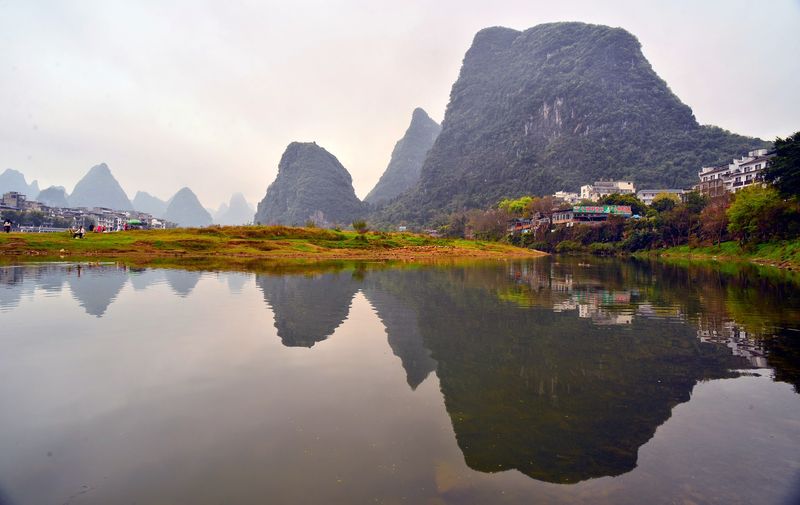
Southern China’s karst landscape creates scenery so distinctive it’s appeared in classical paintings for over a thousand years. Limestone peaks rise vertically from flat plains and winding rivers, their shapes suggesting everything from elephants to camels to mythical dragons.
The Li River flows between these extraordinary formations, its emerald waters reflecting towering peaks in mirror-like perfection. Bamboo raft cruises offer the traditional way to experience this landscape, drifting slowly past fishing villages, rice paddies, and water buffalo cooling in shallows.
Cormorant fishermen practice ancient techniques, training birds to catch fish while tethered to their bamboo boats.
Mist often clings to mountain peaks, especially during morning hours. This atmospheric quality enhances the landscape’s otherworldly beauty, making scenes appear lifted from scroll paintings hanging in museums worldwide.
Photography enthusiasts wake before dawn to capture these misty mountain portraits.
Caves riddle the limestone mountains, some developed with lighting and walkways, others remaining wild and unexplored. Underground rivers flow through massive chambers decorated with stalactites and stalagmites formed over millions of years.
Above ground, rural villages maintain traditional lifestyles, farming terraced fields that have fed communities for generations. This harmonious blend of dramatic geology and human culture creates landscapes that feel both timeless and poetic.
Mosi-oa-Tunya / Victoria Falls National Park — Zambia
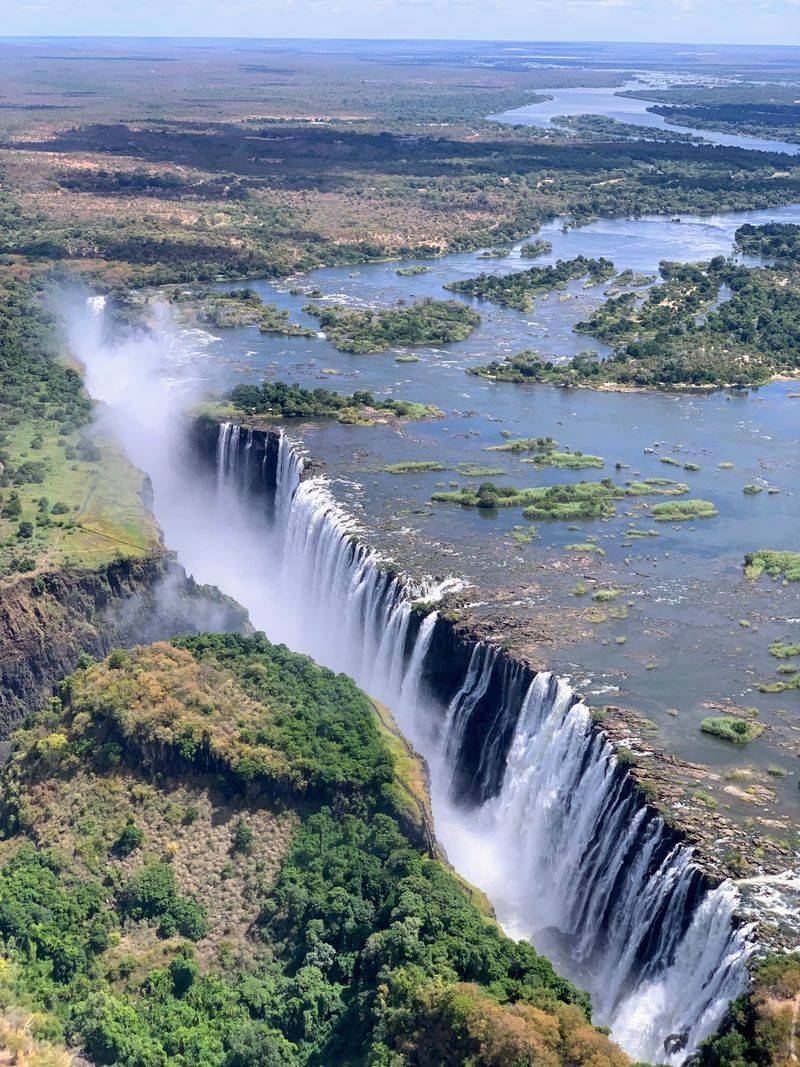
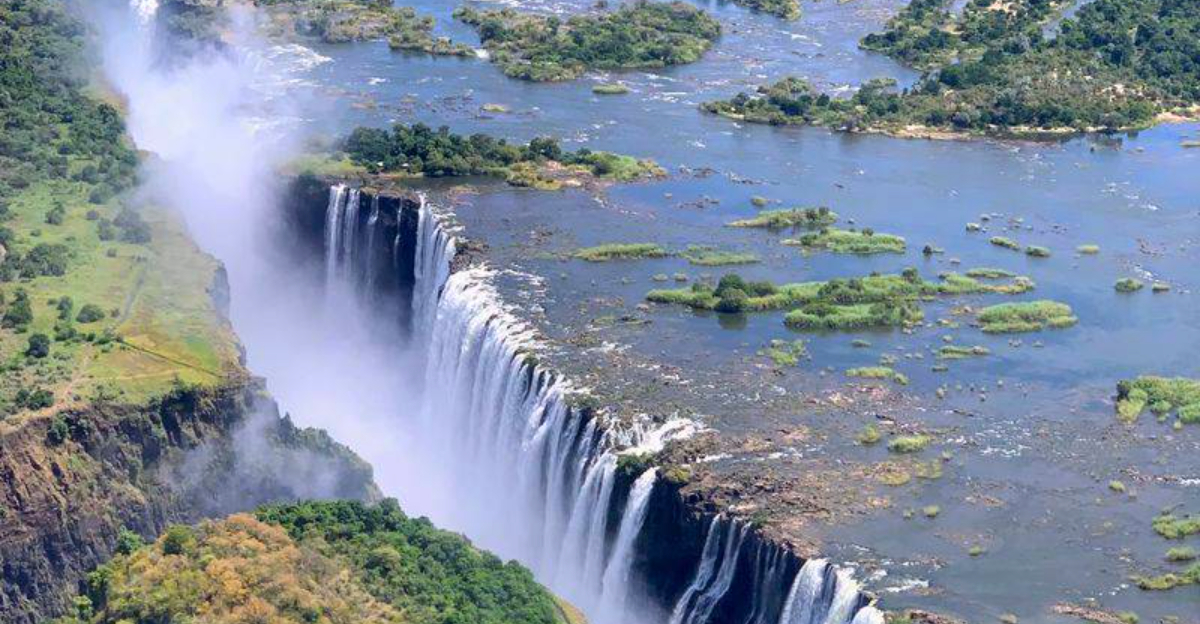
Known locally as Mosi-oa-Tunya—”The Smoke That Thunders”—Victoria Falls creates one of Earth’s most powerful natural spectacles. The Zambezi River plunges over a cliff stretching nearly a mile wide, sending over 500 million liters of water per minute crashing into the gorge below during peak flow.
Mist rises hundreds of feet into the air, visible from miles away and earning the falls its evocative local name. Rainbows arc through this perpetual spray, sometimes creating rare lunar rainbows during full moon nights.
The thunderous roar drowns out conversation even at viewpoints set back from the edge.
Trails along the cliff edge offer multiple perspectives, each revealing different aspects of the falls’ character. Some viewpoints face directly into the cascade, where spray soaks visitors within seconds.
Others look along the gorge, showing how water channels through narrow passages carved over millennia.
Adventure activities abound for thrill-seekers. White-water rafting tackles rapids below the falls, bungee jumping sends brave souls plunging toward the Zambezi, and helicopter flights provide aerial perspectives of this natural wonder’s full scale.
Wildlife roams the surrounding park, including elephants, hippos, and crocodiles inhabiting the river above the falls. This UNESCO World Heritage Site combines raw natural power with scenic beauty that leaves every visitor awestruck.



