 Unearth The Voyage
Our planet has a wild sense of humor. It builds canyons a mile deep, grows reefs the size of countries, and shoots colored lights across the sky just to remind us who is really in charge.
I once stood at the rim of the Grand Canyon and felt like a single grain of sand on a very long beach. These 15 natural wonders are the Earth’s greatest flex, and every single one of them will make you feel wonderfully, gloriously small.
Grand Canyon, USA: A Mile Deep and Still Getting Bigger
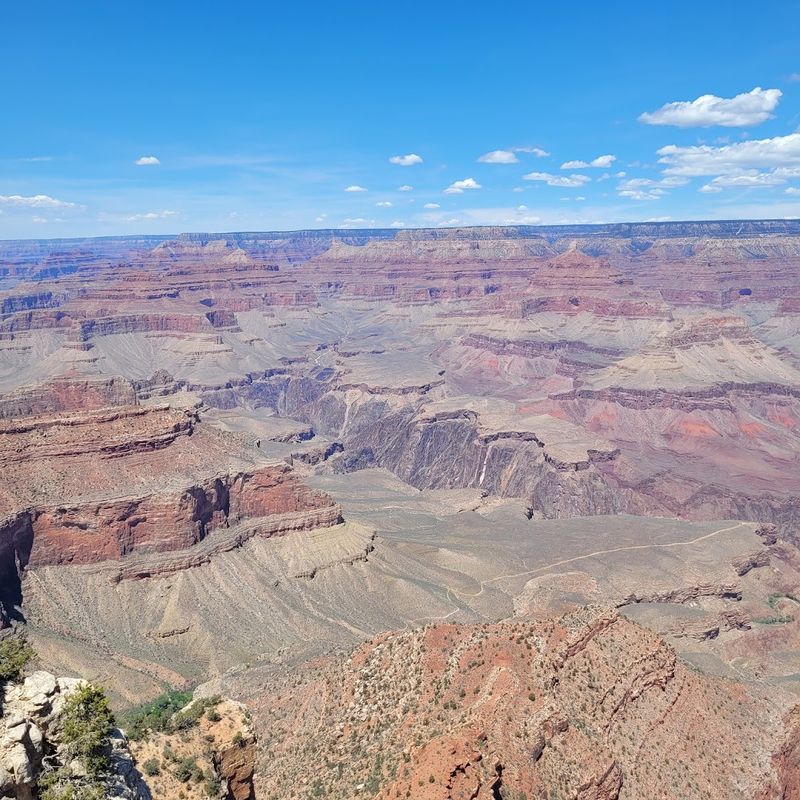
The Grand Canyon is not just a hole in the ground. It is 277 miles long, up to 18 miles wide, and over a mile deep.
The Colorado River spent about 5 to 6 million years carving this thing out, and it is still going. That is commitment most of us will never understand.
Standing at the South Rim for the first time, I felt my brain completely refuse to process what my eyes were seeing. The scale is so extreme that your depth perception basically gives up and takes a nap.
Rocks at the bottom are nearly two billion years old, making them some of the oldest exposed rock on Earth.
Over five million people visit each year, yet the canyon still manages to feel absolutely overwhelming and personal. No photo captures it.
No video does it justice. You just have to go and let it humble you properly.
Mount Everest, Nepal and China: The Roof of the World
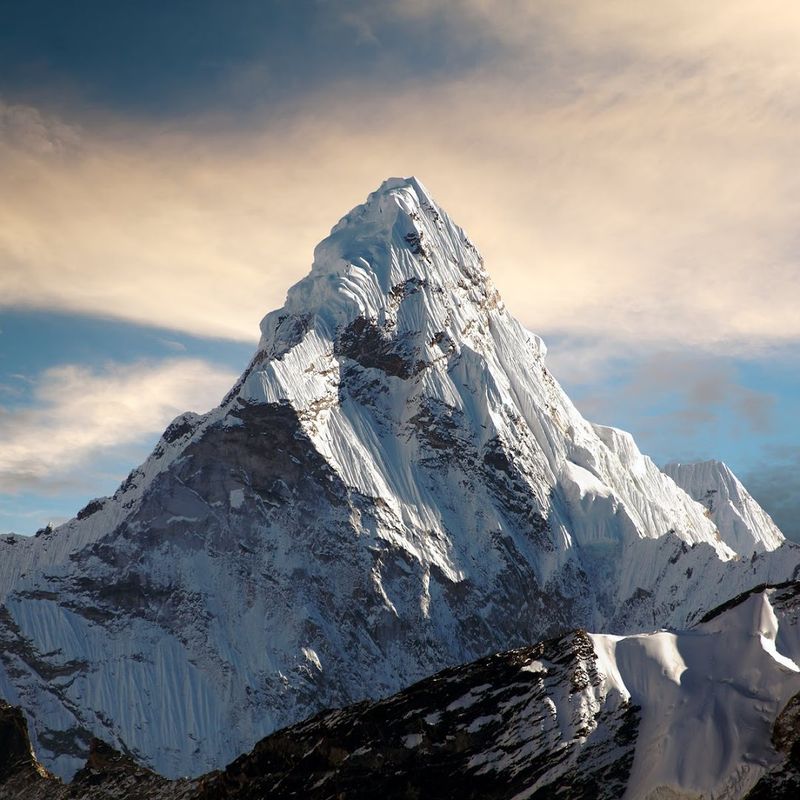
At 29,032 feet above sea level, Mount Everest is the highest point on Earth. It sits so high that the jet stream regularly blasts across its summit at over 100 miles per hour.
The mountain is not just tall; it is aggressively, almost personally tall.
Geologists will tell you Everest is still growing, rising about 4 millimeters per year as the Indian tectonic plate keeps shoving into Asia. So technically, it is overachieving on a geological scale.
The mountain was formed around 60 million years ago, which puts things in a humbling perspective.
Only about 6,000 people have ever reached the summit. More people have been to space.
The base camp alone sits at 17,600 feet, which is already higher than most mountains in North America. Everest does not just challenge climbers; it challenges the very idea of what humans can do.
Iguazu Falls, Argentina and Brazil: The World’s Largest Waterfall System
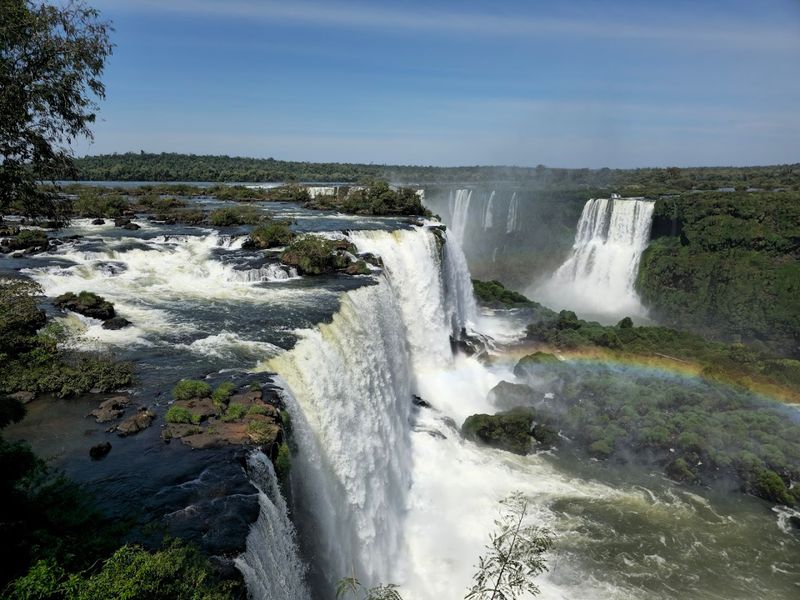
Eleanor Roosevelt reportedly visited Iguazu Falls and said, “Poor Niagara.” That pretty much sums it up. Spanning nearly two miles wide and featuring up to 275 individual waterfalls, Iguazu makes most waterfalls look like a kitchen faucet with attitude.
The falls sit on the border of Argentina and Brazil, and both countries built national parks around them because no single nation could contain this level of spectacle. The most dramatic section, called the Devil’s Throat, drops water nearly 270 feet into a roaring canyon below.
The mist rises so high it creates its own local weather system.
Visiting in the rainy season means the falls are absolutely roaring. During peak flow, over 450,000 cubic feet of water per second crashes over the edge.
Coatis, which are raccoon-like animals, roam the walkways freely and will absolutely steal your snacks. Nature here comes with both drama and comedy.
Victoria Falls, Zambia and Zimbabwe: The Smoke That Thunders
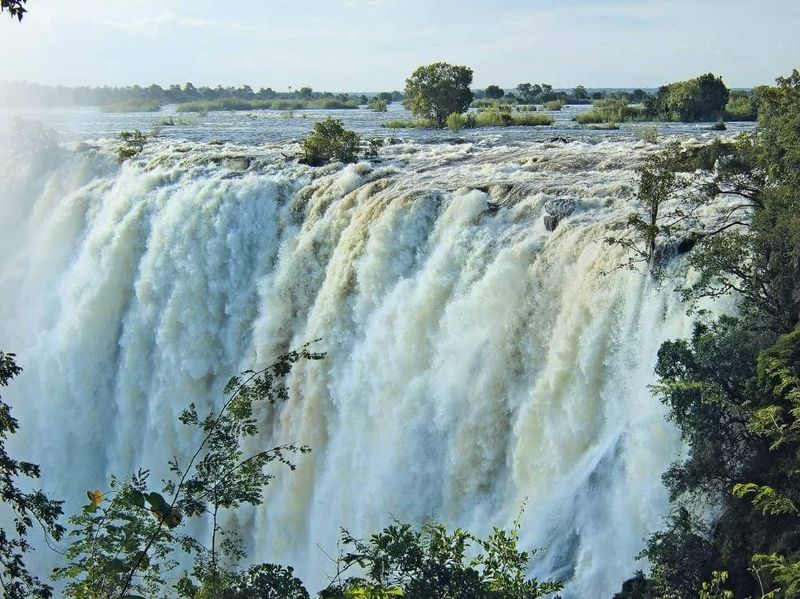
The local Kololo people named it Mosi-oa-Tunya, which translates to “the smoke that thunders.” That is not poetry; that is just accurate reporting. Victoria Falls produces so much spray and noise that you can see and hear it from 25 miles away before you even get close.
At 5,604 feet wide and 354 feet tall, it is technically the world’s largest waterfall by combined width and height. During peak flood season, over 500,000 cubic meters of water per minute tumble over the edge.
That is not a waterfall; that is the Earth doing something dramatic on purpose.
The falls straddle the border between Zambia and Zimbabwe, and both sides offer completely different viewing experiences. The Zambian side gets you soaked and close.
The Zimbabwean side gives you the grand panoramic view. Visiting both is highly recommended, mostly because choosing just one feels like a personal failure.
Great Barrier Reef, Australia: The Planet’s Largest Coral Reef System
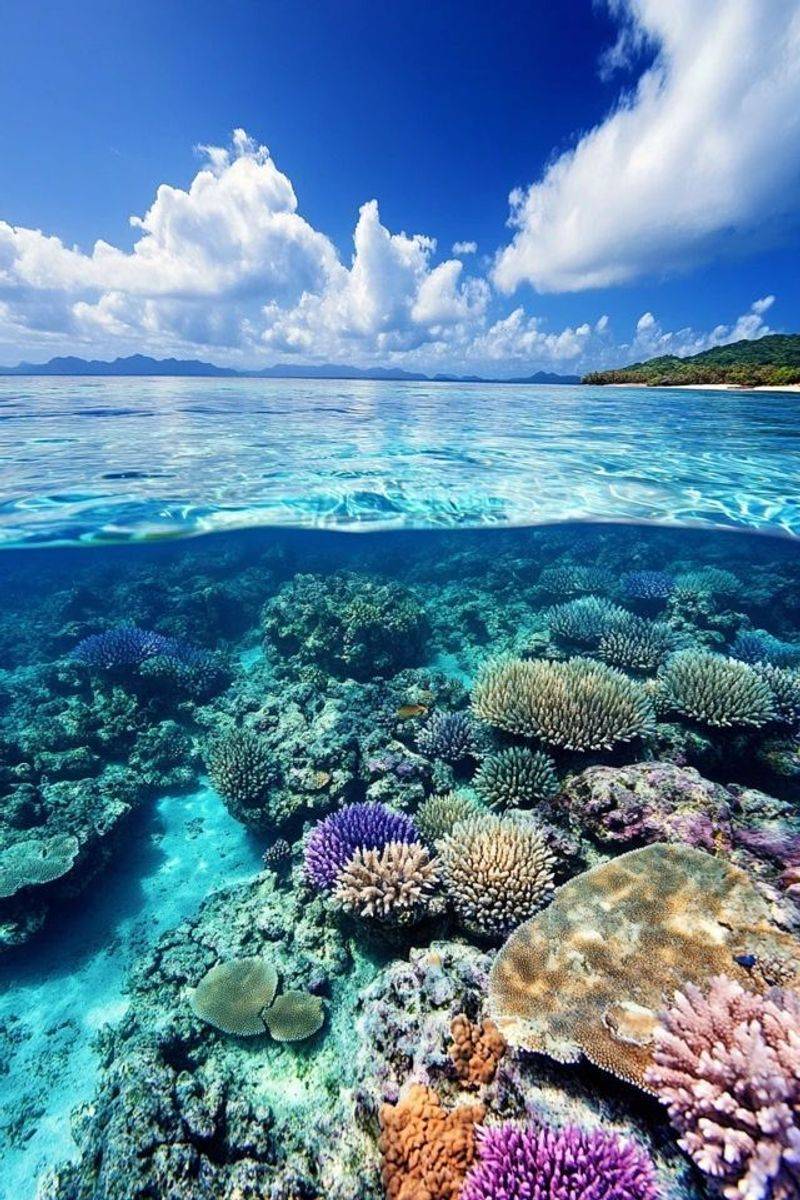
The Great Barrier Reef is so large it can be seen from space with the naked eye. Stretching over 1,400 miles along the Queensland coast of Australia, it is made up of nearly 3,000 individual reefs and 900 islands.
It is essentially a living city built entirely by tiny coral animals called polyps.
The reef supports over 1,500 species of fish, 4,000 types of mollusk, and six of the world’s seven species of marine turtles. I went snorkeling here once and spent the first five minutes with my face in the water just completely frozen by what I was looking at.
It felt less like snorkeling and more like crashing a very elaborate underwater party.
Sadly, the reef faces serious threats from climate change, including coral bleaching events that have damaged large sections. Scientists and conservationists are working hard to protect it.
Every effort to reduce carbon emissions directly helps keep this underwater giant alive.
Salar de Uyuni, Bolivia: The World’s Largest Salt Flat
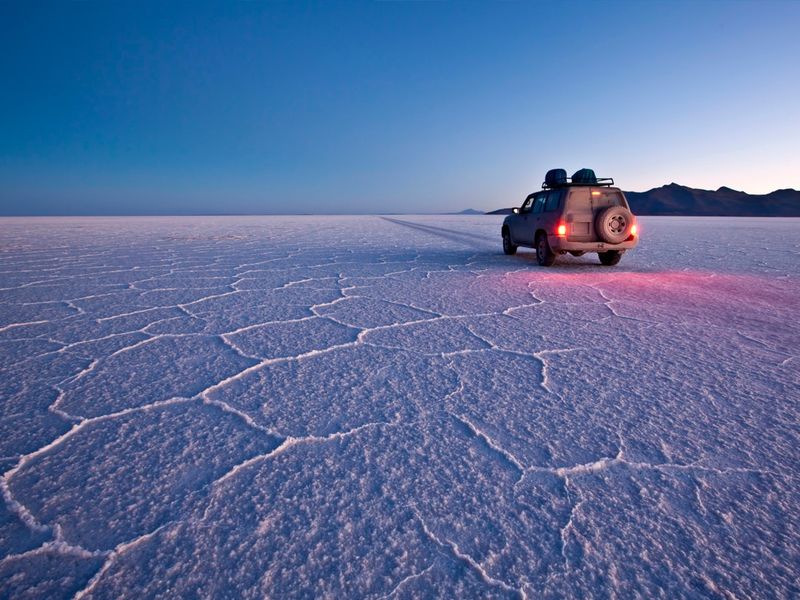
At over 4,000 square miles, the Salar de Uyuni is the world’s largest salt flat, and it sits at 11,995 feet above sea level in the Bolivian Andes. During the rainy season, a thin layer of water turns the entire surface into a perfect mirror.
The sky reflects so precisely that you genuinely cannot tell where the ground ends and the sky begins.
This place was once a prehistoric lake called Lago Minchin. When it dried up, it left behind a crust of salt that is up to 26 feet thick in some areas.
Underneath all that salt sits the world’s largest known reserve of lithium, which is used in the batteries powering most smartphones and electric cars today.
Flamingos nest here by the thousands during breeding season, which seems like an absurd design choice by nature. Pink birds on a white mirror at the top of the world.
Nobody asked for it, but here we are, grateful.
El Capitan in Yosemite, USA: A Granite Wall That Dwarfs Everything
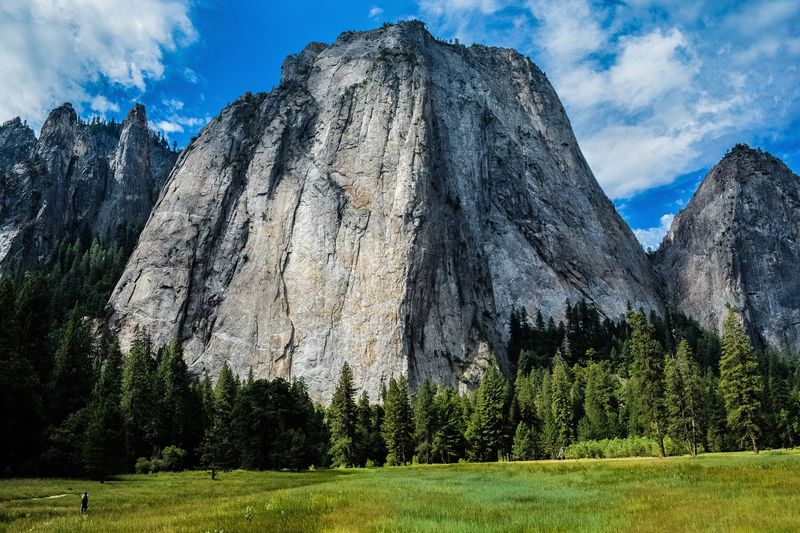
El Capitan rises 3,000 feet straight up from the Yosemite Valley floor. That is roughly three times the height of the Eiffel Tower, except it is a single slab of granite and it did not need an architect.
It just grew that way, which feels like showing off.
Rock climbers from around the world treat El Capitan as the ultimate challenge. Alex Honnold free-soloed the entire face in 2017 with no ropes, no harness, and apparently no concept of reasonable personal risk.
The climb took him 3 hours and 56 minutes. Most of us breathe hard walking to the parking lot.
The best spot to appreciate El Capitan is from Valley View or Tunnel View, where the whole monolith looms over the valley like a very confident geological statement. Deer graze calmly at its base, completely unbothered by the vertical madness above them.
Honestly, same energy.
Uluru, Australia: An Immense Monolith Rising from the Red
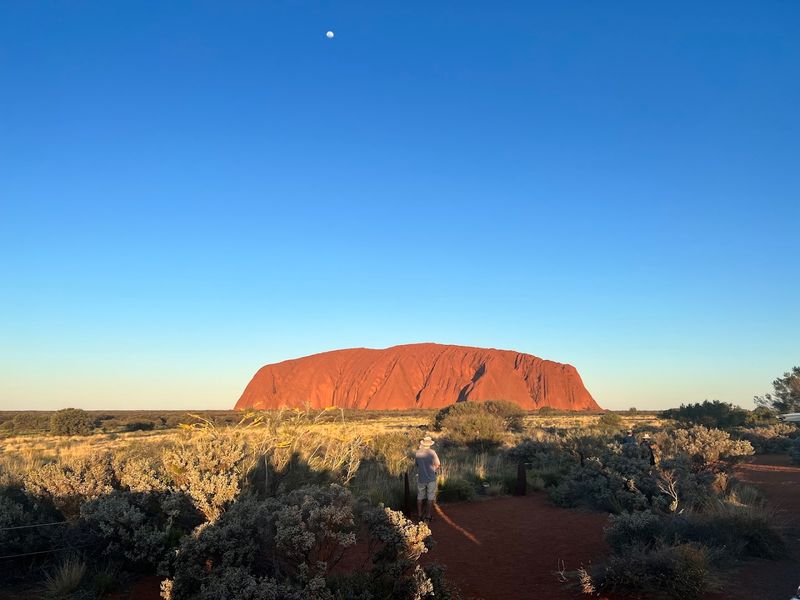
Uluru stands 1,142 feet above the flat red desert of central Australia, but what you see above ground is only a small fraction of the story. Most of the rock extends underground, with estimates suggesting it stretches nearly 4 miles below the surface.
It is basically an iceberg, but made of sandstone and significantly hotter.
The Anangu people, the traditional custodians of this land, have lived alongside Uluru for over 30,000 years. To them, it is not a tourist attraction; it is a sacred site deeply tied to their creation stories and spiritual practices.
Climbing was officially banned in 2019, respecting that long-held wish.
At sunrise and sunset, Uluru shifts through extraordinary shades of orange, red, purple, and deep brown as the light changes. Photographers camp out for hours waiting for the perfect moment.
The rock itself seems to glow from within, like the earth is quietly showing off its best trick.
Milford Sound Piopiotahi, New Zealand: A Fiord Carved by Ice
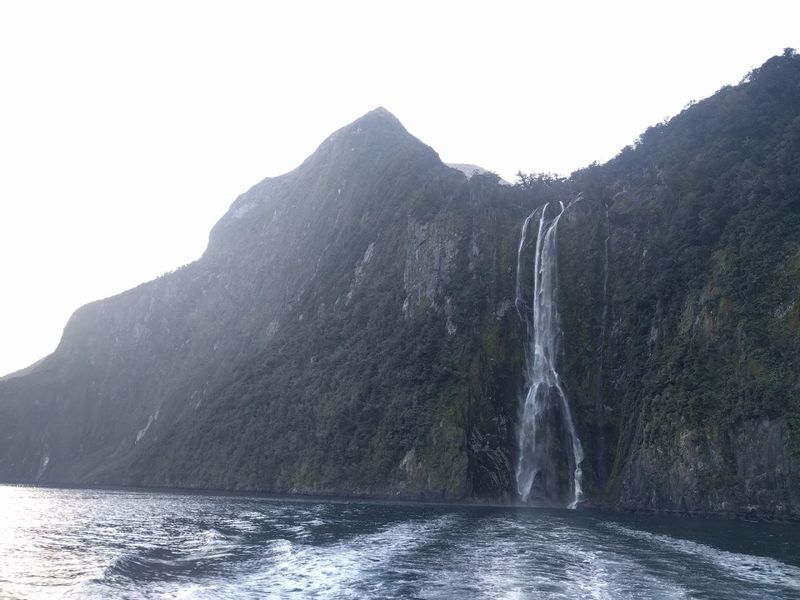
Rudyard Kipling called Milford Sound the eighth wonder of the world, and he was not exaggerating for effect. Sheer cliff walls rise up to 5,500 feet straight out of the dark water, and waterfalls pour down the rock faces from snowfields hidden high above.
It is the kind of place that makes you feel like you accidentally walked onto a movie set.
Technically a fiord carved by glaciers over millions of years, Milford Sound sits at the end of a narrow road through Fiordland National Park. It gets about 256 inches of rain per year, making it one of the wettest places on Earth.
Somehow, that rain just makes everything greener and more dramatic.
Dolphins, seals, and penguins regularly appear in the sound, seemingly unbothered by the tourists on boats. Underwater, black coral grows unusually shallow here because the freshwater layer on top filters out light.
The whole ecosystem is genuinely bizarre in the best possible way.
Torres del Paine, Chile: Granite Towers Over Patagonia
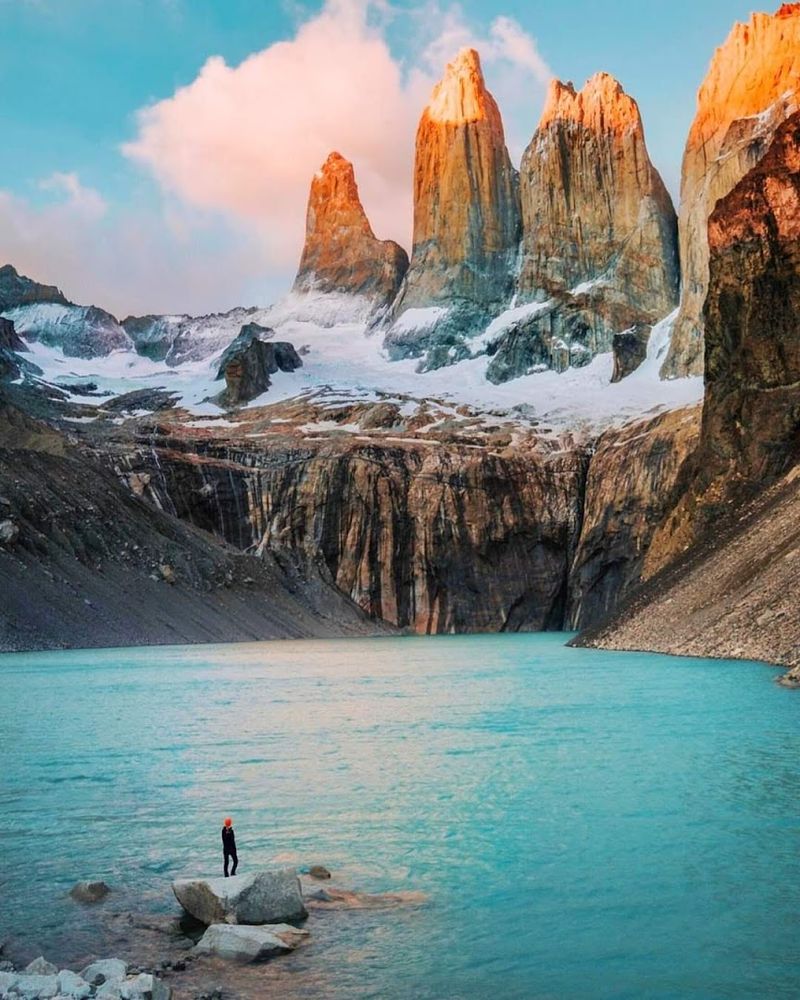
Three jagged granite towers burst out of the Patagonian steppe in southern Chile, reaching heights of over 8,000 feet. The Torres del Paine are not just mountains; they are geological exclamation points.
They were formed when magma pushed up through softer rock and then glaciers carved away everything that was not pure granite drama.
The national park surrounding them covers over 700,000 acres and is home to guanacos, pumas, Andean condors, and rheas. Pumas here are relatively habituated to humans, meaning lucky hikers sometimes spot one just casually walking past.
It is equal parts thrilling and terrifying.
The famous W Trek takes most hikers four to five days, ending at the lookout point called Mirador Las Torres. Getting there requires a steep final climb over loose boulders, and the reward is a turquoise lake sitting directly at the base of the towers.
No filter, no editing required, just pure geological perfection staring back at you.
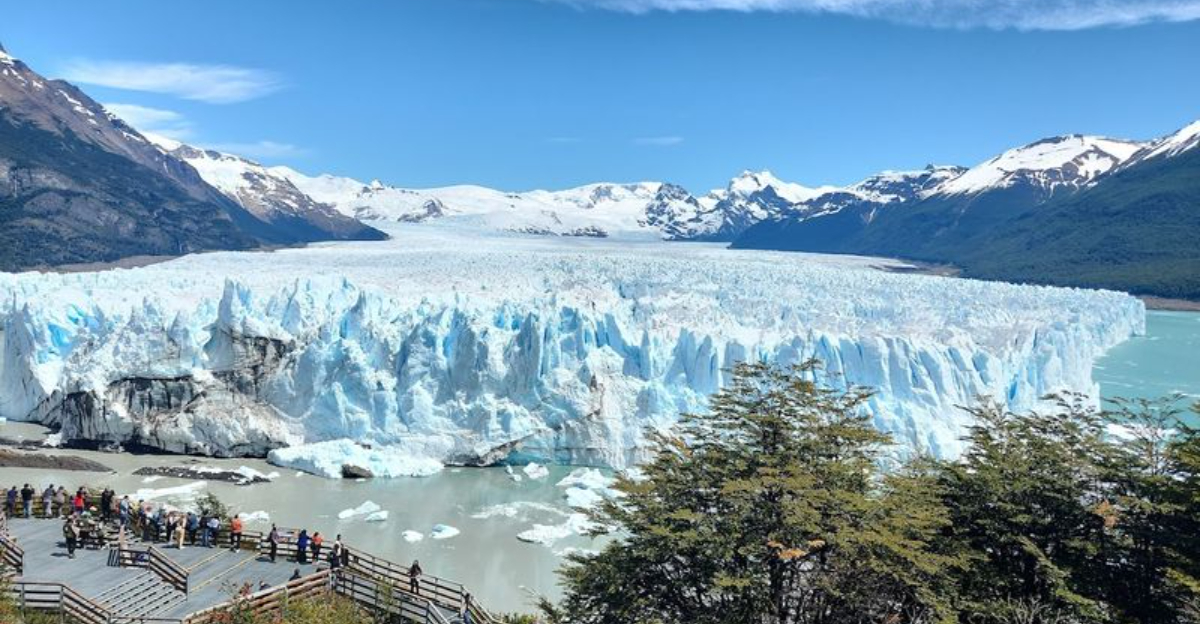
Perito Moreno Glacier, Argentina: A Frozen Giant on the Move
Most glaciers around the world are retreating. Perito Moreno is not interested in that trend.
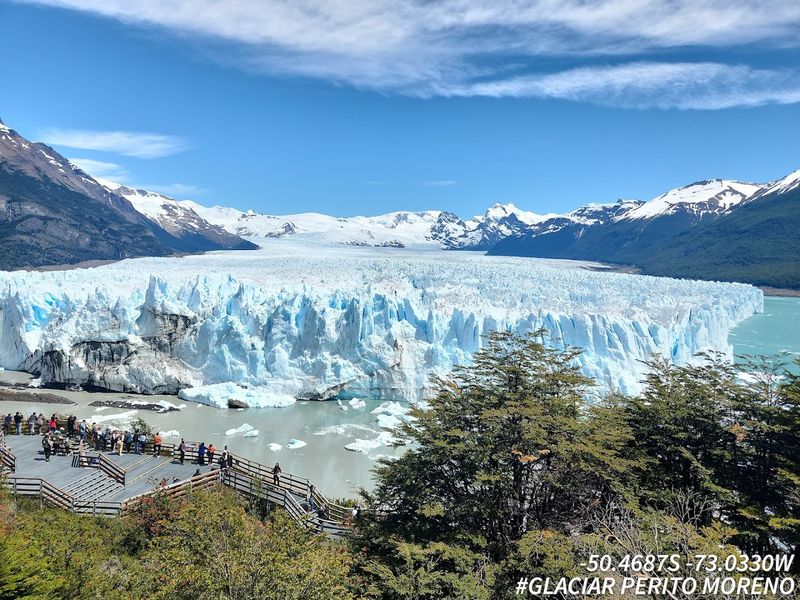
This glacier in Argentine Patagonia is one of the few in the world that is actually stable or occasionally advancing, which makes it a geological celebrity among ice enthusiasts. It is 19 miles long, 3 miles wide, and rises up to 240 feet above the surface of Lago Argentino.
The glacier moves about 6.5 feet per day, constantly pushing into the lake and calving off chunks of ice the size of buildings. The cracking and booming sounds it makes are astonishing.
Standing on the viewing platforms, you hear a deep groan followed by a thunderous splash as another massive block crashes into the water below.
Every few years, the glacier builds up enough to dam part of the lake, pressure builds, and then the ice bridge spectacularly collapses. Thousands of people gather to watch it happen.
It is the only natural phenomenon with its own ticketed viewing schedule.
Zhangjiajie National Forest Park, China: Pillars That Look Unreal
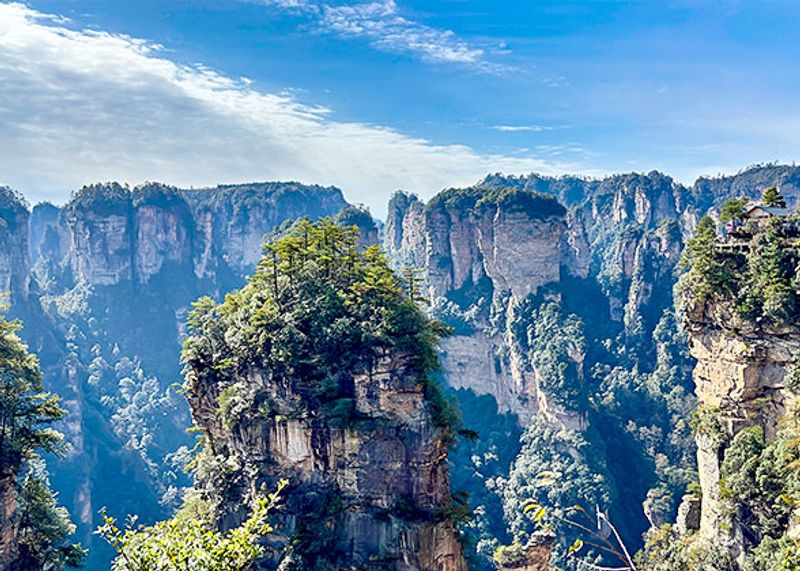
When the filmmakers behind Avatar needed a landscape for a fictional alien world, they came to Zhangjiajie for inspiration. That should tell you everything.
Over 3,000 sandstone pillar mountains rise vertically from the forest floor in Hunan Province, some reaching over 3,500 feet tall. They look like someone designed them specifically to confuse geologists and delight everyone else.
The pillars formed over 300 million years through a combination of erosion and uplift. Quartz sandstone columns were left standing as the surrounding rock wore away, and vegetation colonized every available surface.
The result is this extraordinary landscape of green-topped columns floating in and out of cloud cover.
The park has a glass-bottomed bridge suspended between two pillars over 1,000 feet above the valley floor. It is 430 meters long and was designed to make brave people question their decisions.
A cable car also runs through the park, offering views so surreal that first-time visitors frequently forget to breathe.
Antelope Canyon, USA: A Slot Canyon That Swallows the Light
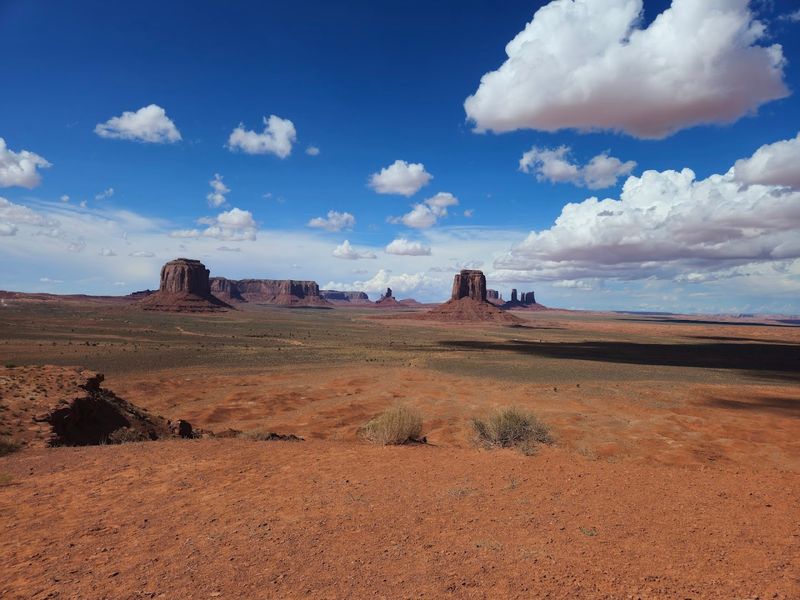
Antelope Canyon is what happens when water and wind spend millions of years sculpting sandstone into something that looks more like abstract art than geology. Located near Page, Arizona on Navajo Nation land, this slot canyon has walls that ripple and swirl in shades of orange, red, and purple.
It is narrow enough in places that you can touch both walls at the same time.
The canyon is split into two sections: Upper Antelope Canyon, called The Crack, and Lower Antelope Canyon, called The Corkscrew. Upper is wider and easier to walk through.
Lower requires climbing ladders and squeezing through tight passages, which is either adventurous or mildly claustrophobic depending on your personality.
Between March and October, shafts of sunlight beam down through the narrow opening above, creating columns of light that photographers travel from around the world to capture. The Navajo name for Upper Antelope Canyon translates roughly to “the place where water runs through rocks.” That is both accurate and deeply poetic.
Giant’s Causeway, Northern Ireland: A Stone Coast of 40,000 Columns
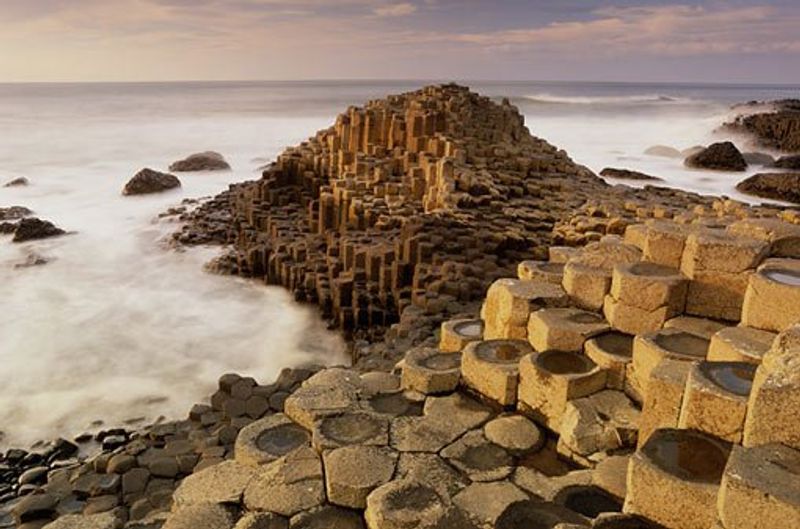
About 40,000 interlocking basalt columns march from the cliffs of County Antrim straight into the North Atlantic Ocean. They are almost perfectly hexagonal, stacked so neatly that it genuinely looks like someone with an obsessive personality laid them by hand.
The geological explanation involves a volcanic eruption 60 million years ago, but the local legend is far better.
According to Irish mythology, the giant Finn McCool built the causeway so he could walk to Scotland to fight a rival giant named Benandonner. When Finn realized Benandonner was enormous, he fled home and his wife disguised him as a baby.
Benandonner, terrified of what kind of father could produce such a giant baby, ran back to Scotland and destroyed the causeway behind him.
The columns range from about 15 to 40 feet tall, and walking across them feels oddly satisfying, like stepping on nature’s own cobblestones. It is a UNESCO World Heritage Site and gets about one million visitors per year, most of whom spend at least twenty minutes trying to get a decent photo without someone else’s elbow in it.
Aurora Borealis: A Sky So Big It Doesn’t Feel Real
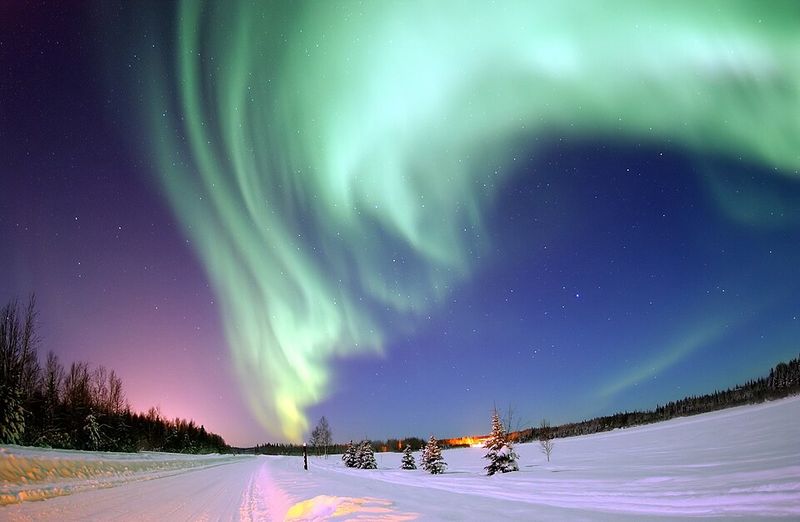
The northern lights are caused by charged particles from the sun colliding with gases in Earth’s atmosphere, producing those extraordinary ribbons of green, pink, and purple light. The science is fascinating.
The experience, however, is something that science cannot fully prepare you for. I stood in a field in northern Finland at minus 20 degrees once, and I completely forgot I was cold.
The aurora can appear anywhere from 60 to 200 miles above Earth’s surface, which means the sky you are watching light up is almost incomprehensibly large and distant. Best viewing locations include Norway, Iceland, Finland, Canada, and Alaska, typically between September and March when nights are longest.
Solar activity follows an 11-year cycle, and we are currently approaching a solar maximum, meaning auroras are becoming more frequent and more intense. Apps like SpaceWeatherLive can alert you when a geomagnetic storm is coming so you can get outside fast.
Seeing the aurora even once tends to permanently rearrange your sense of priorities.



