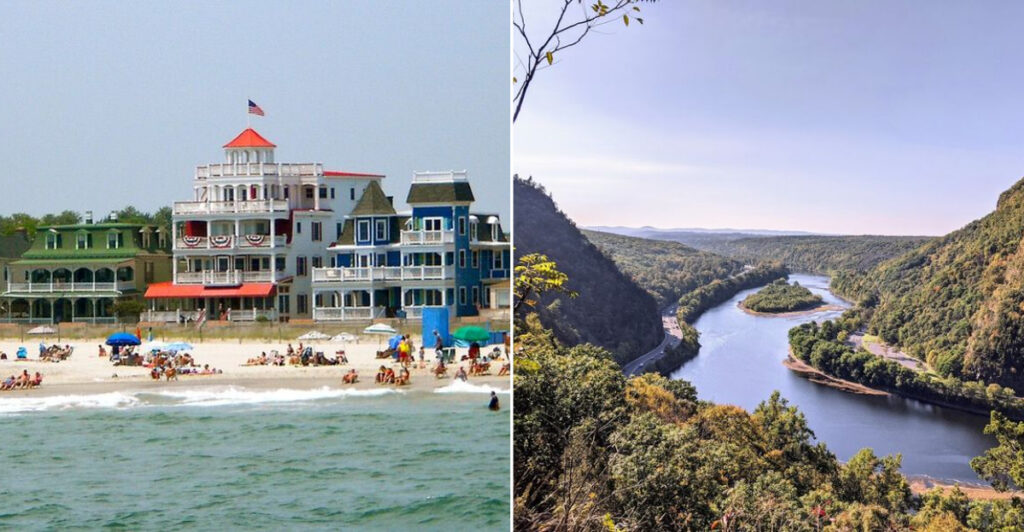
New Jersey gets a bad rap sometimes, but those who actually explore the state know it’s hiding some seriously unforgettable spots. From crashing waterfalls to giant elephant buildings, the Garden State has a little something for everyone.
I took my first road trip across NJ expecting nothing special and came back completely hooked. These 15 places are proof that you don’t have to travel far to find something worth remembering.
Grounds For Sculpture, Hamilton

Art parks are cool, but Grounds For Sculpture is on a whole different level. Spread across 42 acres in Hamilton, this place turns a casual walk into something you’ll be talking about for weeks.
Giant sculptures pop up between trees, around corners, and along garden paths in ways that feel genuinely surprising every time.
I visited on a random Tuesday and still couldn’t cover everything in one trip. There are over 270 works on display at any given time, with rotating exhibitions keeping things fresh year-round.
Admission is affordable, parking is easy, and the grounds are well-maintained without feeling sterile.
Kids love the oversized pieces, and adults love the peaceful atmosphere. Photographers will have a field day here.
Honestly, this is the kind of place that makes you feel cultured without having to try too hard. It’s one of the best day trips in the state, full stop.
Cape May Lighthouse, Cape May Point
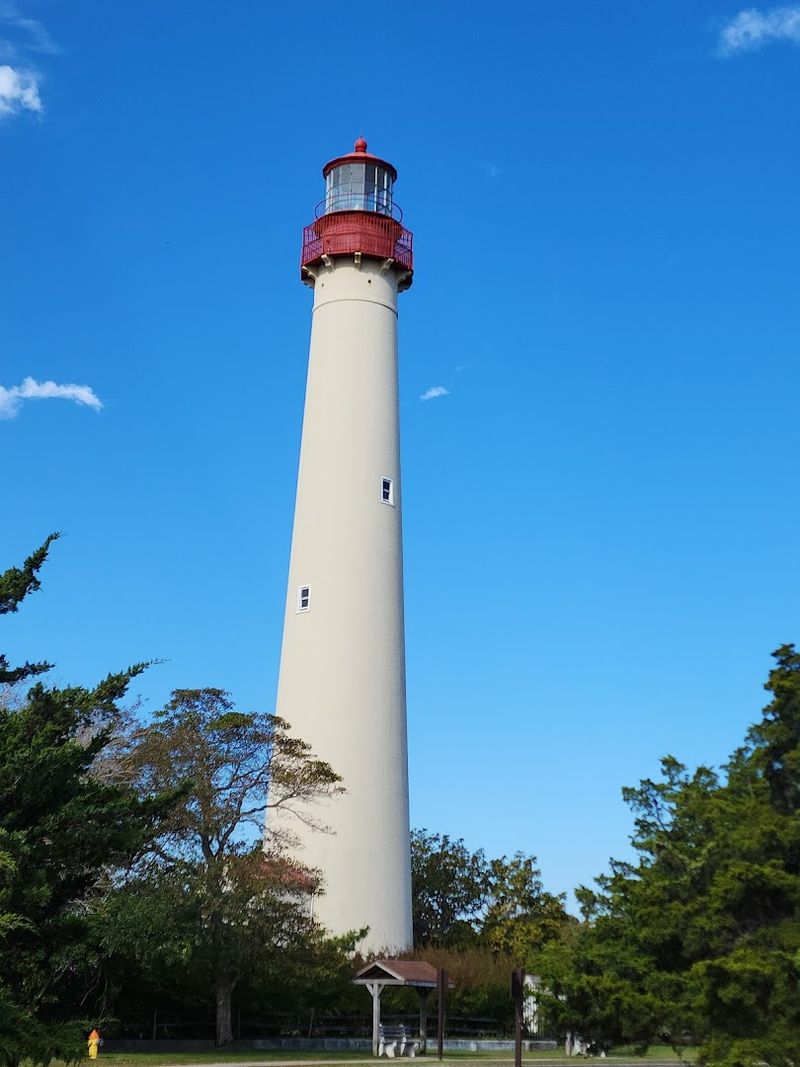
Standing 157 feet tall since 1859, the Cape May Lighthouse is the kind of landmark that earns its reputation. It’s not just a pretty photo op.
This lighthouse is still an active aid to navigation, meaning it’s been doing its job for over 160 years without complaint.
Climbing the 199 steps is a workout, but the views from the top are absolutely worth the burning quads. You get a sweeping look across the Cape May peninsula, the Delaware Bay, and the Atlantic Ocean all at once.
That’s a lot of New Jersey in one glance.
The surrounding Cape May Point State Park adds even more to the visit. Birding is huge here during migration season.
The gift shop is genuinely good, and the lighthouse keeper’s oil house has been converted into an exhibit space. Plan at least two hours, because this place rewards people who slow down and look around.
Delaware Water Gap National Recreation Area
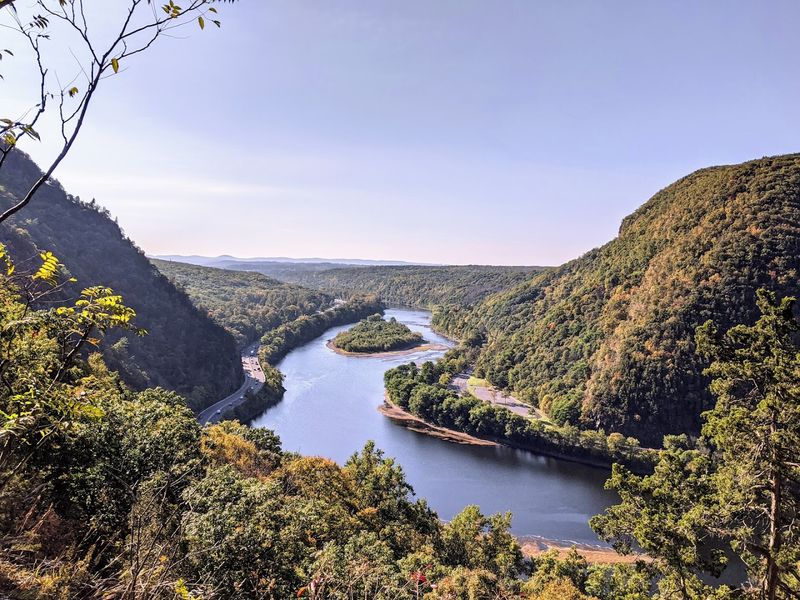
Most people driving past the Delaware Water Gap on the highway have no clue what’s hiding just off the exit ramp. This national recreation area stretches 40 miles along the Delaware River and offers hiking, paddling, swimming, and views that genuinely stop you in your tracks.
The park sits right on the New Jersey-Pennsylvania border, making it accessible from both sides. Trails range from easy riverside walks to serious ridge climbs with dramatic overlooks.
Dingmans Falls is a short walk and completely worth it. Sunfish Pond is a glacial lake that looks like it belongs in Vermont, not New Jersey.
I went for a quick afternoon hike and ended up staying until sunset because I kept finding new trails. Admission is free for most areas, which makes it even harder to say no. Bring layers in the fall because those ridge winds are no joke.
This park punches way above its weight.
Liberty State Park, Jersey City
You want a million-dollar view without spending a million dollars? Liberty State Park is your answer.
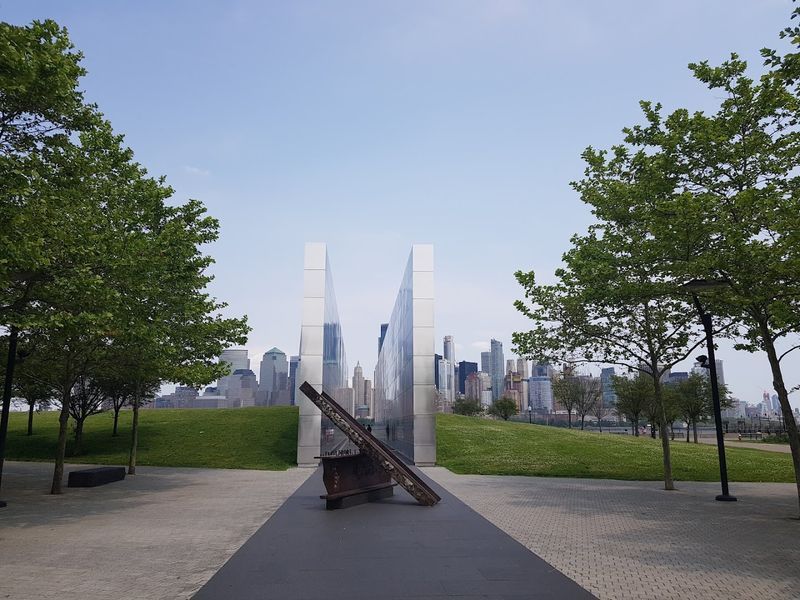
Sitting right on the Hudson River waterfront in Jersey City, this park gives you one of the most dramatic skyline views in the entire country for the low price of free.
Manhattan towers on one side, Ellis Island sits in the middle distance, and Lady Liberty stands right there like she’s posing for your camera. The park is huge, well-maintained, and easy to reach by car or train.
There’s a restored rail terminal on-site that looks like it belongs in a period film.
Ferries to Ellis Island and the Statue of Liberty depart from here, which makes this park a practical starting point for a bigger day out. Weekdays are noticeably quieter than weekends.
The lawn areas are great for picnics, and the walking paths along the water are genuinely lovely. Few places offer this much for this little effort.
Paterson Great Falls National Historical Park, Paterson
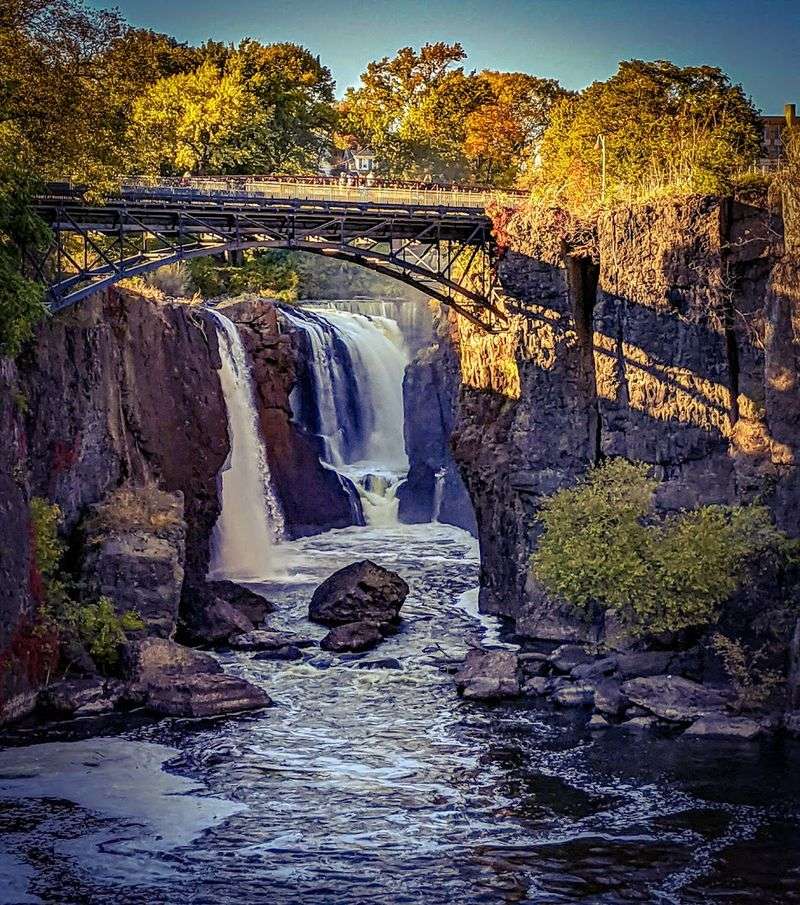
Nobody expects a 77-foot waterfall in the middle of an urban New Jersey city, and that’s exactly what makes Paterson Great Falls such a jaw-dropper. The falls thunder through a rocky gorge right in the heart of Paterson, and the sheer scale of it catches first-time visitors completely off guard.
Alexander Hamilton himself recognized the power potential here and pushed for the development of America’s first planned industrial city around these falls. That history is layered into every corner of the park.
The visitor center does a great job explaining how this waterfall essentially helped launch American manufacturing.
Viewing platforms give you close-up access to the falls from multiple angles. Spring is the best time to visit when water levels are high and the roar is loud enough to feel in your chest.
The surrounding Paterson neighborhood has some great food spots worth exploring after. This stop takes maybe 90 minutes but leaves a lasting impression.
Atlantic City Boardwalk, Atlantic City
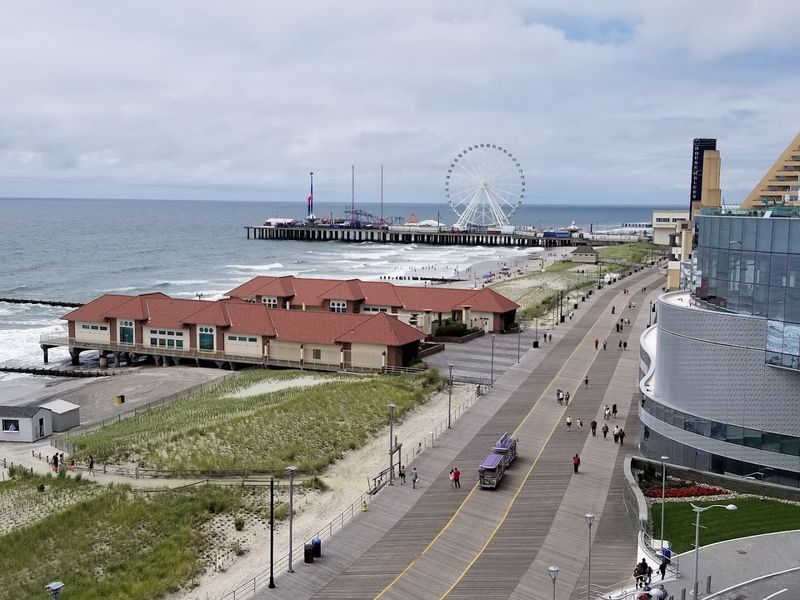
Say what you want about Atlantic City, but the Boardwalk delivers every single time. Built in 1870 as the world’s first boardwalk, it’s been a chaotic, glittery, salt-air-soaked New Jersey institution for over 150 years.
That’s a legacy even its critics have to respect.
The stretch runs four miles along the beach, lined with casinos, shops, food stands, and the kind of people-watching that’s genuinely hard to find elsewhere. Steel Pier still juts out over the ocean with rides and games.
The beach itself is free and surprisingly clean in the off-season.
Morning visits hit differently than nighttime ones. Early morning, the Boardwalk is quiet, the ocean is right there, and it’s easy to see why people have been coming here for generations.
Evenings bring the lights, the noise, and the full Atlantic City experience. Either version is worth your time.
Just wear comfortable shoes because four miles of boards adds up fast.
Asbury Park Boardwalk, Asbury Park
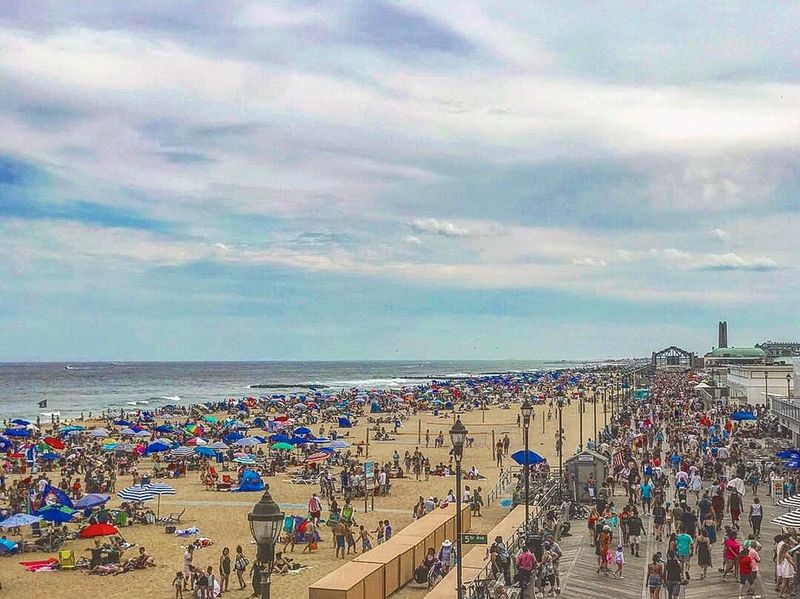
Asbury Park is where rock and roll meets the Jersey Shore, and somehow it works perfectly. The boardwalk here has a completely different energy from Atlantic City.
It’s artsy, a little gritty in the best way, and covered in murals that make every wall worth stopping to look at.
Bruce Springsteen launched his career at the Stone Pony, which still books live music regularly and is an absolute must-visit for music fans. The boardwalk food scene has exploded in recent years with everything from wood-fired pizza to craft cocktail bars steps from the sand.
Convention Hall sits at the center of the boardwalk and hosts events year-round. The beach itself is clean and well-managed.
What makes Asbury Park stick with people is the creative energy that runs through the whole place. It never feels like a theme park version of a beach town.
It feels lived-in, real, and refreshingly weird. That’s a compliment, by the way.
Barnegat Lighthouse State Park, Barnegat Light
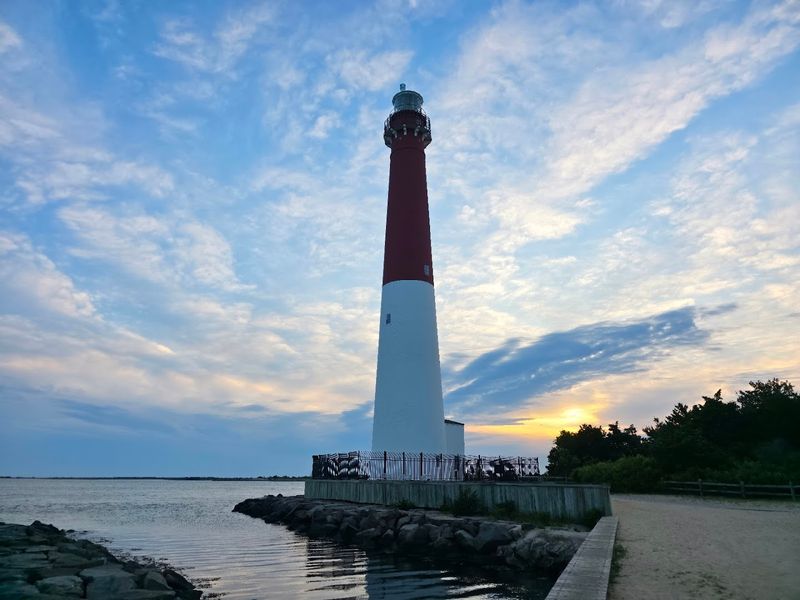
Old Barney, as locals call it, has been watching over the Jersey Shore since 1859. The red-and-white striped lighthouse sits at the northern tip of Long Beach Island, and climbing its 217 steps rewards you with one of the best coastal panoramas in the state.
The park surrounding the lighthouse is genuinely beautiful. Jetty rocks lead out toward the inlet, and the views of Barnegat Bay on one side and the Atlantic on the other are exactly what people mean when they say the Shore is special.
Birding here is exceptional during migration season.
There’s a small maritime museum on the grounds that’s worth a quick look. The surrounding Barnegat Light borough is tiny and charming, with good seafood restaurants a short walk from the park entrance.
Parking fills up fast in summer, so arriving before 9 a.m. is genuinely good advice. Off-season visits have a quiet magic that summer crowds can’t replicate.
Thomas Edison National Historical Park, West Orange
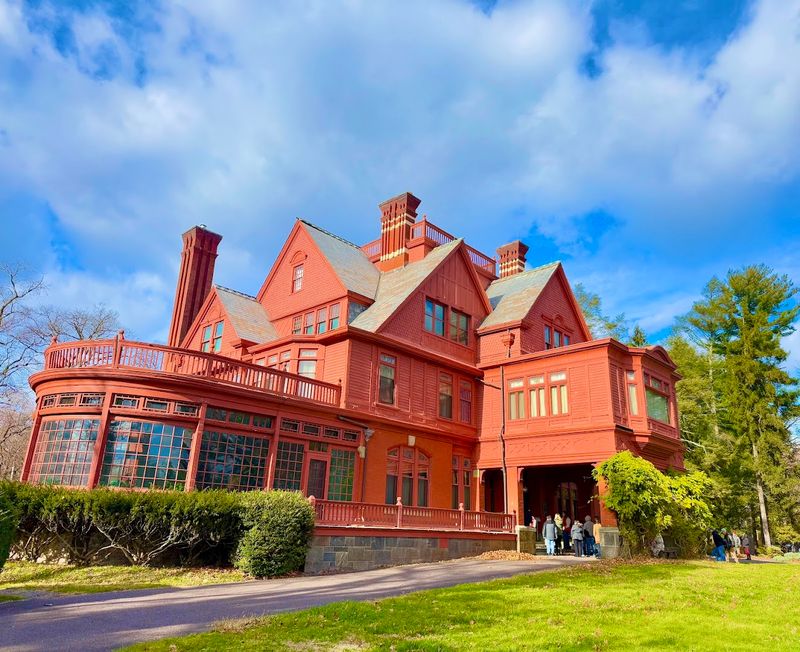
The National Park Service calls this place where modern America was invented, and after walking through Edison’s laboratory complex in West Orange, that claim feels completely accurate. This isn’t a dusty museum full of roped-off displays.
It’s an actual working laboratory frozen in time, and it’s fascinating.
Edison ran this facility from 1887 until his death in 1931. The phonograph, the motion picture camera, and thousands of other inventions were developed right here in these rooms.
You can still see the chemicals on the shelves and the equipment on the workbenches exactly as he left them.
The adjacent Glenmont estate, Edison’s home, is also part of the park and adds a personal dimension to the visit. Rangers lead tours that bring the history to life in ways that guidebooks can’t.
The whole site takes about two to three hours and is incredibly well-organized. Admission is cheap, parking is easy, and the experience is legitimately one of a kind.
Duke Farms, Hillsborough
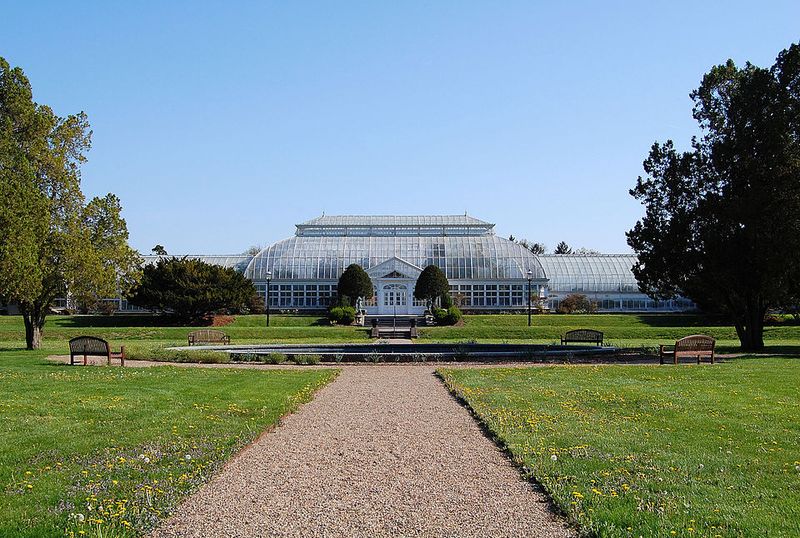
Duke Farms is the kind of place that makes you wonder why more people aren’t talking about it. Spanning 2,700 acres in Hillsborough, this conservation property offers walking trails, biking paths, birding spots, and sweeping open landscapes without a single admission fee attached to the experience.
The land was once the private estate of tobacco heiress Doris Duke, who transformed it into a conservation showpiece before leaving it to the public. Today the farm runs on sustainable energy, manages native plant restoration, and serves as a working example of what land stewardship can look like at scale.
The visitor center is worth stopping into before heading out on the trails. Bikes are available to rent on-site, which is a great way to cover more ground without exhausting yourself.
Weekdays are noticeably quieter, and the spring wildflower bloom is genuinely spectacular. This is a hidden gem that deserves a lot more attention than it currently gets.
Lucy the Elephant, Margate
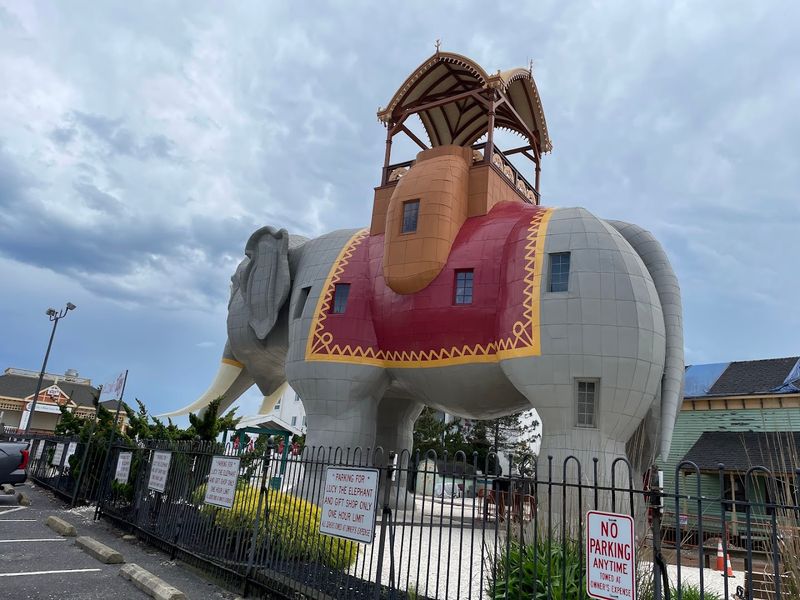
Built in 1881 as a real estate marketing stunt, Lucy the Elephant is a six-story wooden elephant that people can actually walk inside. Yes, you read that correctly.
A giant elephant. That you walk inside.
In New Jersey. She’s a National Historic Landmark and one of the most wonderfully bizarre roadside attractions in the entire country.
Lucy has survived storms, neglect, and multiple attempts at demolition over her 140-plus-year life. A dedicated group of preservationists saved her in the 1970s, and today she’s fully restored and open for guided tours.
The interior is small and quirky, with exhibits about her long and very weird history.
She’s located right in Margate City, just south of Atlantic City, and is easy to add to any Shore day trip. The gift shop sells elephant-themed merchandise that ranges from tasteful to gloriously ridiculous.
Bring kids, bring your sense of humor, and bring a camera. Lucy demands to be photographed.
Island Beach State Park, Seaside Park
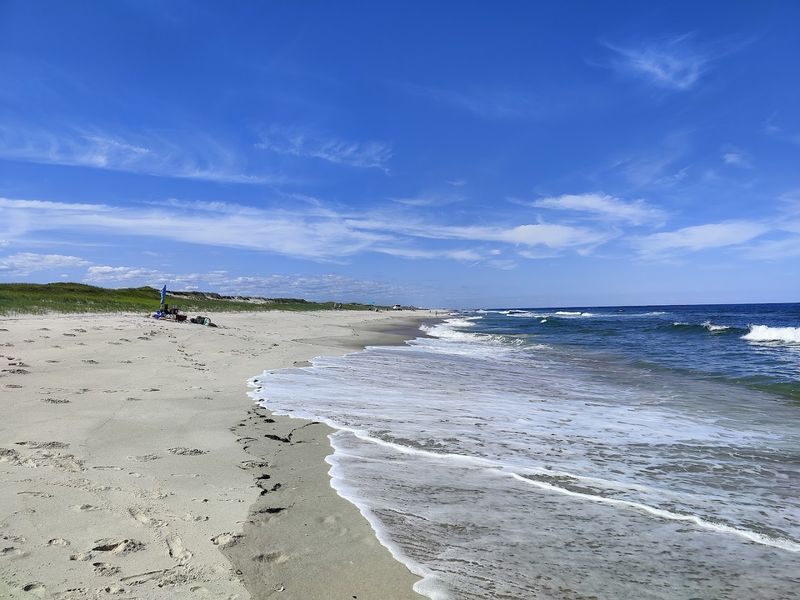
Ten miles of nearly untouched barrier island coastline in New Jersey sounds like a fantasy, but Island Beach State Park makes it real. This place is one of the last major undeveloped barrier island ecosystems on the entire North Atlantic coast, and walking its dunes feels genuinely different from any other Shore experience.
The park covers over 3,000 acres and is home to osprey nesting sites, migratory shorebirds, and plant communities that have been growing here long before the boardwalk era. There are no concession stands, no amusement rides, and no crowds fighting for umbrella space.
Just beach, dunes, and ocean.
Fishing is excellent here, and the surf is popular with experienced swimmers and kayakers. Parking fees apply, and the lot fills fast on summer weekends.
Arriving early is not optional advice, it’s essential strategy. Fall visits offer the best combination of empty beaches and mild weather.
This park is what the Jersey Shore looked like before everything else happened to it.
Princeton University Campus, Princeton
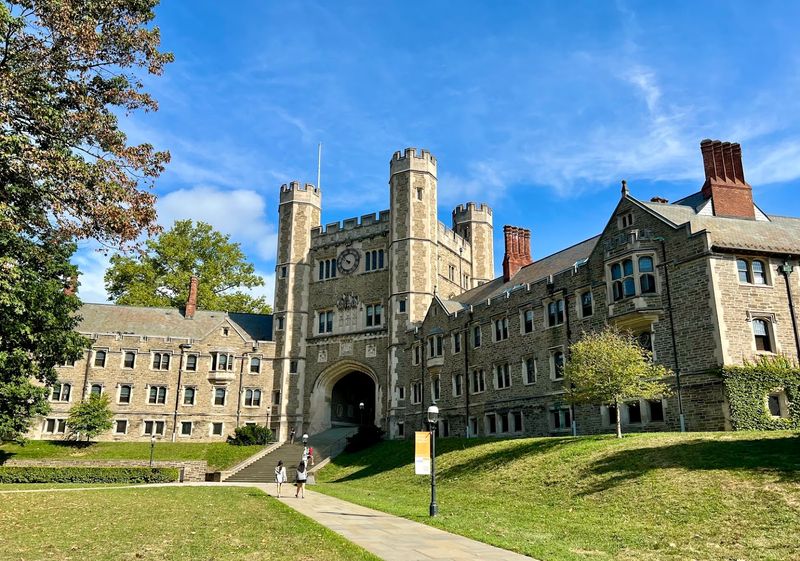
Princeton’s campus is so beautiful it almost feels unfair to schools that don’t have a few centuries of Gothic architecture and unlimited endowment money. The good news is that you don’t need to be enrolled, alumni, or even academically inclined to enjoy it.
The university actively welcomes visitors and offers free campus tours.
Nassau Hall, completed in 1756, is the oldest building on campus and briefly served as the seat of the U.S. government in 1783. That’s the kind of history you stumble across just walking around.
The art museum on campus is free, excellent, and almost always uncrowded.
The surrounding Princeton borough is genuinely charming, with good bookstores, coffee shops, and restaurants within easy walking distance of the main gate. Parking is available near campus with visitor information on the university website.
This is a surprisingly relaxed outing that manages to feel both impressive and accessible at the same time. Pack comfortable shoes.
Adventure Aquarium, Camden
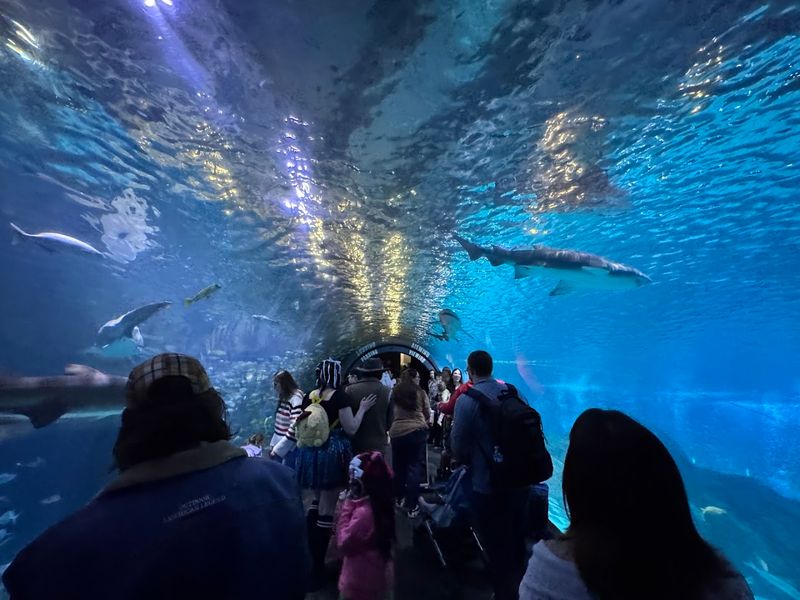
Rainy day in New Jersey? Adventure Aquarium in Camden has you completely covered.
This waterfront attraction sits right on the Delaware River across from Philadelphia and is one of the most well-rounded aquariums on the East Coast. It’s open daily and regularly adds new programming to keep repeat visitors coming back.
The shark tank is the main event, and it earns that status. Hippos named Button and Genny have been crowd favorites for years and are basically local celebrities at this point.
Touch tanks, penguin exhibits, and a 4D theater round out the full experience.
Camden gets an unfair reputation that keeps some visitors away, but the aquarium itself is safe, professionally run, and genuinely impressive. Parking is easy and affordable right next to the building.
Combo tickets with Philadelphia attractions are sometimes available, making it a smart anchor for a bigger day trip. Kids absolutely love it here, but adults walking through the shark tunnel tend to forget they’re adults.
Cape May Historic District, Cape May
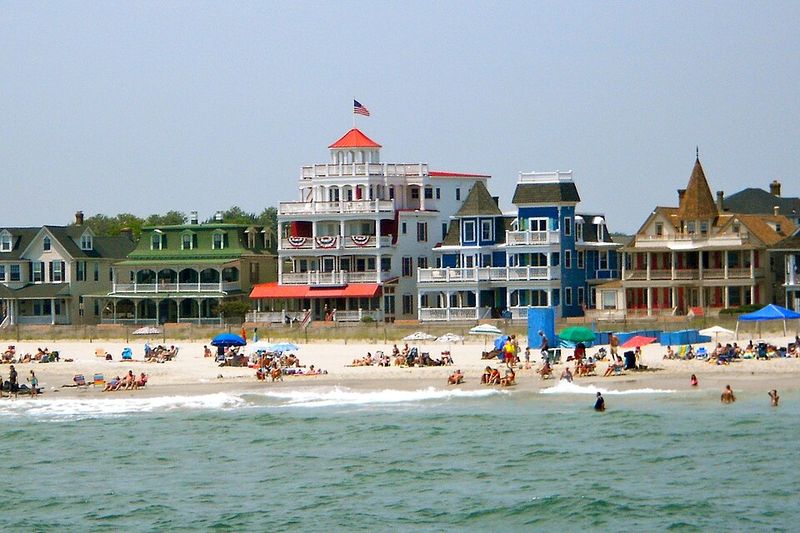
Cape May has been a resort town since the 1800s, and the Historic District is the reason it still draws people from across the country. The entire city is a National Historic Landmark, which makes it the largest collection of Victorian architecture in the United States.
Walking through it feels like someone hit pause on the 19th century.
Gingerbread trim, wraparound porches, and pastel paint jobs line every street. The Washington Street Mall area is great for shopping and dining without leaving the historic atmosphere.
Bed and breakfast options here are plentiful and genuinely charming, not in a fake-rustic way but in a real, lovingly restored way.
The Mid-Atlantic Center for the Arts offers trolley tours that add a lot of historical context if you enjoy that kind of guided experience. Even just wandering without a plan works perfectly here.
Spring and fall are the sweet spots for crowds and weather. Cape May is proof that New Jersey can be genuinely elegant when it wants to be.
Share this story