Traveling to a country where English isn’t the official language can feel intimidating, but many destinations make the experience surprisingly easy. Thanks to high English proficiency, excellent public transportation, clear signage, and welcoming locals, these countries are ideal for first-time international travelers who want to experience a different culture without worrying about major language barriers.
The 2025 EF English Proficiency Index ranks many of these nations among the world’s best non-native English speakers. Whether you’re after cobblestone streets, dramatic fjords, or bustling Asian cities, this list has something for every curious first-timer.
Netherlands
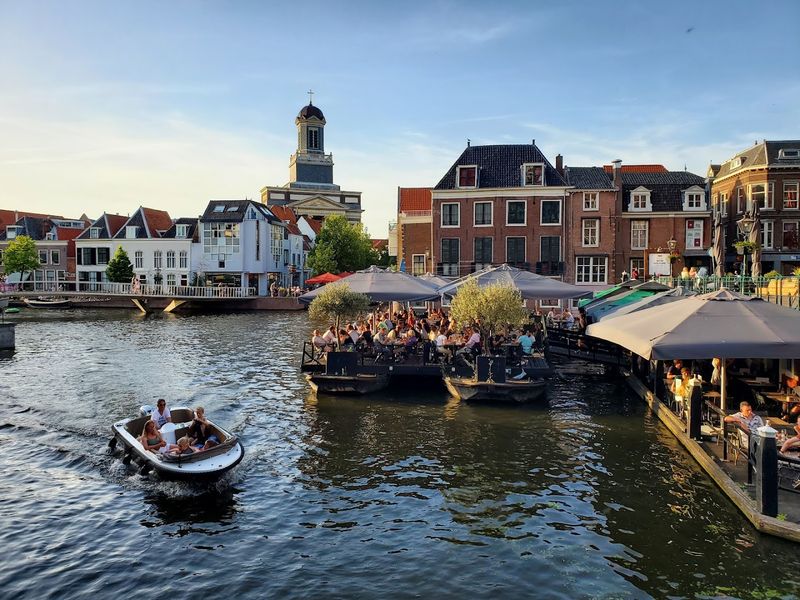
Ranked number one globally for English proficiency among non-native English-speaking countries, the Netherlands basically rolls out a welcome mat for international visitors. Almost every local you meet, from hotel staff to street vendors, can hold a full conversation in English without missing a beat.
Amsterdam is the obvious starting point, with its iconic canals, world-class museums like the Rijksmuseum and Van Gogh Museum, and a cycling culture that makes getting around genuinely fun. Beyond the capital, cities like Utrecht, Haarlem, and Rotterdam offer their own distinct personalities worth exploring.
Public transportation here is spectacularly reliable. Trains, trams, and buses connect nearly every corner of the country, and English announcements are standard.
Buying tickets is straightforward, and apps like 9292 make trip planning a breeze. Food markets, coffee shops, and tourist information centers all operate comfortably in English.
First-time travelers often leave the Netherlands feeling like seasoned pros, simply because the country makes everything so accessible. Budget-conscious visitors will also appreciate the abundance of free or low-cost attractions scattered throughout Dutch cities.
Portugal
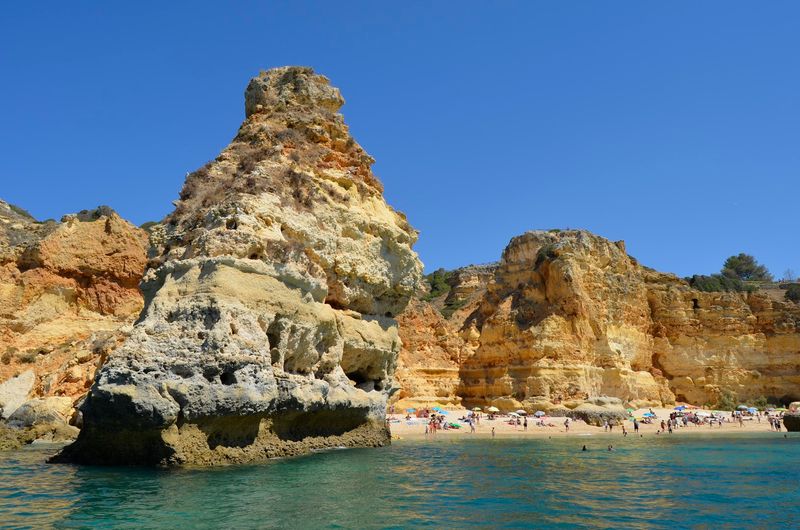
Portugal punches well above its weight when it comes to welcoming international visitors. Consistently ranking among Europe’s top countries for English proficiency, Portugal makes communication easy whether you’re ordering a pastel de nata or asking for directions to a hidden viewpoint.
Lisbon charms visitors instantly with its pastel-colored buildings, vintage trams, and a food scene that has become one of Europe’s most celebrated. Porto, just a short train ride north, offers dramatic riverside scenery and, of course, port wine tastings that locals take very seriously.
The Algarve coastline in the south delivers stunning sea cliffs and golden beaches that rival anywhere in Europe.
Portugal is also one of the more affordable Western European destinations, which makes it especially appealing for first-timers watching their budgets. The country’s compact size means you can experience dramatically different landscapes within a single trip.
Train and bus connections are solid between major cities, and Lisbon’s metro system is easy to navigate. Locals are famously warm and patient with visitors, often going out of their way to help.
Portugal genuinely feels like a reward for anyone brave enough to book that first international flight.
Germany
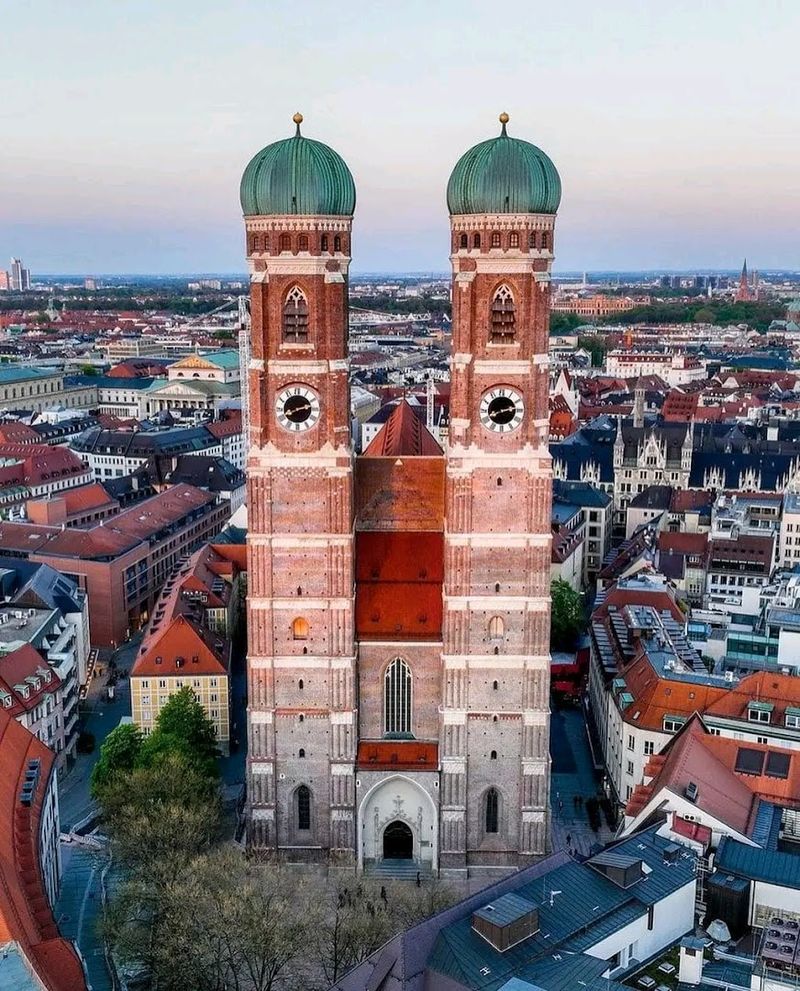
Germany runs like a well-oiled machine, and that efficiency extends directly to its tourism experience. English signage is standard at airports, major train stations, and popular attractions, meaning first-time visitors spend less time confused and more time actually enjoying themselves.
Berlin is a city that rewards curiosity around every corner. History, street art, world-class nightlife, and incredible food all coexist in a city that feels constantly alive.
Munich brings a completely different energy, with its famous beer gardens, baroque architecture, and the legendary Oktoberfest drawing millions annually. Hamburg’s waterfront district and Frankfurt’s impressive skyline round out a country full of distinct regional personalities.
Germany’s rail network, operated by Deutsche Bahn, is extensive and connects cities efficiently. Booking tickets in advance online saves money, and the website offers a full English interface.
In larger cities, English is spoken widely in restaurants, shops, and hotels. Even smaller towns often have locals who can assist in English when needed.
Germany also offers a remarkable variety of landscapes, from the Bavarian Alps to the Rhine Valley vineyards. Few countries manage to pack this much cultural and geographic diversity into a single destination that remains this accessible for newcomers.
Austria
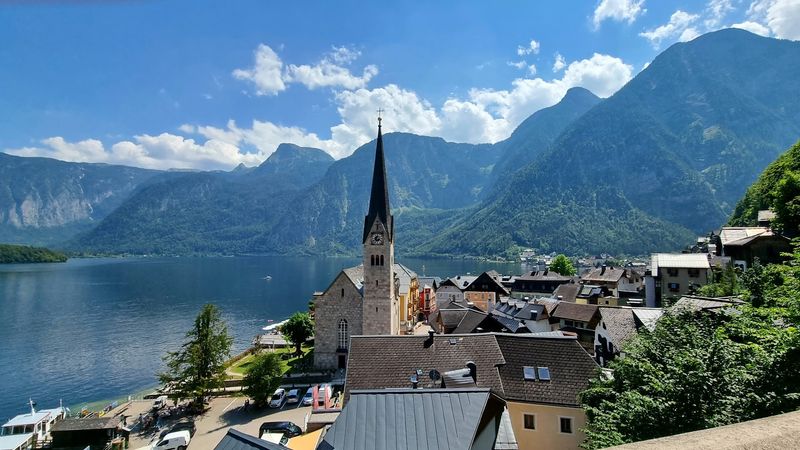
Austria is the kind of country that makes you feel like you’ve stepped into a postcard the moment you land. Stunning Alpine scenery, historic palaces, and a coffee house culture refined over centuries all combine to create one of Europe’s most satisfying travel experiences.
Vienna consistently ranks among the world’s most livable cities, and that quality of life translates directly into a smooth visitor experience. English is widely spoken in the capital, particularly in the tourism sector, and the city’s efficient U-Bahn metro system makes getting around effortless.
Salzburg, birthplace of Mozart and filming location of The Sound of Music, is equally welcoming and compact enough to explore entirely on foot.
Austria’s train connections to neighboring countries like Germany, Switzerland, and Italy make it an excellent base for a broader European adventure. Hallstatt, the famously photogenic lakeside village, has become a bucket-list destination and is easily reachable by public transit.
Austrian food deserves serious attention too. Wiener Schnitzel, Sachertorte, and fresh pretzels from market stalls are highlights no visitor should skip.
For first-timers seeking a blend of culture, nature, and manageable logistics, Austria delivers the complete package with remarkable consistency.
Sweden
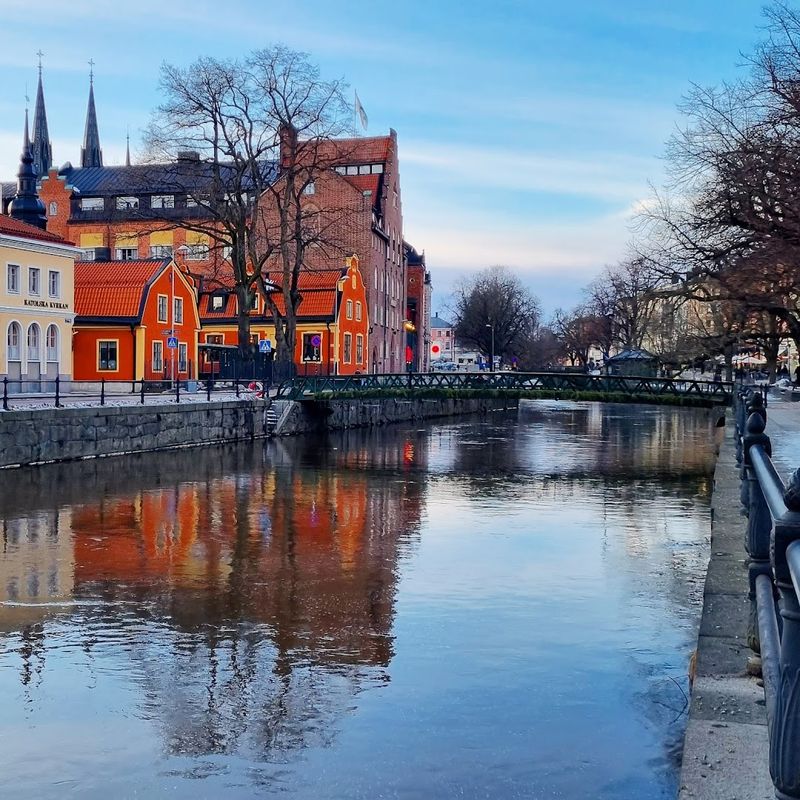
Nearly every Swede you encounter speaks English fluently, and many will switch to it before you even ask. Sweden’s famously high English proficiency comes from years of consuming English-language media without dubbing, creating a population that treats the language like a second native tongue.
Stockholm is the crown jewel, a city spread across fourteen islands where medieval Gamla Stan sits minutes from ultra-modern design districts. The city’s public transit system is exceptionally clean, punctual, and fully navigable in English.
Beyond the capital, Sweden’s landscape opens up dramatically, from the glass-blowing villages of Smaland to the reindeer-dotted wilderness of Lapland in the north.
Sweden also introduced the concept of Allemansratten, or the right to roam, which means visitors can freely explore forests, lakes, and countryside without worrying about trespassing. That kind of open-access philosophy says a lot about Swedish culture generally.
Cafes throughout the country practice the beloved tradition of fika, a daily ritual of coffee and pastries that doubles as social bonding time. Joining in feels natural and welcoming even for newcomers.
Sweden is modern, safe, and strikingly beautiful, making it one of Scandinavia’s most rewarding first international stops.
Denmark
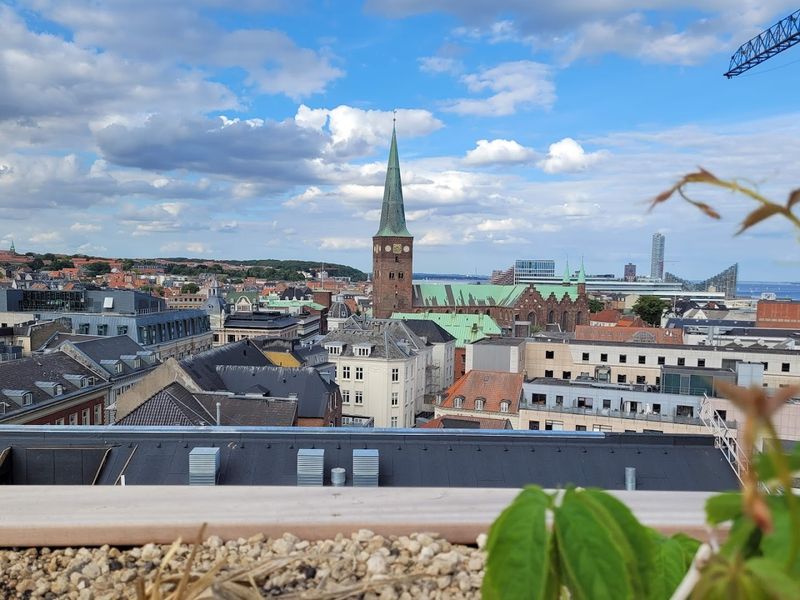
Copenhagen’s Nyhavn harbor, with its candy-colored buildings reflected in the water, has launched a thousand travel bucket lists. Denmark’s compact geography means you can cover an impressive amount of ground without spending half your trip on trains or buses.
English proficiency in Denmark is extraordinarily high, ranking consistently near the top of European surveys. Locals switch to English effortlessly and are genuinely happy to assist confused tourists.
Copenhagen’s metro and bike-share systems are among the easiest in Europe to use, and the city’s layout rewards walking in a way few capitals can match. Cycling lanes are everywhere, and renting a bike for a day is both affordable and genuinely the best way to see the city.
Denmark also happens to be the birthplace of LEGO, Hans Christian Andersen, and the concept of hygge, that untranslatable feeling of cozy contentment that Danes have turned into a lifestyle philosophy. Visitors often notice it in the warm lighting of restaurants, the communal atmosphere of food markets, and the unhurried pace of daily life.
Tivoli Gardens, one of the world’s oldest amusement parks, sits right in central Copenhagen and charms visitors of every age. Denmark rewards curiosity and repays every moment of exploration generously.
Norway
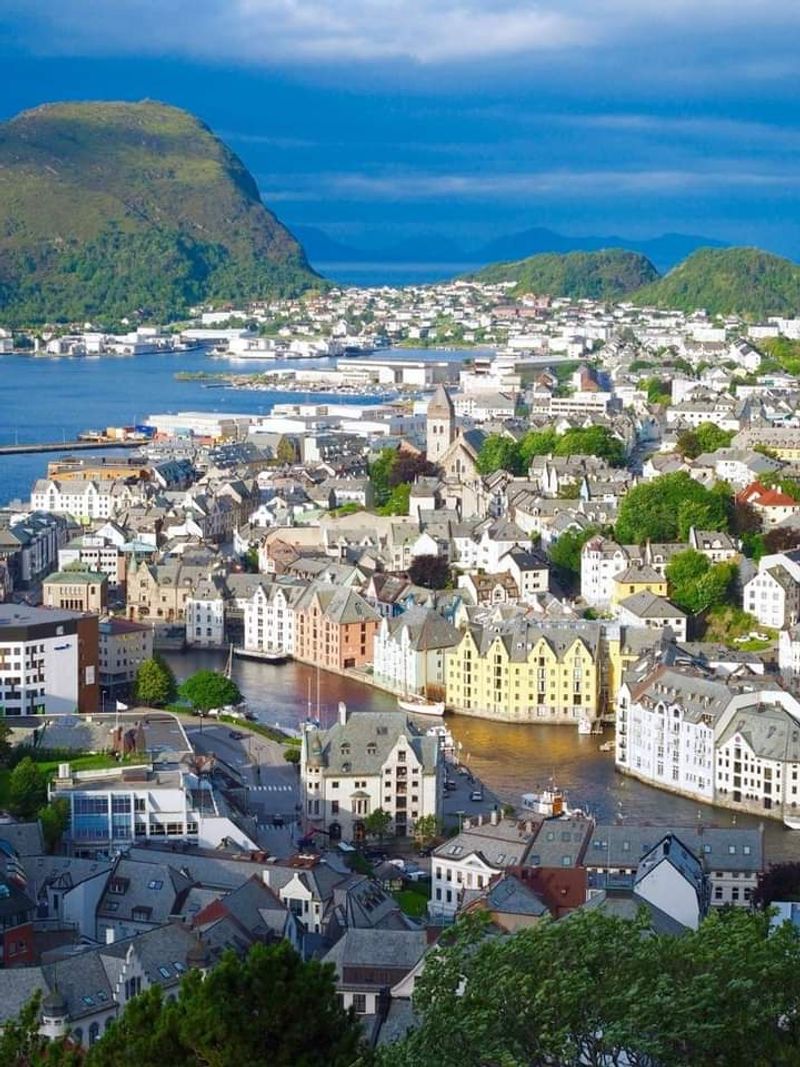
Imagine standing at the edge of a fjord so vast and still that it looks like the earth forgot to stop folding. Norway’s natural scenery is genuinely jaw-dropping, and the remarkable thing is that getting there is far simpler than the dramatic landscapes might suggest.
Norwegian English proficiency is among the highest in the world, making communication a non-issue throughout the country. Oslo, the capital, is clean, walkable, and packed with excellent museums including the Viking Ship Museum and the Munch Museum, home to the original The Scream.
Bergen serves as the gateway to the famous fjord country, with a charming fish market and colorful Bryggen wharf district that have enchanted visitors for centuries.
Norway’s Flam Railway is regularly listed among the most scenic train journeys on earth, winding through waterfalls and mountain passes that look almost fictional. The Norway in a Nutshell tour package bundles fjord cruises, mountain railways, and buses into one easy itinerary, perfect for first-timers who want structure without sacrificing adventure.
Yes, Norway is expensive compared to most destinations, but free hiking trails, stunning public viewpoints, and affordable grocery stores help balance the budget. The scenery alone makes every krone spent feel worthwhile.
Finland
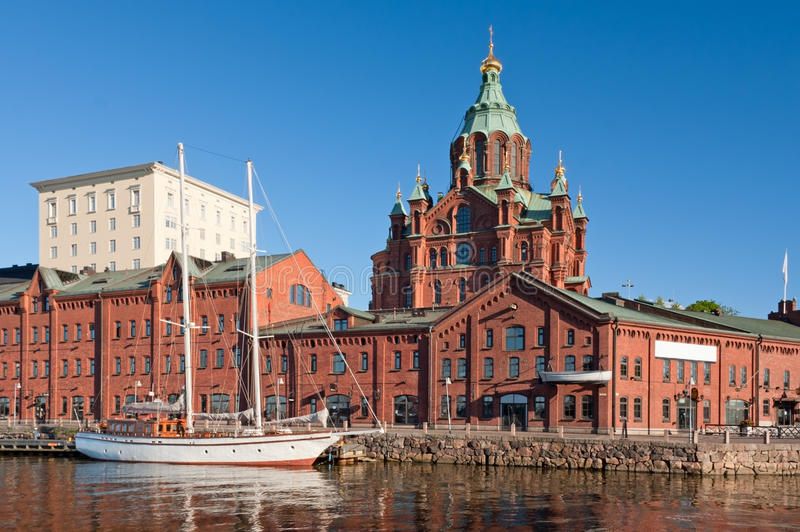
Finland is the country that invented the sauna, perfected silence as a social virtue, and somehow still manages to be one of the friendliest destinations for international visitors. English is widely spoken throughout the country, especially in Helsinki and other major cities, making daily navigation genuinely stress-free.
Helsinki is a compact, design-obsessed capital where stunning architecture sits alongside excellent coffee shops, a vibrant food market at the harbor, and one of Europe’s best design districts. The city’s tram network is simple to use and covers most major attractions efficiently.
Beyond the capital, Finland’s landscape shifts into something almost otherworldly, with thousands of lakes, dense pine forests, and in winter, the Northern Lights dancing overhead.
Rovaniemi in Lapland is the official hometown of Santa Claus, which sounds like a marketing gimmick until you actually visit and realize the Arctic magic feels completely real. Summer in Finland brings the midnight sun, where daylight stretches past midnight and outdoor activities become an all-day affair.
Finnish culture values honesty, punctuality, and personal space, which actually creates a very comfortable environment for solo travelers or introverts exploring internationally for the first time. Finland is quietly one of Europe’s most underrated travel destinations.
Belgium
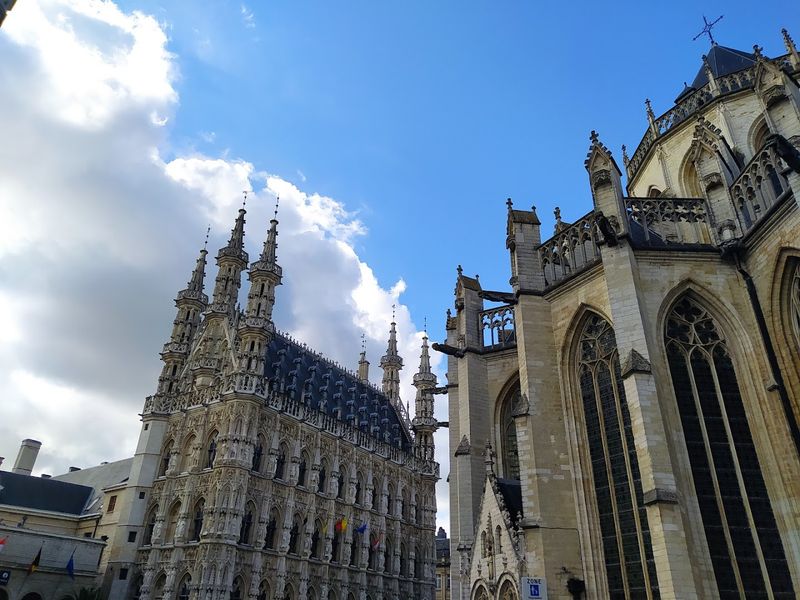
Belgium might be small enough to drive across in two hours, but it somehow manages to pack in three official languages, two distinct cultural regions, and some of the finest chocolate, waffles, and beer on the planet. English is widely spoken across Brussels, Bruges, Ghent, and Antwerp, making it one of Europe’s most accessible multilingual countries.
Brussels, the de facto capital of the European Union, has a cosmopolitan energy and a surprisingly excellent food scene that goes well beyond its famous frites. The Grand Place, the city’s ornate central square, is consistently ranked among Europe’s most beautiful public spaces and looks especially magical when lit up at night.
Bruges is essentially a living medieval museum, with canals, horse-drawn carriages, and Gothic architecture that make it irresistible to photographers.
Belgium’s rail network is efficient and affordable, connecting major cities in under an hour. Ghent strikes a perfect balance between Bruges’ tourist-heavy charm and Brussels’ urban buzz, offering a genuine local atmosphere that first-time visitors often find more satisfying than the more famous destinations.
Belgian chocolate shops are everywhere and the quality is exceptional. Sampling pralines from a small artisan chocolatier is the kind of simple travel moment that sticks with you long after you’ve returned home.
Croatia
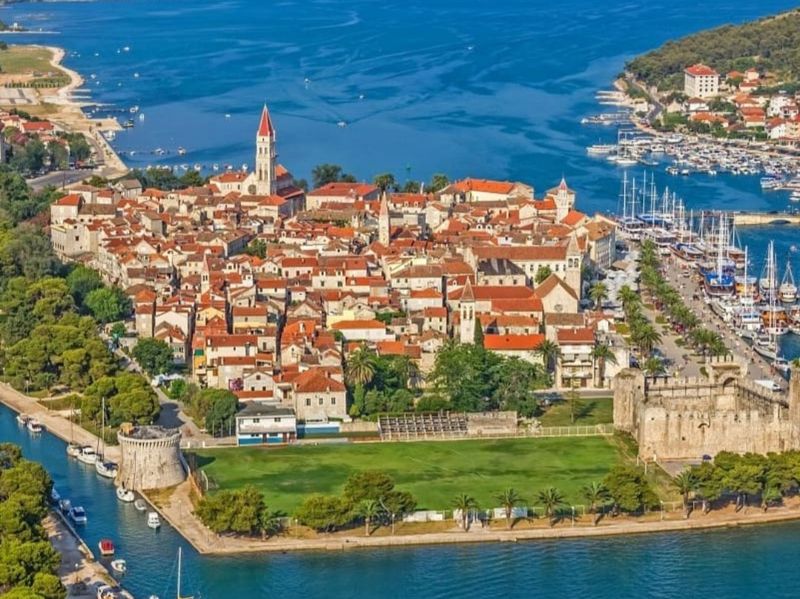
Croatia went from a hidden gem to a full-blown travel sensation seemingly overnight, and for very good reason. The country now ranks among the world’s leaders in English proficiency, and along the stunning Adriatic coastline, visitors can communicate comfortably in English at virtually every hotel, restaurant, and tour operator.
Dubrovnik is the undisputed star, its ancient walled city perched above impossibly blue water in a way that makes even seasoned travelers stop and stare. Walking the city walls offers panoramic views that feel almost too good to be real.
Split, Croatia’s second city, blends a working modern city seamlessly with the ancient Diocletian’s Palace, where locals shop, eat, and go about daily life within walls built nearly two thousand years ago.
Croatia’s island-hopping culture is one of its greatest assets for adventurous first-timers. Ferries connect dozens of islands along the coast, and the laid-back pace of island life encourages travelers to slow down and actually enjoy where they are.
Hvar, Brac, and Korcula each offer distinct personalities worth exploring. The local cuisine leans heavily on fresh seafood, olive oil, and locally produced wine, all of which taste significantly better when enjoyed at a waterfront table.
Croatia delivers genuine Mediterranean magic at a still-reasonable price point.
Greece
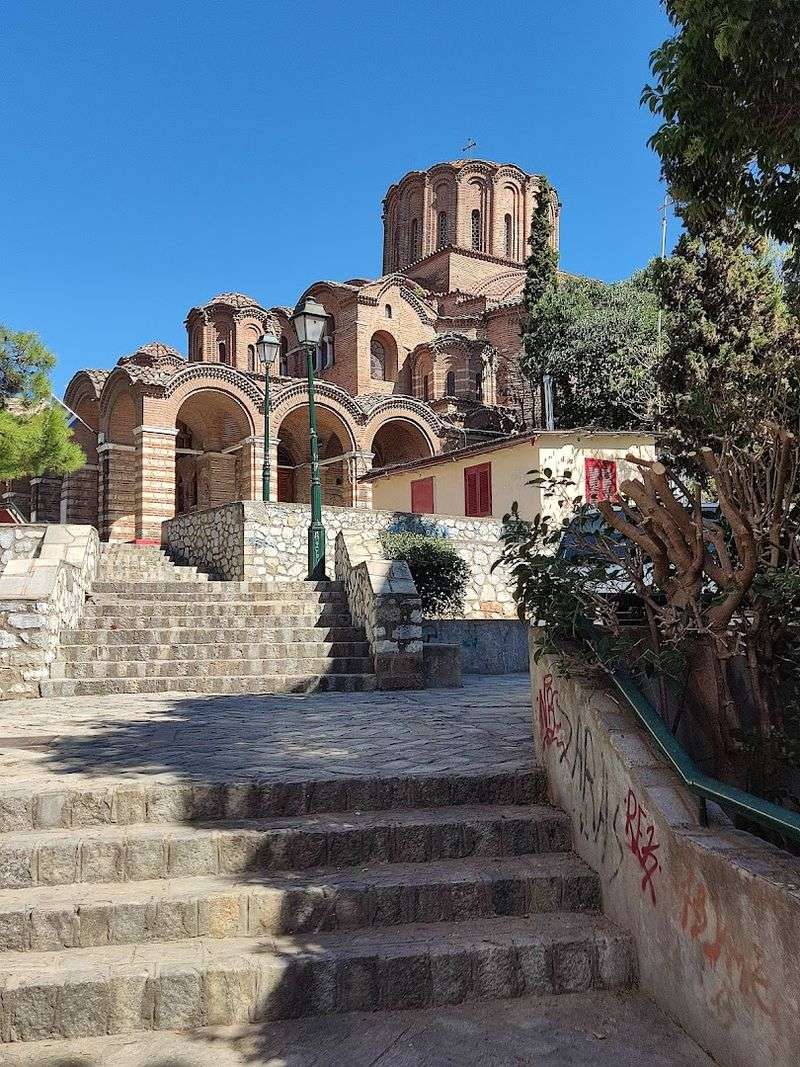
Greece is the country where Western civilization essentially got its start, and visiting feels like reading history in three dimensions. While Greek is famously distinct from other European languages, English is spoken widely on popular islands and in major cities, making the country far more accessible than its alphabet might initially suggest.
Athens is a city of extraordinary contrasts, where ancient ruins like the Acropolis and Parthenon loom over a vibrant, contemporary city full of excellent street food, rooftop bars, and a creative arts scene that doesn’t get nearly enough international attention. The Athens metro system is modern, clean, and easy to navigate, with English signage throughout.
Island-hopping by ferry is one of travel’s great pleasures, and routes connecting Mykonos, Santorini, Rhodes, and Crete are well-established and beginner-friendly.
Greek food culture is built around sharing, which creates an instantly welcoming dining atmosphere for solo travelers or couples who show up not quite knowing what to order. Pointing at something on a neighboring table and saying yes, please, actually works remarkably well.
Thessaloniki in northern Greece is increasingly recognized as one of Europe’s great food cities, with a market culture and culinary heritage that rivals Athens. Greece rewards travelers who go slightly off the beaten path with experiences that feel genuinely unforgettable.
Japan
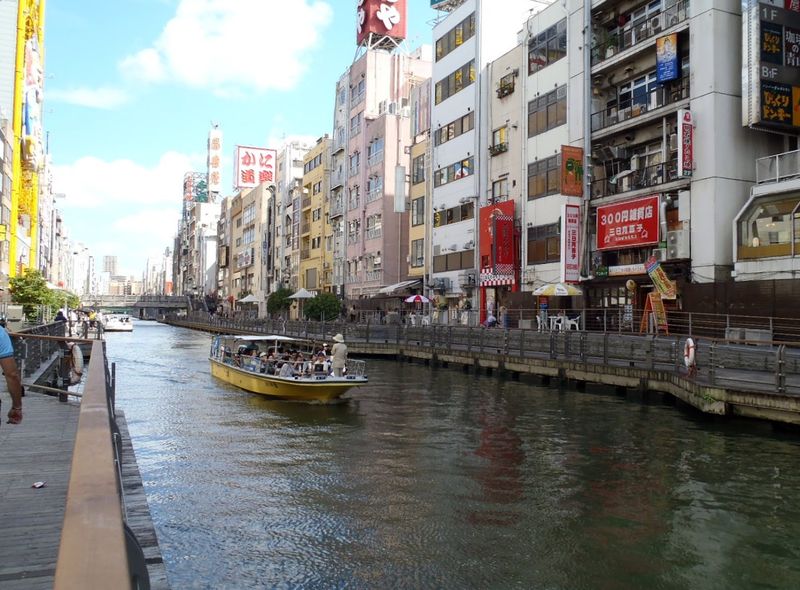
Japan operates on a level of organized efficiency that borders on the miraculous. Trains arrive to the second, streets are spotless, and convenience stores somehow manage to sell restaurant-quality food at midnight.
English proficiency is more moderate than in Northern Europe, but Japan more than compensates with infrastructure so traveler-friendly it almost thinks for you.
Major cities feature bilingual train maps, English announcements, and QR codes linking to translated information at nearly every major attraction. Tokyo’s subway system looks intimidating on paper but becomes surprisingly intuitive within a day or two, especially with apps like Google Maps or the dedicated Tokyo Metro app guiding each journey.
Kyoto rewards slower exploration with its temples, bamboo groves, and traditional tea houses tucked into quiet side streets.
Translation apps have genuinely transformed the Japan experience for non-Japanese speakers. Google Translate’s camera feature can read menus, signs, and packaging in real time, eliminating one of the biggest anxieties first-time visitors carry.
Japanese hospitality, known as omotenashi, means locals will go to extraordinary lengths to help a confused tourist, even without sharing a common language. Japan consistently ranks among the safest countries on earth, which adds another layer of comfort for nervous first-timers.
Few destinations deliver this much wonder per square mile.
South Korea
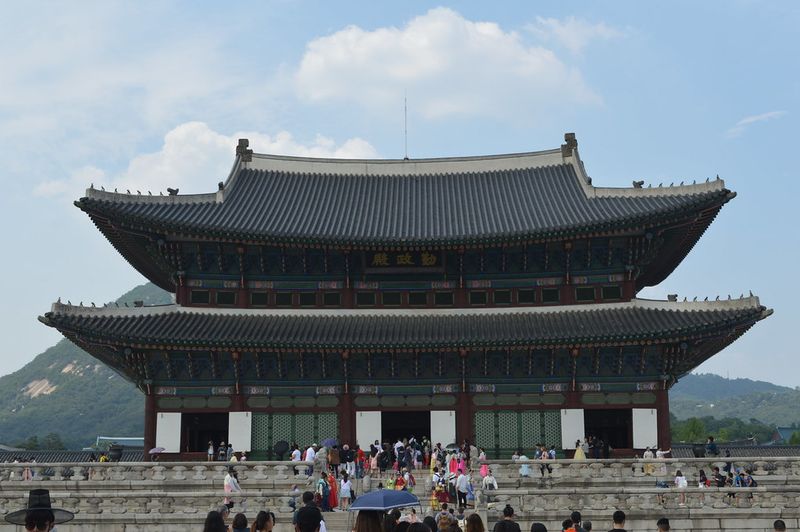
Seoul moves at a pace that is equal parts exhilarating and completely manageable for first-time international travelers. The city’s subway system is one of the best in the world, featuring English signage, audio announcements, and color-coded lines that make navigation genuinely foolproof even on day one.
South Korea has invested heavily in tourism infrastructure, and it shows. Tourist information centers staffed with English-speaking helpers are scattered throughout Seoul and Busan.
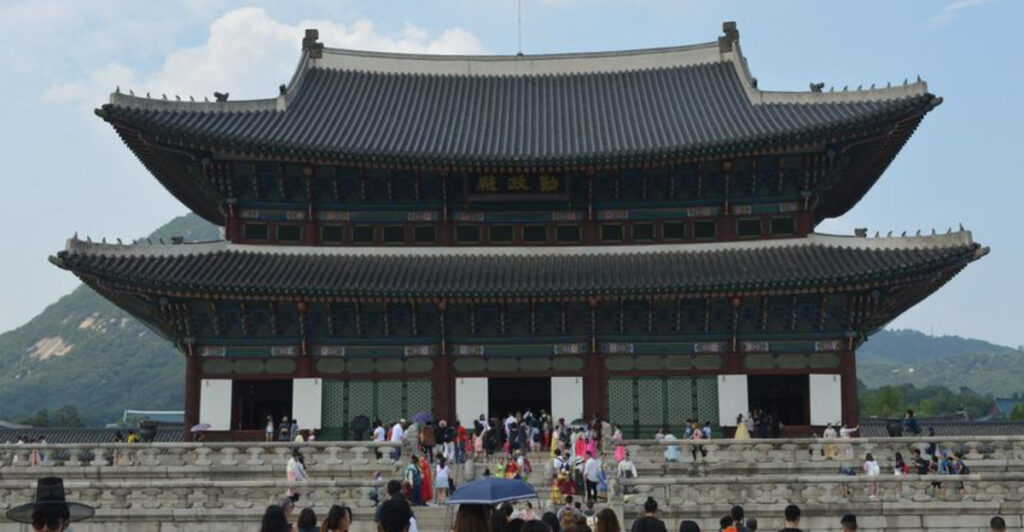
The T-Money transit card works across buses, subways, and even some taxis, simplifying the payment process considerably. Major attractions like Gyeongbokgung Palace, Bukchon Hanok Village, and the N Seoul Tower are all easily reachable by public transit and well-signed in English.
Korean food culture is one of the most exciting in Asia, and the sheer variety available at every price point makes eating an adventure in itself. Street food stalls in Myeongdong and Gwangjang Market offer everything from tteokbokki to bindaetteok, and vendors are accustomed to helping curious foreigners choose what to try.
Busan, South Korea’s coastal second city, offers a completely different vibe with its beaches, seafood markets, and colorful Gamcheon Culture Village. Korea’s blend of ancient palaces, hyper-modern cities, and extraordinary cuisine makes it one of Asia’s most rewarding first-time destinations.
Czechia
Prague has a way of stopping people mid-sentence. You round a corner, catch a view of the Charles Bridge at golden hour, and suddenly understand why this city keeps showing up on everyone’s European travel list.
Beyond the scenery, Prague is one of the continent’s most accessible destinations for English-speaking first-timers.
English is spoken widely throughout Prague’s tourism industry, from hotel front desks to restaurant menus to tour guides who genuinely know their city’s remarkable history. The Old Town is compact enough to explore entirely on foot, with the Astronomical Clock, Wenceslas Square, and dozens of Gothic churches all within comfortable walking distance of each other.
Prague Castle, one of the largest ancient castles in the world, sits above the city and offers sweeping views that justify the uphill walk completely.
Czechia is also notably affordable by Western European standards, meaning your travel budget stretches considerably further here than in Paris or Amsterdam. Czech cuisine features hearty dishes like svickova and goulash that pair magnificently with the country’s legendary beer, widely considered among the world’s finest.
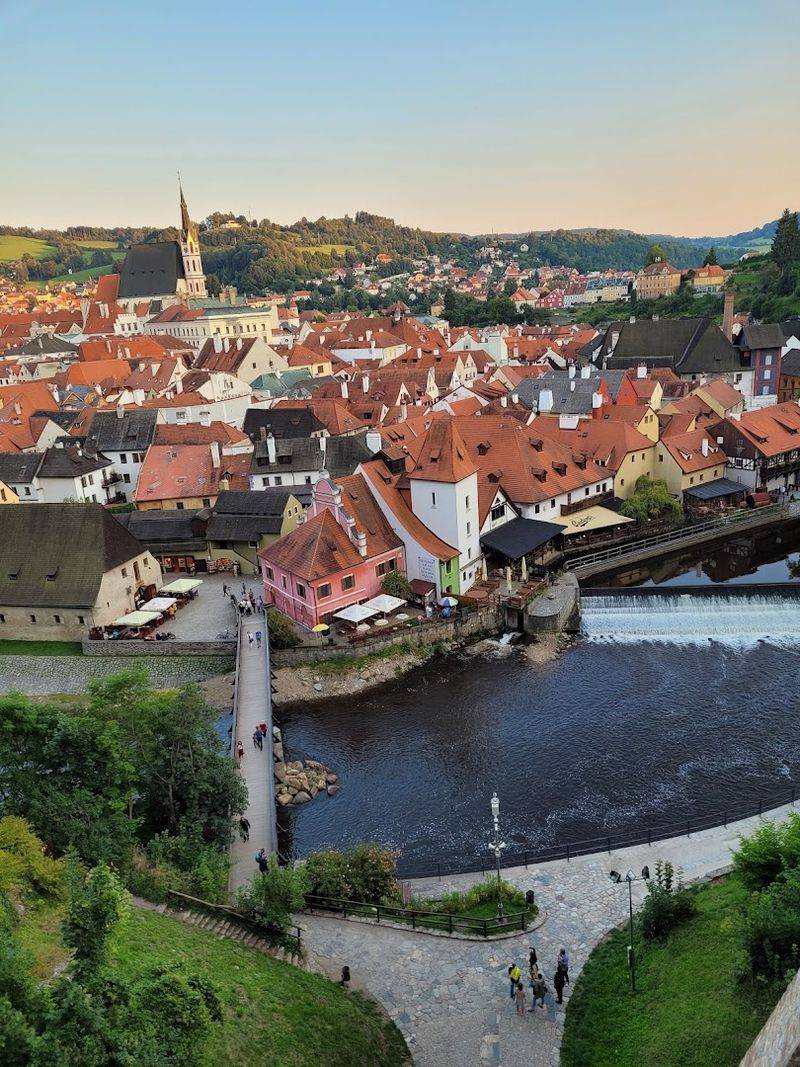
Day trips to Cesky Krumlov, a fairy-tale medieval town about three hours from Prague, are easy to arrange and consistently rank among visitors’ most memorable experiences. Prague rewards first-time travelers with world-class beauty and surprising accessibility.
Malaysia
Malaysia holds a genuine advantage over most of its Southeast Asian neighbors for English-speaking travelers. English functions as a widely used second language throughout the country, a legacy of British colonial history that has made Malaysia one of the most linguistically accessible destinations in the entire region.
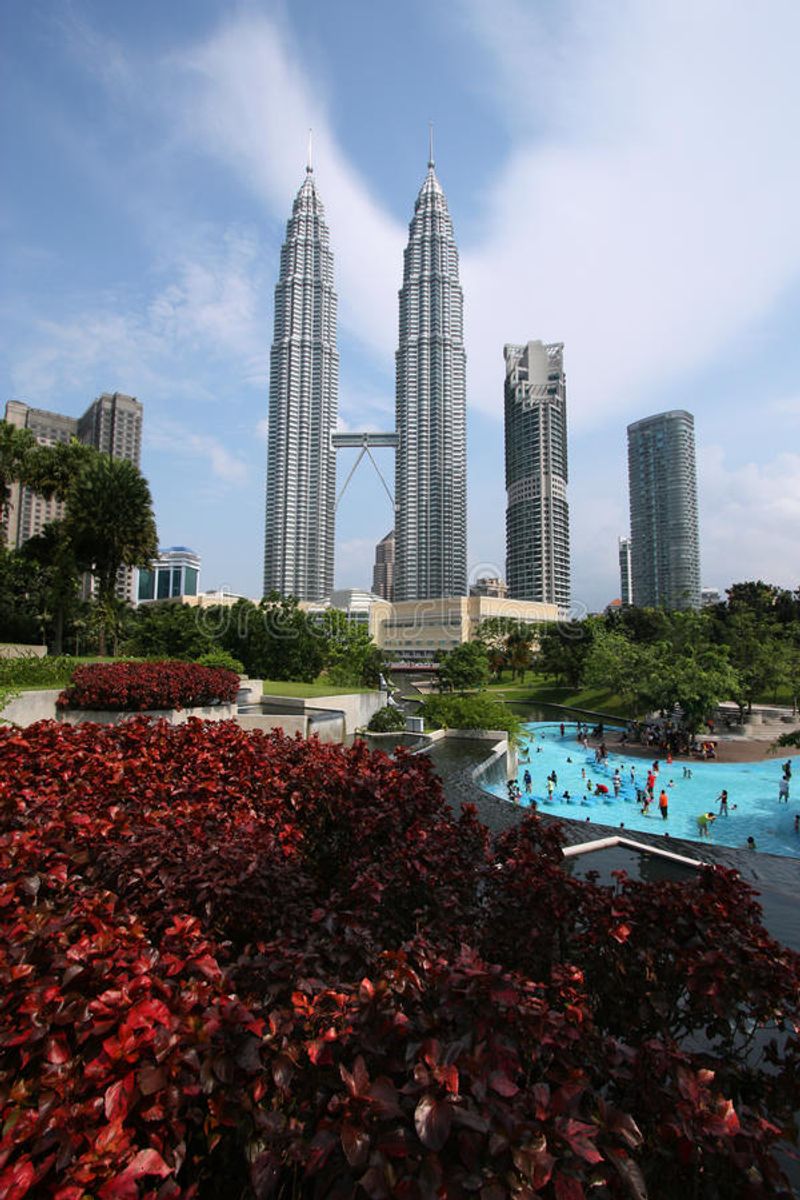
Kuala Lumpur is a city of spectacular contrasts, where the iconic Petronas Twin Towers soar above a skyline that blends ultramodern glass architecture with colonial-era buildings, Hindu temples, and vibrant street markets all within walking distance of each other. The city’s LRT and MRT rail networks are modern, air-conditioned, and fully signed in English, making independent exploration straightforward from day one.
Grab, Southeast Asia’s dominant ride-sharing app, works flawlessly throughout KL and eliminates any taxi-related anxiety.
Penang, Malaysia’s island state in the northwest, is widely regarded as one of Asia’s greatest food destinations. Its capital George Town combines UNESCO-listed heritage architecture with a street food scene so extraordinary that food writers travel specifically to eat their way through it.
The famous char kway teow, assam laksa, and cendol dessert are experiences that serious food lovers plan entire trips around. Malaysia’s multicultural fabric, blending Malay, Chinese, and Indian influences, creates a cultural richness that feels genuinely unique and endlessly fascinating for first-time international travelers.
Share this story