Food memory is a tricky little historian, especially when the recipe you remember was shaped by 1980s packaging, 1990s advertising, school lunches, mall courts, vending machines, and the rise of national supply chains. Since the late twentieth century, brands have changed oils, sweeteners, dyes, salt levels, preservatives, portion sizes, and production methods, often for cost, regulation, nutrition targets, or shelf stability.
The result is that many famous snacks and fast-food favorites still wear the same logos, yet the version in your hand may be quietly different from the one that once ruled lunchboxes, birthday parties, road trips, and after-school routines. This list looks at the history behind those changes, so you can separate real reformulations from memory tricks and understand why some beloved foods now feel like they are doing a cover version of themselves.
1. Coca-Cola (Pre-’80s)
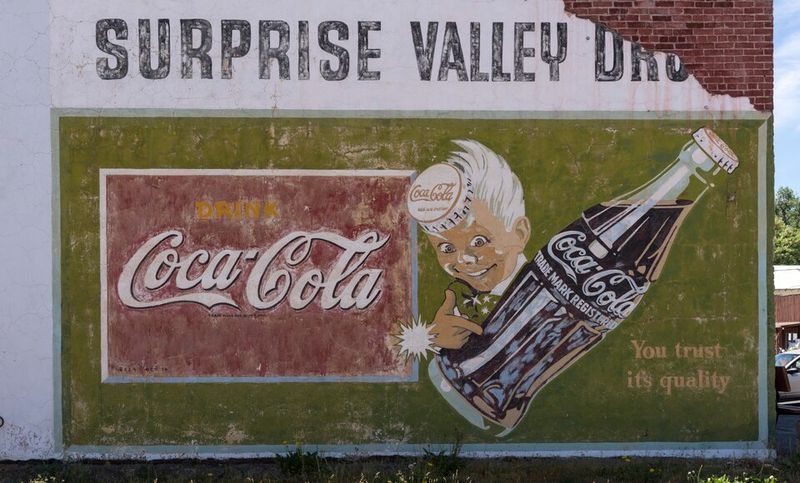
A glass bottle from the late 1970s can make today’s fountain cup seem like it came from a committee meeting.
Before high-fructose corn syrup became dominant in American soft drinks, many bottlers used cane sugar or beet sugar, depending on region and supply. During the late 1970s and early 1980s, corn subsidies, pricing, and industrial efficiency pushed major beverage makers toward HFCS for mass production.
The famous 1985 formula episode, followed by the return of the classic version, often gets the headline. Yet the sweetener shift mattered too, especially to people who insist older glass-bottle cola had a sharper finish and cleaner balance.
Mexican-bottled versions made with cane sugar later became a grocery-store workaround for curious fans. Still, packaging, carbonation systems, serving temperature, bottle size, and memory all complicate the comparison.
The pre-1980s drink belongs to a distribution world of returnable bottles, local bottlers, and a soda habit that had not yet become supersized.
2. Kraft Mac & Cheese
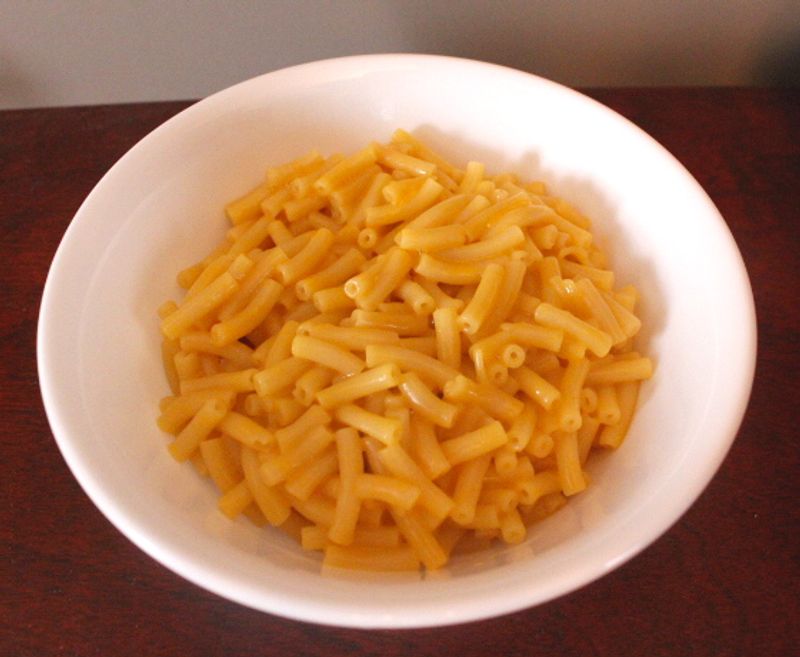
The electric-orange bowl that fueled homework nights quietly traded its cartoonish confidence for a more respectable résumé.
Kraft Mac & Cheese became a pantry staple because it was cheap, fast, and easy enough for rushed parents, students, and latchkey kids. The powdered cheese packet, introduced long before wellness labels became supermarket currency, was famous for its bright color as much as its convenience.
In the 2010s, Kraft removed artificial preservatives, flavors, and synthetic dyes from the U.S. version, using paprika, turmeric, and annatto for color instead. The company even rolled out the change without immediately announcing it, proving that food reformulation can be a stealth operation.
Many people noticed the bowl looked slightly more polite and tasted milder. That was partly the point.
Brands had to satisfy parents reading labels while keeping the childhood promise intact. The result is still dinner in under ten minutes, but the old neon personality has been softened for the modern grocery aisle.
3. McDonald’s French Fries
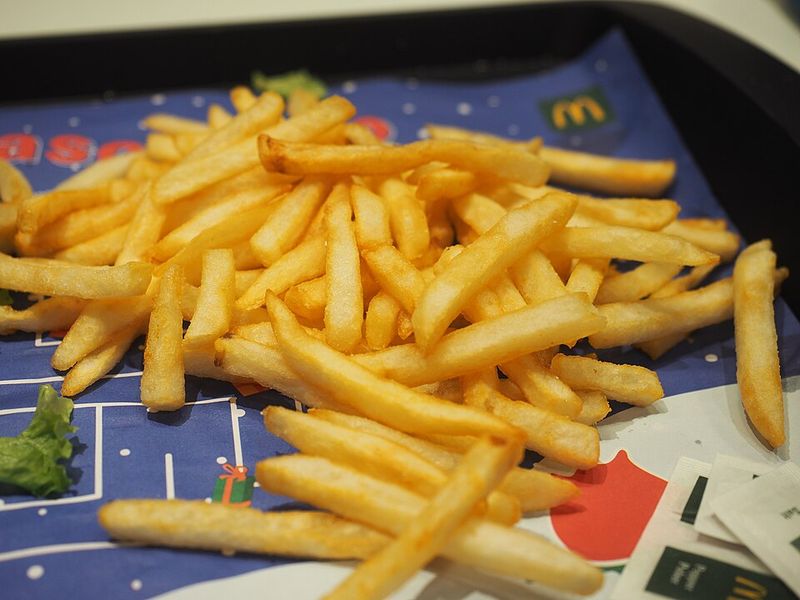
The fry that launched a thousand drive-thru detours changed more than most people realized in 1990.
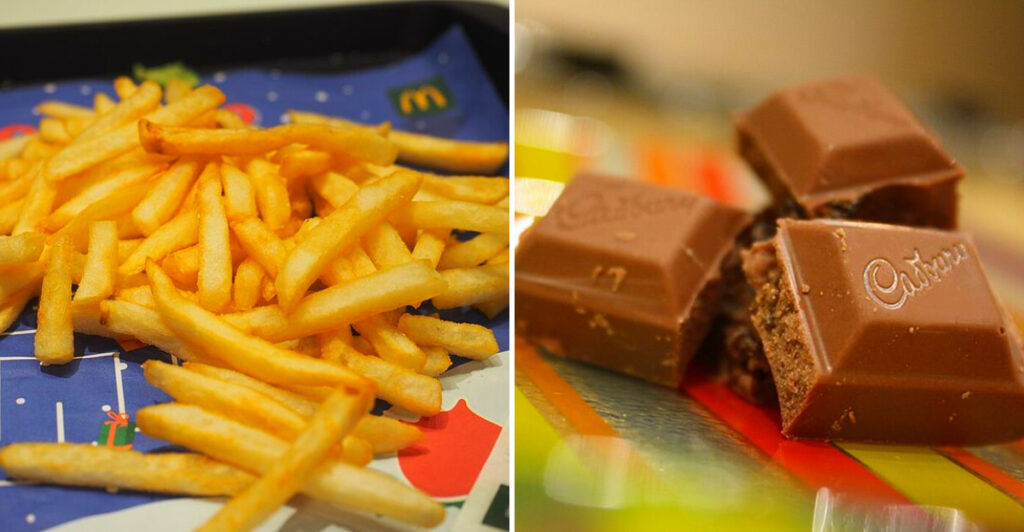
For decades, McDonald’s cooked its fries in a blend that included beef tallow, which helped define the chain’s reputation for unusually rich, crisp potatoes. Pressure from nutrition advocates and shifting public attitudes about saturated fat led the company to switch to vegetable oil, a move promoted as modern and responsible.
The company later added natural beef flavoring to preserve part of the old profile, but the chemistry was not identical. Frozen processing, global supply demands, and tighter consistency standards also made the fries feel more engineered than local.
You can still find the familiar red carton, the thin-cut shape, and the ritual of fishing for the extra salty pieces at the bottom. Yet the pre-1990 version belonged to a different fast-food economy, one less concerned with nutrition panels and more willing to build identity around unapologetic richness.
4. Hostess Twinkies
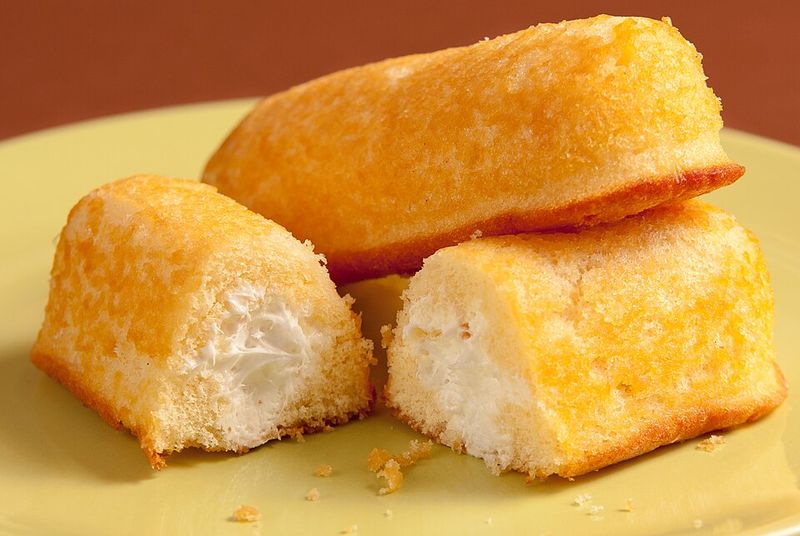
America’s most famous snack cake returned from corporate limbo with the same name and a different job description.
Twinkies date to 1930, but their modern mythology grew through lunchboxes, convenience stores, comedy routines, and claims about near-immortality. When Hostess brands went through bankruptcy and production paused in 2012, the short absence made the cake feel like a pop-culture artifact instead of just a pantry item.
After the 2013 revival, distribution priorities favored longer shelf life and wider logistics. Reports at the time noted changes that helped the cakes last longer on shelves, an advantage for retailers but a point of suspicion for devoted snack historians.
The post-revival Twinkie still has the familiar shape and cream-filled promise, but many fans say the cake seems spongier and less golden than the version they remember. Whether chemistry or expectation deserves the blame, the comeback proved that reviving a classic product is not the same as restarting yesterday’s factory.
5. Cadbury Chocolate (UK)
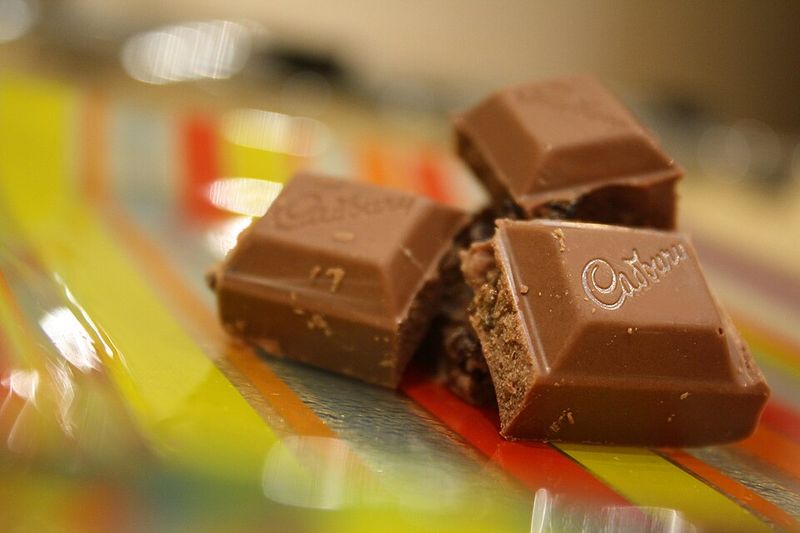
Britain’s purple-wrapped comfort became a national debate topic when the recipe started feeling less like tradition and more like accounting.
Cadbury’s Dairy Milk built its identity on a high milk content and a creamy character that generations associated with corner shops, train stations, and holiday tins. After corporate changes in the 2000s and the later Kraft takeover, fans began scrutinizing ingredient lists, production choices, and the role of vegetable fats in some products.
European chocolate rules still set limits on what can be called chocolate, but small adjustments can have big cultural consequences. Cocoa butter, milk solids, sugar balance, and manufacturing processes affect how a bar breaks and melts, even when the wrapper remains reassuringly familiar.
The controversy says as much about British food identity as it does about confectionery. When a brand becomes part of school breaks, family visits, and supermarket rituals, even a modest tweak can feel like someone edited the national memory without asking permission.
6. Oreo Cookies
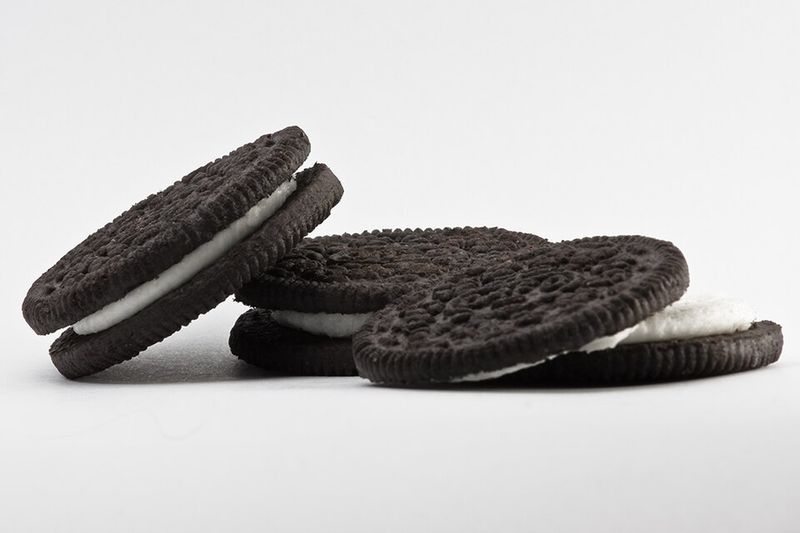
The cookie aisle’s black-and-white monarch has survived more makeovers than its simple design suggests.
Introduced in 1912, Oreo became a national habit through Nabisco’s advertising, school lunches, and the deeply personal rules people invented for eating it. Over time, changes in fats, sweeteners, cocoa sourcing, and cream formulation altered the cookie without disturbing the famous sandwich format.
One major shift came when manufacturers moved away from partially hydrogenated oils as trans fat concerns grew. That change affected many packaged baked goods, and companies had to rebuild textures and fillings while keeping labels and expectations under control.
Modern Oreos often strike longtime fans as sweeter, with the cream taking more attention than the chocolate wafers. The cookie still dominates the category, helped by limited-edition flavors and social media novelty.
Yet the old version belonged to a quieter snack shelf, before birthday cake variants, brand collaborations, and seasonal releases turned one cookie into a year-round content strategy.
7. Nutella
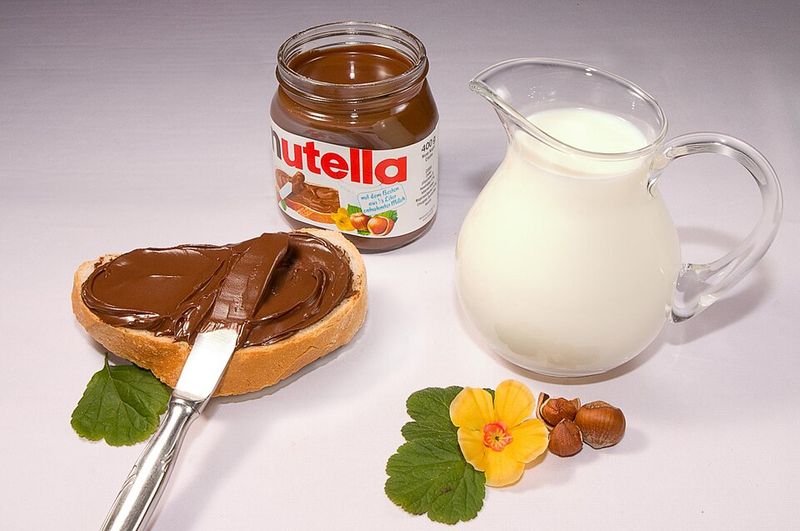
A breakfast spread once marketed as hazelnut cleverness now gets side-eye from label readers with calculators.
Nutella grew from postwar Italian ingenuity, when cocoa was expensive and hazelnuts helped stretch chocolate flavor into something affordable. Ferrero turned that practical idea into a global breakfast and snack staple, especially in Europe, where jars became household fixtures.
In 2017, consumers noticed ingredient changes in some markets, including a higher sugar percentage and lower fat content, which suggested a shift in the balance of ingredients. The company said quality remained consistent, but fans debated whether the spread seemed less hazelnut-forward than before.
The argument reflects a wider change in packaged foods. Global demand, commodity prices, palm oil scrutiny, and nutrition pressures all shape formulas that once felt stable.
Nutella still owns the chocolate-hazelnut category in many minds, but the modern jar sits in a world where every ingredient percentage can become a public investigation.
8. SunnyD
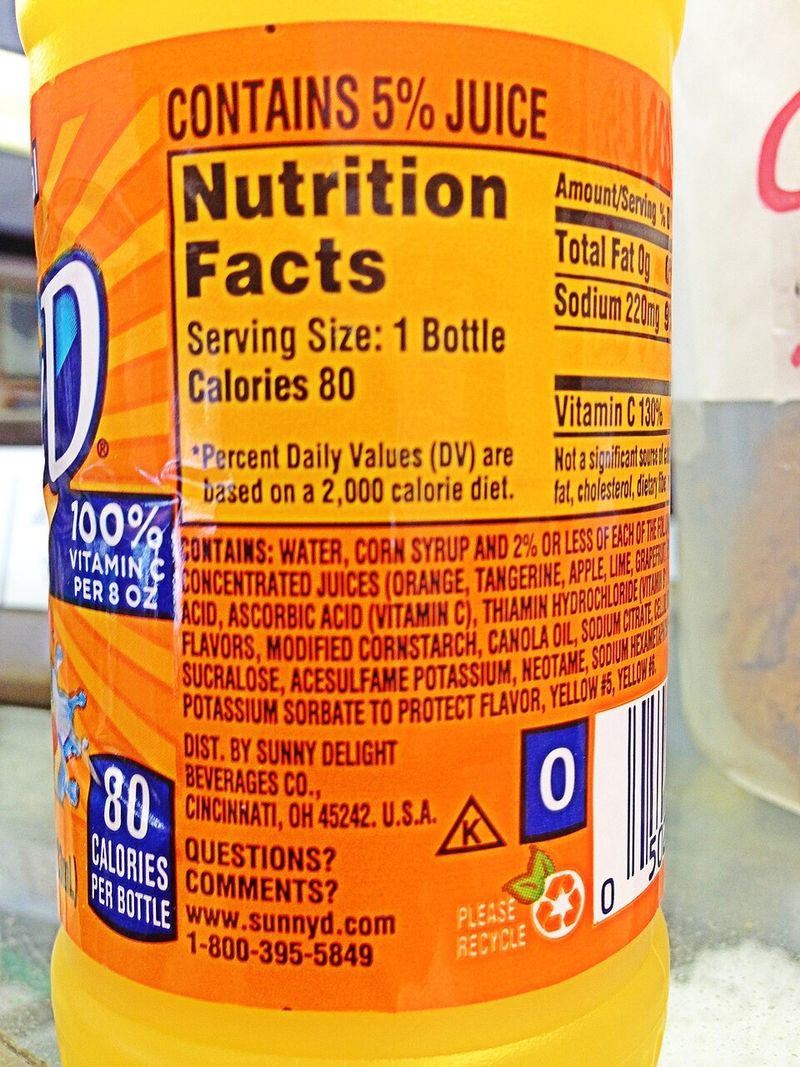
The orange drink that ruled 1990s refrigerator doors eventually had to explain itself to a more suspicious grocery shopper.
SunnyD, formerly Sunny Delight, became a lunchbox-era powerhouse through aggressive advertising and a flavor profile that leaned into sweetness rather than traditional juice expectations. Its bright color, plastic bottles, and kid-focused marketing made it feel modern when many households were moving away from frozen concentrate.
By the 2000s and 2010s, concerns about sugar, artificial colors, and children’s nutrition changed the rules. Reformulations reduced sugar, adjusted colors, and repositioned the drink for parents who no longer treated neon enthusiasm as a selling point.
Those changes made sense commercially, but they also reduced the brash personality that made SunnyD famous. The product survived by becoming more label-friendly, while the original version remains tied to after-school television, youth sports coolers, and a decade when calling something “juice drink” felt like enough legal clarity for everyone involved.
9. Pizza Hut Pan Pizza
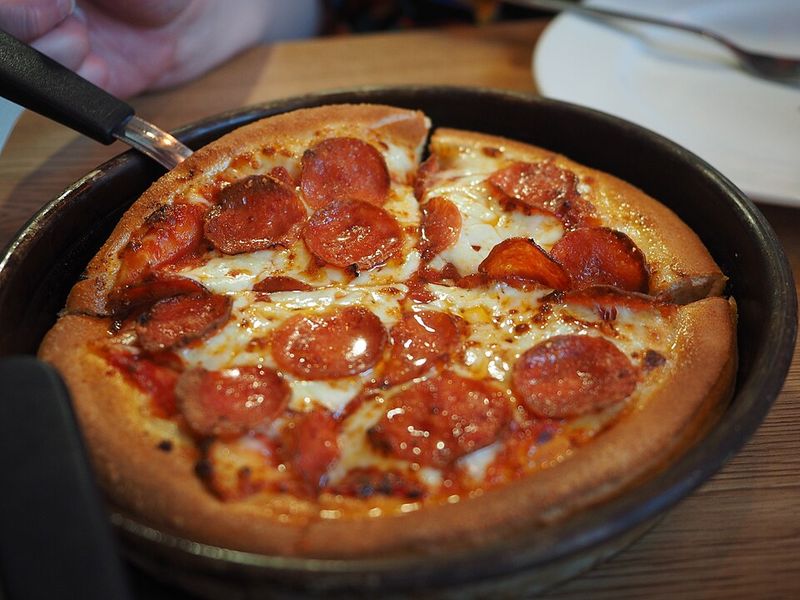
The red cups stayed famous, but the pan pizza had already moved into a different business model.
Pizza Hut’s original pan pizza became a dine-in icon during the late 1970s and 1980s, when families visited restaurants with salad bars, arcade corners, and personal pan rewards from reading programs. The crust was central to the appeal, cooked in seasoned pans with enough oil to create a substantial edge.
As delivery competition grew and fast-casual habits changed, Pizza Hut shifted recipes, operations, and menu strategy more than once. In 2019, the chain announced a revamped Original Pan Pizza with a new cheese blend, sauce, and baking process, aiming to update the old standard.
Longtime customers often argue that the older crust was richer and more indulgent. Part of that memory comes from the restaurant experience itself, which delivery boxes cannot recreate.
Still, the pizza’s evolution shows how dine-in chains had to adapt when America stopped treating pizza night as a sit-down event.
10. Campbell’s Soups
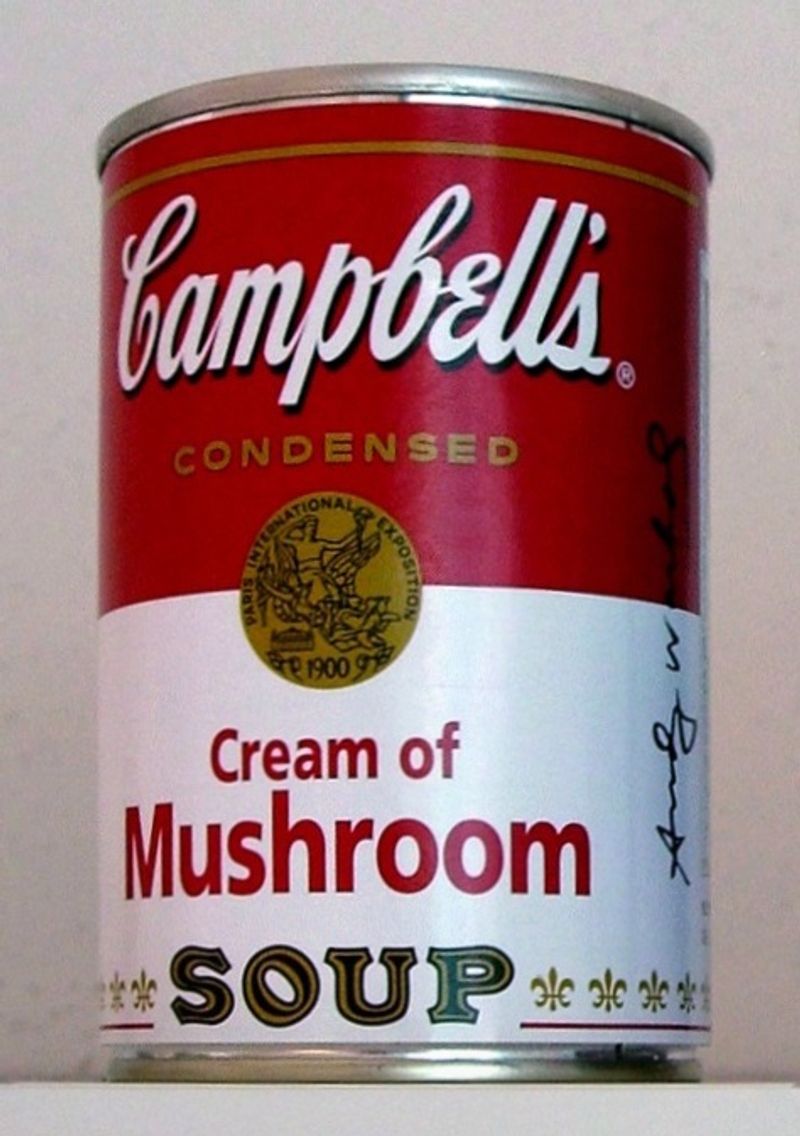
The can with museum-level design credentials has spent years trying to become healthier without losing its lunch-counter soul.
Campbell’s condensed soups became American pantry infrastructure in the twentieth century, helped by affordability, shelf stability, casseroles, and the famous red-and-white label. They also became building blocks for home cooking, appearing in recipes that treated condensed soup as both ingredient and shortcut.
As sodium concerns became mainstream, Campbell’s introduced reduced-sodium lines and adjusted formulas across parts of its portfolio. In the 2010s, many big packaged-food companies faced pressure from health groups, retailers, and consumers to cut salt while maintaining recognizable taste.
That is a hard assignment because salt does more than season. It supports flavor balance in a product designed to sit on shelves and become soup after dilution.
Modern versions may be more acceptable to nutrition-conscious shoppers, but people who remember the older cans often notice the softer profile. The label still looks historic, even when the contents reflect contemporary health math.
11. Doritos Nacho Cheese
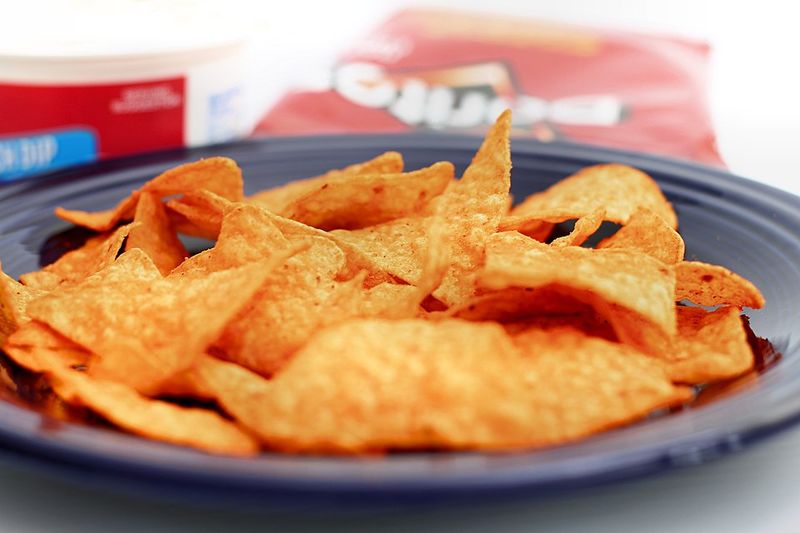
A triangular chip once built for maximum seasoning drama now competes with its own legend.
Doritos launched nationally in the 1960s, but Nacho Cheese became the flavor that turned the brand into a youth-culture machine. Through the 1980s and 1990s, commercials, vending machines, school lunches, and game nights made the orange dust part of snack identity.
Over the decades, snack formulas shifted as companies adjusted oils, flavor enhancers, sodium levels, and regulatory labeling. Exact recipe changes are not always loudly advertised, but longtime buyers often claim older bags delivered a stronger cheese-and-spice punch than current ones.
Some of that perception comes from the expanding Doritos universe. Cool Ranch, spicy versions, limited runs, and international flavors changed expectations for intensity.
The original Nacho Cheese now has to feel classic while sharing shelf space with louder relatives. It remains recognizable, but the flavor that once seemed rebellious in a paper lunch sack can feel more controlled in the age of endless snack experimentation.
12. Reese’s Cups
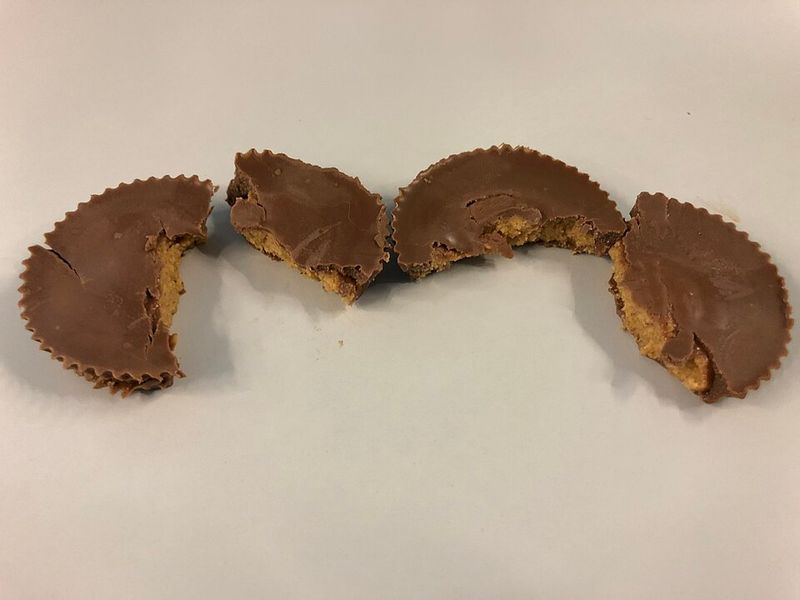
The candy that mastered the peanut-butter-chocolate handshake now feels a little more corporate in the grip.
Reese’s Peanut Butter Cups began in the 1920s and became one of Hershey’s defining brands after the company acquired H.B. Reese’s operation in 1963.
Their appeal came from a specific contrast: sweet chocolate around a slightly salty, crumbly peanut filling.
Over time, fans have debated whether the filling became smoother, sweeter, or less salty. Large-scale production, ingredient sourcing, package formats, seasonal shapes, and cost pressures can all affect how a candy lands, even if the official identity remains stable.
Miniatures, holiday shapes, Big Cups, and stuffed variations also changed the way people experience the brand. The classic cup is no longer the only reference point.
When everything from cereal to coffee creamer borrows the Reese’s name, the original has to share its reputation with an entire flavor empire. That may be why older cups seem sharper in memory than the neatly managed version sold today.
13. Subway Bread
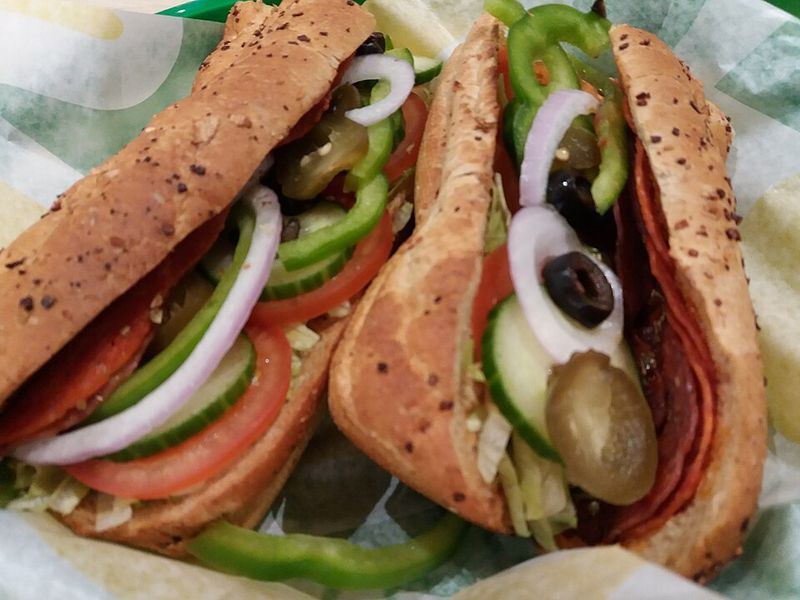
The footlong that once signaled budget lunch freedom got dragged into an ingredient debate worthy of courtroom footnotes.
Subway’s rise depended on the promise of customizable sandwiches, bread baked in-store, and a healthier fast-food image. By the 1990s and 2000s, the chain was everywhere, selling convenience to office workers, students, travelers, and anyone counting lunch dollars.
Bread became a public issue as consumers paid closer attention to sugar, additives, and legal definitions. In 2020, Ireland’s Supreme Court ruled that Subway bread contained too much sugar to qualify as bread for certain tax purposes under that country’s law, a decision that fueled global headlines.
The company also adjusted ingredients in various markets as expectations changed. To longtime customers, the bread can seem less distinctive than it did during the chain’s peak expansion years.
Part of that comes from competition, since many sandwich shops now offer fresher-looking options. Subway’s bread is still central to the brand, but it carries more scrutiny than any sandwich roll expected.
14. Capri Sun
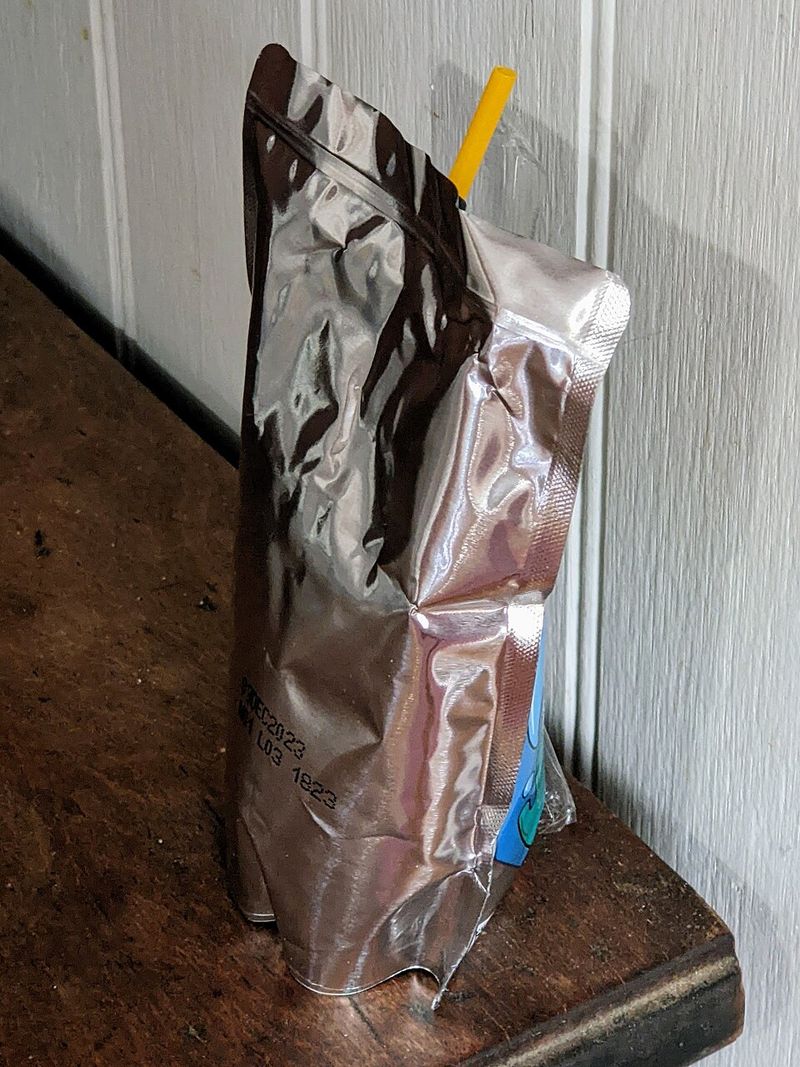
The pouch with the tiny straw trained a generation in both refreshment and puncture strategy.
Capri Sun entered American lunch culture with packaging that felt different from cans, cartons, or bottles. The foil pouch was portable, lightweight, and perfectly suited to school lunches, soccer sidelines, and parents who appreciated anything that did not require a twist cap.
As sugar became a major focus in children’s nutrition, the brand changed. Kraft Heinz announced substantial sugar reductions in Capri Sun products during the 2010s, and later updates leaned on lower sugar, no artificial colors, and clearer positioning for families.
The practical result is a drink that still looks like the one many adults remember, but tastes less intensely sweet. That is not accidental.
The pouch had to survive in a world of nutrition guidelines, wellness marketing, and parents comparing labels in the juice aisle. The old Capri Sun belonged to a lunchbox culture with fewer questions.
The new one has to answer them before recess.
15. Mass-Brand Ice Cream
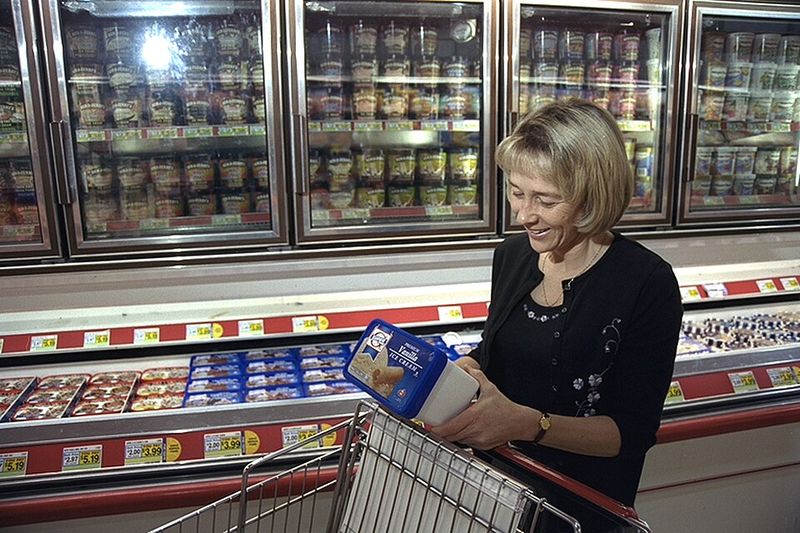
The half-gallon tub quietly shrank, puffed up, and hired stabilizers while shoppers were distracted by freezer-burned peas.
Mass-brand ice cream changed as dairy costs, competition, and shipping realities pushed companies to rethink ingredients and package sizes. Many familiar cartons moved from half-gallon formats to smaller containers, while consumers noticed more products labeled frozen dairy dessert instead of ice cream.
That label matters. In the United States, ice cream must meet standards for milkfat and other components, while frozen dairy dessert allows different formulations.
More air, known as overrun, can make a product lighter and cheaper to produce, while gums and stabilizers help maintain structure during distribution.
The result is often a scoop that feels less rich than older supermarket favorites. Premium brands still sell denser options, but mainstream tubs are built for price points, transportation, and broad appeal.
The change captures a larger grocery trend: familiar packages stay friendly while the fine print tells the real story.
Share this story