 Unearth The Voyage
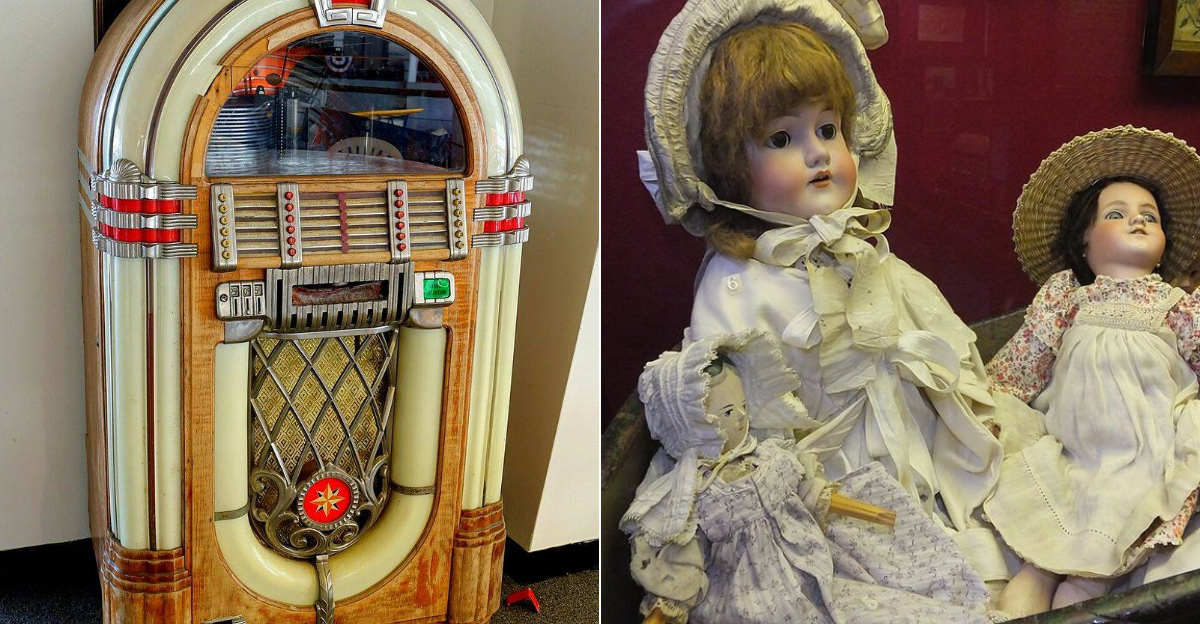
Some of the most valuable things aren’t locked in a safe. They’re tucked in a closet, forgotten in a basement, or buried in a box that hasn’t been opened in years.
Most people assume old household stuff is worth next to nothing, so it gets donated, tossed, or left to collect dust.
But the collector market doesn’t work like that. Certain everyday items from decades ago have quietly become hot property, and buyers are paying real money for the right piece.
The surprising part is how ordinary some of these things look at first glance. A toy, a kitchen item, a piece of furniture, even something that once came free with a purchase can suddenly have serious value.
If you’ve got hand-me-downs, storage bins, or anything you inherited and never checked, it may be worth a second look. Here are the kinds of vintage items that are selling fast and why collectors want them now.
1. Vintage Vinyl Records
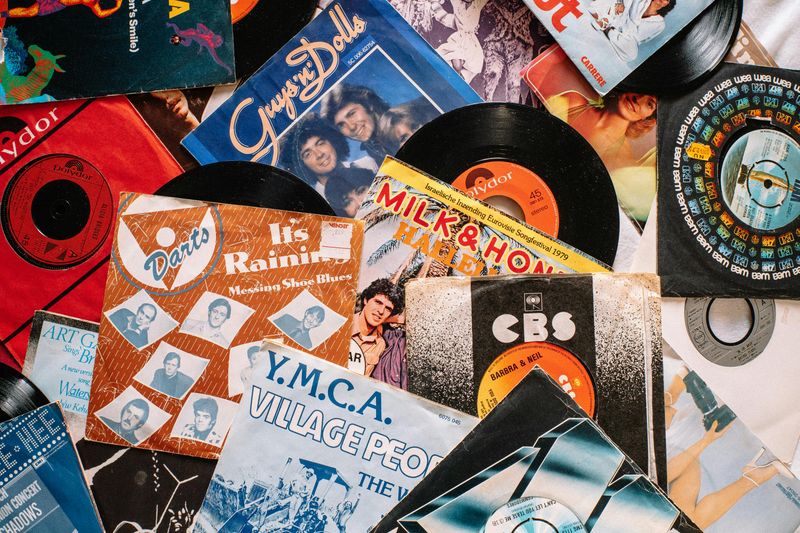
Your parents’ record collection gathering dust in the basement might be worth more than their retirement account. Original pressings from iconic artists can sell for thousands, especially if they’re in pristine condition with the original sleeve intact.
The magic lies in the details. First pressings carry the most weight because they were produced closest to the artist’s original vision.
Limited runs, promotional copies, and records with printing errors become especially valuable to serious collectors who track every variation.
Condition makes or breaks the deal. A scratch-free vinyl with a clean cover commands premium prices, while played copies lose significant value.
Collectors use grading systems that scrutinize everything from surface noise to corner wear.
Certain genres dominate the market. Classic rock, jazz, and early punk records lead the pack, with artists like The Beatles, Miles Davis, and The Velvet Underground topping want lists.
Even lesser-known artists can surprise you if their albums had small print runs.
The resurgence of vinyl culture has pushed values higher. Younger generations now hunt for the authentic sound and tangible experience records provide, creating competition that drives prices upward for quality examples.
2. Mid-Century Modern Furniture
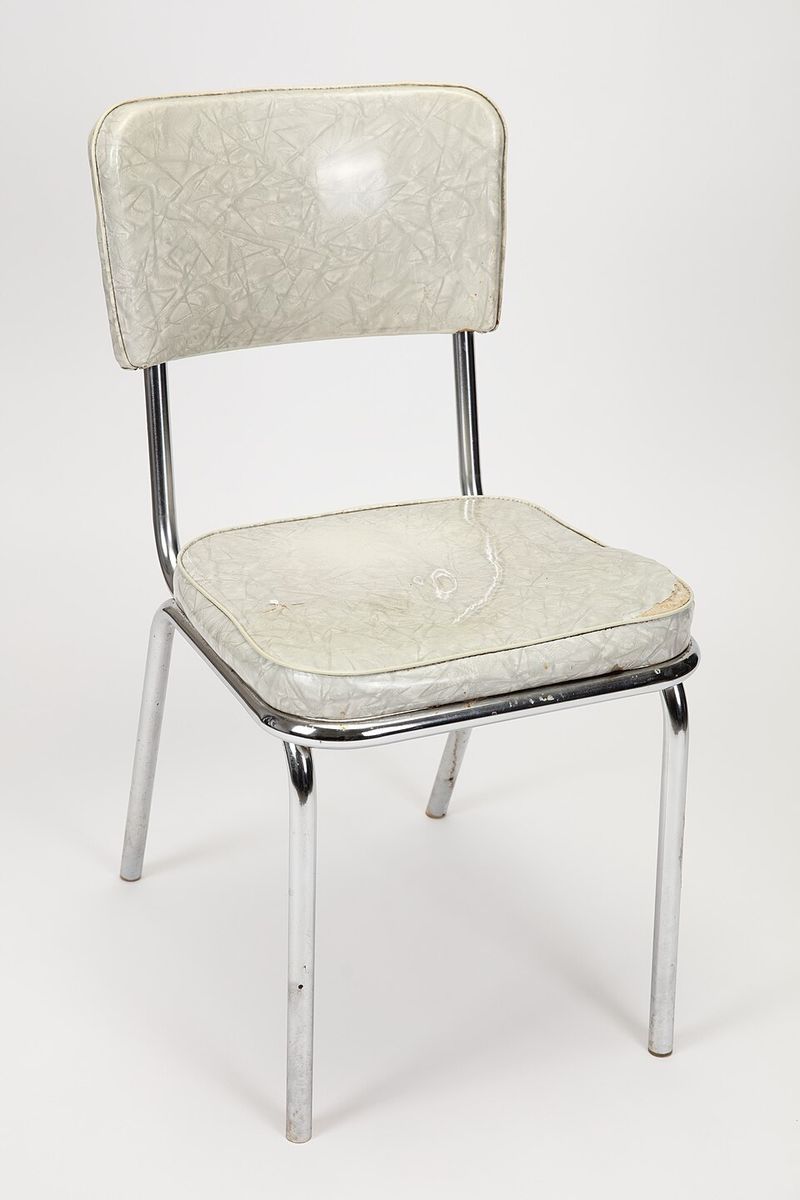
That weird angular couch your grandparents owned isn’t just retro anymore. Mid-century modern furniture has become the crown jewel of interior design, with authentic pieces commanding eye-watering prices at auction houses and vintage shops.
Designer names drive the market. Pieces by Charles and Ray Eames, George Nelson, or Hans Wegner can sell for tens of thousands.
Even unsigned pieces from quality manufacturers like Herman Miller or Knoll fetch impressive sums because they were built to outlast their owners.
The appeal is both aesthetic and practical. Clean lines and functional design fit perfectly into modern homes, making these pieces as usable today as they were sixty years ago.
Unlike trendy furniture that dates quickly, mid-century design remains timeless.
Authenticity matters enormously. Reproductions flood the market, but collectors pay premium prices only for verified originals with maker’s marks, proper materials, and period-correct construction.
Knowing the difference between teak and walnut veneer can mean thousands of dollars.
Condition affects value, but perfectly preserved isn’t always necessary. Many collectors appreciate honest wear that tells a story, though structural damage or amateur repairs tank prices faster than you can say “Danish modern.”
3. Baseball Cards
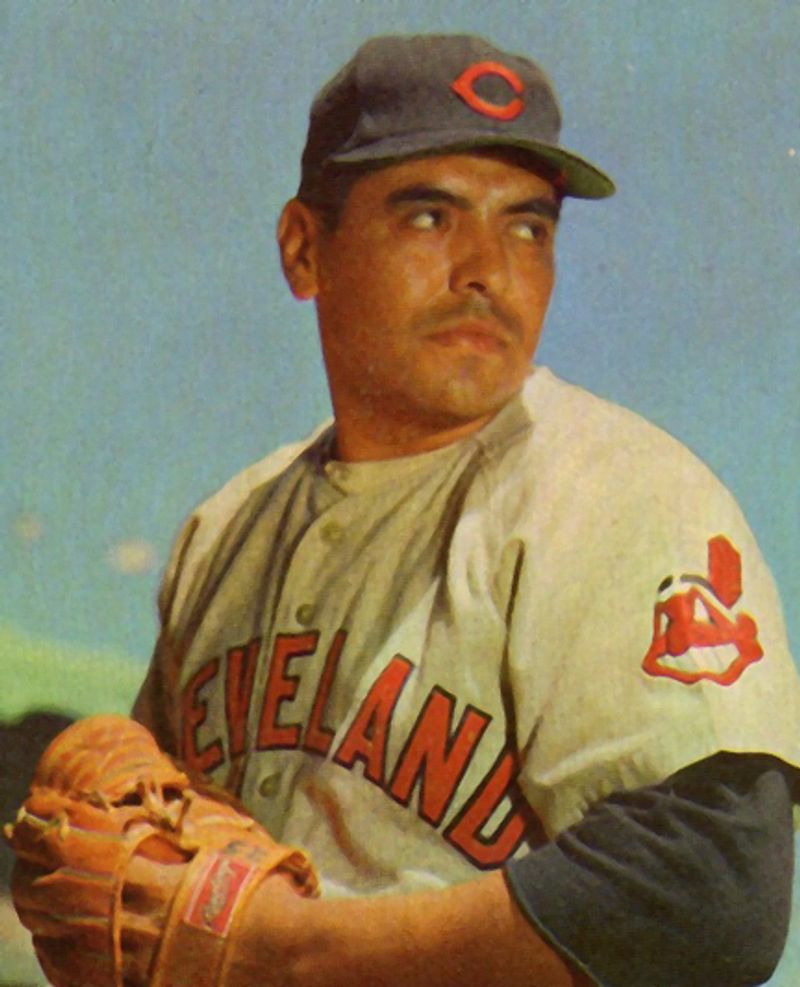
Flipping through old shoeboxes might uncover a retirement fund. Baseball cards that kids once traded for bubble gum now sell for amounts that would make professional athletes jealous, with the rarest examples breaking auction records regularly.
Rarity and condition rule this market with an iron fist. Cards produced in smaller quantities or from specific years command astronomical prices, especially if they survived childhood without creases, stains, or rounded corners.
Professional grading services assign numerical scores that directly correlate to value.
Iconic players drive demand. A Mickey Mantle rookie card in mint condition sold for over five million dollars, but even cards of lesser stars can be valuable if they’re scarce and well-preserved.
The 1952 Topps set remains particularly coveted among serious collectors.
Complete sets carry premium prices over individual cards. Collectors who kept entire yearly collections intact, especially from the 1950s and 1960s, possess significantly more value than scattered singles.
Missing even one card from a set dramatically reduces worth.
Modern grading has professionalized the hobby. Companies like PSA and BGS authenticate and grade cards, sealing them in protective cases with assigned scores.
A difference of one grade point can mean thousands of dollars in value.
4. Comic Books
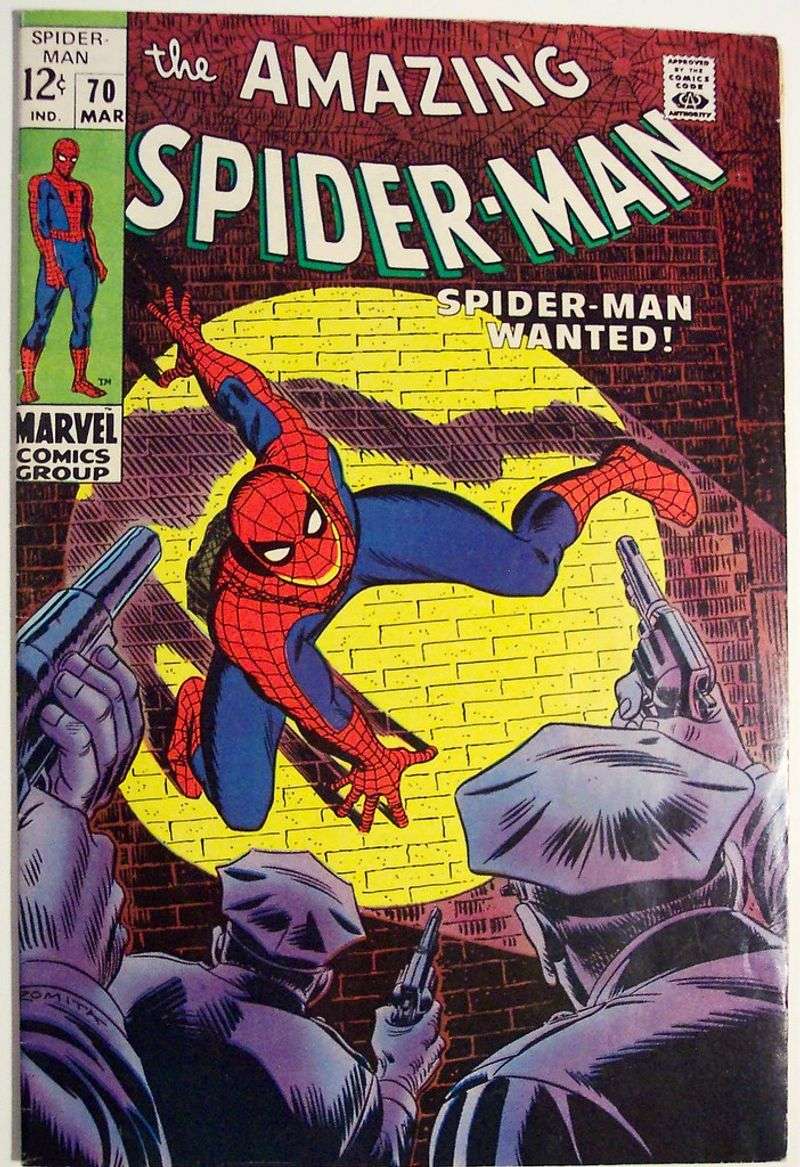
Those funny books your mom threatened to toss could have funded college tuition. Comic books, especially key issues featuring first appearances or landmark storylines, have exploded into a serious investment market where six-figure sales barely raise eyebrows anymore.
Condition separates treasure from trash. Comics are graded on a scale where even minor flaws dramatically reduce value.
A 9.8-grade copy might sell for ten times more than a 7.0 of the same issue. Creases, tears, or faded colors can cost thousands.
First appearances carry the biggest weight. The debut of Spider-Man, the X-Men, or any major character creates instant collectibility.
Issue one of any significant series commands attention, but the real money lies in origin stories and game-changing plot developments.
Recent sales have shattered expectations. A copy of Action Comics #1 sold for over three million dollars, and Amazing Fantasy #15 regularly breaks records.
Even non-superhero comics from underground movements or horror genres can surprise sellers with their values.
Professional grading has legitimized the market. Services like CGC authenticate and grade comics, sealing them in protective cases that preserve condition while providing buyer confidence.
Raw, ungraded comics face more skepticism and lower prices.
5. Vintage Watches
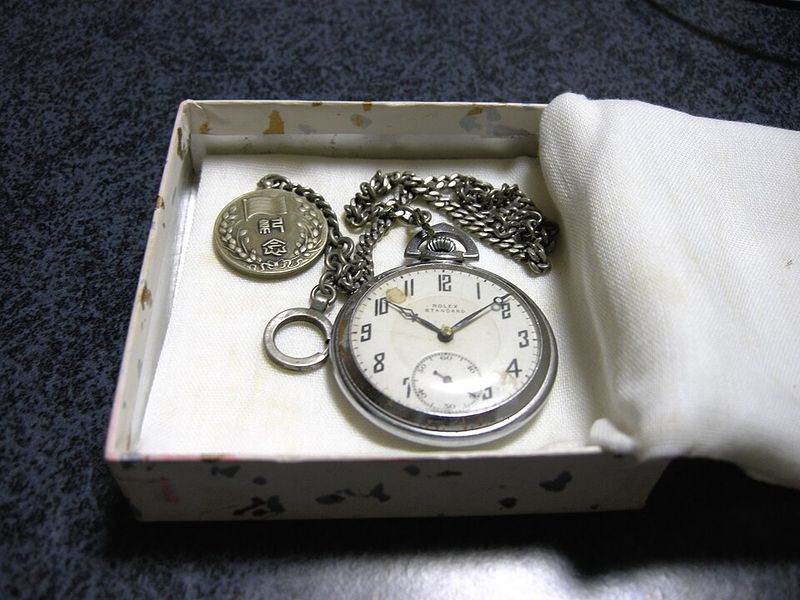
Granddad’s old wristwatch might tick more valuable than anyone realized. Vintage timepieces have become serious investment pieces, with certain models appreciating faster than real estate and commanding prices that would buy luxury cars.
Brand recognition drives the market relentlessly. Rolex, Patek Philippe, Omega, and Audemars Piguet lead the pack, but lesser-known Swiss manufacturers can also surprise with their values.
A vintage Submariner or Speedmaster represents both history and craftsmanship that modern watches struggle to replicate.
Originality matters more than pristine condition. Collectors pay premiums for watches with original dials, hands, and movements, even if they show age.
A refinished dial or replaced parts can cut value in half, while documented service history from authorized dealers adds thousands.
Specific models have cult followings. The Rolex Daytona worn by Paul Newman sold for nearly eighteen million dollars, but even regular vintage Daytonas fetch six figures.
Military-issued watches, limited editions, and discontinued models create fierce bidding wars.
The pre-owned market has matured significantly. Major auction houses now hold dedicated watch sales, and online platforms have made buying and selling accessible worldwide.
This transparency has pushed values higher while educating collectors about what makes certain pieces special.
6. Rare and First-Edition Books
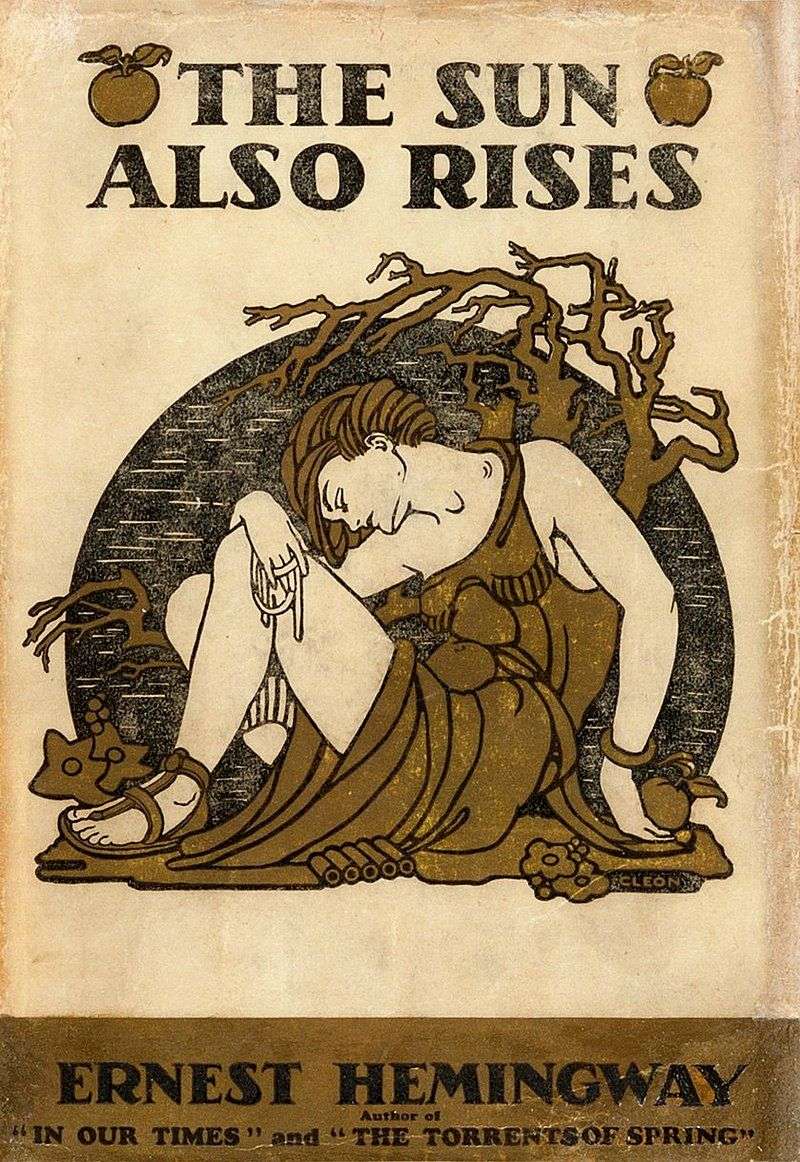
Not every yellowed paperback deserves space on your shelf, but genuine first editions can fund serious purchases. The book collecting world rewards specific printings, author signatures, and scarcity with prices that make literature feel like liquid gold.
First edition doesn’t automatically mean first printing. Publishers often print multiple runs within a first edition, and only the earliest copies carry significant value.
Identifying true first printings requires knowledge of publisher codes, printing dates, and specific edition markers that vary by publisher.
Author signatures multiply value exponentially. A signed first edition of a significant work can sell for ten times more than an unsigned copy.
Inscriptions to notable people or dated signatures from important events add even more desirability and price.
Condition critically affects worth. Dust jackets, often discarded as disposable, can represent half the value or more.
A first edition with a pristine jacket commands premium prices, while missing or damaged jackets severely reduce worth. Internal condition matters too, with clean pages and tight bindings essential.
Certain authors dominate the market. Hemingway, Steinbeck, Fitzgerald, and Salinger first editions regularly sell for thousands.
Even modern authors like Stephen King or J.K. Rowling have created valuable first editions, especially from before they became household names.
7. Vintage Jewelry
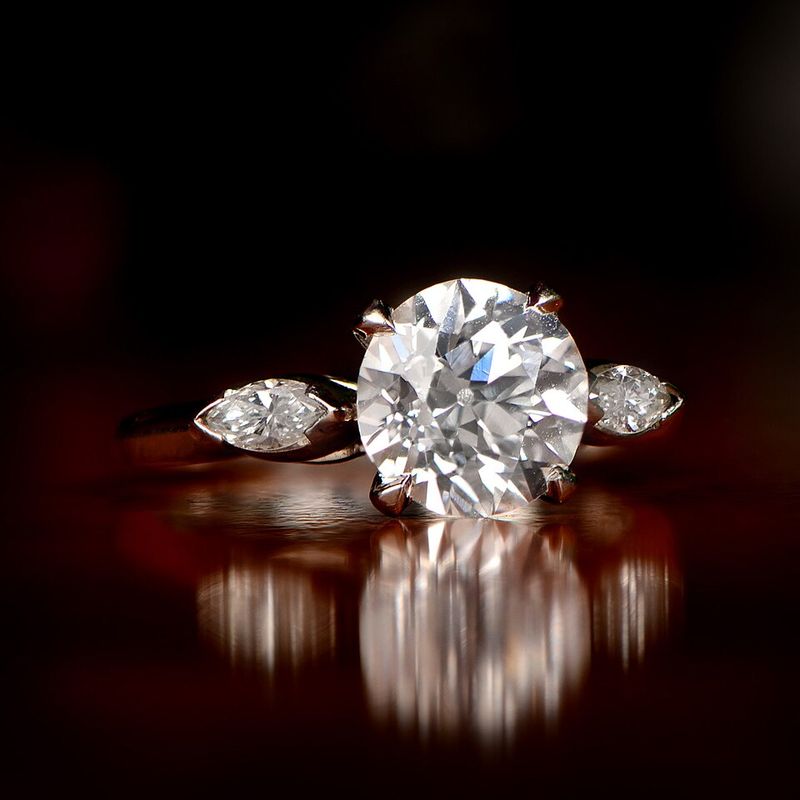
Your grandmother’s jewelry box holds more than sentimental value. Vintage fine jewelry has become a thriving collector market where design, craftsmanship, and provenance combine to create pieces worth far more than their metal and stone values alone.
Maker marks transform jewelry from pretty to priceless. Signed pieces by Cartier, Tiffany, Van Cleef & Arpels, or Buccellati command premium prices because these houses maintained exceptional standards.
Even lesser-known designers from specific periods can surprise with their values if their work is distinctive and well-executed.
Period design matters enormously. Art Deco pieces from the 1920s and 1930s remain highly sought after for their geometric designs and bold use of color.
Retro-era jewelry from the 1940s, with its chunky gold and sculptural forms, has gained serious collector interest recently.
Materials tell only part of the story. While gold, platinum, and precious stones provide baseline value, the artistry and rarity of design often exceed melt value by huge margins.
Hand-fabricated pieces with intricate details command more than mass-produced items, even with identical materials.
Major auction houses actively court vintage jewelry. Christie’s and Sotheby’s hold regular jewelry sales where estate pieces frequently exceed estimates.
This institutional support signals strong collector demand and provides public pricing data that helps establish market values.
8. Classic Cars
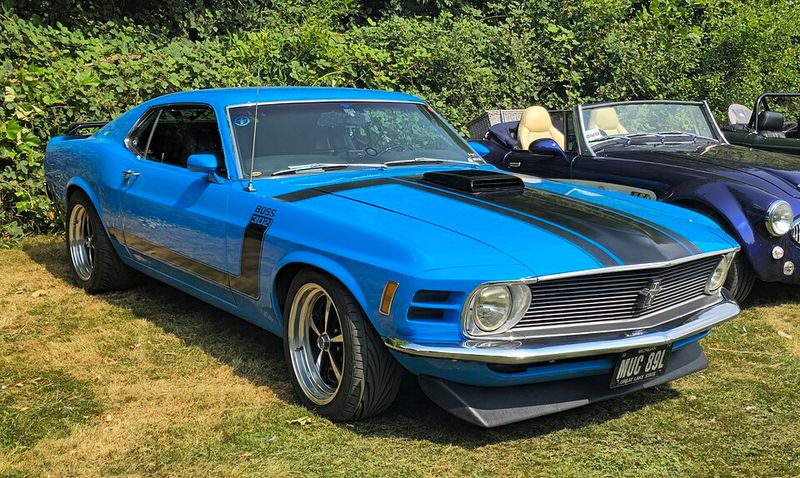
That rusty heap in the barn might be worth more than the barn itself. Classic cars have evolved into a sophisticated collector market where the right model, condition, and documentation can command prices that rival fine art.
Originality beats restoration in many cases. Numbers-matching cars with original engines, transmissions, and body panels carry premium prices over modified or rebuilt examples.
Collectors obsess over factory specifications, original paint codes, and period-correct parts that prove authenticity.
Documentation adds massive value. Original build sheets, dealer invoices, service records, and ownership history transform a car from anonymous to pedigreed.
Cars with celebrity provenance or racing history can multiply values several times over comparable examples without stories.
Certain models dominate the market. Muscle cars from the 1960s and early 1970s lead American collecting, with Hemi Cuda convertibles and Boss Mustangs fetching seven figures.
European sports cars like early Ferraris and Porsches command even higher prices, with some examples selling for tens of millions.
Major auction houses track results publicly. Barrett-Jackson, RM Sotheby’s, and Mecum publish sale prices that establish market benchmarks.
This transparency has professionalized the hobby while making it easier for sellers to understand what their vehicles might bring at auction.
9. Vintage Barbie Dolls
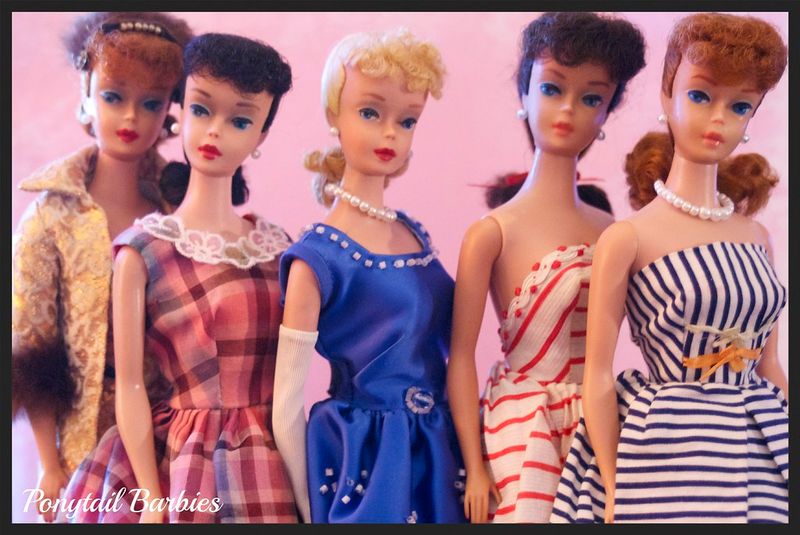
Childhood playthings have become serious adult investments. Early Barbie dolls, especially those with original packaging and rare outfits, sell for amounts that would shock anyone who remembers when they cost a few dollars at the toy store.
The first Barbie from 1959 leads the pack. With her distinctive ponytail, black-and-white swimsuit, and specific face mold, an original in excellent condition can sell for thousands.
Even later 1960s dolls carry significant value if they possess rare features or limited-production variations.
Original packaging multiplies value dramatically. A mint-in-box Barbie can sell for ten times more than a played-with example.
Boxes protect condition while proving authenticity, and collectors prize unopened examples despite never being able to enjoy them outside their plastic prisons.
Outfits and accessories matter enormously. Rare clothing sets, especially those produced for short periods, can be worth hundreds on their own.
Complete ensembles with all original accessories, tags, and packaging command premium prices over incomplete or mixed sets.
Condition differences create huge price gaps. The difference between a doll that was gently displayed versus one that was actively played with can mean thousands of dollars.
Collectors scrutinize face paint, hair texture, body marks, and limb tightness when evaluating potential purchases.
10. Retro Video Games and Consoles
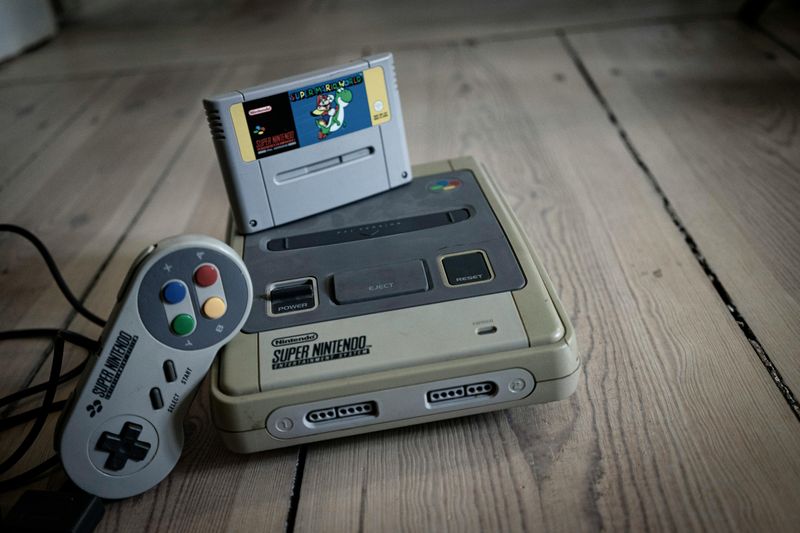
Gaming nostalgia has created a booming collector market. Retro video games and consoles that once entertained kids after school now sell for jaw-dropping amounts, especially when they’re complete with original packaging and never-opened seals.
Sealed games command astronomical prices. A factory-sealed copy of Super Mario Bros. sold for over a million dollars, proving that pristine examples of iconic titles can compete with traditional investments.
Even less famous games in sealed condition regularly sell for hundreds or thousands.
Complete-in-box matters for opened games. Cartridges with original boxes, instruction manuals, and inserts carry significantly more value than loose cartridges alone.
Collectors want the full experience, and missing components can cut prices by half or more.
Condition of labels affects value substantially. Games with clean, unfaded labels and no marker writing command premium prices.
Rental copies with stickers or games with torn labels face steep discounts, even if the cartridges function perfectly.
Certain titles have become legendary. Stadium Events for NES, Air Raid for Atari, and various limited-release games create intense bidding wars.
Even common titles from beloved franchises like Zelda or Pokemon can surprise sellers with their values when properly preserved.
Professional grading has entered the market. Services like WATA Games authenticate and grade video games, providing buyers confidence while driving prices higher for top-graded examples.
11. Antique Toys
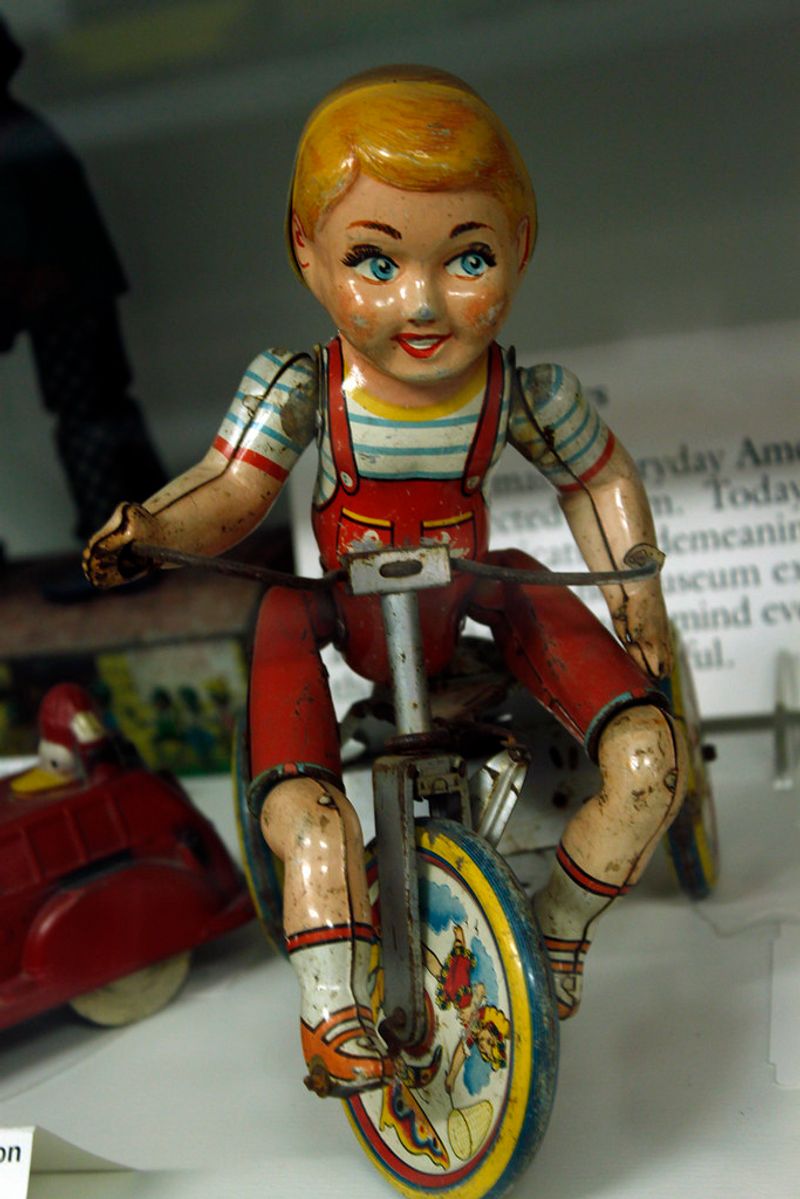
Old tin toys have rolled into serious money territory. Wind-up mechanisms, early branded characters, and toys with original boxes consistently attract collectors who remember when these metal marvels represented cutting-edge entertainment technology.
Tin lithography creates visual appeal that modern plastic can’t match. Colorful designs printed directly onto metal give these toys distinctive character, and collectors prize examples with bright, unfaded graphics.
Japanese tin toys from the postwar period particularly captivate buyers with their whimsical designs and quality construction.
Working mechanisms add substantial value. A wind-up toy that still functions smoothly commands more than a broken example, even if the broken one looks better cosmetically.
Collectors want toys that can still perform their original tricks, whether walking, spinning, or making noise.
Original boxes transform value dramatically. A boxed toy can sell for three to five times more than the same toy loose.
Boxes prove authenticity, protect condition, and complete the collecting experience. Collectors scrutinize box condition almost as carefully as the toys themselves.
Brand names drive demand. Early Disney, Marx, Linemar, and other recognized manufacturers lead the market.
Character toys featuring Mickey Mouse, Superman, or other pop culture icons carry premium prices over generic designs, even when the generic toys show superior craftsmanship.
12. Vintage Posters
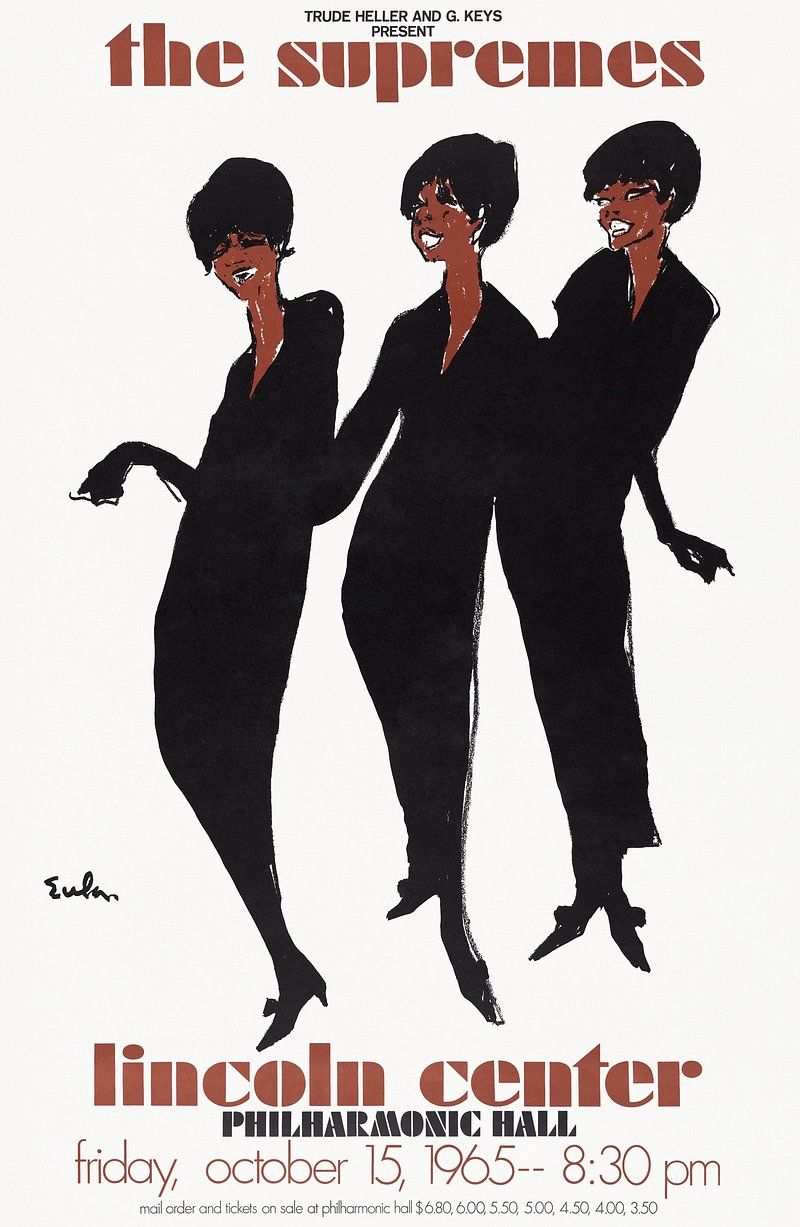
Paper ephemera has proven surprisingly durable as an investment. Vintage posters, especially those advertising classic movies, exotic travel destinations, or legendary concerts, sell for amounts that make framing them seem like protecting valuable assets rather than decorating walls.
Movie posters from Hollywood’s golden age lead the market. Original one-sheets from films like Casablanca, The Godfather, or Star Wars command thousands, with rare variations and international versions adding even more value.
Size matters too, with larger formats often bringing premium prices.
Concert posters have exploded in popularity. Original posters from 1960s psychedelic rock shows, especially those by recognized artists like Wes Wilson or Stanley Mouse, sell for thousands.
Even later punk and metal show posters find eager buyers if they’re genuine originals from the actual events.
Condition critically affects worth. Posters were meant to be temporary, so most were thrown away or damaged through use.
Examples without tears, folds, or fading command significant premiums. Professional restoration can help but always reduces value compared to naturally preserved examples.
Dedicated auction databases exist for a reason. Heritage Auctions, Poster Auctions International, and other specialists track sales and provide market data.
This infrastructure signals established collector demand and helps sellers understand what their posters might bring at auction.
13. Old Coins (Especially Key Dates and Errors)
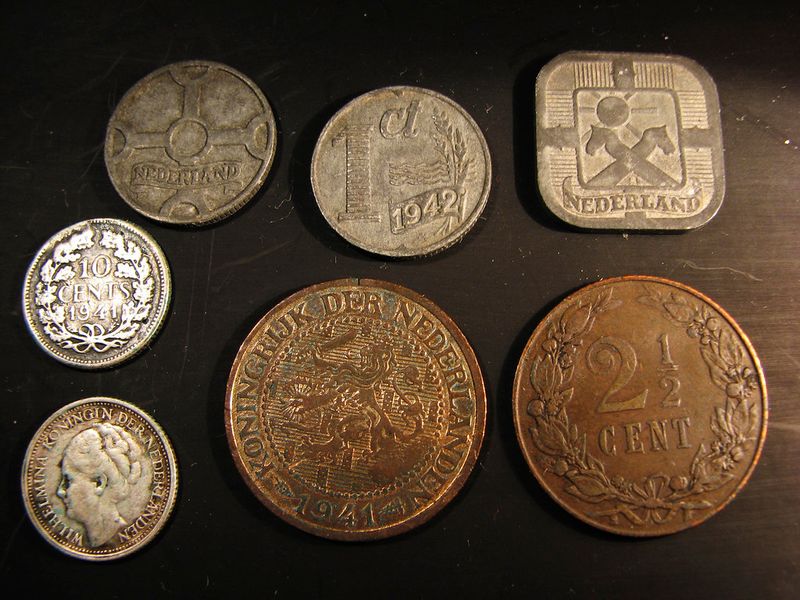
Loose change might be worth more than face value. Coin collecting rewards knowledge, with key dates, mint errors, and high-grade examples commanding prices that turn pocket money into serious investments.
Rarity drives the market relentlessly. Certain years and mint marks were produced in smaller quantities, creating scarcity that collectors chase.
A common date might be worth face value, while a rare date of the same coin type can sell for thousands. Learning which dates matter separates casual finders from informed sellers.
Error coins fascinate collectors. Doubled dies, off-center strikes, wrong planchets, and other mint mistakes create unique pieces that can be extraordinarily valuable.
A 1955 doubled die penny sells for thousands, while a 1969-S doubled die can bring six figures in top condition.
Grade matters enormously. Professional grading services like PCGS and NGC authenticate and assign numerical grades that directly correlate to value.
The difference between a coin grading MS-65 versus MS-67 can mean thousands of dollars, even though the difference might be invisible to untrained eyes.
Active price guides update constantly. The coin market has transparent pricing through published guides, auction results, and dealer networks.
This data helps sellers understand current market values rather than relying on outdated information or hopeful guessing.
14. Porcelain and Bisque Dolls
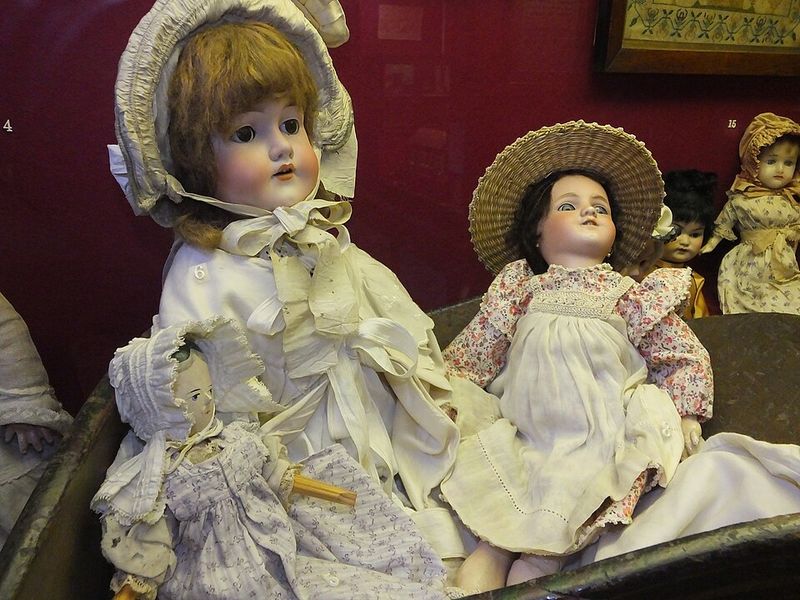
Delicate dolls have proven tough investments. Porcelain and bisque dolls, especially those from recognized makers with original clothing and documented age, attract serious collectors who pay substantial sums for quality examples.
Maker identification separates valuable from ordinary. French manufacturers like Jumeau, Bru, and Steiner produced dolls considered the pinnacle of the craft.
German makers including Kestner and Simon & Halbig also command respect. Marked dolls with clear maker stamps bring far more than unmarked examples.
Original clothing adds significant value. Period-correct outfits, especially those made by the doll manufacturer rather than added later, can represent a substantial portion of total worth.
Complete ensembles with undergarments, shoes, and accessories bring premium prices over redressed dolls.
Condition affects value but differently than other collectibles. Small repairs might be acceptable if done professionally and disclosed, as these dolls are genuinely old and fragile.
However, cracked heads, replaced parts, or amateur restoration attempts severely reduce worth.
Documented age and provenance matter. Dolls with known histories, original purchase receipts, or family documentation carry more weight than mysterious examples.
Collectors and appraisers track specific doll types and can often date and attribute pieces based on construction details and materials used.
15. Vintage Jukeboxes
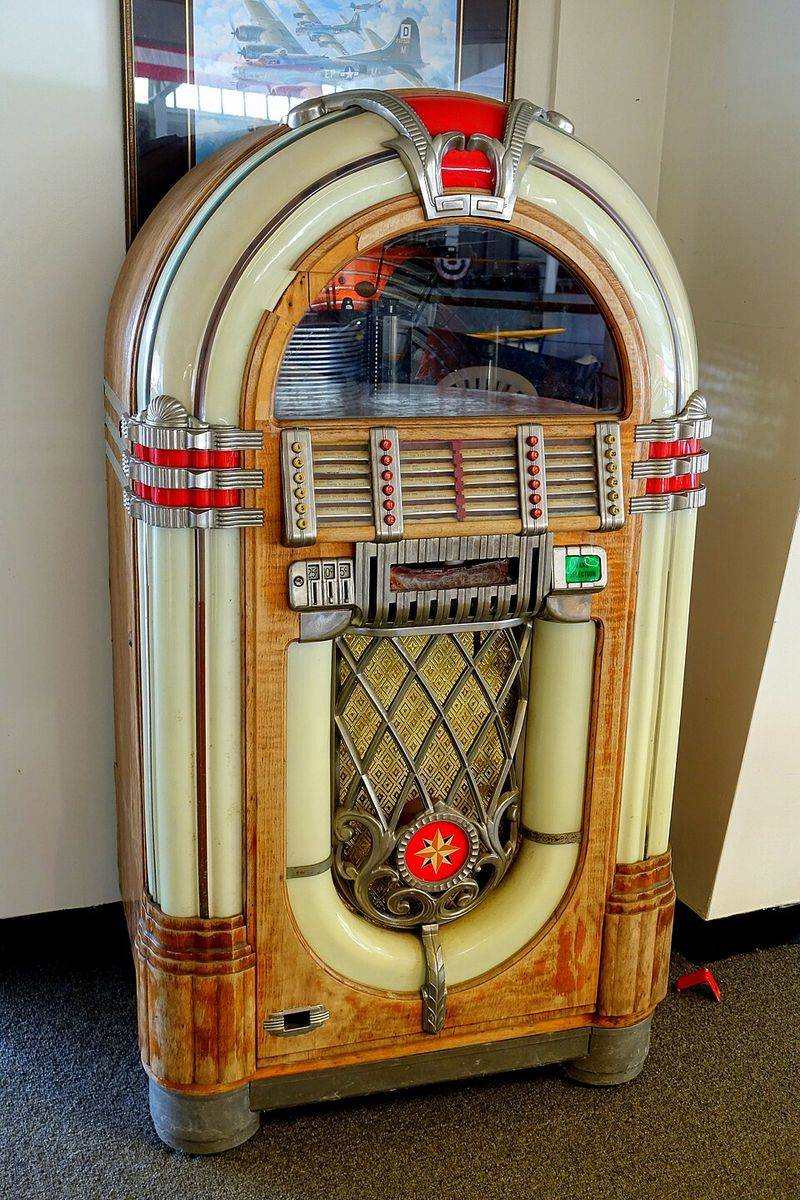
These music machines have become both collectible art and functional nostalgia. Vintage jukeboxes combine visual appeal with mechanical fascination, creating a market where the right model in proper condition can sell for the price of a new car.
Original parts trump modern upgrades in most cases. Collectors prefer jukeboxes with original mechanisms, amplifiers, and speakers, even if they need service.
Conversions to digital or heavily modified units lose significant value compared to examples that maintain period-correct components.
Working condition heavily influences value. A jukebox that plays records smoothly, changes selections reliably, and lights up properly commands far more than a non-functional showpiece.
Mechanical reliability matters because these machines were built to work, and collectors want that functionality preserved.
Restoration quality makes enormous differences. Professional restoration using correct parts and techniques adds value, while amateur work with wrong materials or colors can actually reduce worth below unrestored condition.
Collectors scrutinize paint, chrome, plastics, and mechanical components for authenticity.
Certain manufacturers dominate collecting. Wurlitzer models, especially from the 1940s, lead the market with their iconic bubble designs and colorful aesthetics.
Seeburg and Rock-Ola also attract serious buyers. Model rarity and visual appeal combine to determine which specific jukeboxes command the highest prices at auction.



