Oahu is the kind of place where the food alone could justify the plane ticket. The island packs an extraordinary range of culinary talent into a relatively small stretch of land, drawing on Hawaiian, Japanese, Korean, Vietnamese, and Pacific Rim traditions that have been mixing here for generations.
Local chefs take their craft seriously, and that passion shows up on the plate in ways that are hard to forget. This list covers 15 restaurants across the island that have earned their reputations through consistency, creativity, and a genuine commitment to feeding people well.
Whether you are a first-time visitor or a longtime local, these spots offer something worth going out of your way to experience.
1. Helena’s Hawaiian Food – Honolulu
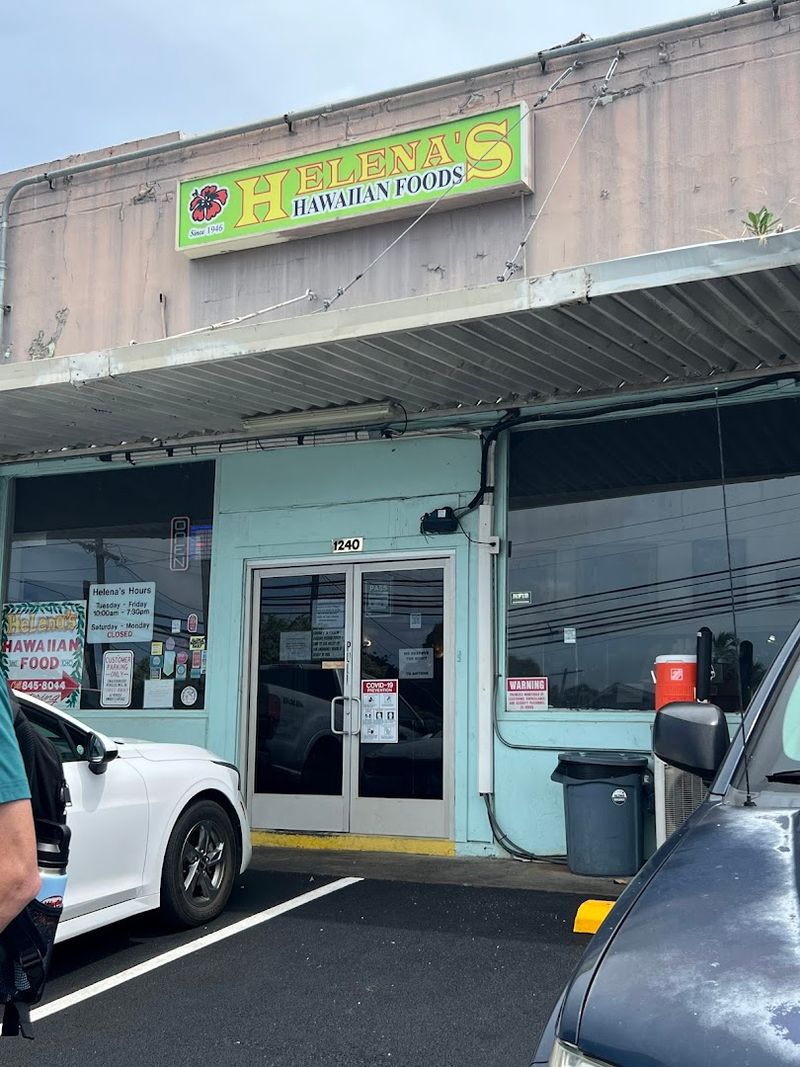
Helena’s Hawaiian Food has been feeding Honolulu since 1946, and it earned a James Beard America’s Classic Award in 2000, which is essentially the food world’s version of a lifetime achievement trophy. The restaurant was founded by Helena Chock, and her family has kept it running with remarkable consistency ever since.
The menu reads like a textbook of traditional Hawaiian cooking: pipikaula short ribs, lomi salmon, butterfish collar, and poi made the old-fashioned way. Nothing here is dressed up to impress tourists.
The portions are honest, the prices are fair, and the food is exactly what it claims to be.
Helena’s is the kind of place that reminds you why traditional recipes deserve to be protected. Regulars show up early because popular items sell out fast.
Cash is preferred, so come prepared.
2. The Pig and The Lady – Honolulu
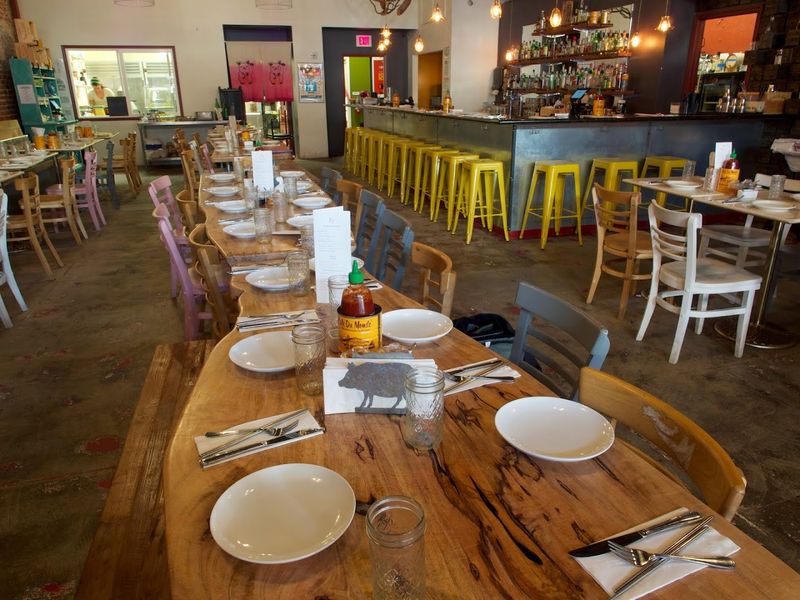
Chef Andrew Le built The Pig and The Lady on a simple but bold idea: take Vietnamese home cooking and push it somewhere unexpected without losing what made it great in the first place. The result is a Chinatown restaurant that has become one of Honolulu’s most talked-about dining destinations.
The menu shifts regularly, which keeps regulars coming back and keeps the kitchen energized. Expect dishes that combine Southeast Asian flavors with European technique, like a French onion pho or a larb that borrows from multiple culinary traditions at once.
The lunch service is more casual, while dinner leans toward a more composed experience.
The dining room has an open, lively layout with communal tables that encourage conversation between strangers. Reservations are strongly recommended for dinner.
The Pig and The Lady also runs a farmers market stand, so you can catch their food on the go.
3. House Without A Key – Honolulu
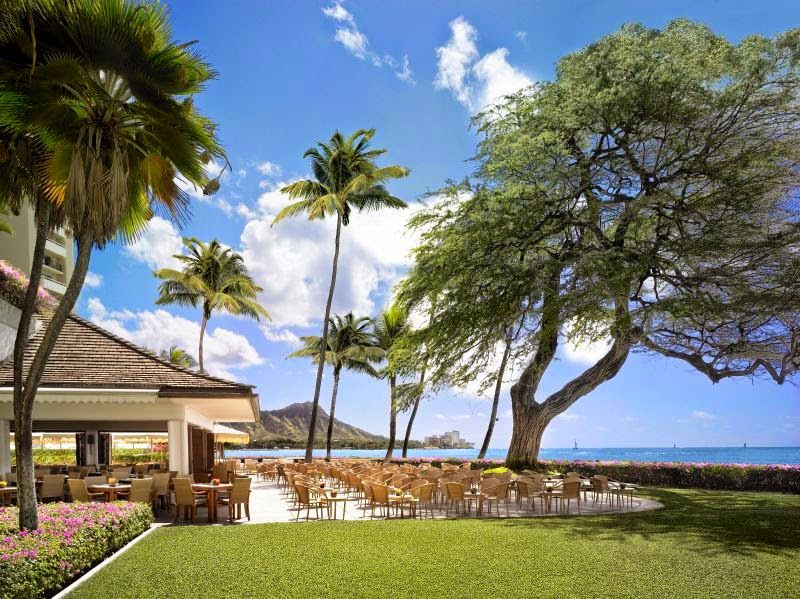
Named after a 1925 Charlie Chan novel set in Hawaii, House Without A Key sits on the grounds of the Halekulani Hotel in Waikiki and offers one of the most scenic dining settings on the island. The restaurant faces the ocean and operates outdoors under a sprawling kiawe tree that is reportedly over a century old.
The menu focuses on Hawaii regional cuisine, featuring fresh fish, local produce, and dishes that reflect the island’s multicultural food heritage. It is a refined but relaxed experience, with attentive service that does not feel stiff or overly formal.
Live Hawaiian music and hula performances take place most evenings, making this a genuinely cultural dining experience rather than a staged tourist show. Breakfast and lunch are also served, but the sunset hour is when House Without A Key really comes into its own.
Reservations are recommended.
4. Roy’s Hawaii Kai – Honolulu
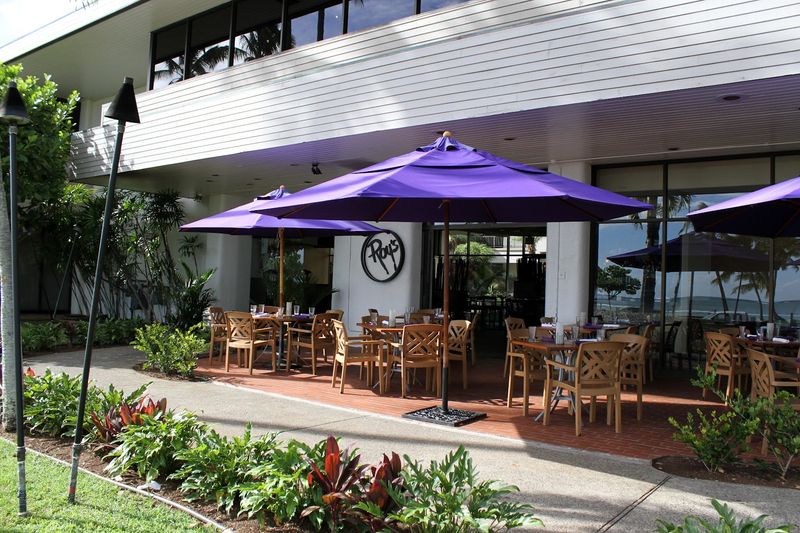
Roy Yamaguchi opened his first restaurant in Hawaii Kai in 1988, and it quickly became a landmark in what would later be called Hawaiian fusion cuisine. The concept blended European cooking techniques with Asian ingredients and local Hawaii produce in ways that had not been done quite like that before.
The Hawaii Kai location sits along the marina and offers a view that matches well with the food. The menu features Roy’s signature dishes, including the misoyaki butterfish and the melting hot chocolate souffle, both of which have been on the menu for decades and remain bestsellers for good reason.
Roy’s appeals to a wide range of diners, from special occasion groups to regulars who visit monthly. The prix fixe menu options offer good value for the quality and quantity of food served.
Reservations are highly recommended, especially on weekends.
5. Fête – Honolulu
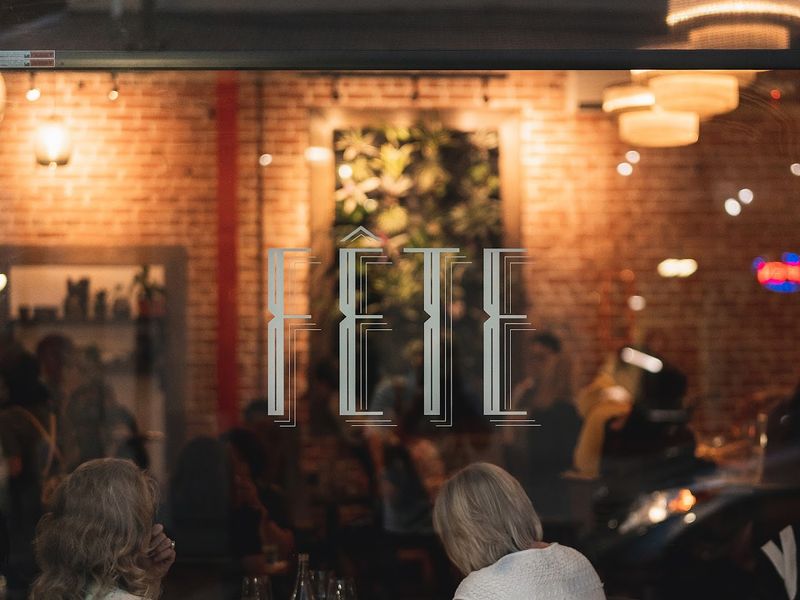
Chef Robynne Maii received a James Beard Award for Best Chef: Northwest and Pacific in 2022, making her one of Hawaii’s most recognized culinary figures. Her restaurant Fete, located in Chinatown, reflects a thoughtful approach to American cooking that draws on the island’s diverse food culture without trying to fit neatly into any single category.
The menu changes with the seasons and availability of local ingredients, which keeps the experience fresh for repeat visitors. Dishes tend to be approachable but carefully constructed, with an emphasis on balance and quality sourcing.
The pasta and roasted meat dishes are particular standouts.
The dining room is casual enough for a weeknight dinner but polished enough for a celebration. Fete also has a strong brunch following, with a menu that takes the midday meal as seriously as dinner.
Reservations are worth making well in advance.
6. MW Restaurant – Honolulu
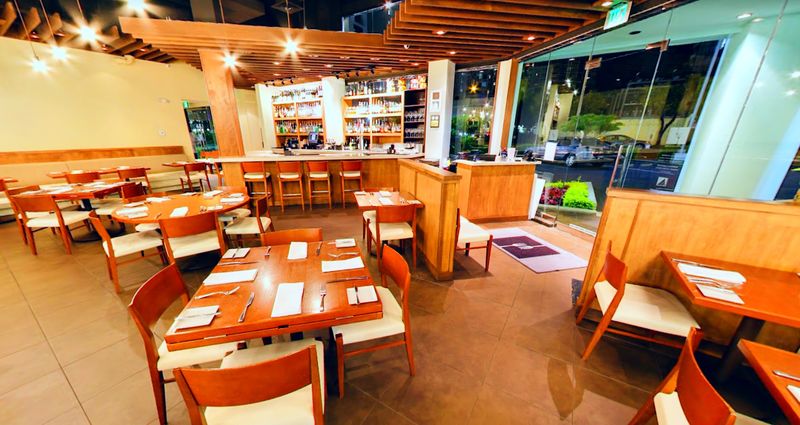
MW Restaurant is named after husband-and-wife chef team Michelle Karr-Ueoka and Wade Ueoka, both of whom trained under Alan Wong before striking out on their own. That pedigree shows in every plate, where classical technique meets a deep familiarity with Hawaii’s local ingredients and food traditions.
The menu is organized around Hawaii regional cuisine, with dishes that highlight locally sourced proteins, produce, and flavors. The signature loco moco gets a refined treatment here, and Michelle’s desserts have earned their own following among pastry enthusiasts across the island.
MW offers both a la carte and tasting menu options, giving diners flexibility depending on how much of the experience they want to commit to. The restaurant is located in the Ramada Plaza Waikiki, which surprises some first-timers, but the food quickly shifts the focus.
Reservations are recommended, especially for the tasting menu.
7. Mud Hen Water – Honolulu
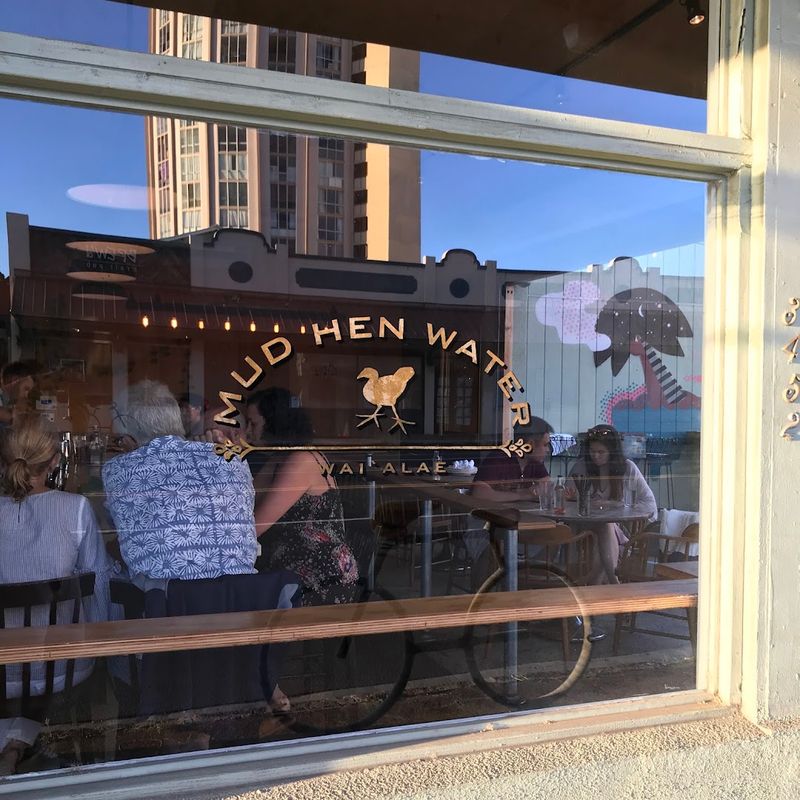
Ed Kenney named his Kaimuki restaurant after the Hawaiian translation of the neighborhood’s name, which adds a layer of cultural intention to what is already a thoughtful dining concept. Mud Hen Water focuses on traditional Hawaiian ingredients reinterpreted through a modern lens, which sounds like a marketing pitch until you actually taste the food.
The menu features small plates designed for sharing, with ingredients like taro, breadfruit, opihi, and seaweed appearing in dishes that feel both rooted in place and genuinely creative. Kenney has been a vocal advocate for local farming and sustainable sourcing, and that commitment is visible in how the menu is built.
The restaurant has a relaxed neighborhood feel that makes it easy to linger over multiple courses. It pairs well with a walk through the Kaimuki area before or after the meal.
Reservations are recommended for dinner service.
8. Haleiwa Joe’s Haiku Gardens – Kaneohe
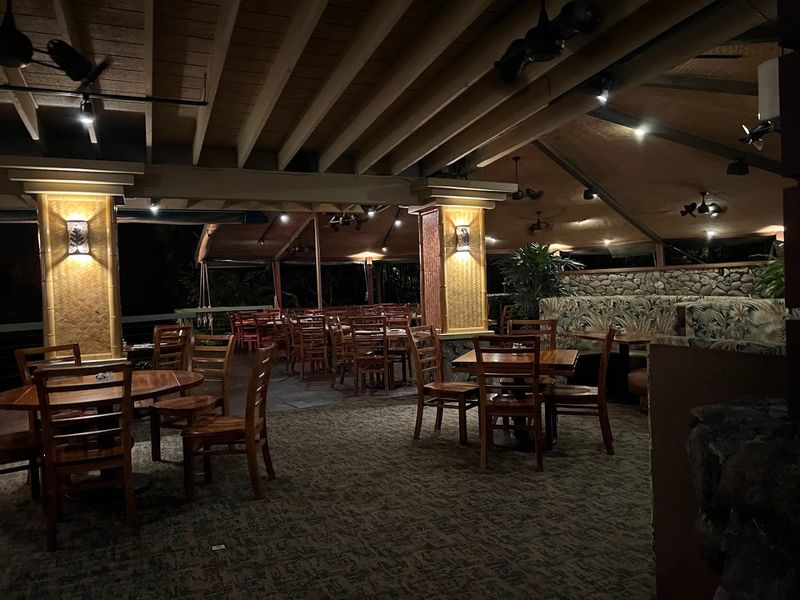
Most restaurants can claim a nice view, but Haleiwa Joe’s Haiku Gardens in Kaneohe sits inside an actual botanical garden, which puts it in a different category altogether. The property features koi ponds, tropical plants, and open-air dining pavilions that make the setting feel more like a private estate than a restaurant.
The menu leans toward American comfort food with a Hawaii twist, featuring fresh fish, steaks, and pasta dishes that are satisfying without being overly complicated. The coconut shrimp has developed a loyal following among regulars and is worth ordering regardless of what else you choose.
Haleiwa Joe’s is a popular spot for special occasions and family gatherings, and the windward side location means it draws a mix of locals and visitors who make the drive specifically for the garden experience. Parking is available on site, and reservations are strongly recommended on weekends.
9. Waiahole Poi Factory – Kaneohe
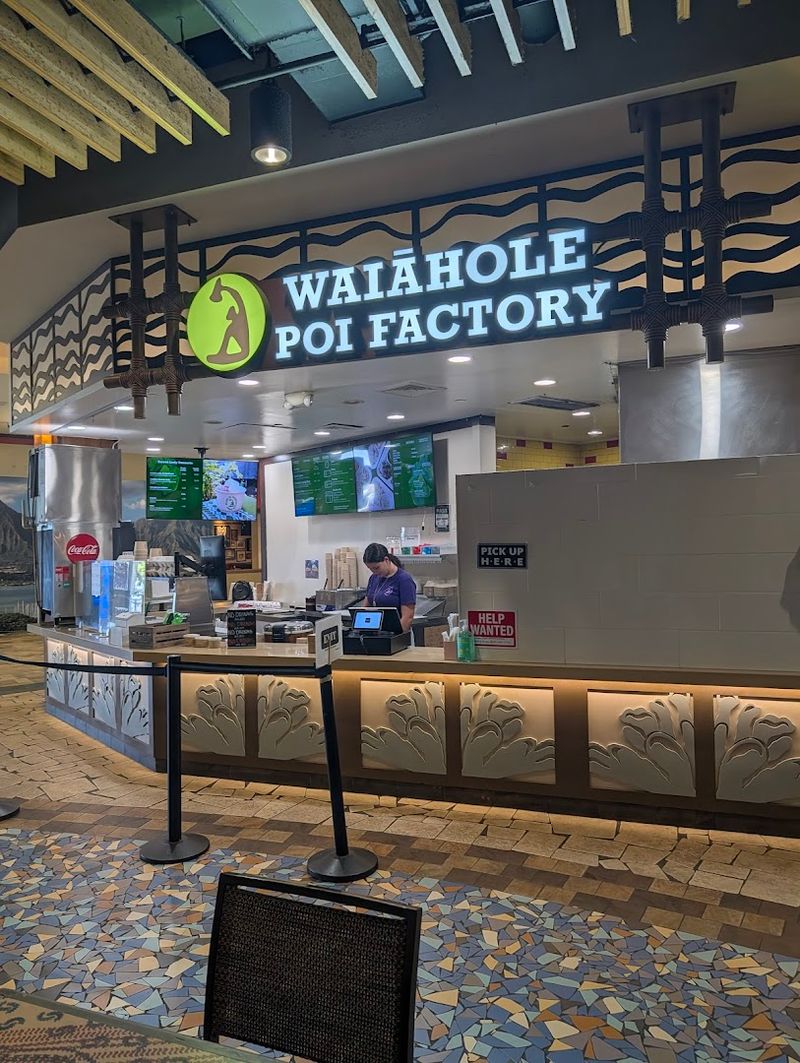
Waiahole Poi Factory occupies a historic building on the windward side of Oahu that once served as an actual poi-making facility, so the name is not just branding. The operation has been revived with a mission to keep traditional Hawaiian food practices alive, particularly the cultivation and preparation of taro.
The menu is straightforward and honest: poi, kalua pig, laulau, chicken long rice, and other Hawaiian staples prepared with attention to tradition rather than trend. Portions are generous, prices are reasonable, and the food reflects a genuine cultural commitment rather than a theme park interpretation of Hawaiian cuisine.
The location on Kamehameha Highway means it is a natural stop during a drive around the windward coast. The facility also supports local taro farmers, which gives every meal a connection to the broader effort to preserve Hawaii’s agricultural heritage.
Expect a casual, counter-service format.
10. Kapa Hale – Honolulu
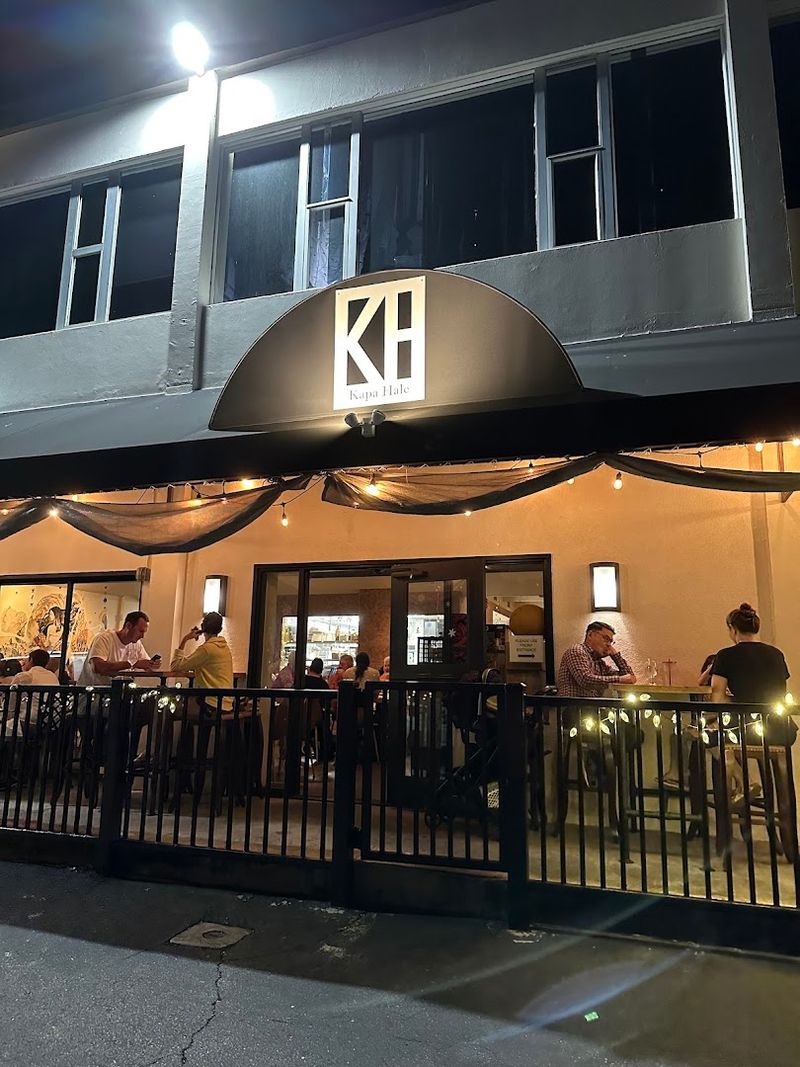
Chef Keaka Lee opened Kapa Hale with a clear focus on celebrating Native Hawaiian culinary traditions through a contemporary restaurant format. The name itself translates to “house of patterns” in Hawaiian, and the menu reflects that idea by weaving together historical ingredients and modern cooking approaches.
The kitchen works with ingredients like ulu (breadfruit), opihi, and various Hawaiian sea vegetables, presenting them in dishes that are creative without being alienating. Lee has spoken publicly about the importance of reconnecting Hawaiian communities with their food heritage, and that purpose comes through in how the restaurant operates.
Kapa Hale is a relatively recent addition to Honolulu’s dining landscape, but it has already built a strong following among diners who appreciate restaurants with a genuine point of view. The tasting menu format allows the kitchen to tell a coherent culinary story from start to finish.
Reservations are recommended.
11. Nico’s Pier 38 – Honolulu
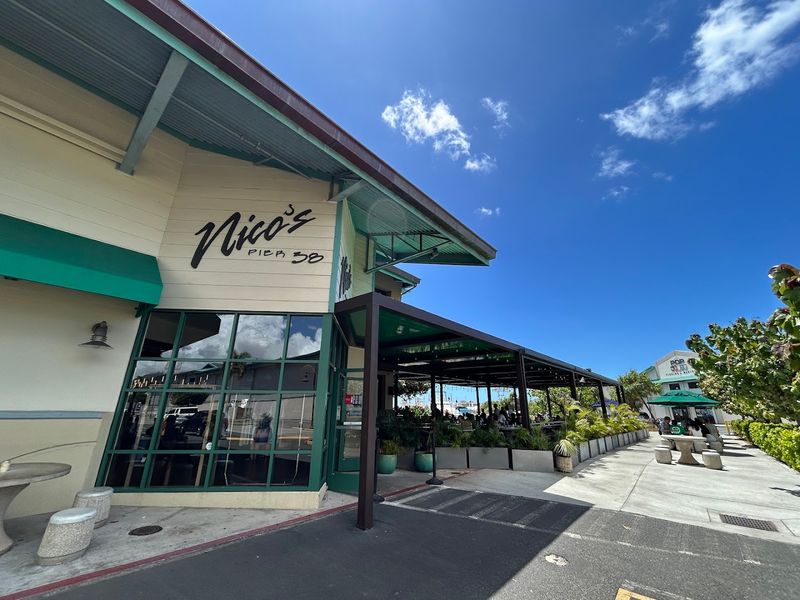
Nico’s Pier 38 sits directly at the Honolulu Fish Auction, which means the seafood here travels about the shortest possible distance from the ocean to your plate. Chef Nicolas Chaize built the restaurant around that proximity, offering fresh catches that change daily based on what came in from local fishing boats.
The menu is built around simple preparations that let the quality of the fish do the talking. Grilled mahi-mahi, furikake pan-seared ahi, and fresh poke bowls are among the most popular options.
The lunch crowd tends to include fishermen, dock workers, and in-the-know locals, which is generally a reliable sign that a seafood restaurant is doing things right.
Nico’s has a casual, open-air setup that matches the working waterfront location. The prices are fair for the quality, and the daily fish specials are worth asking about when you arrive.
Parking is available nearby.
12. Duke’s Waikiki – Honolulu
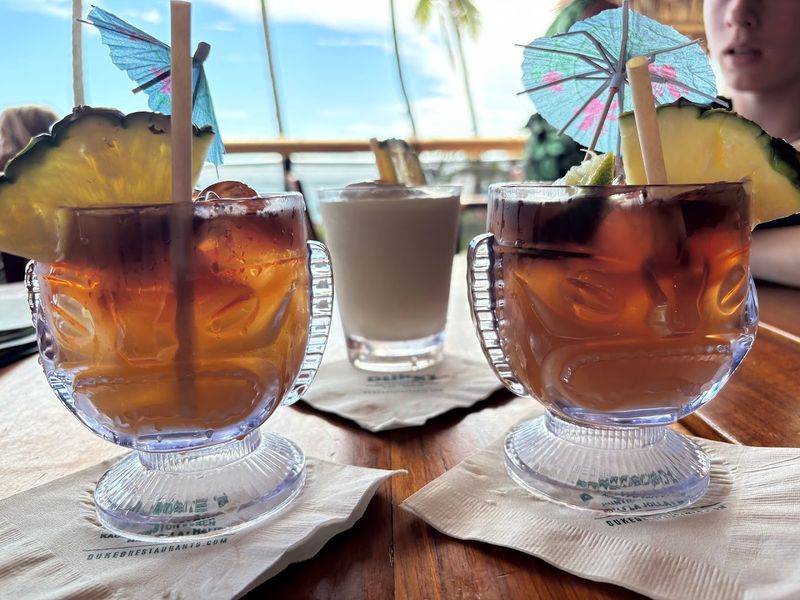
Duke’s Waikiki is named after Duke Kahanamoku, the legendary Hawaiian swimmer and surfing ambassador who helped bring the sport to a global audience in the early 20th century. His legacy is woven throughout the restaurant, with historic photographs, surfboards, and memorabilia covering nearly every wall.
The menu leans toward American beach fare with strong Hawaii influences, including fresh fish tacos, huli huli chicken, and a salad bar that has been a fixture since the restaurant opened. The oceanfront setting at the Outrigger Waikiki Hotel adds to the overall appeal, especially at sunset.
Duke’s draws a wide crowd, from families on vacation to locals celebrating milestones. The food is consistent and crowd-pleasing rather than adventurous, but that reliability is part of the appeal.
Hula pie, the restaurant’s famous dessert, has developed a following that extends well beyond Oahu. Reservations are recommended for dinner.
13. Senia – Honolulu
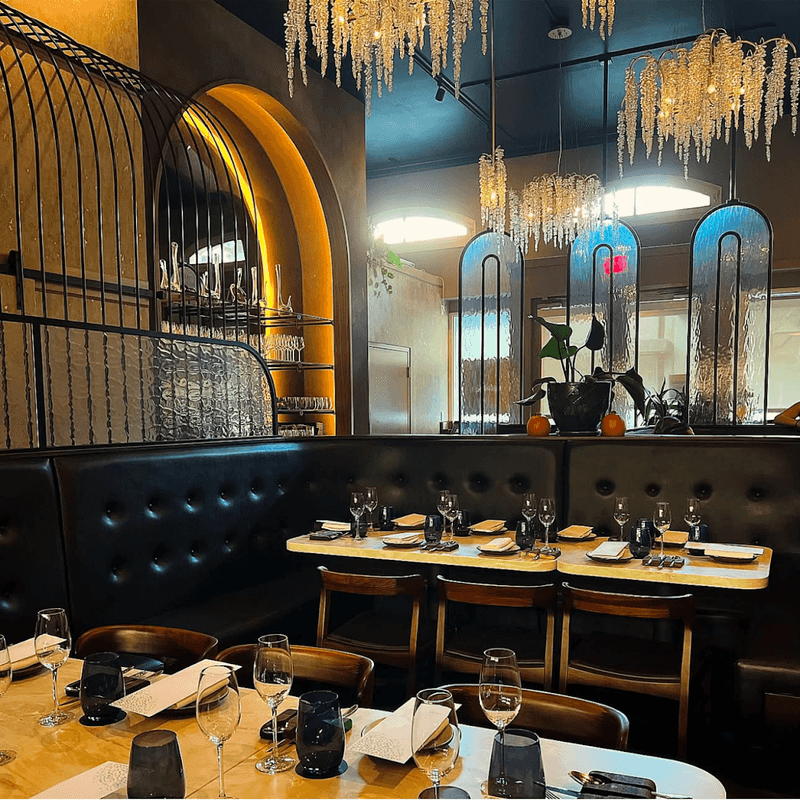
Chefs Chris Kajioka and Anthony Rush opened Senia in Chinatown after building their reputations at some of the most demanding kitchens in the world, including Quince in San Francisco and The Fat Duck in England. That background is apparent in the precision and creativity that defines every plate at Senia.
The menu changes frequently and is built around a tasting format, though a la carte options are available at the bar. Dishes combine European fine dining technique with Hawaii’s local produce and Pacific influences in ways that feel genuinely original rather than trend-chasing.
The wine and beverage program is equally well-considered.
Senia has earned consistent recognition as one of Hawaii’s top fine dining destinations, and the intimate dining room adds to the sense that something special is happening here. The bar area offers a slightly more relaxed entry point for first-timers.
Reservations book up quickly and should be made well in advance.
14. Ono Seafood – Honolulu
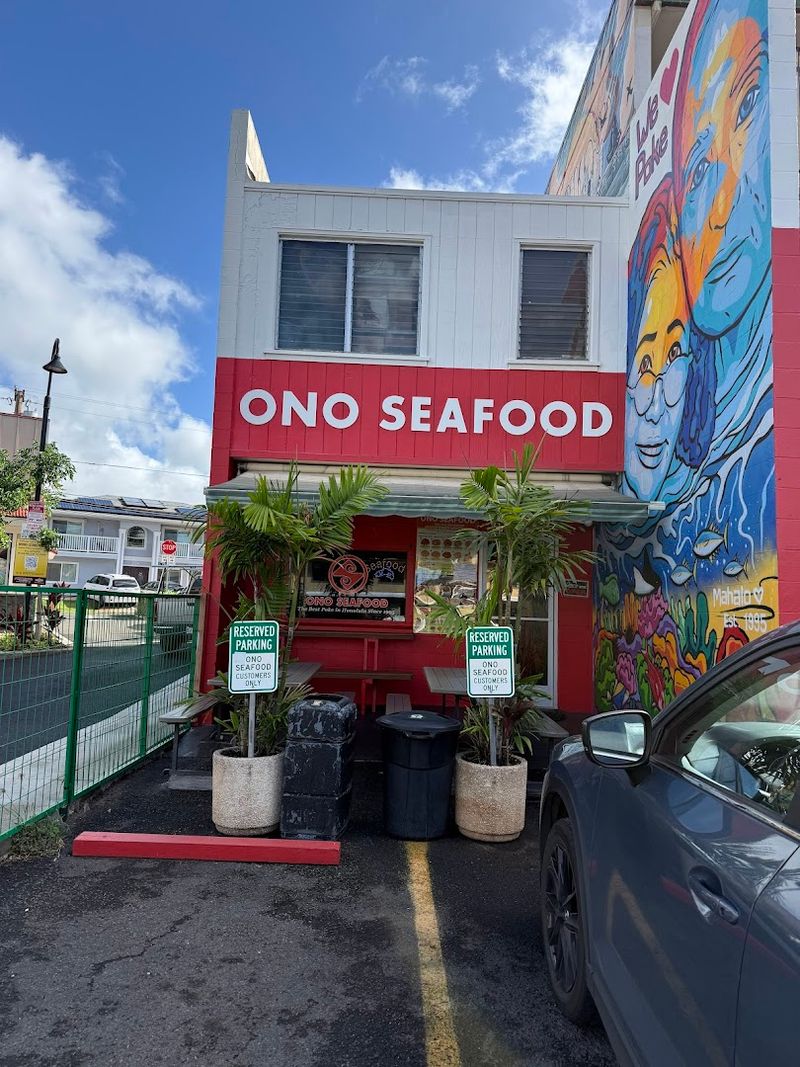
Ono Seafood is a small, no-frills poke shop in Honolulu that consistently ranks among the best places on the island to eat fresh ahi. The operation is simple: a counter, a cooler full of freshly marinated fish, and a short list of options that changes based on what came in that day.
The Hawaiian-style poke here is seasoned with shoyu, sesame oil, green onion, and limu, keeping things traditional rather than following the mainland trend of loading poke bowls with every available topping. Regulars know to arrive early because the fish sells out, and once it is gone, it is gone.
Ono Seafood is the kind of place that does one thing exceptionally well and sees no reason to complicate matters. The seating is limited, so many people take their order to go.
It is an ideal stop during a day of exploring the Kaimuki neighborhood.
15. Sushi Sho – Honolulu
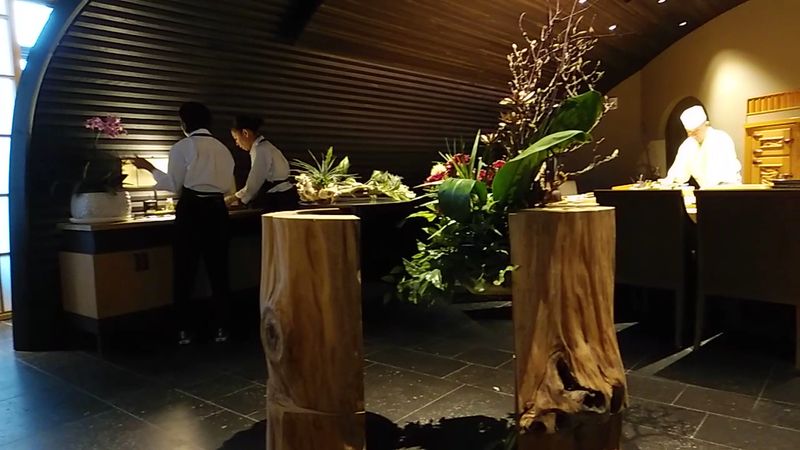
Sushi Sho in Honolulu is a branch of the original Tokyo restaurant founded by master sushi chef Keiji Nakazawa, and it operates with the same strict omakase format that made the Tokyo location one of Japan’s most respected sushi counters. Reservations are notoriously difficult to secure, which tells you something about its reputation.
The experience is entirely in the chef’s hands. Guests sit at the counter and receive a sequence of nigiri and small dishes chosen and prepared by the chef based on the day’s fish and the chef’s judgment.
There is no menu to browse, no substitutions, and no shortcuts. The fish is sourced with exceptional care, and the rice preparation alone reflects decades of refined technique.
Sushi Sho is not an everyday restaurant. It is a destination for diners who take sushi seriously and are willing to plan ahead.
The price reflects the quality and the experience. Booking requires advance planning.
Share this story