 Unearth The Voyage
Air pollution is one of the biggest health threats facing cities across Europe today. From coal-burning furnaces in the Balkans to traffic-choked streets in Western capitals, millions of people wake up every day breathing air that falls far below safe standards.
Knowing which cities struggle the most can help travelers plan smarter, push governments to act faster, and remind all of us why clean air is worth fighting for. Here are the 15 most polluted cities in Europe in 2026 — and the stories behind their smoggy skies.
Tetovo, North Macedonia
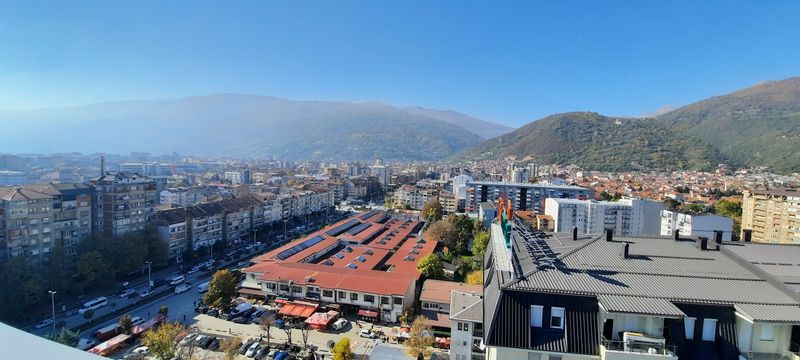
If there were an unwanted crown for Europe’s most polluted city, Tetovo would wear it year after year. Sitting at the base of the Shar Mountains, this North Macedonian city is essentially a natural bowl that collects and holds every particle of pollution pumped into its air.
Coal and wood are still the primary heating fuels for most households, and when winter hits, the smoke stacks up — literally. Industrial emissions and bumper-to-bumper traffic pile on, turning the air into something you can almost taste.
Residents frequently report respiratory problems, and on the worst days, the smog is thick enough to obscure nearby hills entirely.
Despite some government efforts to subsidize cleaner heating alternatives, change has crawled at a frustratingly slow pace. The surrounding terrain makes natural air circulation nearly impossible, so pollutants linger long after they are produced.
Tetovo’s pollution crisis is a sharp reminder that environmental problems do not stay neatly inside city borders — they affect entire regions and generations. For anyone planning a visit, checking the air quality index before you go is not just smart advice; it is practically essential.
Tirana, Albania
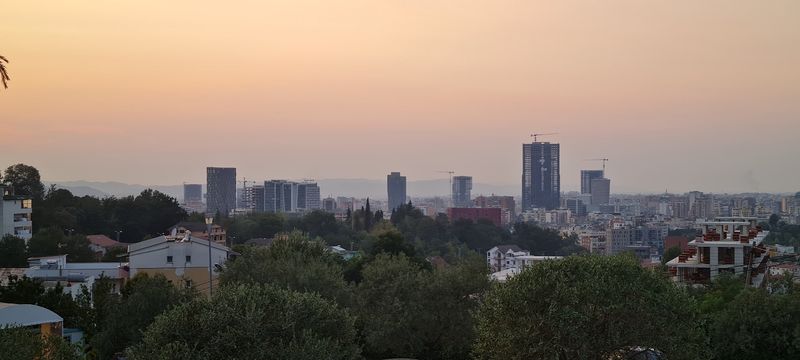
Walk through central Tirana on a weekday morning and the soundtrack is unmistakable — honking horns, revving engines, and the low rumble of a city that has grown faster than its roads can handle. Albania’s capital has transformed dramatically over the past two decades, but the environment has paid a steep price for that progress.
Car ownership skyrocketed as the economy improved, and public transport simply never kept up. The result is gridlock that pumps exhaust into streets that were never designed for this volume of vehicles.
Construction dust from constant development adds another layer to the air quality problem, while older buildings burning inefficient fuels make winters particularly rough.
The city sits in a valley surrounded by hills, which means polluted air tends to stay put rather than drift away. Local authorities have launched urban greening projects and experimented with car-free zones, which is genuinely encouraging.
However, the scale of the challenge still far outpaces current solutions. Tirana is a city buzzing with life, creativity, and color — but beneath that energy lies an air quality crisis that residents deal with every single day, whether they talk about it or not.
Skopje, North Macedonia
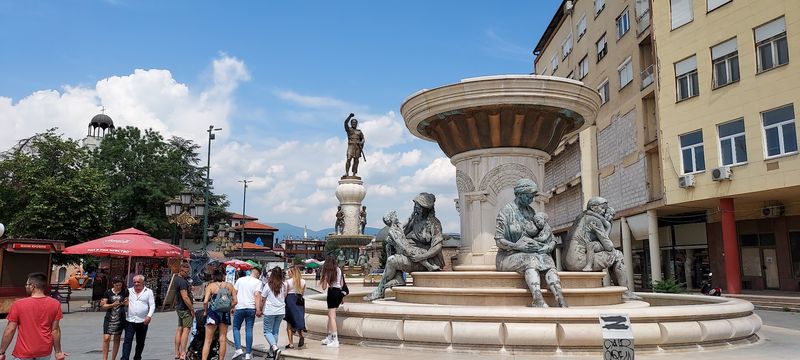
On a bad winter day in Skopje, the city’s famous stone bridge nearly disappears behind a curtain of grey smog. North Macedonia’s capital has earned a grim reputation as one of Europe’s most air-polluted cities, and the science behind it is as clear as the skies are not.
Temperature inversions are the main villain here. Cold air settles near the ground and acts like a lid, trapping vehicle exhaust, industrial emissions, and smoke from wood and coal burners in a toxic layer that residents cannot escape.
Schools have issued warnings, doctors have reported spikes in respiratory admissions, and residents have learned to keep masks on hand the way others keep umbrellas.
The government has introduced subsidies for cleaner heating systems and pushed electric bus routes, but retrofitting an entire city’s energy habits takes years. Skopje’s geography — a basin flanked by mountains — means nature is not going to fix this problem on its own.
What makes the situation particularly striking is the contrast: Skopje is a city rich in history, street art, and genuine hospitality. Visitors are often surprised to discover that such a culturally vibrant place is simultaneously fighting one of Europe’s most serious air quality battles.
Naples, Italy
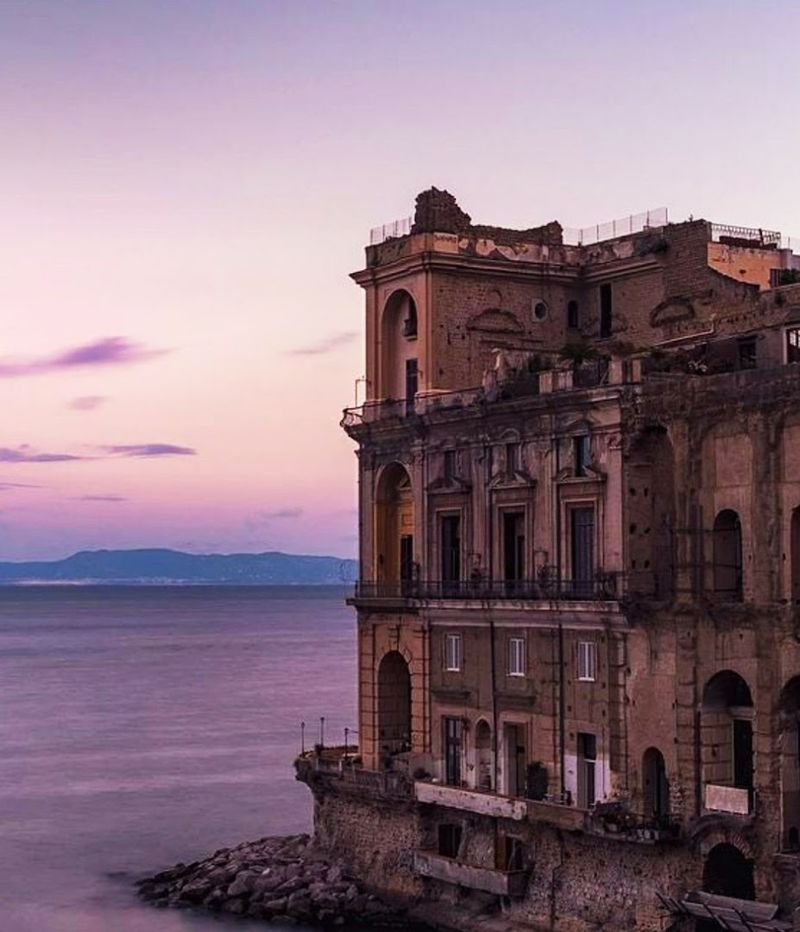
Naples moves at its own pace — loud, passionate, and completely unapologetic — but the city’s air quality has become one issue that is harder to brush off with a shrug. In 2026, it remains one of Italy’s most polluted urban centers, and the reasons are tangled up in the very things that make it so uniquely Neapolitan.
The ancient street grid was not built for modern traffic volumes. Cars squeeze through alleys barely wide enough for a Vespa, emissions have nowhere to go, and the urban heat island effect makes everything worse.
Waste management has historically been a flashpoint issue in the region, with illegal burning of garbage contributing to toxic air episodes that go beyond ordinary smog.
Industrial zones on the city’s outskirts add industrial-grade pollution to the mix, while the coastal geography occasionally traps air rather than clearing it. Naples has made some strides with expanded metro lines and pedestrian zones in the historic center, and those improvements genuinely matter.
Still, millions of residents breathe air that regularly exceeds safe limits. The city’s extraordinary food, culture, and waterfront views draw tourists from around the world — they just do not always see the environmental struggles hiding behind that spectacular scenery.
Brescia, Italy
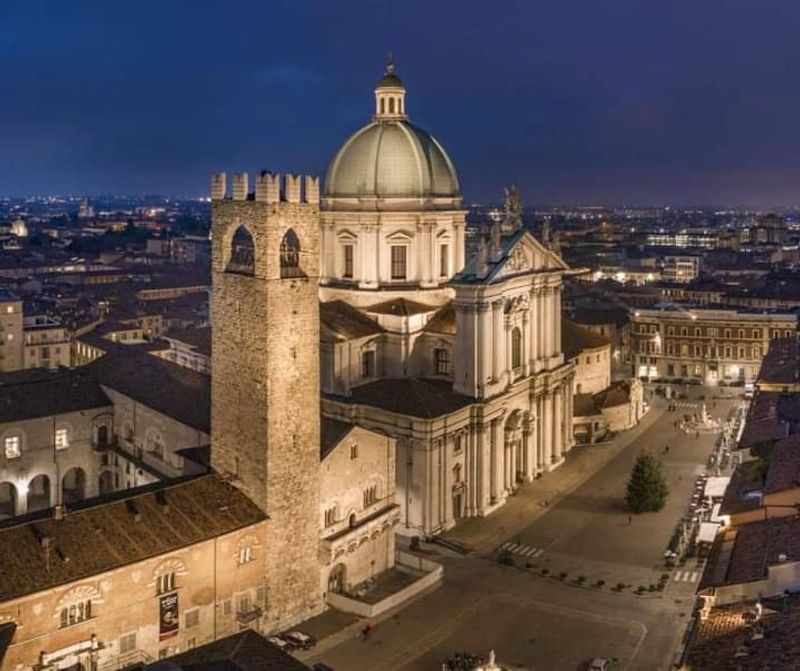
Tucked into northern Italy’s industrial heartland, Brescia is a city that works hard — and its air quality shows it. Steel manufacturing, heavy industry, and dense road traffic have combined to give this city one of the highest particulate matter readings in Western Europe, year after year.
The Po Valley, where Brescia sits, is essentially a pollution trap. Surrounded on three sides by the Alps and Apennines, the region has notoriously poor air circulation.
Whatever goes into the air tends to stay there, mixing with agricultural emissions and diesel fumes until the sky takes on a milky, yellowish haze that locals have simply learned to live with.
Stricter European Union emission standards have pushed some improvements, and the city has invested in public transport upgrades. But industrial output remains high, and completely overhauling a manufacturing economy is not something that happens overnight.
What surprises many first-time visitors is how strikingly beautiful Brescia actually is — medieval towers, Roman ruins, and excellent local cuisine make it well worth exploring. The environmental challenges are real, but they exist alongside a city with genuine character and deep cultural roots.
Residents are proud of their home; they just wish the air matched its charm.
Bucharest, Romania
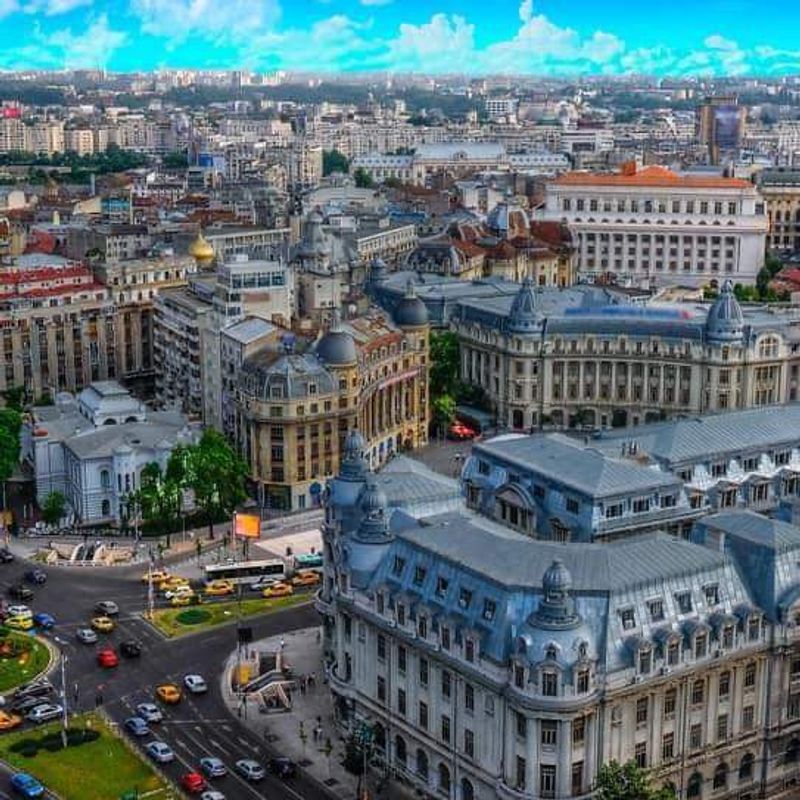
Bucharest has reinvented itself at breakneck speed since the early 1990s, and the skyline today barely resembles what it was a generation ago. But rapid development has a dirty side effect, and Romania’s capital is living proof that economic growth and environmental health do not automatically go hand in hand.
Car ownership in Bucharest has surged dramatically, and the road network has struggled to absorb the pressure. Traffic jams are a daily ritual, and the emissions from thousands of idling vehicles saturate the air, particularly in the city center.
Construction dust from ongoing development adds a gritty layer on top, while industrial zones on the city’s edges contribute their own share of pollutants.
Green space per person remains low by European standards, meaning there are fewer trees and parks to absorb emissions and cool the air. The city has expanded its metro system and introduced some low-emission zones, which are steps in the right direction.
However, the pace of environmental reform has not matched the pace of urban growth. Bucharest is a fascinating, underrated city with a wild energy and surprisingly rich cultural scene — but for residents dealing with poor air quality daily, that energy comes with a cost that is measured in more than just money.
Kraków, Poland
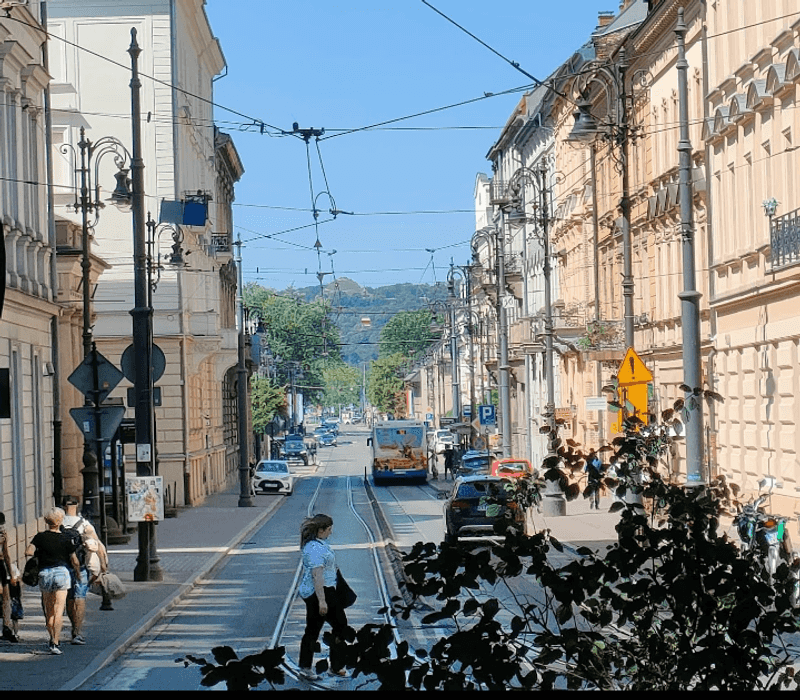
For years, Kraków was almost synonymous with coal smoke. The city sat at the center of Poland’s infamous smog crisis, regularly recording some of the worst air quality readings in all of Europe during winter months.
The smell of burning coal was practically part of the city’s identity — and not in a good way.
The geography did not help. Kraków sits in a natural basin, and cold winter air settles into it like water filling a bowl, trapping every particle of pollution produced by domestic heating, vehicles, and industry.
Residents with respiratory conditions learned to dread November through February as a season of real health risk.
The good news is that Kraków has fought back harder than almost any other city on this list. A ban on coal and wood burning in the city came into force, and authorities have invested significantly in district heating, public transport, and renewable energy incentives.
Air quality has measurably improved compared to a decade ago. Yet pollution levels still exceed safe thresholds during peak periods, and the city remains on Europe’s most-affected list in 2026.
Progress is real, it is just not finished yet — and Kraków’s story offers genuine hope that determined policy action can make a meaningful difference.
Milan, Italy
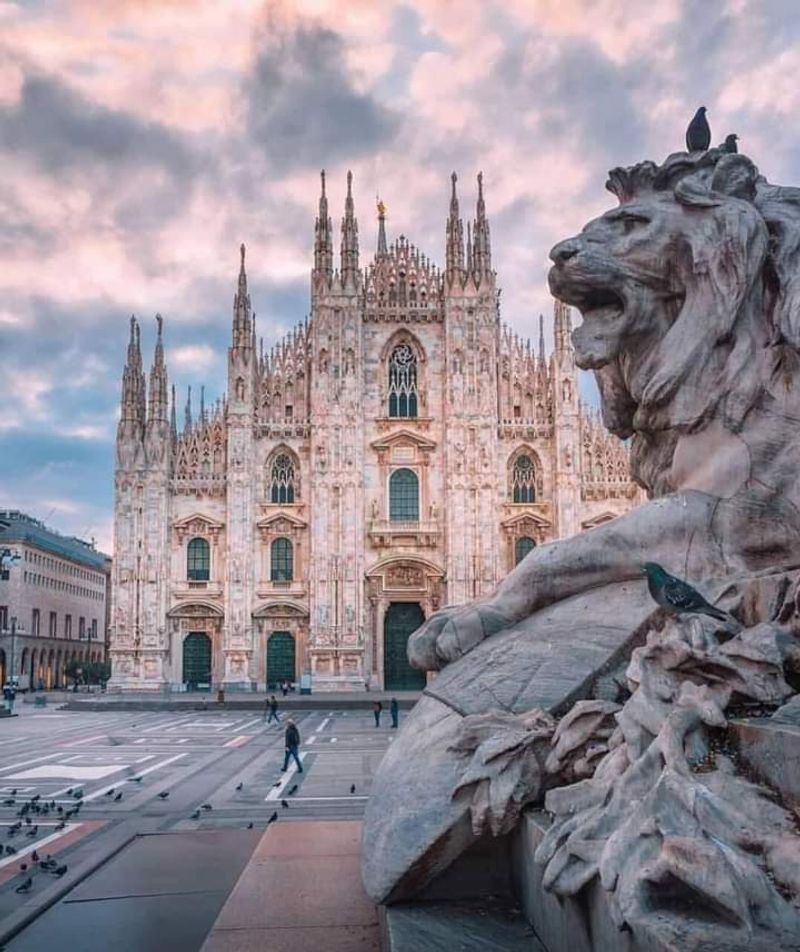
Fashion weeks, world-class galleries, and some of Italy’s finest restaurants — Milan projects an image of sleek sophistication. But step outside on a grey November morning and the air tells a different story, one that has been building for decades in the Po Valley’s giant pollution basin.
Milan is Italy’s economic engine, which means constant traffic, industrial activity, and dense population all concentrated in a geography that traps rather than disperses pollutants. The Alps curve around the north and west, blocking the winds that might otherwise flush the city clean.
Heating season transforms the air quality from merely poor to genuinely hazardous on certain days.
The city has tried harder than many to tackle the problem. A congestion charge zone in the city center, known as Area C, has reduced traffic meaningfully.
Low-emission zones have expanded, cycling infrastructure has grown rapidly, and electric vehicle adoption is higher here than in most Italian cities. These are real achievements worth acknowledging.
However, Milan’s sheer scale and economic intensity mean the baseline pollution load is enormous, and full compliance with European air quality standards remains elusive. For residents, clean air is not just a luxury preference — it is a genuine public health priority that city planners are still working hard to deliver.
Marseille, France
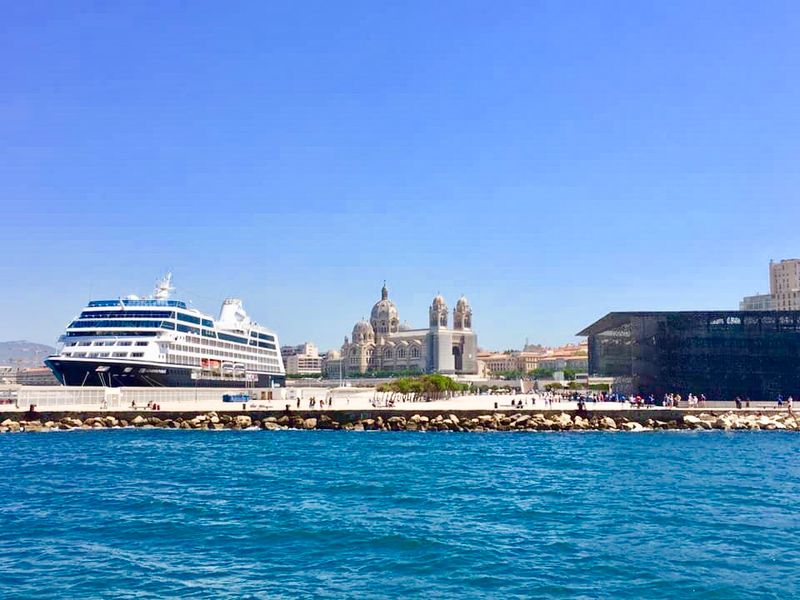
Marseille smells like the sea — and sometimes, unfortunately, like a great deal more than that. France’s second-largest city wears its industrial identity proudly, but that same identity drives an air quality problem that has proven stubbornly difficult to solve.
The port of Marseille is one of the busiest in the Mediterranean, and cruise ships and cargo vessels burning heavy fuel oil pump enormous quantities of nitrogen dioxide and particulate matter directly into the city’s air. On days when the wind drops and the mistral is not blowing, those emissions settle over the waterfront neighborhoods like an invisible blanket.
Traffic congestion through the city’s notoriously challenging road network layers vehicle exhaust on top of port pollution.
Industrial facilities on the western edge of the city, including refineries and chemical plants, add further complexity to the air quality picture. Authorities have pushed for shore power connections at the port, which would allow docked ships to switch off their engines and plug into the electrical grid instead — a genuinely smart solution that other port cities are watching closely.
Progress is happening, but Marseille’s pollution challenge is deeply tied to its economic role, and economic roles are not easily rewritten. The city’s raw, authentic energy is magnetic; cleaner air would only make it more so.
Belgrade, Serbia
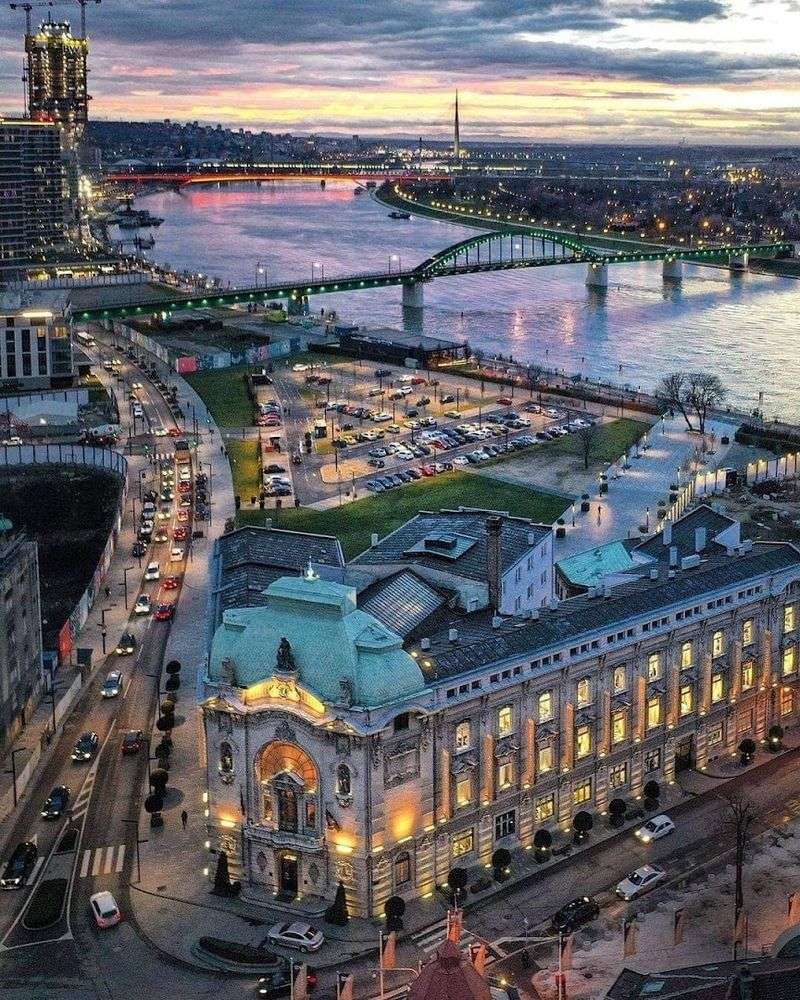
When winter arrives in Belgrade, it brings more than just cold temperatures — it brings a smoky haze that settles over the city like an unwelcome houseguest who refuses to leave. Serbia’s capital ranks among Europe’s most polluted cities, and the seasonal spike in air pollution is one of its most visible and damaging characteristics.
Coal and wood heating remain widespread, both in the city itself and in surrounding settlements that contribute to the regional air quality picture. The Nikola Tesla thermal power plants burning lignite coal, located near the city, are among the largest sources of sulfur dioxide in all of Europe — a fact that tends to shock people when they first encounter it.
Traffic congestion on Belgrade’s aging road network adds vehicle emissions to an already burdened atmosphere.
Unlike some Western European cities that can point to decades of environmental investment, Belgrade is working with tighter budgets and competing priorities. EU accession negotiations have pushed some environmental reforms forward, and there is growing public awareness about air quality among younger residents.
Community-led pollution monitoring projects have popped up across the city, giving ordinary people real-time data about the air they breathe. Belgrade is a city with enormous spirit and a nightlife scene that is genuinely legendary — it deserves air quality that matches that energy.
Sofia, Bulgaria
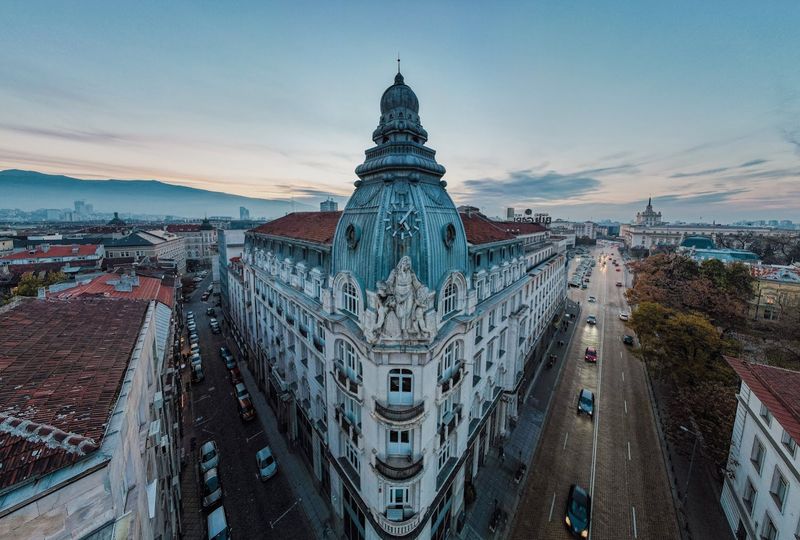
Sofia has one of the most dramatic backdrops of any European capital — the snow-capped Vitosha Mountain looms right at the city’s edge, and on clear days it is genuinely breathtaking. The problem is that clear days in Sofia are rarer than they should be, thanks to an air quality crisis that has dragged on for years.
The city sits in a valley, and like so many other cities on this list, that geography becomes a liability when pollution levels rise. Cold air pools in the basin, trapping vehicle exhaust, heating smoke, and industrial emissions in a layer that can persist for days without relief.
Domestic heating with solid fuels — coal, wood, and even household waste in some cases — is a major driver of fine particulate pollution, especially during the long Bulgarian winters.
Sofia has faced repeated legal action from the European Commission over its failure to meet EU air quality standards, which reflects just how persistent the problem has become. The city has expanded its metro network and introduced some electric bus routes, and these investments are making a difference at the margins.
But the structural shift away from solid fuel heating requires financial support that many households simply do not have. Sofia’s story is ultimately about the gap between environmental ambition and economic reality — a gap that policymakers across the continent are still struggling to close.
Turin, Italy
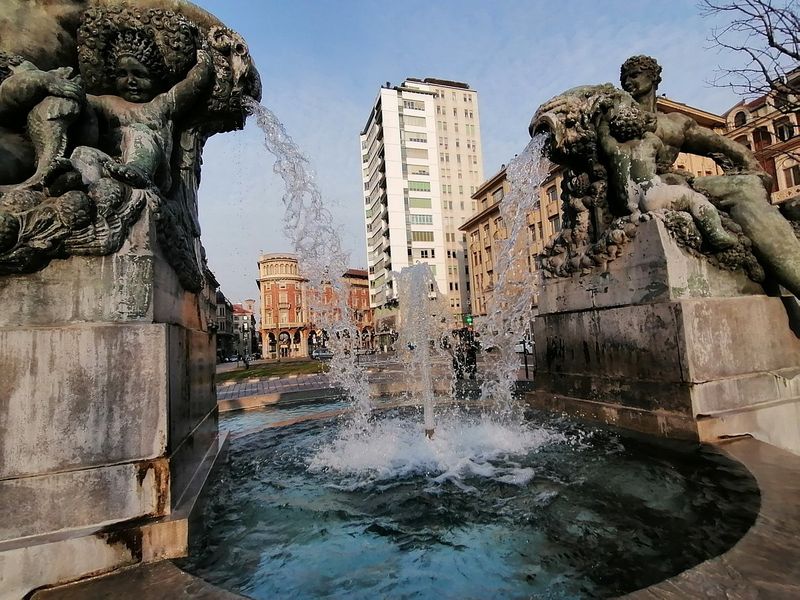
Turin sits at the western end of the Po Valley with the Alps curving around it like a giant amphitheater — spectacular to look at, but terrible for air quality. The same mountains that give the city its dramatic backdrop act as a barrier that prevents wind from flushing out pollutants, leaving them to accumulate in layers that can last for weeks during winter.
Once the heart of Italy’s automobile industry, Turin still carries that industrial legacy in its air. Vehicle emissions, heating systems, and manufacturing output all contribute to particulate matter levels that regularly breach European safety thresholds.
Residents in the city’s less affluent neighborhoods — where older heating systems are more common — tend to bear the heaviest health burden.
Turin has invested in electric public transport and expanded cycling infrastructure more aggressively than many Italian cities its size. The city government has also piloted traffic restriction schemes during peak pollution episodes, temporarily banning older diesel vehicles from city streets.
These measures show genuine commitment, and the data suggests some improvement over the past decade. Still, Turin’s geography means it will always face an uphill battle — quite literally, given the mountains on its doorstep.
Clean air advocates here have learned that patience and persistence are not optional; they are simply the price of pushing for change in a place built the way Turin is.
Sarajevo, Bosnia and Herzegovina
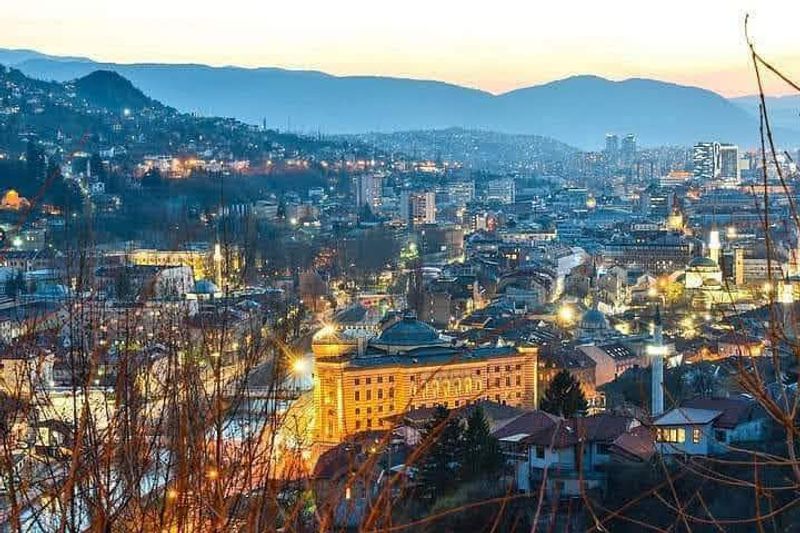
There are days in Sarajevo when the air quality readings are not just bad by European standards — they are bad by any standard on the planet. During peak winter pollution episodes, particle concentrations in the city have been measured at levels comparable to the most polluted cities in South and East Asia.
For a European capital, that is a genuinely alarming fact.
The geography is unforgiving. Sarajevo is tucked into a narrow valley surrounded by mountains, and cold winter air settles in like concrete, trapping every particle produced by the city’s thousands of coal and wood stoves.
Many residents rely on solid fuels because cleaner alternatives are either unavailable or simply unaffordable. The vehicle fleet is among the oldest in Europe, meaning emissions per car are far higher than in countries with stricter inspection regimes.
Public health data from Bosnia shows elevated rates of respiratory and cardiovascular disease in Sarajevo compared to European averages, and researchers have directly linked these outcomes to chronic air pollution exposure. The government has acknowledged the crisis and outlined reform plans, but implementation has been slow and funding has been inconsistent.
International organizations have stepped in with support, and some neighborhoods have benefited from district heating upgrades. Sarajevo deserves urgent, sustained attention — because the human cost of inaction here is being counted in lives, not just statistics.
Kyiv, Ukraine
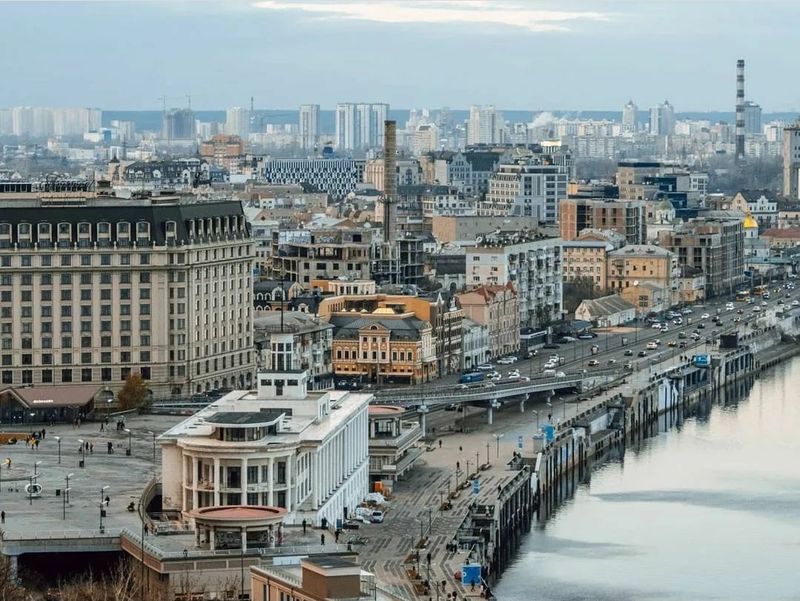
Kyiv carries the weight of extraordinary challenges in 2026, and air quality is one layer of a much larger and more urgent crisis. Ukraine’s capital has faced devastating infrastructure damage in recent years, and the environmental consequences of conflict — burned buildings, destroyed industrial facilities, and disrupted waste management — have added new dimensions to an already complex pollution picture.
Even before recent events, Kyiv struggled with air quality issues driven by heavy traffic, industrial emissions on the city’s outskirts, and heating systems that lag behind Western European standards. The Dnipro River corridor creates some natural air movement, but the city’s size and density mean that pollution builds up quickly, particularly during temperature inversions in winter and dry, still periods in summer.
Monitoring data from independent environmental organizations has shown spikes in fine particulate matter and nitrogen dioxide that exceed safe limits regularly. Residents in industrial districts experience the worst exposure, and health advocates have long pushed for stricter vehicle emission standards and cleaner heating alternatives.
Despite everything, Kyiv remains a city of remarkable resilience and cultural depth. Environmental recovery is genuinely part of the broader reconstruction conversation happening there, and international support for cleaner infrastructure could make a meaningful difference.
Clean air, in Kyiv perhaps more than anywhere, feels like both a practical need and a symbol of renewal.
Paris, France
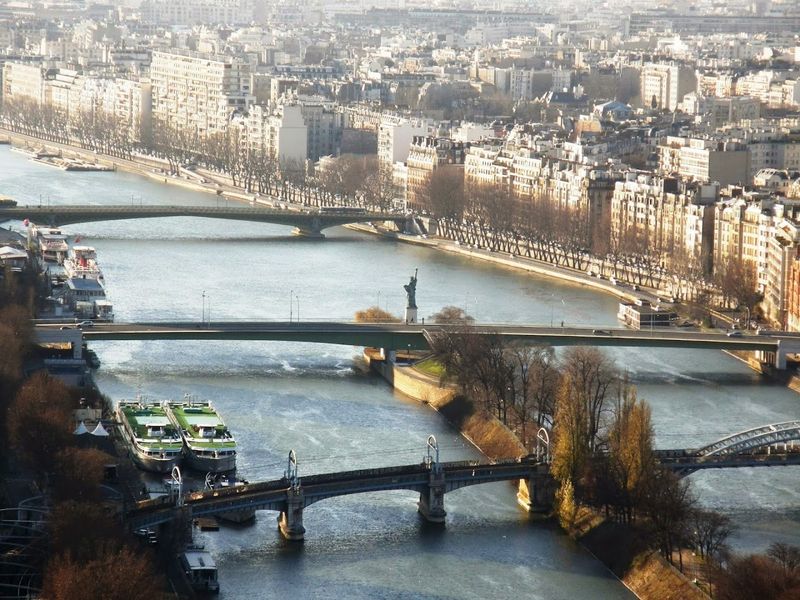
Paris has a reputation to protect, and city officials know it. The French capital has worked harder than almost any other major Western European city to clean up its air — and the results are visible.
But visible improvement and actually meeting safe air quality standards are two different things, and Paris still falls short often enough to earn its place on this list.
Traffic remains the city’s biggest pollution challenge. Despite an extensive metro system, millions of vehicles still clog Parisian streets daily, and diesel engines — historically popular in France — produce nitrogen dioxide at levels that push certain neighborhoods well above recommended thresholds.
The Seine valley can trap pollutants during calm weather, amplifying the impact of everyday emissions.
The city has responded with real ambition: car-free Sundays along the Seine, expanding cycling lanes at a pace that has genuinely transformed some neighborhoods, and progressive restrictions on older polluting vehicles. The low-emission zone covering the entire city has pushed out the dirtiest cars and trucks.
Mayor Anne Hidalgo’s vision of a more walkable, less car-dependent Paris has attracted international attention and inspired similar projects in other cities. Paris is proof that political will can shift a city’s environmental trajectory.
The work is not done, but the direction of travel is unmistakably the right one.



