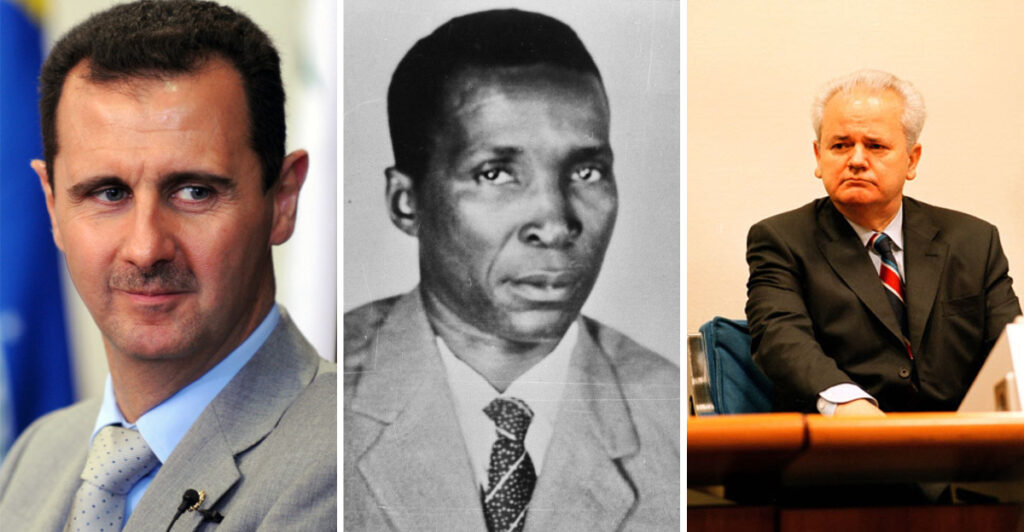
Throughout history, certain leaders have caused unimaginable suffering through war, genocide, and oppression. Their decisions shaped entire nations, often leaving behind lasting scars that generations struggled to heal.
Understanding these figures helps us recognize the warning signs of dangerous leadership and why holding power accountable matters. Here is a look at 15 of the most destructive political leaders the world has ever seen.
1. Adolf Hitler (Germany)
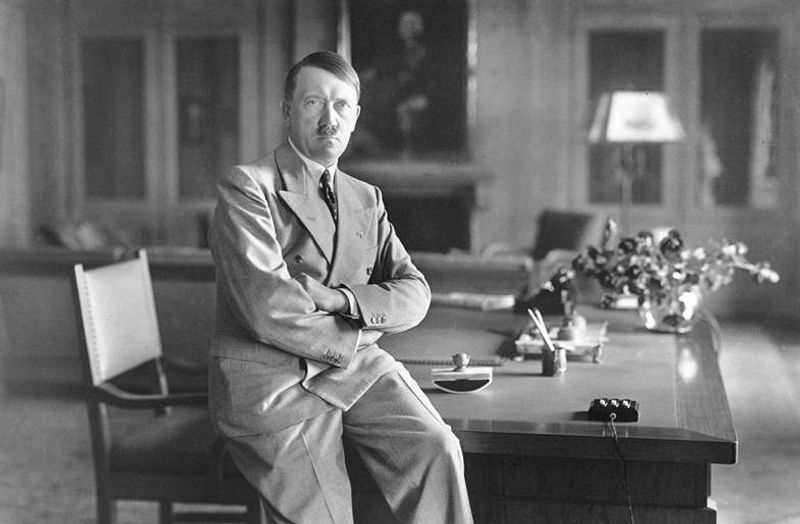
Few names in history carry as much weight as Adolf Hitler. Rising to power in Germany during the 1930s, Hitler used economic hardship and widespread fear to fuel a movement rooted in hatred and extreme nationalism.
His Nazi regime systematically murdered six million Jewish people in what became known as the Holocaust.
Beyond the genocide, Hitler launched World War II by invading neighboring countries, ultimately causing the deaths of over 70 million people worldwide. His policies destroyed entire communities across Europe, leaving cities in ruins and families torn apart forever.
Hitler’s rise shows how quickly a democracy can collapse when leaders exploit fear and blame minority groups for national problems. He was eventually defeated by Allied forces in 1945 and died by suicide in a Berlin bunker.
His legacy remains one of the darkest chapters in all of human history.
2. Joseph Stalin (Soviet Union)
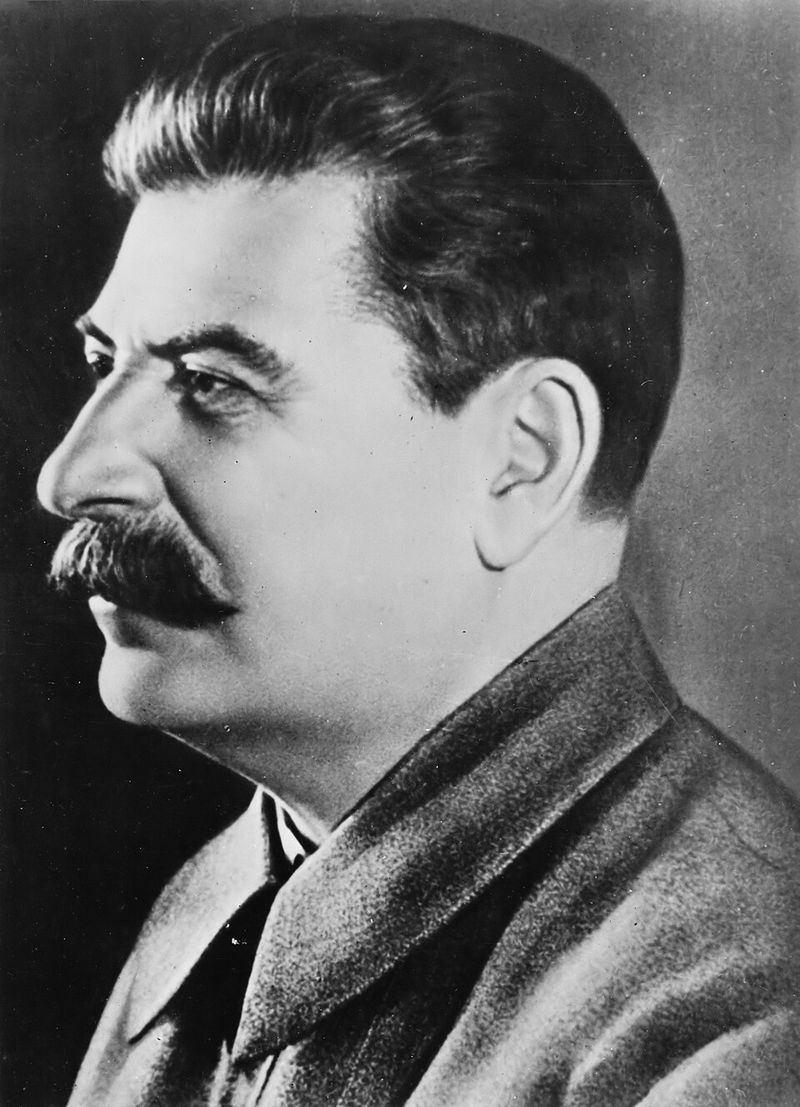
Joseph Stalin ruled the Soviet Union with an iron grip for nearly three decades, transforming the country through brutal force. Behind the image of a strong national leader hid a man responsible for millions of deaths through forced labor camps known as the Gulag, mass executions, and engineered famines.
His policy of forced collectivization in the early 1930s caused a famine in Ukraine called the Holodomor, killing an estimated four to seven million people. Stalin’s Great Purge of the late 1930s eliminated political rivals, military officers, and ordinary citizens he viewed as threats.
Historians estimate that Stalin’s policies caused between six and 20 million deaths, though exact numbers remain debated. Despite his horrific record, some in Russia still view him as a wartime hero.
His story is a stark reminder of how unchecked power leads to catastrophic human suffering.
3. Mao Zedong (China)
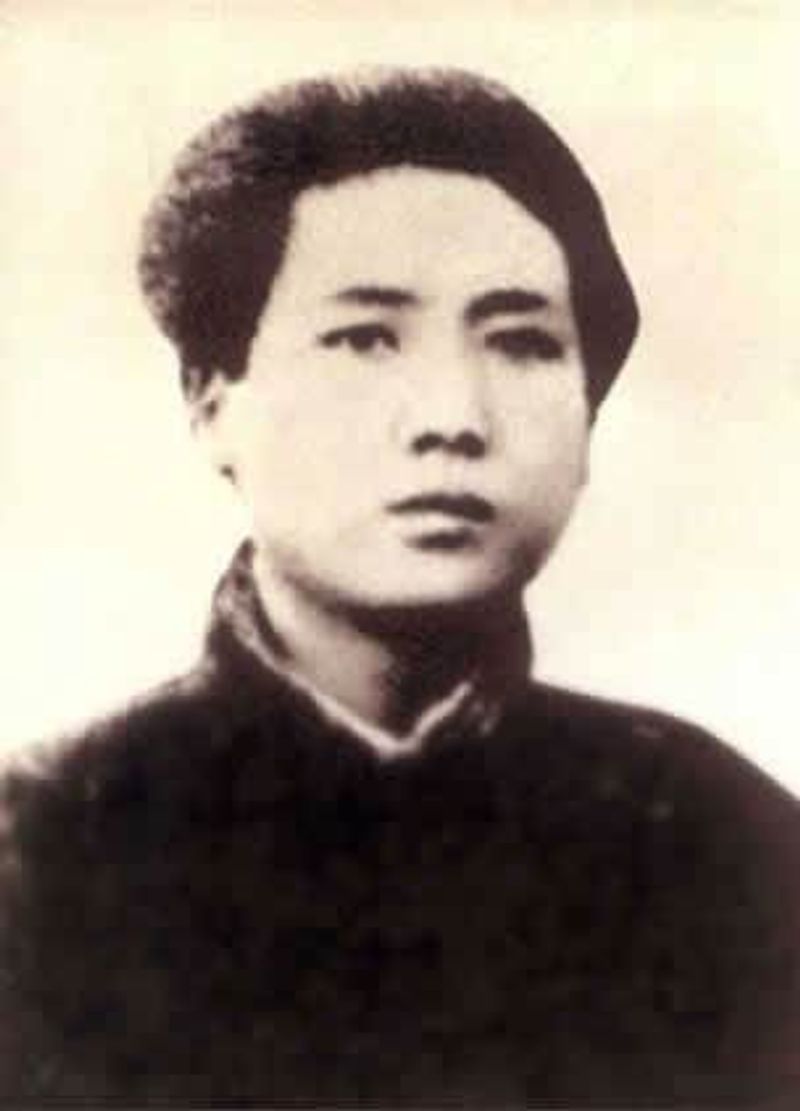
Mao Zedong founded the People’s Republic of China in 1949 and ruled until his death in 1976. While many Chinese citizens celebrated his leadership as a revolutionary triumph, his policies led to the largest mass death in recorded history.
His Great Leap Forward campaign, launched in 1958, attempted to rapidly industrialize China but instead triggered a catastrophic famine.
Between 1959 and 1961, an estimated 15 to 55 million people died from starvation, making it the deadliest famine in human history. Mao’s Cultural Revolution, which began in 1966, then targeted intellectuals, teachers, and anyone seen as a threat to his ideology.
Temples were destroyed, books were burned, and millions were sent to labor camps or executed. Mao’s complicated legacy is still debated in China today, where his image remains on the national currency.
His rule stands as a warning about prioritizing ideology over human life.
4. Pol Pot (Cambodia)
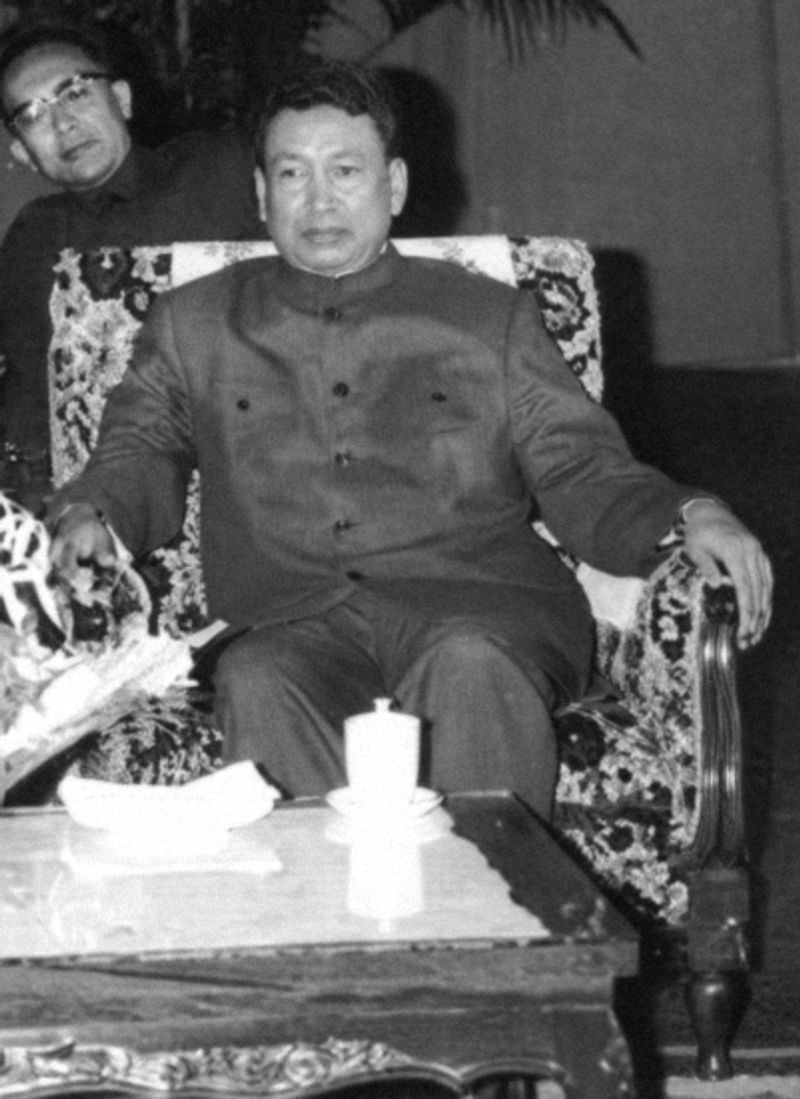
In just four years, Pol Pot and his Khmer Rouge regime managed to destroy nearly a quarter of Cambodia’s entire population. Coming to power in 1975, Pol Pot envisioned a radical agrarian utopia that required erasing all traces of modern society, including cities, schools, and hospitals.
His government forcibly evacuated urban areas, sending millions into rural labor camps.
Intellectuals, doctors, teachers, and even people who wore glasses were targeted for execution because they represented education and outside influence. The killing fields, mass graves scattered across the Cambodian countryside, became haunting symbols of this genocide.
An estimated 1.5 to 2 million people died from execution, starvation, or disease during his reign. Pol Pot fled after Vietnam invaded Cambodia in 1979 and spent years hiding in the jungle.
He died in 1998 without ever facing a formal international trial, leaving survivors with wounds that never fully healed.
5. Leopold II (Congo Free State)
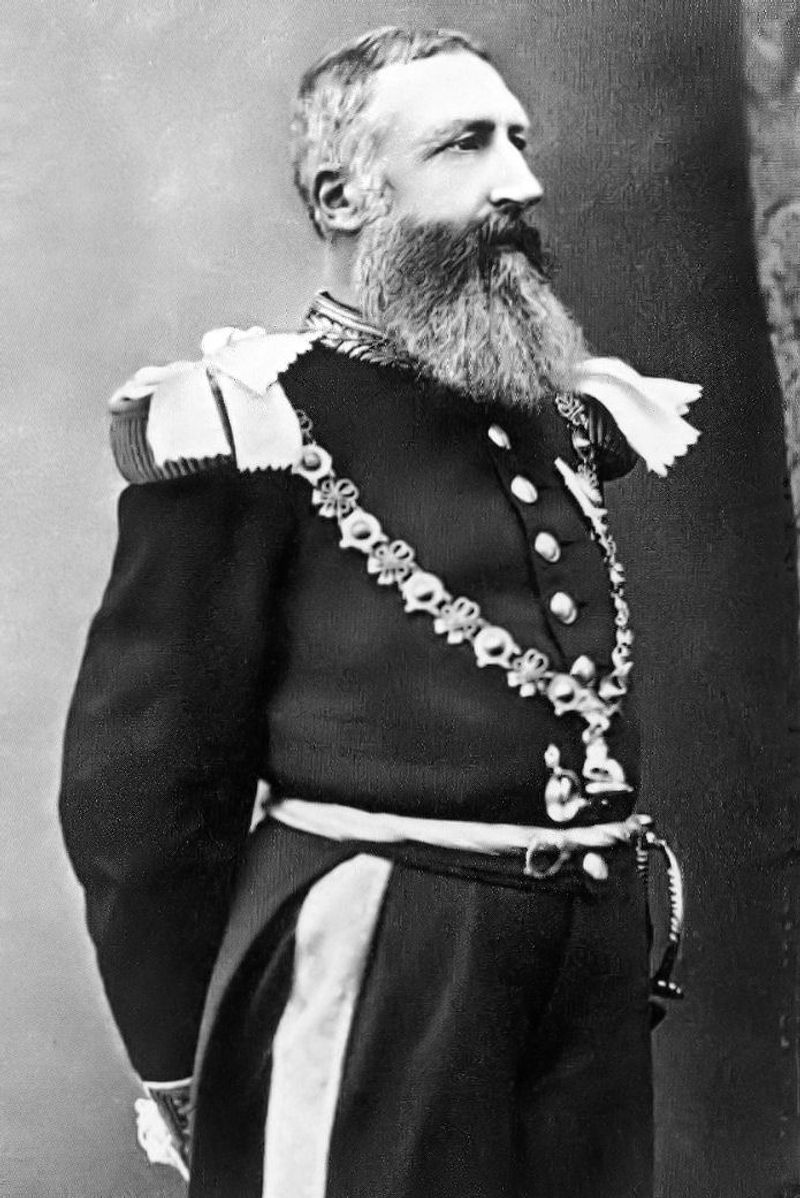
King Leopold II of Belgium never set foot in the Congo, yet he personally owned it as a private colony from 1885 to 1908 and oversaw one of history’s most brutal exploitation regimes. Under the guise of bringing civilization and Christianity to Africa, Leopold extracted rubber and ivory using enslaved Congolese labor.
Workers who failed to meet rubber quotas faced horrifying punishments, including having their hands cut off. Whole villages were burned and families were held hostage to force compliance.
Historians estimate that the Congolese population dropped by roughly ten million people during Leopold’s rule through murder, starvation, and disease.
International pressure eventually forced Leopold to hand control of the Congo to the Belgian government in 1908. His crimes were largely hidden for decades until journalists and activists like E.D.
Morel exposed them. Leopold’s reign remains one of the clearest examples of colonial violence and unchecked personal greed in modern history.
6. Kim Il Sung (North Korea)
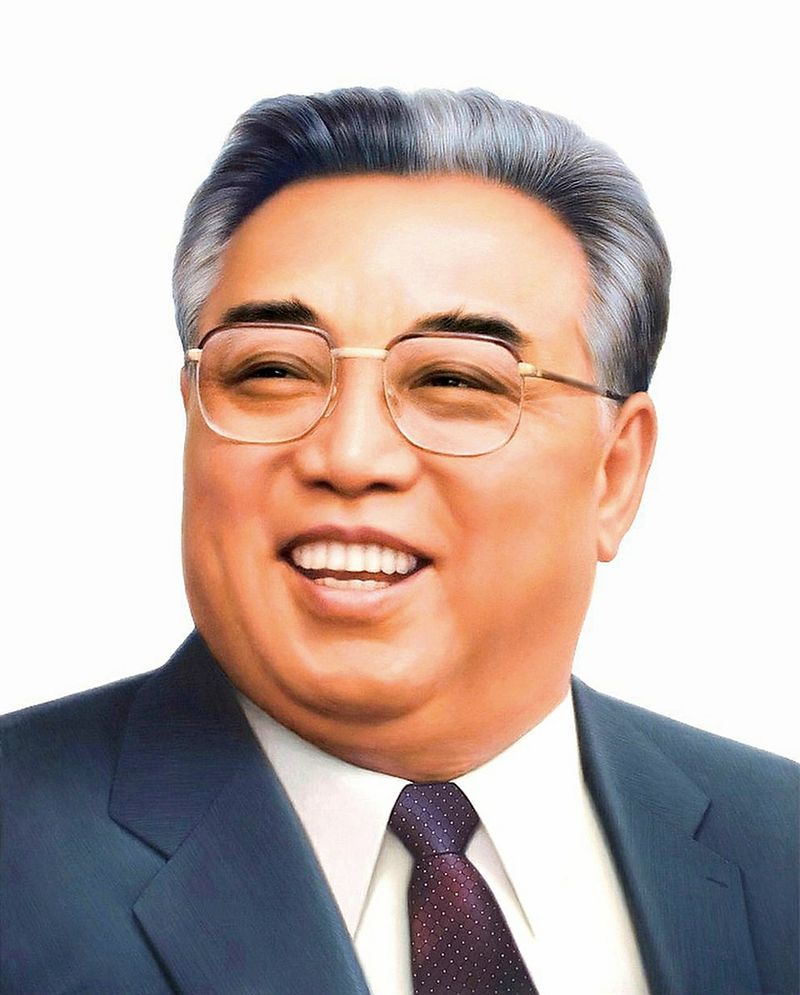
Kim Il Sung founded North Korea in 1948 and built what became one of the most isolated and repressive states the world has ever seen. Styling himself as a near-divine figure, he created a personality cult so powerful that his portrait was required to hang in every home.
Citizens were expected to revere him without question.
His decision to invade South Korea in 1950 launched the Korean War, which killed an estimated three million people before ending in a stalemate in 1953. Inside North Korea, political prison camps held hundreds of thousands of people under brutal conditions, where torture, starvation, and forced labor were routine.
Kim’s system of governance, passed down to his son and grandson, continues today. The country remains one of the world’s most closed societies, with citizens denied basic freedoms.
Kim Il Sung’s legacy is a nation frozen in time, built on fear and absolute obedience.
7. Idi Amin (Uganda)
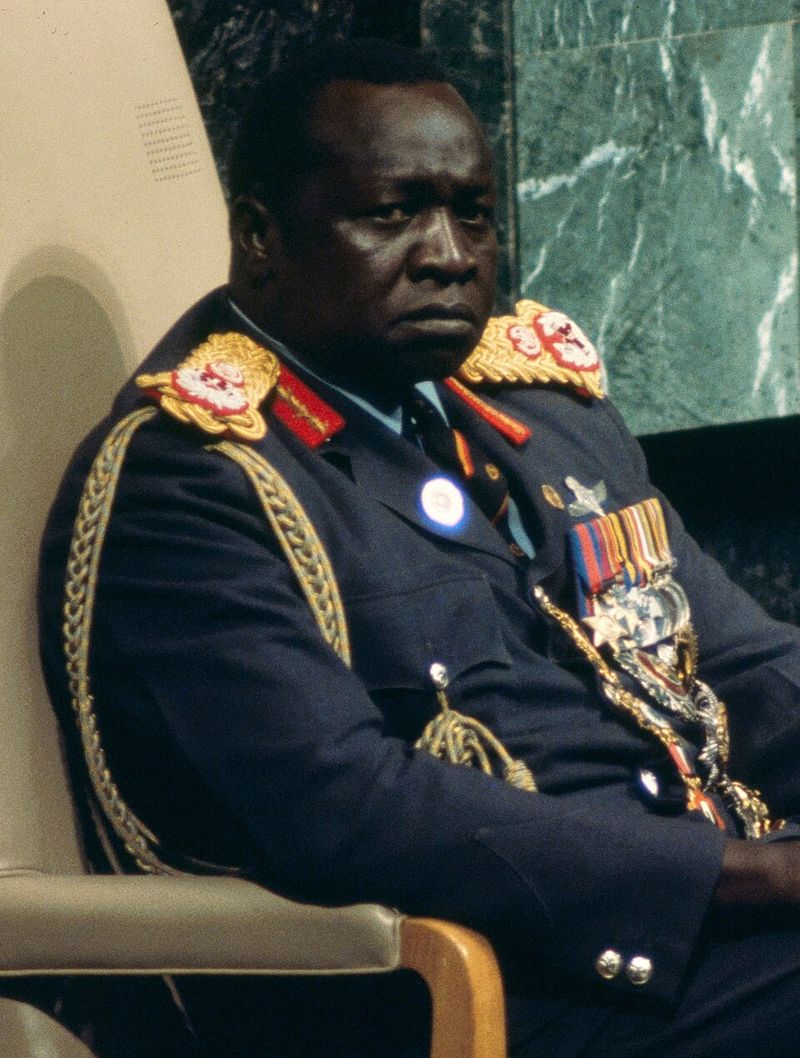
Idi Amin seized power in Uganda through a military coup in 1971 and quickly turned the country into a nightmare. Known for his unpredictable behavior and extreme cruelty, Amin expelled Uganda’s entire Asian community in 1972, devastating the national economy almost overnight.
He declared himself President for Life and awarded himself a string of absurd honorary titles.
During his eight-year rule, Amin’s regime was responsible for the deaths of an estimated 100,000 to 500,000 Ugandans. Political opponents, judges, journalists, and ethnic minorities were tortured and killed.
His secret police operated with total impunity, and fear became the defining feature of everyday life.
Amin fled to Libya and later Saudi Arabia after Tanzania helped Ugandan exiles overthrow him in 1979. He lived comfortably in Saudi Arabia until his death in 2003, never facing justice for his crimes.
His rule left Uganda economically and socially shattered for years.
8. Saddam Hussein (Iraq)
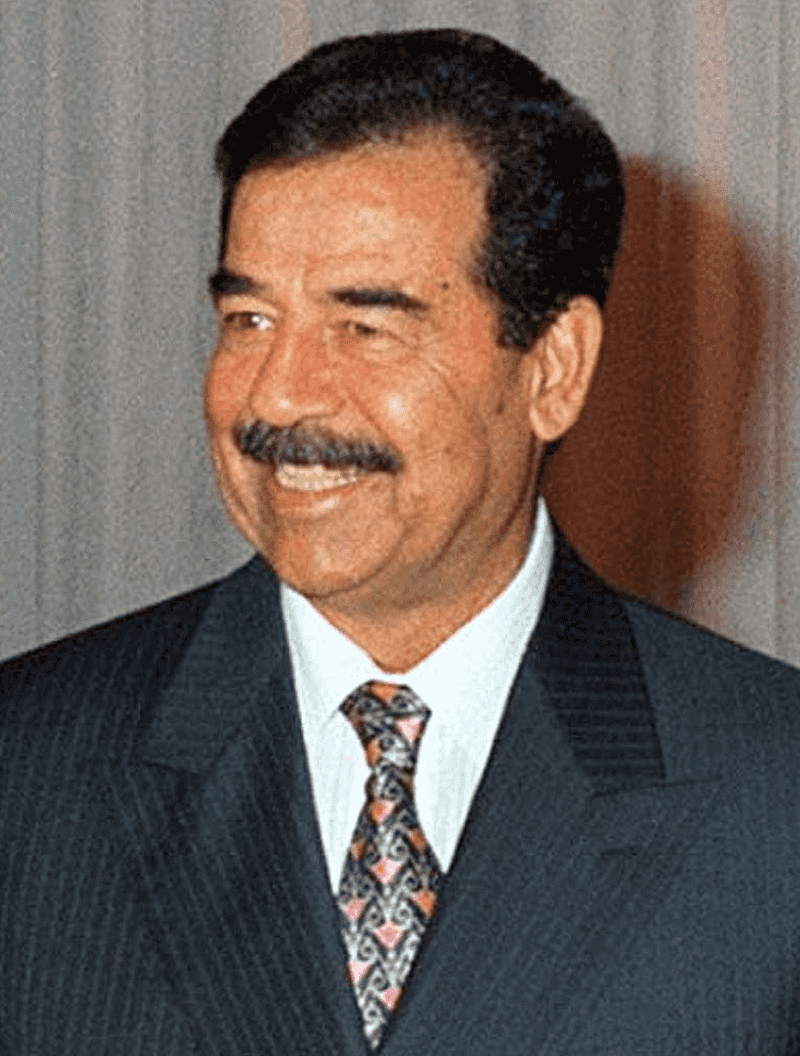
Saddam Hussein ruled Iraq with ruthless efficiency from 1979 until his removal in 2003. His government used chemical weapons against Kurdish civilians in the Halabja massacre of 1988, killing an estimated 5,000 people in a single attack.
That same campaign, known as the Anfal operation, targeted Kurdish communities across northern Iraq and killed tens of thousands.
Saddam launched two devastating wars: the Iran-Iraq War in the 1980s, which killed over a million people, and the invasion of Kuwait in 1990, which triggered the Gulf War. His secret police and intelligence services tortured and executed political opponents on a massive scale.
After the U.S.-led invasion in 2003, Saddam was captured hiding in an underground bunker near his hometown of Tikrit. He was tried by an Iraqi court for crimes against humanity and executed by hanging in December 2006.
His legacy left Iraq deeply divided and unstable for decades to come.
9. Benito Mussolini (Italy)
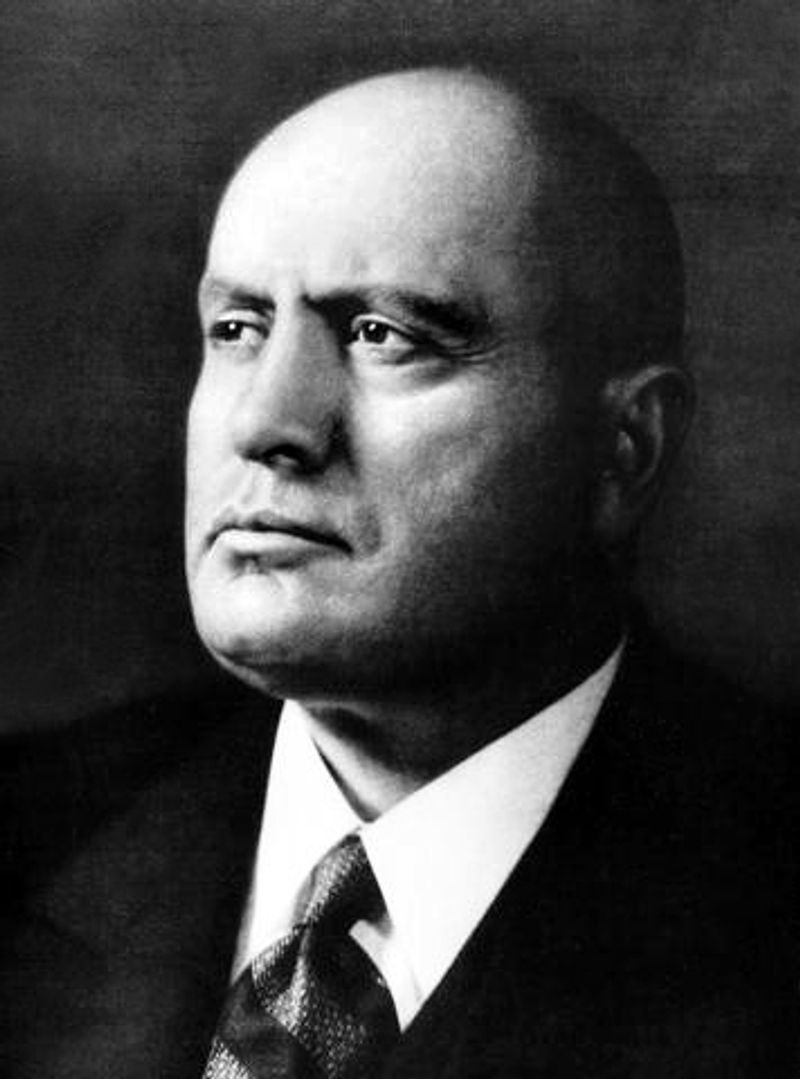
Benito Mussolini became Italy’s prime minister in 1922 and quickly dismantled democratic institutions to establish a fascist dictatorship. Known as Il Duce, meaning the leader, Mussolini built a cult of personality rooted in nationalism, militarism, and the glorification of violence.
His alliance with Hitler made him a central figure in the Axis powers during World War II.
Mussolini’s military campaigns in Ethiopia and Libya were marked by the use of chemical weapons and mass killings of civilians. His invasion of Ethiopia in 1935 drew worldwide condemnation but little meaningful action from the international community.
As Italy’s fortunes in the war turned, Mussolini was arrested by his own government in 1943. German forces rescued him, but he was captured by Italian partisans in 1945 and executed.
His body was hung upside down in Milan’s Piazzale Loreto, a dramatic end to a regime built on intimidation and false grandeur.
10. Hideki Tojo (Japan)
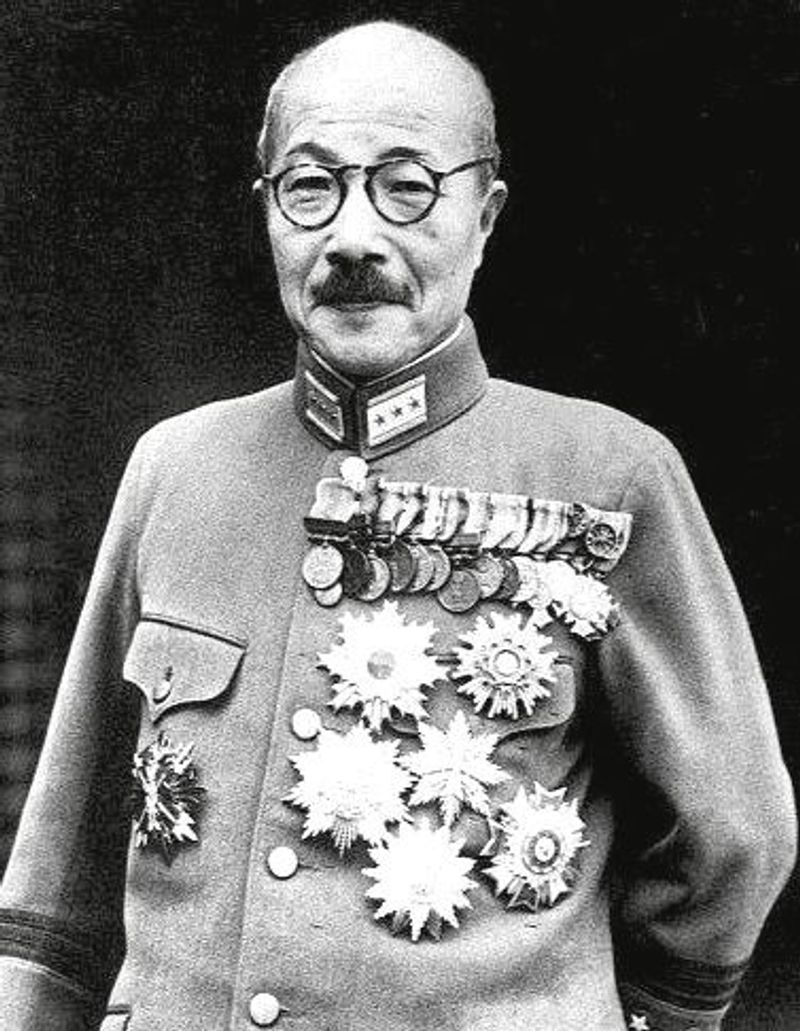
Hideki Tojo served as Japan’s Prime Minister from 1941 to 1944 and was the driving force behind Japan’s military expansion across Asia and the Pacific. He authorized the attack on Pearl Harbor in December 1941, bringing the United States into World War II.
Under his leadership, Japanese forces committed widespread atrocities across occupied territories.
The Nanjing Massacre, the Bataan Death March, and the use of forced labor and human experimentation in occupied territories all occurred under Japanese military command during this era. Millions of civilians across China, Korea, the Philippines, and Southeast Asia suffered under brutal Japanese occupation.
Tojo resigned after Japan’s military situation deteriorated in 1944. He attempted suicide when Allied forces came to arrest him after Japan’s surrender but survived.
Tried as a war criminal by an international military tribunal, Tojo was found guilty of war crimes and crimes against peace, and was executed by hanging in 1948.
11. Francisco Macias Nguema (Equatorial Guinea)
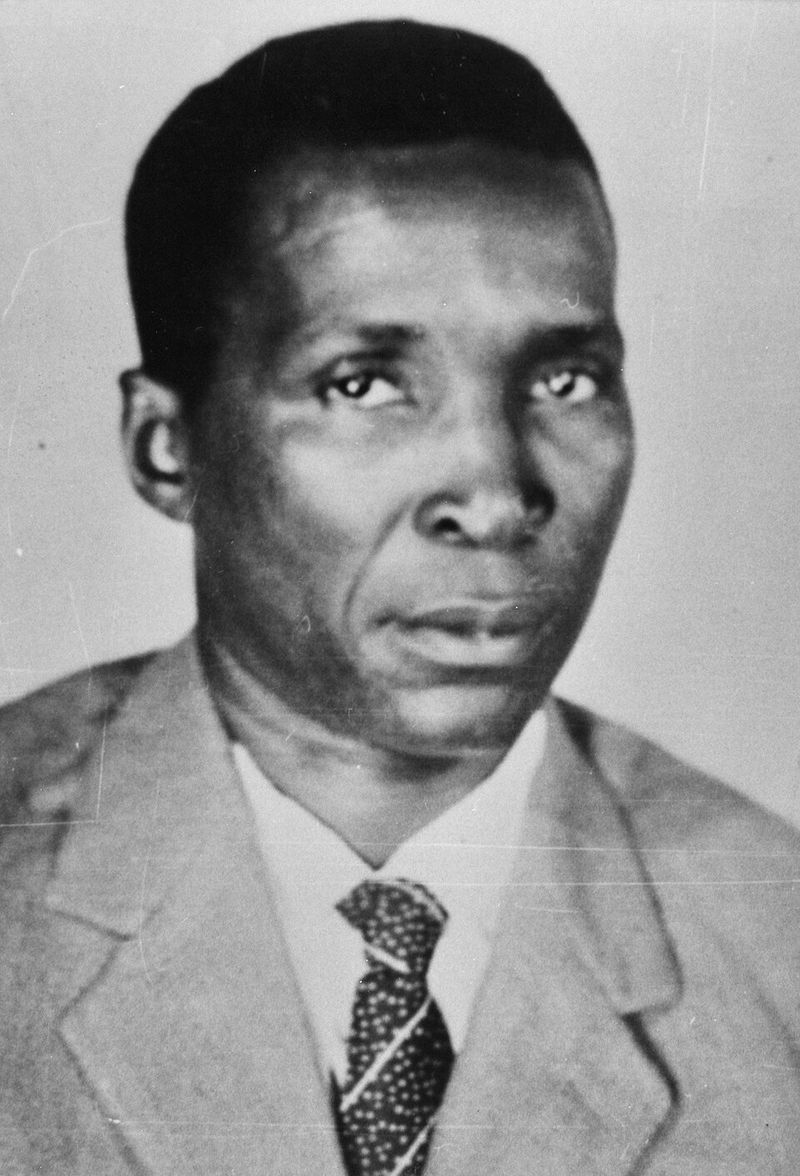
Francisco Macias Nguema became the first president of Equatorial Guinea after independence from Spain in 1968, and within years he had turned the small African nation into one of the most brutal dictatorships on the continent. Declaring himself President for Life and even God, Macias outlawed the word intellectual and executed anyone he viewed as educated or threatening.
During his decade in power, an estimated one-third of the country’s population was either killed or fled into exile. Thousands were executed at a sports stadium nicknamed the Beach, while the country’s economy collapsed entirely.
He banned fishing, medicine, and even the use of the word Equatorial Guinea.
His nephew, Teodoro Obiang Nguema, overthrew him in a military coup in 1979. Macias was tried for genocide, treason, and mass murder and was executed by firing squad shortly after.
Despite his removal, the country continued under authoritarian rule for decades.
12. Mengistu Haile Mariam (Ethiopia)
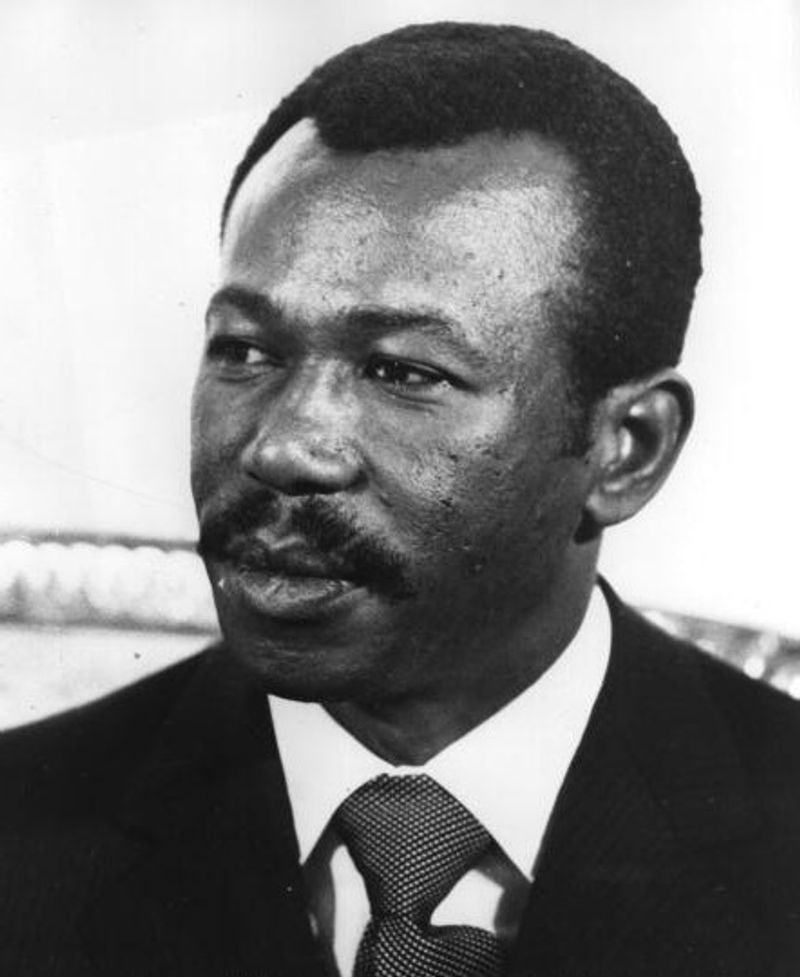
Mengistu Haile Mariam seized control of Ethiopia in 1977 after a bloody power struggle within the military junta known as the Derg. His regime launched what became known as the Red Terror, a campaign of mass killings targeting political opponents, students, and anyone suspected of opposing his Marxist government.
Bodies were left in the streets as public warnings.
Estimates suggest that between 500,000 and 2 million Ethiopians died during his rule through executions, forced relocations, and a devastating famine in the mid-1980s. The famine, which killed around one million people, was worsened by government policies that prioritized military spending over food aid.
International attention brought some relief through charity campaigns like Live Aid in 1985, but the government’s mismanagement limited their impact. Mengistu fled to Zimbabwe in 1991 as rebel forces closed in on Addis Ababa.
He was tried in absentia by an Ethiopian court and sentenced to death, but Zimbabwe refused to extradite him.
13. Nicolae Ceausescu (Romania)
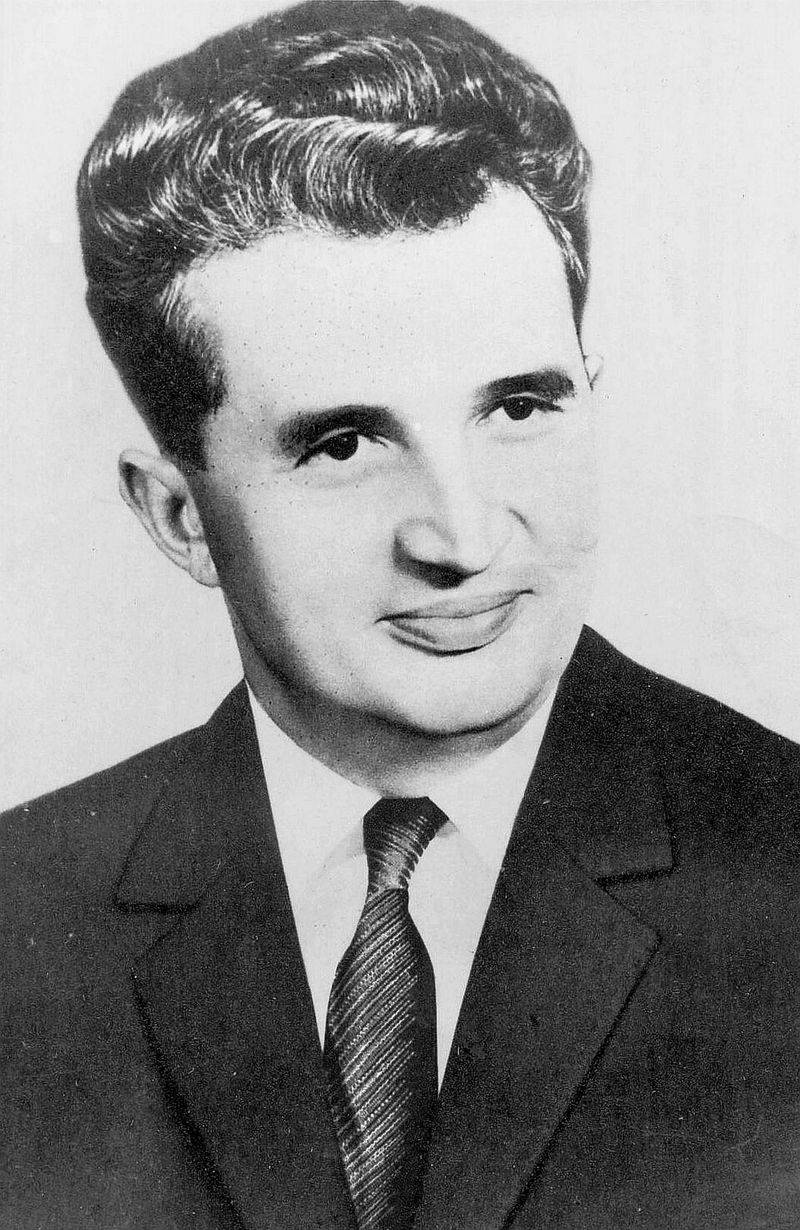
Nicolae Ceausescu ruled Romania for over two decades, from 1965 to 1989, building one of Eastern Europe’s most repressive communist regimes. While he initially gained some international respect for maintaining independence from the Soviet Union, inside Romania his rule was marked by extreme austerity, mass surveillance, and brutal suppression of dissent.
His secret police force, the Securitate, monitored virtually every aspect of Romanian life. Ceausescu’s obsession with paying off Romania’s national debt led him to export food while his own citizens went hungry, causing widespread malnutrition and suffering throughout the 1980s.
He also forced the demolition of thousands of historic villages and neighborhoods to build grand state projects.
When Romania’s revolution erupted in December 1989, events moved quickly. Ceausescu and his wife Elena attempted to flee but were captured within days.
After a brief military trial, both were found guilty of genocide and economic crimes and were executed by firing squad on Christmas Day, 1989.
14. Slobodan Milosevic (Serbia/Yugoslavia)
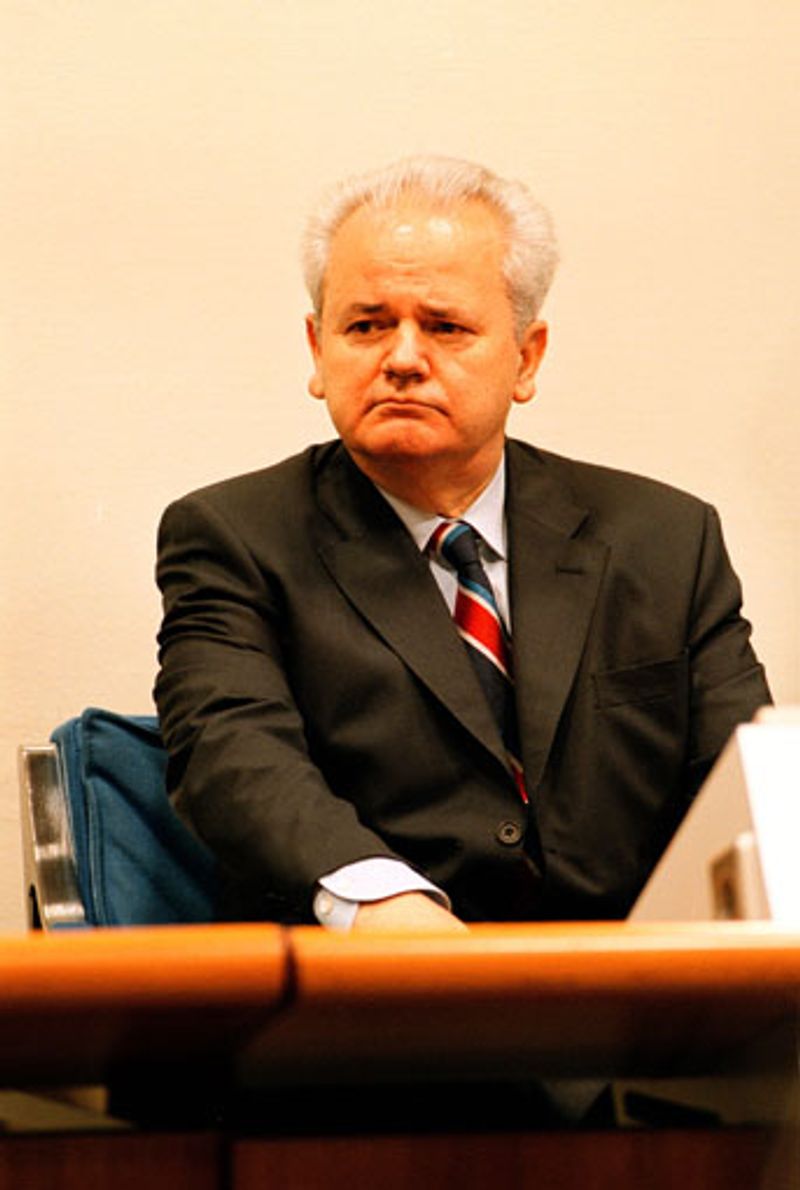
Slobodan Milosevic rose to power in Serbia during the late 1980s by exploiting rising nationalism as Yugoslavia began to fall apart. His aggressive policies fueled a series of devastating wars in Croatia, Bosnia, and Kosovo throughout the 1990s.
The conflicts he helped ignite resulted in the deaths of more than 130,000 people and the displacement of millions.
The Srebrenica massacre of 1995, in which over 8,000 Bosnian Muslim men and boys were systematically killed, stands as the worst act of genocide in Europe since World War II. Milosevic was widely linked to the political conditions that allowed such atrocities to happen.
He was eventually arrested and transferred to the International Criminal Tribunal for the former Yugoslavia in The Hague, where he faced charges of war crimes, crimes against humanity, and genocide. Milosevic died in his prison cell in 2006 before a verdict was reached, denying justice to countless survivors who had waited years to see him held accountable.
15. Bashar al-Assad (Syria)
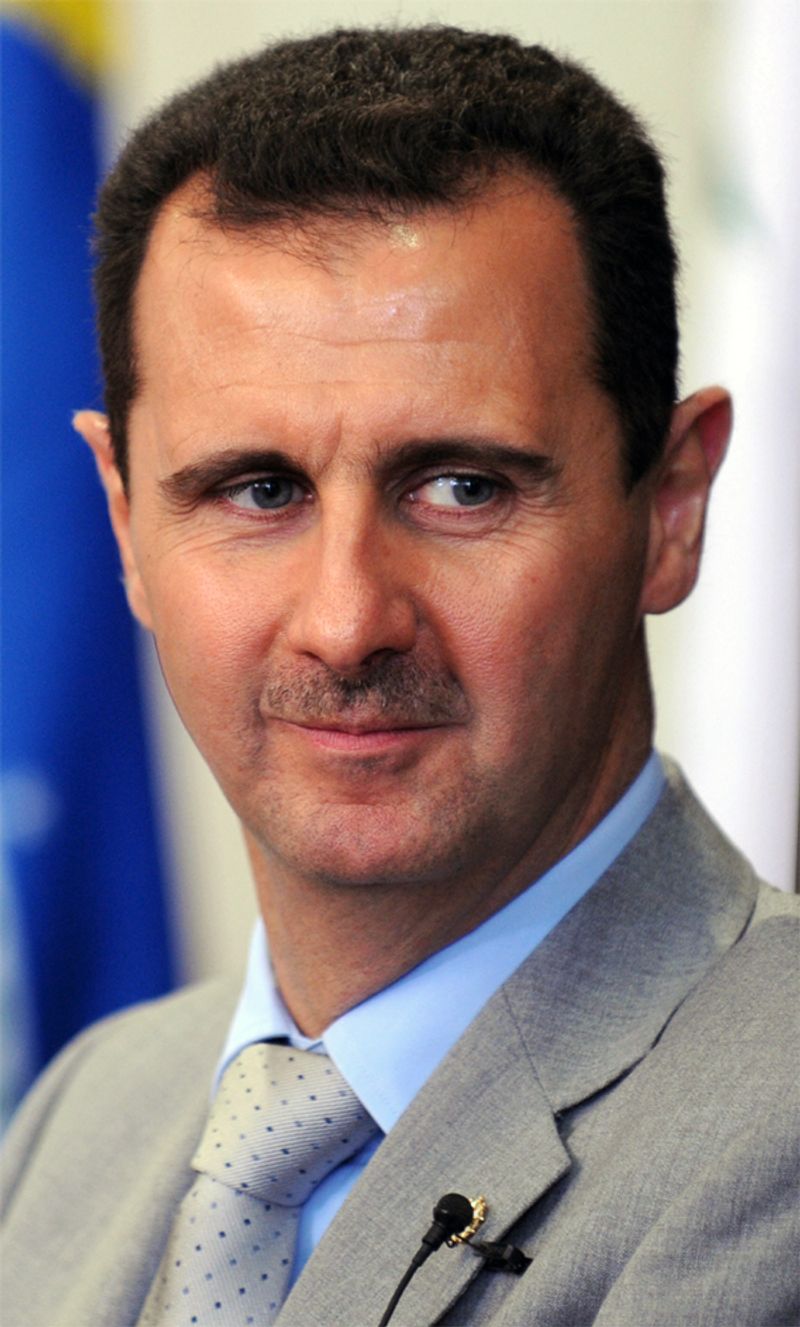
When Bashar al-Assad inherited the Syrian presidency from his father in 2000, some observers hoped he might bring reform and modernization. Those hopes faded quickly.
When peaceful protests broke out during the Arab Spring in 2011, Assad responded with overwhelming military force, transforming a political movement into a full-scale civil war.
His government’s tactics included barrel bombs dropped on civilian neighborhoods, the use of chemical weapons against his own population, and the systematic torture of detainees in facilities like Saydnaya prison. The United Nations has documented evidence of war crimes and crimes against humanity committed by Syrian government forces.
The Syrian conflict has killed an estimated 500,000 people and displaced more than 13 million, creating one of the worst refugee crises in modern history. Assad retained power with critical military support from Russia and Iran.
His continued rule remains a deeply painful reality for the millions of Syrians who lost everything during the conflict.
Share this story